To be a master of something–musician, painter, composer, fine art photographer, athlete, dancer, among others–one must be willing to dedicate 10,00 hours to become a master. Author Malcolm Gladwell in his best seller, Outliers: the Story of Success, offers that requisite number in order to reach the pinnacle of your skill set.
Gladwell has a point, but his critics have also noted that time and practice are only part of the formula required to achieve mastery.

It’s been said that the 10,000 hour rule is not a complete answer; in fact it’s only part of an even greater whole that involves, an individual’s patience, persistence, motivation and commitment to arriving at that zenith of expertise. And then there’s the detail about the ambitious student and the environment she/he lives in. Dynamics in culture, support, the actual starting age [5 vs 35 years of age], the type of discipline being pursued and so on. I know I’m missing some important research areas, but I’ll admit my interpretation in becoming a master of something is duly influenced by past and current understanding.

You’re looking at buttons, or Netsuke, each hand carved to represent some aspect of Japanese culture. Many of these small pieces offer an amazing amount of detail, some of such complex design, I wonder how any of the work could’ve been done long before laser and water cutters were invented.

At the turn of 17th century Japan, these buttons or toggles were crafted to hold pouches and small items onto the sash [“obi”] of a man’s traditional attire. Seeing no pockets were fabricated in the clothing, the only way to carry a pipe or talisman or something else small, one needed a netsuke.
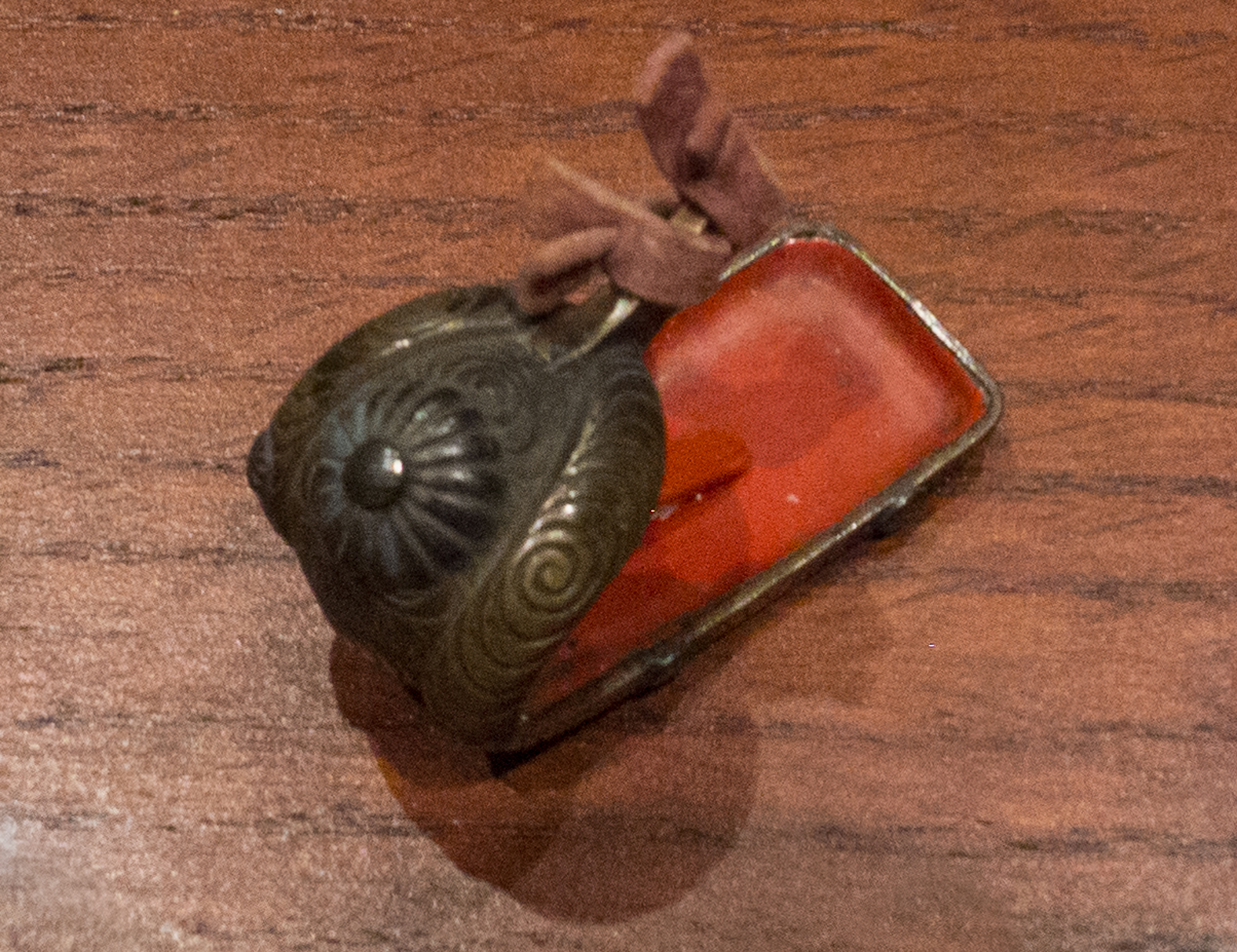
A myriad of designs and materials were used to create them, and the cognoscenti of these artifacts cherish them as not just statements of culture and tradition, but as pieces of art, of craftsmanship and a tangible expression of patience. I’ve read that some of the more valued netsuke have actual layers layed up onto the main body. Some of these additions included gemstones and other esoterica pertinent to Japan and/or the creator.

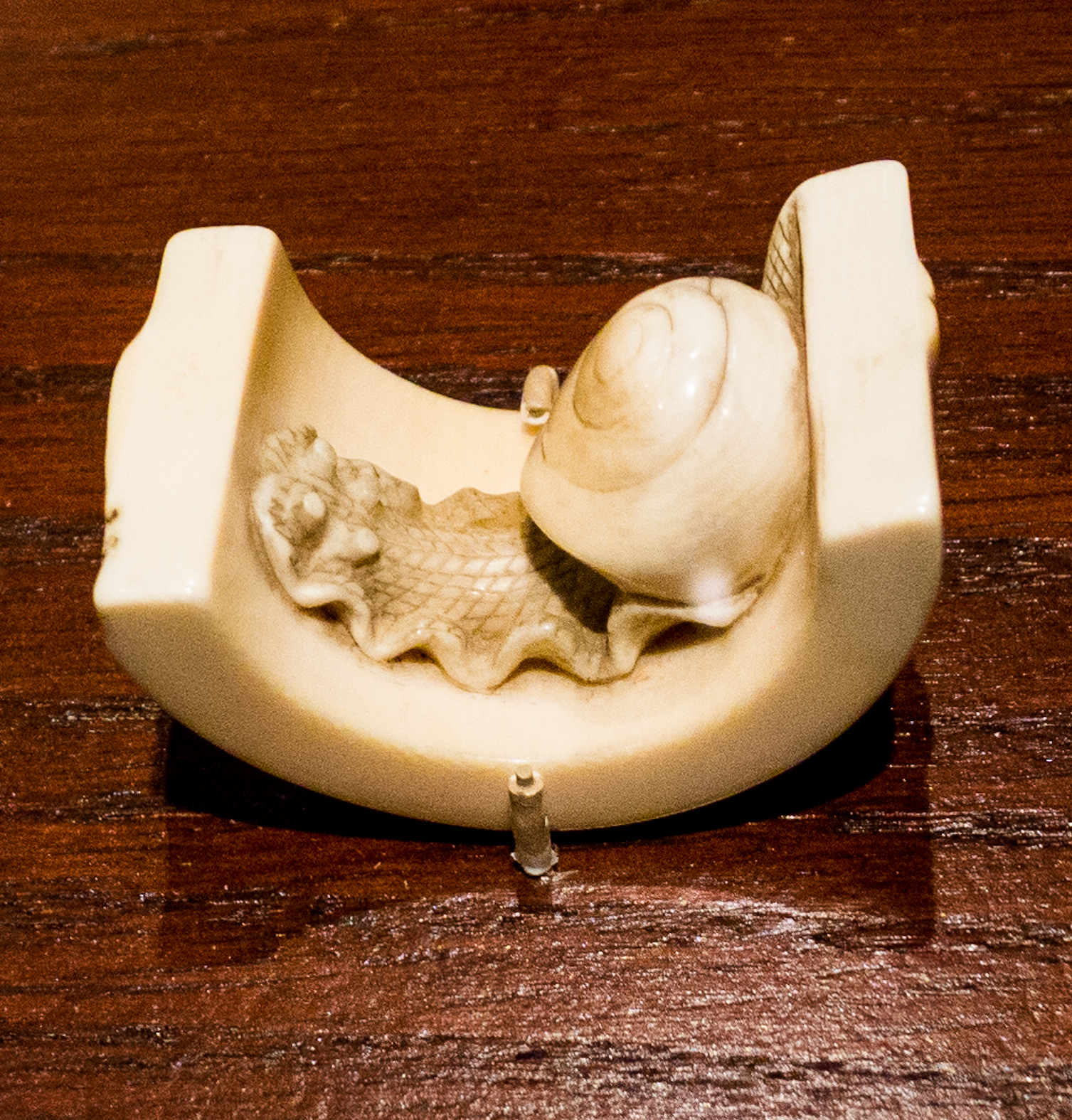
Indeed, good things do come in small packages.
 Carlo Centeno