The inaugural 3-day, WIT Festival recently finished here in the Berkshires. Authors, journalists, novelists and playwrights gathered to engage participants in this year’s theme, Reimagining America. This was an opportunity to broaden one’s understanding of critical issues and concerns coursing through our current–and varied– socioeconomic and political points-of-view.
The festival is the brainchild of The Authors Guild Foundation, the largest organization of its kind in the USA that “educates, supports and protects American writers across the country.” It’s been noted that the Authors Guild Foundation is “the sole group of its kind dedicated to empowering all U.S. authors.”

Berkshire County lies in western Massachusetts. Its rectangular shape stretches north-south with New York state at its west border, Connecticut to the south, Vermont to the north and to the east it borders with Hampden, Hampshire and Franklin counties. For many, the Berkshires is more than a destination: it’s a way of life.

Presentations/discussions took place at Shakespeare & Company in Lenox. For the most part, the 3-day festival sold out, however a roster of those wanting to attend were placed on a list just in case of cancellations. I did not hear of any registrants calling to back out.

I think the salient detail I took away was in finding a connection with the speakers. Whether through their anecdotes and experiences or with discussions that were enlightening or instructive, discovering these connections became visceral. The connections answer to or affirm my own perceptions, creative risks and even the most profound sentiments I keep close to the proverbial vest. As effective podcasts can be, for me there’s a lot more to glean from such happenings when they’re done in person. There’s an intimacy about gatherings as you hear, see and feel more than just commentary. And in that collective presence, you may pick up emotions inferred or otherwise demonstrated in tone, expressions and body language.
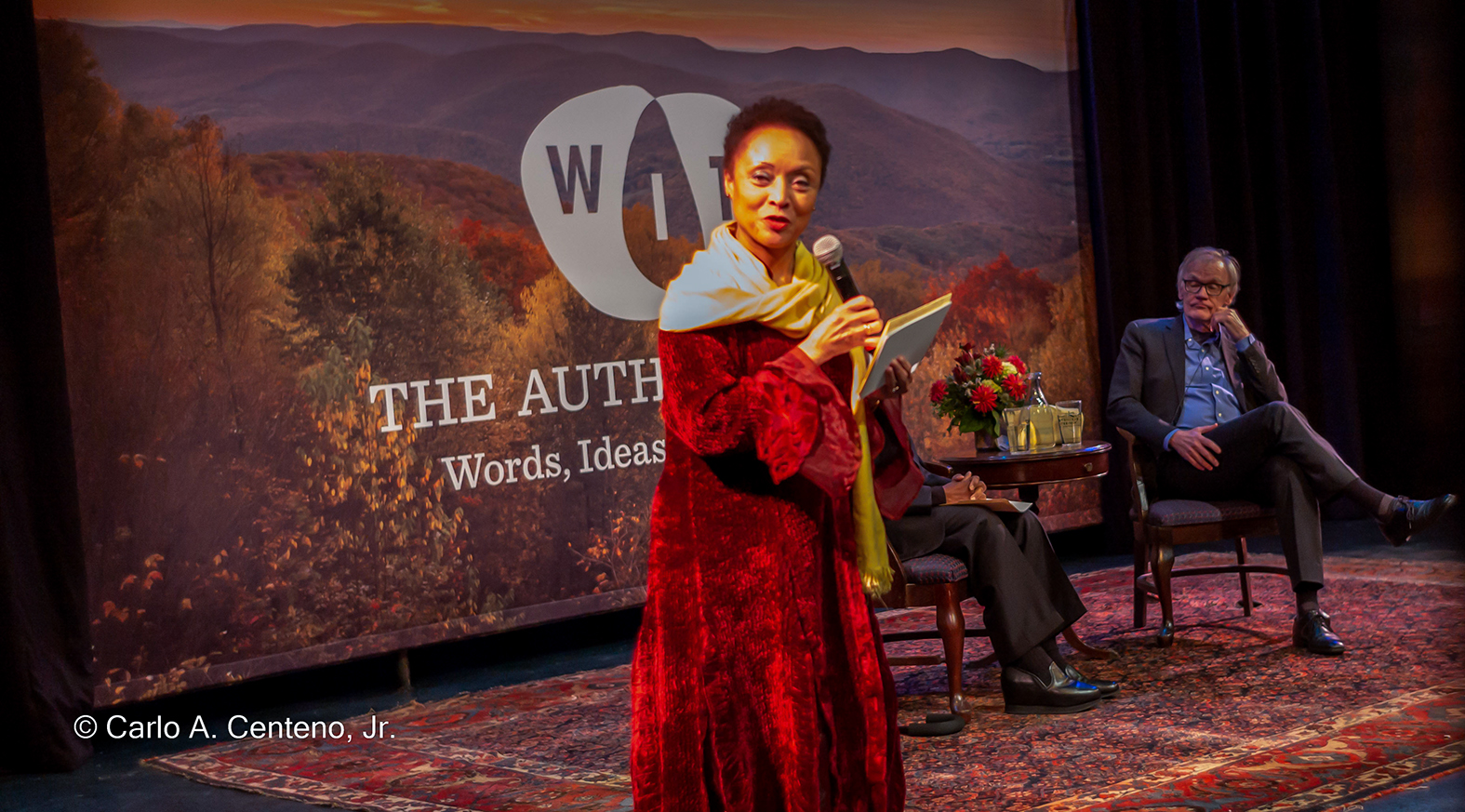
One cannot dodge a glance or ignore a gesture, or miss a light-hearted remark to loosen up a room. As good as podcasts are—and they have an important place in communications and education—being there does make a difference.

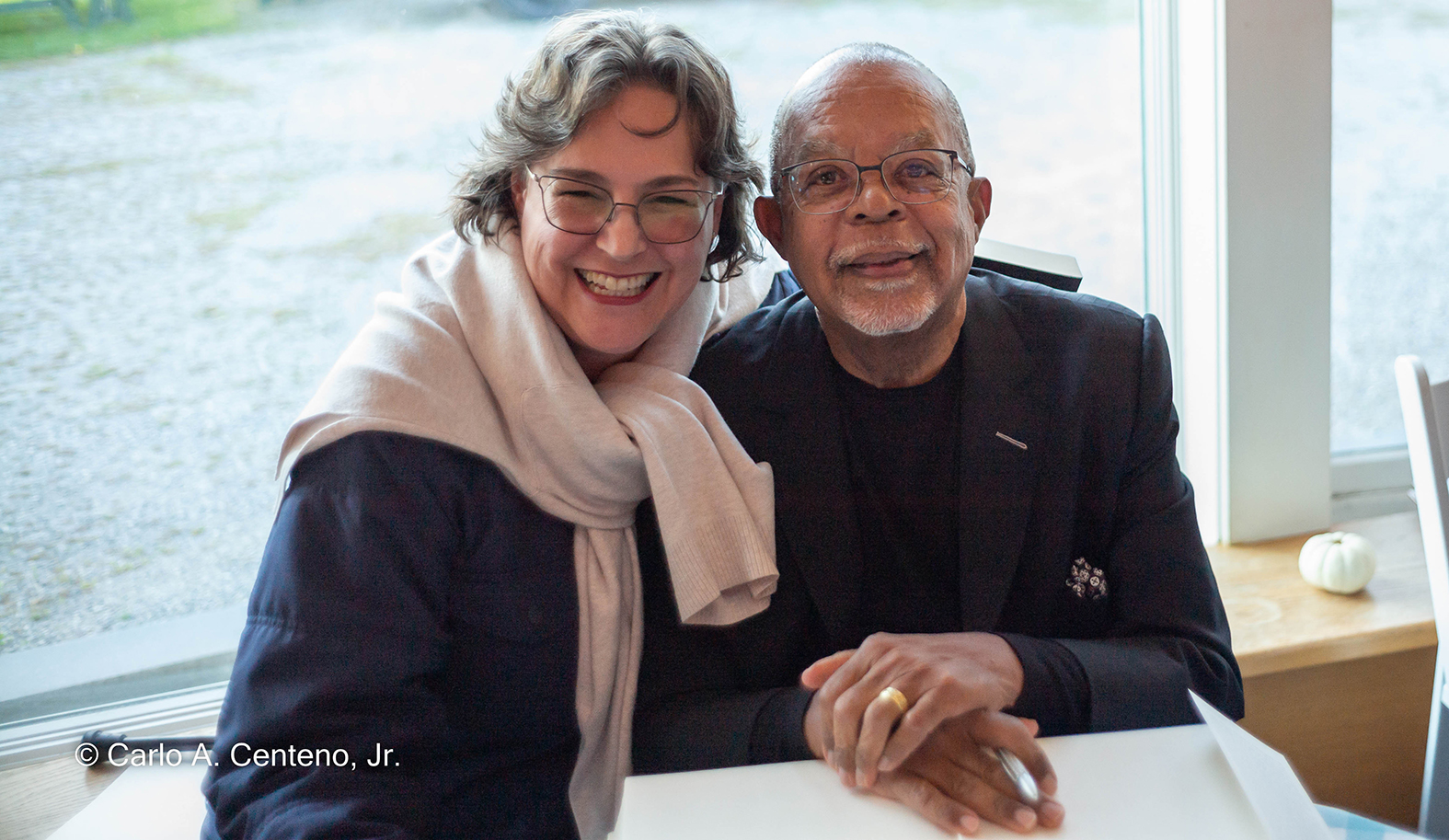


The dinner, served at The Mount: Home of Edith Wharton, was cleverly engaging. Instead of table numbers, the names of authors took their place. Your seat was placed at a designated table which bears the name of the author at the bottom of your name tag [Jean Cocteau] Your actual seat is marked by a small piece of paper with your name handwritten on it.

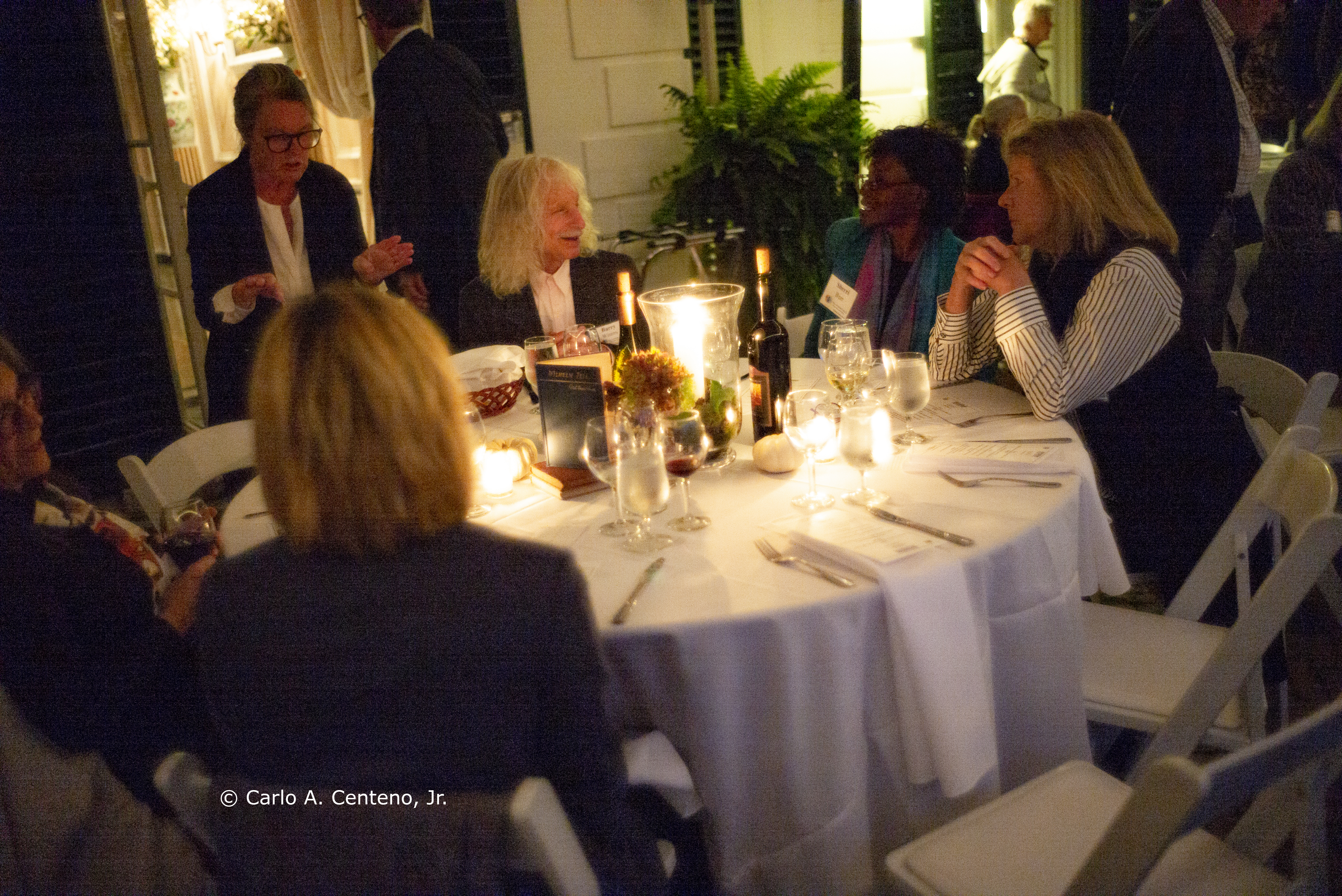
Each table had a visiting author/writer or playwrite to serve as a moderator. Our discussion started with introductions which quickly morphed into an eclectic blend of reality’s “top stories.” It didn’t take long to connect the dots. To hear one’s writing experience through the years did have a common denominator: persistence. No doubt I’d wager that most of the writers in the room have had to deal with many types of rejection. The cacophony of conversations, the tinkling of flatware against plates and the the intermittent sound of laughter made it clear that many, if not all, enjoyed being in this festival.

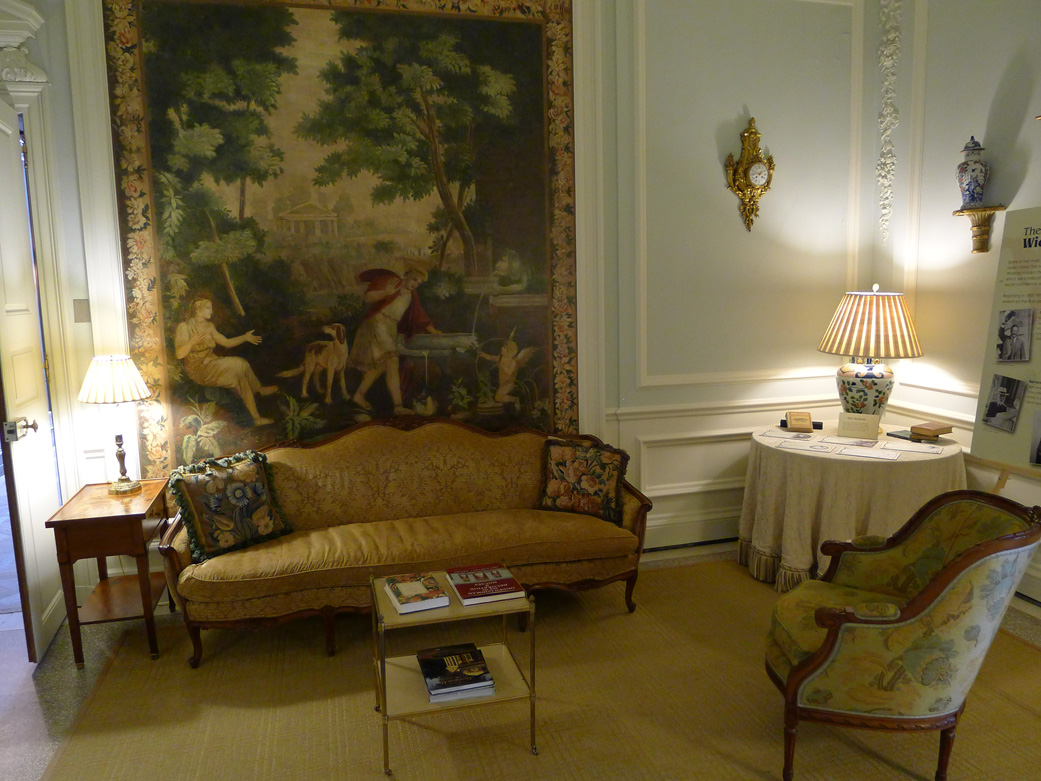
If you happen to visit the area, make a point of stopping at The Mount. Bear in mind that Ms. Wharton lived in that home. I marveled at the scale of its history, its art, design and much, much more .
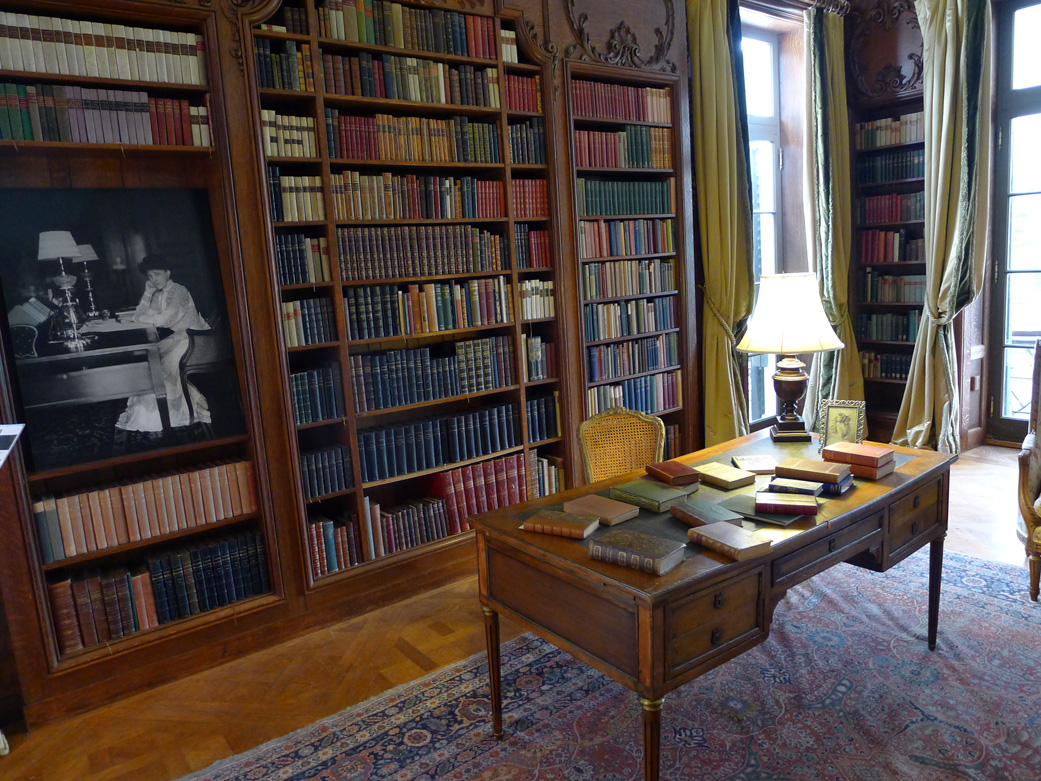


All in all, I appreciated even more, the permanence and accessibility of books. They are tangible, finite in its content and physical features, yet infinitely capable of challenging your imagination and expectations. Such is the attractive symbiosis of humankind and the inanimate. Both are needed to create and sustain history, the arts, the sciences, and the stories that take shape into something palpable.
A lot of my creative and professional work involves digital technologies. The past 2-years have made that more than obvious. Zoom meetings, laptops & desktops, flash drives and the always-on platforms in social media. We can access a myriad of things electronically, online of course, and the ease of that can make astringent our feeling and thinking from engaging in life that’s face-to-face. Books tend to provide the opposite for me. The pages in a novel can transport me to wherever. The sensory experience of turning and feeling pages are the toner that can spark my imagination and involvement in life. Recall Emily Dickinson’s poem, There is No Frigate Like a Book. To me it’s the leitmotif, that binds our imagination through the settings created by writers and authors. And I don’t need an app or device to open books.

There is no Frigate Like a Book
There is no Frigate like a Book
To take us Lands away,
Nor any Coursers like a Page
Of prancing Poetry –
This Traverse may the poorest take
Without oppress of Toll –
How frugal is the Chariot
That bears a Human soul.
Emily Dickinson
 Carlo Centeno