


With a pen and camera
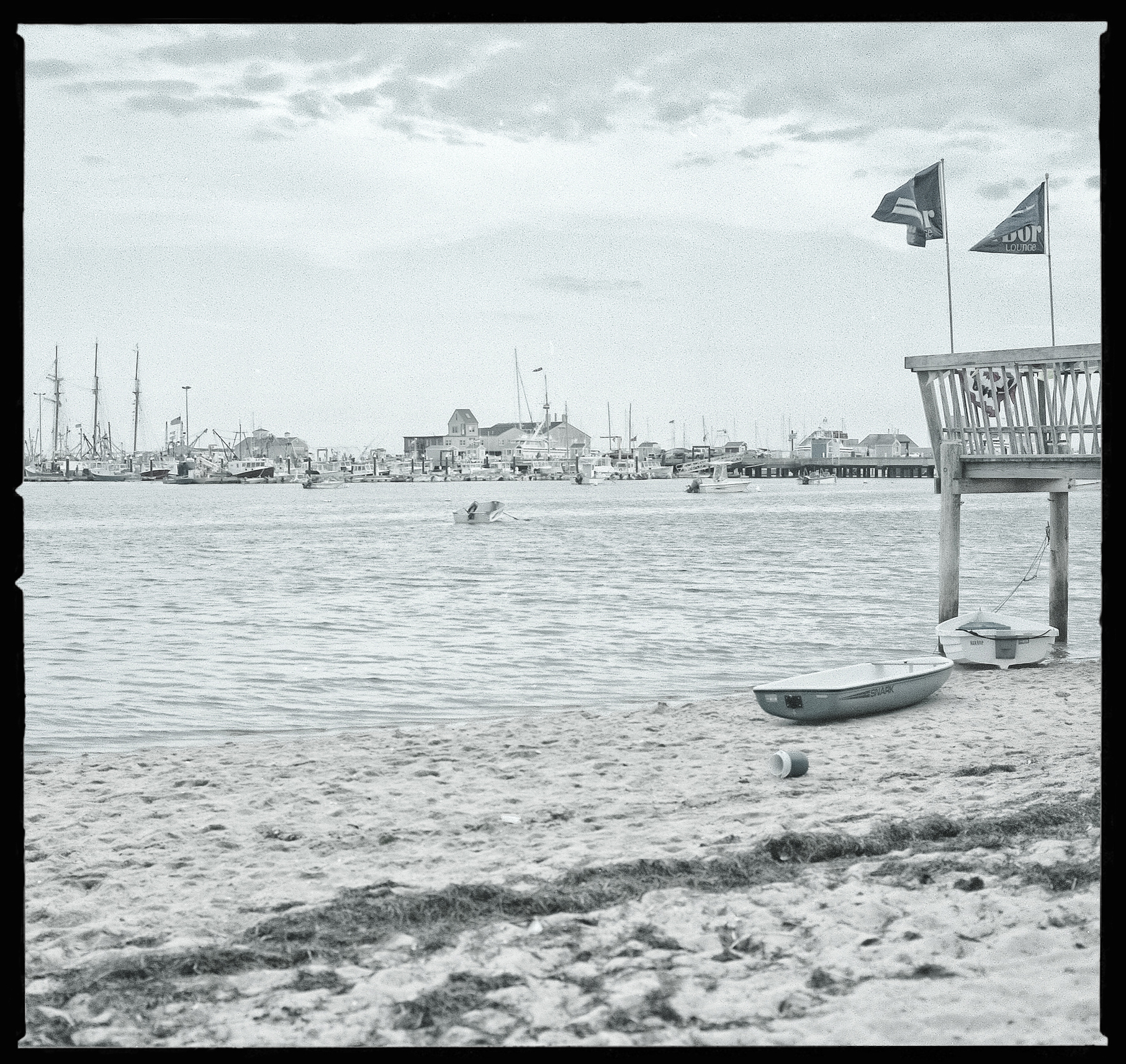
It’s been noted in different ways, but anything that could be said about 2020 has already been said. There are new normals and our previous ways of living and working have undergone something more than a reboot. I wonder about the sustainability of our modifications to the changes we’ve been subjected to. At present, 2 things loom large for me in our modern ethos: the scale of loss [life, careers, homes, e.g.] and the contraction of education systems for students, Kindergarten through college.
The burden shouldered by first responders, caregivers, allied professionals, physicians, peace officers, firefighters, et al, is without precedent. Supporting them goes without saying. The COVID-19 story continues to unfold, though I hope the developing narrative produces more positive than negative outcomes. And yet I am still looking through a glass darkly.

Many conventions, routines and well-defined standards have been poured over with uncertainty. That change takes place, is to be expected, but the fog of what happens or what should happen clouds our view near and far. Supposition greets us through this dark glass of modern life. There’s the world before the new coronovirus, and the one hereafter.

All of this thinking takes me back to much younger days, days of academe, of discussion, of expository writing. This dark window we’re peering through—including windows like broadcast and online news, social media, Twitter, FB, e.g.—does shape our perceptions and expectations. Many are unclear, even misshapen or unrecognizable, perhaps even hinting at what was once familiar. Plato’s Allegory of the Cave posits we should question our assumptions. Thinking across and through assumptions helps nurture self-reliance and problem solving. I like to think of it in more practical terms: use your knowledge, experience and current life stage to shape your own conclusions versus being told what they should be.

None of this is new. Some of you probably realize that this post of mine references scripture.
Now, we see only an indistinct image in a mirror, but then we will be face to face.
Now what I know is incomplete, but then I will know fully, even as I have been fully known.
1 Corinthians 13:12


A few days ago, the cold felt punishing. Yes, I have preference for cold versus hot days, but when the air is already cold at zero degrees Fahrenheit, then enhanced with a windchill of -15, well, that may be enough to reconsider that preference.

I’m fortunate that I can retreat to places where the cold and wind don’t feel as threatening. From the safety of these retreats, I philosophize on the dual sides of nature, of how something that can appear simple and beautiful and minimal can deliver a reality check powerful enough to humble any aesthete caught up in winter’s vanity.

Do you get the feeling that winter provides a sense of calm? The calm I speak of provides a level of reassurance. This winter calm is a metaphorical blanket, one which acts like a shield from unwelcome and sometimes sudden vicissitudes. Such a blanket stops–albeit briefly–the weariness of having to deal with things that keep us from finding a particular quiet.
And when the quiet is welcoming, the alone time is curative…
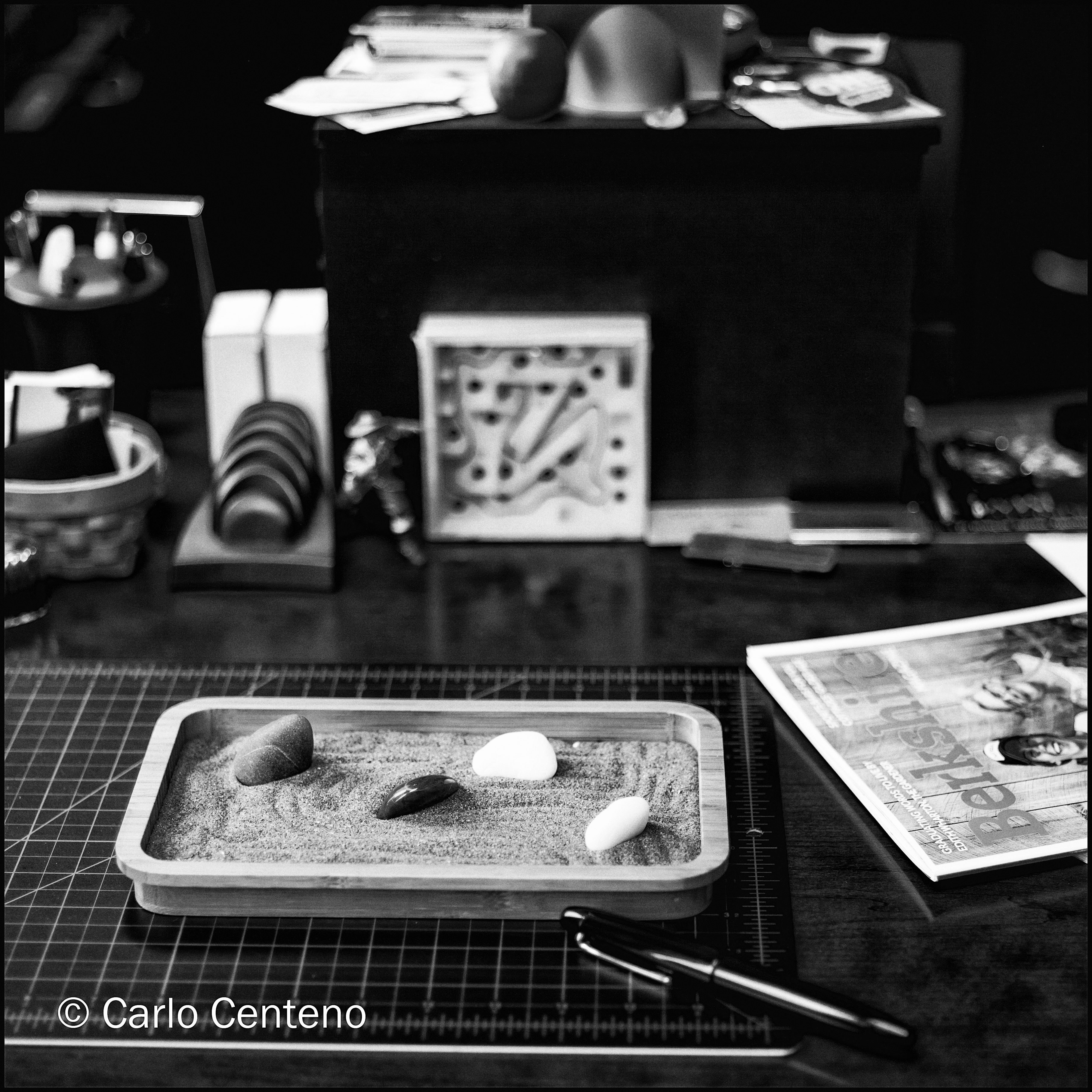
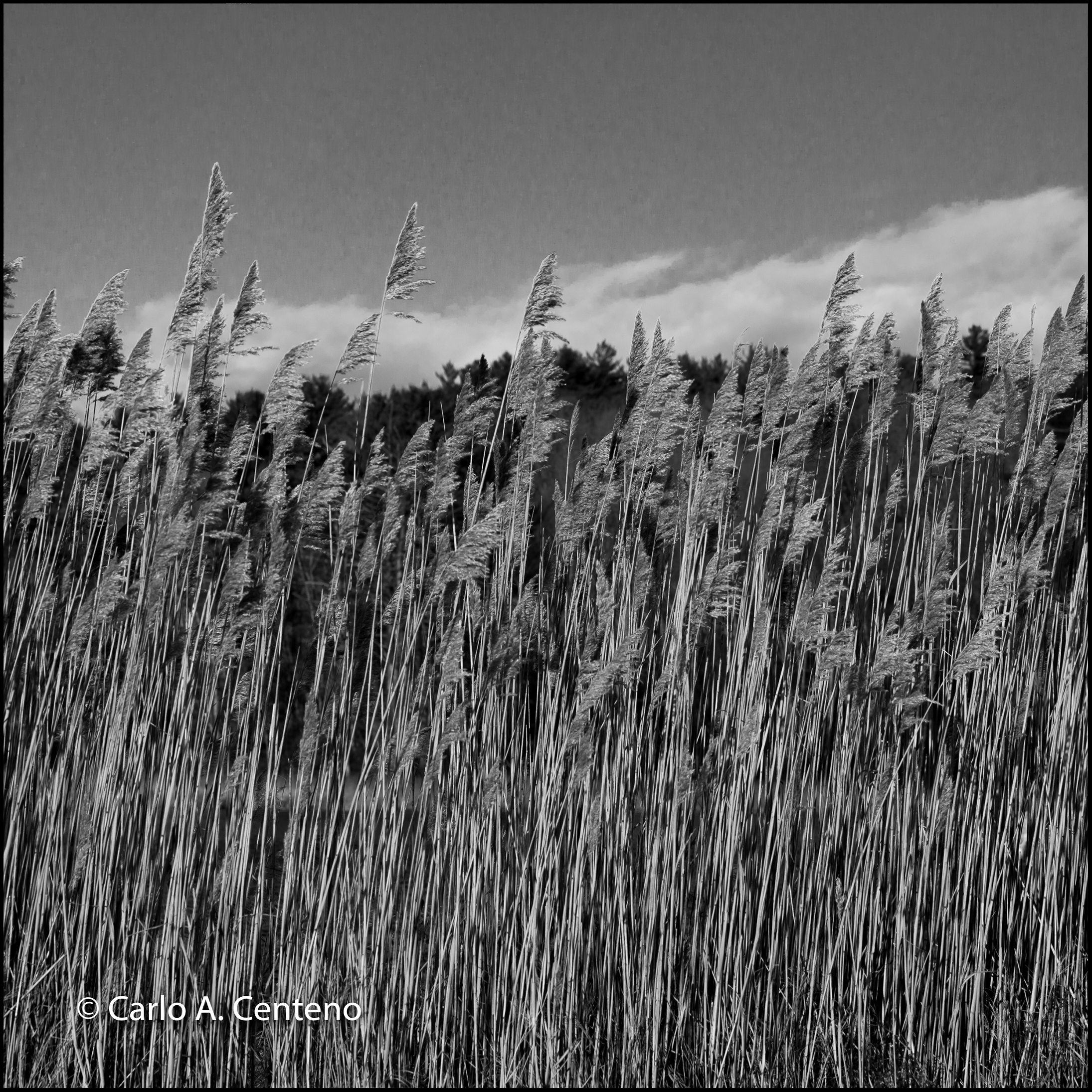

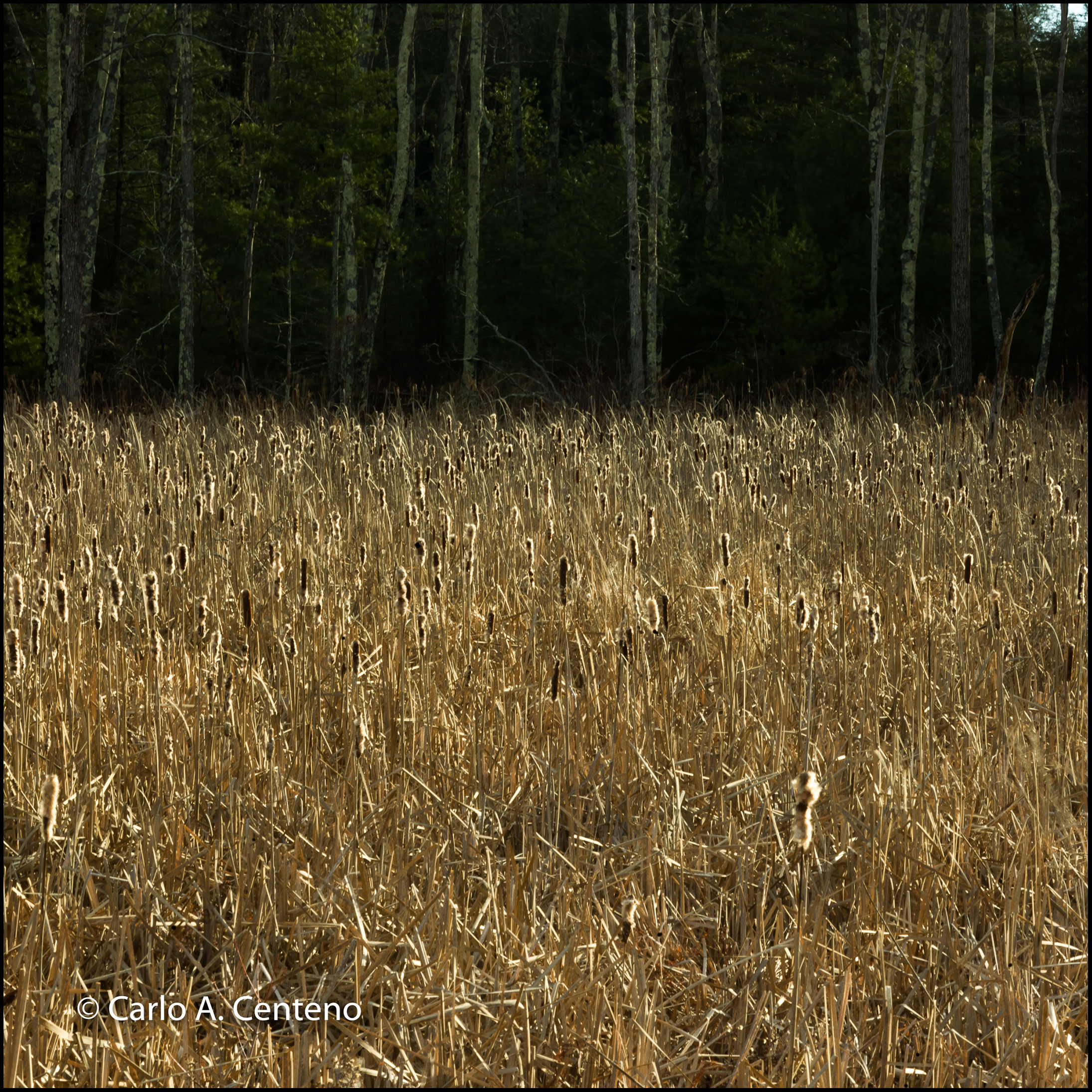
My thoughts for the New Year? Continue to take care of myself physically, mentally and spiritually and avoid people and things that don’t add anything to my quality of life…which I graciously extend to you and yours throughout the New Year…
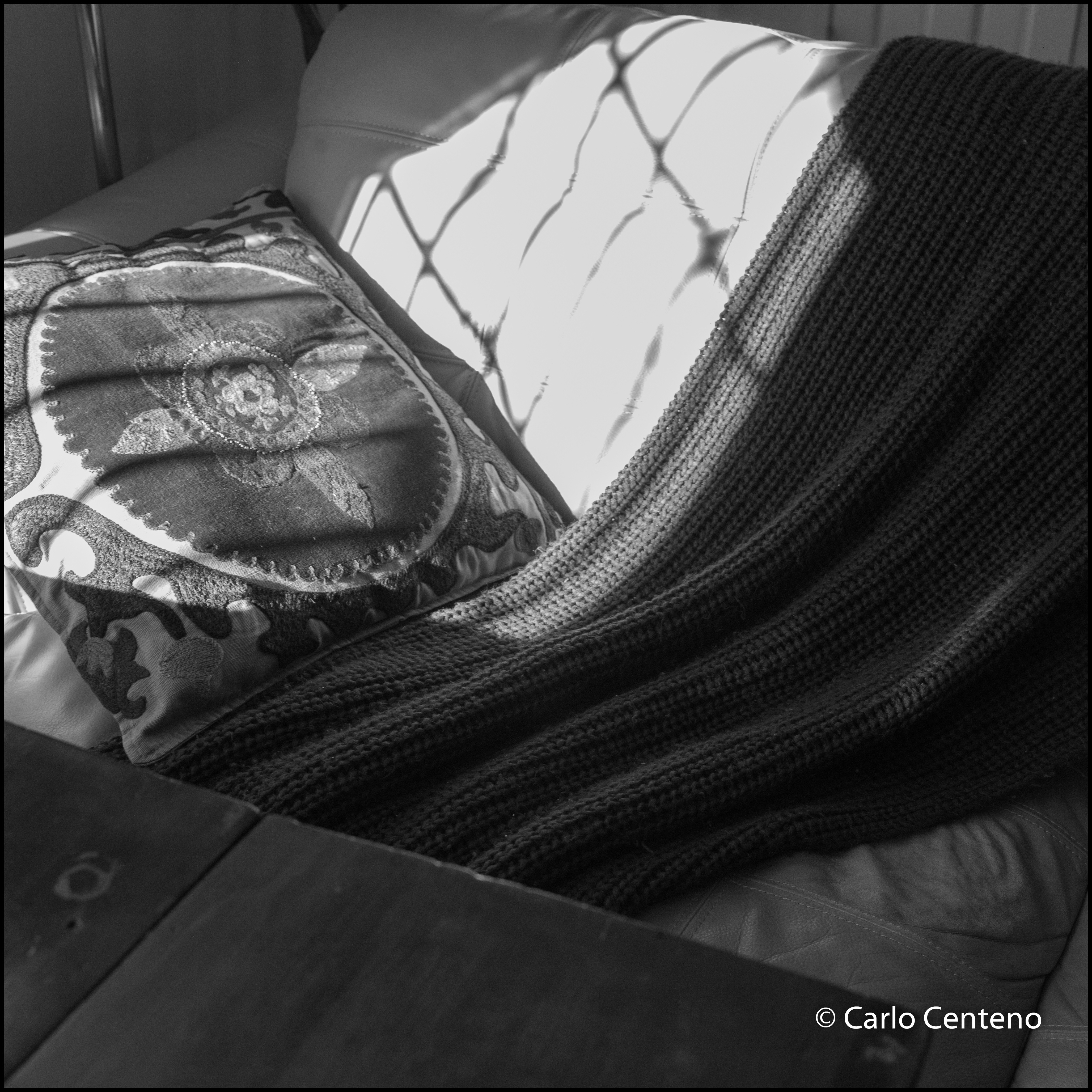
In winter, afternoon light can be very strong, very intense. From 13:00 to 15:30, I chase light and though I love winter, there are just some days when I sense a foolhardy notion to get outside. However, on those days, the sensible part of me says to chase the light indoors.

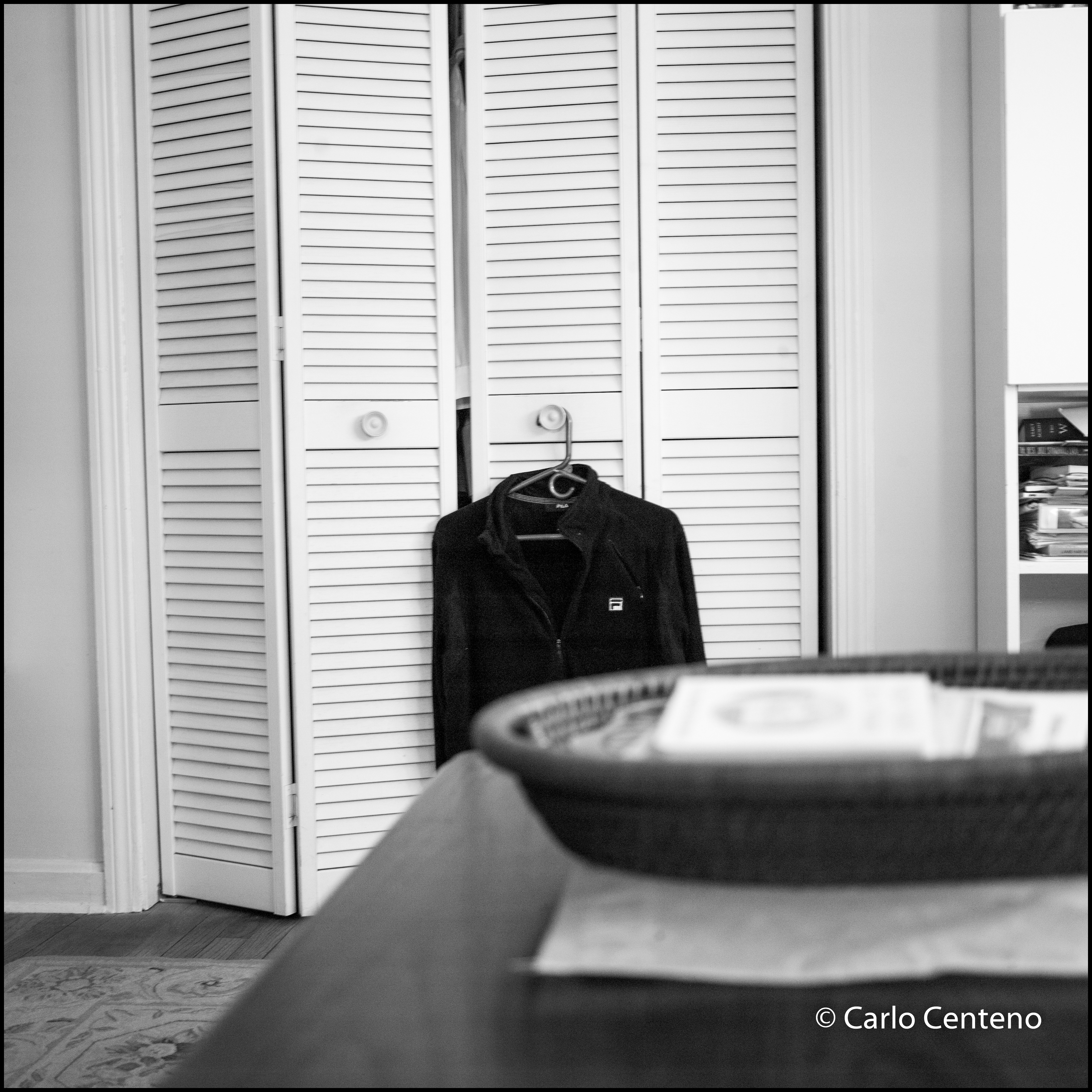
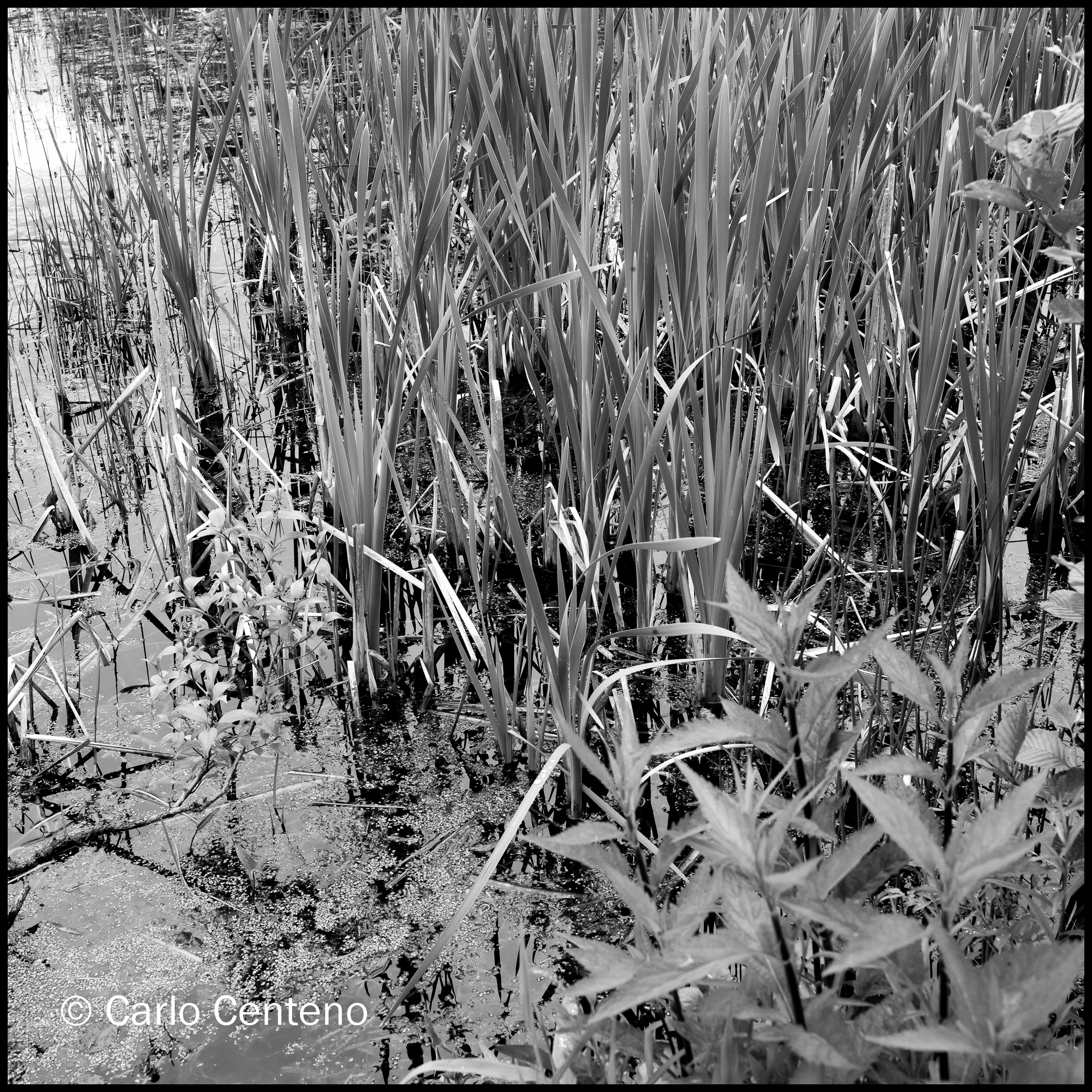
With respect to Huey Lewis and the News for their song of the same title—and to rebels, romantics and nonconformists of my generation—photographers have long known of the practical beauty of a square image. It’s symmetrical and requires no effort to turn a camera to a vertical position, then back again to horizontal.

The square is neither in landscape nor portrait mode. It just is.
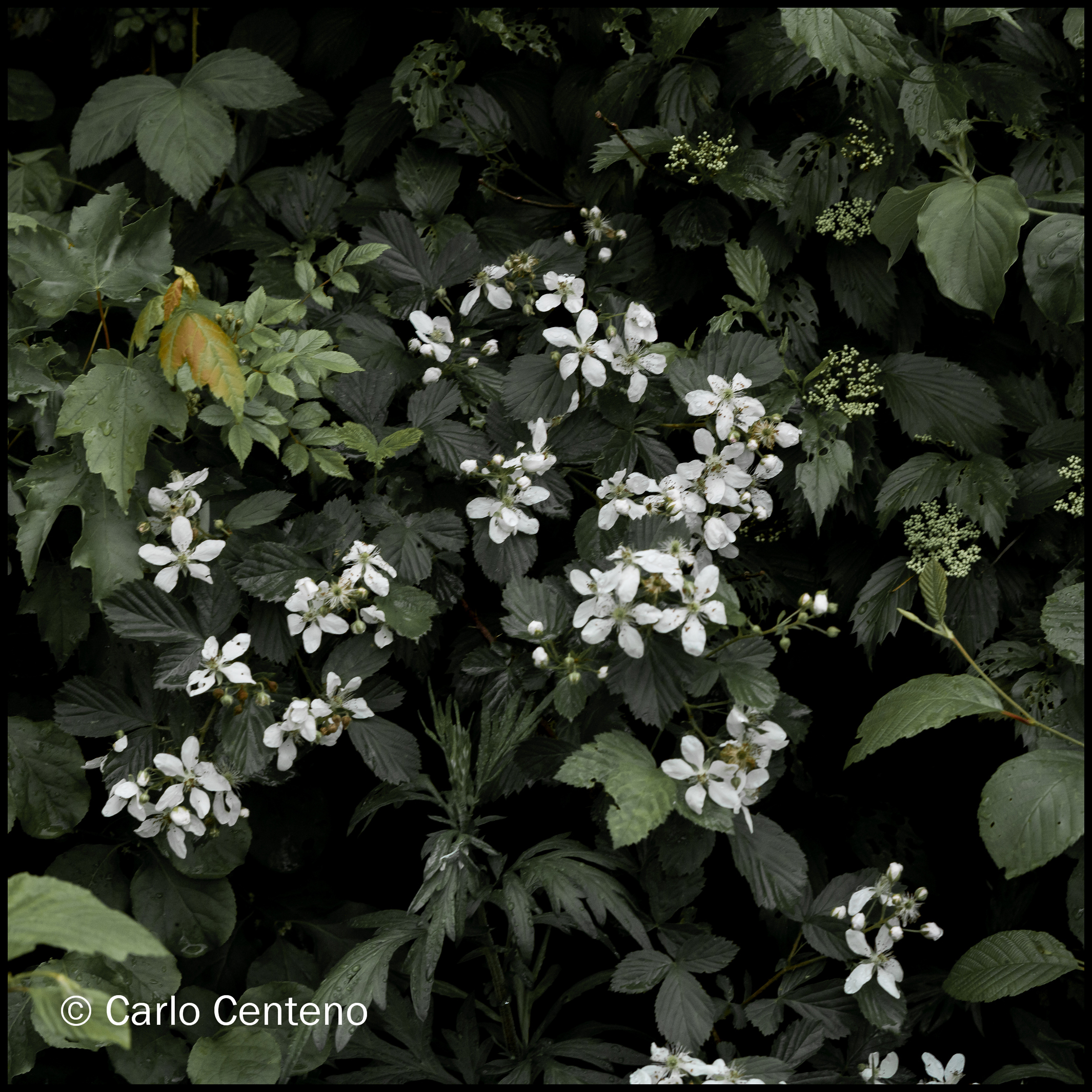

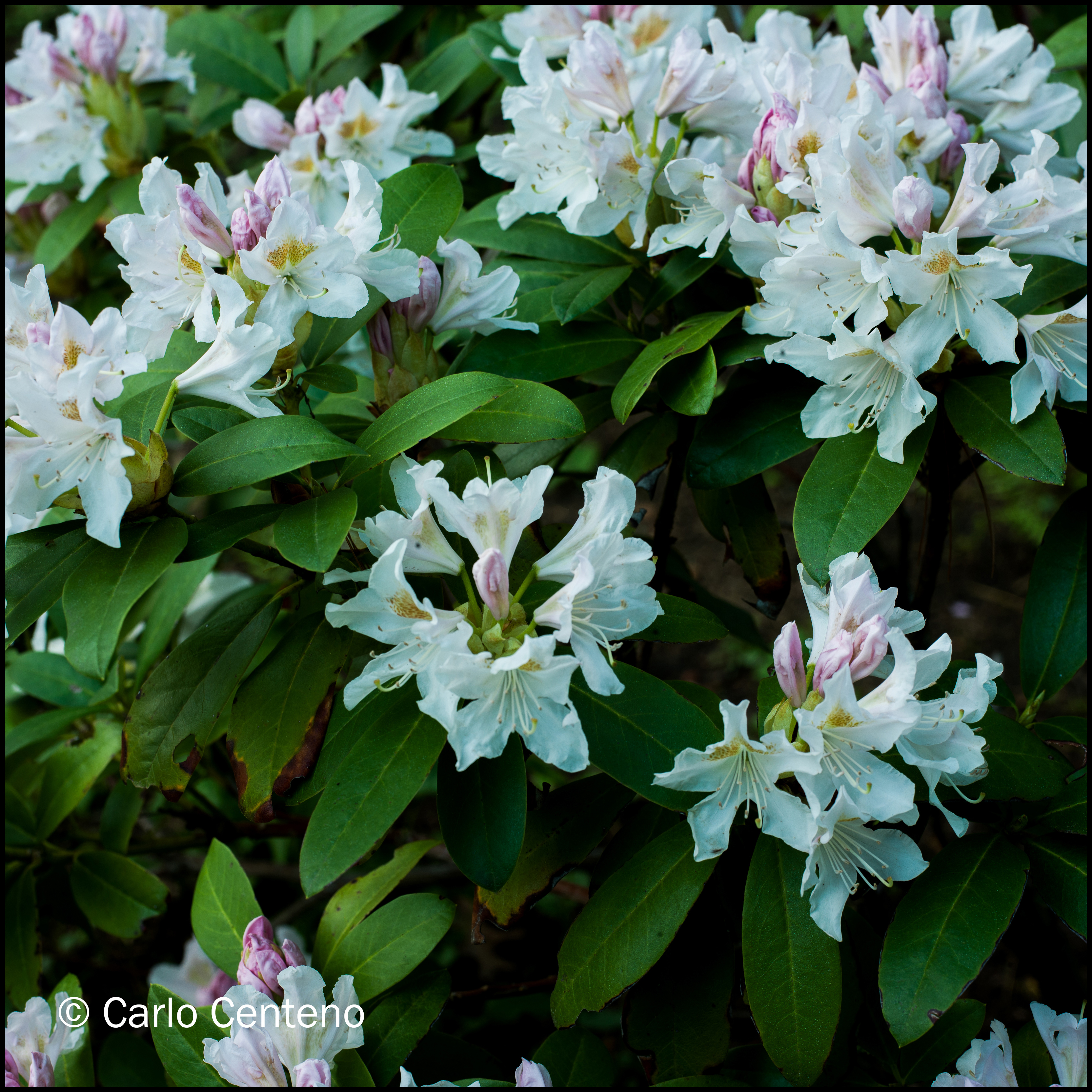
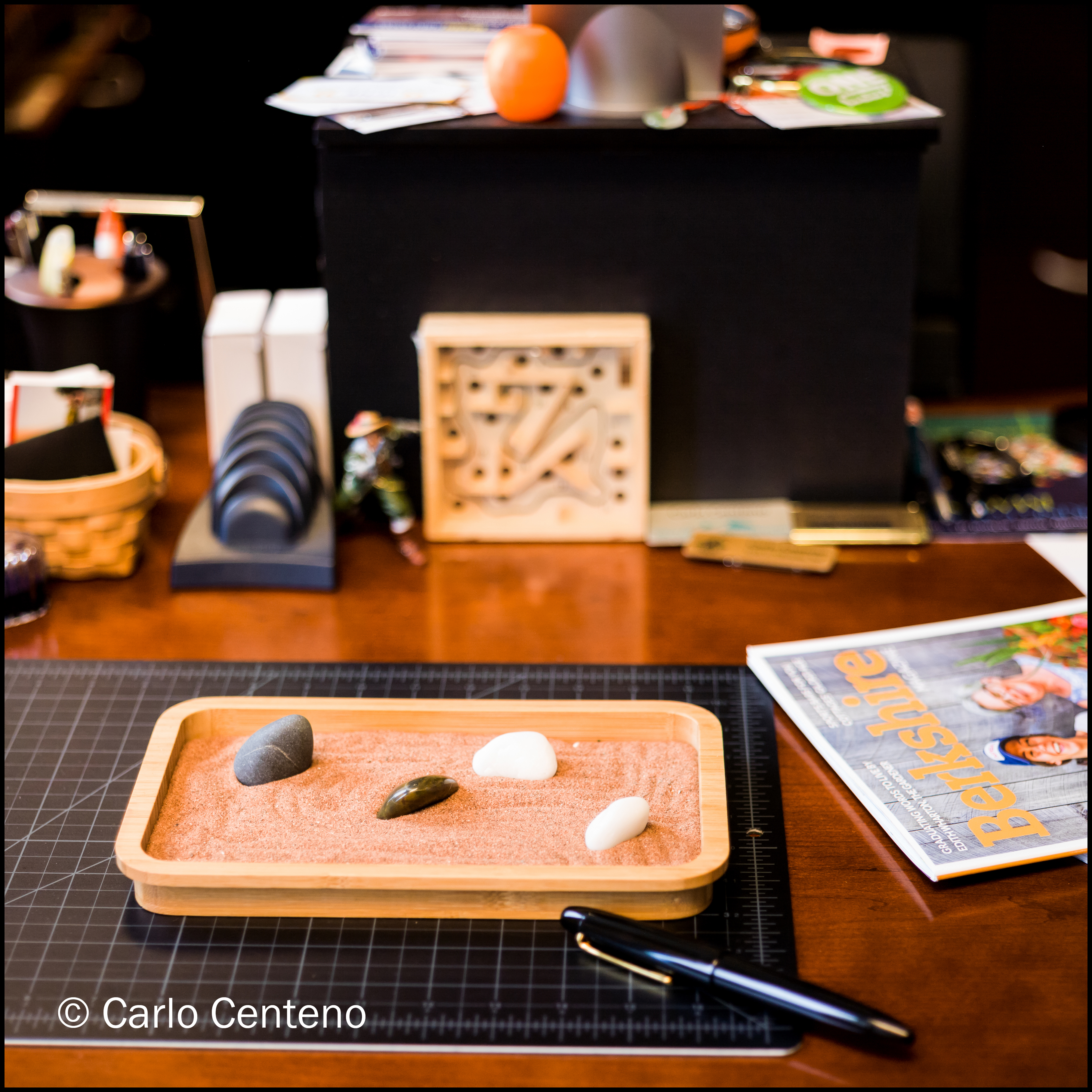
The flexibility to stand or sit at my desk is very helpful to me, but there are days, moments, concerns et al, when I need to remind myself that, “If it doesn’t add to the quality of my life—or someone else’s—then jettison it.”


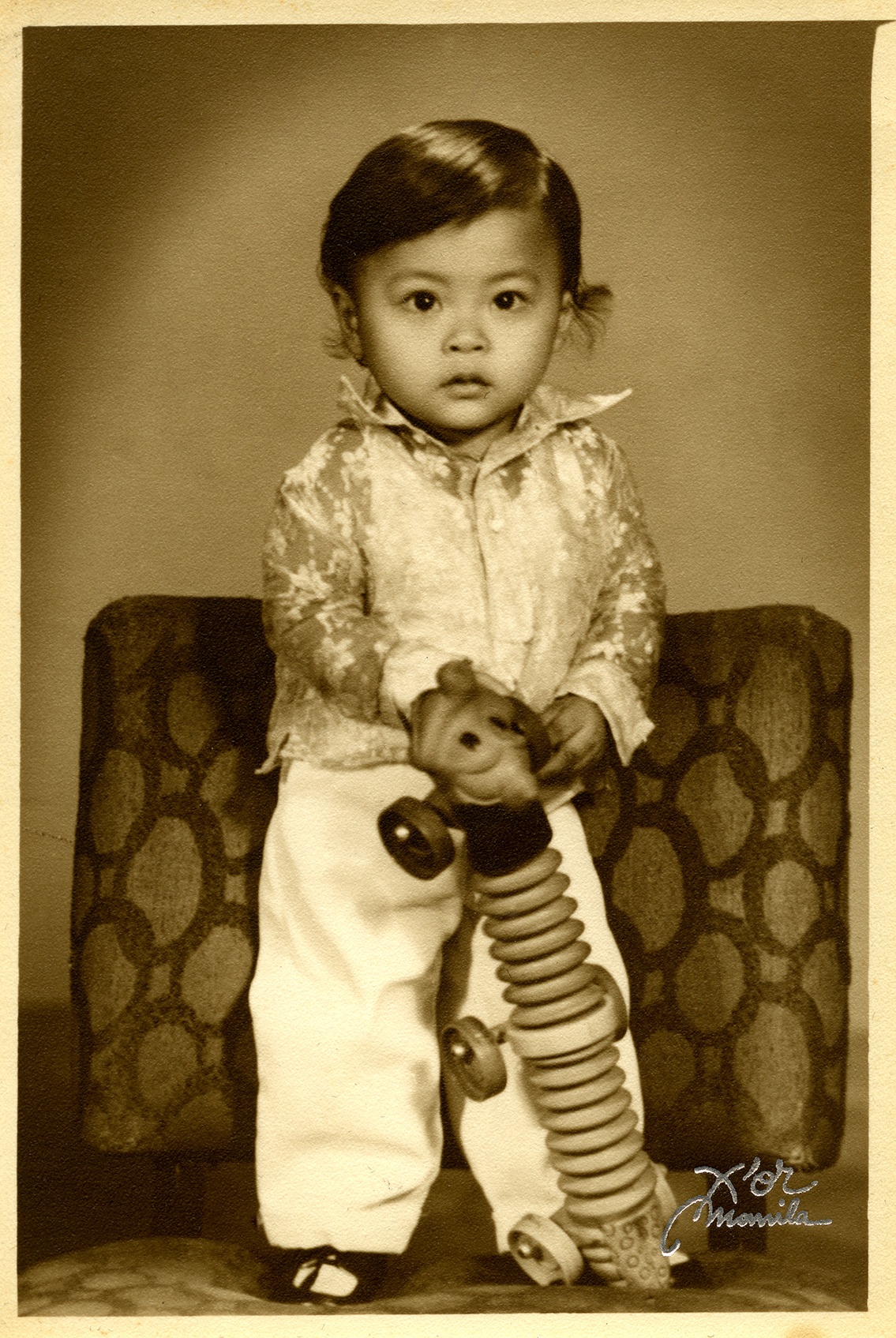

It doesn’t take a whole lot to keep me entertained. While on vacation I took some photos using outdated medium format film [120 Fuji NPH 400 color negative].

It is true that using film cameras can slow you down, but that’s not a bad thing if you want to slow things down a bit. Shooting medium format film—to me anyway—can be relaxing. I have to think, be immersed if you will, because everything is manually and mechanically accomplished: shutter speed, aperture, exposure, film advance, loading/unloading and so forth.

Call it nostalgia, but I get a lot of pleasure controlling my cameras versus having cameras control everything right up to when the shutter is pressed.

 Carlo Centeno