I’m sure many know that life’s journey produces a few, “….well, I didn’t know you did that….” Through the years, I’ve worked with a lot of talented professionals who have made me look good because of their skills and various competencies. I’m a practitioner from the, let-them-work-from-their-strengths school. There are some things better left to those who really know what they’re doing.
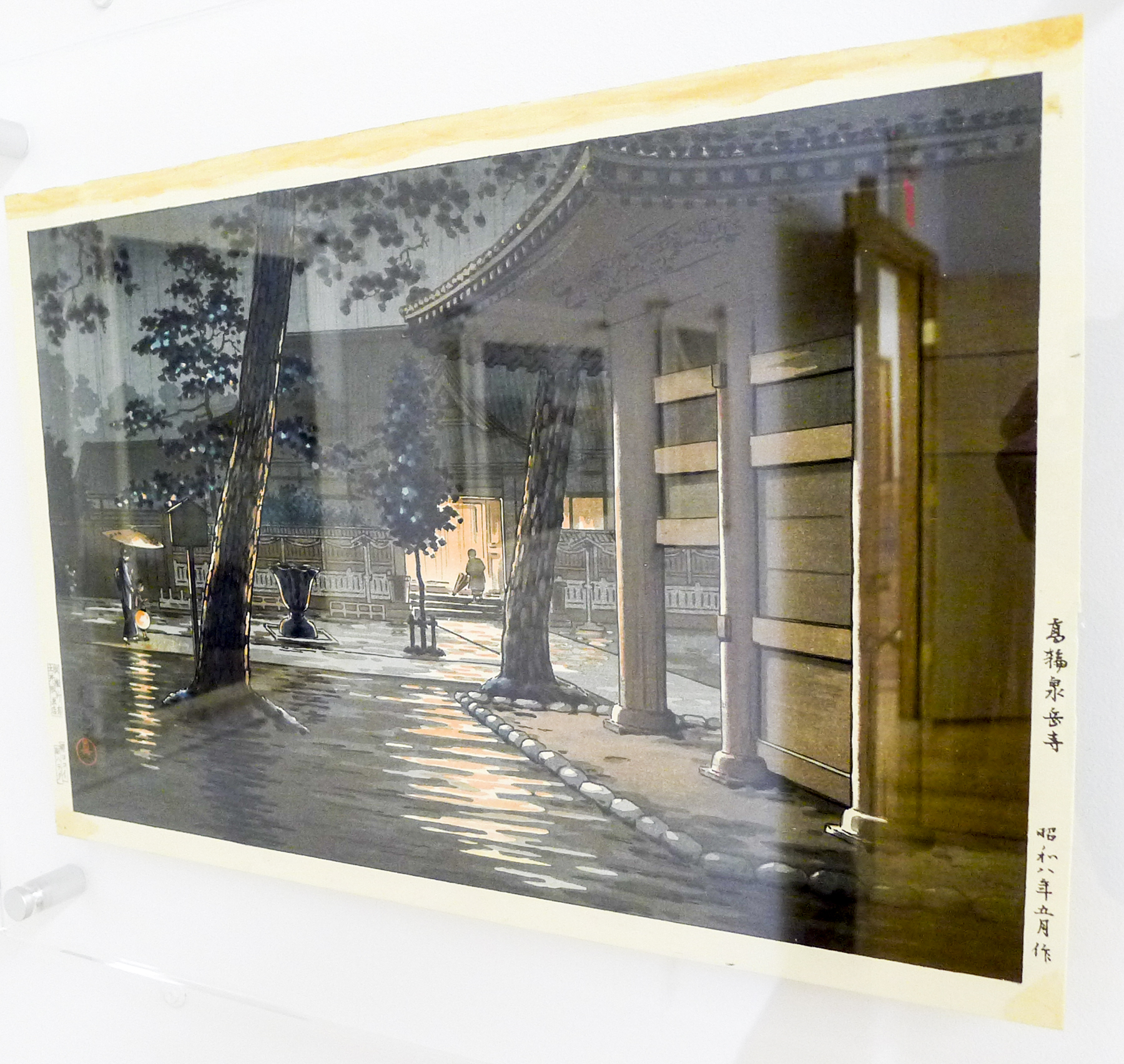
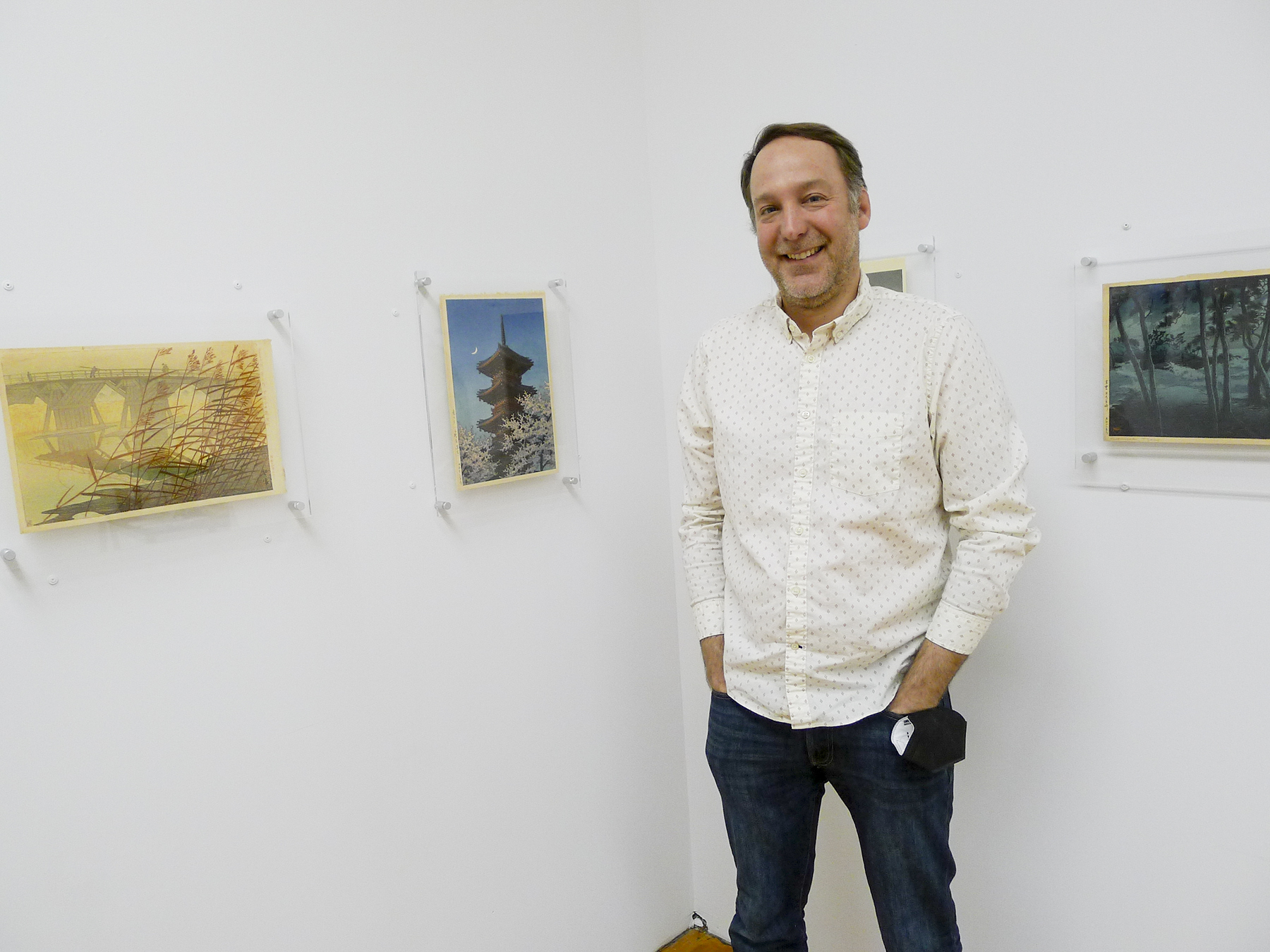
Recently at MAP Gallery in Easthampton, MA, David Kutcher, the principal of Confluent Forms, had a show of Japanese wood block prints. Together David and I have worked on corporate communication projects through his digital and website firm. He sent me an invitation to this opening. I knew something about his interest in Japanese prints, but as I told David at this show, I simply said, “…I didn’t know that you were involved with collecting actual Japanese wood block prints.” It’s a fascinating art form with a long-standing tradition that not many folks hear about, let alone having an opportunity to see an actual print.
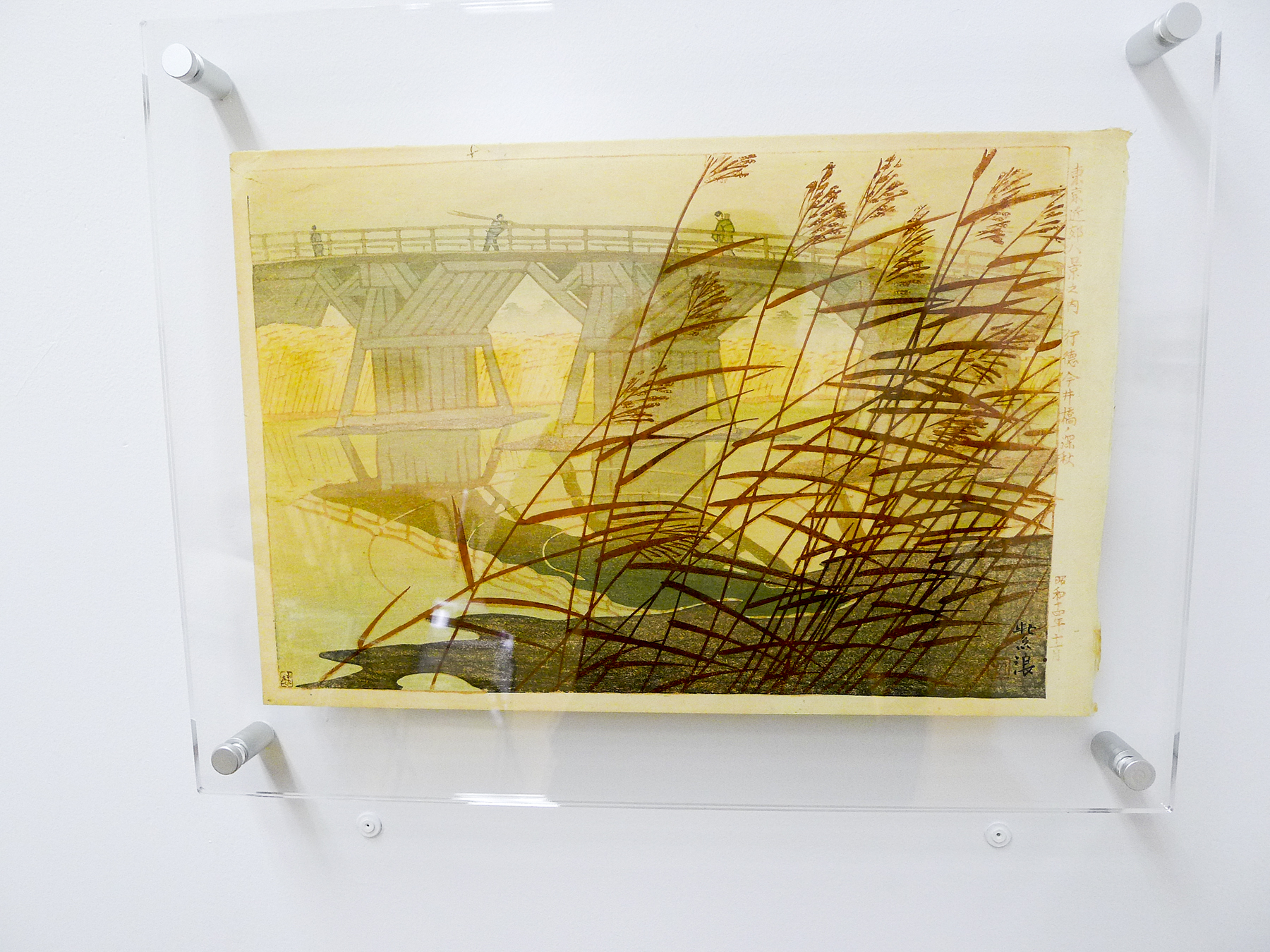
All pieces are original, some signed by the artists and others being initial production proofs that have an attraction all their own for aficionados and collectors. The details, colors and registration of the art are nothing short of incredible. I’m oversimplifying, but each color on the paper is made from an imprint from a series of wood blocks. If 4-colors are required, then 4 specific wood blocks containing details would be created. I wouldn’t be out of line if I thought the entire creative process was painstakingly purposeful and lengthy.
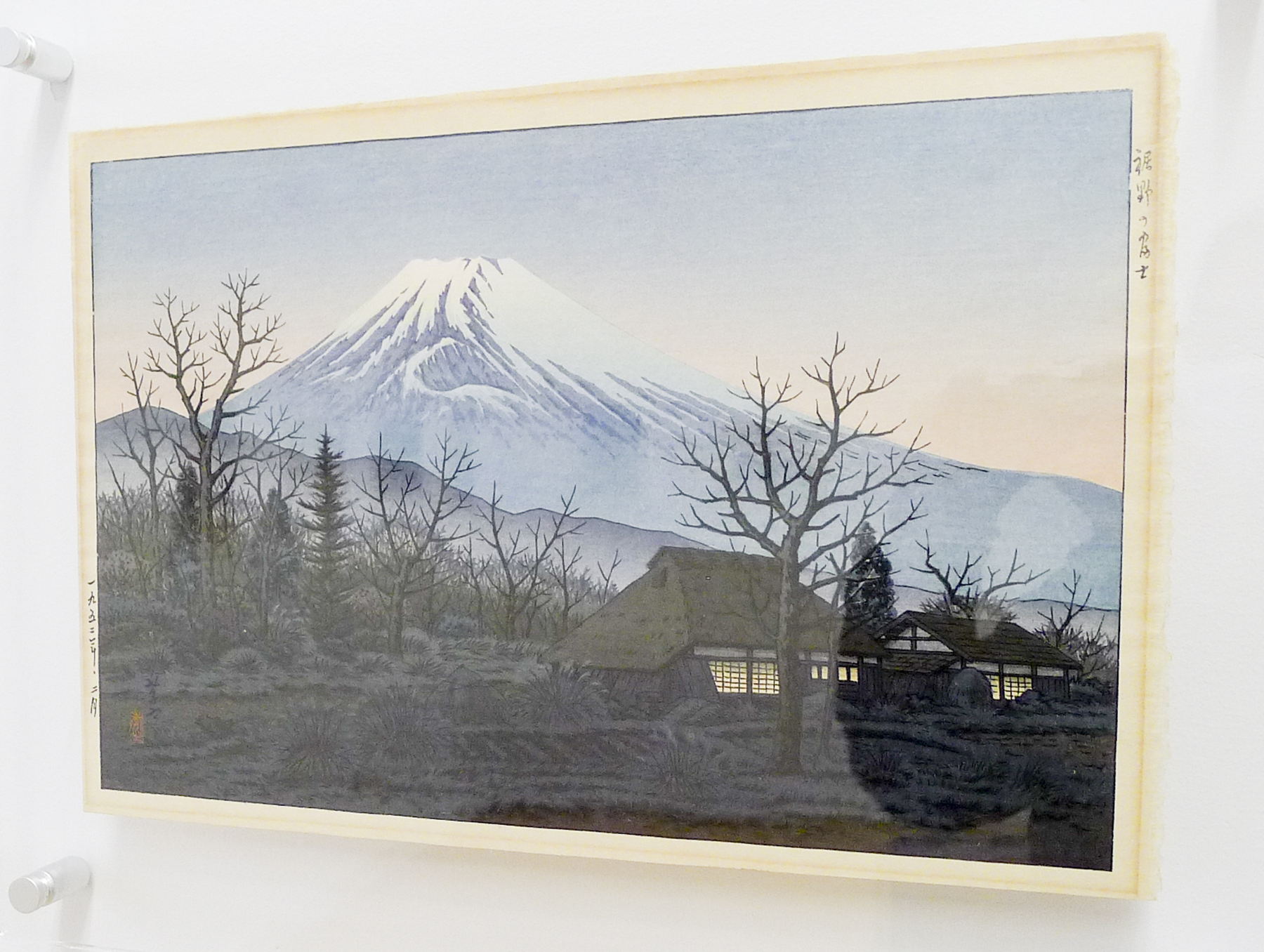
However, the end justifies the means. You need to see, even touch, one of these beautiful prints. Nothing compares to seeing these prints in person. It’s taken years for David to build a collection and working knowledge of the who’s who of this medium. In fact, his knowledge has been sought after by collectors, museums, art dealers and galleries.
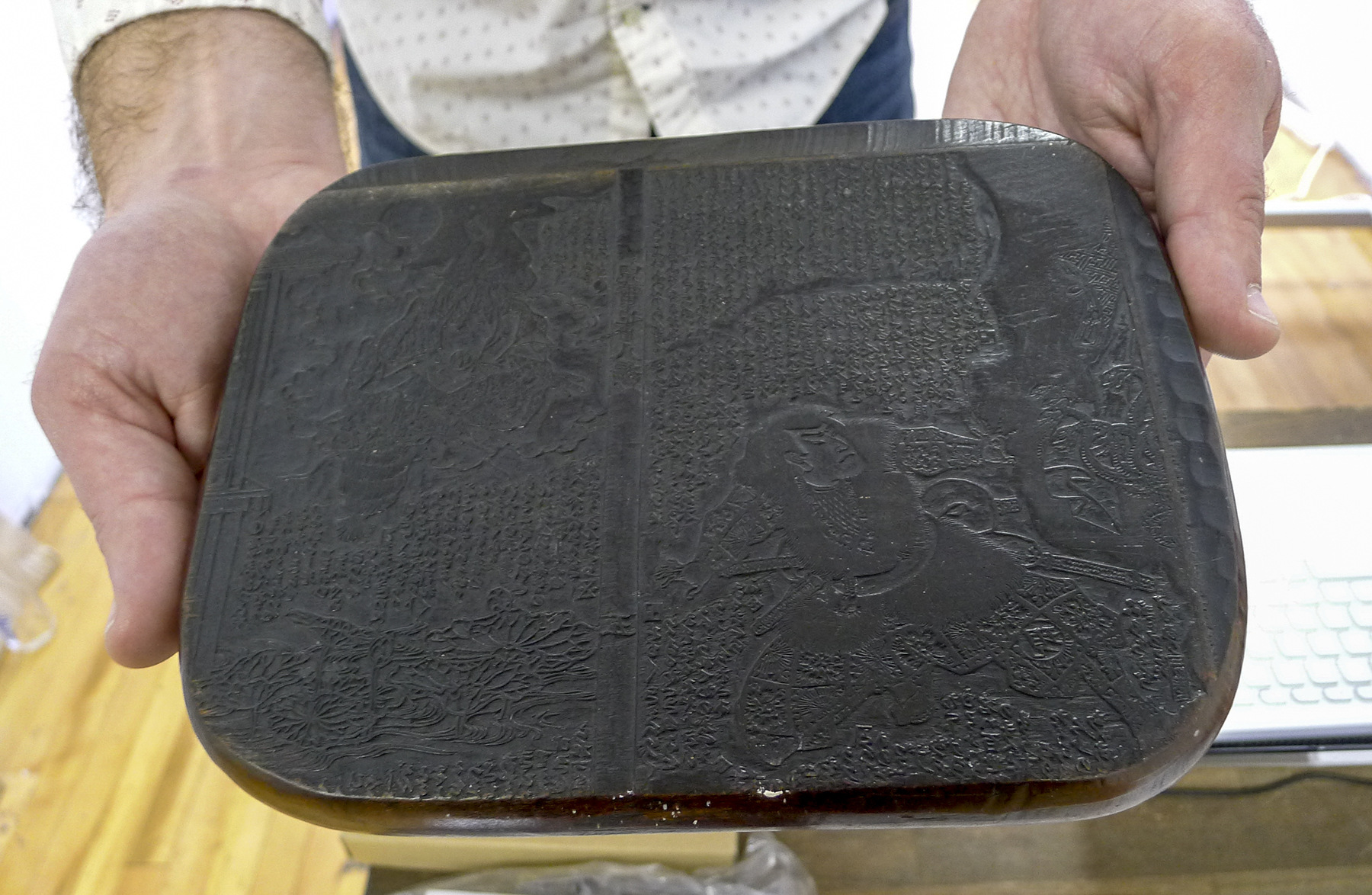
One of the more unique acquisitions he owns is a candy tray, a wooden candy tray. For years its sole function was just that. I can see how a family could use this pretty piece of wood as a repository for wrapped chocolate mints or lifesavers. However, it was more than just a pretty tray to hold a postprandial treat.
Flip it over and note the bottom was designed to purposely create a print. After scanning the block and tweaking the digital image for clarity and legibility, David did some research and discovered that the block he owned was part of a series that made up a leaflet or booklet.

This was quite a find and a unique bridge tying both the finish artwork and a block used in its creation. While his day job keeps him quite busy, his time studying, collecting and marketing wood block prints is an endeavor that keeps his mind, body and soul in an enthusiastic and balanced way of managing life’s uncertainties.




















 Carlo Centeno