Enlightenment

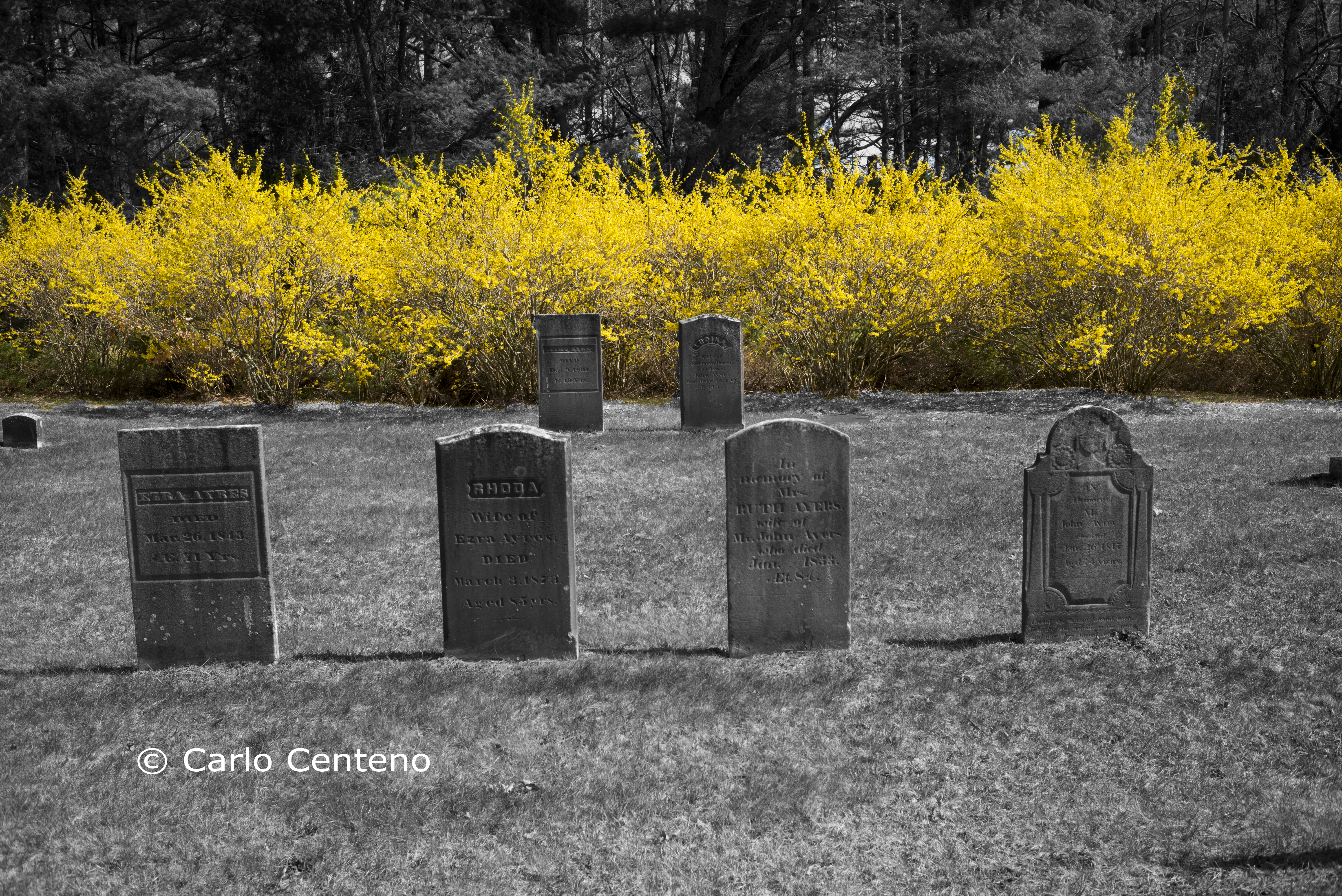
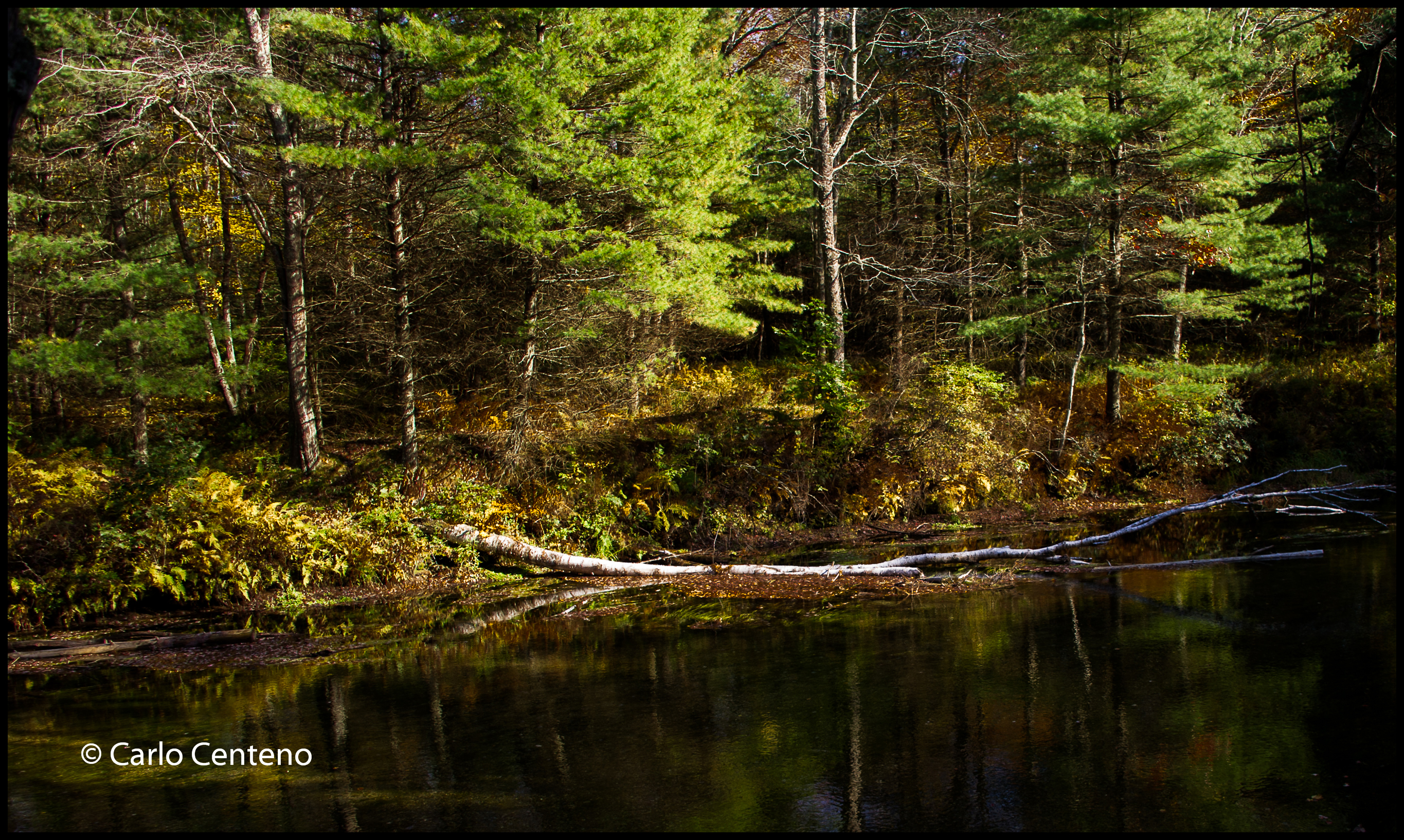
Generations of my wife’s family are interred in a local cemetery, a cemetery that honors among others, veterans, the ordinary, the extraordinary and in particular, the residents who lived in one of the 4 towns that were evacuated in order to create the Quabbin Reservoir.  The reservoir was built to provide potable water to those living in and around Boston.

Anyway, MJ’s family lived in the town of Prescott, which like the other towns in Dana, Enfield and Greenwich now lie about 151-feet [46-meters] beneath the water’s surface.

Yes, we are at the mercy of the new coronavirus and the possibility of becoming ill with COVID-19. However we must put things into perspective, because there are many dealing with far heavier, more costly burdens that pale to what some of us may deem a hardship. The majority of us are dealing with  inconveniences; yet others are fighting for their lives. The residents of the Swift River Valley left homes and homesteads, jobs, family and friends and most certainly a way of life.

Last week there was the amazing story of the Bello family. A couple with 3 young children, the father, Jim, teetering on life’s edge fighting COVID-19. It’s an amazingly powerful, somber treatise about love, faith, and unwavering determination in the face of incomprehensible odds.

If cabin fever makes one feel a bit cuckoo, then get out and do something. Take a drive into the country, take a walk on a trail, visit a landmark, break out the camera, the hiking shaft, the binoculars, the bicycle and more. With the majority of us driving less, you may have heard there’s less air pollution. For the introvert, having so much quiet and alone time could be a godsend. The opposite holds true to the extrovert dealing with social withdrawal.

There are times when we  feel enlightened by some cause, an emotion, an observation, anything from the mundane to the spectacular can prompt this feeling.  Walking through the cemetery renewed a sense of purpose in me, an awareness of who I am and what I should do versus what I can do. To the rest of the world, I am just another being among millions of others. So what?

I suppose relishing my time—essentially doing nothing—allowed me to have a more acute perspective on being mindful.  Perhaps I was due for a spiritual tune-up, and I think got one. A better way to feel enlightened is to think of it this way:  “If you want to feel good about yourself, do something good for someone else.”  My spinning instructor always says that after a class.

Be well. Stay healthy.

“Love in the Time of COVID-19”

With utmost respect for Nobel prize-winning author Gabriel Garcia Marquez, I took creative license with the title of his novel, Love in the Time of Cholera. 

It is astonishing to be living in this odyssey, this vicissitude of life that has changed everything of what we expect from a “normal” day in life. This new coronavirus has upended everything in this world, including love, however my POV is positive.

Pulitzer-winning author, Jeffrey Eugenides wrote the introduction to—and compiled the collection of love stories in—My Mistress’s Sparrow is Dead, an anthology penned by both celebrated and lesser-known authors from the past 120 years. In his introduction, Eugenides writes, “The perishable nature of love is what gives love its profound importance in our lives. If it were endless, if it were on tap, love wouldn’t hit us the way it does.”  However, let me emphasize that his book is about love stories and not love per se. Love stories contain the highs and the lows, the banal and the beautiful, the agony and the ecstasy.

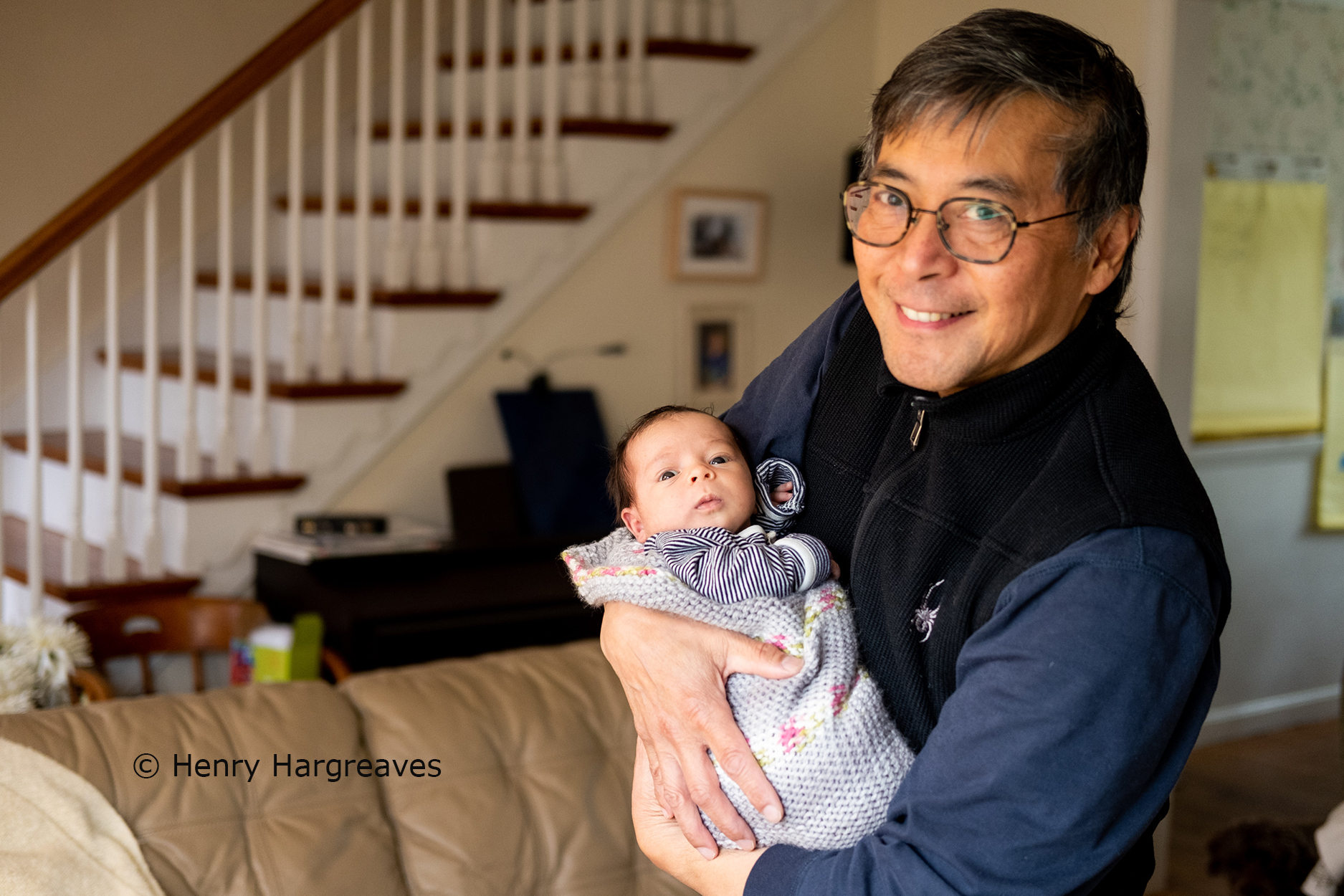
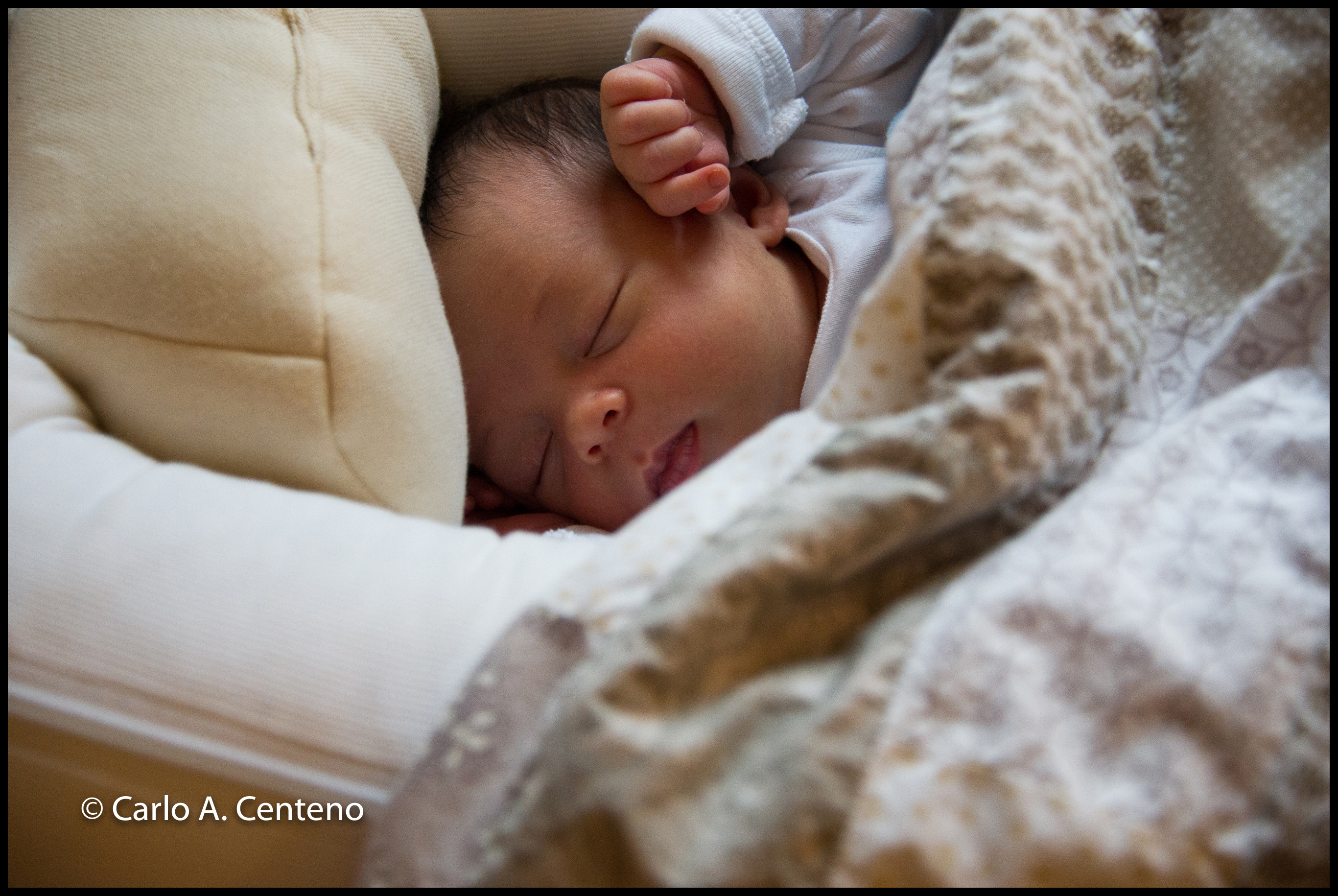
Personally, I’m holding the purest manifestation of love: Charlotte, my month-old granddaughter.

The modern world is constantly demanding our attention, pulling us away from one task to another, often the two coinciding with the same deadline or more likely emphasized with equal “required and immediate attention.”

Each infant is an open canvas awaiting the variegated hues and tones of nurturing, empathy, culture and all that is life.  It’s been said so many times before, but one shouldn’t lose an opportunity to be “in the moment.”  And holding this beloved granddaughter is about as cool as any moment I’ve experienced.

What are your moments of love in this time of COVID-19?


April 1, 2020

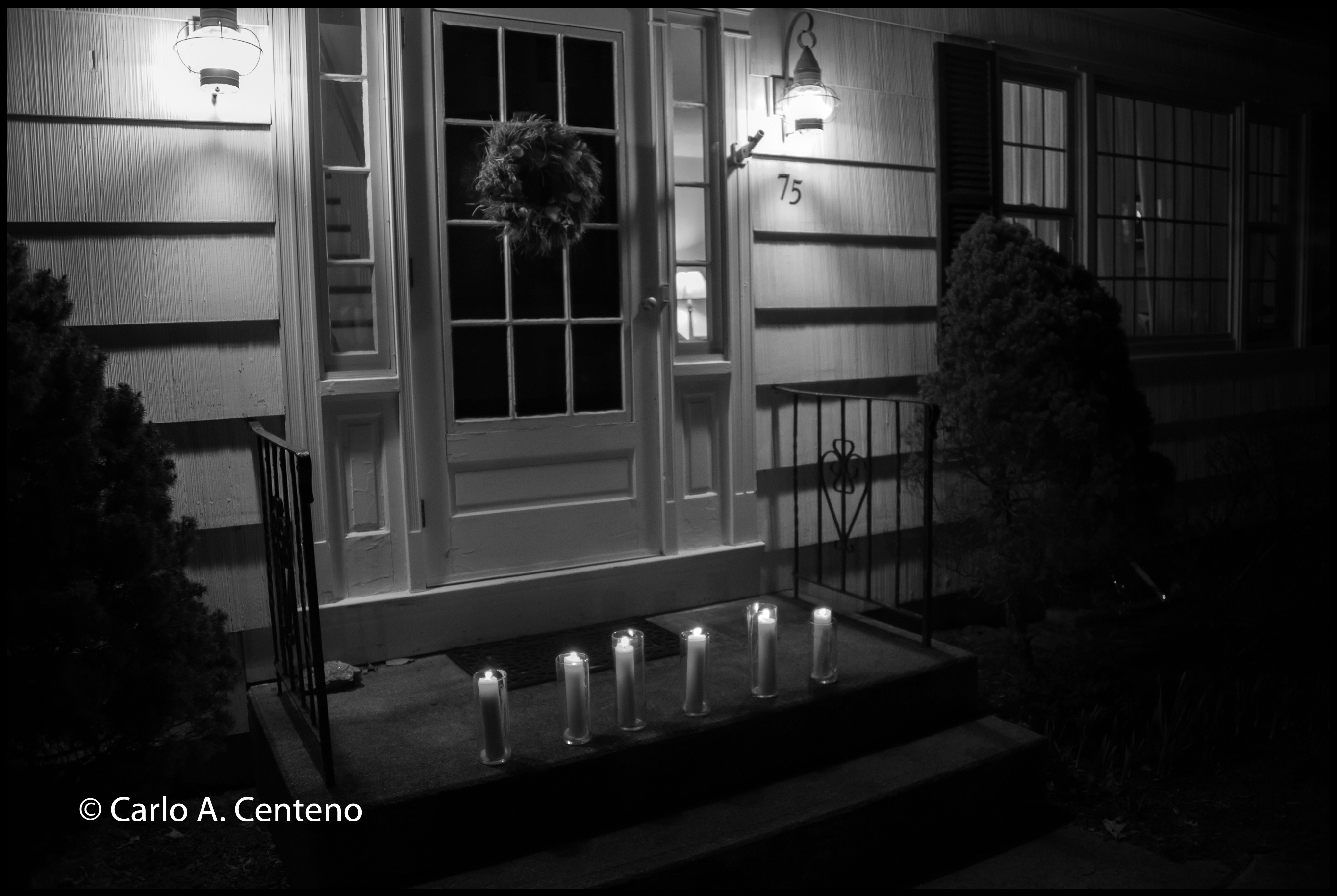
A good friend sent a text message saying that today—as a way of expressing our gratitude to first responders and healthcare workers—we should set some candles in front of our homes, and light them at 7:00 pm.

I know several healthcare professionals. Two couples are close friends. They’re bon vivants, emphasis on ‘bon’; we enjoy dining out [or in] to catch up, laugh, share and wonder about the vicissitudes that have changed the way we live, think, feel and behave.  The friendships run so deep they’re essentially family.  Actually, any one of these friends could take the place of a hundred bad relatives and acquaintances.

Three of the healthcare professionals on my roster are family. There’s my sister-in-law, an office administrator who works in a practice made up of general practitioners and hospitalists; my brother, an educator and primary care M.D., is up to his eyeballs in northern New Jersey; and my father, a retired vascular surgeon, is hunkered down in Florida.

Like most of us these days, we’re also hunkered down. We’re out of sight. In a metaphorical sense, if the virus can’t “see” us, then it can’t infect us. That’s very simplistic, but you get the idea.

Time and again I’ve heard comparisons to war, that the very people on the front lines are in a fight unlike any other.  We know that, but we have very little visceral sense of the actualities playing out in crowded hospital rooms, hallways, ICU wards and all the places where the sick and the caregivers are equally overwhelmed. To say we’re being in the moment cannot compare to being there, to be immersed in the chaos unfolding right in front of you.

Whether you believe in karma or life existential, God, or something that is in effect, bigger than oneself, all that’s in motion is connected to each of us. Is it ironic that this pandemic is playing out during humankind’s most pious weeks on the calendar?

A lit candle—a universal and timeless symbol of hope, gratitude, peace, sorrow, love, contrition—is also an icon for life.


Quiet

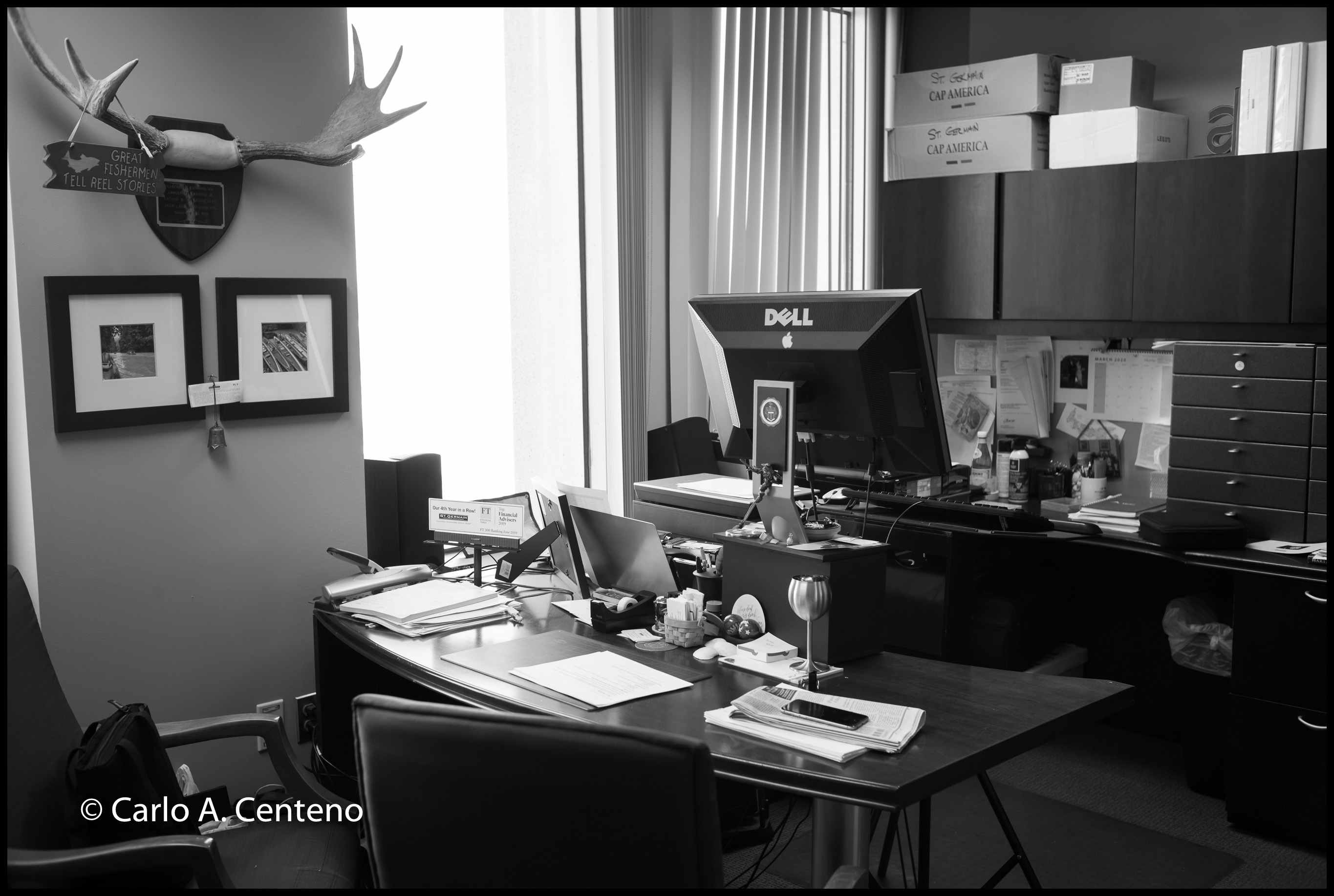
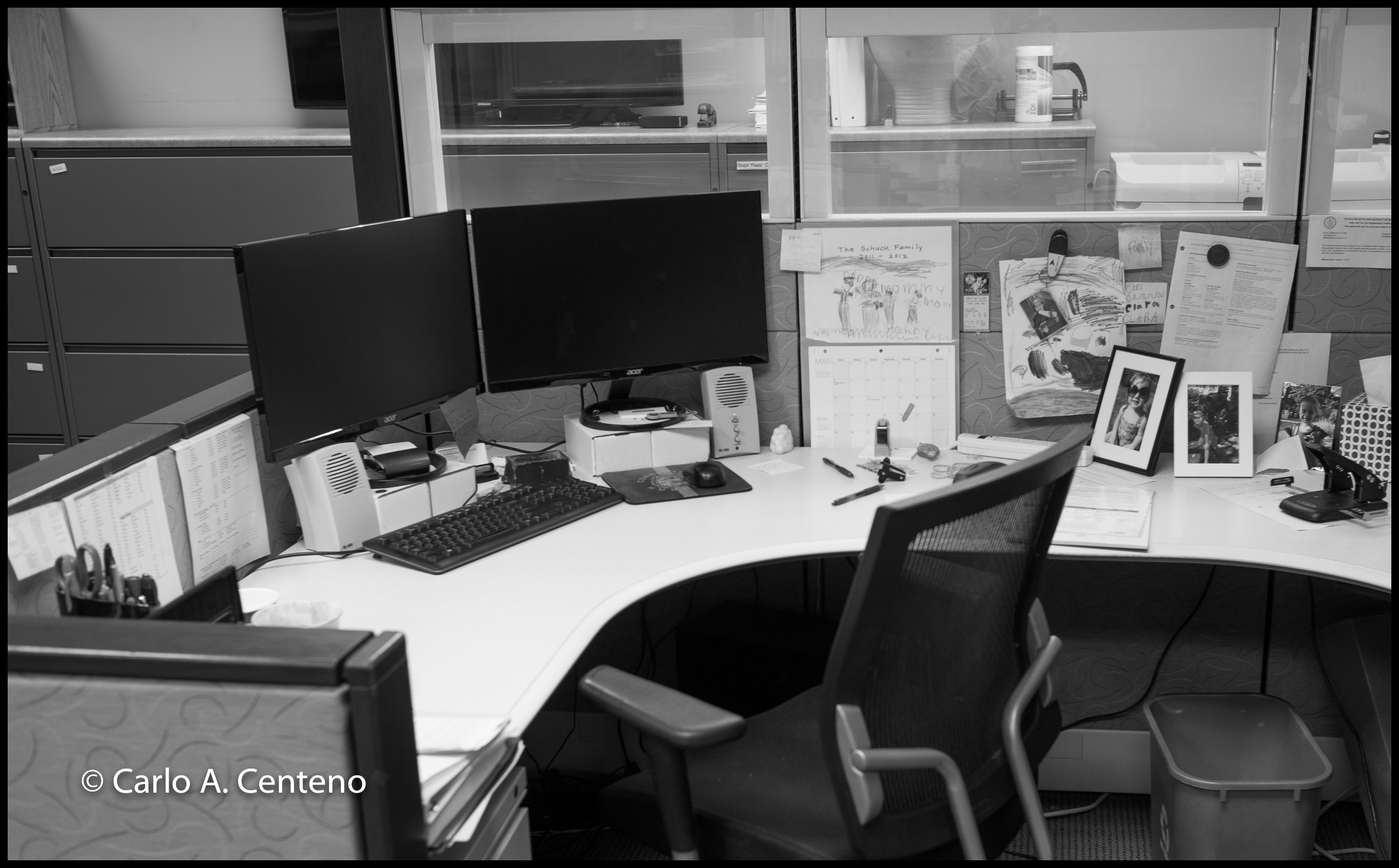
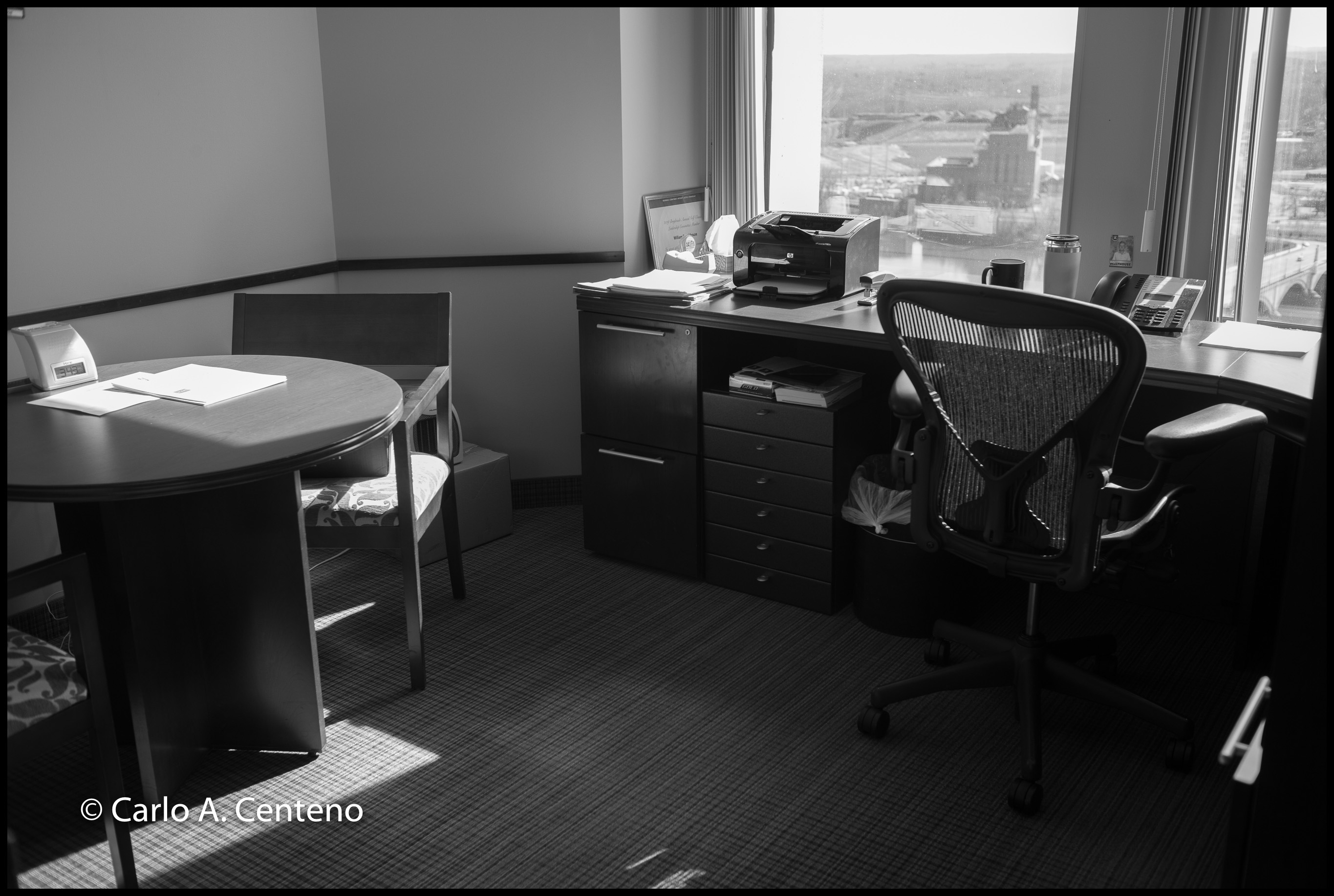
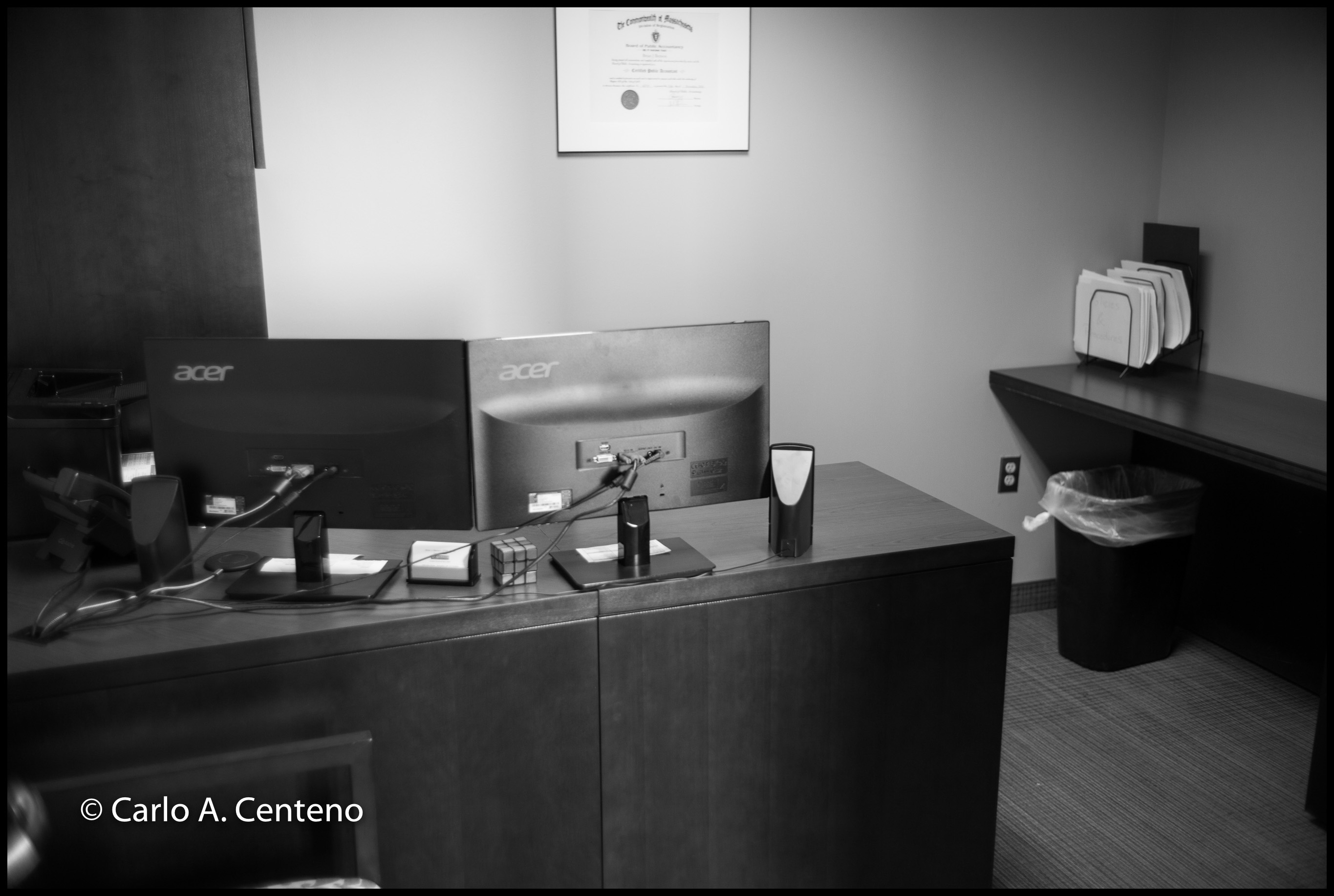
Our Office: 3-weeks into the work-from-home mandate

For many of you seeing this post, the images are pretty droll. But for others, they are vignettes of time standing still. Those who work from home can identify with this temporal bookmark: a stasis of space rendered incomplete by the obvious absence of the worker that usually occupies that space.

We are a small firm, all told 29-strong. The majority of us have been working here for at least 10-years.  Such employment longevity can be unusual in our current modern world, a world measured by thru-put, output, speed and running changes all in an effort to gain some competitive edge or level of differentiation in the marketplace.

I’m a department of one, whereas others have at least 2 workers in their department.  My point being is that I’m only as good as the people around me. So I rely on their perspective, understanding and emotional ownership [if so prompted] of the marketing and advertising concepts, images, copy and other content that shape our brand. They are my soundboards, proofers, editors and contributors.

The spaces presented here have a functional importance, which individually and corporately, make the firm succeed. In the end though, it’s the people that define our culture, indeed all cultures. The latest technologies and operating systems are all well and good. Each of us—replete with idiosyncracies, quirks, things positive and negative—add immeasurably to our collective professional mission.

You won’t see anyone in the photos, but if you look closely enough, you may get a sense of their significance.

Our Planet Is Taking Over


In the past few hours, I’ve received news feeds about how the Coronavirus/COVID-19 has produced some benefits. The beneficiary of these plusses primarily go to our planet. And because it benefits the environment, we benefit as well. I’m sure you’ve come across some of these reports on your smartphones or your computer.

Mother Earth has put into motion her own stewardship campaign to save us from ourselves [the hope] and to help save the planet [the ultimate goal].  How it works is pretty straightforward: by reducing human mobility, you reduce the amount of energy used in manufacturing, production, travel and other areas of civilization.  Is this outbreak a means by which Nature looks to heal its own ailments, ailments which we created?

The BBC filed this report early this morning [Thursday–May 19th].

More specifically, there has been a measurable reduction in VOC [volatile organic compounds] as well as many gases—-such as CO, CO2, methane just to name a fews.

And in northern Italy, the space satellite cannot lie. They are also privy to the science that shows a drop in air pollution.

Click here.

Unfortunately, the majority of folks will return to their old and familiar ways. Still, it was nice to learn that for a short time, parts of our planet had a chance to be healthier. Can’t help but think just how much further we would be if each of us attacked pollution, waste and climate change the way we’re attacking the Coronavirus/COVID-19.

Sleet at Sunset

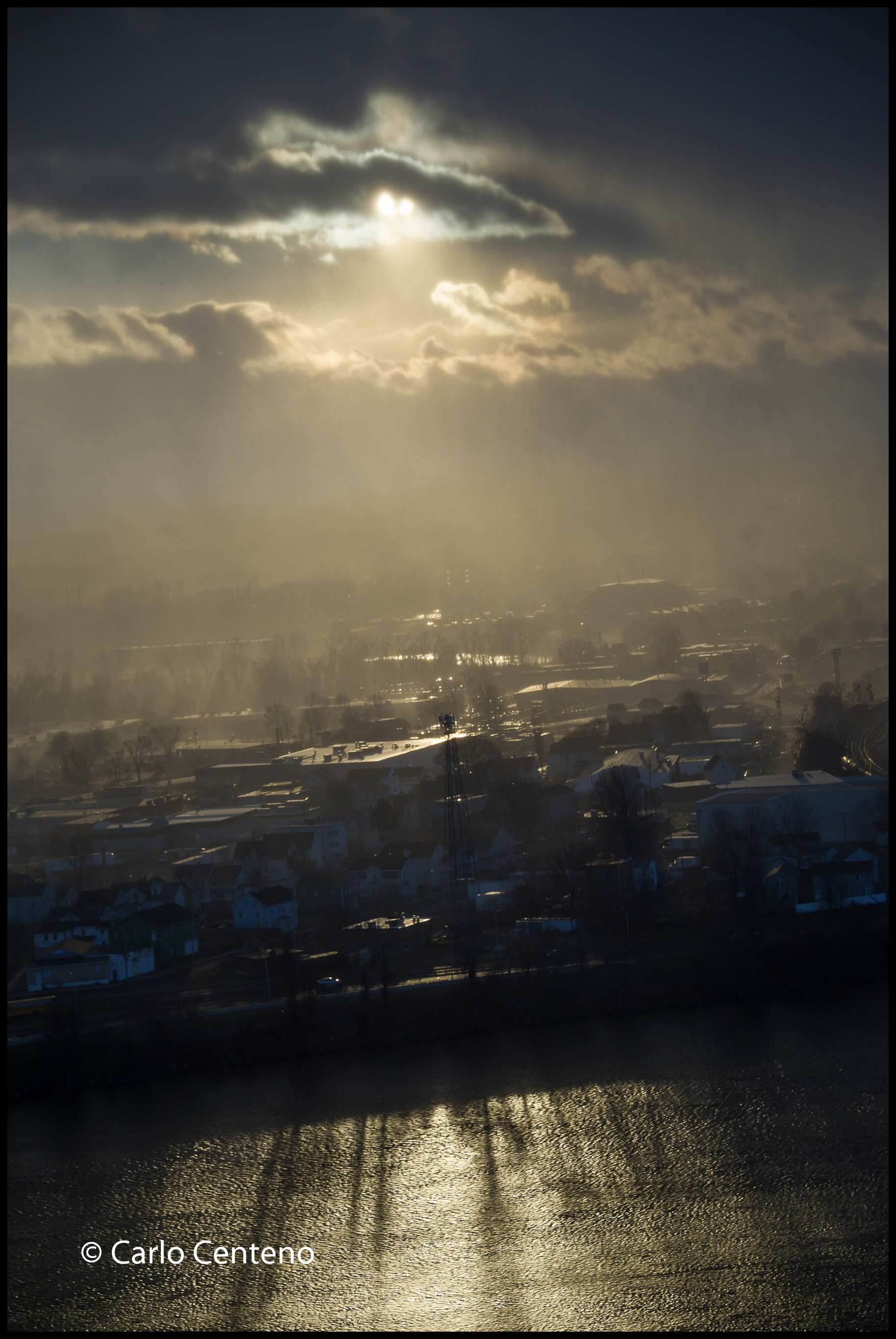
Blame it on the angle of the sun. Or the time of year and of course, the time of day. The light that pours from north/north-west can be dramatic.

Just across the river, sleet swept across the town and highway leaving a hazy curtain. My side of the river, was cloaked in a heavy grey. Street lamps and headlights appeared like fireflies across a sloping field made of concrete, steel and boxy columns.
For a very brief moment, the light outside the office windows looked other worldly. The slow-moving cars on the viaduct above the north end of the city made me think of ants marching, certainly only as fast as the one at the  front of the line.

The sleet finished its drop about as quickly as it started. The sun seared its way through the cloud cover creating a portal all its own. Perhaps not as soothing a sight as a rainbow, but with the sleet falling, certainly rarer and even more captivating.

Greetings

Blow, blow, thou winter wind,
Thou art not so unkind
As man’s ingratitude;
Thy tooth is not so keen,
Because thou art not seen,
Although thy breath be rude.
Heigh-ho! sing, heigh-ho! unto the green holly:
Most friendship is feigning, most loving mere folly:
Then, heigh-ho, the holly!
This life is most jolly.

Freeze, freeze, thou bitter sky,
That dost not bite so nigh
As benefits forgot:
Though thou the waters warp,
Thy sting is not so sharp
As friend remembered not.
Heigh-ho! sing, heigh-ho! unto the green holly…

William Shakespeare


The Business of Being Thankful

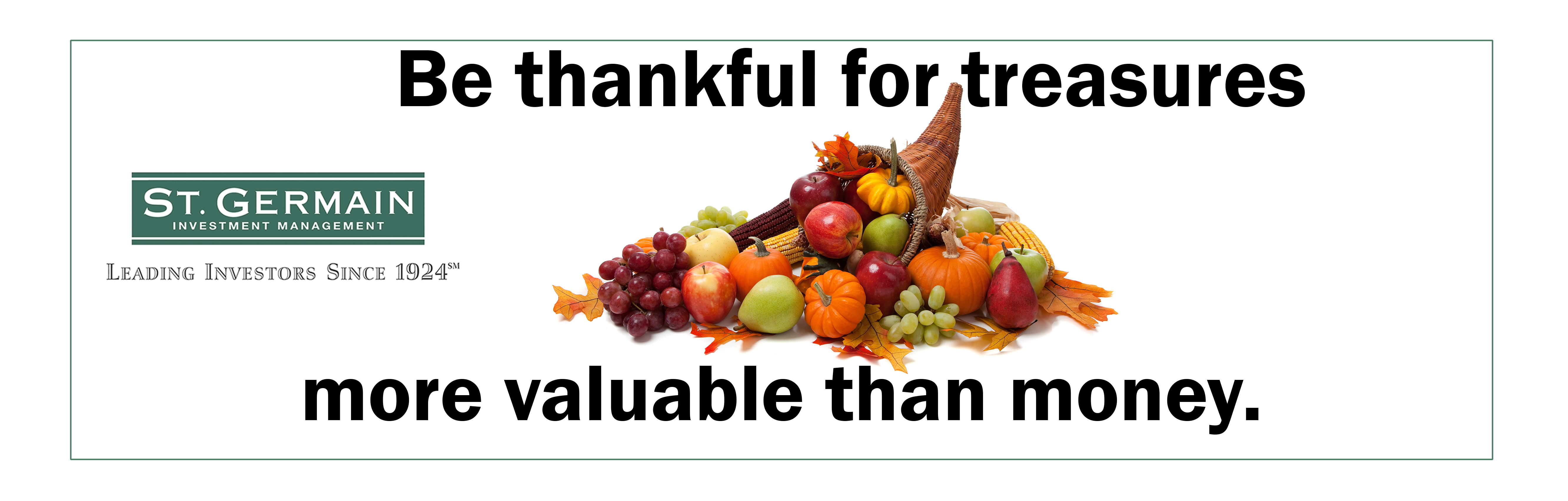
I admit it. The above advertisement can be a bit unctuous. Still,  with the impact of soci0-political flux, climate change etc. , it’s easy to take things for granted. The message is not lost on anyone at the firm, especially when it comes to working in the best interests of a client.

Have you ever seen this platitude expressed anywhere, let alone on a billboard opposite a major interstate? It certainly rings true. This is one of the most commented on and favored messages we post. And it’s up day & night during the month of November. Thanksgiving looms large on the minds of many though it should be top-of-mind on days before and after the holiday itself.

More than ever, I do believe thankfulness—more precisely gratitude—is short changed as a shared expression, either for yourself or toward others.  We should acknowledge with greater gusto the treasures we are thankful for. The folks who receive assistance, education and more from any number of non-profit agencies are the beneficiaries of our time, effort and financial support.

Silent auctions, galas, dinners, concerts, stage performances and so forth are typical instruments optimized to collect money needed to fund various programs and to add resources.

No question, financial resources are invaluable and necessary. Yet we know that the beneficiaries of all sorts of programs are grateful receivers. The depth of their gratitude is palpable and none more so when a program is cut or discontinued.

But in this holiday season—as in any season, really—there’s still so much to do, so much to give, so much that requires money, time and personal effort. At the very least, understand the magnitude of gratitude, of how it can deliver to both giver and receiver a measure of confluence that is its own reward.

Even under the most dire of circumstances, having a thread of gratitude means something.  https://www.bbc.com/news/av/world-asia-50376439/philippines-the-boy-diving-for-plastic


Modern Colonies

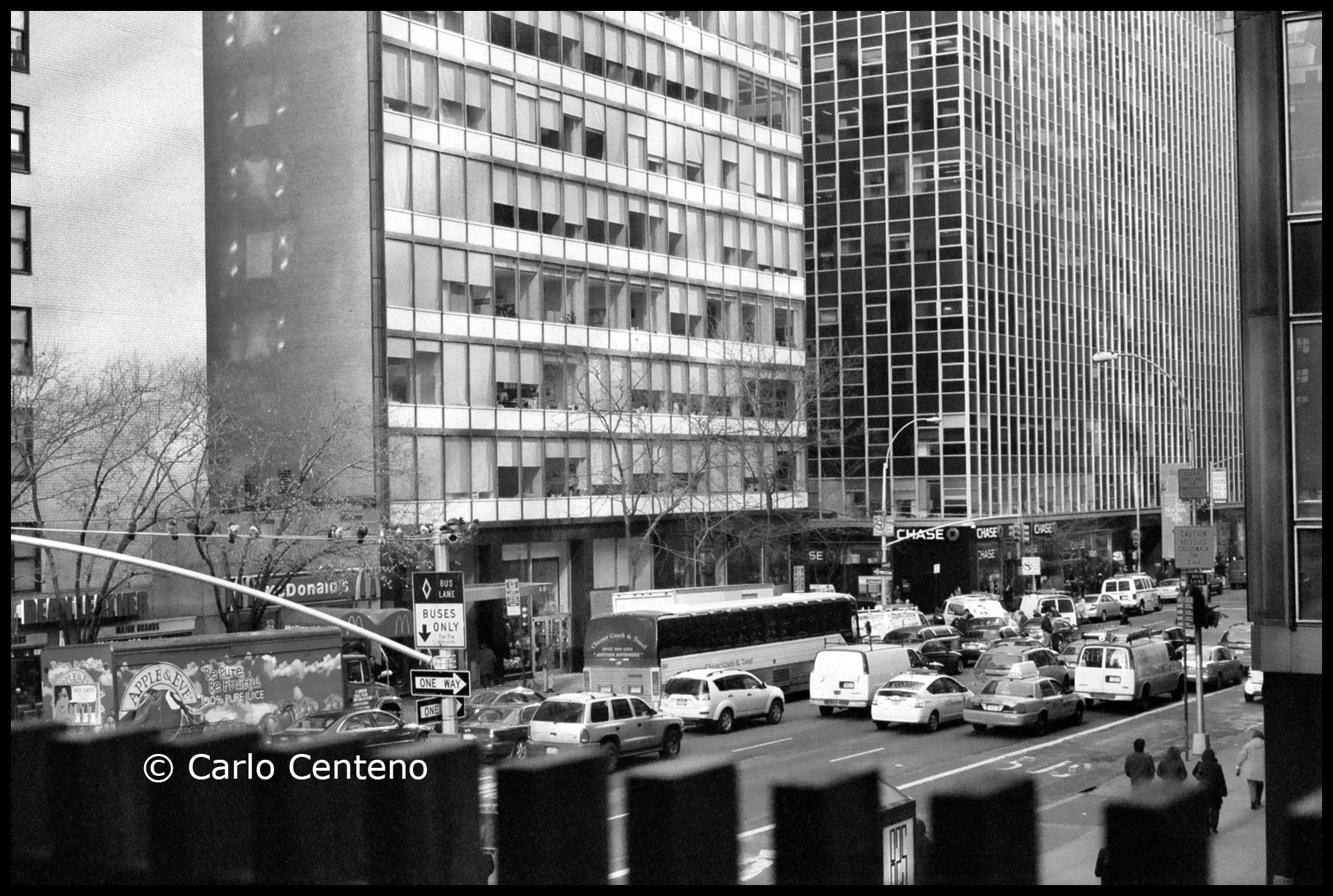
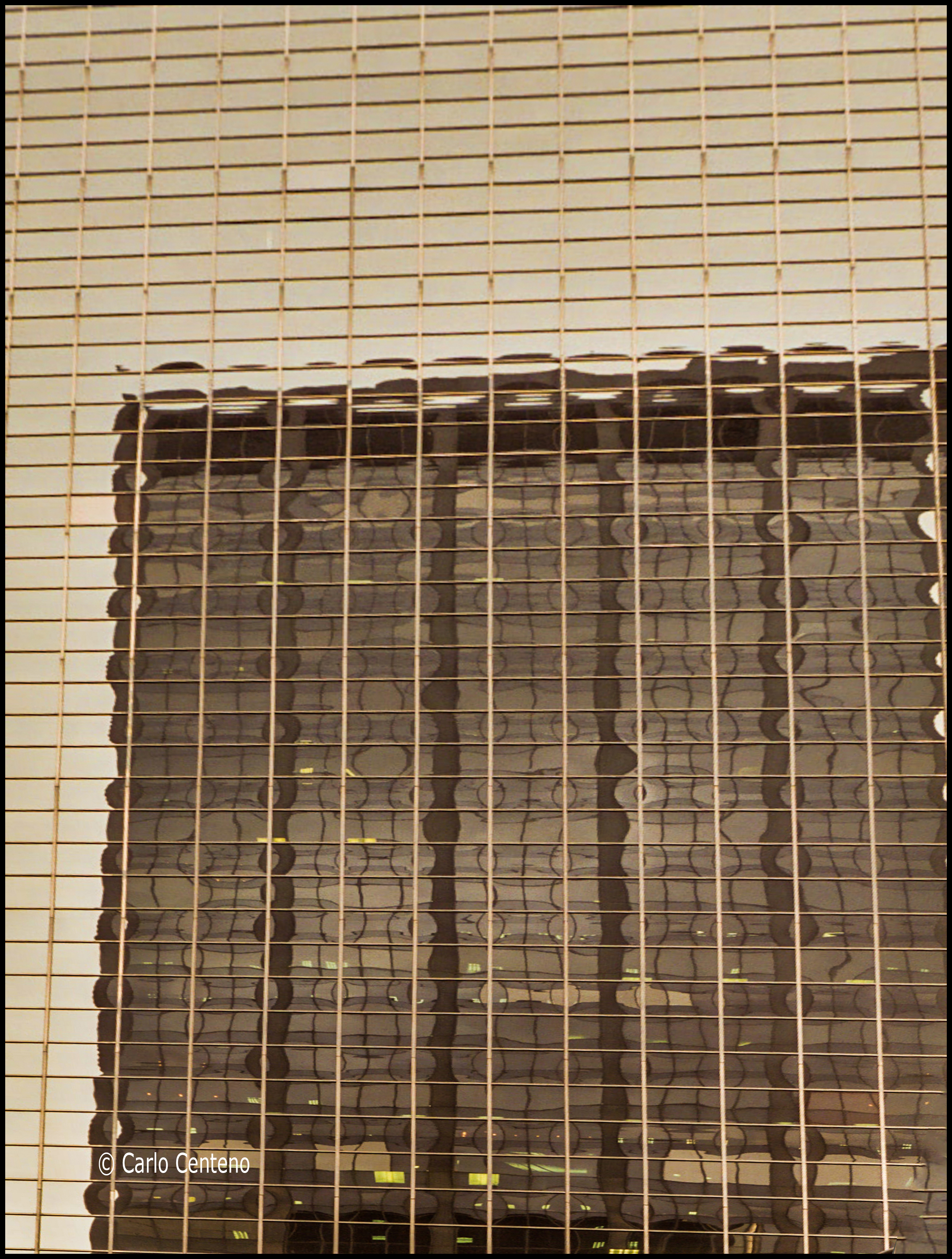
When I look at buildings—especially tall buildings—my thoughts bloom in ordered chaos.  I’m immersed with a roster of details, the majority qualitative in nature.

How many companies are in there…? Love the bronze-colored curve separating the floors….It’s close to 6:30 pm and a lot of office lights are still on. Who’s staying late and why…? Who packs a lunch every day or buys it…?  Wonder what the employee with the longest tenure does….Wonder what the annual cost is for water, electricity, insurance, taxes and health benefits…What’s the ratio of happy workers to unhappy ones…?

Those glass panels look so flat, but the reflections appear distorted or wobbly looking. And in most cases, a lot of those panels appear clean, at least from my viewing area far below on a sidewalk.

The one thought that bookends my wanderings is the thought that a bunch of talented workers had a lot to do in the creation of these vertical colonies. I can just hear a philosophical remark from either one of my two favorite protagonists—Charlie Brown and Linus van Pelt—“Could you imagine what could be achieved if every member of society collaborated with a baseline of common good and purpose for everyone….?

Countenance

In 2005, PBS aired a series entitled, “American Masters” which showcased the work of legendary if not ground breaking artists. I enjoyed watching the series, but one program struck a chord: Richard Avedon: Darkness and Light.

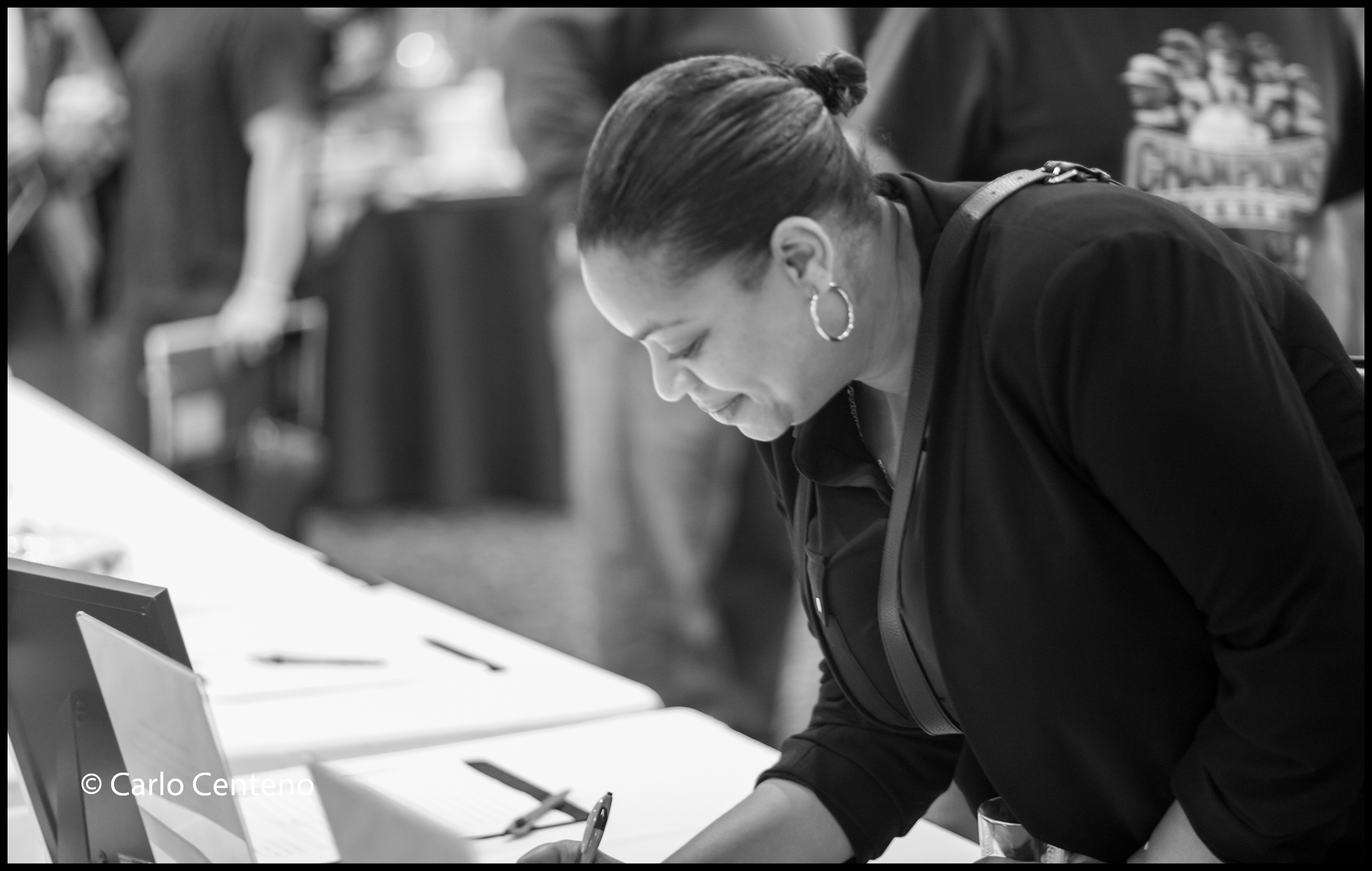
One comment in particular stuck with me. Essentially, Avedon mentioned “the landscape of the human face.”  Lines, creases, smooth or rough, dark or light and every combination in between, a person’s countenance says a few things about an individual’s life journey and current life stage.