As far as I can remember, B&W images have held my imagination firmly, yet inspirationally. Perhaps it’s how my brain’s wired, or the fact that my wired brain is getting older and thus prone to moments of unusual clarity. Maybe it’s about oxygen loss, electrolyte loss or that i’m just losing my mind.
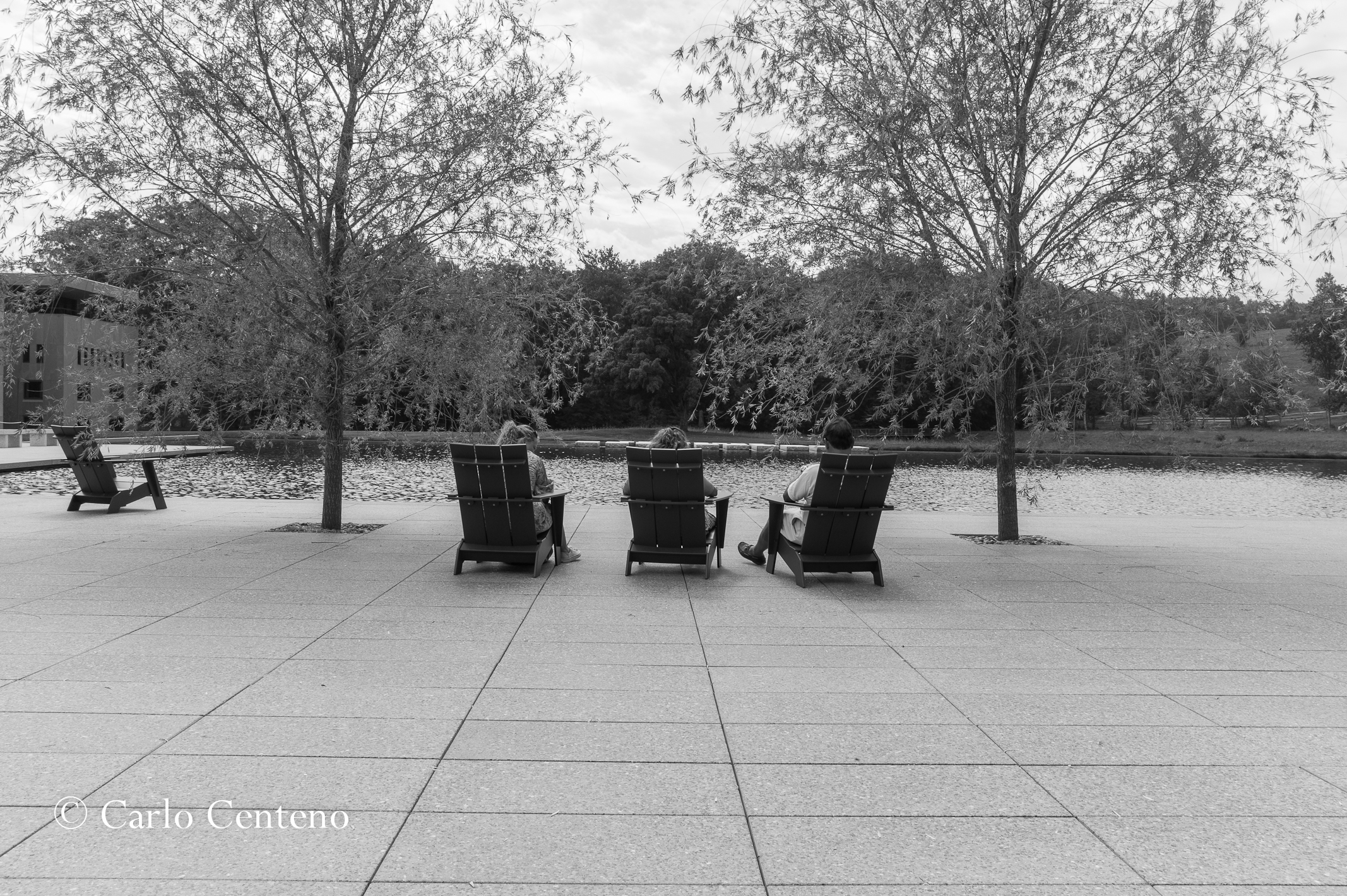 Of late I’m remembering things in B&W, photographically speaking. Faces, places, things and so forth. If I close my eyes and remember an important event, more often than not I believe I can see the memory more clearly if it is, indeed, framed in B&W. I have no scientific explanation or simple rationale as to why, but such is the case. It doesn’t always happen, but when it does, I take notice.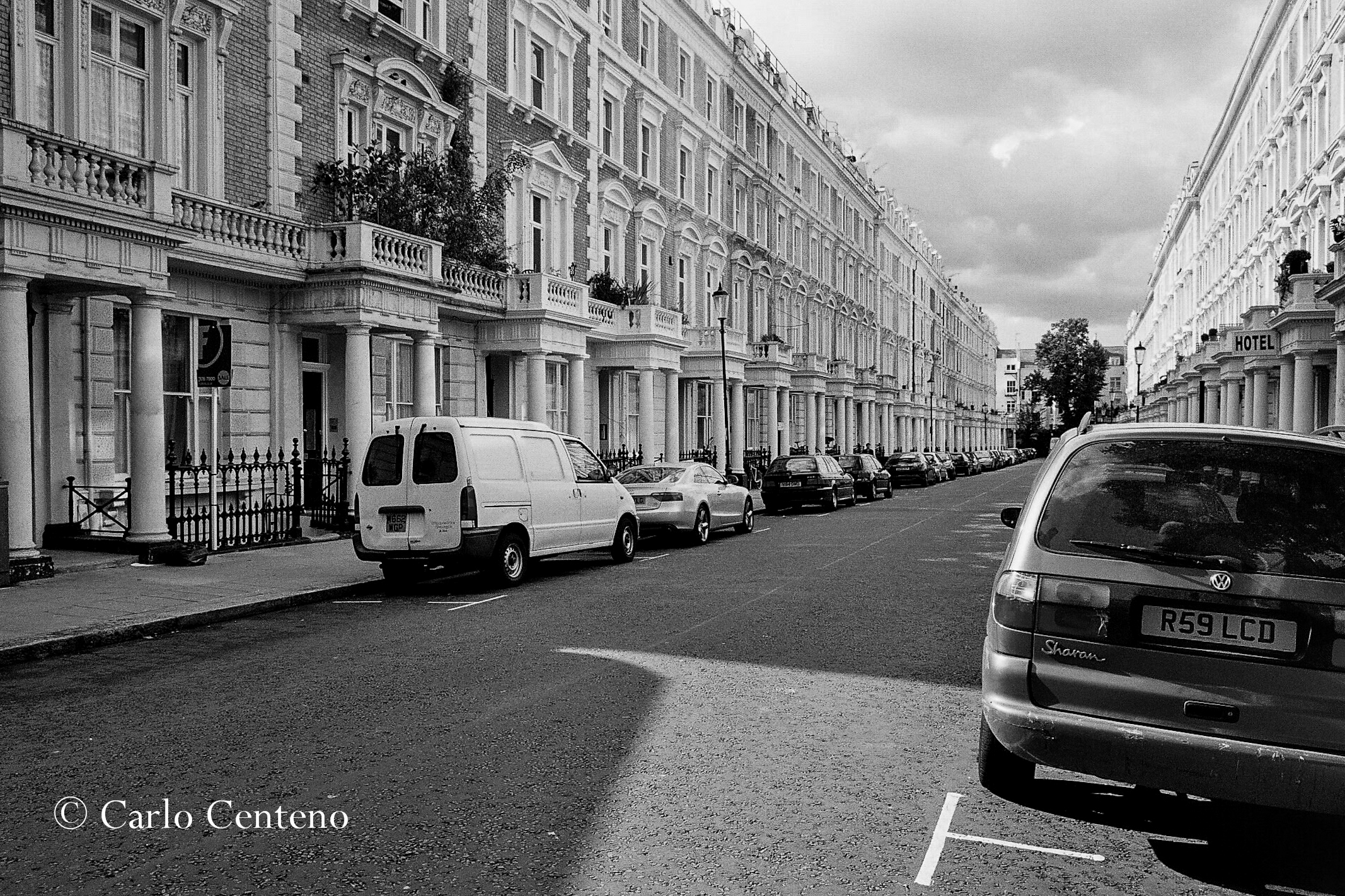
Don’t start thinking that this brief treatise is about black and white being “more real” than color. That’s a tired argument made more exhausting when I’m among other photogs who present their case without first having the benefit of a glass of wine or beer…or both.
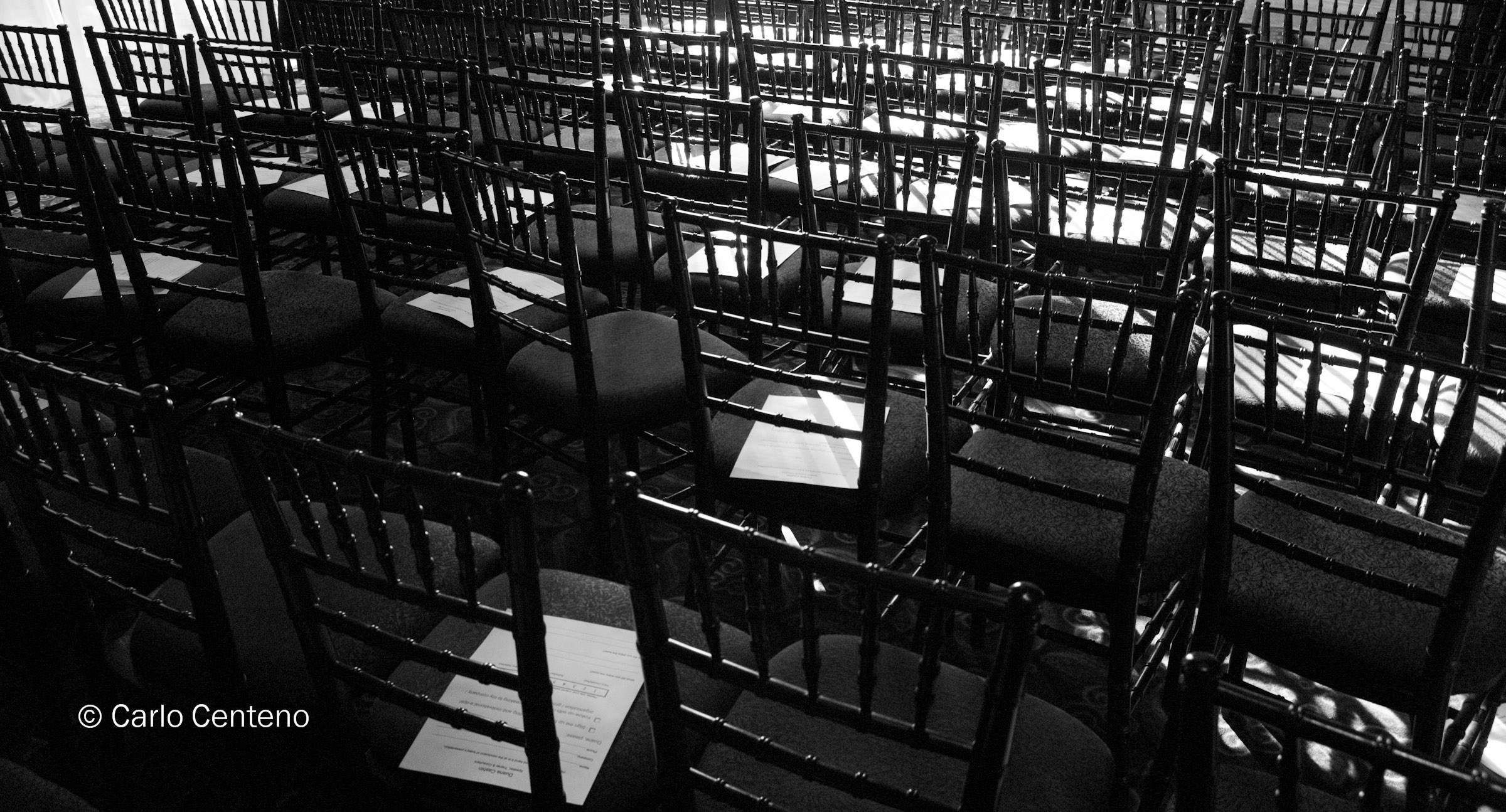
Grey in all its incomparable shades, levels of intensity and density and luminance, is a wonderously beautiful color. To me, none of it is boring or trite or conveniently familiar. I embrace the liberty that black and white gives me; everything in front of me is unified. The brigthness or darkness provides the lightness and weight respectively of whatever subject is before you.
The photography of Elliott Erwitt—in particular his series on dogs—is unabashedly “light” in nature. Eisenstadt’s iconic image of sailor-kssing-nurse-in-Times Square becomes a beautiful expression of unbridled joy. Ralph Gibson’s images from his collection, Somnabulist, is a journey alongside light’s texture. Yes, there’s texture from the subjects in his images, but you can feel the intensity of his grey scale, an intensity that pushes one’s comfortable notion of contrast, modeling and depth to another level. Cliche sounding? Yes, but you can prove it to yourself by allowing yourself a different POV. For me, no discussion is complete without mentioning the grandfather of Grey as something beautiful: Ansel Adams. Whether it’s a postcard-sized image or a 30×40-inch print, there’s no denying an evocative appreciation of his creativity and understanding of how he feels for what’s in front of him!

Most of all, I sense that grey gives me an empirical appreciation of my life to date. Here’s what I mean: B&W and all its shades of grey acts as an emotional filter, allowing my most genuine feelings to surface. I can safely feel—whatever such feelings might be—at a “safe distance” yet feel a sense of inclusion, maybe even a connection, with the subject at hand. Remember that “subject’ doesn’t necessarily mean what’s tangible in front of you, but a quality that rises from your persona or sense of self.
I’m taken by grey. It’s so beautiful to me…

