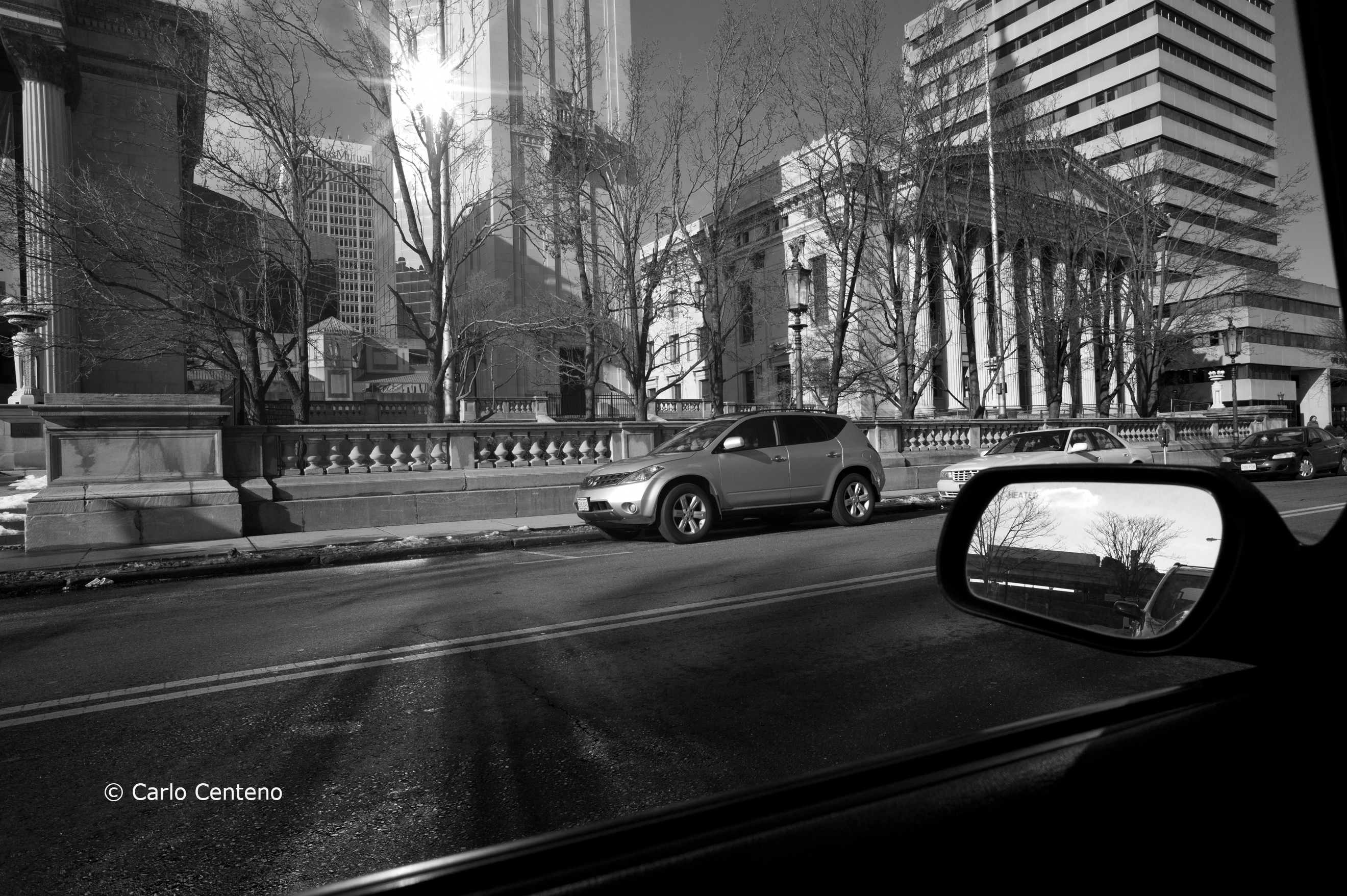
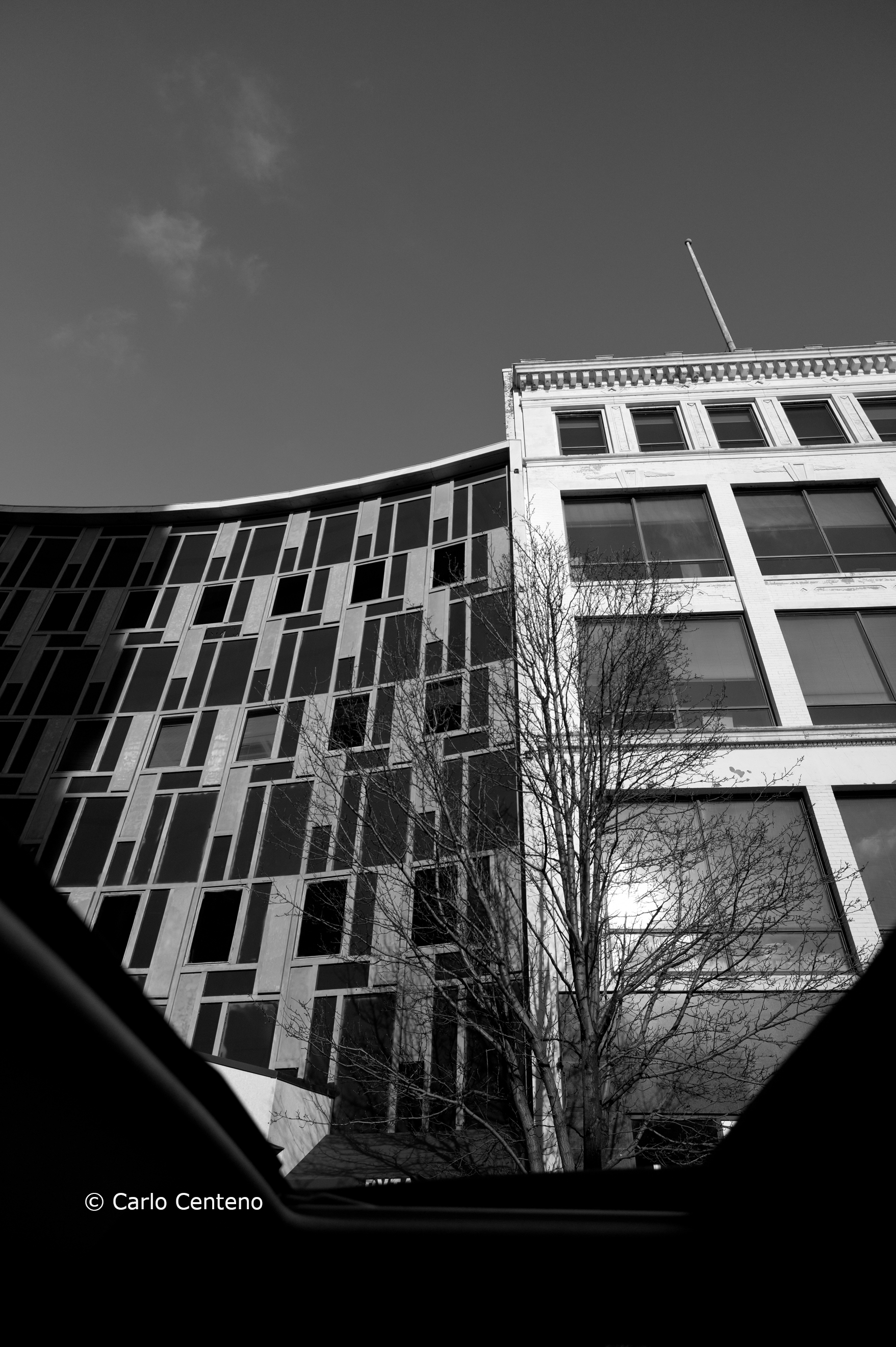
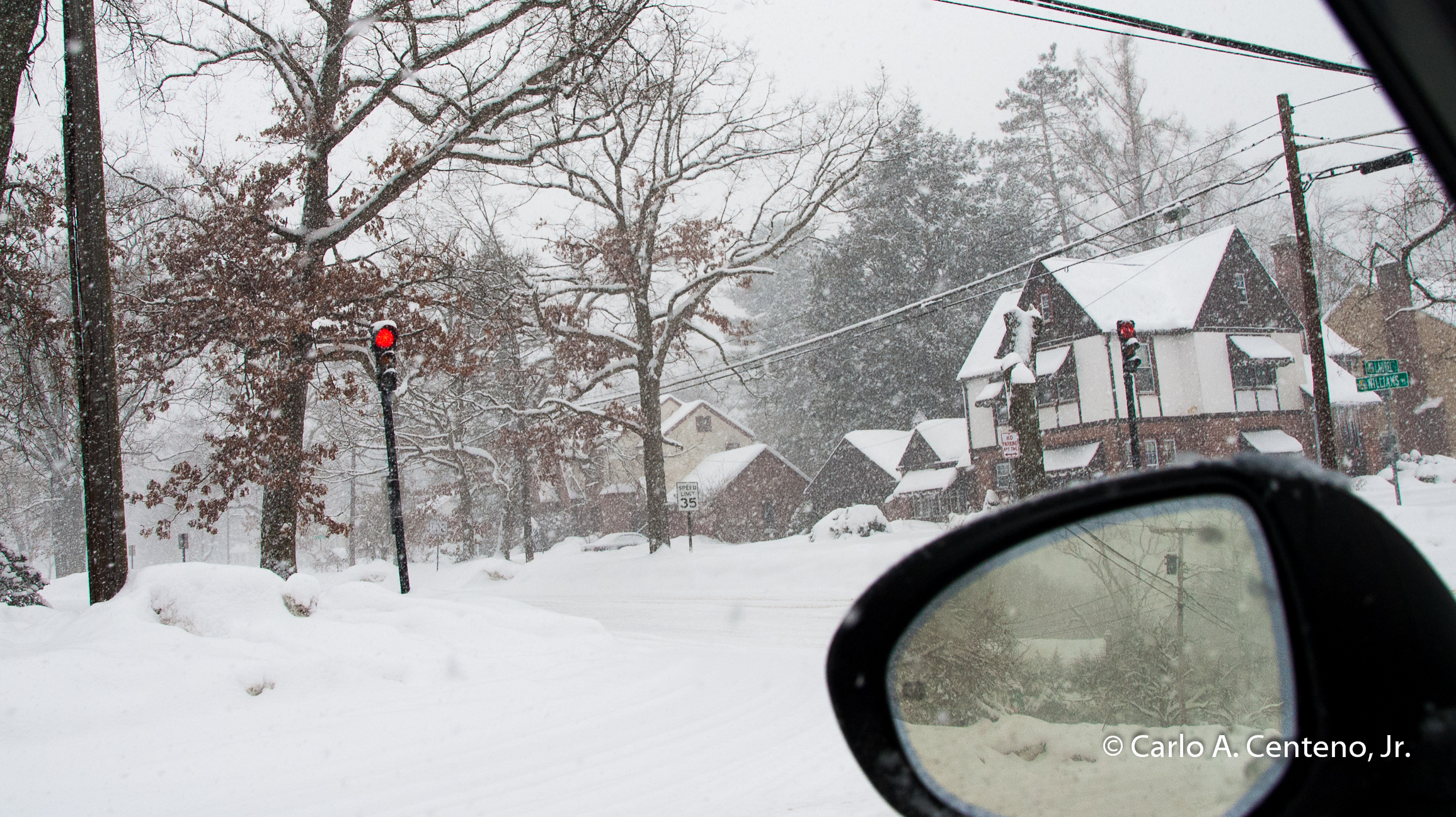
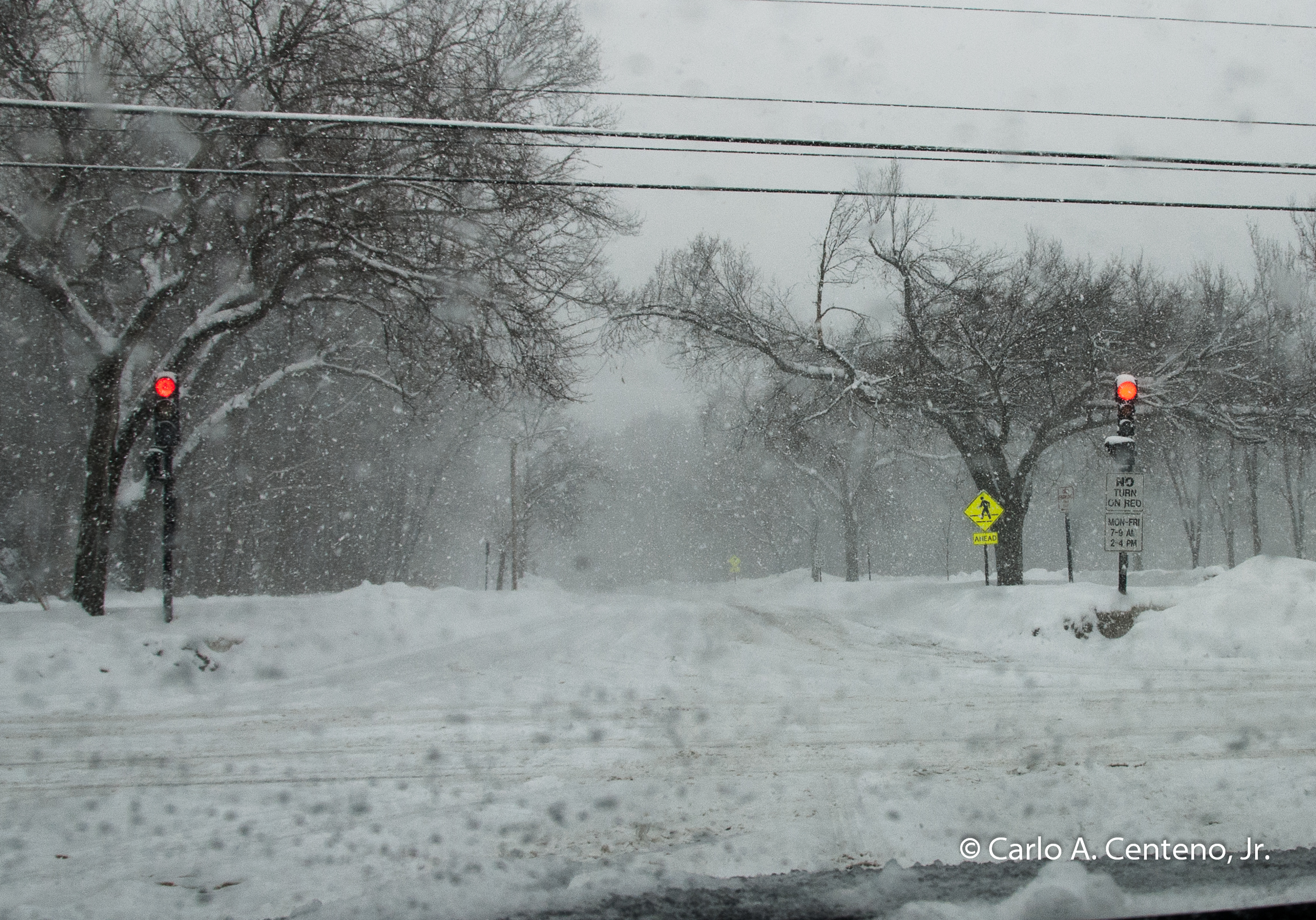
“Nobody knows the trouble I’ve seen….” and so goes the opening chorus of a popular spiritual song, which, in light of this year’s winter snow, feels appropo. I can’t remember a time when so much cold and snow visited our fair states. Substitute “winter” for “trouble” in the opening line and you can get a good sense of what burdens the lot of us. The quantity of snow has wreaked havoc on just about everything, and I mean everything.
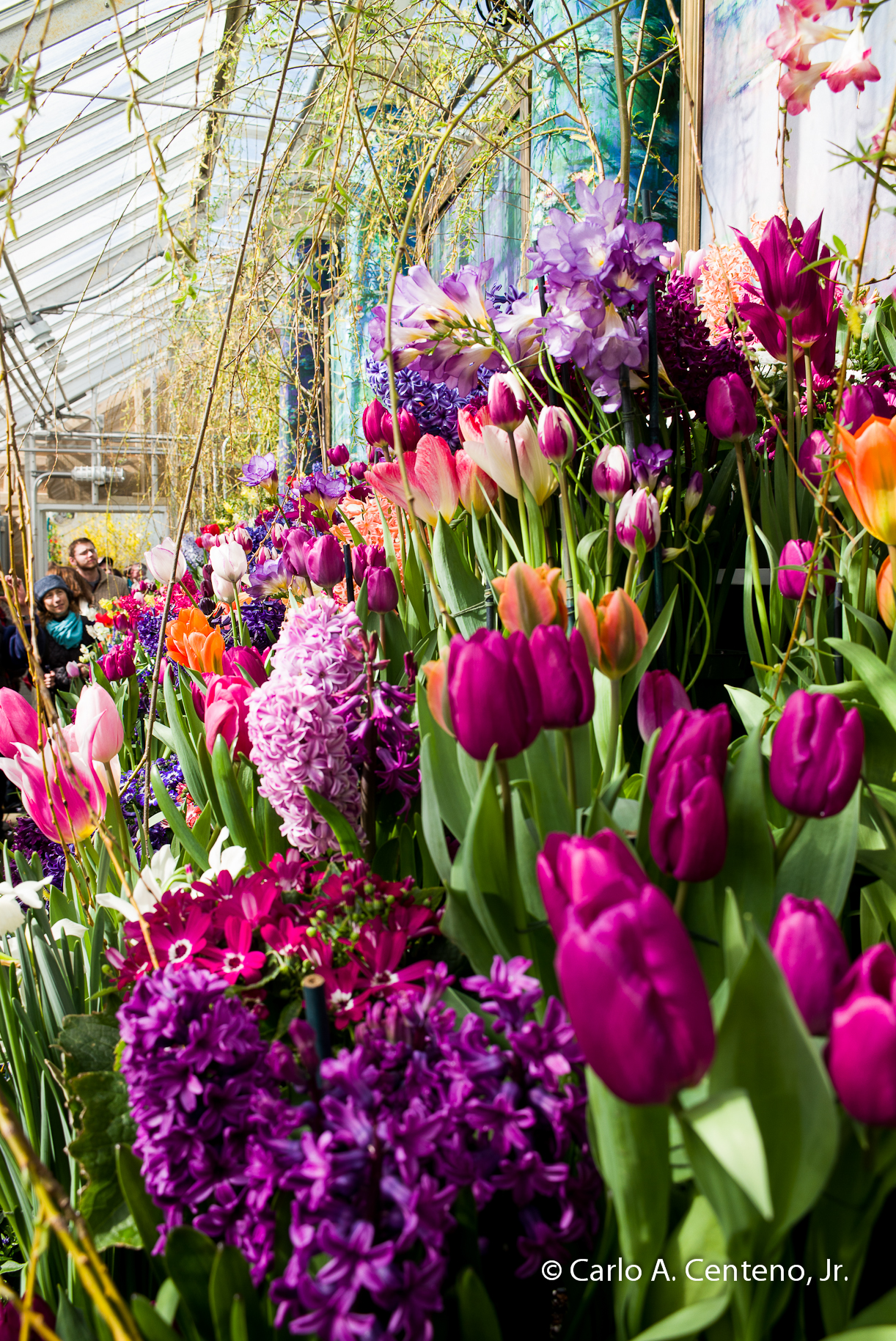
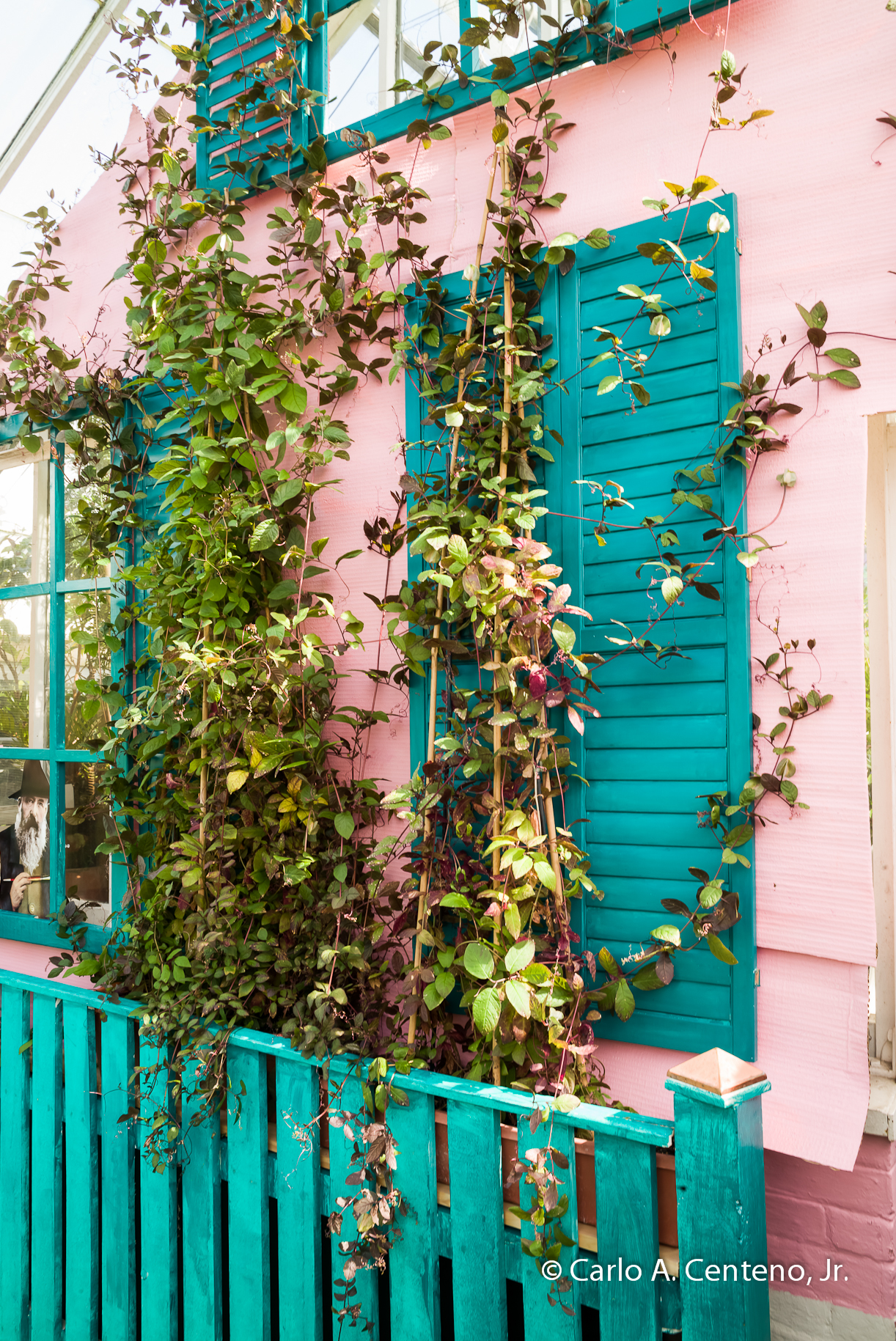
But, all is not lost. This past weekend, scores of winter-weary New Englanders flocked to Smith College to soak in the colors, aromas and textures of the annual flower show. To wit:
This year’s theme, “Monet’s Garden,” contains relevance. The artist had a fondness for working the earth as well as the paint brush. Monet had indicated that aside from painting and gardening, “he wasn’t good at anything.”
It seems that both gardening and painting were a very good fit for him.
Details from a Monet watercolor served as back drops along the display
For all the complaints and whining about winter, well, others prefer to do something other than wish for warmer days or no snow. Why waste the days feeling grumpy? This is a simple study of warmth found in the cold of winter.
I had a reunion recently. In the real sense of the word, I did see my high-school classmates and enjoyed listening to the way their lives took shape after graduation. Aside from [some] grey hairs, balding heads, [slightly] heavier waistlines, kids in and out of college, the many memories that circled back to greet us were good ones.
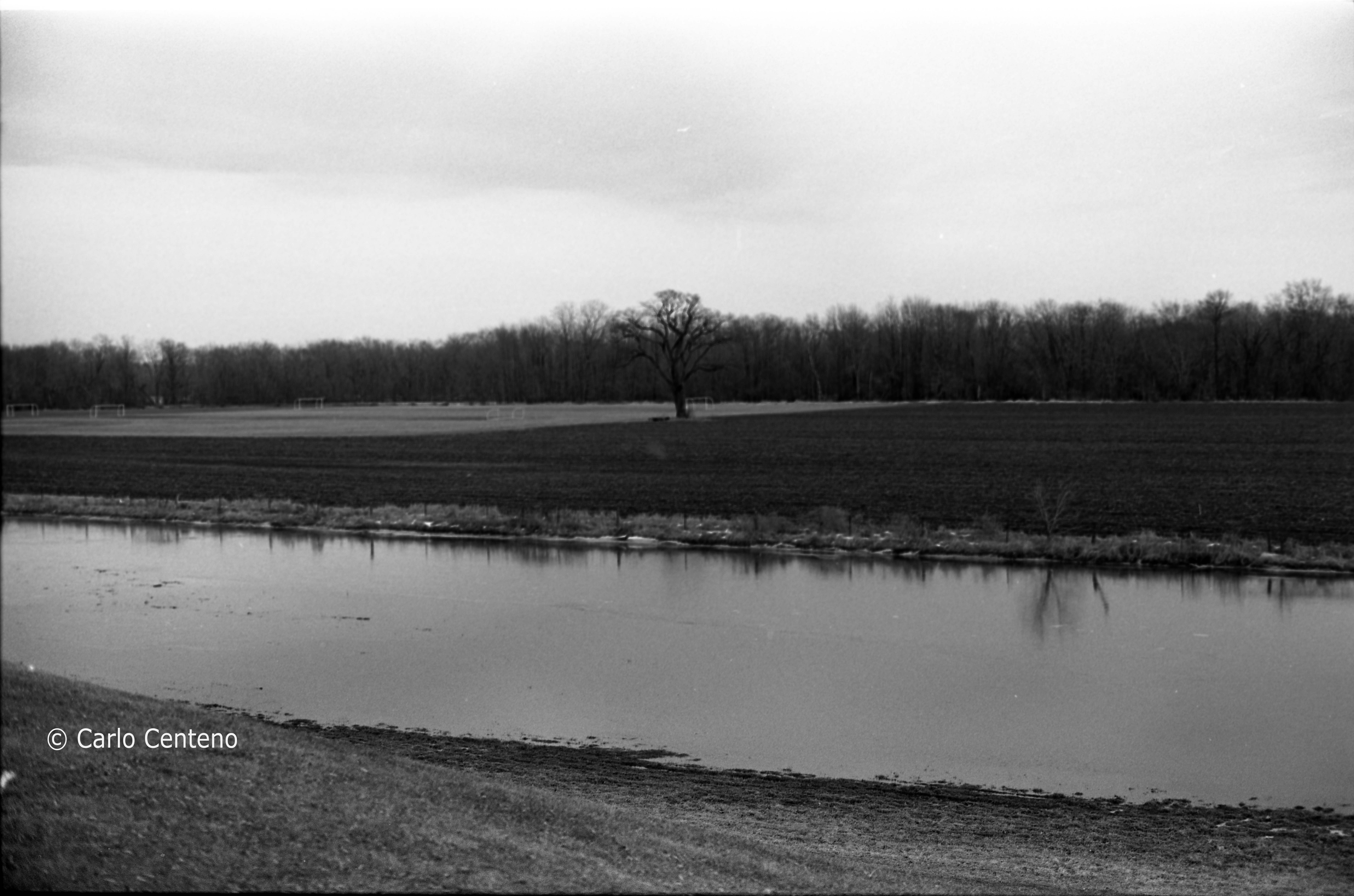
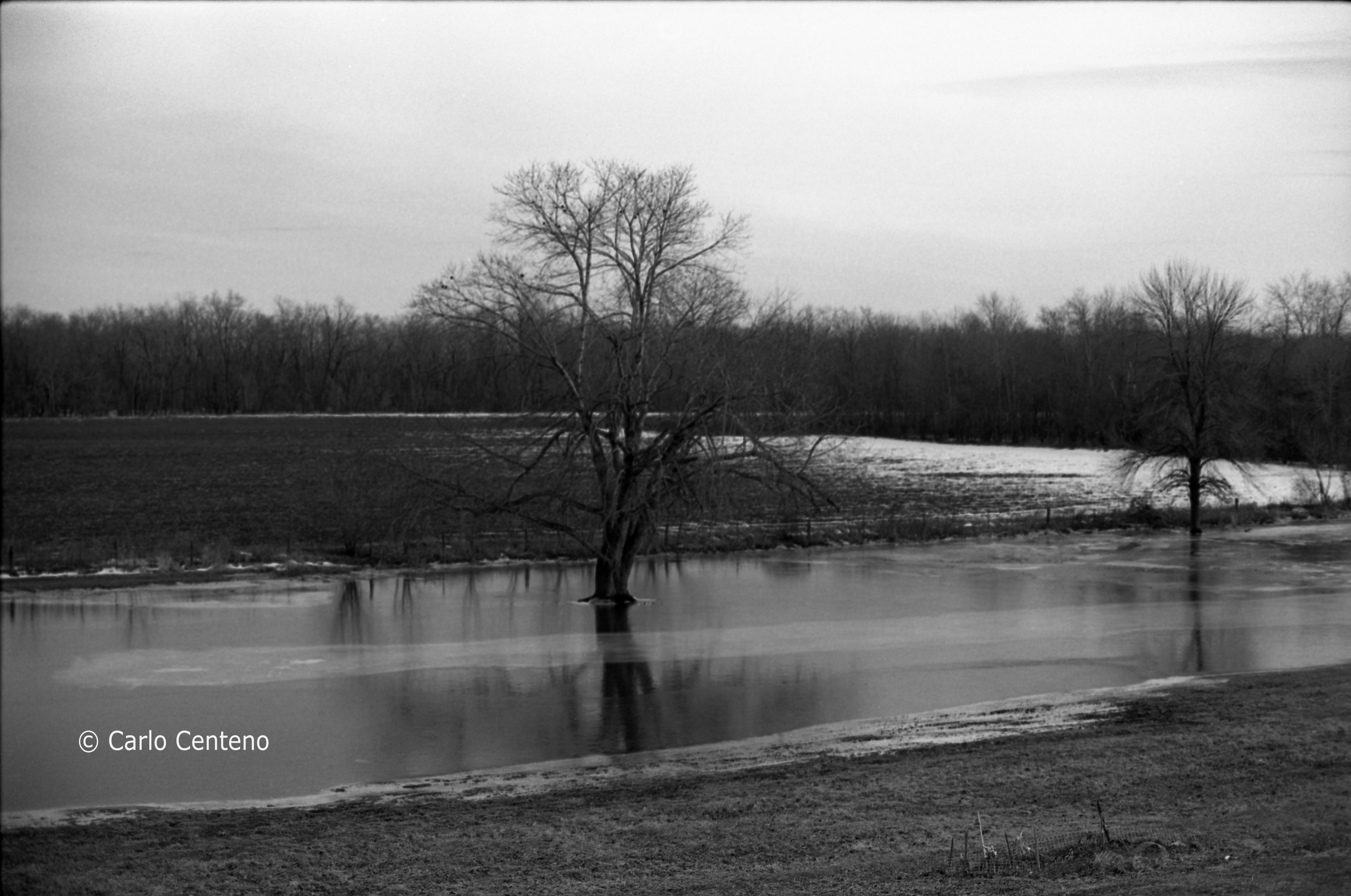
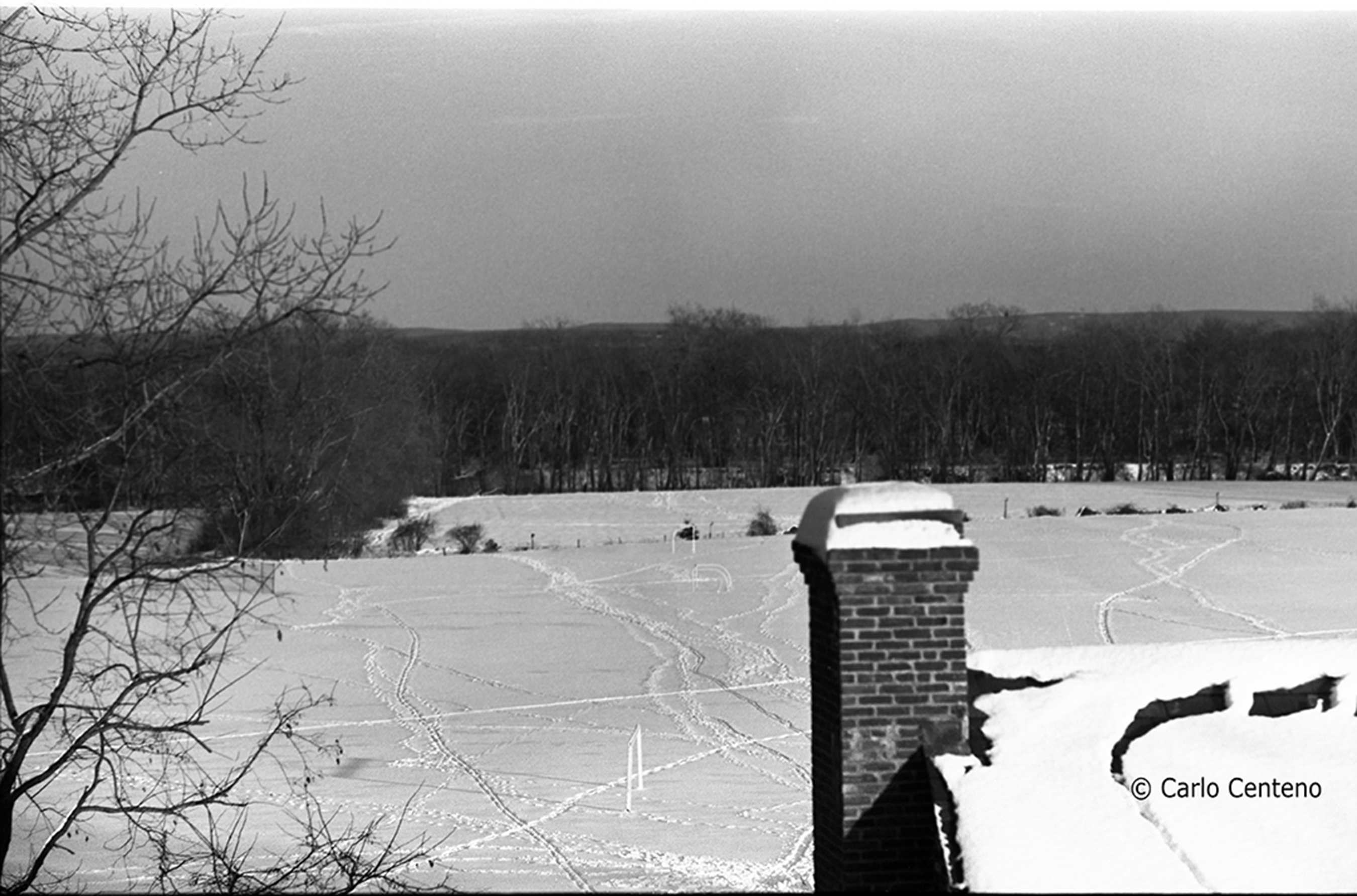
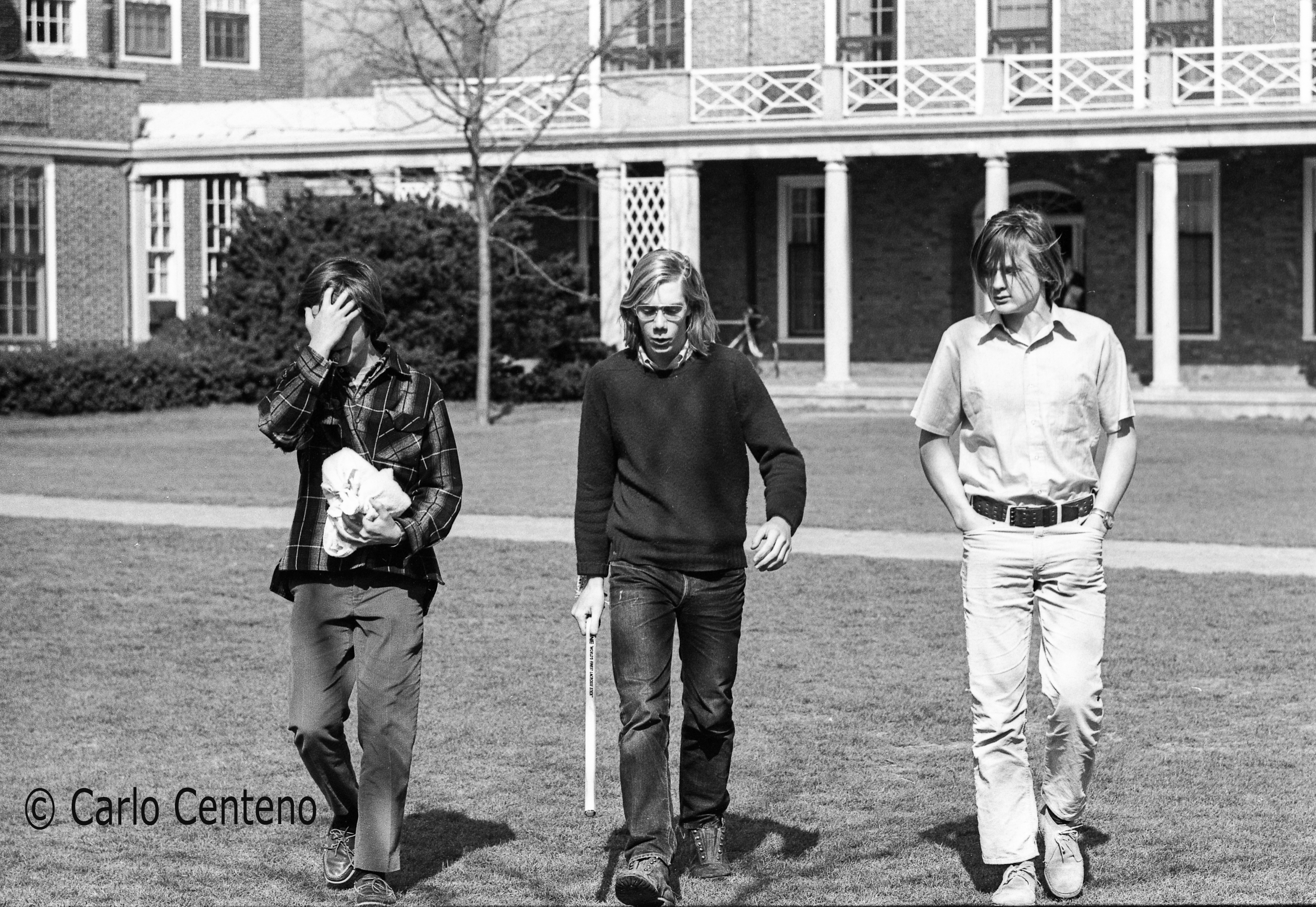
In another way, I had my own personal reunion with one of my binders of negatives. I found images from my days at L-C in Connecticut and decided to revisit them, though this time in a digital sort of way: scanning and rendering in post production. One thing’s certain, it’s much easier to scan and develop versus pour, measure, pour again, agitate, rinse, pour, fix, rinse, etc. etc.
The farm fields a la the soccer/lacrosse fields were still there. That pond is gone. I could’ve done a “before ‘n after” photo line-up, but decided, no, the before image has more meaning and substance. The “after” image—like others of its kind—looks too clean, even sterile.
What’s missing in this photography reunion is the ambiance, the nuance, the visceral energy of darkroom work. Your senses are so much closer to the image during development. You feel the smoothness of the paper when wet, made even more so with the addition of a wetting agent to promote spotless drying. The piercing smell of rapid-fixer reminded me to make sure the exhaust fan was on. The glow of the soft, red, safety light confirmed my presence in this other world, a place that made me feel safe, included and perhaps artistically complete.
This is a matter of opinion, but those negatives some 30-plus years old have held up rather well. Aside from dust marks, some scratches here and there, the emulsion has endured, and continues to do so. This is one of the things that I miss/love about analog photography. I can open a box, a binder, some glassine sleeves loaded with film and hold anyone up to a light source and immediately understand that there’s an image in front of me. I may not wholly comprehend what I’m looking at in a cognitive sense, but emotionally, there’s just something magical about looking at something that doesn’t need anything more than light, careful handling and a curious eye.
As much as I do like shooting digital, I admit a soft spot for all things analog. My roots are in film photography so that has something to do with all of this fascination for the old. I hope film never goes away; wishful thinking, but such is the march of technology. For now, wherever I can find film—some reasonably priced—then I’ll fetch a couple of rolls or so. Outdated film is fair game as they produce a different feel altogether. I think we get too hung up on histograms and color balance so much so that we dampen our feelings for what photography can bring to us.
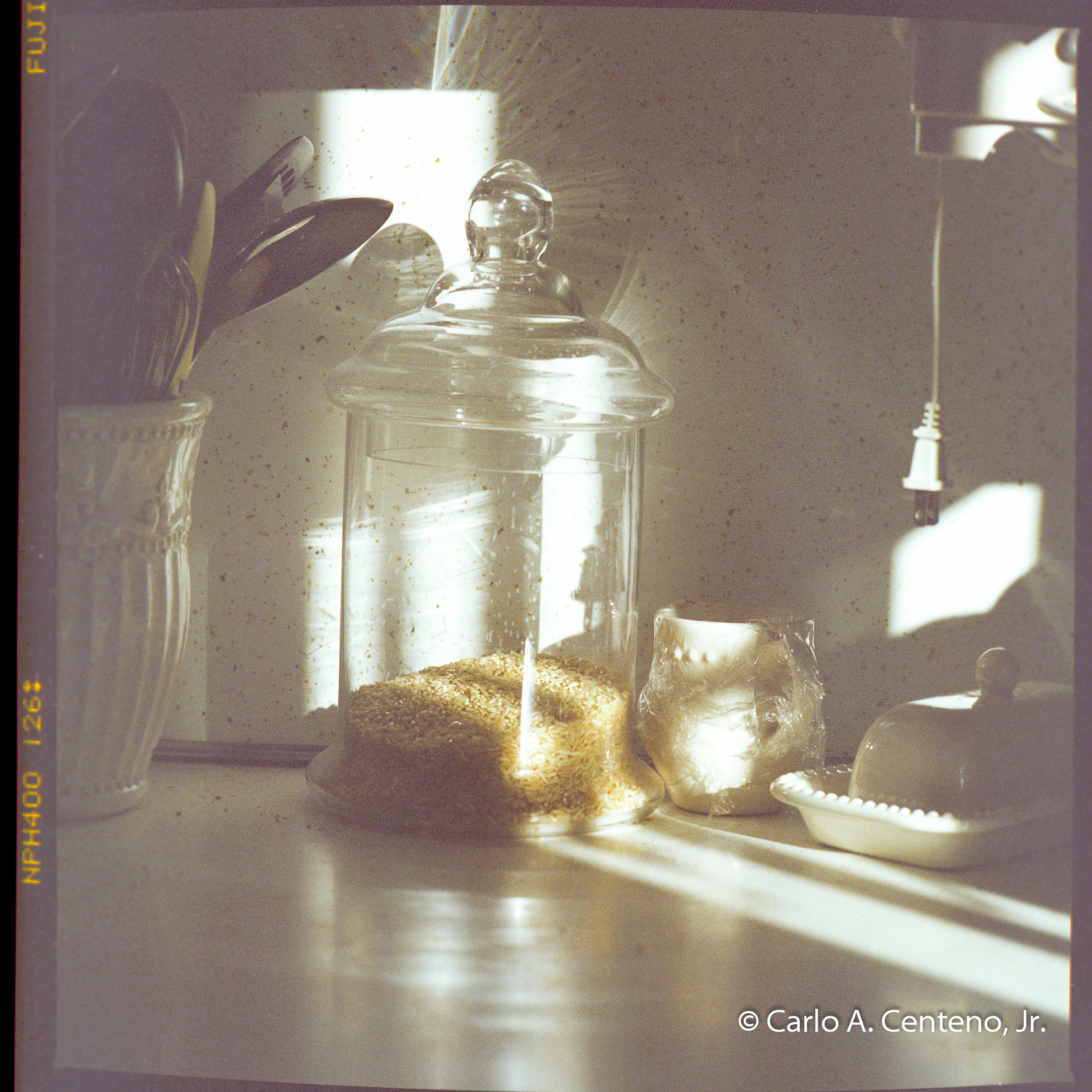
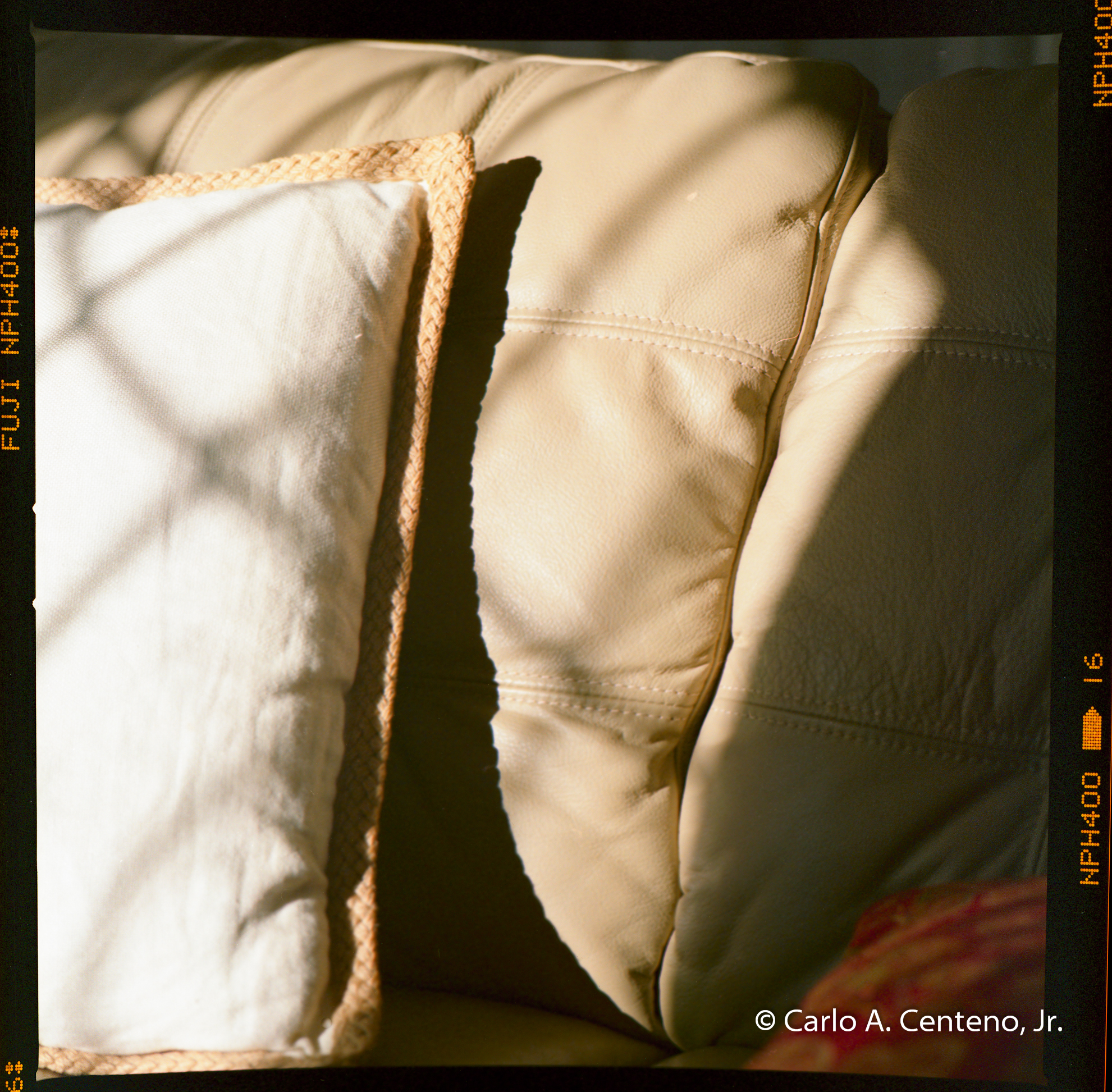
With winter’s short days, I get pulled into the boldness of both light and shadow. And when the weather is just uncooperative—really windy, extremely cold, etc.—I’ll get involved with film, a light meter, a medium format camera and sometimes a tripod.
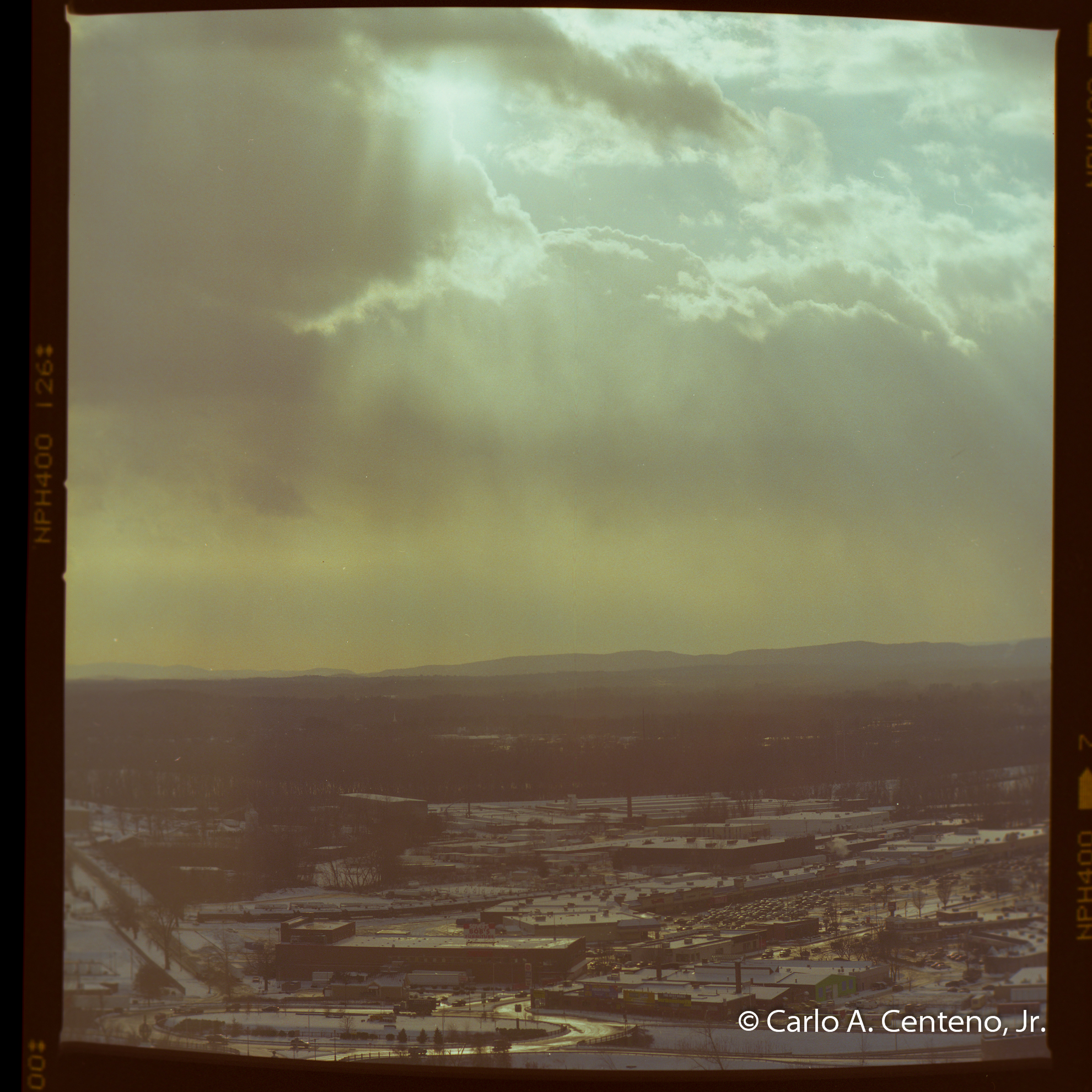
From another vantage point—in this case 25 floors up—light takes on a whole new feeling. Chasing the light from a high-rise slows me down because of all the details in front of me: the buildings, the shadows, the roads, the tracks, the river, the moving cars, etc. etc. etc. You can’t help but take your time scanning the vista in front of you. I took these in the late afternoon during a break from my desk and drudgery. They say getting light—outdoor light that is—is good for you.
On my lunch hours, I try to get out more. Too much sitting around staring at monitors. So, I gather myself and my camera, head out on a walk or do a short drive. Basically I chase the light.
From saturated colors, to shades of grey, that’s one way to describe the transition of Autumn to Winter. Of the four seasons, winter often gets a bad rap. As a brand, winter’s attributes of bone-chilling cold, freezing rain, sleet, burst water pipes, vehicles that won’t start, cancellations [schools, meetings, performances, transportation, e.g.] among others play into that season’s unfair position or perception. Our modern way of living has made us unhardy if not too soft for nature’s rigorous character made evident in the months of November through March.
Winter needs some repositioning [or reminding] of its more positive attributes. And there are such attributes, which if we are honest amongst ourselves would certainly concur that, indeed, these qualities are demonstrably acceptable. Such qualities can be nurturing, calming, relaxing and invigorating. All this on any given day in winter. For me, all those qualities or characteristics manifest during and after a major snowfall.
I have fond memories of winters past. Ski trips, sled runs, hikes into the forest, walks with my family. In this blanket of quiet and stillness, I derive a prana that matches that of an ocean breeze on a sun-draped beach. How can that be? Think yin and yang. Consider polar opposites and how without one, the other won’t exist. Yin and yang coexist. I find a personal harmony in winter more so than any other season [fall is a very close second, actually].
Snow and cold act like acoustic panels whereby irrelevant sounds don’t surround or even reach me. Horns, revving engines at stop lights, really loud music escaping open car windows, none touch a calm within me. As the snow piles up, the world becomes monochrome with a color I feel as “equilibrium grey.” This equilibrium can be so complete that it’s only failing is the glow emitted from street signs, traffic signals and reflective panels. All else is in the domain of snow. Every now and then I read about cleansing diets and I’ve heard that they can be very beneficial for one’s general health. Winter has a cleansing attribute. Its stillness points us to a calm; its quiet to a inimitable level of solitude. The expanse of snow covers the landscape, in effect hiding from us things that aren’t positive, while protecting those things that are.
Is it possible to look at a color or series of colors that can make you feel cool or warm? The red potatos and yellow onions above suggest warmth. But do you feel warm or warmer? Probably not. They’re too abstract in its context for feeling or suggesting warmth. Instead, you might be thinking more about lunch or dinner. Being food items, your appetite might trigger thoughts of eating. Granted, red and yellow are warm colors, but our interpretation covers a gamut of possibilities, all dependent on the subject at hand.
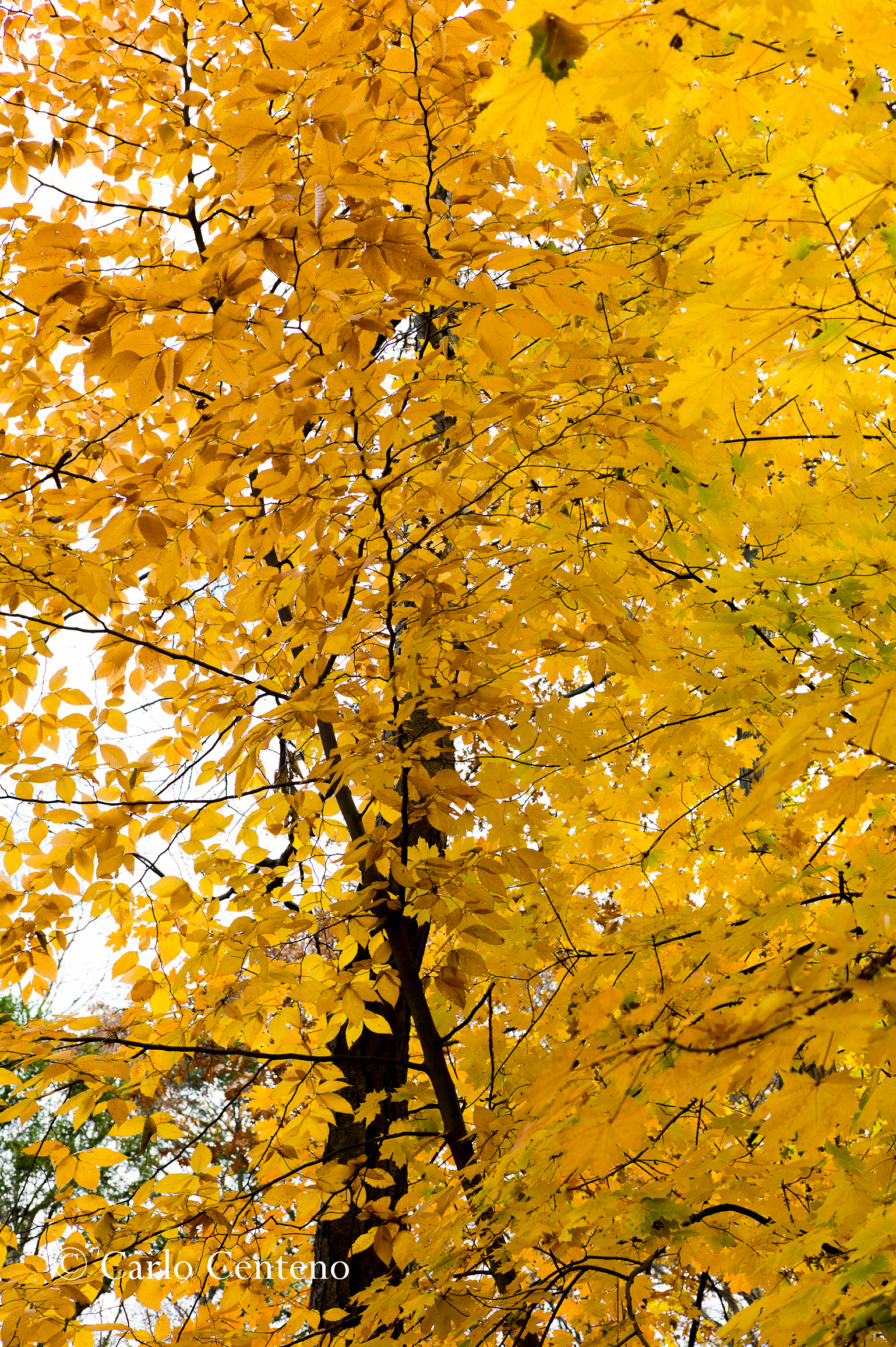
Autumn is my favorite season. There’s an inverse relationship between the colors red, yellow and orange and that of temperature. As the season progresses, those warm colors emerge, some in magnificent fashion, but the days—and nights—grow cooler. I look forward to both the color and the much cooler days and nights.
I like the juxtapositions presented this time of year.
I love Fall’s palette of color, often greatly enhanced like a center-stage spotlight when the sun is either rising or falling.
One thing you cannot ascertain from any of these images is just how cold it was when the shutter was clicked. The first image, naturally, was taken at an indoor market. The others offered not only the colors shown, but a range of temperatures from way-too-cold-for-this-time-of-the year to downright balmy and pleasant.
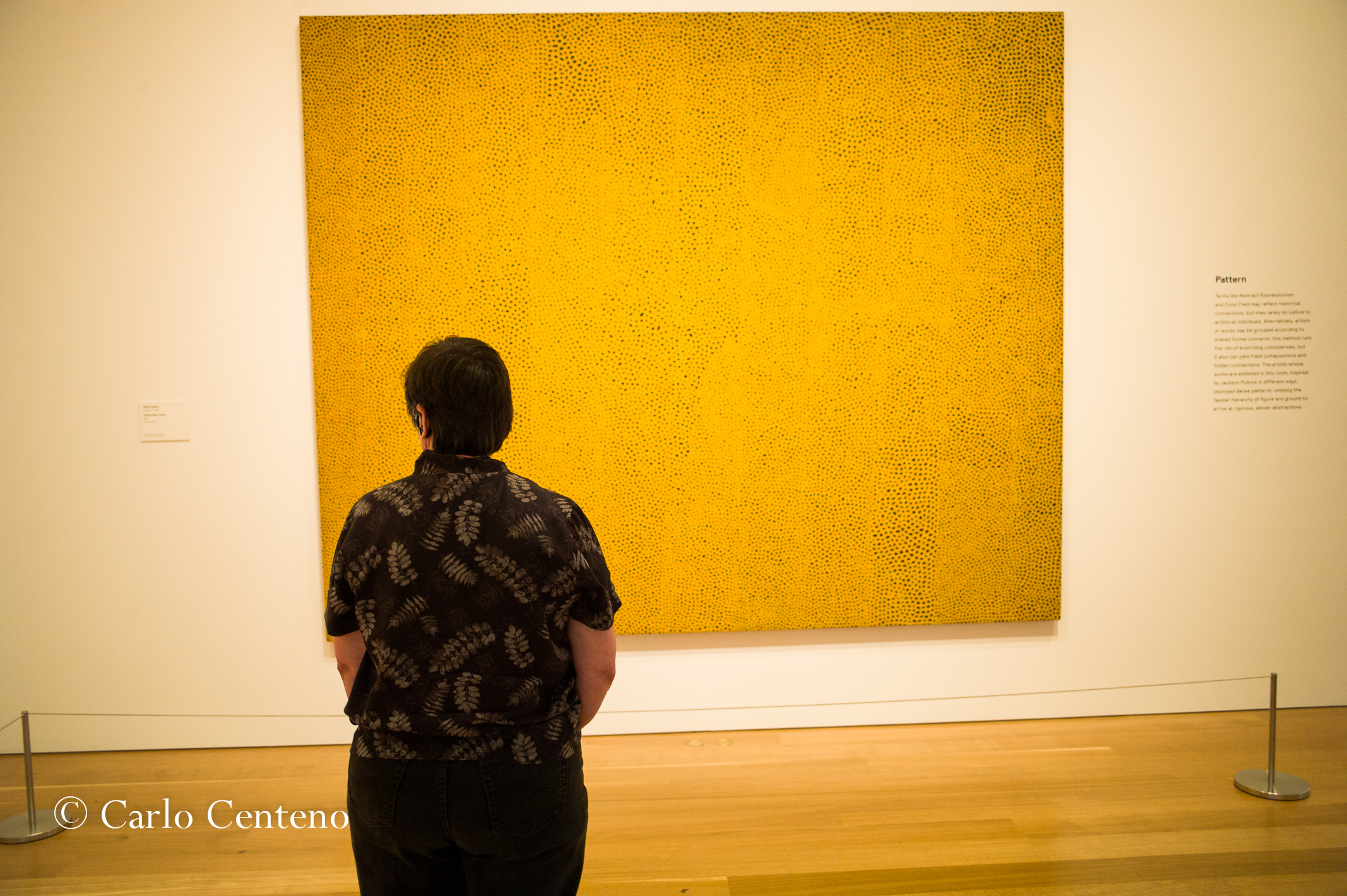
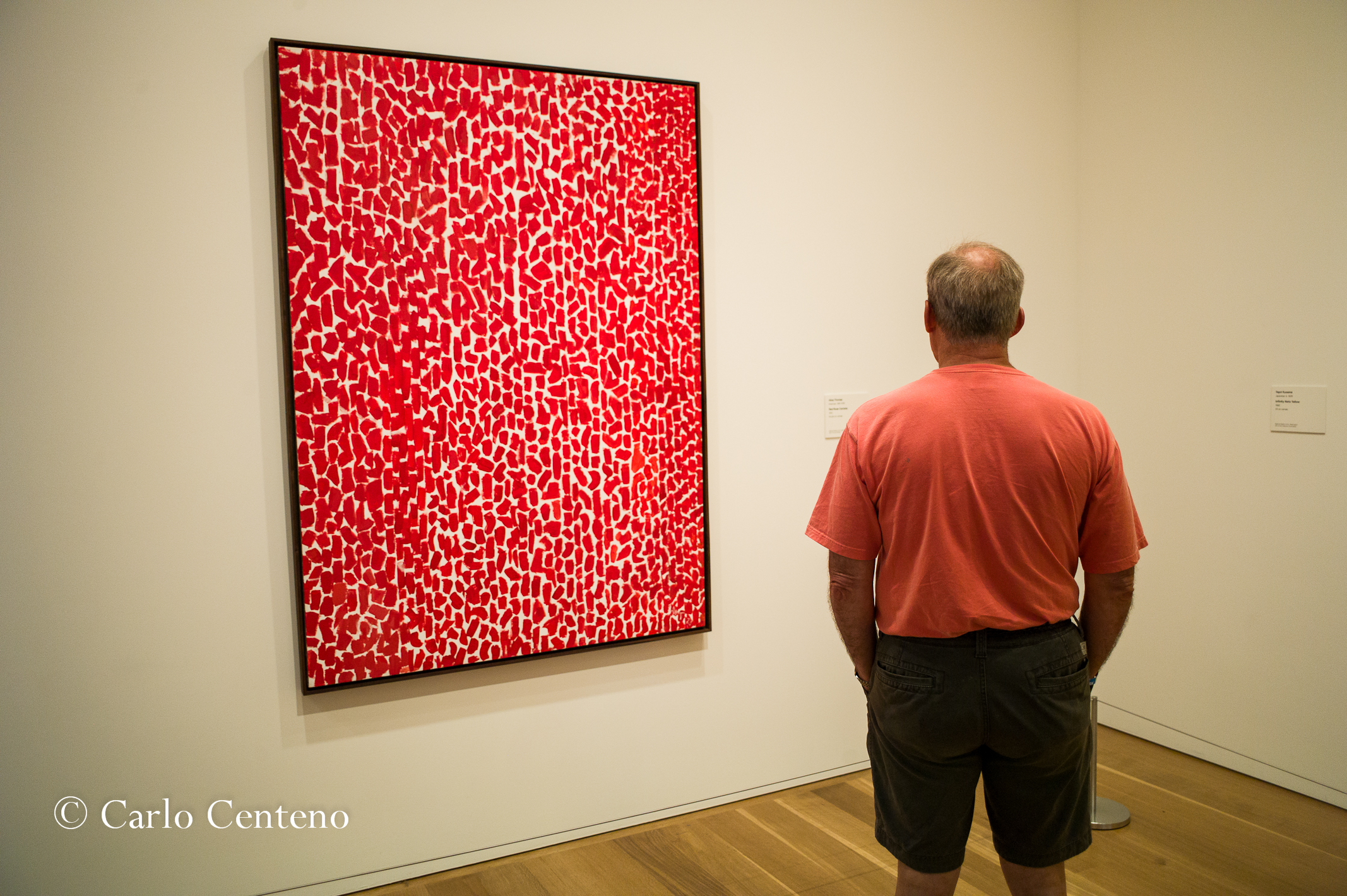
Some experts would have you believe that the absolute best way to view art, specifically flat works of art, is from a specific distance and at a specific angle. But there’s more to it than that. The shape, the color[s], the physical size, the subject at hand are a few among other qualities that shape our personal perception of whatever it is we’re looking at. While a 20-foot tall tapestry can express its grandeur at a distance, I’m more intrigued if not fascinated by the handiwork in its creation. I tend to move rather close to such objects in wonderment of the details and the craftsmanship involved.The exhibits at a museum, whether curated for a specific event or presention, or shown as part of a permanent collection, are nothing more than merchandise on display. I don’t want that comment to come off as something crass. I’m merely distilling this type of marketing in a simple form, commercial though it seems. Though this may be an oversimplification, compare the engagement to that of a department store. Consider a well-done display of business clothing or outdoor, adventure products. The items on display either spark your interest or do nothing at all. Much depends on what piques your attention and curiousity.But unlike the department store, we don’t produce our charge cards to aquire a canvas we sense could do something to a room that needs freshening up. Instead what we should do is open our sense of feeling and seeing. What stirs inside us? Does it feel visceral? Is it calming? Does it provoke agitation, confusion or consternation? Does it do anything at all?
What I can’t describe to anyone reading or viewing this post is the exact physical, literal details about the art: the weight of the paint, the roughness of a brush stroke, the depth of detail that borders 3-dimensional perception. As much as we’d like to say that we know a bit about everything and a lot more about something specific, that knowledge or memory cannot replace being physically in front of the art work.
When I see something on an Apple Retina display, I’m duly impressed with the detail and richness of color. And as nice as that is, the experience cannot replace being right there next to the object or being in front of a vista or being enveloped by the ambiance and a sense of place.
Perhaps this post should be retitled, What do you feel when you look at Art?
Categorically speaking, the selfie is one of the top elements populating sites today. Somewhere in our digital world, popular media has put the spotlight on this ubiqituous “self portrait.” As much as I like coming across a selfie here and there, my preferences for this form of actualization is more personal if not deliberately planned. Not to say that a selfie cannot be personal for the sender or subject. Certainly to each his/her own; I’m in the minority as I don’t send or post selfies unless they’re for family. I suppose people who make selfies and photo bombs part of their daily life think nothing more of them. Thus, I can appreciate the spontaneity and the fun aspect of creating and sending them.
If selfies are genuine windows to our inner selves, then I’d think common sense should prevail. A selfie taken with pals in front of a questionable location will not play well. One example is the selfie of a twenty- or thirty-something doing same, with a brown bear in the background. If I recall, the location was in Alaska at a place popular with tourists and brown bears. The bear was just 30 or 50 yards [27 to 45 meters] away. That’s too close for an apex predator that can reach speeds of up to 35 mph [56 kph] in 100 yards [90 meters]. Safety considerations aside, think in terms of centers of influence [COF] who happen to catch a glimpse of the image.That being the case, the question then becomes:
What does a selfie say about you?
All that you consistently do and say is part of your brand. Variations to such, well, that’s another posting altogether, expecially variations that put you on an orbit other than the one you and others know you’re on.
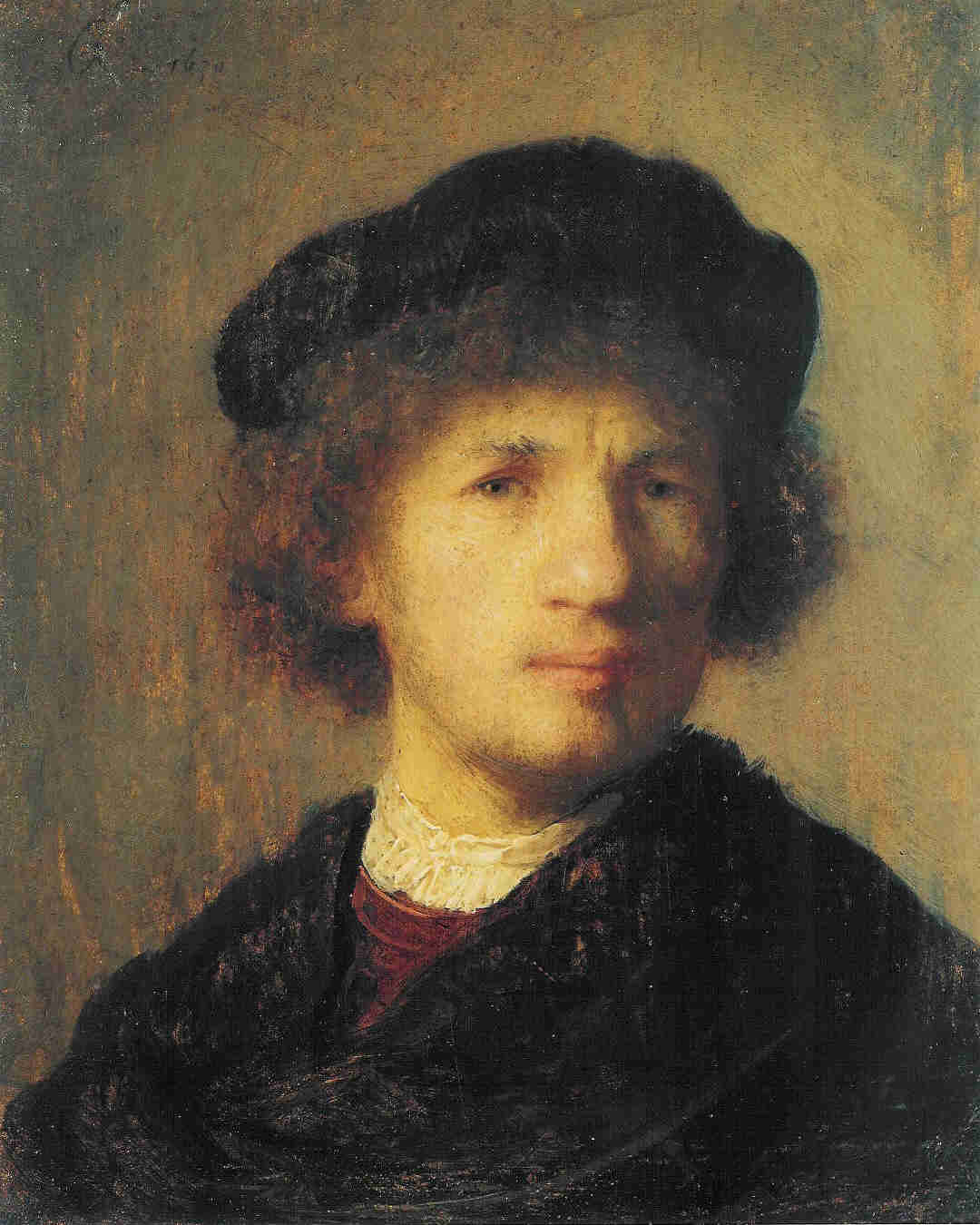
If selfies are self-portraits and thus a physical extension of one’s personna, then I can surmise that one individual is the champion of such image making: Rembrandt van Rijn [1606-1669]
courtesy: The National Museum of Stockholm
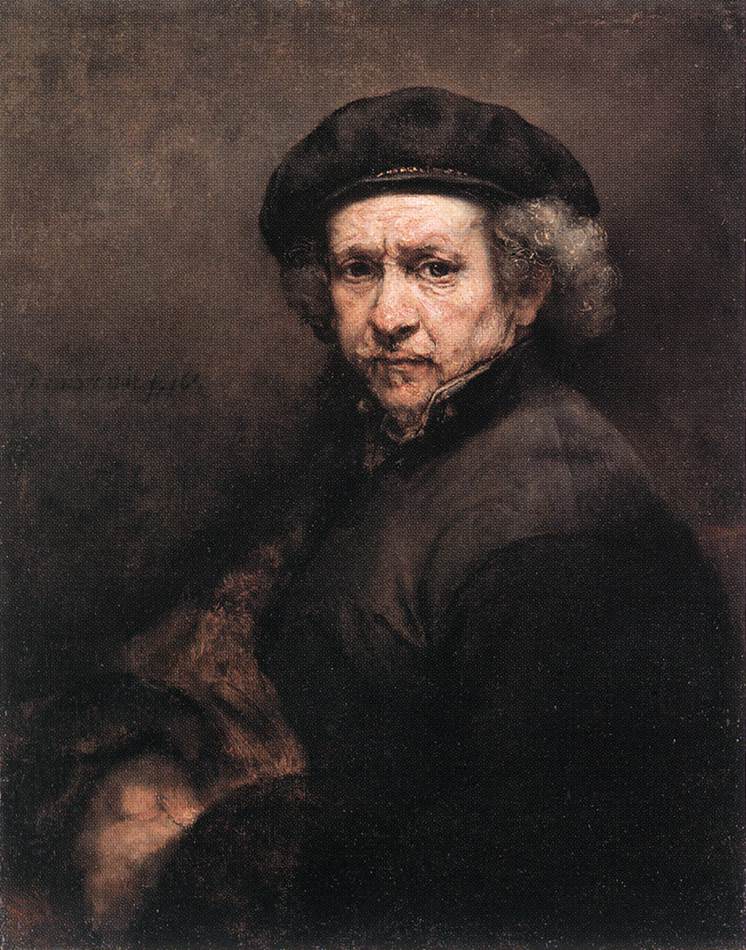
Not only was Rembrandt a Dutch master, he was a creative genius. His “selfies” had much to say about the genius he possessed. He imbued the intangible [his sense of purpose, his focus, his sophistication, e.g.] alongside the tangible [his style of attire, its texture and color; his facial expression, his eyes and hands, e.g.]
courtesy: National Gallery of Art, Washington, DC
Yes, I’m certain there are other artists who can stand alongside Rembrandt, but he owns the niche.
courtesy: Frick Collection
With age, his selfies contain more detail and texture. There is a quiet confidence—almost regal in tone—that radiates off the canvas. In all of these portraits shown here, the subject is both an aristocrat and an artist, the benefactor and the painter, the model and the creator.
Bequest of Benjamin Altman
There are other artists who have done self-portraits, that we know, but none have the power of Rembrandt’s canvases. Noted photographer Richard Avedon mentioned that he loved doing portraits because the face is a landscape that tells a story. Just as Rembrandt’s portraits offer something about his brand, so can yours, in this case, the selfie.
But be warned about where you send/post your selfies. You might forget what went where; while others will remember exactly where to retrieve them.
In the November 10th issue of the Wall Street Journal was an article, Can Money Buy Happiness? I’m referencing the print edition though as most would know, you can find the article online [I’ve linked it in the first sentence]. The article doesn’t offer any real surprises; I found no epiphanies in the story. I did however, analyze my own sense of personal happiness. Perhaps because of my age, I’m seeing a closer link to happiness through the relationships I have as opposed to wanting for things I don’t have.
So, what then, can I proffer in the guise of enlightenment? Here’s my short list:
What you have in your bank account is important, but the greater question is, what do you intend to do with it? I won’t disagree that having a lot of expendable money can be very nice, but money, like things, has an emphemeral quality.
Personal happiness must start with yourself. Self-evident, but I think we underestimate our own value, or own physical and emotional net-worth. In our age of “Reality TV,” celebrity adulation and toxic levels of narcissism , comparisons are inevitable. Other folks appear to be happier than me. Remember that apperances can be deceiving.
Training yourself to be happy [for me] starts and ends with a blessing. I think of so many who really cannot count on what I have: my health, my mobility, the use of all my senses, a roof over my head, 3 meals a day [often more], my friends, my family, a good sense of the person that I am or have come to be.
The accumulation of possessions will inevitably either go static or possess its owners, even both. If you pursue material things, by the time you get to your nth handbag, pair of shoes, latest digital device, fancy watch, or what have you, all the other prior possessions of similar ilk will spend more time dormant, even forgotten, in boxes within a drawer among other things also delegated to second [or third, fourth], place.
Whenever I get caught up in comparisons, or wanting to get something to increase my happiness, I think of this guy. We all should be more childlike; all too often, we’re just plain childish. Life should be, can be, much simplier and thus happier.
I’m dating myself, well perhaps, but while working in our southern office the other day, Joni Mitchell’s Big Yellow Taxi came to mind when I saw this young maple [?] proudly gleaming above it’s black top environment.