……From a distance You look like my friend Even though we are at war. From a distance I just cannot comprehend What all this fighting’s for. From a distance There is harmony And it echoes through the land And it’s the hope of hopes It’s the love of loves It’s the heart of every man It’s the hope of hopes It’s the love of loves This is the song for every man. God is watching us God is watching us God is watching us From a distance.
On a recent flight home, 2 songs came to mind. An epiphany of sorts became apparent as I looked down on Springfield, Massachusetts and Ski Sundown in New Hartford, Connecticut.
Ski Sundown in New Hartford, Connecticut
In light of the Ukraine-Russia war, it’s not a stretch to understand the effect of distance when watching something from afar. Things are not always as they seem, but up close, enough details emerge to create a clearer picture. Most of us see what’s happening from a distance, from the safety of our screens playing out “breaking news” of the terror and the maddening reality of one country imposing its incorrigible intentions on an independent nation.
At 29,000 feet [8,839 meters]
At altitude, it’s easy to “not see” the actualities of what’s coming and going at ground level. And yet what impacts me the most is how the innocents and defenders suffer and die, of how the children struggle to understand this detestation that arrived from nowhere. Modern journalism can report events as visceral and undiluted, anywhere at anytime. In that sense, we see more than what we want to.
I leave this post with the words Enjolras sang during the scene At the Barricades, from the musical, Les Miserables.
Do you hear the people sing? Singing a song of angry men? It is the music of a people Who will not be slaves again.
When the beating of your heart Echoes the beating of the drums. There is a life about to start When tomorrow comes.
Les Miserables by Victor Hugo Les Miserables, the London Musical, trademarked by Cameron Macintosh Overseas.
I started out in search of ordinary things How much of a tree bends in the wind I started telling the story without knowing the end I used to be darker, then I got lighter, then I got dark again Something too big to be seen was passing over and over me Well, it seemed like a routine case at first With the death of the shadow came a lightness of verse But the darkest of nights, in truth, still dazzles And I work myself until I’m frazzled I ended up in search of ordinary things Like how can a wave possibly be? I started running, and the concrete turned to sand I started running, and things didn’t pan out as planned In case things go poorly and I not return Remember the good things I’ve done In case things go poorly and I not return Remember the good things I’ve done Oh, oh, oh, oh-oh Done me in copyright Bill Callahan from the album, Sometimes I Wish We were an Eagle.
I’m told that feelings of nostalgia can be dangerous, dangerous in the sense that you can lose yourself enough to miss out on being in the moment. Possibly true, but in an attempt to put balance into my thinking here, I’d like to think that whatever and whenever nostalgia or recollections unapologetically come to mind—whether good, bad or ugly—I can use them to better appreciate what being in the moment means.
The lyrics to Bill Callahan‘s song, Jim Cain, never fails to stir something in me. Jim Cain was an American novelist, an author often referred to as the archetype of “hard-boiled novels.” Three of Cain’s novels found its way to the screen, each receiving critical acclaim: Double Indemnity, Mildred Pierce and The Postman Always Rings Twice.
The eponymous song is haunting yet contains elements or conditions which feel relevant. I make no claim to be an expert on Mr. Cain’s life or his work, and yet every time I listen to this specific song, sensations of deja vu slip in. Mr. Callahan’s style, his sound is wholly unique [IMHO], and indeed that character of voice and music composition reinforces key feelings in my ephemeral journey of 4 minutes, 39 seconds .
Several verses strike a chord [pun intended], however three lines ping my empathetic sensors:
I started running, and things didn’t pan out as planned In case things go poorly and I not return Remember the good things I’ve done
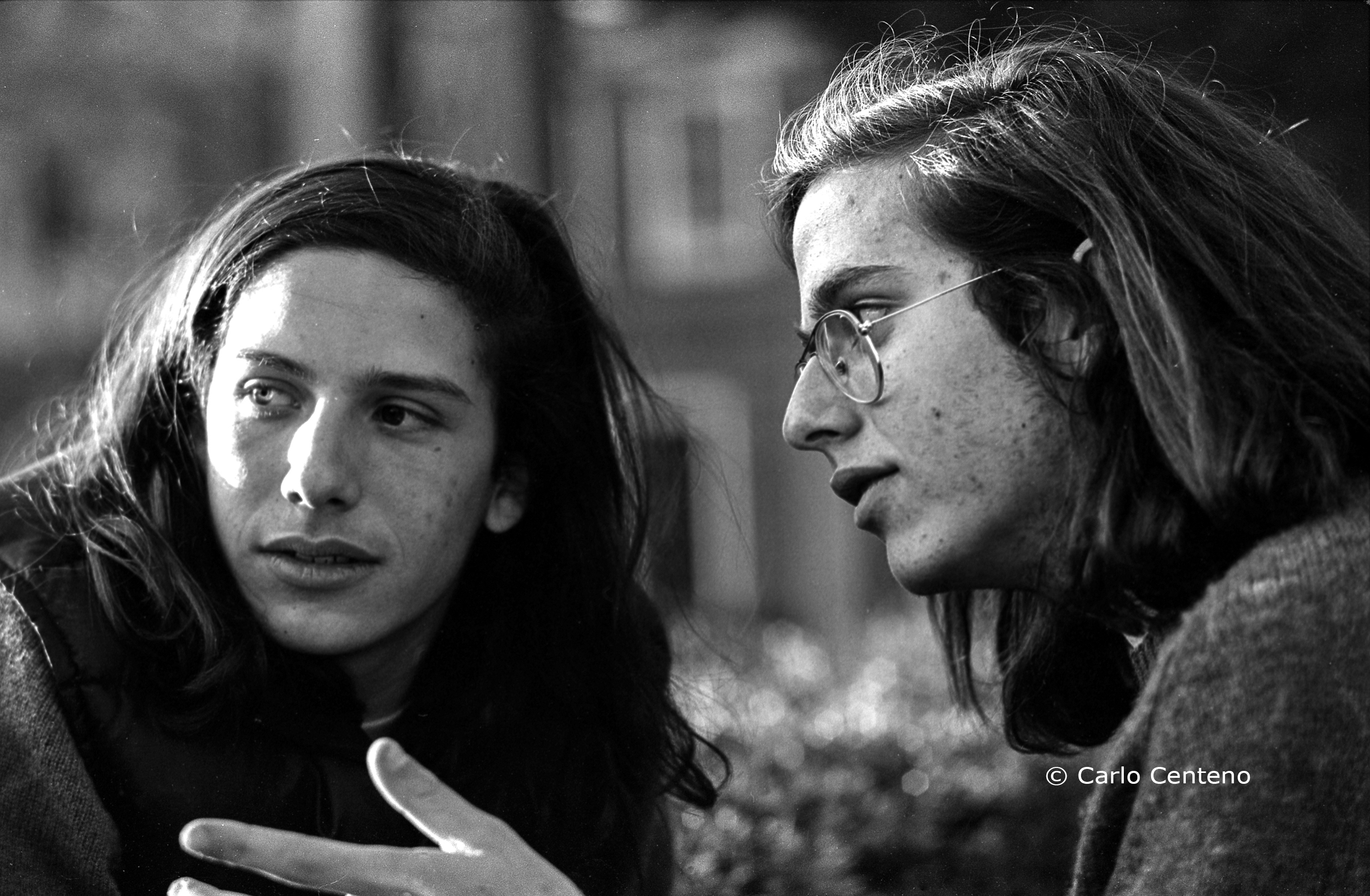
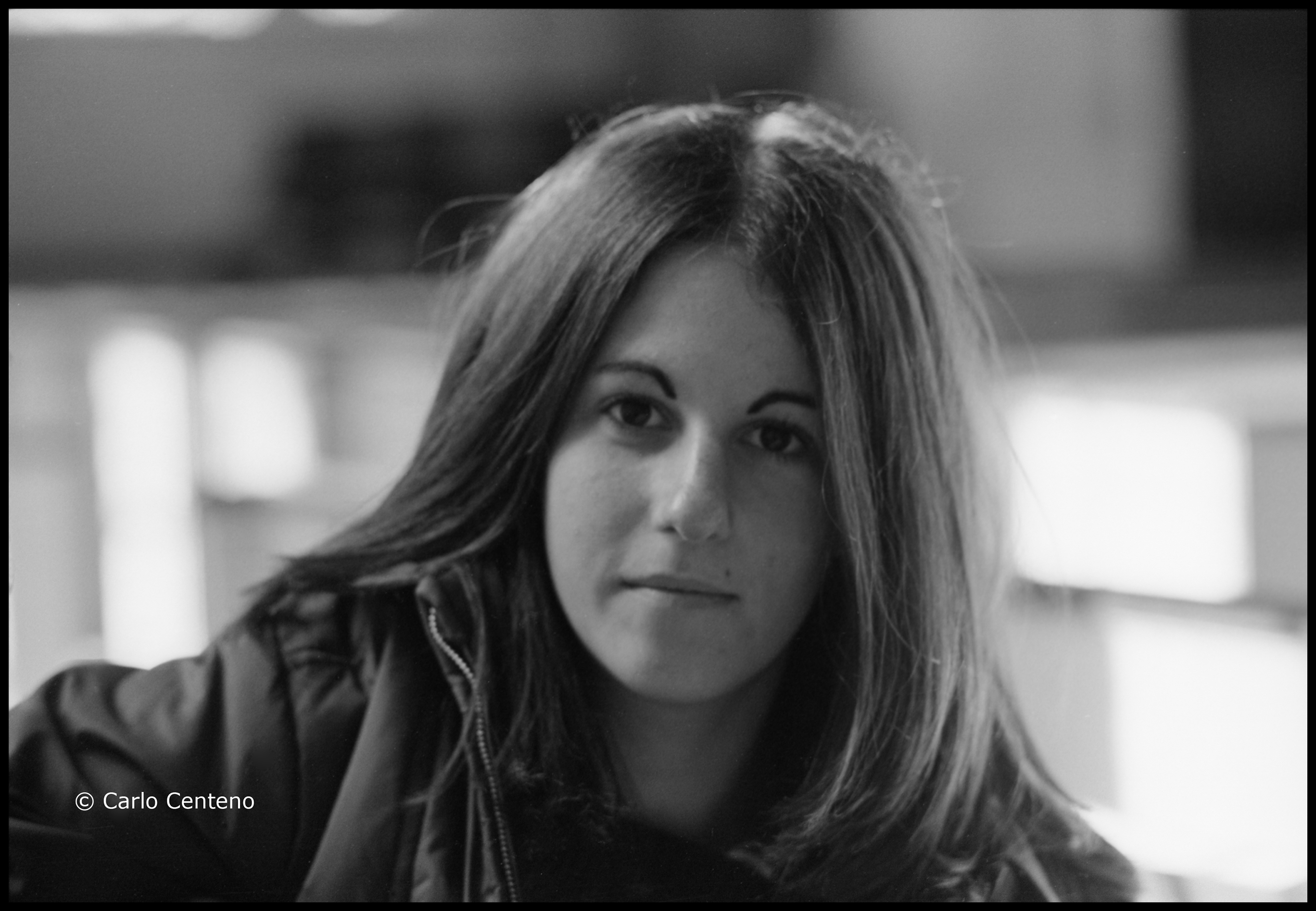
The photos in this gallery reach back 4 decades to a time that will always mean much to my personal and professional journeys. I’m convinced that most of us are running—some more determined than others—hoping to optimize careers, relationships, and of course, one’s sense of self. And yet in spite of shortcomings that can toss us off the saddle, we get up, and with additional effort we manage to return to the point where we stumbled. We carry on as we must.
When I look at these photos in the company of the music and lyrics of the aformentioned song, I recall the people, events and lessons which remain relevant. I’m reminded that many things in life are good and that some of that good is actually a product of my own doing or in collaboration with someone else or those in a group. Why reflect on the banal, the unpleasant, the incorrigible, among other soul-dampening sentiments? Because without them, you achieve little balance to various positives that fate hands you. Indeed there are plenty of those ill-feelings to weigh down our resolve to do better, day in-day out. Think back to an event ,a person, a vicissitude if you will, that later proved to be a turning point which led you to where you are now, or perhaps pushes you to finish a journey still in progress.
There are some years that snap and engage your entirety as a person, because it clarifies statements such as, “yup, been there, done that” to any number of realizations, each based on a chance or intention: “Yeah…that was stupid…and I’m not doing that again!” Over the years, we hear reprimands from parents, teachers and coaches, even our peers, which we in turn offer to our own children. I’d like to think that most reprimands are lessons filled with hope and expectation. We hope our young charges “get the message.”
To open archives of a time long ago produces a reawakening of feeling, dissonant and concordant. It all depends on context. My cohorts line up alongside nostalgia, in ways that yes, brings up yearning but also that understanding of, “I don’t think I would’ve made it this far if it weren’t for _________.” That blank line between “for” and the “.” has possibilities. For me, the ones I’ve chosen were life-changing. The elements of personalities, a moment in time–and especially at a specific point–are sealed. They are irrevocable and part of me.
Clearly on many levels, I am a better person because of such experiences. Throughout life, we move forward and as people and events become things of the past, of things which somehow shaped you, regardless of where you are and with plans you’ve made, you certainly have done good things worth remembering.




 Carlo Centeno