

Hudson Hall 327 Warren Street Hudson, NY
With a pen and camera
Hudson Hall 327 Warren Street Hudson, NY

I recently attended the Digital Marketing Summit for Financial Services & Advisors in NYC. The sea-change in marketing as a science is nothing short of overwhelming. It’s not a stretch to feel data sets [Big Data] testing your senses of feasibility in order to select specific data that can help shape your marketing messages and strategies.
My fascination for everything that is Formula 1 is insatiable, including the way F1 teams develop new technologies to gain a competitive edge under the rules. In recent years, digital data procurement has become de rigueur , just as it has in marketing. There’s no escaping it, there’s no going back. The Summit was well attended, moderated with timely panels and break-out discussions; collectively the 2.5 days allowed me to get in over my head on various “How To….” and “Why Social Media is….” findings, benchmarks and strategies. Professionals from across the USA, Canada, Trinidad Tobago, Germany, England, and other countries were on hand.
The digital marketing and social media cognoscenti may know this already, but these are my Summit take-aways:
The diagram noted above is the [estimated] output of a Formula 1 car during practice at this year’s Malaysian GP. The data set is a representative overview of what the driver must know based on speed, gear selection, braking points, acceleration points, track sections and the use of the car’s DRS [Drag Reduction System] to optimize aerodynamics. That’s just a partial list. All told, an actual race sends 1.5 billion data samples to race engineers who monitor the action from their paddocks.
Having access to data sets is far different from the utilization of specific data sets that you believe can optimize your marketing strategy. Ultimately, two goals need to be accomplished: 1) is to consistently, authentically provide to the client the experience that your brand promises, and 2) to deliver on that promise profitably.
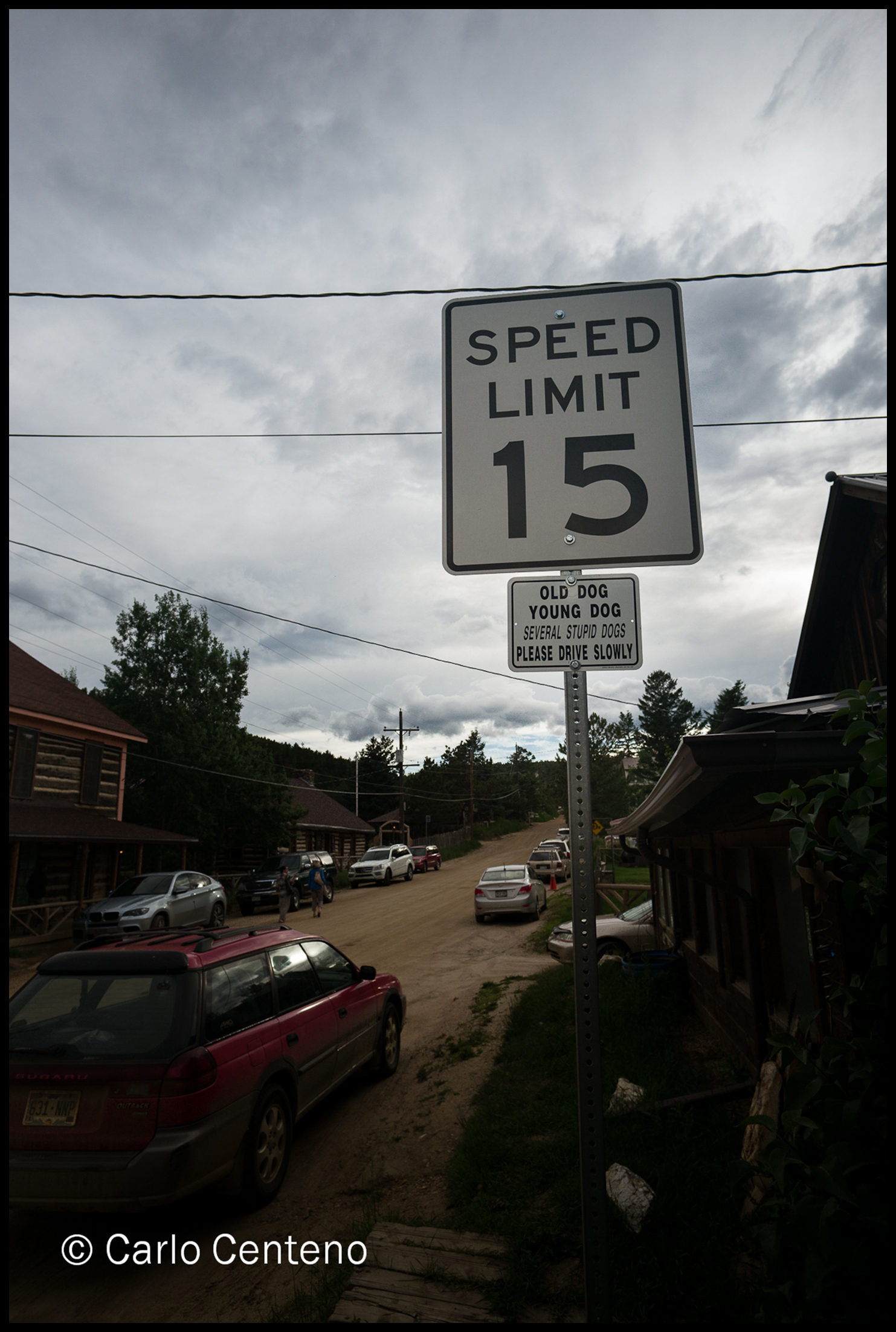
Sometime in the future, we’ll have 15-minutes of fame. Attributed to Pop Artist, Andy Warhol.
Fifteen: __seconds is a quarter of a minute; __minutes is a quarter of an hour; __miles is 24 kilometers; __kilometers is 9 miles. I think the most “famous” of 15s is the one attributed to Warhol. He may not have actually phrased it, but it’s certainly part of his cultural brand.
Fifteen Minutes of Fame is also a music project created by composer-producer, Robert Voisey. That, in and of itself, is a fascinating enterprise.
Sir Richard Branson defines his 15-minutes as “me time,” time he finds in each day exclusively for himself in order to reconnect, re-energize, refocus, etc.
What can you do with 15-minutes all to yourself? Some suggestions:
Reward yourself with a good thought, whatever that might be, and dwell on its possibilities…
In my line of work, you host, sponsor and get invited to a variety of events from various non-profit agencies and causes. Most everyone can understand donation requests in the form of food, clothing, footwear and safe housing. The need for basic items will not abate and is likely not to.
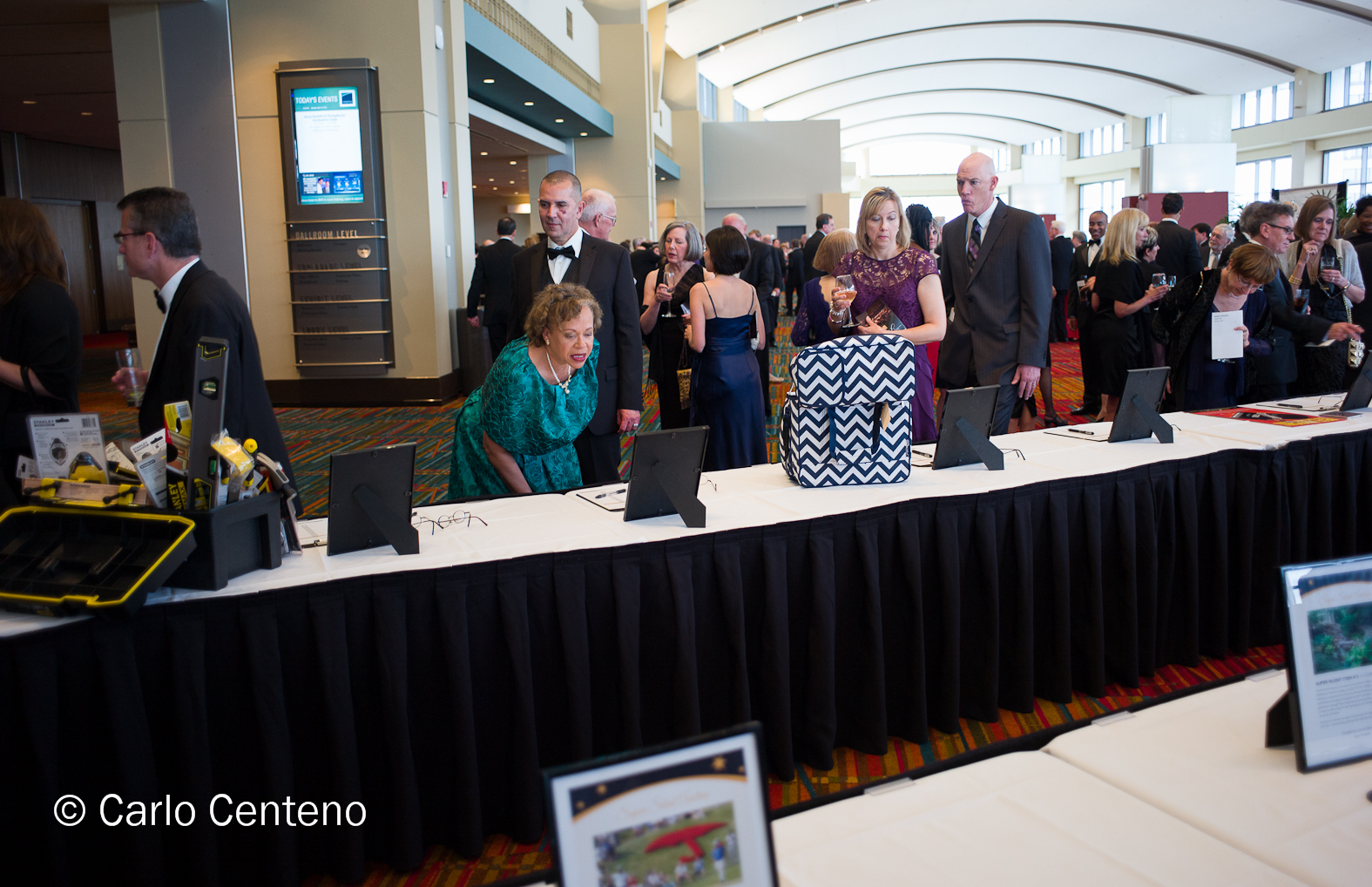
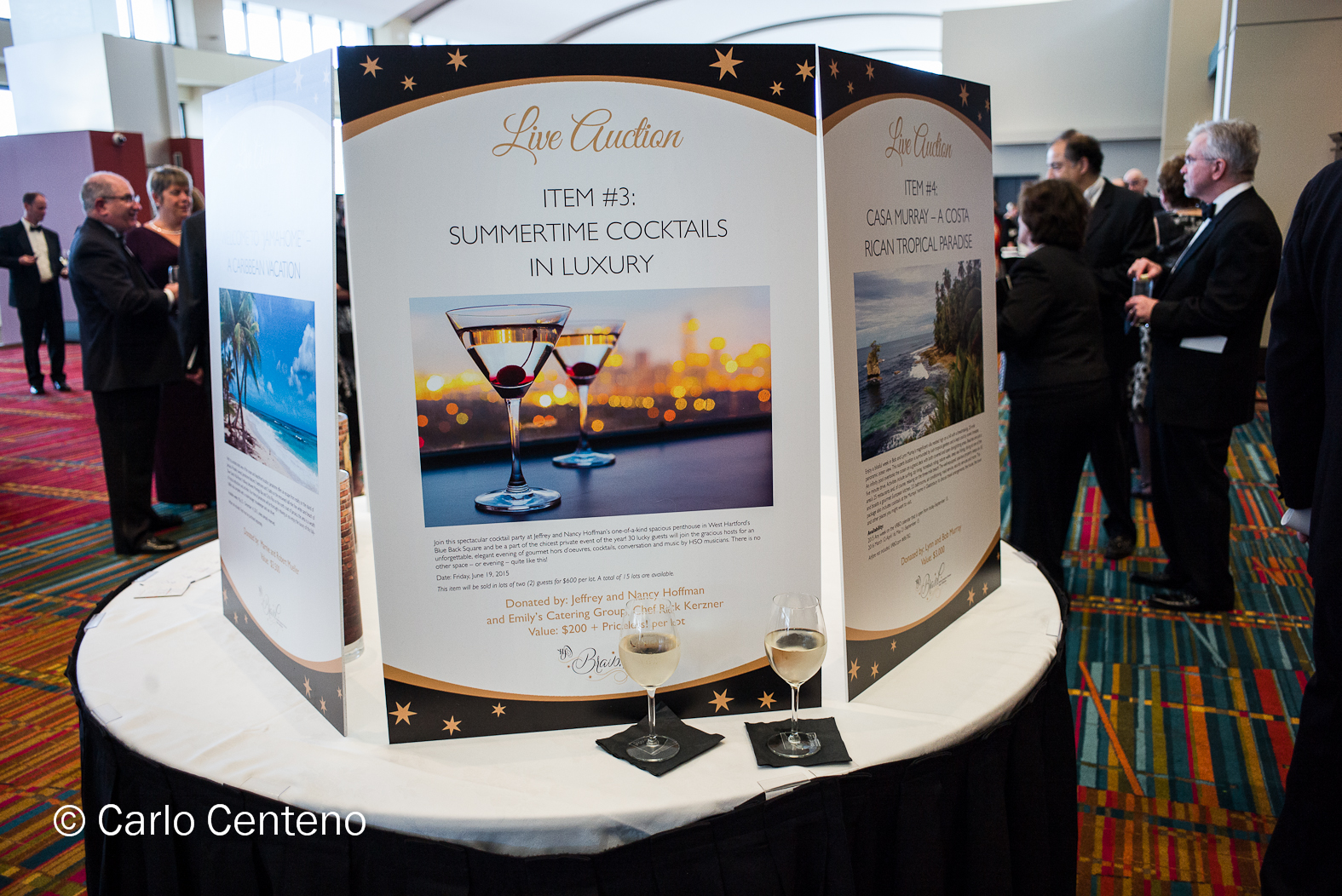
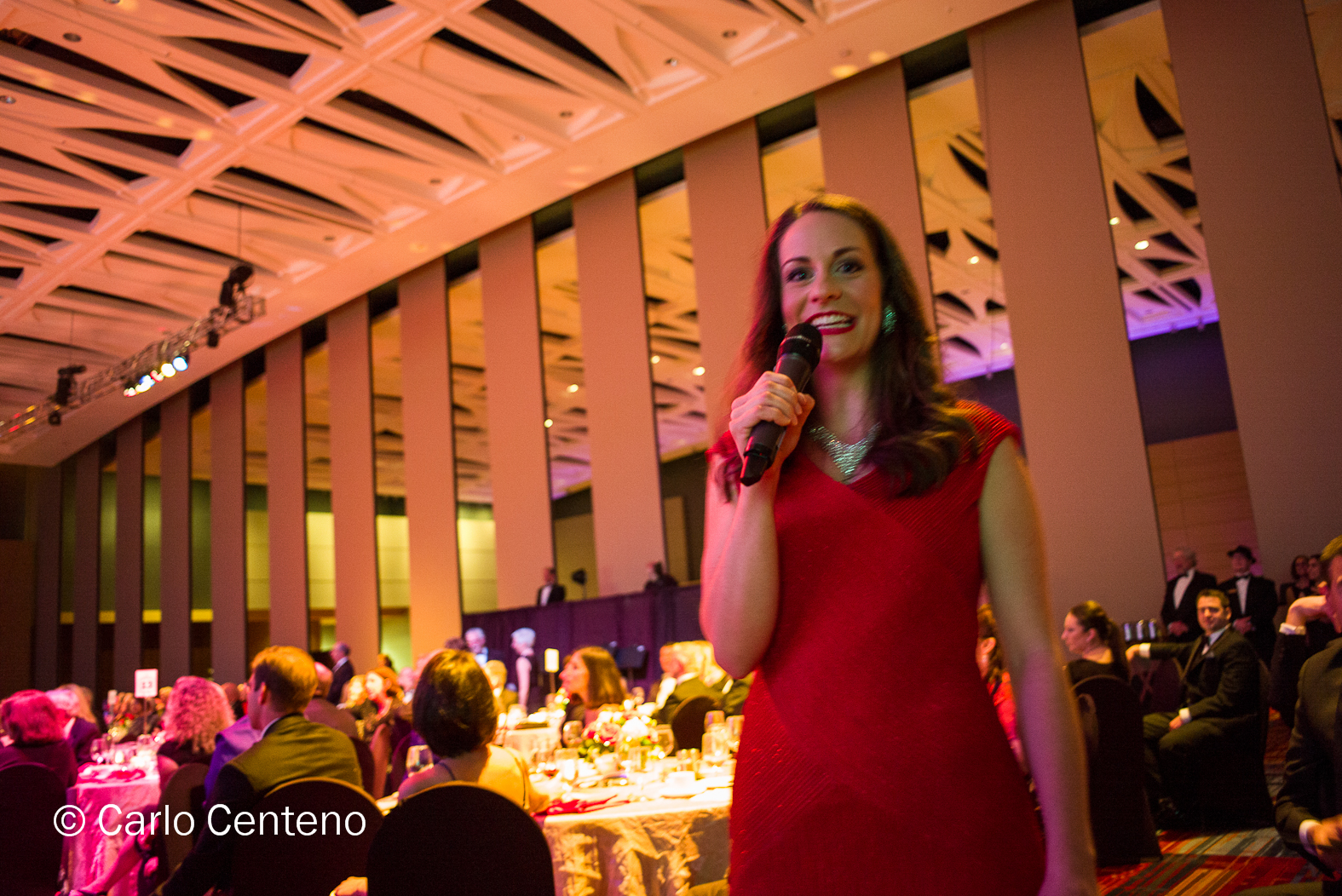
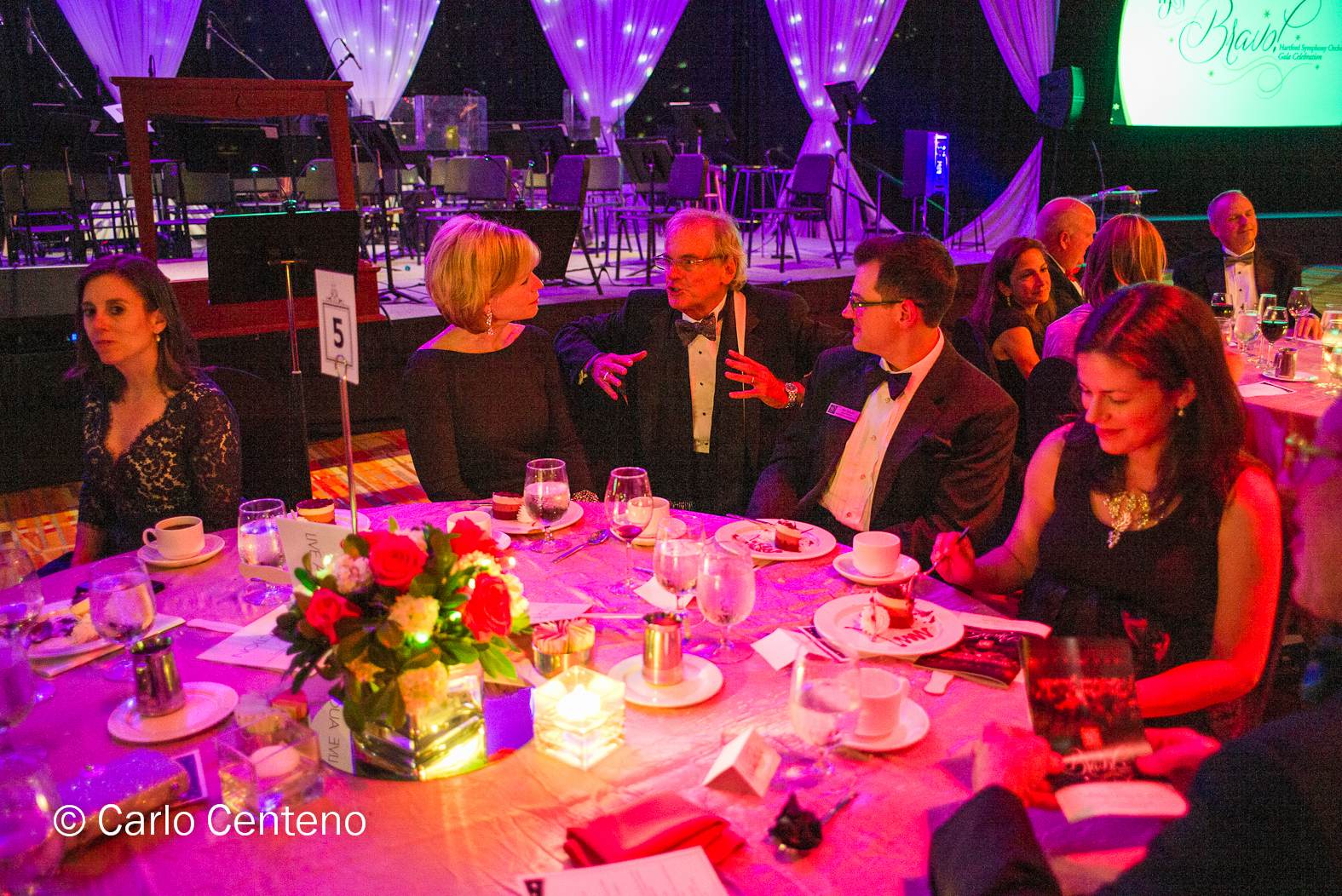 This past weekend, my wife and I were invited by 2 wonderful friends to attend the annual Hartford Symphony BRAVO! gala to support the HSO and its various programs. This may sound like a declaration for music appreciation, perhaps it is because other than imagery, music is a vehicle that connects you to some of your most profund emotions: fear, joy, nostalgia, regret, anticipation, optimism, self-worth among others.
 Many galas are over the top [in a good way!], but if you get past the themes, decorative accoutrements, wine, main course, dessert and coffee/tea, there’s no wondering about the main purpose of these functions: to procure money and moral support.
 Ticket sales alone cannot support a symphony; that’s too much to expect in this day and age. I believe such was the case many years ago. Financial and moral support need not be mutually exclusive. Think in terms of helping children and young people. Like other major symphony orchestras, the HSO creates programs that encourages kids to become more involved with music. At the very least, to increase our involvement through time, talent, financial contributions or combinations thereof.
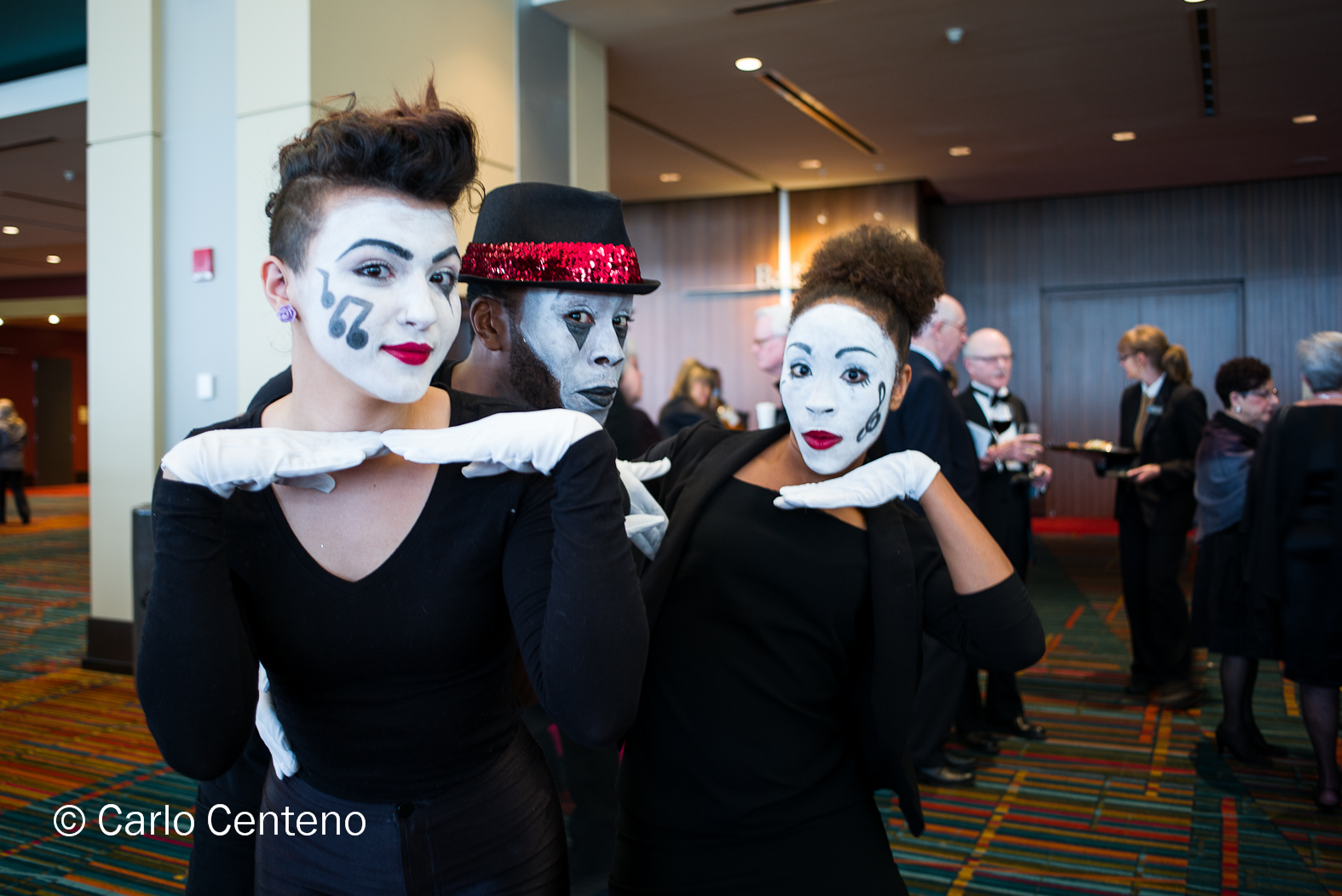 We see many things connected to the arts falling away due to budget cuts. Materials, instruments, field trips, special visits/talks from artist themselves and so forth disappear. Like any other solid corporation, the HSO gives back to the community. In the case of the HSO, it’s more about teaching kids about the power of music. Neophytes are not the exclusive target audience; experienced student musicians also beneifit from music-focused programs and activities.
It’s not a stretch to think—and feel—that music matters.


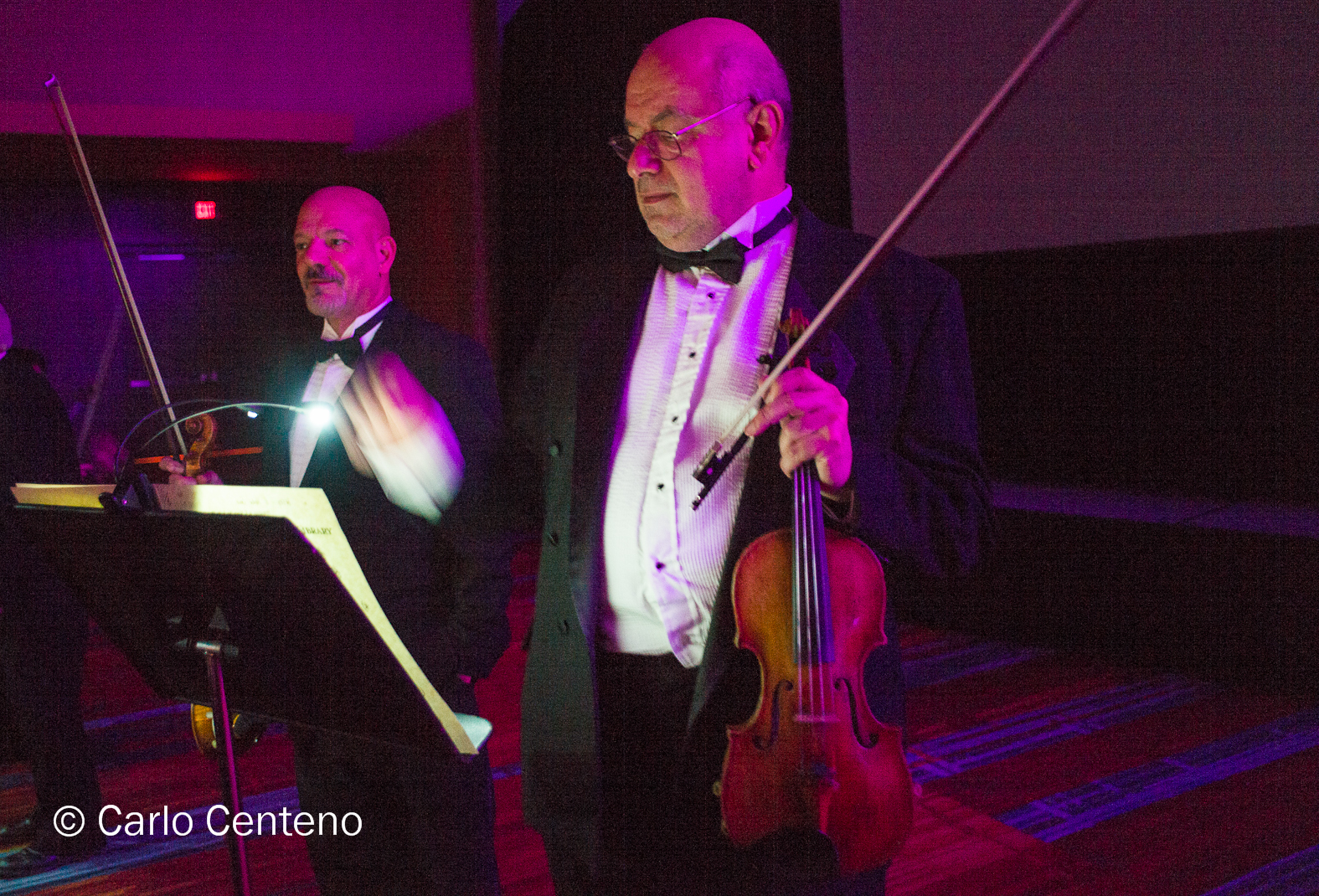

Technical: All images taken with a Leica M, Elmarit 28mm f/2.8 lens: ISO ranges from 400 to 3200.
 Carlo Centeno