Frisson…..it’s French for a chilling sensation, a shiver. It’s typically a pleasurable response to a stimuli that “moves you.” At times we refer to this reactive sensation as something that, “gives me the shivers.” You get goosebumps, you feel the small hairs on your arm or the back of your neck stand up, your breathing and pulse become quicker.
Frisson is that short-lived somewhat intense satisfaction often brought on by music, art, an event, a person, a book, essentially whatever it is you witness that generates a momentary elevation of pleasure. The brain and body experience something akin to adrenaline and dopamine reaching peak levels.
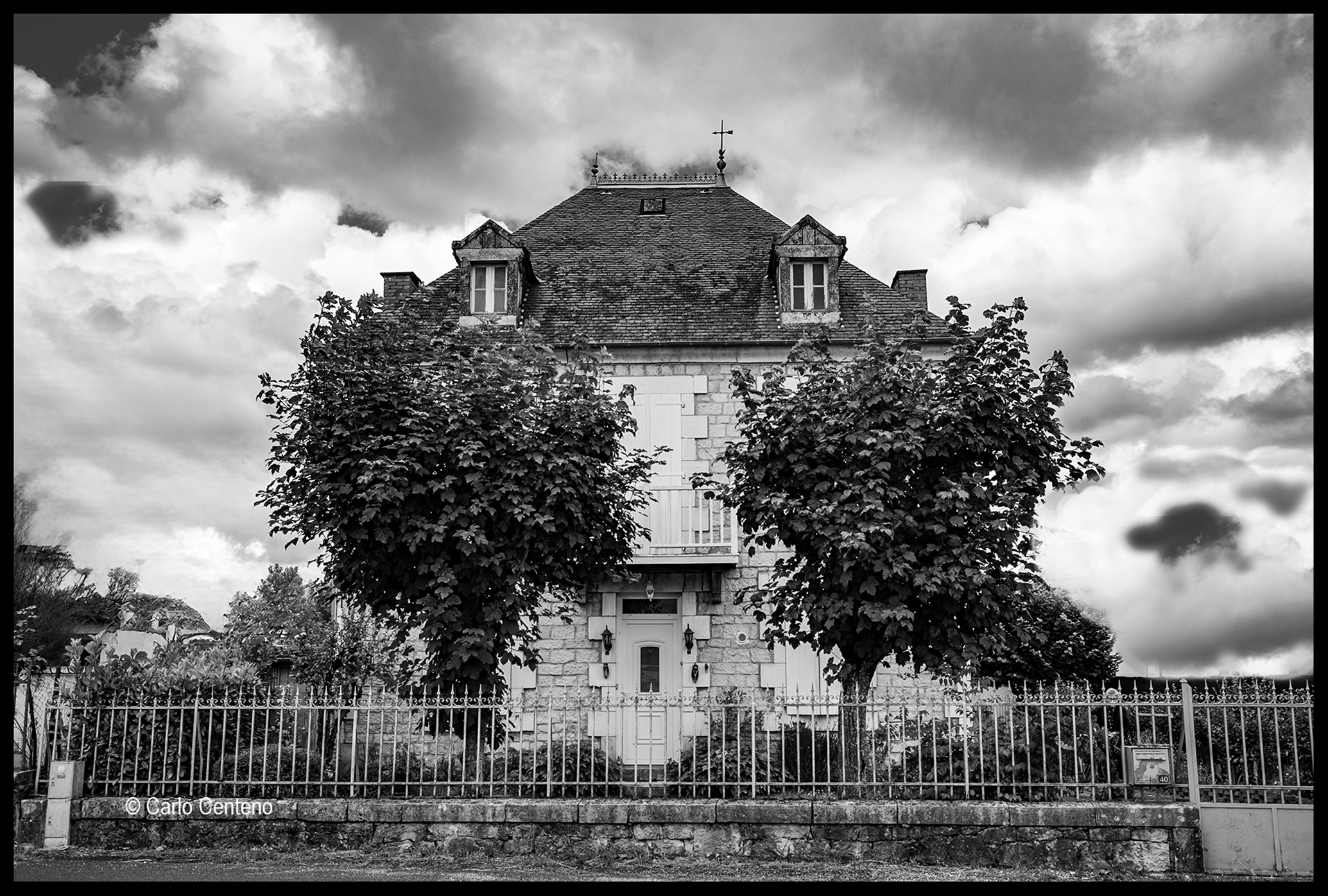
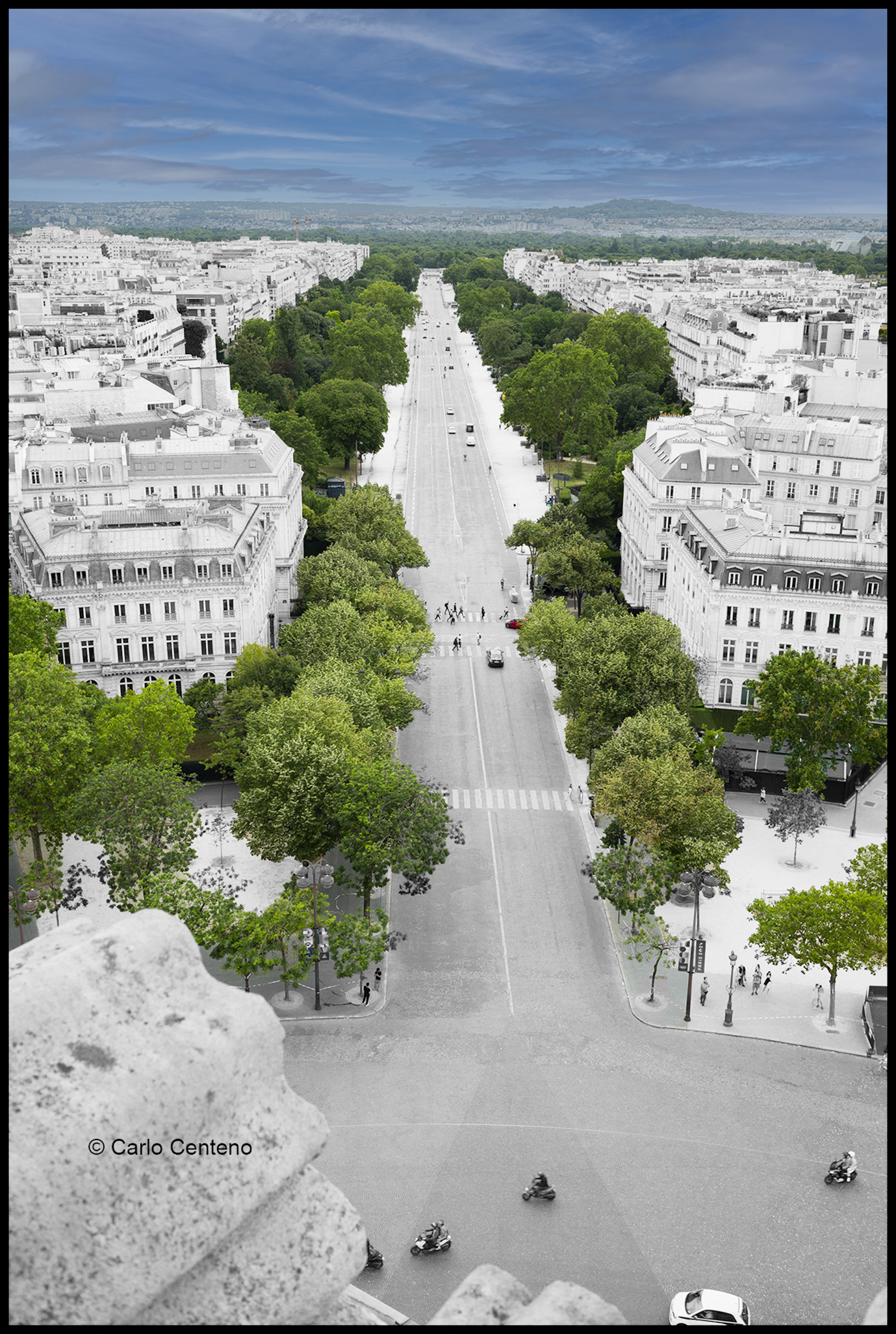
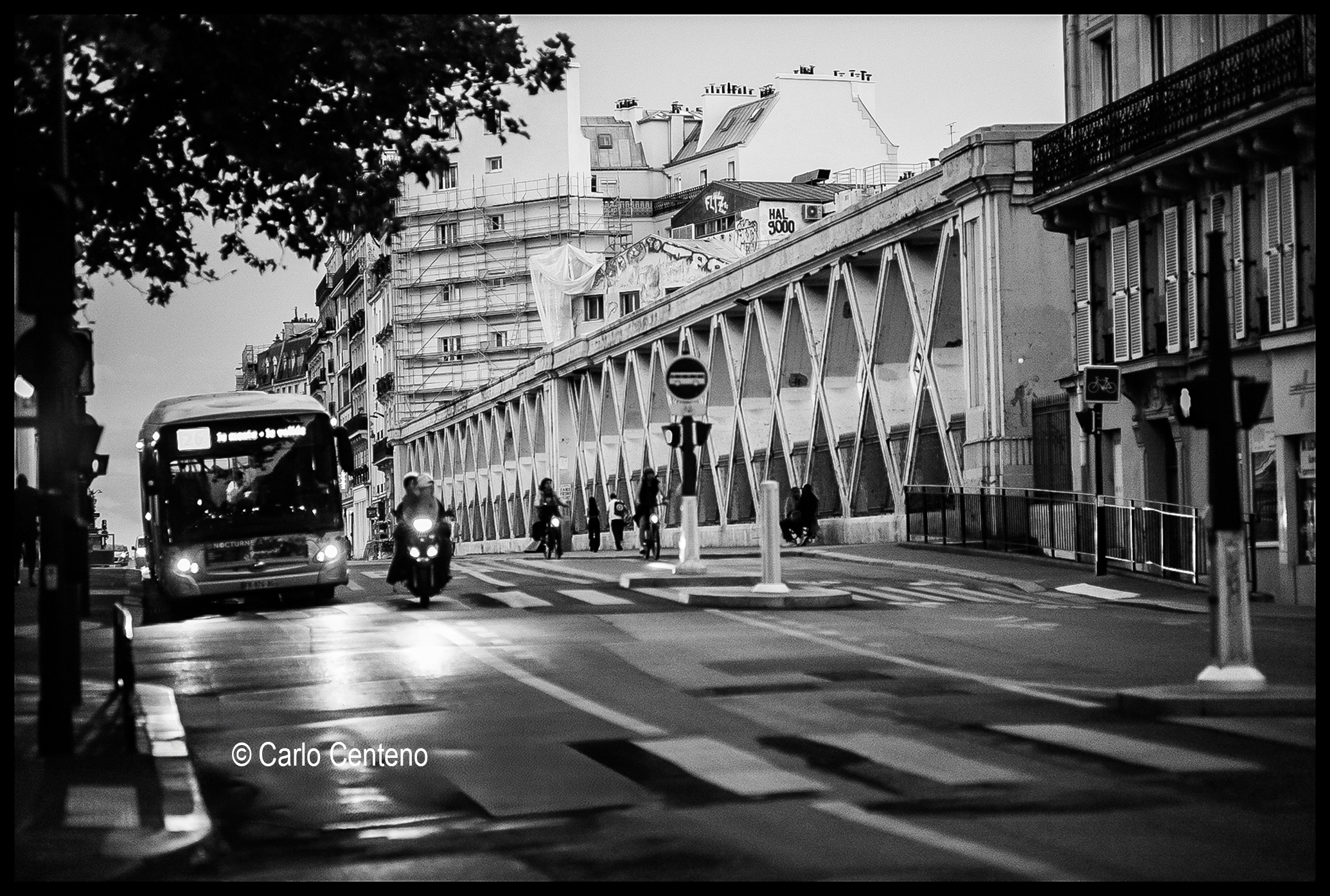
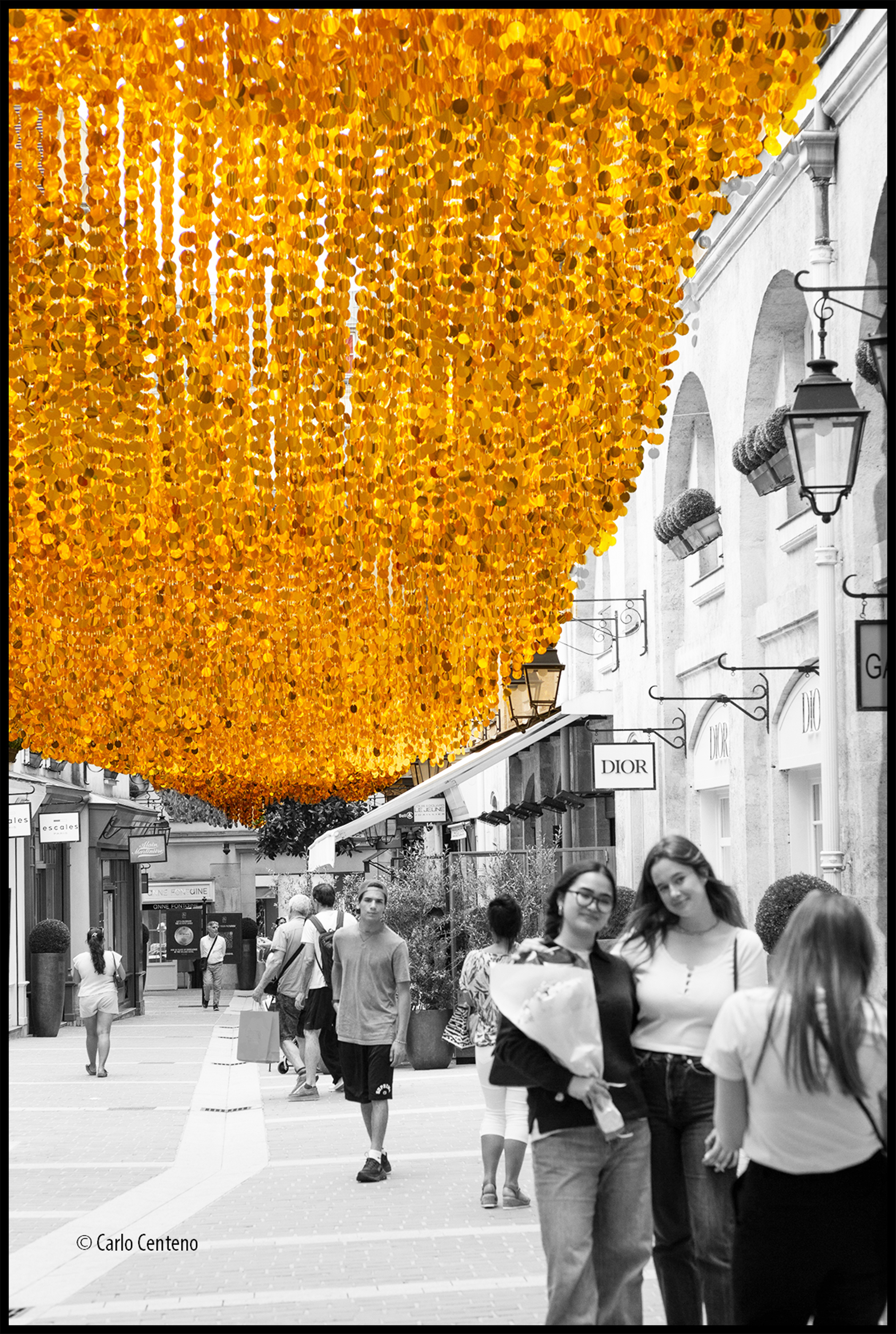
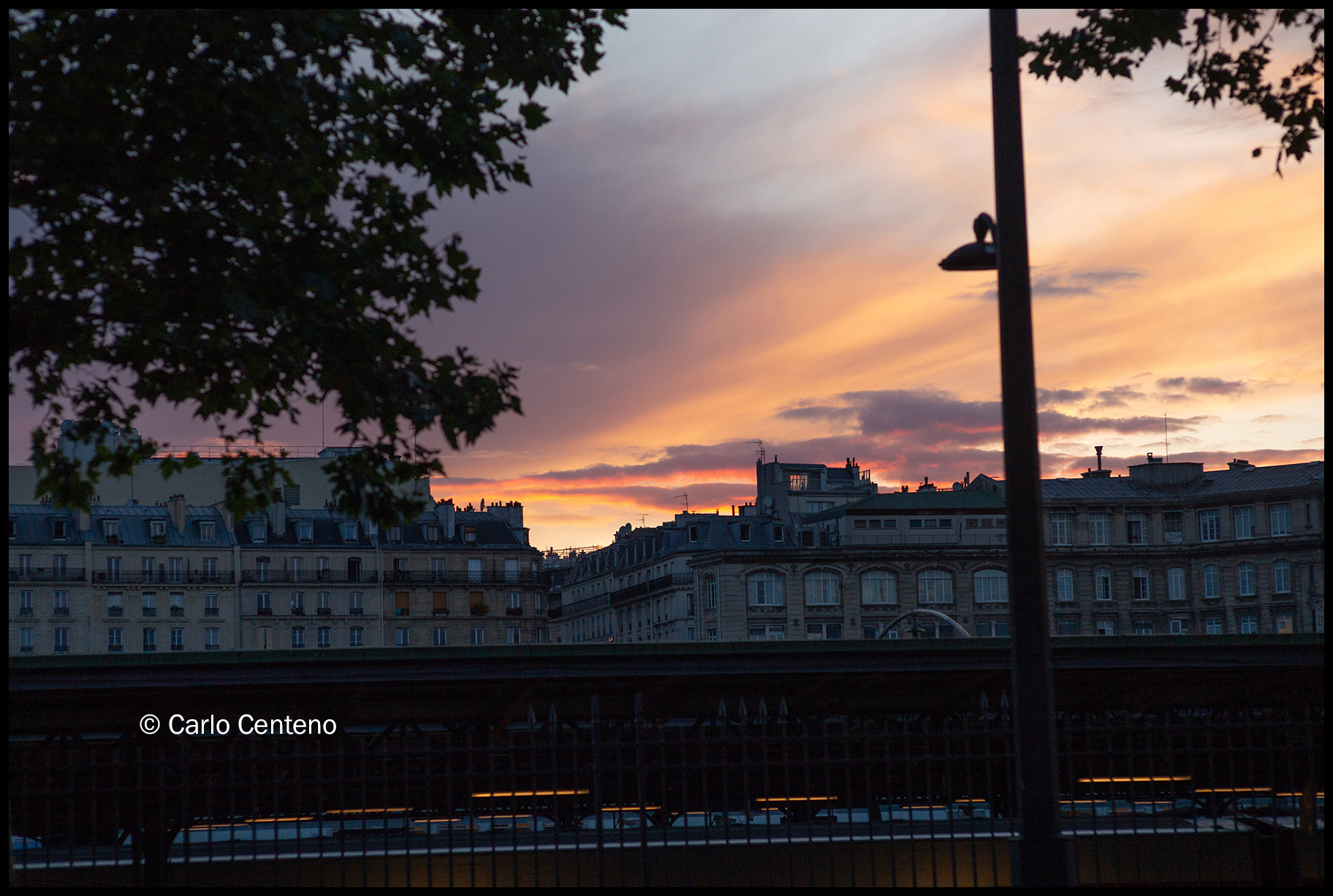
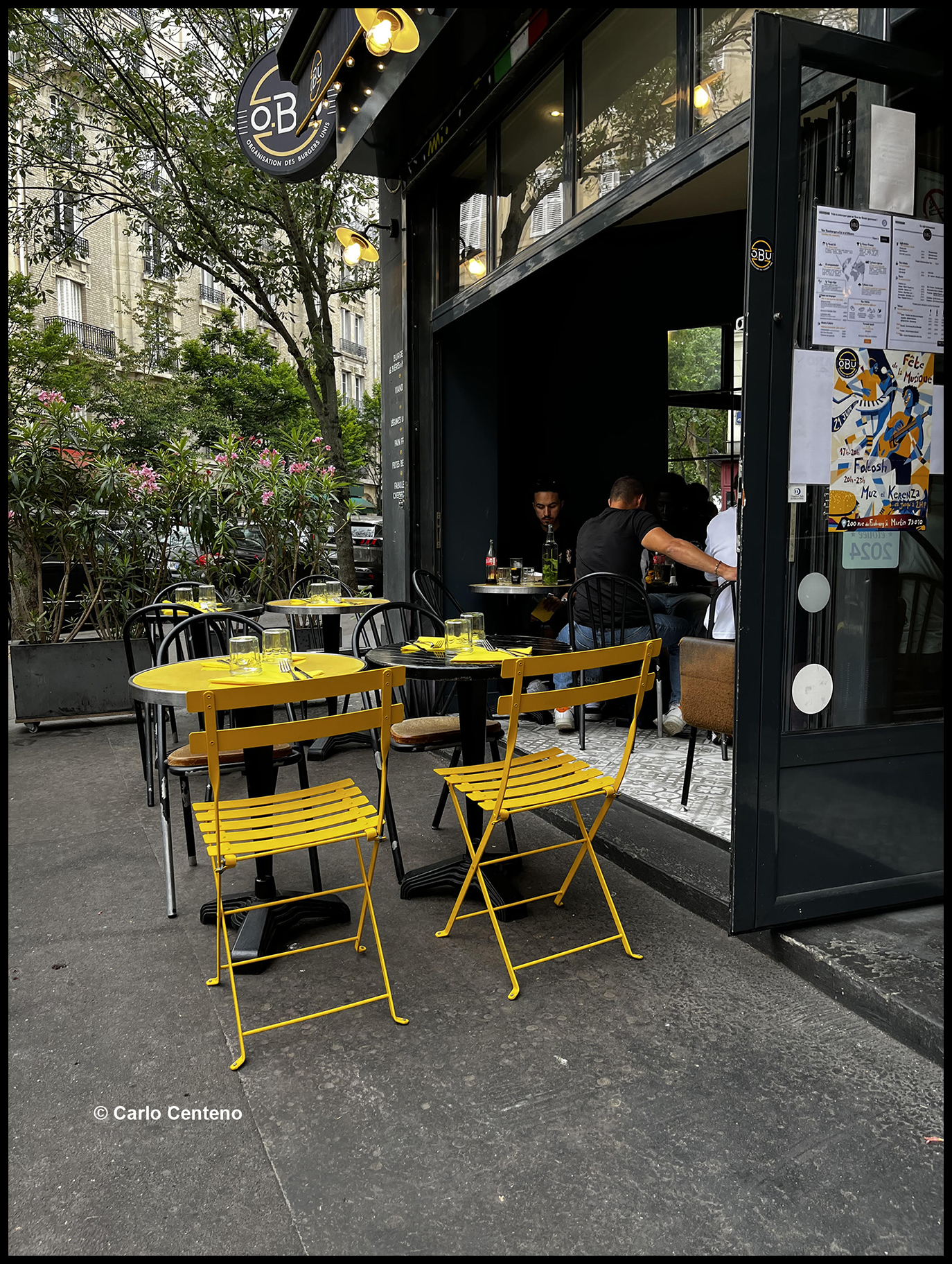
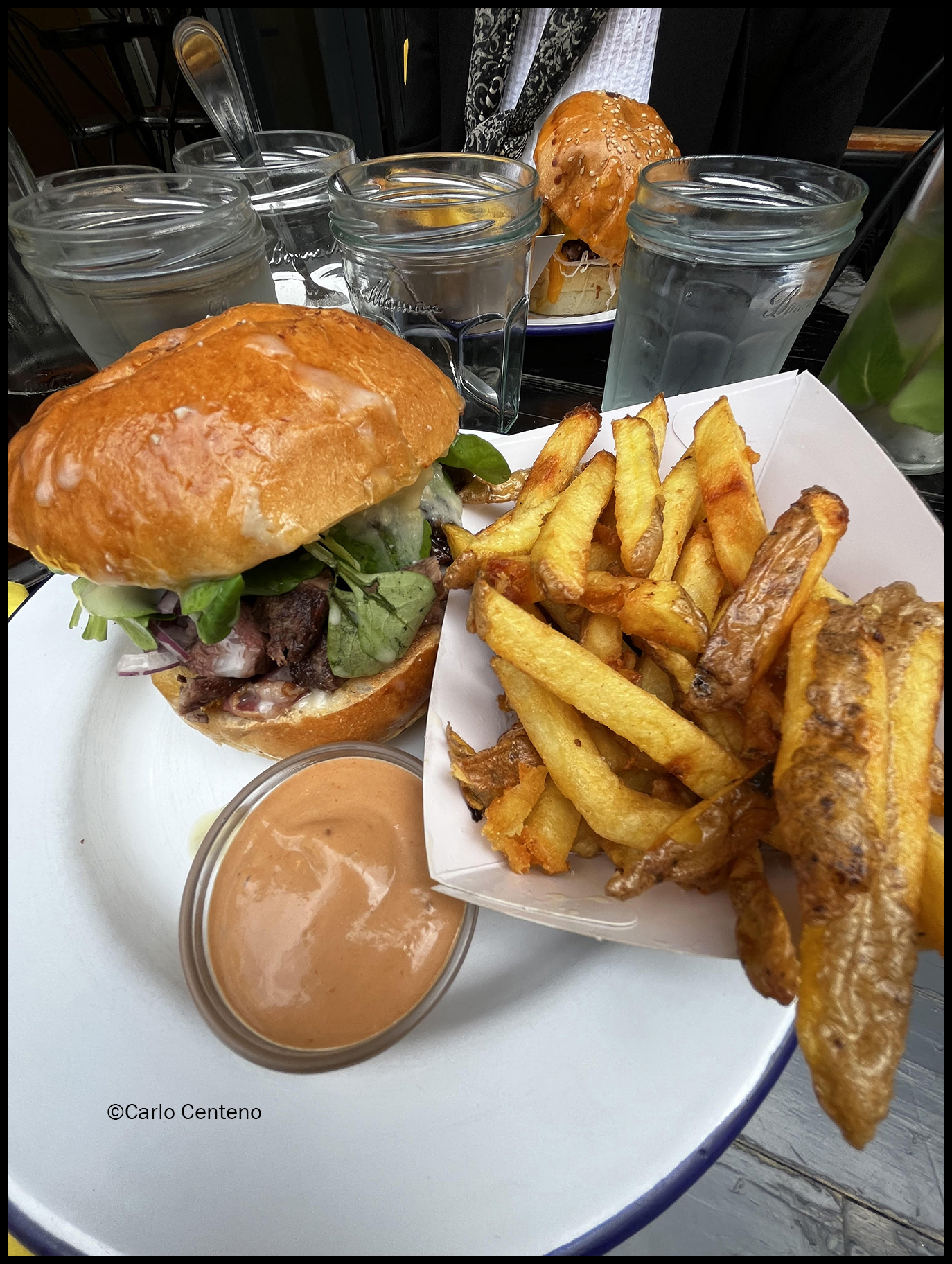
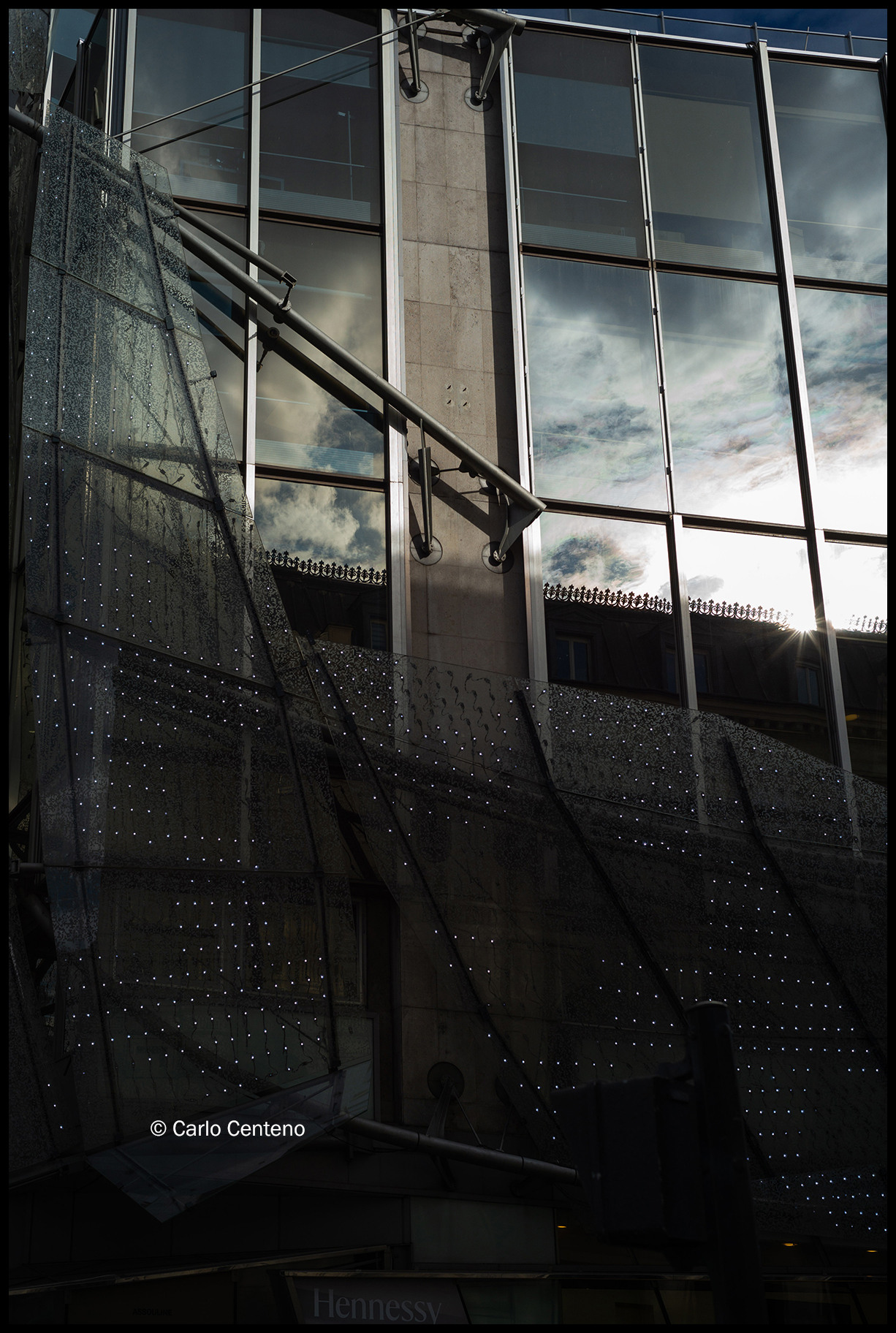
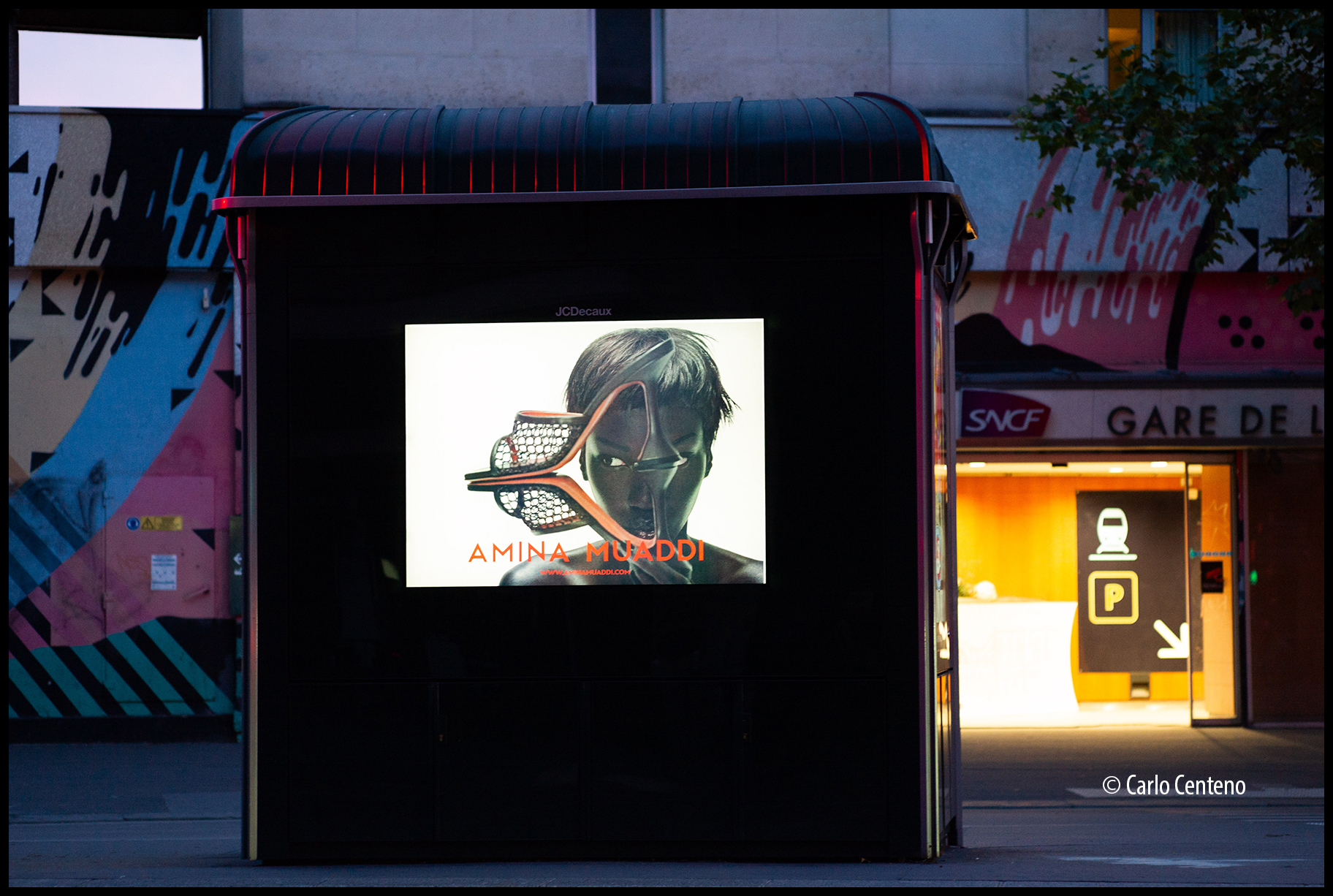
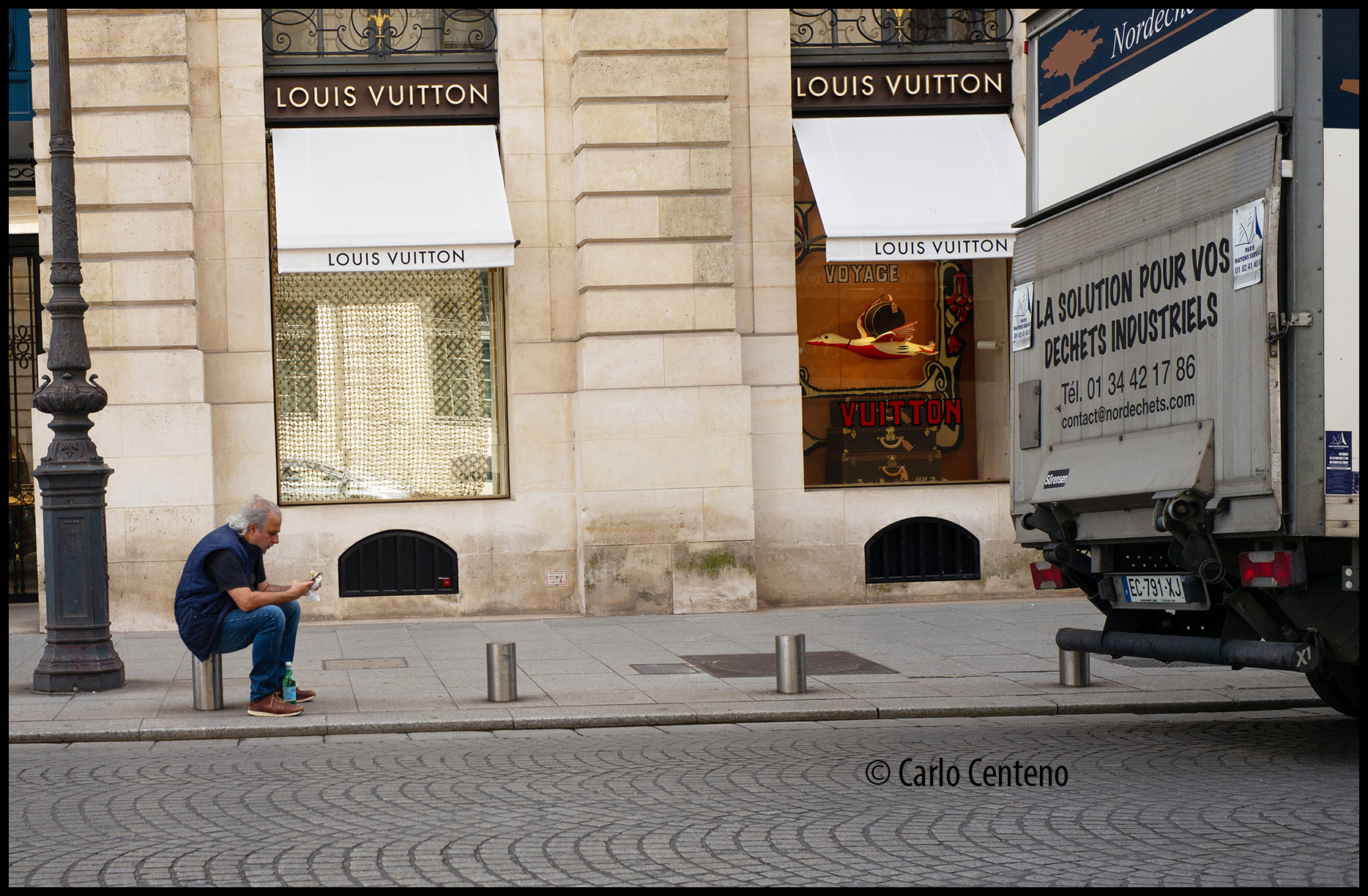
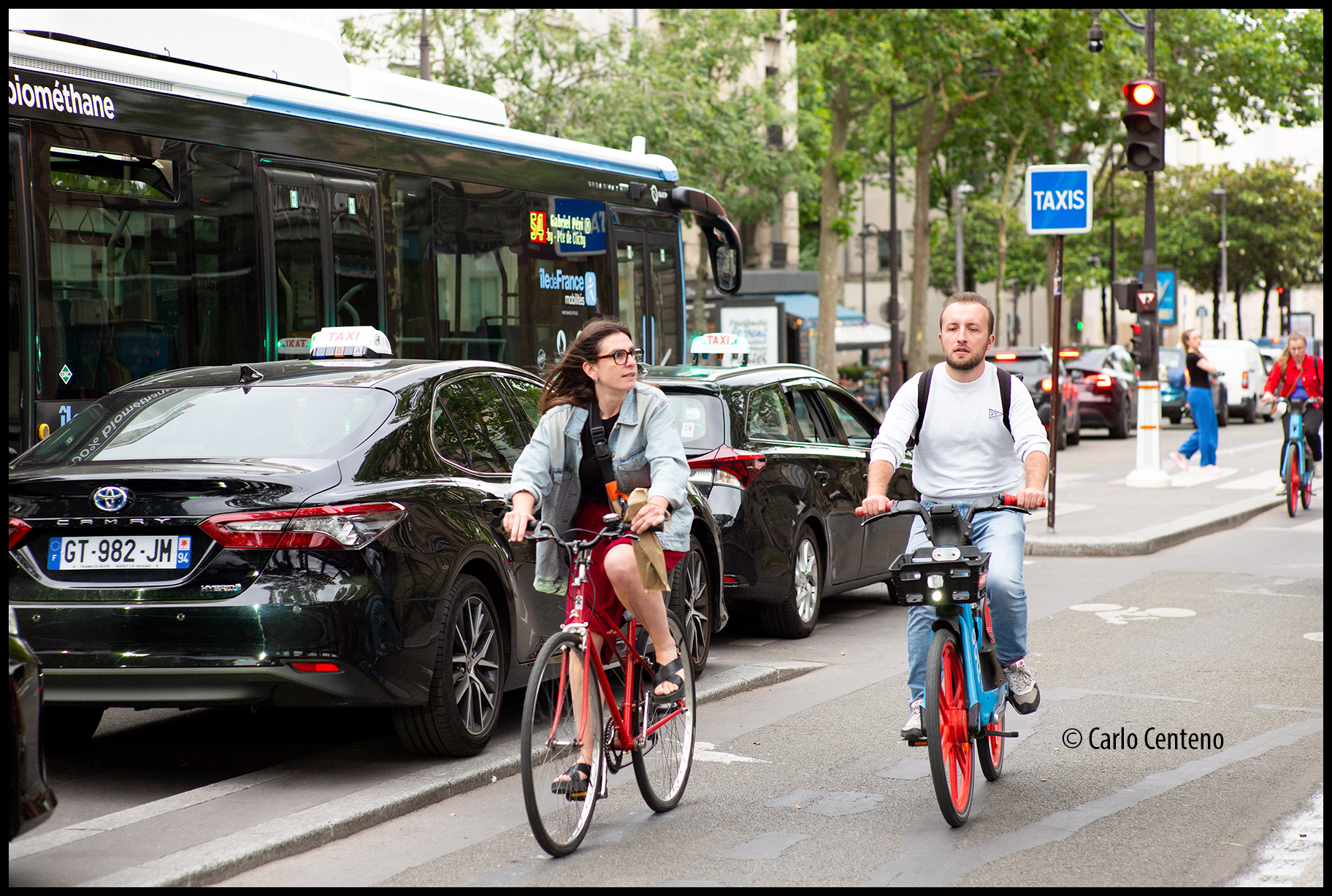
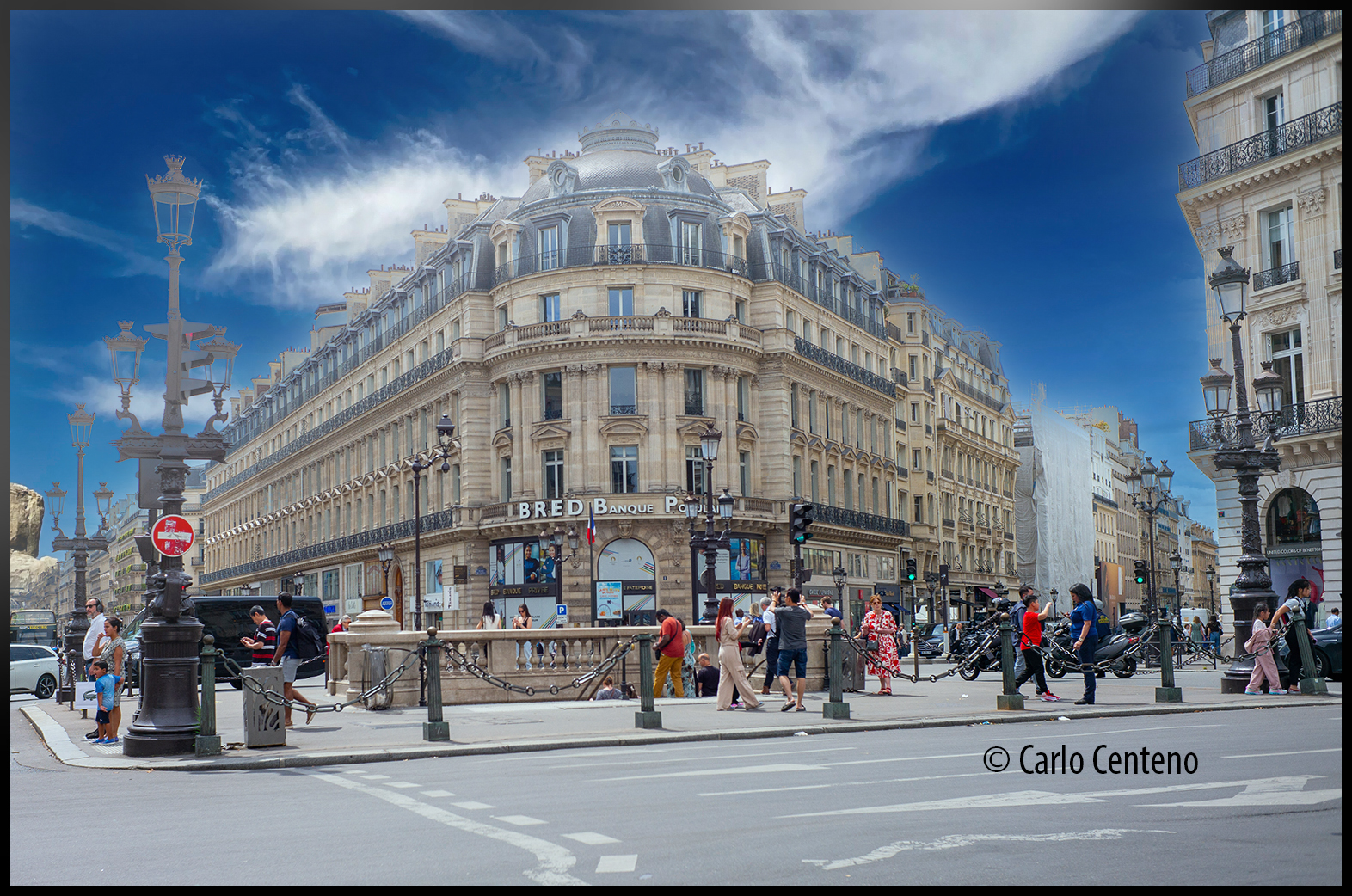
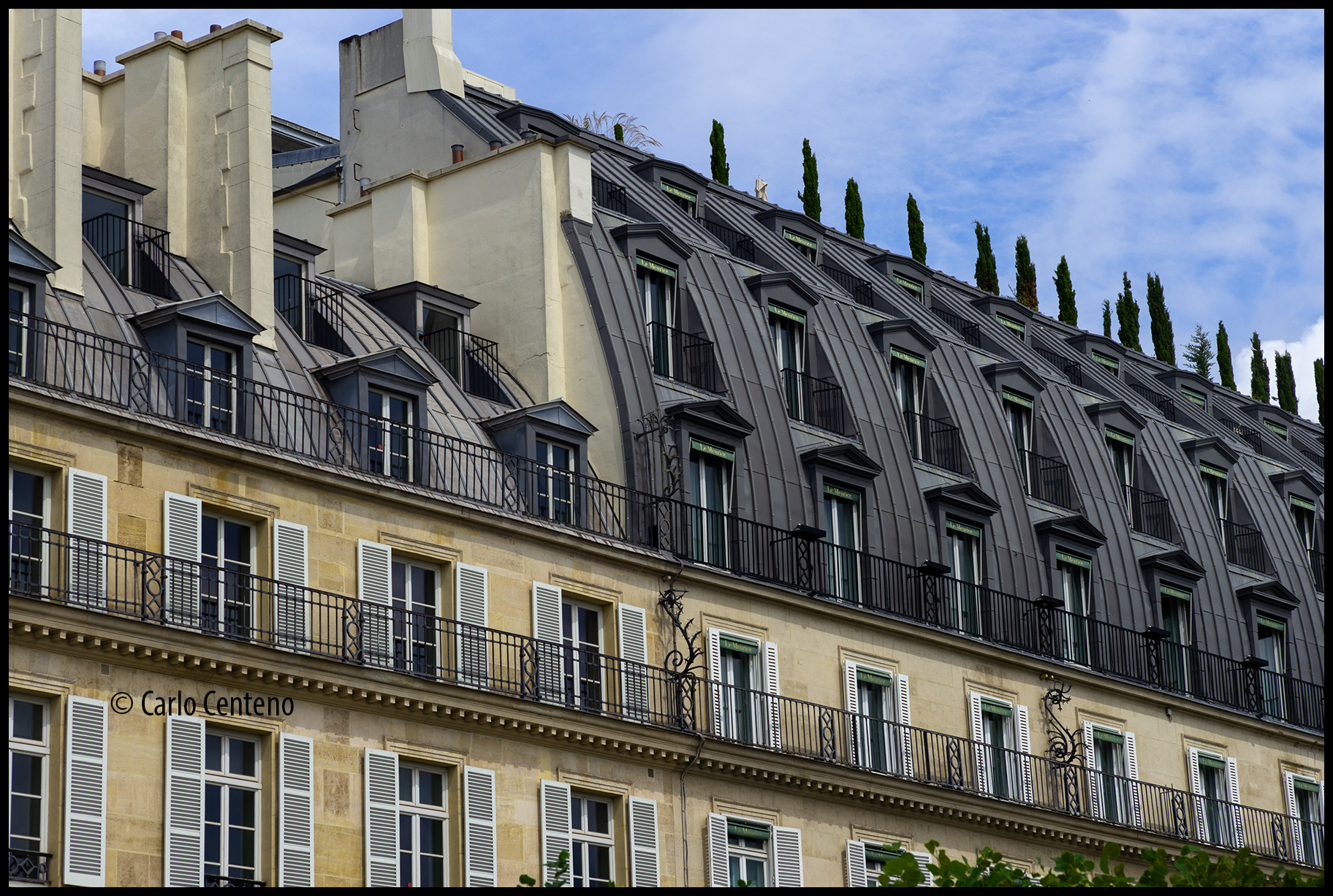
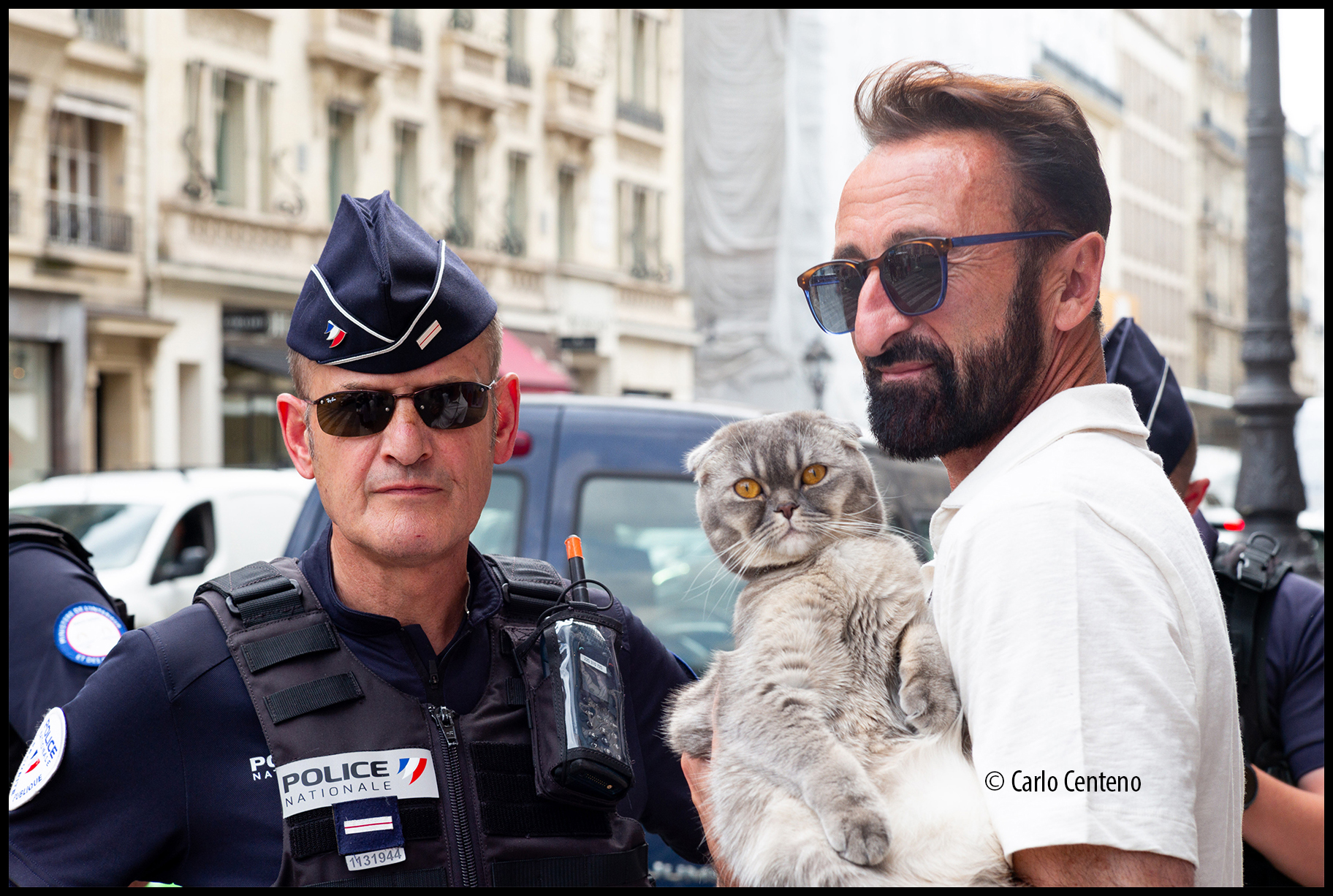
The following images are some of the “frissons” I felt while in France. I enjoyed the “shivers” and enjoy bringing them to life here. Hope you find something to like…..
Keep an open mind. It matters when traveling to any destination that piques your curiosity. Whether it’s a neighboring state/province or an altogether different country, it requires elasticity in learning, appreciating and understanding. An open mind can open doors. It means possessing a willingness to be out of your comfort zone. And as you stand in your discomfort, your perspective may need adjustment or refinement. This is where you take the initiative to help others see your perspective. Naturally this requires staying attentive for the different position[s] you may encounter. It’s fine to disagree without being disagreeable.
Remind yourself that having an open mind tames the myopia that limits one’s ability to think beyond your horizon of possibility.
Arc de Triomphe
Eleven days in France this July made for quite a vacation. The coming of the summer Olympics turned Paris into a mixed bag of barricaded icons and walkways, detours and traffic. Our Parisian stay covered 3-days; not enough time to explore Paris, but 3 is better than none. A first visit to another city is as they say, an experience. Visually, aurally, olfactorily you cannot ignore the architecture, the gardens, the people, the language, the aroma of freshly baked croissants, baguettes and coffee and so on and so forth.
After Paris the next 8 days would be at Vignon-en-Quercy in southwest France. Fortunately, our flight back home was 7-days before the opening ceremonies, and we knew that more walkways and some open areas would be cordoned off. Predictably, logos and phrases proudly reminded of The Games coming to town. Still, nothing took away from our sense of discovery in this storied city.
We had thoughts of visiting the Louvre, Musee d’Orsay, among others, but the detours and limited access made it a physical and mental marathon. We were close to those museums and other points of interest as they say, but we unabashedly savored our quiet time in the Jardin des Tuileries, a garden between the Louvre and Place de Concorde. In a more relaxed pace, we enjoyed le Jardin and even took advantage of the cafes within the grounds. Seeing the Louvre from a different vantage point provided an unrushed appreciation for a 231 year old institution.
Le LouvreLa Place de Concorde/ courtesy Paris VisuelDetail de l’exteriur de Louis VittonPedestrians be Careful Cross in 2 steps
We thought of adding 2 more days in Paris. It would’ve certainly helped my french conversation, but other plans were already in place. Entering any business or eatery, saying bonjour is always helpful and polite. After the greeting, the most frequent words from my mouth were, Ou est…? or quelle direction est…? or pardonnez moi, sommes-nous pre du……? and of course, merci, bonne journee!
Our first morning, we walked to a bistro teeming with commuters and visitors. The menu on a sandwich board offered something we liked and I recognized: Petit déjeuner supreme ! Deux œufs [au choix] avec jamon et frommage, cafe, jus d’orange, baguette, croissant, confiture de fraises et salade. [Supreme breakfast! Two eggs any style with ham and cheese, coffee, orange juice, baguette, croissant, strawberry jam and salad].
We sat outside among a cluster of small tables and chairs, but the waiter advised we sit inside, though not far from the open frontage. Il y a trop de fumee dehors. Too much smoke outside as cigarettes are popular in most of France. It was a perfect time to watch people going on with their lives: scooters and bicycles carried a cast of characters; small french cars ruled the streets alongside taxis and Ubers, motorcycles and buses.
Based on our waiter, my french was so-so. Monsieur, I speak and understand english; you do not have to speak french…. Ouch. Polite but humbling. As he turned toward the kitchen order-window, I mumbled, C’est dommage….it’s a pity, too bad.
“The solution for your industrial waste.”
NEXT VISIT: a week in the town of Vignon-en-Quercy [….See you there.] !!!
I’ve come across a lot of A-words lately: amazing, atomic, artificial, augmented, abstract, auspicious, audacious, accountable, admirable, apathy, appreciation, affection, accomplished, alarming, Arctic, Antarctica, abysmal, appalling, anachronism and so forth. Like a daisy chain made of paper, these words are linked and yet each easily broken free by the slightest of tension. And while some connections may not make a whole lot of sense, there are reasons however small, that connections take place. Anxiety, lack of focus, melancholy, fear, joy, anticipation, distraction, etc. etc., the Yin-Yang of this is that the very same attributes that prompted the connections can be the same to break them. It depends on time and place. Context is everything.
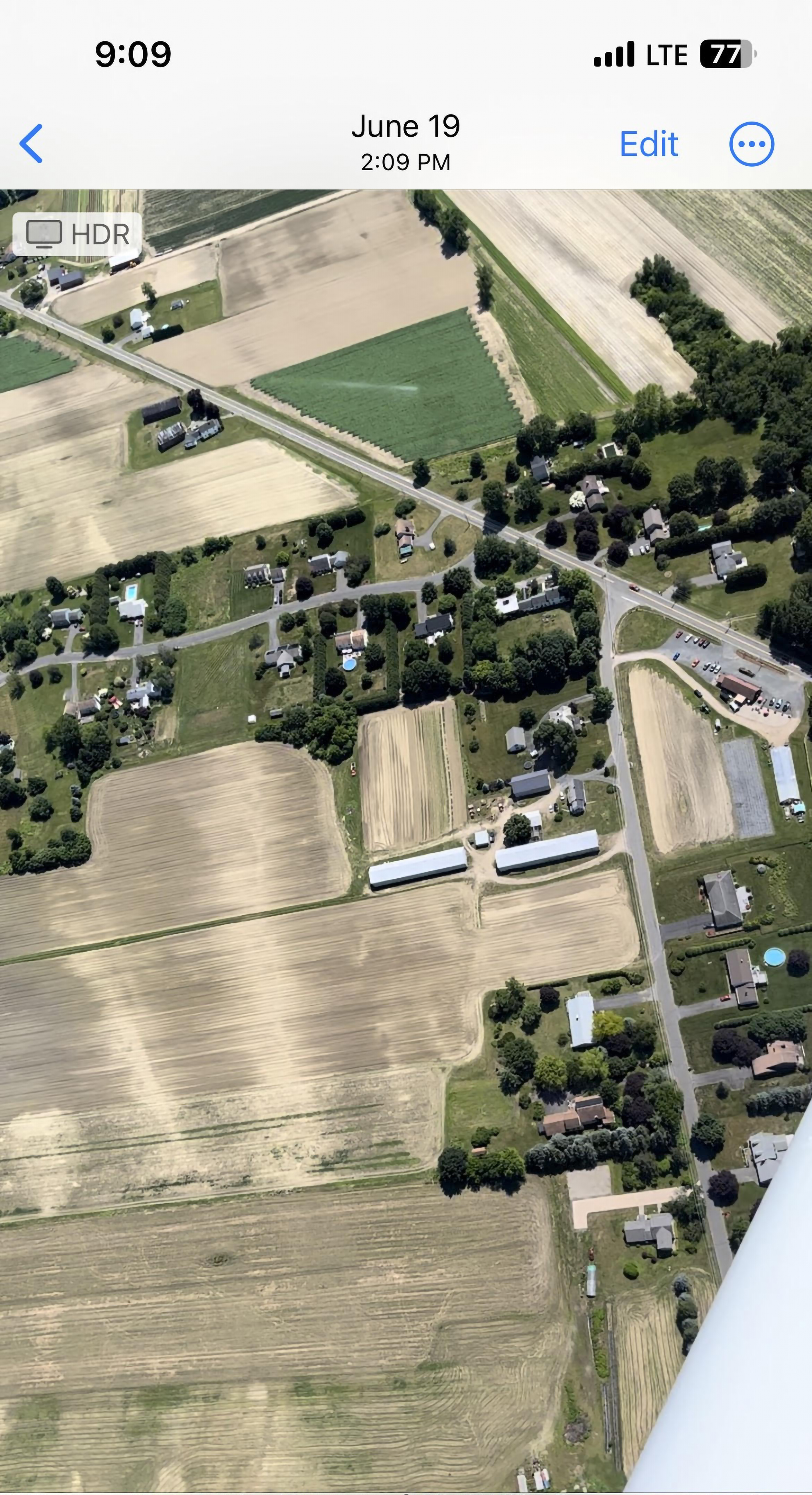
Audacious. Approx. 35-degrees on a starboard bank.
The words come from various sources, anything and everything that shapes our life experience. With this exercise, the empirical nature of each word puts aside the rational, and instead embraces sentience, that ability to feeldepth of things experienced. It’s certain that others who feel existential—rightfully so in our fractured society—may feel embarrassed yet genuine. What could be more human than to feel concern about our current state of affairs [macro] and our relationships [micro]?
Anachronism. At the stable. The Mount: Edith Wharton’s summer residence.
I’m feeling abstract [visualize Cubism Art] and yet oddly auspicious because many things in life and living are not rational. We are prone to rely more on our senses, the very emotions that can either ruin or celebrate moments in our lives. Yes, I’d rather feel embarrassed and genuine versus being stymied with self-serving, deductive reasoning. The former brings a sense of order, the latter a chance to improve our emotional intelligence and increase a capacity to further understand each other.
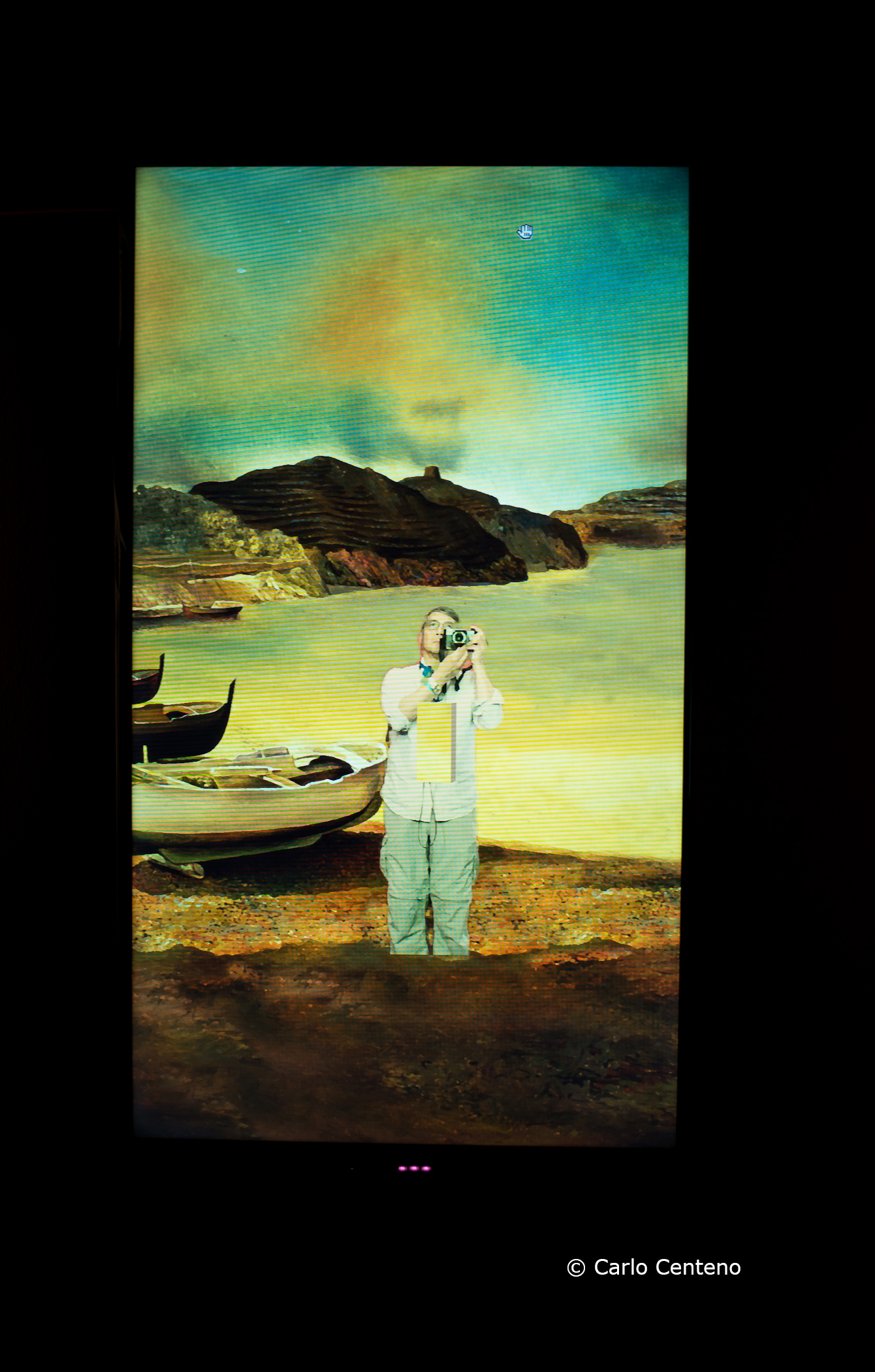
Abstract: The Slave Market & Disappearing Voltaire.
Life imitates Art, or is it Art imitates Life? Similarly in marketing, it’s not what you’re getting, but what you think you are getting. Perception is everything and even more so in the here and now. It’s a refrain that frequently echoes in my thinking.
Admirable.Augmented.Appreciation.Arctic-Antarctica: an aftermathAuspiciousAugmented.Affection…with my favorite “cup-of-tea”
There will be no “B” collection, existential-word-dump, involving any other letter, or a character for that matter. An exercise with one letter is enough for me, and probably for you as well.
In conversations, and things written, a question posed usually prompts us to reconsider a position we hold, maybe a perspective quite different from what’s already been established in our own thinking. This collage, this tapestry-of-a-post may not mean much to anyone, but it could be provocative enough to slightly encourage another perspective. Why not?
The seasons are moving quickly and as I get older my own temporal reality is based on just how fast time seems to go by. I lean towards the empirical and the sentient qualities of the here and now to help me keep it all together.
I never thought I´d grow up so fast so far. To know yourself is to let yourself be loved. Do you ever get me? Shower me with affection and I’ll return in kind. I have no hidden motive, I am blind. Do you ever get me?
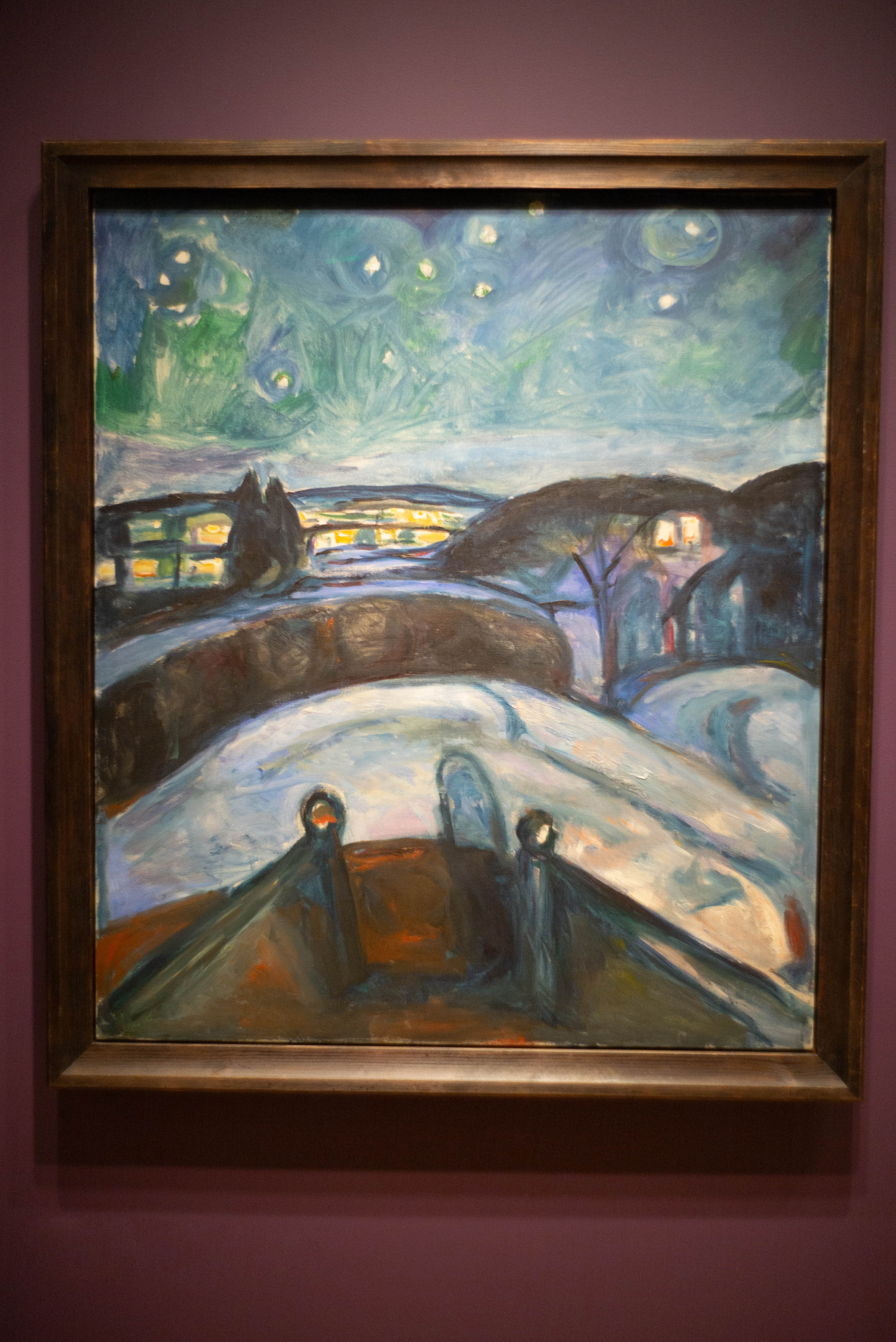
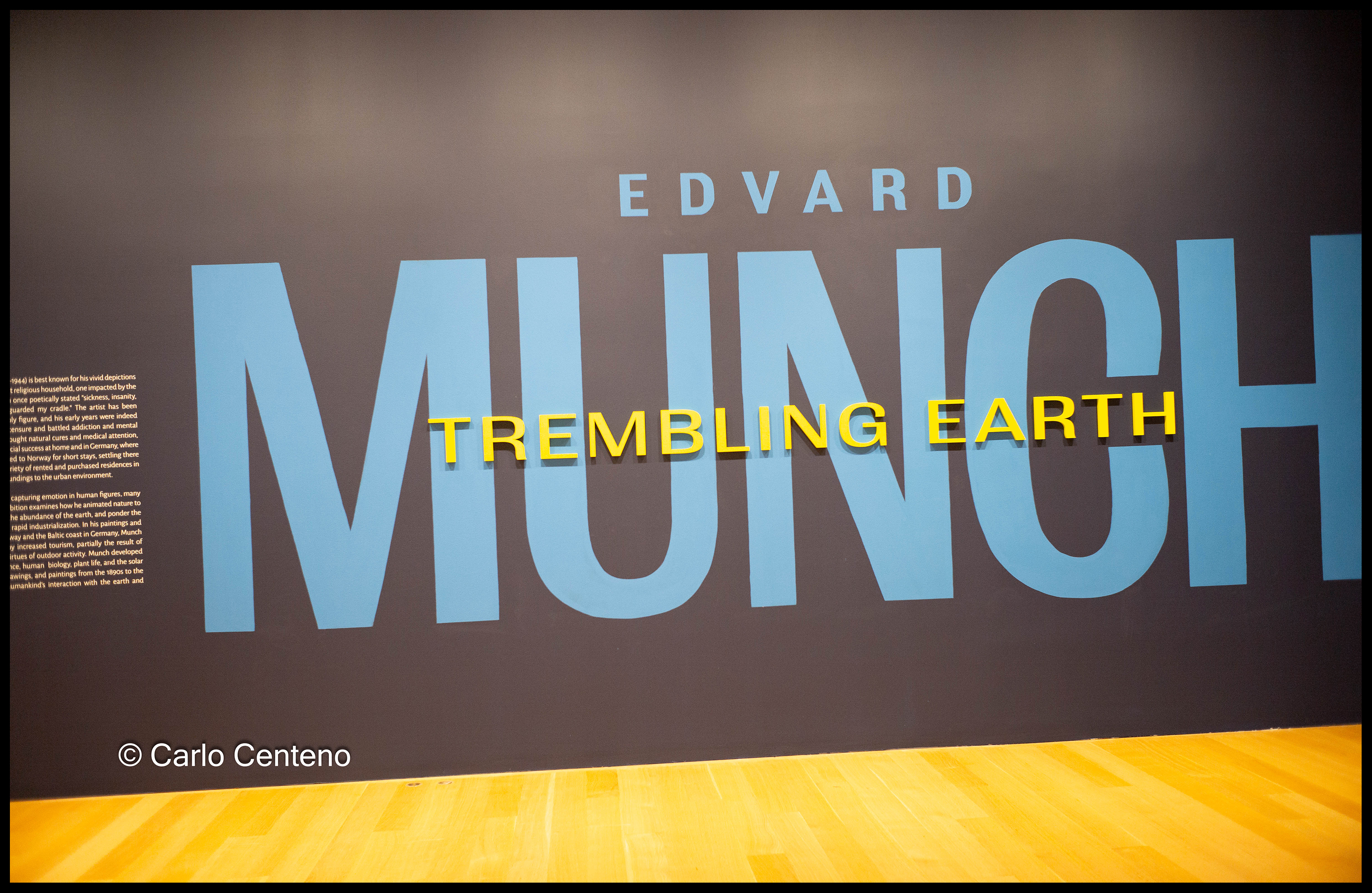
At the Clark Institute of Art, running through October 15, 2023, is a special exhibition, Edvard Munch: Trembling Earth. Munch’s [“Edward Moonk” Norwegian pronunciation] most recognizable, iconic painting is The Scream, and yet not many know of his other work which includes a number of self-portraits, prints, figure portraits and landscapes. The latter showed what he felt was a confluence of the natural world and humankind where nature provided a kind of salve that the urban environment could not deliver. The artist’s life contained the antagonists that shaped many of his creations: life and death; love and loss; loneliness and despair. And yet Munch as a protagonist, allowed us to see and feel the very antagonists that took hold of his deepest emotions.
I found the entire exhibit revealing if not eerily prescient. The power of art in all its forms allows us not to just see the obvious, but to measure if not ascertain a) what behooved the artist to produce his/her creation and b) what, if anything, draws your attention to the work?
Starry Night, 1922-24
While some of his paintings hint at Vincent van Gogh [1853-1890], there is a quality that makes Edvard Munch’s work stand apart: his apotheosis of anxiety, loneliness, longing and loss are indicated by the despair of his faceless human subjects. The hue of uncertainty and angst lay claim to troubled souls.
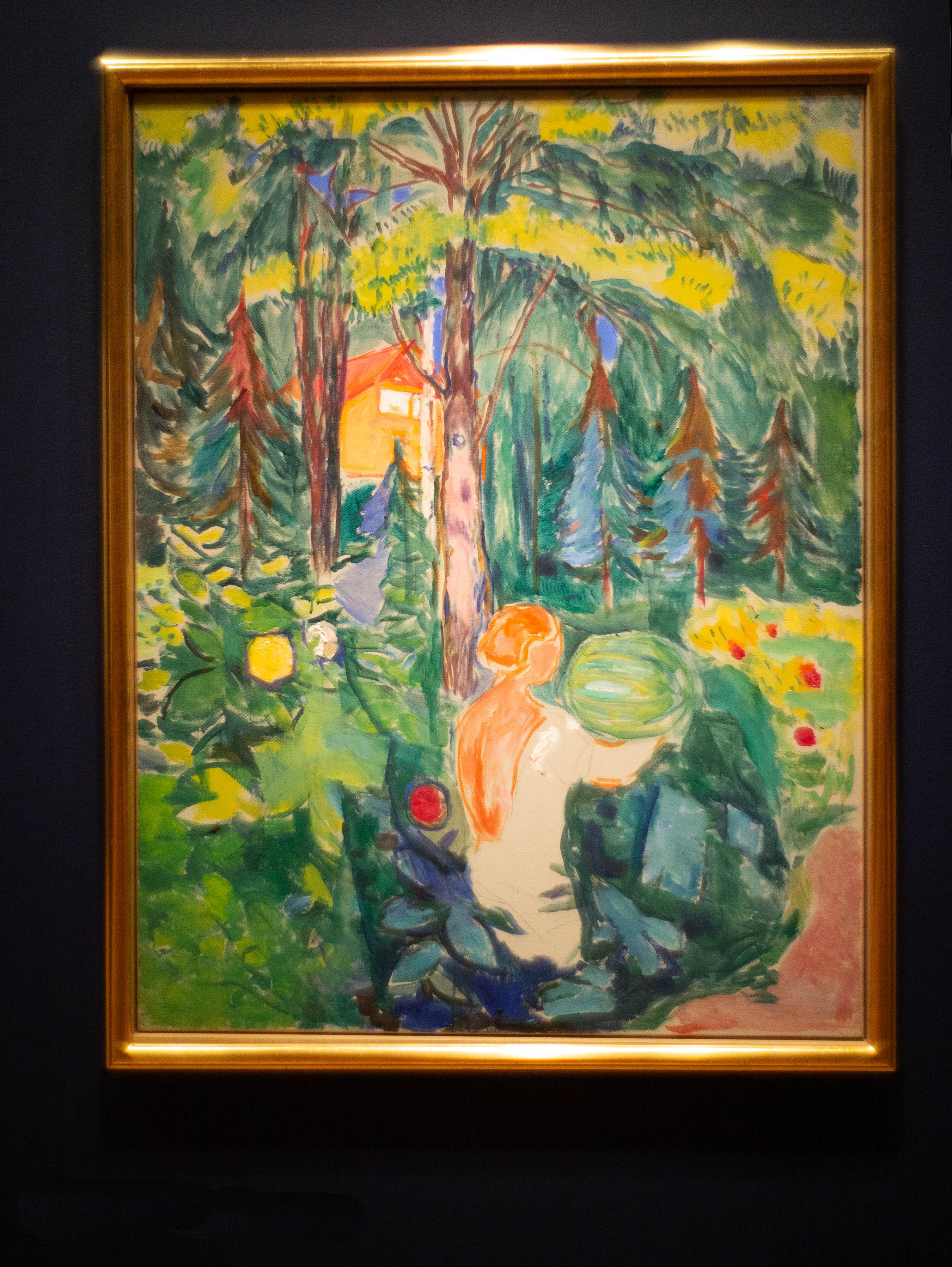
Woman with pumpkin, 1942
This is one of my favorite paintings, Woman with pumpkin. Its creation captures a sense of lost, and longing. The symbolism could be anything and everything. The pumpkin and the dark green color appear as if a person is holding the woman. Note the 3 “fingers” on the hip of the woman. In fact, the greenery next to the woman appears to be kneeling on its right knee, its “left leg” bent with a “foot” planted directly on the ground close to her back. Hence, the figure is resting its head on the woman’s right shoulder, the right arm suggesting a pillow.
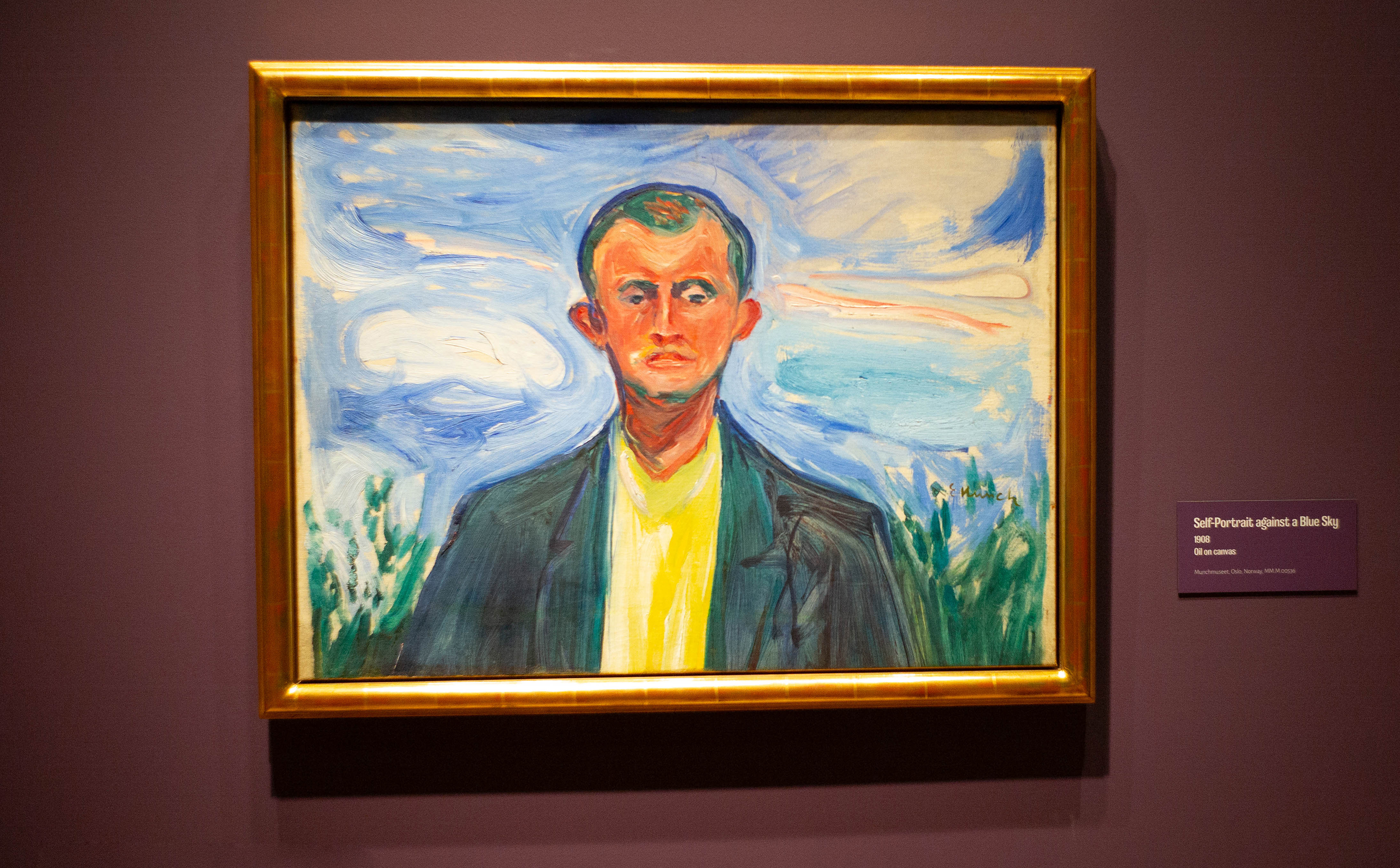
Self-portrait, 1908
Whatever you see and however you see it, Munch is a captivating study of conflict. You can feel it in most all of his works. The landscapes provide contrasts regarding our ability–and inability–to co-exist not only with the natural world, but with each other. Put another way, Munch is caught within an insatiable push-pull between the Id [our instincts], the Ego [reality] and the Superego [moral strength].
Self portrait with palette, 1926
No artist lives a life of order and predictability. It’s contrarian to that world of creativity and expression. Munch’s self-portraits demonstrate a fortitude within his reality that dices with the likes of the Id and the Superego. Each of us deal with the instability created by our instincts and morality, our actions and reactions, our angst and distress. In a way Munch’s paintings brings form to what is often abstract yet palpable, even vicarious and visceral.
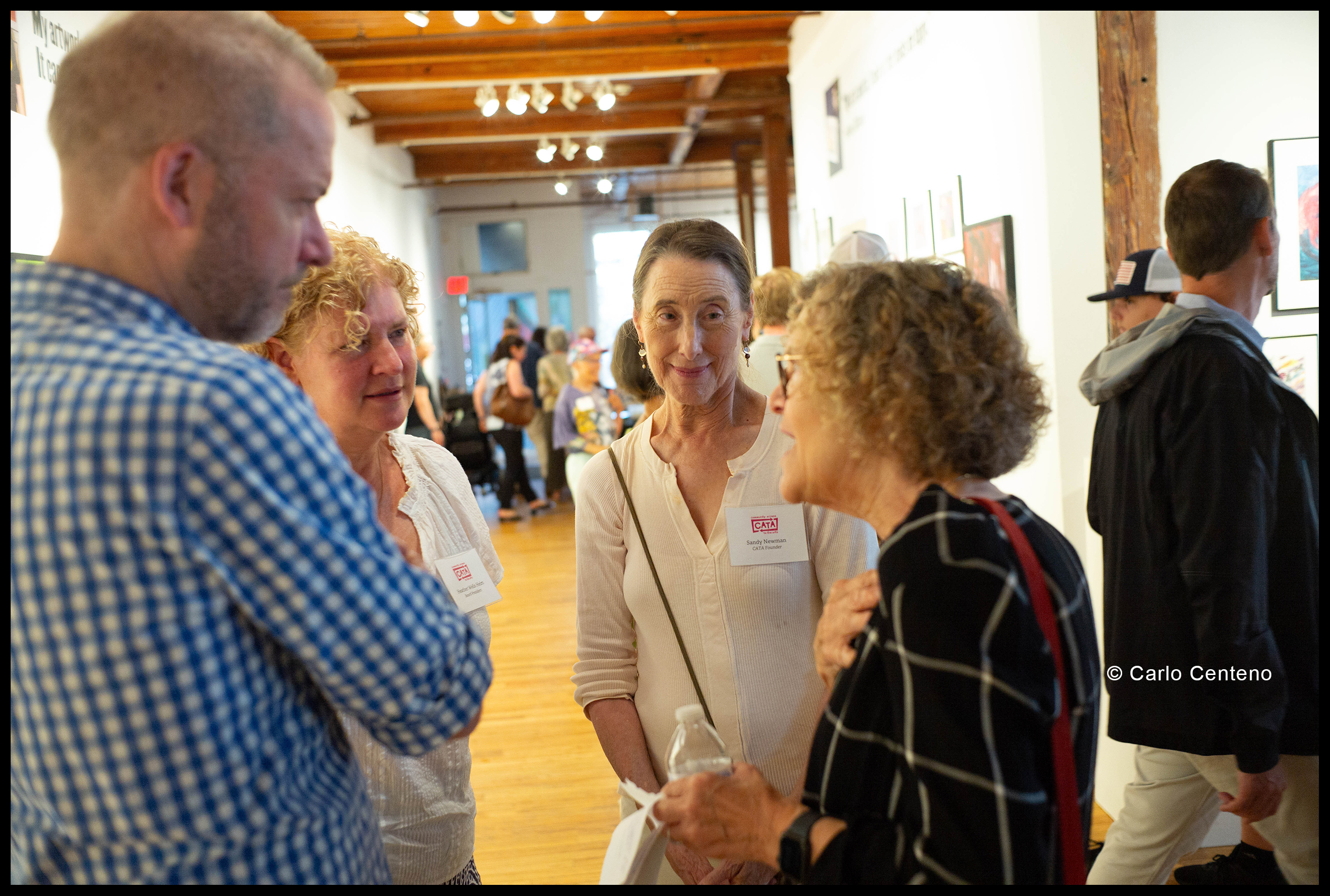
The Community Access to the Arts [CATA] never ceases to amaze me. Meaning, “the creativity of the artists at CATA is as exemplary, as contemporary and modern as Art can be.”
The artistic abilities of the artists represent their thoughts, feelings, perspectives and perceptions that are as strong and perceptible as any artist could produce. From perfunctory to profound, energetic to calm and peaceful, there’s a lot being expressed on the gallery walls. Perhaps the most obvious being that these artists–with disabilities–clearly have a way to express themselves.
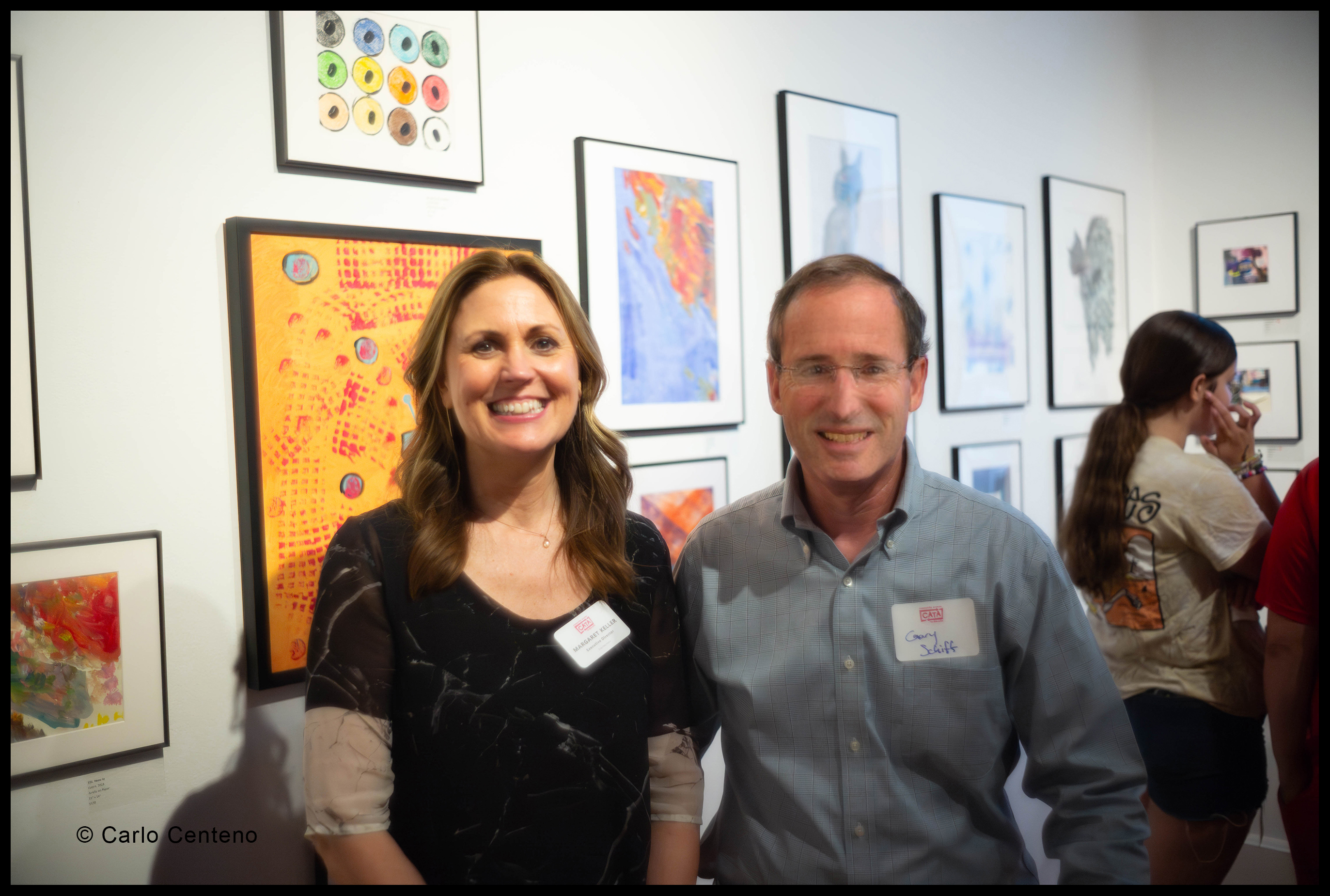
Margaret Keller with Gary Schiff, Managing Director, October Mountain Financial Advisors.
This opening recently took place at the Lichtenstein Art Center in Pittsfield, MA. Most all of the paintings are for sale and the artists receive a commission for their work. This show has much to offer, from small to very large using water color, oil, acrylic and ink painted onto wood, stretched canvas and other media.
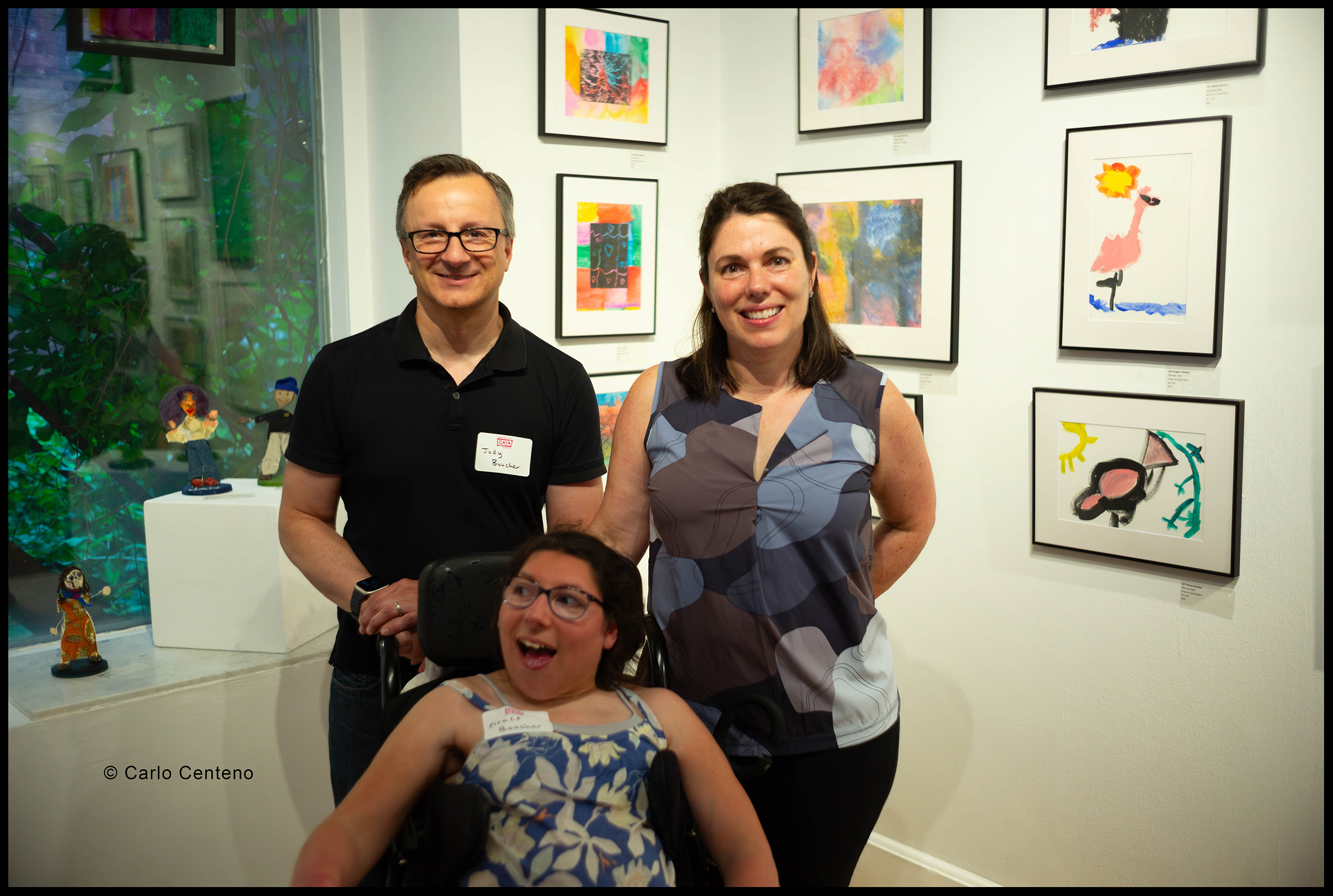
CATA artist Grace Boucher with parents.
Outside the gallery a boatload of rain just kept falling. It felt undeniably tropical; one moment a light rain, then clear, only to have everything overwhelmed by yet another heavy cloudburst accompanied by thunder and lightning. And yet the space was filled with friends, parents & guardians of some of the artists and loyal patrons and art lovers.
Kelly Galvins, CATA Program Director-Agency Programs
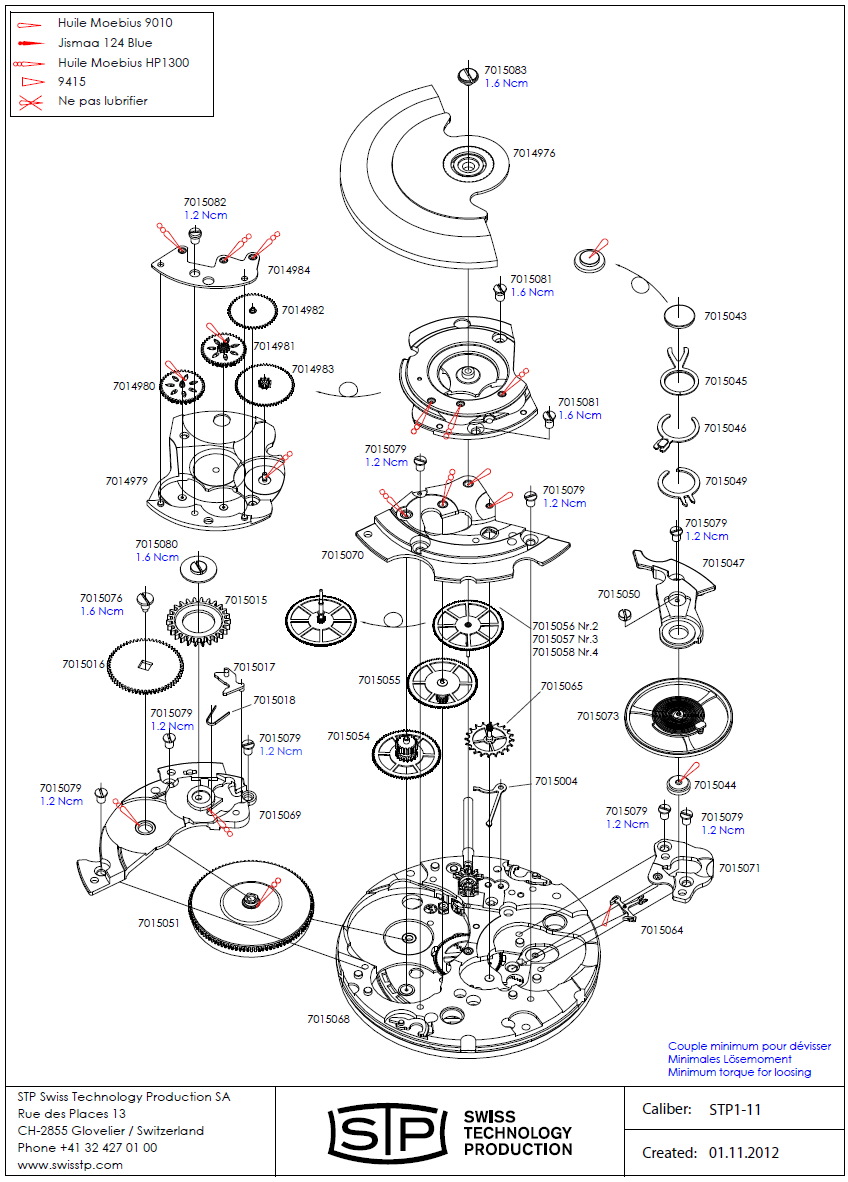
The success of any such gatherings depend a lot on those in charge of details. We all know that. I think of automatic watches, and how well they function. This organization [CATA] is akin to the dynamic of the workings of an automatic watch, self-winding [automatic] or hand winding only.
credit: Swiss Technologies Production
The sum of the parts is greater than the whole. Every component has a function, some specialized while others are a standard part to ensure the watch’s ultimate function.
credit: Patek-Philippe SA Geneve
Every person shaping an event matters. Just as an automatic watch requires springs, levers, meter wheels, escape & driver cannon pinions and so forth.
[center] Ms. Sandy Newman-CATA Founder
There needs to be synchronous relationships for many things to work: autos, machines, computers, watches and people. That quality of interaction relies on the functional capability of the part [or persons] involved.
Kara Smith, CATA Program Director [studios].Ms. Michelle Goodman-CATA artist.
Meanwhile, there’s all this chatter about Artificial Intelligence [AI] with its potential and failings. Regulation? Monetization? Security? A bona fide threat to originality or something that can expand our ways of learning? In the end–and I do mean “The End”–nothing matters more than the people we love and care about, the interactions in gatherings familiar and new, and the way we contribute to being in the moment.
It was home back in the day. Situated on 48 acres, the “cottage” contains 44 rooms.
Have you ever tried to look at something right in front of you and discern one particular detail. It could be anything: color, shape, texture, scale/size, any specific object and so forth. I’m referring to a single element that piques your attention, whether the element is large or small, plain looking or colorful, simple or complex by design. Naumkeag offers history, a feast for your senses and options to indulge in a location that’s an antithesis to our present-day way of living. So, with an unhurried pace, walk the grounds, examine the gardens, enjoy the vistas and of course the house that was the summer home of prominent lawyer, Joseph Choate and his wife, Caroline. They referred to their residence in Stockbridge, MA as a “cottage.” You don’t need to be a cognoscenti to appreciate landscape design, flowers, stonework, or architecture. No agenda, just a dose of quiet time in a locale that puts you in the Housatonic River Valley, a place in the Berkshires as pastoral as any you’ll find across New England.
Naumkeag is a cornucopia of details. You’re offered a buffet of elements that rightfully distract you from monitors, traffic, deadlines, meetings along with other indeterminate noises. Granted the elements–or distractions–are innocuous, there’s a realization that having these very details shrink the less important, stressful elements that occupy your mind. Well, at least in my mind.
Where’s my focus? Is it obvious to you? Can it as much be yours as it is mine?
You might say this is an exercise in discernment, a way of sharpening perceptions, a means to refocus on other details/elements that may lead you to another level of thinking. The process is still your own, but this time, you’ve given yourself the beginnings of a map that’s genuinely yours.
A benefit of these sorties is this sense of life copacetic; in spite of the routines and doldrums, there are moments that are the opposite of what ails us. In the world of art and the written word, we can see and feel just about anything. Having a sense of place, in this space and time, not in your past and where the future is not promised to any of us, the now matters. That’s it. Don’t waste it. Appreciate don’t pontificate.
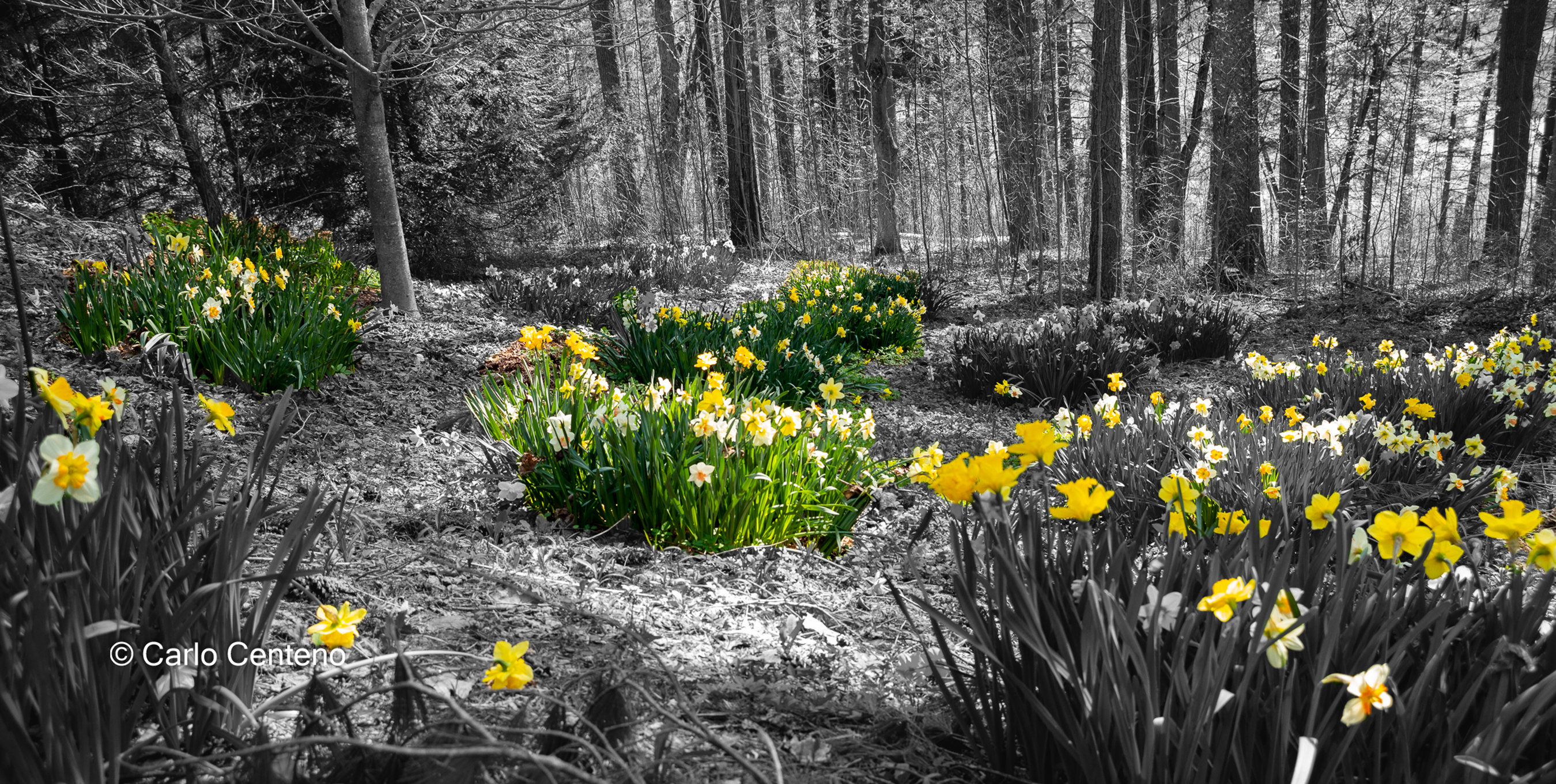
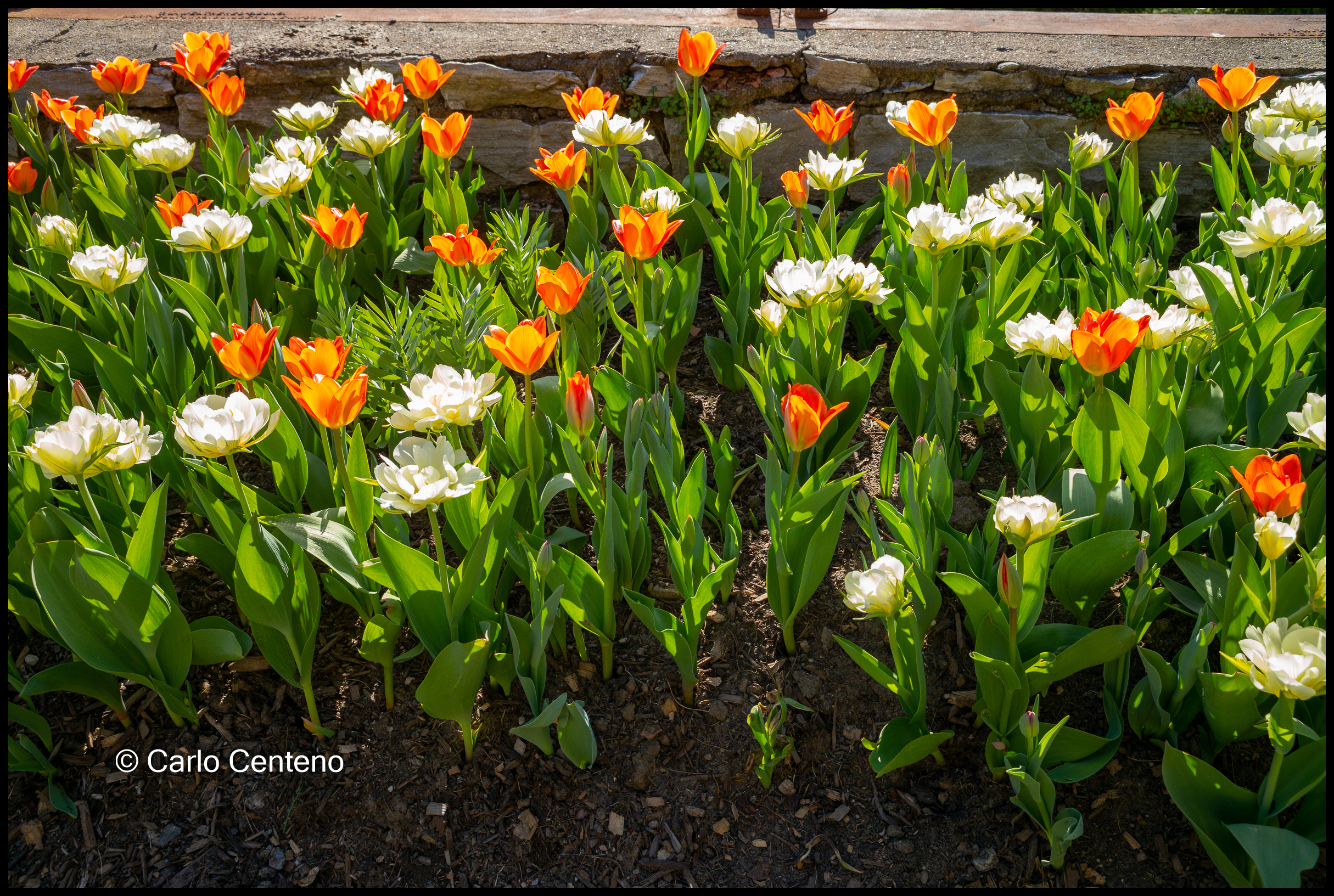
The exercise of pulling a detail out and away from everything else pushes me to consider and associate with another perspective of whatever detail I look at. The reds and yellows in the tulips appear even more intense when surrounded by the middle greys in the photographs. The broadleaf in one corner of the greenhouse looks healthy, in large part because of the depth of its green color. Nothing has changed really, and neither have the proprieties of the object or the surroundings. What’s changed is the manner in which you deconstruct details.
Those with a proclivity to capture details can notice more than what meets the eye. Beyond colors, tendrils of an iron chair, the gradation of a solid color to one of a lesser though similar hue, I tend to go toward an object, experience or what have you, that’s relevant to my personal history. You might say it’s akin to a word association game, a yin-yang of opposites as well as things similar. The associations can be personal, simple or complex, a source of light-heartedness or burdened echoes ruminating within your memory.
This is a modification of the immemorial saying, Stop and smell the roses [or tulips]. Instead, reframe your perspective: You can see the big picture, but details bring you closer to the value of the picture.
It’s been said that everything you needed to learn and know in order to get through a day was taught in kindergarten. That was the early-in-life primer, essentially a course in fundamentals: polite behavior, expressions of gratitude, common courtesy and common sense in all things you say and act upon. Some life lessons around loyalty, unconditional love, patience, trust, kindness–among others–were influenced by my dog, Humphrey. Naturally, various experiences with family, teachers/professors and good friends added to that mix as well, as well it should.
Humphrey
Humphrey was a miniature cockapoo, but there was nothing small in his character or demeanor. Simply put, he acted like he was the biggest, baddest, dog east of the Mississippi. He possessed a radar that had a way of measuring and reading the nature of most grown ups, and of course other four-legged creatures [read: neighborhood dogs he didn’t quite like]. I’ve heard it said that the size of the dog doesn’t matter as much as the size of its heart. And that little guy had a huge heart. Children were another story. He was comfortable around them. Humphrey was just as curious about kids, as the kids were with this little guy. Throughout his life, many thought Humphrey to be a puppy. In a sense he was that in many ways.
Our winter dress code.
It makes sense to me that the weight and burden of grief that comes from the loss of a pet correlates to the amount and type of affection you gave the pet, and vice versa. Reciprocity at its finest. Quite frankly, that equation is the same for family, significant others and close friends. When you truly care about someone or something, you give it your all, certainly your heart and soul as a minimum. MJ and I support each other in all of this. She did, indeed, have a big part in Humphrey’s life, as did our kids and grandkids. Those connections or bonds don’t disappear at death. Not surprisingly, we had thought about ways to extend Humphrey’s life, perhaps just a bit more care or special intervention would’ve helped, but time waits for no one. Second thoughts arose wondering if any intervention for Humphrey could still help him. I think part of understanding what love is revolves around one’s willingness to let go. We’d like to think that as the end drew closer, that that pup knew he added so much to our days, and vice versa. Life lessons arrive from many points. From the smallest of vignettes to those large and complex, there’s something one can glean from experience and interaction.
Two happy, ol’ dogs…
Not surprisingly, other events or milestones reach out and overwhelm us, including one in particular. About a week after Humphrey died, one of our daughters and her husband added to the number of grandchildren. Their second child–and our fifth grandchild–was a welcome sight!
Welcome, dear grandson…!
He was the salve to our sadness. The sounds and expressions of loss and affirmation differ. Death and grief are shadowed by life, not the other way around. That new baby dampened down some of the grief we’ve been carrying. The creation and arrival of a new life, affirms the reality that dying and being born are conditions each of us cannot deny. With one, comes the other.
Fate added another exclamation point to all of this. Just before the end of March, MJ’s sister suddenly passed away from heart failure made more complex by cancer. And just like that, death set us back yet again. Nostalgia, sadness, regret and second guessing returned in force. No sooner than when the new baby arrived home, MJ and I were thinking about an obituary and a funeral to attend in short order.
In all of this, I’m reminded of what MJ’s mom said about the passing away of loved ones: remember them on their birthdays, not just on the day they died. That notion has stuck by us for quite awhile now. With birthdays come celebrations, the gathering of family and friends, and an opportunity to reconnect with good times and the people who are and were a part of that. To auld lang syne, to “times that have gone by.” We can think of any number of experiences that raised a smile, a laugh, a few tears, but don’t mistake this as longing or living in the past. It’s really a time to be in the moment, a key one at that, to share recollections with those in attendance and in doing so, our connections to each other are again [or for the first time!] affirmed.
My take on all that’s happened is that our willingness to interact with each other can never be replaced with the efficiency of Facetime, Zoom Meetings, teleconferencing and any other present-day digital communication. The attributes of efficiency cannot separate us from emotions and empathy. There are lessons woven into experiences that can be shared, indeed as some should anyway. It’s what makes each of us a wholly unique, sentient being.
The peaks and valleys this past March, made clear that we need to nurture our connections to family and friends, to dogs and cats and pets, and to others outside our zones of comfort. Good or bad, joyful or sad, the confluence of your feelings shared with others enhances many of life’s lessons…
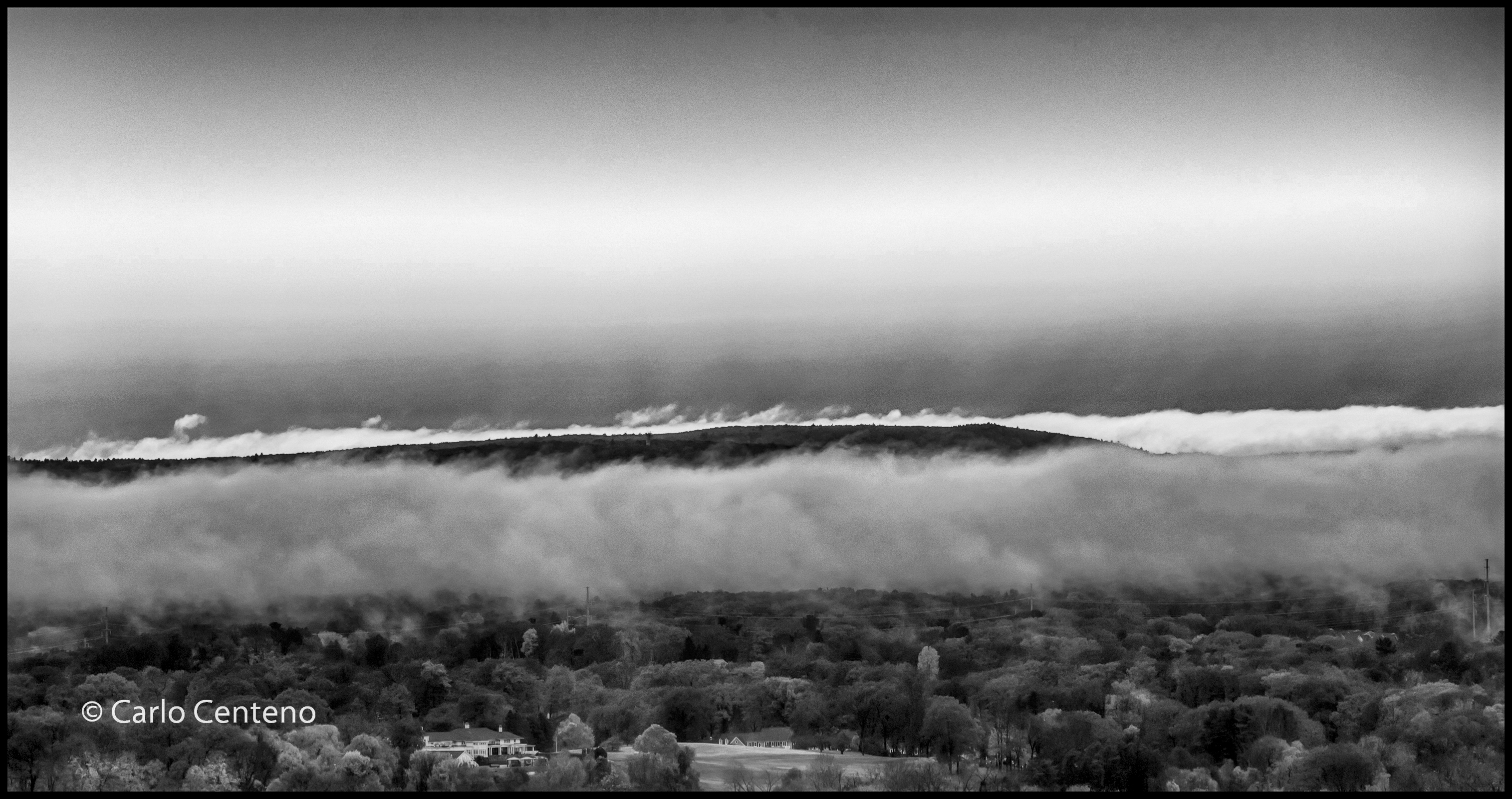
This is the view from my office. Because this window faces north, changes in weather often come this way, and today was no exception. A front was slowly moving through bringing with it some drizzle if not showers and a pinch of wet snow for good measure. I go through some days feeling creatively barren, as if covered with a fog. My brain cannot keep focus of what’s important, nor can it generate a spark of an idea. I’d welcome a nugget of thought that morphs into a theme, a sentence, a paragraph and even a photograph.
When that kind of fog moves in, I used to double down on my brain as if I could purposefully, indeed consciously command by merely thinking, “I need something to work with here! Get it off the ground.” A couple mugs of green tea or coffee later, nothing appears on my creative radar. And so I apply a way of thinking and visualizing to help reveal something/anything beneath that fog. I imagine what’s lying beneath not only my creative fog, but the cloak draped outside my window. Somehow the symbiosis of such processing helps clear my brain fog. It doesn’t reveal something monumental; it’s not a Eureka! moment at all. Some real right-brain elbow juice comes into play. I’m from the school that believes there’s no such thing as a “dumb idea or answer.” Possibilities abound depending on your attitude.
The transition time varies, sometimes in an hour, other times a day or 2 later. I suppose other efforts have probably taken longer to render that creative crumb-of-an idea or concept. If I knew how to sketch, perhaps it would be easier and at times faster to arrive at the idea. However, it’s just the way this person works. Not very exciting. The excitement–if you can call it that–is more a feeling of relief and satisfaction.
Whether I’m looking at a blank sheet of paper, a clean page in my journal or through a camera viewfinder [yes, very old school this guy], I sometimes think of Occam’s razor, a philosophy that states when troubled with competing solutions or ideas for a desired outcome, often the simplest version is the very solution that makes sense.
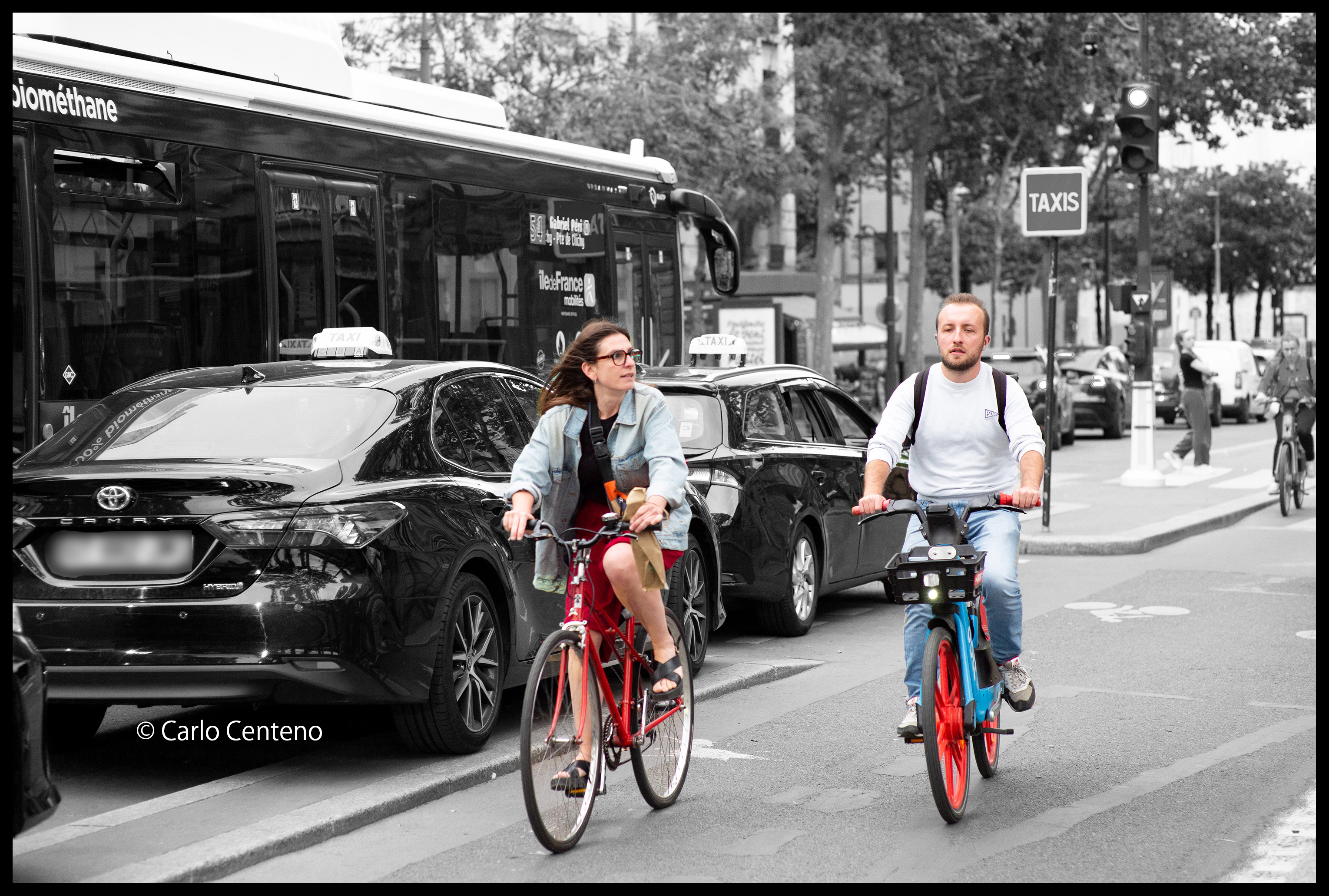
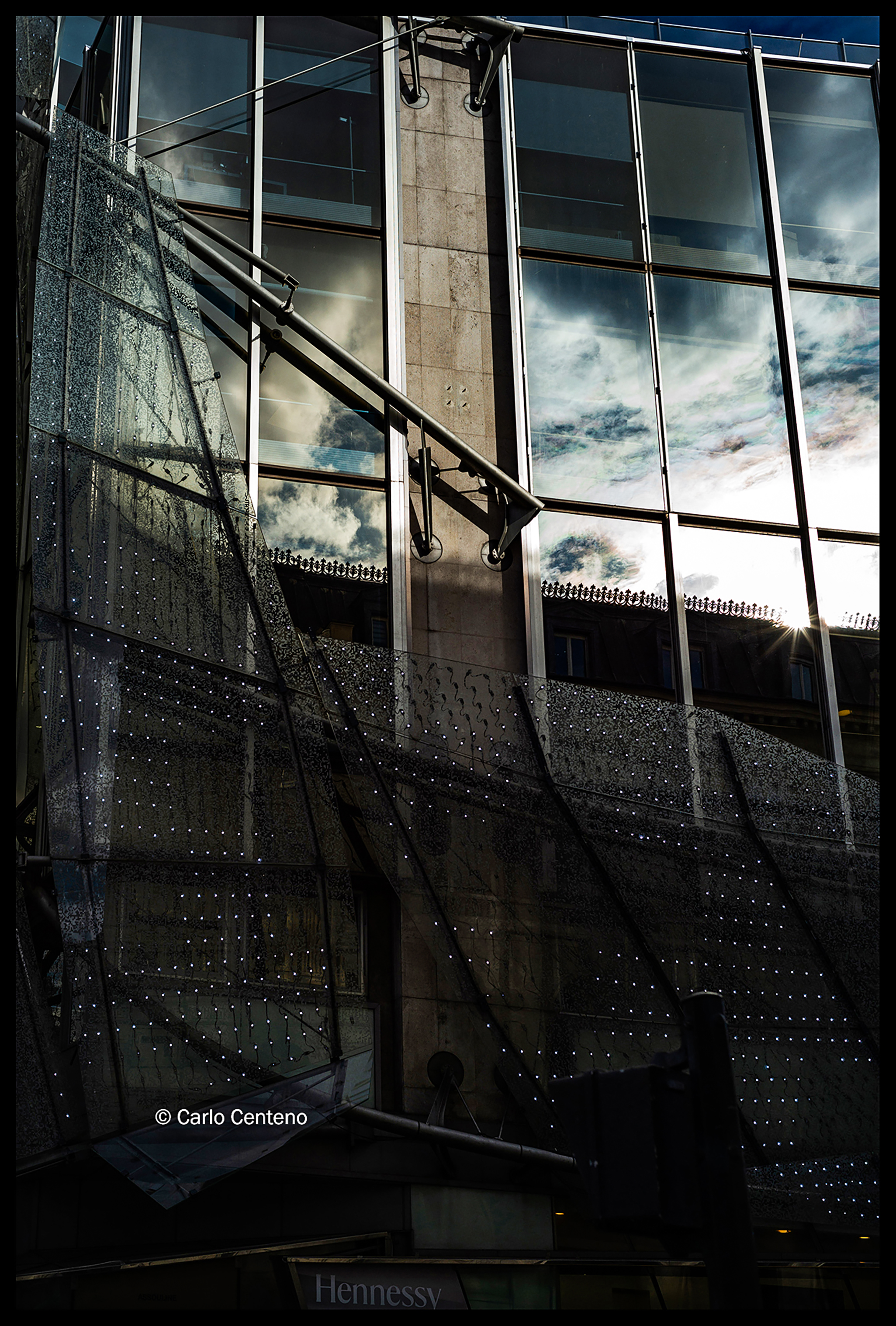
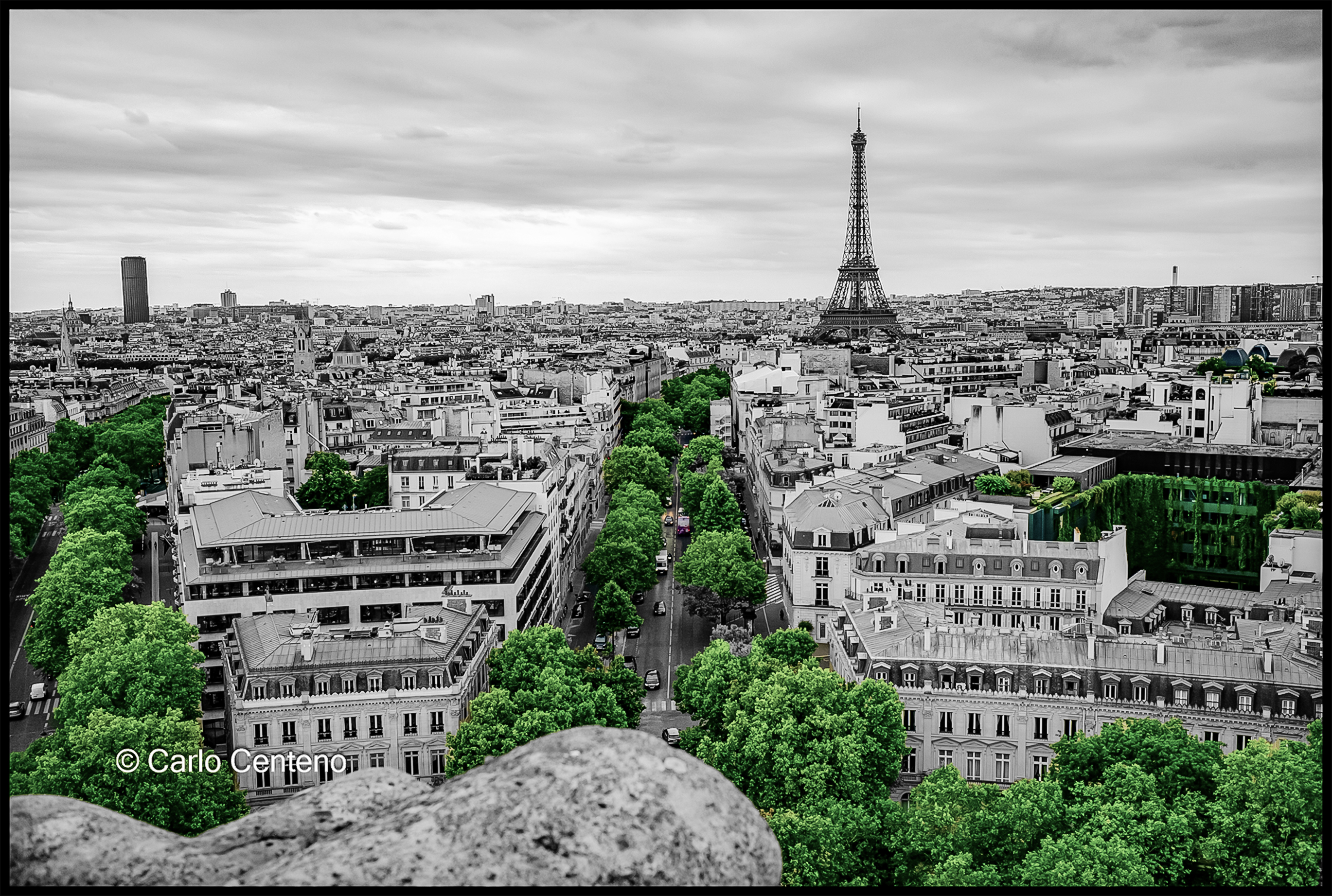
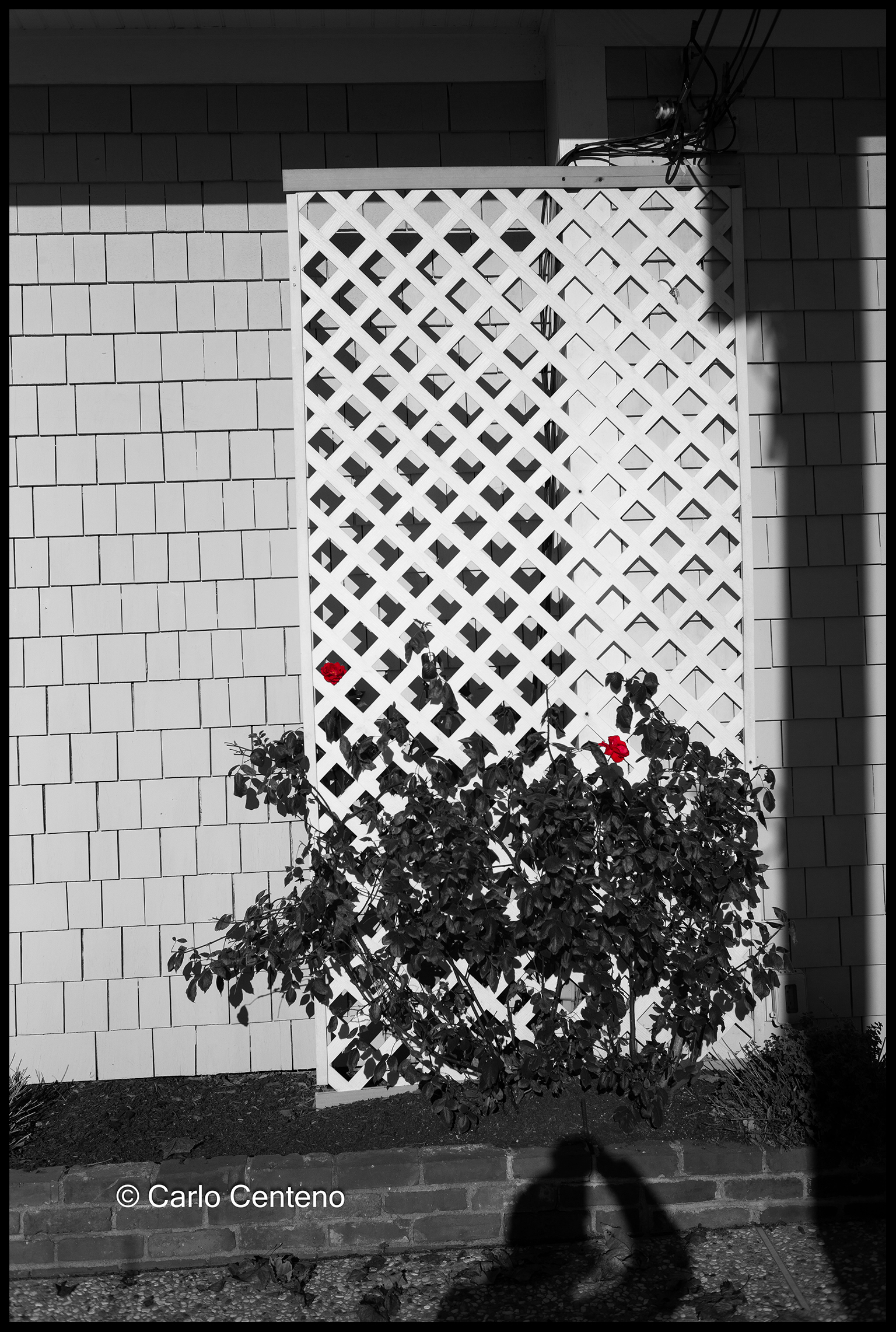
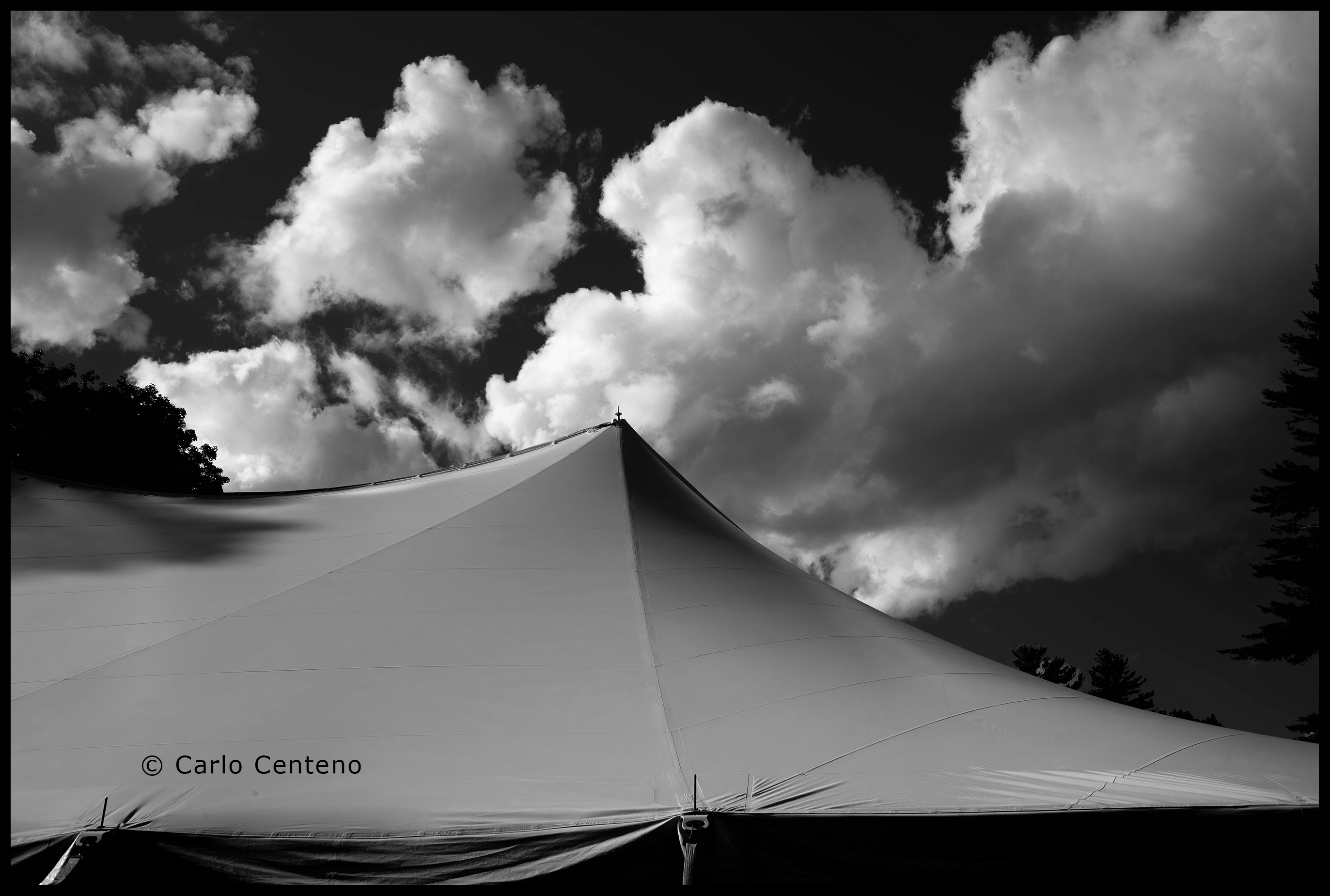
Give credit where credit is due. The fine-art book, Somnabulist created by photographer Ralph Gibson in 1970, was where I first saw the word, somnabulist. His fascination with discovery and the realm of things abstract made for different if not interesting images. My take was when reality is cojoined with one’s dreams, it’s a means to an end: achieving success, finding calm, reducing stress, maintaining good health, nurturing family and friends and so forth. The following images are dreamscapes of sorts. They’re a far cry from Mr. Gibson’s B&W prints. As in life—that is in being “awake”—light, shadow, colors and the dark all have a role in both dreams and living. One is allegorical, the other experiential. Or even both?
































 Carlo Centeno