1776

On July 4, 1776, 13 colonies represented the start of a new, independent nation. What began then continues to evolve, even shape-shift into realities banal as well as incomprehensibly good, and in ways, unexpected. So, some 250 years later, what comes to mind not only about our Declaration of Independence, but of ideals, perceptions and attitudes which–in some form or another–shaped your own thinking?

I think of 1776 as the “Big Bang” of powerful, humanitarian thinking and risk-taking, of finding strength with purpose and reason, of the surfeit of loss and regret and the weight of forbearance. What comes to mind is this spectrum of the human experience, that for each individual in these United States, carries levels of clarity and disillusion, of relief and anxiety.
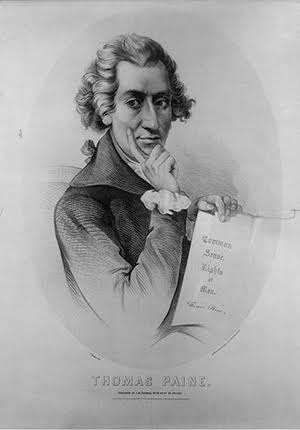
In January 1776, the British born & an American Founding Father Thomas Paine published his pamphlet, Common Sense. Take a chance and read it, certainly over a cup of tea [or ice coffee, water and so on]. His words were clear and to the point. It had clarity that many could understand and feel. This timeless publication was the comet which ignited the spirit of a nation yet to be. Study Paine’s writing, and you can feel his sense of what a genuine human being should be. Many of our rights, freedoms and choices begin with you. Having the freedom to choose is our most inalienable right. It is the single most important key that unlocks paths to our rights, the pursuits that make us happy, and the freedom to make choices of our own accord.
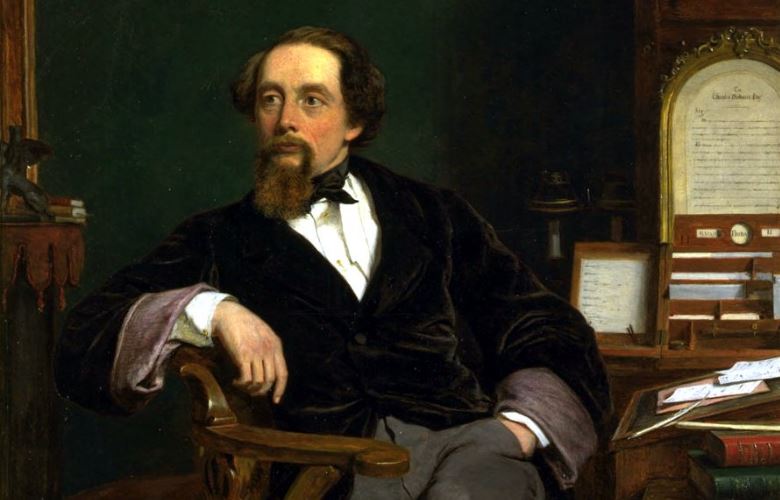
Some 67 years later, Charles Dickens wrote arguably one of the most stirring novels about the human experience and the choices we make. A Christmas Carol is as much a story about Christmas as it is a story of becoming a thoughtful person. One can not be solely attuned to the finer things in life. I’m sure you remember Jacob Marlowe’s moment of clarity and purpose, an epiphany that’s arrived too late for Mr. Marlowe:

“But you were always a good man of business, Jacob,” faltered Scrooge, who now began to apply this to himself.

“Business!” cried the Ghost, wringing its hands again. “Mankind was my business. The common welfare was my business; charity, mercy, forbearance, and benevolence, were, all, my business. The dealings of my trade were but a drop of water in the comprehensive ocean of my business!” —A Christmas Carol

So then, who in 2026 will be the catalyst that creates something extraordinary for the benefit of all living things on this earth?
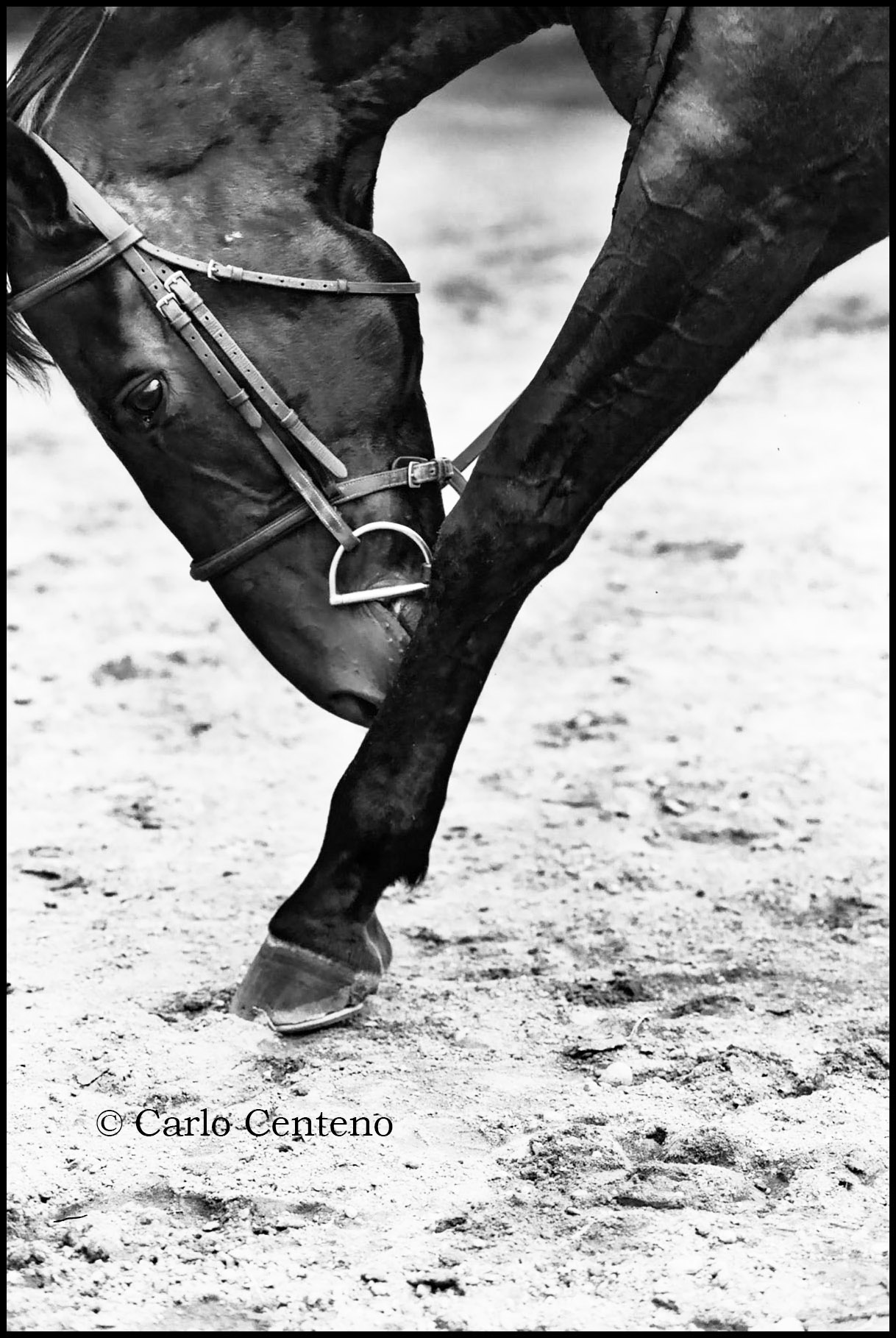
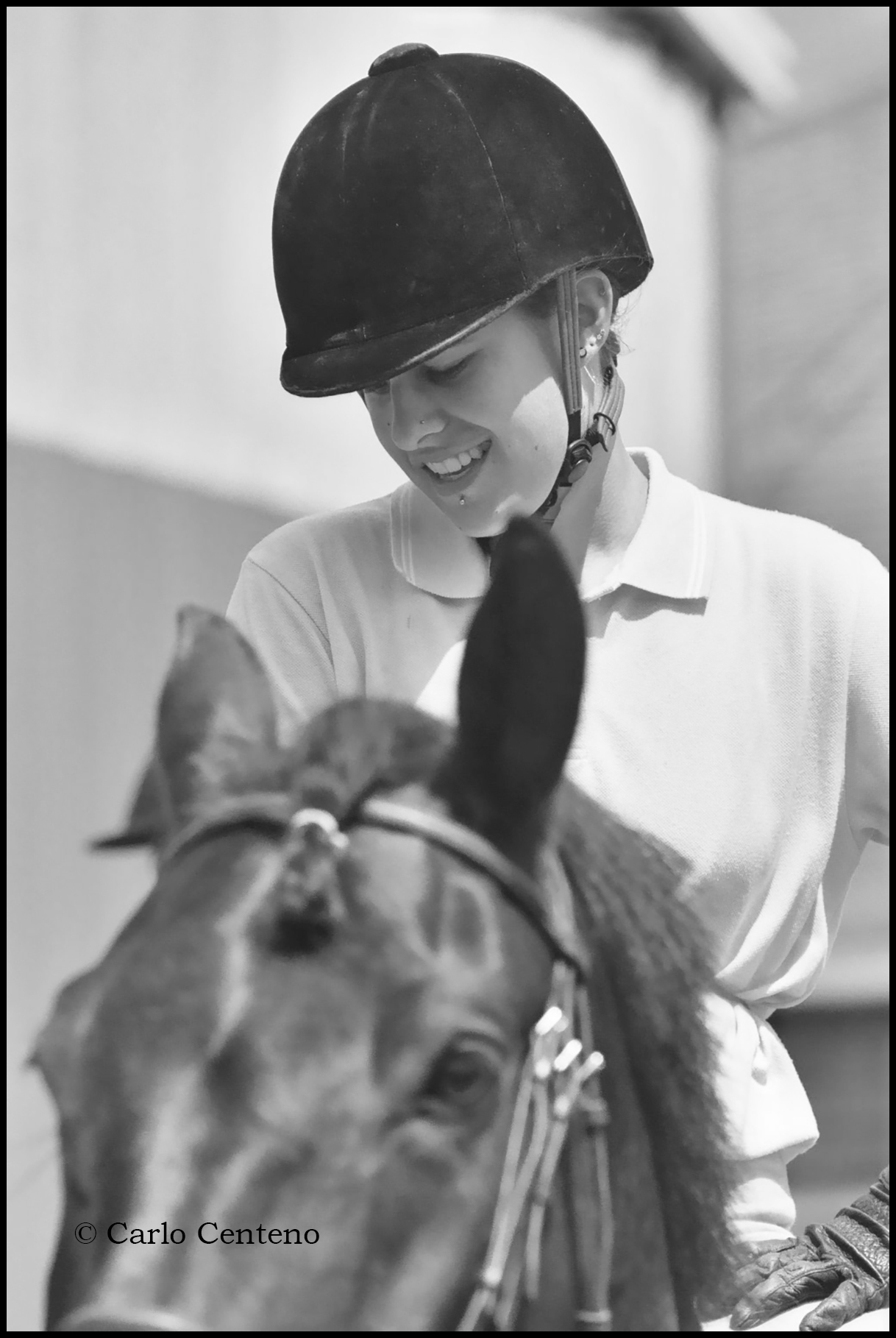
Horse Sense

Here’s an idiom that is sorely wanting in our modern day living and thinking: horse sense. Although there is some good news circulating here and there, it’s unfortunate that what seems to catch our attention are those things that show us at our lowest scale of being human.

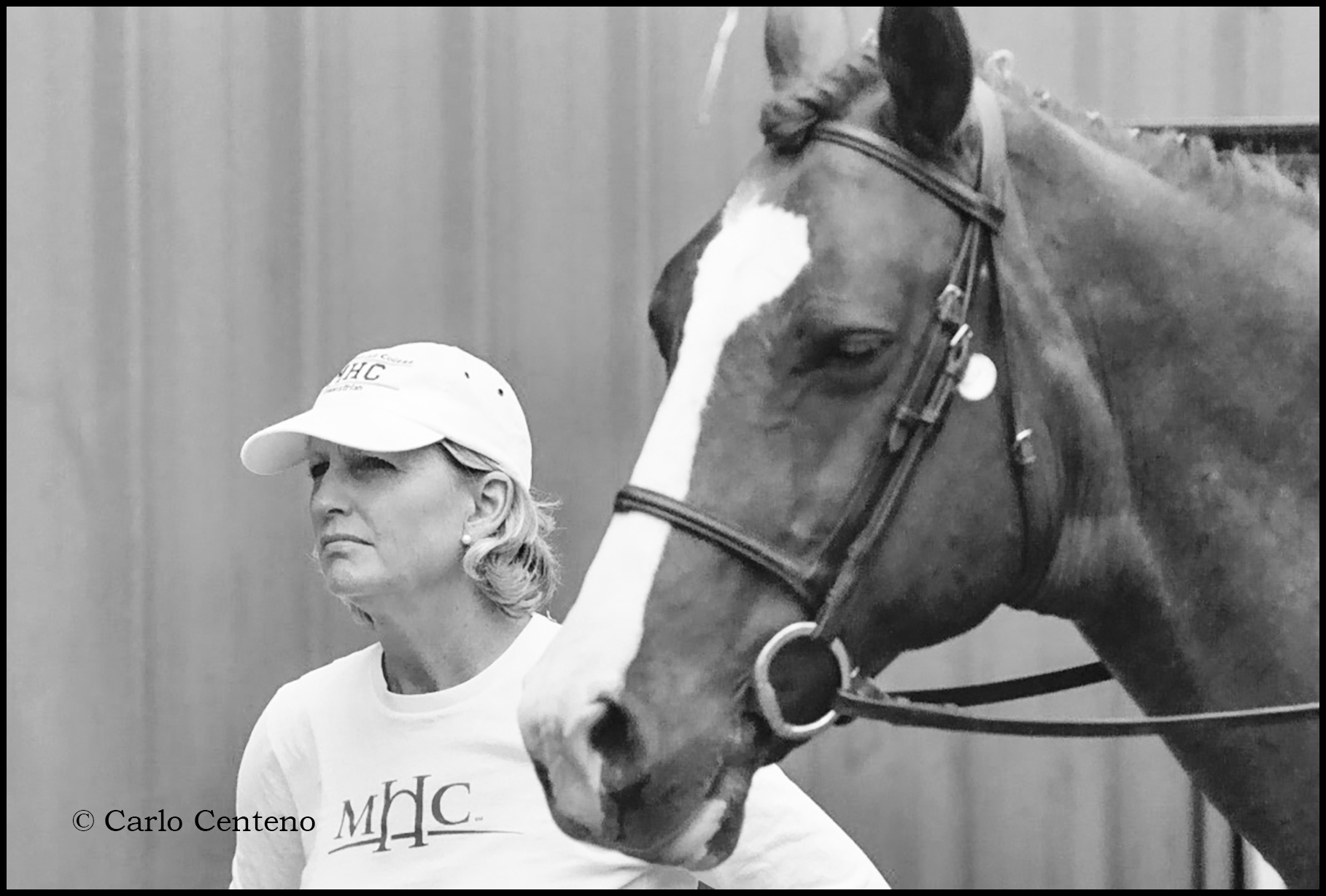
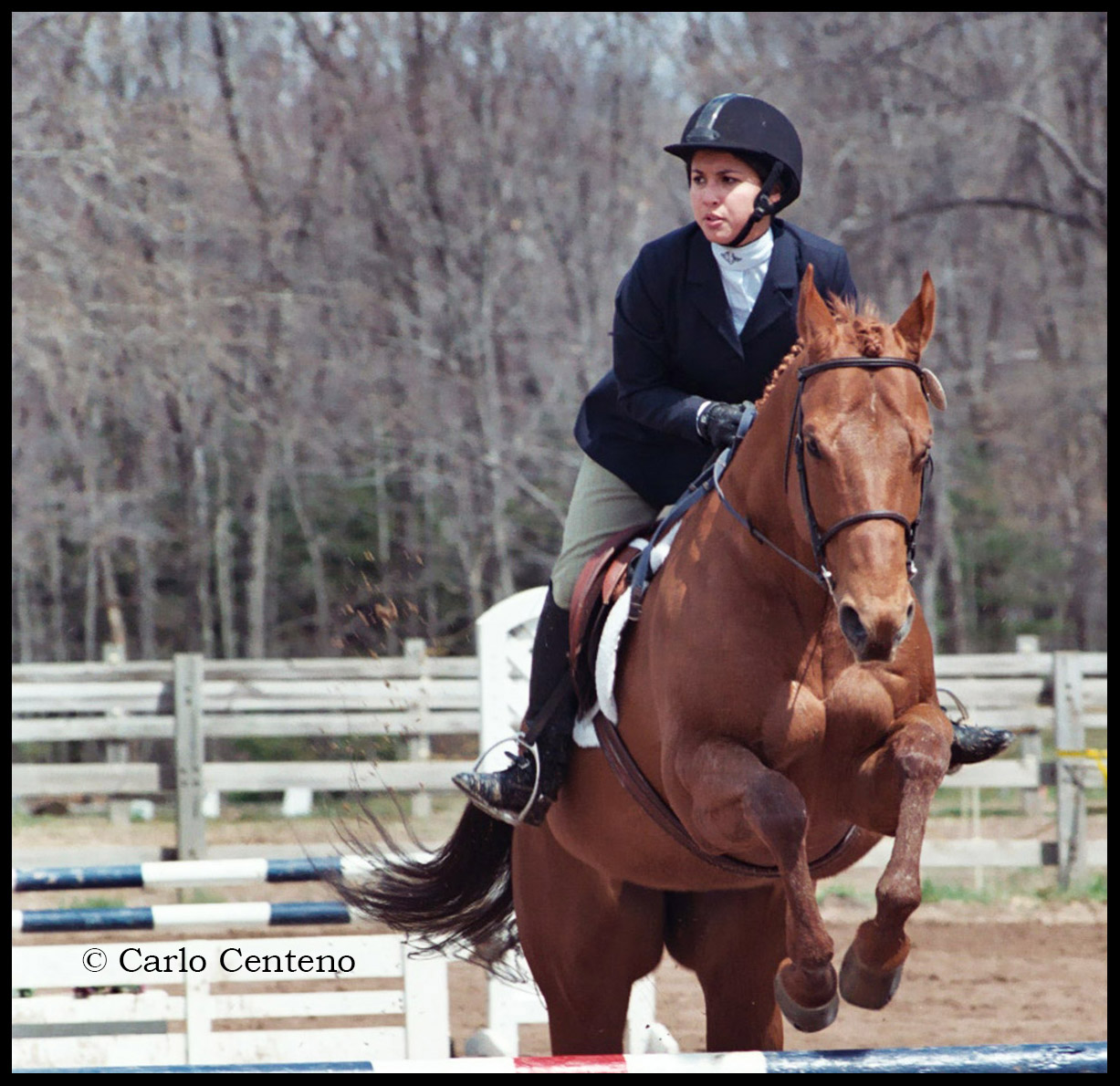
In the 1830s, a horse reigned supreme. If you had any intention of getting from point A to point B in a relatively reasonable amount of time, a horse was part of the equation. Horses were a significant part of daily life back in those days. I believe they still are. Horses were as ubiquitous then as a car is today. The key–and important difference–is that a horse is a sentient creation, one that can feel, sense, experience and remember what goes on outside his/her physical body. Credit horse sense for those of us who’ve maintained a practical yet functional aspect of thinking reasonably.

A modern car is a marvel of technology, and that technology can deliver amazing conveniences in safety, comfort, even respond to inputs from the user [braking, turning, accelerating, navigation, e.g.] and of course, much more.

But unlike a horse, a car lacks the ability to feel and experience pain, joy, danger, fear, among other qualities of perception. Thus, being part of the animal kingdom, we are first and foremost, sentient beings. However, being human also means we are sapient creatures. We can reason, deduce and think about abstract concepts.
This is what makes us unique among all living things on this earth. We possess self-awareness, a conscious ability to think and reason to engage cognitive processes which in turn can further increase our understanding of things tangible and intangible.

We’re lacking a good amount of horse sense today. By any other name, it appears some have lost the basics of good judgement, fair decision-making, logical reasoning, even empathetic gestures and intentions.

“Well, it’s just pure, doggone horse sense______”
a) to wear a helmet when riding [horses, motorcycles, bikes, etc.]
b) to let go of that fire cracker once it’s @#!!# lit!
c) to wear that seatbelt regardless.
d) not to drive across that “shallow water” after a big rainstorm.
e) [and finally…] _____________________ [please, you think of something to add].

Here’s a comment attributed to French Enlightenment writer, philosopher and satirist, Voltaire [nom de plume; his legal name was Francois-Marie Arouet].
To wit: Common sense is not so common. I’ll bet he enjoyed horses.

Photographic Frisson

Frisson…..it’s French for a chilling sensation, a shiver. It’s typically a pleasurable response to a stimuli that “moves you.” At times we refer to this reactive sensation as something that, “gives me the shivers.” You get goosebumps, you feel the small hairs on your arm or the back of your neck stand up, your breathing and pulse become quicker.

Frisson is that short-lived somewhat intense satisfaction often brought on by music, art, an event, a person, a book, essentially whatever it is you witness that generates a momentary elevation of pleasure. The brain and body experience something akin to adrenaline and dopamine reaching peak levels.

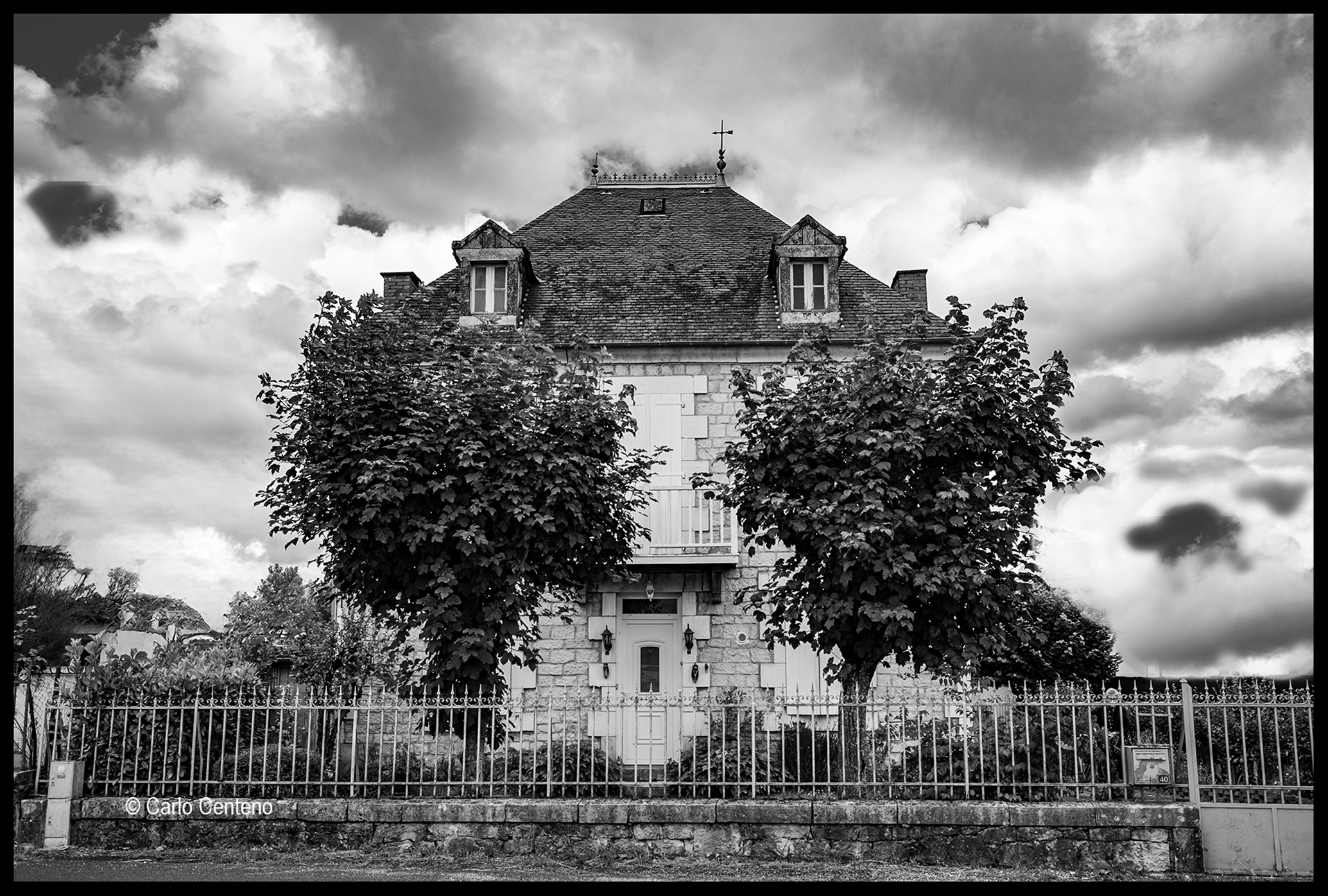
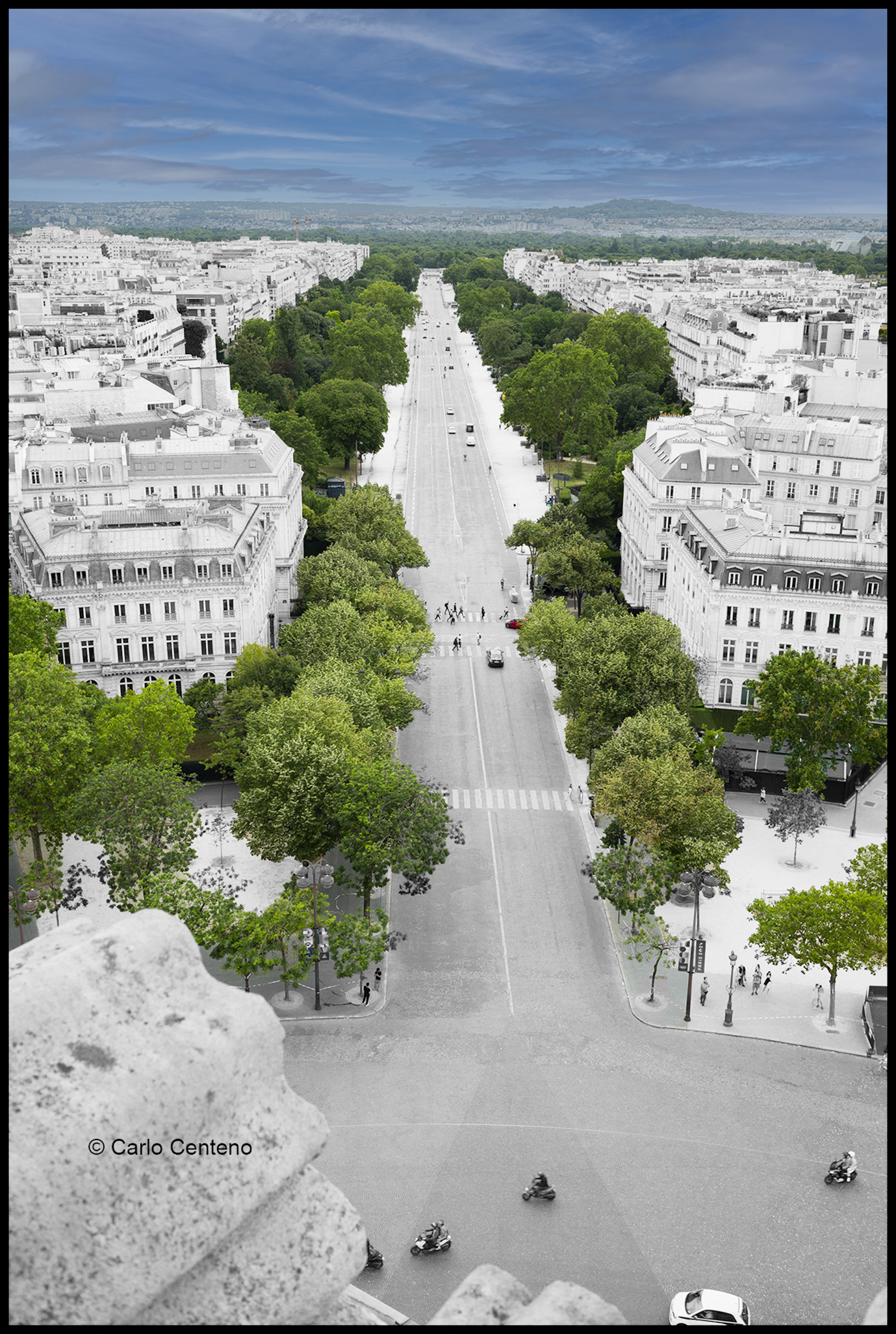
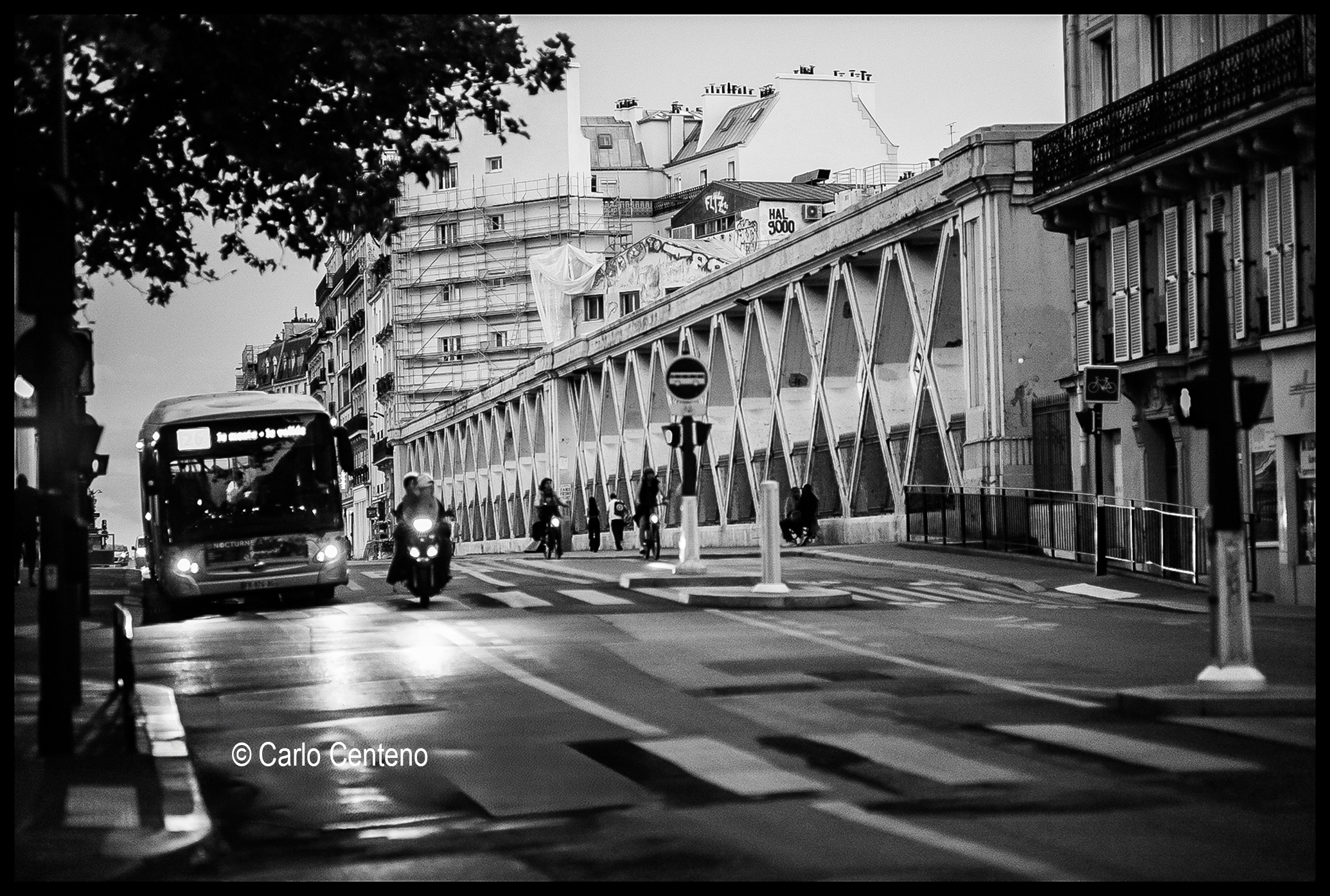
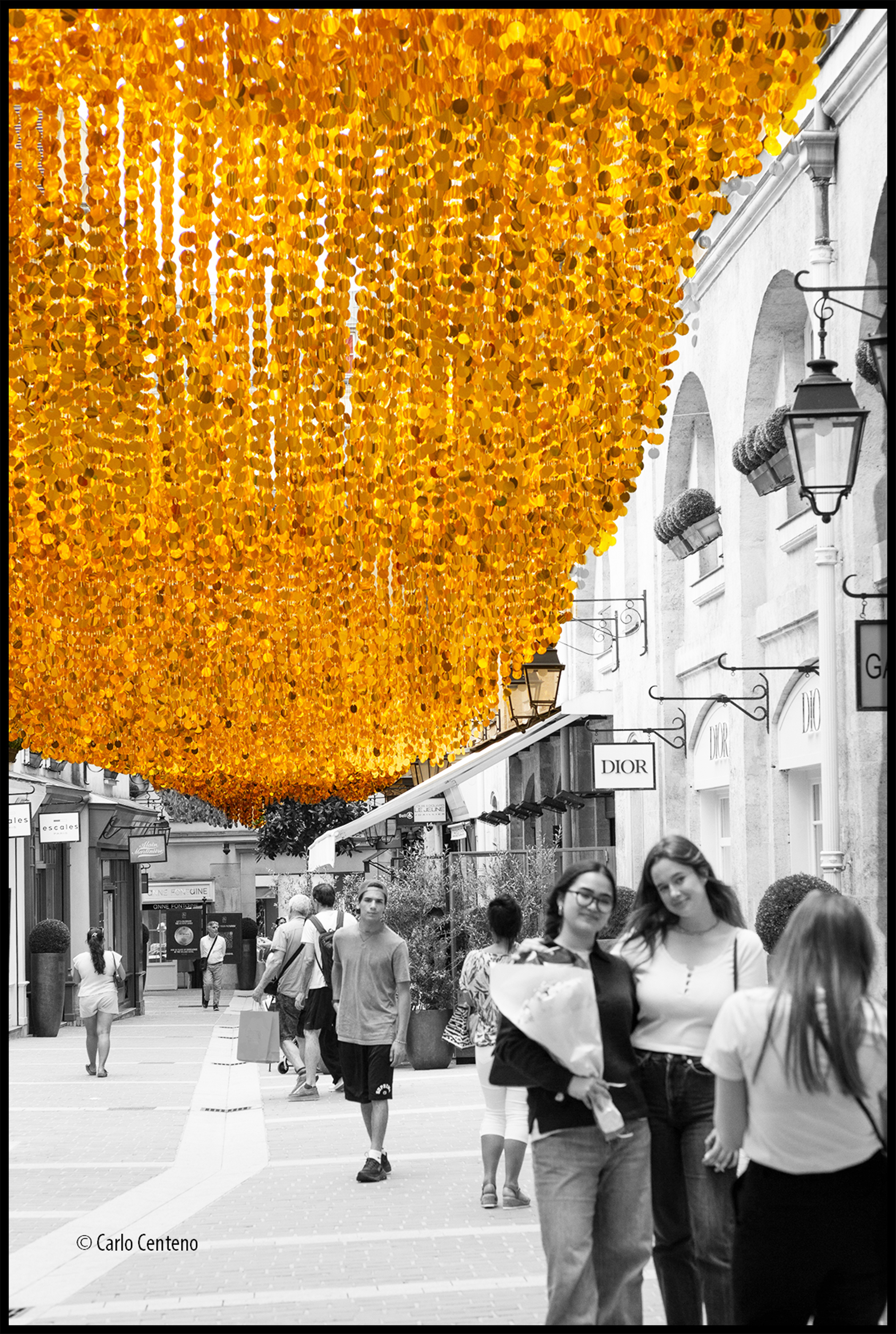
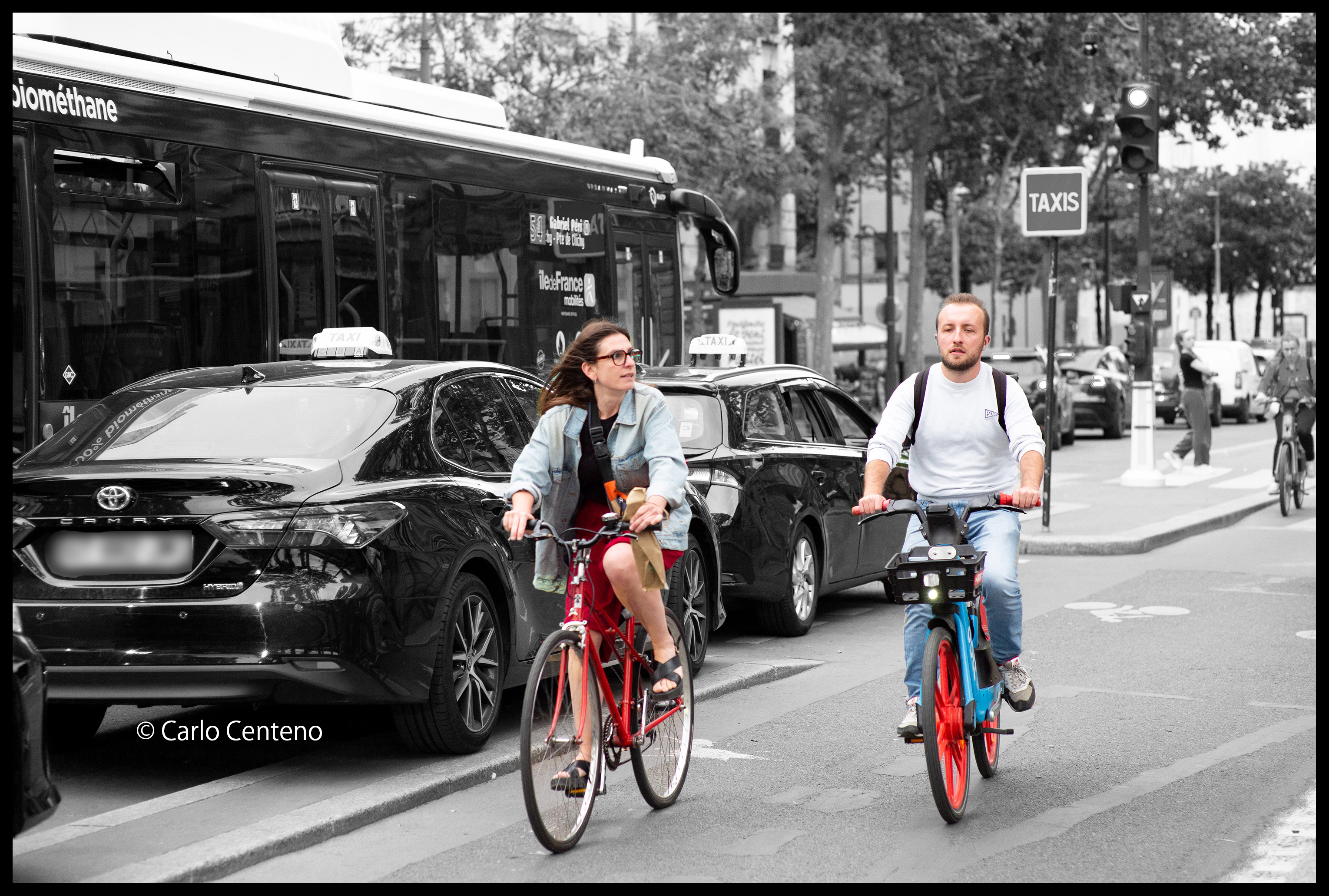
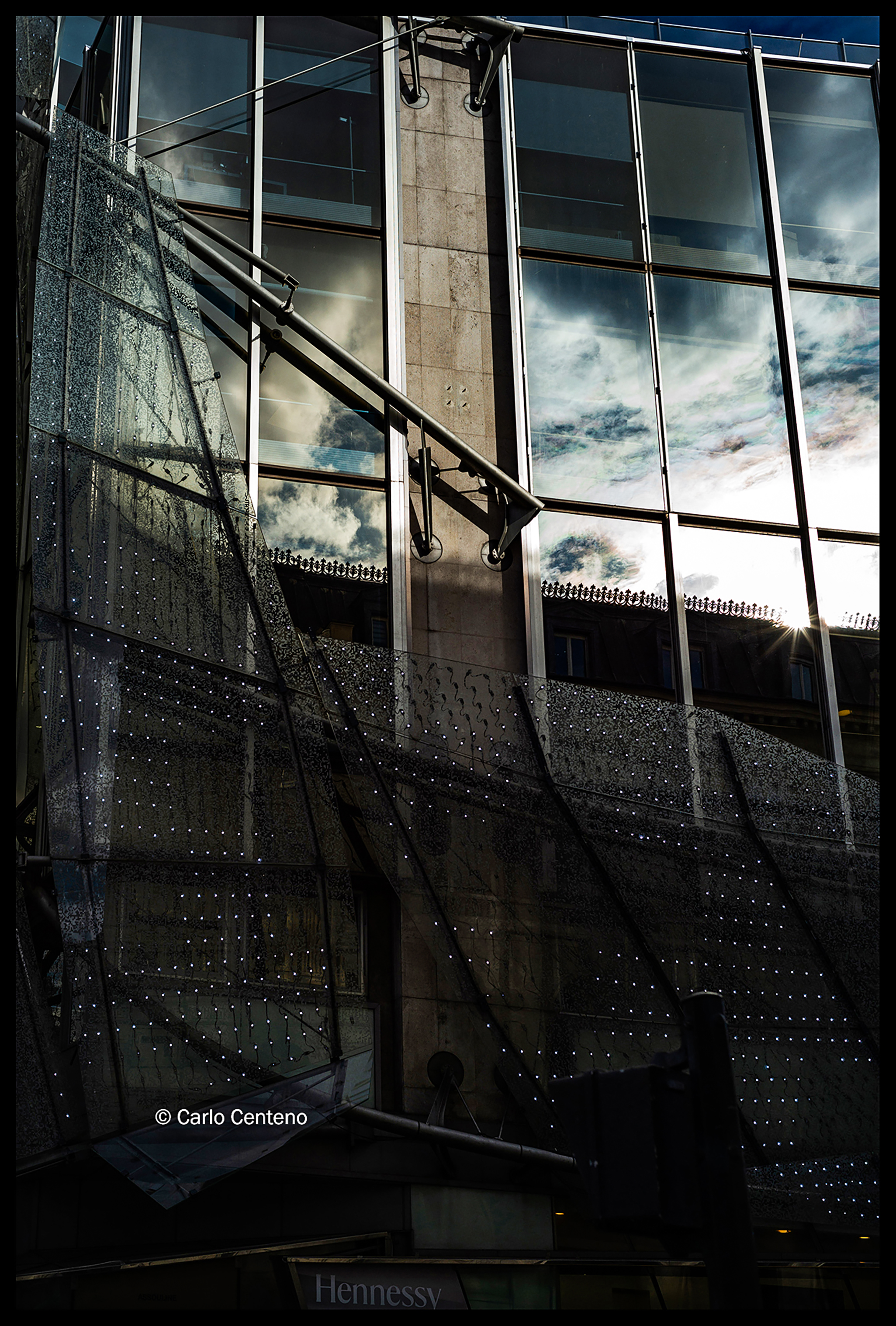
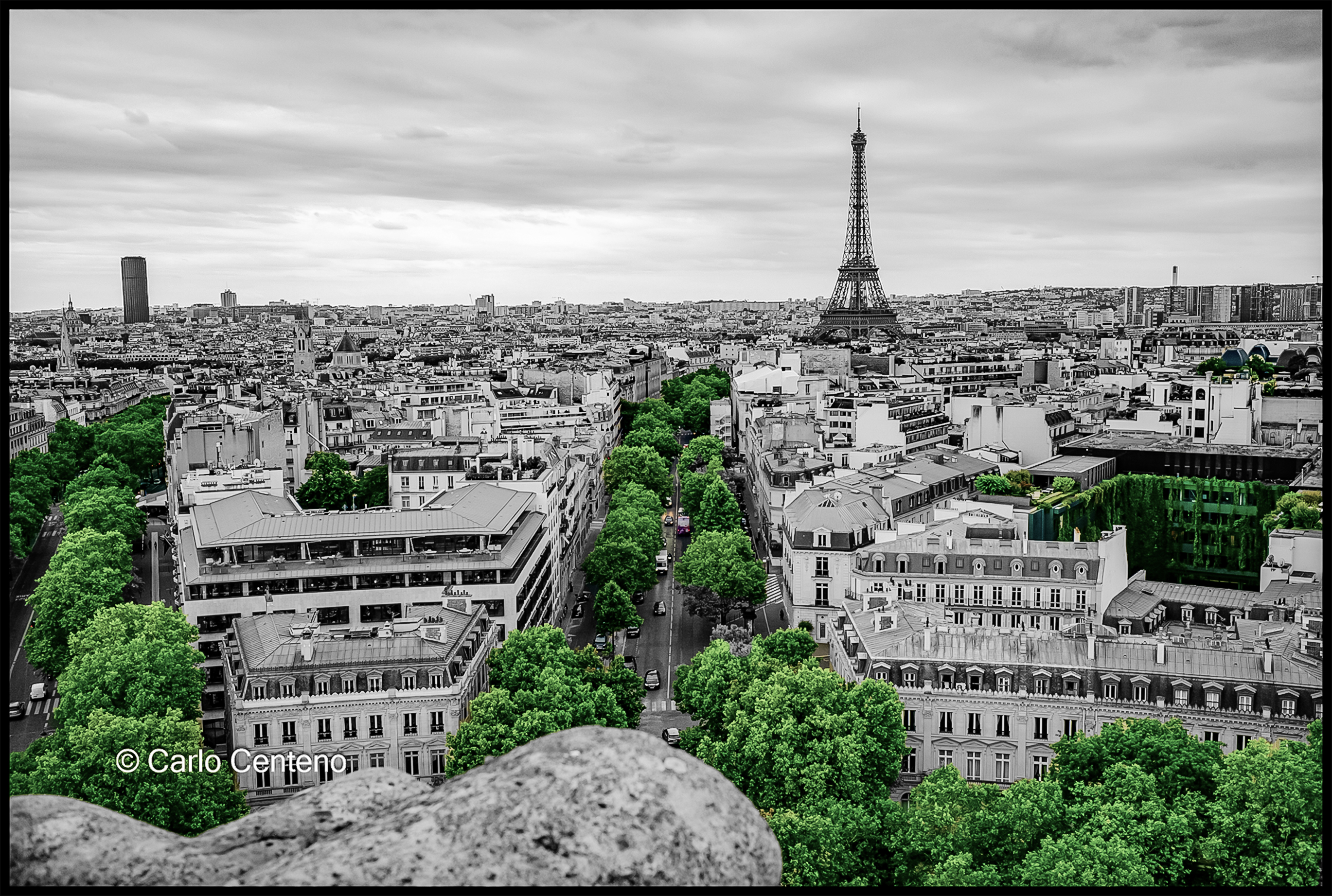
The following images are some of the “frissons” I felt while in France. I enjoyed the “shivers” and enjoy bringing them to life here. Hope you find something to like…..

Le Vignon en Quercy

Au sommet de l’Arc de Triomphe

Crepuscule a Paris

Une pluie d’or

Deux velos pour deux

Chez Louis Vuitton sur les Champs-Elysees

Au sommet des Champs de Elysées, partie 2

Modern Soliloquy

Back in the day, “soliloquy” was a word associated with theatre. There have been some powerful, mindful soliloquys, many found in English Literature. William Shakespeare and Robert Browning come to mind; the former for his plays, Browning for his poetry.

I find myself tuning into my inner self with soliloquys. These are not conversations to me, but a way to be honest with myself. In the process, I voice [in my head…..not out loud]. the deepest feelings which need to be brought out from the inner sanctum of my soul. These sentiments, perceptions and more, represent a personal unspoken anthology of emotions which remain exclusive to myself. Everyone should try their own form of soliloquy. You become the subject as well as the audience. The orator speaks to the most relevant, but private person in his/her life.

A recent trip to the Massachusetts Museum of Contemporary Art [MassMOCA] located in North Adams, MA is one location that gave an opportunity for reflection and acknowledgement. Come to think of it, most any museum makes a strong location for a soliloquy. Other alternatives abound: a beach, a park, a forest, a solitary space, even a space filled with people. The options are varied, but I do believe, like the soliloquys expressed in plays, poems and so forth, a place relatively quiet proves hospitable to many. A calm atmosphere is a priori given the breadth of one’s soliloquy.

Where ever you stand, and what ever you see, there lies a confluence of provocations that may come to the forefront of your thinking or introspection. The time stamp—from which these thoughts come from—depends on its significance: an early relationship gone awry; a current relationship that seems too good to be true; the unknown realm in choosing one option over another; the challenge of working through options in light of a chronic condition that will not stop let alone disappear. There’s a universe of profound feeling and thinking we can only imagine.

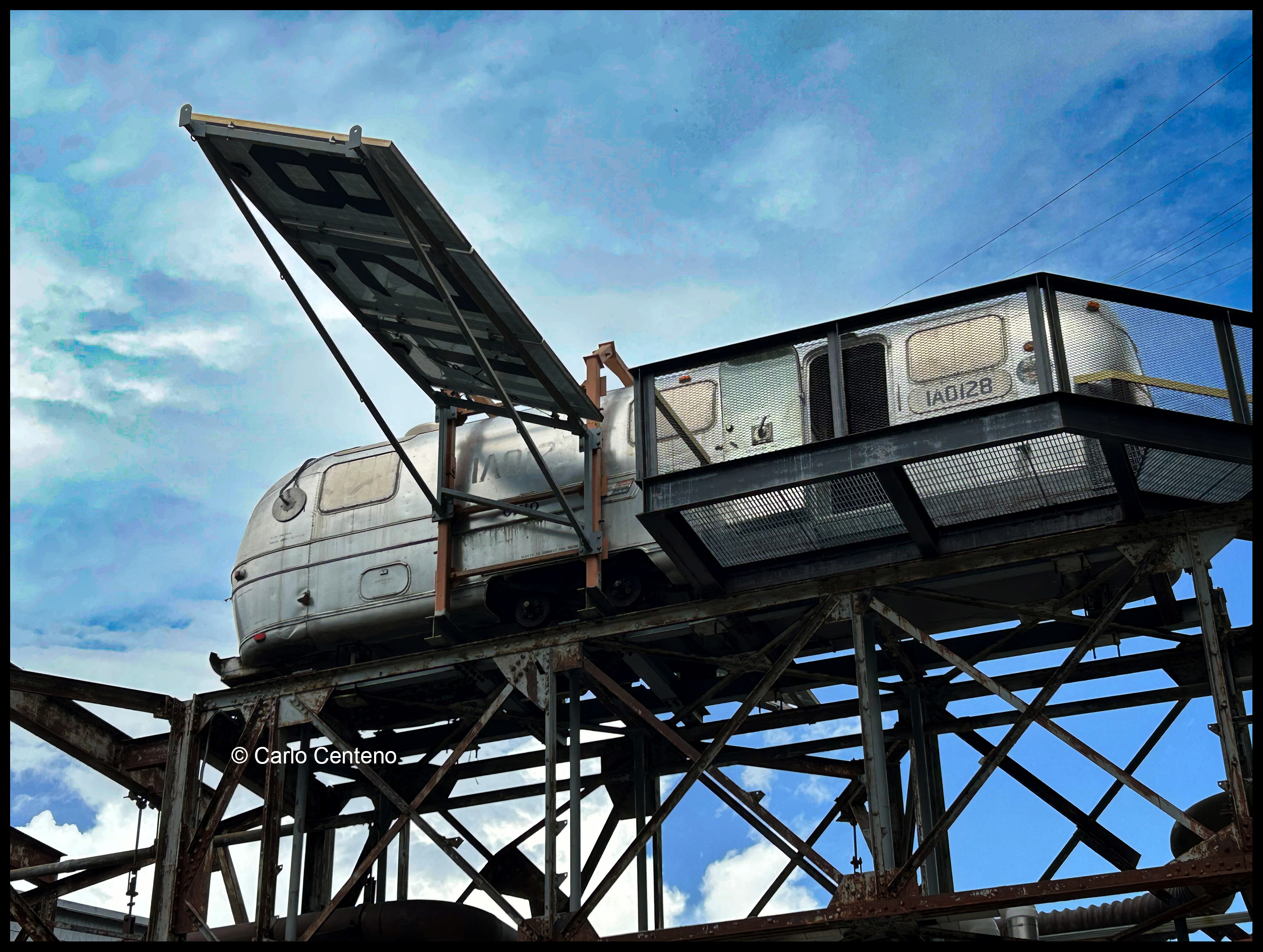
The above photos are from the MassMoCa’s permanent exhibit, The Boiler House. When you walk into the building, you’re visually overwhelmed with the scale and the number of boilers, pipes, connectors and vents that course over the entire space. If there ever was a place that made me feel Lilliputian, this is at the top of my list.
The Boiler House is the facility that provided heat to all the space before it became MassMoCa. There are several floors, though I believe only the first 2 are open for visitors.

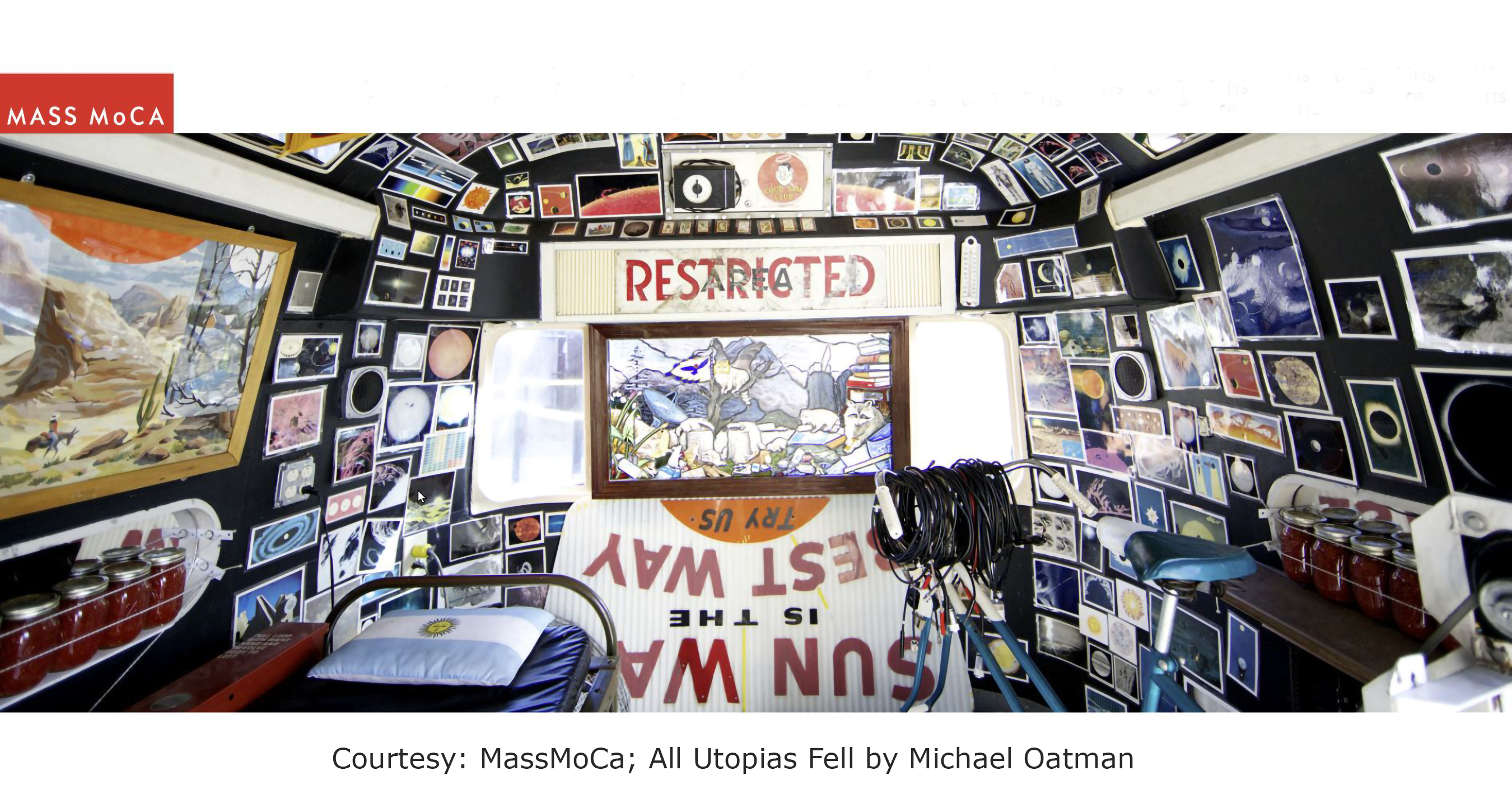
Suspended on tracks next to the Boiler House is an Airstream trailer. A walkway takes you to and from the Airstream to the Boiler House. This is the work of Michael Oatman, entitled “All Utopias Fell.”

A common theme in my soliloquy is this search for order and purpose, or a clarification of both. This is a challenge as I tend to overthink, excessively evaluate one over the other.
Upon entering the Airstream, a myriad of visual elements reach out to you. It’s as if each photo, drawing, sign, piece of paper, object and so much more want to make mental impressions on you, as in right now. This is sensory overload and perhaps a metaphor for the soliloquy stirring in your thinking. It’s as if each piece could be a catalyst for a specific thought process. And once that piece or pieces enters your thinking, you start that introspection or make it progress to another level.

There are several “Why this?” and “What ifs?” within the profound, introspective construct of choices and decisions that are created. The certainty of being your own person, unique and unduplicated by any other, is that choices and decisions you make create the questions that begin with “why” or “what.” And while you and others are individuals in that singular sense, the framework of questioning is common for everyone, but ancillary circumstances are bound to differ between people.

Dr. Faustus, the play written by English dramatist Christopher Marlowe, revolves around the angst of Dr. Faustus agreeing to surrender his soul to the devil in exchange for magical powers. His soliloquy in the last hour before that exchange, is one which poses questions and conditions had the choices Dr. Faustus made were different. Once made, the commitment is binding, non-negotiable. There are no pause, stop or rewind buttons in life.

Shakespeare’s Hamlet is the quintessential soliloquy in my opinion. With new realities [and previous uncertainties] playing out today, themes of life & death, the meaning of our purpose and existence, mortality and vengeance are wonderfully distilled into words that examines all that can detract or enhance our existence.

I came across the last photo as I finished my visit to the Boiler House. It dawned on me that this effigy is a personification of someone covered with details that make up her/his soliloquy.

Navigating Dystopia: Finding Hope in Uncertainty

In our current state of dystopia, many of us choose to distance ourselves from news media in all its forms. All that noise creates too much anxiety, along with all the other discomforts that accompany “news and information.” We are exposed to a colossus of news briefs, articles and “breaking news at this hour” enough to ignite [or bore] the minds of writers/authors well versed in our state of fear, hopelessness, frustration, suffering et al.

Misery knows no bounds, but so does hope and happiness.

Relevance and purpose can hold both good and bad in thoughts and actions, but your choice in one or the other adjectives relies in your beliefs and values that help you deal with your day-to-day. You may not realize–or even think about–your own stoic qualities.

Consider the opening paragraph of Charles Dickens A Tale of Two Cities.

“It was the best of times, it was the worst of times, it was the age of wisdom, it was the age of foolishness, it was the epoch of belief, it was the epoch of incredulity, it was the season of Light, it was the season of Darkness, it was the spring of hope, it was the winter of despair, we had everything before us, we had nothing before us, we were all going direct to Heaven, we were all going direct the other way–in short, the period was so far like the present period that some of its noisiest authorities insisted on its being received, for good or for evil, in the superlative degree of comparison only.”

When you realize you can’t control everything, but manage the ones you can, then you’re in a better place than many others.

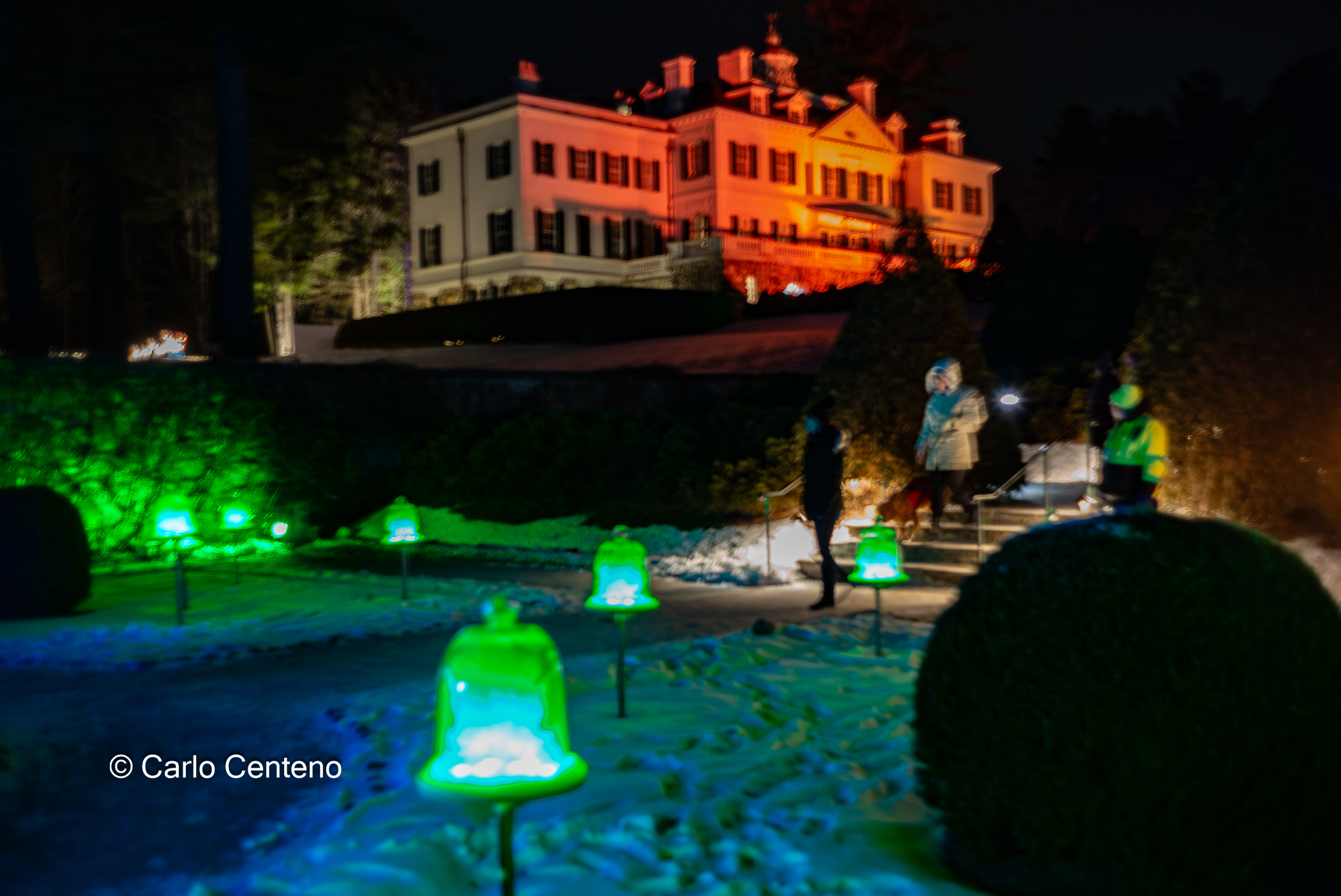
Winter Light

[Dylan Thomas, poet; Do not go gentle into that good night.]

Do not go gentle into that good night,
Old age should burn and rave at close of day;
Rage, rage against the dying of the light.

Though wise men at their end know dark is right,
Because their words had forked no lightning they
Do not go gentle into that good night.

Grave men, near death, who see with blinding sight
Blind eyes could blaze like meteors and be gay,
Rage, rage against the dying of the light.

And you, my father, there on the sad height,
Curse, bless, me now with your fierce tears, I pray.
Do not go gentle into that good night.
Rage, rage against the dying of the light.