Invictus

It’s Latin for “unconquered” or “undefeated.” But its relevance to this post touches on perseverance, faith, courage, patience and an existential strength boldly expressed in a timeless–as well as timely–poem.
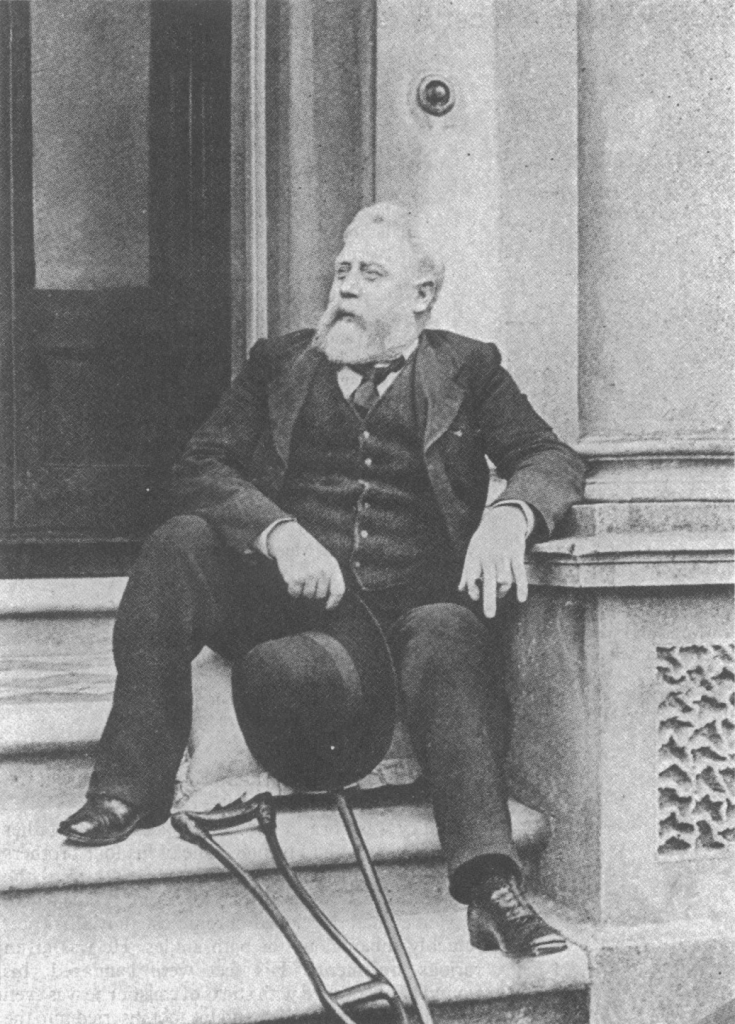
The renowned British poet, William Ernest Henley [1849-1903] survived TB, an experience that influenced his creation of “impressionistic poems.” His fight against tuberculosis of the bone cost him his left leg; were it not for the inventive talents of his surgeon, Joseph Lister, MD, the TB would’ve have taken his right leg as well. His ordeal kept him confined to an infirmary in Edinburgh for 20 months. Eighteen of his poems came from his recovery time at the infirmary.

This poem has been the inspiration for many dreaming of the nearly impossible, the unreachable. The intensity of its focus toward attaining some goal can be similar to managing something you prefer to avoid. In either case it’s very personal. The demons that keep you from accomplishing a goal are the same that make it hard for you to jettison something you want removed from your memory, to stop a habit, to avoid temptations that can put you in dire straits, physically and spiritually. Yet at one time or another, those who rigorously work and prepare for such mind-boggling pursuits or drastic disengagements are the likes of someone you know, perhaps even yourself. HopefulIy I can be counted as one of those who understands, even assimilate an experience, that could be associated with Invictus.

In spite of Mr. Henley’s 20-month struggle against the disease, he composed his most famous poem, Invictus, along with several books of poetry. His life was a poem of resilience and fortitude, of being a husband and father, of being a peer to other poets and writers, on also becoming a writer, lecturer as well as an overlord to a disability that could not separate him from his work or Life.

The highly-regarded critic, Leslie Stephen had some of Henley’s “infirmary” poems published in Cornhill Magazine, a monthly Victorian publication and literary journal. It was a respected monthly magazine with a large circulation. Its contributors included George Eliot, Henry James, William Thackeray, John Ruskin among other celebrated writers.

When Mr. Stephen travelled to Edinburgh to deliver a lecture, he made it a point to visit Mr. Henley. Another young writer, Robert Louis Stevenson, accompanied Mr. Stephen during that visit and it started a ten-year friendship between Mr. Henley and the young novelist from Scotland. After Stevenson’s publishing of Treasure Island, it was revealed that the inimitable pirate with the wooden leg, Long John Silver, was inspired by his friend, William Ernest Henley.

I’m certain there are number of individuals who have rightfully earned the right to call Invictus their own anthem, a Purple Heart that nurtures their spirit and to persevere.

“I am the master of my fate, the captain of my soul.”

Modern Soliloquy

Back in the day, “soliloquy” was a word associated with theatre. There have been some powerful, mindful soliloquys, many found in English Literature. William Shakespeare and Robert Browning come to mind; the former for his plays, Browning for his poetry.

I find myself tuning into my inner self with soliloquys. These are not conversations to me, but a way to be honest with myself. In the process, I voice [in my head…..not out loud]. the deepest feelings which need to be brought out from the inner sanctum of my soul. These sentiments, perceptions and more, represent a personal unspoken anthology of emotions which remain exclusive to myself. Everyone should try their own form of soliloquy. You become the subject as well as the audience. The orator speaks to the most relevant, but private person in his/her life.

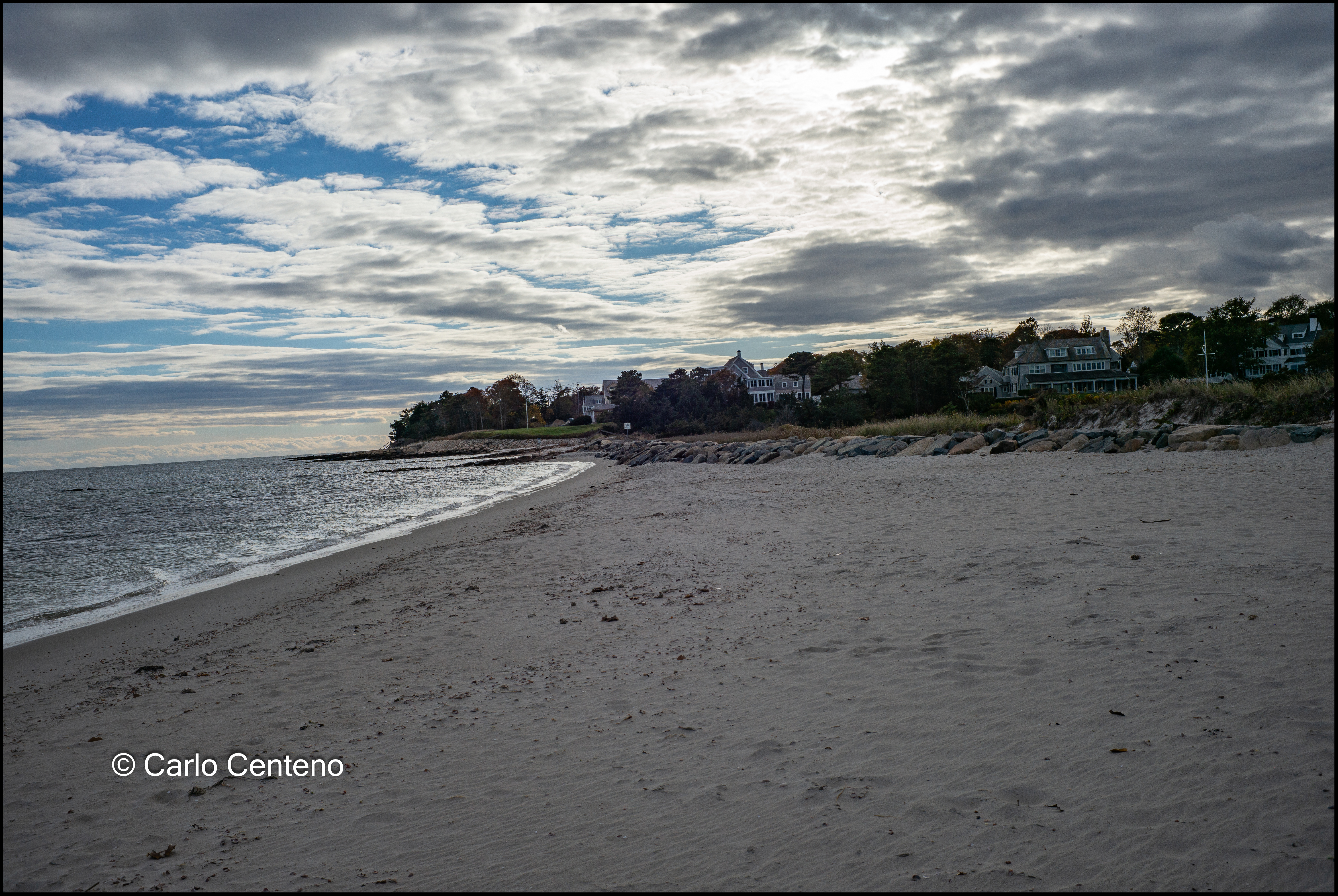
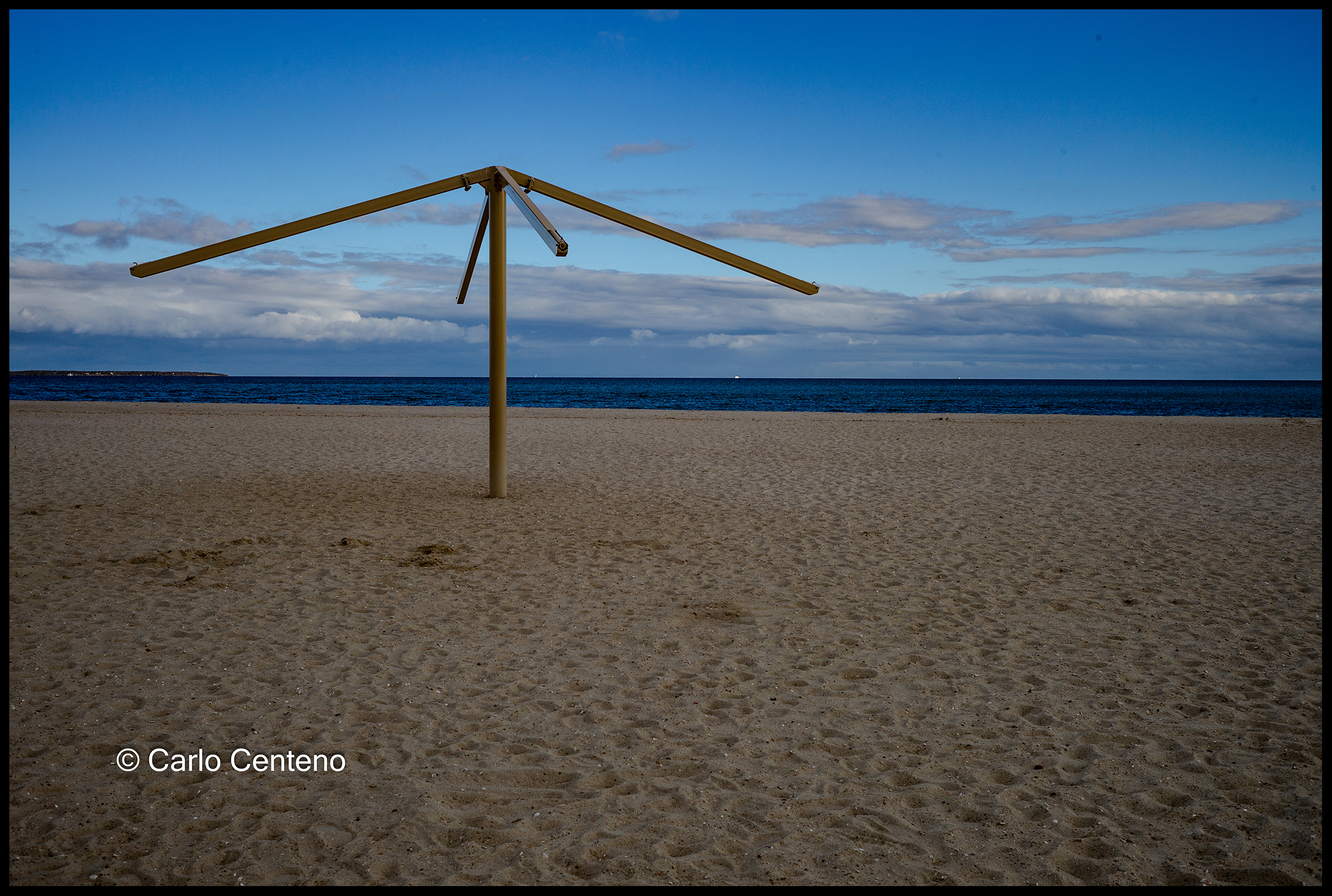
A recent trip to the Massachusetts Museum of Contemporary Art [MassMOCA] located in North Adams, MA is one location that gave an opportunity for reflection and acknowledgement. Come to think of it, most any museum makes a strong location for a soliloquy. Other alternatives abound: a beach, a park, a forest, a solitary space, even a space filled with people. The options are varied, but I do believe, like the soliloquys expressed in plays, poems and so forth, a place relatively quiet proves hospitable to many. A calm atmosphere is a priori given the breadth of one’s soliloquy.

Where ever you stand, and what ever you see, there lies a confluence of provocations that may come to the forefront of your thinking or introspection. The time stamp—from which these thoughts come from—depends on its significance: an early relationship gone awry; a current relationship that seems too good to be true; the unknown realm in choosing one option over another; the challenge of working through options in light of a chronic condition that will not stop let alone disappear. There’s a universe of profound feeling and thinking we can only imagine.

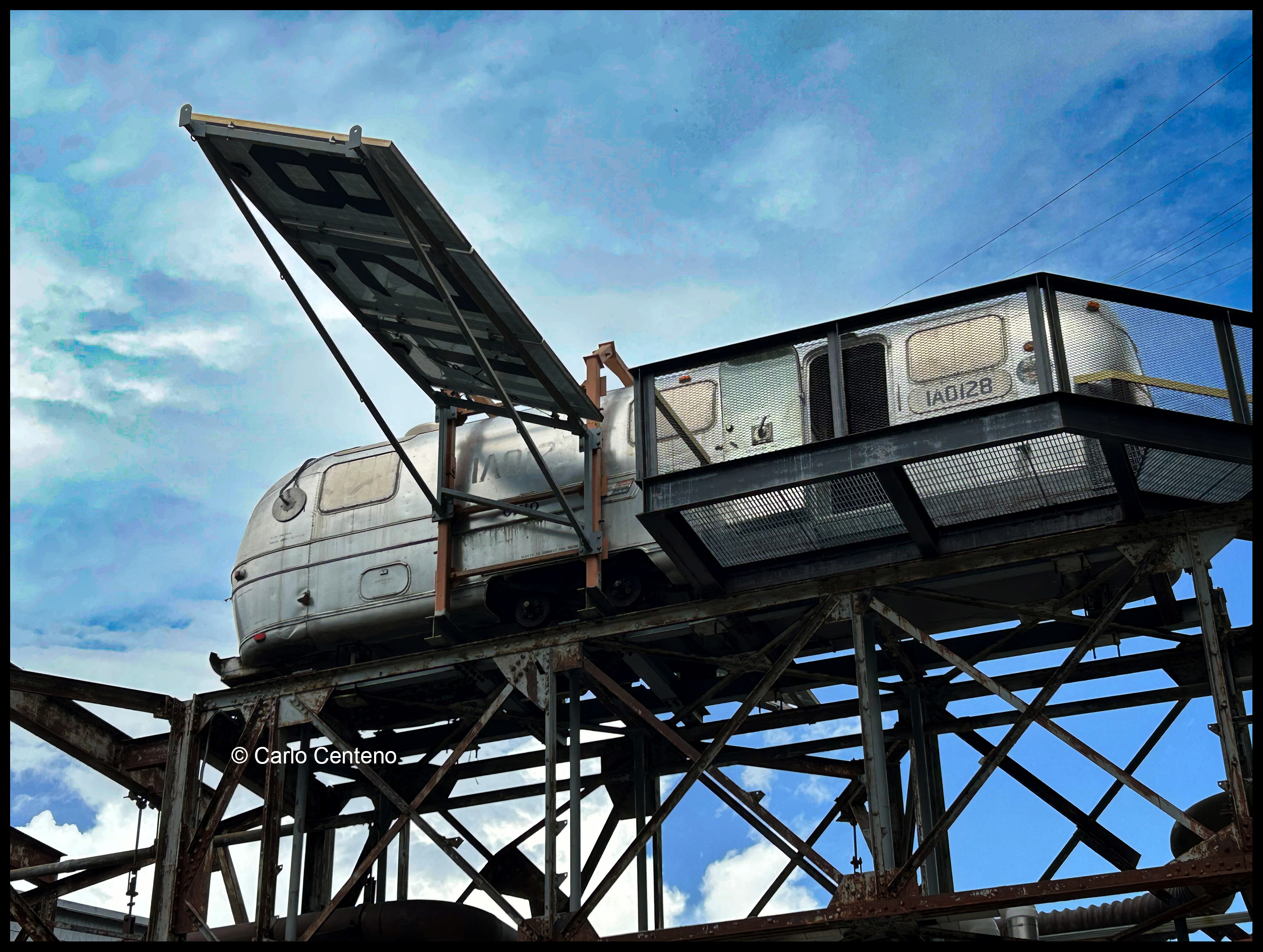
The above photos are from the MassMoCa’s permanent exhibit, The Boiler House. When you walk into the building, you’re visually overwhelmed with the scale and the number of boilers, pipes, connectors and vents that course over the entire space. If there ever was a place that made me feel Lilliputian, this is at the top of my list.
The Boiler House is the facility that provided heat to all the space before it became MassMoCa. There are several floors, though I believe only the first 2 are open for visitors.

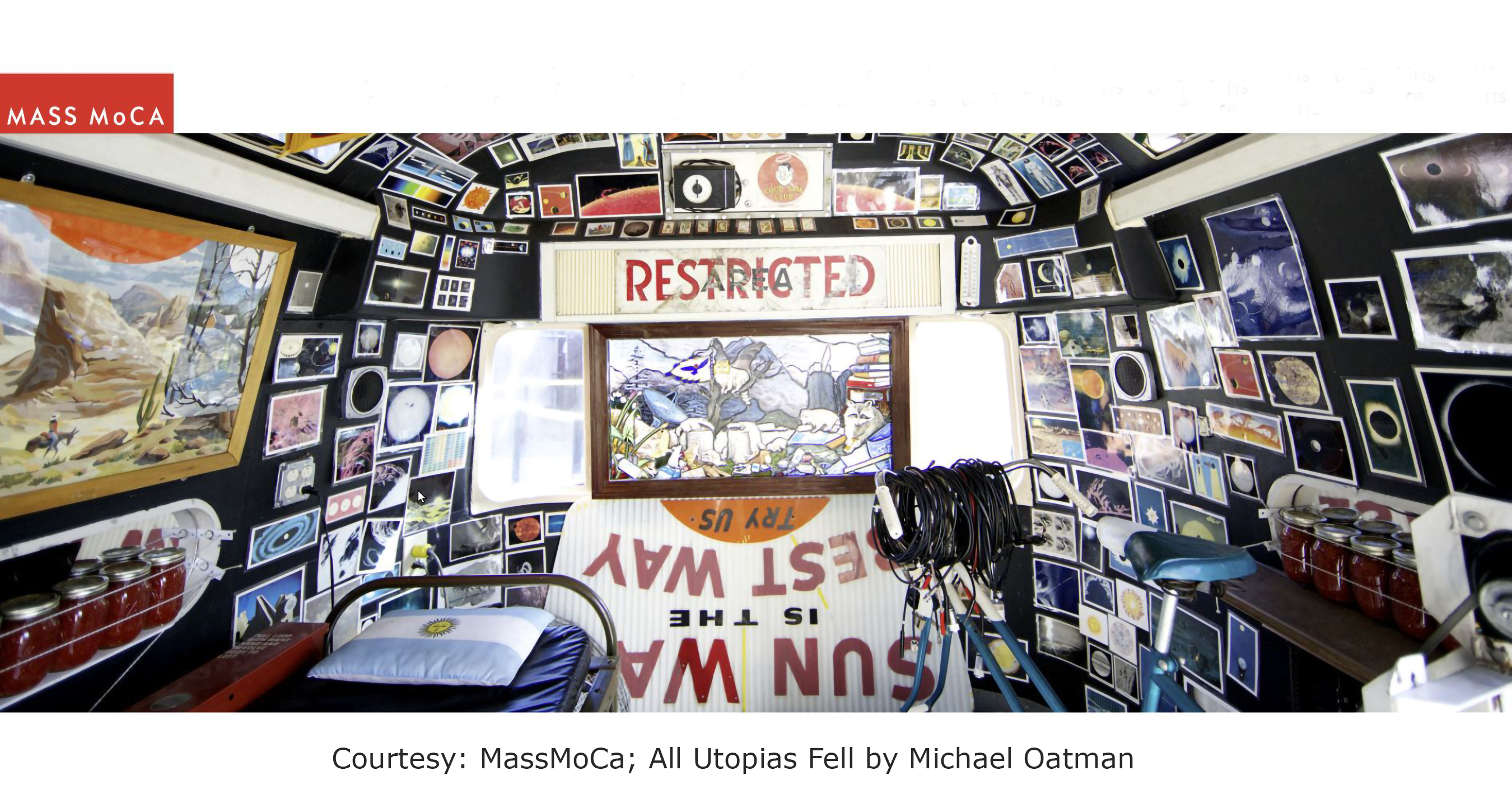
Suspended on tracks next to the Boiler House is an Airstream trailer. A walkway takes you to and from the Airstream to the Boiler House. This is the work of Michael Oatman, entitled “All Utopias Fell.”

A common theme in my soliloquy is this search for order and purpose, or a clarification of both. This is a challenge as I tend to overthink, excessively evaluate one over the other.
Upon entering the Airstream, a myriad of visual elements reach out to you. It’s as if each photo, drawing, sign, piece of paper, object and so much more want to make mental impressions on you, as in right now. This is sensory overload and perhaps a metaphor for the soliloquy stirring in your thinking. It’s as if each piece could be a catalyst for a specific thought process. And once that piece or pieces enters your thinking, you start that introspection or make it progress to another level.

There are several “Why this?” and “What ifs?” within the profound, introspective construct of choices and decisions that are created. The certainty of being your own person, unique and unduplicated by any other, is that choices and decisions you make create the questions that begin with “why” or “what.” And while you and others are individuals in that singular sense, the framework of questioning is common for everyone, but ancillary circumstances are bound to differ between people.

Dr. Faustus, the play written by English dramatist Christopher Marlowe, revolves around the angst of Dr. Faustus agreeing to surrender his soul to the devil in exchange for magical powers. His soliloquy in the last hour before that exchange, is one which poses questions and conditions had the choices Dr. Faustus made were different. Once made, the commitment is binding, non-negotiable. There are no pause, stop or rewind buttons in life.

Shakespeare’s Hamlet is the quintessential soliloquy in my opinion. With new realities [and previous uncertainties] playing out today, themes of life & death, the meaning of our purpose and existence, mortality and vengeance are wonderfully distilled into words that examines all that can detract or enhance our existence.

I came across the last photo as I finished my visit to the Boiler House. It dawned on me that this effigy is a personification of someone covered with details that make up her/his soliloquy.

Winter Light

[Dylan Thomas, poet; Do not go gentle into that good night.]

Do not go gentle into that good night,
Old age should burn and rave at close of day;
Rage, rage against the dying of the light.

Though wise men at their end know dark is right,
Because their words had forked no lightning they
Do not go gentle into that good night.

Grave men, near death, who see with blinding sight
Blind eyes could blaze like meteors and be gay,
Rage, rage against the dying of the light.

And you, my father, there on the sad height,
Curse, bless, me now with your fierce tears, I pray.
Do not go gentle into that good night.
Rage, rage against the dying of the light.