Invictus

It’s Latin for “unconquered” or “undefeated.” But its relevance to this post touches on perseverance, faith, courage, patience and an existential strength boldly expressed in a timeless–as well as timely–poem.
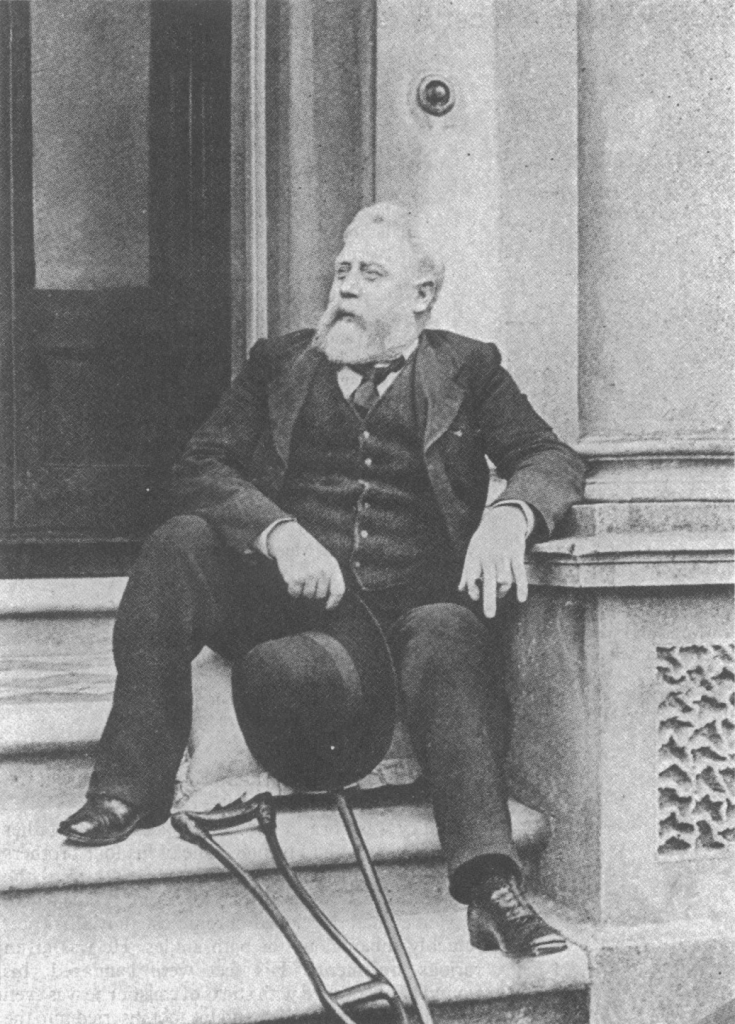
The renowned British poet, William Ernest Henley [1849-1903] survived TB, an experience that influenced his creation of “impressionistic poems.” His fight against tuberculosis of the bone cost him his left leg; were it not for the inventive talents of his surgeon, Joseph Lister, MD, the TB would’ve have taken his right leg as well. His ordeal kept him confined to an infirmary in Edinburgh for 20 months. Eighteen of his poems came from his recovery time at the infirmary.

This poem has been the inspiration for many dreaming of the nearly impossible, the unreachable. The intensity of its focus toward attaining some goal can be similar to managing something you prefer to avoid. In either case it’s very personal. The demons that keep you from accomplishing a goal are the same that make it hard for you to jettison something you want removed from your memory, to stop a habit, to avoid temptations that can put you in dire straits, physically and spiritually. Yet at one time or another, those who rigorously work and prepare for such mind-boggling pursuits or drastic disengagements are the likes of someone you know, perhaps even yourself. HopefulIy I can be counted as one of those who understands, even assimilate an experience, that could be associated with Invictus.

In spite of Mr. Henley’s 20-month struggle against the disease, he composed his most famous poem, Invictus, along with several books of poetry. His life was a poem of resilience and fortitude, of being a husband and father, of being a peer to other poets and writers, on also becoming a writer, lecturer as well as an overlord to a disability that could not separate him from his work or Life.

The highly-regarded critic, Leslie Stephen had some of Henley’s “infirmary” poems published in Cornhill Magazine, a monthly Victorian publication and literary journal. It was a respected monthly magazine with a large circulation. Its contributors included George Eliot, Henry James, William Thackeray, John Ruskin among other celebrated writers.

When Mr. Stephen travelled to Edinburgh to deliver a lecture, he made it a point to visit Mr. Henley. Another young writer, Robert Louis Stevenson, accompanied Mr. Stephen during that visit and it started a ten-year friendship between Mr. Henley and the young novelist from Scotland. After Stevenson’s publishing of Treasure Island, it was revealed that the inimitable pirate with the wooden leg, Long John Silver, was inspired by his friend, William Ernest Henley.

I’m certain there are number of individuals who have rightfully earned the right to call Invictus their own anthem, a Purple Heart that nurtures their spirit and to persevere.

“I am the master of my fate, the captain of my soul.”

Late Bloomers

With all due respect to prodigies, I’ve looked at the histories of a variety of late bloomers, some familiar in stature, and of course others whom I’ve never heard of.

Let’s start with an author I think many readers will recognize: Bram Stoker. Yes, THE Bram Stoker, author of Dracula. Prior to the publication of his novel, Stoker worked at various jobs, the longest being that of a personal assistant and manager to noted stage actor, Sir Henry Irving. BTW, he was the first entertainer to be knighted for his contribution to theatre. This friendship started in 1896, when Stoker wrote a glowing review of Irving’s performance in a play. For about 20 years, he managed his affairs, tended to his day-to-day schedules and demands. The following year, Bram Stoker penned his literary masterpiece, Dracula.

When Irving read the novel, he thought little of it, even more so when Stoker thought his friend would take the lead role in a stage version of Dracula. Biographer Barbara Belford‘s book, Bram Stoker and the Man who was Dracula surmised that Stoker’s anti-hero was based on the conceited, self-absorbed, unpleasant person that was Irving. Irving’s pernicious behavior was relentless, and yet Stoker somehow prevailed. Irving’s repudiation of Dracula was his biggest loss, a loss forged in the theatrical history of the late 19th century.
Bram Stoker was 50 years old when he penned Dracula

For the sake of brevity, the rest to follow will be brief.

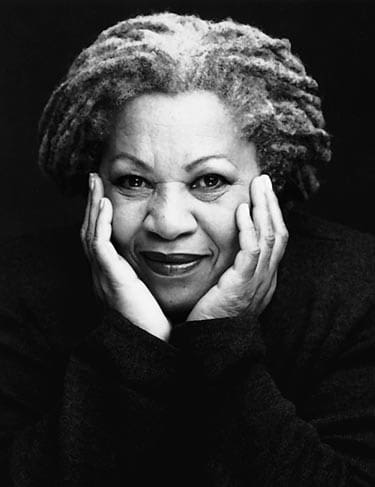
TONI MORRISON

Toni Morrison, an American writer was a long-time literature professor as well as an editor for Random House. Literature meant a lot to here; she is well recognized for her writing of the life experiences of Black women and life in the U.S.
She was 39 years old when she published her first book, The Bluest Eyes in 1970. Here second novel, Sula, was nominated for the American Book Award.
Morrison received the Pulitzer Prize for Beloved in 1987 and in 1993, she was the first Black woman to receive the Nobel Prize for Literature.

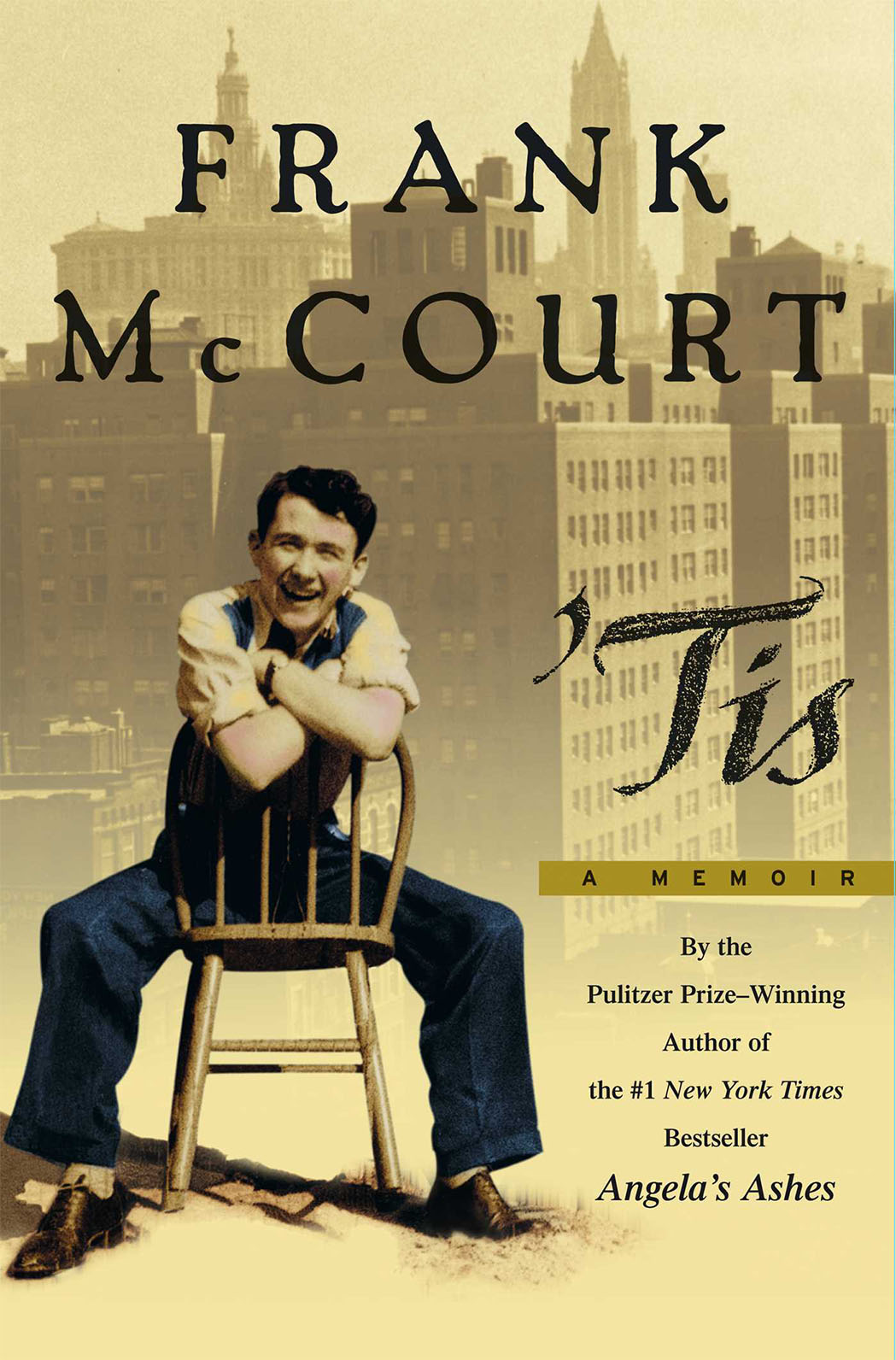
FRANK McCOURT

McCourt’s first book was published when he was 66 years old. Angela’s Ashes won the Pulitzer Prize for autobiography/biography in 1997. The memoir was also recognized with the National Book Critics Award, the LA Times Book Award and the Exclusive Books Boeke Prize to first time novelists.

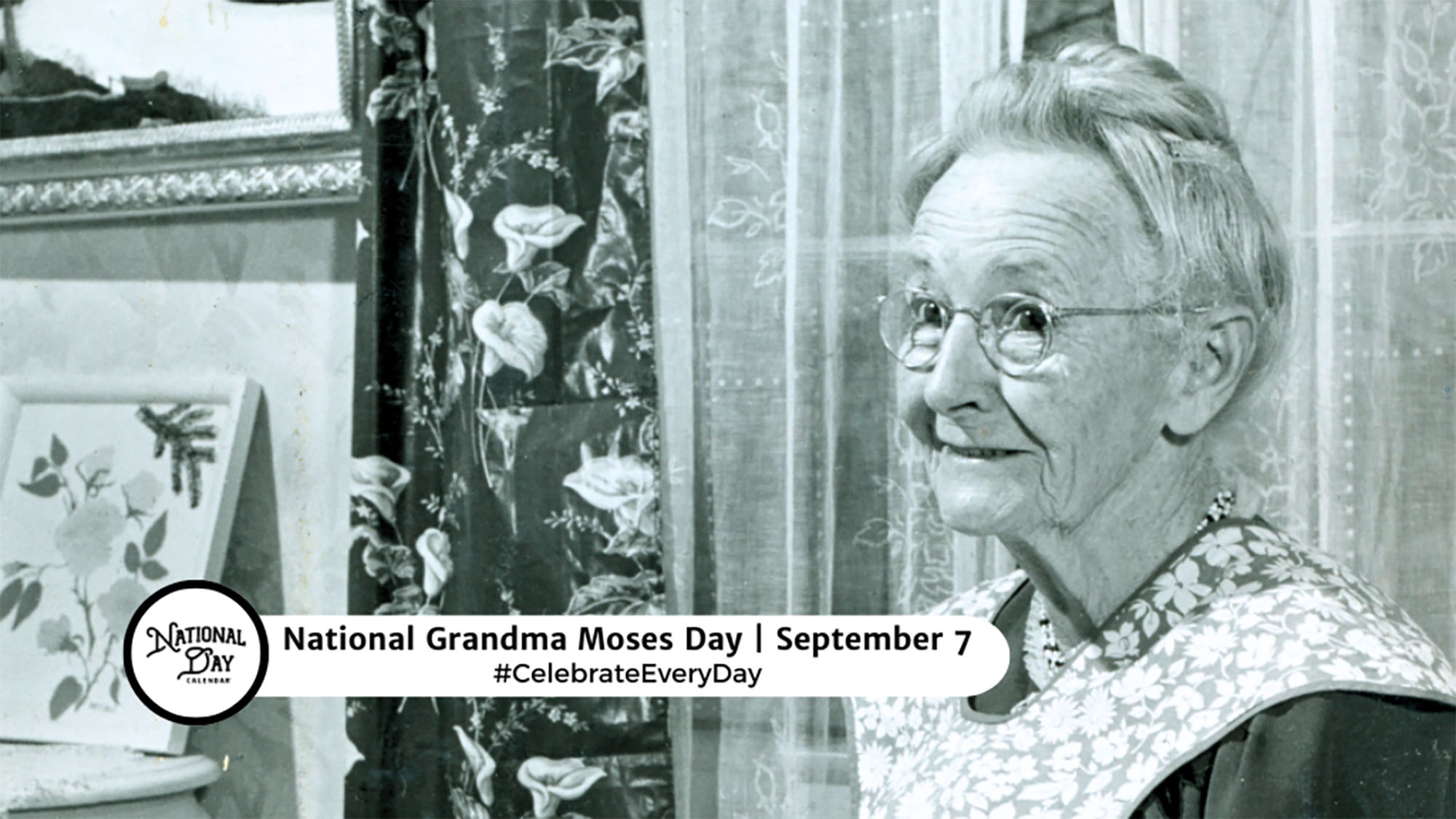
GRANDMA MOSES (Anna Mary Robertson Moses)


Ms. Moses was a celebrated American painter. She was noted for her needlework however, arthritis jettisoned that activity. Ms. Moses started painting at the age of 75. Her nostalgic style and depictions of rural life caught the attention of a collector and others, including large department stores who wanted to exhibit her work. Internationally, her work gained the interest of storied museums and galleries. A symbol of life in rural America, she passed away at 101, at the zenith of her painting creativity.

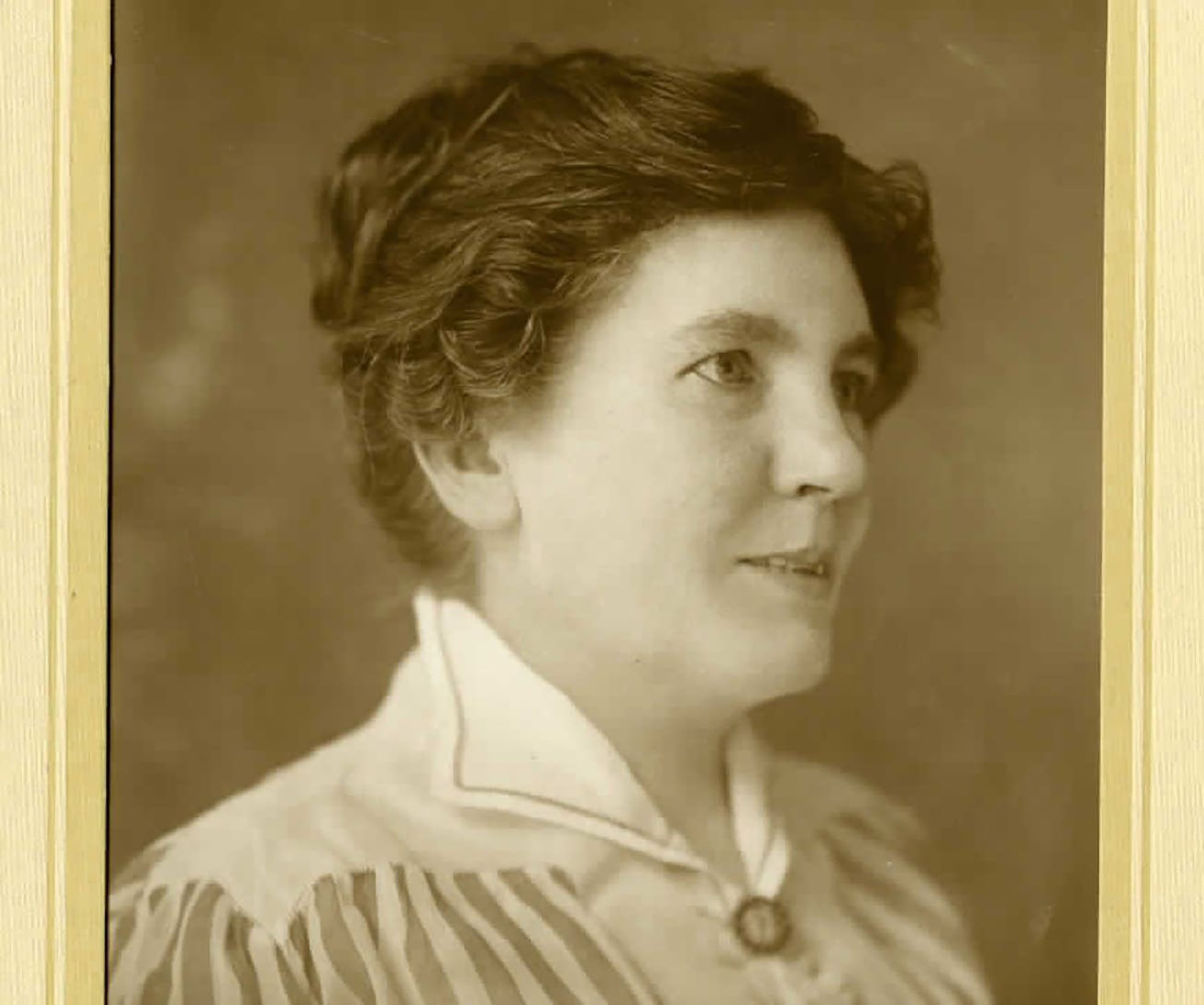
LAURA INGALLS WILDER

Laura Ingalls Wilder was a teacher, journalist, writer & columnist. Her life experiences were the subject material for her books, collectively a tome of perseverance, hardship and the challenges of farm life .She started writing her book series, Little House on the Prairie, when she was in her 60s. That first book, Little House in the Big Woods, was about her childhood. The Little house on the Prairie was Wilder’s eponymous version that proved popular in many TV households.

VERA WANG

Vera Wang had a successful career as a journalist and figure skater, but in her 40s, she started what would become a fashion empire that encompassed haute couture, high-end wedding gowns and licensed beauty products and home accessories.

NORMAN MACLEAN

I can identify with this individual: lover of writing, literature and fly fishing. An English professor, Dr. Maclean attended Dartmouth College and earned his Ph.D. at the University of Chicago where he taught for 47 years until his retirement in 1973. His most celebrated, and only book, A River Runs Through It, was published in 1976.
He was 74 years old.

SALLY KRAWCHECK

Already a success on Wall Street, Krawcheck has long known that women clients were underserved by the wealth & financial management industry. She sensed that many women were not part of the discussions pertinent to financial management and more. So, she opened her own firm: Ellevest. She was 52 when she started her company that catered to women.

COLONEL SANDERS

A creative thinker, relentless believer, and one who demonstrated an enduring persistence, Harland Sanders is forever known as the southern gentleman who reinvented “home-cooked” southern-style chicken.
Colonel Sanders was in his 60s when he finally achieved his renowned chicken recipe and his first Kentucky Fried Chicken franchise.

And there are so many others. If you’d like to share your short list, drop me a note. Thank you!