Horse Sense

Here’s an idiom that is sorely wanting in our modern day living and thinking: horse sense. Although there is some good news circulating here and there, it’s unfortunate that what seems to catch our attention are those things that show us at our lowest scale of being human.

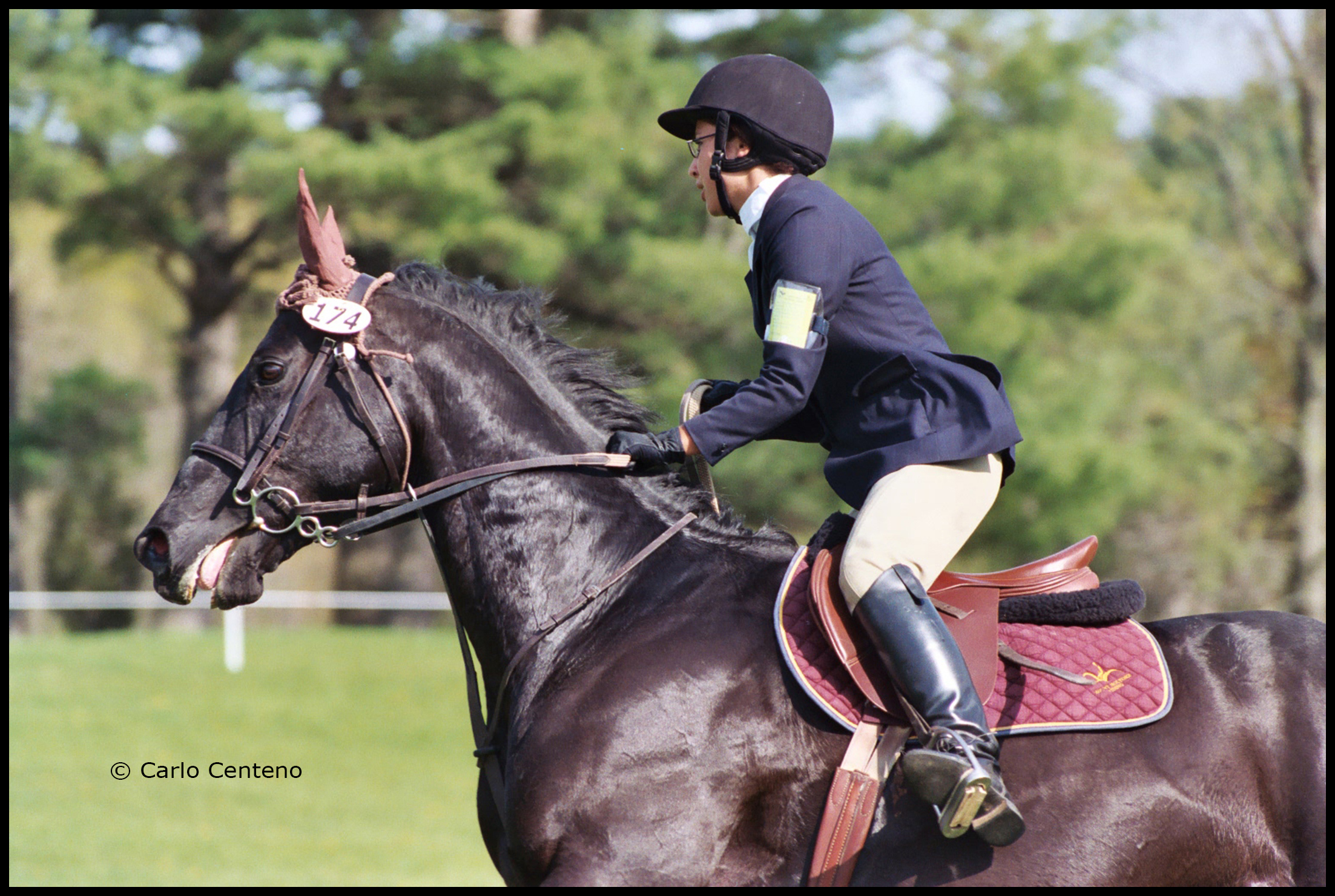
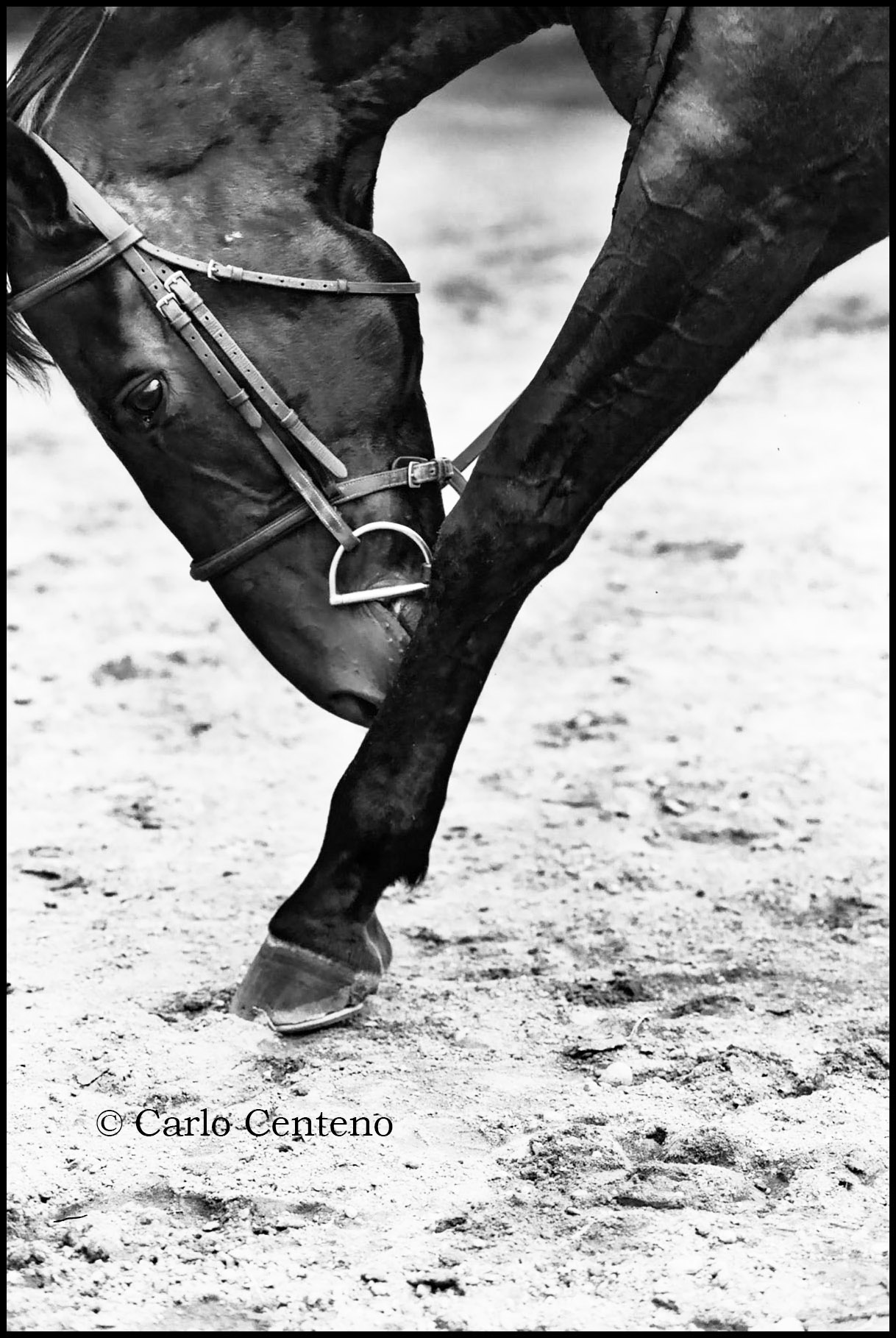
In the 1830s, a horse reigned supreme. If you had any intention of getting from point A to point B in a relatively reasonable amount of time, a horse was part of the equation. Horses were a significant part of daily life back in those days. I believe they still are. Horses were as ubiquitous then as a car is today. The key–and important difference–is that a horse is a sentient creation, one that can feel, sense, experience and remember what goes on outside his/her physical body. Credit horse sense for those of us who’ve maintained a practical yet functional aspect of thinking reasonably.
A modern car is a marvel of technology, and that technology can deliver amazing conveniences in safety, comfort, even respond to inputs from the user [braking, turning, accelerating, navigation, e.g.] and of course, much more.
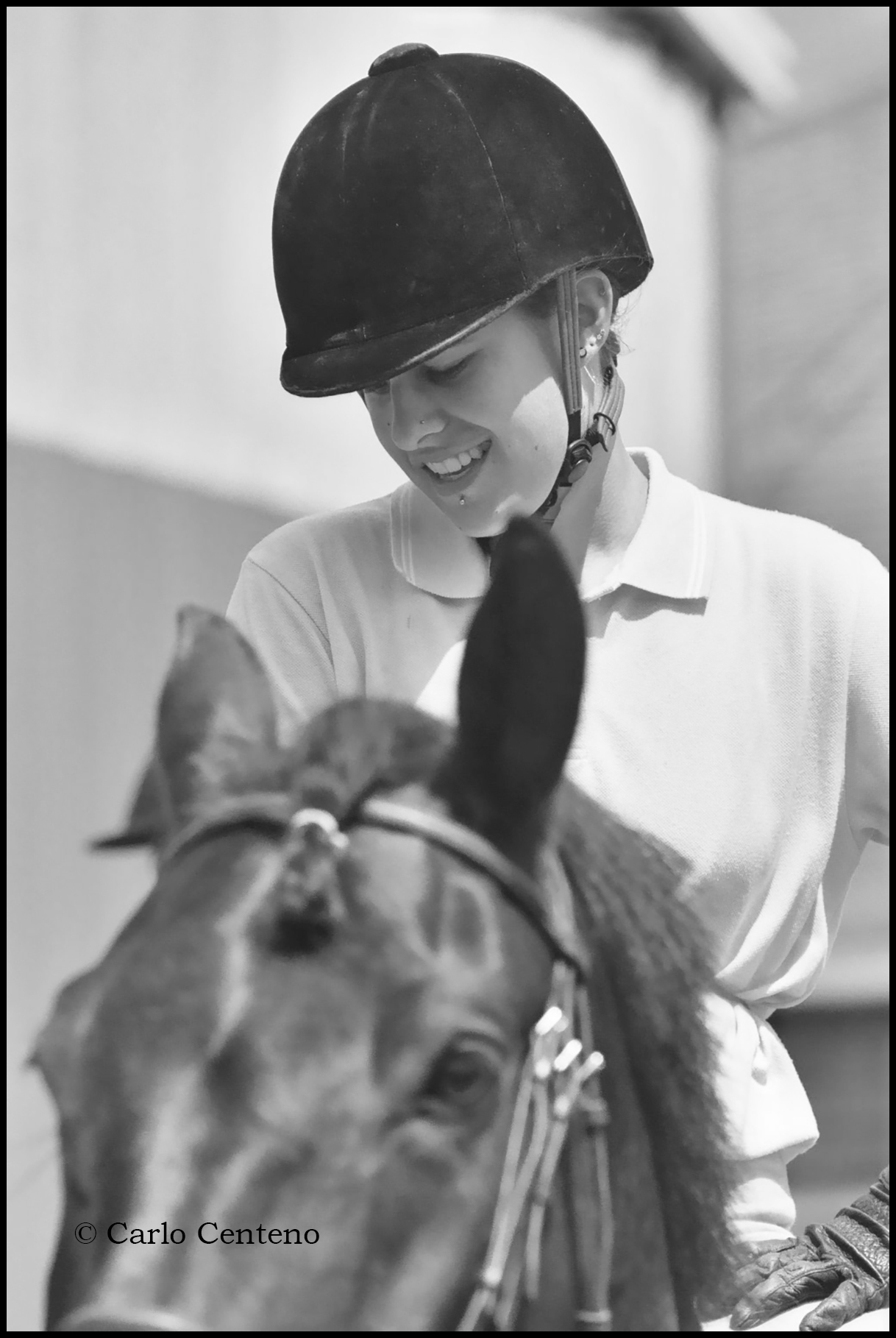
But unlike a horse, a car lacks the ability to feel and experience pain, joy, danger, fear, among other qualities of perception. Thus, being part of the animal kingdom, we are first and foremost, sentient beings. However, being human also means we are sapient creatures. We can reason, deduce and think about abstract concepts.
This is what makes us unique among all living things on this earth. We possess self-awareness, a conscious ability to think and reason to engage cognitive processes which in turn can further increase our understanding of things tangible and intangible.
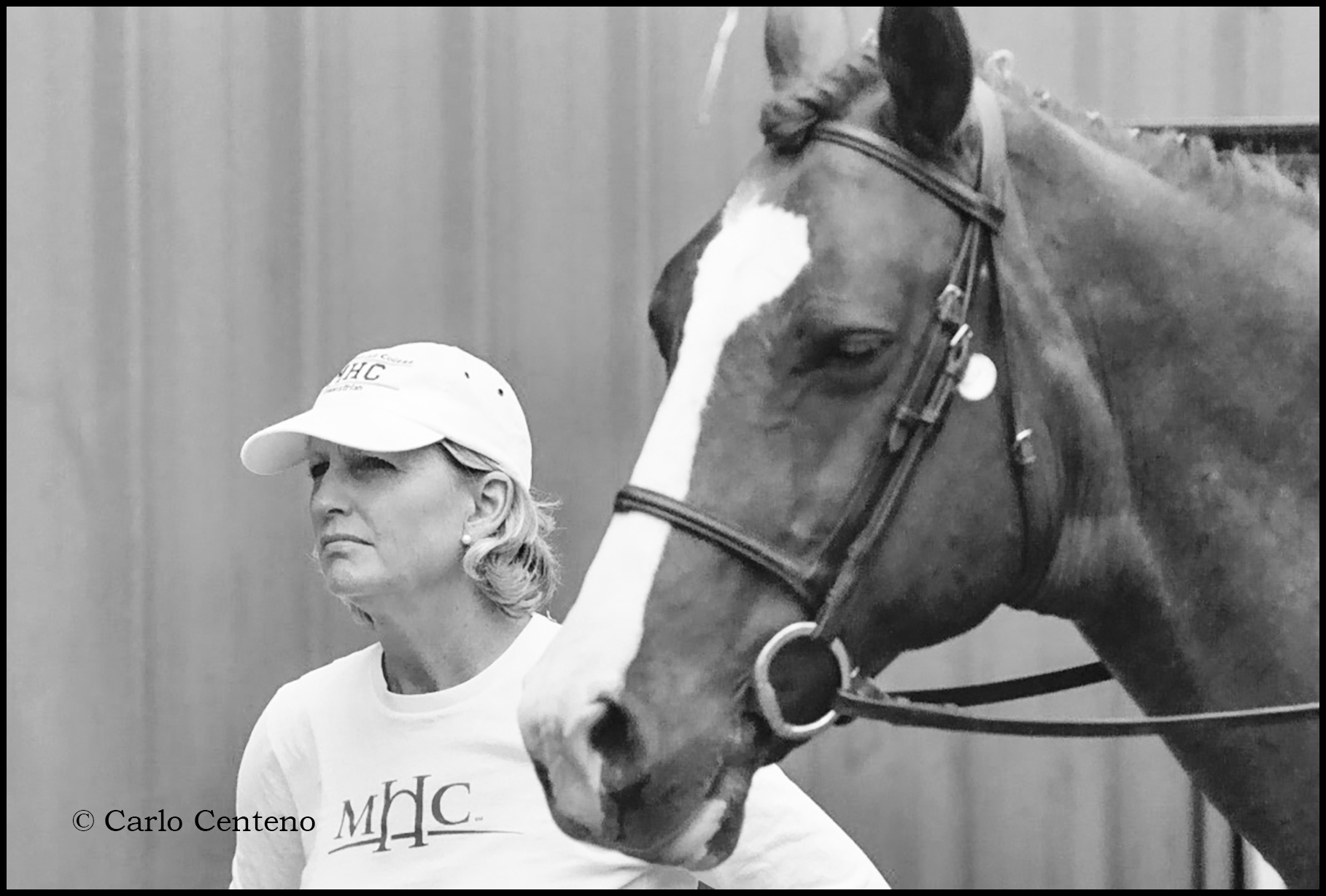
We’re lacking a good amount of horse sense today. By any other name, it appears some have lost the basics of good judgement, fair decision-making, logical reasoning, even empathetic gestures and intentions.
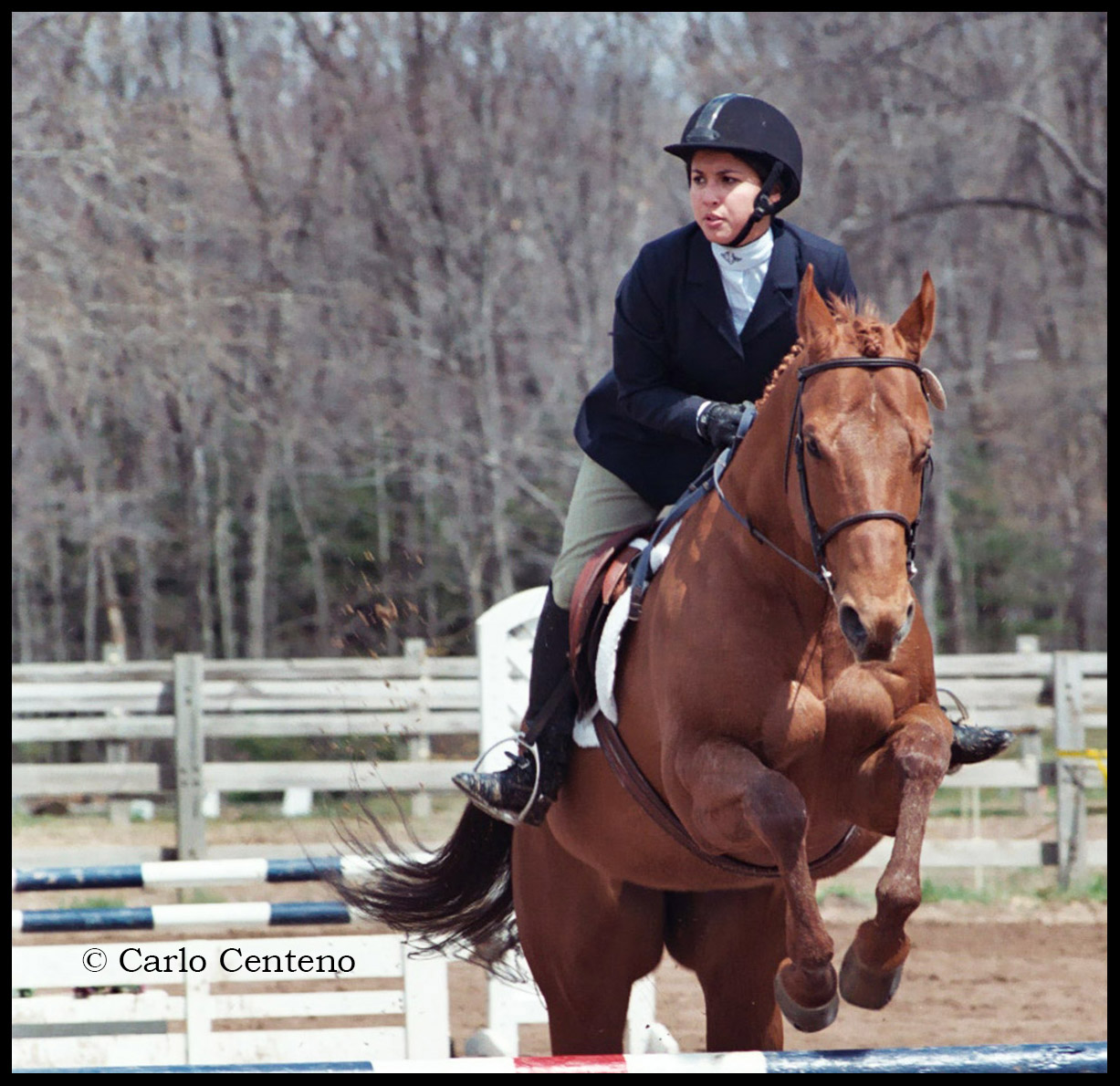
“Well, it’s just pure, doggone horse sense______”
a) to wear a helmet when riding [horses, motorcycles, bikes, etc.]
b) to let go of that fire cracker once it’s @#!!# lit!
c) to wear that seatbelt regardless.
d) not to drive across that “shallow water” after a big rainstorm.
e) [and finally…] _____________________ [please, you think of something to add].

Here’s a comment attributed to French Enlightenment writer, philosopher and satirist, Voltaire [nom de plume; his legal name was Francois-Marie Arouet].
To wit: Common sense is not so common. I’ll bet he enjoyed horses.

Each Rider Matters

Those who play team sports understand the overall utility that is teamwork. No great mystery there. The many endeavors we encounter in Life often function better when we work in groups. From hobbies and clubs to those in line-work and the C-suite, we often rely on someone else to help complete a project or task.
Granted some tasks are regularly completed by one person, and such tasks can be specialized inasmuch that that one person is THE best person to do the job. Without her/him, the end result may not meet expectations.
To a great degree–individual efforts aside–you’re only as good as the people you work with.
A special thank you to David Schultz for his hospitality at Newport Polo.

Newport International Polo

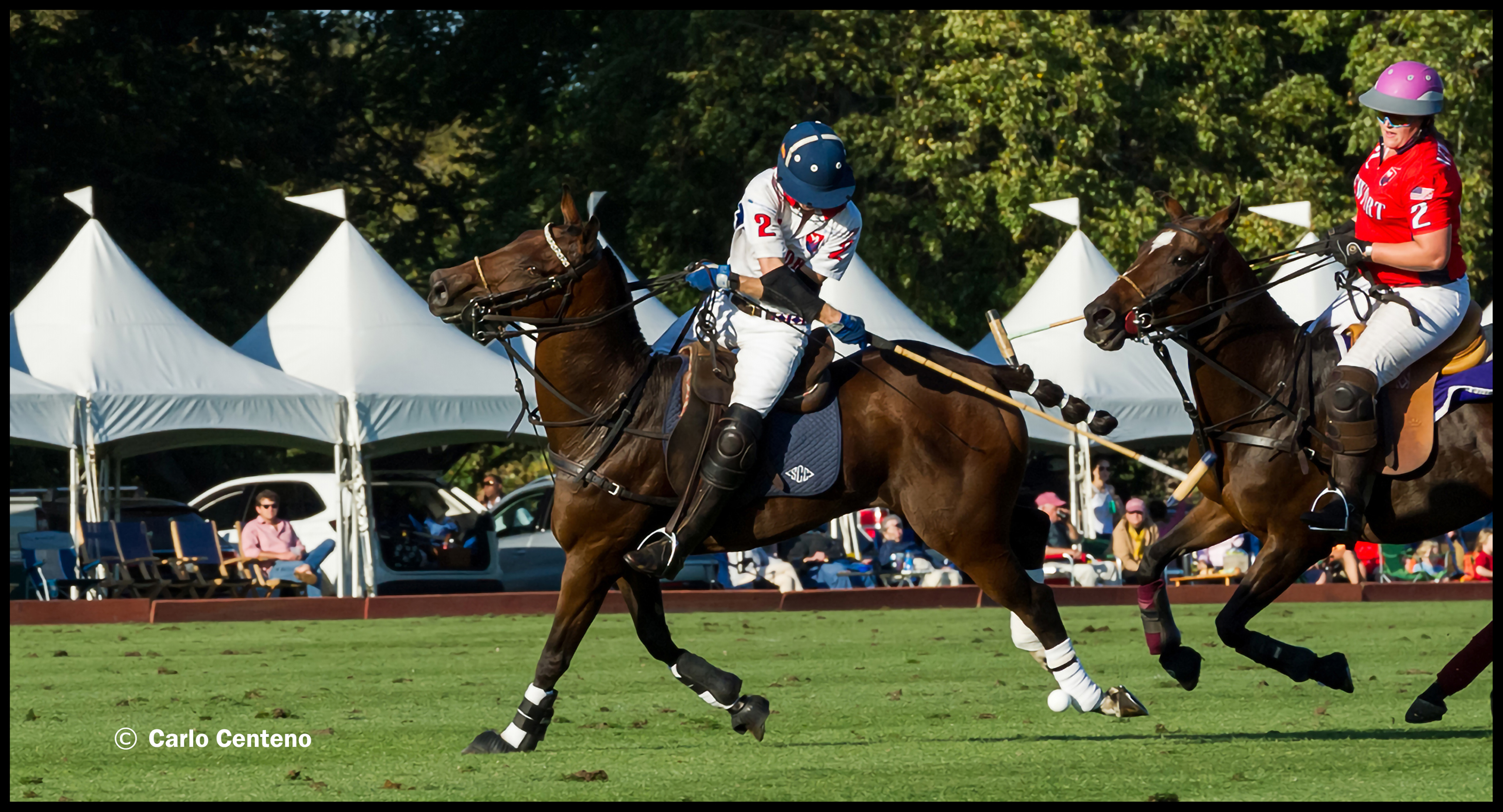
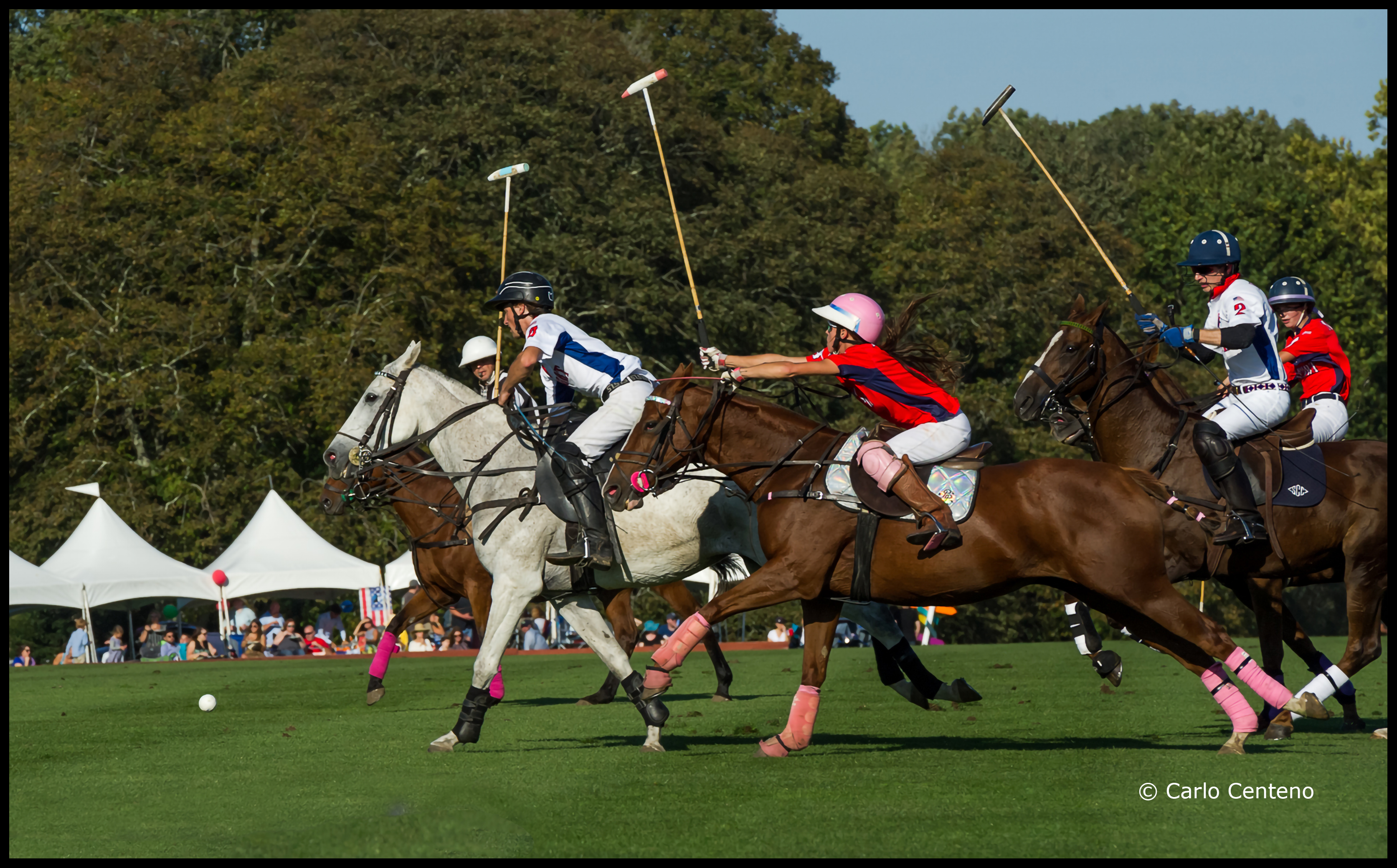
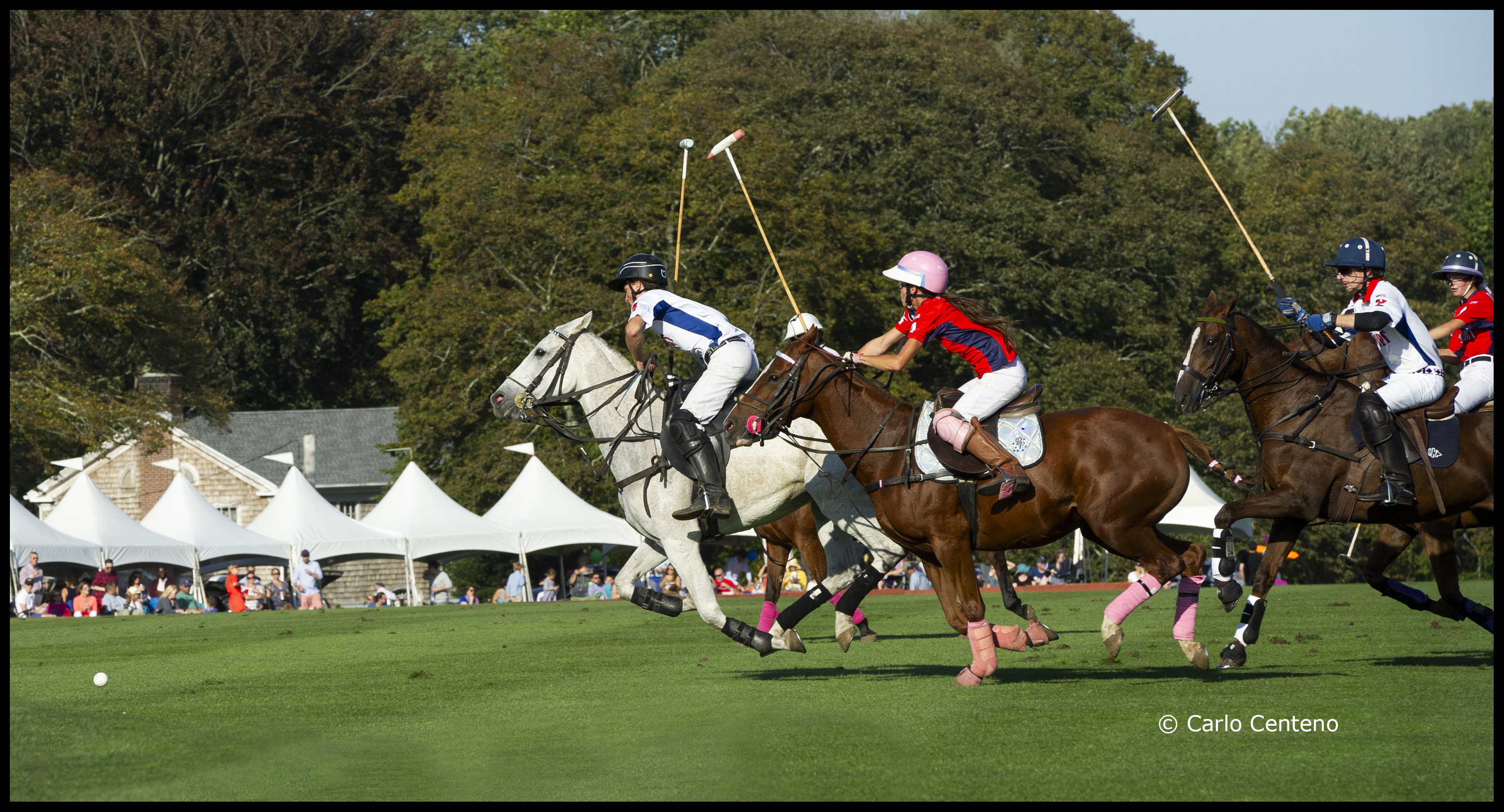
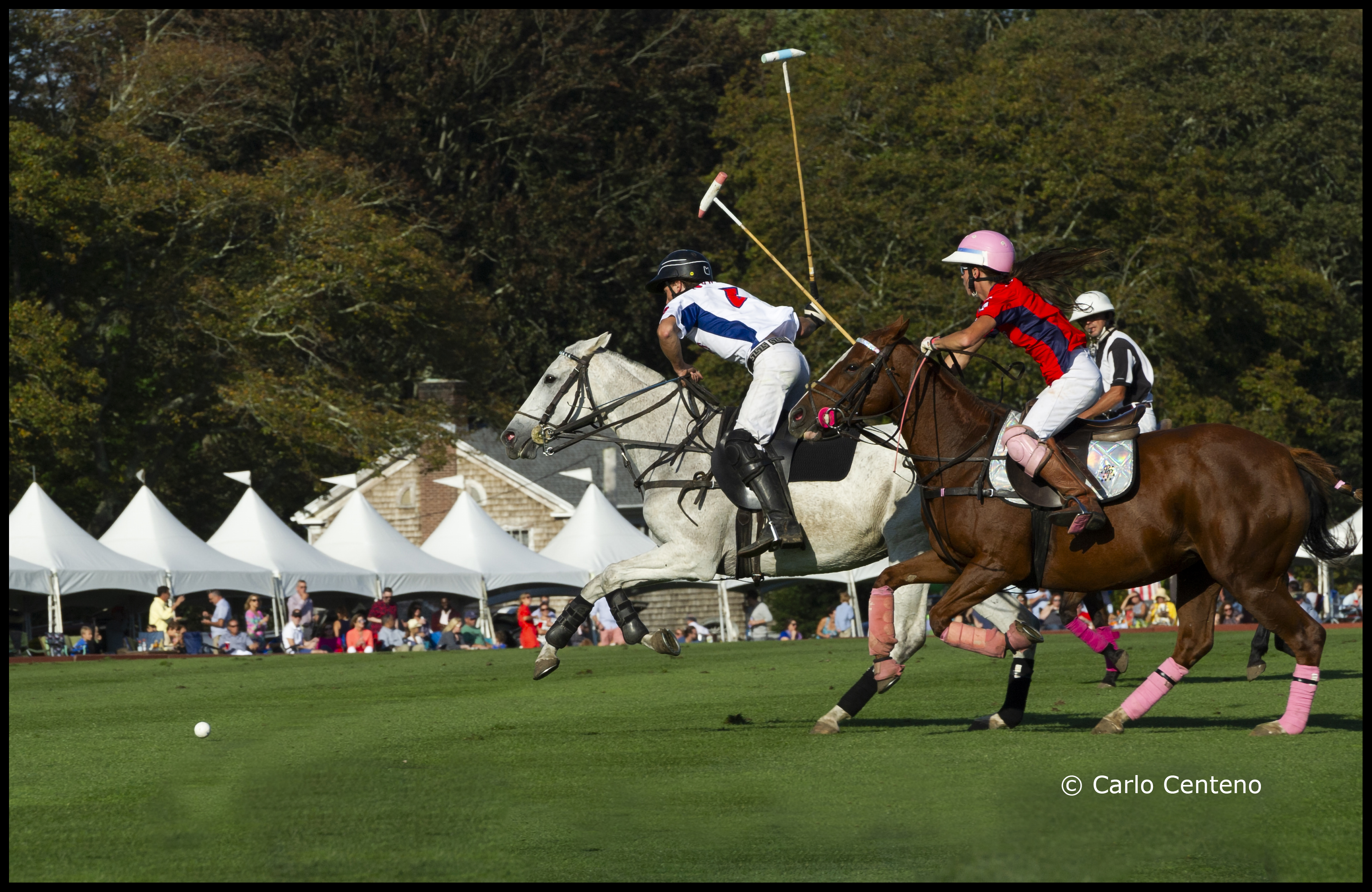
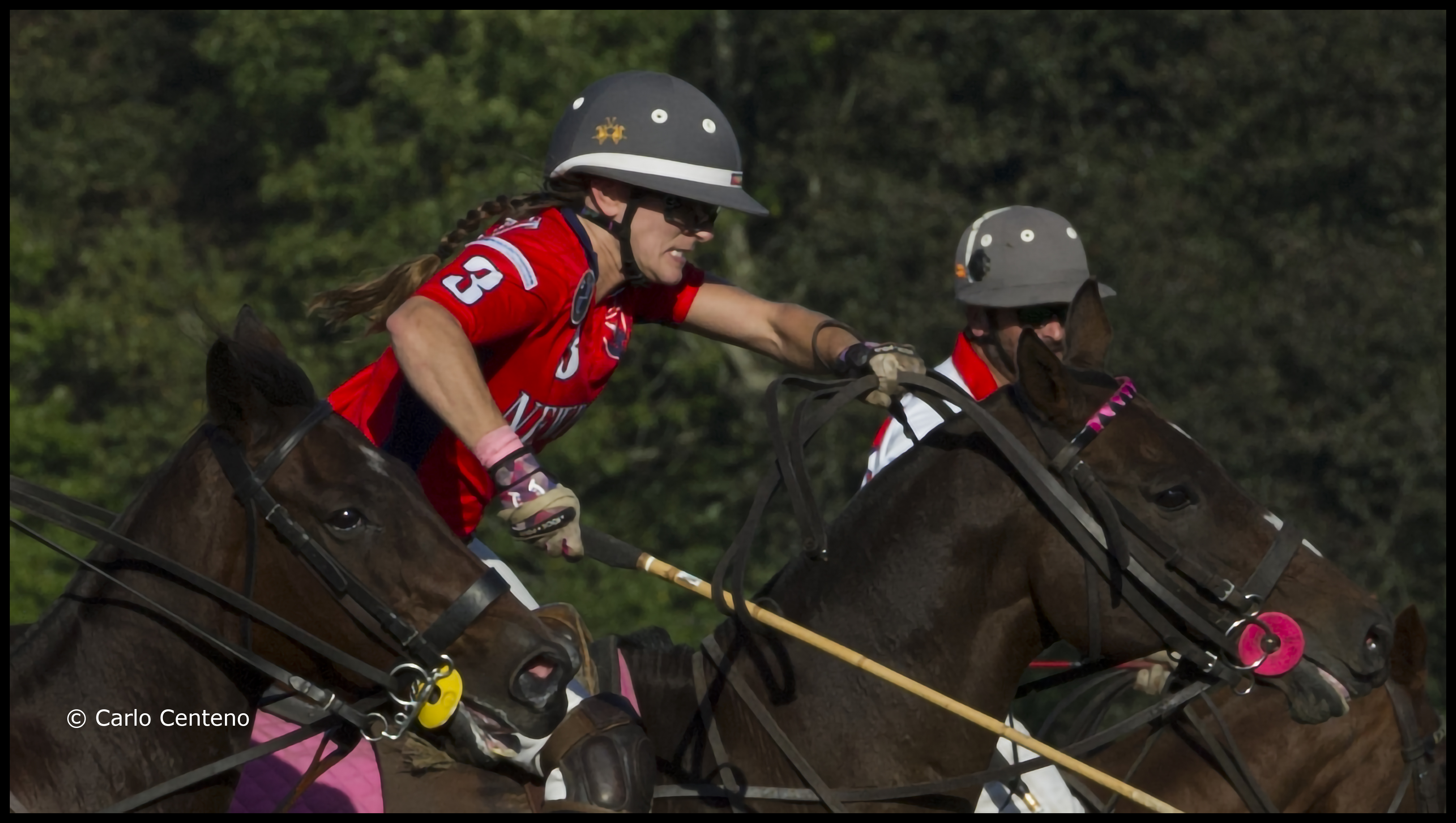
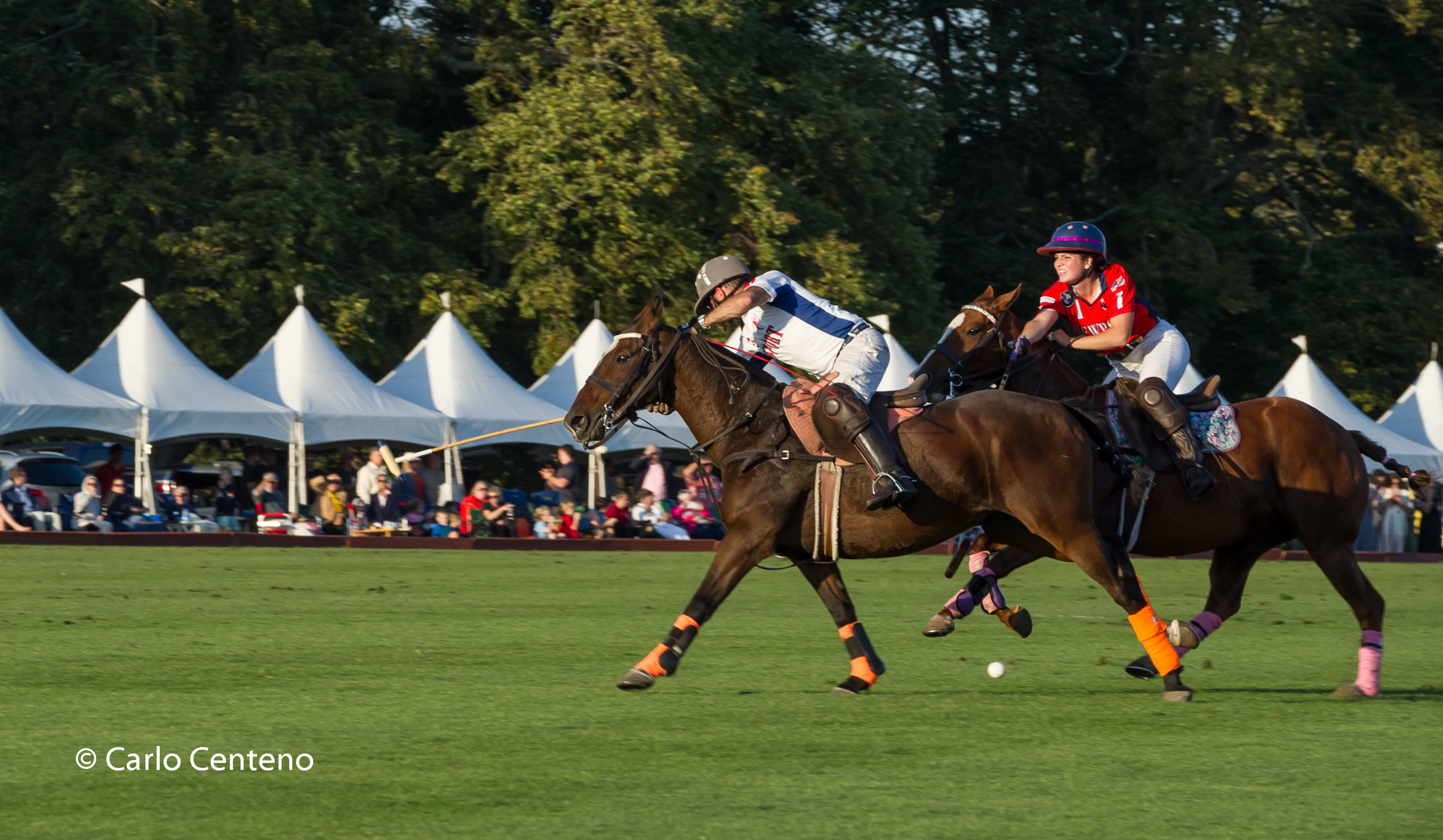
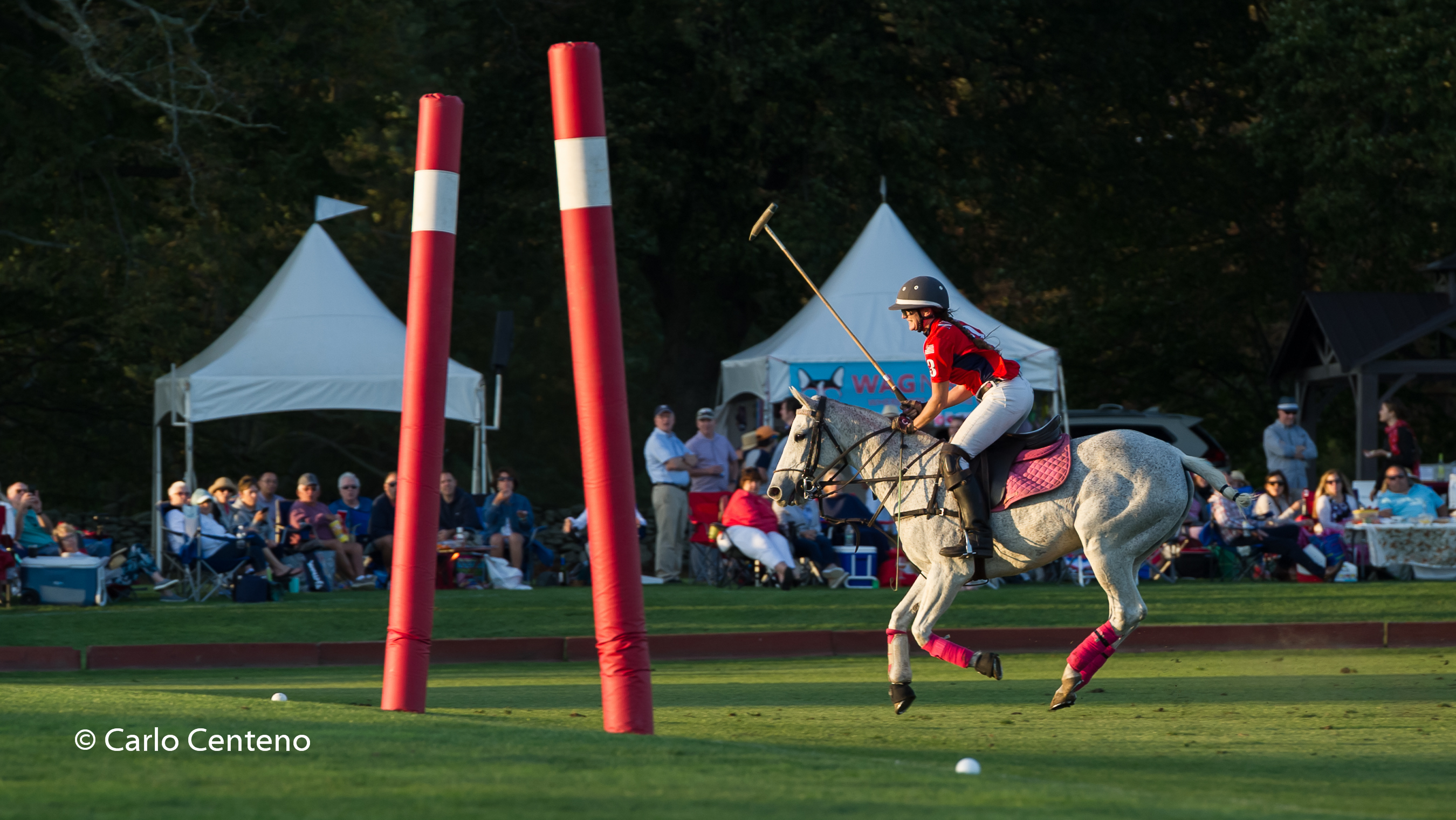
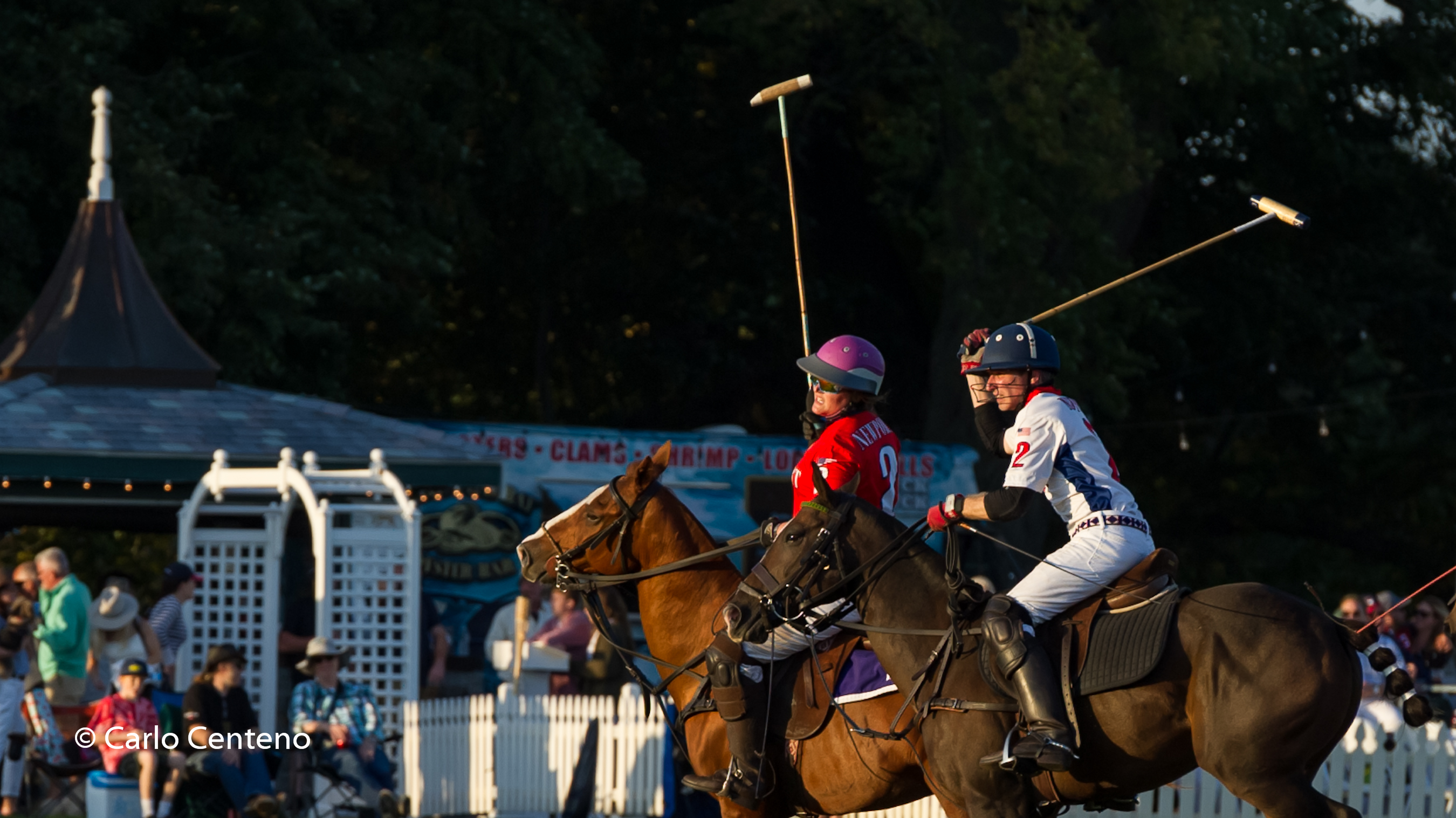
If one would be literal about the sport of Polo, it could be more accurately described as “Field Hockey on Horses.” For  the cognoscenti, it’s known as the sport of kings.

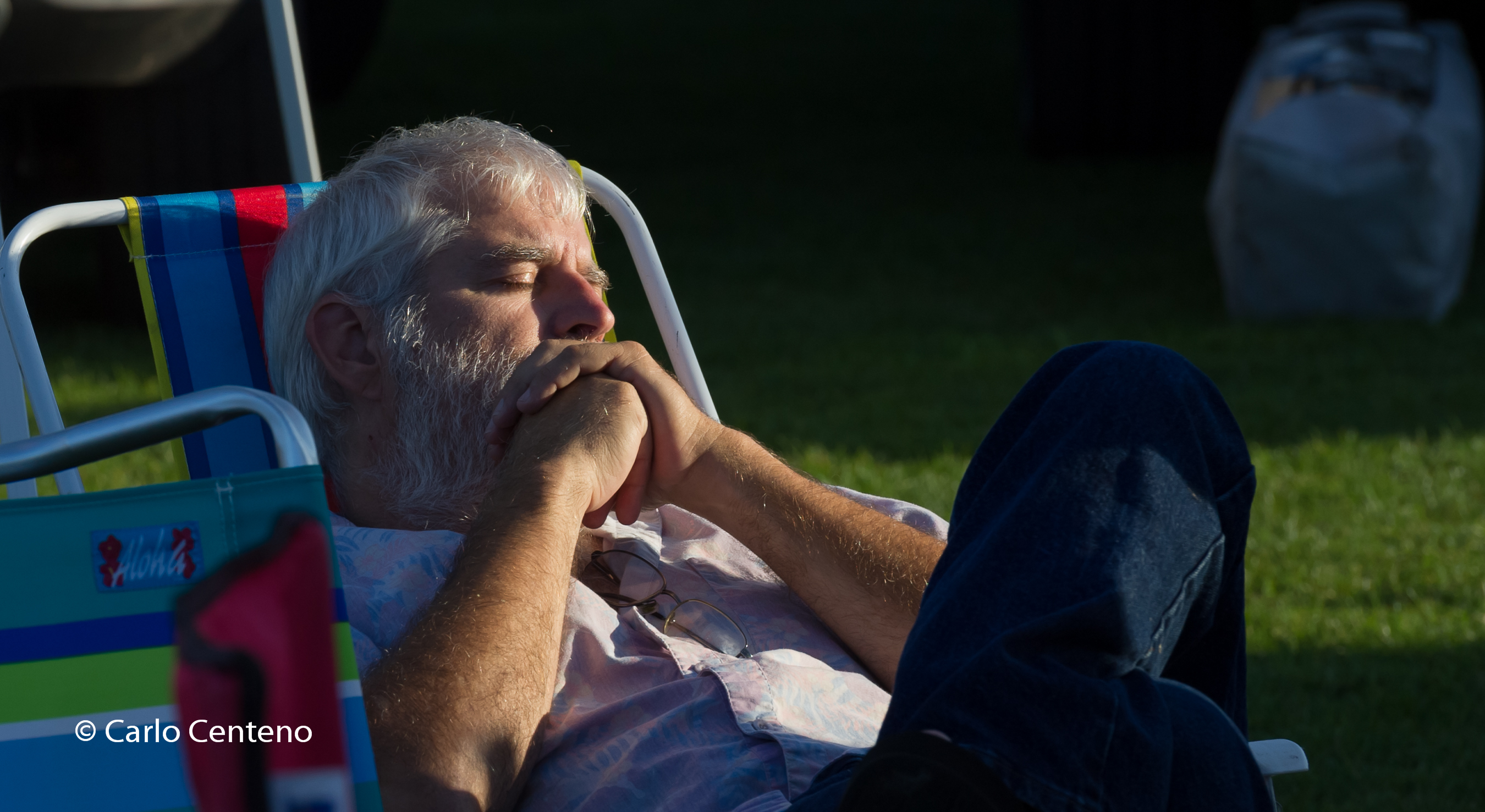
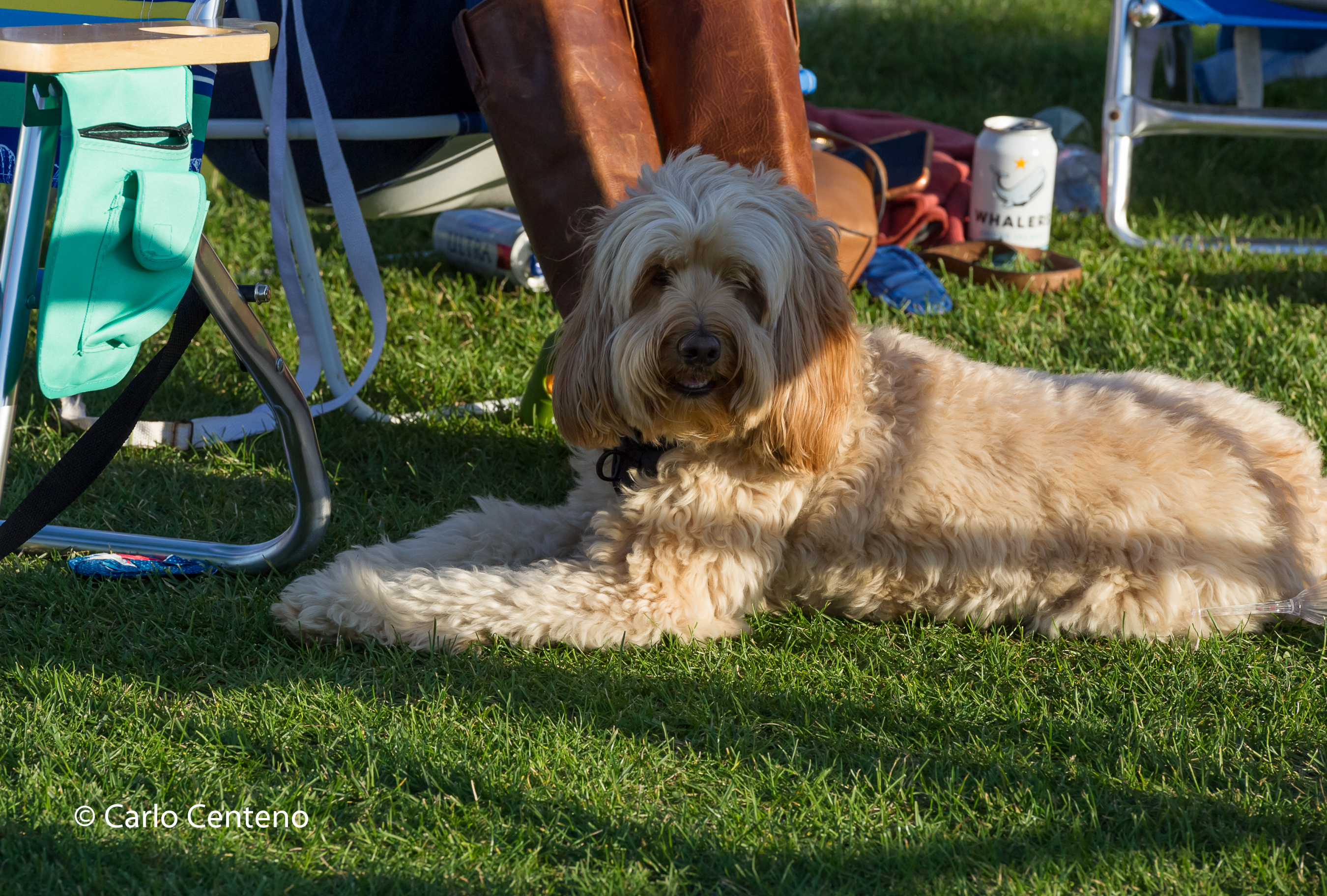
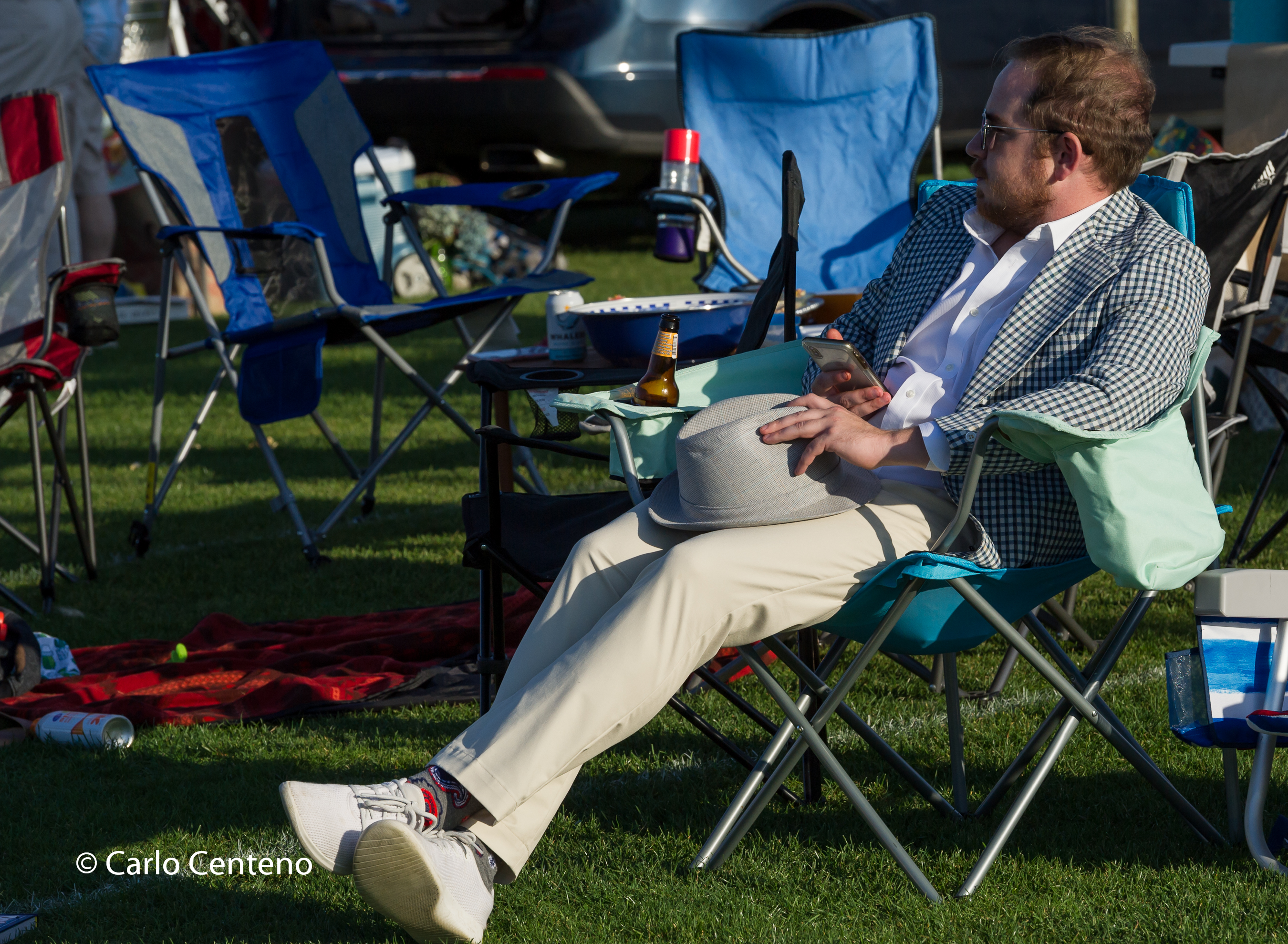
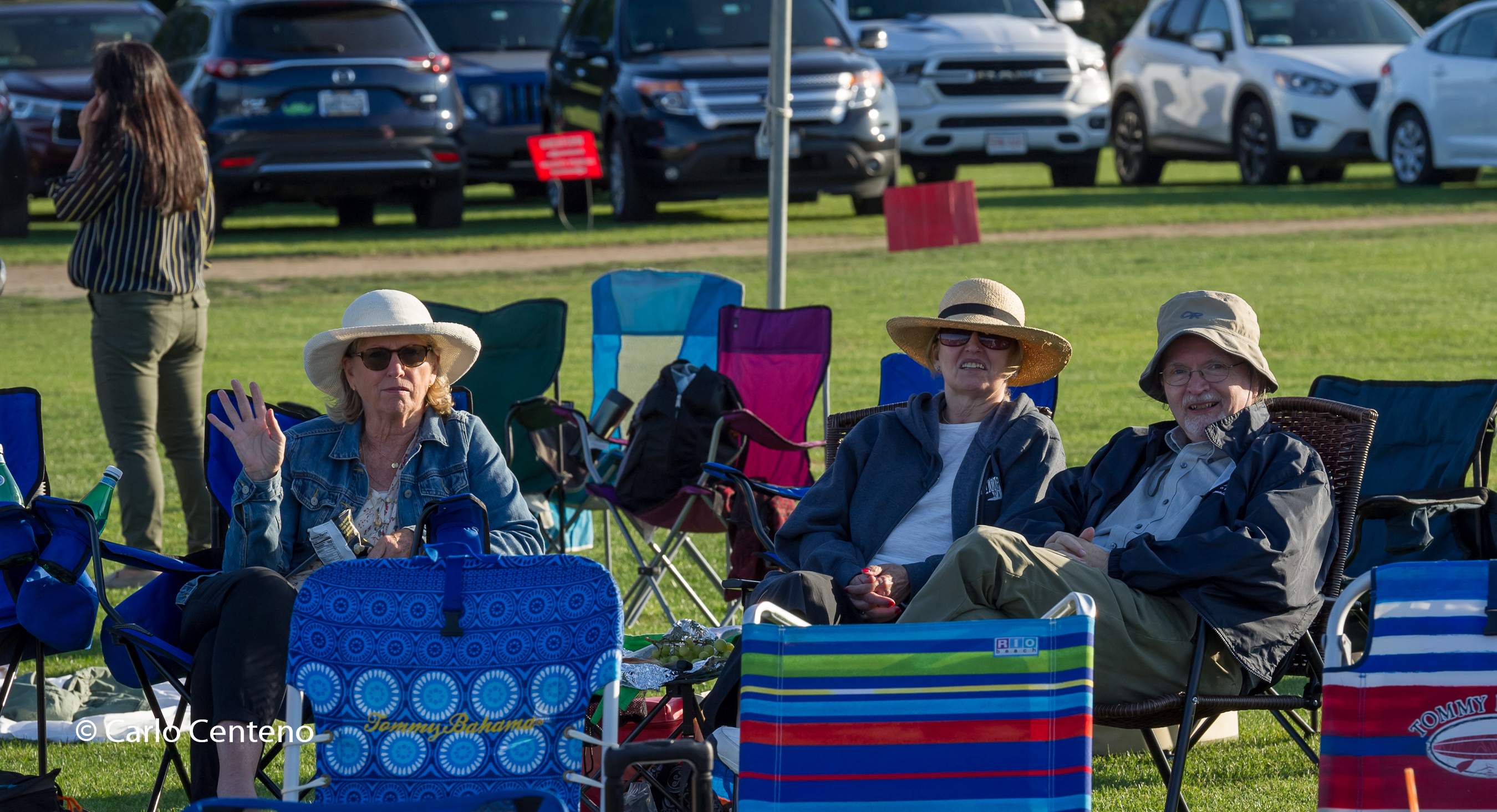
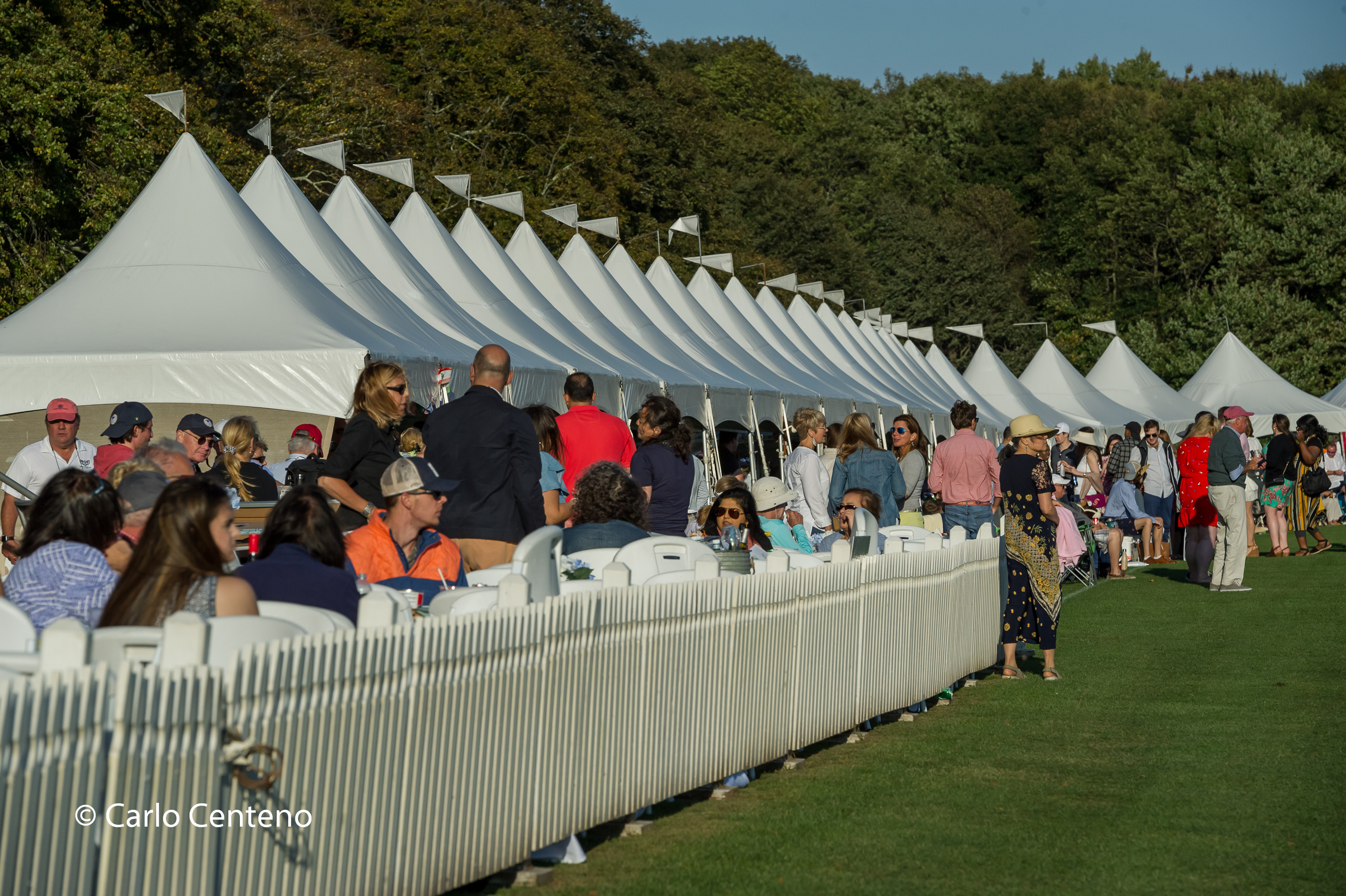
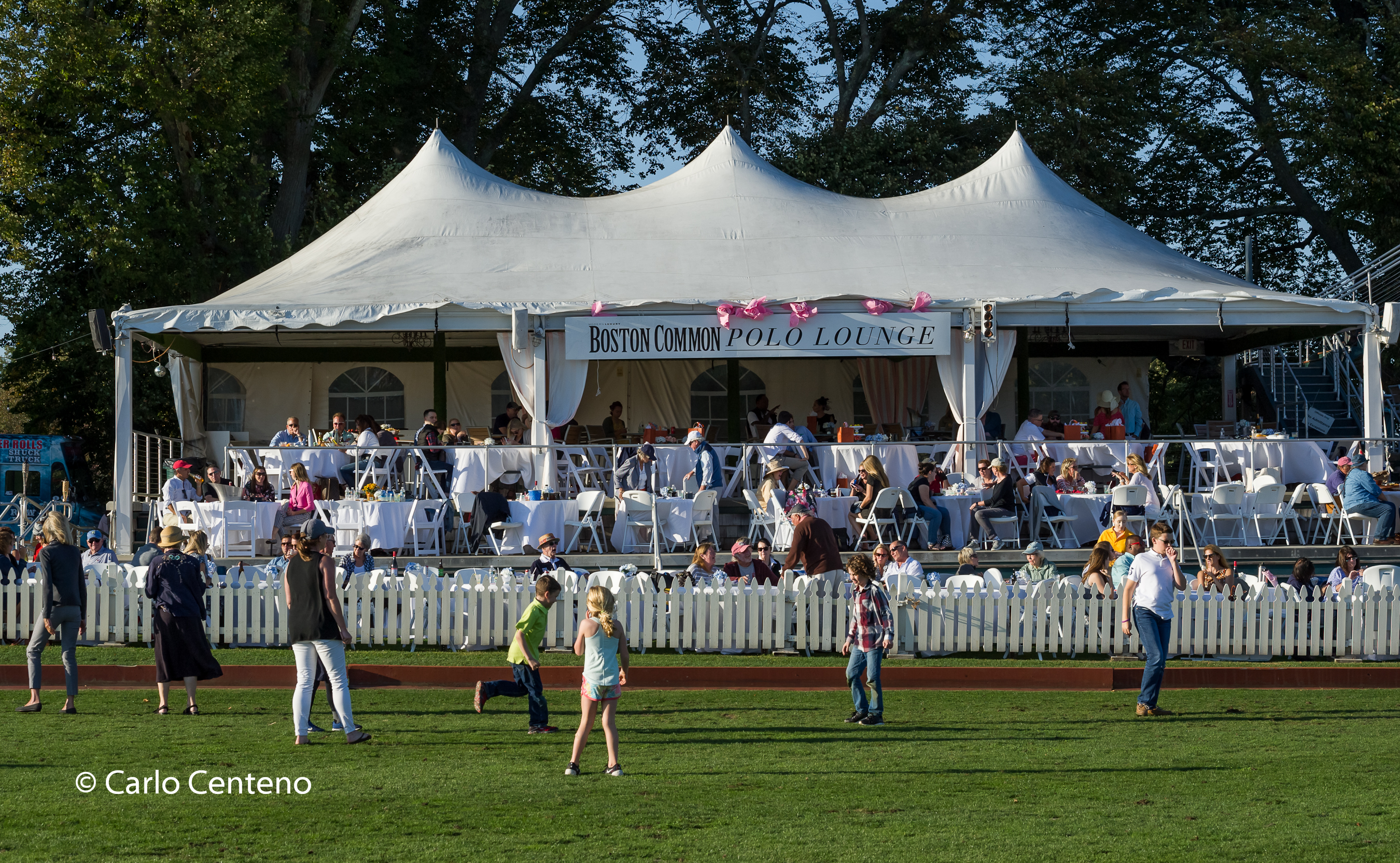
The Newport International Polo Series just finished its season at the end of September. While polo is often touted as a high-brow event, the match I attended was that and surprisingly much more than I expected: family, dogs, picnics, lively conversation, kids playing about, grown ups playing Bocche Ball, a game of catch, etc. all away from the playing field.

A congenial atmosphere on the grounds made it easy to enjoy the match and for the neophytes among us, a chance to learn more about a sport that demands much from horse and rider.

An entertaining task—and fun for many—was the half-time tradition of the divot stomp.


The 10,000 Hour Rule

Ten years ago, author Malcolm Gladwell published his book, Outliers, a NY Times Bestseller. In his book, Mr. Gladwell posited that to master a specific skill, a total of 10,000 hours is required. That’s the milestone to accomplish being the best, “to accomplish greatness” according to the author.

But once again, “greatness” and “the best” have varying metrics. Is any of this based on earnings? On the number of gold medals? The number of championships [world or otherwise]? Metrics do have a place, certainly, but winning cannot be everything.

If there is a dark side to marketing it’s this notion that aside from the hours required, you also need equipment, supplies et al of equal or higher quality. Marketing promotes aspirational consumption: if I have the best ______, then I have a better chance of becoming the best.

No….10,000 hours is an unreasonable expectation. Predictably, no one denies consistent practice is mandatory in order to reach a given standard or goal [especially your own]. However, my own “rule” is far simpler: give it your best and know it was your best. Save some time to enjoy other things in Life.