Our Planet Is Taking Over


In the past few hours, I’ve received news feeds about how the Coronavirus/COVID-19 has produced some benefits. The beneficiary of these plusses primarily go to our planet. And because it benefits the environment, we benefit as well. I’m sure you’ve come across some of these reports on your smartphones or your computer.

Mother Earth has put into motion her own stewardship campaign to save us from ourselves [the hope] and to help save the planet [the ultimate goal].  How it works is pretty straightforward: by reducing human mobility, you reduce the amount of energy used in manufacturing, production, travel and other areas of civilization.  Is this outbreak a means by which Nature looks to heal its own ailments, ailments which we created?

The BBC filed this report early this morning [Thursday–May 19th].

More specifically, there has been a measurable reduction in VOC [volatile organic compounds] as well as many gases—-such as CO, CO2, methane just to name a fews.

And in northern Italy, the space satellite cannot lie. They are also privy to the science that shows a drop in air pollution.

Click here.

Unfortunately, the majority of folks will return to their old and familiar ways. Still, it was nice to learn that for a short time, parts of our planet had a chance to be healthier. Can’t help but think just how much further we would be if each of us attacked pollution, waste and climate change the way we’re attacking the Coronavirus/COVID-19.

Modern Colonies

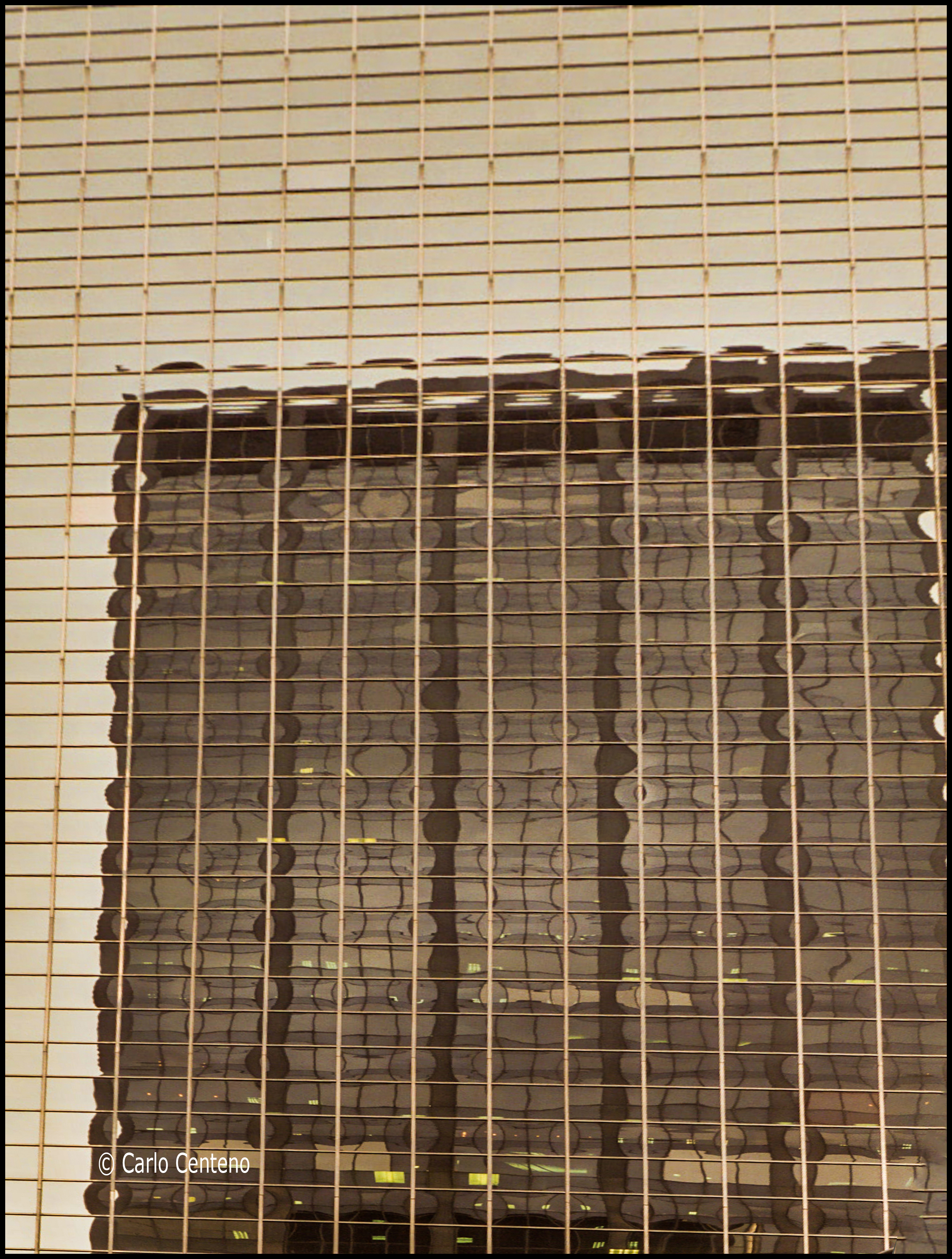
When I look at buildings—especially tall buildings—my thoughts bloom in ordered chaos.  I’m immersed with a roster of details, the majority qualitative in nature.

How many companies are in there…? Love the bronze-colored curve separating the floors….It’s close to 6:30 pm and a lot of office lights are still on. Who’s staying late and why…? Who packs a lunch every day or buys it…?  Wonder what the employee with the longest tenure does….Wonder what the annual cost is for water, electricity, insurance, taxes and health benefits…What’s the ratio of happy workers to unhappy ones…?

Those glass panels look so flat, but the reflections appear distorted or wobbly looking. And in most cases, a lot of those panels appear clean, at least from my viewing area far below on a sidewalk.

The one thought that bookends my wanderings is the thought that a bunch of talented workers had a lot to do in the creation of these vertical colonies. I can just hear a philosophical remark from either one of my two favorite protagonists—Charlie Brown and Linus van Pelt—“Could you imagine what could be achieved if every member of society collaborated with a baseline of common good and purpose for everyone….?

It is what it isn’t…

Contrary to the expression, “it is what it is,” I’m reminded that many things in our day-to-day lives aren’t what they appear to be.  What it is, is often isn’t.
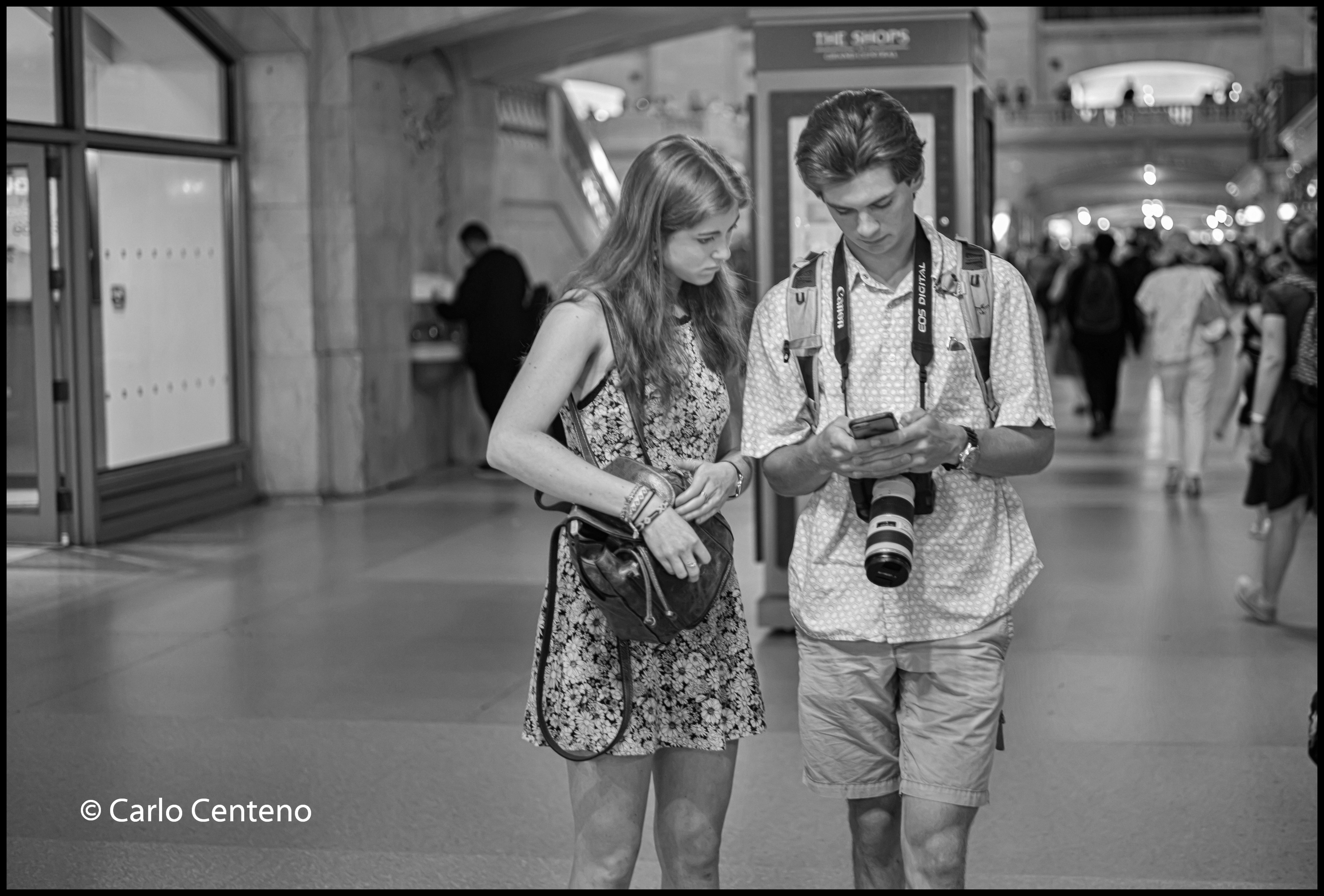
It comes in many forms, but this spectre of self-doubt, worth, value, meaning, purpose,etc. is more apparent now than ever. We may not say or admit to it, but I sense many from all walks of life are experiencing an existential crisis.

We may not feel smart enough. Or attractive enough. We may think, “why don’t I have more of what he/she has?”  The forces of social media, the rise of celebrity status, the persistent beat of consumption, the increasingly divisive discourse of “I’m right, you’re wrong” all contribute to this hunger for meaning and purpose.

But the larger question shouldn’t be, “why are so many things messed up?” Ask yourself, “what can I do to make life a little easier for someone else?” At the end of every spinning class, our instructor encourages us with these directives: believe that you can do what you plan to do and if you want to feel good about yourself, do something good for someone else.

Seeking Selectivity

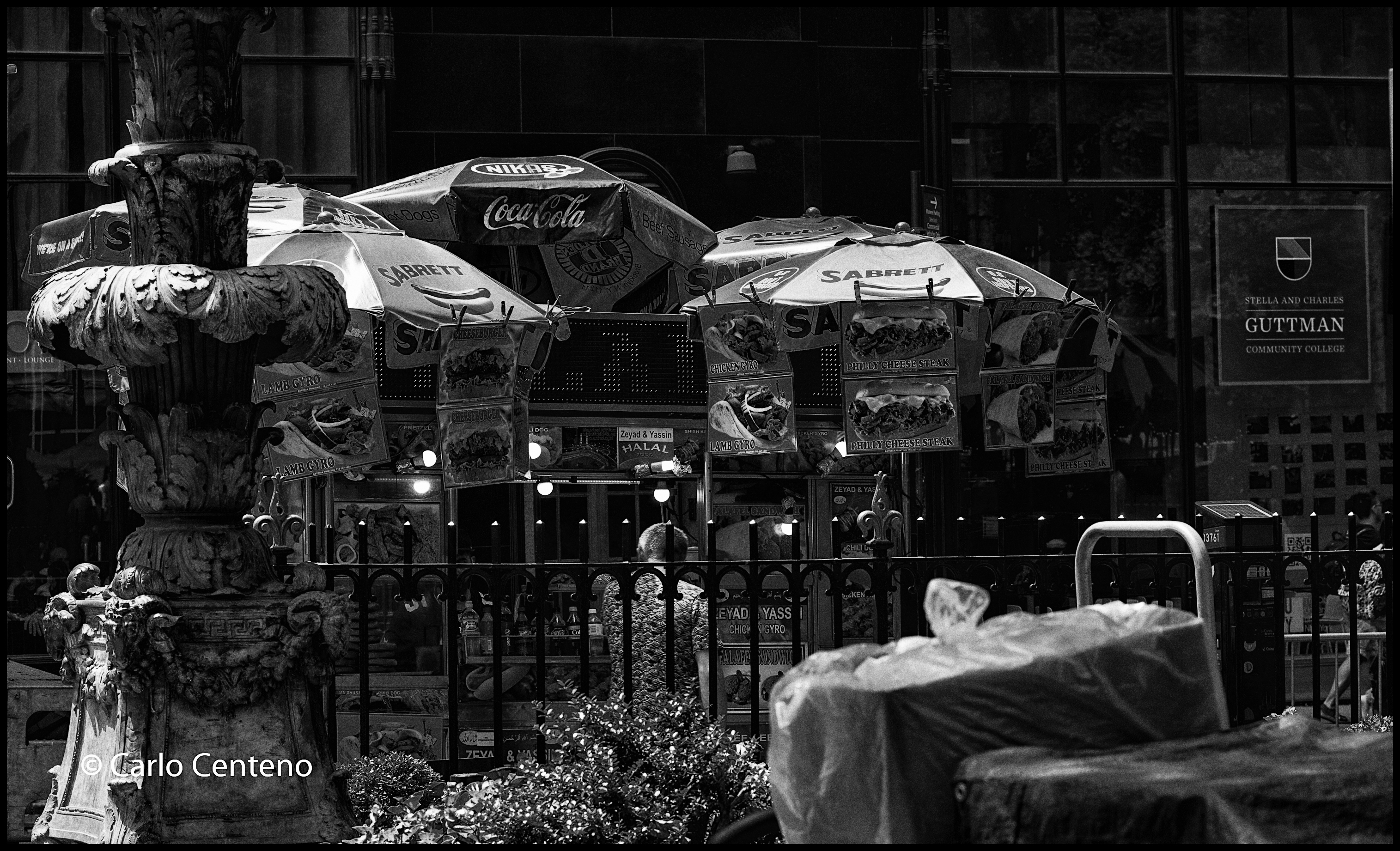
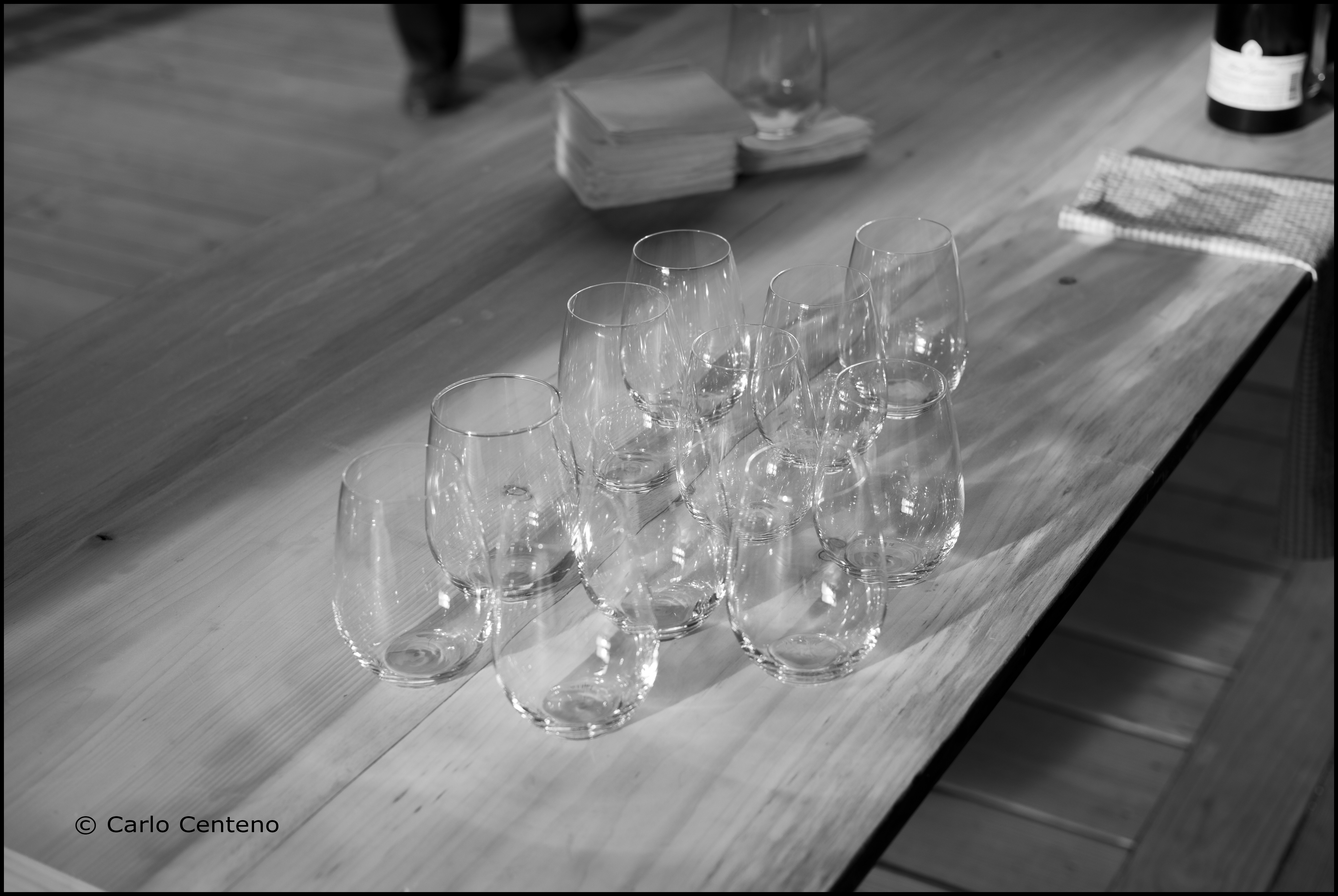
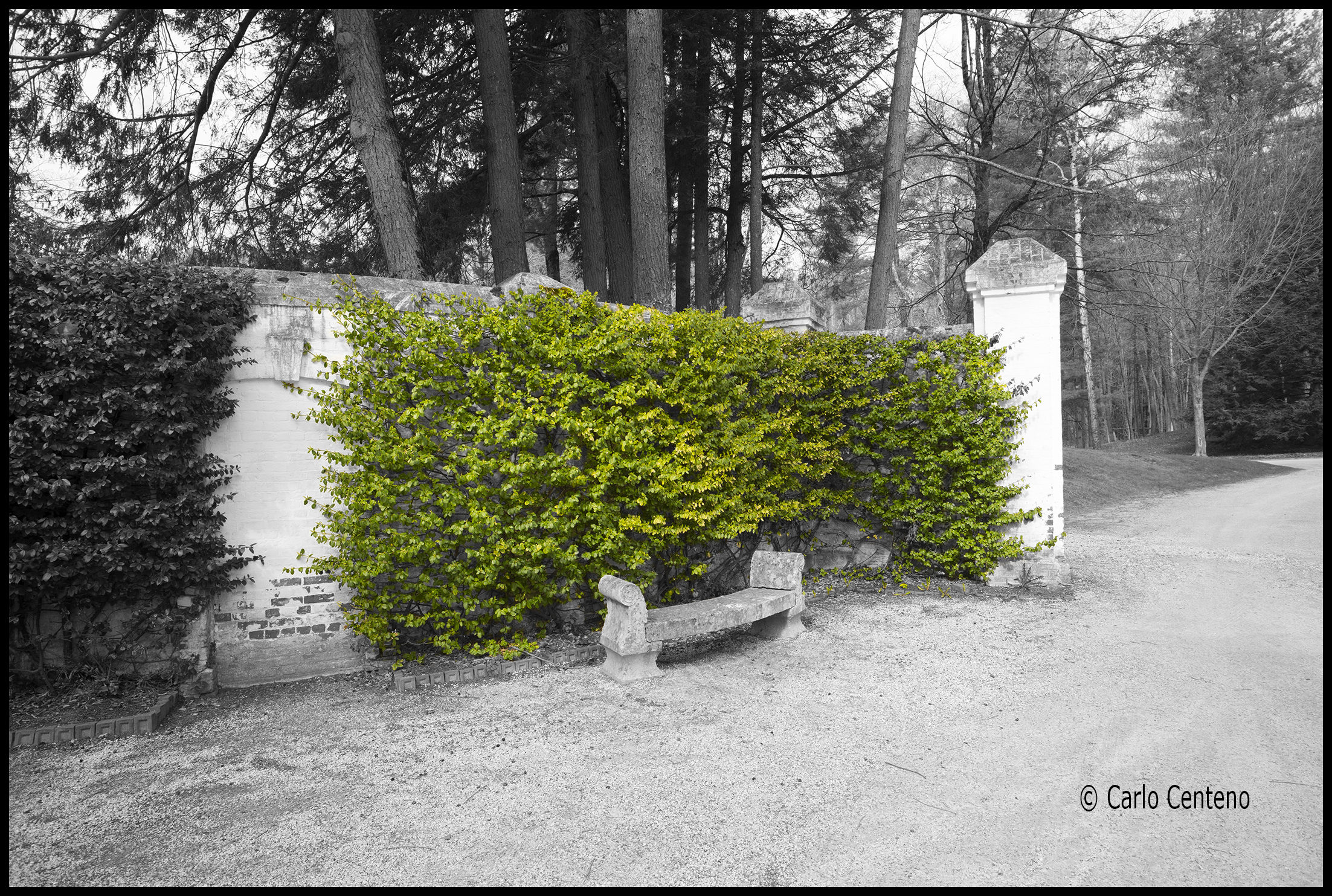
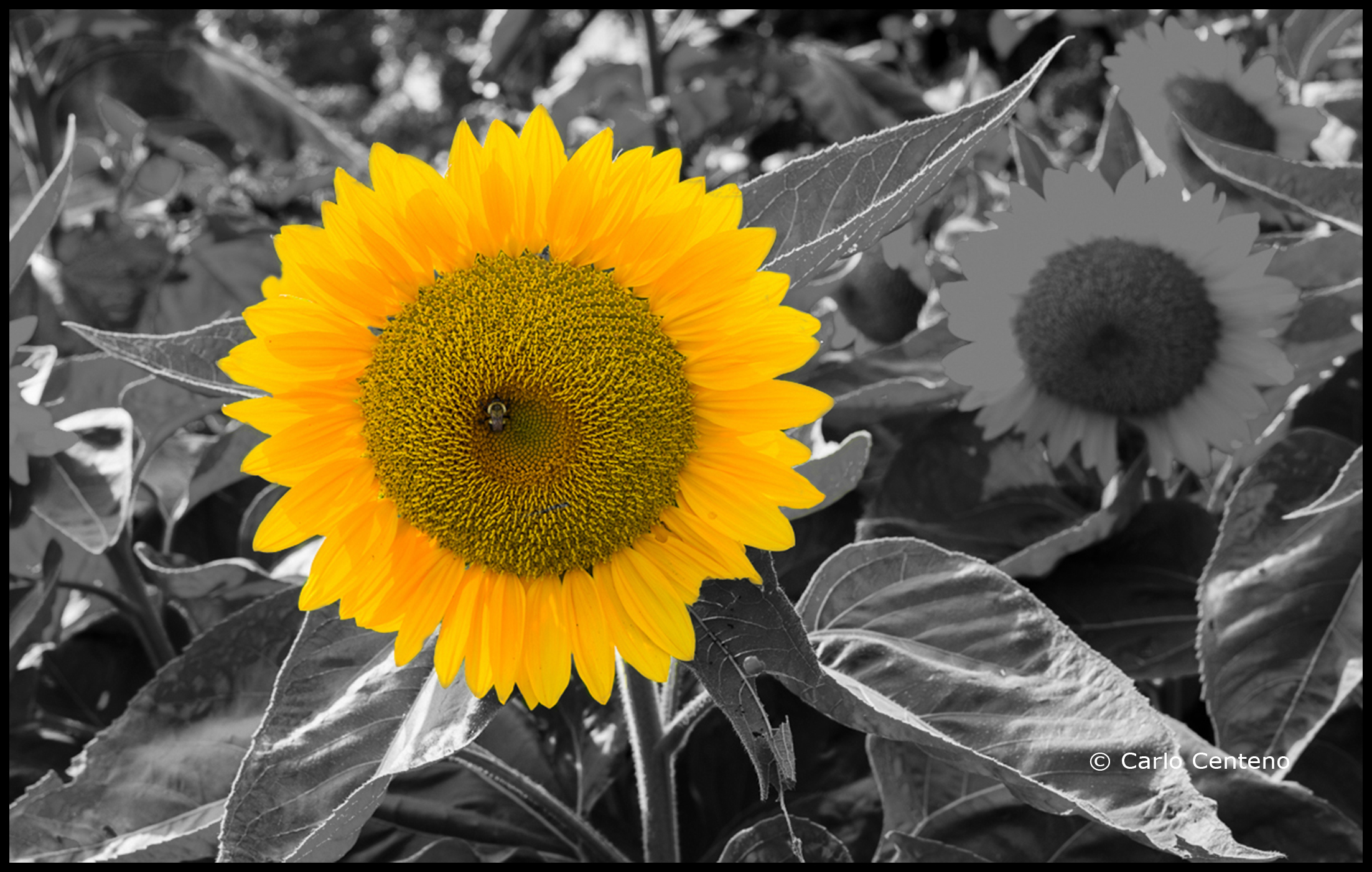
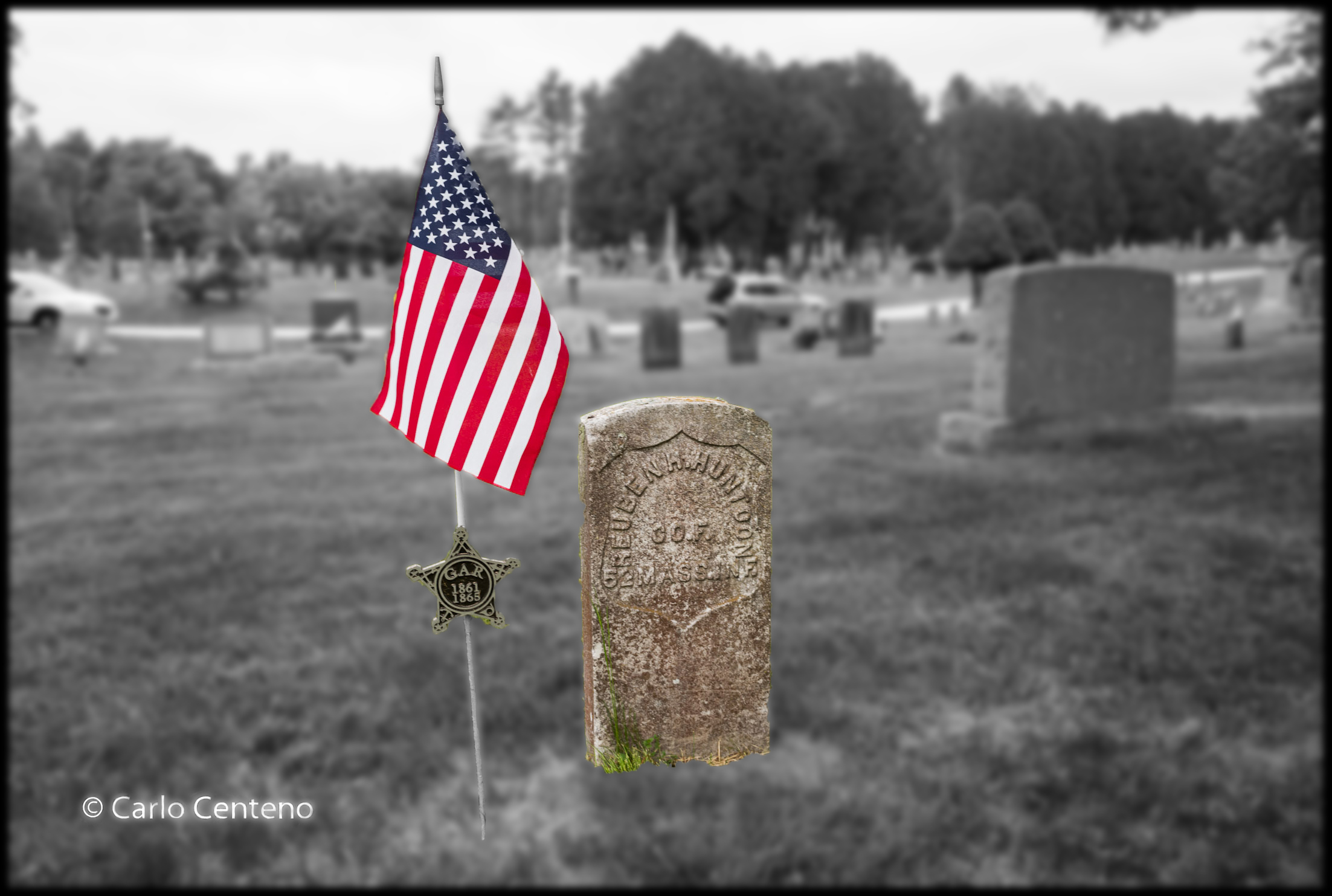
There’s an ageless argument in photography involving 2 camps, one staunchly defending B&W as “more real” than color images, and of course vice-versa.  Who’s right? Or wrong?

My take on this may seem like a cop-out, but choosing one over the other because it’s “more real” doesn’t resonate with me. The interpretation of any photograph is highly personal, so regardless of an image presented in B&W or color–or combinations of both–what you feel makes the image real.

Some days, I see and feel things that tell me to shoot B&W. Similarly, it goes the other direction where my sensitivities lean to color, even one particular color.

Yet these images can confound the entire argument because of my resolute commitment to personally see or find things that prompts a connection. Are these photographs less real because of my choice in isolating or selecting an object, shape, color or theme?

Same Time Zone-Alternate Realities

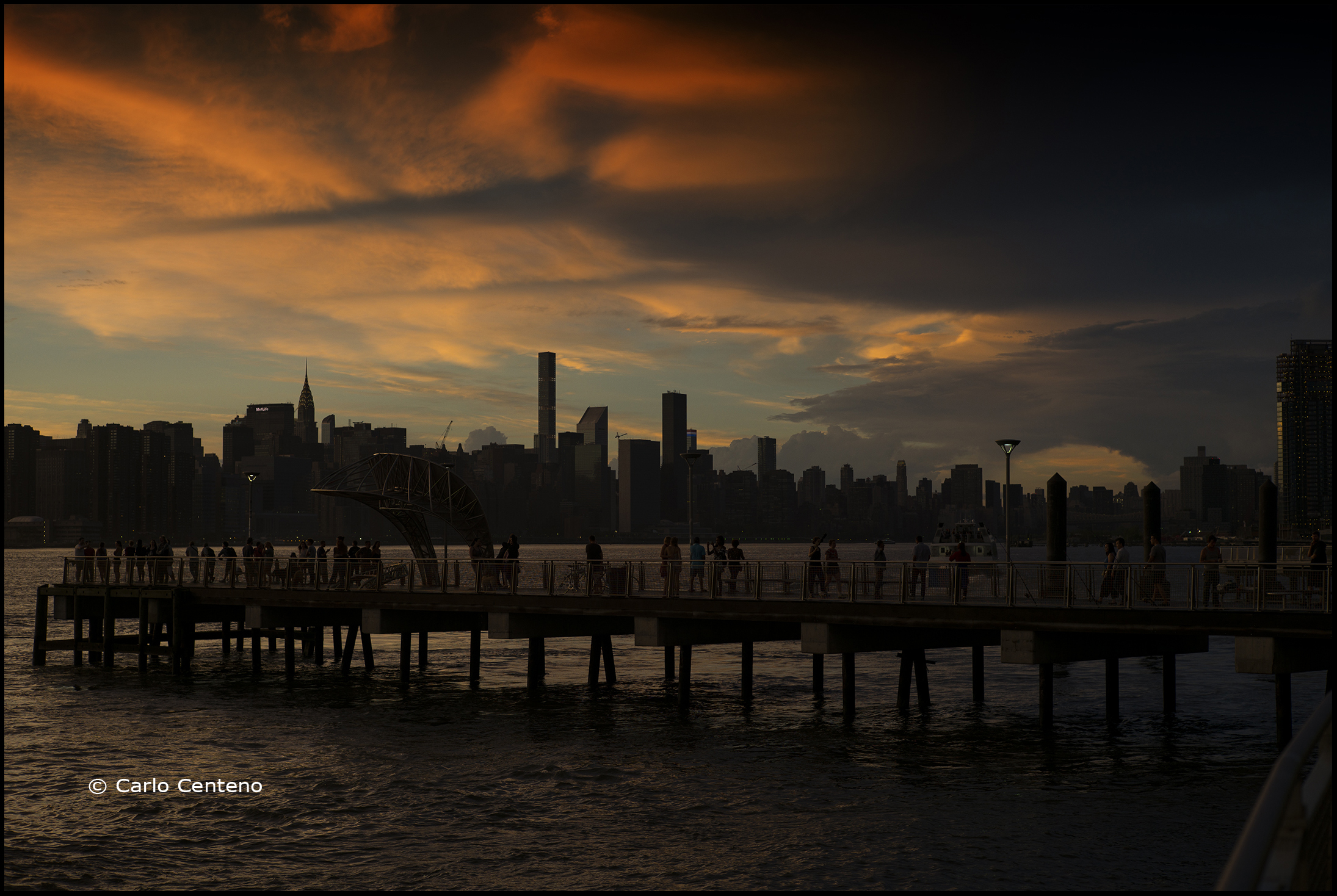
New York City.  A fantastic place that involves all your senses.

Fort Myers, FL. This second image is taken further south, about 1,250 miles [2,012 km] away. Here’s a destination where the senses aren’t always engaged. Let’s just say “relaxed” is a more fitting adjective. Finally, both photos were taken approximately around the same time of day: late afternoon.