
Category: Leica photography
A Solution
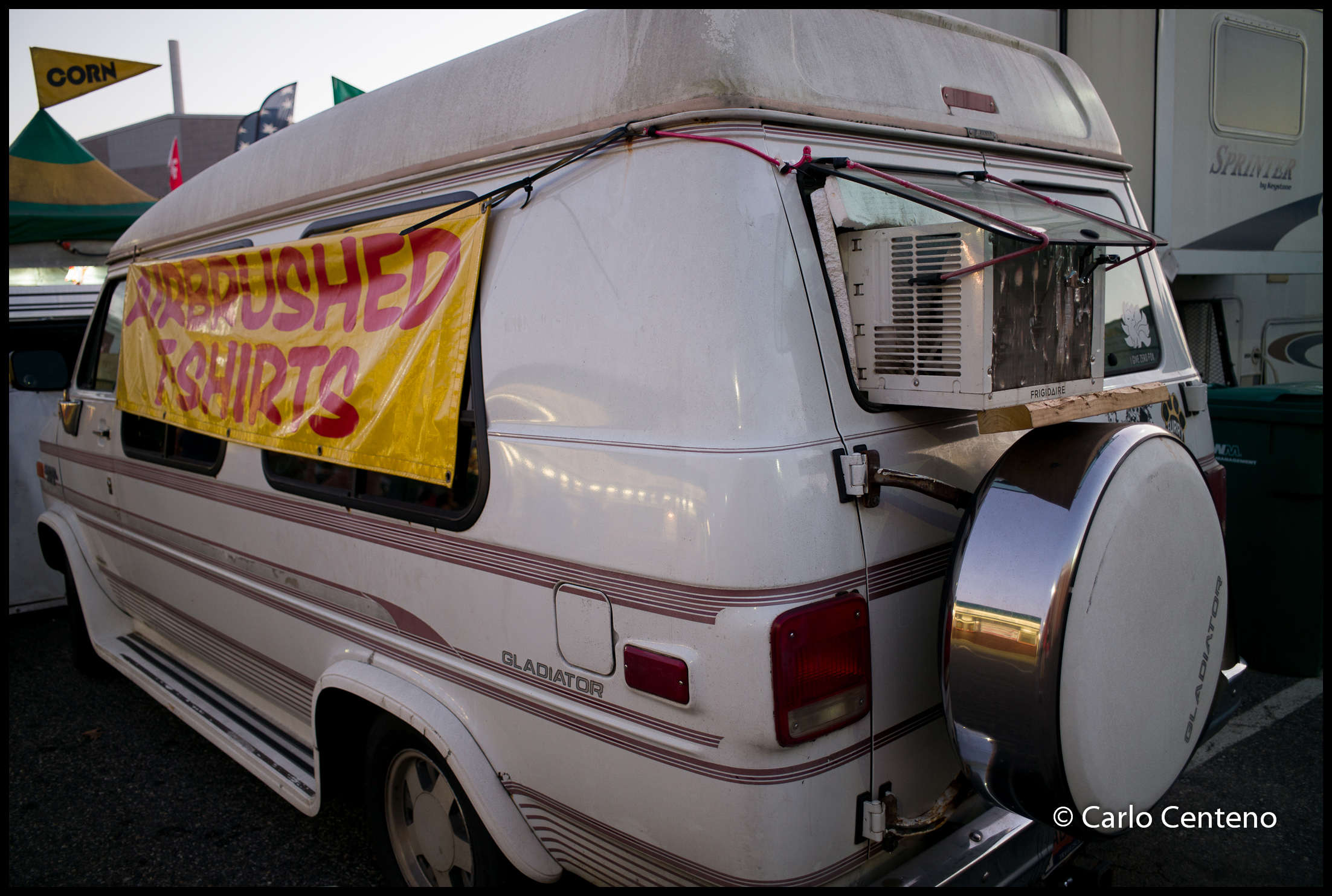
Necessity is the mother of invention. Plato
White Shed
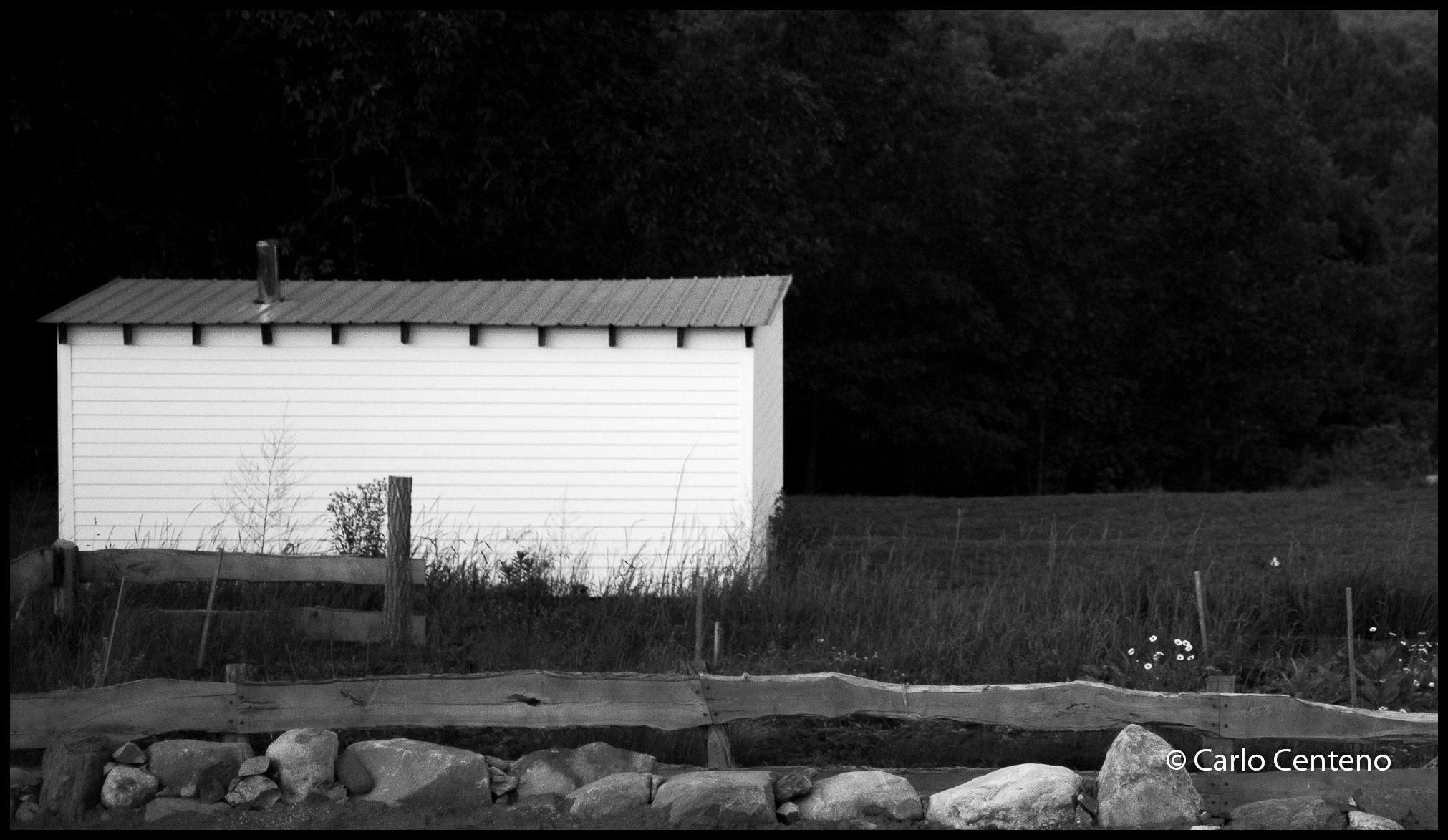
On the road again
Goin’ places that I’ve never been
Seein’ things that I may never see again
And I can’t wait to get on the road again
Johnny Cash & Willie Nelson
For me, one of the better ways to decrease the clutter in my head is to take a drive with camera in tow. Road photography. It should be a category of its own. Sometimes I have a location in mind, mostly I don’t. Where the road leads and the sun moves are my travel indicators. I chase the light, I welcome serendipity and I relish the freedom that time brings. Driving the back roads—especially those off the major interstates—offer catharsis. It works.
Evergreen

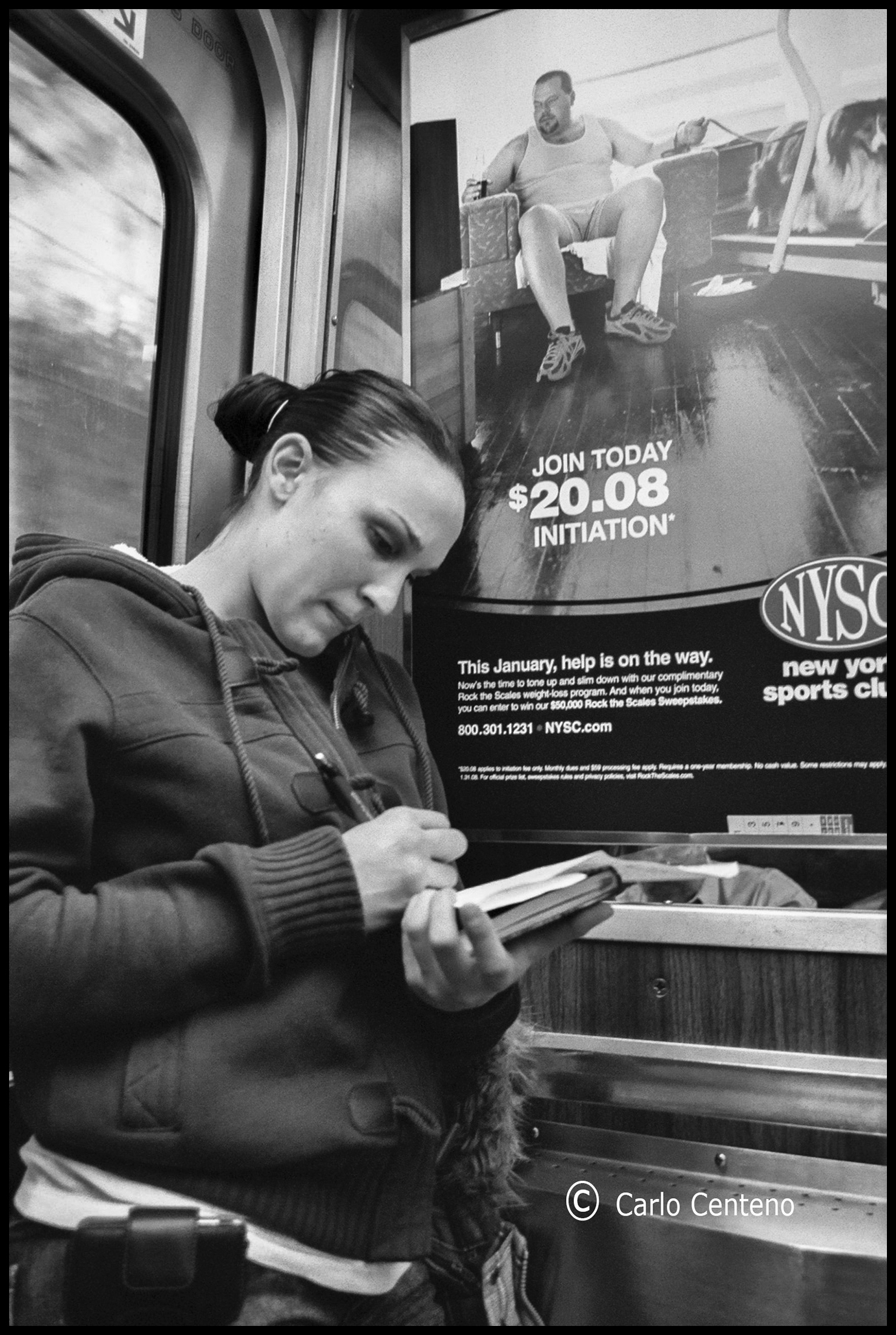
Road photography. It’s a cousin to street photography, but instead of strolling along sidewalks, I’m in a car driving to nowhere in particular, just to immerse myself in a tempo and ambiance that has little to do with work. At times I also take along my journal and if nothing arouses my visual creativity, I take the pen to the paper…or vice-versa.
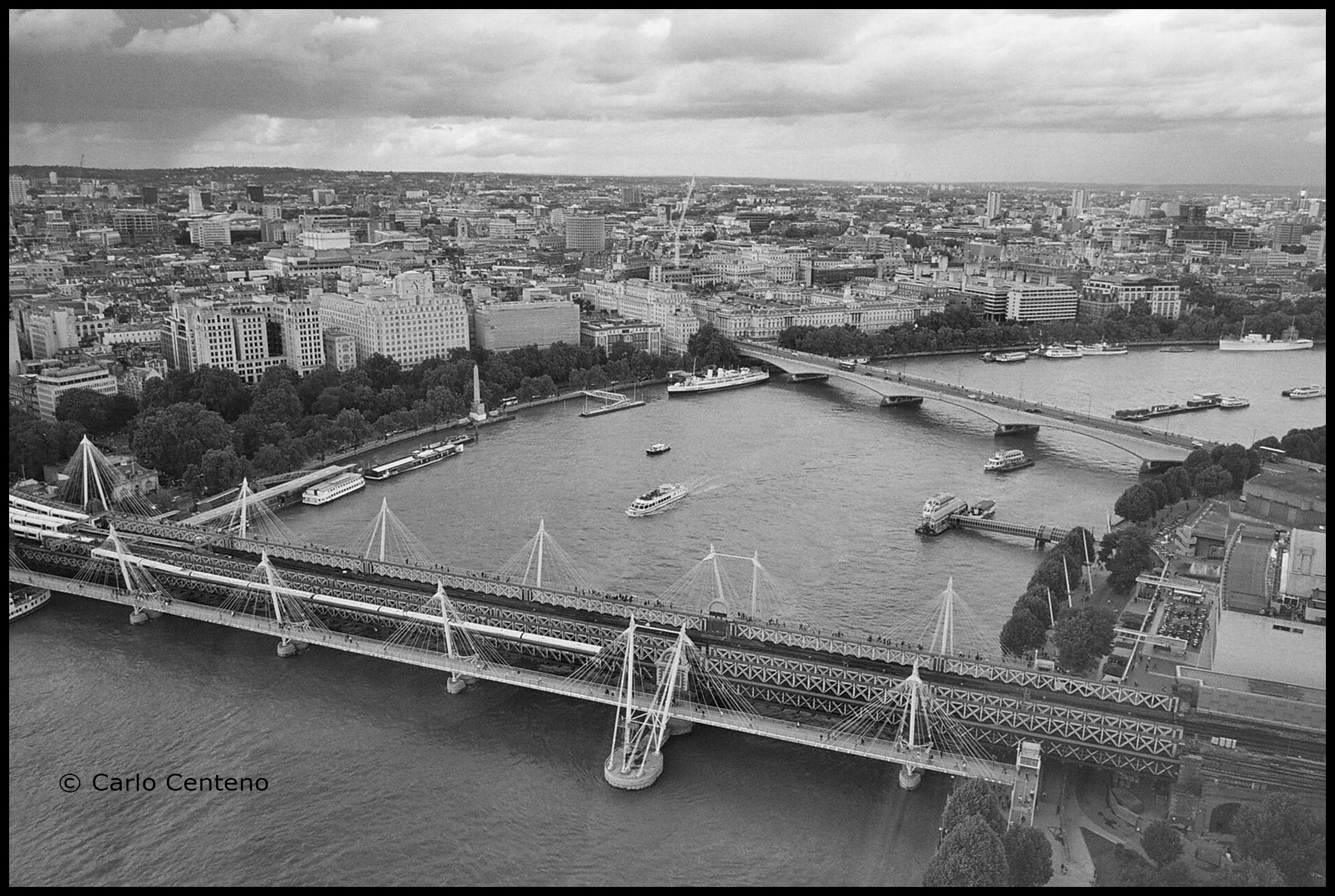
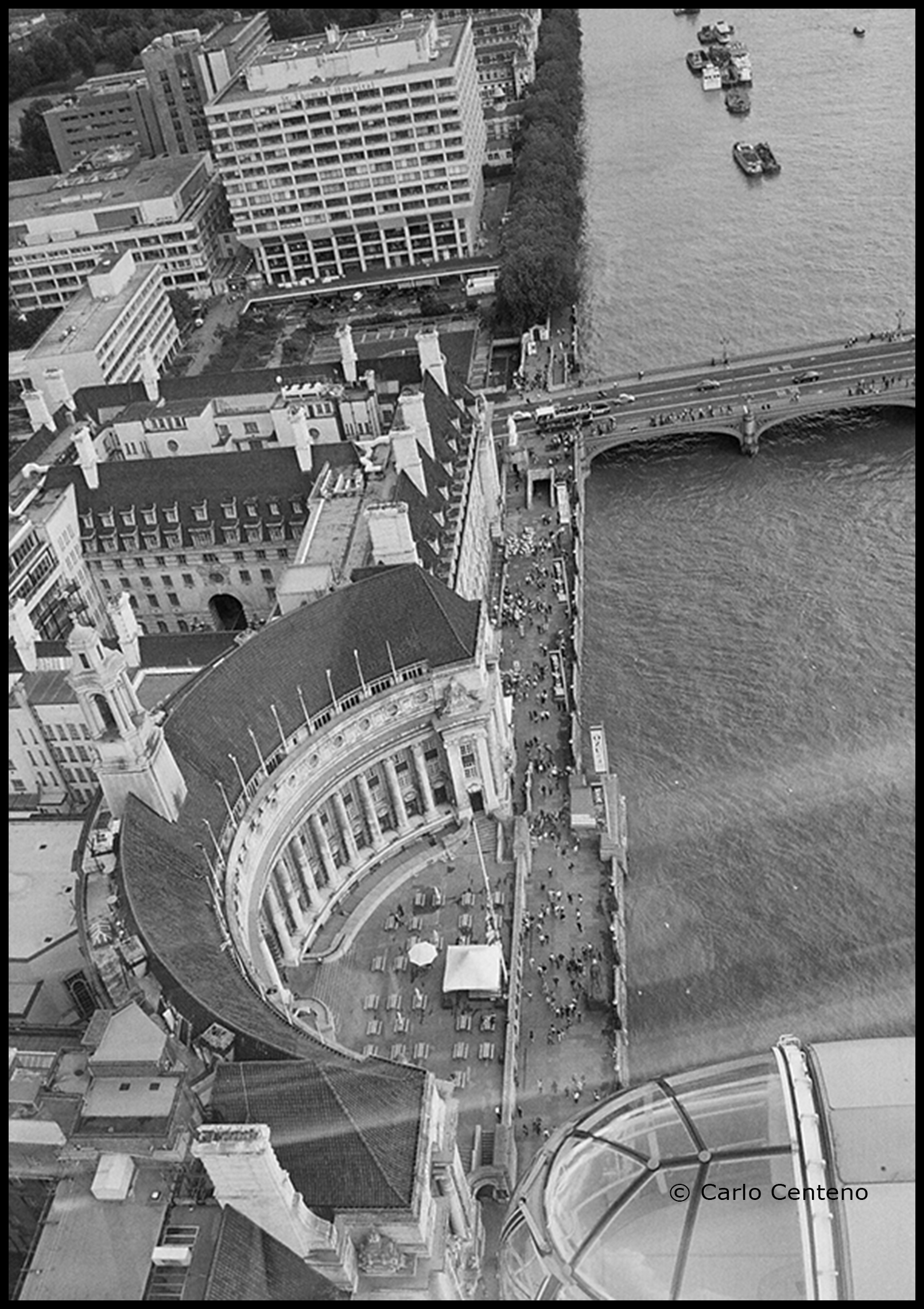
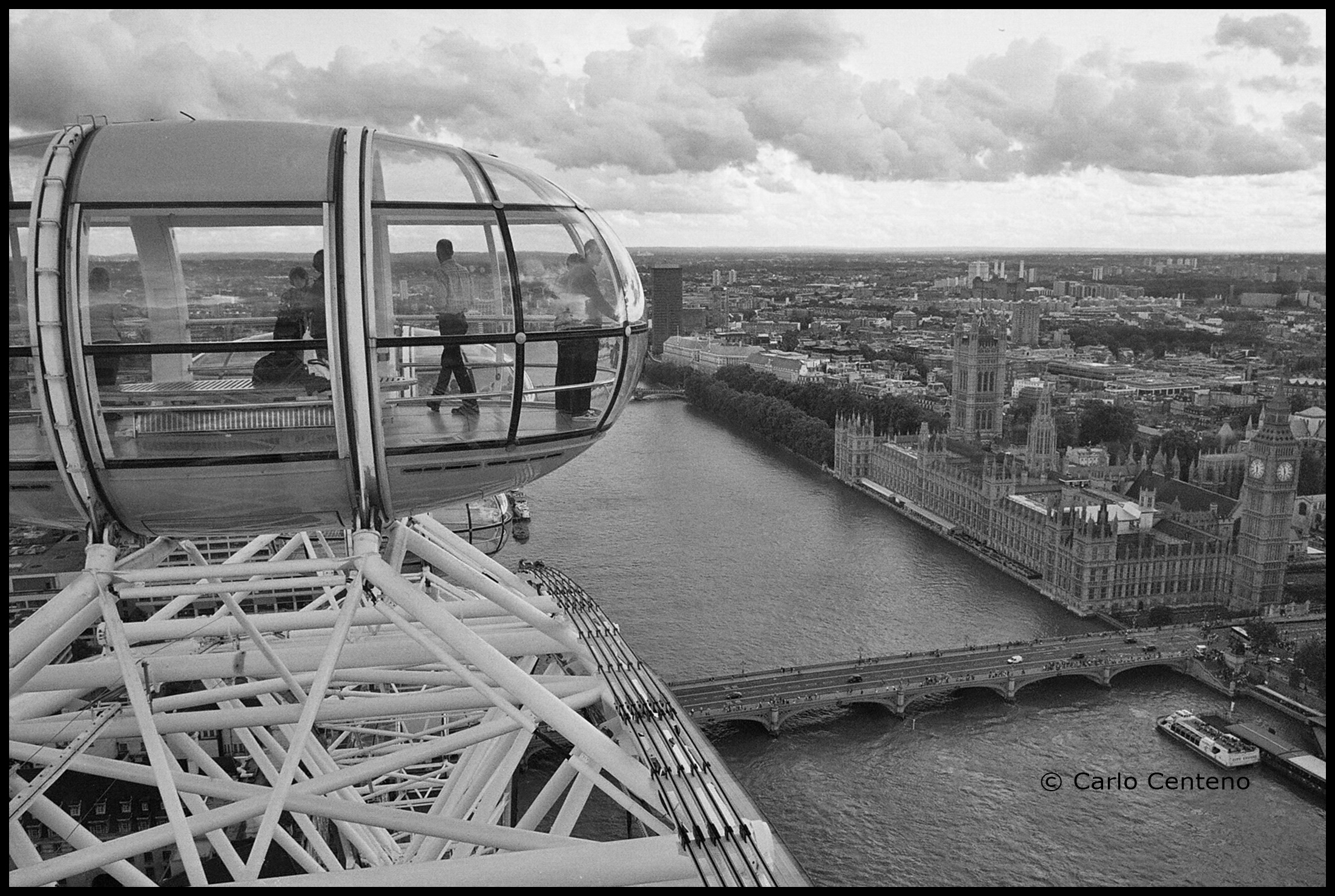
“This is London Calling”*
*This was the BBC radio introduction that was used during the Second World War. Personally, I tie this to a sentiment that I need to go back…


Commute

Pastoral Conditions

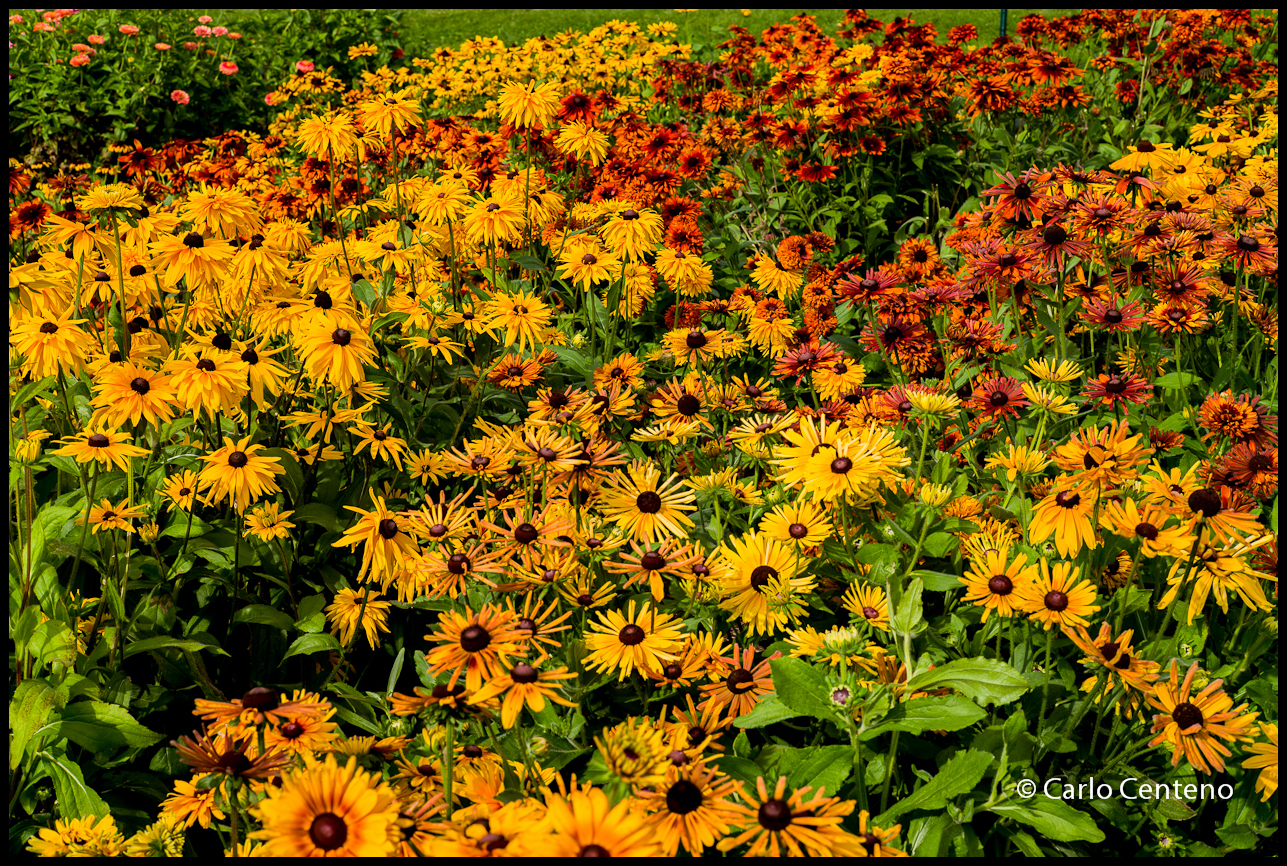
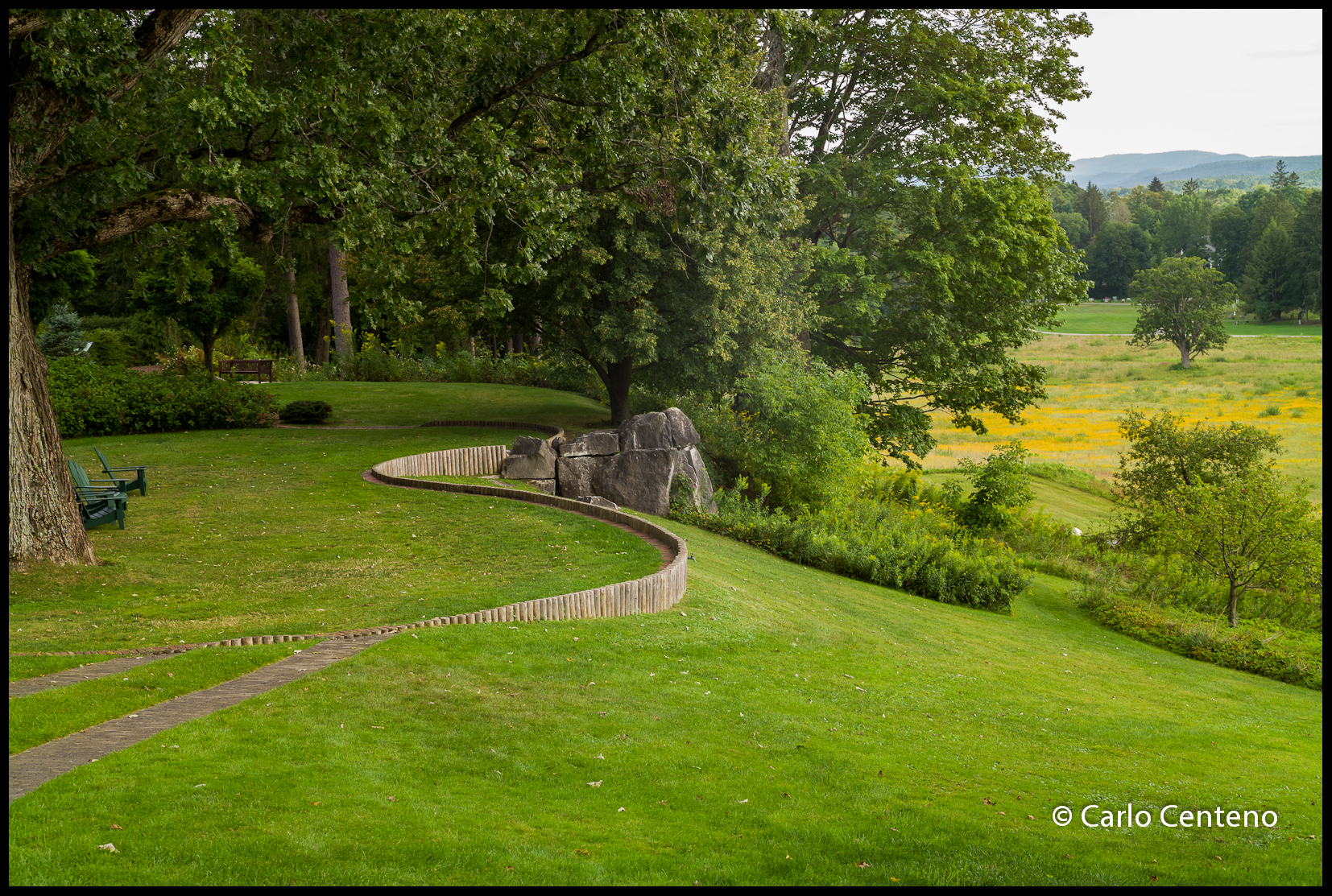
Not quite summer’s end, not really autumn yet, but the cusp that enjoins these 2 seasons is before us. I love this time of year.

Naumkeag is an incredible place because it allows me to dwell on and feel connected to matters taken for granted. There’s time and space to slow down, to think, to feel, to recognize that not all issues, concerns or problems are of utmost importance above anything or anyone else. Naumkeag is a sanctuary where the main characters are pastoral. The lead character has to be the quiet, the kind of quiet that tells us there is catharsis in solitude for the benefit of oneself.

There are many distractions, including things that are not here. Out of sight—out of mind: no tablets, no MP3 players, no traffic sounds be they from land or air. Space is one of several pleasant distractions, especially those spaces that encourage you to become part of the setting.


The Red Hat Society

There are some bumps in life that feel big–which is true–and then there are those bumps that we make much larger than we should. Studies have generally shown that once you get past the age of 50, your attitude, expectations and other attributes tend to improve. Translation: you’re happier about life because you recognize how far you’ve come. It’s often said that finding happiness and jettisoning the bad stuff can be made easier with help from family and friends.
Generally speaking—and regardless of gender—those 50 and older who say they have a “good, satisfying life” remain physically and mentally active, make a commitment to stay healthy, keep close contact with family and friends, and champion a strong, positive attitude. Enter the Red Hat Society.
Before “social media” became a common term, the RHS was already well into collective connectiveness. Like the innumerable groups we see on LinkedIn, such as the social media marketing group and various others, there’s a roster of common interests and attributes for like-minded professionals. But even before any of this was created, we are first and foremost social beings that need social interaction. For the RHS, there are 3 attributes: you must be at least 50 years of age, a woman and have a joie de vivre.
It’s one thing to read about groups or societies that enrich your own life, but it can’t compare to being in the thick of things. Case in point: the RHS lunch gathering in the Round Table Room of the Algonquin Hotel. One of several chapters in the Tri-State area, these bon vivants gathered to reconnect, to discover new connections, but above all, to have some fun.
I heard conversations that can be filed under “status” with sub-folders, one each for the kids, the spouse/significant other, the job, the vacation, and more. While I’m certain there were sad discussions within the constant din, much of what I heard involved a good amount of chuckling and laughing. And it was contagious. I got a kick being an accidental listener and observer.
Volume 2 Tropical
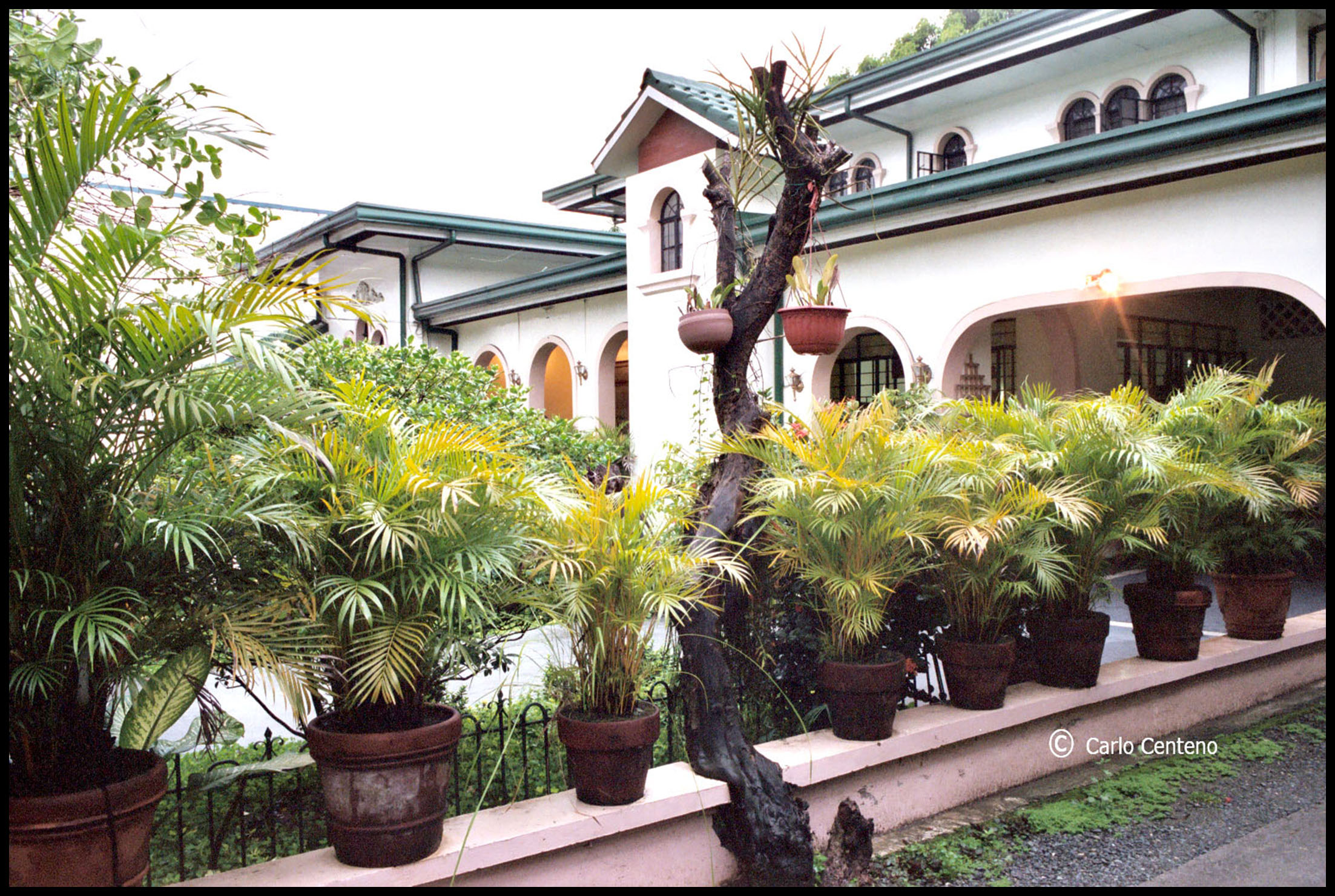
Sikatuna, Philippines

Quezon City, Philippines
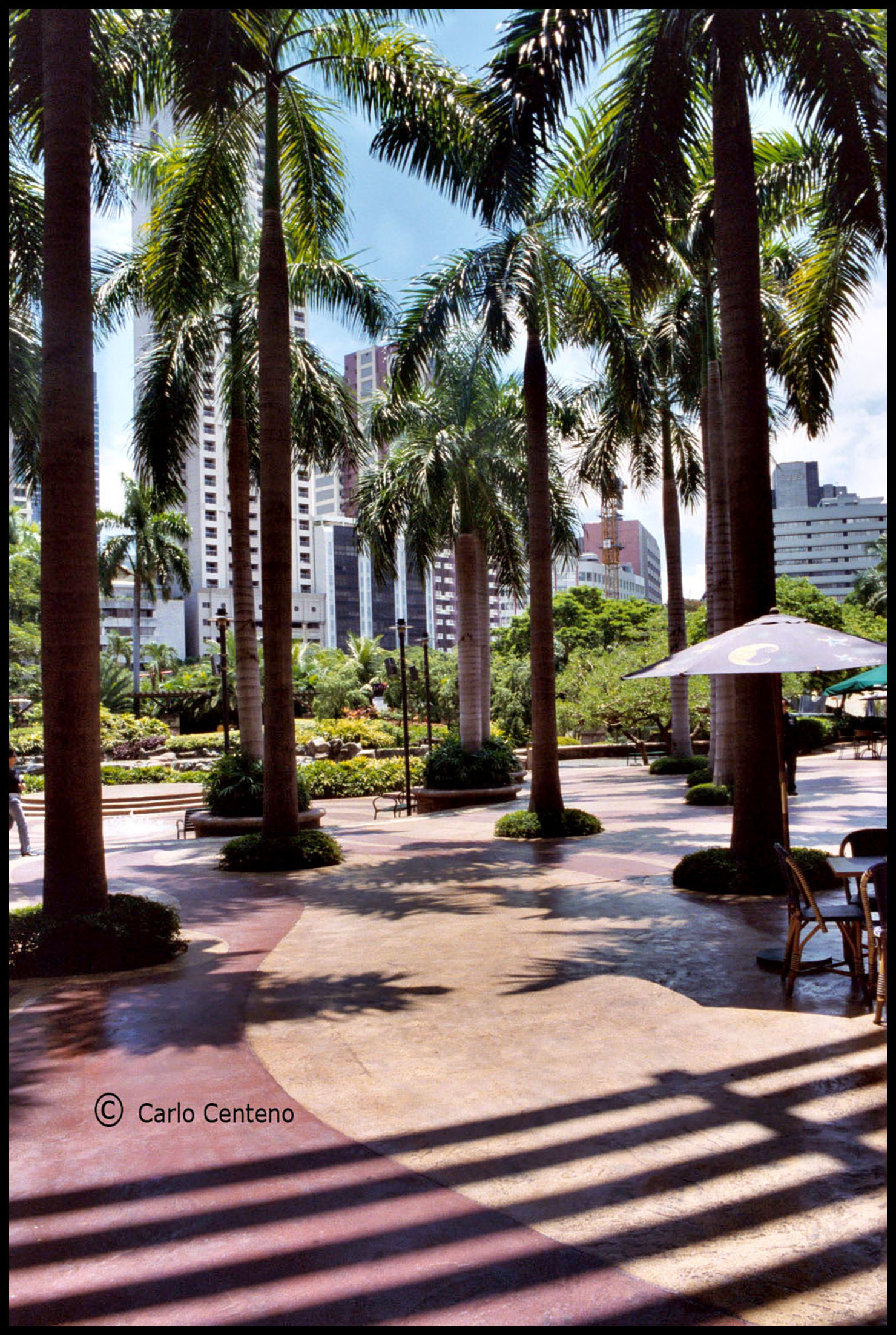
Makati, Philippines

Makati, Philippines
Tropical
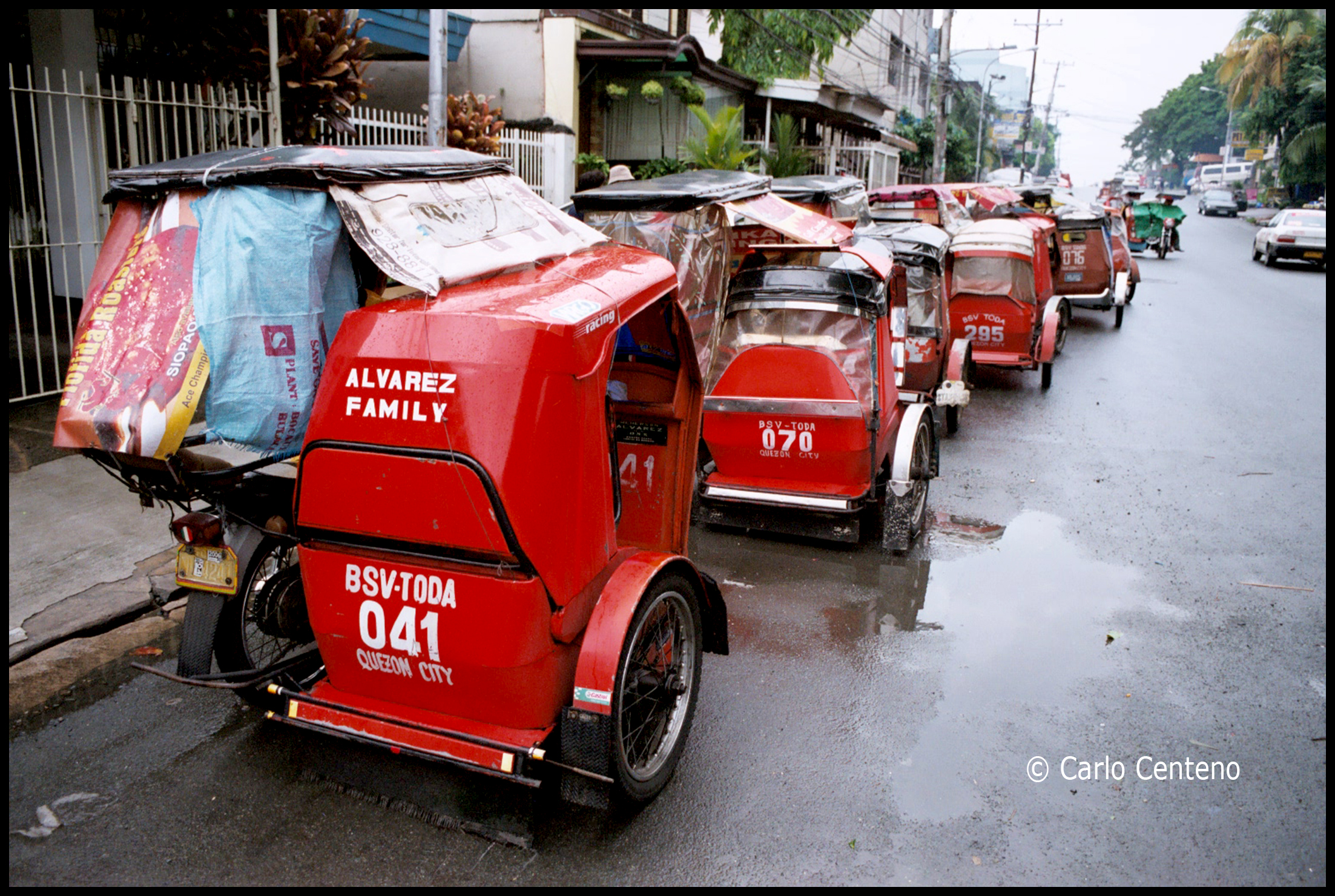
Trike taxis, Philippines

Philippines

Rain storm, Taal volcano, Philippines
About as fresh as one can find
How do you define—and use—your “15-Minutes”?
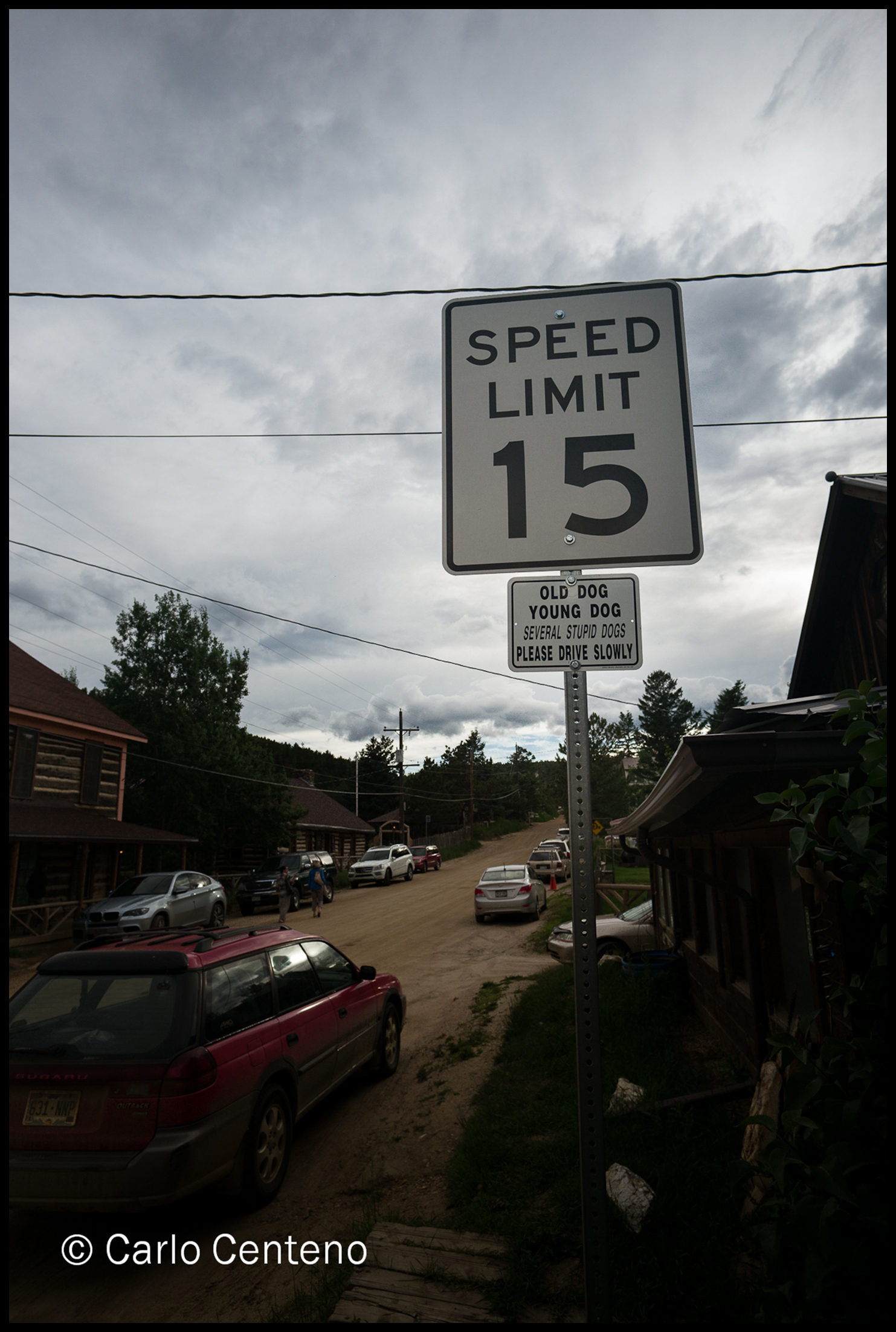
Sometime in the future, we’ll have 15-minutes of fame. Attributed to Pop Artist, Andy Warhol.
Fifteen: __seconds is a quarter of a minute; __minutes is a quarter of an hour; __miles is 24 kilometers; __kilometers is 9 miles. I think the most “famous” of 15s is the one attributed to Warhol. He may not have actually phrased it, but it’s certainly part of his cultural brand.
Fifteen Minutes of Fame is also a music project created by composer-producer, Robert Voisey. That, in and of itself, is a fascinating enterprise.
Sir Richard Branson defines his 15-minutes as “me time,” time he finds in each day exclusively for himself in order to reconnect, re-energize, refocus, etc.
What can you do with 15-minutes all to yourself? Some suggestions:
- Write: in a journal [or start one]; a letter [to yourself, to someone that means the world to you, to someone who can influence positive changes, e.g.]; 15 words that bring a smile to your face
- Learn and/or try: a new language [or improve on one that you last used in school or college]; to play an instrument; the practice of Yoga, meditation or Tai Chi; something, anything that you’ve wanted to explore, but it’s just out of your comfort zone
- Turn your electronics off: and go outside and listen, engage your other senses of smell, touch, taste and sight
Reward yourself with a good thought, whatever that might be, and dwell on its possibilities…
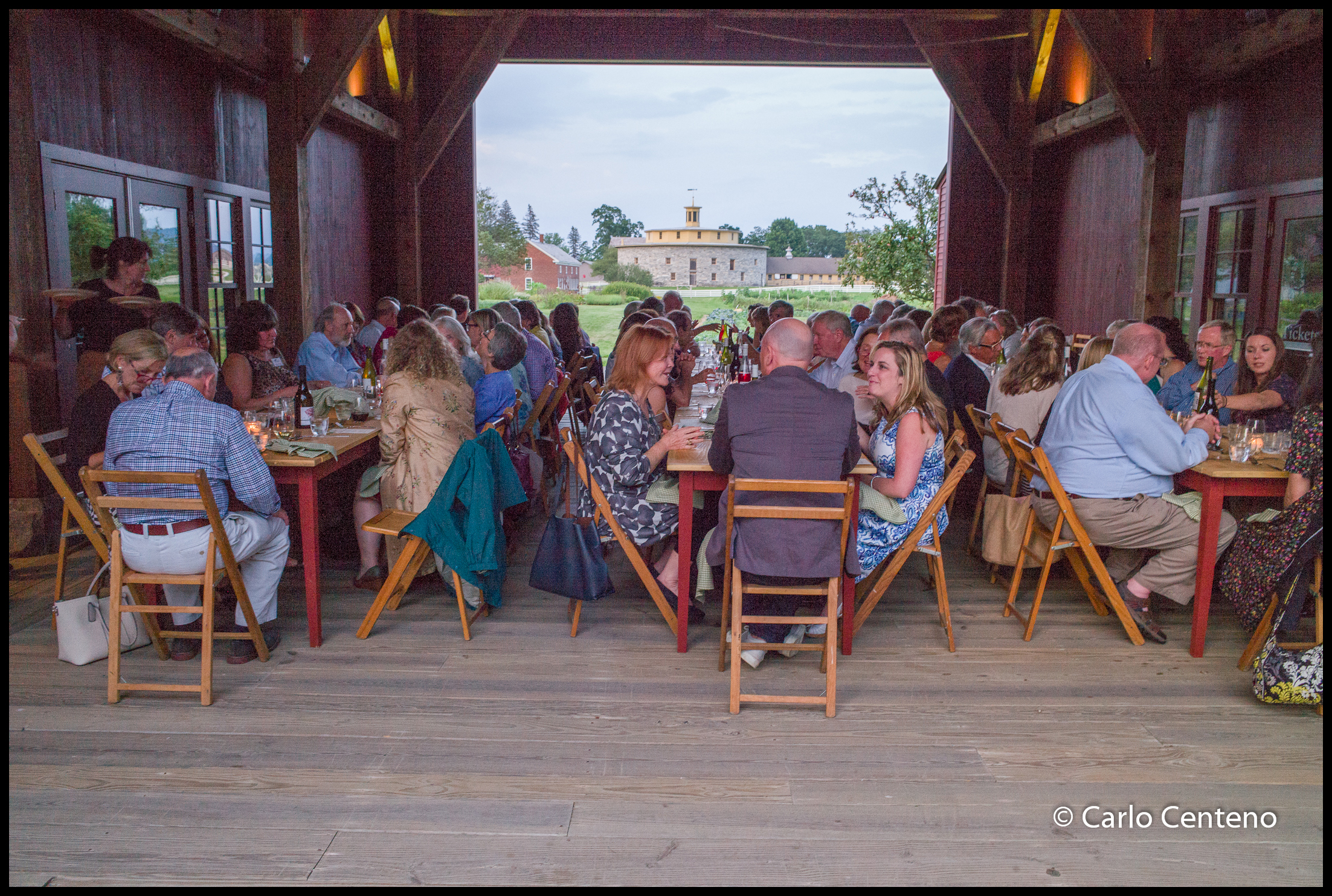
Garden Dinner Party


 Carlo Centeno