The A Collection

I’ve come across a lot of A-words lately: amazing, atomic, artificial, augmented, abstract, auspicious, audacious, accountable, admirable, apathy, appreciation, affection, accomplished, alarming, Arctic, Antarctica, abysmal, appalling, anachronism and so forth.
Like a daisy chain made of paper, these words are linked and yet each easily broken free by the slightest of tension. And while some connections may not make a whole lot of sense, there are reasons however small, that connections take place. Anxiety, lack of focus, melancholy, fear, joy, anticipation, distraction, etc. etc., the Yin-Yang of this is that the very same attributes that prompted the connections can be the same to break them.
It depends on time and place. Context is everything.
Audacious. Approx. 35-degrees on a starboard bank.

The words come from various sources, anything and everything that shapes our life experience. With this exercise, the empirical nature of each word puts aside the rational, and instead embraces sentience, that ability to feel depth of things experienced.
It’s certain that others who feel existential—rightfully so in our fractured society—may feel embarrassed yet genuine. What could be more human than to feel concern about our current state of affairs [macro] and our relationships [micro]?

Anachronism. At the stable. The Mount: Edith Wharton’s summer residence.

I’m feeling abstract [visualize Cubism Art] and yet oddly auspicious because many things in life and living are not rational. We are prone to rely more on our senses, the very emotions that can either ruin or celebrate moments in our lives.
Yes, I’d rather feel embarrassed and genuine versus being stymied with self-serving, deductive reasoning. The former brings a sense of order, the latter a chance to improve our emotional intelligence and increase a capacity to further understand each other.

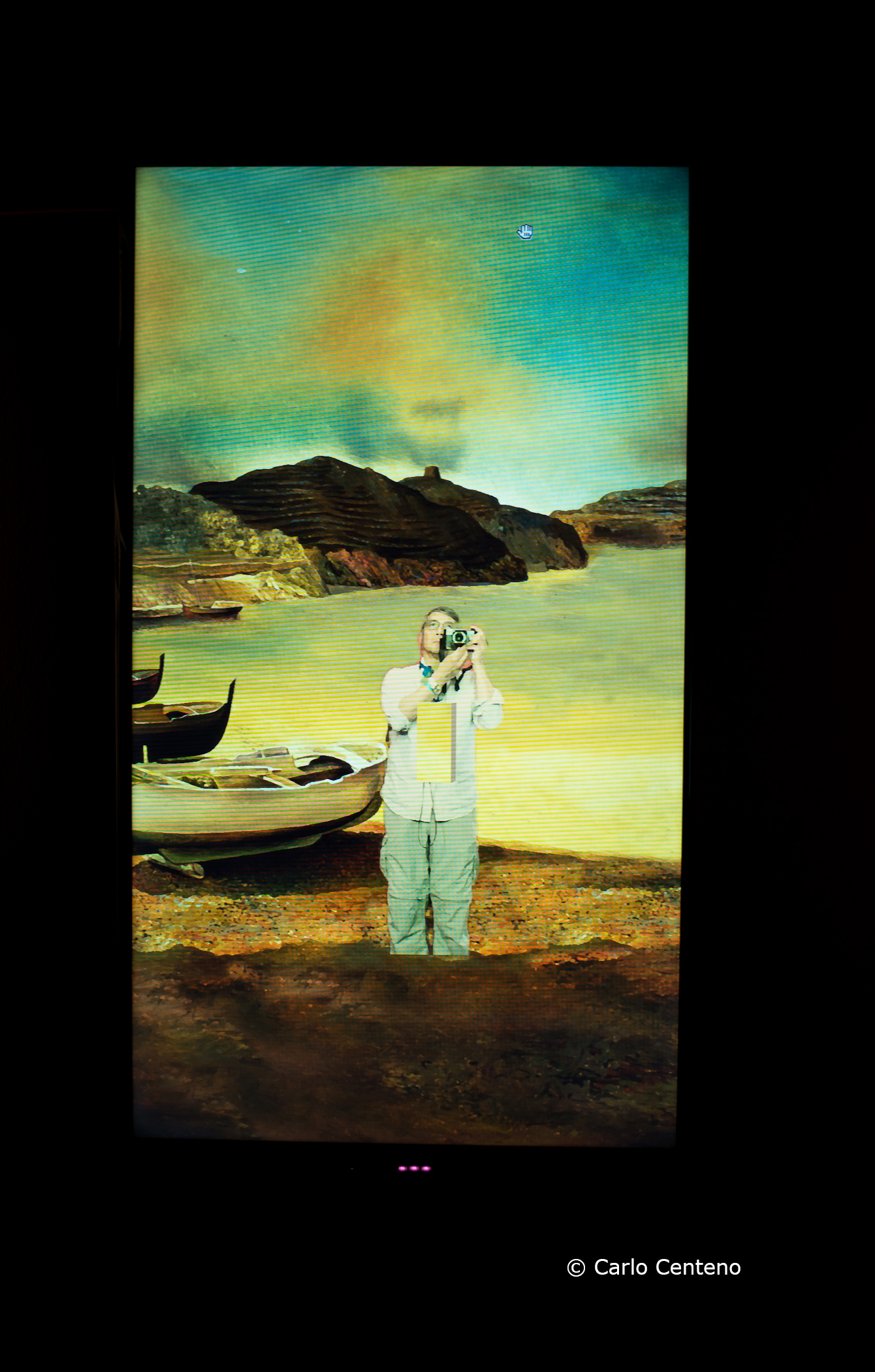
Abstract: The Slave Market & Disappearing Voltaire.

Life imitates Art, or is it Art imitates Life? Similarly in marketing, it’s not what you’re getting, but what you think you are getting. Perception is everything and even more so in the here and now. It’s a refrain that frequently echoes in my thinking.

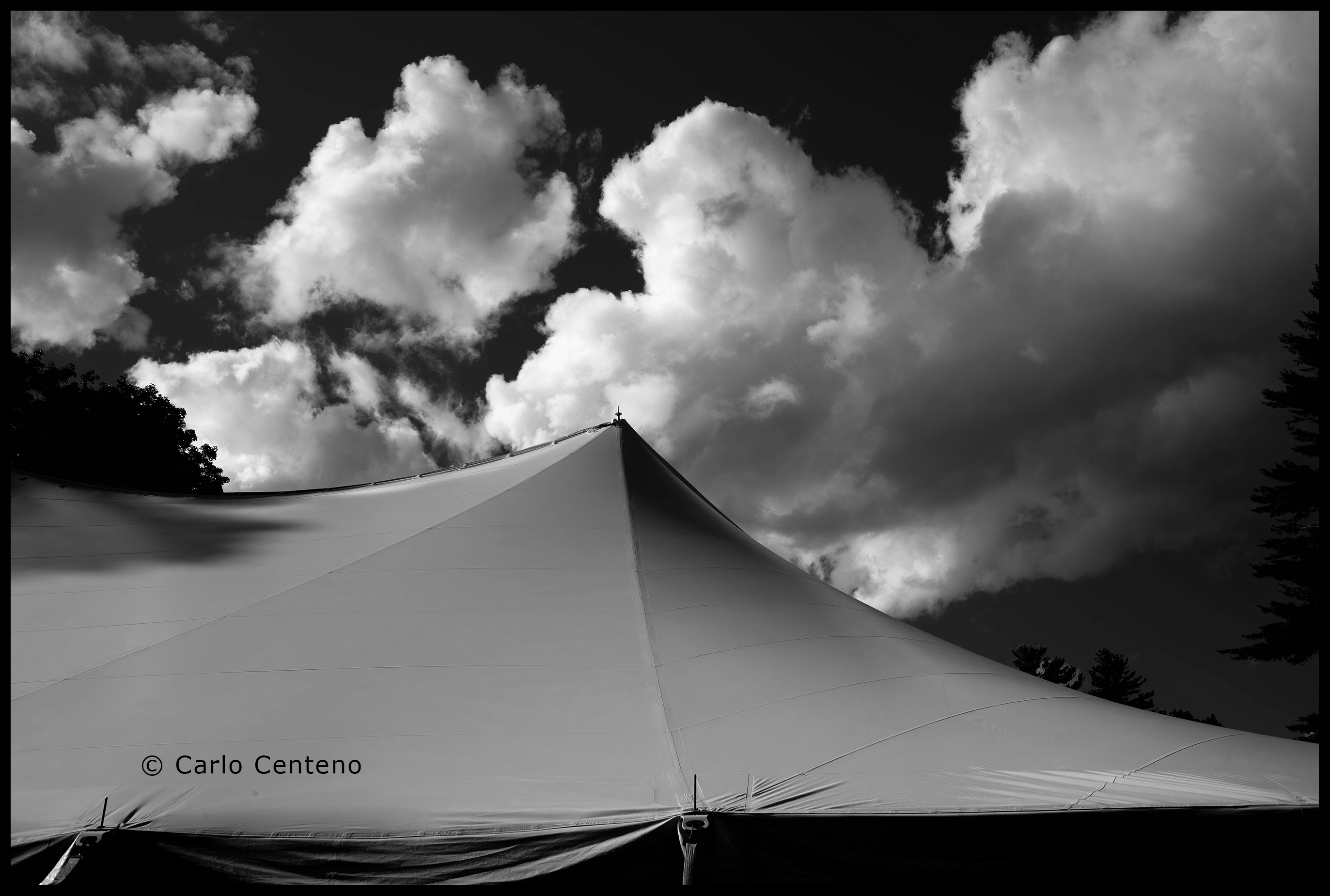
Admirable.
Augmented.
Appreciation.
Arctic-Antarctica: an aftermath
Auspicious

There will be no “B” collection, existential-word-dump, involving any other letter, or a character for that matter. An exercise with one letter is enough for me, and probably for you as well.

In conversations, and things written, a question posed usually prompts us to reconsider a position we hold, maybe a perspective quite different from what’s already been established in our own thinking. This collage, this tapestry-of-a-post may not mean much to anyone, but it could be provocative enough to slightly encourage another perspective. Why not?

The seasons are moving quickly and as I get older my own temporal reality is based on just how fast time seems to go by. I lean towards the empirical and the sentient qualities of the here and now to help me keep it all together.

I never thought I´d grow up so fast so far.
To know yourself is to let yourself be loved.
Do you ever get me?
Shower me with affection and I’ll return in kind.
I have no hidden motive, I am blind.

Do you ever get me?

All rights reserved. Copyright. Ben Watt
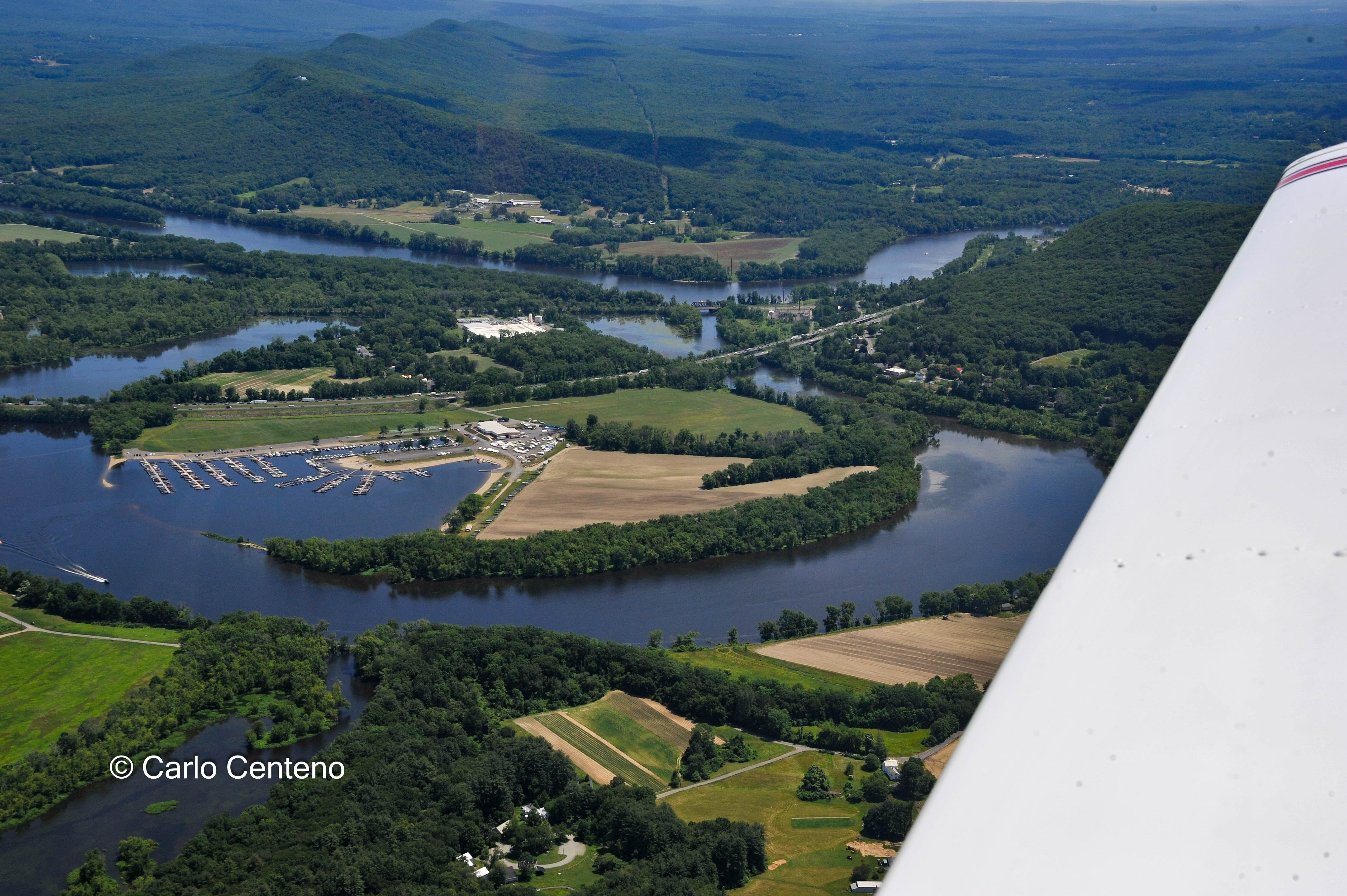
Some 2,000 Feet Up
The exhilaration of flying in a single-engine airplane does a number of things, the most obvious is that the ground looks so expansive. Terra firma goes on and on into the horizon. Scale and size play with my sense of proportion. What you see on the grounds looks small and yet other things seem larger than they should be. The length of highways, the relative size of cars, trucks and trains look as if they were sectioned off a sizeable display meant to be “an artist’s interpretation” of a grand project years in the making.

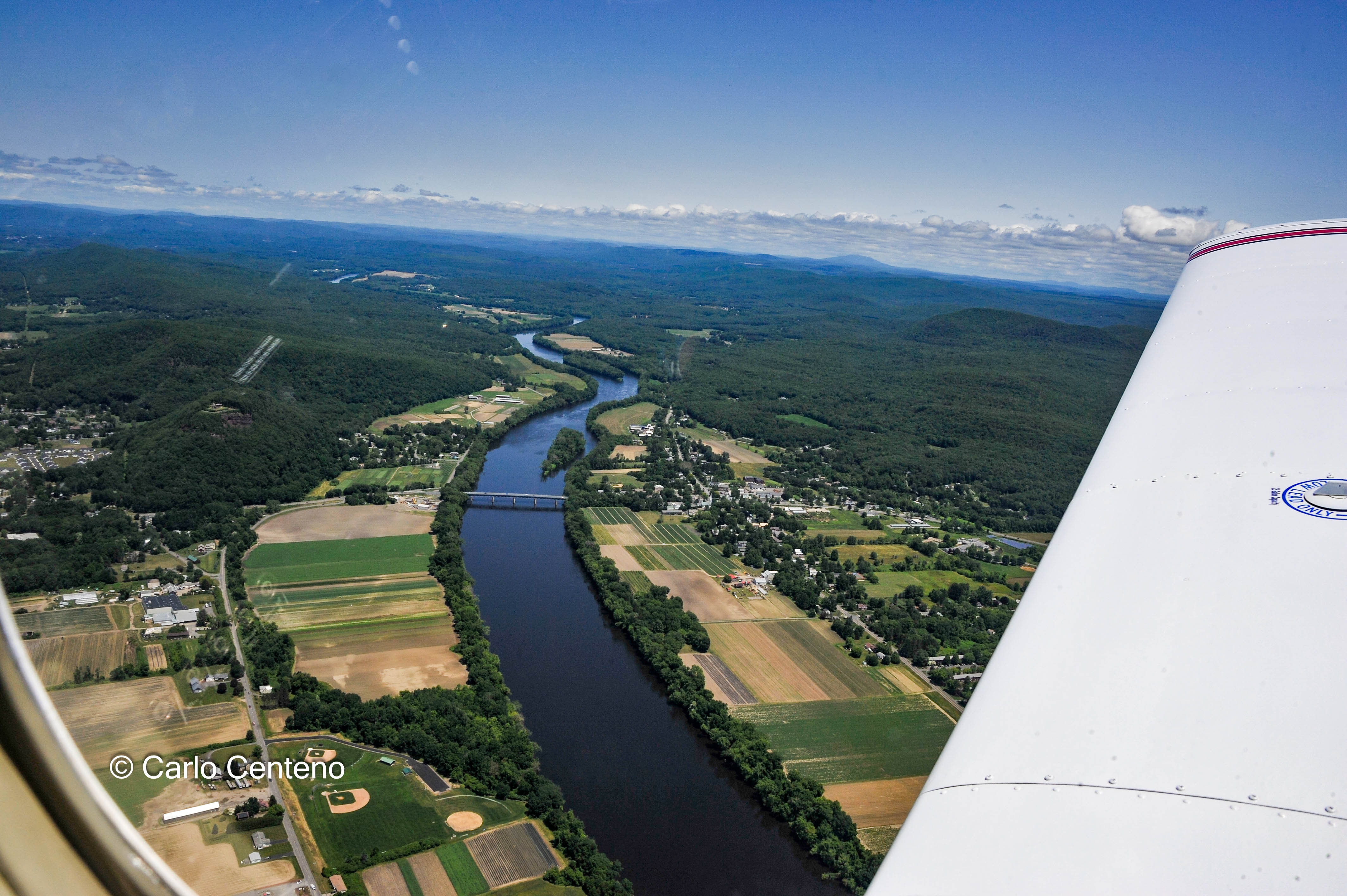
The Oxbow on the Connecticut River in Northampton, MA

Traveling 2,000 feet above ground at speeds between 65-80 [kn] knots, it’s easy to feel overwhelmed. There are places you know of, but from the air, they take on a different personality.

Somewhere not too far from the airport and still in MA.

Like a jig-saw puzzle on a larger-than-life scale, parcels and tracts of forested land interconnect. All appears as it should [at least through my eyes]. My friend and pilot, MP, knows more about the puzzle laid out below us. And he knows a helluva lot about flying. He’s been a pilot for well over 30 years. I don’t fly and know little of it, and it becomes more than obvious MP is very much in tune with all details pertinent to flying. Knowing weather conditions leading up to “GO” is de rigueur on his pre-flight checklist. It’s quite a checklist to say the least; I’d have to Google the majority of the terms on that lengthy list for obvious reasons.

The French King Bridge connecting Erving and Gill, Massachusetts.

On the ground, I have a better sense of familiar locations, most of which I’ve driven to many times already. From the air, that’s another story. Having a large river coursing across the county helps to some degree. For example, the French King Bridge is a familiar site on the road, even before actually seeing it, but from a small plane, the road looks slightly unfamiliar. Still, there’s no mistaking that beautiful cantilevered bridge.

The Seven Sisters of the Holyoke Range. There are 3 large “hill tops” in the center. Trace the left of the photo to the horizon, and you’ll see the other 4, the furthest one wrapped in a haze, but still visible.

As many of you know, the Seven Sisters are the 7 colleges located in the northeast USA. Since their founding, all are women’s colleges, but for one that went co-ed [The Harvard Annex–now Radcliffe College–is part of the Harvard Radcliffe Institute]. They remain highly regarded and very competitive schools to this day.
The 7 [in order founded] are:
o Mount Holyoke College 1837
o Vassar College 1861
o Wellesley College 1870
o Smith College 1871
o Radcliffe College 1879
o Bryn Mawr College 1885
o Barnard College 1889

Looking south to the towns of Deerfield and Sunderland, Massachusetts
That bridge is the same one in the photo above.
You can see Mt. Sugarloaf left of center.
The observatory atop Mt. Sugarloaf.

Spending about 2 hours in the air was a terrific experience. Knowing MP and the way his plane is maintained, I felt confident and safe in his hands. It was a rare, bright day with a slight on-off breeze, perfect for just about anything. My time at 2,000 feet allowed for some R&R, plenty of “what-have-you-been-doing” conversations, a chance to take some photos and moments to appreciate all that is life, the good and not so good, the rote and the unpredictable.

Hope all your journeys are safe….

Tell me, what do you really see…?

You can think of this post as part 2 of my previous one from about a week ago, Get Closer…but then again, what follows could be superfluous. Maybe. Each day our routines bring us across many familiar and common objects. Most of what we see barely catches our attention. A lot falls under the category of habitual repetition. However, if you put that aside, the what you see notion can change things.
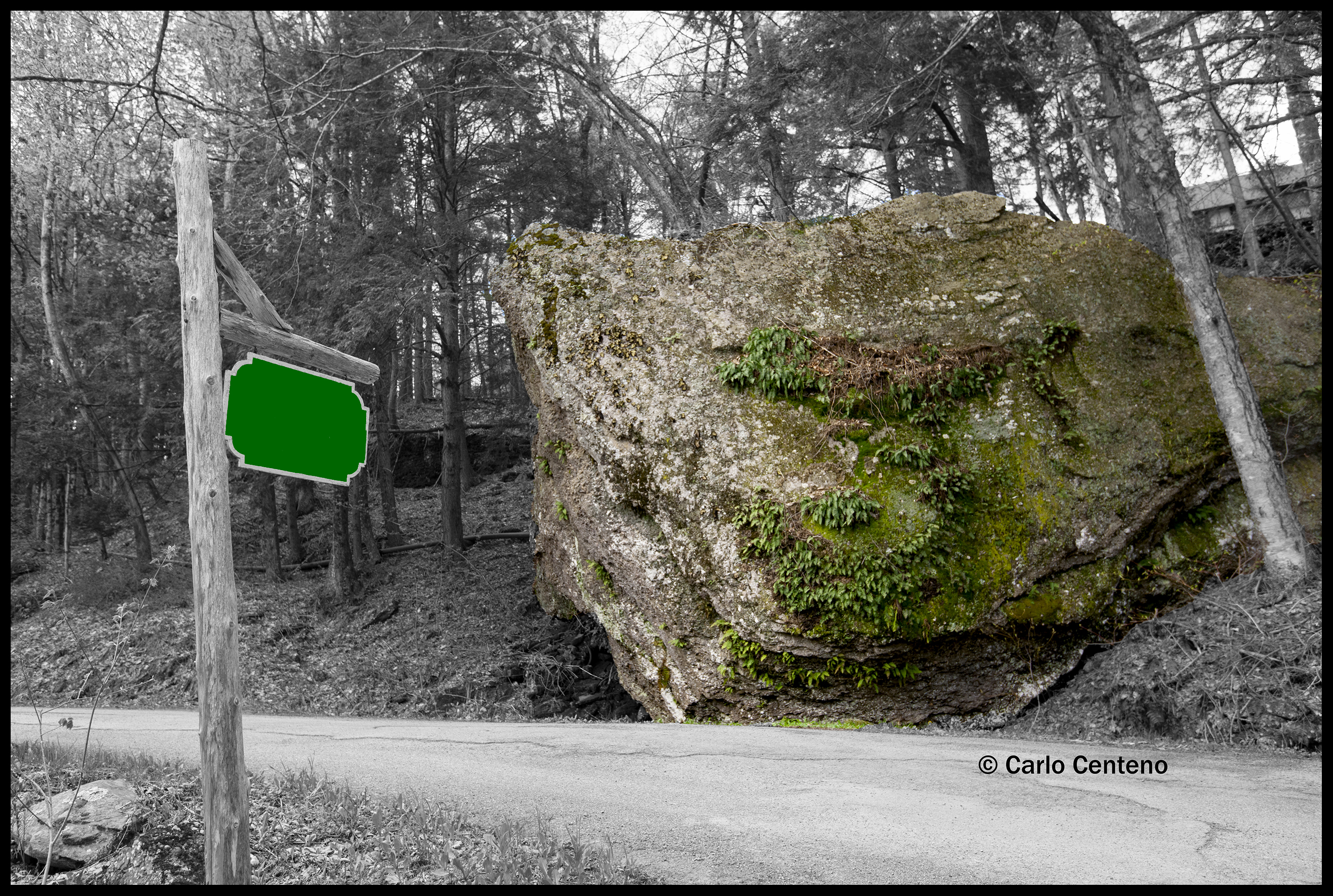
Anyway, regardless of which direction you’d be walking, you can’t miss the humongous rock, pictured above, resting next to a dirt road.
On a 1:1 scale, the size of this layered wonder from the Ice Age is massive. Around it and along the road, various homes stand proud against the various inclines, each perhaps possessing an immunity to gravity. Most of these homes have been around for generations.

“Follow the road up to the top. The vista is spectacular and you’re likely to get some good photos. Look for Pebble Rock Hill Road and keep an eye out for an unusual pebble.” Pebble’s eponymous road invites travelers to head to the top. Of course while on route, I had to stop to examine that “pebble” leaning into the hill.
I’m reminded of Jonathan Swift’s timeless novel, Gulliver’s Travels. In his travels, our protagonist arrives at Lilliput where all its inhabitants–are quite small–whereas Gulliver is a giant. This timeless tome may not be a summer beach read, but the arc of the novel deals with the vagaries of politics, the human condition, scatological humor and so forth. BTW, the first and only time I heard the word “scatological” was during my high-school sophomore class in English Literature. Go figure, and go Google it. The novel was first published in 1726.

Yes, this large home has a “stream” running beneath it. A natural source for white-noise to help the household sleep, perhaps?

Close to 300 years later, I’m certain Mr. Swift would have asked the same question of us: tell me, what do you really see…? There are times when I’m so immersed with what’s in front of me that when the camera comes up, I’m [figuratively] within the frame, scanning everything in the viewfinder.
Where’s the photo? Why am I taking a photo? What do I feel? What do I see if anything other than the obvious? Is it worth it?

Back in the days of film, most of us were pretty frugal with the number of frames we took of any subject let alone everything else. There were no preview screens to check on what you and the camera were looking at. Polaroid cameras were the analog version of confirming a shot. Today, however, it seems that others have already introduced their own Polaroid type-instant films.
When I developed my B&W films, the process felt rote at times, but when the timer was close to the end, my feelings changed to ones of anticipation, expectation and doubt.
It’s different today, obviously, but waiting and expecting to see B&W negatives had an aura all its own. Time gained additional significance because each frame was but one slice of a moment.
Digital capture can take the same slice of time, but it also offers instantaneous validation and the opportunity to take a good a number of retakes, each being instantly accessible to view. Picture taking has certainly evolved; I know many who have a boatload of jpegs on their mobile phones and tablets. A lot.
There’s some truth about the way film cameras slow down the picture-taking process; and for a group of film devotees, you could say it does something similar to some of our behaviors.

Sunset
Same location on the same day just minutes after the photo above….
Done for the day, Mother Liberty eyes the loading/unloading cranes at rest.

Sunsets and sunrises have been with us time immemorial. With or without a camera, they fascinate us. It’s all about the light and the way it changes–and rather quickly–to the familiar sunny or cloudy sky. The sky then becomes its usual self, an unevern canvas of grey or light grey with that hint of white. All of those visual details make it beautiful: a clear sky, dramatic skies, a storm or front already heading our way, along with whatever feelings that may surface to shape our visceral self.
Here’s to all our moments in our 24-hour lives, and to the details we discover that adds something to the way we see things.

Life Lessons

It’s been said that everything you needed to learn and know in order to get through a day was taught in kindergarten. That was the early-in-life primer, essentially a course in fundamentals: polite behavior, expressions of gratitude, common courtesy and common sense in all things you say and act upon.
Some life lessons around loyalty, unconditional love, patience, trust, kindness–among others–were influenced by my dog, Humphrey. Naturally, various experiences with family, teachers/professors and good friends added to that mix as well, as well it should.

Humphrey

Humphrey was a miniature cockapoo, but there was nothing small in his character or demeanor. Simply put, he acted like he was the biggest, baddest, dog east of the Mississippi. He possessed a radar that had a way of measuring and reading the nature of most grown ups, and of course other four-legged creatures [read: neighborhood dogs he didn’t quite like]. I’ve heard it said that the size of the dog doesn’t matter as much as the size of its heart. And that little guy had a huge heart.
Children were another story. He was comfortable around them. Humphrey was just as curious about kids, as the kids were with this little guy. Throughout his life, many thought Humphrey to be a puppy. In a sense he was that in many ways.

Our winter dress code.

It makes sense to me that the weight and burden of grief that comes from the loss of a pet correlates to the amount and type of affection you gave the pet, and vice versa. Reciprocity at its finest. Quite frankly, that equation is the same for family, significant others and close friends. When you truly care about someone or something, you give it your all, certainly your heart and soul as a minimum.
MJ and I support each other in all of this. She did, indeed, have a big part in Humphrey’s life, as did our kids and grandkids. Those connections or bonds don’t disappear at death. Not surprisingly, we had thought about ways to extend Humphrey’s life, perhaps just a bit more care or special intervention would’ve helped, but time waits for no one.
Second thoughts arose wondering if any intervention for Humphrey could still help him. I think part of understanding what love is revolves around one’s willingness to let go. We’d like to think that as the end drew closer, that that pup knew he added so much to our days, and vice versa. Life lessons arrive from many points. From the smallest of vignettes to those large and complex, there’s something one can glean from experience and interaction.

Two happy, ol’ dogs…

Not surprisingly, other events or milestones reach out and overwhelm us, including one in particular. About a week after Humphrey died, one of our daughters and her husband added to the number of grandchildren. Their second child–and our fifth grandchild–was a welcome sight!

Welcome, dear grandson…!

He was the salve to our sadness. The sounds and expressions of loss and affirmation differ. Death and grief are shadowed by life, not the other way around. That new baby dampened down some of the grief we’ve been carrying. The creation and arrival of a new life, affirms the reality that dying and being born are conditions each of us cannot deny. With one, comes the other.

Fate added another exclamation point to all of this. Just before the end of March, MJ’s sister suddenly passed away from heart failure made more complex by cancer. And just like that, death set us back yet again. Nostalgia, sadness, regret and second guessing returned in force. No sooner than when the new baby arrived home, MJ and I were thinking about an obituary and a funeral to attend in short order.

In all of this, I’m reminded of what MJ’s mom said about the passing away of loved ones: remember them on their birthdays, not just on the day they died. That notion has stuck by us for quite awhile now. With birthdays come celebrations, the gathering of family and friends, and an opportunity to reconnect with good times and the people who are and were a part of that. To auld lang syne, to “times that have gone by.” We can think of any number of experiences that raised a smile, a laugh, a few tears, but don’t mistake this as longing or living in the past. It’s really a time to be in the moment, a key one at that, to share recollections with those in attendance and in doing so, our connections to each other are again [or for the first time!] affirmed.

My take on all that’s happened is that our willingness to interact with each other can never be replaced with the efficiency of Facetime, Zoom Meetings, teleconferencing and any other present-day digital communication. The attributes of efficiency cannot separate us from emotions and empathy. There are lessons woven into experiences that can be shared, indeed as some should anyway. It’s what makes each of us a wholly unique, sentient being.

The peaks and valleys this past March, made clear that we need to nurture our connections to family and friends, to dogs and cats and pets, and to others outside our zones of comfort. Good or bad, joyful or sad, the confluence of your feelings shared with others enhances many of life’s lessons…

Analogies

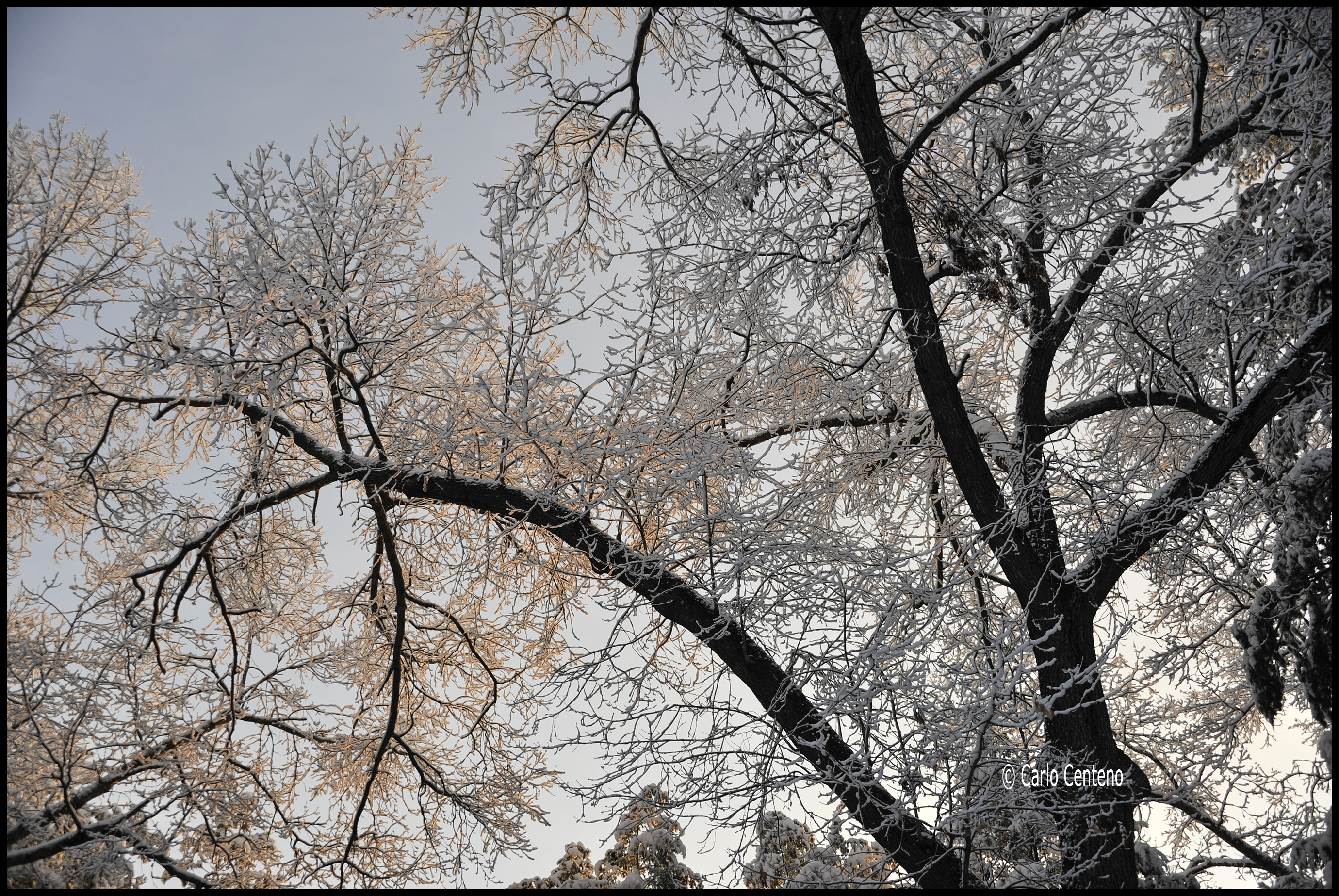
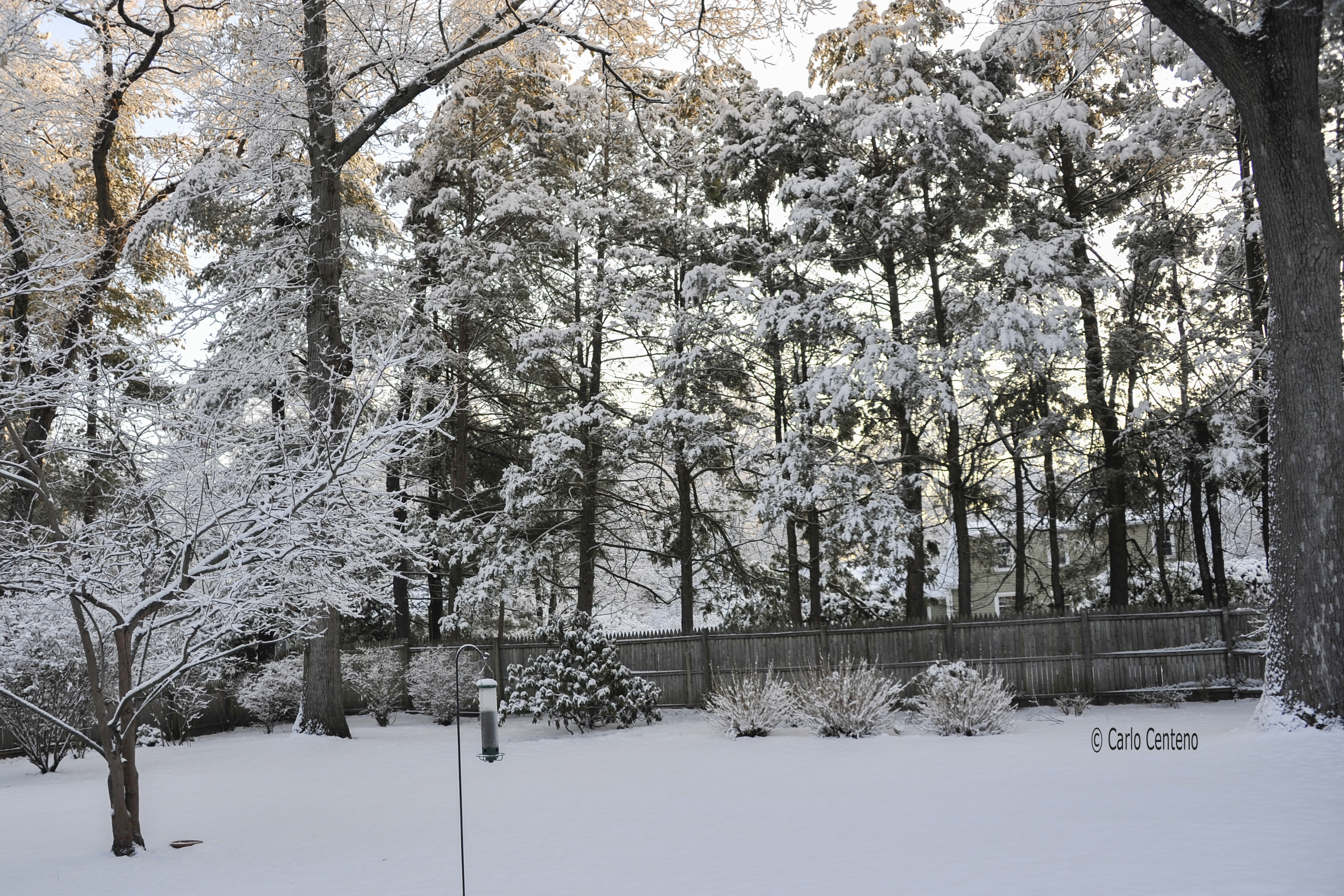
They’re all around us. Analogies are everywhere. This morning several analogies appeared after an overnight snow powdered trees, shrubs and bare ground. There is value in being part of your surroundings, and depending on your frame of mind and mood, the time spent can be cathartic. The morning’s analogies are fleeting, ephemeral. For the most part, the majority are short-lived.

My waking-up-time leaves much to be desired as I totally missed a fiery sunrise. From a window in the dining room, the bold orange and red brushed across the eastern sky is a familiar calling card for this anachronism with a camera. However, by the time I was ready, the sky instead gave me an anticlimactic pale blue. Gone in the blink of an eye.

I’m reminded of the proverb, “He/she [my pronouns] who hesitates is lost.” I had lost my opportunity earlier this morning when I failed to get outside to photograph that spectacular burst of color. This adage comes from playwright Joseph Addison’s play, Cato in 1712, and its adaptation is as universal as any other truism.
I’m not the least bit surprised at the lesson the saying delivers. In an attempt at action and decisiveness, there seems to be a lot of hesitation. And when one hesitates, that window of opportunity often closes in short order.

Hesitation can infer caution just as it can suggest a lack of confidence. For the former, it means we’ve avoided some form of discomfort or harm, as for the latter, I believe that having little confidence is what causes most of us to choose not to do anything. Hesitation–whether in avoiding some perceived element of danger or wanting some level of certainty and sense of purpose–means either choice denies us any affirmation of what could have been.

After several minutes, the snow started falling away. Pine boughs loaded with snow started lifting just as the snow fell. Clumps dropped from many of the trees, the branches were once again dark and monochromatic against the blue sky. It seemed the snow vanished in the blink of an eye. Ultimately everything appeared as they were before: familiar though dark, even mysterious.

The fast-melting snow was like time running its course in the last minute of a hockey game or any other sporting contest. Was there an opportunity early on to change the game’s outcome? Ultimately it comes down to an either or decision. Actually, the third action is not to do anything at all, but the complexity of choosing inaction is an essay for another posting.

I’ve lost count of the moments I hesitated making a decision. Similarly, that count is lost on the moments when I did not hesitate, only to wonder if my action was perhaps just too fast.

Many things go pass us with nothing more than a slight pause of time. Sunrises, sunsets, snow melting, a game played in overtime and so on. Time for me to do something else.

Social Distance 2.0

Not again. I can’t imagine the number of times I have thought of that remark let alone the times I’ve said it. I’ve been fortunate on many fronts and I’m more than grateful. The past 13-14 months or so, has been a journey of minor inconveniences compared to what others had to suffer through. I have no reason to complain. Then again with the Delta Variant on a rampage, I can’t help but wonder yet hope that common sense will prevail….

Two renaissance men: my son-in-law and his father.

I have a handful of avocations, each having one thing in common: I am comfortable when it’s me and myself involved. That sounds a bit self-absorbed, but it simply means I’m fine being alone. Being alone and lonely are two different things, obviously. Having alone time is important for one’s rejuvenation, at least for me.
Photography, journaling, letter writing, playing the piano and fly-fishing are welcome pursuits for me. Granted the first and last distractions can be shared and done with others. On several occasions my wife, daughters and other family members have kept me company on nearby waters. Our fly rods might look like conductor batons in a free-for-all, an ensemble of asynchronous metronomes, where each length of graphite is tuned to the individual holder.

On those days when I’m out with a camera, my wife keeps me company. In the city, she waits for me to catch up when I stop to take a photo. After awhile though, the distance and the time it takes to catch up get a tad longer. On jaunts through the woods, the converse is true: our pace is calmer, slower than the one we use in the urban environment. Time takes its time [read: less frenetic] in natural spaces; and for me that’s how it should be.

To see something in the wild is often fleeting: the songbird you hear only to take flight once you actually see it; the whitetail deer that suddenly, inexplicably pops out from the background in what feels like a whisper’s distance, only to bound away just as you look to acknowledge its presence.

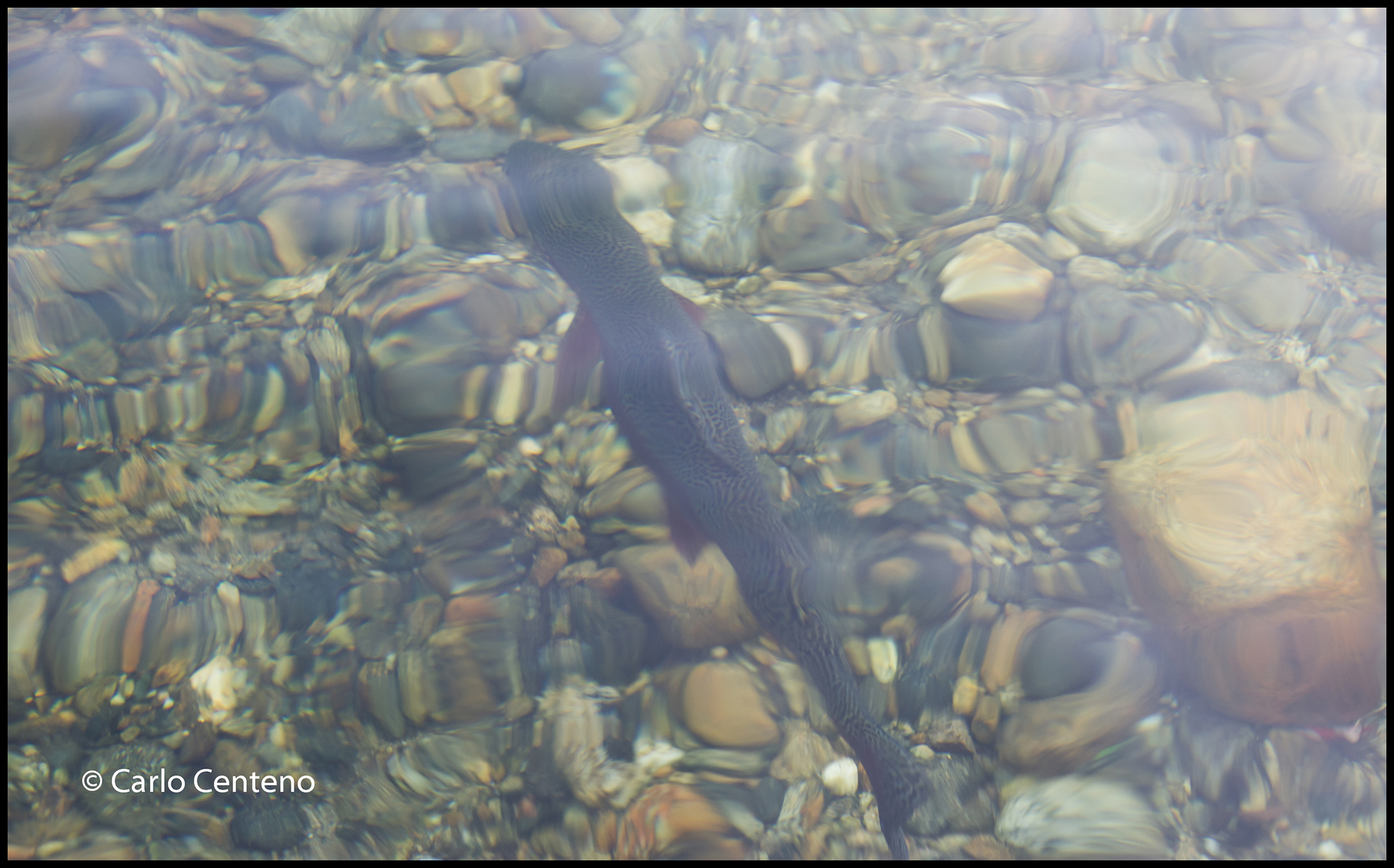
And then I’m handed a “pause” button. Fly-fishing can put a slight pause in what you’re looking at before the moment disappears. Having a landing net is an appreciation multiplier. It allows an opportunity to add a few seconds to really appreciate what you’re seeing. The Eastern Brook Trout is a jewel among fish. I never tire of catching this wild* freshwater creature that can only live in a healthy river or stream. Healthy, as in cold, clear and running. The existence of wild trout means the habitat we’re visiting is good for the fish and everything else that’s dependent on the river and surrounding area.

Ours is a symbiotic relationship with the natural world. Unfortunately, that relationship is out of balance and all things wild and natural are being short-changed by humankind’s behaviors. I find the safest social distance in the outdoors and the time there prompts me to examine the symbiotic and personal relationships I hold dear.

*wild versus native: a wild trout is one that’s been born in the very water it lives in. Wild trout/fish reproduce naturally in their habitat and sustain their populations. A native fish are those that have lived and thrived in areas that have had no or very little human interaction. A stocked fish is from a hatchery that’s typically managed by the state’s wildlife management. Regardless, please make an effort to carefully release these fish [a fly-fishing practice called catch-and-release]. It’s good for the neighborhoods we visit.

When Nostalgia Visits

James Cain

I started out in search of ordinary things
How much of a tree bends in the wind
I started telling the story without knowing the end
I used to be darker, then I got lighter, then I got dark again
Something too big to be seen was passing over and over me
Well, it seemed like a routine case at first
With the death of the shadow came a lightness of verse
But the darkest of nights, in truth, still dazzles
And I work myself until I’m frazzled
I ended up in search of ordinary things
Like how can a wave possibly be?
I started running, and the concrete turned to sand
I started running, and things didn’t pan out as planned
In case things go poorly and I not return
Remember the good things I’ve done
In case things go poorly and I not return
Remember the good things I’ve done
Oh, oh, oh, oh-oh
Done me in
copyright Bill Callahan from the album, Sometimes I Wish We were an Eagle.

I’m told that feelings of nostalgia can be dangerous, dangerous in the sense that you can lose yourself enough to miss out on being in the moment. Possibly true, but in an attempt to put balance into my thinking here, I’d like to think that whatever and whenever nostalgia or recollections unapologetically come to mind—whether good, bad or ugly—I can use them to better appreciate what being in the moment means.

The lyrics to Bill Callahan‘s song, Jim Cain, never fails to stir something in me. Jim Cain was an American novelist, an author often referred to as the archetype of “hard-boiled novels.” Three of Cain’s novels found its way to the screen, each receiving critical acclaim: Double Indemnity, Mildred Pierce and The Postman Always Rings Twice.

The eponymous song is haunting yet contains elements or conditions which feel relevant. I make no claim to be an expert on Mr. Cain’s life or his work, and yet every time I listen to this specific song, sensations of deja vu slip in. Mr. Callahan’s style, his sound is wholly unique [IMHO], and indeed that character of voice and music composition reinforces key feelings in my ephemeral journey of 4 minutes, 39 seconds .

Several verses strike a chord [pun intended], however three lines ping my empathetic sensors:

I started running, and things didn’t pan out as planned
In case things go poorly and I not return
Remember the good things I’ve done

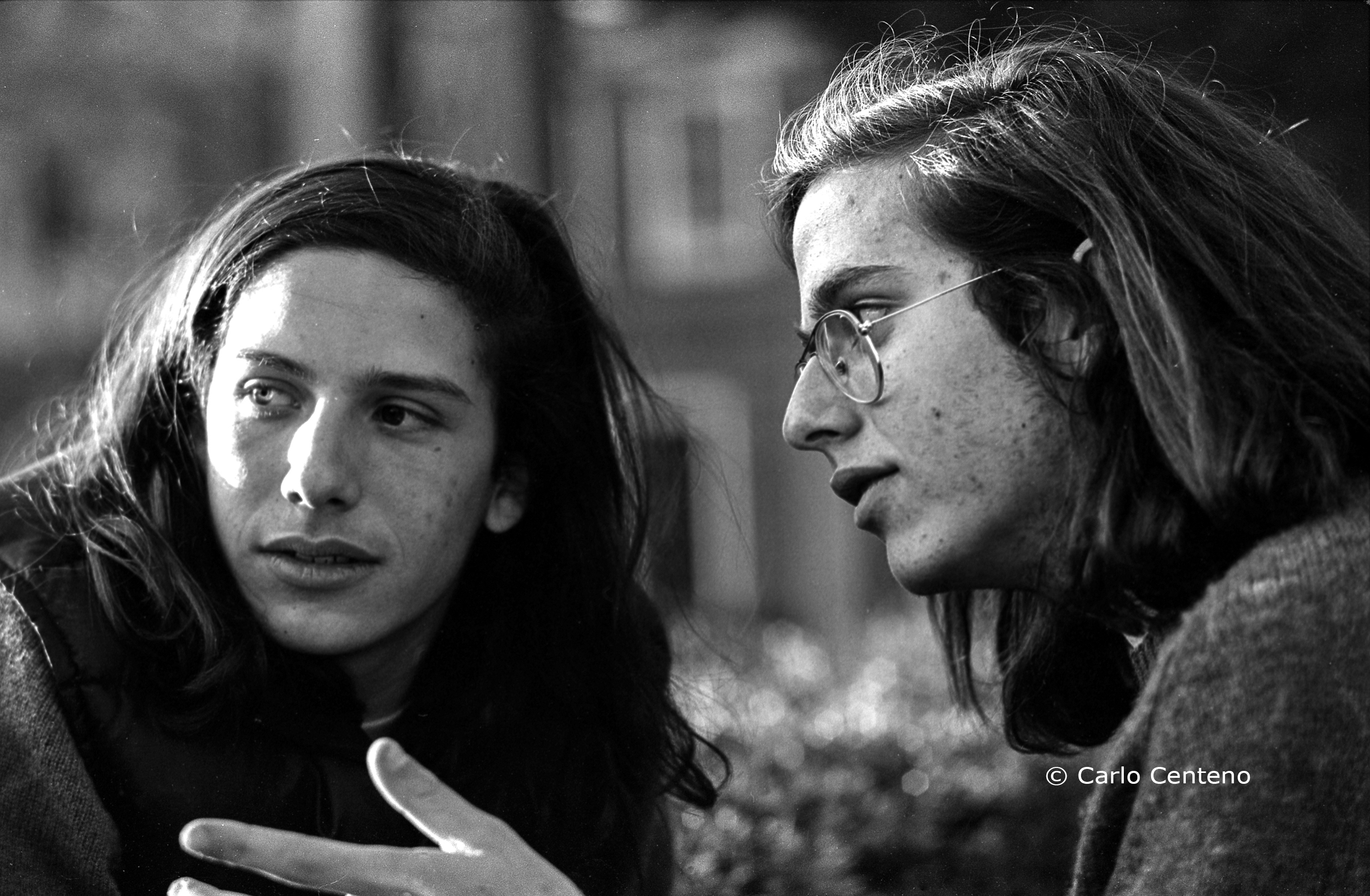
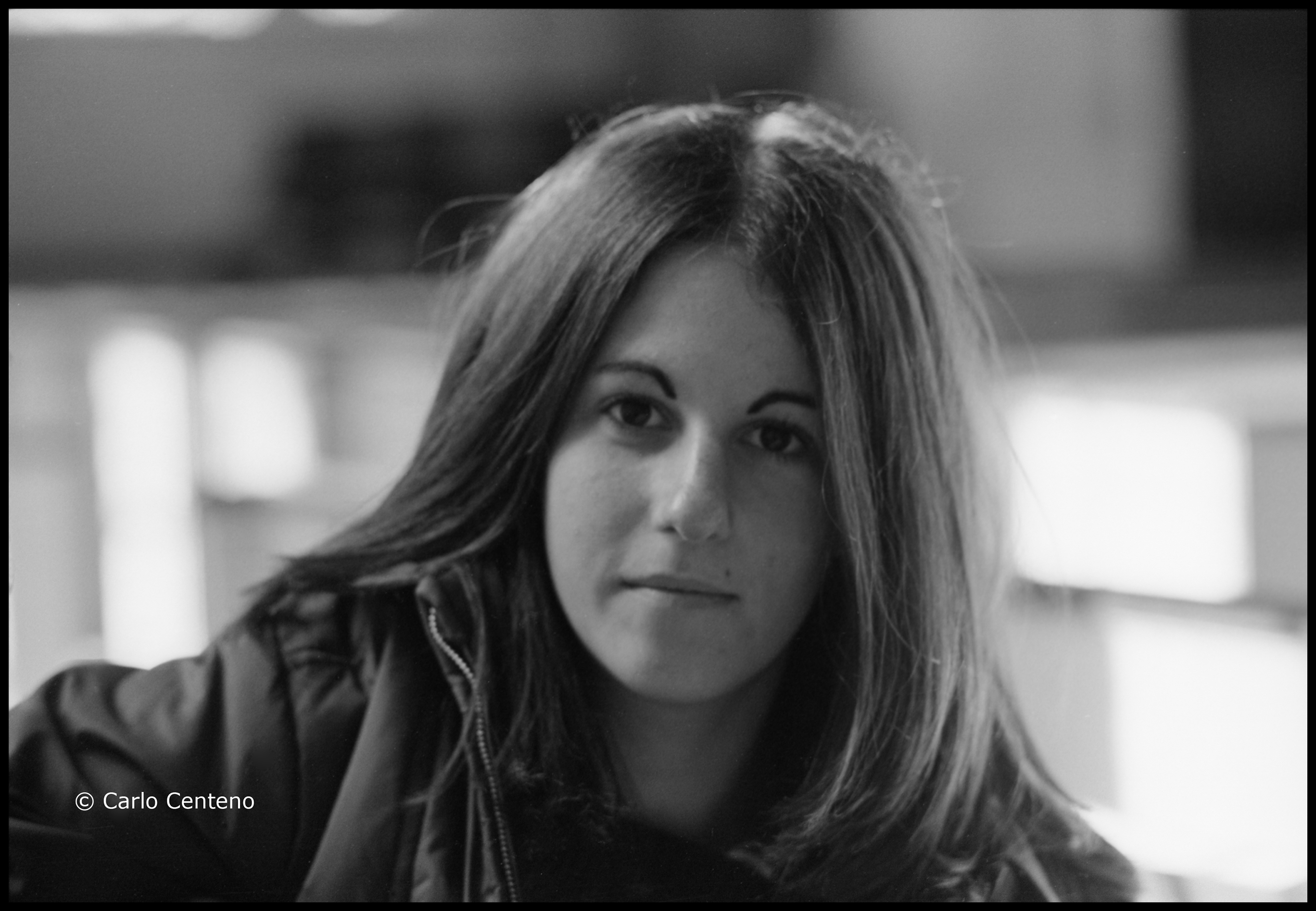
The photos in this gallery reach back 4 decades to a time that will always mean much to my personal and professional journeys. I’m convinced that most of us are running—some more determined than others—hoping to optimize careers, relationships, and of course, one’s sense of self. And yet in spite of shortcomings that can toss us off the saddle, we get up, and with additional effort we manage to return to the point where we stumbled. We carry on as we must.

When I look at these photos in the company of the music and lyrics of the aformentioned song, I recall the people, events and lessons which remain relevant. I’m reminded that many things in life are good and that some of that good is actually a product of my own doing or in collaboration with someone else or those in a group. Why reflect on the banal, the unpleasant, the incorrigible, among other soul-dampening sentiments? Because without them, you achieve little balance to various positives that fate hands you. Indeed there are plenty of those ill-feelings to weigh down our resolve to do better, day in-day out. Think back to an event ,a person, a vicissitude if you will, that later proved to be a turning point which led you to where you are now, or perhaps pushes you to finish a journey still in progress.

There are some years that snap and engage your entirety as a person, because it clarifies statements such as, “yup, been there, done that” to any number of realizations, each based on a chance or intention: “Yeah…that was stupid…and I’m not doing that again!” Over the years, we hear reprimands from parents, teachers and coaches, even our peers, which we in turn offer to our own children. I’d like to think that most reprimands are lessons filled with hope and expectation. We hope our young charges “get the message.”

To open archives of a time long ago produces a reawakening of feeling, dissonant and concordant. It all depends on context. My cohorts line up alongside nostalgia, in ways that yes, brings up yearning but also that understanding of, “I don’t think I would’ve made it this far if it weren’t for _________.” That blank line between “for” and the “.” has possibilities. For me, the ones I’ve chosen were life-changing. The elements of personalities, a moment in time–and especially at a specific point–are sealed. They are irrevocable and part of me.

Clearly on many levels, I am a better person because of such experiences. Throughout life, we move forward and as people and events become things of the past, of things which somehow shaped you, regardless of where you are and with plans you’ve made, you certainly have done good things worth remembering.

Spring Colors in the City

Spring is springing though the thermometer begs to differ. I have one of those old-fashioned stick thermometers encased in a brass sleeve attached just outside a window. It read a chilly 41-F [5-C], at 8:23 this morning.

Whatever the temperature, we know that another season is here, although some of us are still bundled up. I think that’s better than huddling inside whining about the cold. In New England like the rest of the northeast, you expect the unexpected.
An urban environment does have its share of color, especially those on display from flowering trees and shrubs. Yet I’m drawn to other colors which “pop” in front of me.

I find it a bit odd that not more people are out walking whether by themselves, or with a friend, or from behind a stroller or in the company of a dog. In most cases, it’s the dog walking the handler; I’m empathizing from the dog’s POV. More than likely, I have to keep on walking in order to see others coming and going to wherever they need to be. I need to continue my exploring and allow whatever creative divining rod I may possess to guide me.

It’s a bit ironic that in a city so large, not many were out. It wouldn’t surprise me that NYC could be mentioned as the city with the largest number of street photographers per square mile, whatever that number might be. Who knows, my sortie was on a so-so day at a time when more than not, folks just decided to stay put.

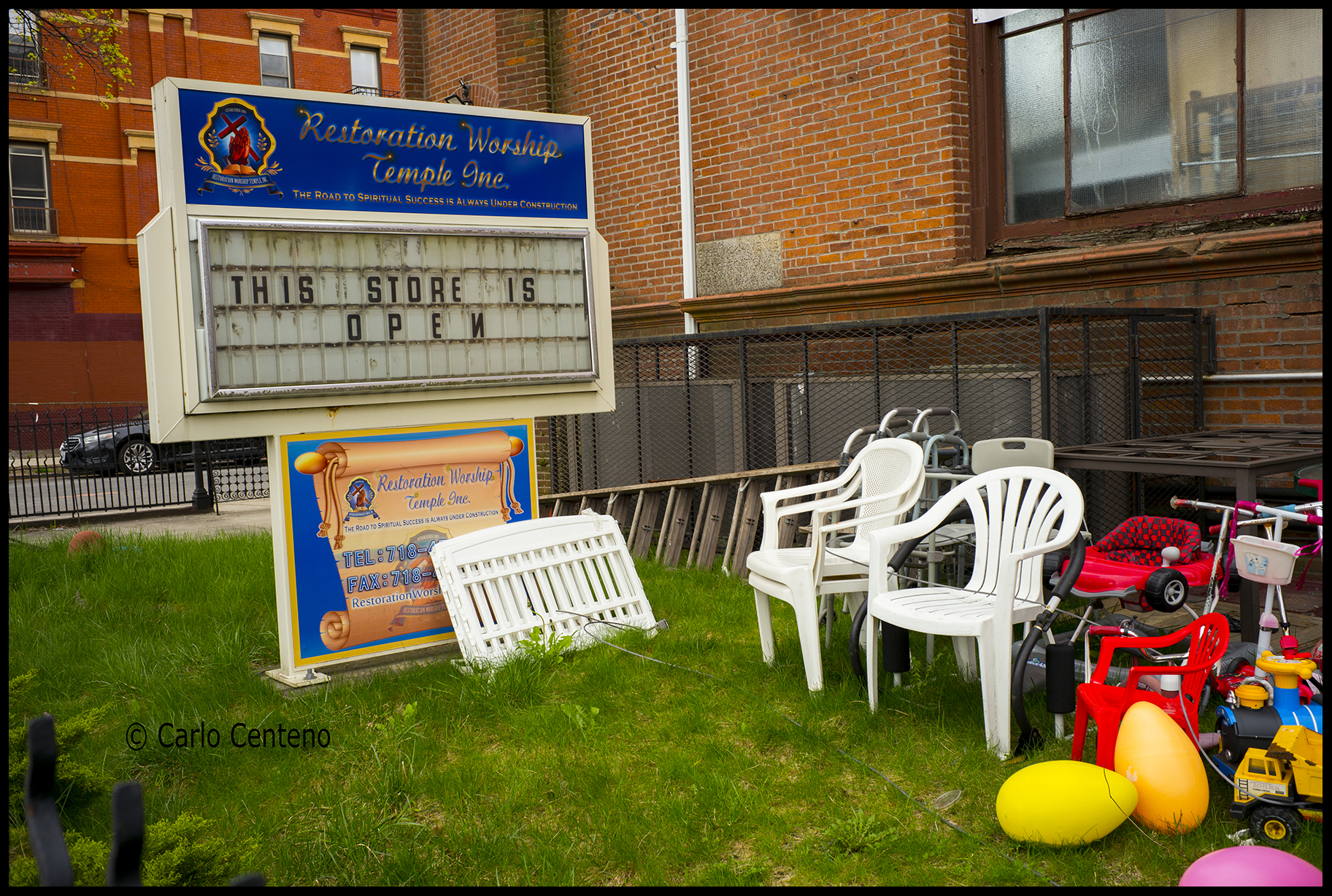
On the above marquis, the tagline to this church reads, “The road to spiritual success is always under construction.” For most of us, it means no one can attain spiritual success. This is akin to Sisyphus rolling his boulder uphill, only to fail when he comes so close to the top. His pathway to salvation is under construction in perpetuity.

Details

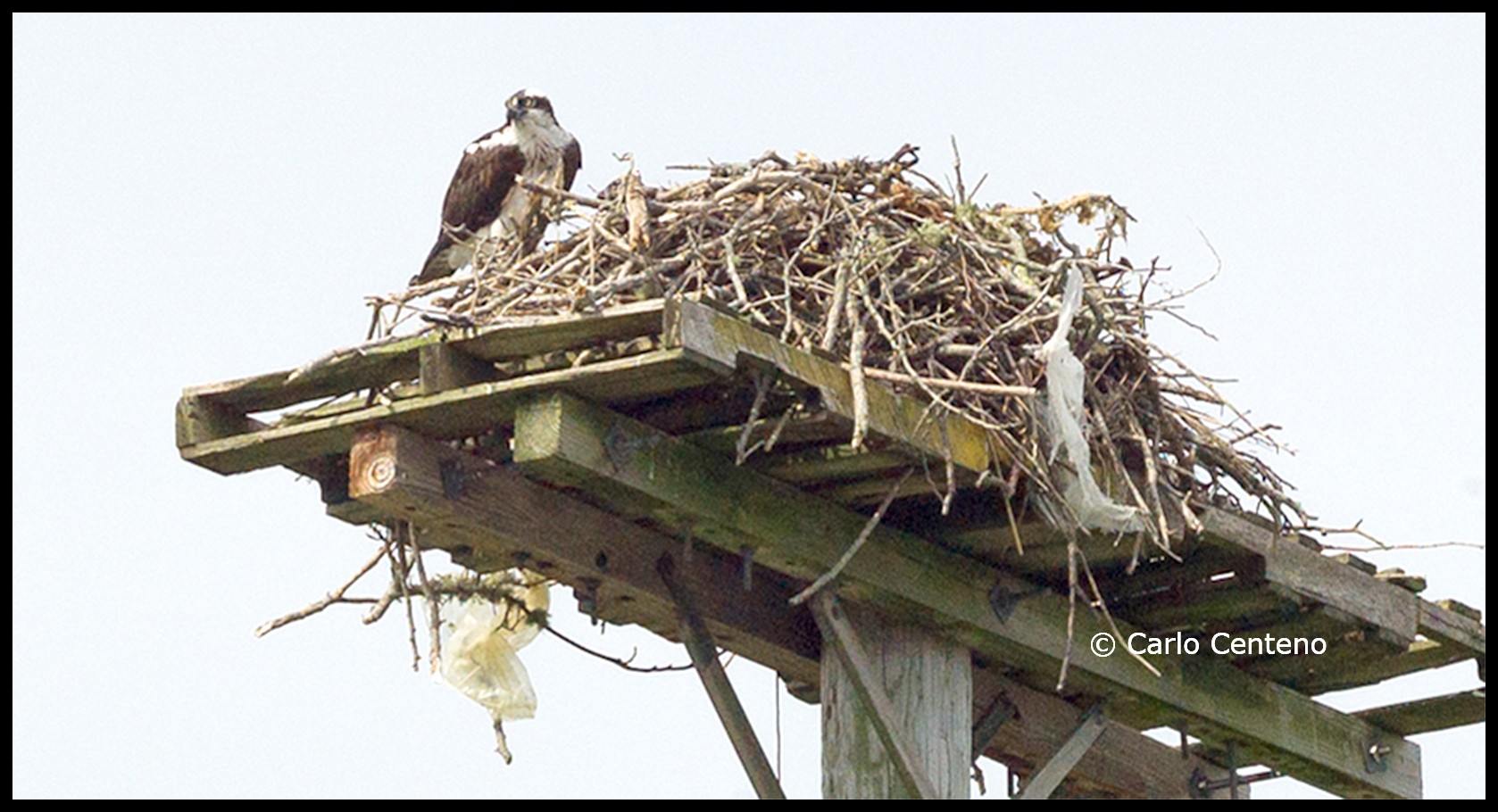
A static photograph of an Osprey doesn’t say much about the grace and power of this winged predator. Like many of her cousins, these sharp-eyed birds of prey manifest the attributes to which we ascribe to: a sense of purpose, focus, determination, endurance, patience, where at most we, strive to procure or refine 2 or 3 from that list.

I’m not a birdwatcher nor bird photographer. These serendipitous images were taken during a walk along a beach. In spite of an overcast, somewhat foggy-ish, misty day, you could discern the silhouette as well as the contrast in its feathers. Notice the plumage in a brownish-black to a grayish white, the sharply hooked beak, the yellow of the eyes, the elasticity of its neck—or at least a hint of that feature.

Look at the nest and you may notice other details. Two plastic bags entangled with the nest, one on the right of the photo, the other dangling from an edge closest to the Osprey. I’m certain there are other man-made pieces entwined or even trapped within the pile of twigs they call home.

We can get hung up on details on just about anything. Like a trompe l’oeil, what we see varies from one person to the next. In my case, I noticed those bags right after seeing the Osprey. You may have seen it the opposite way and yet others may have taken a bit longer to realize the incongruous detail.
These days, we’re bombarded with too many things which ad weight onto our anxieties. We can—and should—work to step back from such things and realize that in spite of the current discord, there are other details worth looking at, even searching for.

Winter Warmth

Though overcast, there’s a familiar brightness to the grey overhead. It looks and feels like snow is in the air.  Forecasts notwithstanding, we’re expecting to get clobbered here in the northeast with record-cold temperatures.

Winter is en route.

Yet, in spite of this aura of grey that spills over the city, if we look close enough you can find various levels of warmth. Many of the objects seen, displayed and taken for granted in the roteness of our days can hint at or suggest a touch of warmth.

And while warm colors, hues and even some words or phrases can suggest some attribute of warmth, cold weather, specifically very cold weather, adds a bit of insouciance.

If you’ve spent most of your life in the northeast, a good number of you then understand finding this warmth. As the saying goes, “If you don’t like the weather, just wait a few minutes.”