Change in Venue…

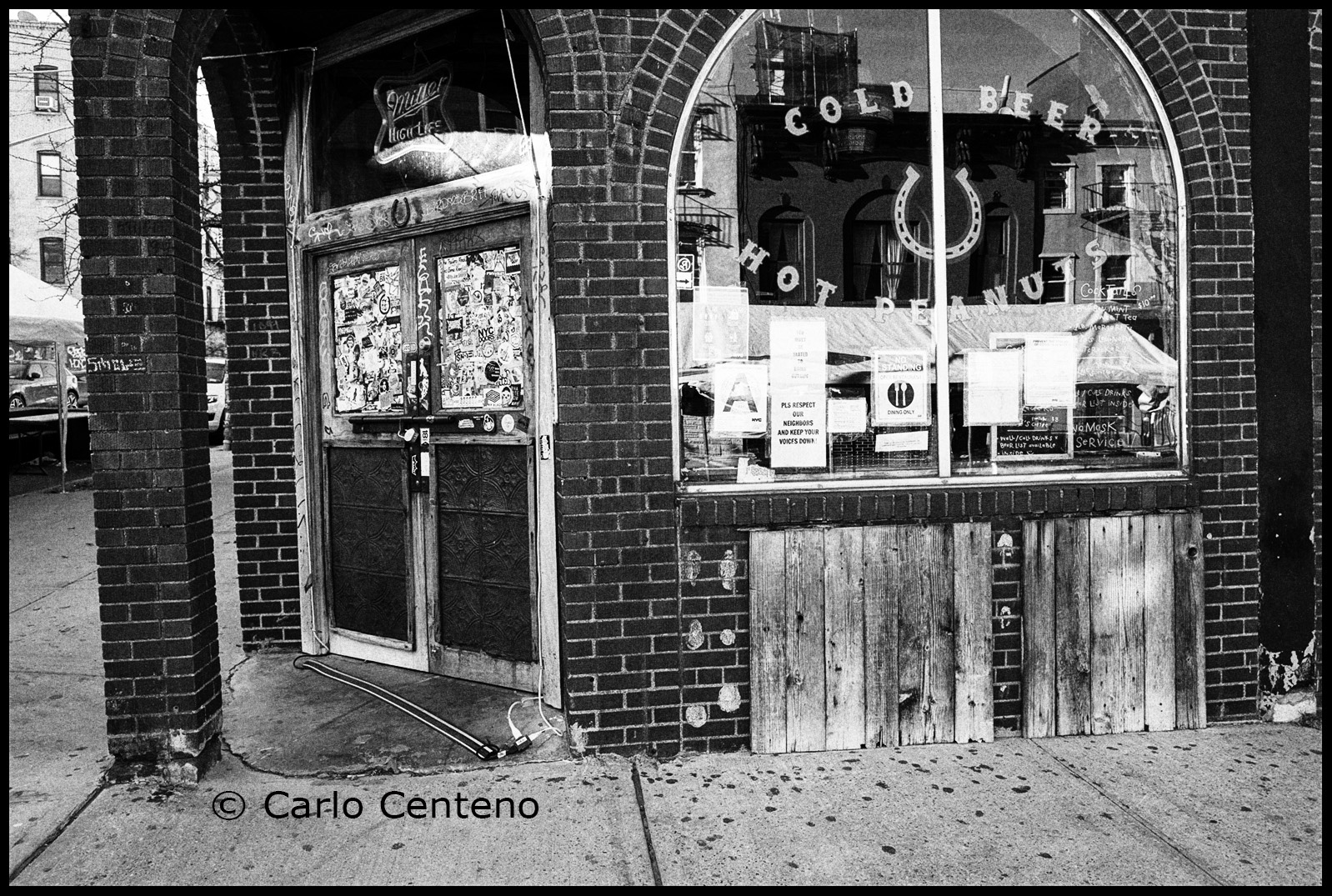
On a cold, windy January day, I took a walk to familiarize myself with another area of Brooklyn. As I do on such sorties, I have a camera in hand. It’s just an integral part of me carrying that, along with a fountain pen. In combination, perhaps an odd idiosyncrasy. Go figure.

There has been so much news about struggling businesses in an economy best described as uncertain if not scary. Regardless of your own standing, uncertainty feeds fear. It’s like that for many, even those who still have a job. There have been a myriad of changes in less than a year, and many of them are unprecedented as we know.

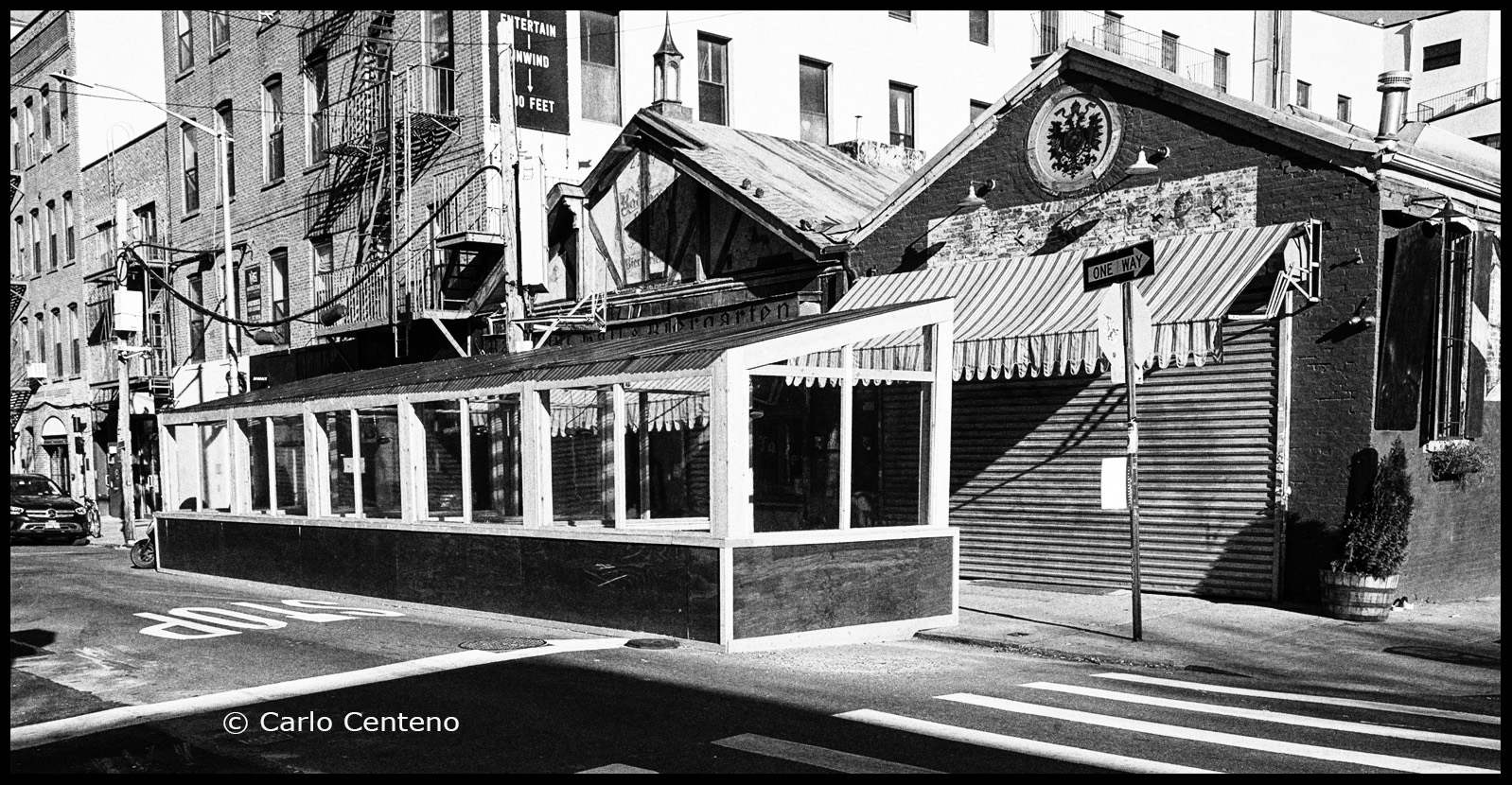
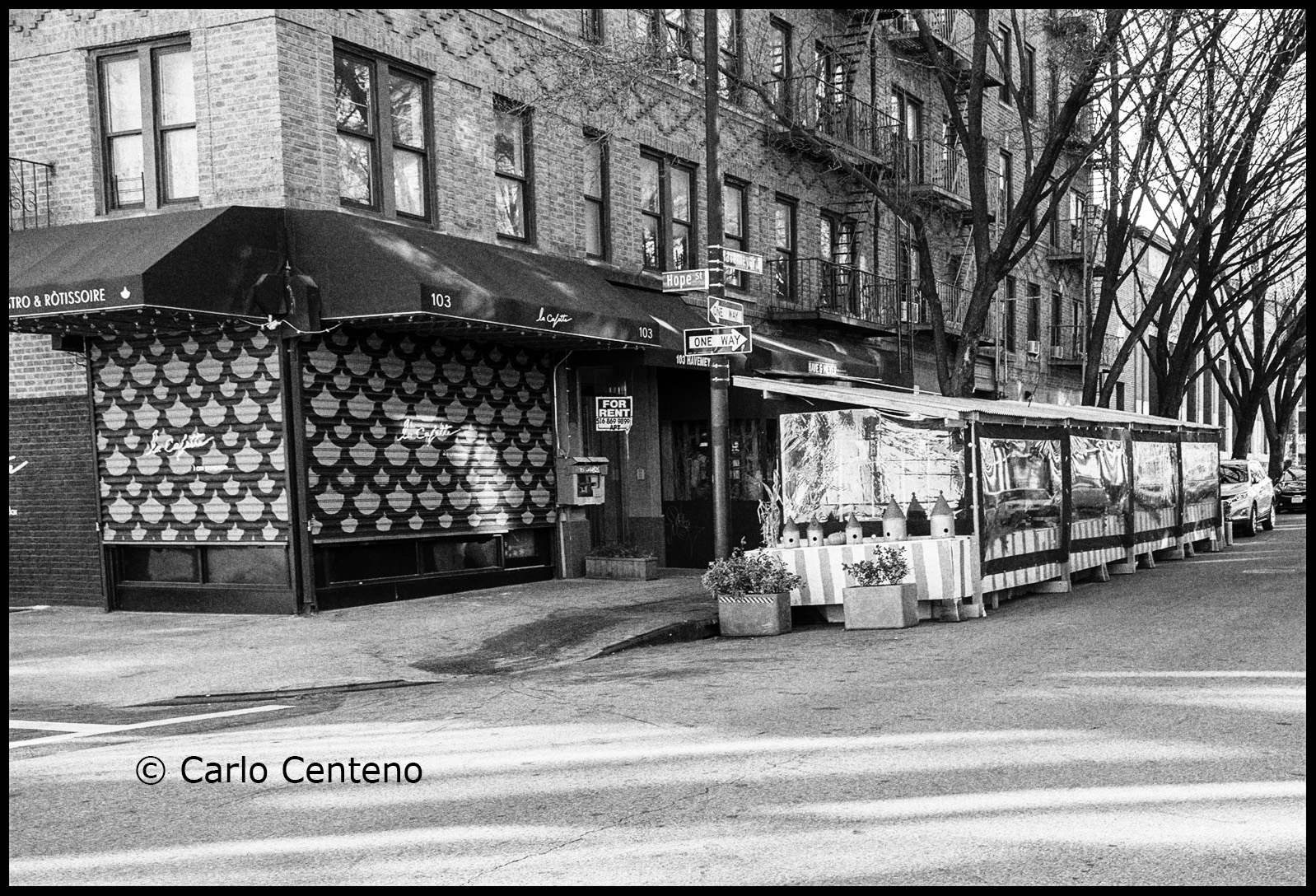
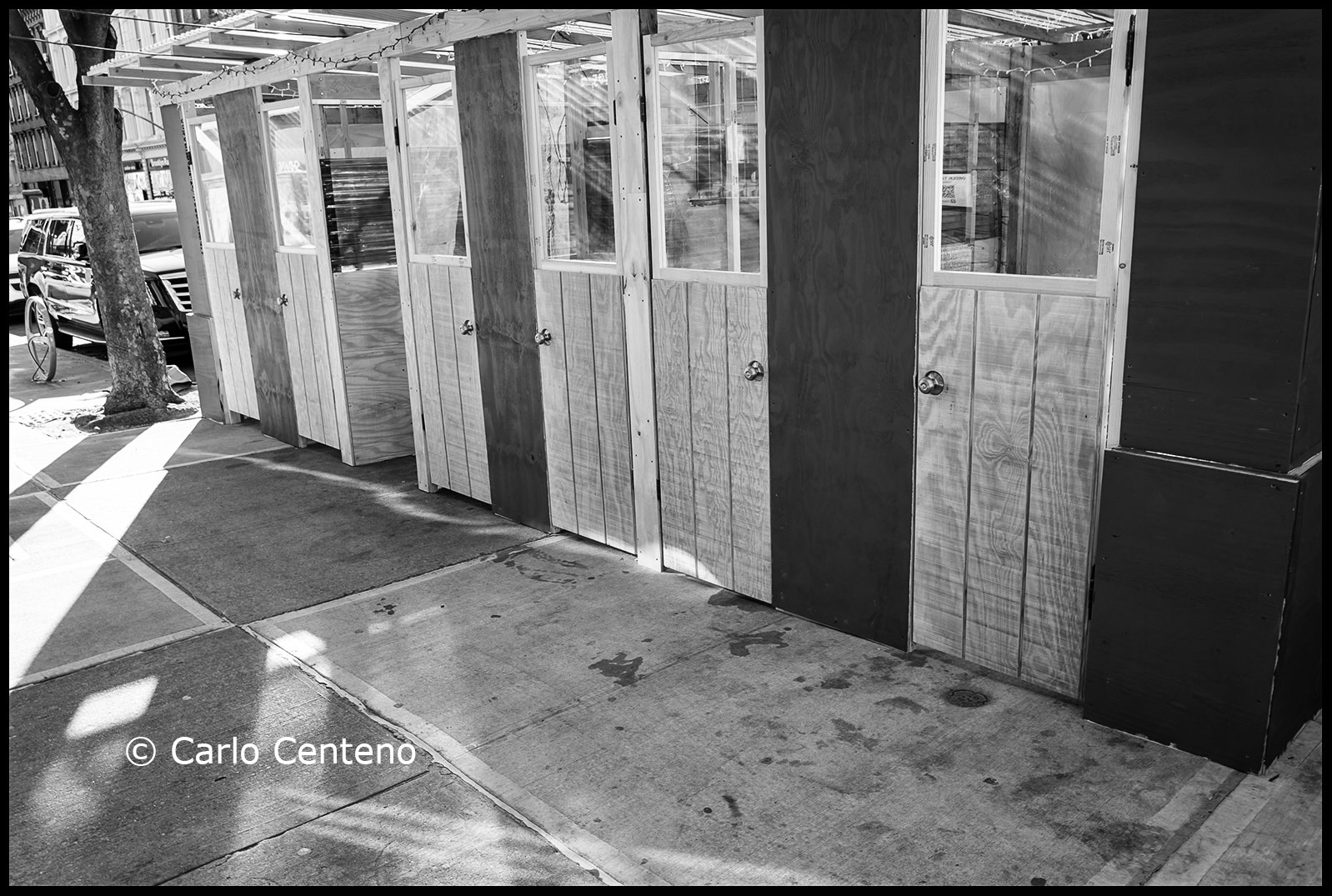
And yet I’m encouraged with the way businesses evolve, regardless of the risks and constraints of an unrelenting pandemic. Adaptation abounds. As I pass several restaurants and eateries small and large, I can’t help but notice the physical changes in these venues. Where there was once a length of curb used for parking has now been pre-empted by saw horses and orange pylons, cuts of plywood fashioned into walls and even structures with lockable doors, sliding windows, and other things that can make or break an outdoor dining experience. Being early in the day, most of these venues were still closed.

The way these dining improvisations unfold reminds me of a line from Shakespeare’s Richard III, which says,

Now is the winter of our discontent
Made glorious summer by this sun of York;

Summer is still several months away, but we can long for it. For now, our discontent, our malaise and all that has transpired has made burdens to bear heavier by the frigid air. Winter can represent discontent, but I can also make an argument for the hot, unbearably humid days of summer offering the same.

Bricks and mortars have had to survive with 25% capacity. As anyone who owns a restaurant or pub will tell you, to survive is one thing, but to thrive means sustainability. And sustainability means recency and frequency of patrons through limited seating, curbside pick-up and delivery. All modes need to be deployed.

Let’s take the 80-20 rule, where 80% of a business is generated by 20% of the total customer base, and extrapolate to a pandemic index of sorts. I think if this entire 20% group supports their favorite restaurant, diner, food wagon or cart at least once a week for say the first 6 months of 2021, well, that recency and frequency in commerce and service could make a difference. For patrons, a feeling of outreach and support; for the eateries, a glimmer of hope and possibilities heretofore unseen if not improbable.

Perhaps my thinking is too simplistic, too unrefined and certainly enough to have my MBA stripped from my CV. But who am I not to think outside the box, to consider actions however “small” as things unworthy of effort and possibility? Because there’s enough doubt to go around these days, I’ll let Shakespeare have the last word:

Our doubts are traitors, and make us lose oft what we might win, by fearing to attempt…

Snow Dome

On MLK day at Glendale Falls

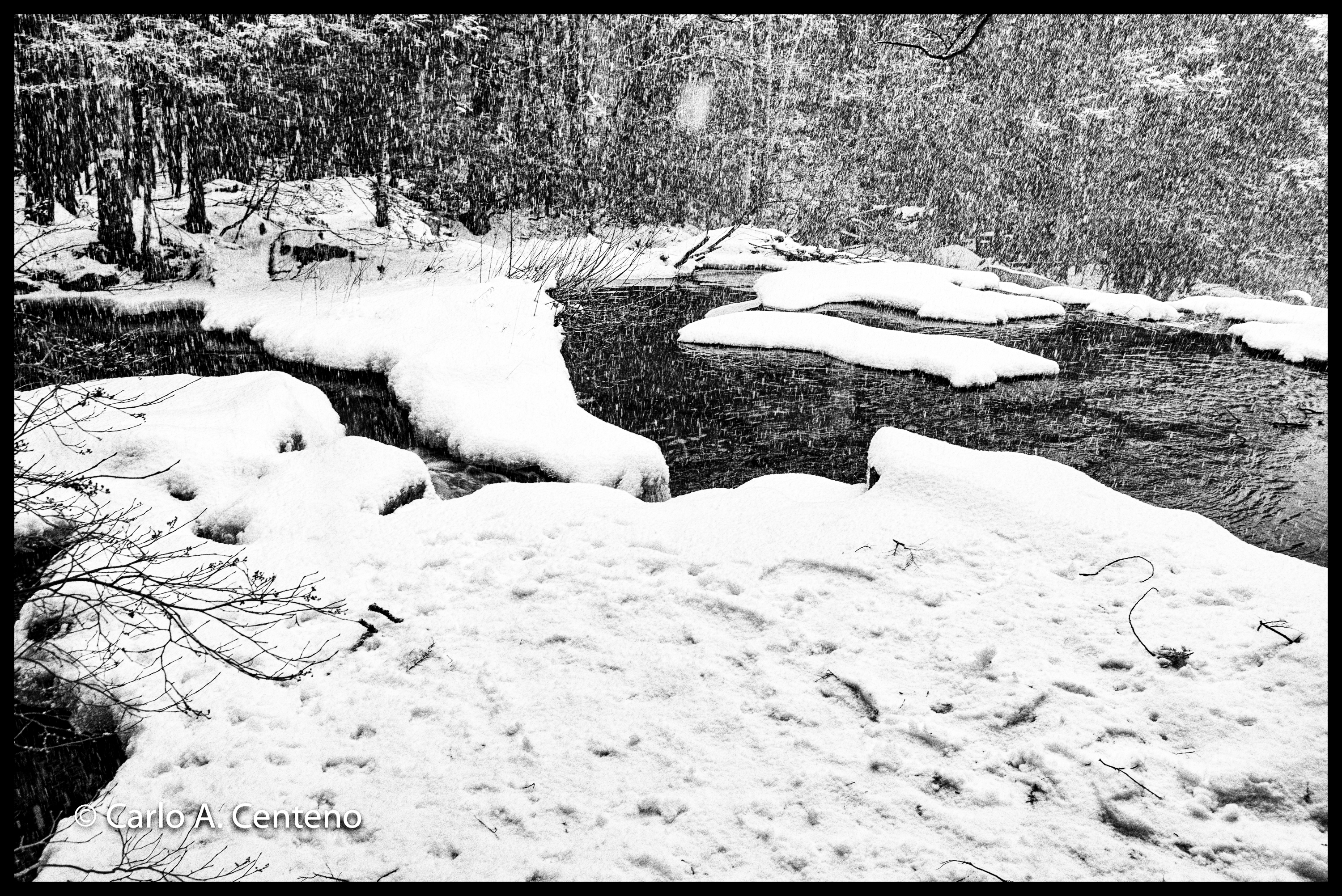
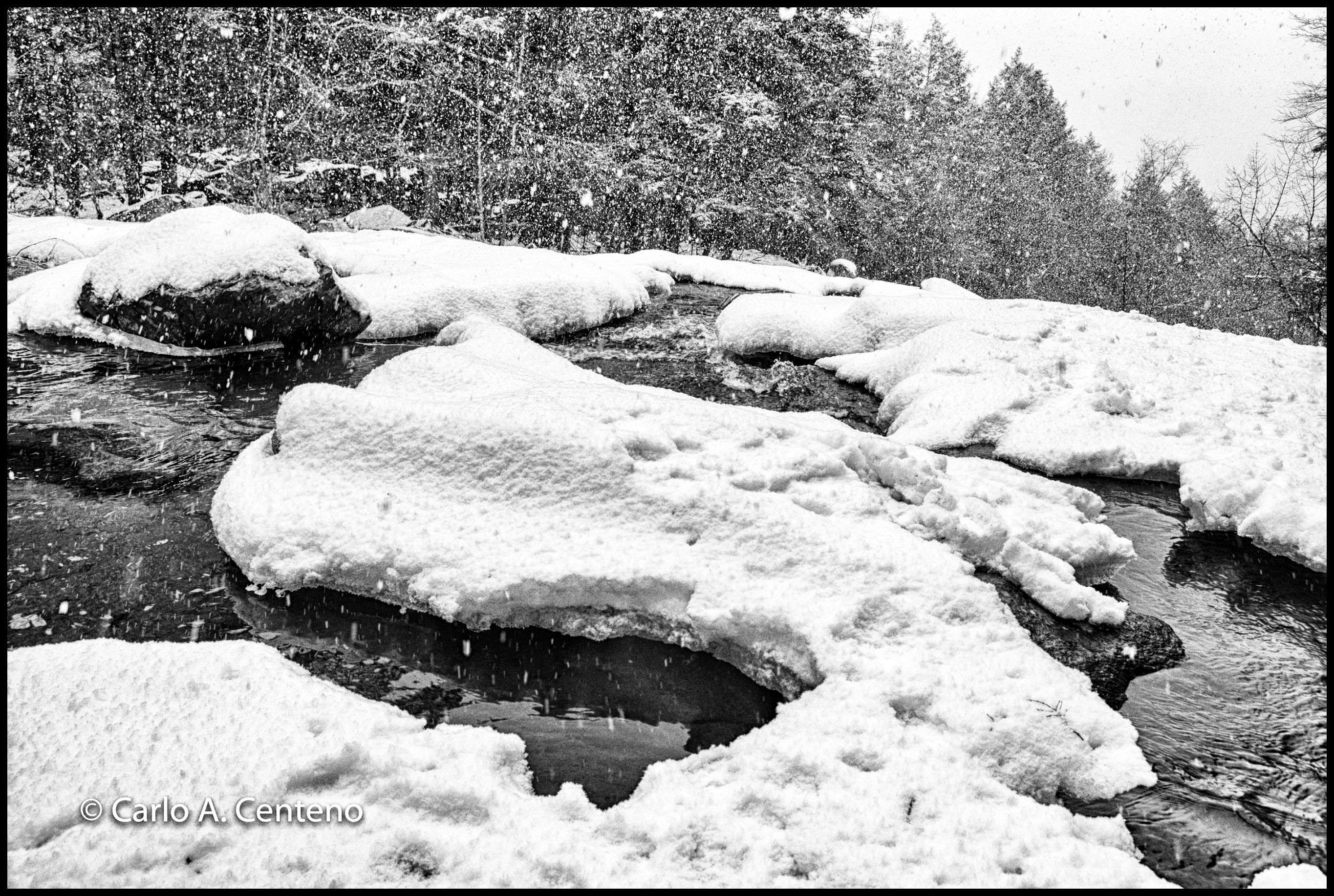
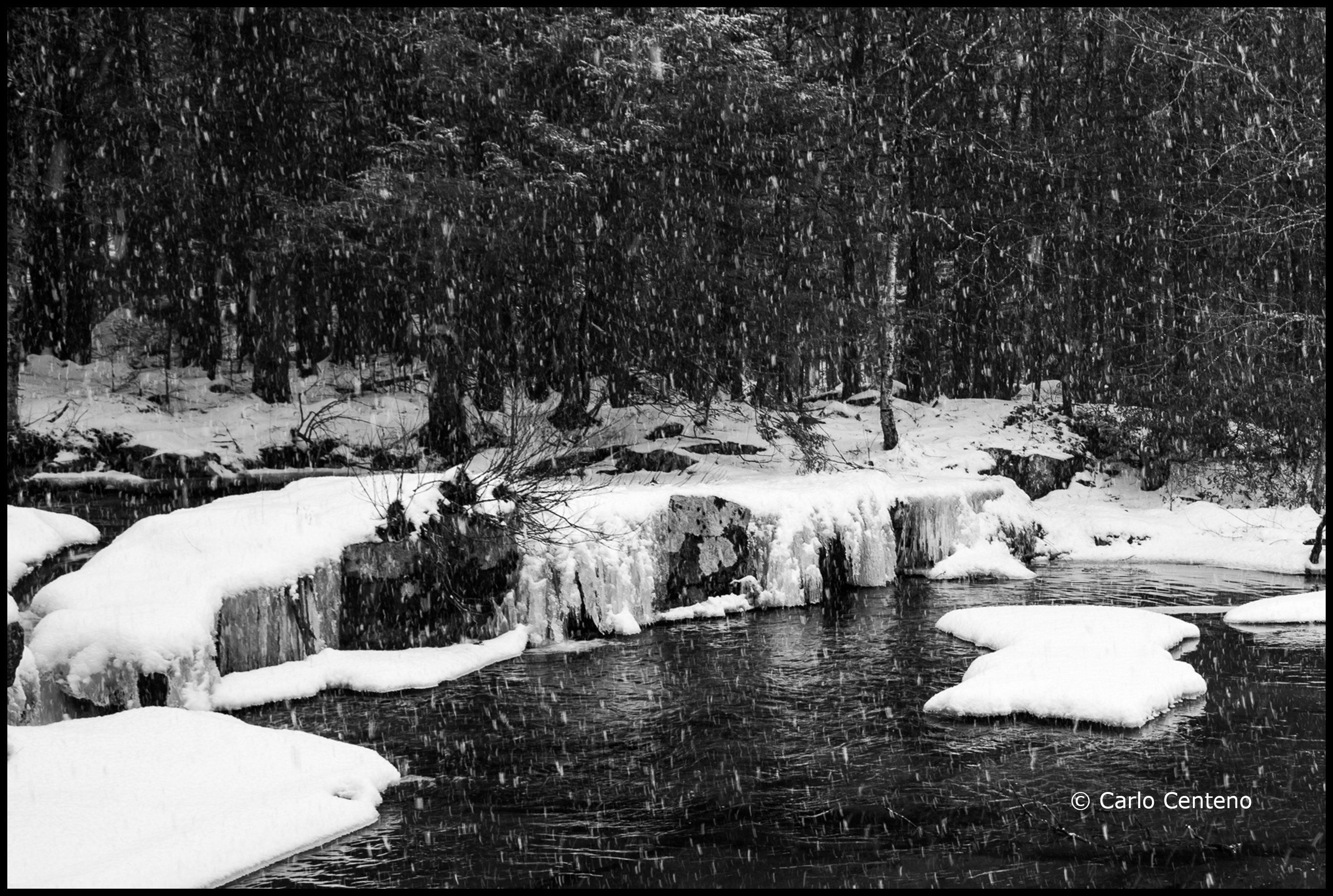
I was in a different bubble yesterday, away from the angst, the uncertainties, the frustration and disappointment of recent times. It was wonderfully quiet save the waterfall cascading over an edge some 20-yards away. That rushing sound had a soft, roundness to it, a barrier or suppressor of sorts that kept disheartening sentiments at bay.

I was in a snow dome.

With 4-inches already on the ground, a sudden burst of flakes quietly fell, quickly dusting tree limbs as well as foot prints left by other visitors: someone in a Sorel, perhaps a size 10 1/2 which lay opposite the basket imprints from a hiking staff. Only one set of human footprints was there, the other prints from a deer, a squirrel, a group of birds and others I wasn’t sure of or missed altogether.

This kind of place—where the simplest of what is before and around you—covers the burrs of unhealthy tensions and feelings. Indeed, a blanket comes to mind when snow covers a landscape. On some days—for me anyway—it’s more like a comforter. A comforter does not align with what snow feels like. Visually however, is a different matter. There is loft, an expanse of uniformity and balance that can remind one of a comforter. The solitude, the absence of man-made noise, reinforces that sense of comfort. Within my snow dome comes a particular calm that allows me to think and feel purposefully and openly. I consider possibilities beyond the familiar and rote. I dwell beyond the probable, but lie in the realm of things that are possible. As Martin Luther King, Jr. noted:

“Put yourself in a state of mind where you say to yourself, ‘here is an opportunity for me to celebrate like never before by my own power, my own ability to get myself to do what is necessary.'”

The saying, “this quiet, this silence is deafening…” runs contrary to my time in this snow dome. I feel reassured, positive, even happy. Embraced by such stillness, you can hear yourself think. You can engage all your senses with minimal distraction. You come face-to-face with who you are and in spite of yourself, you can choose to dwell in what should have happened—and thus remain predictably the same as always—or take a contrarian step, one that could make a difference. I’ll let Martin Luther King, Jr. have the last word. He has captured an enduring leitmotif of the human condition:

“The soft-minded man always fears change. He feels security in the status quo and has an almost morbid fear of the new. For him, the greatest pain is the pain of something new.”

Attentive to Details

When it comes to recognizing things or acknowledging details from “the big picture,” several expressions come to mind, such as “….I couldn’t see the forest for the trees…..the devil is in the details.” My typical reaction after further scrutiny goes along the line of, “….oh, yeah, well…if it was a bear, it would’ve bit me…” Granted, through some Jumanji-esque manifestation, I would undoubtedly be covered with bite marks.

For me, nothing draws more attention than an infant. They change right before your eyes. Case in point: my granddaughter you see above, is all of one week young, and yet in the past several days, she has changed with little fanfare. Other times I marvel at her physical development. All of sudden, fingernails have grown, her eyelashes are longer and her eyes are clearer and probably tracking motion. Before too long, her onesies, and probably diapers too, will have to go up in size.

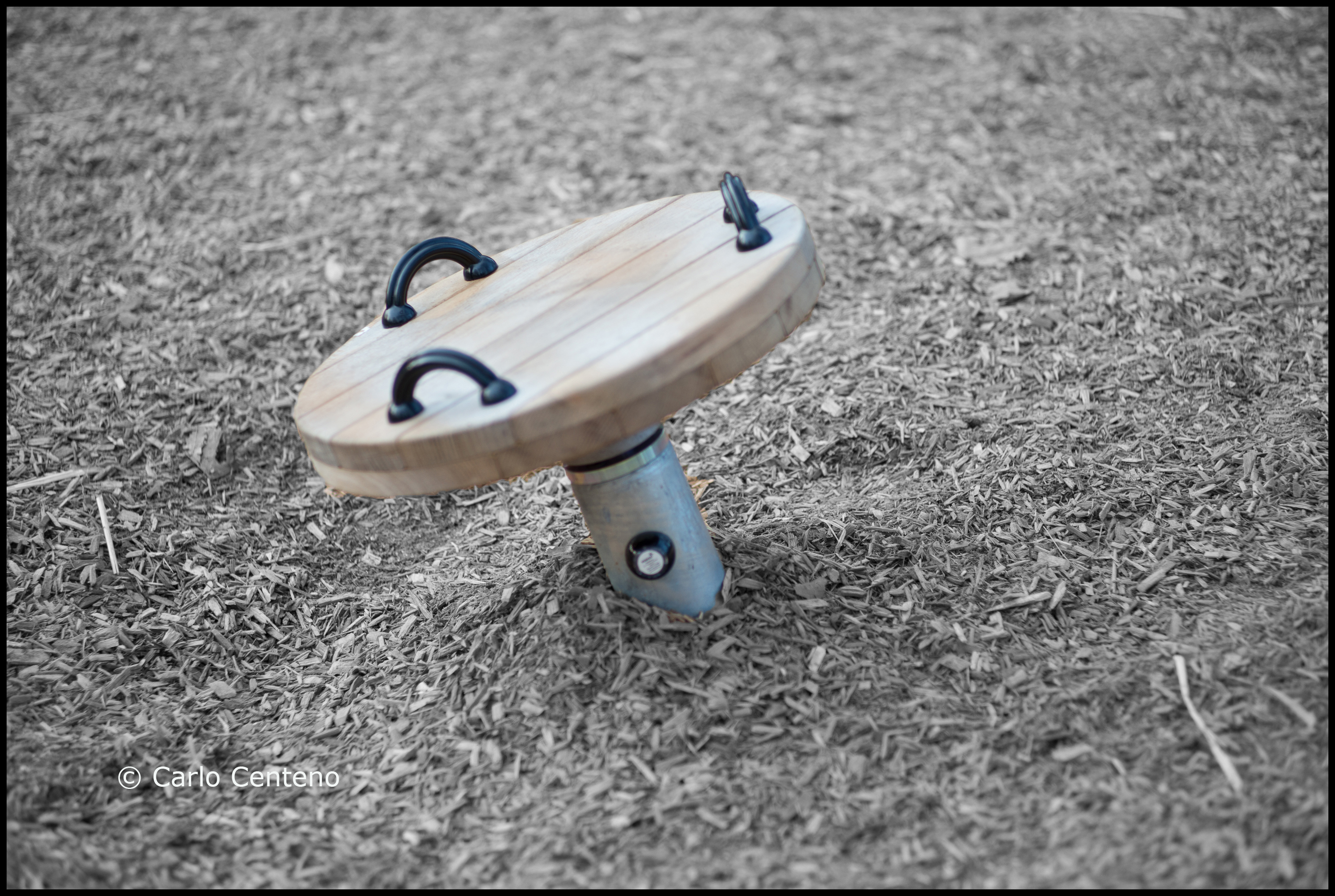
It’s a single-seat, wobbly merry-go-round.

From a distance, the spinning wheel looks like a badly installed table top for pre-schoolers. No, I didn’t demo this playground-attraction. For fearless children who repeatedly spin themselves silly, the attraction delivers. With dizziness in full force, a smile of wonder and novelty appear. Not surprisingly, none of the kids I saw walked straight and narrow upon getting off the spinner. Think wobbly and crooked on any given stride. It’s enough to make you nauseous just watching them weave across the playground.
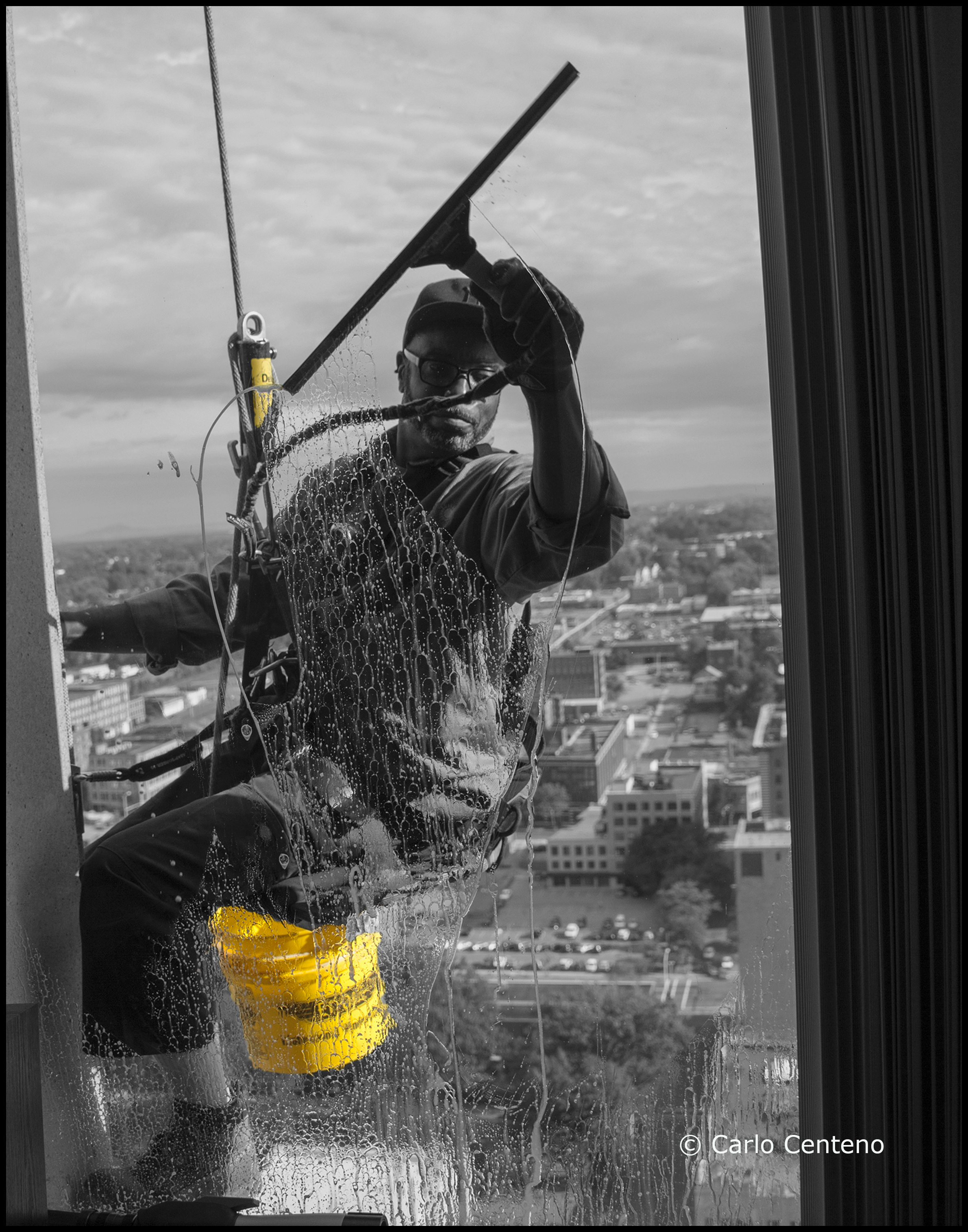
When you’re 25 floors above the street, strapped into a harness, wobbly doesn’t fit into the picture. I’ve seen these pros accomplish their tasks on breezy days, certainly when the weather is warmer than it is now. The color yellow stood out in large part because it was bright and the rest of the scene—originally in color—looked monochromatic. I also learned that 2-3 drops of dishwashing fluid into warm water makes for a thorough glass cleaner. There’s a detail worth noting…

Eastern Standard Time

For a few days toward the end of October, there was some fuss about turning back our clocks one hour. The running complaint focused on days getting shorter even though we “gain” an hour of time. Early darkness just made things, well, darker, physically and qualitatively; it gets darker outside and for some, darker within one’s psyche.

I suppose I’m the odd person out; I shouldn’t “suppose” as I am an odd person with such things. Sunsets that announce evenings arriving earlier is not a big deal for me. Like some form of line dancing flitting across the horizon, once again daylight and night trade places, and time marches on without losing a single beat.

Whether it’s 4:30 in the afternoon or 8:30 at night, I don’t tire of sunsets. Some are dramatic in their intensity and expanse, others are less so, their palate of warm colors as soothing and inviting as those found in an impressionist painting.

There’s nothing standard about this light that quickly dissolves into shadows of dark blue and greys. The one constant I’ve felt through the years has been the brevity of the light which morphs an hour before and up to sunset. The times are few when I don’t have a camera by my side, yet on those days when I don’t, I sometimes forget about today’s most ubiquitous of cameras, the ones found in today’s smartphones. And they are amazing tools for photography, videography and more.

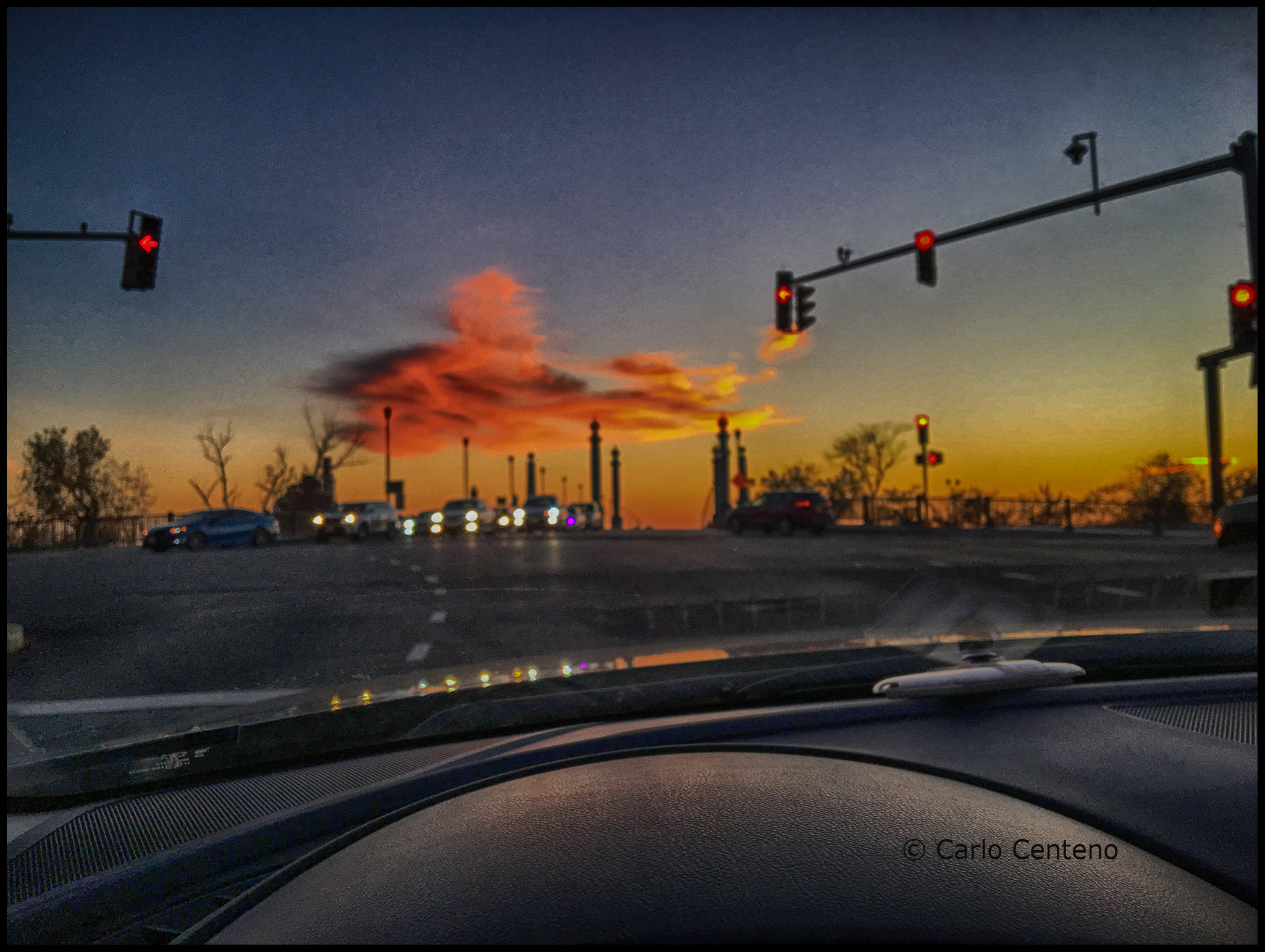
The photograph shown here was taken within that half-hour before sunset. The way the light and shadows shifted was a process all too short, perhaps as short as the traffic light that changed to green shortly after I took one photo. Figures. The one time I hoped for a few more seconds stopped at a red light just wasn’t there.

For the various times we use our phones to take a photo, we hope that one shot becomes the money shot. We want just one, a really good one, which connects with everything and anything that courses through our thinking and feeling. I relish the feeling of making this particular shot. The stoplight, the headlights, the reflections on the car hood, the gradations of orange and yellow, blue and grey are a surprising though welcome confluence of order.

A confluence of order. We can use some of that in the here and now regardless of whatever time or GMT standards we’re in.

Details

A static photograph of an Osprey doesn’t say much about the grace and power of this winged predator. Like many of her cousins, these sharp-eyed birds of prey manifest the attributes to which we ascribe to: a sense of purpose, focus, determination, endurance, patience, where at most we, strive to procure or refine 2 or 3 from that list.

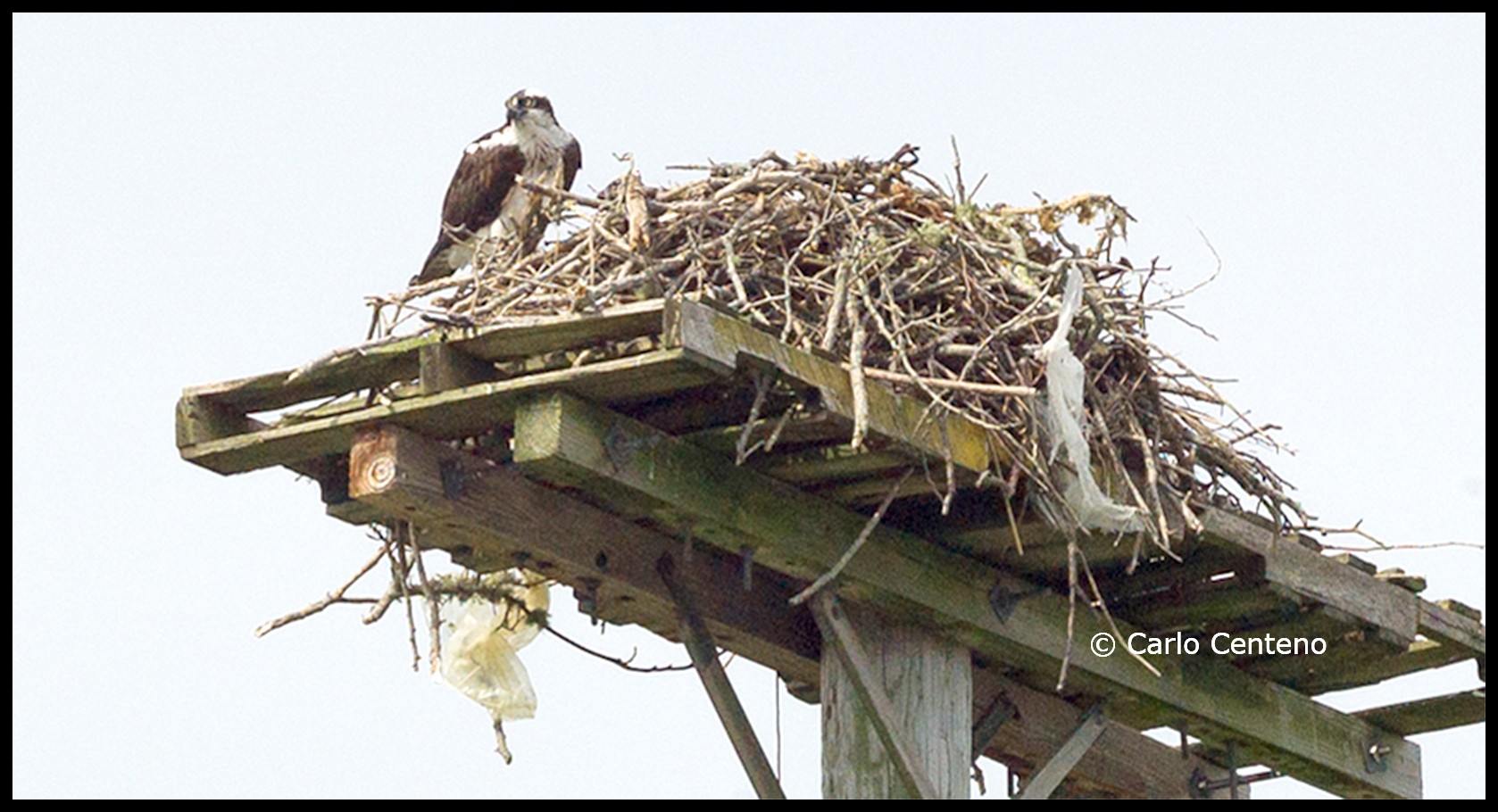
I’m not a birdwatcher nor bird photographer. These serendipitous images were taken during a walk along a beach. In spite of an overcast, somewhat foggy-ish, misty day, you could discern the silhouette as well as the contrast in its feathers. Notice the plumage in a brownish-black to a grayish white, the sharply hooked beak, the yellow of the eyes, the elasticity of its neck—or at least a hint of that feature.

Look at the nest and you may notice other details. Two plastic bags entangled with the nest, one on the right of the photo, the other dangling from an edge closest to the Osprey. I’m certain there are other man-made pieces entwined or even trapped within the pile of twigs they call home.

We can get hung up on details on just about anything. Like a trompe l’oeil, what we see varies from one person to the next. In my case, I noticed those bags right after seeing the Osprey. You may have seen it the opposite way and yet others may have taken a bit longer to realize the incongruous detail.
These days, we’re bombarded with too many things which ad weight onto our anxieties. We can—and should—work to step back from such things and realize that in spite of the current discord, there are other details worth looking at, even searching for.

Connections

I love Cape Cod. The season doesn’t matter, but late summer is often a great time. There’s less traffic and a more laid back atmosphere. The beaches and wharfs hold less people, though there are those hearty souls who continue their routines swimming parallel to the shore.
I watch the few on the beaches, most in their chairs, some sitting or lying across a large towel. Others are involved in conversation or quietly engrossed with a book in hand.
You can always count on walkers tracing their steps first one way, then on their return trip to a starting point. The most jubilant are often a dog and its owner. They’ve waited for the moment when the beach was available to them and their joy is clearly displayed. This is the kind of connection that’s about as simple and straightforward as it can get: get out and spend time with good friends, family, your dog—even yourself.

The men enjoying their cocktails aboard a boat speaks of many types of connections: family, work colleague, college room mate, best friend, and so forth. Between the “remember when….did you hear….whatever happened to…” are those moments of hilarity, some brought on by something long past, others in more recent times. Nostalgia connects with the present.

I love the Cape, especially for the many connections its made for me.

Wounds.

The power of water is astounding.  Trickles that turn into streams then morph to raging rivers—at times in a matter of a few minutes if not less—cannot be taken lightly. Trying to accurately track an object caught in fast-moving current is almost impossible. My August 5th post about The Falls clearly demonstrates the meaning of “fast-moving.”

Wind can be just as harrowing. Various parts of the country were seriously hit first by the rain storm Isaias then by a rare, but powerful wind storm called a “derecho.” The middle of our country bore the brunt of its force leaving what resembles a war zone.

Closer to home, there was considerable damage from this most recent windstorm. Though the harm and damage here pales to communities in Iowa and beyond, I’ve noticed pine and oaks uprooted and toppled over. The swath of this recent storm event caught me somewhat off guard.

Looking at the damaged trees produced that anthropomorphic feeling within me. The morphology of plants, and trees in particular, created a connection hard to ignore. My trunk or torso is akin to that of a tree. My arms and legs are limbs just as a tree has limbs. My core, like that of a tree, is the foundation that helps me stay upright.

It was apparent that these trees could no longer return to what they were only days before.  I’m not an arborist, but I surmised that nothing could be done to “save” any of the trees I looked at and photographed. Not a one.

When severe storms strike, all life is impacted in one way or another. However, plants and trees are particularly vulnerable because they are literally anchored to earth. They can neither hide nor escape their circumstance and their wounds are so obvious.


Aftermath

The uncertainty of these times has made it very certain that the new choronovirus will be with us for a good while. Eventually—and hopefully—we will find the means to return as close to “normal” wherever possible, hopefully within next year. Figuratively, we’re running a marathon, an endurance race where—as many of you already know—demands stamina, pacing, patience and the willingness for self-sacrifice.

Our home these past 3.5 months has been a sanctuary for our daughter, two boys, a new born and our son-in-law. From quiet, predictable routines to a household filled with activities, remote schooling, and more, altogether this was a period of joyful noise and scattered stuff in, out and around the house.

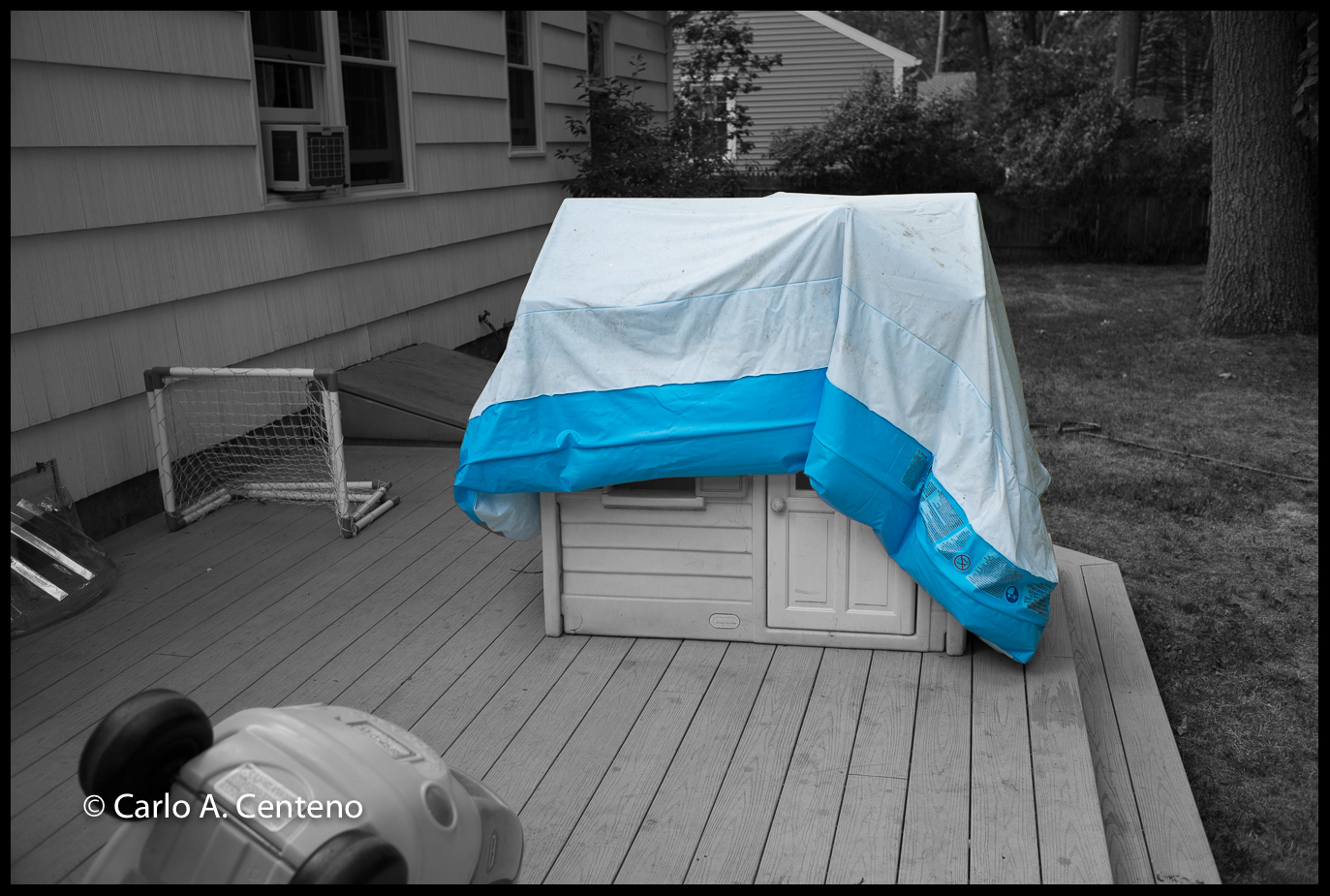
The boys were constantly in motion. The desire to explore, imagine, to experiment and be inventive was nothing short of  remarkable. And while the boys did their best to pick up after themselves, they were far better engaging their playfulness, their devil-may-care personas, as evidenced by the scattered clothes, toys, and more, left on the deck, out in the lawn, on the slip’n slide water game or in the breezeway. The breezeway of course is the equivalent of an “airlock” that space that serves as a buffer to the kitchen that lies beyond.
And yet, clothing, LEGO toys in various stages of disassembly, wet sneakers et al, found their way onto the runner that marks the outer circle of the kitchen.

As of this writing, the house is once again quiet, sometimes much too quiet. Just before the 4th of July holiday, they returned home, to their own spaces and routines.  It is as it should be. As much as we enjoyed our time together, all good things must come to an end.
The organizing, cleaning and picking up of stuff continues. I refer to the many pieces scattered around as shrapnel. To walk barefoot across the lawn is an exercise in uncoolness. The edges of a LEGO block, a broken piece of plastic, a spoon forgotten, all became suitable reminders that wearing footware during the clean-up phase should be mandatory.

It’s true that having grandchildren can be a terrific life stage. You love them to pieces, you revisit your own escapades from the past, your marvel at how your own parents managed the rambunctiousness of our youth. Whether it’s an afternoon or 3.5 months, those kids need to return to their parents, routines, friends and all that is their life beyond ours.


Ghostly

In the past 2 weeks, I’ve been to the office 4-5 times. The building is eerily quiet.  The predominant noise is nothing but white noise. It’s the kind of noise that can set your ears ringing because the sound is so subtle yet ever present—like that of a medical office waiting room with no one else but you sitting there. It’s a solitary existence encapsulated by sounds produced by the HVAC system.
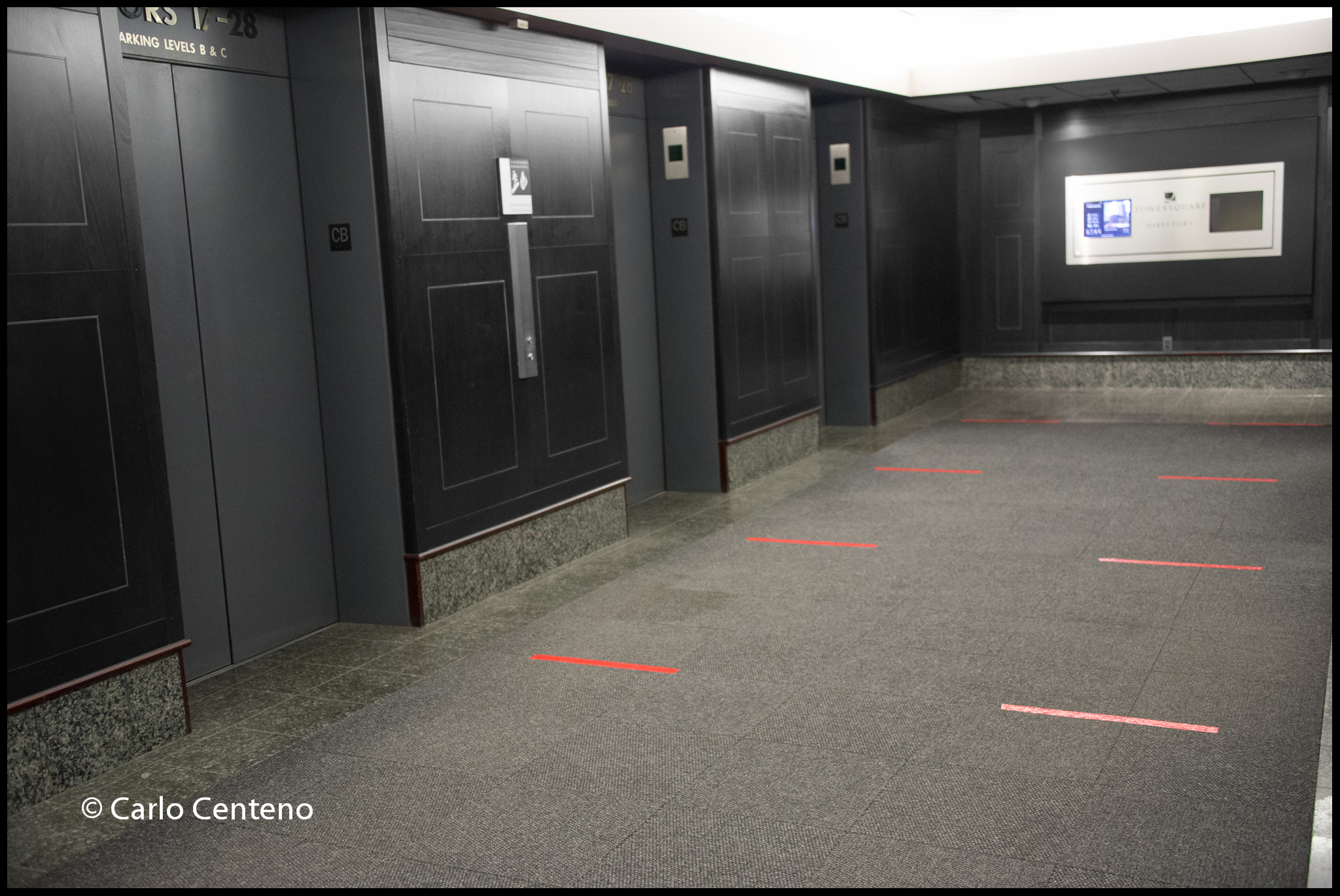
This is all very different. The office tower and the parking garage are like ghost towns.  Prior to this new reality, I’ll see people gathered around, waiting for the elevators, shuffling into one only to find that your stop is after 4 or 6 floors. It’s like the local train versus an express. Regardless of the time of day, there’s no avoiding at least one or two persons involved with an elevator: waiting, stepping in, stepping out and being closely woven in with others, some being inadvertently bumped by a briefcase, a backpack or a lunch bag.

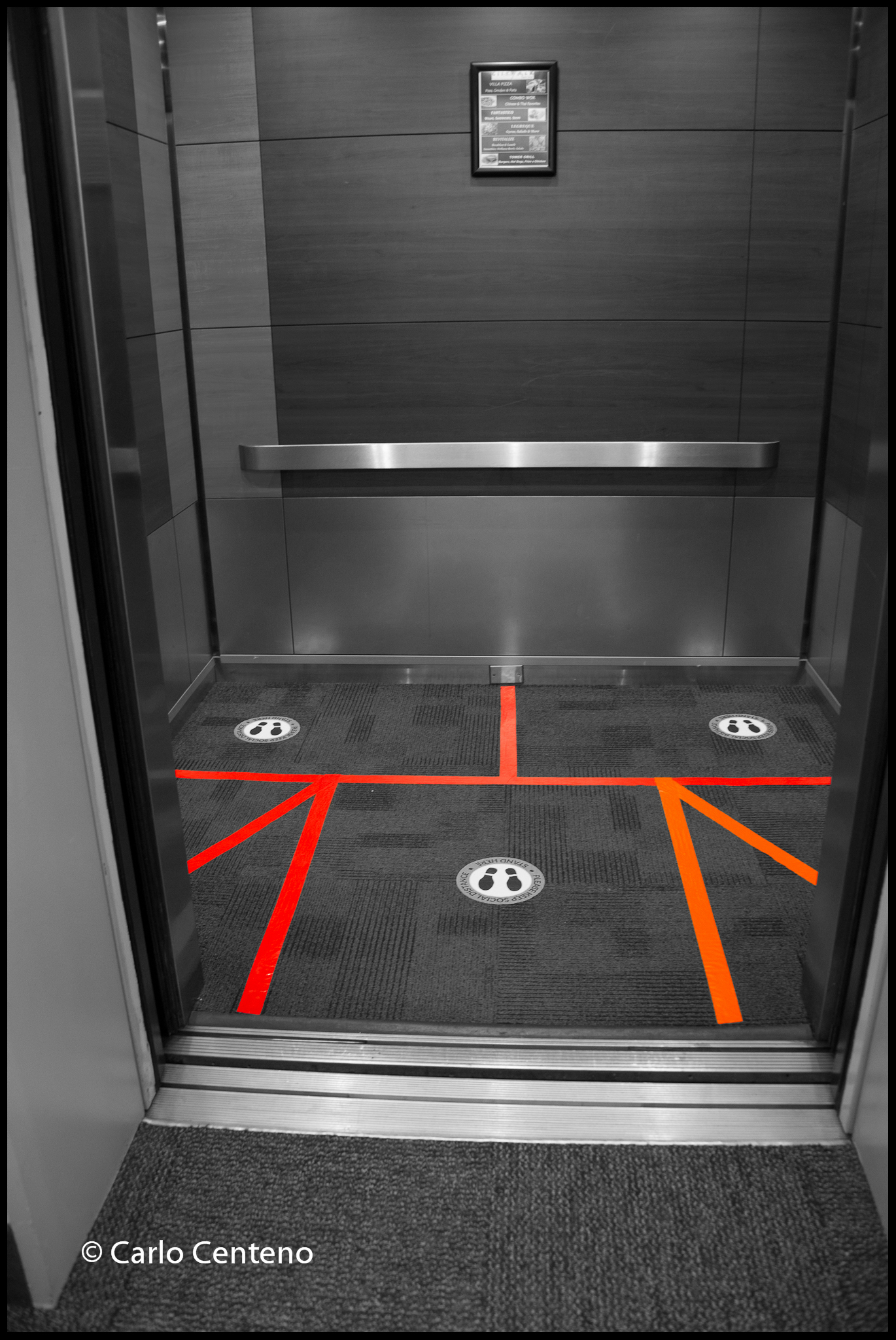
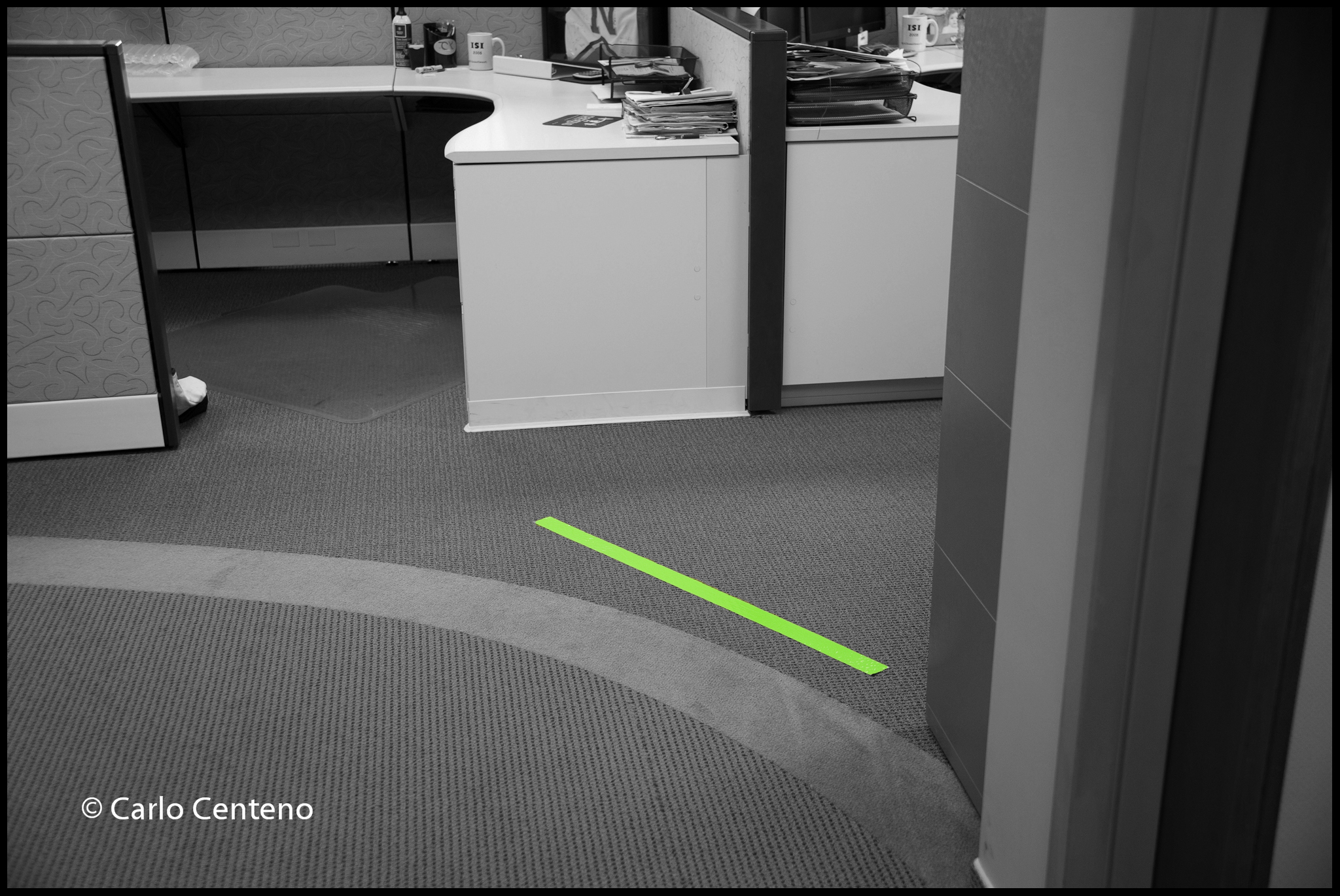
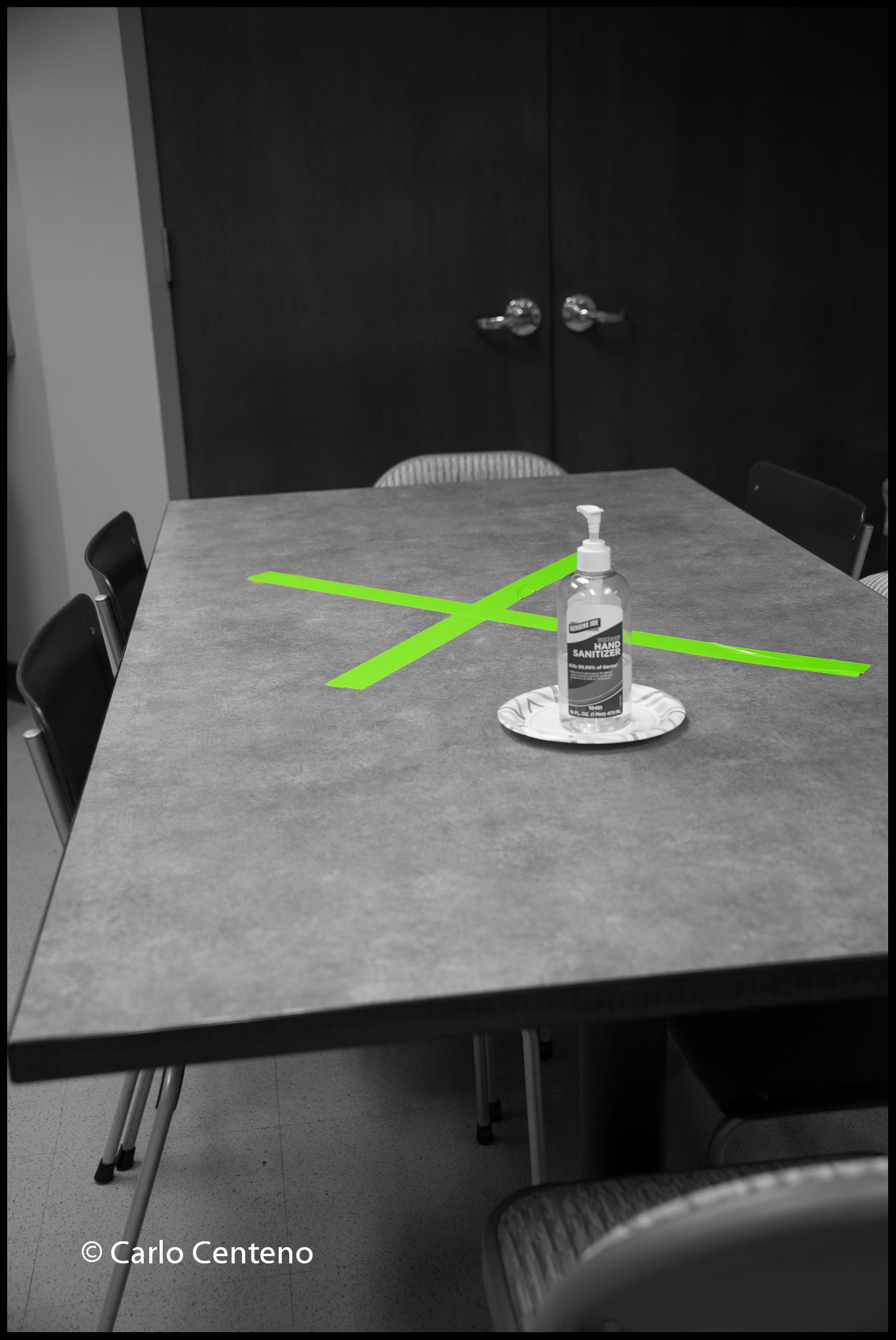
Similarly, once inside the office, this ghostly motif persists in all the spaces. Now, there are signs reminding staff to heed the rules of social distancing and the wearing of masks.  Individual office doors are closed. Open spaces have boundaries defined by 2-inch wide vinyl tape stretched across the floors as well as on the table in the common area.

The common area is perhaps the most ghostly of areas. Here on the first Friday of each month, our president would buy everyone lunch. Typically standing room once the seats were taken. It was a chance, albeit brief, to talk about life beyond business matters. It gave each of us a chance to kid around, make each other laugh, to feel, well, connected and relevant.

Like a dreamlike narrative in a Dickens or Bronte novel, what remains now is what you see. And what you hear, is the odd hum of the fluorescent lamps and the HVAC system.


“This will take some getting used to….”

Open your arms to change, but don’t let go of your values. -Dalai Lama

Modern life has been tossed into a blender of our own making. Whatever comes of that mix will be unrecognizable. It’s a blend never before seen or experienced, though to some degree, many of us hope that what pours forth is something that has meaning and value.  It could be something we’ve longed for across time immemorial, and yet I’d like to think that most of us are hopeful of what’s been created.

At present, uncertainty unceasingly hovers over us, as if poised to pour change across social, educational, medical, cultural, environmental, financial and governmental policy mores. And like other things we’ve thought of and created, none of it will ever be perfect. No one can please everyone every time.

The work-in-process strategies and machinations will take some getting used to. In fact, everyone should tune-up their listening skills.  As the saying goes, We have one mouth and two ears, and good listening is always important. We’ve been challenged with practices to keep the new coronavirus at bay and confronted with racism and ideological thinking and approaches that touch the far left, to the center, to the far right. A virus—whether new or old—is looking for a host regardless of your ancestry and your present location in this world. Like COVID-19, racism is a virus  that must be eradicated, that and along with other –isms which undermine our empathy, our ability to tolerate, our desire to compromise and our willingness to see that, indeed, the glass is half full.

Eleven weeks has kept many of us quarantined regardless of age, fitness level and overall hierarchy, whether familial or professional.  I’m still adjusting my return to work, as several safeguards are in place: my office door stays closed, open areas in the office space require a mask, wipes and hand sanitizer are located along travel routes.

All of this will take some getting used to. Like many, I miss the energy and engagement of being around people. It’s just part of being human. Though I enjoy journaling, writing letters, taking photos as such, nothing can replace a good conversation, the sight of an expression [good or bad, preferably the former] and the sounds of laughter, exclamations, even the cacophonies that make Life all the more interesting.

Be well. Stay healthy.

April 1, 2020

A good friend sent a text message saying that today—as a way of expressing our gratitude to first responders and healthcare workers—we should set some candles in front of our homes, and light them at 7:00 pm.

I know several healthcare professionals. Two couples are close friends. They’re bon vivants, emphasis on ‘bon’; we enjoy dining out [or in] to catch up, laugh, share and wonder about the vicissitudes that have changed the way we live, think, feel and behave.  The friendships run so deep they’re essentially family.  Actually, any one of these friends could take the place of a hundred bad relatives and acquaintances.

Three of the healthcare professionals on my roster are family. There’s my sister-in-law, an office administrator who works in a practice made up of general practitioners and hospitalists; my brother, an educator and primary care M.D., is up to his eyeballs in northern New Jersey; and my father, a retired vascular surgeon, is hunkered down in Florida.

Like most of us these days, we’re also hunkered down. We’re out of sight. In a metaphorical sense, if the virus can’t “see” us, then it can’t infect us. That’s very simplistic, but you get the idea.

Time and again I’ve heard comparisons to war, that the very people on the front lines are in a fight unlike any other.  We know that, but we have very little visceral sense of the actualities playing out in crowded hospital rooms, hallways, ICU wards and all the places where the sick and the caregivers are equally overwhelmed. To say we’re being in the moment cannot compare to being there, to be immersed in the chaos unfolding right in front of you.

Whether you believe in karma or life existential, God, or something that is in effect, bigger than oneself, all that’s in motion is connected to each of us. Is it ironic that this pandemic is playing out during humankind’s most pious weeks on the calendar?

A lit candle—a universal and timeless symbol of hope, gratitude, peace, sorrow, love, contrition—is also an icon for life.


Quiet

Our Office: 3-weeks into the work-from-home mandate

For many of you seeing this post, the images are pretty droll. But for others, they are vignettes of time standing still. Those who work from home can identify with this temporal bookmark: a stasis of space rendered incomplete by the obvious absence of the worker that usually occupies that space.

We are a small firm, all told 29-strong. The majority of us have been working here for at least 10-years.  Such employment longevity can be unusual in our current modern world, a world measured by thru-put, output, speed and running changes all in an effort to gain some competitive edge or level of differentiation in the marketplace.

I’m a department of one, whereas others have at least 2 workers in their department.  My point being is that I’m only as good as the people around me. So I rely on their perspective, understanding and emotional ownership [if so prompted] of the marketing and advertising concepts, images, copy and other content that shape our brand. They are my soundboards, proofers, editors and contributors.

The spaces presented here have a functional importance, which individually and corporately, make the firm succeed. In the end though, it’s the people that define our culture, indeed all cultures. The latest technologies and operating systems are all well and good. Each of us—replete with idiosyncracies, quirks, things positive and negative—add immeasurably to our collective professional mission.
You won’t see anyone in the photos, but if you look closely enough, you may get a sense of their significance.