Face-to-Face

I suppose any season is good for “time travel.”  Case in point: The Hancock Shaker Village in Pittsfield, Massachusetts. Throughout New England and other parts of the country, living museums provide a chance to feel what we could only imagine.

Such places serve to remind us of what we have. Or what we’ve lost.

On a particular Saturday evening, I was reminded of the power of conversation. The Shakers traditionally have family dinners, meaning you sit at a table–often a rather long one–and enjoy supper together.  This particular night came via the Food for Thought series, a HSV summer event whereby one sits and enjoys a gourmet farm-to-table dinner and conversation. From June thru August, an author is invited to dine, discuss and engage about a recent book that she/he has published.

Traveler, award winning writer, bestselling author, Mr. Simon Winchester.

The narratives can be compelling. Unsurprisingly, there’s the conversation of getting-to-know a bit more about a person, not the least being the author who’s about to recount a journey of research, writing, editing and more.

Like the author, the guests had their own experiences to share. Most were familiar [snippets of life’s journey from a father-mother-engineer-lawyer-financial manager-medical doctor, e.g.], and others were fascinating to hear and talk about. In attendance was a young student of epidemiology, and I should have talked with him beyond his academic CV [Princeton, then John Hopkins].  It would’ve been fascinating to hear more about the rise of diseases and other ailments that can quickly wreak havoc on populations around the world.

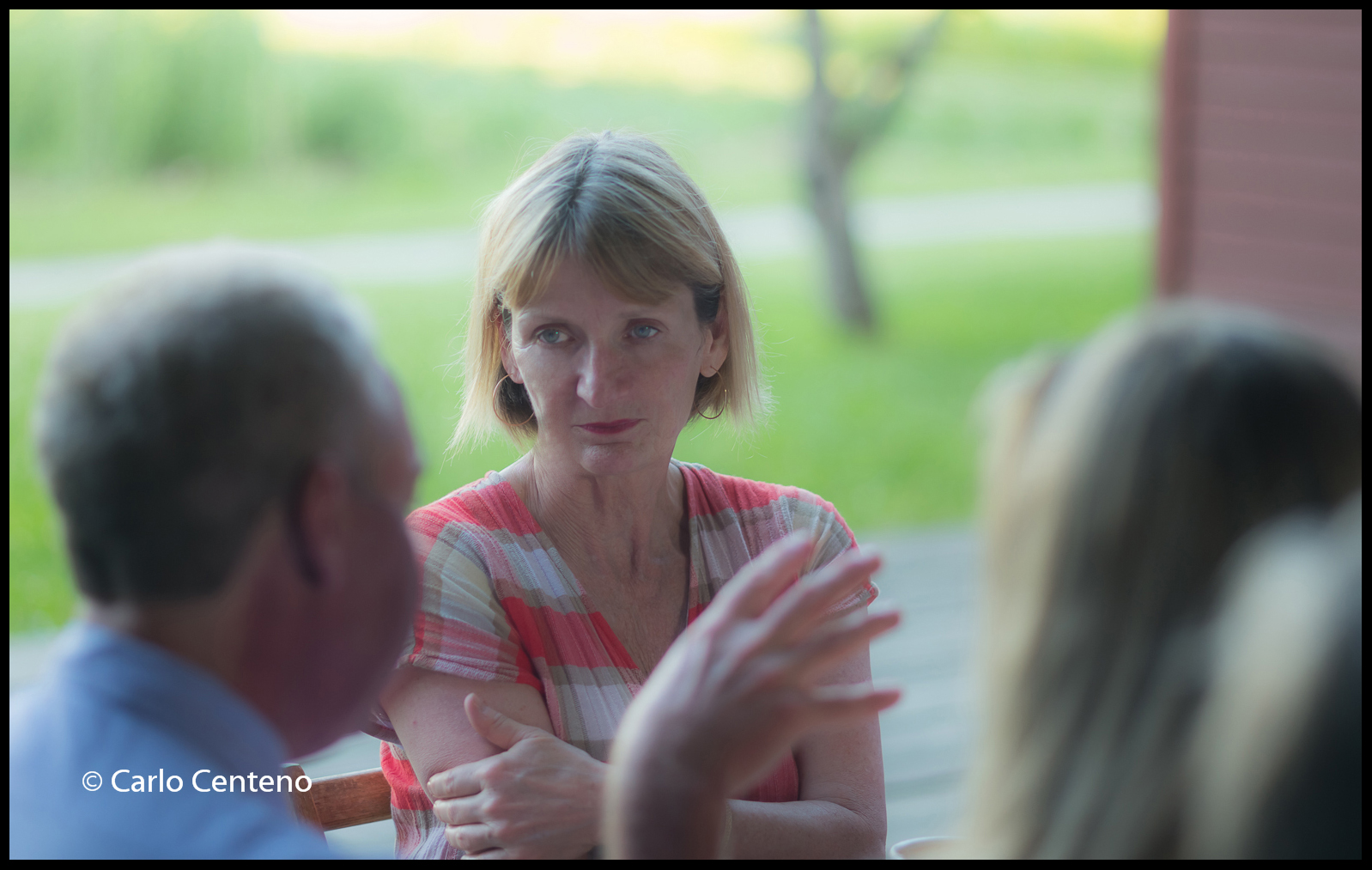
The beauty of talking face-to-face is that beyond the words you hear, you’re also emotionally involved. Expressions, gestures and tone each hint at nuances that can be missed when engrossed with email and text messages.

I enjoy the various digital communication platforms and they can be timely if not helpful. However, there’s still something to be said about connecting with people face-to-face. And that kind of connection can make such a difference in your comings and goings day in, day out.


Dali

Many artists come to mind when the genre of surrealism becomes a topic for discussion–or bone of contention–but Salvador Felipe Jacinto Dali y Domenech is one that occupies a notable position in the annals of imaginative imagery and surrealistic interpretation.

The Slave Market & Disappearing Voltaire

If your preferences lean toward realism, then Dali can and will, leave you wondering why such creations are in a museum, indeed, an eponymous one at that. Art is Art and its value depends on so many areas of technical and aesthetic measures. For the rest of us mortals, subjective interpretation is all we can muster. I overheard someone trying to understand one of his paintings and his somber remark was, “Salvador Deviant.”

Portrait of deceased brother if he lived to be an adult.

Art is what you make of it. It means you can be apathetic, sympathetic, curious, appreciative, angry, happy, bewildered, uncertain, confident, disappointed, insulted, overwhelmed, inspired or even validated.

You have to appreciate his creative genius when you’re pulled into one of his canvases only to be taken aback  when the image changes. In one moment you see 2 nuns, then a blink later, you suddenly see a face made in part by the same 2 nuns [cf first image above for Voltaire].

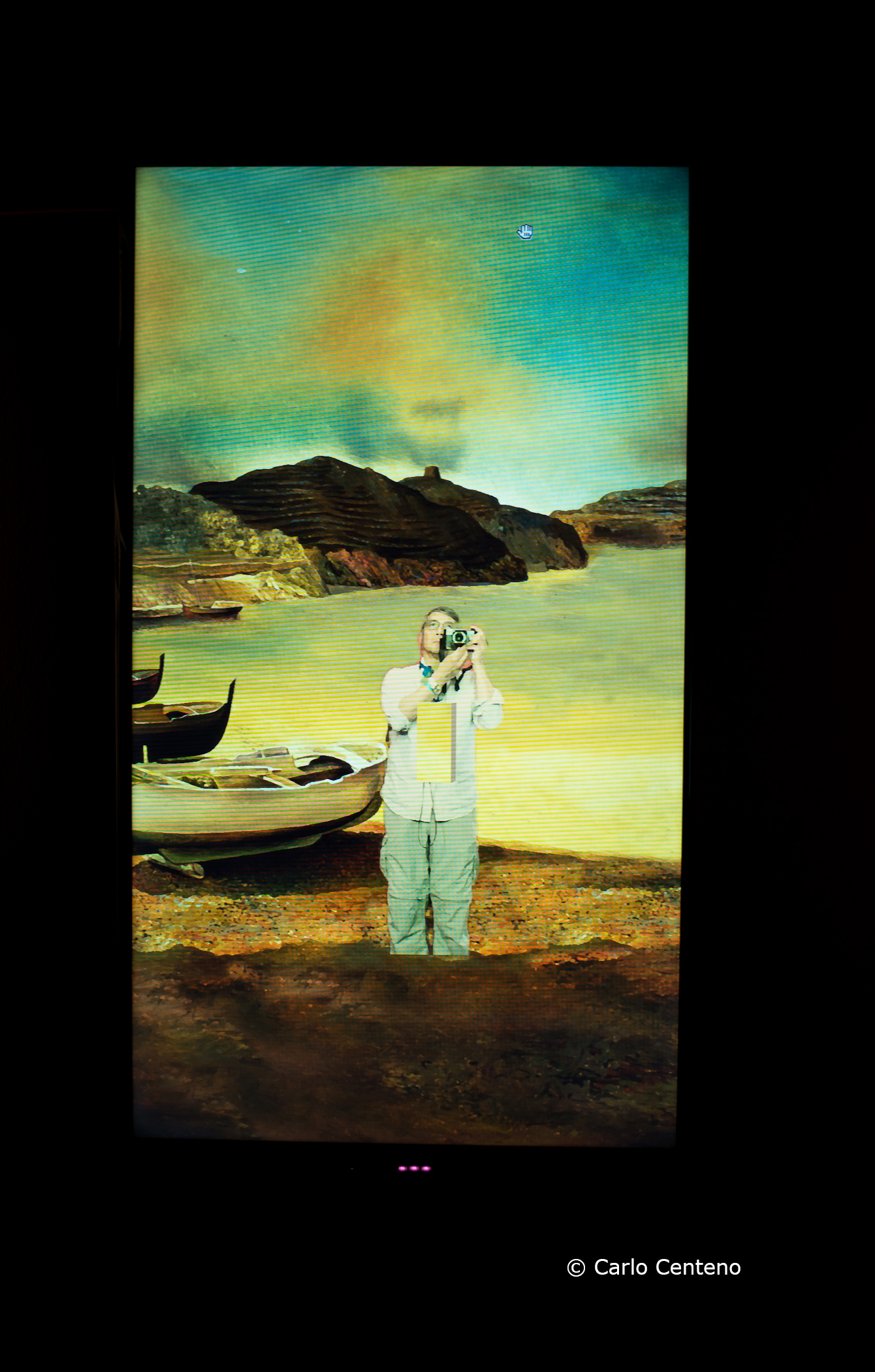
Interactive self-portrait.

My self-portrait is an interesting take on a photo booth, but one more entertaining if not interesting.  In a way I’m borrowing a slice of time from Dali’s world. A simple souvenir for me,  though I suspect Dali would’ve seen a leitmotif kindred to the impertinence and sarcasm of his painting, Persistence of Memory.

Planning Overload

Okay, the end of the year, the last month of the calendar if you will, is chock full of messages hitting us from all kinds of channels.  I’m referring to advertising & marketing messages. I’m overwhelmed with it all.

“For a limited time, you can own this…..enjoy the 10 for only 1 dollar/euro at your local…..make this the holiday to remember with special offers from….common reactions are allergies to the active ingredient, cramps, blurred vision, moodiness, sleepiness and in some cases, death….”  WTF!?

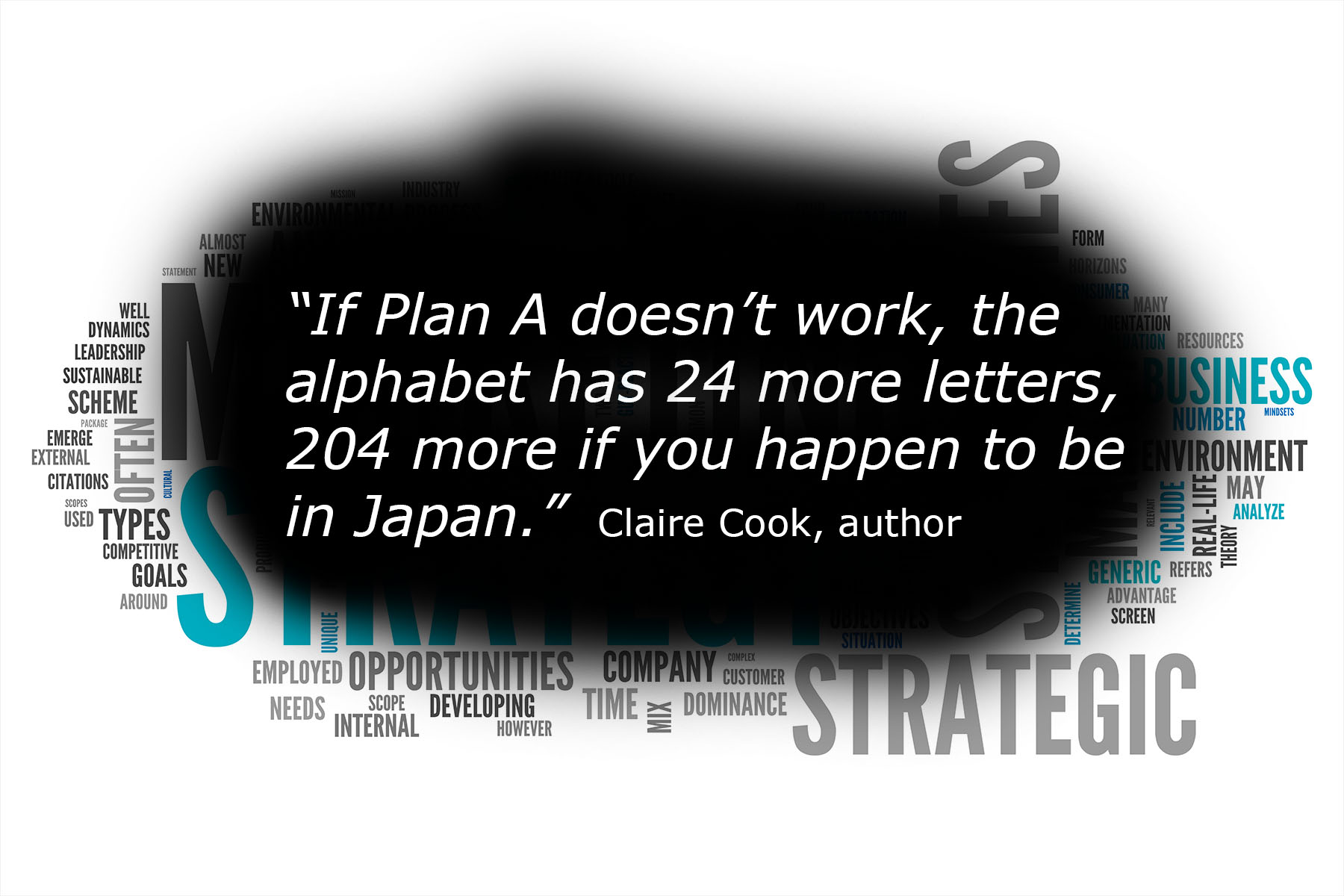
However, what I find even more overwhelming is the myriad of marketing tactics, strategies, resources, research et al, that are available to each of us [the marketing professionals]. Ms. Cook’s comment, naturally, is taken with a grain of salt, but it makes you stop and think about “planning.”  And for the most part, I’m convinced that we’re all over planned. Coupled to the planning are the actions deemed necessary for said plan to be successful. I translate that to, being “overscheduled” and thus feeling more overwhelmed.

Whether it’s marketing communications and strategies,  or making plans for your children’s activities, a vacation, an addition to a home, etc. etc., I’m convinced that there’s much to champion in the less-is-more school of thought. To wit:

  • I’ll stick with Plan A because creating a Plan B or C is going to take even more time, more minutiae, workbooks, versions, hotlinks, B-rolls, post-production, trips to the copier, make more PDFs….OMG!
  • Regarding Plan A, I prefer to make smaller mods to line and action items. My options are: edit or delete. So what I have is still my original plan, but with tweaks
  • When my daughters were growing up, after-school activities were encouraged, but within reason. There was none of the practice/games after school followed by Key Club, music lessons, etc. that seem to be the norm for each school day, week in/week out
  • Less is more when it comes to time on hand. I didn’t drive to the ends-of-the-earth just to get them from one activity to another, then back home
  • Less is more: I pull into the garage with more gas in the tank; we eat dinner together; limit perfunctory questions and remarks wherever possible [what was the most interesting thing that happened today? vs. so, how was your day?]
  • Less is more: a lot less time in front of a screen [TV, computer, vid game, e.g.] and more reading, you know, a book

The end game is something I relish. I envision a plan not to plan anything at all.

Penitence among the ruins

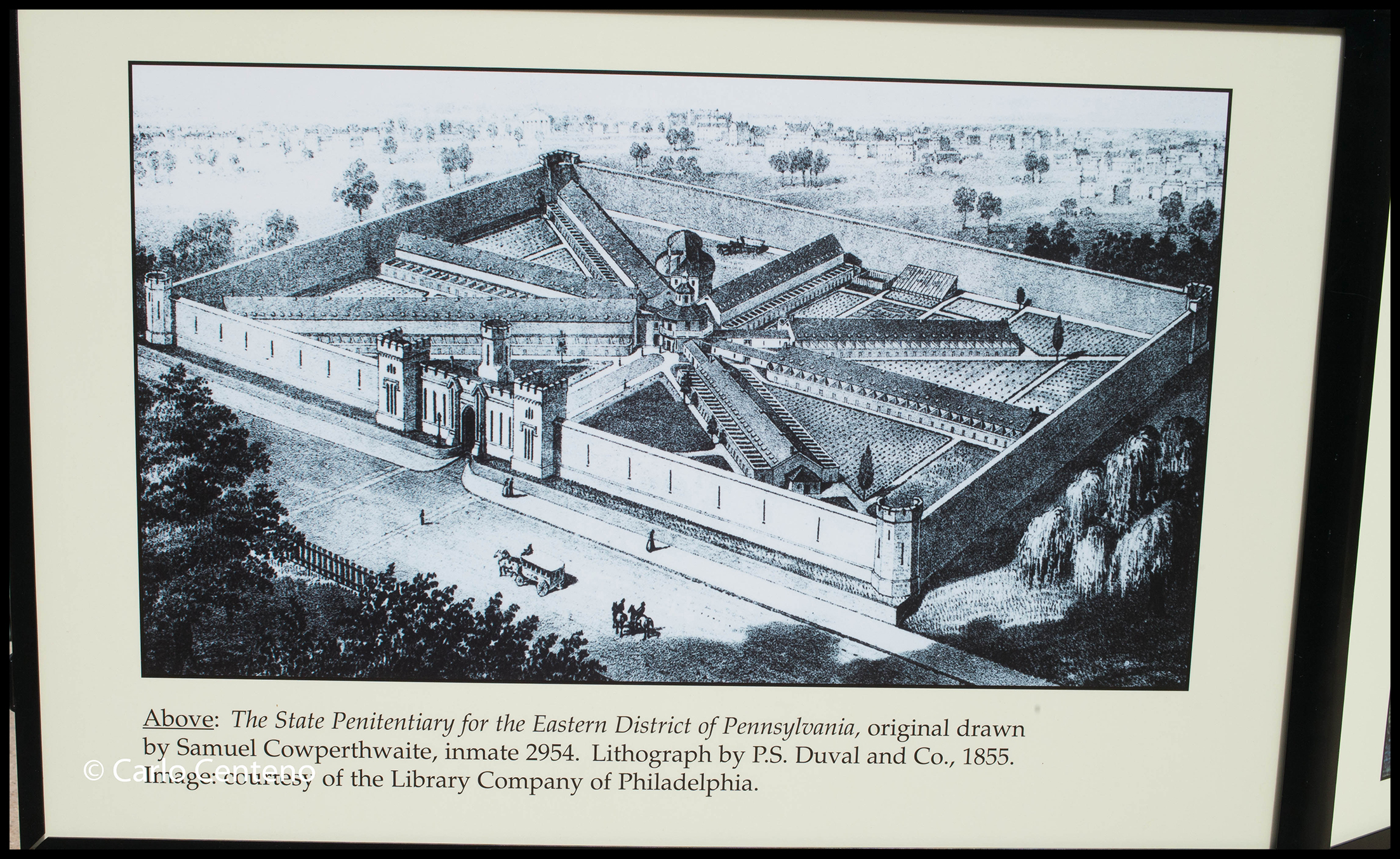
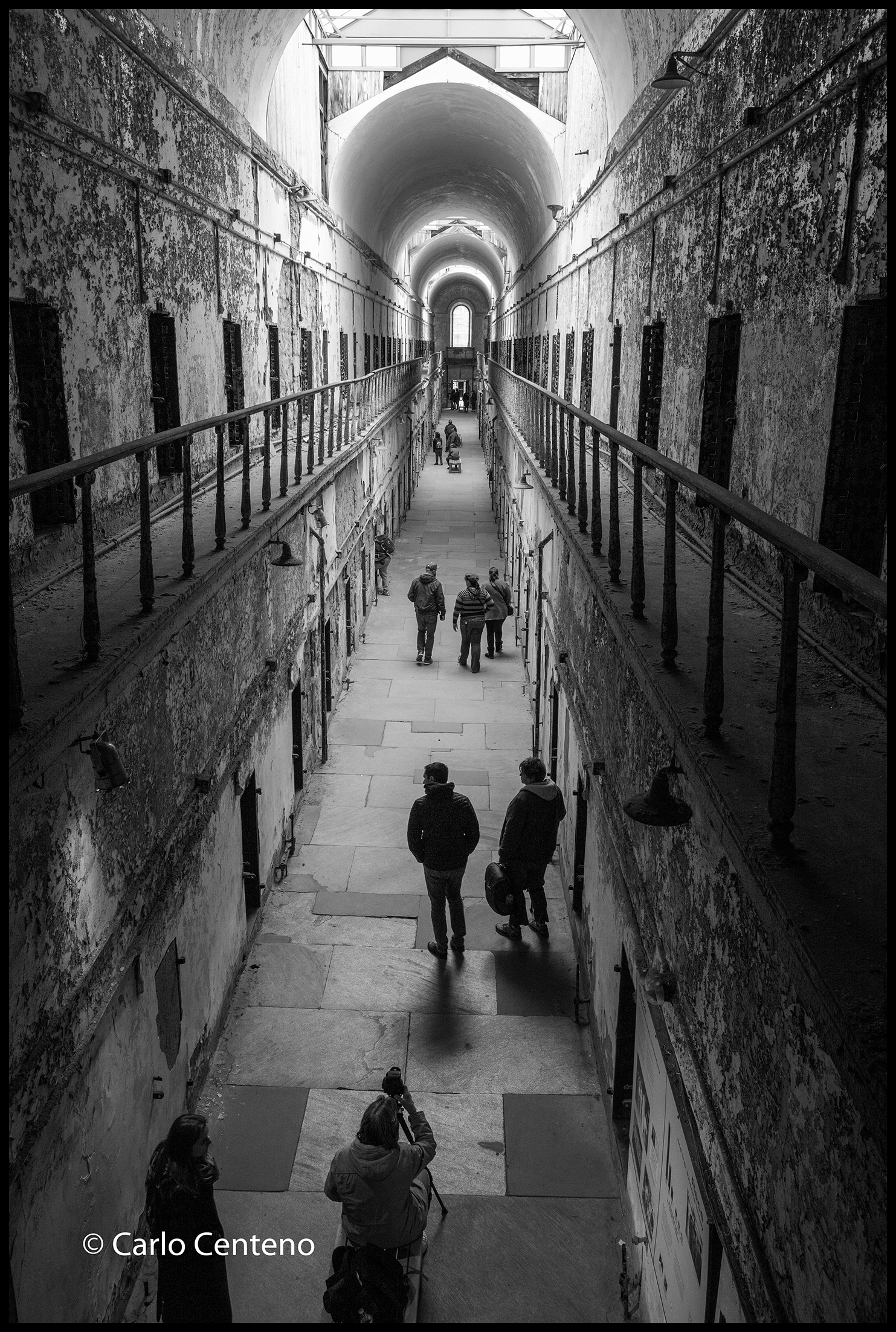
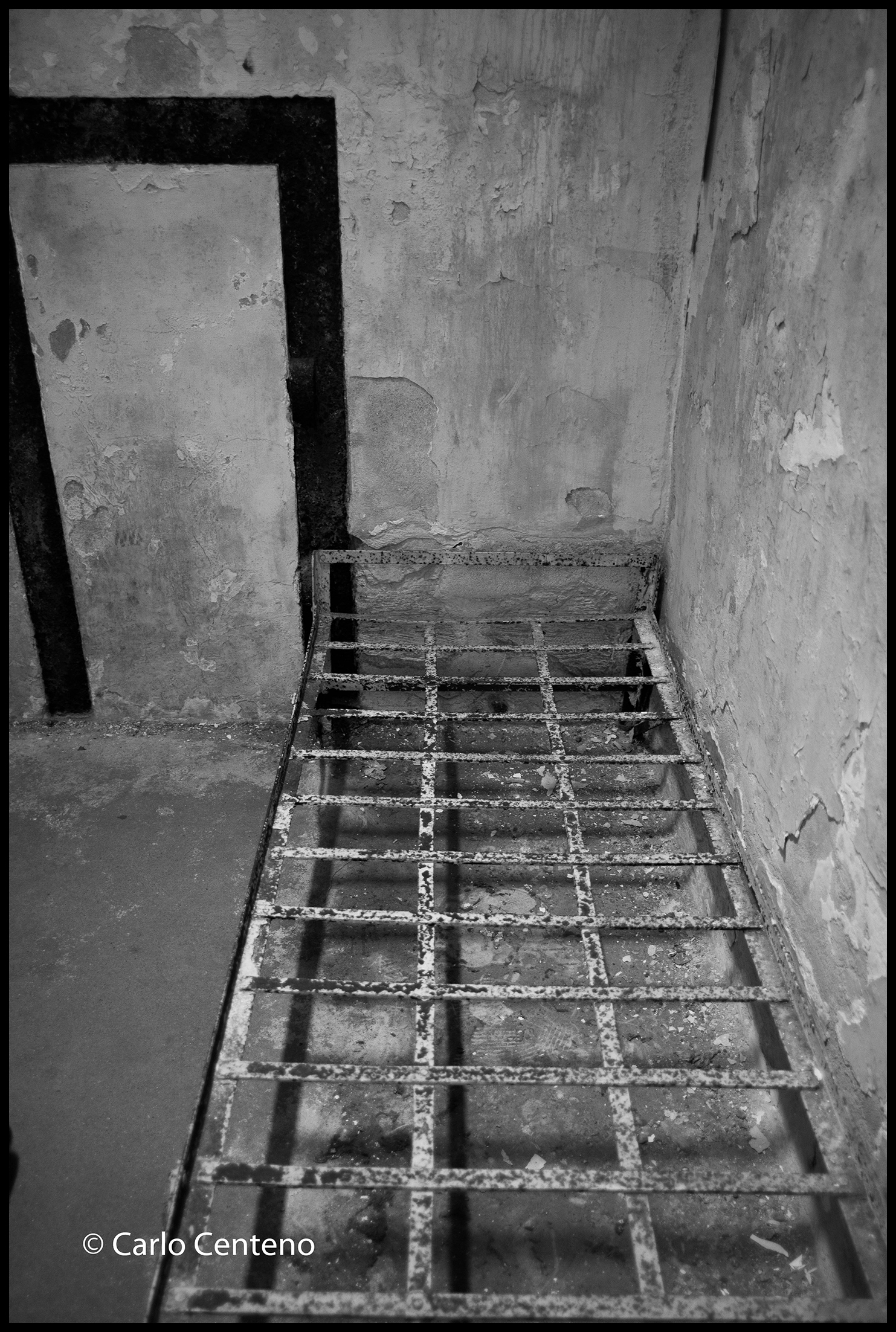
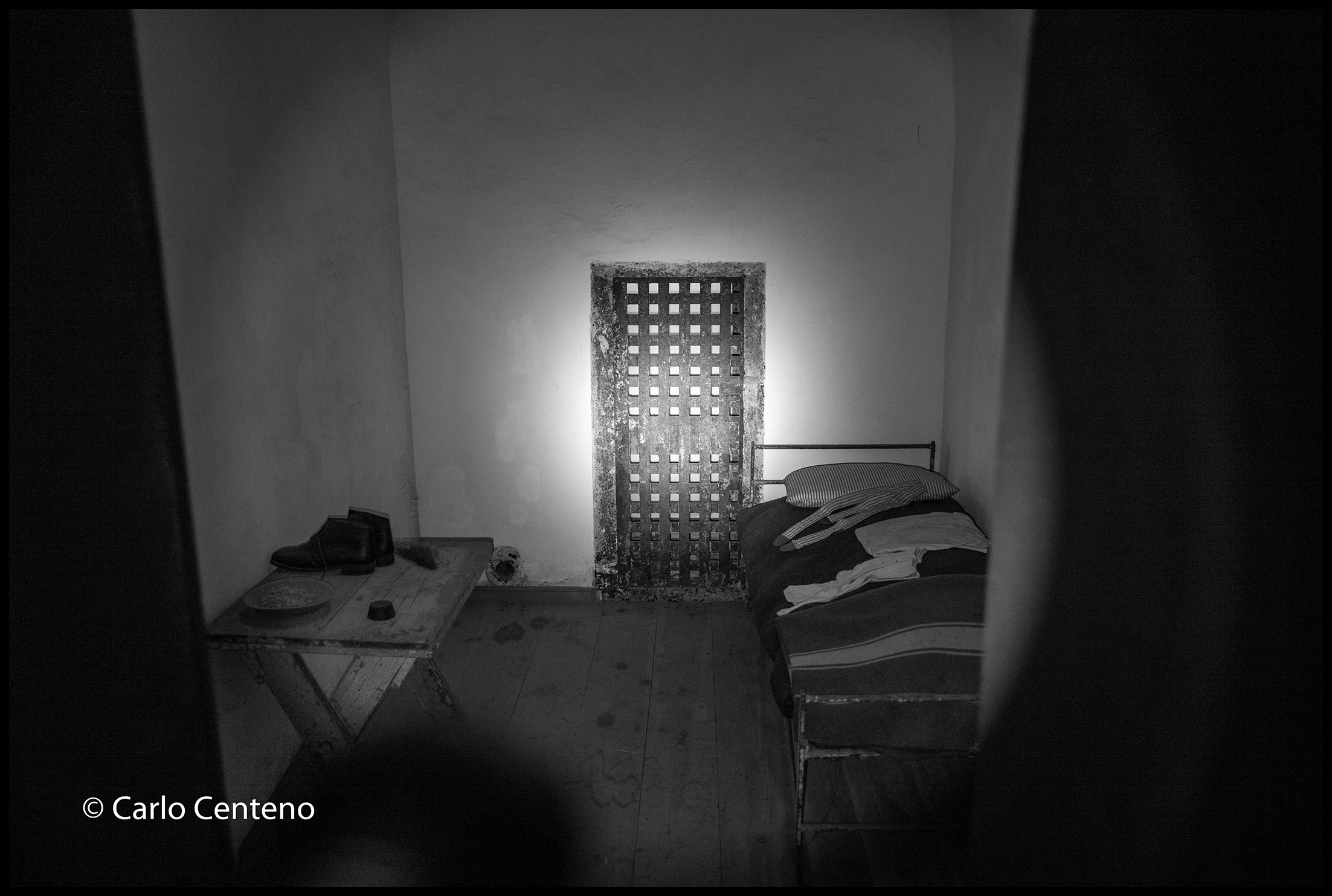
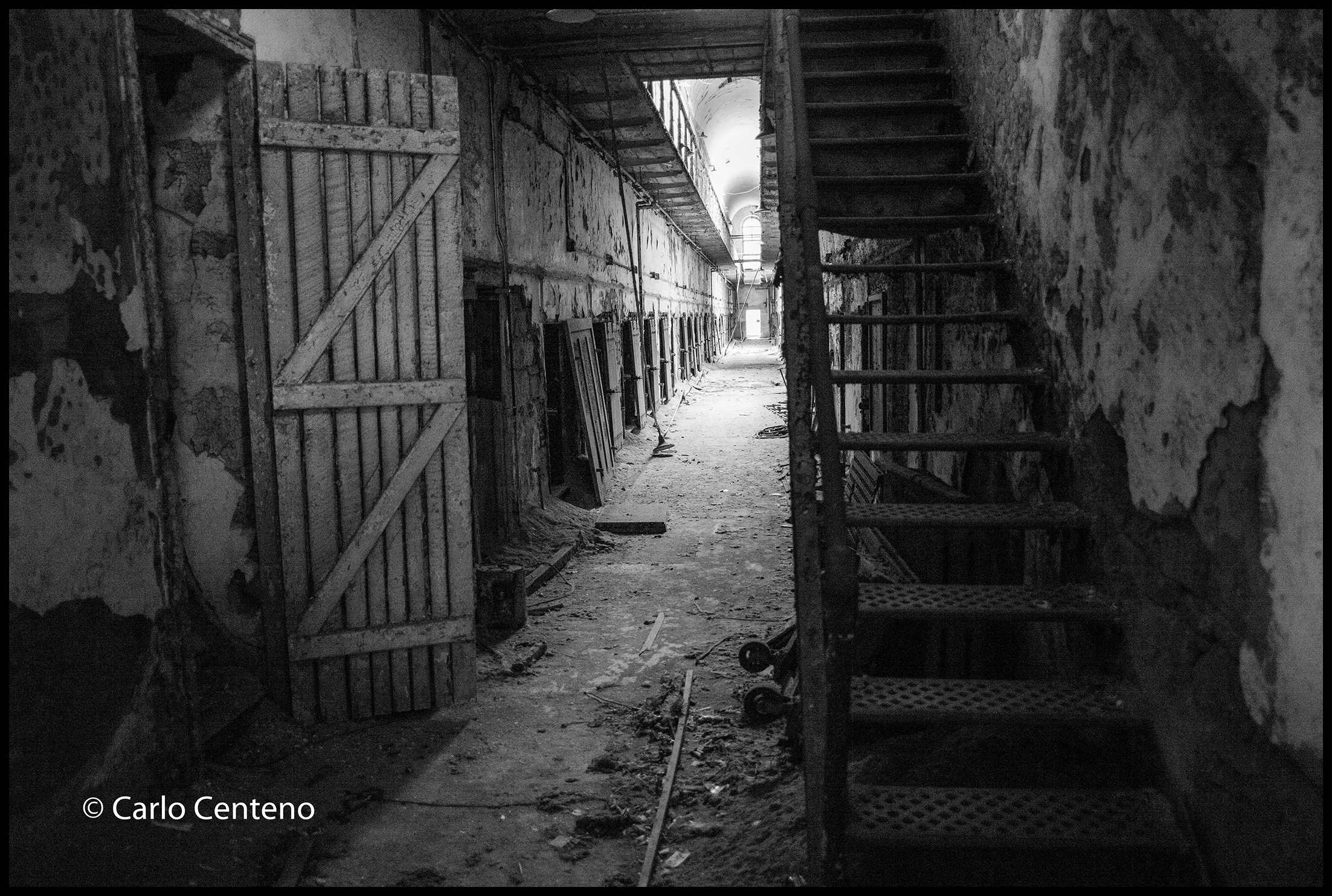
In my life, only 2 museums have profoundly impacted my psyche: The U.S. Holocaust Memorial Museum in Washington, DC and most recently the Eastern State Penitentiary in Philadelphia. As instruments for education, they are a means to an end.

The prison in Philadelphia was built to help those find and practice penitence for whatever crime they committed. Human nature can be flexible and adaptable across time, however, incarceration and solitary confinement has a way of bringing ruin to flexibility and adaptation.

With that ruin, even the strongest of men—and women—lose their hearts, emotions, everything, to spiritual atrophy.

If marketing is the means to help us remember a brand and its benefits, then the marketing of such museums is to reinforce the unimaginable cruelty were capable of, and to keep alive the most powerful and universal of virtues that are love and hope.


A Touch of Spring

Pour ceux qui sont fatigués de l’hiver, laissez-moi partager avec vous un aperçu du printemps.

Chaque printemps, Smith College ouvre la porte de leurs maisons vertes. Pour un petit don, vous pouvez vous perdre dans la chaleur, la couleur et la promesse de la météo à venir.

La patience est nécessaire car les week-ends sont toujours occupés avec les visiteurs, proches et lointains.


Totalitarian Sentiments


Creating confluence, understanding & compromise 101. Photo: C. Centeno

We have met the enemy and they are us.  Circa 1960s: Walt Kelly from his comic strip, Pogo, in reference to the US involvement in Vietnam. The phrase is a variation from Naval Commander Oliver Hazard Perry whom, in the late 1790s said, “We have met the enemy and they are ours.”

Our sociological positions on culture, tolerance, honest communication, integrity, decorum and humility have fallen to new lows. Some of us—in particular those with the loudest and most obstinate of postures and voices—have created as well as promoted an intractable reality that has altered our ability and willingness to freely express our thoughts and feelings across many subjects.

Fueled by emotion, group think, individual perceptions and more, it’s become de rigueur to put someone down [shouting, shaming, name calling, e.g.] just to make a point. What concerns me is while someone can possibly make a point, the counterpoint is summarily dismissed. Its dismissal is total, a product of a scorched earth mentality that leaves no room for perspective, for critical thinking and even a chance, however small, to understand the meaning of the counterpoint let alone the person or persons expressing the counterpoint.

We not only agree to disagree, but we do so in disagreeable fashion. We create diatribe instead of discussion, insults in lieu of perspectives, bombast as proper elocution.

I leave you to ponder on William Faulkner:

“I believe that humankind will not merely endure: we will prevail. We are immortal, not because we alone among creatures have an inexhaustible voice, but because we possess a soul, a spirit capable of compassion and sacrifice and endurance.”

Processing engagements

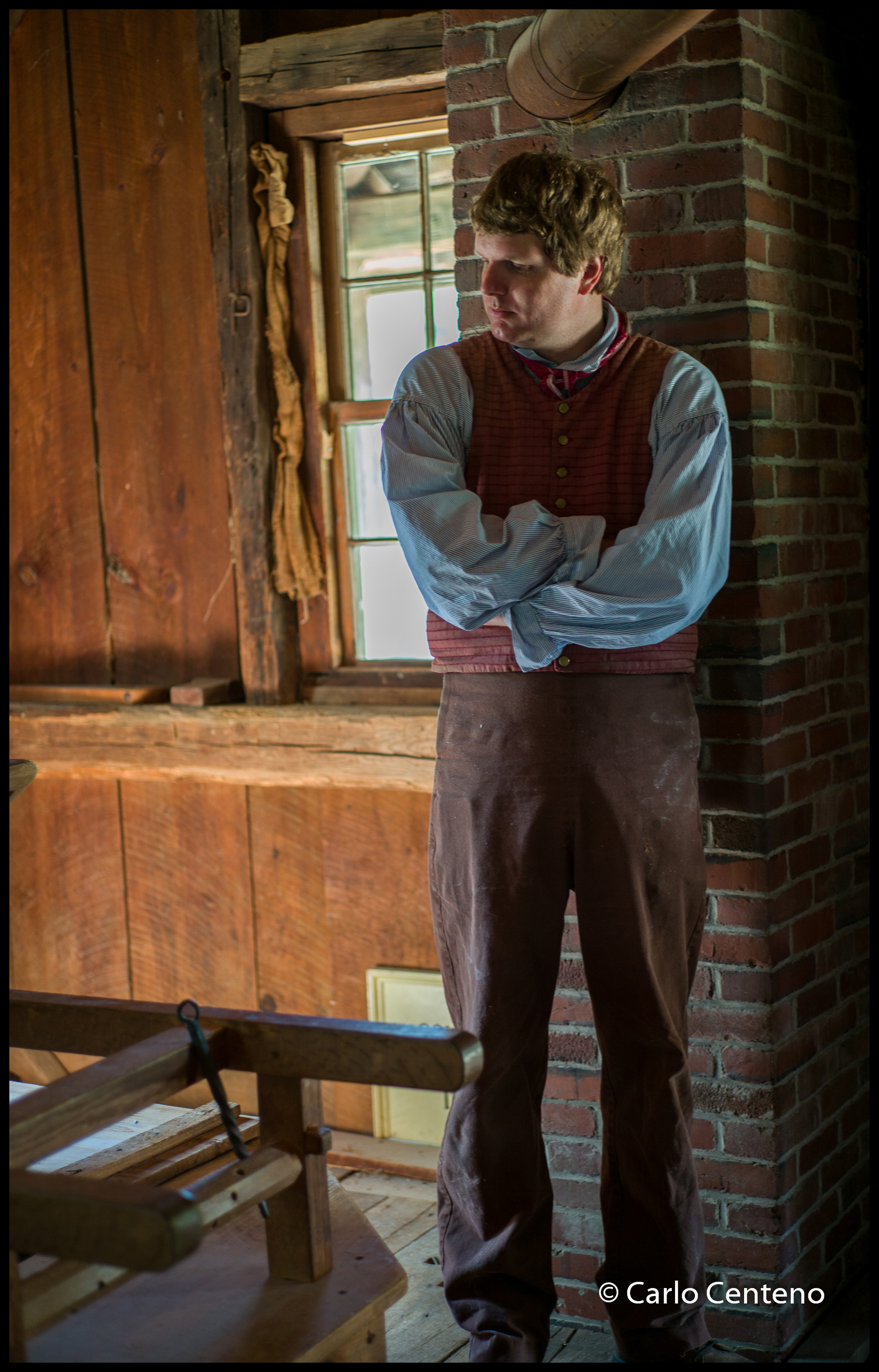
During a recent trip to Old Sturbridge Village, I came upon this roped-off exhibit of a beautiful, portable, writing desk with written pages fanned across its top. I imagined how the owner and writer of those materials may have looked like. This gentleman seemed to fit the bill.

I can appreciate the time and effort it takes to hand-write many things. I’m at odds with my peers, being one who cherishes writing [letters, journaling, e.g.] with a fountain pen no less. It does require your attention. The efficiency of computers is a boon to creating content, from tweets to long essays and dissertations. The use of all types of computers is standard for our developed societies.

But why do we need to process things so quickly? It’s a rhetorical question, certainly, but not without practical considerations. We marvel at how fast technology processes both the simple and the very complex. However, you lose [at least for me] that joie de vivre of the moment. Being attentive in the moment is quite different from being momentarily attentive.

And I see too much of this momentary attentiveness in many. How so? In a restaurant, you can see some couples more attentive to their smart phones than each other. In parks, in museums, in the lobbies of theatres, offices and yes, even in our cars, the siren of that handheld is overwhelming. The device in our hand responds quickly, in “real” time, then with a thumb stroke, we’re onto another screen for something else.

For me though, I feel better connected when I’m engaged with just about any process that requires a bit more attention, time and effort. Yes, I admit an app can make things easier and interesting. But for me, the process of being engaged and attentive to tasks and to processing information just isn’t the same when a person is with me.

Innocuous

Photography and writing—as in life—consists of details small and large. When I tote my camera, I’m alert to details that shape the so called “big picture.”  It’s easy to get caught up in the bigger items [buildings, cars, trees, signage, e.g.] while things far smaller [cracks in the sidewalk, flowers, bird on a wire, e.g.] are thought of as incidentals to the place and moment I’m in.

But now and then, I tell myself to pay attention to details that are inconspicuous as well as innocuous. Such details remind me that in my own life, bigger, faster, more costly, etc. is not always better…


What is a powerful brand made of…?

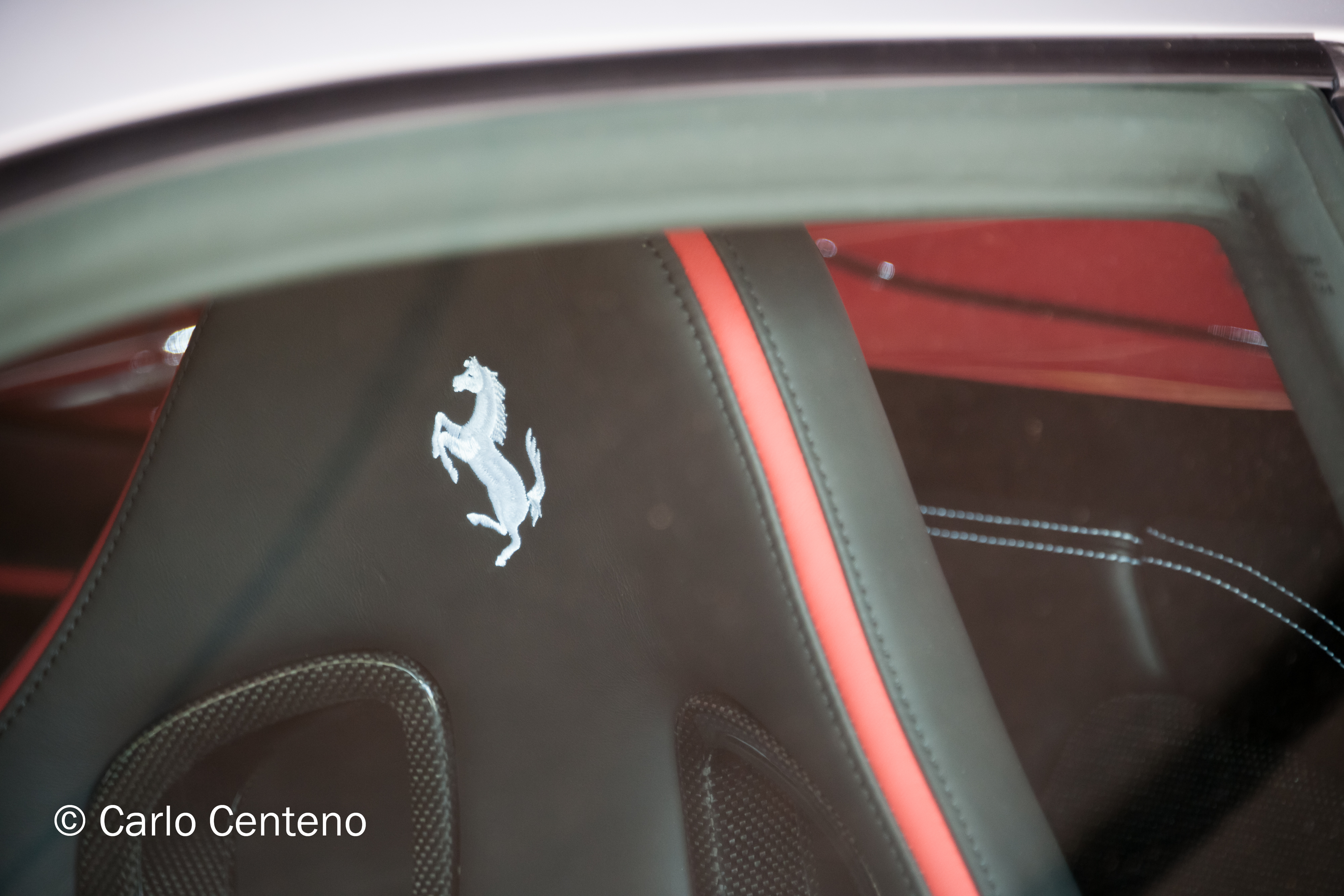
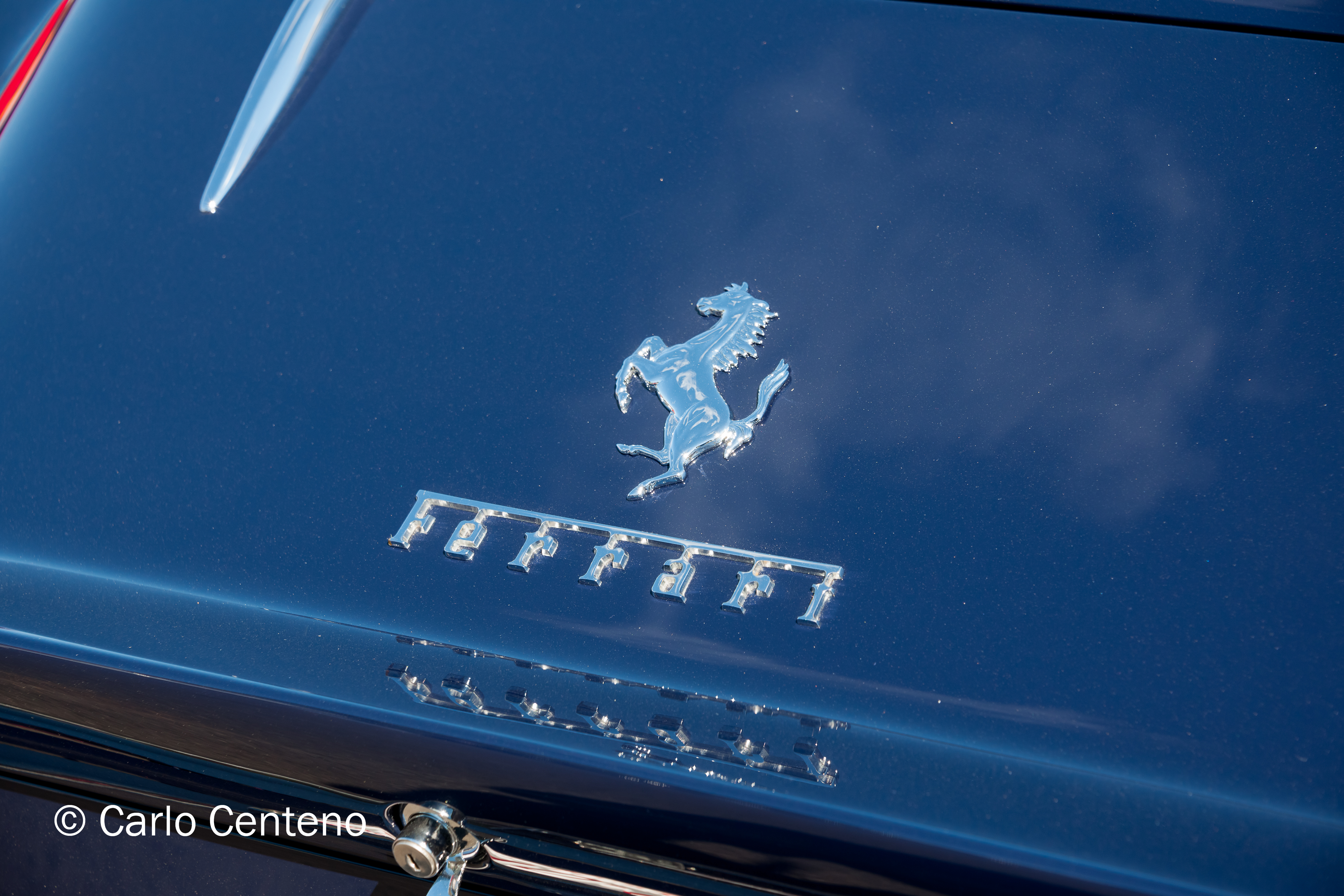
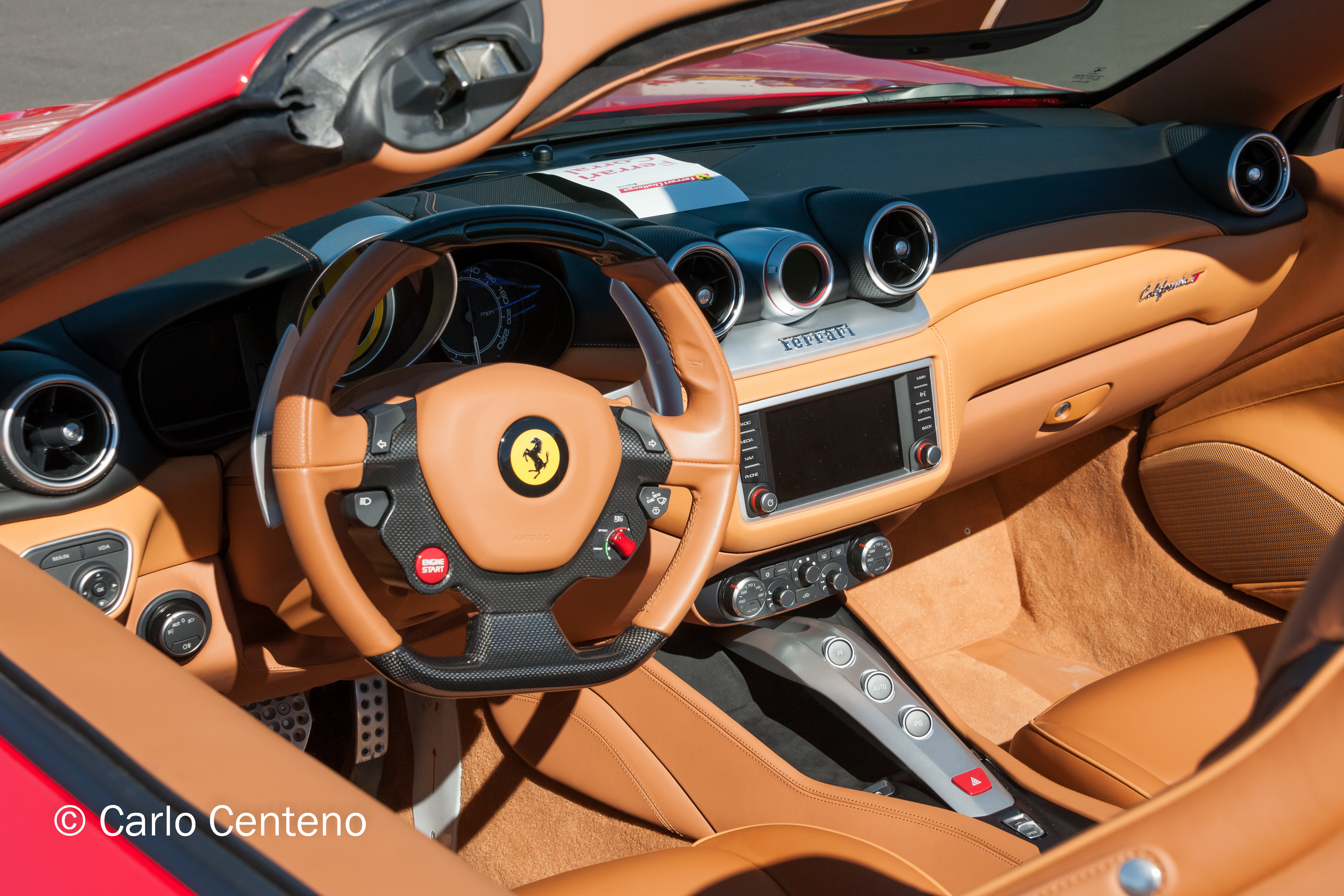
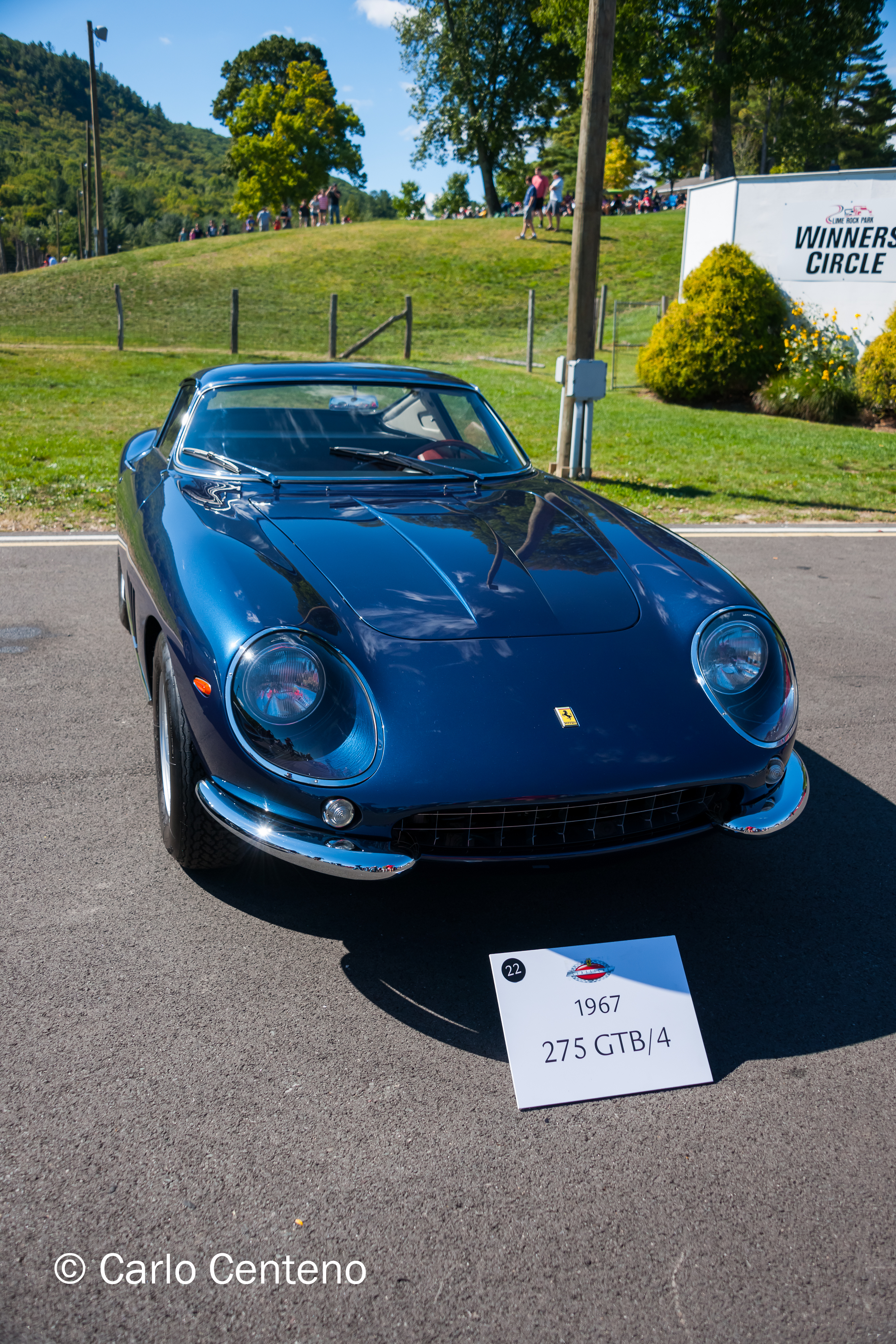
16-ferrari-lime-rock-1053Ferrari. What comes to mind other than the obvious. Luxury? Exclusivity? Formula 1? Art? Engineering? History? Passion and Soul? You can add your own to the list. For as long as I can remember, I’ve felt that many things designed and made in Italy were objects in possession of a soul. From appliances, cuisine and fashion to industrial design, mechanical engineering and art, Italy’s portfolio of world-renowned brands are the stuff of dreams and much more. However, there is one brand that has an aura all its own, one that’s genuinely global in scale and scope.

Ferrari

Between the poles and across the hemispheres, no other brand stirs as much passion, approval, loyalty and emotional ownership. When Enzo Ferrari created his eponymous company, he put into motion more than a company. Ambition, passion, problem-solving and yes, art, were made manifest in his cars, first in racing, then in street-legal sports and GT cars.

16-ferrari-lime-rock-106816-ferrari-lime-rock-1004

What factors played into the creation of Ferrari, the brand?

Passion This is a must-have, a non-negotiable intangible that’s expressed in determination, faith in oneself, desire and ambition.

History  There are no overnight successes. Powerful brands have a narrative. Properly framed [read: small beginnings to small victories to world-wide success], Ferrari took to heart his mission to produce race cars that were designed to win AND deliver an aesthetic unlike others on the track. Certainly this mission carried over to street cars. Ferrari’s history is important to the brand’s mystique and attractiveness; the company smartly uses history to enhance its position in the exotic car market.

16-ferrari-lime-rock-1126

Standing Out Powerful brands deliver consistency and a promise on quality. Not to be flip, but early on, Ferraris weren’t consistent with quality and reliability. However that has changed. In just the past 20 years, they’ve produced products that are wholly different from other sports cars. One thing is certain, when you see a Ferrari, it does stand out. If you’re fortunate to drive one, its performance also stands out across a variety of areas [acceleration, braking, steering, sounds from the engine bay and exhaust pipes and so on]. Proper positioning is part of standing out and the company manages this extremely well.

16-ferrari-lime-rock-0995

Value  You can successfully argue that no one needs a Ferrari [or anything that speaks of luxury, for that matter]. The brand’s real value goes beyond the sticker. Emotional ownership and exclusivity fuels value; the sticker price reinforces limited production quantities as well.  Ferrari markets its brand through careful licensing, merchandising, events and affiliations. Put another way, mortals like us can still feel part of the Ferrari brand, mystic and experience. Their online store demonstrates this because it promotes a sense of inclusion: we can’t afford the cars, but we can feel and show our admiration for the brand via jackets, bas, mugs, watches, caps, T-shirts, office accessories and more.

The Specialty Bakery

16 Bklyn-1006645

What’s the sensory attribute second only to vision, that can impact your perception about as quickly?  Smell.

I think of all the pleasant smells anyone can encounter, there’s no denying that of a bake shop. The Polka Dot at Greenpoint in Brooklyn is a case in point. While I do not understand Polish, I can comprehend reactions from patrons when they see or hear about something this little bakery offers.