 If you’re curious, you’ll find my most recent post here.
Category: photography
Using “obsolete” photo gear
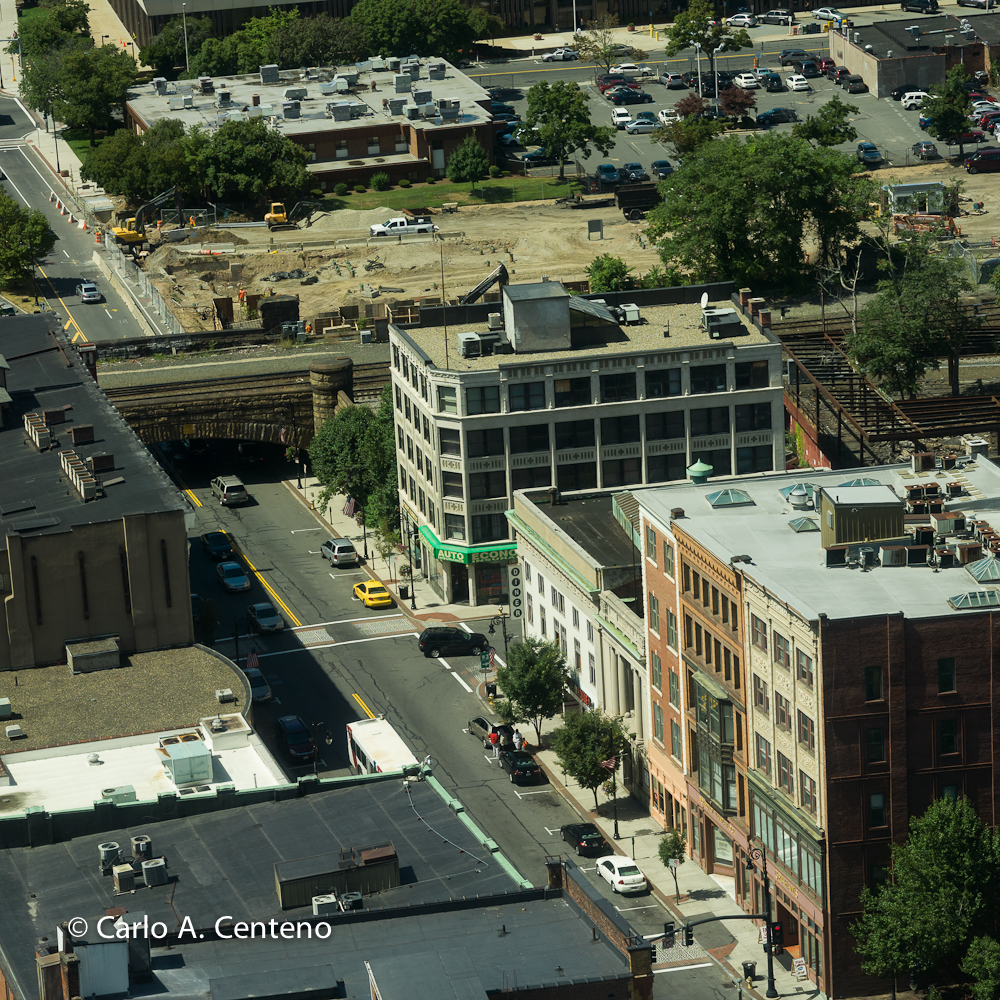 Of late I’ve been using an “obsolete” system and getting some incredible results. To wit:
- Hasselblad 553 ELX
- Zeiss Sonnar 150mm f/4.0 CF
- Imacon Ixpress V16 digital back
- Imacon Image Bank [tethered hard drive to back]
 This photo is an enlargement of the top left-hand corner. I was checking for focus and didn’t realize the scale of magnification I was using in post production. I was astounded to say the least. [click on photos to enlarge] Can you read what’s written on the Jersey barrier? Can you see the name of the front loader on the left? Notice the pile of stones to the right of the frame…
Instant gratification

Earlier this month, I took out my Rolleiflex 6008 Pro and took a few photos using Polaroid 679 pack film. For those old enough to remember, Polaroids were frequently used to check exposure, light quality, composition, subject focus, depth of field and so on. These are but a few samples I took; in each case, the texture, the feel and ambiance of the image puts me in a calm state of mind.


Blue Moon
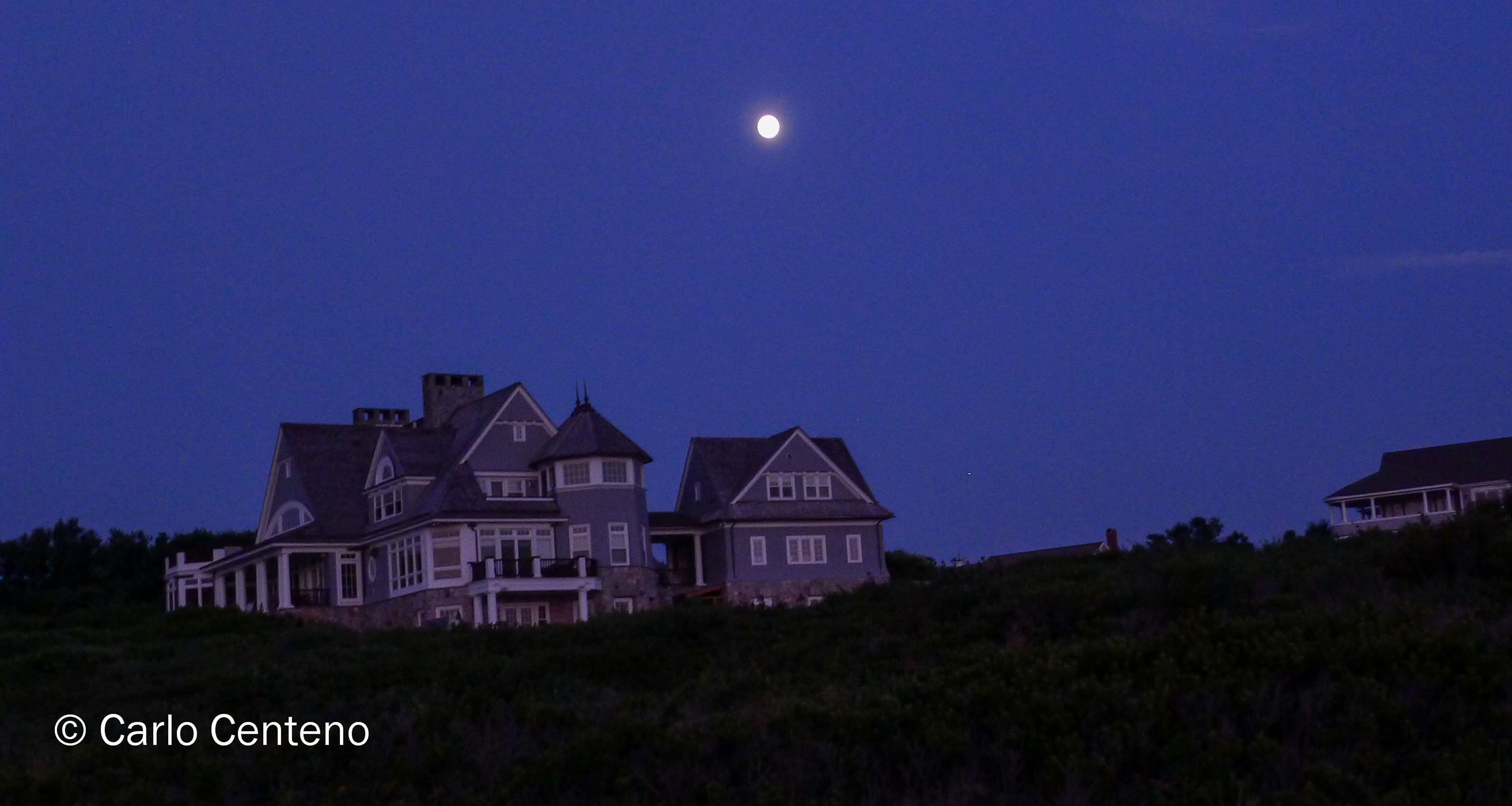
One of the most enjoyable aspects of the summer are nights on a quiet beach.
 I’ve seen people fish, practice yoga, walk or run—sometimes with a dog—but the one activity I enjoy is the calm associated with doing nothing. The “nothing” I savor has more to do with my surroundings. This may sound oh so simplistic, but you haven’t lived until you’ve spent a late night on a moon-filled evening, at a beach where the sounds and smells of ocean, the wind and even an open fire embrace you.
 It’s even nicer when you share such moments with people you care about…
Time Travel

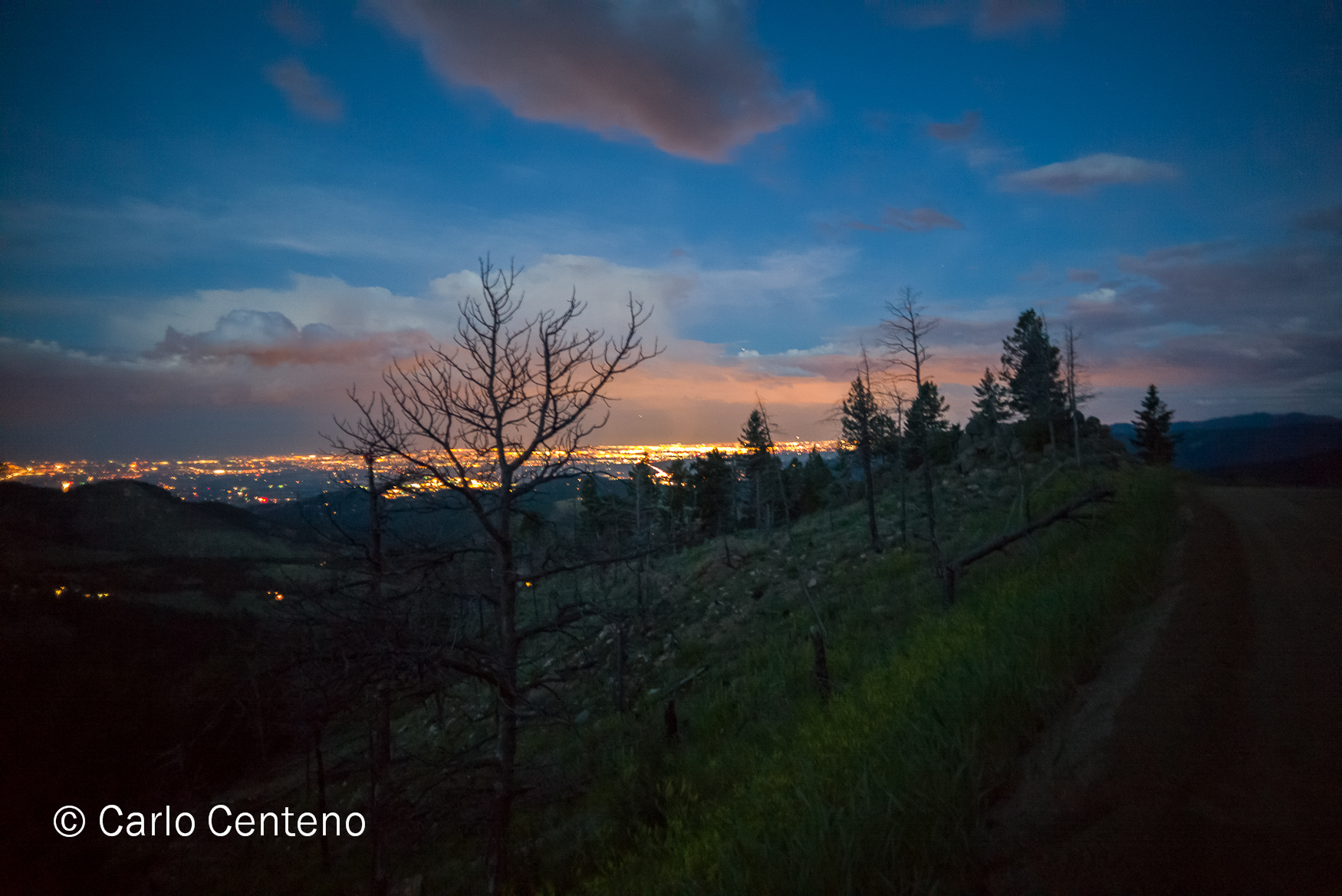
Nostalgia has a way of displacing your sense of place—physically, emotionally, even spiritually. We recently returned from Colorado visiting our daughter and her boyfriend. It was our first time in Colorado. I now have a better understanding of why those 2 love it out there. You encounter beautiful scenery, a lot of open spaces, a more relaxed pace of living and so forth. For the most part, 95% of why we wanted to go was to see our kid [no longer a “kid” I might add]. If she was flung further, we’d still find the means to visit her.
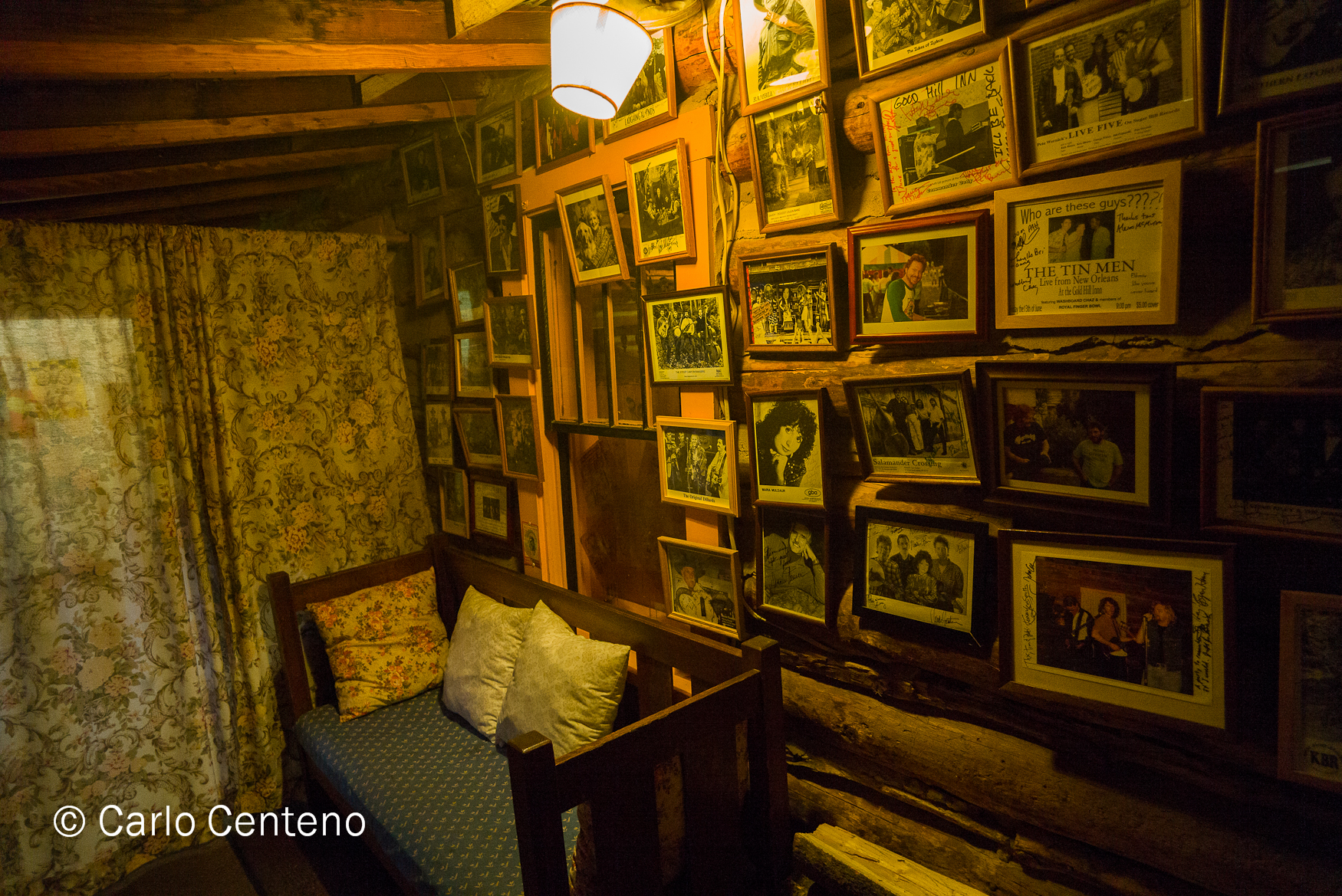
The Gold Hill Inn had a strong pull for me. Specifically the place harkened to a time when you knew most of the townsfolk by name, offered a greeting [mornin’ ma’am] and rarely took for granted what was in front of you. Here was an old mining town and an inn that held no pretense. What you see is what you get, as they say. Conversation you might have overheard was direct and nothing of the dialect we hear or read about in media, whether broadcast, print or electronic.
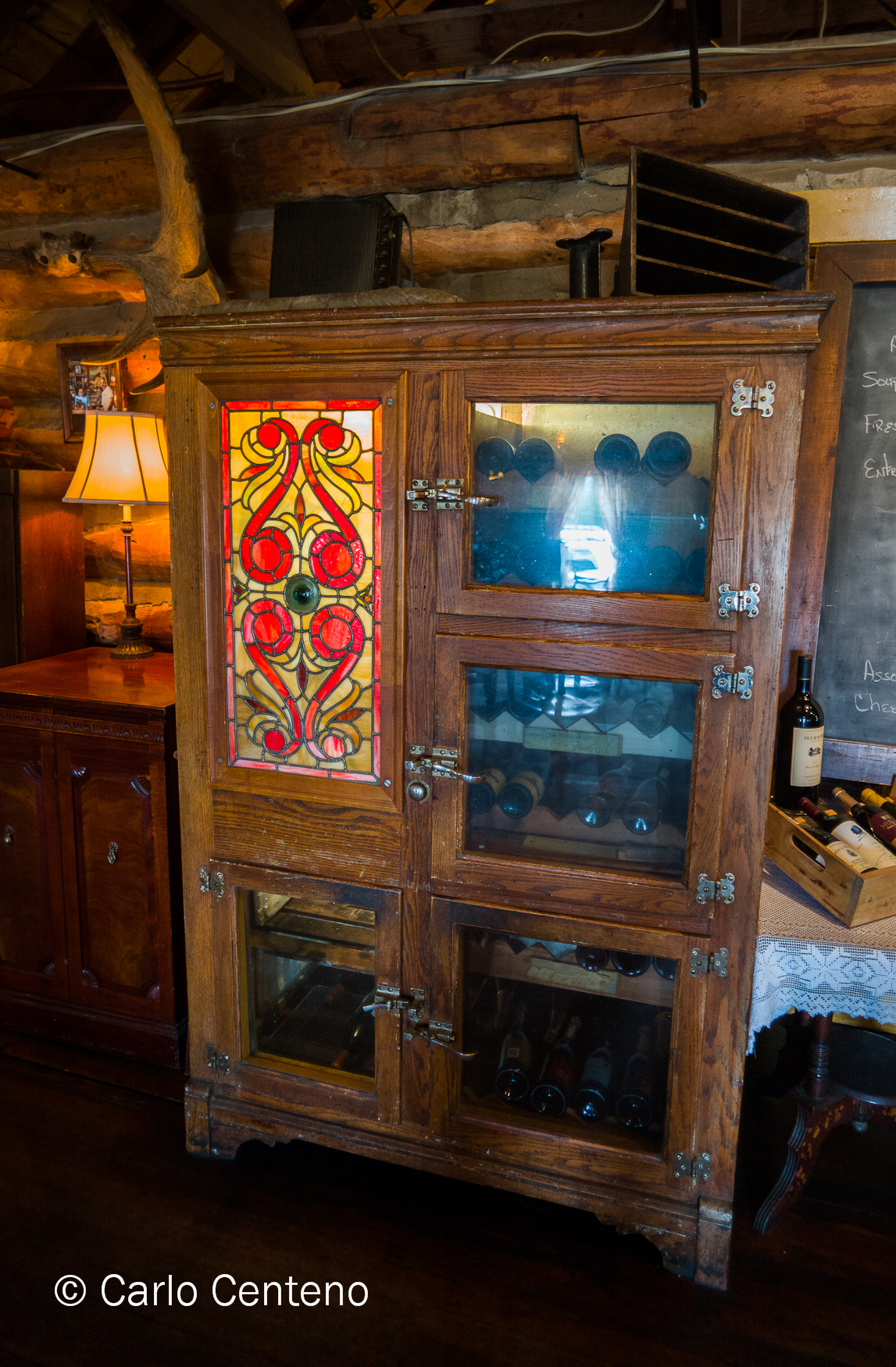 Aside from the obvious modern conveniences of electricity, telephone, running hot and cold water and bathrooms, you can see, smell and hear the straightforward attributes of the time. The wine cabinet looked sturdily built and beautiful to look at. The National Cash Register, while obsolete, still proudly showed off its utility and independence; it required no electrical power but the firm hand of the bartender. No LCDs or CRTs here, thank you. And you better have strong hands and fingers to manipulate the keys and drawer of this handsome machine. And directly above that cash register, what better contrast than the nude portrait positioned just so, as if recumbent on the edge of that register. The fecund suggestions in both portrait and cash register shouldn’t be lost on anyone. Strength, abundance, beauty, even mindfulness, all expressed in just those 2 objects.
The floorboards were just that: a floor made out of wood, perhaps oak or another type of hardwood. When you walked on it, you felt its idiosyncracies. Not all the planks lay perfectly flat, some joints stood higher or lower than the one adjacent. If you happen to wear boots—especially cowboy boots—the firm, “thud” of a heel made known to all that you weren’t innocuous or at least couldn’t be. Try as you might, you can’t ignore that heavy sound on the floor; your natural reaction was to look over to see who was there. Old, young, man or woman, the “thud” sounded and felt the same.  In its simplest form, the declarative sentiment nostalgia often gives to us is, “How much more do you need?” Today, “want” versus “need” often precedes more. All the fundamentals of life are laid bare in this town. Aesthete is in the eye [and pocketbook] of the beholder, but standing in that town, in that room, on main street with an open mind and unhurried cadence only enhanced the value of what was genuine. What you see is what you get, indeed, but sometimes I need perspective on what I already have.
A Soiree of Symphonic Relevance
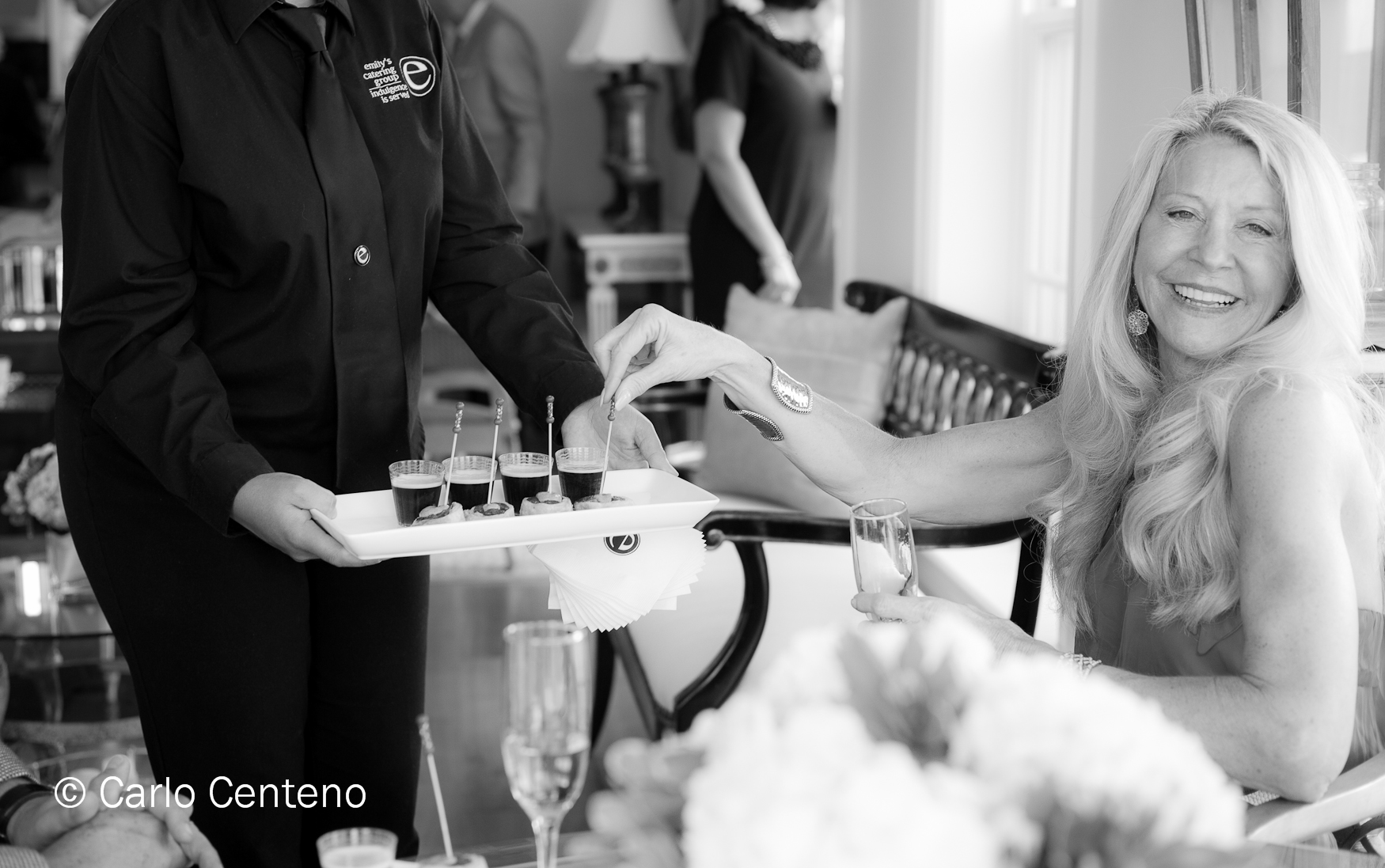
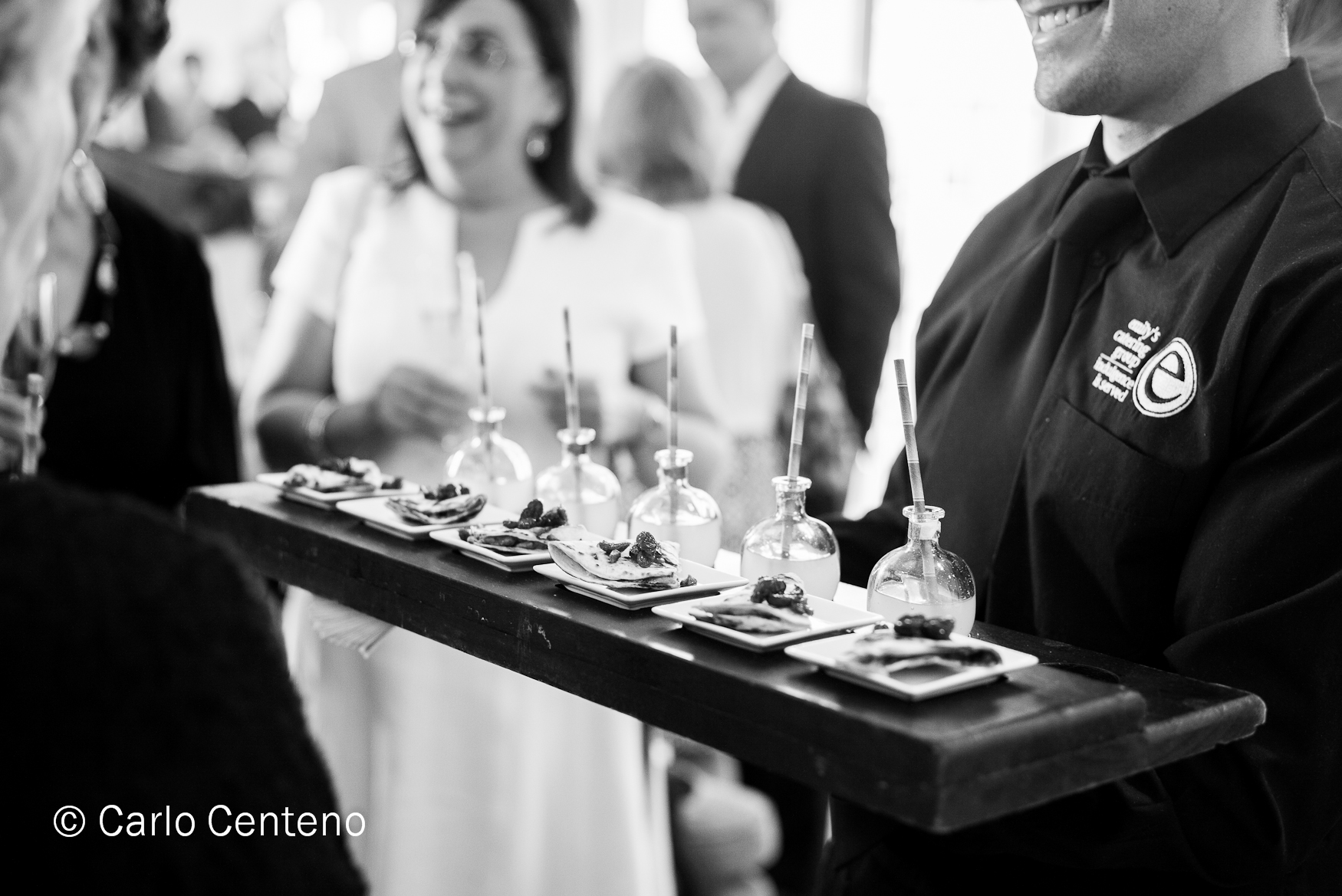
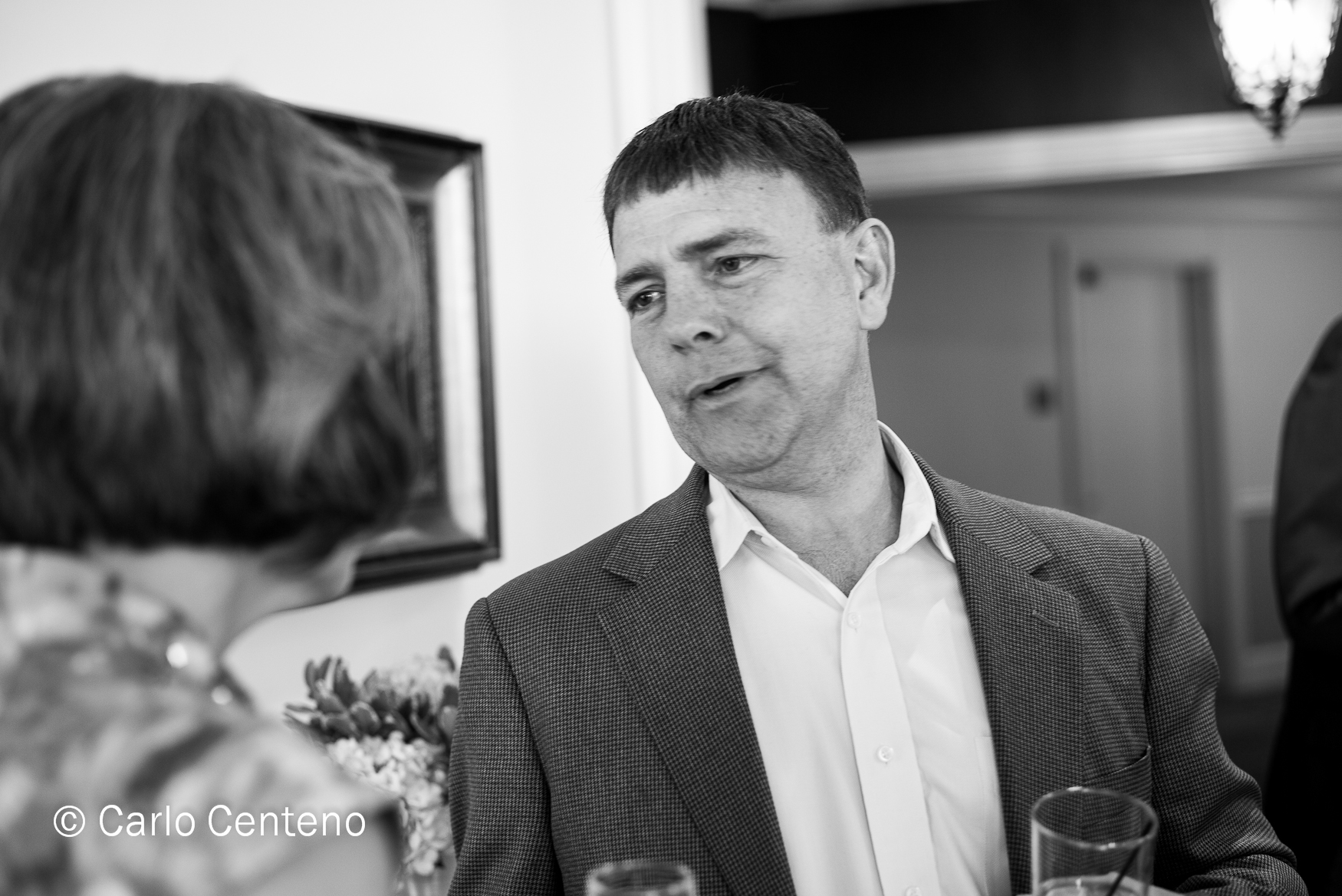
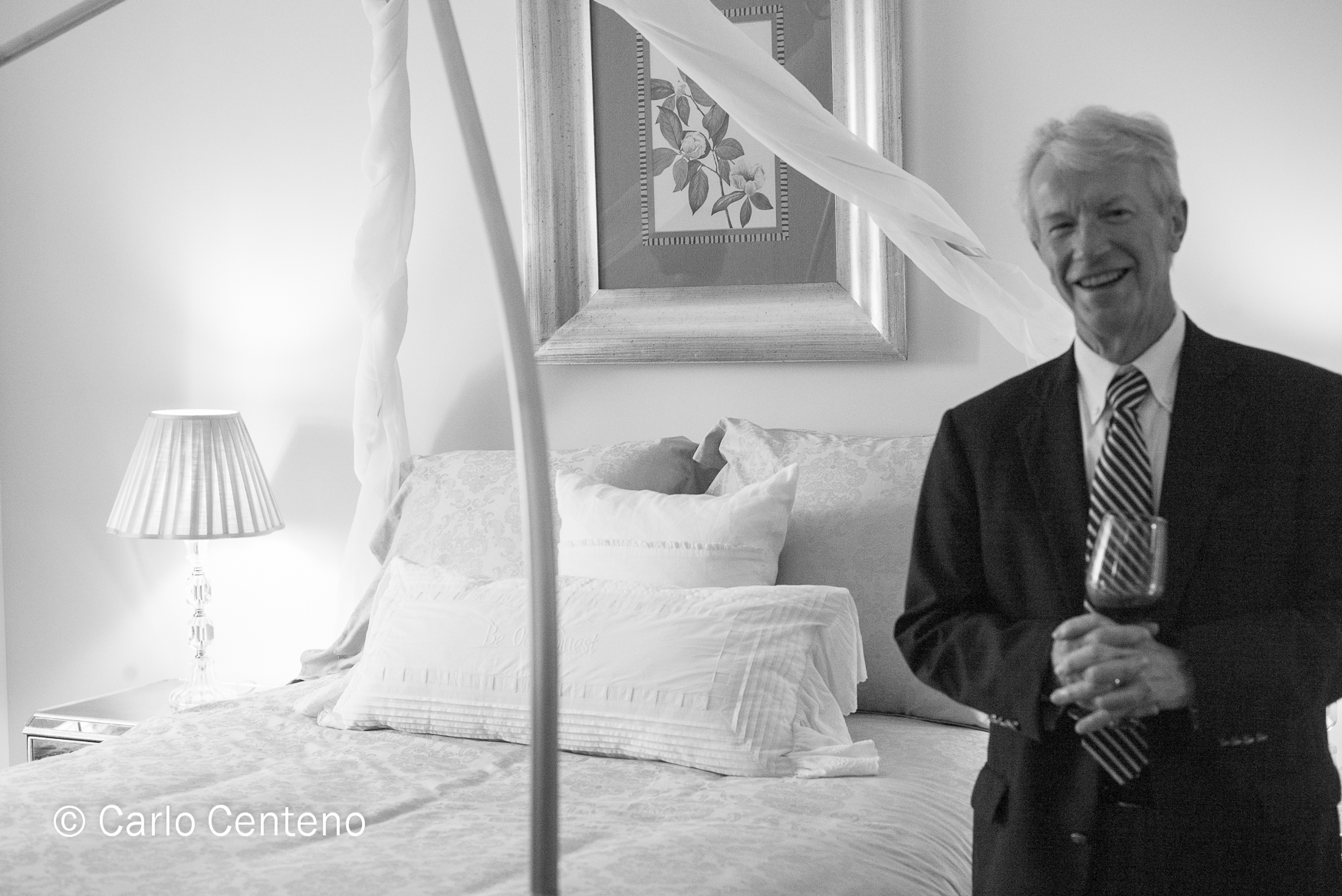
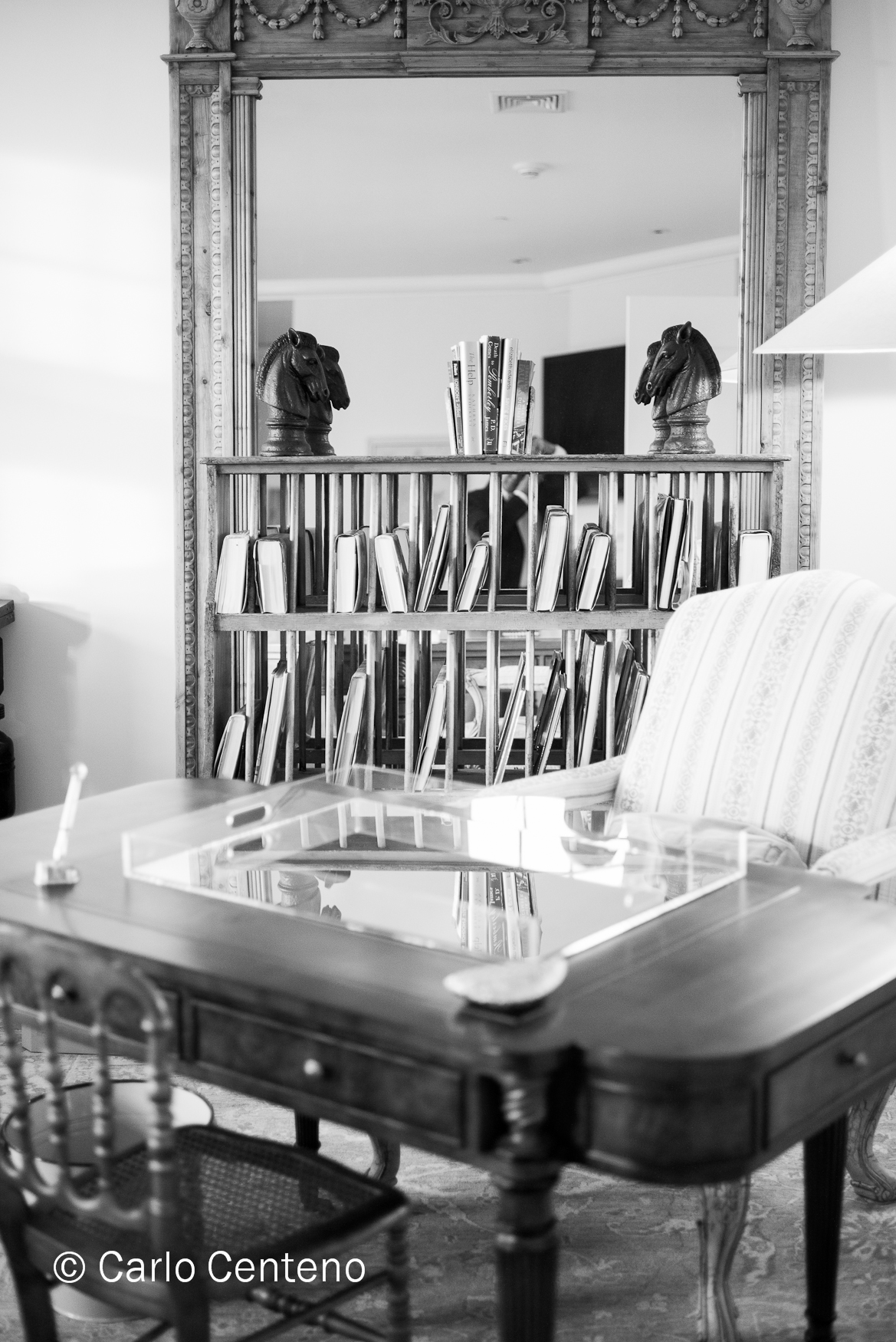
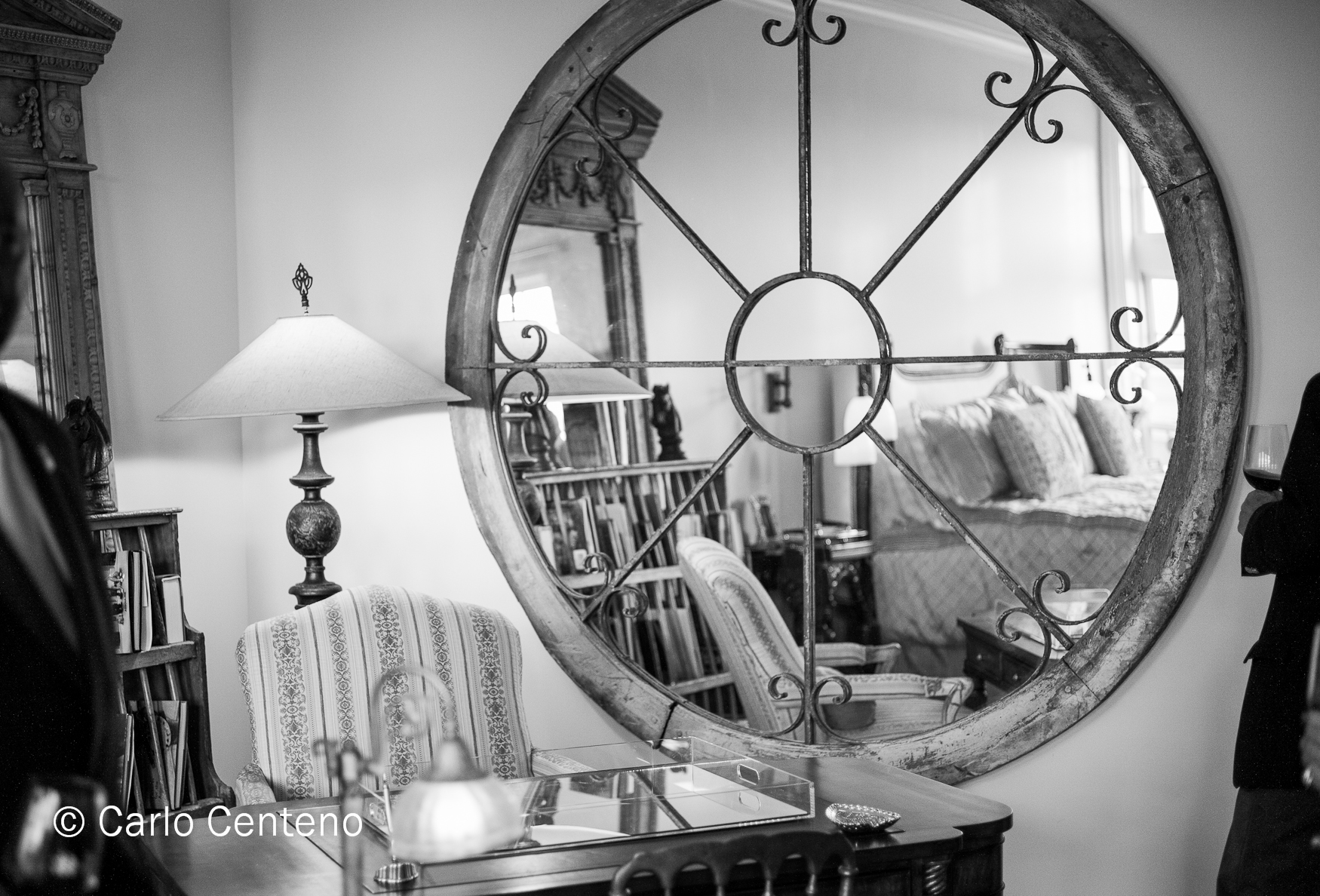
For approximately 2.5 hours on a beautiful summer night, Nancy and Jerry Hoffman graciously hosted an early evening function, one which acknowledged the generosity of patrons supporting the Hartford Symphony Orchestra.
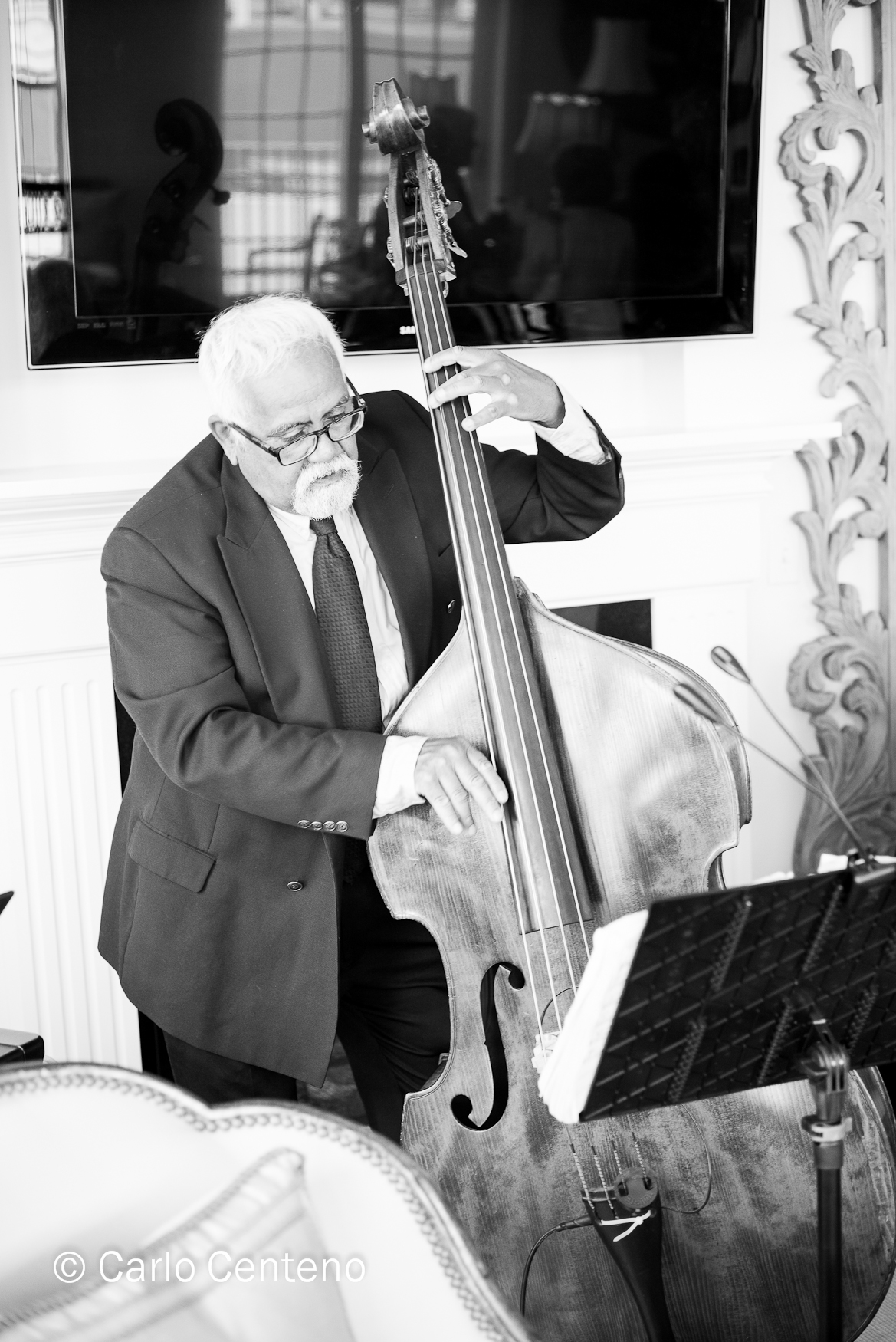
Back in May during the annual gala for the HSO, one of the auction items was an evening spent at the Hoffman’s West Hartford penthouse. The lucky bidders/supporters were treated to jazz music and popular standards while hot and cold hors d’oeuvres were served and select wines and spirits were poured.
Enjoy the photo-essay [click on an indvidual photo for closer viewing].


![Frank Travis [L] and Pierre Guertin, former HSO Board Member and Past President.](https://carlocenteno.com/wp-content/uploads/2015/06/15-hoffman-symphony-1005366.jpg)





![[L-R] Barbara Hess, Frank Travis and Sharon Rizikow.](https://carlocenteno.com/wp-content/uploads/2015/06/15-hoffman-symphony-1005336.jpg)




Demographic Segmentation & Marketing

I learned early on in my career that market segmentation is but one level of segmentation. I think of the process as one of differentiation. Demographic segmentation requires specificity in a cultural subset. In other words, you don’t place spanish-speaking people as solely spaniards any more than those speaking french as frenchmen.
The subset is of material importance. Spanish-speaking people come from many places other than Spain, ergo the same for french-speaking people living elsewhere than France. Think Puerto Rico, Mexico, Columbia, Dominican Republic for the former and Quebec, Monaco, Ivory Coast and Belgium for the latter.
There has been a tremendous amount of buzz regarding LGBT civil rights. Ireland is the first country that recognizes same-sex marriage after its citizens voted it so just this past May. Caitlyn Jenner is a household name and we’re likely to hear a lot more about the former Bruce Jenner’s transgender journey.
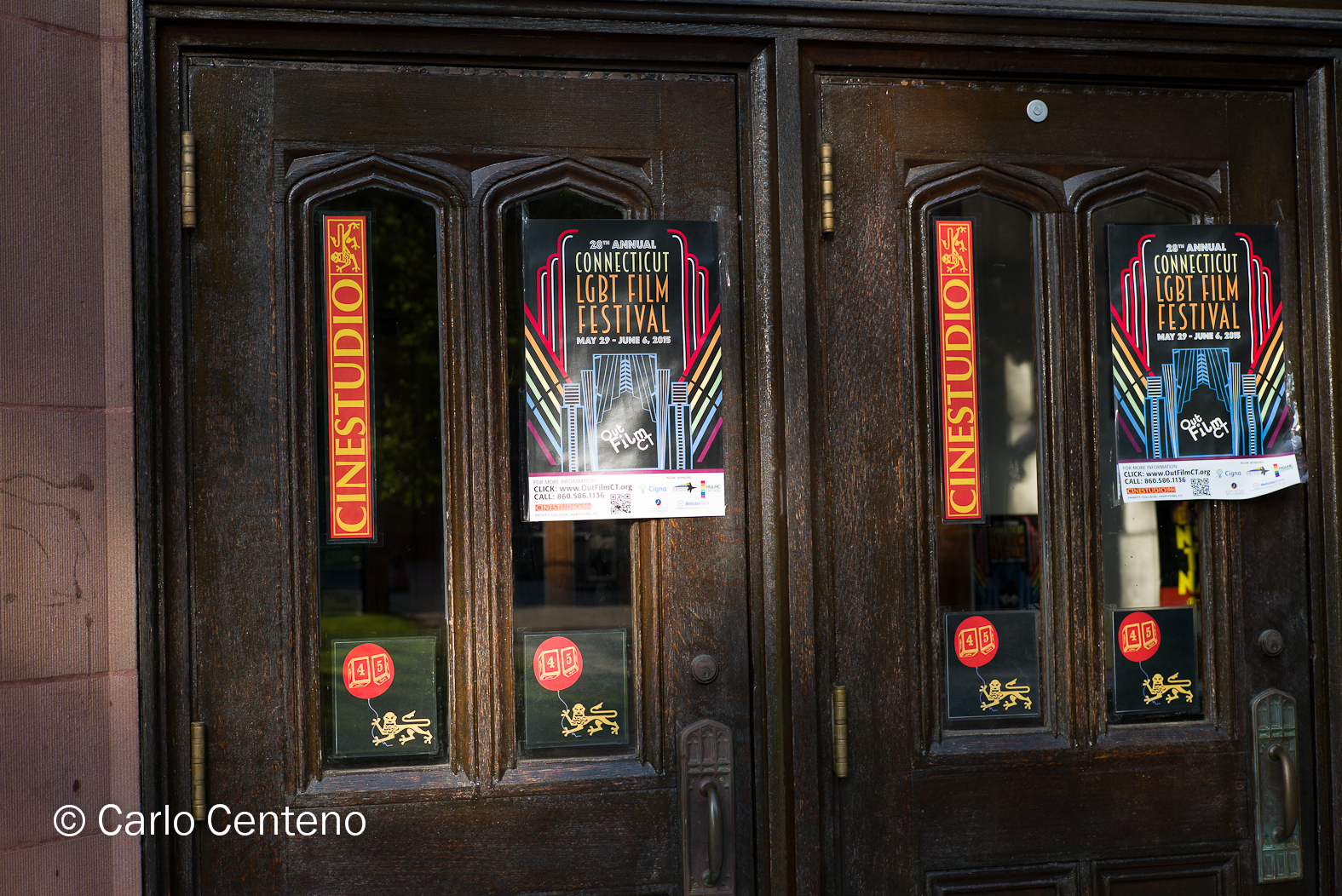
So, what does this have to do with marketing? For me, plenty.
First and foremost, we’re dealing with a community of people. Many countries treat LGBT people like criminals. In no uncertain terms, being lesbian, gay, bisexual or transgender puts you on death row in several countries. So, tell me where’s the real crime taking place?
I recently attended a screening at the 28th Annual Outfilm CT Film Festival held on the beautiful campus of Trinity College in Hartford, Connecticut. From May 9th to June 6th, controversy, art, education, tolerance, intolerance, inclusion, love, forgiveness, the banal and the beautiful were expressed across a variety of films, short and of feature length. The films I watched provided a temporal take on LGBT concerns as well as the eternal qualities of love, acceptance and foregiveness.
There’s also the economic take that cannot be ignored. LGBT folks are contributors and consumers. Some hold high-level positions in business [Tim Cook, CEO of Apple, e.g.] Yes, the human costs are invaluable, however the economic costs can be calculated. If you need more information, this recent article from The Atlantic can shed more light on the value of the LGBT economy.

How important is the LGBT community? Here’s the short list of corporate sponsors of the Outfilm CT Film Festival: Pratty & Whitney; CIGNA; The Hartford; AARP; Aetna; Baccardi; Barefoot Wines, among others…like the firm I work with.
In addition to other key designations and credentials, Michael Matty, the President of St. Germain Investment Management, holds the following: Accredited Domestic Partner Advisor [ADPA]. While segmentation is important in marketing analysis, inclusion holds its own relevance as well.
Music Matters
In my line of work, you host, sponsor and get invited to a variety of events from various non-profit agencies and causes. Most everyone can understand donation requests in the form of food, clothing, footwear and safe housing. The need for basic items will not abate and is likely not to.
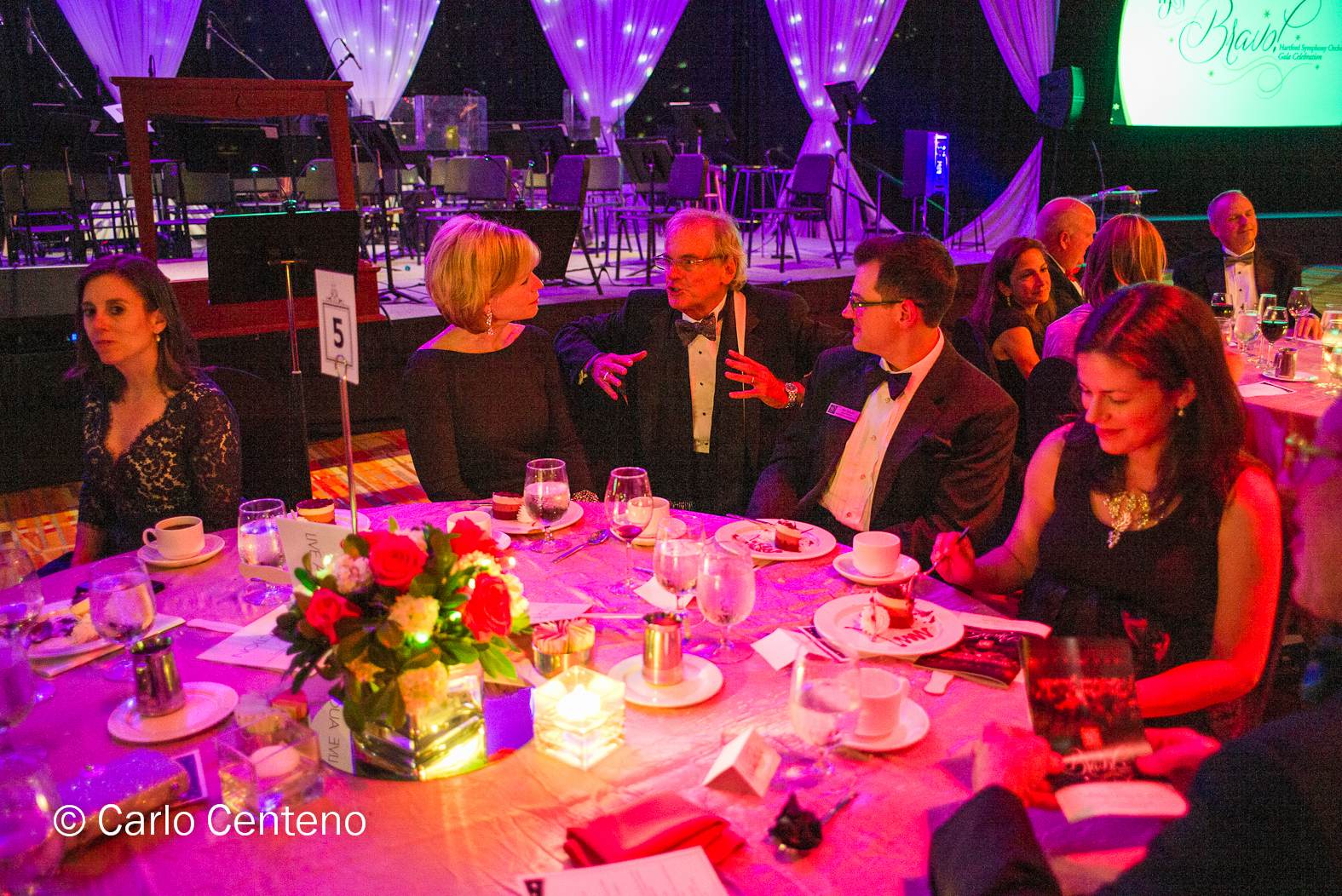 This past weekend, my wife and I were invited by 2 wonderful friends to attend the annual Hartford Symphony BRAVO! gala to support the HSO and its various programs. This may sound like a declaration for music appreciation, perhaps it is because other than imagery, music is a vehicle that connects you to some of your most profund emotions: fear, joy, nostalgia, regret, anticipation, optimism, self-worth among others.
 Many galas are over the top [in a good way!], but if you get past the themes, decorative accoutrements, wine, main course, dessert and coffee/tea, there’s no wondering about the main purpose of these functions: to procure money and moral support.
 Ticket sales alone cannot support a symphony; that’s too much to expect in this day and age. I believe such was the case many years ago. Financial and moral support need not be mutually exclusive. Think in terms of helping children and young people. Like other major symphony orchestras, the HSO creates programs that encourages kids to become more involved with music. At the very least, to increase our involvement through time, talent, financial contributions or combinations thereof.
 We see many things connected to the arts falling away due to budget cuts. Materials, instruments, field trips, special visits/talks from artist themselves and so forth disappear. Like any other solid corporation, the HSO gives back to the community. In the case of the HSO, it’s more about teaching kids about the power of music. Neophytes are not the exclusive target audience; experienced student musicians also beneifit from music-focused programs and activities.
It’s not a stretch to think—and feel—that music matters.


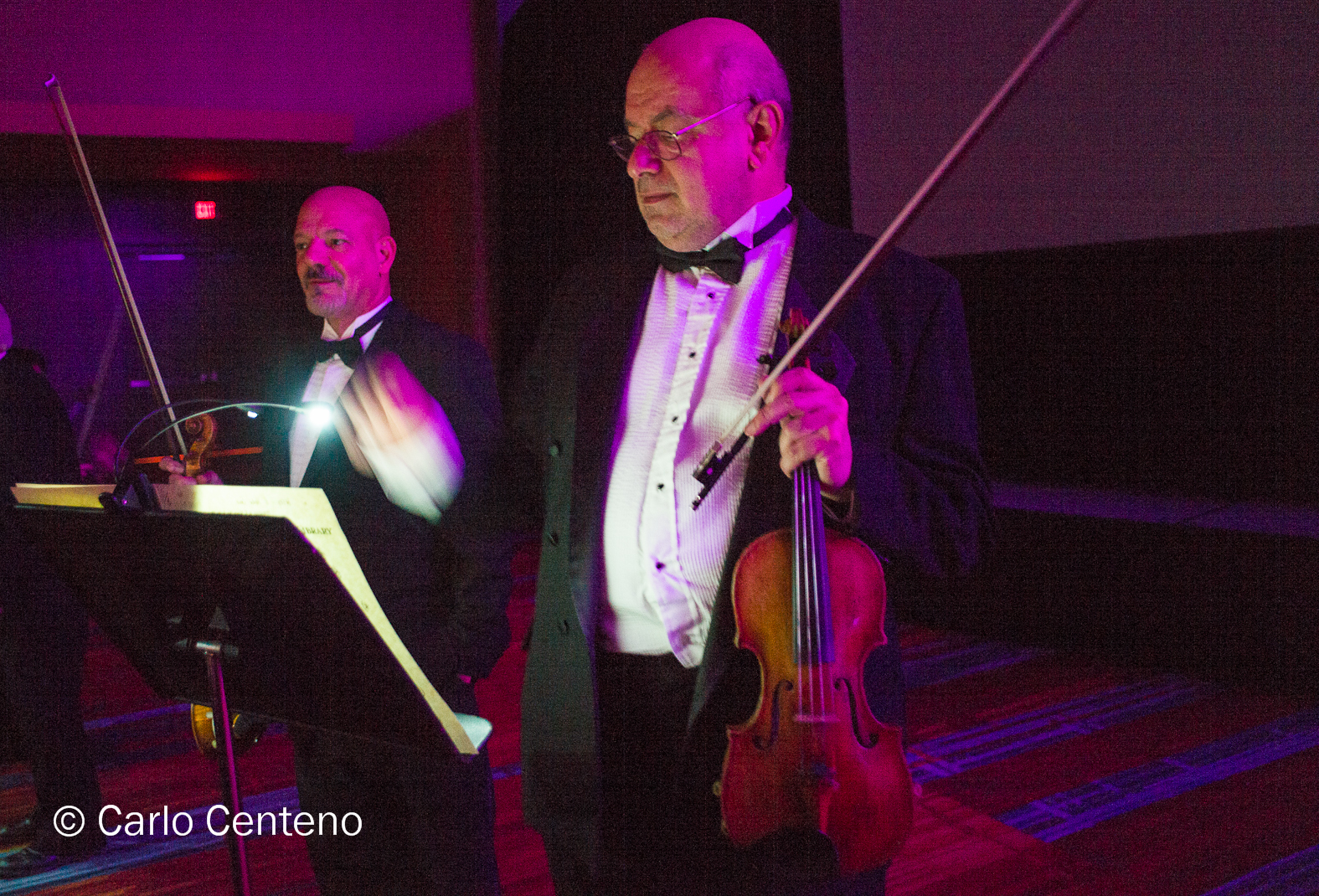
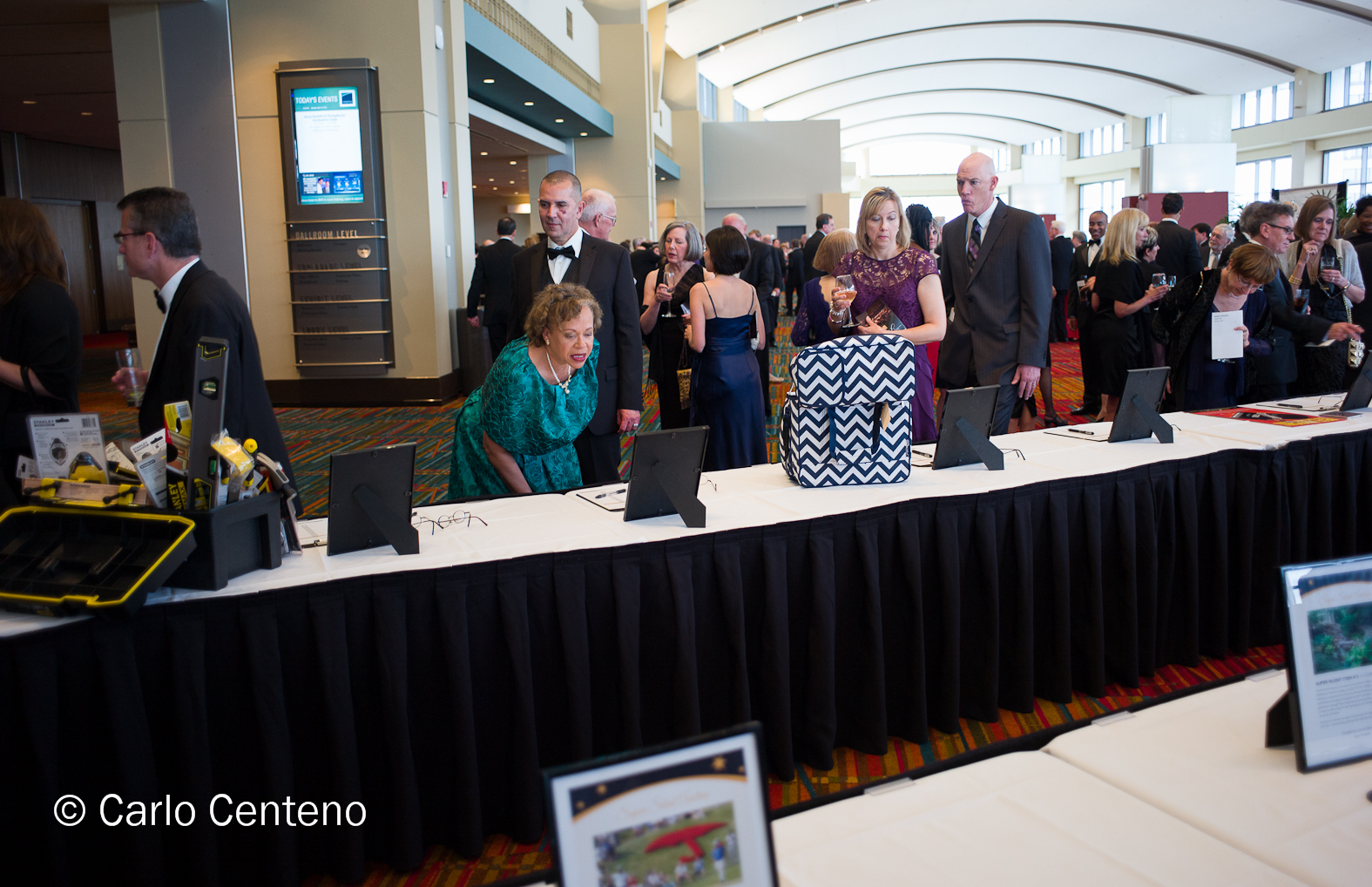


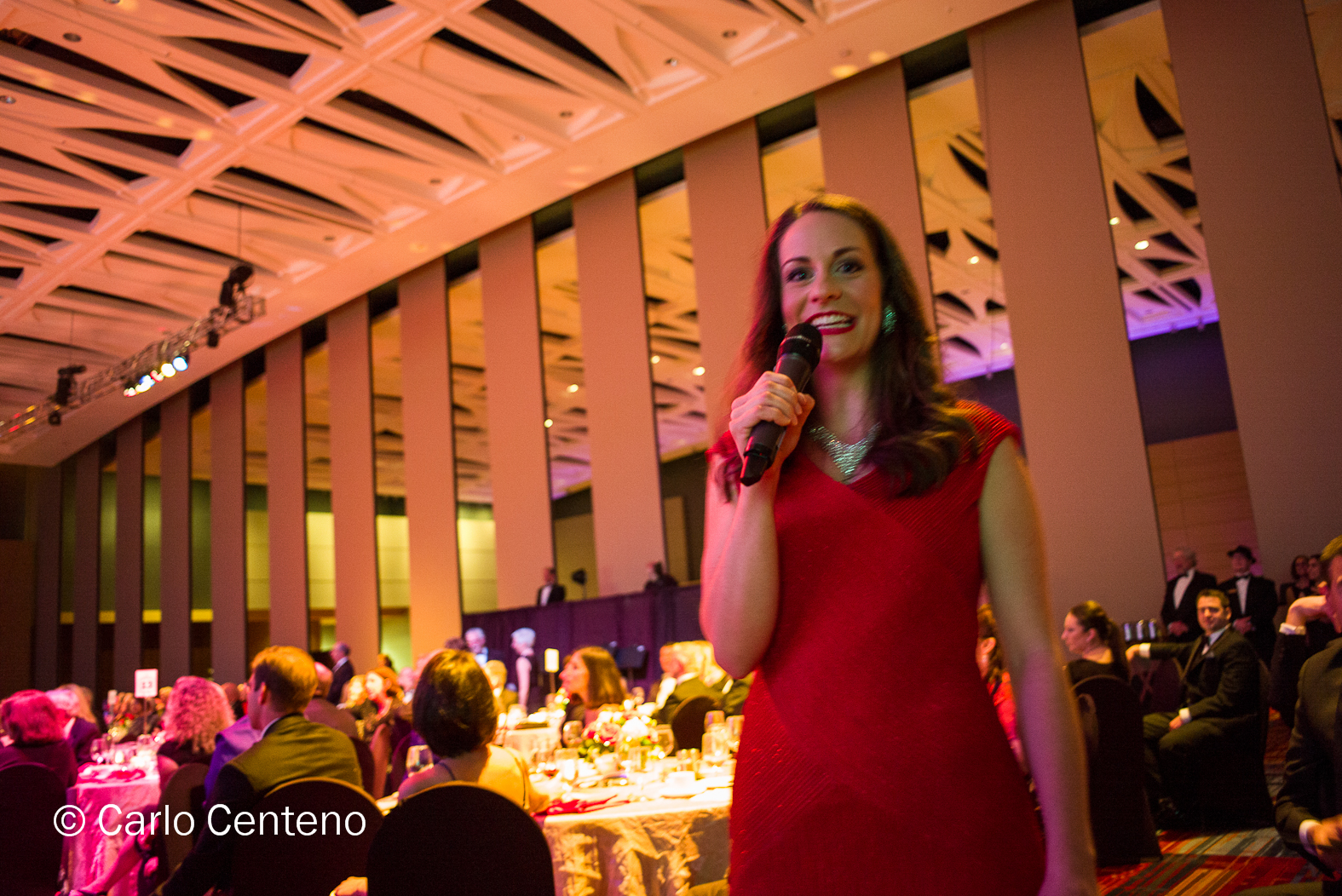
Technical: All images taken with a Leica M, Elmarit 28mm f/2.8 lens: ISO ranges from 400 to 3200.
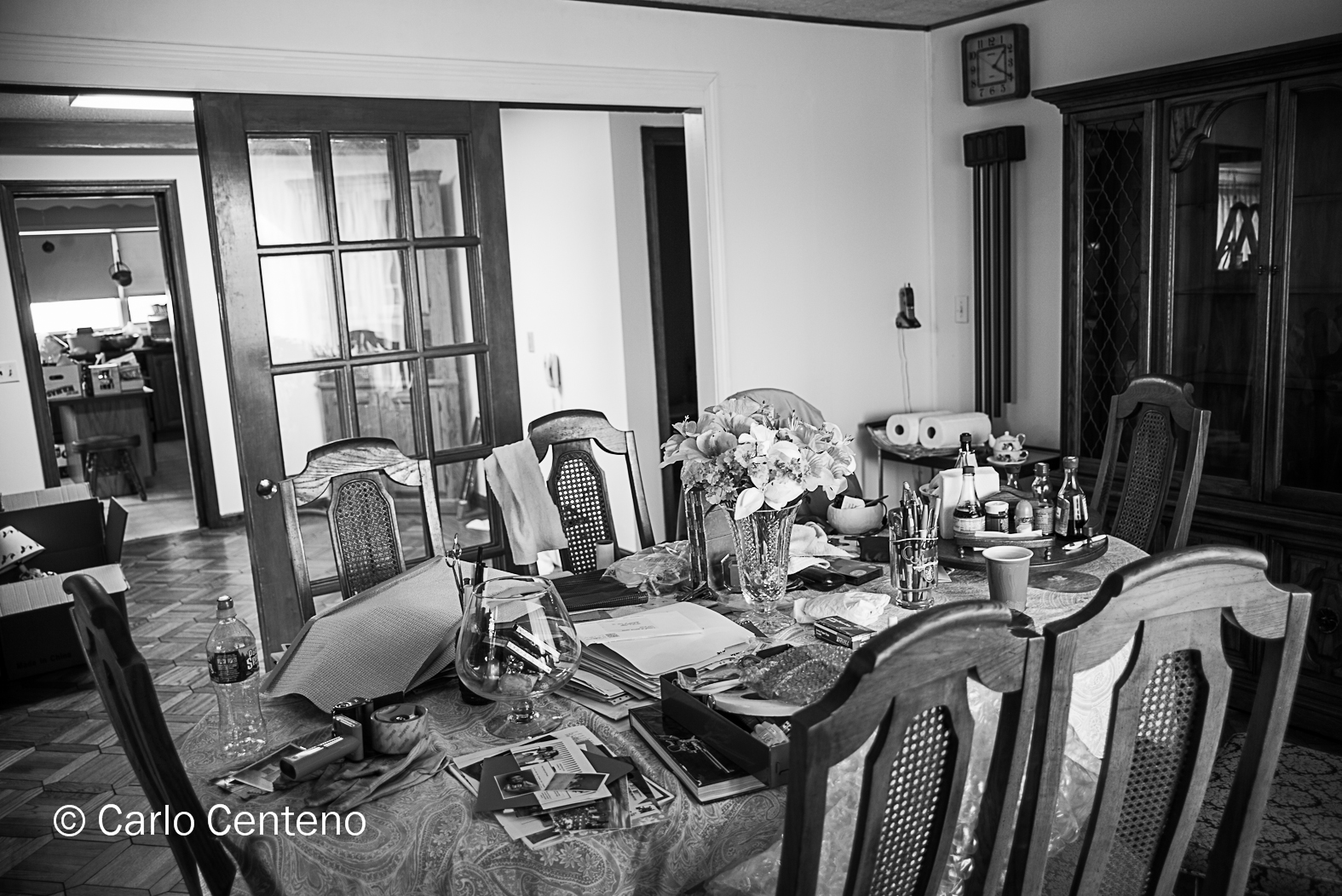
The home that becomes a house
 As is often said, the only constant in life is “change.” From the simple, to the complex, there’s an undeniable commonality about anything that changes: something is altered, modified, created or destroyed.
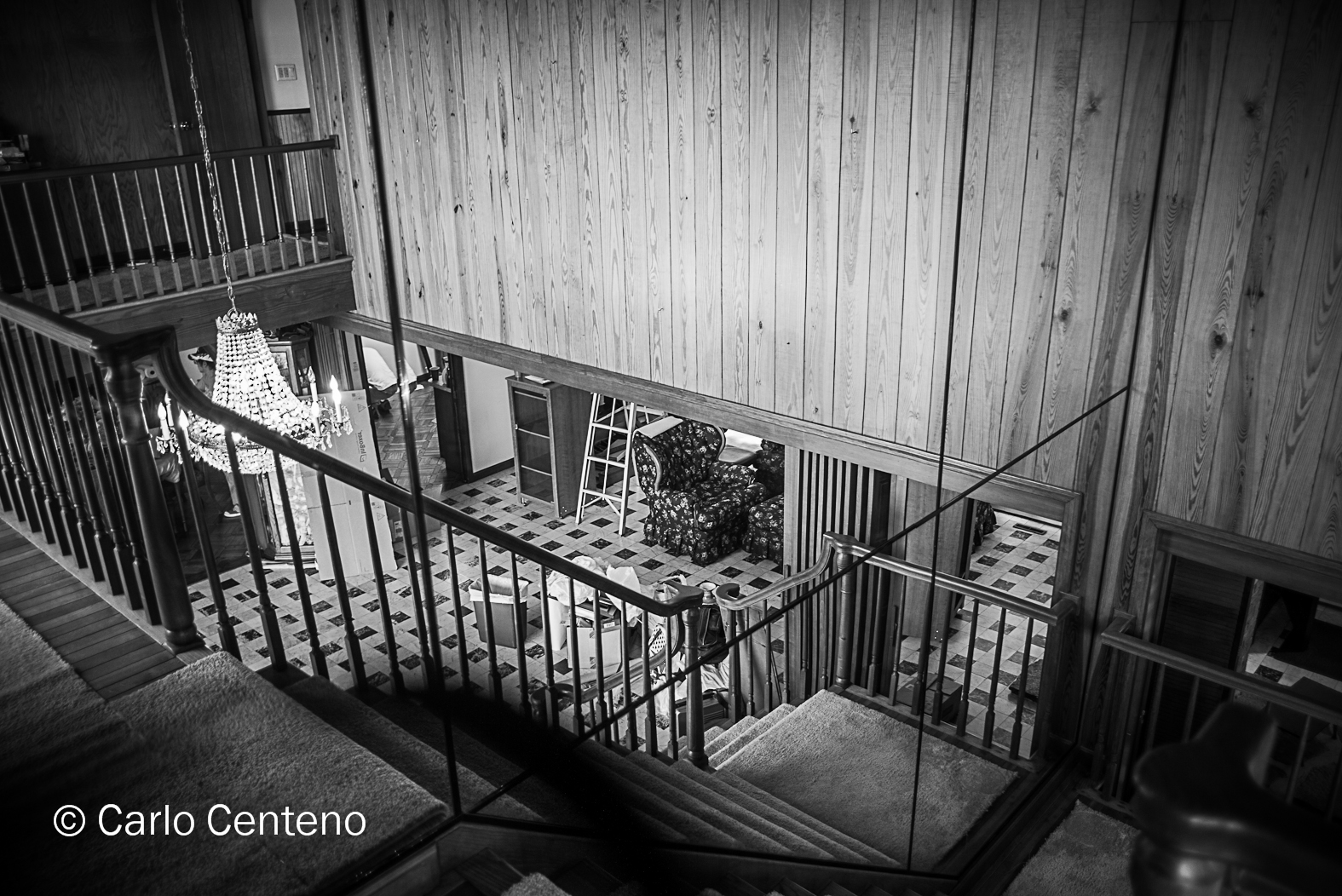
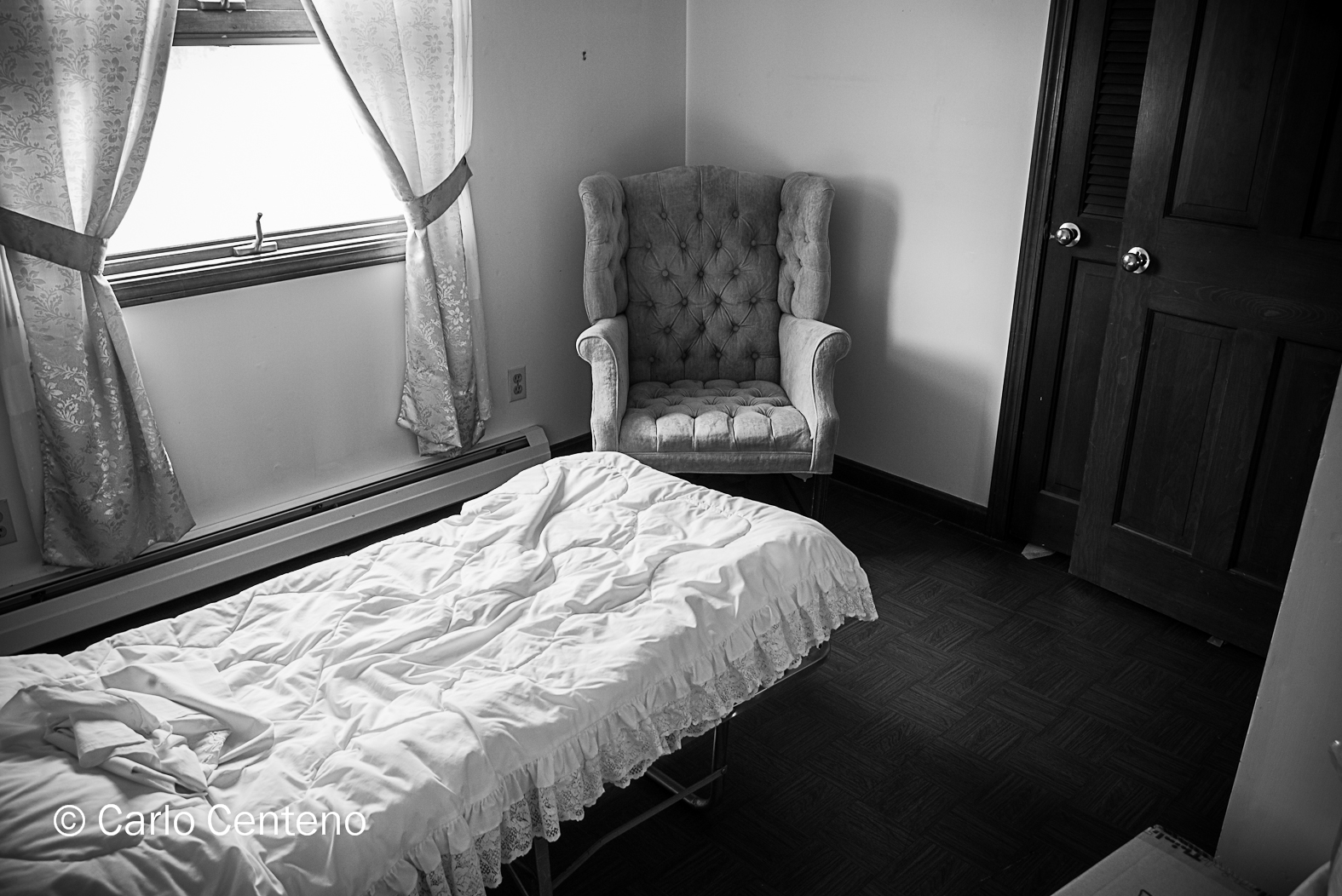
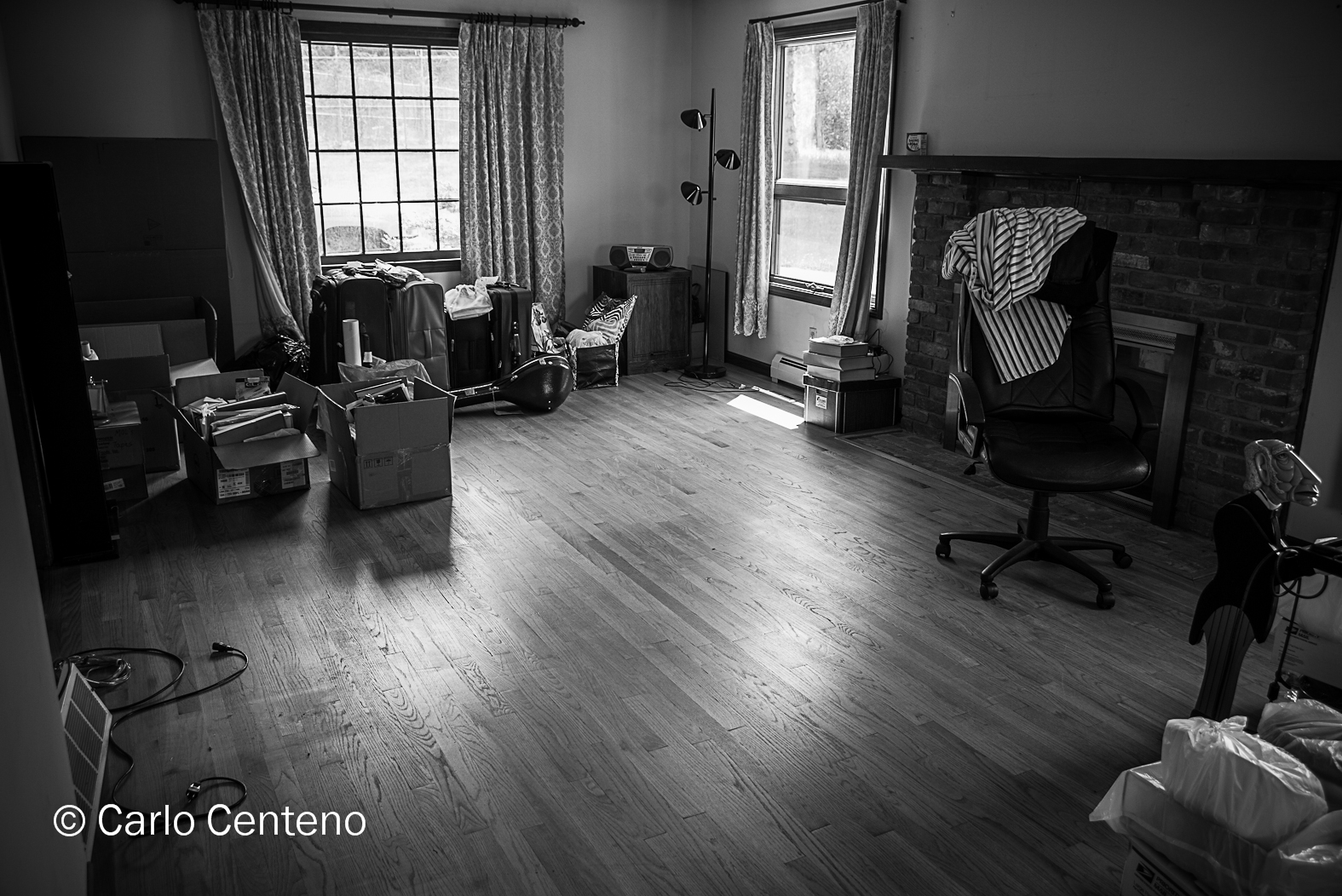
Such is the case when the Homestead recently sold. No longer a home, it is now a house, an empty canvas ready for what every new homeowner does to a key living space: change it to make it their own. In effect our ancestral abode has shed the attributes that made it our home. Think of a brand losing or morphing its attributes into qualities altogether different. Such qualities are not entirely alien, but changed enough to see and feel a difference from what was once a space all too familiar.

It’s been decades since I lived at the Homestead full-time. At present, I choose to recall good memories as the not-so-good memories dissolve into the negative space created by vacated furniture and other items. As noted in a lyric from a Carol King song, “…yesterday’s gone, but today remembers…”


Winter Colors [sort of…..]
“Nobody knows the trouble I’ve seen….” and so goes the opening chorus of a popular spiritual song, which, in light of this year’s winter snow, feels appropo. I can’t remember a time when so much cold and snow visited our fair states. Substitute “winter” for “trouble” in the opening line and you can get a good sense of what burdens the lot of us. The quantity of snow has wreaked havoc on just about everything, and I mean everything.
But, all is not lost. This past weekend, scores of winter-weary New Englanders flocked to Smith College to soak in the colors, aromas and textures of the annual flower show. To wit:

This year’s theme, “Monet’s Garden,” contains relevance. The artist had a fondness for working the earth as well as the paint brush. Monet had indicated that aside from painting and gardening, “he wasn’t good at anything.”

It seems that both gardening and painting were a very good fit for him.


In Tandem

For all the complaints and whining about winter, well, others prefer to do something other than wish for warmer days or no snow. Why waste the days feeling grumpy? This is a simple study of warmth found in the cold of winter.

A Timeless Reunion
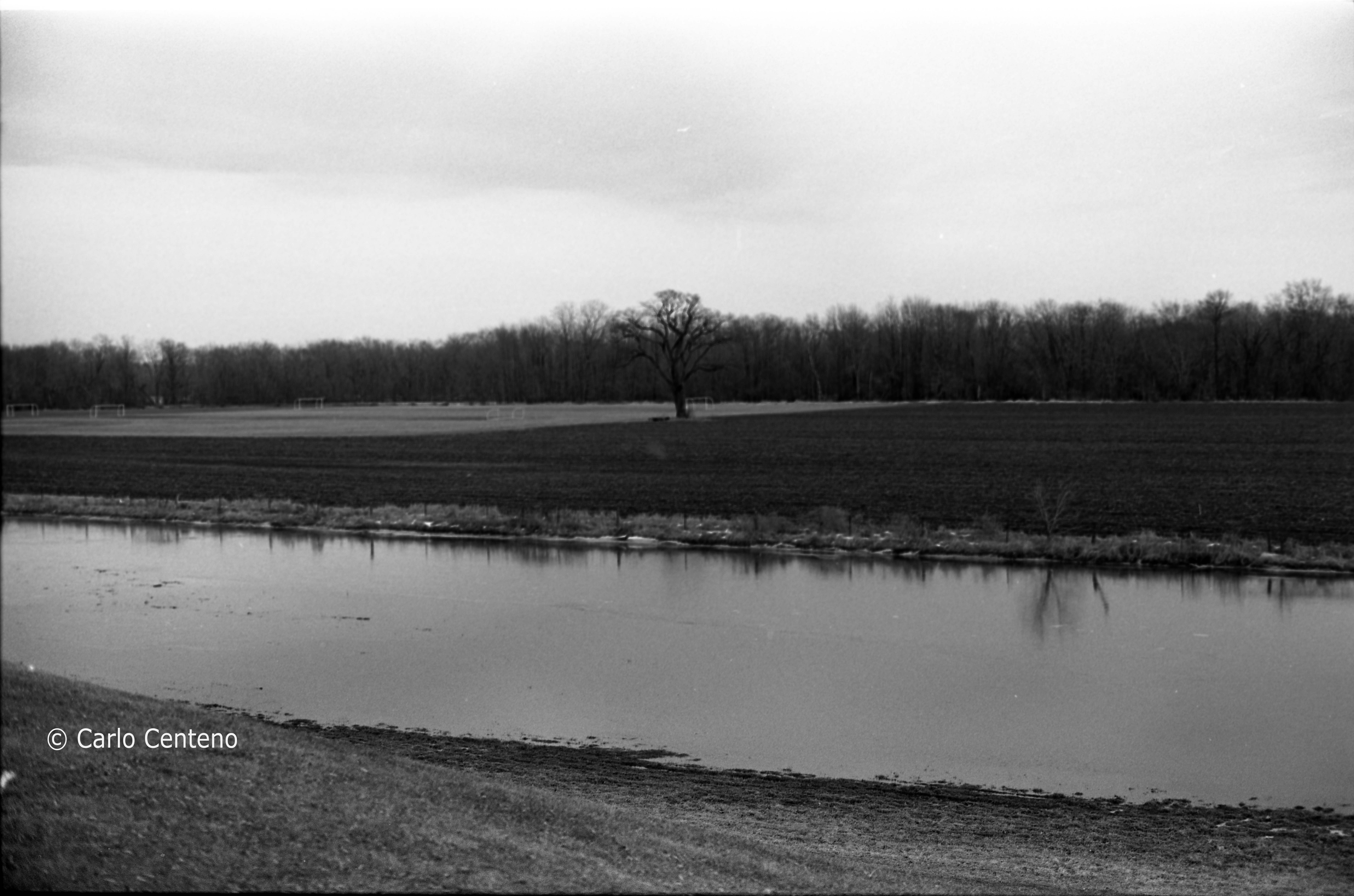
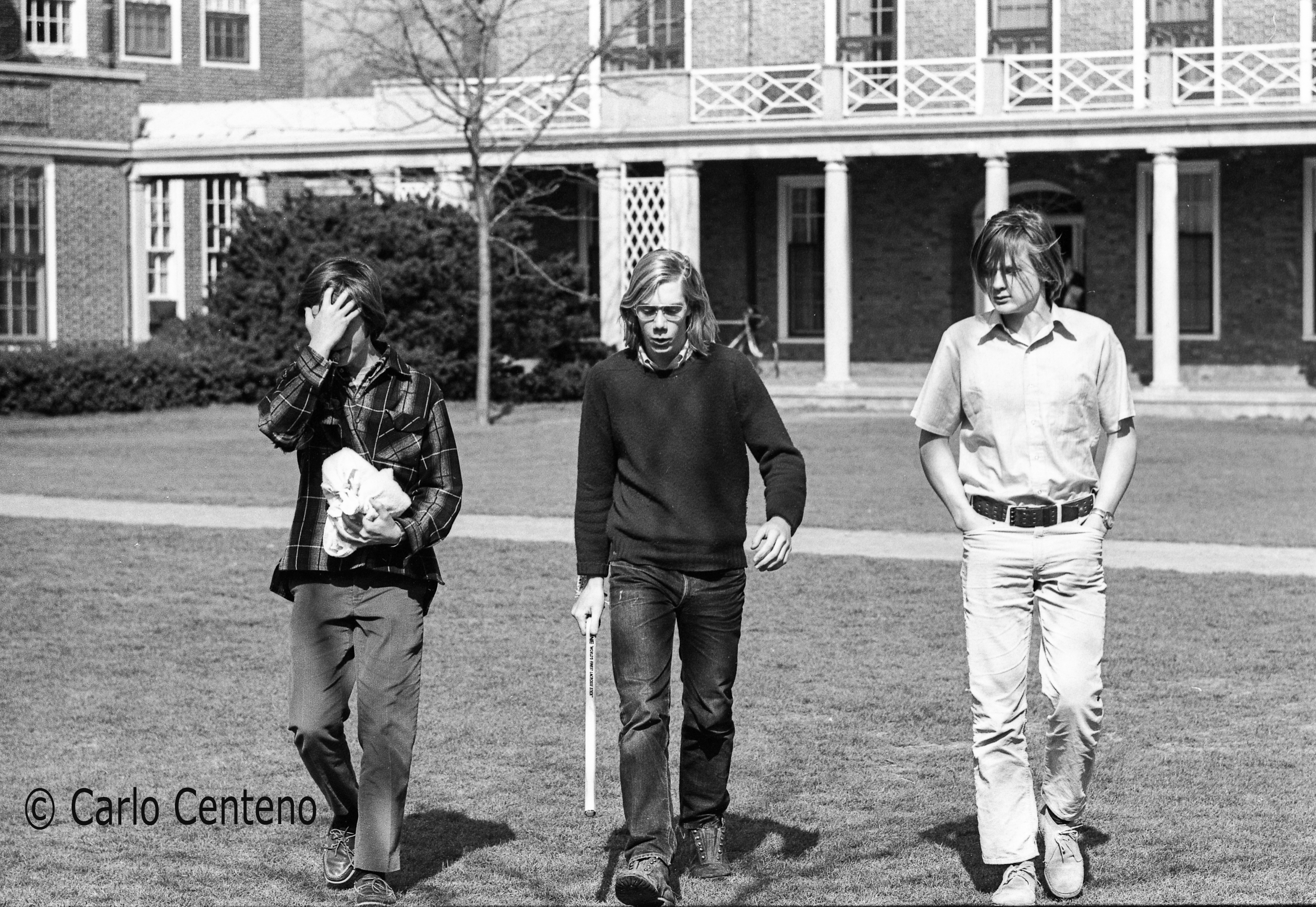
I had a reunion recently. In the real sense of the word, I did see my high-school classmates and enjoyed listening to the way their lives took shape after graduation. Aside from [some] grey hairs, balding heads, [slightly] heavier waistlines, kids in and out of college, the many memories that circled back to greet us were good ones.
In another way, I had my own personal reunion with one of my binders of negatives. I found images from my days at L-C in Connecticut and decided to revisit them, though this time in a digital sort of way: scanning and rendering in post production. One thing’s certain, it’s much easier to scan and develop versus pour, measure, pour again, agitate, rinse, pour, fix, rinse, etc. etc.
The farm fields a la the soccer/lacrosse fields were still there. That pond is gone. I could’ve done a “before ‘n after” photo line-up, but decided, no, the before image has more meaning and substance. The “after” image—like others of its kind—looks too clean, even sterile.
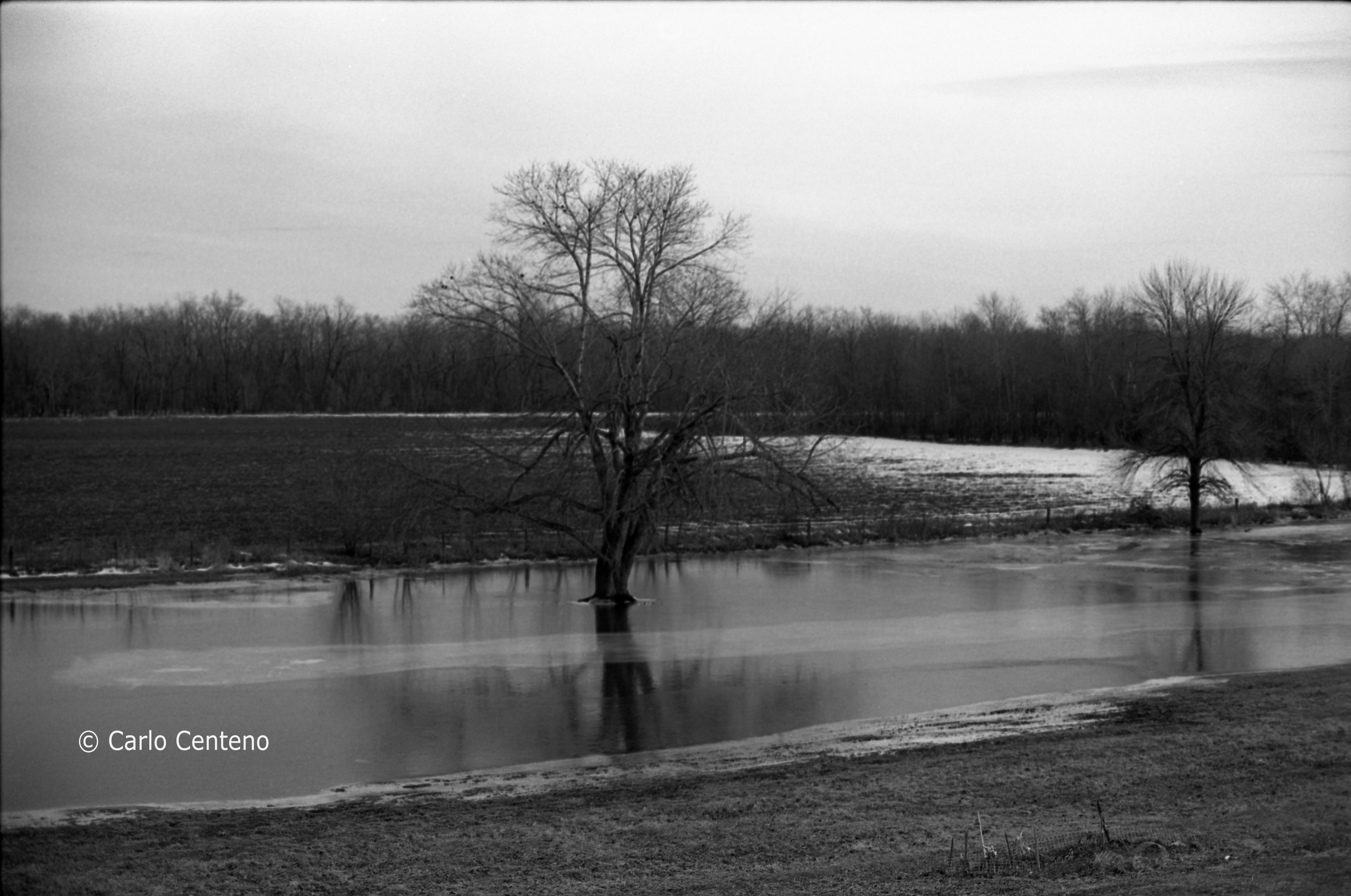
What’s missing in this photography reunion is the ambiance, the nuance, the visceral energy of darkroom work. Your senses are so much closer to the image during development. You feel the smoothness of the paper when wet, made even more so with the addition of a wetting agent to promote spotless drying. The piercing smell of rapid-fixer reminded me to make sure the exhaust fan was on. The glow of the soft, red, safety light confirmed my presence in this other world, a place that made me feel safe, included and perhaps artistically complete.
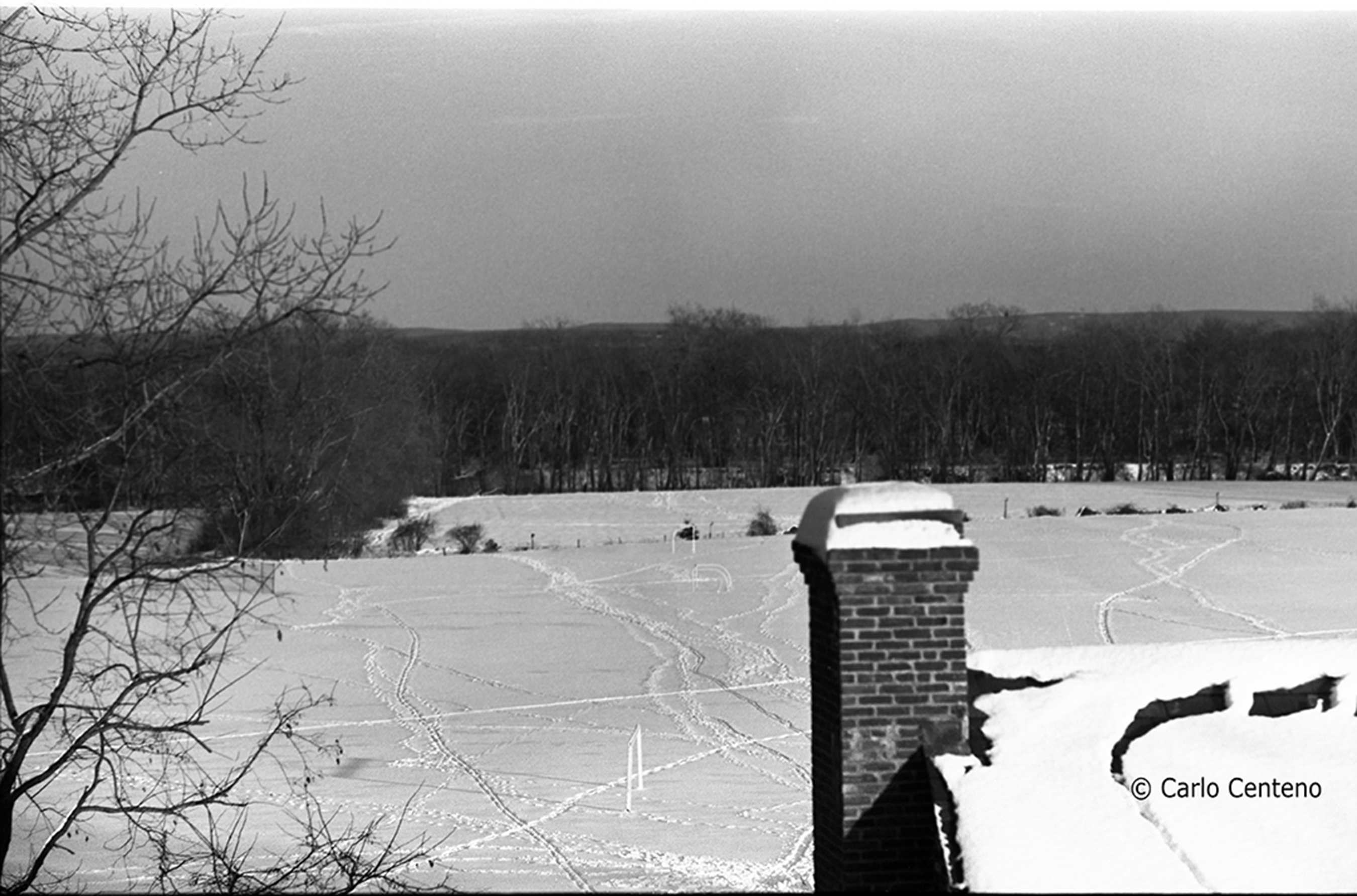
This is a matter of opinion, but those negatives some 30-plus years old have held up rather well. Aside from dust marks, some scratches here and there, the emulsion has endured, and continues to do so. This is one of the things that I miss/love about analog photography. I can open a box, a binder, some glassine sleeves loaded with film and hold anyone up to a light source and immediately understand that there’s an image in front of me. I may not wholly comprehend what I’m looking at in a cognitive sense, but emotionally, there’s just something magical about looking at something that doesn’t need anything more than light, careful handling and a curious eye.
 Carlo Centeno