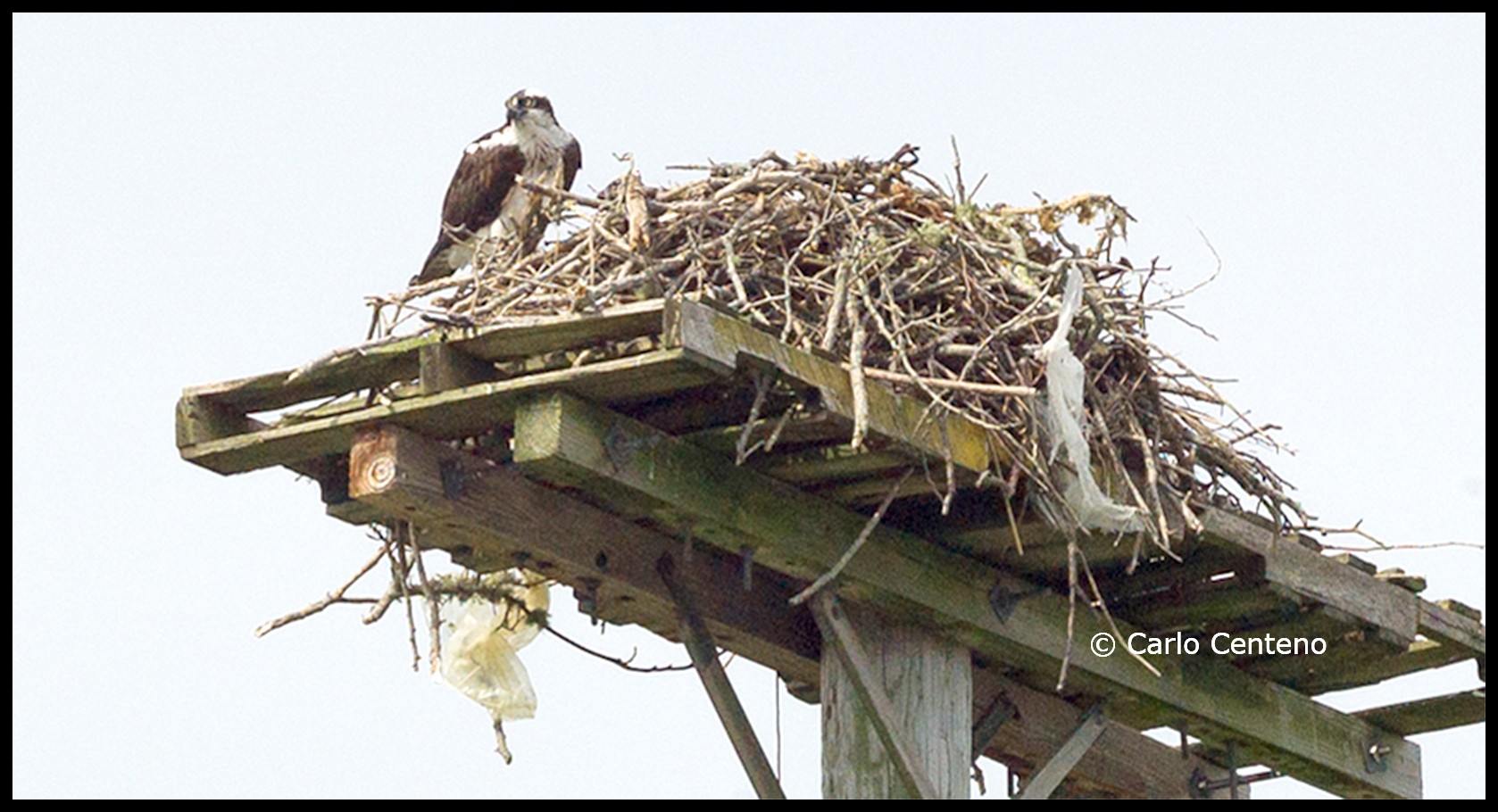
A static photograph of an Osprey doesn’t say much about the grace and power of this winged predator. Like many of her cousins, these sharp-eyed birds of prey manifest the attributes to which we ascribe to: a sense of purpose, focus, determination, endurance, patience, where at most we, strive to procure or refine 2 or 3 from that list.
I’m not a birdwatcher nor bird photographer. These serendipitous images were taken during a walk along a beach. In spite of an overcast, somewhat foggy-ish, misty day, you could discern the silhouette as well as the contrast in its feathers. Notice the plumage in a brownish-black to a grayish white, the sharply hooked beak, the yellow of the eyes, the elasticity of its neck—or at least a hint of that feature.
Look at the nest and you may notice other details. Two plastic bags entangled with the nest, one on the right of the photo, the other dangling from an edge closest to the Osprey. I’m certain there are other man-made pieces entwined or even trapped within the pile of twigs they call home.
We can get hung up on details on just about anything. Like a trompe l’oeil, what we see varies from one person to the next. In my case, I noticed those bags right after seeing the Osprey. You may have seen it the opposite way and yet others may have taken a bit longer to realize the incongruous detail. These days, we’re bombarded with too many things which ad weight onto our anxieties. We can—and should—work to step back from such things and realize that in spite of the current discord, there are other details worth looking at, even searching for.
I am convinced that modern life has boxed us in more so than we’d like. It’s part of the contemporary territory which includes both our professional and personal lives. There’s a surfeit of information, misinformation as well as disinformation. We have data that’s important, partially accurate or altogether inaccurate, the latter done purposely in order to deceive and create confusion.
The spaces outside and within our mind are under siege. This coronavirus pandemic has produced a variety of empty spaces in the form of closed businesses, a void born from a lost loved one, an even larger, emptiness created by becoming unemployed and losing our face-to-face social connections with friends and family. In addition we see meadows, forests and even arable acres, reshaped with new developments, new businesses, and right-of-way passages for utilities. These spaces, like others, will never resemble their former selves.
The modern mind is challenged with the illusory nature of augmented realities, misinterpreted online interactions, the CGI creations readily seen on the big and small screen and so on. I would wager that ruminating is a regular mental exercise for many, in ways that even the thinker didn’t think possible in the here and now. It’s not that such spaces are wanting for content. Some of the content in our heads is twisted and distorted, an unattractive morass of schadenfreude and unforgiving defenestrations toward those with authority, power and privilege.
A lot of good space has been replaced with some nasty creations, tangible and intangible, palpable and even unreasonable. We’re better than a lot of this, each of us capable of individual betterment. I remind myself in my own spaces of thinking and feeling that, at times it’s okay to be embarrassed in one’s journey to be genuine. I think it aids my ability to acknowledge what occupies my internal and external spaces other than what’s so obvious not only to myself, but to others. As in marketing, perception is reality: it’s not what you’re getting, but what you think you’re getting.
If there’s one thing obvious about marketing and advertising is that they attempt to shape your perception, to one of acceptance or revulsion. In this politically charged environment, I’d say most political advertising encompasses the latter. But we’re not going there today.
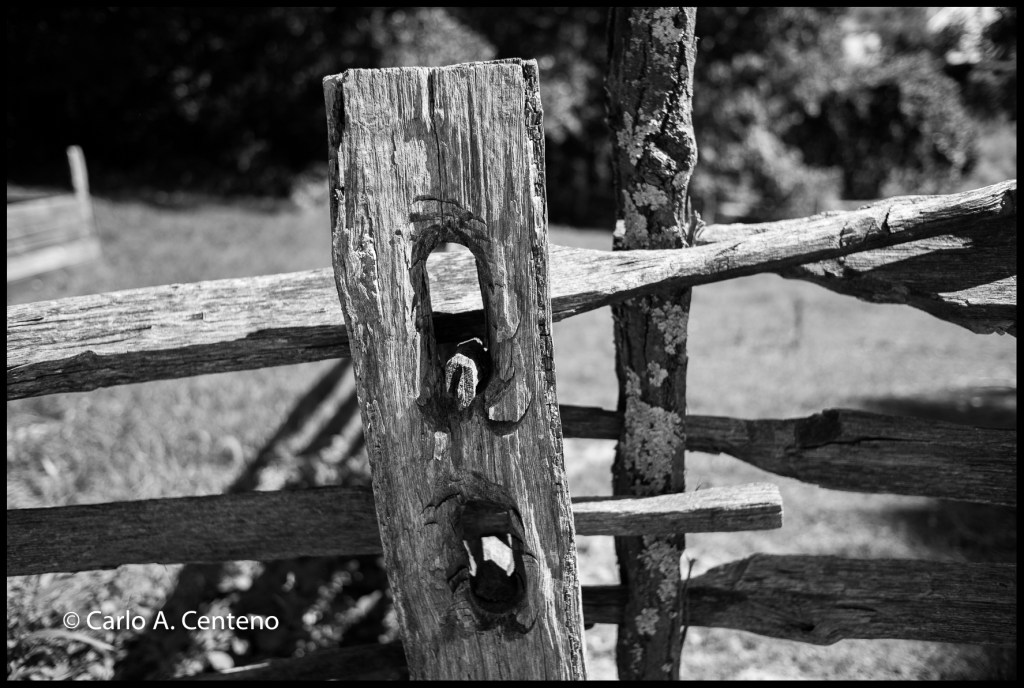
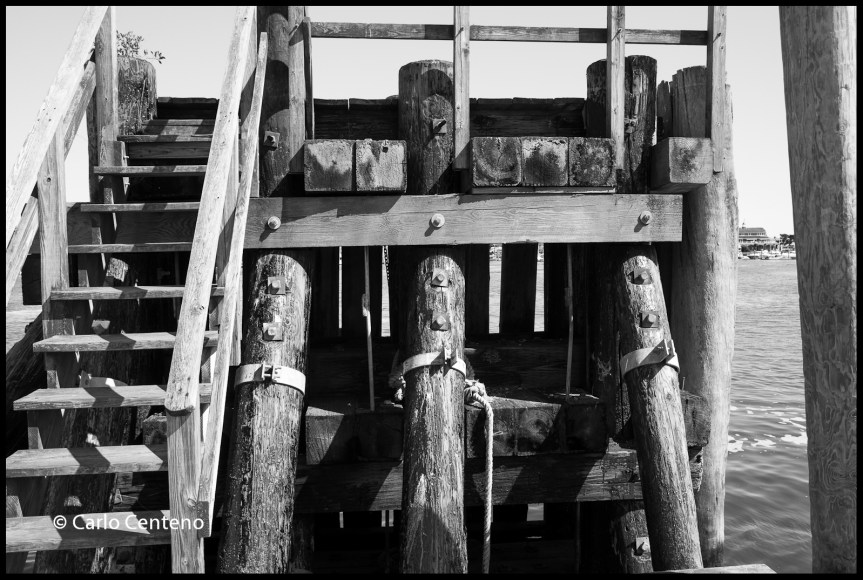
Here we have 2 wooden structures, one historical [circa 1800s], the other modern. Now, one may think that the modern structure offers more features: pressure treated wood, steel anchor collars, robust carriage bolts, nuts and washers [possibly even zinc treated to resist corrosion] etc. Well, it does have more features; it has to given its function. But it doesn’t mean it’s better than the simpler one, rather, the modern structure is built specifically for conditions and utility common to coastal areas. Both types share similar benefits albeit differentiated by design, materials and construction. Well, the purpose of the modern structure may be the same as our historical one, that is, to prevent something from entering or leaving a specified area, perhaps protecting one side more so than the other.
Before you clobber me with the apples-to-orange inequality of this comparison, the point I’m making is that consumers often equate features as benefits. If you’re anything but a design engineer, you may think that the metal anchors or collars wrapped around the angled stanchions may be unnecessary. However, if you live, perhaps even work along this shoreline, you would know that the tides and storm surges exert an astounding amount of pressure against barriers. The added strength of the collars is beneficial to the overall strength of the structure.
“This unit can do more than its closest competitor.”
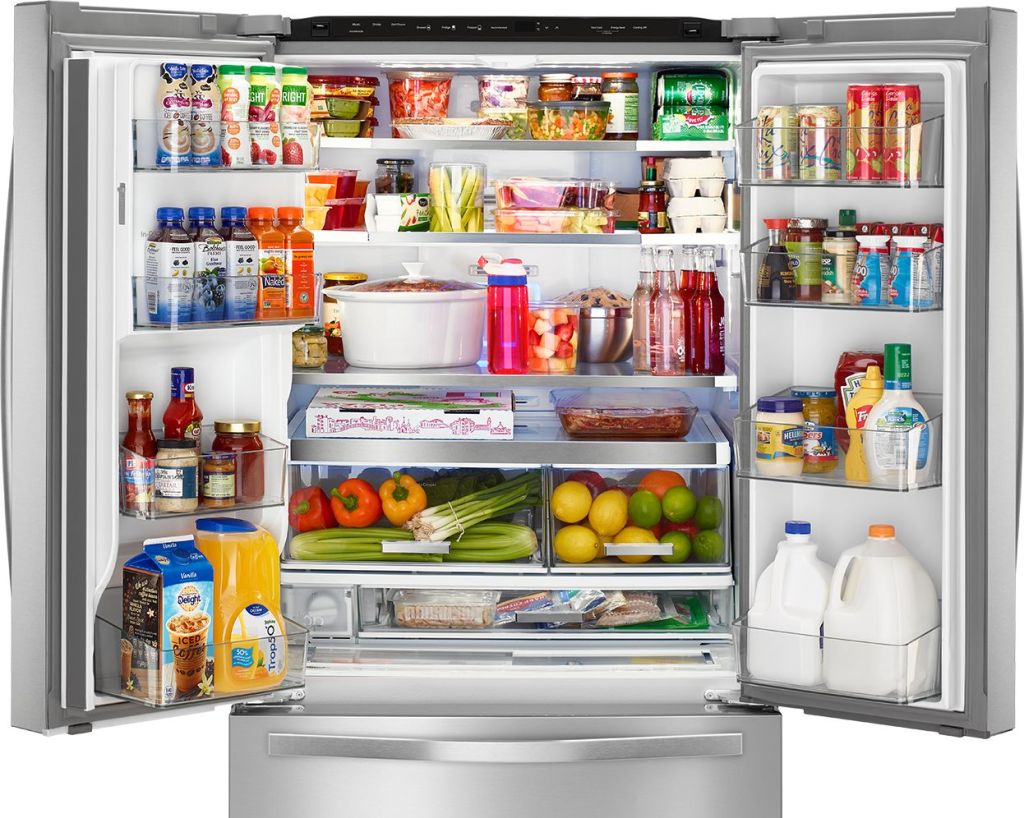
courtesy: Whirlpool
On a recent trip to one of the box stores, I couldn’t help but overhear a salesperson singing the amazing features of a particular dual-door refrigerator. NOTE: the courtesy photo is for illustration and is not the product being referenced herein. “…..with the app on your computer, that model can sense when it’s time to restock, bread or cheeses or certain vegetables or frozen dinners…” The technology, the artificial intelligence that’s coming to market, can be impressive. But will it work on my iPhone 6S or will I need an Android system? You know, my home fridge has an ice-maker, though it doesn’t automatically dispense into my glass when held below a special port. Mine? Open the freezer door and grab ice from the container, a container purchased separately, BUT, looks like it came with my fridge. Typically I empty two ice trays into that container, refill the trays with water and return to the freezer. In less than 10 minutes, you’ll have ice that’s just as good as what the cyborg-fridge can automatically deliver to your glass.
My hand is the delivery and presentation vehicle. And it works. No downloads, no firmware, no software….basically, I’m somewhere with basic technology versus, being nowhere or confused with this hi-tech stuff. Now, if I was that customer learning about the smart appliance in question, perhaps the dialogue would go something like this:
Salesperson: It’s an amazing piece of technology. It can monitor your food and beverage consumption, conveniently at your fingertips. You use an app on your smartphone.It’s a big plus for busy families. Me: That’s impressive, but it’s a feature that I don’t need or really want. Salesperson:You can even check it from just about anywhere in your house. That’s real convenience. Me: Actually, I find it more convenient doing it my way. Salesperson: And how’s that? Me: I walk into the kitchen, open the door and make note of what’s still there and what needs to be added onto the grocery list. Salesperson:How is that more convenient? Me: Well, it’s not just convenience for me, but a benefit. Salesperson:Oh….? Me: It’s called walking. For me that’s a benefit. I already do too much sitting at work. Salesperson: That’s a valid point, but not really helpful. I mean we’re talking about making your life simpler, by doing less chores, to get more time to do things you’d rather do.. Me: I’d rather get up and move. Besides, I get a chance to scope what’s not in there, but whether the shelves need cleaning or if an expiration date goes back to the Nixon administration. Salesperson:Wait, who’s Nixon…?Anyway, think of it as an evolution towards the future of appliances. You, the homeowner, can control all your appliances such as your TV, your A/V installations, the lights and the thermostats and so forth. Me: ….and without even breaking a sweat. Salesperson: Exactly. Me: Will people really adapt to this technology? I imagine someday my health insurance being able to buy data regarding my food preferences, and since I love ice cream, well, a dietician or cardiologist may take issue with that…who knows? Salesperson: Hey, well, hopefully that won’t be the case. I mean there’s a ton of places where information can be bought for marketing or research…that kinda stuff. Me: Of course….you know and I know that your actual mileage may vary…capisce? Salesperson: Ah, yeah, sure….have you seen the new washers and dryers that are out now?
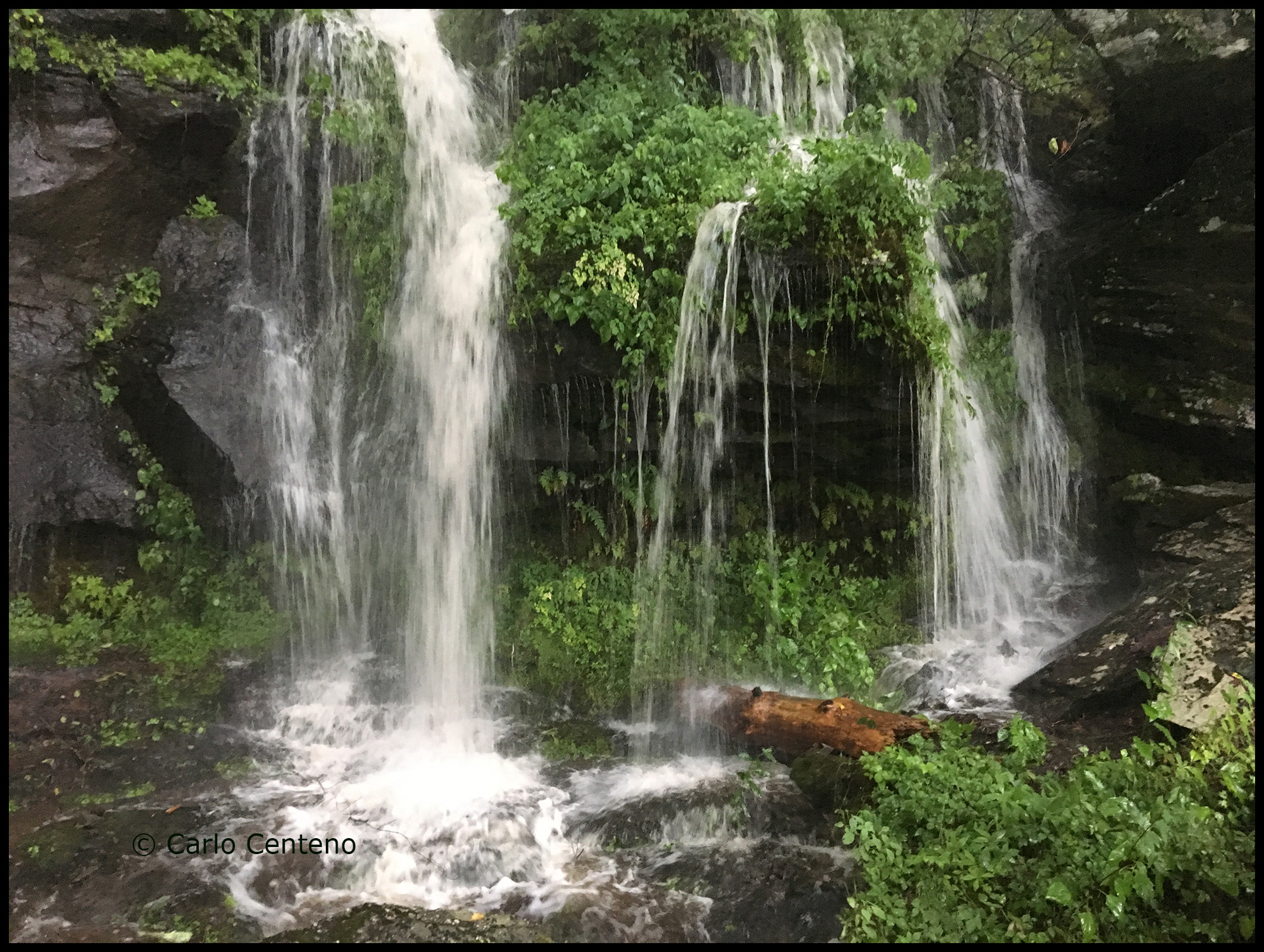
Without a doubt, I am finding greater comfort being outside. From the backyard to destinations within a 2-hour drive, being outdoors is just about mandatory to keep my sense of self from being weighed down by the harsh reality festered by “insensitivities” of society as a whole.
The omnipresence of intolerance, indifference, ignorance, impropriety, apathy, hate, gratuitous violence on person and property and even more, is disheartening. Of greater significance is the increase of schadenfreude.
Enough already. Enough.
The outdoors is not my only sanctuary. I also find some relief, some comfort, some reduction of stress and disillusion through family and a handful of friends. And it’s not unusual to have some of these individuals with me on those occasions when the world is en route to hell-in-a-handbasket. Though as you might’ve gathered, I reserve the right to keep these individuals to myself. Some things are sacrosanct and will remain so. There are sound reasons for not sharing them here, and you know some of the reasons I’m sure.
But most can understand the power of the outdoors. In particular Native Americans—indeed the indigenous people of this planet who now inhabit small parcels of land that are but a shadow of times past—embody an understanding, acceptance and empathy for all that is nature, whether seen or not.
No, we haven’t lost paradise. Yet. We tempt fate, but I hope we can collectively muster the virtues and attributes we know make a difference for our future.
I’m hoping that at a different time in the future, many of the places I treasure as sanctuaries will remain “the same.”
With September upon us, there’s that sense summer is nearing its end. You wouldn’t think that on such a day as this: it’s warm, bright, a slight breeze and plenty of green just about everywhere you look.
Yet the season’s already changing. My morning start is just a little darker than what it was a month ago. Some of the maple trees are starting to turn color. Shorter days means Autumn is at its threshold.
When I need to have some distance from this maddening world, the outdoors provide a good dose of calm and reassurance. It can be more challenging in urban areas, but parks are a viable alternative. Get outside and realize the natural world accepts you as you are.
This pandemic has modified if not altogether changed, the way we mark the change in seasons. Traditionally we associate baseball as the “start” of summer, football the beginning of autumn, basketball and hockey mark winter’s arrival. But many of these traditional markers have started later than usual. As a consequence, our seasonal clocks are skewed. This has been compounded further by schools having different protocols for their first day. Is that day for virtual online learning or in person at the actual building?
For all the misery and inconveniences really bad weather creates, storms have a unique appeal to me. They are fascinating creations. In the most dire of circumstances the devastation they leave behind is nothing short of incomprehensible, humbling and frightening.
On the other hand, bad weather has a way of fine tuning me to a mode that captures and enables the ephemeral: in one moment, a gentle falling rain suddenly becomes heavy, rampant, even vindictive in the force and quantity of water that dowses everything.
No sooner than the rain pummels the landscape, the water is then swept away, transitioned to a drizzle that moves ahead of a foggy veil suspended just behind the now gentle shower. I think of the various weather possibilities as moods, from the bright sunny days [hope, optimism, gratitude, e.g.] to the dull grey of a threatening sky ready to let loose its worse [depression, angst, regret, e.g.]. Weather figuratively produces such an array of moods.
Dark, grey afternoons carry a weight [wind, water, ice, snow, heat et al] that can lay to waste your surroundings as well as your inner landscape. Yet when I pick up my camera or take pen and journal to hand, I remind myself that things change. Storms have their beginnings and an end. And what happens in between can—and will—wreak havoc on the most carefully laid plans and intentions.
Events, like storms, are markers in time. And having a marker delineates a “before” and “after.” What were you doing just before the storm hit? Where were you? We often have a stronger temporal sense of change whenever nature throws us the worse. Similarly, we celebrate when the change is for the better; some days are referred to as “picture-perfect…like a perfect postcard if you will.
The prologue to dark, grey afternoons can be a harbinger of bad stuff yet to arrive. Still, I look at these harbingers for what they are: a dramatic dance of fleeting light, of varied grey swatches which masks greens, yellows and blue, of movements brought on by high wind speeds and even a gentle breeze.
Weather, in all its forms, is a fulcrum on our impressions of just how good or bad our day is doing.
Open your arms to change, but don’t let go of your values. -Dalai Lama
Modern life has been tossed into a blender of our own making. Whatever comes of that mix will be unrecognizable. It’s a blend never before seen or experienced, though to some degree, many of us hope that what pours forth is something that has meaning and value. It could be something we’ve longed for across time immemorial, and yet I’d like to think that most of us are hopeful of what’s been created.
At present, uncertainty unceasingly hovers over us, as if poised to pour change across social, educational, medical, cultural, environmental, financial and governmental policy mores. And like other things we’ve thought of and created, none of it will ever be perfect. No one can please everyone every time.
The work-in-process strategies and machinations will take some getting used to. In fact, everyone should tune-up their listening skills. As the saying goes, We have one mouth and two ears, and good listening is always important. We’ve been challenged with practices to keep the new coronavirus at bay and confronted with racism and ideological thinking and approaches that touch the far left, to the center, to the far right. A virus—whether new or old—is looking for a host regardless of your ancestry and your present location in this world. Like COVID-19, racism is a virus that must be eradicated, that and along with other –isms which undermine our empathy, our ability to tolerate, our desire to compromise and our willingness to see that, indeed, the glass is half full.
Eleven weeks has kept many of us quarantined regardless of age, fitness level and overall hierarchy, whether familial or professional. I’m still adjusting my return to work, as several safeguards are in place: my office door stays closed, open areas in the office space require a mask, wipes and hand sanitizer are located along travel routes.
All of this will take some getting used to. Like many, I miss the energy and engagement of being around people. It’s just part of being human. Though I enjoy journaling, writing letters, taking photos as such, nothing can replace a good conversation, the sight of an expression [good or bad, preferably the former] and the sounds of laughter, exclamations, even the cacophonies that make Life all the more interesting.
Once upon a time there was a tavern, Where we used to raise a glass or two. Remember how we laughed away the hours, And think of all the great things we would do. Those were the days my friend, We thought they’d never end. We’d sing and dance forever and a day. We’d live the life we choose, We’d fight and never lose For we were young and sure to have our way.
Songwriters: Boris Fomin, Gene Raskin
Ever an optimist, it is possible that you’ve heard the song, Those Were the Days as sung by Ms. Mary Hopkin. It was one of the first singles produced by Apple Records and Paul McCartney in 1968. My recent postings and our current new normal [or is it our current abnormal?] made me think of this ballad. And not only about changes that have taken place, but of many things unlikely to occur in the same way as before.
We are at summer’s threshold. We’ve evolved to accept crowded places, an expectation of more time spent with family and friends and to be part of those timeless happenings and celebrations that define this time of year: graduations, picnics, time on the beach, attending ball games, concerts & performances inside and out, barbecues, pool parties and a lot more.
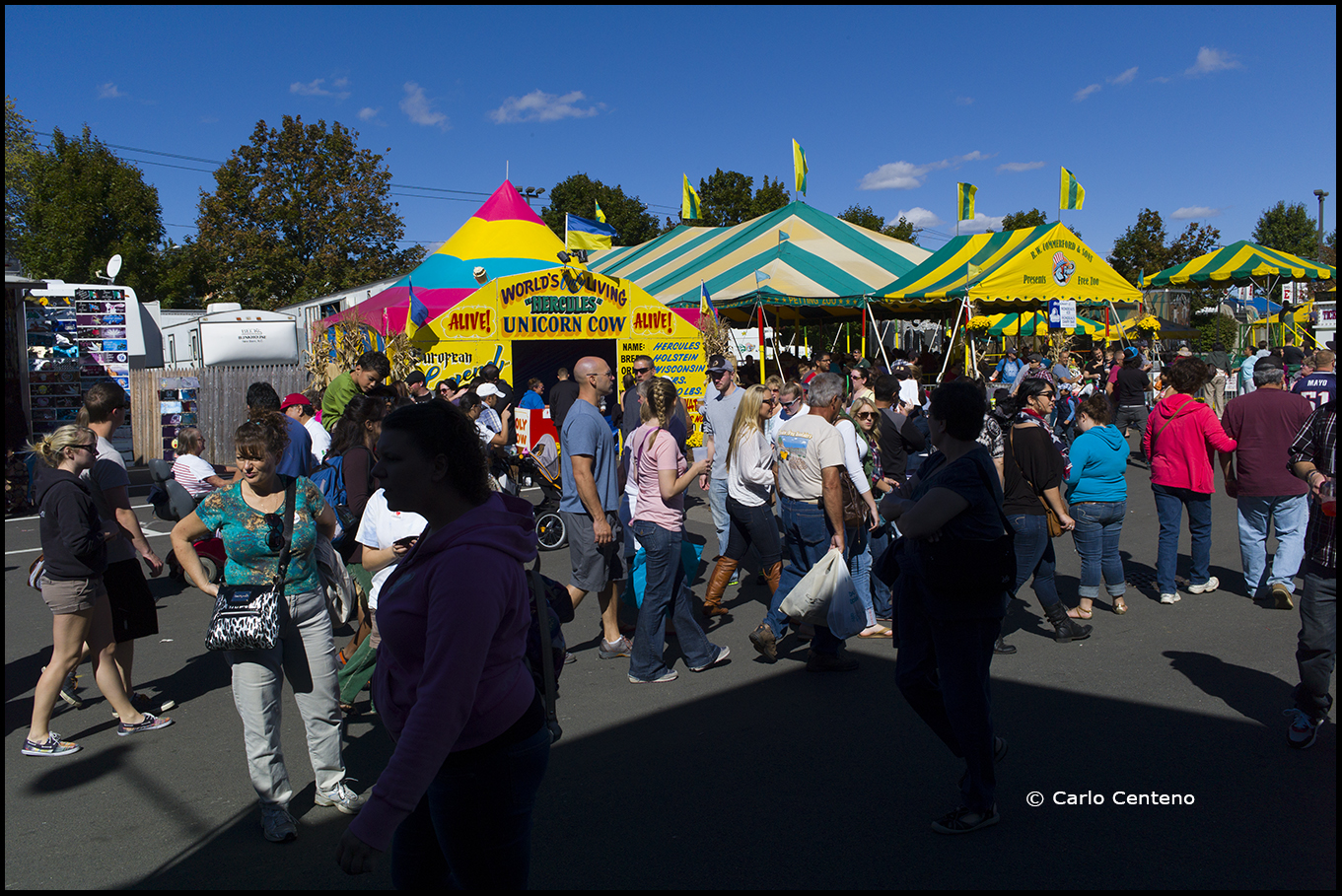
And then there are the country fairs.
This unique piece of Americana born of traditions in farming and agriculture, will never be the same. To heed social distancing at these and other events is not going to happen. It’s part of our social DNA, to see a flurry of activities and to be part of the atmosphere or happenings. It’s standing in line if not for the anticipation of getting into an exhibit or performance—or something savory to eat—but to avoid losing your place in that line.
It’s a place to experience sensory overload. Merchandise of all kinds court you with such promises as having something fun-for-the-kids; of having the last mop you’ll ever need or the complete knife set that rarely needs sharpening. Then there are the culinary pieces de resistance: fried dough that could work as trash can covers, cream puffs the size of softballs or that deep-fried turkey leg that can double as a hammer in a pinch.
This year will be different for most everyone. The crowds can never be as large as before. Perhaps reservations need to be made to limit the number of visitors. Adjustments are already in place, yet still changing. We’re armed with masks, hand sanitizers and wipes and a growing awareness of our personal space and limitations. It may not be all bad, but much of what’s currently unfamiliar, even uncomfortable, will become all too familiar.
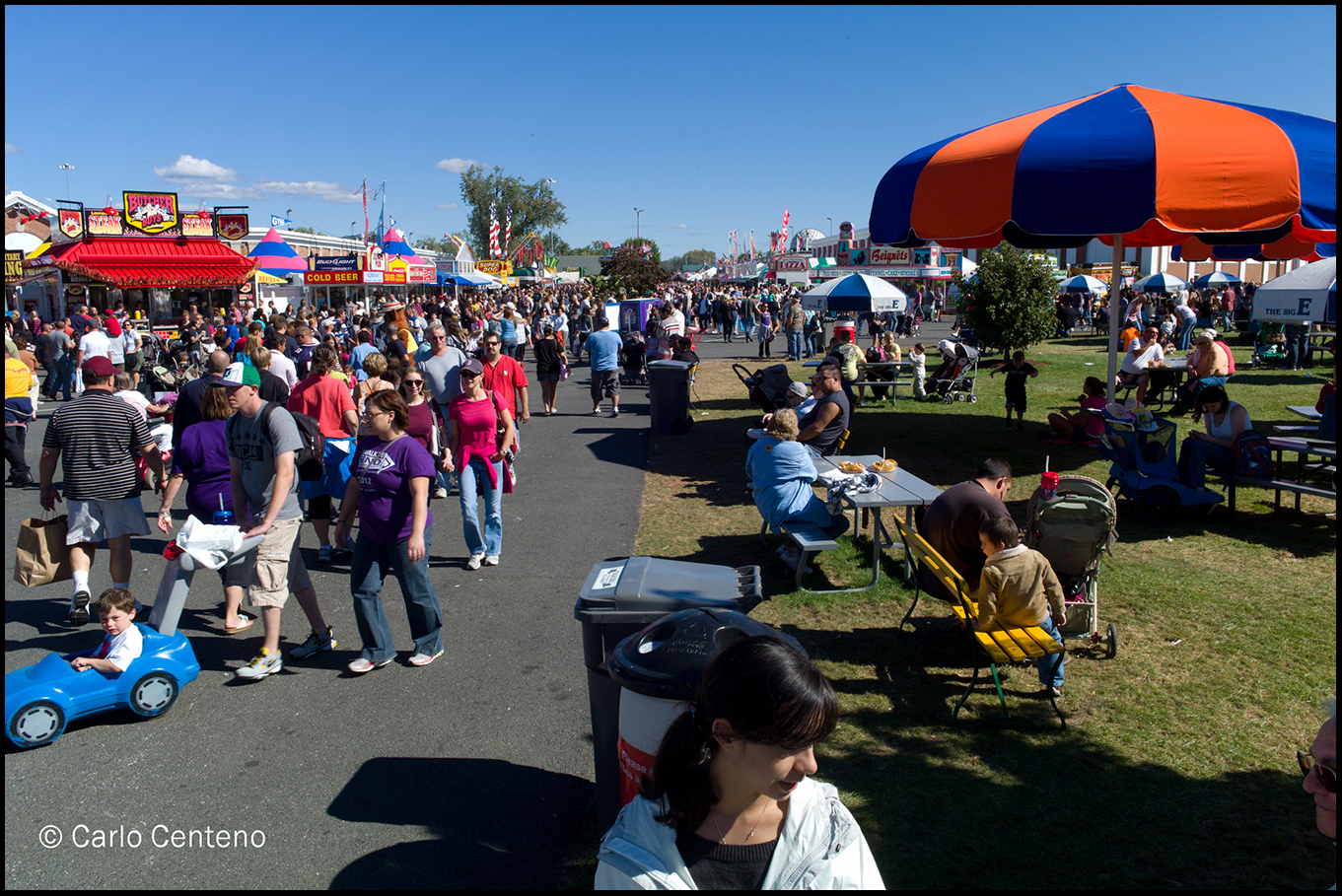
For years we’ve made a trip to one of the largest country fairs in New England, a sortie that has become part of our own tradition. On a weeknight, we head to West Springfield for “The Big E” aka, the Eastern States Exposition. My wife and I head to a favorite Polish food stand to order the inimitable Polish Plate: galumpki, pierogies, and kielbasa, all chased down by a “pint” of Dinkel Acker Pils, a German beer crafted from heavenly made hops.
And after that, it’s a walk across the grounds to burn off a few [very few] calories, only to add a bunch more when we stop for a homemade blueberry pie a la mode. All of this adds up to an entertainment feast. Certainly many things are always there, often the same vendors and merchants. But what makes each year different are the recollections of many other visits to the Big E aside from our annual beer with dinner.
It’s about our daughters coming with us during the toddler to tween years. Then came the teen years when it became apparent we were no longer cool, the two escaping with a fistful of tickets for rides and the arcade at the fair’s Midway.
It’s about people-watching, of getting lost in a crowd knowing that similar dreams and fears are as common as balloons, stuffed animals and kettle popcorn. Summer is as much about the quiet and solitude found in the woods as is the cacophony of gatherings and festivities that confirm our sentient selves and how we’re all connected.
There are days that seem to fly by, while others feel like time has come almost to a standstill. I mention this because it doesn’t seem like 7-weeks have gone by since the new coronavirus forced us into a different way of working and living.
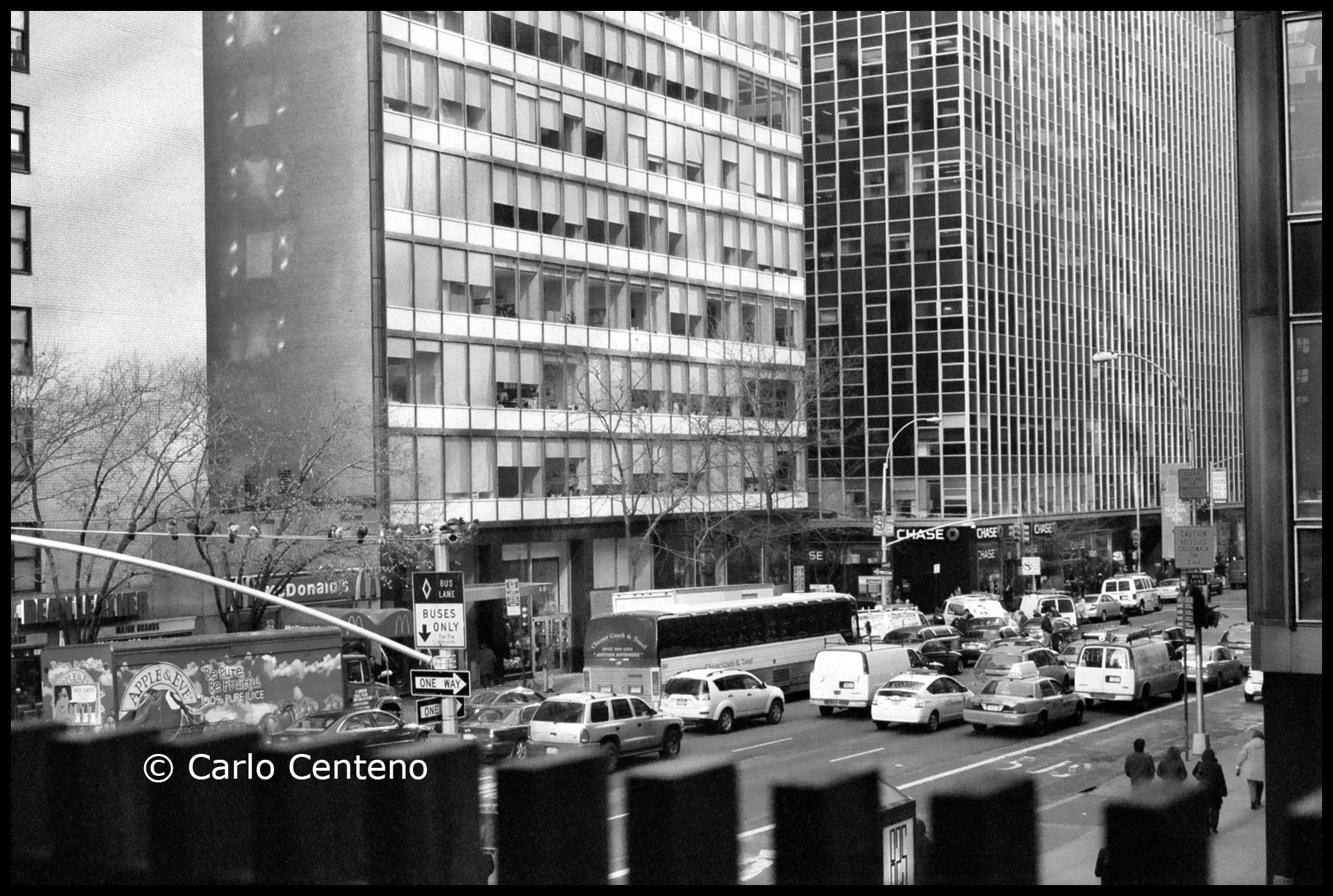
Manhattan Third Avenue 2007
Yet being removed almost two months from what was normal, there’s this juxtaposed sensation that it feels like forever and a day since we went about our usual routines. Time is relative, which simply means that when you’re waiting for something you want, it doesn’t come soon enough, whereas the opposite holds true for something you want nothing to do with.
I have read that the sense of smell is the strongest of our five senses in prompting a memory. It’s also—if memory serves me—the most accurate.
A quiet pause in NYC 2018. Photo credit: R.A. Centeno
Scientifically, that may hold true, but for me, sound and image are stronger drivers in resurfacing a memory. Music has a way of putting you back in a time and place with an immediacy that’s uncanny. “Wow. I remember when this song came out.” There may be some inaccuracies about say, the year or even the place, but whatever was important then, resurfaces as part of your remembering. Pieces may be foggy, but as other pieces emerge from that fog, the memory works to become a bit sharper.
Philadelphia 2018
There is a hint of nostalgia in all of this. I do wonder about the new normal and what it means not only for me, but for people I care about. I think retrospectively, of how moments in my past somehow provide a lift. The thoughts, the sensations, or whatever visceral vestige flows free from memory, are but markers of what has been, or what might’ve been.
Mimes, Hartford, CT 2015
Whether you sketch, photograph, perform, paint, sculpt, watercolor, write letters, fill a journal, fill a scrapbook, to be memory reliant means you need to be confident with your recollections. Doing any one of these activities, produces an invaluable form of connection. It’s why I love to write [journaling and letters] and to take photos [iPhone, various cameras] because these all help to anchor where I’ve been and to some degree, where I might be headed.
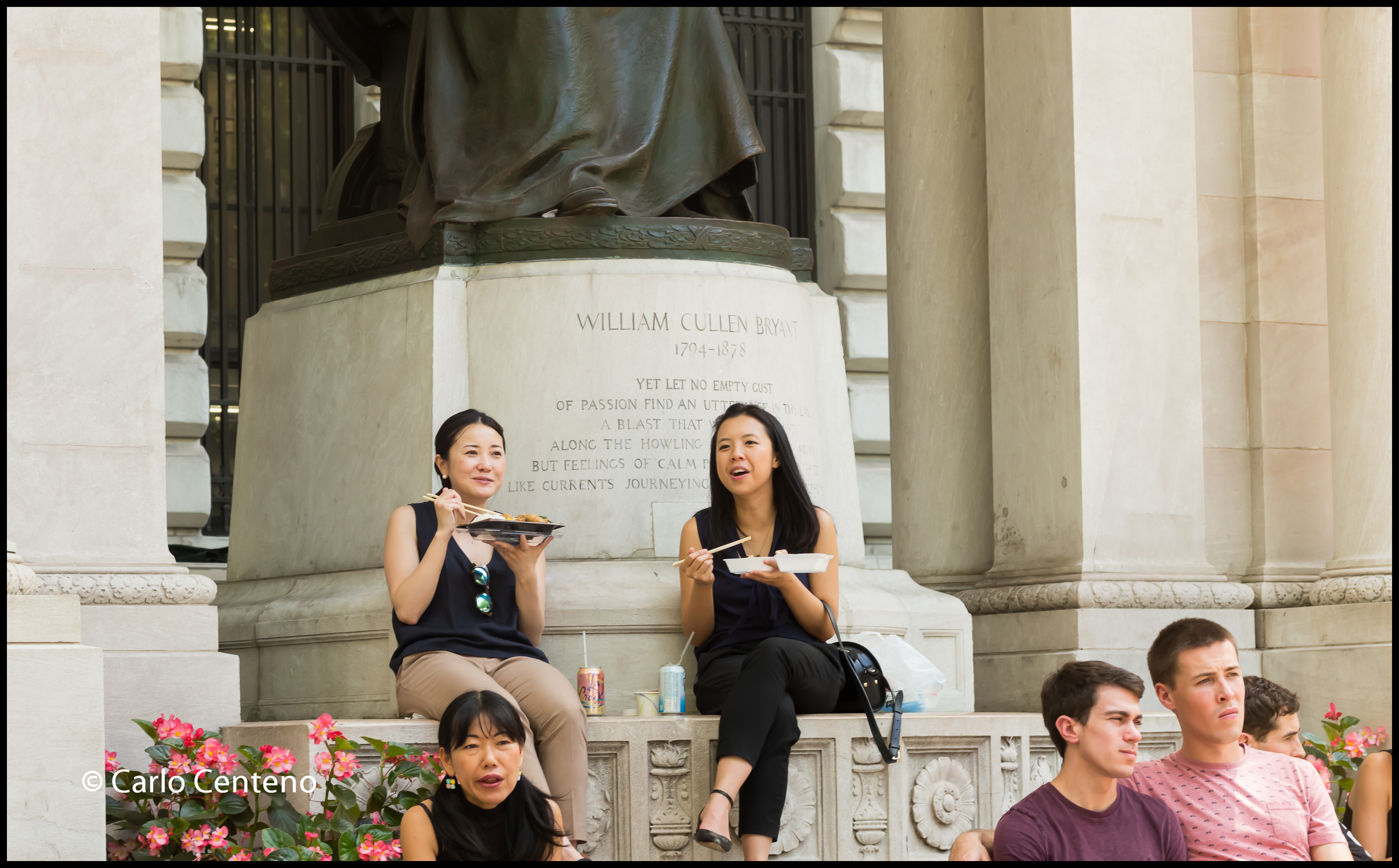
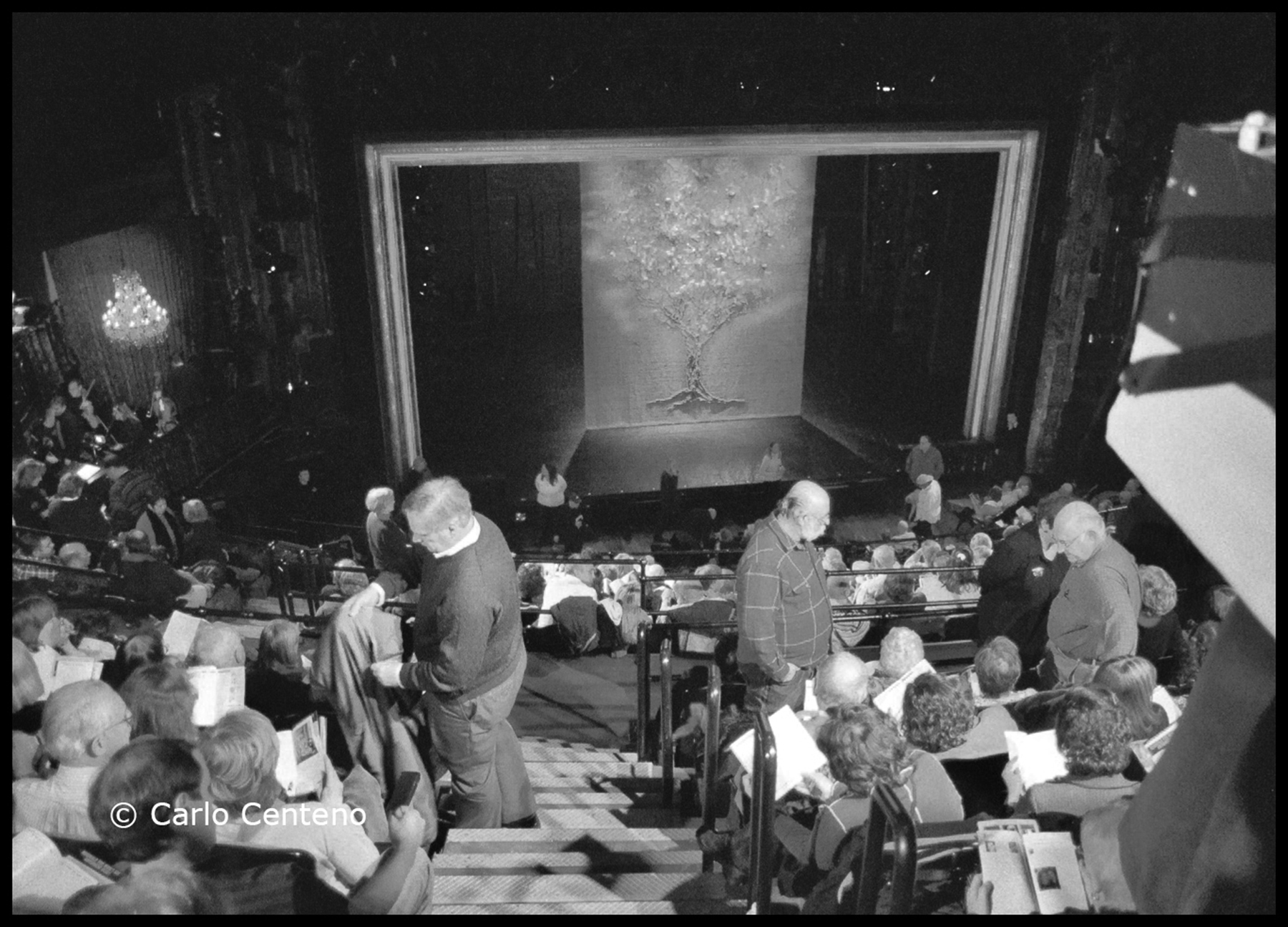
Family, Friends, Life-NYC 2019
Indeed, cherished memories are important for our overall wellness, but let’s remember to do things now, to remain connected yet in touch, so that such moments become screen clips thoughtfully stored in our memory albums.
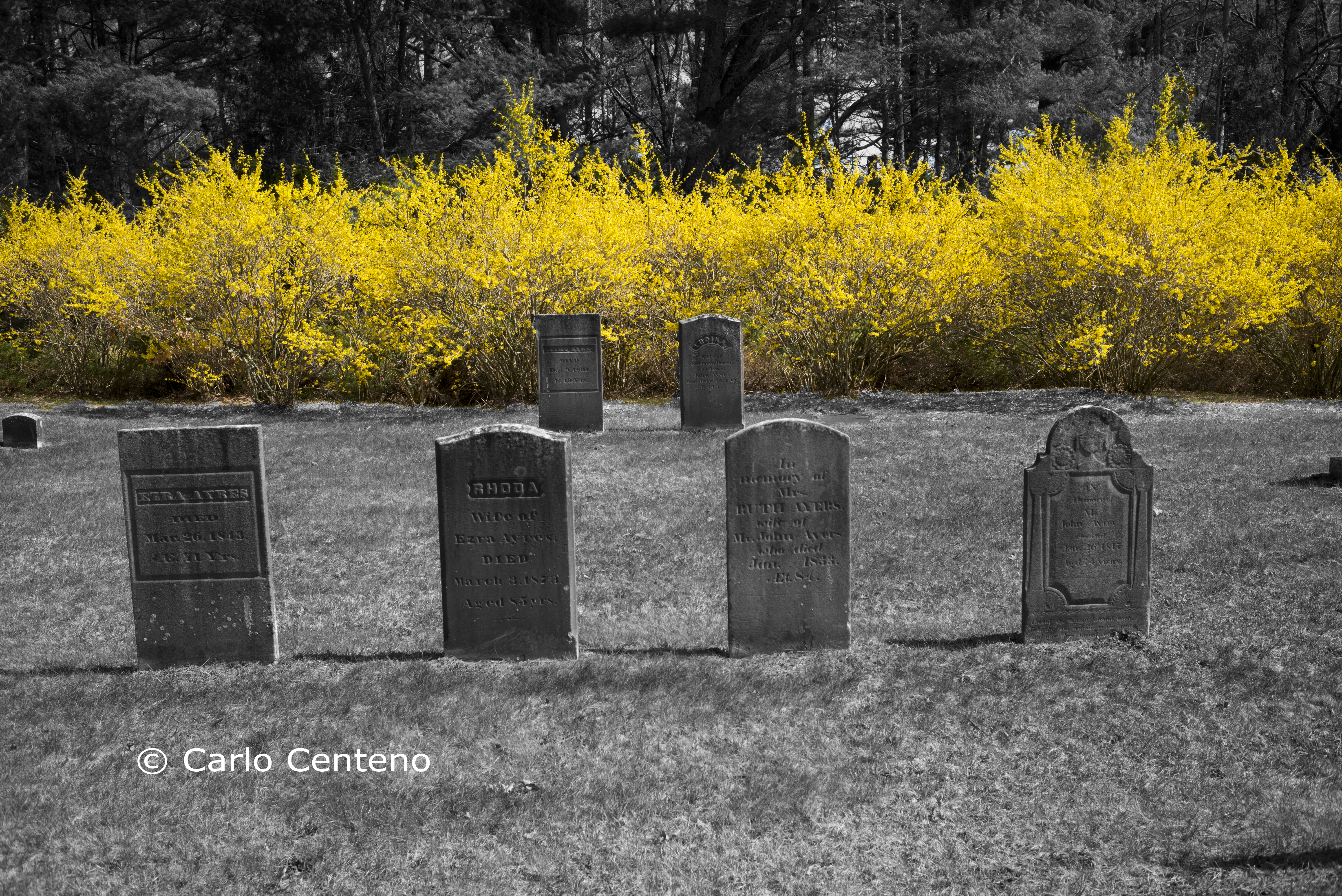
Generations of my wife’s family are interred in a local cemetery, a cemetery that honors among others, veterans, the ordinary, the extraordinary and in particular, the residents who lived in one of the 4 towns that were evacuated in order to create the Quabbin Reservoir. The reservoir was built to provide potable water to those living in and around Boston.
Anyway, MJ’s family lived in the town of Prescott, which like the other towns in Dana, Enfield and Greenwich now lie about 151-feet [46-meters] beneath the water’s surface.
Yes, we are at the mercy of the new coronavirus and the possibility of becoming ill with COVID-19. However we must put things into perspective, because there are many dealing with far heavier, more costly burdens that pale to what some of us may deem a hardship. The majority of us are dealing with inconveniences; yet others are fighting for their lives. The residents of the Swift River Valley left homes and homesteads, jobs, family and friends and most certainly a way of life.
Last week there was the amazing story of the Bello family. A couple with 3 young children, the father, Jim, teetering on life’s edge fighting COVID-19. It’s an amazingly powerful, somber treatise about love, faith, and unwavering determination in the face of incomprehensible odds.
If cabin fever makes one feel a bit cuckoo, then get out and do something. Take a drive into the country, take a walk on a trail, visit a landmark, break out the camera, the hiking shaft, the binoculars, the bicycle and more. With the majority of us driving less, you may have heard there’s less air pollution. For the introvert, having so much quiet and alone time could be a godsend. The opposite holds true to the extrovert dealing with social withdrawal.
There are times when we feel enlightened by some cause, an emotion, an observation, anything from the mundane to the spectacular can prompt this feeling. Walking through the cemetery renewed a sense of purpose in me, an awareness of who I am and what I should do versus what I can do. To the rest of the world, I am just another being among millions of others. So what?
I suppose relishing my time—essentially doing nothing—allowed me to have a more acute perspective on being mindful. Perhaps I was due for a spiritual tune-up, and I think got one. A better way to feel enlightened is to think of it this way: “If you want to feel good about yourself, do something good for someone else.” My spinning instructor always says that after a class.
It is astonishing to be living in this odyssey, this vicissitude of life that has changed everything of what we expect from a “normal” day in life. This new coronavirus has upended everything in this world, including love, however my POV is positive.
Pulitzer-winning author, Jeffrey Eugenides wrote the introduction to—and compiled the collection of love stories in—My Mistress’s Sparrow is Dead, an anthology penned by both celebrated and lesser-known authors from the past 120 years. In his introduction, Eugenides writes, “The perishable nature of love is what gives love its profound importance in our lives. If it were endless, if it were on tap, love wouldn’t hit us the way it does.” However, let me emphasize that his book is about love stories and not love per se. Love stories contain the highs and the lows, the banal and the beautiful, the agony and the ecstasy.
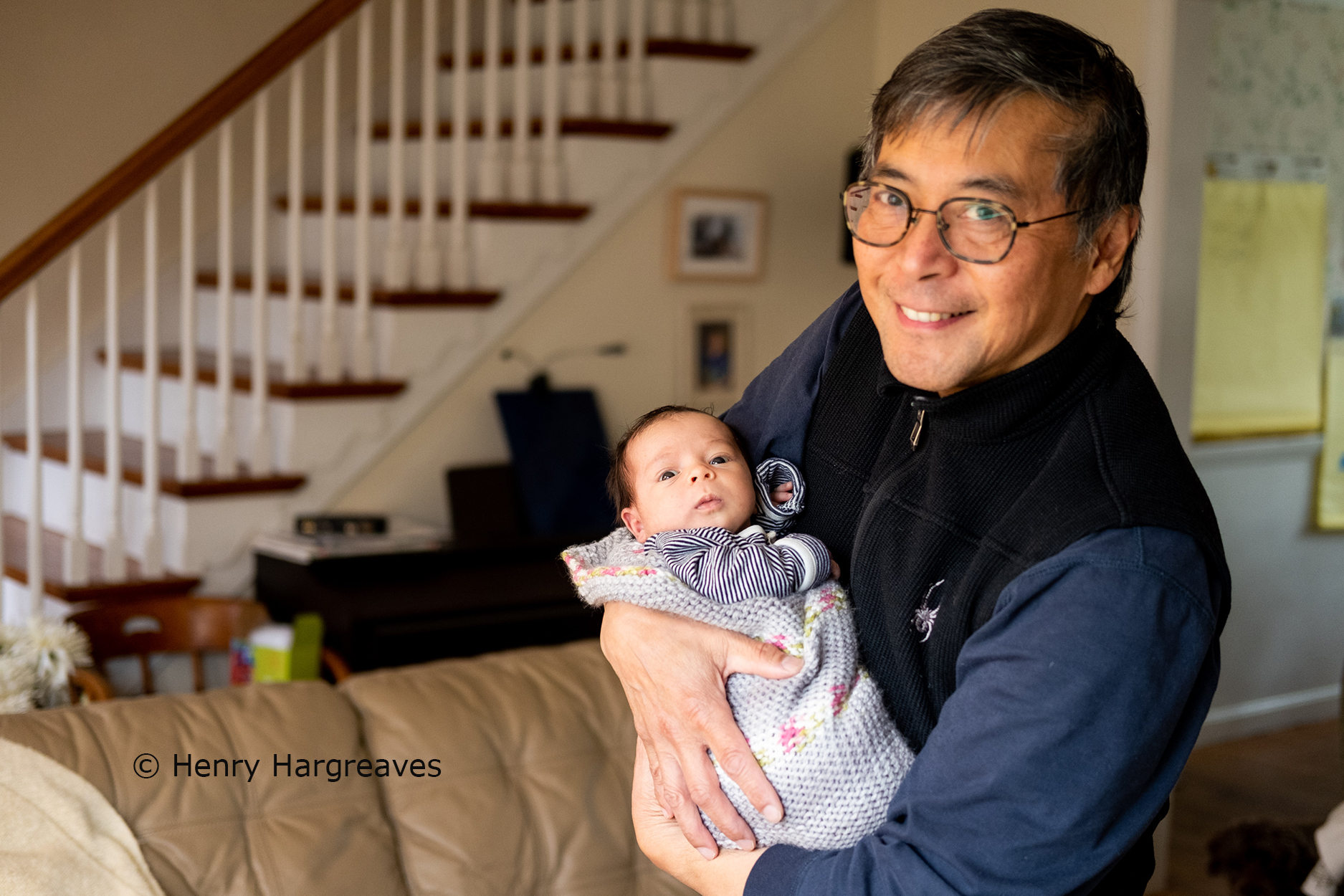
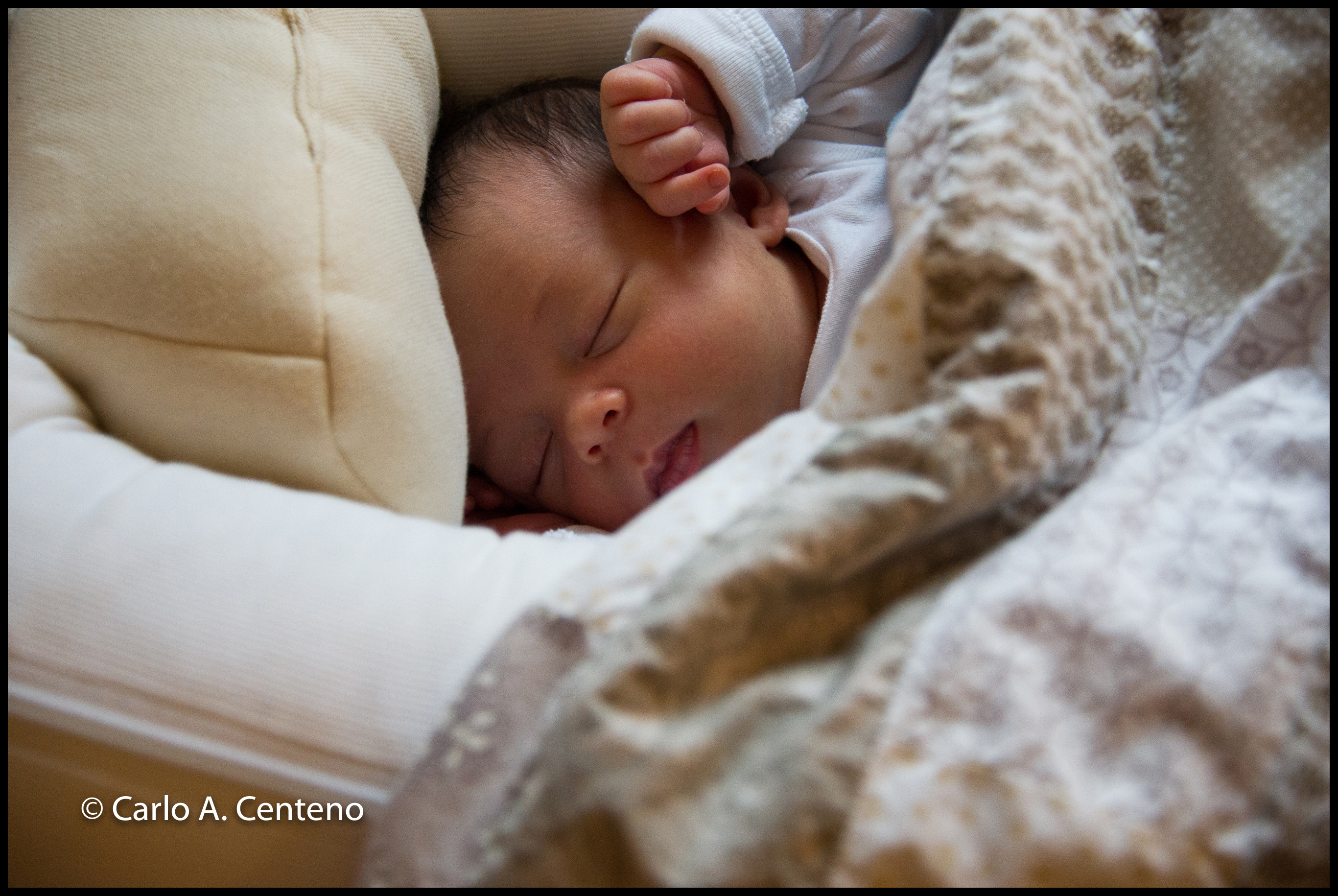
Personally, I’m holding the purest manifestation of love: Charlotte, my month-old granddaughter.
The modern world is constantly demanding our attention, pulling us away from one task to another, often the two coinciding with the same deadline or more likely emphasized with equal “required and immediate attention.”
Each infant is an open canvas awaiting the variegated hues and tones of nurturing, empathy, culture and all that is life. It’s been said so many times before, but one shouldn’t lose an opportunity to be “in the moment.” And holding this beloved granddaughter is about as cool as any moment I’ve experienced.
What are your moments of love in this time of COVID-19?
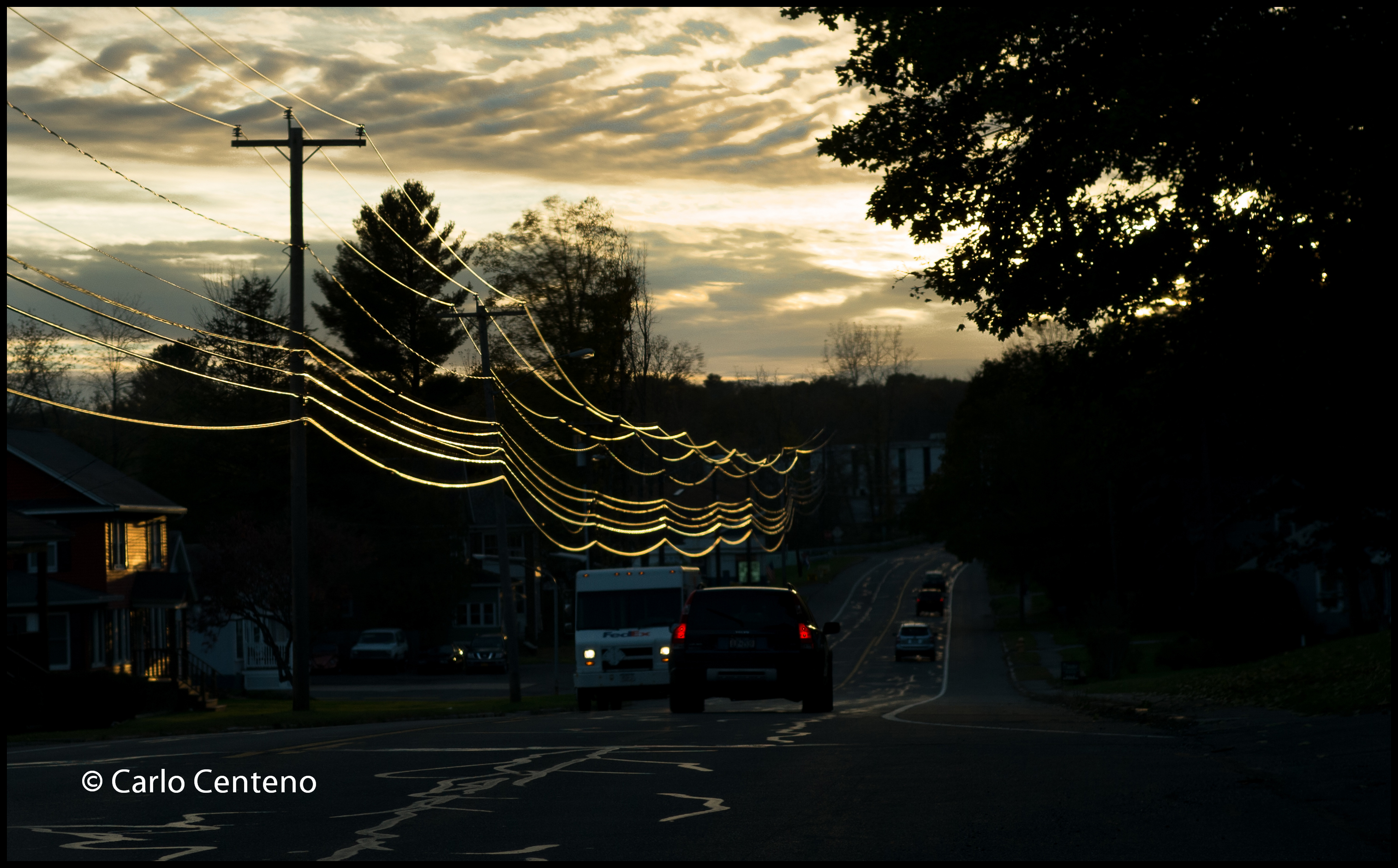
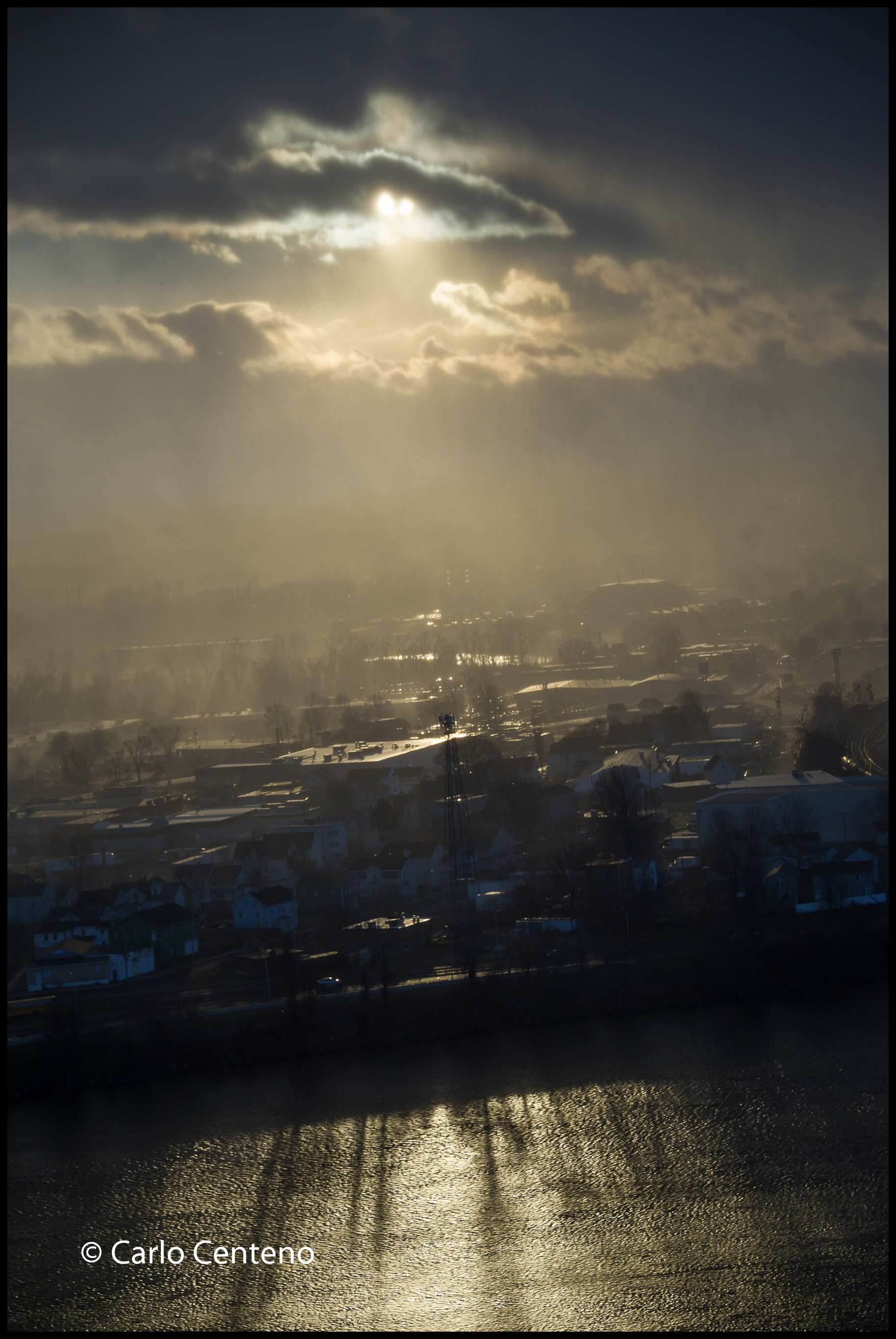
Blame it on the angle of the sun. Or the time of year and of course, the time of day. The light that pours from north/north-west can be dramatic.
Just across the river, sleet swept across the town and highway leaving a hazy curtain. My side of the river, was cloaked in a heavy grey. Street lamps and headlights appeared like fireflies across a sloping field made of concrete, steel and boxy columns.
For a very brief moment, the light outside the office windows looked other worldly. The slow-moving cars on the viaduct above the north end of the city made me think of ants marching, certainly only as fast as the one at the front of the line.
The sleet finished its drop about as quickly as it started. The sun seared its way through the cloud cover creating a portal all its own. Perhaps not as soothing a sight as a rainbow, but with the sleet falling, certainly rarer and even more captivating.



















 Carlo Centeno