“Those Were the Days”

Once upon a time there was a tavern,
Where we used to raise a glass or two.
Remember how we laughed away the hours,
And think of all the great things we would do.
Those were the days my friend,
We thought they’d never end.
We’d sing and dance forever and a day.
We’d live the life we choose,
We’d fight and never lose
For we were young and sure to have our way.

Songwriters: Boris Fomin, Gene Raskin

Ever an optimist, it is possible that you’ve heard the song, Those Were the Days as sung by Ms. Mary Hopkin. It was one of the first singles produced by Apple Records and Paul McCartney in 1968. My recent postings and our current new normal [or is it our current abnormal?] made me think of this ballad. And not only about changes that have taken place, but of many things unlikely to occur in the same way as before.

We are at summer’s threshold. We’ve evolved to accept crowded places, an expectation of more time spent with family and friends and to be part of those timeless happenings and celebrations that define this time of year: graduations, picnics, time on the beach, attending ball games, concerts & performances inside and out, barbecues, pool parties and a lot more.

And then there are the country fairs.
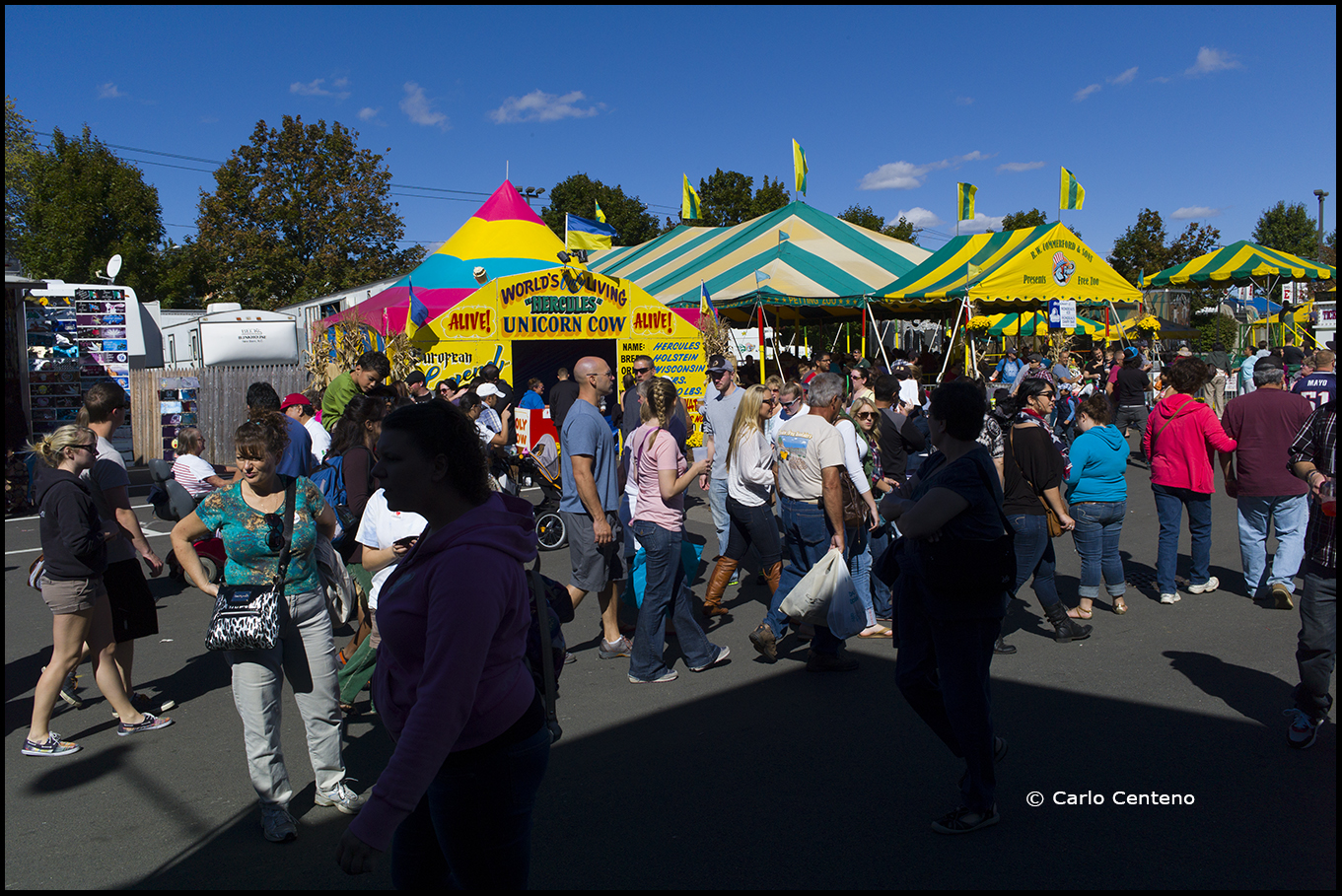
This unique piece of Americana born of traditions in farming and agriculture, will never be the same.  To heed social distancing at these and other events is not going to happen. It’s part of our social DNA, to see a flurry of activities and to be part of the atmosphere or happenings. It’s standing in line if not for the anticipation of getting into an exhibit or performance—or something savory to eat—but to avoid losing your place in that line.

It’s a place to experience sensory overload. Merchandise of all kinds court you with such promises as having something fun-for-the-kids; of having the last mop you’ll ever need or the complete knife set that rarely needs sharpening. Then there are the culinary pieces de resistance: fried dough that could work as trash can covers, cream puffs the size of softballs or that deep-fried turkey leg that can double as a hammer in a pinch.
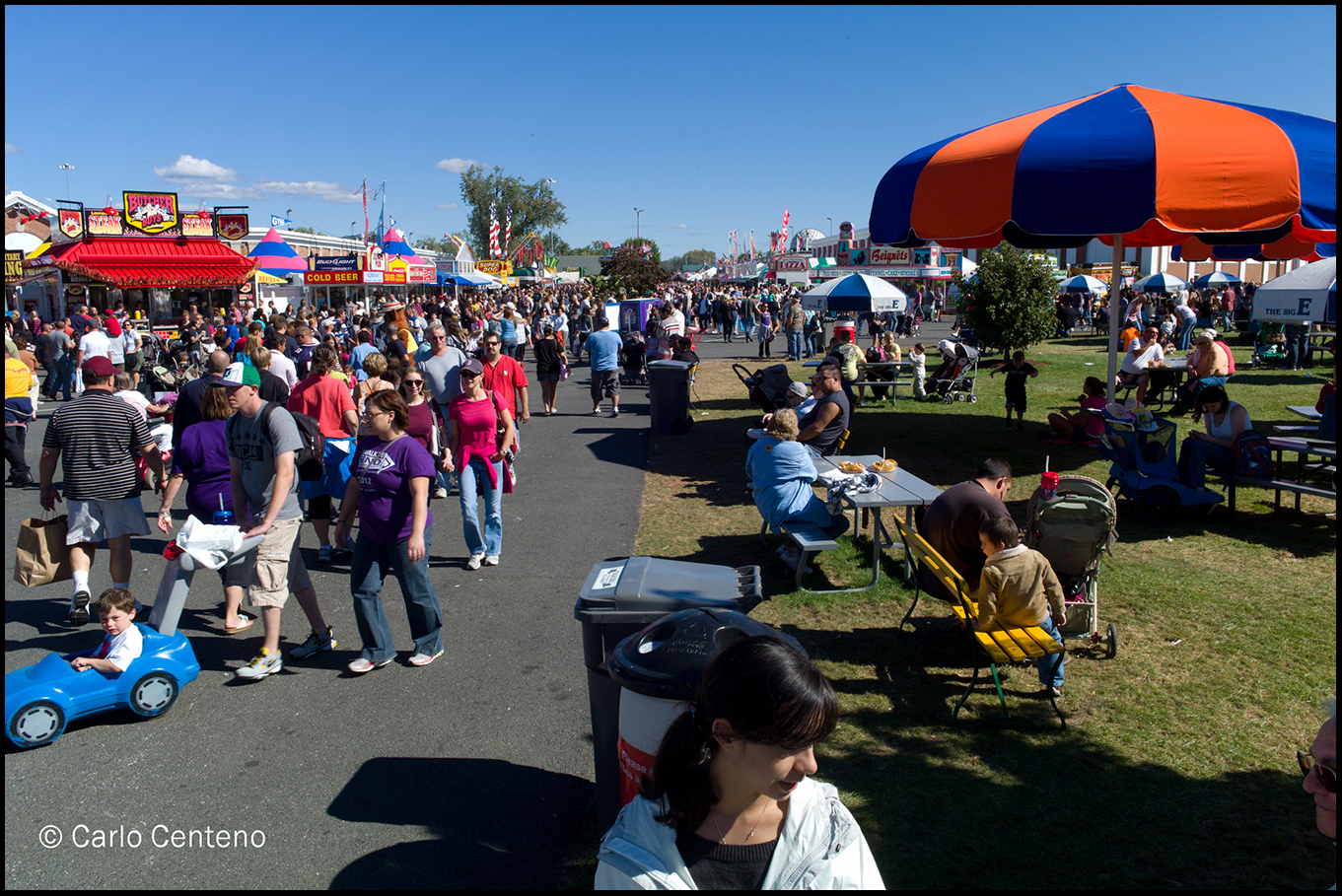
This year will be different for most everyone. The crowds can never be as large as before. Perhaps reservations need to be made to limit the number of visitors. Adjustments are already in place, yet still changing. We’re armed with masks, hand sanitizers and wipes and a growing awareness of our personal space and limitations. It may not be all bad, but much of what’s currently unfamiliar, even uncomfortable, will become all too familiar.

For years we’ve made a trip to one of the largest country fairs in New England, a sortie that has become part of our own tradition. On a weeknight, we head to West Springfield for “The Big E” aka, the Eastern States Exposition. My wife and I head to a favorite Polish food stand to order the inimitable Polish Plate: galumpki, pierogies, and kielbasa, all chased down by a “pint” of Dinkel Acker Pils, a German beer crafted from heavenly made hops.

And after that, it’s a walk across the grounds to burn off a few [very few] calories, only to add a bunch more when we stop for a homemade blueberry pie a la mode. All of this adds up to an entertainment feast. Certainly many things are always there, often the same vendors and merchants. But what makes each year different are the recollections of many other visits to the Big E aside from our annual beer with dinner.

It’s about our daughters coming with us during the toddler to tween years. Then came the teen years when it became apparent we were no longer cool, the two escaping with a fistful of tickets for rides and the arcade at the fair’s Midway.

It’s about people-watching, of getting lost in a crowd knowing that similar dreams and fears are as common as balloons, stuffed animals and kettle popcorn. Summer is as much about the quiet and solitude found in the woods as is the cacophony of gatherings and festivities that confirm our sentient selves and how we’re all connected.

Those were the days.
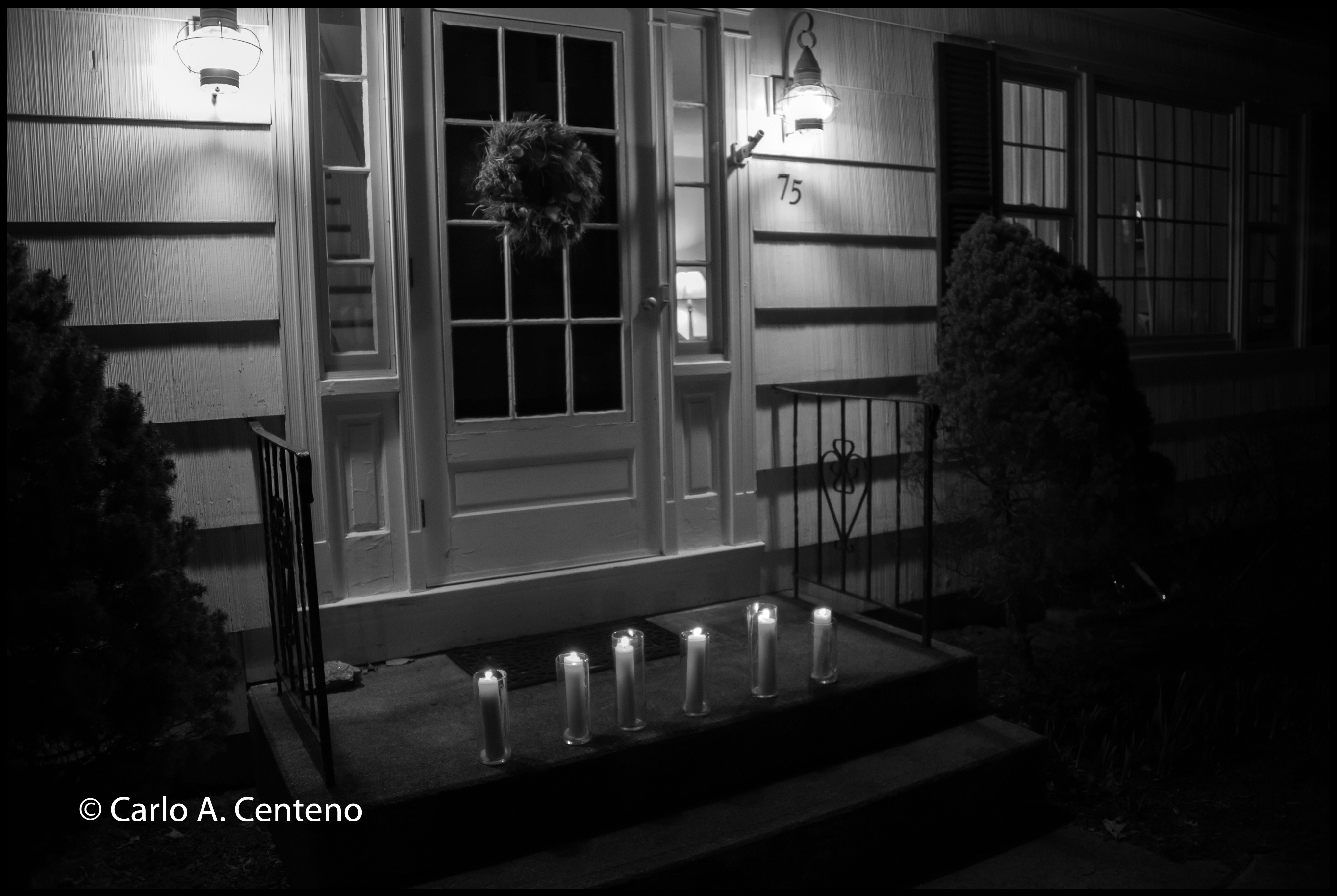


April 1, 2020

A good friend sent a text message saying that today—as a way of expressing our gratitude to first responders and healthcare workers—we should set some candles in front of our homes, and light them at 7:00 pm.

I know several healthcare professionals. Two couples are close friends. They’re bon vivants, emphasis on ‘bon’; we enjoy dining out [or in] to catch up, laugh, share and wonder about the vicissitudes that have changed the way we live, think, feel and behave.  The friendships run so deep they’re essentially family.  Actually, any one of these friends could take the place of a hundred bad relatives and acquaintances.

Three of the healthcare professionals on my roster are family. There’s my sister-in-law, an office administrator who works in a practice made up of general practitioners and hospitalists; my brother, an educator and primary care M.D., is up to his eyeballs in northern New Jersey; and my father, a retired vascular surgeon, is hunkered down in Florida.

Like most of us these days, we’re also hunkered down. We’re out of sight. In a metaphorical sense, if the virus can’t “see” us, then it can’t infect us. That’s very simplistic, but you get the idea.

Time and again I’ve heard comparisons to war, that the very people on the front lines are in a fight unlike any other.  We know that, but we have very little visceral sense of the actualities playing out in crowded hospital rooms, hallways, ICU wards and all the places where the sick and the caregivers are equally overwhelmed. To say we’re being in the moment cannot compare to being there, to be immersed in the chaos unfolding right in front of you.

Whether you believe in karma or life existential, God, or something that is in effect, bigger than oneself, all that’s in motion is connected to each of us. Is it ironic that this pandemic is playing out during humankind’s most pious weeks on the calendar?

A lit candle—a universal and timeless symbol of hope, gratitude, peace, sorrow, love, contrition—is also an icon for life.


Face-to-Face

I suppose any season is good for “time travel.”  Case in point: The Hancock Shaker Village in Pittsfield, Massachusetts. Throughout New England and other parts of the country, living museums provide a chance to feel what we could only imagine.

Such places serve to remind us of what we have. Or what we’ve lost.

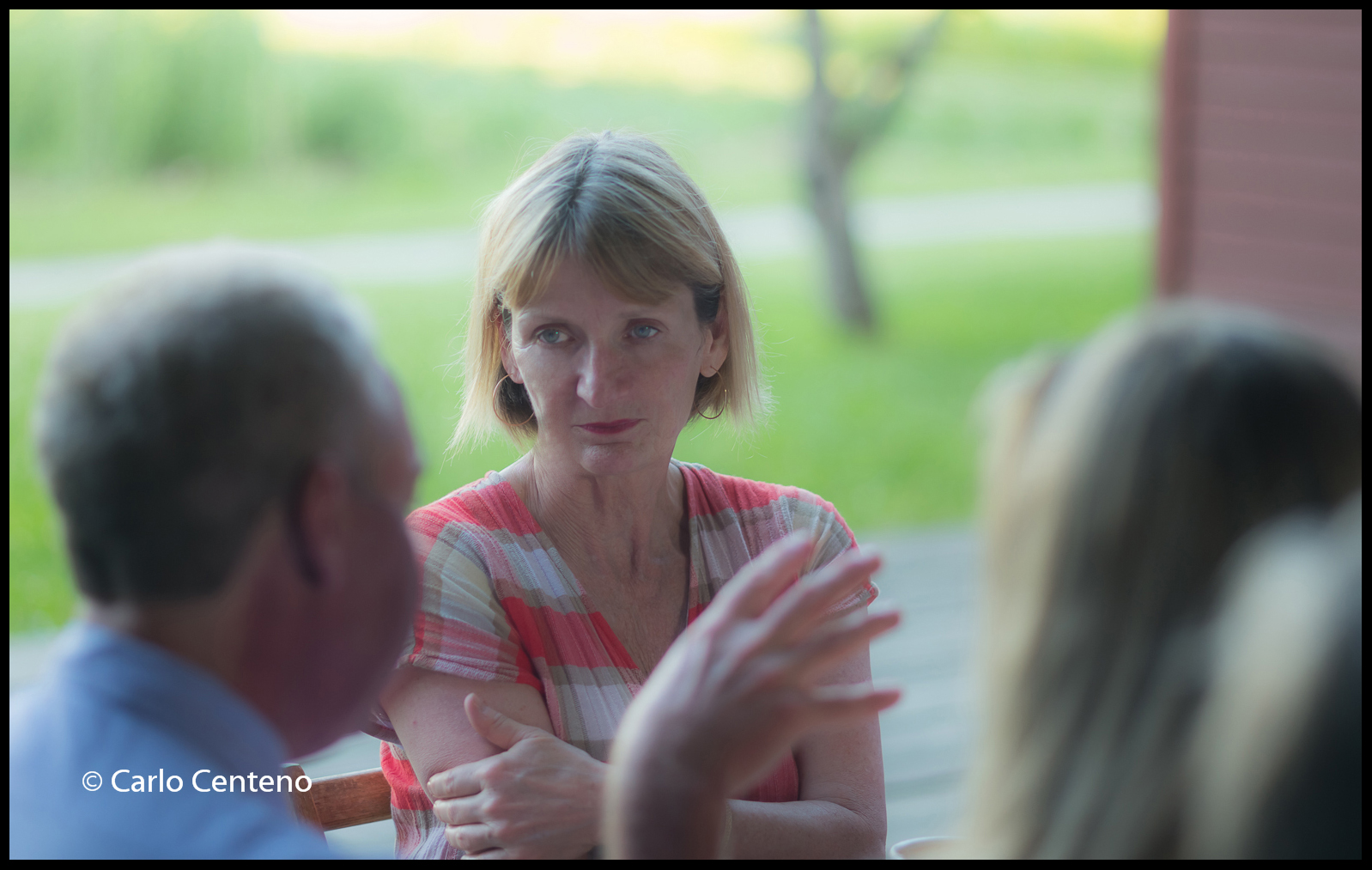
On a particular Saturday evening, I was reminded of the power of conversation. The Shakers traditionally have family dinners, meaning you sit at a table–often a rather long one–and enjoy supper together.  This particular night came via the Food for Thought series, a HSV summer event whereby one sits and enjoys a gourmet farm-to-table dinner and conversation. From June thru August, an author is invited to dine, discuss and engage about a recent book that she/he has published.

Traveler, award winning writer, bestselling author, Mr. Simon Winchester.

The narratives can be compelling. Unsurprisingly, there’s the conversation of getting-to-know a bit more about a person, not the least being the author who’s about to recount a journey of research, writing, editing and more.

Like the author, the guests had their own experiences to share. Most were familiar [snippets of life’s journey from a father-mother-engineer-lawyer-financial manager-medical doctor, e.g.], and others were fascinating to hear and talk about. In attendance was a young student of epidemiology, and I should have talked with him beyond his academic CV [Princeton, then John Hopkins].  It would’ve been fascinating to hear more about the rise of diseases and other ailments that can quickly wreak havoc on populations around the world.

The beauty of talking face-to-face is that beyond the words you hear, you’re also emotionally involved. Expressions, gestures and tone each hint at nuances that can be missed when engrossed with email and text messages.

I enjoy the various digital communication platforms and they can be timely if not helpful. However, there’s still something to be said about connecting with people face-to-face. And that kind of connection can make such a difference in your comings and goings day in, day out.


Ode to Imaginative Playing

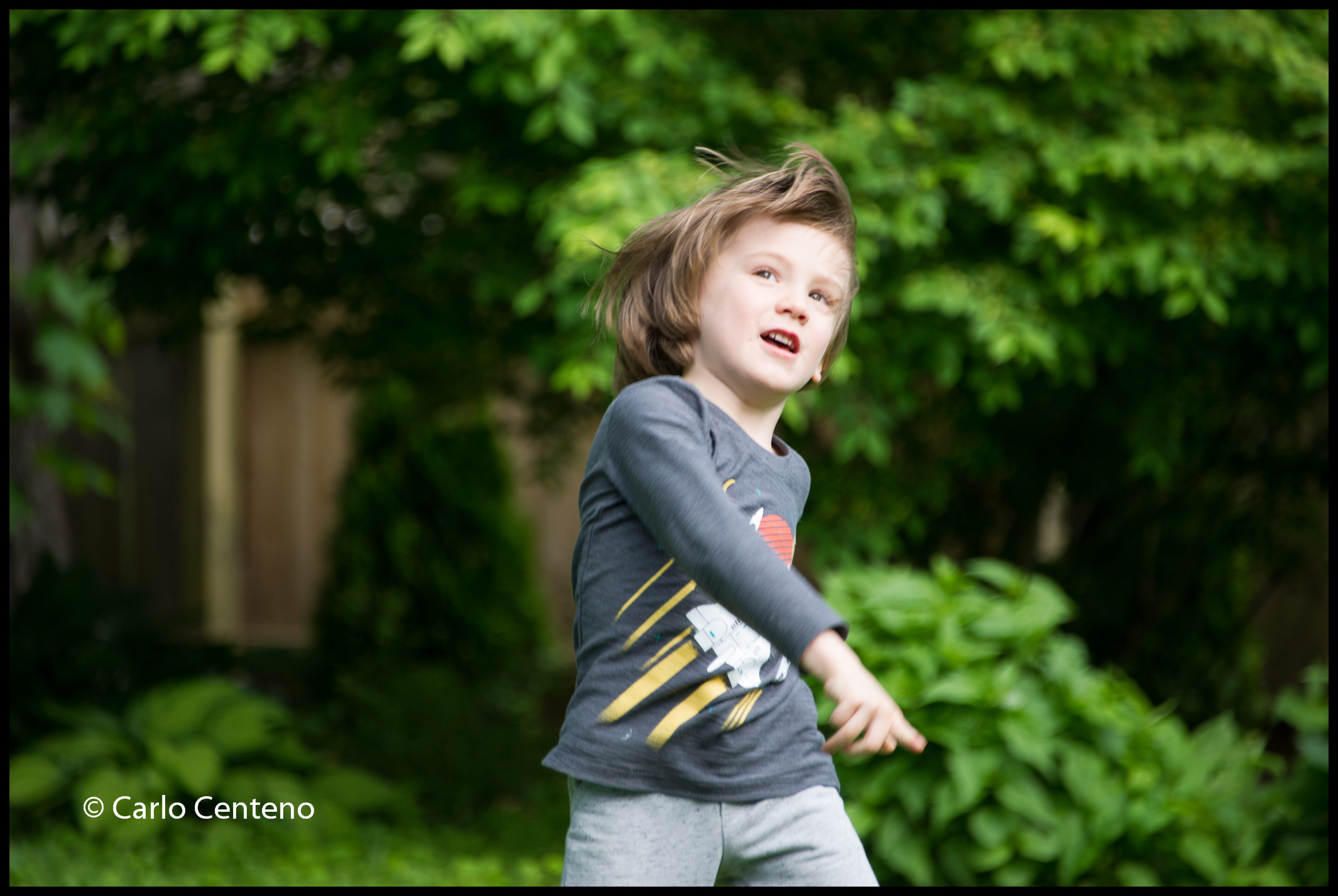
Wherever and whenever possible, the grandsons engage body, mind and soul in imaginative play. And it’s good for them. We encourage such play and the possibilities that open up for their young selves.

If you watch them, listen to them, their imagination and enthusiasm bursts with a palpable vigor of discovery. We could learn a thing or two from such unbridled vigor.

An arm extended is a wing just as the rushing, whooshing sound from their mouth is that of fast-moving air giving lift to the aircraft. You can’t ignore their commentary for it further explains the depth of their imagination and understanding of how they play. “He’s way up in the sky…diving down then up again…he goes very far and very fast.”

I see in all their  imaginative play a power that exceeds that of any CPU. What they emotionally and physically feel, the how of what their mind’s eye offers, when they encounter a challenge [“He won’t share the glider!”]—or arrive at a compromise or solution—every bit of it adds to their development as communicators, problem-solvers, collaborators and empathetic beings.

Indeed seeing these two boys and all that they say and do remind me to nurture my own imagination.  At least not to ignore it. The why of such nurturing can liberate and acknowledge a sense of purpose and triumph.  Many of us are unlikely to realize our loftiest, most ambitious dreams and goals, but pause and think again.

Our imagination can fuel possibilities that can manifest into a journey that’s not only our own, but a story genuine to our sense of self .

Nothing but Blue Skies…

“Blue skies, smiling at me, nothing but blue skies, do I see.”  Irving Berlin

It just hit me. This color blue. It was electric, cheerful, optimistic, surreal and more. Not sure why, but it just was.

So, I took a  photo.

Ella Fitzgerald recorded a terrific rendition of this song. Perhaps we should cue it up and listen to it more often. The lyrics just might move you from a place you don’t like, to one that’s much more hospitable if just kinder.

Arrive Here to get Over There

The itinerary reads, “4-hours, 34 minutes” of travel time. Not unreasonable considering point A to B is about 1,200 miles [1,931 km]. Fortunately, I can get a nap without much effort.

Alternatively, I can journal and even snap a photo or two. Which I did. And I also thought back on Christopher Nolan’s film, Interstellar. The recent news about capturing a photo of a black hole and what seems to be renewed interest in the cosmos has sparked [again] my curiosity about time and space and relativity.

One line in the movie fascinates me to no end: “One hour here [on an alien planet] is 7 hours on earth.”  Because the crew traveled through a worm hole at almost the speed of light, time dilation occurred. Theoretically, it means time moves slower when you’re travelling extremely fast.

While it would be a major convenience to reduce travel time across the globe, I consider some of that time in transit as quiet time, even meditative. We’re already rushing–to arrive here–to get over there. It’s an overused saying but, “life is better viewed as a journey rather than a destination.”

North

A few days ago, the cold felt punishing. Yes, I have preference for cold versus hot days, but when the air is already cold at zero degrees Fahrenheit, then enhanced with a windchill of -15, well, that may be enough to reconsider that preference.

I’m fortunate that I can retreat to places where the cold and wind don’t feel as threatening. From the safety of these retreats, I philosophize on the dual sides of nature, of how something that can appear simple and beautiful and minimal can deliver a reality check powerful enough to humble any aesthete caught up in winter’s vanity.

Do you get the feeling that winter provides a sense of calm? The calm I speak of provides a level of reassurance. This winter calm is a metaphorical blanket, one which acts like a shield from unwelcome and sometimes sudden vicissitudes. Such a blanket stops–albeit briefly–the weariness of having to deal with things that keep us from finding a particular quiet.

And when the quiet is welcoming, the alone time is curative…

Planning Overload

Okay, the end of the year, the last month of the calendar if you will, is chock full of messages hitting us from all kinds of channels.  I’m referring to advertising & marketing messages. I’m overwhelmed with it all.

“For a limited time, you can own this…..enjoy the 10 for only 1 dollar/euro at your local…..make this the holiday to remember with special offers from….common reactions are allergies to the active ingredient, cramps, blurred vision, moodiness, sleepiness and in some cases, death….”  WTF!?

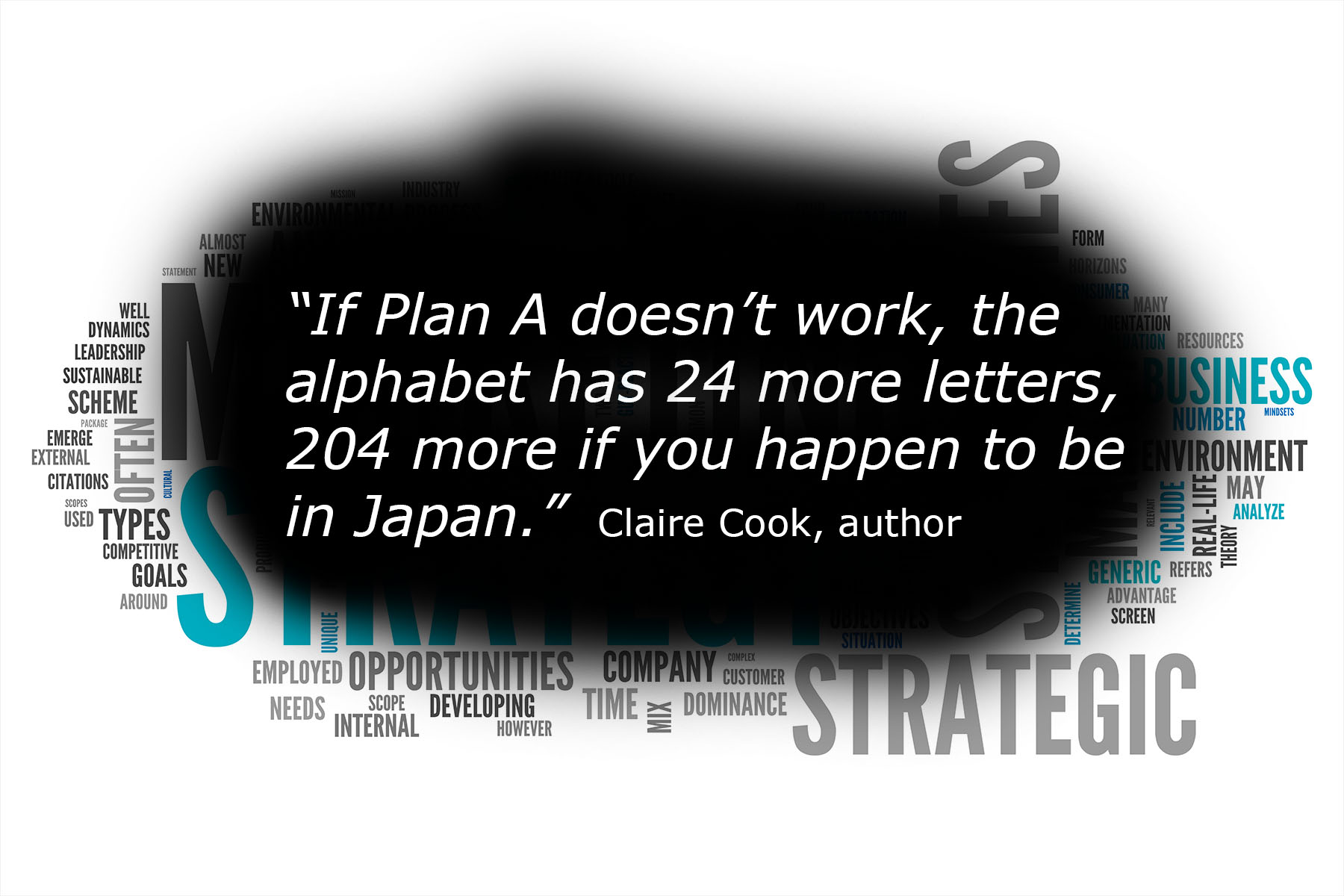
However, what I find even more overwhelming is the myriad of marketing tactics, strategies, resources, research et al, that are available to each of us [the marketing professionals]. Ms. Cook’s comment, naturally, is taken with a grain of salt, but it makes you stop and think about “planning.”  And for the most part, I’m convinced that we’re all over planned. Coupled to the planning are the actions deemed necessary for said plan to be successful. I translate that to, being “overscheduled” and thus feeling more overwhelmed.

Whether it’s marketing communications and strategies,  or making plans for your children’s activities, a vacation, an addition to a home, etc. etc., I’m convinced that there’s much to champion in the less-is-more school of thought. To wit:

  • I’ll stick with Plan A because creating a Plan B or C is going to take even more time, more minutiae, workbooks, versions, hotlinks, B-rolls, post-production, trips to the copier, make more PDFs….OMG!
  • Regarding Plan A, I prefer to make smaller mods to line and action items. My options are: edit or delete. So what I have is still my original plan, but with tweaks
  • When my daughters were growing up, after-school activities were encouraged, but within reason. There was none of the practice/games after school followed by Key Club, music lessons, etc. that seem to be the norm for each school day, week in/week out
  • Less is more when it comes to time on hand. I didn’t drive to the ends-of-the-earth just to get them from one activity to another, then back home
  • Less is more: I pull into the garage with more gas in the tank; we eat dinner together; limit perfunctory questions and remarks wherever possible [what was the most interesting thing that happened today? vs. so, how was your day?]
  • Less is more: a lot less time in front of a screen [TV, computer, vid game, e.g.] and more reading, you know, a book

The end game is something I relish. I envision a plan not to plan anything at all.

Solitude Found

However I feel and wherever I am, I try to find solitude. It’s a quiet that renews me because I can be myself.  Solitude encourages me not only to reflect, but to jettison the ill-feelings of comparisons and expectations.  The Rolling Stones, rock classic, Satisfaction, is so very telling:

“…When I’m watchin’ my TV and a man comes on and tells me
How white my shirts can be
But, he can’t be a man ’cause he doesn’t smoke
The same cigarettes as me…”

I’m not equating isolation with solitude, as the former suggests being devoid of sensory inputs.  No, this is about a mindfulness that keeps at bay the disquiet of our modern life.  Turn off the radio, the TV, the podcast, et al. Though it may be easier–if all too obvious–to find solitude when completely alone, that is unnecessary.  Solitude can manifest itself anywhere. Don’t you find solitude at a social event [even at work] when you can momentarily remove yourself to a space that doesn’t invade your thinking and feeling?  Step away, even for a moment, to find some quiet, some calm, some level of respite.

We’ve yielded to wanting impressions that don’t add genuine value to our sense of self: number of likes, tweets, comments, “friends”, postings and so forth.  Allow yourself to be your own best company.