Same Place. Different Times.

Without a doubt, I am finding greater comfort being outside. From the backyard to destinations within a 2-hour drive, being outdoors is just about mandatory to keep my sense of self from being weighed down by the harsh reality festered by  “insensitivities” of society as a whole.
The omnipresence of intolerance, indifference, ignorance, impropriety, apathy, hate, gratuitous violence on person and property and even more, is disheartening. Of greater significance is the increase of schadenfreude.

Enough already. Enough.

The outdoors is not my only sanctuary. I also find some relief, some comfort, some reduction of stress and disillusion through family and a handful of friends. And it’s not unusual to have some of these individuals with me on those occasions when the world is en route to hell-in-a-handbasket. Though as you might’ve gathered, I reserve the right to keep these individuals to myself. Some things are sacrosanct and will remain so. There are sound reasons for not sharing them here, and you know some of the reasons I’m sure.

But most can understand the power of the outdoors. In particular Native Americans—indeed the indigenous people of this planet who now inhabit small parcels of land that are but a shadow of times past—embody an understanding, acceptance and empathy for all that is nature, whether seen or not.

No, we haven’t lost paradise. Yet. We tempt fate, but I hope we can collectively muster the virtues and attributes we know make a difference for our future.

I’m hoping that at a different time in the future, many of the places I treasure as sanctuaries will remain “the same.”

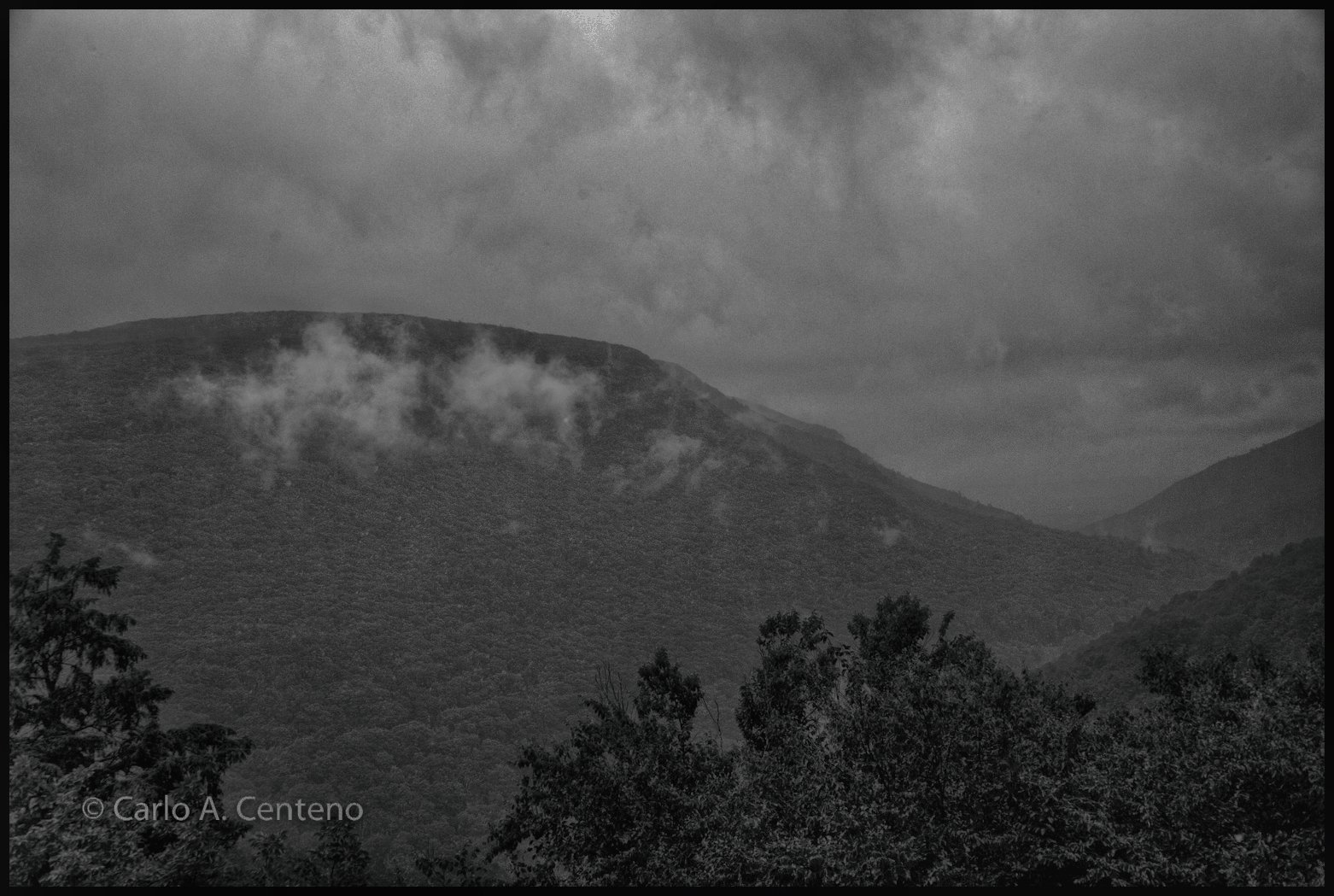
Dark, grey afternoons…

For all the misery and inconveniences really bad weather creates, storms have a unique appeal to me. They are fascinating creations. In the most dire of circumstances the devastation they leave behind is nothing short of incomprehensible, humbling and frightening.

On the other hand, bad weather has a way of fine tuning me to a mode that captures and enables the ephemeral: in one moment, a gentle falling rain suddenly becomes heavy, rampant, even vindictive in the force and quantity of water that dowses everything.

No sooner than the rain pummels the landscape, the water is then swept away, transitioned to a drizzle that moves ahead of a foggy veil suspended just behind the now gentle shower. I think of the various weather possibilities as moods, from the bright sunny days [hope, optimism, gratitude, e.g.] to the dull grey of a threatening sky ready to let loose its worse [depression, angst, regret, e.g.]. Weather figuratively produces such an array of moods.

Dark, grey afternoons carry a weight [wind, water, ice, snow, heat et al] that can lay to waste your surroundings as well as your inner landscape. Yet when I pick up my camera or take pen and journal to hand, I remind myself that things change. Storms have their beginnings and an end. And what happens in between can—and will—wreak havoc on the most carefully laid plans and intentions.

Events, like storms, are markers in time. And having a marker delineates a “before” and “after.”  What were you doing just before the storm hit? Where were you? We often have a stronger temporal sense of change whenever nature throws us the worse. Similarly, we celebrate when the change is for the better; some days are referred to as “picture-perfect…like a perfect postcard if you will.
The prologue to dark, grey afternoons can be a harbinger of bad stuff yet to arrive.  Still, I look at these harbingers for what they are: a dramatic dance of fleeting light, of varied grey swatches which masks greens, yellows and blue, of movements brought on by high wind speeds and even a gentle breeze.

Weather, in all its forms, is a fulcrum on our impressions of just how good or bad our day is doing.


Ghostly

In the past 2 weeks, I’ve been to the office 4-5 times. The building is eerily quiet.  The predominant noise is nothing but white noise. It’s the kind of noise that can set your ears ringing because the sound is so subtle yet ever present—like that of a medical office waiting room with no one else but you sitting there. It’s a solitary existence encapsulated by sounds produced by the HVAC system.
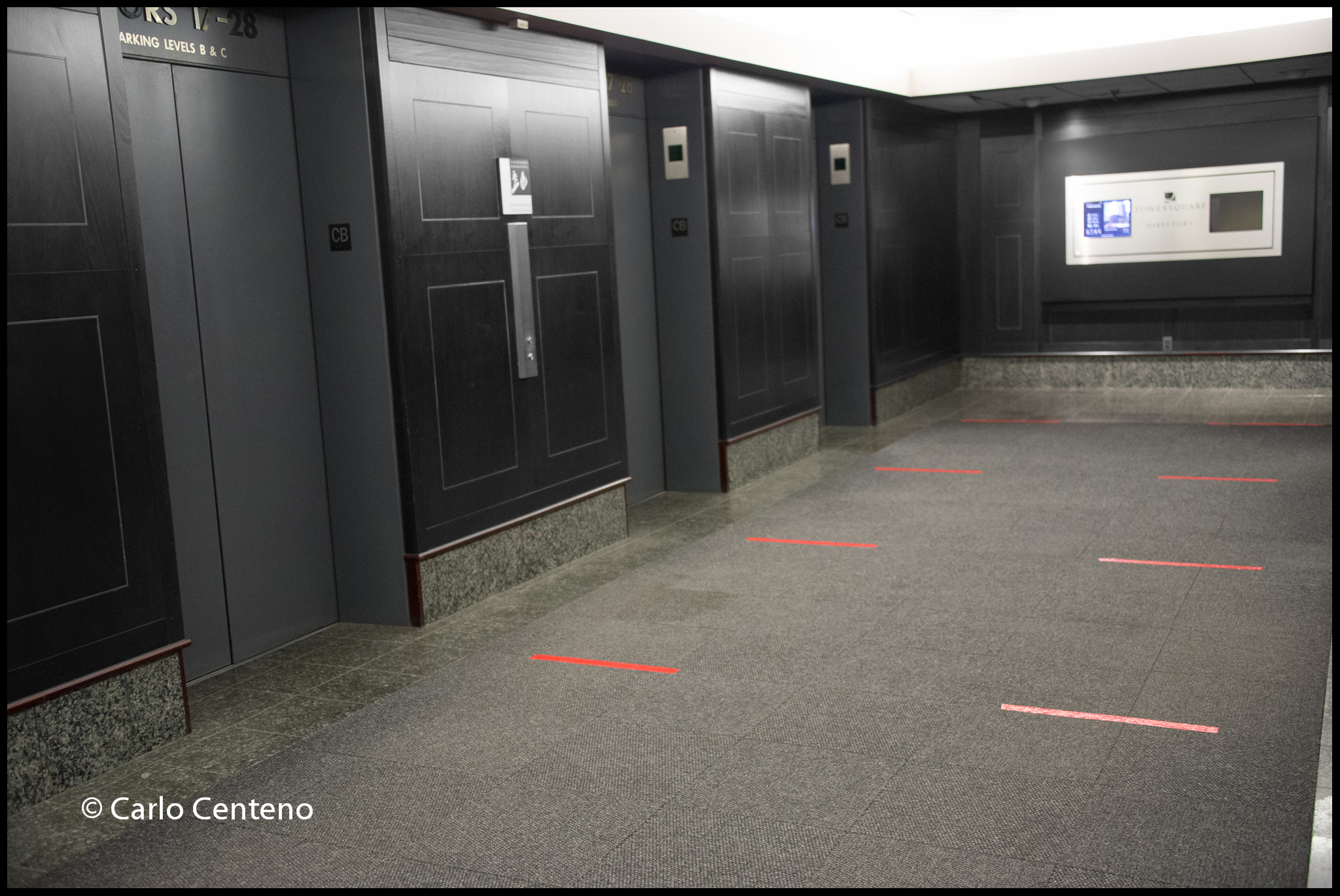
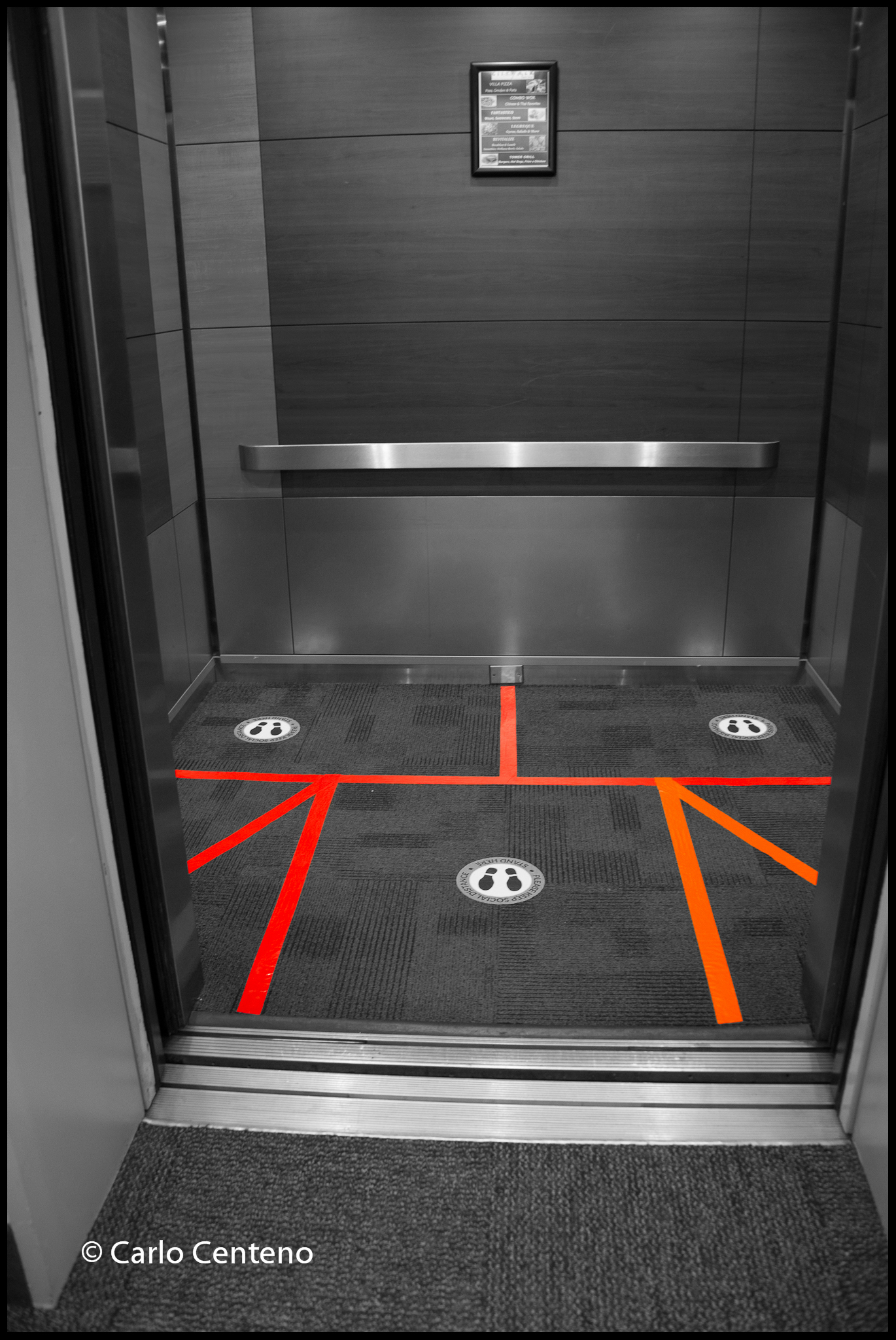
This is all very different. The office tower and the parking garage are like ghost towns.  Prior to this new reality, I’ll see people gathered around, waiting for the elevators, shuffling into one only to find that your stop is after 4 or 6 floors. It’s like the local train versus an express. Regardless of the time of day, there’s no avoiding at least one or two persons involved with an elevator: waiting, stepping in, stepping out and being closely woven in with others, some being inadvertently bumped by a briefcase, a backpack or a lunch bag.

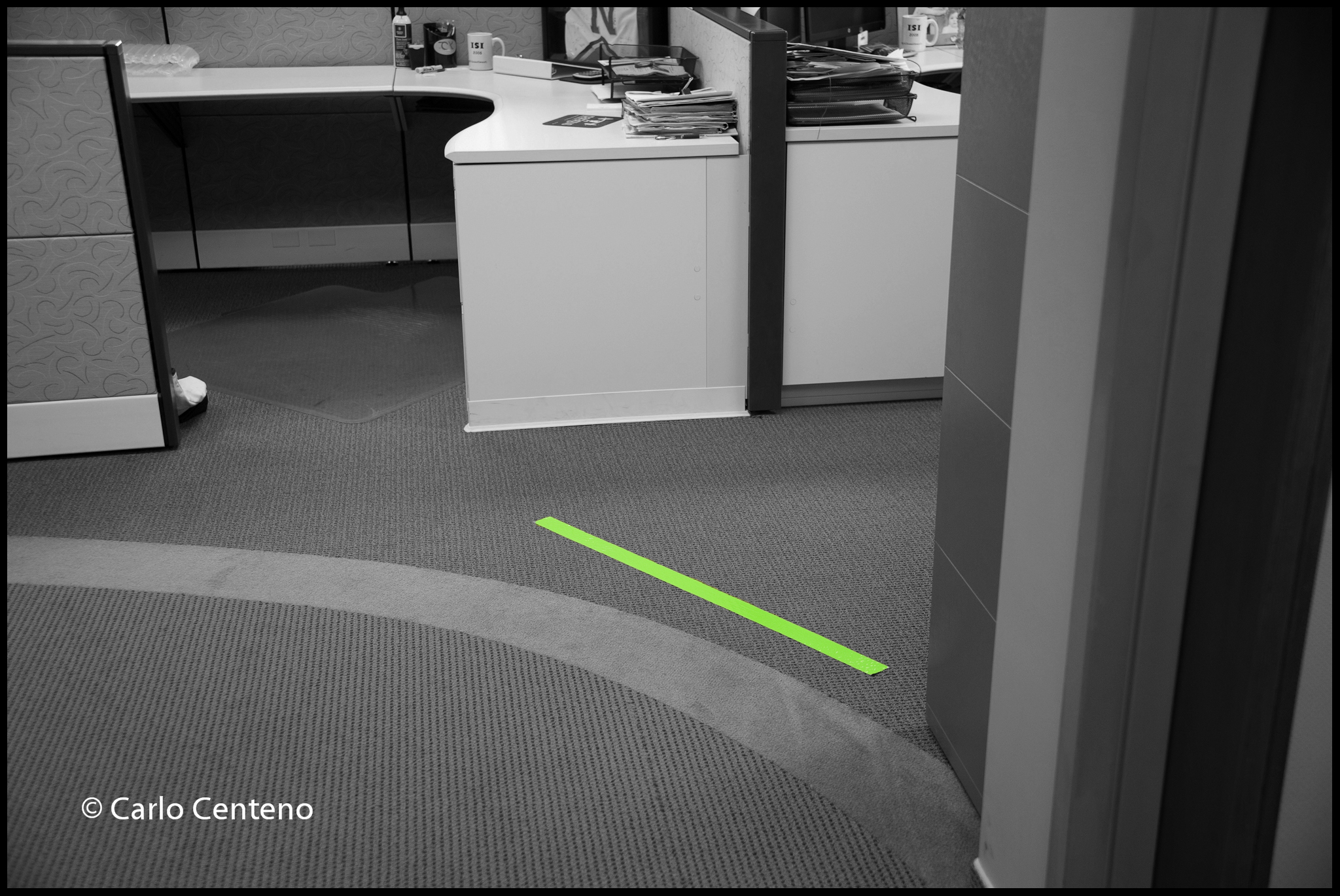
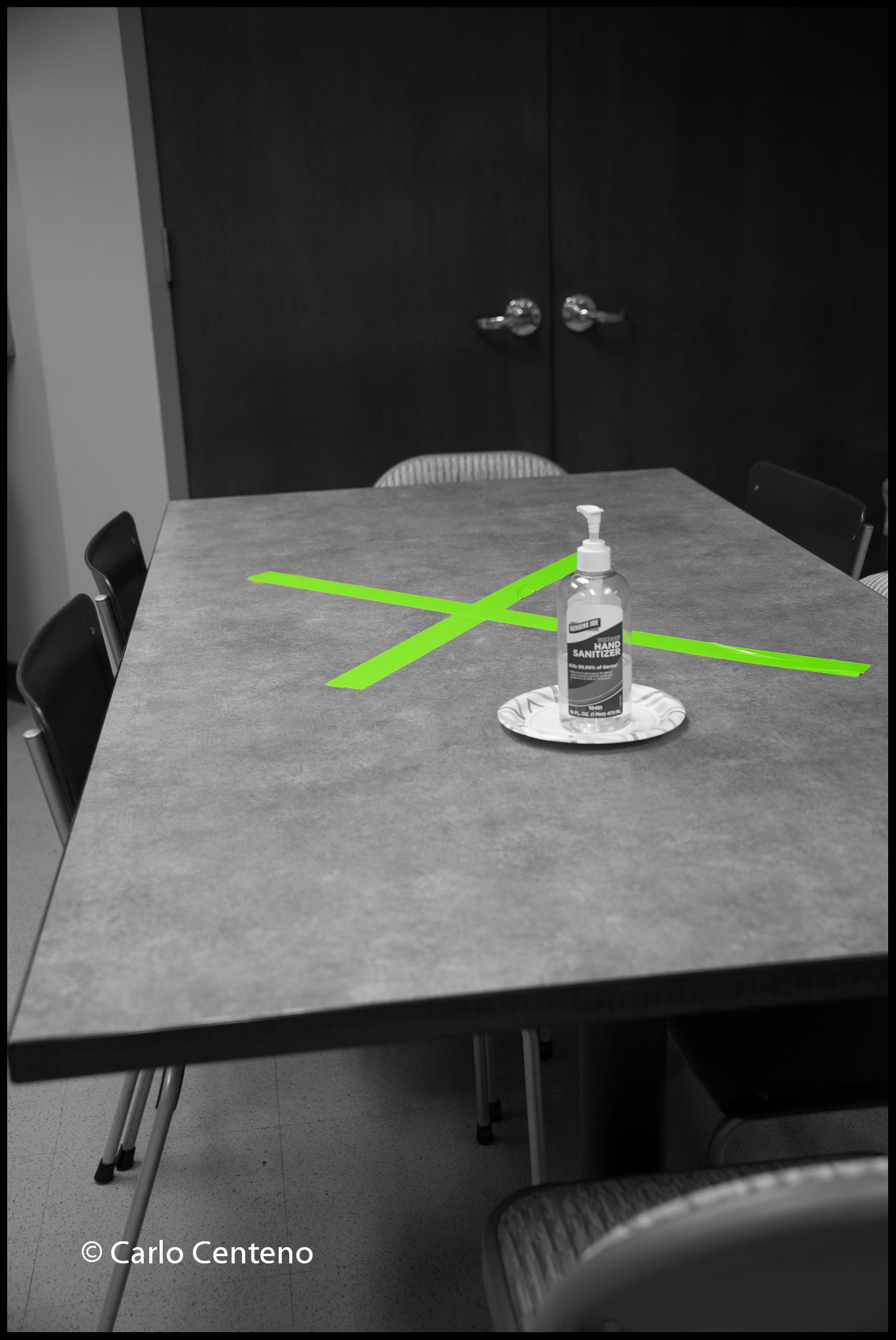
Similarly, once inside the office, this ghostly motif persists in all the spaces. Now, there are signs reminding staff to heed the rules of social distancing and the wearing of masks.  Individual office doors are closed. Open spaces have boundaries defined by 2-inch wide vinyl tape stretched across the floors as well as on the table in the common area.

The common area is perhaps the most ghostly of areas. Here on the first Friday of each month, our president would buy everyone lunch. Typically standing room once the seats were taken. It was a chance, albeit brief, to talk about life beyond business matters. It gave each of us a chance to kid around, make each other laugh, to feel, well, connected and relevant.

Like a dreamlike narrative in a Dickens or Bronte novel, what remains now is what you see. And what you hear, is the odd hum of the fluorescent lamps and the HVAC system.


“This will take some getting used to….”

Open your arms to change, but don’t let go of your values. -Dalai Lama

Modern life has been tossed into a blender of our own making. Whatever comes of that mix will be unrecognizable. It’s a blend never before seen or experienced, though to some degree, many of us hope that what pours forth is something that has meaning and value.  It could be something we’ve longed for across time immemorial, and yet I’d like to think that most of us are hopeful of what’s been created.

At present, uncertainty unceasingly hovers over us, as if poised to pour change across social, educational, medical, cultural, environmental, financial and governmental policy mores. And like other things we’ve thought of and created, none of it will ever be perfect. No one can please everyone every time.

The work-in-process strategies and machinations will take some getting used to. In fact, everyone should tune-up their listening skills.  As the saying goes, We have one mouth and two ears, and good listening is always important. We’ve been challenged with practices to keep the new coronavirus at bay and confronted with racism and ideological thinking and approaches that touch the far left, to the center, to the far right. A virus—whether new or old—is looking for a host regardless of your ancestry and your present location in this world. Like COVID-19, racism is a virus  that must be eradicated, that and along with other –isms which undermine our empathy, our ability to tolerate, our desire to compromise and our willingness to see that, indeed, the glass is half full.

Eleven weeks has kept many of us quarantined regardless of age, fitness level and overall hierarchy, whether familial or professional.  I’m still adjusting my return to work, as several safeguards are in place: my office door stays closed, open areas in the office space require a mask, wipes and hand sanitizer are located along travel routes.

All of this will take some getting used to. Like many, I miss the energy and engagement of being around people. It’s just part of being human. Though I enjoy journaling, writing letters, taking photos as such, nothing can replace a good conversation, the sight of an expression [good or bad, preferably the former] and the sounds of laughter, exclamations, even the cacophonies that make Life all the more interesting.

Be well. Stay healthy.

Recollections

My previous post, Reliant on Memory [May 12, 2020], has opened one small but particular memory album. It opens to a time and place that transcends the meaning of simplicity, functionality or perhaps this phrase of accommodation, “Well, it’s how things are done here.”

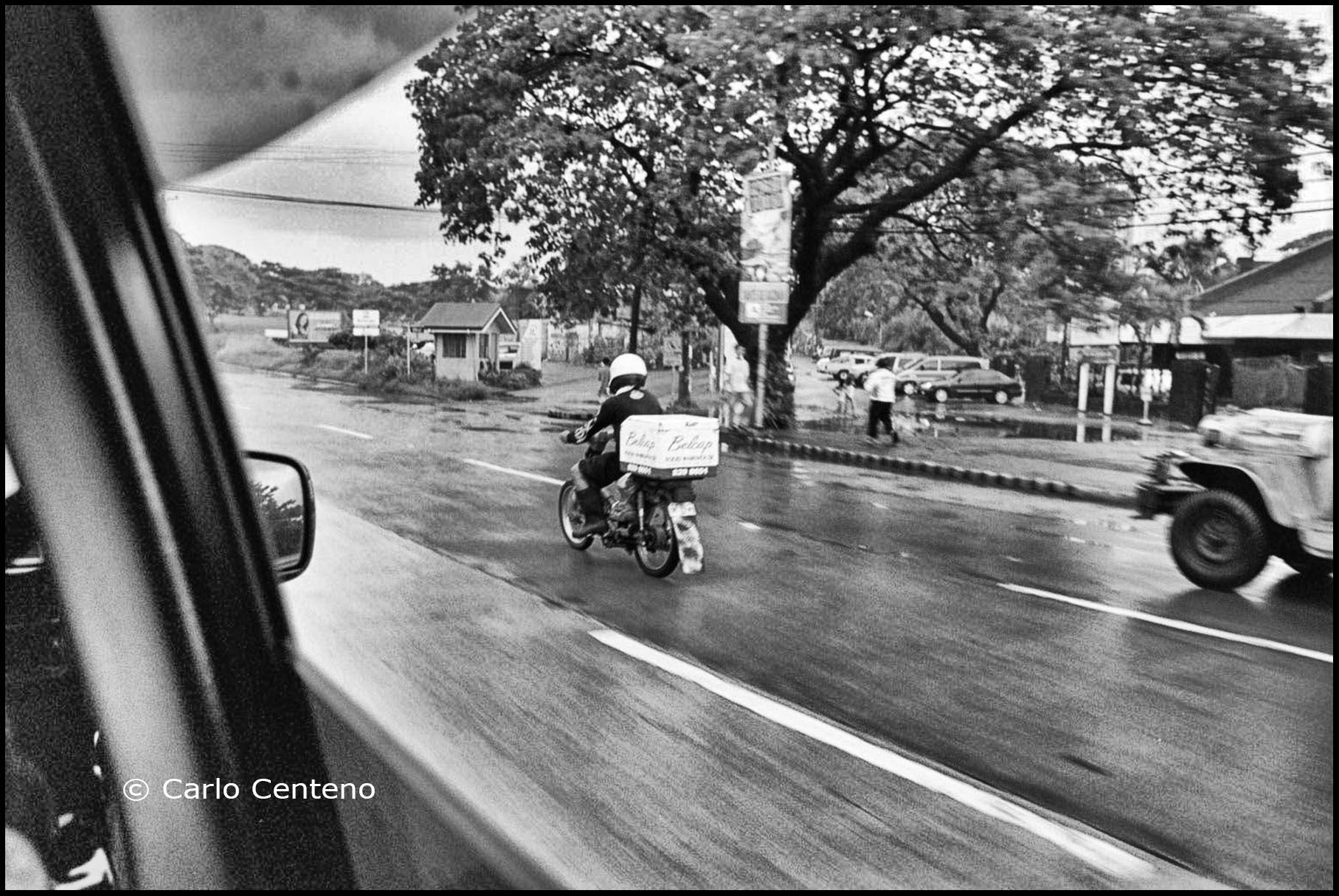
Single-cylinder motorbikes are common in the Philippines and much of southeast Asia. By day, it’s a mule, transporting cargo to places near and far. After work, it’s the family vehicle for many. It’s not an unusual sight to see a family or 3 or 4 on the bike. The smallest is atop the gas tank in a makeshift carrier, the others snugly huddled on the plank seat.
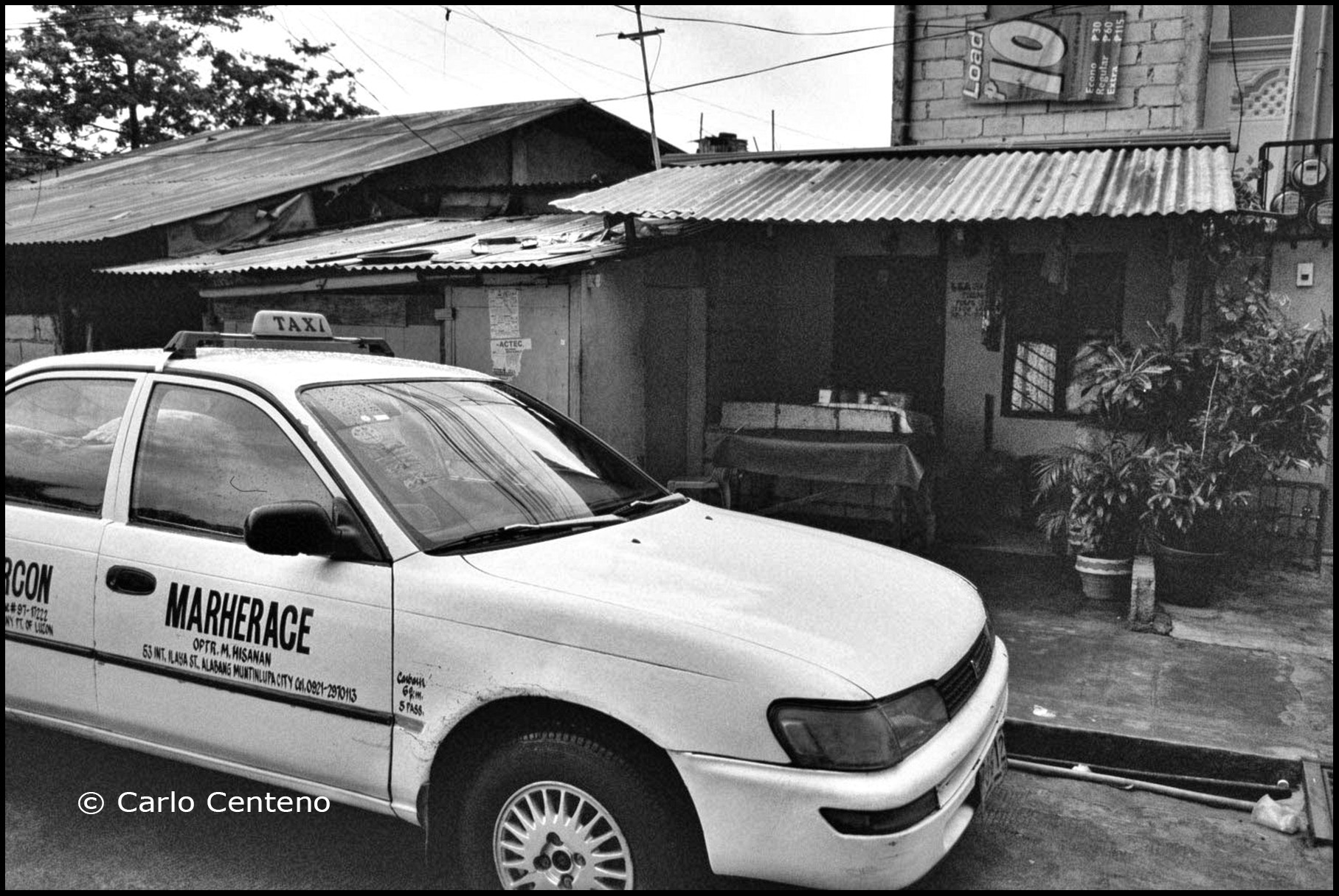
After dropping off a fare nearby, the driver took his lunch break. You’ll seldom see a sign, but a “karinderya” or canteen, is a form of home business. An average salary for a family of 4 is about P260,000 pesos. That’s $5,250 USD. “Ginagawa mo ang mayroon ka.” [You make do with what you have].
The Philippines has its share of supermarkets, but locals depend on small, family-owned vendors to deliver fresh product. Here a butcher makes ready some of the morning’s catch. Ice is a valued commodity in this tropical country. Not surprising, the food quality is excellent, but you need to know the best sources for seafood, poultry and other meats.

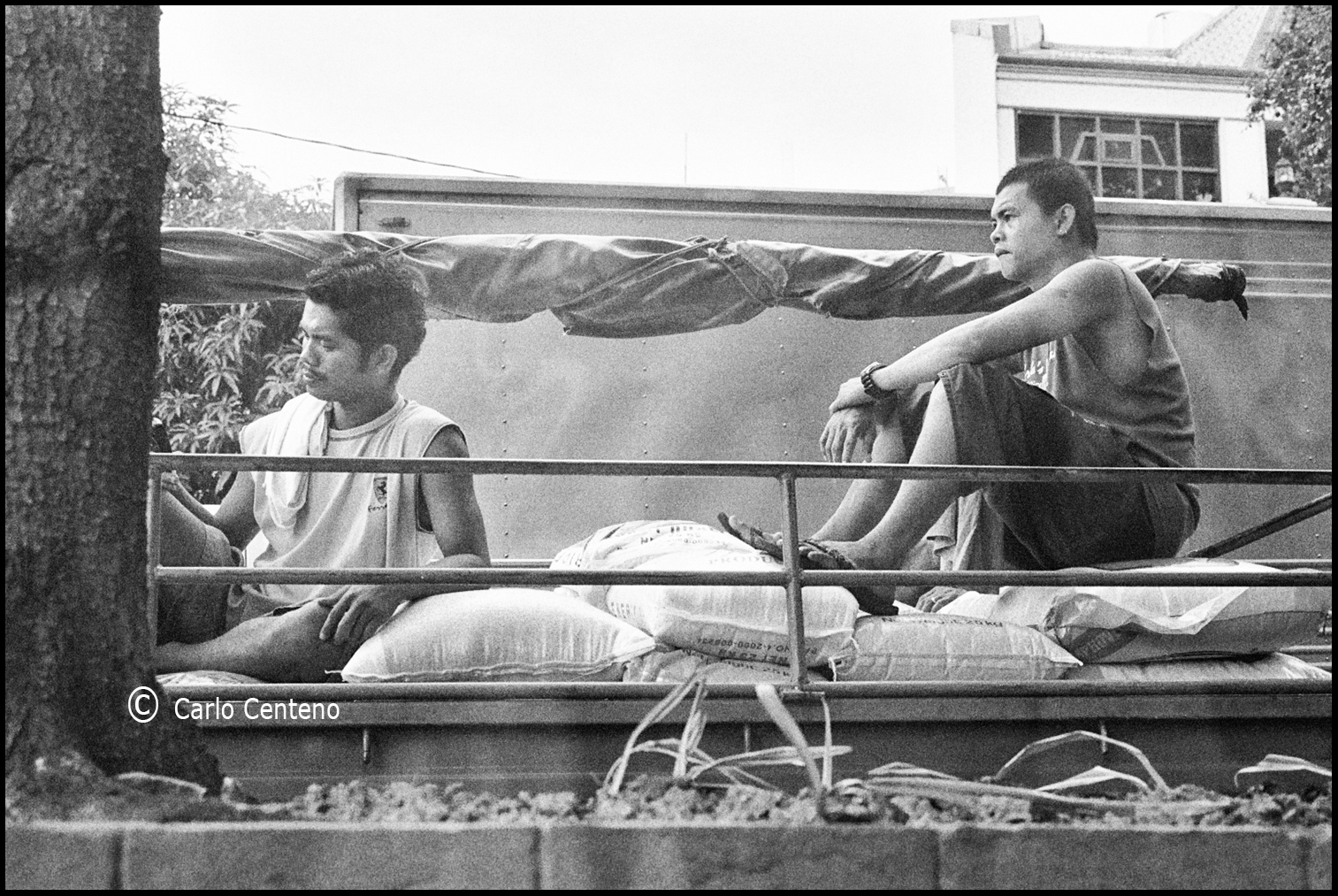
Two workers appear unfazed with the heat and humidity, while stuck in Manila’s infamous traffic. In any weather extreme, it’s critical to acclimate. I was fortunate to be in a car with its AC running at maximum. With temps at 95F [35C] and relative humidity pushing 70%, having an AC was paramount to survival.
A Manila suburb. Ang ganda talaga sa mga lugar … [it’s really beautiful in places].
 

Reliant on Memory

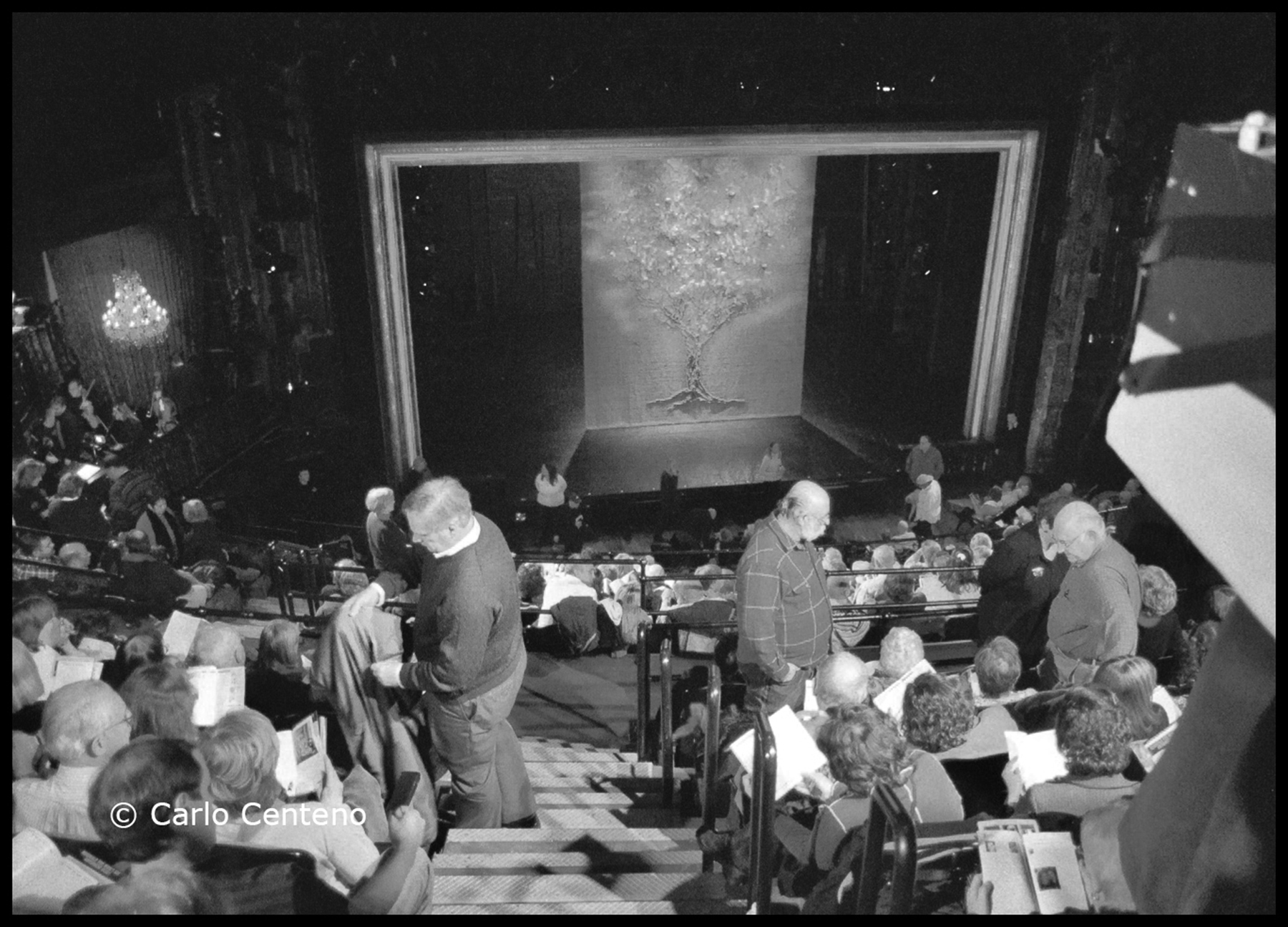
Broadway–2007

There are days that seem to fly by, while others feel like time has come almost to a standstill. I mention this because it doesn’t seem like 7-weeks have gone by since the new coronavirus forced us into a different way of working and living.

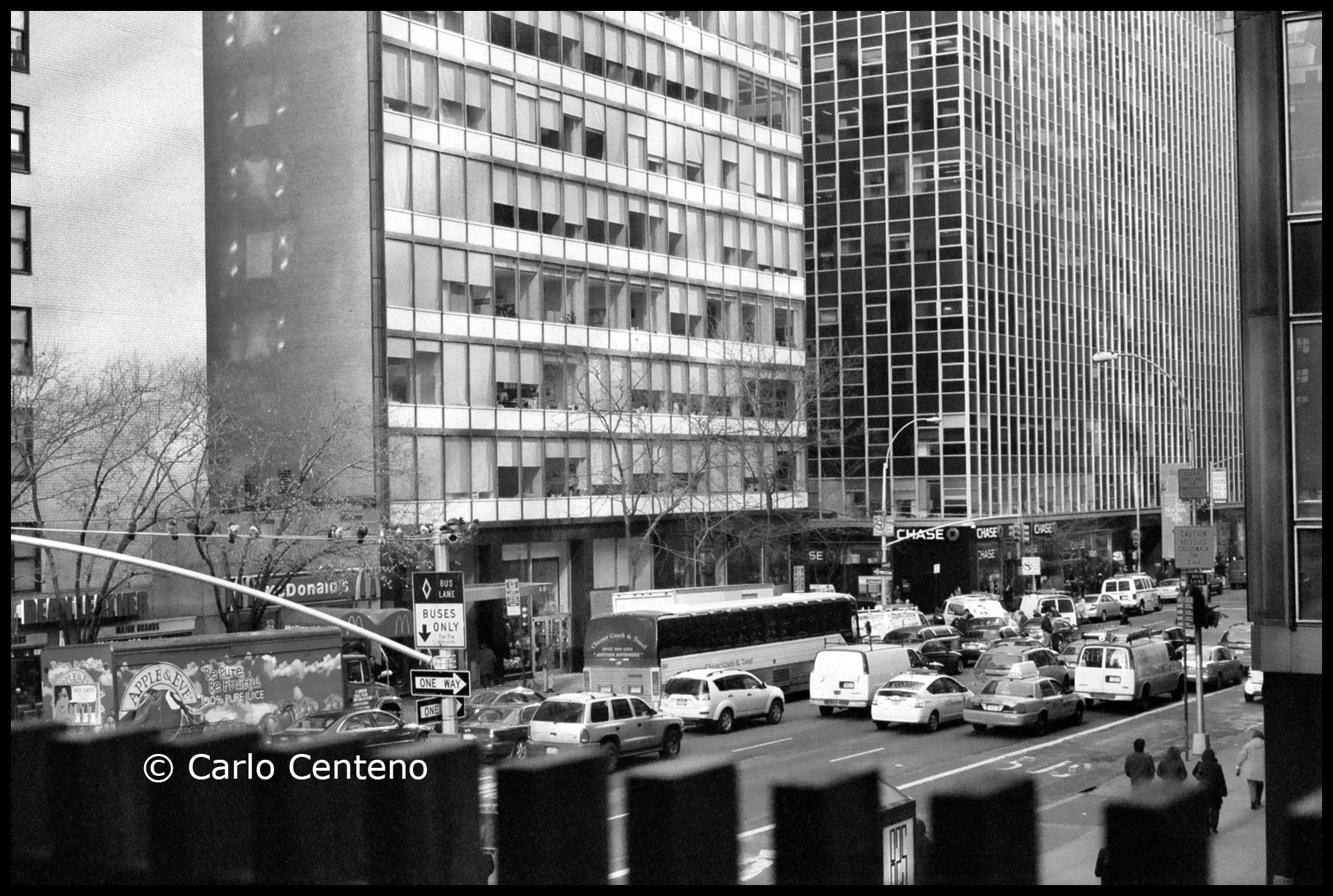
Manhattan Third Avenue 2007

Yet being removed almost two months from what was normal, there’s this juxtaposed sensation that it feels like forever and a day since we went about our usual routines. Time is relative, which simply means that when you’re waiting for something you want, it doesn’t come soon enough, whereas the opposite holds true for something you want nothing to do with.

I have read that the sense of smell is the strongest of our five senses in prompting a memory. It’s also—if memory serves me—the most accurate.

A quiet pause in NYC 2018. Photo credit: R.A. Centeno

Scientifically, that may hold true, but for me, sound and image are stronger drivers in resurfacing a memory. Music has a way of putting you back in a time and place with an immediacy that’s uncanny. “Wow. I remember when this song came out.” There may be some inaccuracies about say, the year or even the place, but whatever was important then, resurfaces as part of your remembering.  Pieces may be foggy, but as other pieces emerge from that fog, the memory works to become a bit sharper.

Philadelphia 2018

There is a hint of nostalgia in all of this. I do wonder about the new normal and what it means not only for me, but for people I care about. I think retrospectively, of how moments in my past somehow provide a lift. The thoughts, the sensations, or whatever visceral vestige flows free from memory, are but markers of what has been, or what might’ve been.

Mimes, Hartford, CT 2015

Whether you sketch, photograph, perform, paint, sculpt, watercolor, write letters, fill a journal, fill a scrapbook, to be memory reliant means you need to be confident with your recollections. Doing any one of these activities, produces an invaluable form of connection. It’s why I love to write [journaling and letters] and to take photos [iPhone, various cameras] because these all help to anchor where I’ve been and to some degree, where I might be headed.

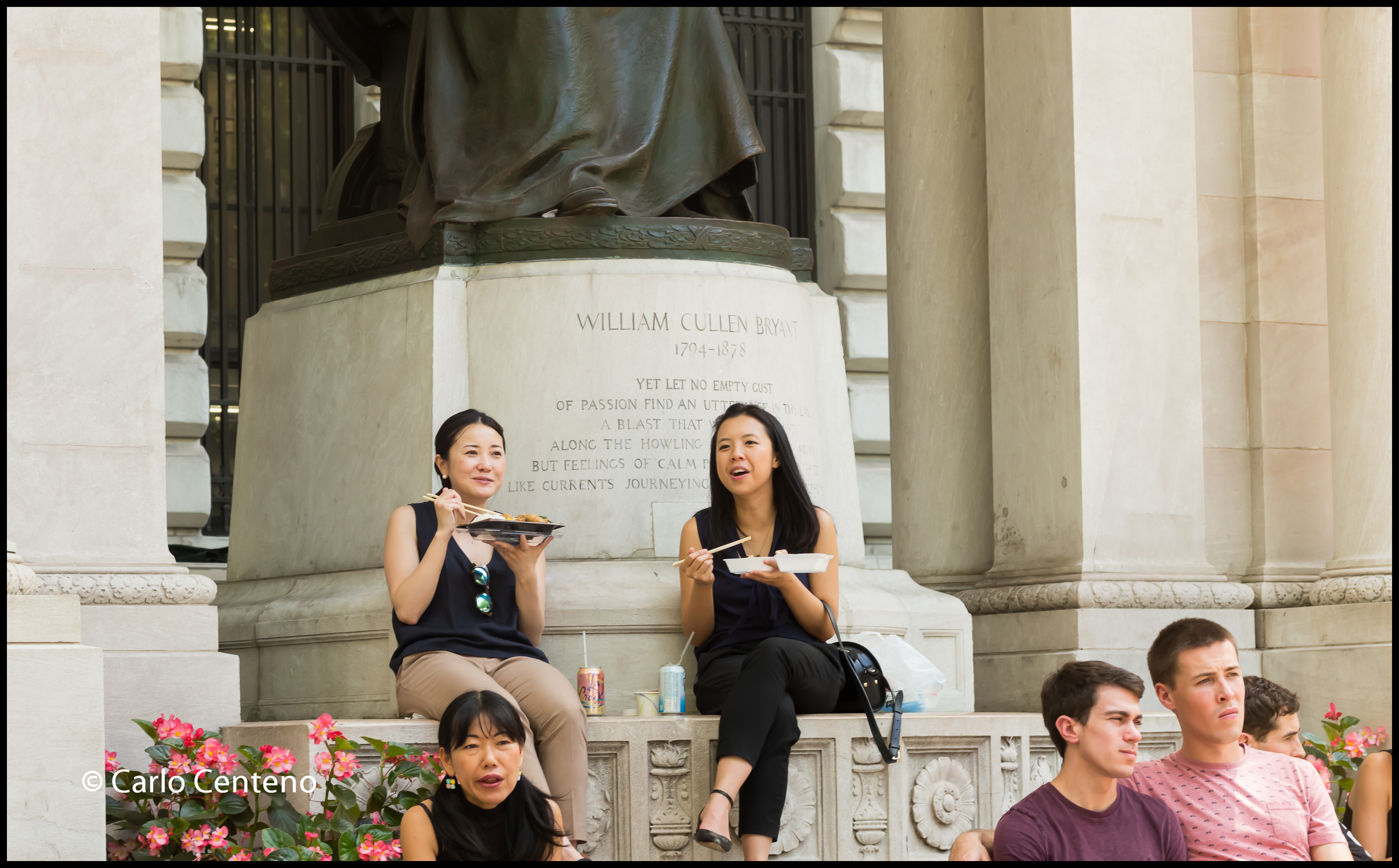
Family, Friends, Life-NYC 2019

Indeed, cherished memories are important for our overall wellness, but let’s remember to do things now, to remain connected yet in touch, so that such moments become screen clips thoughtfully stored in our memory albums.

“Love in the Time of COVID-19”

With utmost respect for Nobel prize-winning author Gabriel Garcia Marquez, I took creative license with the title of his novel, Love in the Time of Cholera. 

It is astonishing to be living in this odyssey, this vicissitude of life that has changed everything of what we expect from a “normal” day in life. This new coronavirus has upended everything in this world, including love, however my POV is positive.

Pulitzer-winning author, Jeffrey Eugenides wrote the introduction to—and compiled the collection of love stories in—My Mistress’s Sparrow is Dead, an anthology penned by both celebrated and lesser-known authors from the past 120 years. In his introduction, Eugenides writes, “The perishable nature of love is what gives love its profound importance in our lives. If it were endless, if it were on tap, love wouldn’t hit us the way it does.”  However, let me emphasize that his book is about love stories and not love per se. Love stories contain the highs and the lows, the banal and the beautiful, the agony and the ecstasy.

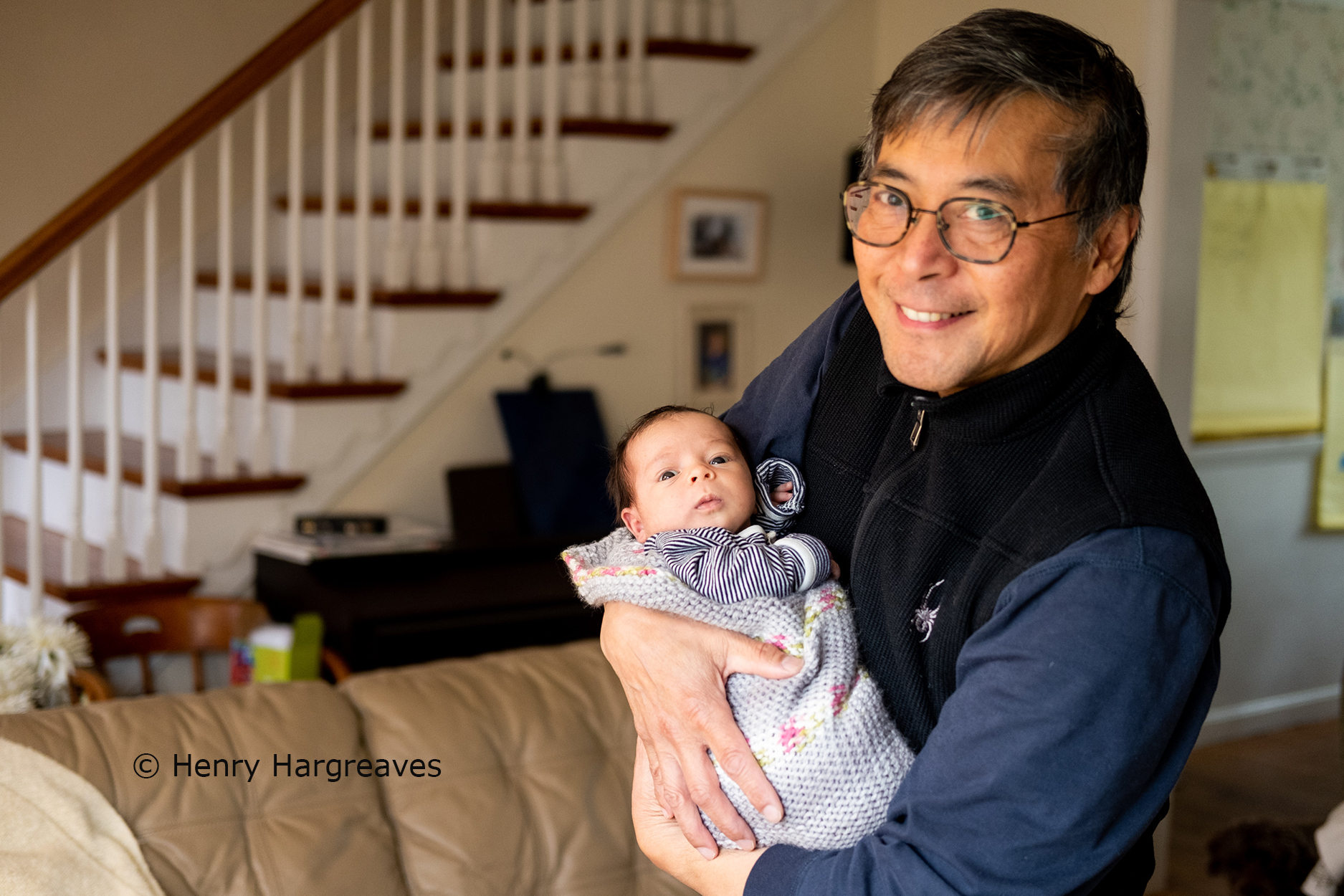
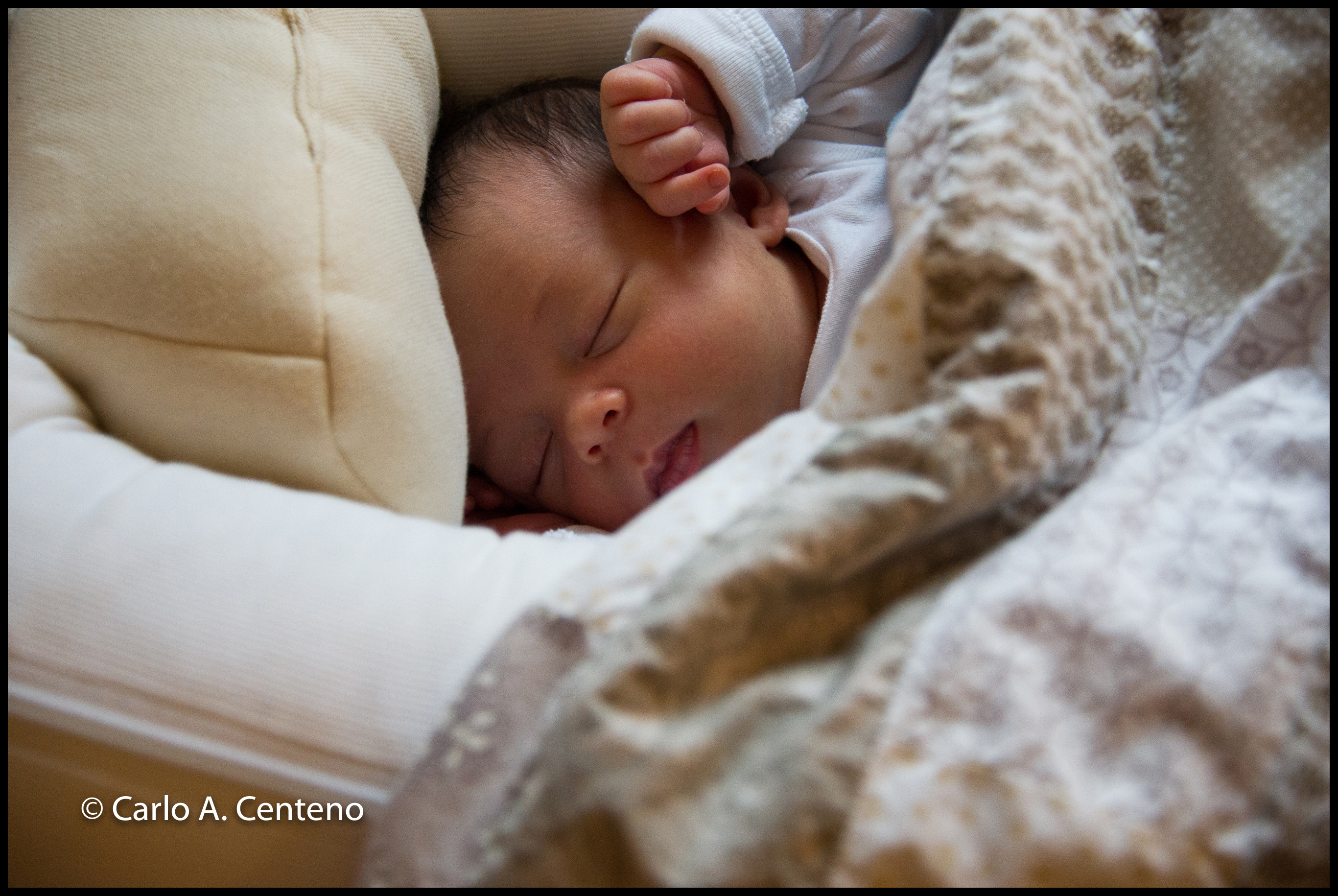
Personally, I’m holding the purest manifestation of love: Charlotte, my month-old granddaughter.

The modern world is constantly demanding our attention, pulling us away from one task to another, often the two coinciding with the same deadline or more likely emphasized with equal “required and immediate attention.”

Each infant is an open canvas awaiting the variegated hues and tones of nurturing, empathy, culture and all that is life.  It’s been said so many times before, but one shouldn’t lose an opportunity to be “in the moment.”  And holding this beloved granddaughter is about as cool as any moment I’ve experienced.

What are your moments of love in this time of COVID-19?


Debut Novel

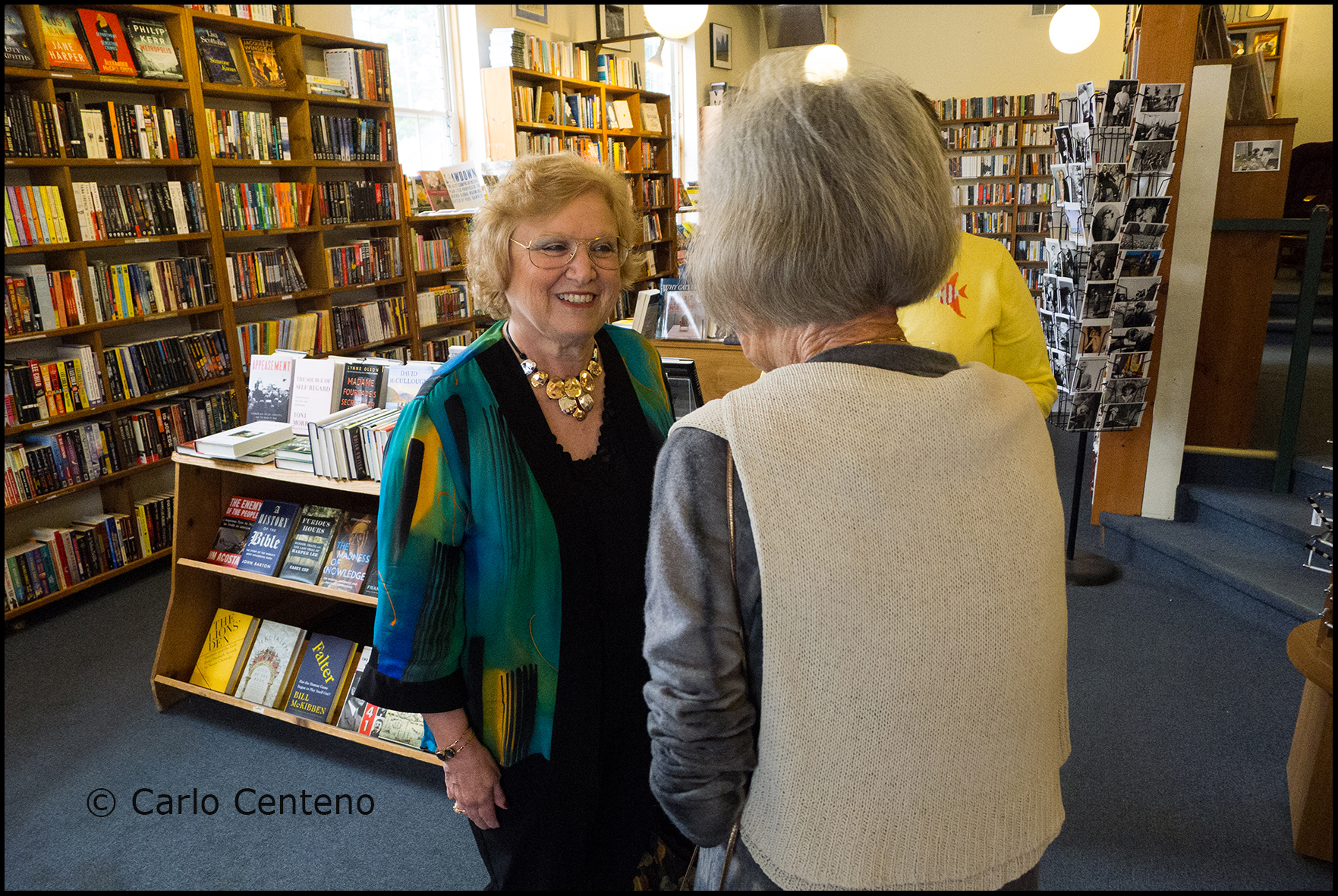
Carolyn Kay Brancato greeting her guests prior to her reading.

I was 15-minutes early to an advertising and marketing function taking place elsewhere, when just down the road a ways stood The Bookstore & Get Lit Wine Bar . I love bookstores, especially these quaint shops containing new and pre-owned books. And here, it just so happened author, playwright and choreographer Carolyn Kay Brancato was on hand to talk about her first novel, “The Circus Pig and the Kaiser: A Novel Based on a Strange but True Event.”

When you walk into such functions wearing a suit, tie and smile, it’s easy to be taken as one of the guests. Perhaps acceptance was made easier because of the suit, even though I was the only person with one on. I wasn’t crashing the party per se; it was an open event. Besides, until I walked in, I just wanted to peruse the shelves to kill some time. Somehow being immersed in a bookstore accelerates the passage of time. Before I knew it, almost 20-minutes went by.

Ms. Brancato was attendant to familiar faces and a handful of new ones [like me]. She was a confident and comfortable raconteur equally adept in catching up with news of the comings and goings in The Berkshires. Friends and acquaintances arrived from near and far: Long Island, Boston, Hudson, NY, Manhattan in addition to other towns and hamlets here in the western most part of Massachusetts.

And of course there was a respectable spread of food, though what made it even more inviting was the “Lit Bar” which was part of the bookstore.  It was small and cozy, roughly the width of three folding chairs though it stretched from the front of the store to the very back it seemed.  Were it not for a standing room only crowd, I would’ve clicked a photo or two; besides I needed to make sure not to be late for the other event taking place.

Albeit short, I enjoyed the serendipity of stopping by. To listen to conversations about literature, books, life, travels and more, was refreshing. What this all means is I need to return with my better half to take a closer look at the books and to, of course, have a glass of wine with her…

However, I didn’t leave empty handed. I found a terrific book, “The Rain in Portugal” by Billy Collins. Yes, that is THE Billy Collins, a former U.S. Poet Laureate. It was his twelfth collection of poetry and judging from over a thousand reviews, it looks pretty inviting. Odd. It’s been decades since I picked up a book of poetry.

This is what happens when you walk into a really nice, cozy bookstore that has its own wine bar.


Dali

Many artists come to mind when the genre of surrealism becomes a topic for discussion–or bone of contention–but Salvador Felipe Jacinto Dali y Domenech is one that occupies a notable position in the annals of imaginative imagery and surrealistic interpretation.

The Slave Market & Disappearing Voltaire

If your preferences lean toward realism, then Dali can and will, leave you wondering why such creations are in a museum, indeed, an eponymous one at that. Art is Art and its value depends on so many areas of technical and aesthetic measures. For the rest of us mortals, subjective interpretation is all we can muster. I overheard someone trying to understand one of his paintings and his somber remark was, “Salvador Deviant.”

Portrait of deceased brother if he lived to be an adult.

Art is what you make of it. It means you can be apathetic, sympathetic, curious, appreciative, angry, happy, bewildered, uncertain, confident, disappointed, insulted, overwhelmed, inspired or even validated.

You have to appreciate his creative genius when you’re pulled into one of his canvases only to be taken aback  when the image changes. In one moment you see 2 nuns, then a blink later, you suddenly see a face made in part by the same 2 nuns [cf first image above for Voltaire].

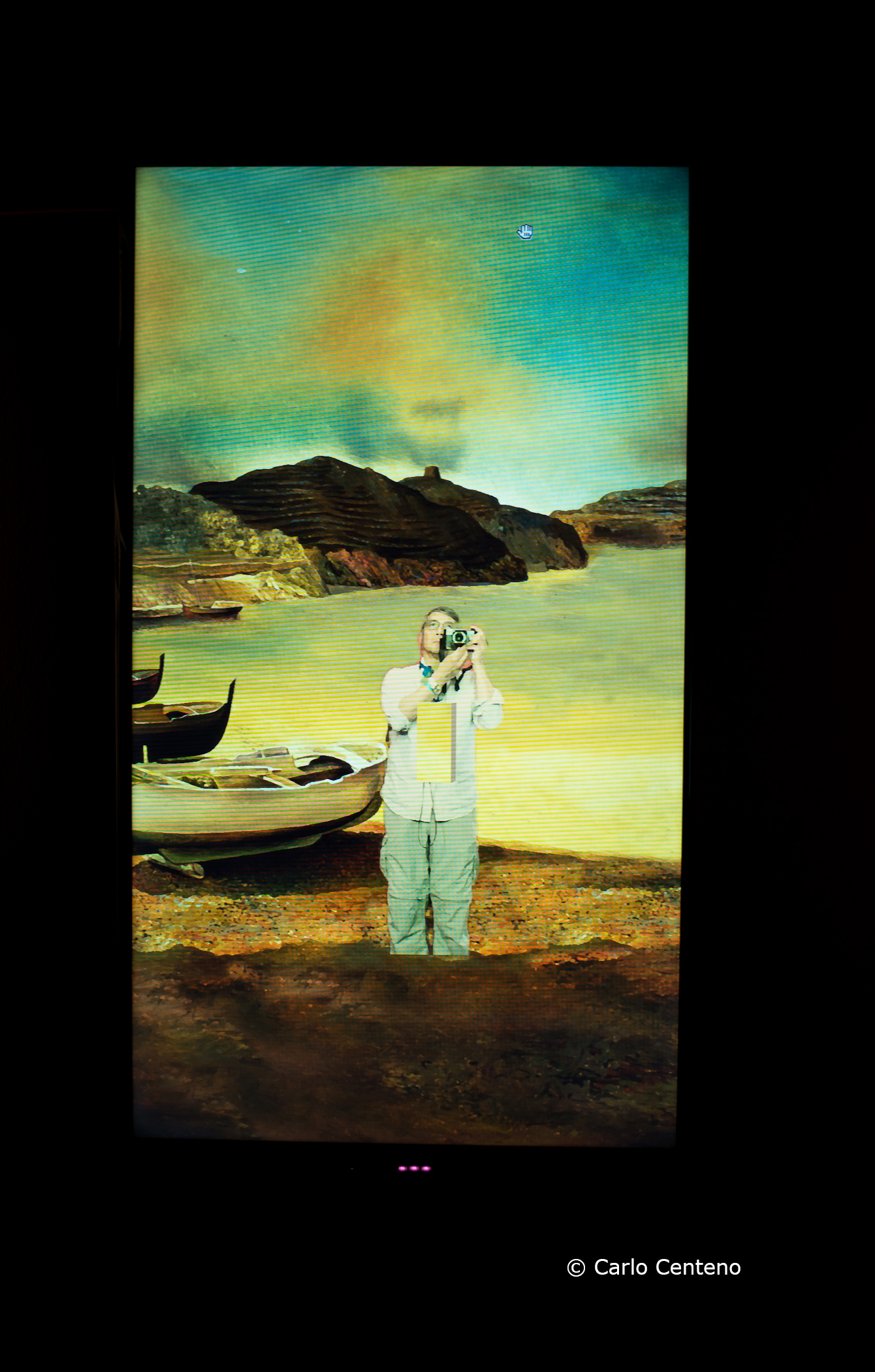
Interactive self-portrait.

My self-portrait is an interesting take on a photo booth, but one more entertaining if not interesting.  In a way I’m borrowing a slice of time from Dali’s world. A simple souvenir for me,  though I suspect Dali would’ve seen a leitmotif kindred to the impertinence and sarcasm of his painting, Persistence of Memory.

North

A few days ago, the cold felt punishing. Yes, I have preference for cold versus hot days, but when the air is already cold at zero degrees Fahrenheit, then enhanced with a windchill of -15, well, that may be enough to reconsider that preference.

I’m fortunate that I can retreat to places where the cold and wind don’t feel as threatening. From the safety of these retreats, I philosophize on the dual sides of nature, of how something that can appear simple and beautiful and minimal can deliver a reality check powerful enough to humble any aesthete caught up in winter’s vanity.

Do you get the feeling that winter provides a sense of calm? The calm I speak of provides a level of reassurance. This winter calm is a metaphorical blanket, one which acts like a shield from unwelcome and sometimes sudden vicissitudes. Such a blanket stops–albeit briefly–the weariness of having to deal with things that keep us from finding a particular quiet.

And when the quiet is welcoming, the alone time is curative…

Fade-free nostalgia…

What is it about nostalgia that some of us cannot jettison? A valid concern is that the yearning makes a mess of being-in-the-moment.  That same yearning can deny future possibilities when it turns to ruminating.  For some, nostalgia can magnify preoccupation.  Not good.

Kodachrome~Epson Scanner

Yet there are fragments of nostalgia that remain fade-free. Like writing/journaling and photography, riding a sport bike can be solitary, well, a choice by many, including myself. Certainly some of my own experience aboard two wheels can be marked as memorable [and mostly positive].

Kodachrome~Epson Scanner

As is fitting this time of year, nostalgia tends to swell, though more specifically with auld lang syne, those days of fond remembrance, of days spent from far-off times or even those more recent. It matters none because an experience that generates a fondness or even a light-hearted sense of joy is timeless. The decades can sometimes feel “like only yesterday.”

The distinction I’m trying to make is that auld lang syne speaks of a heart-felt time devoid of regret and rumination. Isn’t that what probes our memory at year’s end?  What have we forgotten? Whom have we forgotten?

My school of thought is that these fade-free capsules of nostalgia are not containers of events that could’ve or should’ve been. No, auld lang syne is more about preserving good things which matter: lessons learned, people who’ve made a difference, the unconditional, enduring quality of gratitude and love.

Before I make a mess of this post, I’ll let the poet Robert Burns weigh in. He’s the Scot who made this poem, this inimitable song, about as timeless as anything found in life. Click here.


Solitude Found

However I feel and wherever I am, I try to find solitude. It’s a quiet that renews me because I can be myself.  Solitude encourages me not only to reflect, but to jettison the ill-feelings of comparisons and expectations.  The Rolling Stones, rock classic, Satisfaction, is so very telling:

“…When I’m watchin’ my TV and a man comes on and tells me
How white my shirts can be
But, he can’t be a man ’cause he doesn’t smoke
The same cigarettes as me…”

I’m not equating isolation with solitude, as the former suggests being devoid of sensory inputs.  No, this is about a mindfulness that keeps at bay the disquiet of our modern life.  Turn off the radio, the TV, the podcast, et al. Though it may be easier–if all too obvious–to find solitude when completely alone, that is unnecessary.  Solitude can manifest itself anywhere. Don’t you find solitude at a social event [even at work] when you can momentarily remove yourself to a space that doesn’t invade your thinking and feeling?  Step away, even for a moment, to find some quiet, some calm, some level of respite.

We’ve yielded to wanting impressions that don’t add genuine value to our sense of self: number of likes, tweets, comments, “friends”, postings and so forth.  Allow yourself to be your own best company.