Totalitarian Sentiments


Creating confluence, understanding & compromise 101. Photo: C. Centeno

We have met the enemy and they are us.  Circa 1960s: Walt Kelly from his comic strip, Pogo, in reference to the US involvement in Vietnam. The phrase is a variation from Naval Commander Oliver Hazard Perry whom, in the late 1790s said, “We have met the enemy and they are ours.”

Our sociological positions on culture, tolerance, honest communication, integrity, decorum and humility have fallen to new lows. Some of us—in particular those with the loudest and most obstinate of postures and voices—have created as well as promoted an intractable reality that has altered our ability and willingness to freely express our thoughts and feelings across many subjects.

Fueled by emotion, group think, individual perceptions and more, it’s become de rigueur to put someone down [shouting, shaming, name calling, e.g.] just to make a point. What concerns me is while someone can possibly make a point, the counterpoint is summarily dismissed. Its dismissal is total, a product of a scorched earth mentality that leaves no room for perspective, for critical thinking and even a chance, however small, to understand the meaning of the counterpoint let alone the person or persons expressing the counterpoint.

We not only agree to disagree, but we do so in disagreeable fashion. We create diatribe instead of discussion, insults in lieu of perspectives, bombast as proper elocution.

I leave you to ponder on William Faulkner:

“I believe that humankind will not merely endure: we will prevail. We are immortal, not because we alone among creatures have an inexhaustible voice, but because we possess a soul, a spirit capable of compassion and sacrifice and endurance.”

Processing engagements

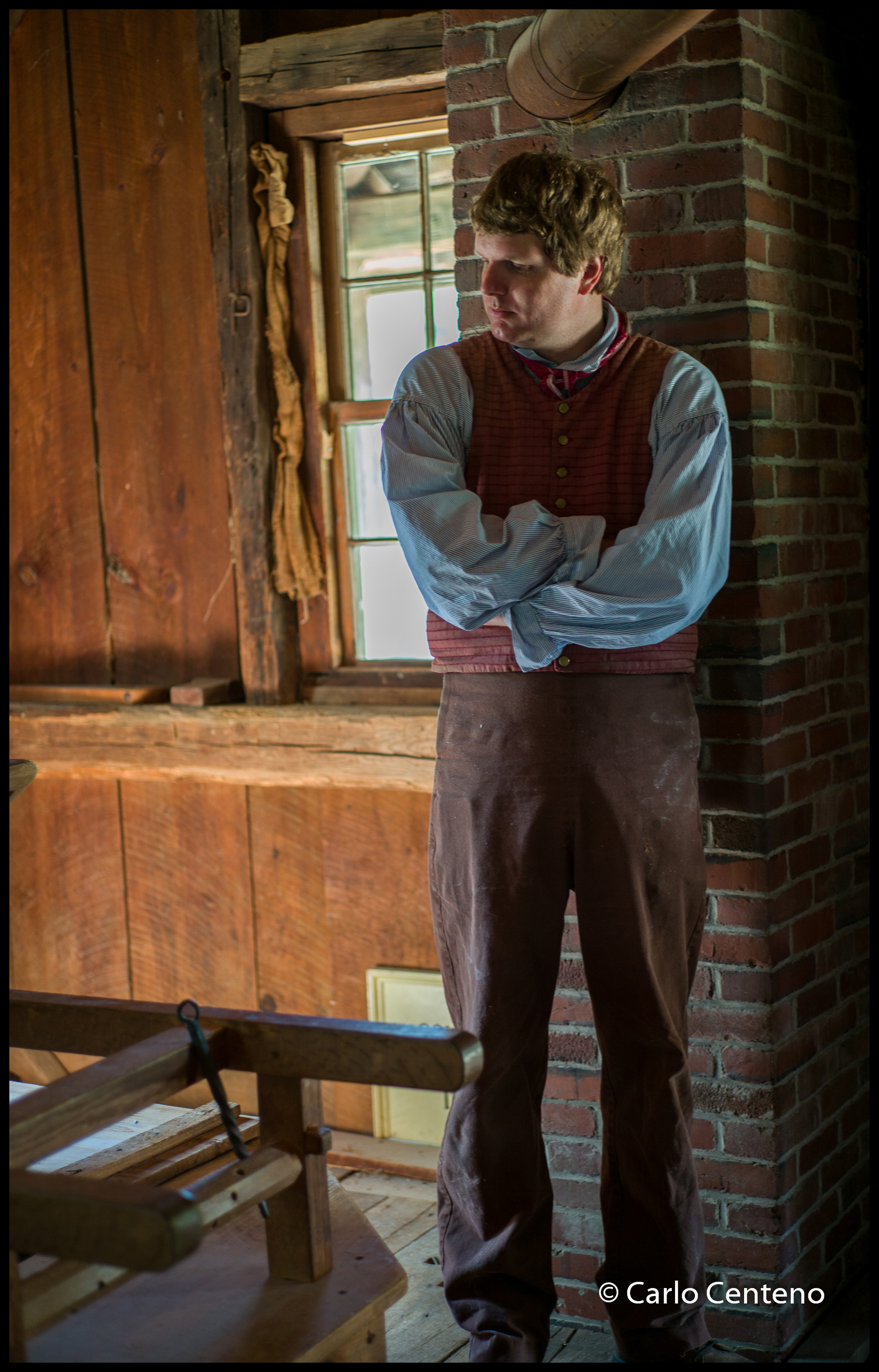
During a recent trip to Old Sturbridge Village, I came upon this roped-off exhibit of a beautiful, portable, writing desk with written pages fanned across its top. I imagined how the owner and writer of those materials may have looked like. This gentleman seemed to fit the bill.

I can appreciate the time and effort it takes to hand-write many things. I’m at odds with my peers, being one who cherishes writing [letters, journaling, e.g.] with a fountain pen no less. It does require your attention. The efficiency of computers is a boon to creating content, from tweets to long essays and dissertations. The use of all types of computers is standard for our developed societies.

But why do we need to process things so quickly? It’s a rhetorical question, certainly, but not without practical considerations. We marvel at how fast technology processes both the simple and the very complex. However, you lose [at least for me] that joie de vivre of the moment. Being attentive in the moment is quite different from being momentarily attentive.

And I see too much of this momentary attentiveness in many. How so? In a restaurant, you can see some couples more attentive to their smart phones than each other. In parks, in museums, in the lobbies of theatres, offices and yes, even in our cars, the siren of that handheld is overwhelming. The device in our hand responds quickly, in “real” time, then with a thumb stroke, we’re onto another screen for something else.

For me though, I feel better connected when I’m engaged with just about any process that requires a bit more attention, time and effort. Yes, I admit an app can make things easier and interesting. But for me, the process of being engaged and attentive to tasks and to processing information just isn’t the same when a person is with me.

Wanderings 3

When I explore the innumerable streets that span New York City, I give credit to serendipity for many encounters. When the camera comes up, or when my pen touches a page in my journal, often the actions are fueled by some gut feeling or a touch to one of my senses.

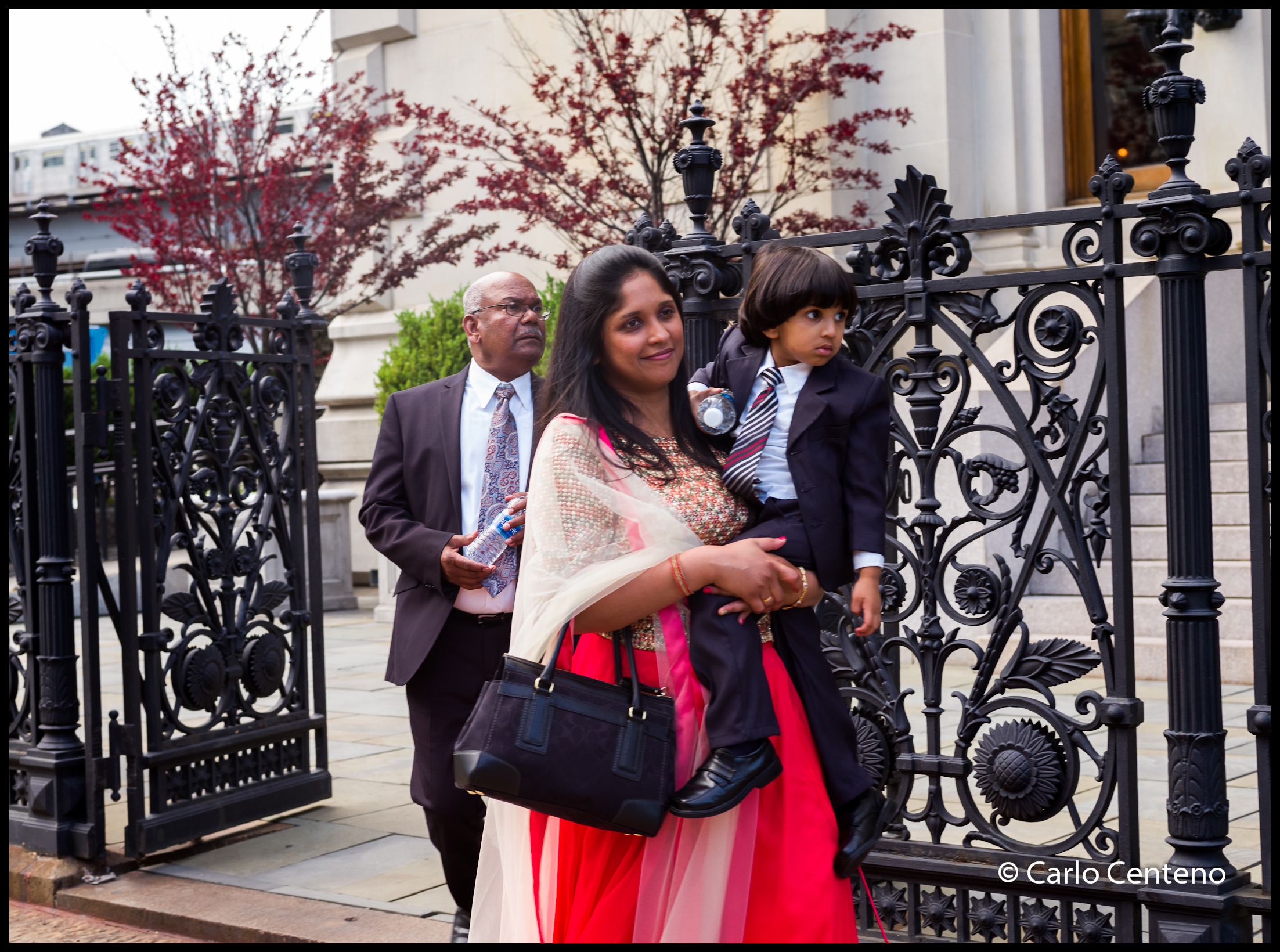
Case in point: this festival of color had a prequel in music. The rthymic sounds of drums, a bass, a trumpet and the chimes of triangles caught my attention. The music sounded Indian. At any rate, a parade of vibrant hues and colors that were part of a very large wedding suddenly appeared from behind a gate.

Certainly this wouldn’t be New York if we didn’t have any juxtaposition to further entertain us. This mural by “Boxhead” channels Rene Magritte, but its appearance in the first photo makes for an intriguing study in contrasts.

Wanderings 2

According to noted author, Joseph Hilaire Pierre René Belloc, “we wander for distraction and travel for fulfillment.” I suppose combining both then becomes photography. There are distractions that are worth photographing and there’s a sense of fulfillment when I travel. It could be far flung or just around the corner. In either case, both distractions and fulfillment find a place in what you see, hear, feel and smell during your promenades.

“It’s Hip to be Square”

With respect to Huey Lewis and the News for their song of the same title—and to rebels, romantics and nonconformists of my generation—photographers have long known of the practical beauty of a square image. It’s symmetrical and requires no effort to turn a camera to a vertical position, then back again to horizontal.

The square is neither in landscape nor portrait mode. It just is.

Innocuous

Photography and writing—as in life—consists of details small and large. When I tote my camera, I’m alert to details that shape the so called “big picture.”  It’s easy to get caught up in the bigger items [buildings, cars, trees, signage, e.g.] while things far smaller [cracks in the sidewalk, flowers, bird on a wire, e.g.] are thought of as incidentals to the place and moment I’m in.

But now and then, I tell myself to pay attention to details that are inconspicuous as well as innocuous. Such details remind me that in my own life, bigger, faster, more costly, etc. is not always better…


Summer Sea Wings

It was the earliest summer day I could remember in a long while. And it wasn’t even summer. Temperature records broke yesterday; it was 92F [33C] just about everywhere in New England save for points just south of Canada’s border. This early visit of hot weather “took” me to the sea shore.

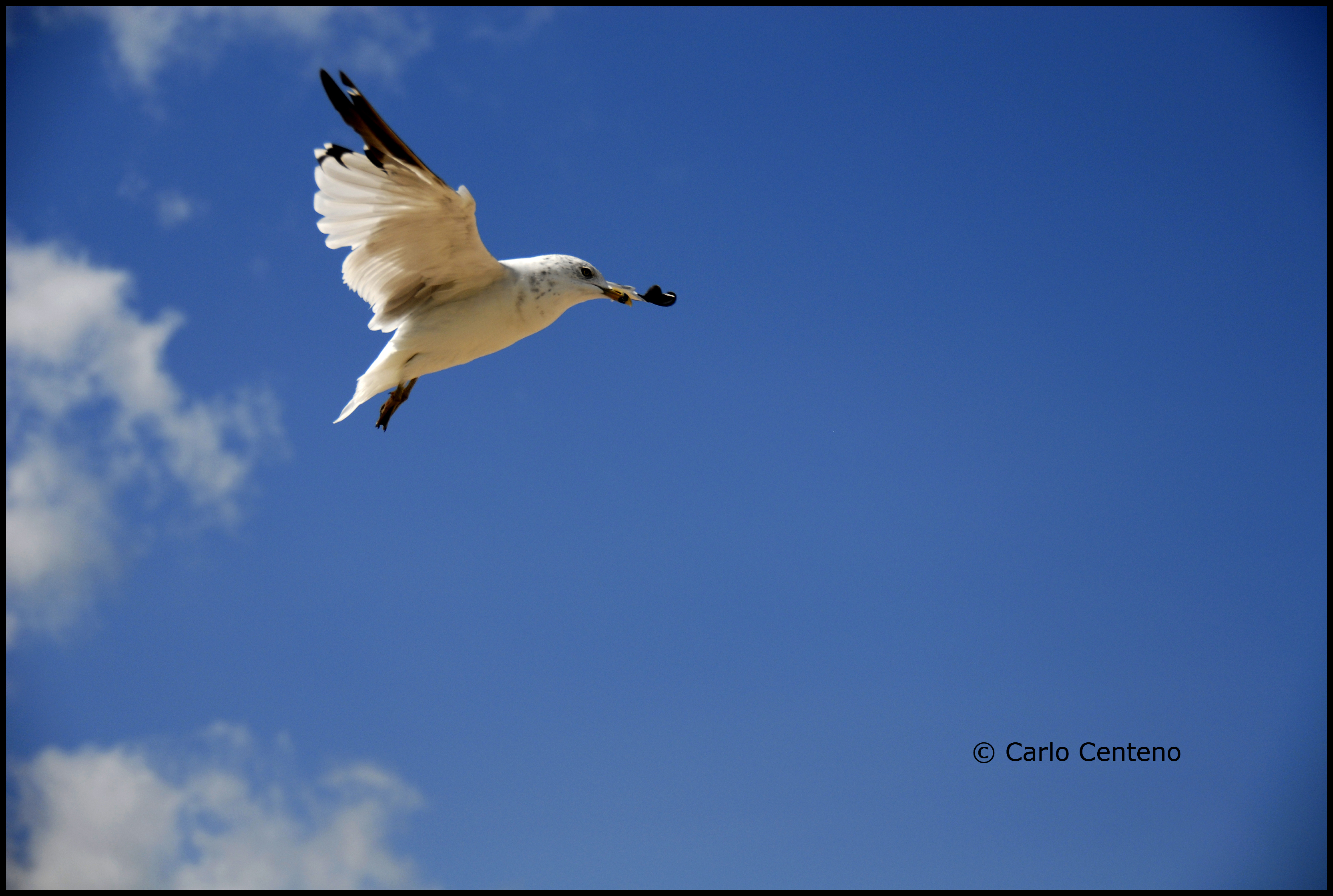
They’re not particularly pretty. Their singing voice is far from being one though instantly recognizeable. They can make a mess of things in parking lots, boardwalks, the top of cars and awnings. But when they’re in the air, well, that’s a whole other matter. They are graceful gliders and with a even a mild wind, they’ll hover effortlessly in place.

This isn’t traditional birding by any means, but it’s close enough for me. Sea gulls could make good marketers. They can cover a lot of ground in a given area [market size]; they can quickly spot food at a distance [target audience] and they are persistent if not persnickety [a certain interactive style and management approach].

If they had an awareness for all things sartorial, sea gulls would have a certain spezzatura, a level of nonchalance, bravado and dare I say, a quiet confidence that fits their environs and the season they thrive in. They wear white, off-white or cream with contrasting shades of grey, black and brown. It’s always in style, en vogue for summer.

They don’t have the panache of a peacock, the grandeur of the golden eagle or the pixie-ness of the hummingbird. You would think that their commonality would make them the poster child of avian commodities. No, the standard bearer to that claim would be the nearly ubiquitous pigeon…followed by the sparrow.

Yes, sea gulls have become more audacious on a crowded beach, but who, if anyone, could resist an open bag of potato chips? Or Smart Food Popcorn[tm] or—an all-time favorite—Goldfish Crackers! Cut them some slack this summer. They are reminders that it’s time to put some block on your nose rather than have it at the familiar grindstone.

In the First Person

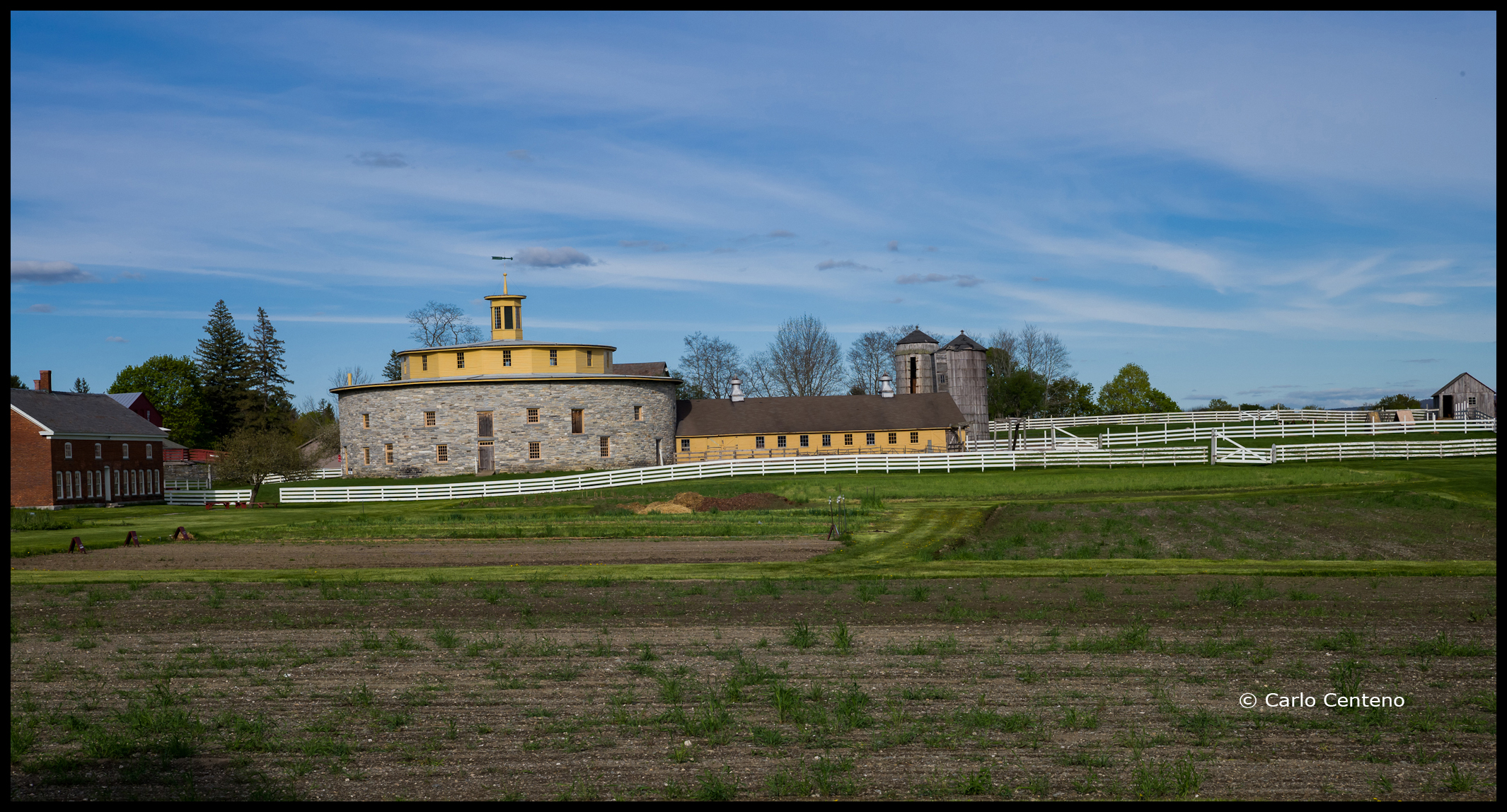
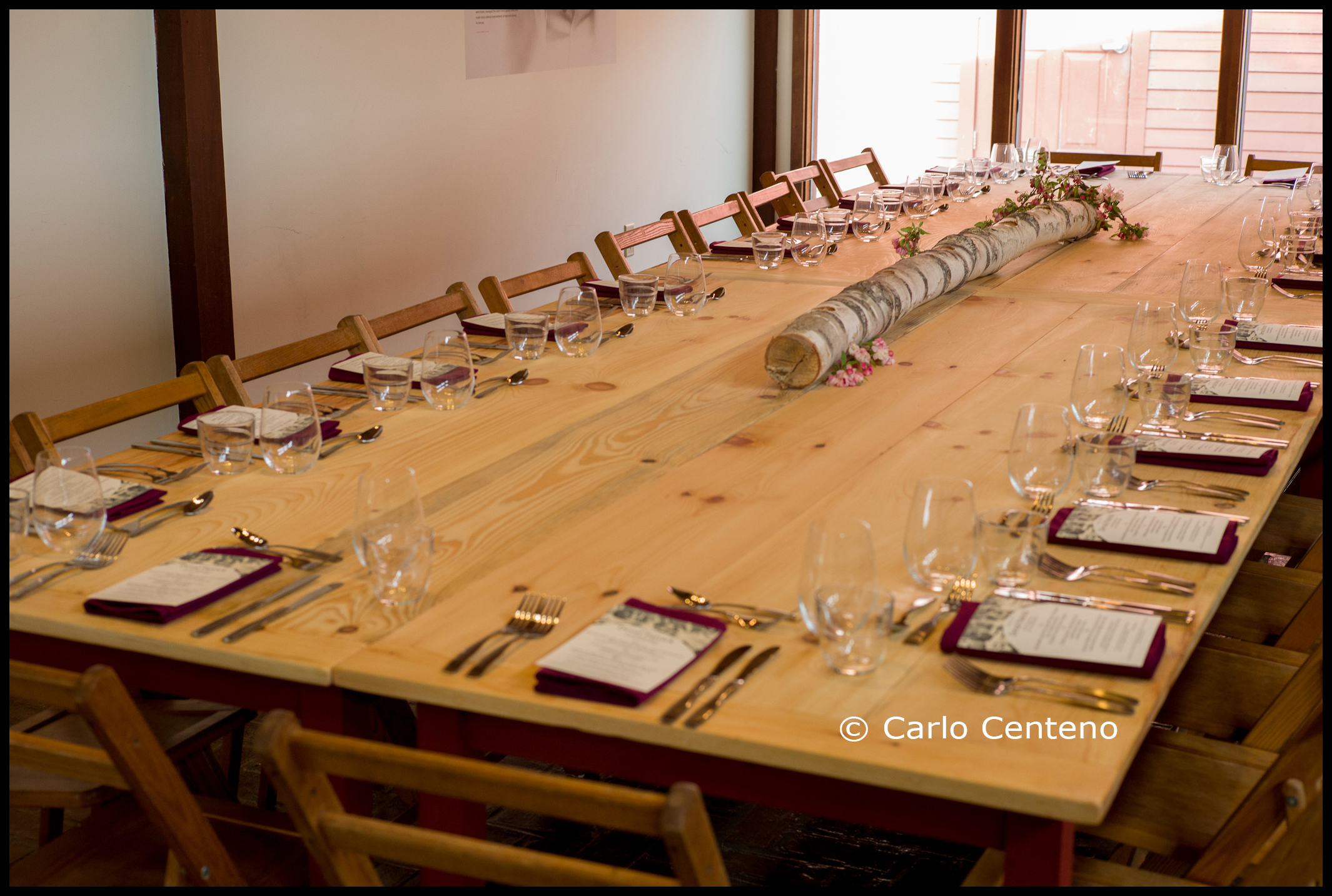
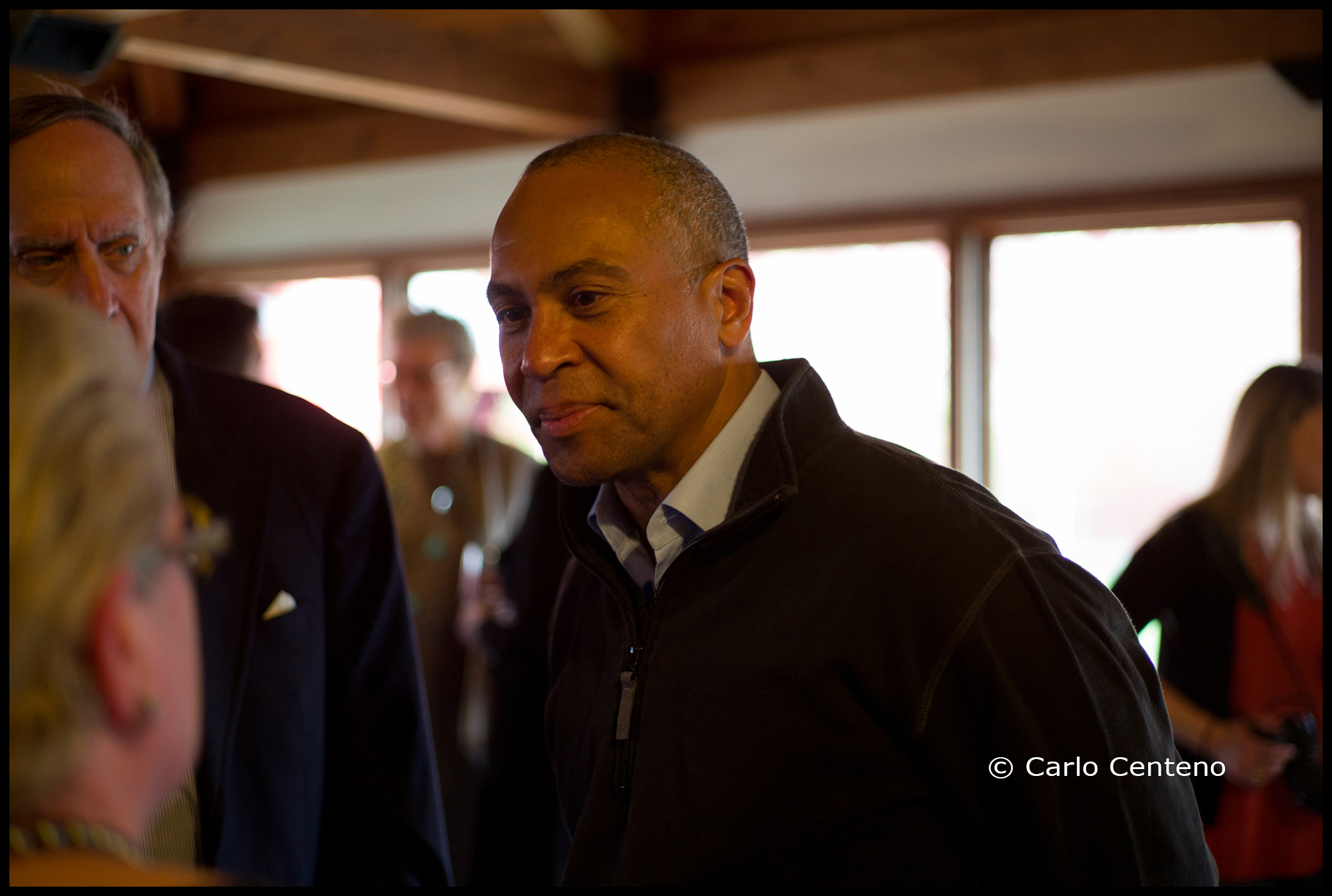
Hancock Shaker Village recently held the first of 4 dinners involving noted thinkers and authors.  The Food for Thought program involves a monthly dinner May thru August, and invites folks to “feed your mind, body and soul…with an illuminating author.” The first dinner quickly sold out as 76 signed on to chat and dine with former Massachusetts governor, Deval Patrick. Within an ambiance shaped by the Shakers [who established this Village in the 1700s] the evening proved intimate, friendly, and grounded. In light of our current political climate, I suppose anything could’ve happened regarding a discussion of Mr. Patrick’s life politique; politics has been a lightning rod of recent times, as we all know, attracting more negativity to the point of consternation and frustration.

That wasn’t the case here. Instead, I was reminded of the importance, indeed the significance, of seeing things in person and to hear experiences in the first person.  We are so immersed, so much more involved with our digital devices that I think we’ve lost touch on how to converse with verve, clarity, honesty, expression, sensitivity, empathy, integrity, patience, consideration, reciprocity and more.  It’s a sad state of affairs and while this is a gross generalization, therein lies a truism in my previous sentence: many of us spend too much precious time eyeball-to-eyeball, hand-to-hand with a keyboard, a touch screen and/or ear buds.

In this setting, we conversed with Mr. Patrick and listened to what he had to say. He was genuine and unpretentious in his greetings with old friends and in acknowledging the company of new faces. In a space that consisted of movers and shakers and critical thinkers from the Berkshires and beyond, it would’ve been all too easy to spot someone posturing. No, we all possessed a quality common to each in that room regardless of social or professional standing. We were–and still are–sentient beings, vessels filled with doubts about freedom of speech, decorum, political bipartisanship, populism, nationalism, etcetera ad nauseum.

Yes, having access to commentary and perspective through YouTube, Vimeo, Aeon, TED Talks and others is timely, convenient and important, but I, personally, feel that being there, of  being part of the gathering, is a different experience from those encountered online. When you’re surrounded by the event, you are indeed, part of the event. Many things become visceral and palpable, vulnerable and accessible, sensuous and profound. And while many communications can be paused or saved or added-to-my-view list, I’m reminded that with such gatherings, Life has no pause or rewind buttons. You are in the moment, beguiling a terrific gathering albeit brief.


For those suffering holiday [commercial] season stress…

“It’s not what you get, but what you think you’re getting…” Carlo Centeno

I‘ve said and used that one epigram countless times when teaching, when conveying nuances about branding, attribute positioning and when attempting to make sense of features and benefits not only in marketing, but across all that is Life, mine and others.

The holidays are tough for many. I’m not alone in this. Funny how art, music, literature, et al have a way of refocusing one’s POV. That POV may be for one moment, but it’s enough to shake you and pull yourself together to help find the best things within the moment at hand. And “best” does not have to be anything grandiose; small gems can be just as grand.

So on those days, when I think I’m getting blasted by the commercial beasts of the season, I remind myself of my aphorism above and recall the lyrics to this song, “Watching the River Run,” a timeless salve created by Kenny Loggins and Jim Messina.

16-westcatskills-1945

If you’ve been thinkin’ you were all that you’ve got
Then don’t feel alone anymore
‘Cause when we’re together then you’ve got a lot
‘Cause I am the river and you are the shore

And it goes on and on, watching the river run
Further and further from things that we’ve done
Leaving them one by one
And we have just begun, watching the river run
Listening and learning and yearning to run, river, run

Winding and swirling and dancing along
We passed by the old willow tree
Where lovers caress as we sing them our song,
Rejoicing together when we greet the sea

And it goes on and on, watching the river run
Further and further from things that we’ve done
Leaving them one by one
And we have just begun, watching the river run
Listening and learning and yearning to run, river, run

Written by Jim Messina, Kenny Loggins • Copyright © Universal Music Publishing Group, Gnossos Music / Milk Money Music

“My Better Self”

12 FoliageRNB-1001281

The wife-husband duo of Alaina Moore and Patrick Riley are the indie pop group, Tennis. The music and lyrics to “My Better Self” is a heart-felt, rhythmic poem about several things, not the least being how we struggle with words to bring clarity to how and what we feel. This is my favorite stanza, which also happens to be the bridge of the song:

If I don’t use words
Then each sound goes unheard
Utterly senseless without nouns and verbs
But symbols suggest they are fit to possess
A purposely function
That cannot be met

Copyright-All Rights Reserved, Alaina Moore and Patrick Riley


Steampunk art and my epiphany

11 ParCityArt-Piano1001029When I first saw this wonderfully creative piano, melancholy hit me. I love the energy and imagination in its installation. However, seeing the keys made me think of days past when I just about played every day. I went through some photo files and this image crossed my screen. It was taken at the Paradise City Art Festival in Massachusetts. Then the proverbial light bulb went off.

Our upright piano, one we’ve owned for decades was a lovely gift from my mother-in-law. But like many things mechanical, especially those made of wood, the instrument became harder to keep in tune, notwithstanding the sticky keys in the scale that begins middle C. Our grandsons now “play” with this piano. Literally. Trucks, a plastic hammer, puzzle pieces, blocks and small enthusiastic hands have travelled the keys. Those small hands make the most discordant of chords, but at least there’s a type of bang-bang-bangbangbang kind of rhythm in the effort.

The epiphany came to light a few short weeks ago [pun intended]. I had asked the president of the local music community school if I could use one of their piano rooms to practice, this during my lunch hour. Eileen is an empathetic, enthusiastic and erudite person; she was kind enough to grant permission. I’ve started playing again and recalled reading an article about the brains of piano players. The one thing I’m focusing on here is the fact that playing an instrument can really help one’s thinking. Perhaps it’s why I’ve longed to play again, yet I really like playing for the sheer love of it, for playing and feeling from heart and soul. I have no evidence that shows improvements to my memory, problem solving or time management, which is fine with me. I’m more right-brained anyway.

For me, playing a musical instrument engages me in therapeutic and cathartic ways.


Marketing Idioms in the Snow

16 Feb Snow Spfld-0322

Everyday life is filled with idioms. Sometimes I think of them as bridges connecting a concept, a service, a product, even a person. After a snowfall, the gates open and I’m at the mercy of a brain that works to find a metaphor, an idiomatic expression, a slice each of the expected, unexpected and infrequently, something on the order of the unimaginable.

16 Feb Snow Spfld-0324

My favorite type of snow is the dry, fluffy stuff. It may not pack well to create a snowball or a snowman, but it’s easy to shovel off a driveway or brush off a car. For many skiers, fresh powder is nirvana: how can this get any better?

16 Feb Snow Spfld-0323

This kind of snowfall encourages you to look around. The cars are covered like blankets. Flat, open fields are akin to a slice of white bread. The trees look powdered by confectionary sugar. This kind of snow is a visible version of a special aura. Whatever is under the snow takes on another quality. Attributes of beauty, protection, secrecy, purity, freshness are some that come to mind. “Use _____ soap because it’s as pure as the driven snow.”

In this case, snow isn’t all that bad now, is it?