The calm that follows…

We don’t inherit the earth from our ancestors. We borrow it from our children.    Native American proverb.

It seems much of the news these days revolves around weather. Just 3 weeks ago, a powerful storm tore through the northeast delivering colossal amounts of rain and dangerous winds. Add to that the trees ripped apart or from out-of-the-ground and it’s easy to understand why some think the “end is near.”

As this is being written, yet another hurricane struck the southern shores of Texas, Louisiana and Florida. There are other storms gathering strength off the west coast of Africa. The most recent forecast now shows 4 tropical storms in the Atlantic, each with the potential of becoming a hurricane.

There’s plenty of talk about technology in particular advancements in biochemistry and mechanical engineering that are directed to saving our planet. There can never be a one-size-fits-most strategy created from a laboratory, but we cannot rule out the scientific efforts behind such pursuits. There’s good reason to continue work on such technologies. However, we can learn a thing or two about “natural climate solutions.” 

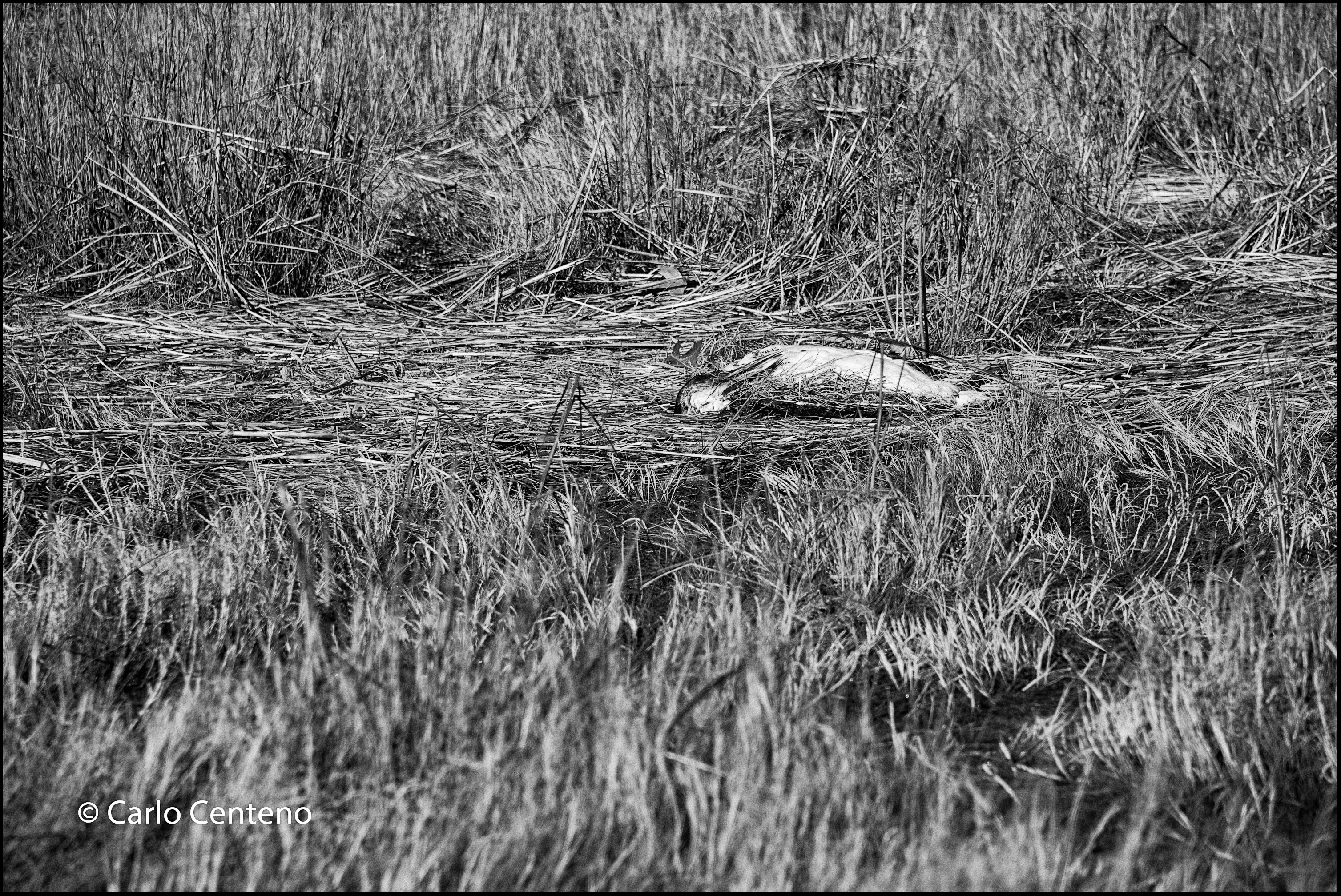
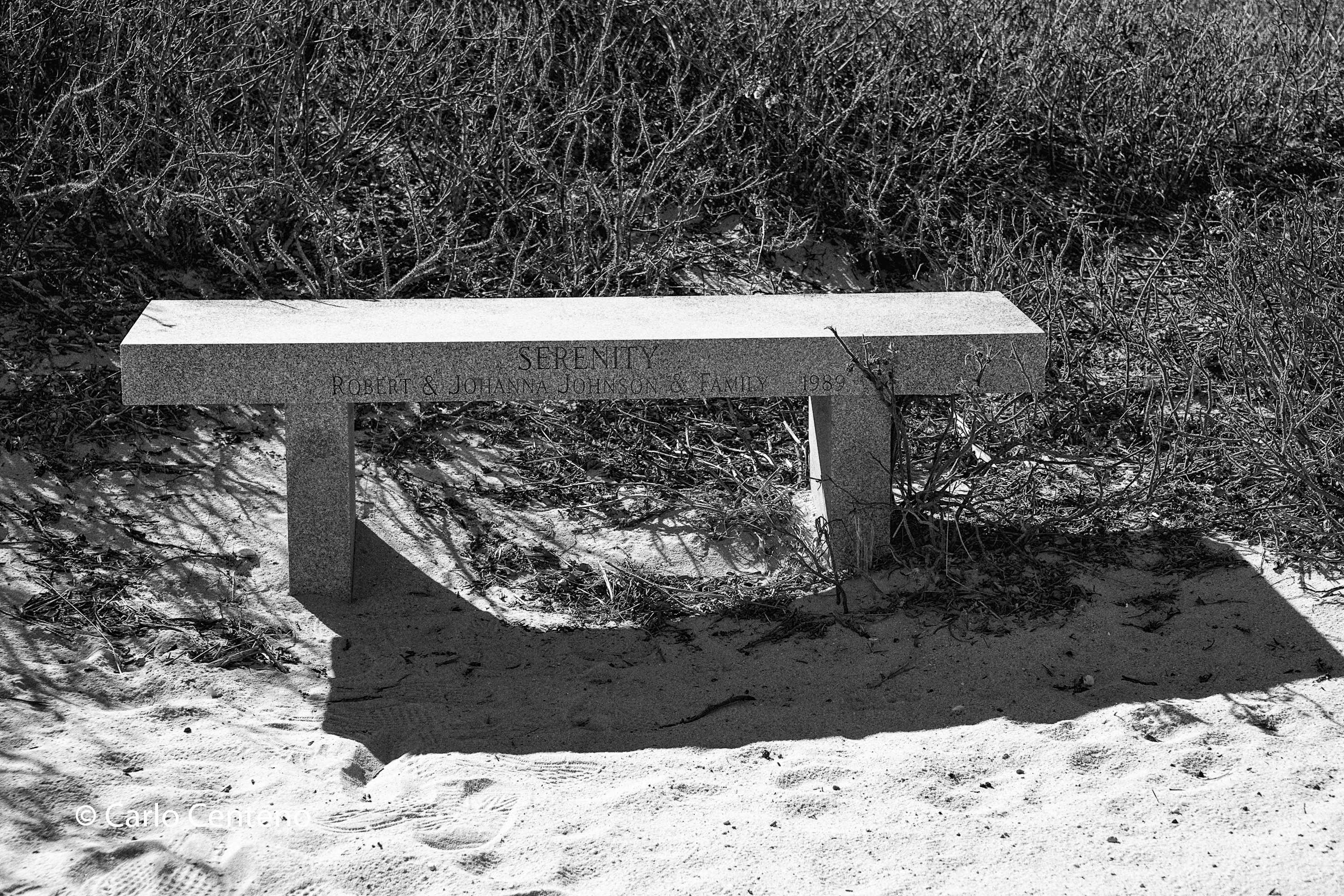
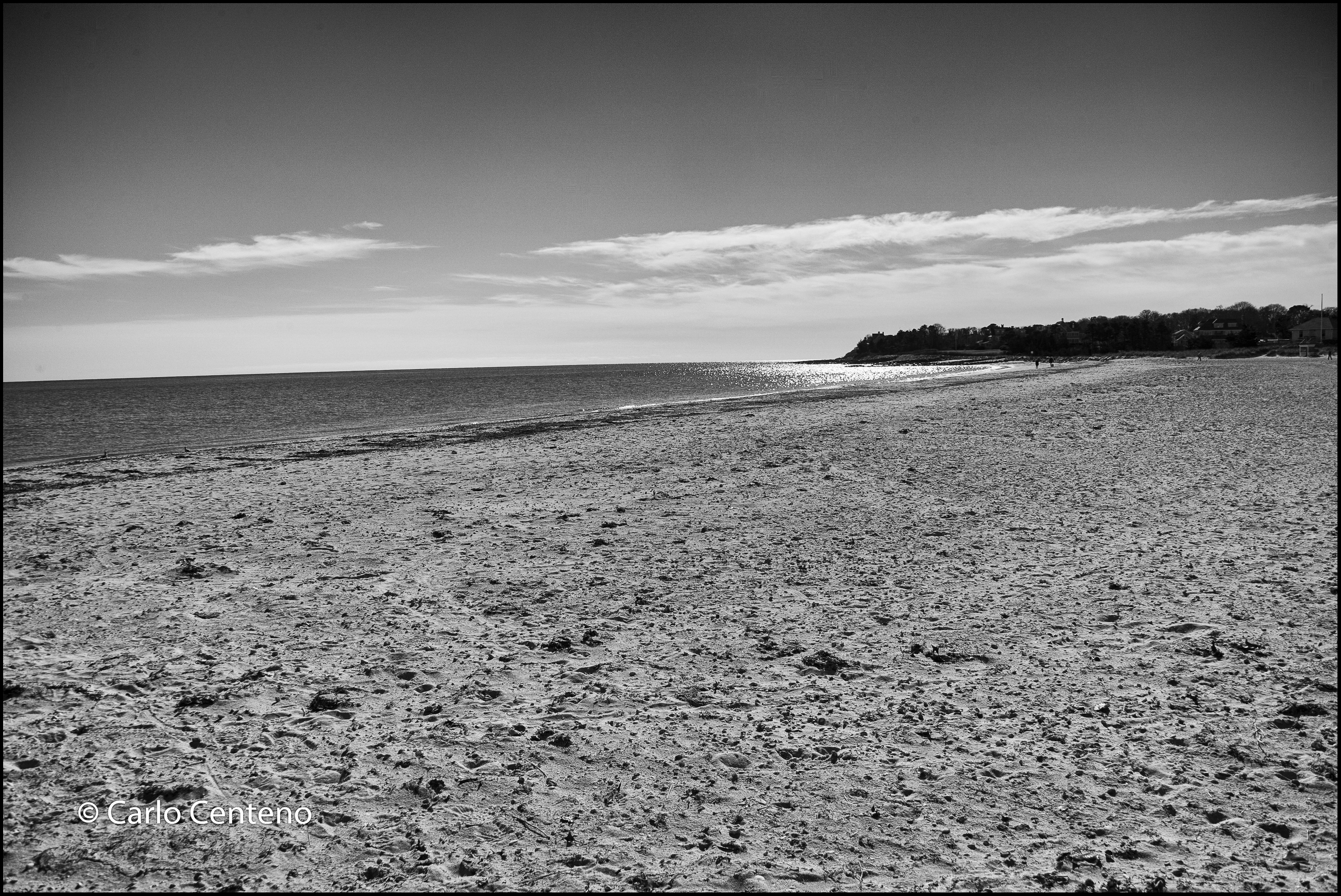
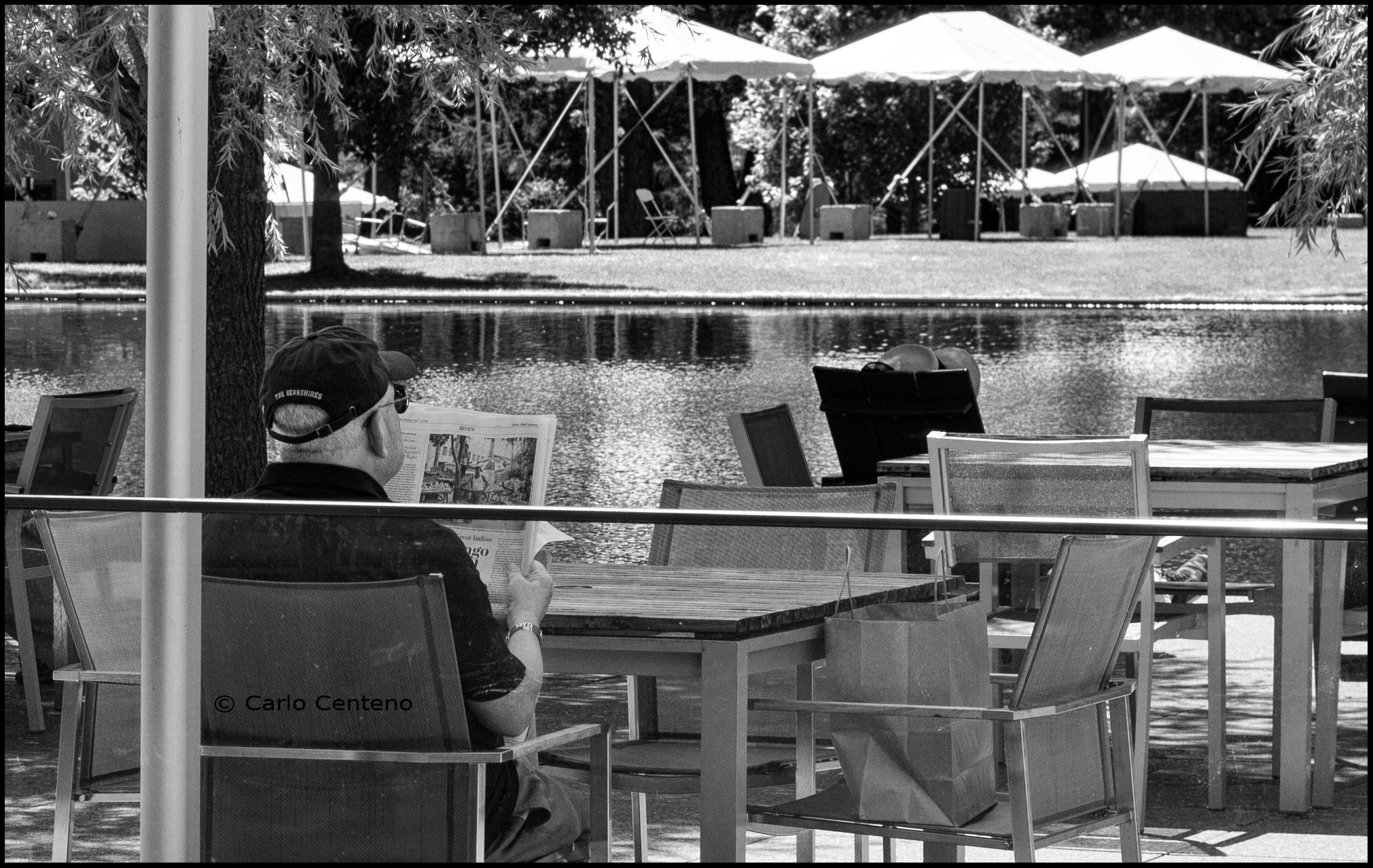
There’s a disquieting quality that follows catastrophic events: the eerie calm. It grates against my appreciation for a calm that I’m expecting, a calm based on softness, a level of assurance, inner peace and that sense of all is right in the world, even for just this moment. We appear to be experiencing less of that these days.

I’m reminded of a Judao-Christian saying, “The sin is not in failing, but in not trying.” Framed another way, there’s a lot of us carrying this sin of not trying.

Enough already. Enough.


“Those Were the Days”

Once upon a time there was a tavern,
Where we used to raise a glass or two.
Remember how we laughed away the hours,
And think of all the great things we would do.
Those were the days my friend,
We thought they’d never end.
We’d sing and dance forever and a day.
We’d live the life we choose,
We’d fight and never lose
For we were young and sure to have our way.

Songwriters: Boris Fomin, Gene Raskin

Ever an optimist, it is possible that you’ve heard the song, Those Were the Days as sung by Ms. Mary Hopkin. It was one of the first singles produced by Apple Records and Paul McCartney in 1968. My recent postings and our current new normal [or is it our current abnormal?] made me think of this ballad. And not only about changes that have taken place, but of many things unlikely to occur in the same way as before.

We are at summer’s threshold. We’ve evolved to accept crowded places, an expectation of more time spent with family and friends and to be part of those timeless happenings and celebrations that define this time of year: graduations, picnics, time on the beach, attending ball games, concerts & performances inside and out, barbecues, pool parties and a lot more.

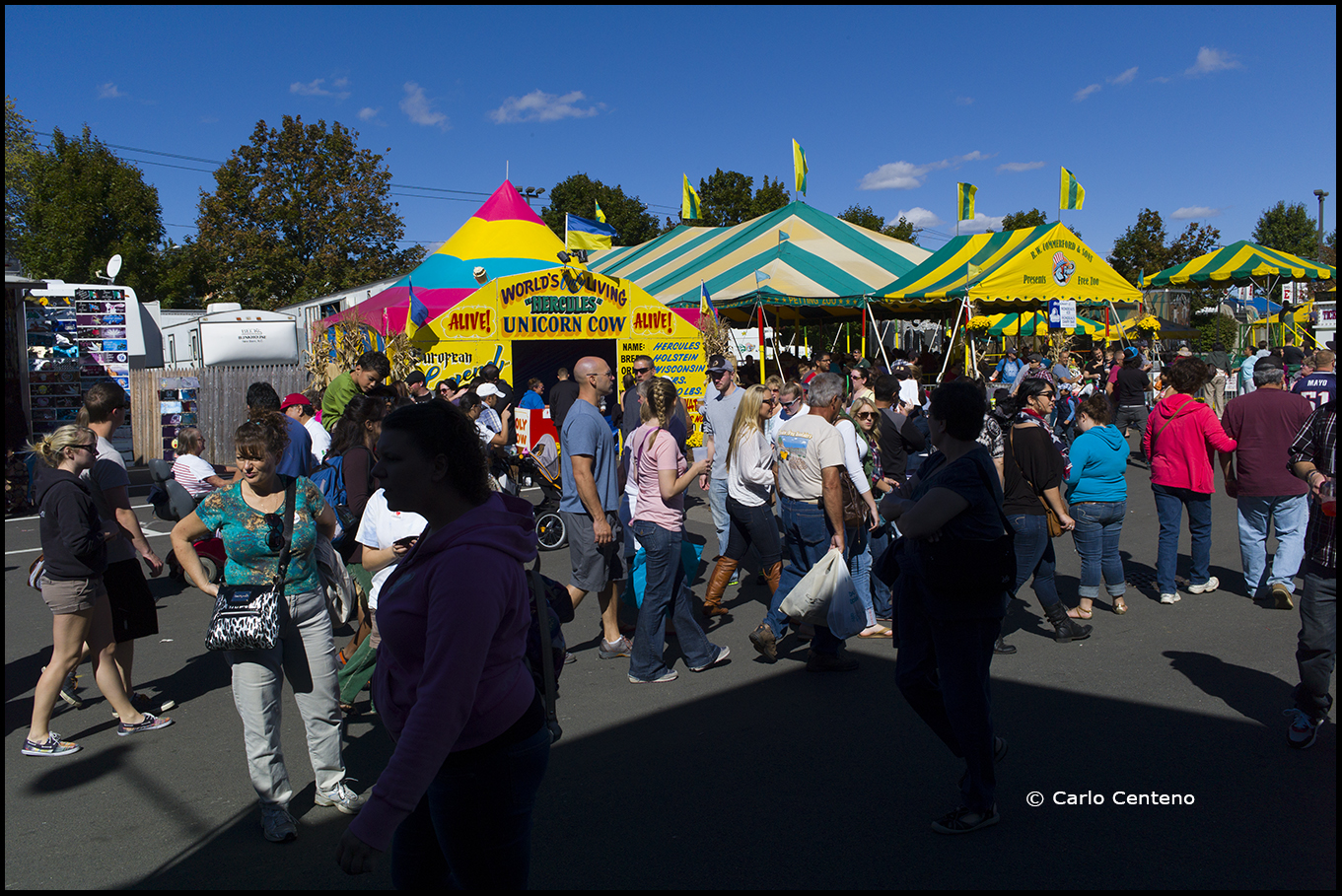
And then there are the country fairs.

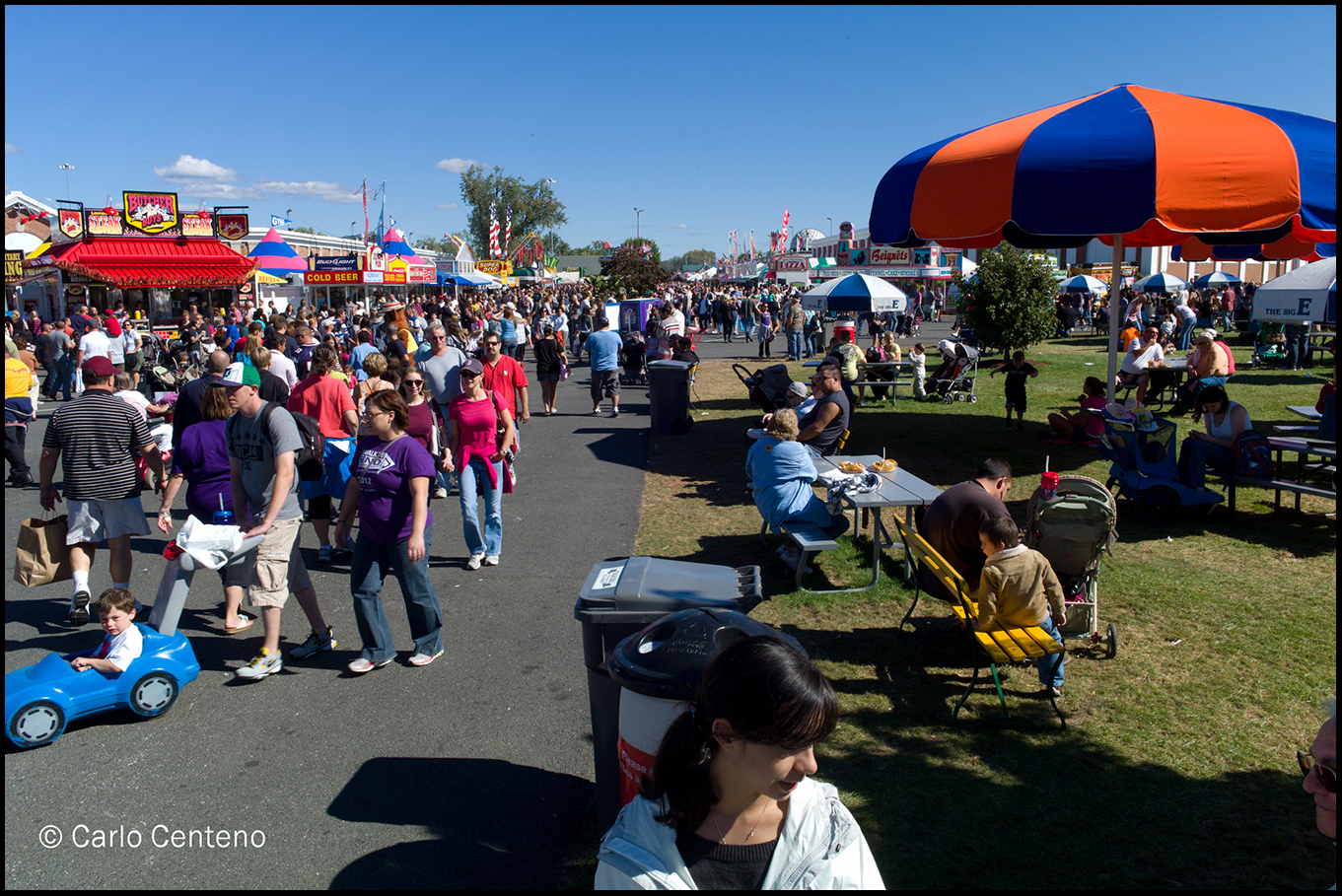
This unique piece of Americana born of traditions in farming and agriculture, will never be the same.  To heed social distancing at these and other events is not going to happen. It’s part of our social DNA, to see a flurry of activities and to be part of the atmosphere or happenings. It’s standing in line if not for the anticipation of getting into an exhibit or performance—or something savory to eat—but to avoid losing your place in that line.

It’s a place to experience sensory overload. Merchandise of all kinds court you with such promises as having something fun-for-the-kids; of having the last mop you’ll ever need or the complete knife set that rarely needs sharpening. Then there are the culinary pieces de resistance: fried dough that could work as trash can covers, cream puffs the size of softballs or that deep-fried turkey leg that can double as a hammer in a pinch.

This year will be different for most everyone. The crowds can never be as large as before. Perhaps reservations need to be made to limit the number of visitors. Adjustments are already in place, yet still changing. We’re armed with masks, hand sanitizers and wipes and a growing awareness of our personal space and limitations. It may not be all bad, but much of what’s currently unfamiliar, even uncomfortable, will become all too familiar.
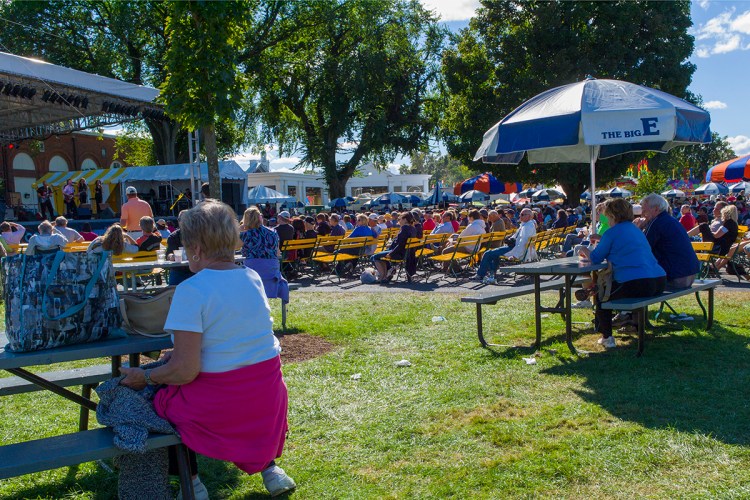
For years we’ve made a trip to one of the largest country fairs in New England, a sortie that has become part of our own tradition. On a weeknight, we head to West Springfield for “The Big E” aka, the Eastern States Exposition. My wife and I head to a favorite Polish food stand to order the inimitable Polish Plate: galumpki, pierogies, and kielbasa, all chased down by a “pint” of Dinkel Acker Pils, a German beer crafted from heavenly made hops.

And after that, it’s a walk across the grounds to burn off a few [very few] calories, only to add a bunch more when we stop for a homemade blueberry pie a la mode. All of this adds up to an entertainment feast. Certainly many things are always there, often the same vendors and merchants. But what makes each year different are the recollections of many other visits to the Big E aside from our annual beer with dinner.

It’s about our daughters coming with us during the toddler to tween years. Then came the teen years when it became apparent we were no longer cool, the two escaping with a fistful of tickets for rides and the arcade at the fair’s Midway.
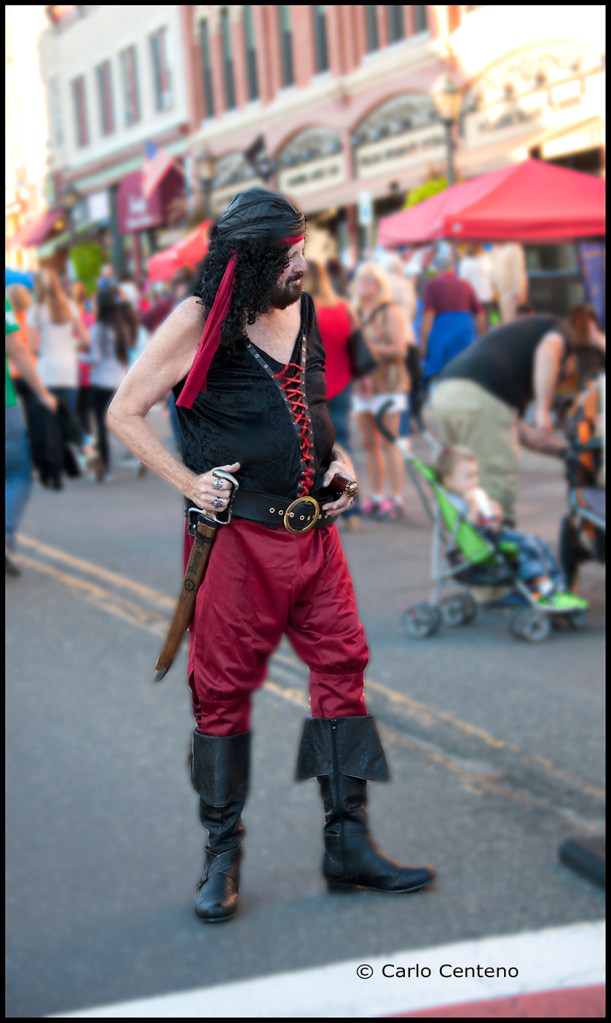
It’s about people-watching, of getting lost in a crowd knowing that similar dreams and fears are as common as balloons, stuffed animals and kettle popcorn. Summer is as much about the quiet and solitude found in the woods as is the cacophony of gatherings and festivities that confirm our sentient selves and how we’re all connected.

Those were the days.


Recollections

My previous post, Reliant on Memory [May 12, 2020], has opened one small but particular memory album. It opens to a time and place that transcends the meaning of simplicity, functionality or perhaps this phrase of accommodation, “Well, it’s how things are done here.”

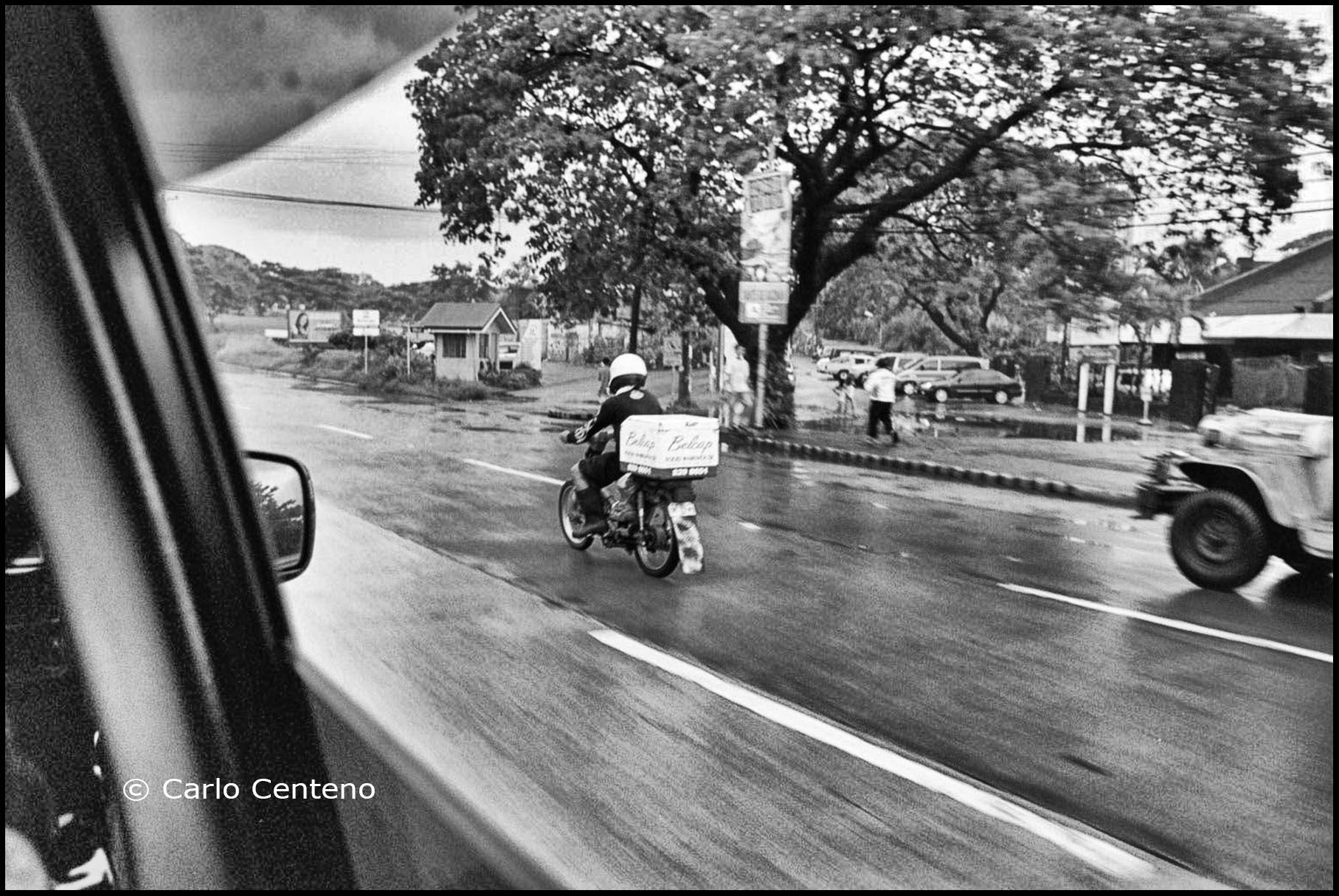
Single-cylinder motorbikes are common in the Philippines and much of southeast Asia. By day, it’s a mule, transporting cargo to places near and far. After work, it’s the family vehicle for many. It’s not an unusual sight to see a family or 3 or 4 on the bike. The smallest is atop the gas tank in a makeshift carrier, the others snugly huddled on the plank seat.
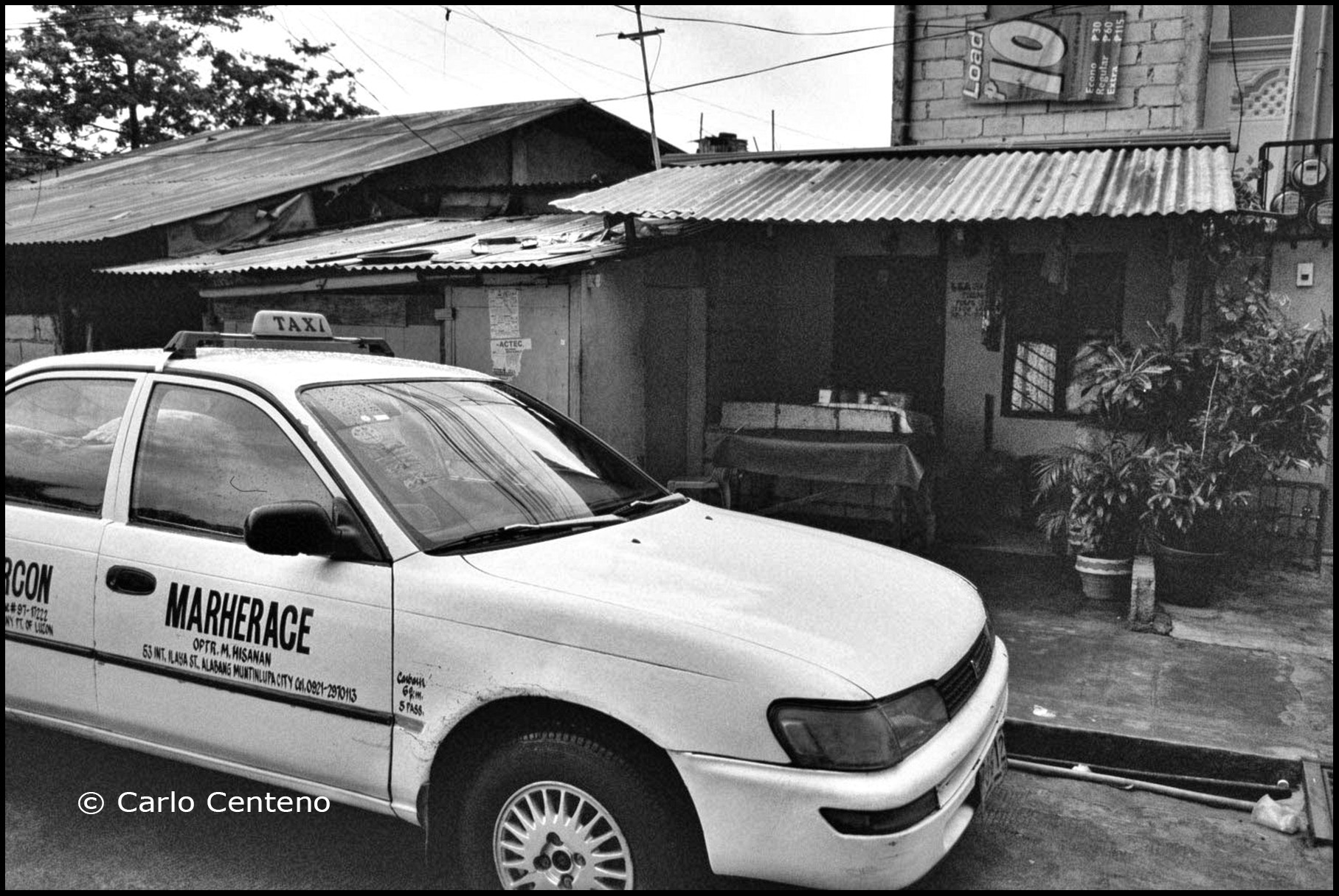
After dropping off a fare nearby, the driver took his lunch break. You’ll seldom see a sign, but a “karinderya” or canteen, is a form of home business. An average salary for a family of 4 is about P260,000 pesos. That’s $5,250 USD. “Ginagawa mo ang mayroon ka.” [You make do with what you have].
The Philippines has its share of supermarkets, but locals depend on small, family-owned vendors to deliver fresh product. Here a butcher makes ready some of the morning’s catch. Ice is a valued commodity in this tropical country. Not surprising, the food quality is excellent, but you need to know the best sources for seafood, poultry and other meats.

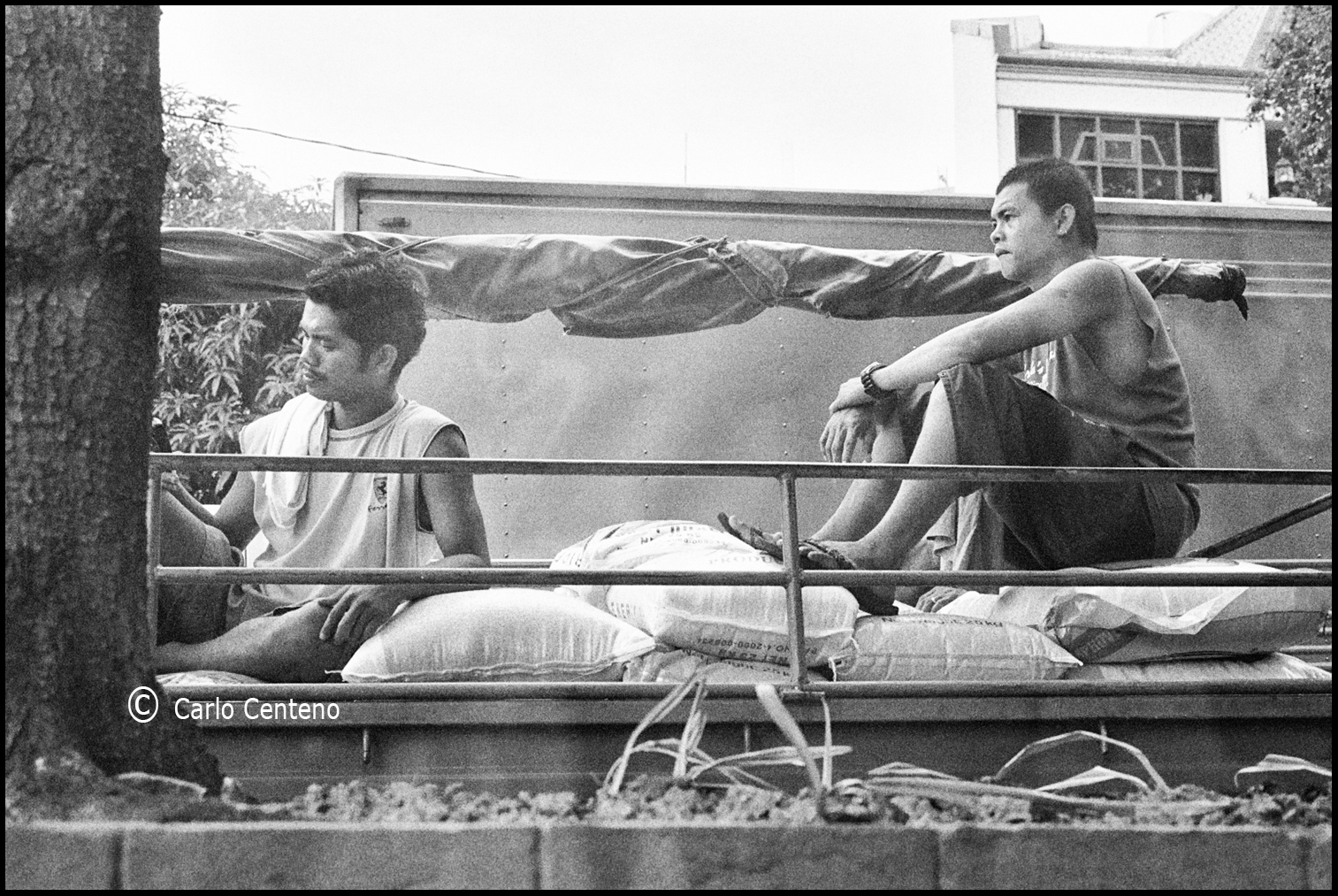
Two workers appear unfazed with the heat and humidity, while stuck in Manila’s infamous traffic. In any weather extreme, it’s critical to acclimate. I was fortunate to be in a car with its AC running at maximum. With temps at 95F [35C] and relative humidity pushing 70%, having an AC was paramount to survival.
A Manila suburb. Ang ganda talaga sa mga lugar … [it’s really beautiful in places].
 

Face-to-Face

I suppose any season is good for “time travel.”  Case in point: The Hancock Shaker Village in Pittsfield, Massachusetts. Throughout New England and other parts of the country, living museums provide a chance to feel what we could only imagine.

Such places serve to remind us of what we have. Or what we’ve lost.

On a particular Saturday evening, I was reminded of the power of conversation. The Shakers traditionally have family dinners, meaning you sit at a table–often a rather long one–and enjoy supper together.  This particular night came via the Food for Thought series, a HSV summer event whereby one sits and enjoys a gourmet farm-to-table dinner and conversation. From June thru August, an author is invited to dine, discuss and engage about a recent book that she/he has published.

Traveler, award winning writer, bestselling author, Mr. Simon Winchester.

The narratives can be compelling. Unsurprisingly, there’s the conversation of getting-to-know a bit more about a person, not the least being the author who’s about to recount a journey of research, writing, editing and more.

Like the author, the guests had their own experiences to share. Most were familiar [snippets of life’s journey from a father-mother-engineer-lawyer-financial manager-medical doctor, e.g.], and others were fascinating to hear and talk about. In attendance was a young student of epidemiology, and I should have talked with him beyond his academic CV [Princeton, then John Hopkins].  It would’ve been fascinating to hear more about the rise of diseases and other ailments that can quickly wreak havoc on populations around the world.

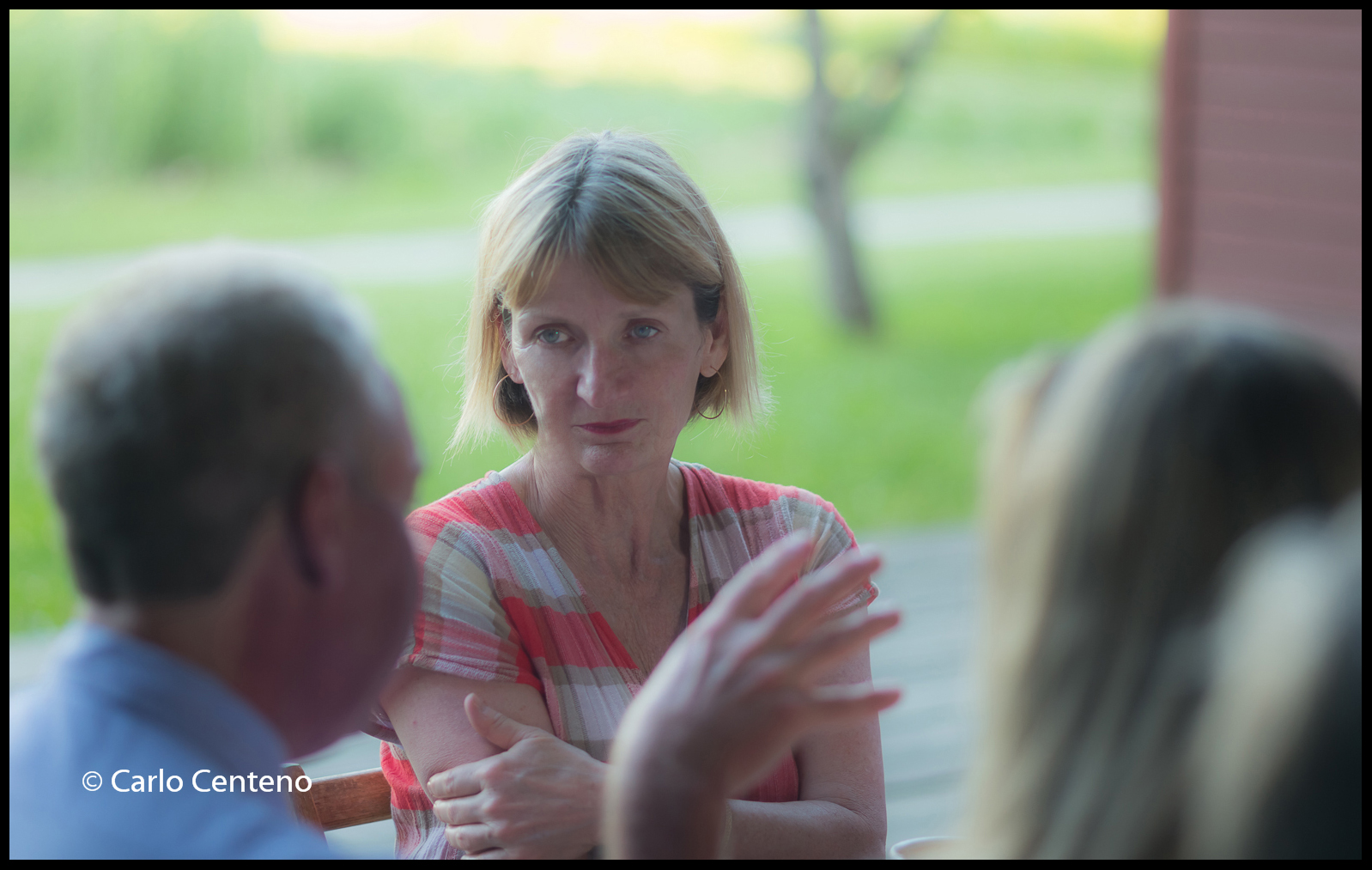
The beauty of talking face-to-face is that beyond the words you hear, you’re also emotionally involved. Expressions, gestures and tone each hint at nuances that can be missed when engrossed with email and text messages.

I enjoy the various digital communication platforms and they can be timely if not helpful. However, there’s still something to be said about connecting with people face-to-face. And that kind of connection can make such a difference in your comings and goings day in, day out.


Debut Novel

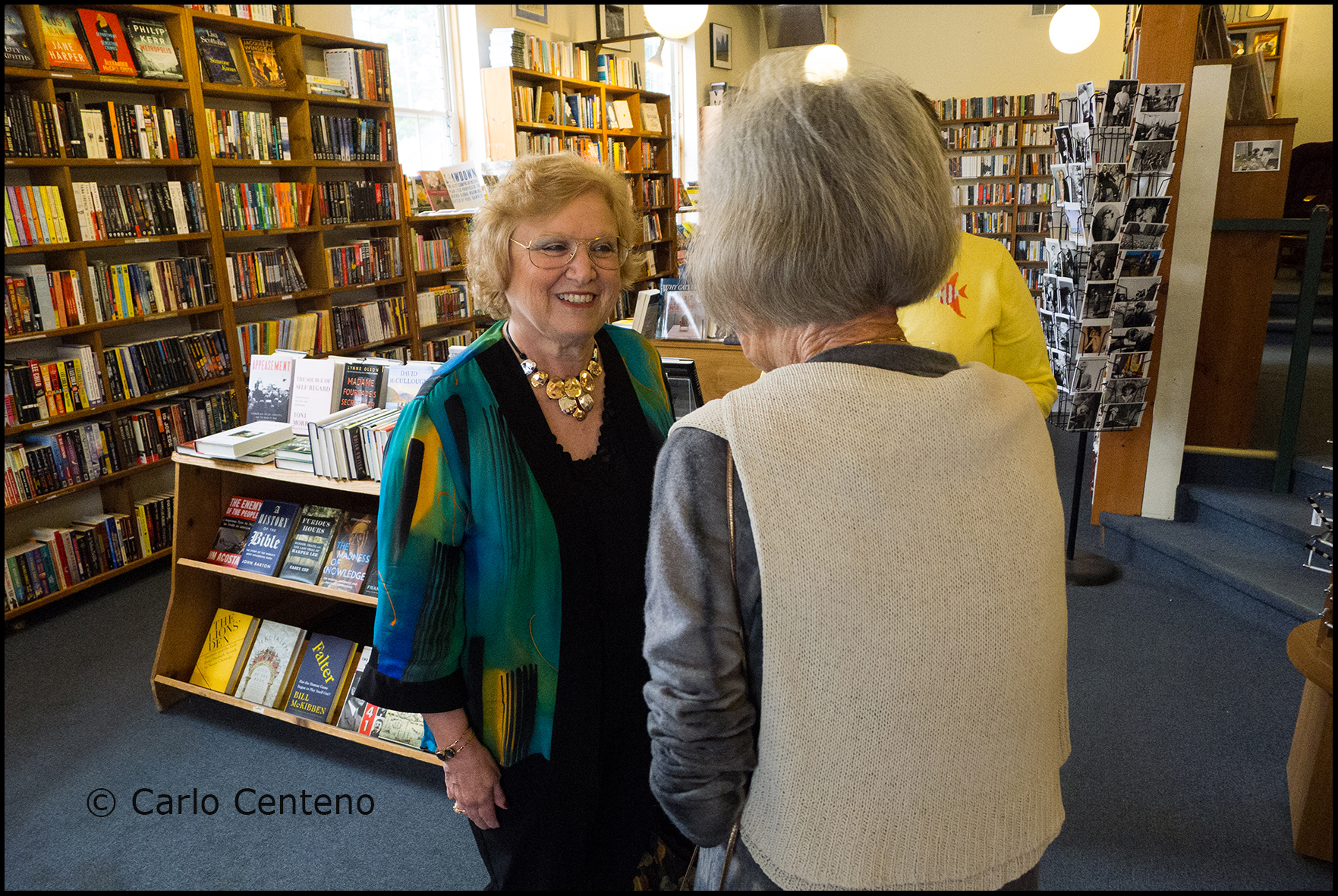
Carolyn Kay Brancato greeting her guests prior to her reading.

I was 15-minutes early to an advertising and marketing function taking place elsewhere, when just down the road a ways stood The Bookstore & Get Lit Wine Bar . I love bookstores, especially these quaint shops containing new and pre-owned books. And here, it just so happened author, playwright and choreographer Carolyn Kay Brancato was on hand to talk about her first novel, “The Circus Pig and the Kaiser: A Novel Based on a Strange but True Event.”

When you walk into such functions wearing a suit, tie and smile, it’s easy to be taken as one of the guests. Perhaps acceptance was made easier because of the suit, even though I was the only person with one on. I wasn’t crashing the party per se; it was an open event. Besides, until I walked in, I just wanted to peruse the shelves to kill some time. Somehow being immersed in a bookstore accelerates the passage of time. Before I knew it, almost 20-minutes went by.

Ms. Brancato was attendant to familiar faces and a handful of new ones [like me]. She was a confident and comfortable raconteur equally adept in catching up with news of the comings and goings in The Berkshires. Friends and acquaintances arrived from near and far: Long Island, Boston, Hudson, NY, Manhattan in addition to other towns and hamlets here in the western most part of Massachusetts.

And of course there was a respectable spread of food, though what made it even more inviting was the “Lit Bar” which was part of the bookstore.  It was small and cozy, roughly the width of three folding chairs though it stretched from the front of the store to the very back it seemed.  Were it not for a standing room only crowd, I would’ve clicked a photo or two; besides I needed to make sure not to be late for the other event taking place.

Albeit short, I enjoyed the serendipity of stopping by. To listen to conversations about literature, books, life, travels and more, was refreshing. What this all means is I need to return with my better half to take a closer look at the books and to, of course, have a glass of wine with her…

However, I didn’t leave empty handed. I found a terrific book, “The Rain in Portugal” by Billy Collins. Yes, that is THE Billy Collins, a former U.S. Poet Laureate. It was his twelfth collection of poetry and judging from over a thousand reviews, it looks pretty inviting. Odd. It’s been decades since I picked up a book of poetry.

This is what happens when you walk into a really nice, cozy bookstore that has its own wine bar.


Dali

Many artists come to mind when the genre of surrealism becomes a topic for discussion–or bone of contention–but Salvador Felipe Jacinto Dali y Domenech is one that occupies a notable position in the annals of imaginative imagery and surrealistic interpretation.

The Slave Market & Disappearing Voltaire

If your preferences lean toward realism, then Dali can and will, leave you wondering why such creations are in a museum, indeed, an eponymous one at that. Art is Art and its value depends on so many areas of technical and aesthetic measures. For the rest of us mortals, subjective interpretation is all we can muster. I overheard someone trying to understand one of his paintings and his somber remark was, “Salvador Deviant.”

Portrait of deceased brother if he lived to be an adult.

Art is what you make of it. It means you can be apathetic, sympathetic, curious, appreciative, angry, happy, bewildered, uncertain, confident, disappointed, insulted, overwhelmed, inspired or even validated.

You have to appreciate his creative genius when you’re pulled into one of his canvases only to be taken aback  when the image changes. In one moment you see 2 nuns, then a blink later, you suddenly see a face made in part by the same 2 nuns [cf first image above for Voltaire].

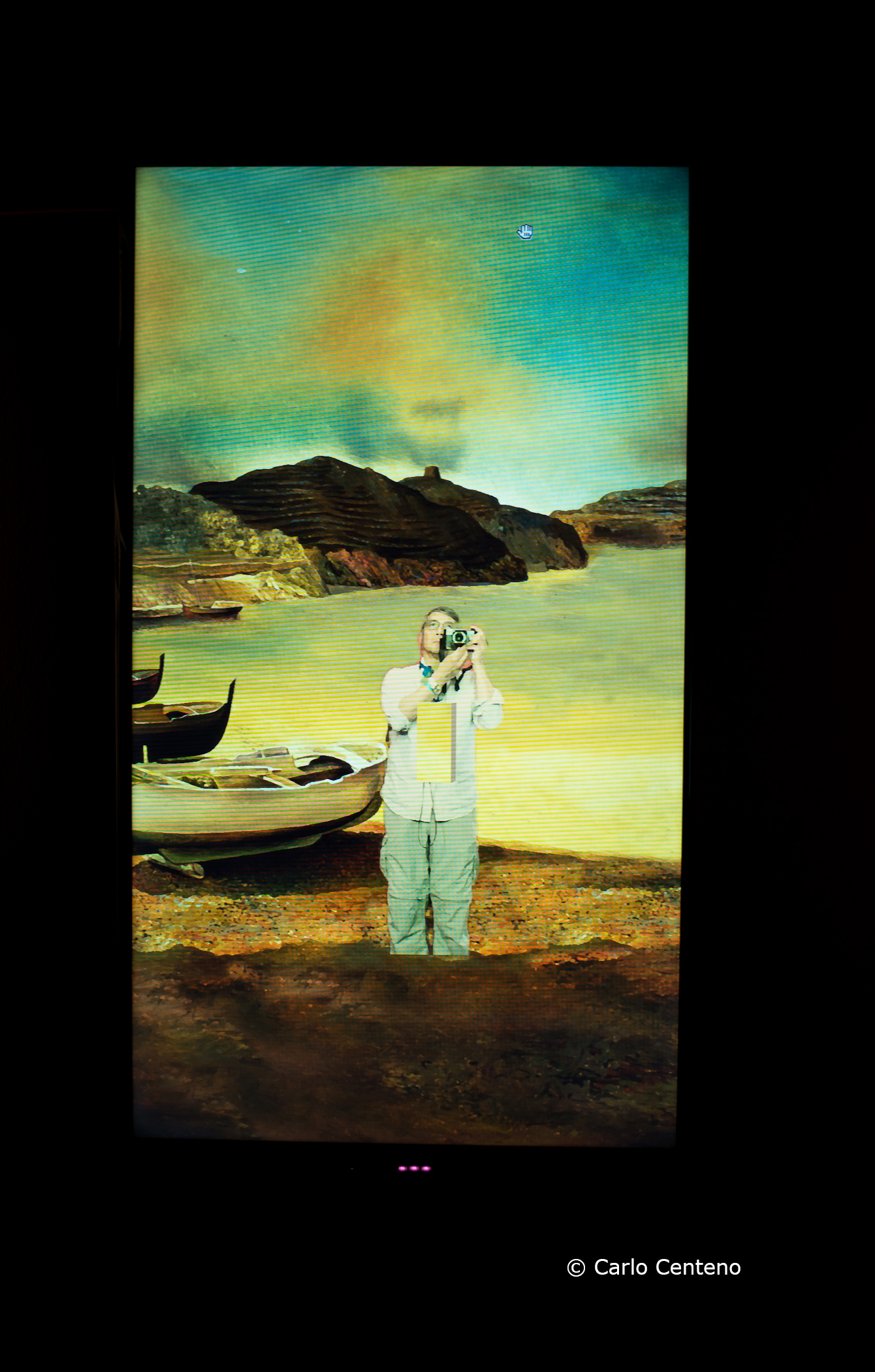
Interactive self-portrait.

My self-portrait is an interesting take on a photo booth, but one more entertaining if not interesting.  In a way I’m borrowing a slice of time from Dali’s world. A simple souvenir for me,  though I suspect Dali would’ve seen a leitmotif kindred to the impertinence and sarcasm of his painting, Persistence of Memory.

Same Time Zone-Alternate Realities

New York City.  A fantastic place that involves all your senses.

Fort Myers, FL. This second image is taken further south, about 1,250 miles [2,012 km] away. Here’s a destination where the senses aren’t always engaged. Let’s just say “relaxed” is a more fitting adjective. Finally, both photos were taken approximately around the same time of day: late afternoon.

An Enduring Perspective

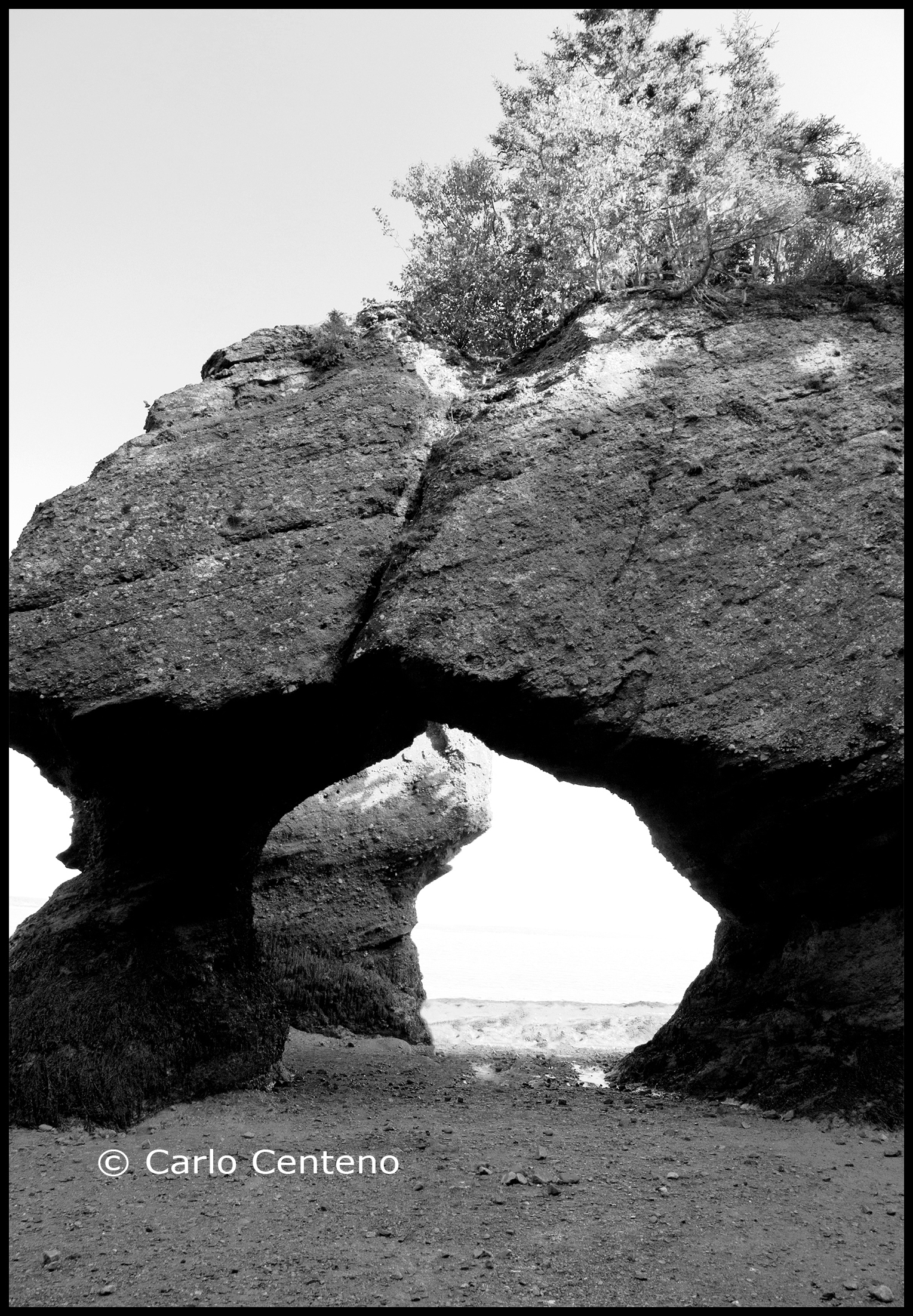
Vertical dimensions and shapes provide seminal perspectives. The Bay of Fundy is such a place to feel them. It claims to have the highest tidal range on the planet, on average rising and falling 56 feet [17 meters], twice a day.

While the tides run relatively constant, the power of moving water creates an impermanence to the landscape. The land changes albeit slowly. And of course, we physically change too, though on a timeline far shorter than these “monuments.” These amazing structures will outlast me, which is to say they’ll still deliver an enduring perspective to others who might be standing on the very spots when I took these photos.