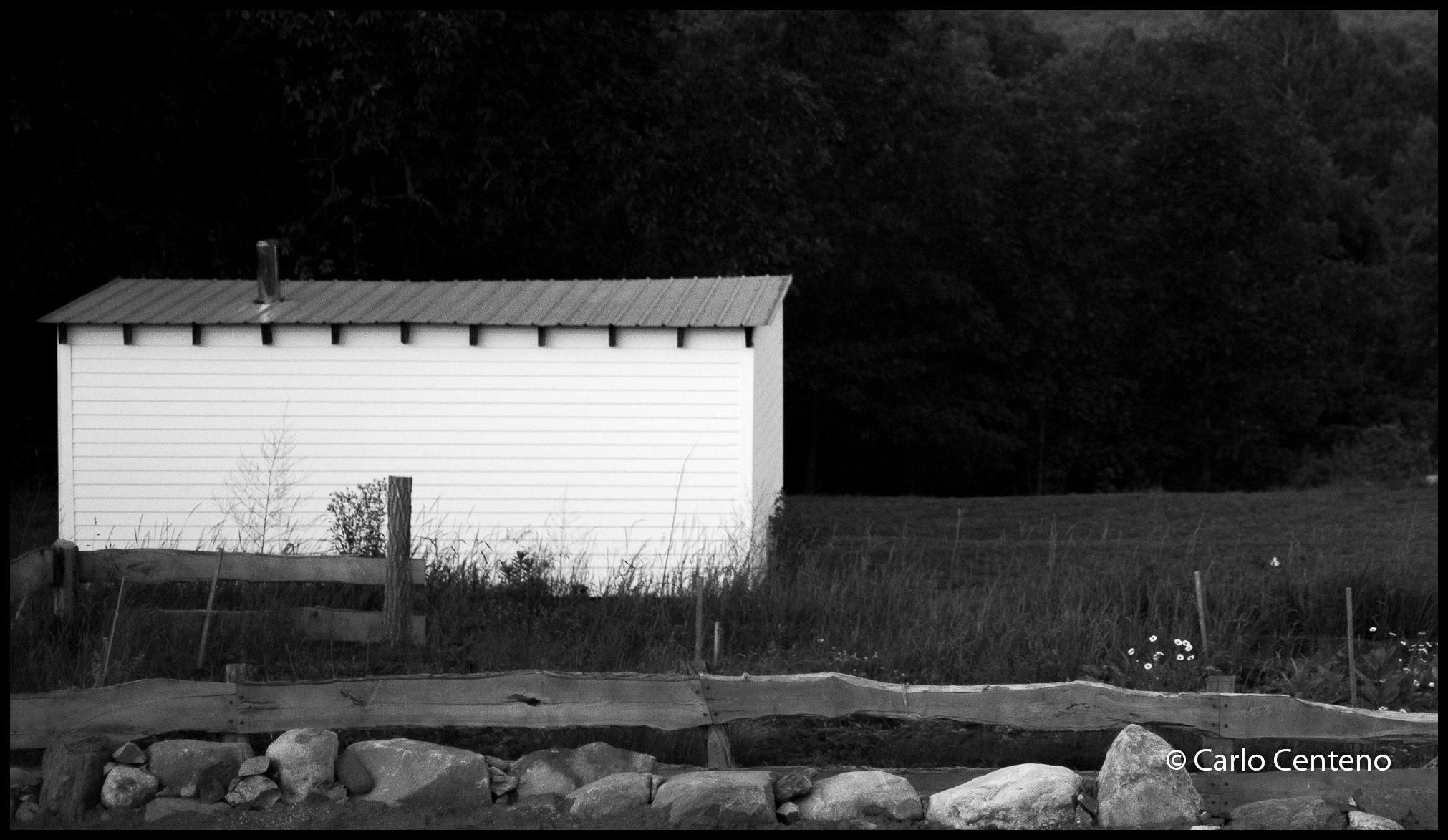
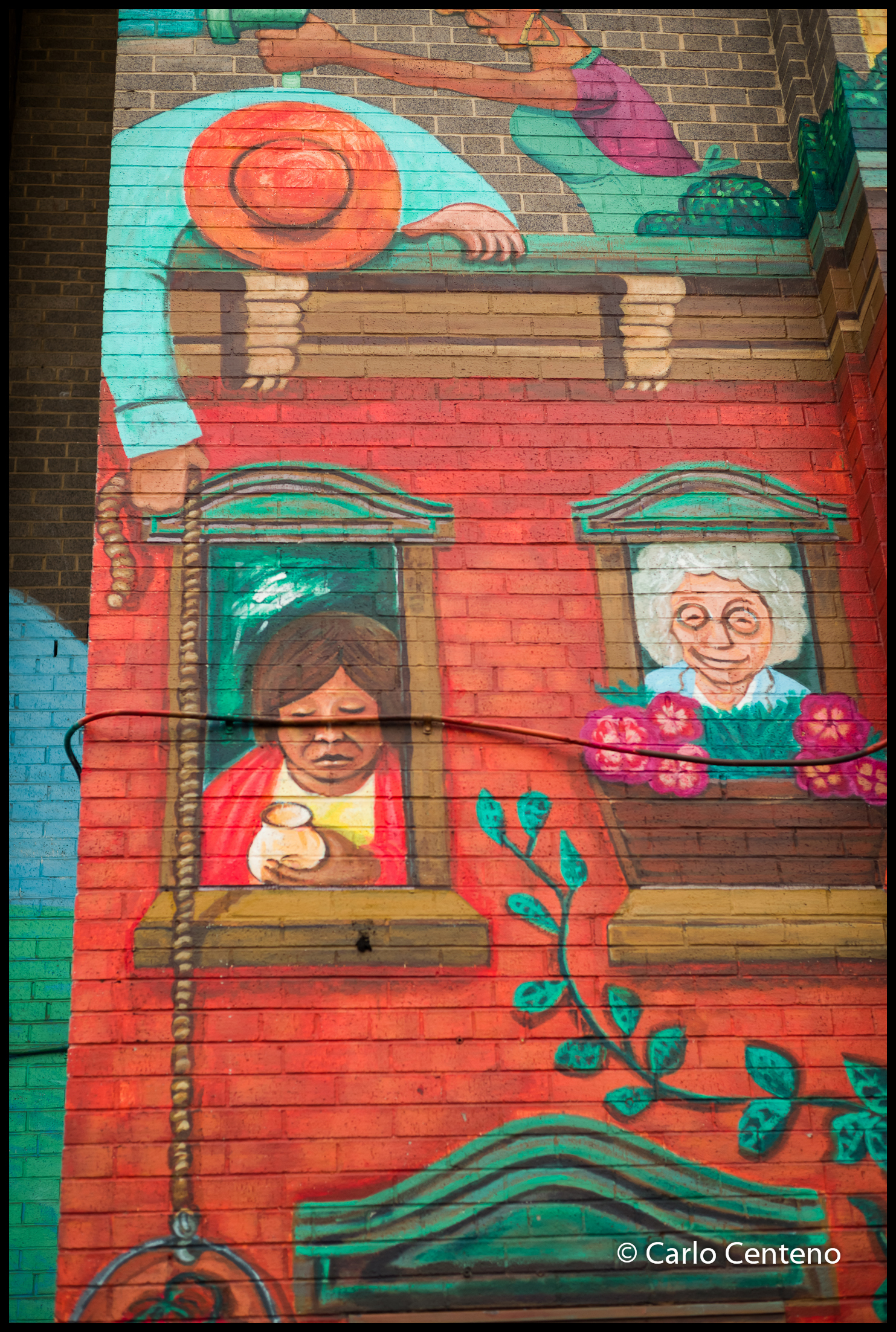
White Shed

Wyeth’s Dream

On the road again
Goin’ places that I’ve never been
Seein’ things that I may never see again
And I can’t wait to get on the road again

Johnny Cash & Willie Nelson

For me, one of the better ways to decrease the clutter in my head is to take a drive with camera in tow. Road photography. It should be a category of its own. Sometimes I have a location in mind, mostly I don’t. Where the road leads and the sun moves are my travel indicators. I chase the light, I welcome serendipity and I relish the freedom that time brings. Driving the back roads—especially those off the major interstates—offer catharsis. It works.

Evergreen

The Berkshires

Road photography. It’s a cousin to street photography, but instead of strolling along sidewalks, I’m in a car driving to nowhere in particular,  just to immerse myself in a tempo and ambiance that has little to do with work. At times I also take along my journal and if nothing arouses my visual creativity, I take the pen to the paper…or vice-versa.

Pastoral Conditions

Not quite summer’s end, not really autumn yet, but the cusp that enjoins these 2 seasons is before us. I love this time of year.

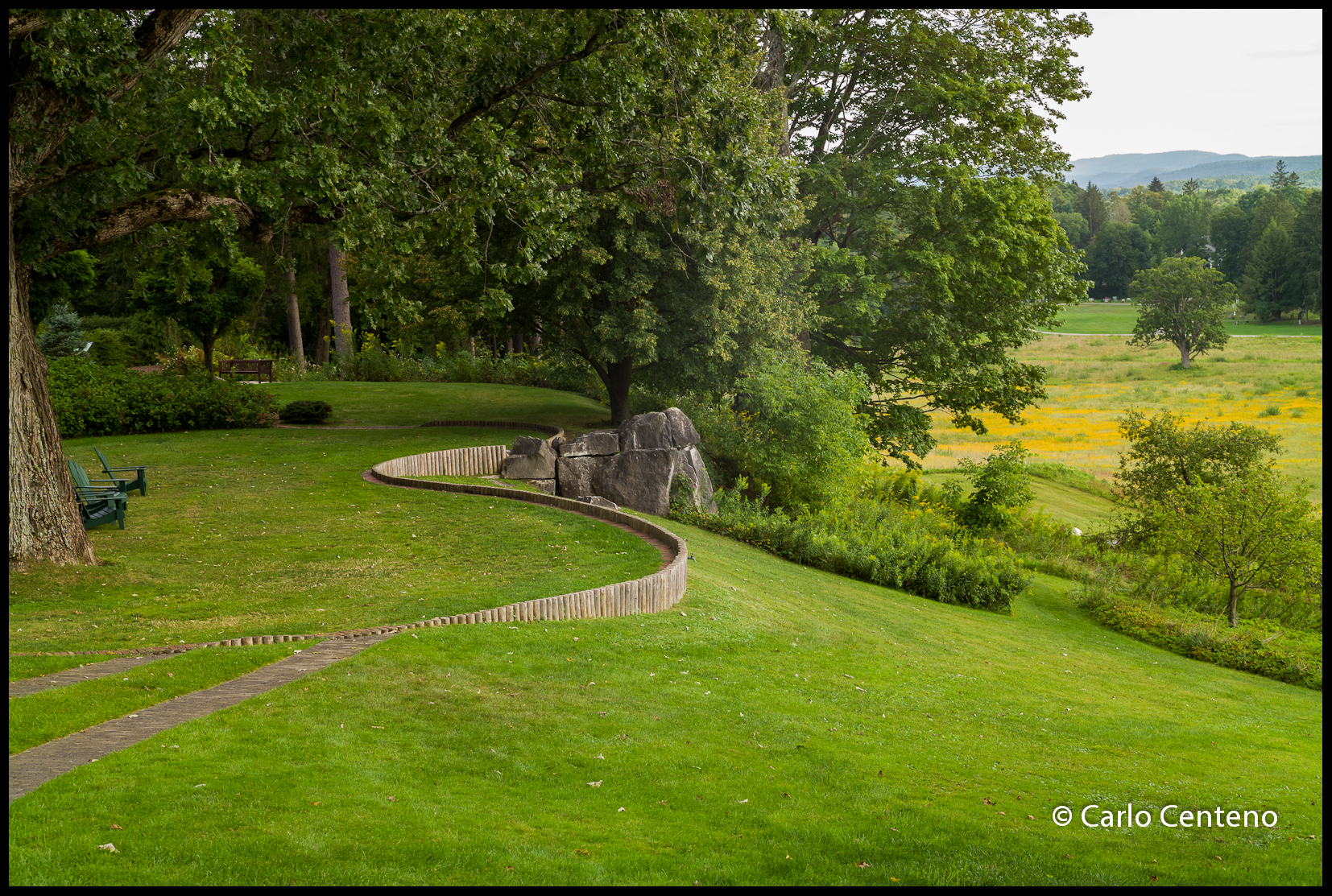
Naumkeag is an incredible place because it allows me to dwell on and feel connected to matters taken for granted. There’s time and space to slow down, to think, to feel, to recognize that not all issues, concerns or problems are of utmost importance above anything or anyone else. Naumkeag is a sanctuary where the main characters are pastoral. The lead character has to be the quiet, the kind of quiet that tells us there is catharsis in solitude for the benefit of oneself.

There are many distractions, including things that are not here. Out of sight—out of mind: no tablets, no MP3 players, no traffic sounds be they from land or air. Space is one of several pleasant distractions, especially those spaces that encourage you to become part of the setting.


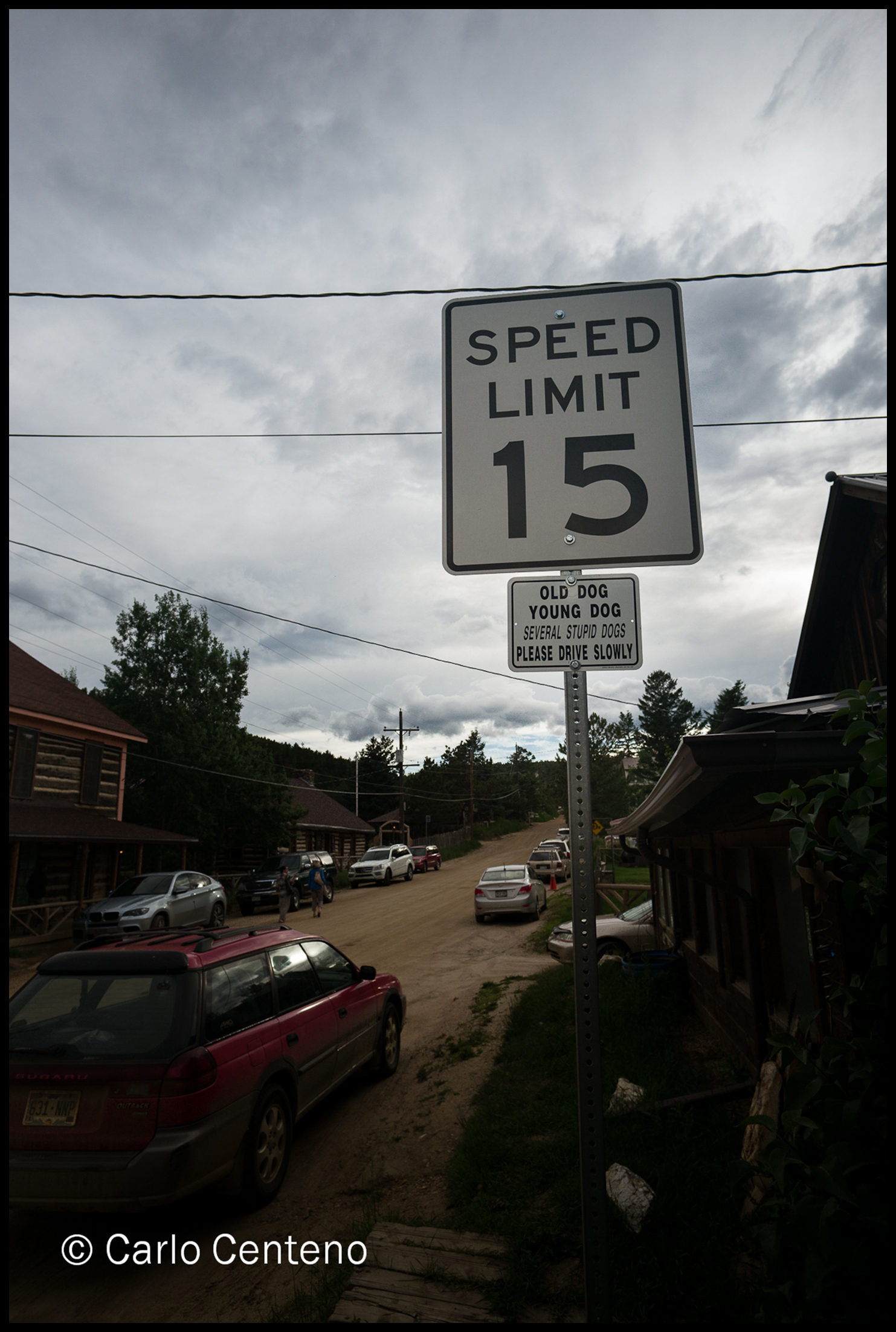
How do you define—and use—your “15-Minutes”?

Sometime in the future, we’ll have 15-minutes of fame. Attributed to Pop Artist, Andy Warhol.


Fifteen: __seconds is a quarter of a minute; __minutes is a quarter of an hour; __miles is 24 kilometers; __kilometers is 9 miles. I think the most “famous” of 15s is the one attributed to Warhol. He may not have actually phrased it, but it’s certainly part of his cultural brand.

Fifteen Minutes of Fame is also a music project created by composer-producer, Robert Voisey. That, in and of itself, is a fascinating enterprise.

Sir Richard Branson defines his 15-minutes as “me time,” time he finds in each day exclusively for himself in order to reconnect, re-energize, refocus, etc.

What can you do with 15-minutes all to yourself?  Some suggestions:

  • Write: in a journal [or start one]; a letter [to yourself, to someone that means the world to you, to someone who can influence positive changes, e.g.]; 15 words that bring a smile to your face
  • Learn and/or try: a new language [or improve on one that you last used in school or college]; to play an instrument; the practice of Yoga, meditation or Tai Chi; something, anything that you’ve wanted to explore, but it’s just out of your comfort zone
  • Turn your electronics off: and go outside and listen, engage your other senses of smell, touch, taste and sight

Reward yourself with a good thought, whatever that might be, and dwell on its possibilities…


Processing engagements

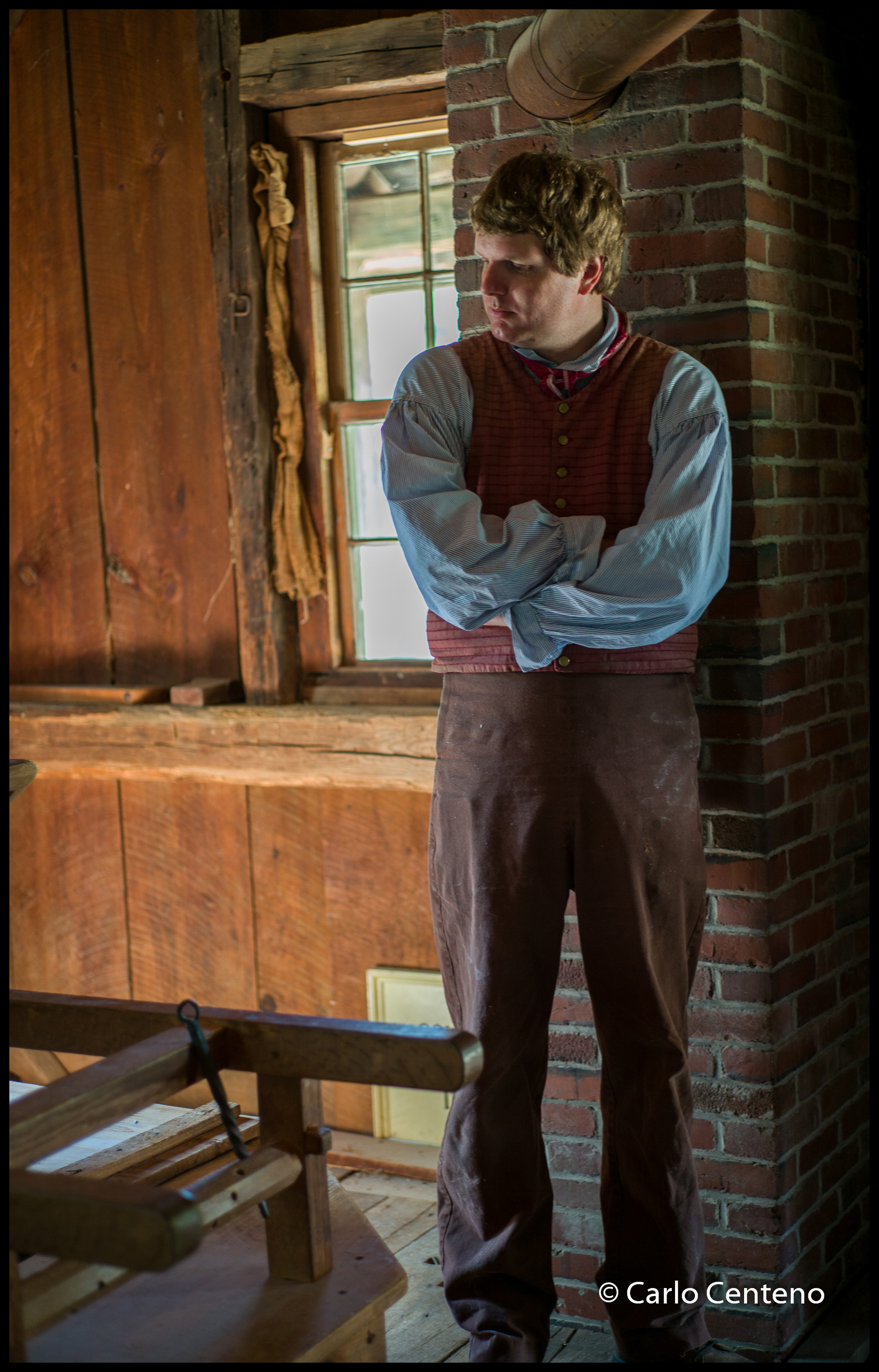
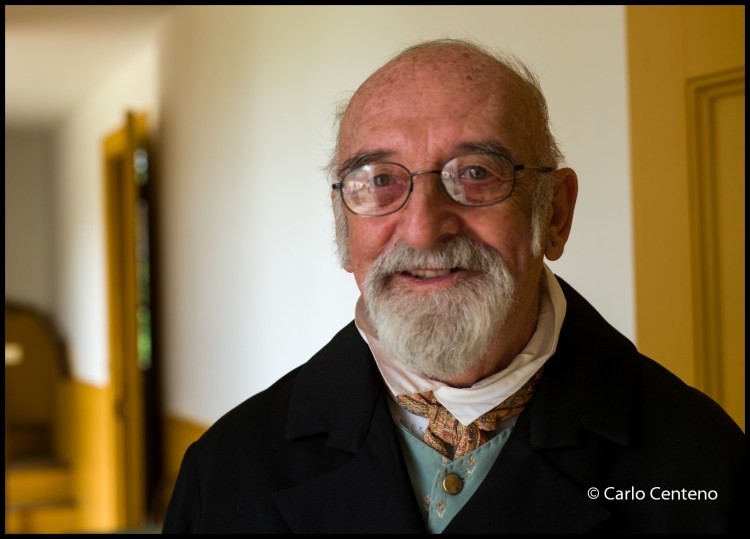
During a recent trip to Old Sturbridge Village, I came upon this roped-off exhibit of a beautiful, portable, writing desk with written pages fanned across its top. I imagined how the owner and writer of those materials may have looked like. This gentleman seemed to fit the bill.
I can appreciate the time and effort it takes to hand-write many things. I’m at odds with my peers, being one who cherishes writing [letters, journaling, e.g.] with a fountain pen no less. It does require your attention. The efficiency of computers is a boon to creating content, from tweets to long essays and dissertations. The use of all types of computers is standard for our developed societies.

But why do we need to process things so quickly? It’s a rhetorical question, certainly, but not without practical considerations. We marvel at how fast technology processes both the simple and the very complex. However, you lose [at least for me] that joie de vivre of the moment. Being attentive in the moment is quite different from being momentarily attentive.
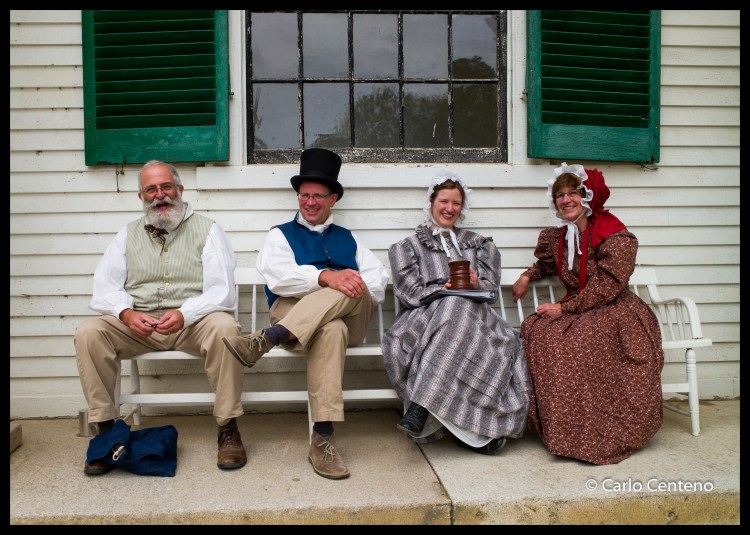
And I see too much of this momentary attentiveness in many. How so? In a restaurant, you can see some couples more attentive to their smart phones than each other. In parks, in museums, in the lobbies of theatres, offices and yes, even in our cars, the siren of that handheld is overwhelming. The device in our hand responds quickly, in “real” time, then with a thumb stroke, we’re onto another screen for something else.
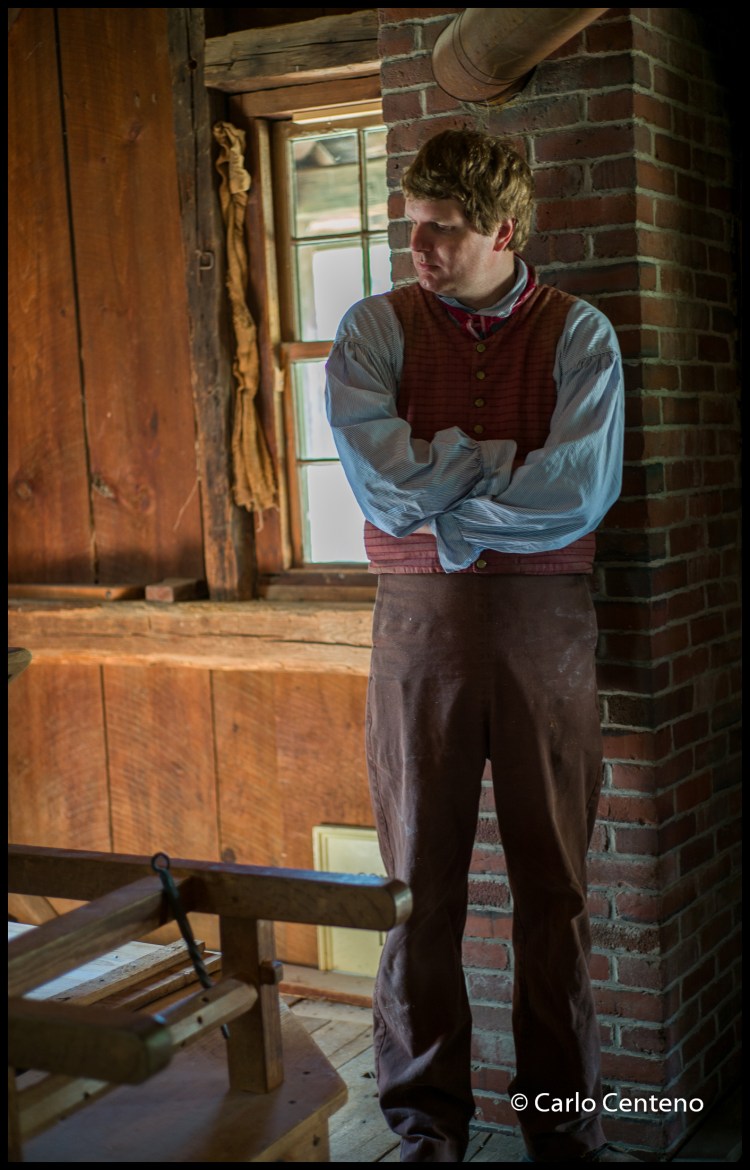
For me though, I feel better connected when I’m engaged with just about any process that requires a bit more attention, time and effort. Yes, I admit an app can make things easier and interesting. But for me, the process of being engaged and attentive to tasks and to processing information just isn’t the same when a person is with me.