“Those Were the Days”

Once upon a time there was a tavern,
Where we used to raise a glass or two.
Remember how we laughed away the hours,
And think of all the great things we would do.
Those were the days my friend,
We thought they’d never end.
We’d sing and dance forever and a day.
We’d live the life we choose,
We’d fight and never lose
For we were young and sure to have our way.

Songwriters: Boris Fomin, Gene Raskin

Ever an optimist, it is possible that you’ve heard the song, Those Were the Days as sung by Ms. Mary Hopkin. It was one of the first singles produced by Apple Records and Paul McCartney in 1968. My recent postings and our current new normal [or is it our current abnormal?] made me think of this ballad. And not only about changes that have taken place, but of many things unlikely to occur in the same way as before.

We are at summer’s threshold. We’ve evolved to accept crowded places, an expectation of more time spent with family and friends and to be part of those timeless happenings and celebrations that define this time of year: graduations, picnics, time on the beach, attending ball games, concerts & performances inside and out, barbecues, pool parties and a lot more.

And then there are the country fairs.
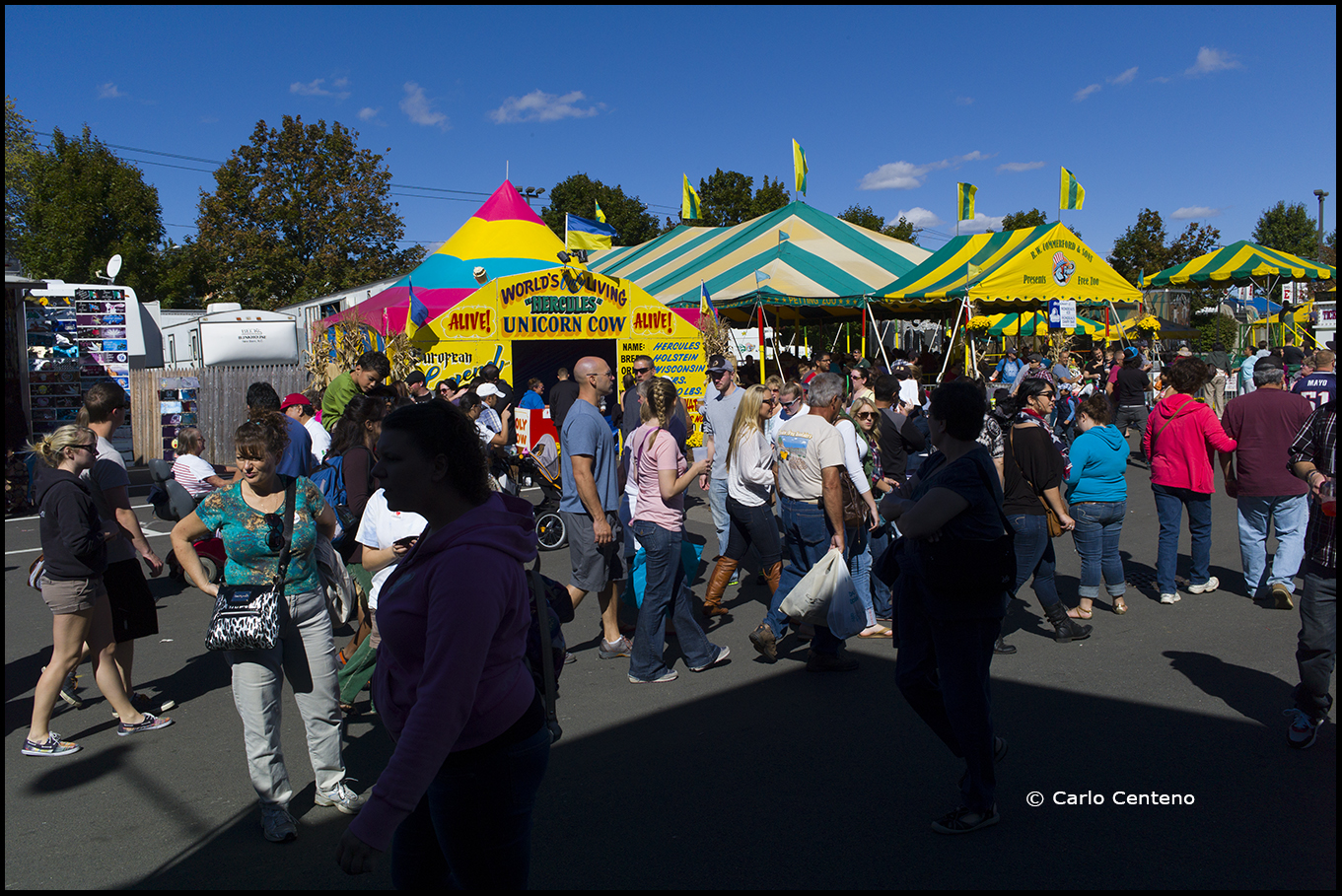
This unique piece of Americana born of traditions in farming and agriculture, will never be the same.  To heed social distancing at these and other events is not going to happen. It’s part of our social DNA, to see a flurry of activities and to be part of the atmosphere or happenings. It’s standing in line if not for the anticipation of getting into an exhibit or performance—or something savory to eat—but to avoid losing your place in that line.

It’s a place to experience sensory overload. Merchandise of all kinds court you with such promises as having something fun-for-the-kids; of having the last mop you’ll ever need or the complete knife set that rarely needs sharpening. Then there are the culinary pieces de resistance: fried dough that could work as trash can covers, cream puffs the size of softballs or that deep-fried turkey leg that can double as a hammer in a pinch.
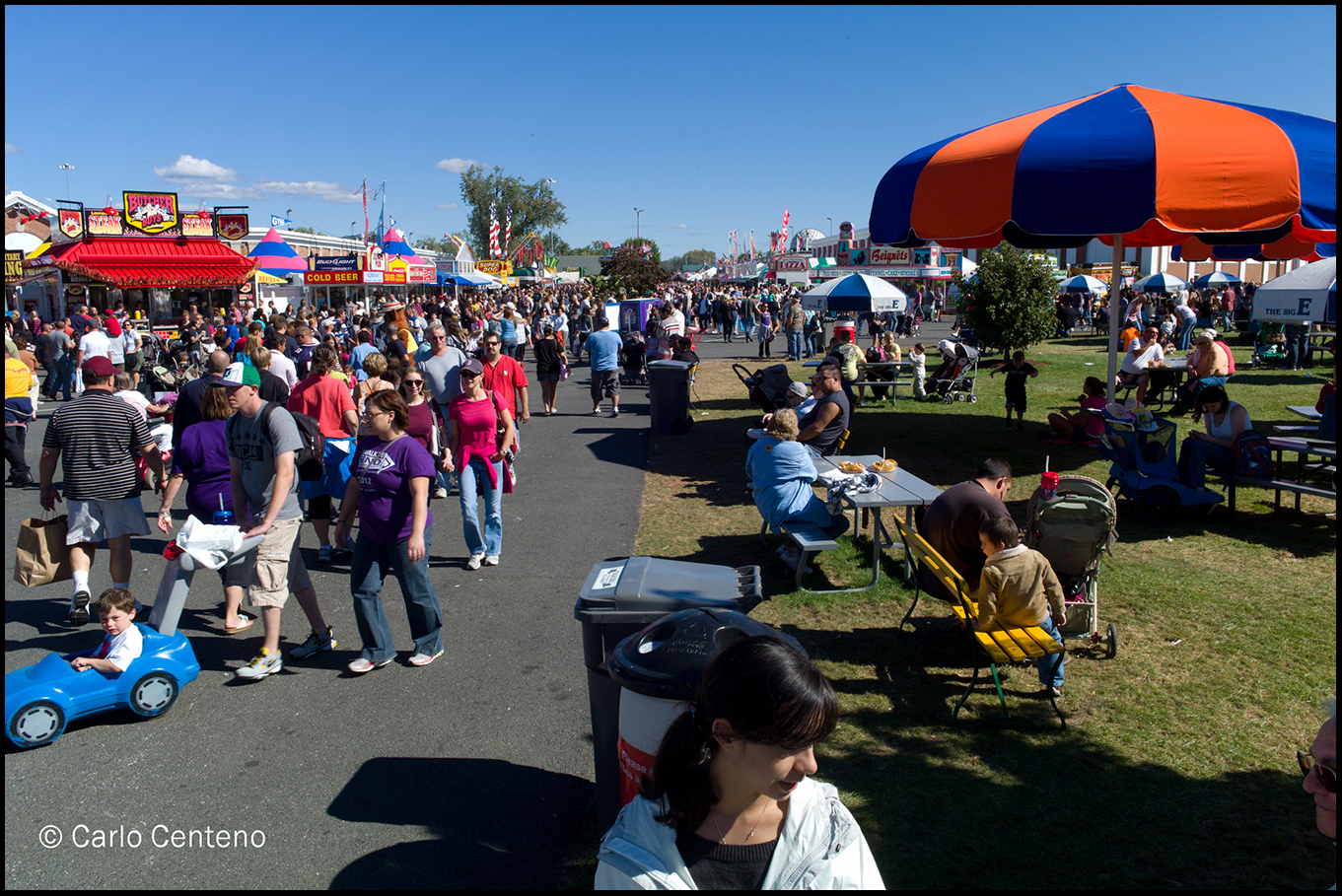
This year will be different for most everyone. The crowds can never be as large as before. Perhaps reservations need to be made to limit the number of visitors. Adjustments are already in place, yet still changing. We’re armed with masks, hand sanitizers and wipes and a growing awareness of our personal space and limitations. It may not be all bad, but much of what’s currently unfamiliar, even uncomfortable, will become all too familiar.

For years we’ve made a trip to one of the largest country fairs in New England, a sortie that has become part of our own tradition. On a weeknight, we head to West Springfield for “The Big E” aka, the Eastern States Exposition. My wife and I head to a favorite Polish food stand to order the inimitable Polish Plate: galumpki, pierogies, and kielbasa, all chased down by a “pint” of Dinkel Acker Pils, a German beer crafted from heavenly made hops.

And after that, it’s a walk across the grounds to burn off a few [very few] calories, only to add a bunch more when we stop for a homemade blueberry pie a la mode. All of this adds up to an entertainment feast. Certainly many things are always there, often the same vendors and merchants. But what makes each year different are the recollections of many other visits to the Big E aside from our annual beer with dinner.

It’s about our daughters coming with us during the toddler to tween years. Then came the teen years when it became apparent we were no longer cool, the two escaping with a fistful of tickets for rides and the arcade at the fair’s Midway.

It’s about people-watching, of getting lost in a crowd knowing that similar dreams and fears are as common as balloons, stuffed animals and kettle popcorn. Summer is as much about the quiet and solitude found in the woods as is the cacophony of gatherings and festivities that confirm our sentient selves and how we’re all connected.

Those were the days.


Modern Colonies

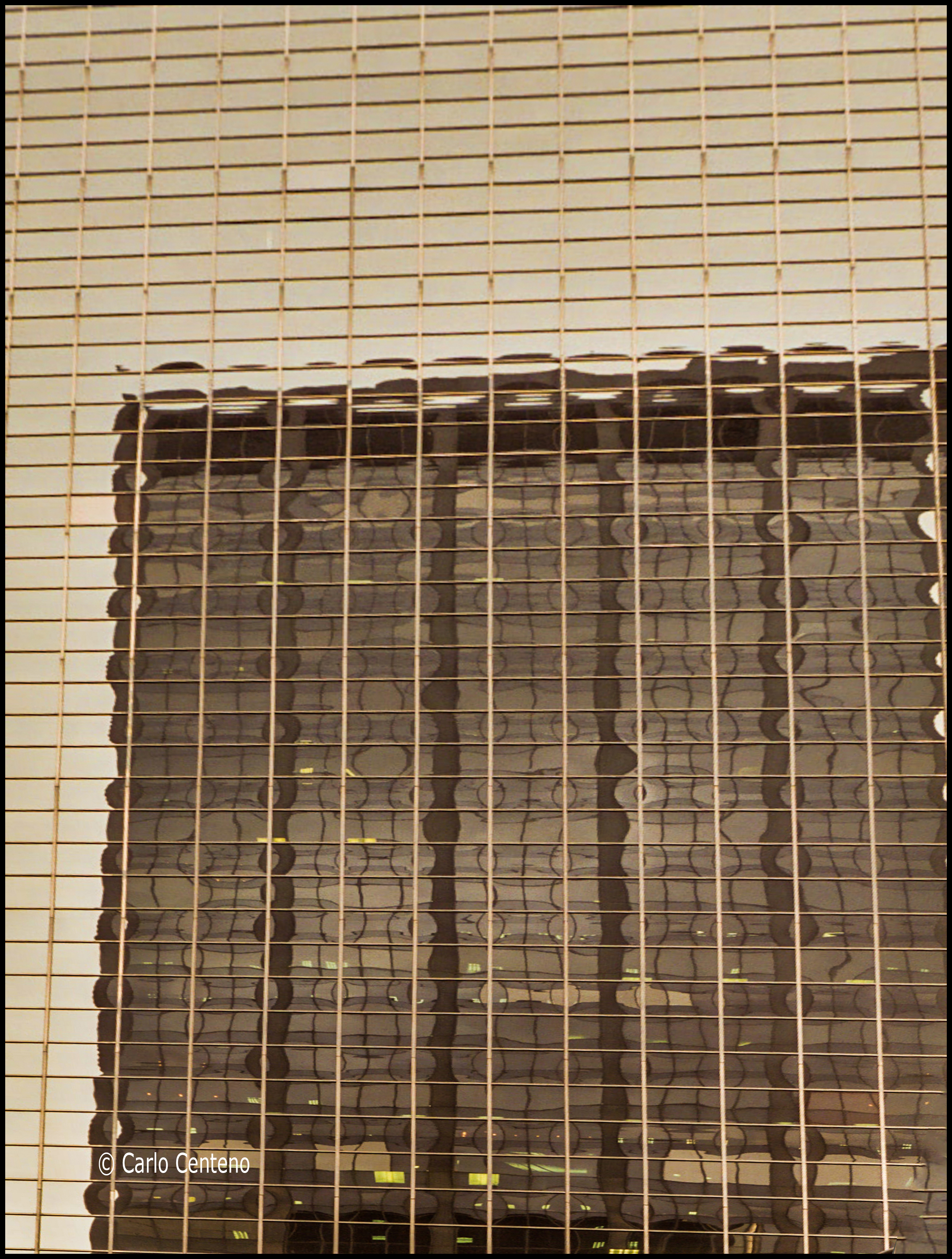
When I look at buildings—especially tall buildings—my thoughts bloom in ordered chaos.  I’m immersed with a roster of details, the majority qualitative in nature.

How many companies are in there…? Love the bronze-colored curve separating the floors….It’s close to 6:30 pm and a lot of office lights are still on. Who’s staying late and why…? Who packs a lunch every day or buys it…?  Wonder what the employee with the longest tenure does….Wonder what the annual cost is for water, electricity, insurance, taxes and health benefits…What’s the ratio of happy workers to unhappy ones…?

Those glass panels look so flat, but the reflections appear distorted or wobbly looking. And in most cases, a lot of those panels appear clean, at least from my viewing area far below on a sidewalk.

The one thought that bookends my wanderings is the thought that a bunch of talented workers had a lot to do in the creation of these vertical colonies. I can just hear a philosophical remark from either one of my two favorite protagonists—Charlie Brown and Linus van Pelt—“Could you imagine what could be achieved if every member of society collaborated with a baseline of common good and purpose for everyone….?

[Really] Low Tide

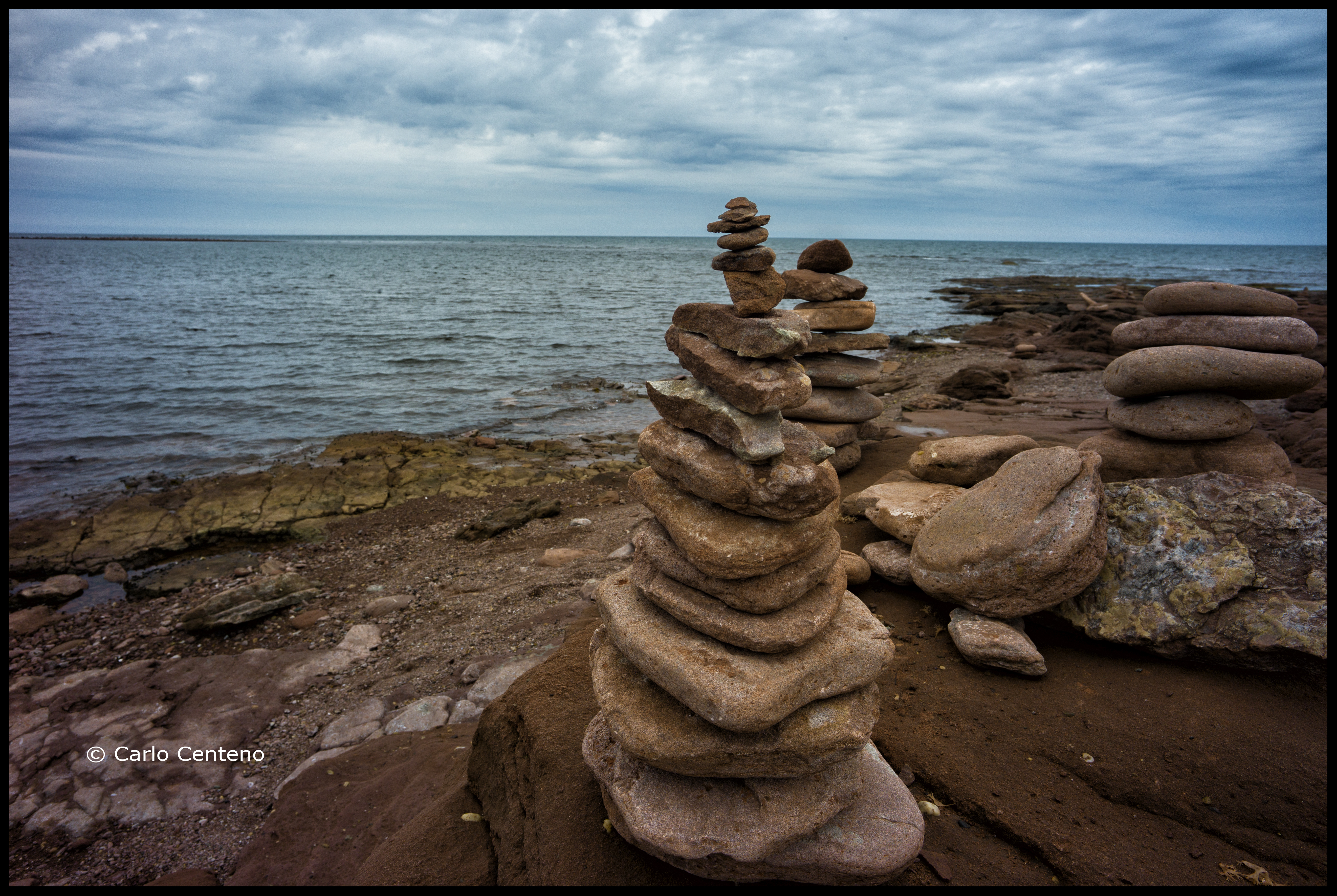
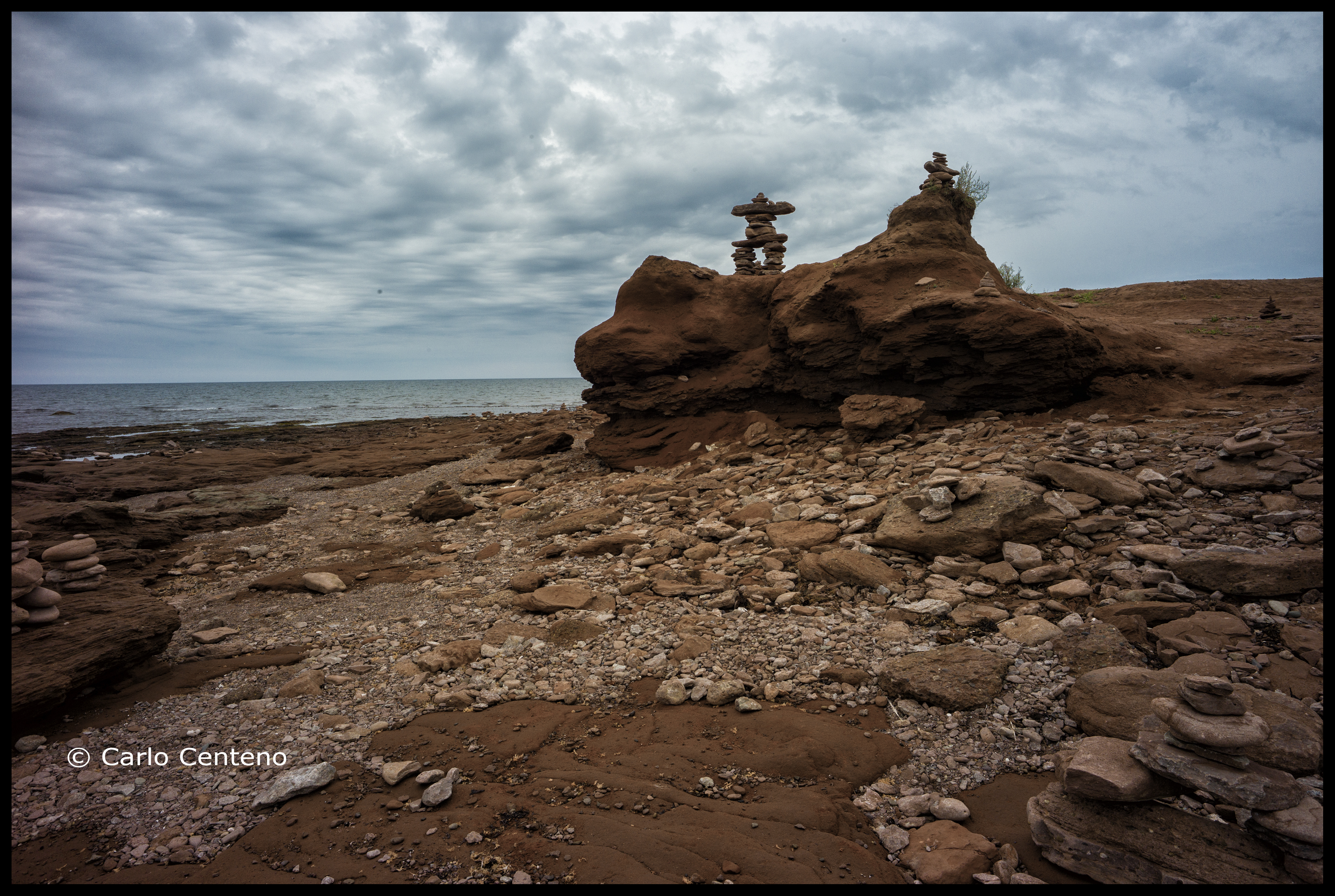
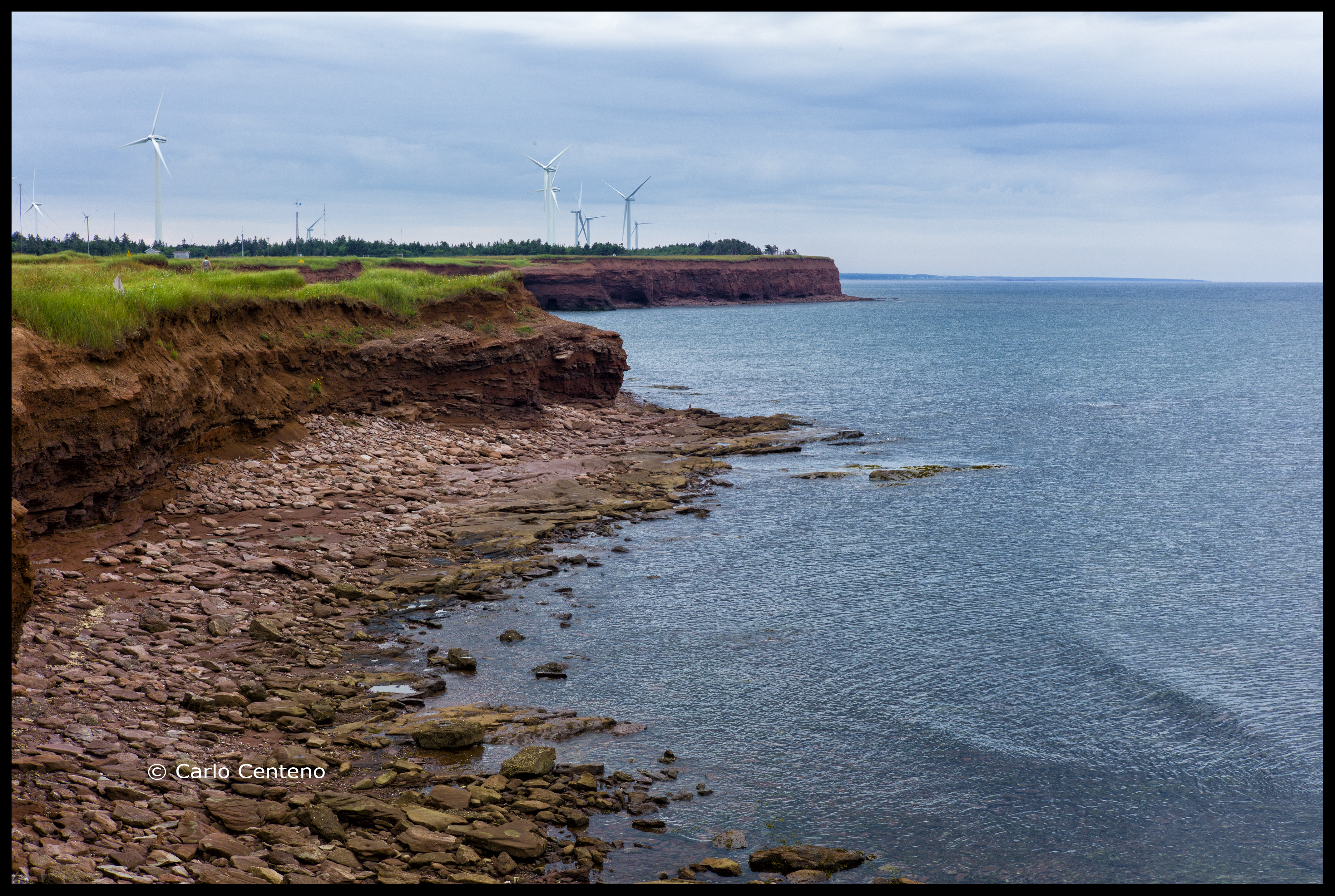
The claim is that “over 160 billion tonnes of seawater flow in and out of the Bay of Fundy twice a day.”

I would be grateful if I could purge my mind of all the thoughts and sentiments that don’t add to my quality of life. If I could do that twice a day, I wouldn’t be sure if I’d be a more genuine version of myself. Hence, perhaps once a day would be sufficient. Let’s not get greedy now…!

Somnambulism + Camera

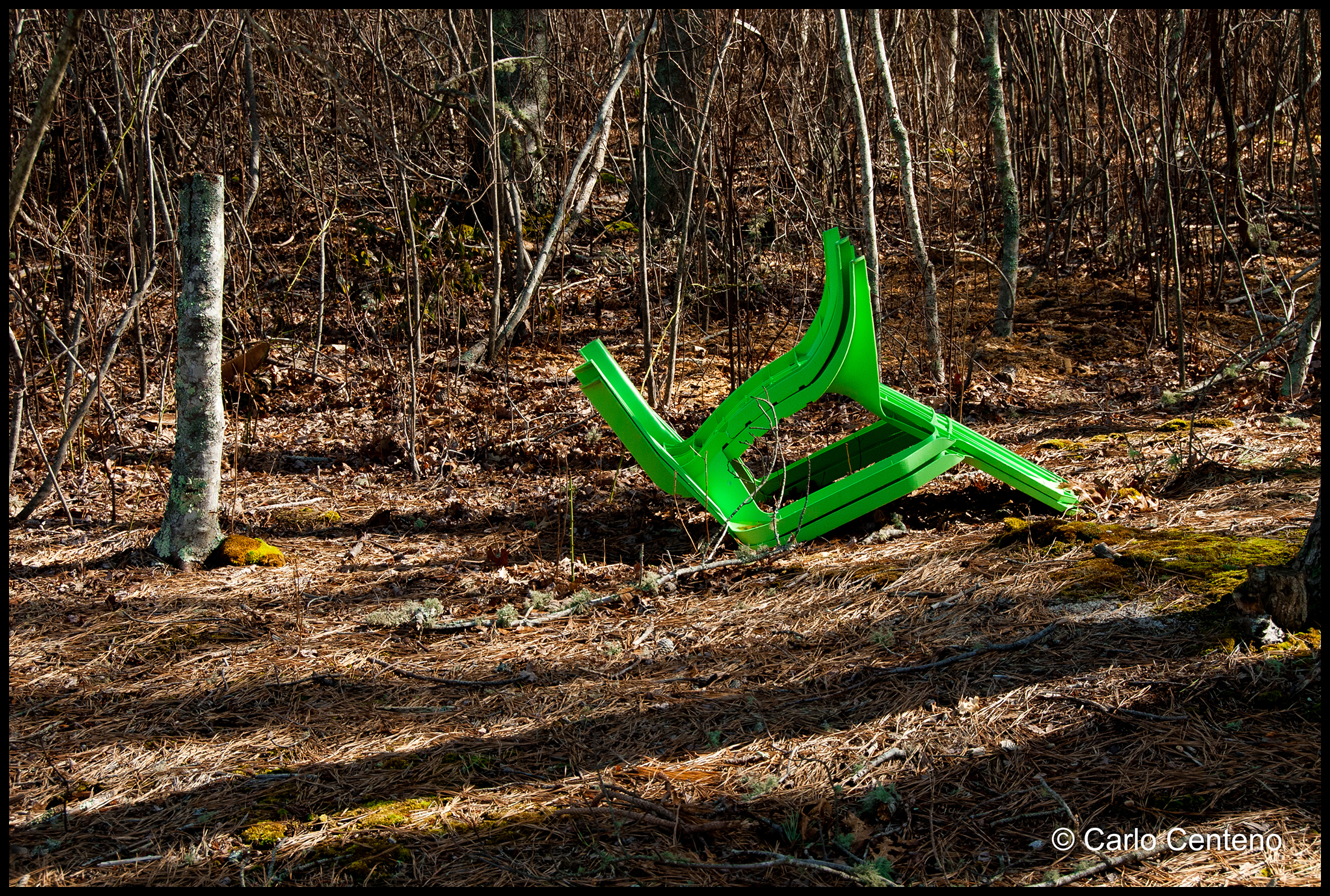
There are 2 places where solitude, a camera and myself synchronize: the ocean and the woods. Maybe it’s a condition borne of meditation and yoga though the common denominator in all of this remains to be solitude.

These are the places that help me roam without getting lost in the all-too-many distractions of work, deadlines, demands, expectations and disappointments. The same places also help me acknowledge my fortunate standing in life and when I do recognize it, a lot of negativity bias dissipates more easily.

The Red Hat Society

There are some bumps in life that feel big–which is true–and then there are those bumps that we make much larger than we should. Studies have generally shown that once you get past the age of 50, your attitude, expectations and other attributes tend to improve. Translation: you’re happier about life because you recognize how far you’ve come. It’s often said that finding happiness and jettisoning the bad stuff can be made easier with help from family and friends.

Generally speaking—and regardless of gender—those 50 and older who say they have a “good, satisfying life” remain physically and mentally active, make a commitment to stay healthy, keep close contact with family and friends, and champion a strong, positive attitude. Enter the Red Hat Society.

Before “social media” became a common term, the RHS was already well into collective connectiveness. Like the innumerable groups we see on LinkedIn, such as  the social media marketing group and various others, there’s a roster of common interests and attributes for like-minded professionals. But even before any of this was created, we are first and foremost social beings that need social interaction. For the RHS, there are 3 attributes: you must be at least 50 years of age, a woman and have a joie de vivre.

It’s one thing to read about groups or societies that enrich your own life, but it can’t compare to being in the thick of things. Case in point: the RHS lunch gathering in the Round Table Room of the Algonquin Hotel. One of several chapters in the Tri-State area, these bon vivants gathered to reconnect, to discover new connections, but above all, to have some fun.

I heard conversations that can be filed under “status” with sub-folders, one each for the kids, the spouse/significant other, the job, the vacation, and more. While I’m certain there were sad discussions within the constant din, much of what I heard involved a good amount of chuckling and laughing. And it was contagious. I got a kick being an accidental listener and observer.

The Focus Point


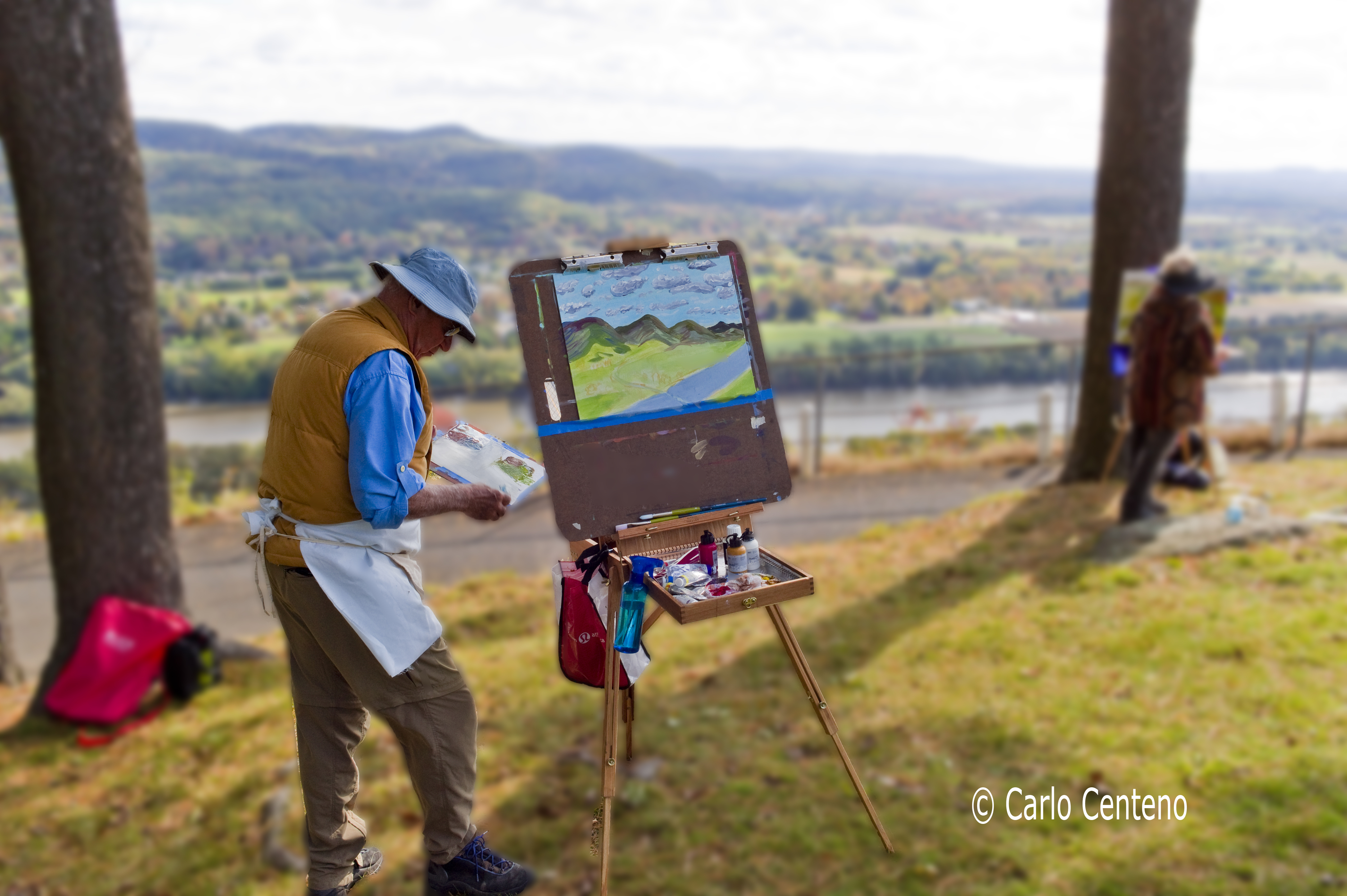
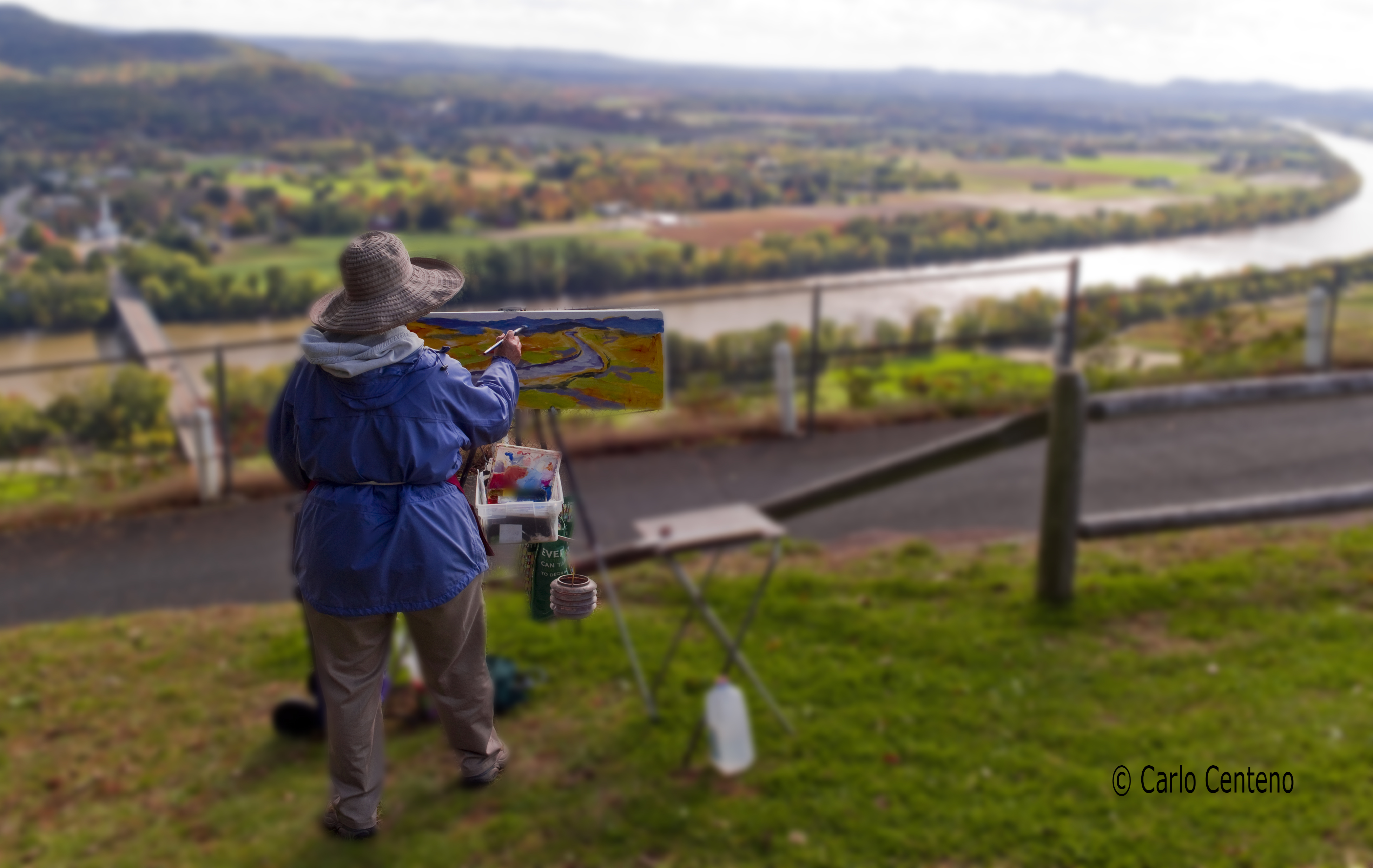
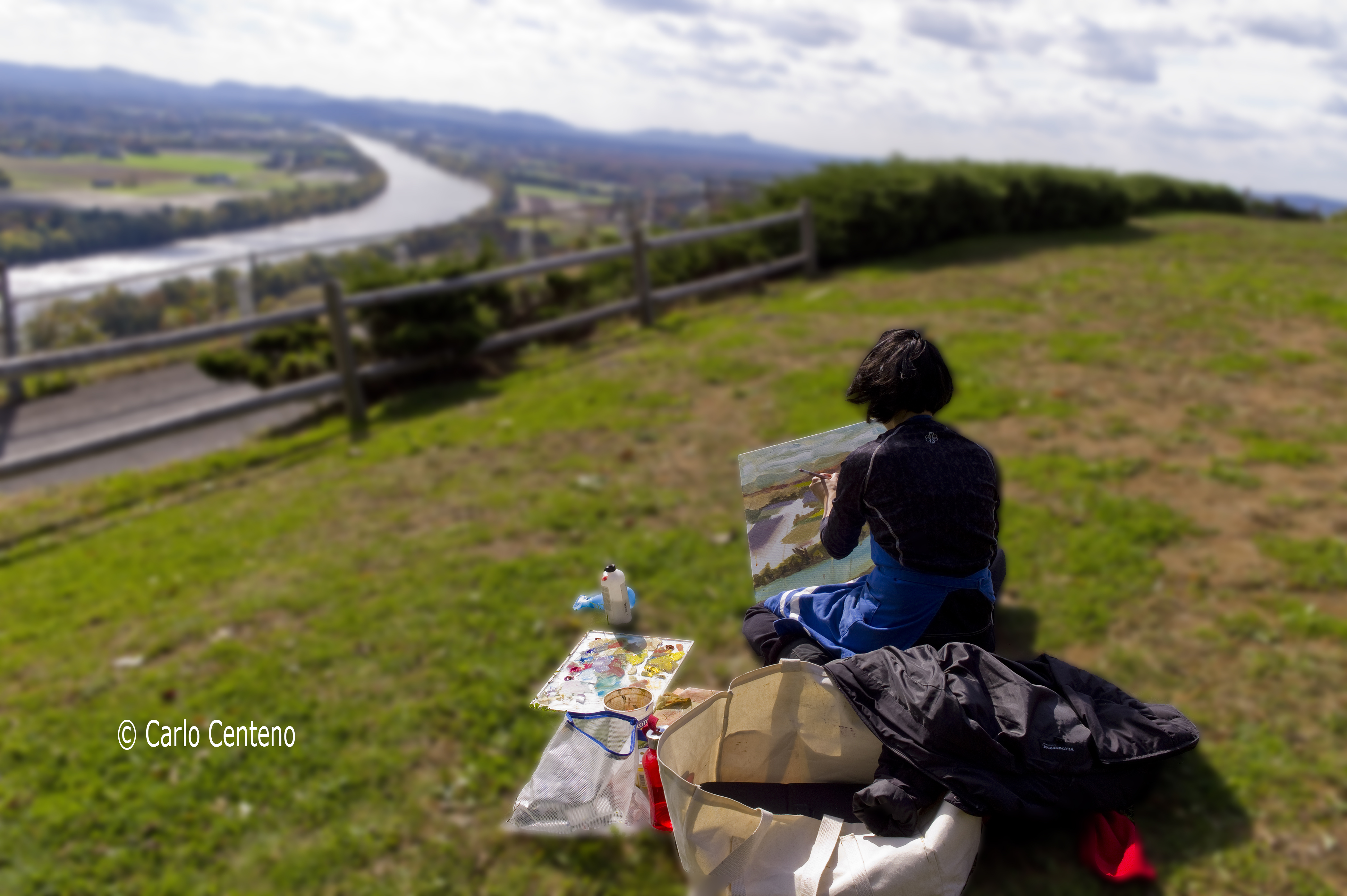
When you encounter a vista, or even a myriad of details that are attached to work [read: deadlines, projects, concurrent goals, e.g.], what do you see?

MtSugarbush-V2-1001084

Everything is subjective when it comes to expressing oneself with a painting, a short story, and a photograph. I know I’ve missed a few other examples, but I listed the aforementioned for expediency.

MtSugarbush-V2-1001081

Whether you’re taking a picture, painting a landscape or creating a marketing communication plan, sometimes we can’t see the forest for the trees, and on other occasions, every nuance, every detail and purpose comes into clear focus.

While it matters where you’re looking, other times what matters more is what you are “seeing.”

MtSugarbush-V2-1001085