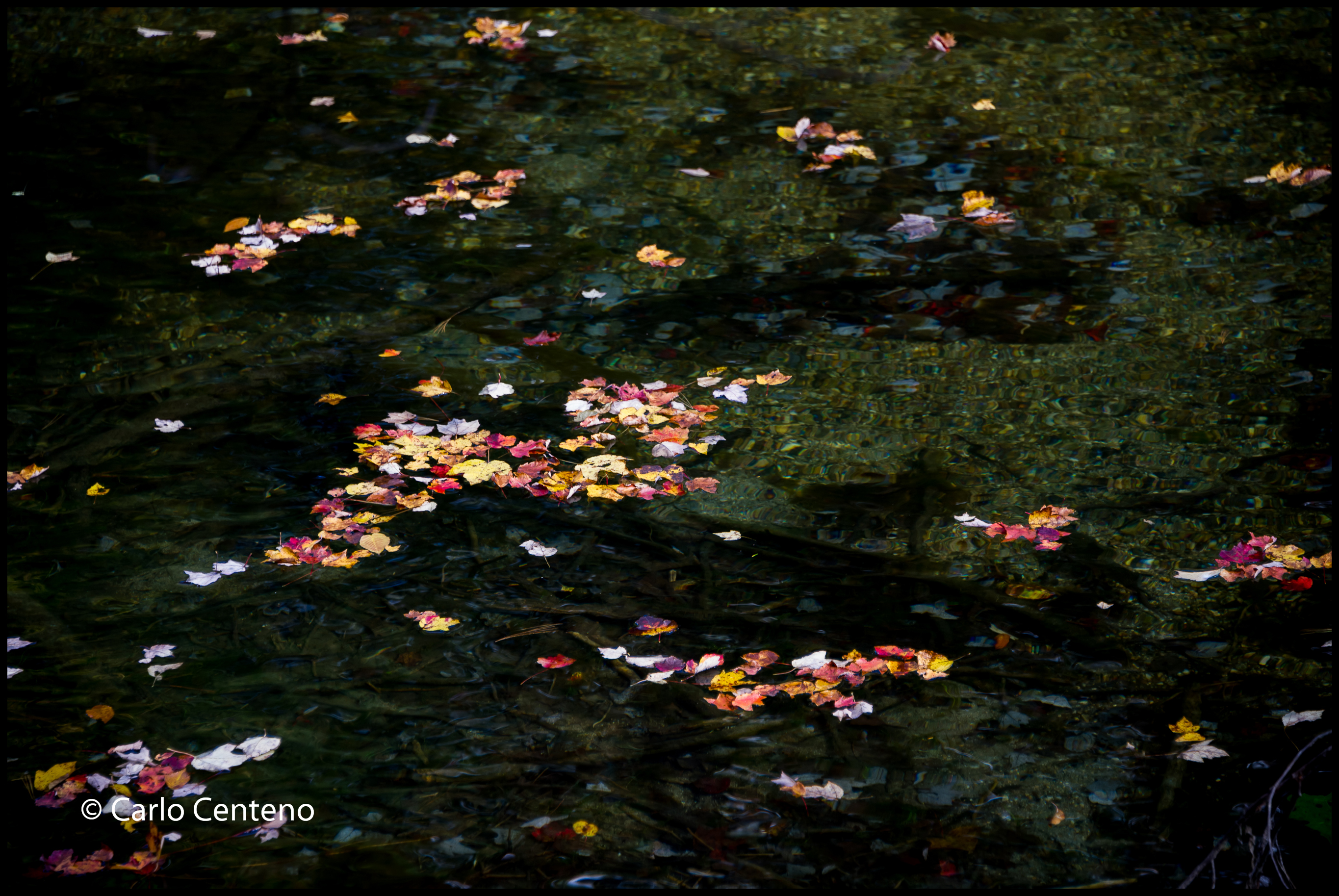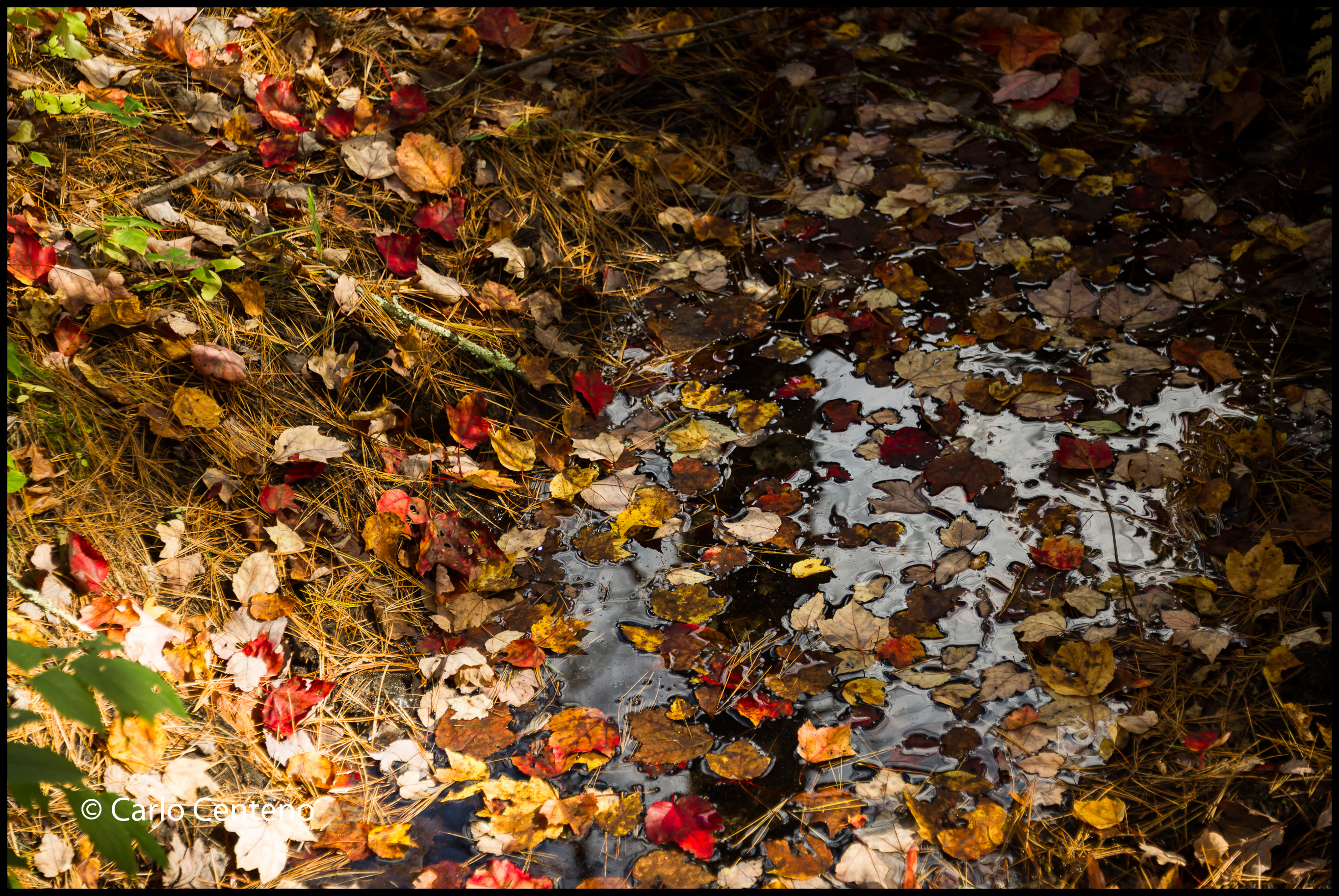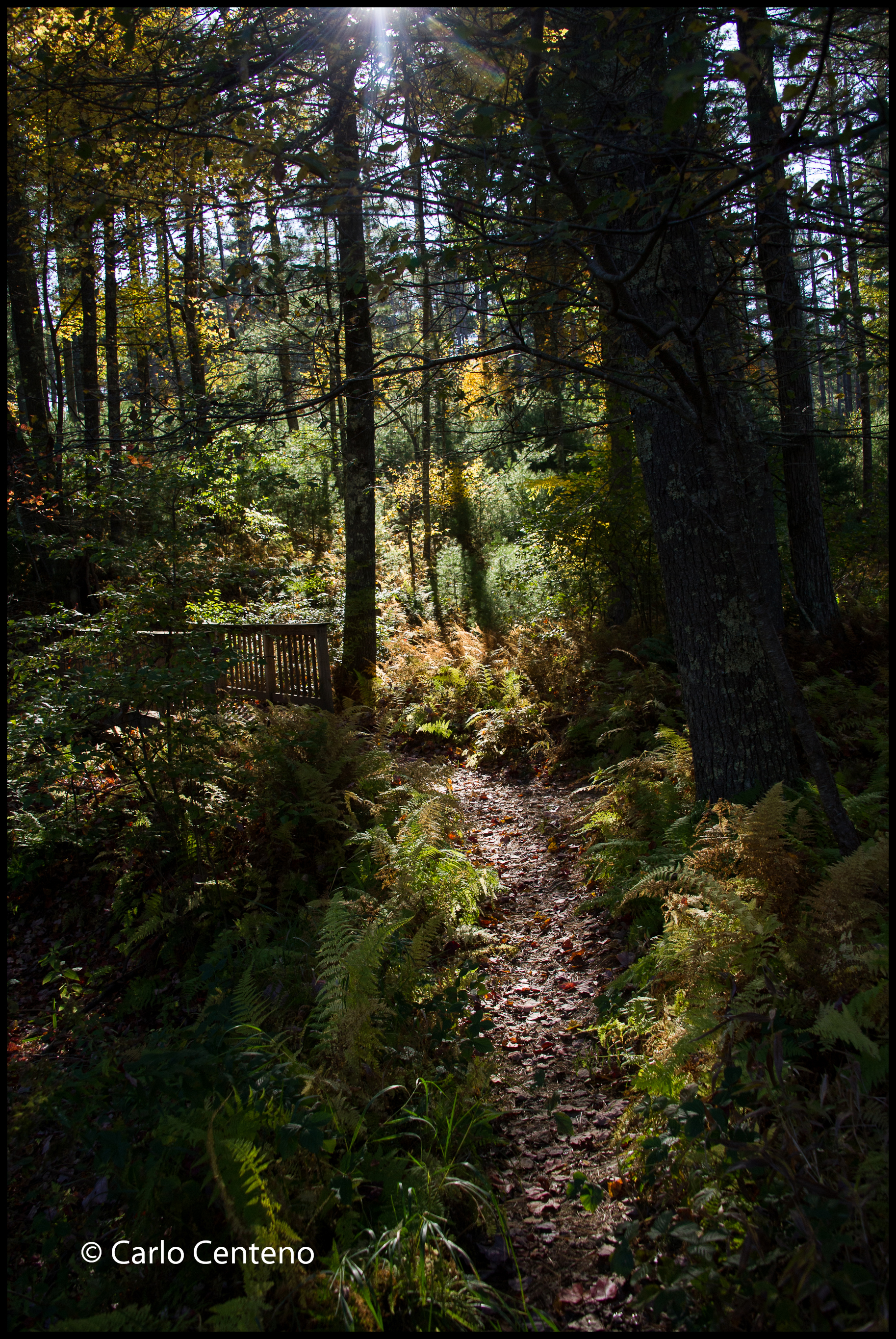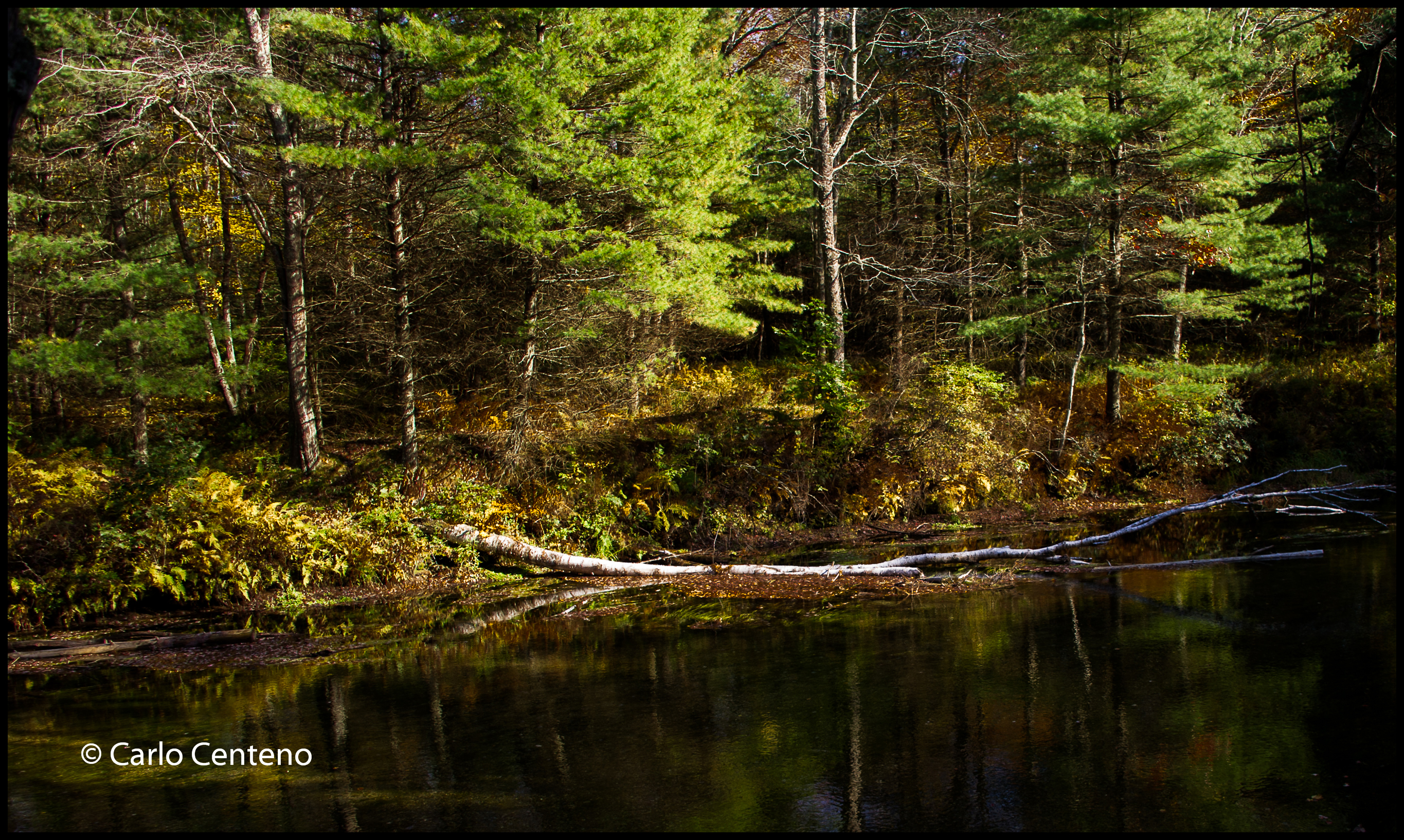
The calm that follows…

We don’t inherit the earth from our ancestors. We borrow it from our children.    Native American proverb.

It seems much of the news these days revolves around weather. Just 3 weeks ago, a powerful storm tore through the northeast delivering colossal amounts of rain and dangerous winds. Add to that the trees ripped apart or from out-of-the-ground and it’s easy to understand why some think the “end is near.”

As this is being written, yet another hurricane struck the southern shores of Texas, Louisiana and Florida. There are other storms gathering strength off the west coast of Africa. The most recent forecast now shows 4 tropical storms in the Atlantic, each with the potential of becoming a hurricane.

There’s plenty of talk about technology in particular advancements in biochemistry and mechanical engineering that are directed to saving our planet. There can never be a one-size-fits-most strategy created from a laboratory, but we cannot rule out the scientific efforts behind such pursuits. There’s good reason to continue work on such technologies. However, we can learn a thing or two about “natural climate solutions.” 

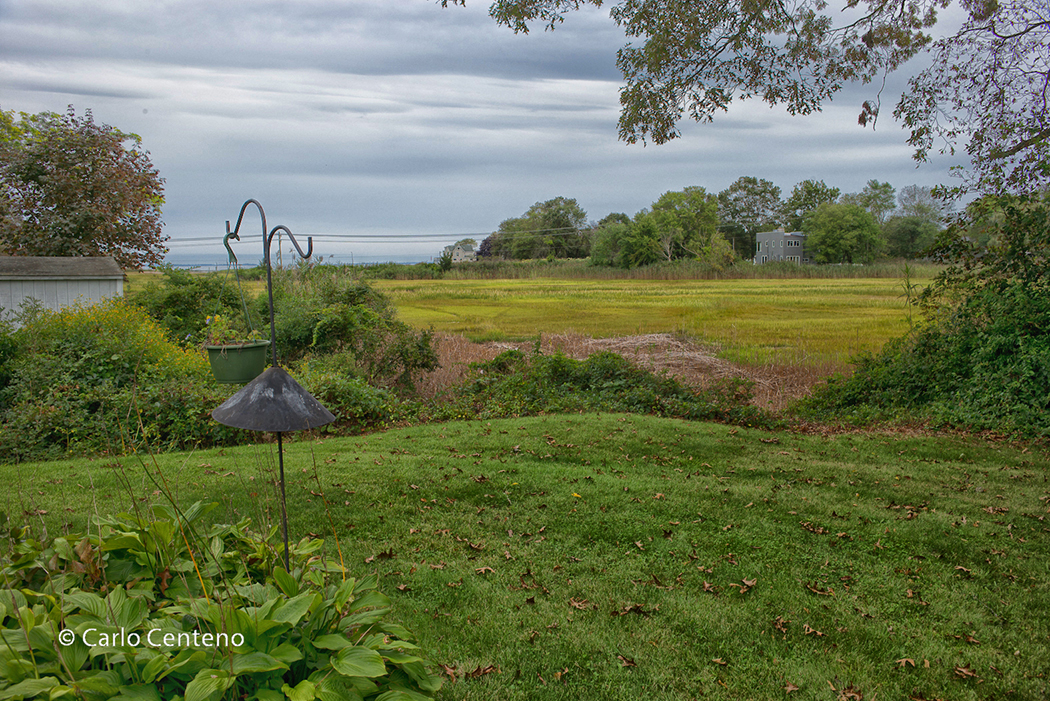
There’s a disquieting quality that follows catastrophic events: the eerie calm. It grates against my appreciation for a calm that I’m expecting, a calm based on softness, a level of assurance, inner peace and that sense of all is right in the world, even for just this moment. We appear to be experiencing less of that these days.

I’m reminded of a Judao-Christian saying, “The sin is not in failing, but in not trying.” Framed another way, there’s a lot of us carrying this sin of not trying.

Enough already. Enough.
 

Recollections

My previous post, Reliant on Memory [May 12, 2020], has opened one small but particular memory album. It opens to a time and place that transcends the meaning of simplicity, functionality or perhaps this phrase of accommodation, “Well, it’s how things are done here.”

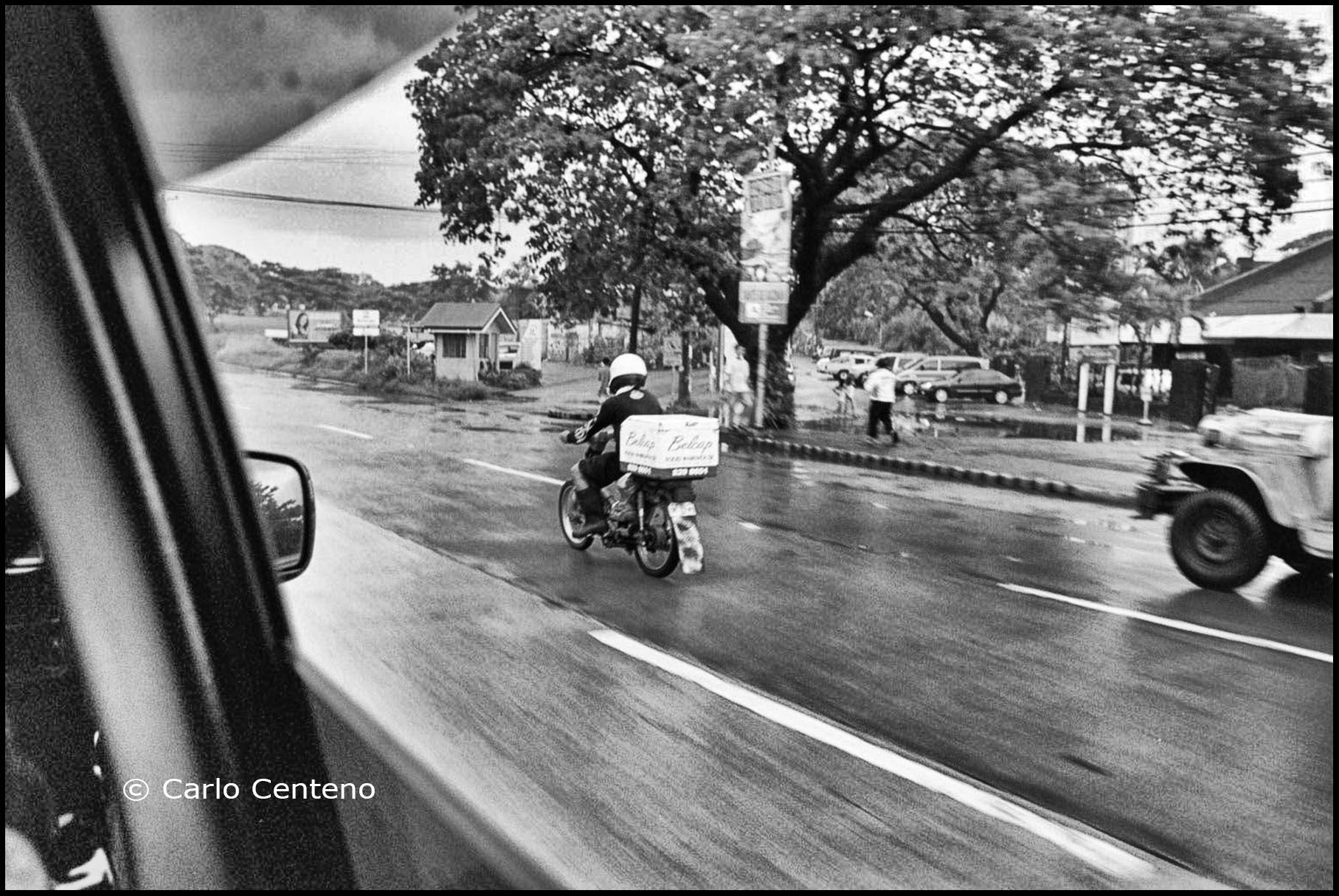
Single-cylinder motorbikes are common in the Philippines and much of southeast Asia. By day, it’s a mule, transporting cargo to places near and far. After work, it’s the family vehicle for many. It’s not an unusual sight to see a family or 3 or 4 on the bike. The smallest is atop the gas tank in a makeshift carrier, the others snugly huddled on the plank seat.
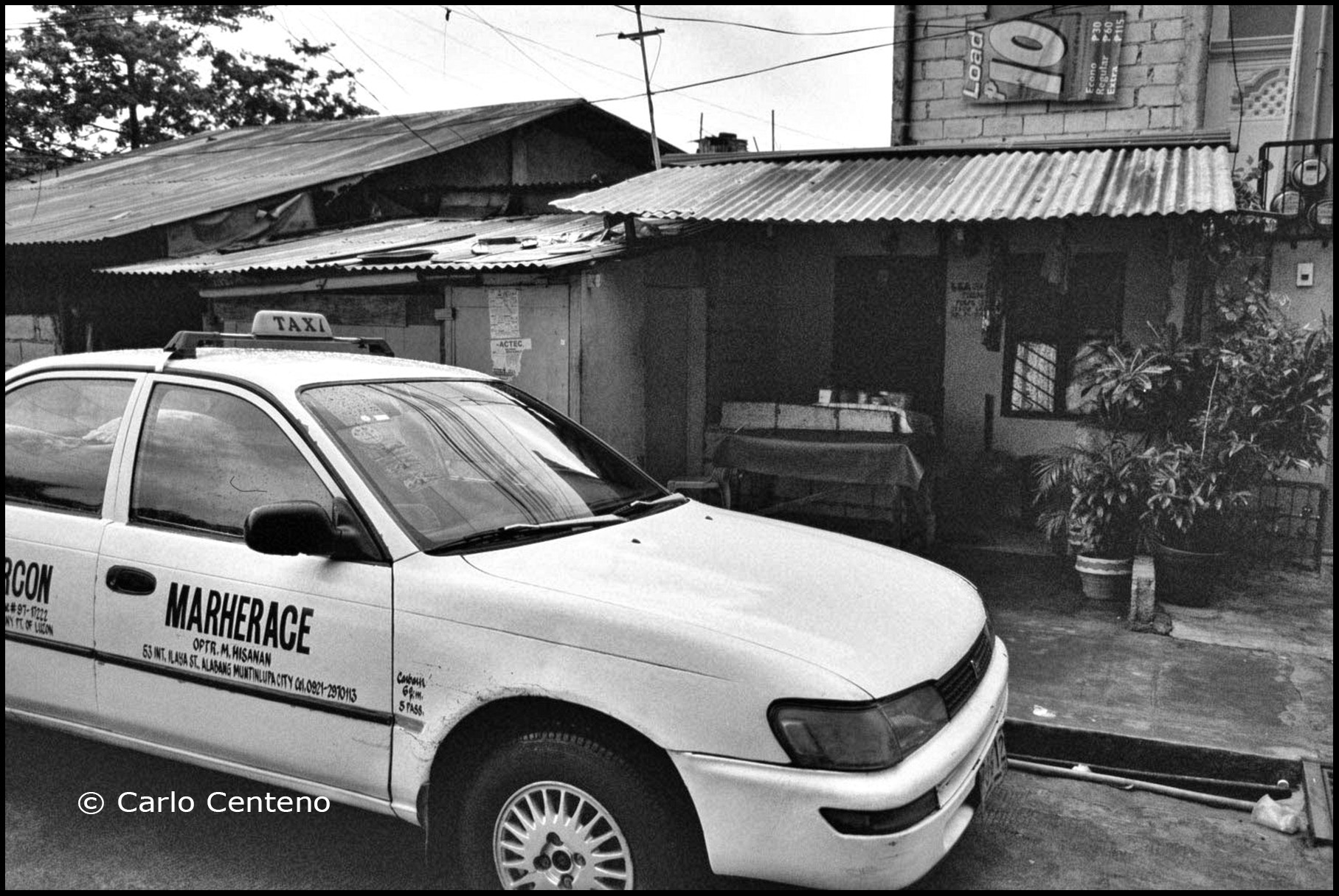
After dropping off a fare nearby, the driver took his lunch break. You’ll seldom see a sign, but a “karinderya” or canteen, is a form of home business. An average salary for a family of 4 is about P260,000 pesos. That’s $5,250 USD. “Ginagawa mo ang mayroon ka.” [You make do with what you have].
The Philippines has its share of supermarkets, but locals depend on small, family-owned vendors to deliver fresh product. Here a butcher makes ready some of the morning’s catch. Ice is a valued commodity in this tropical country. Not surprising, the food quality is excellent, but you need to know the best sources for seafood, poultry and other meats.

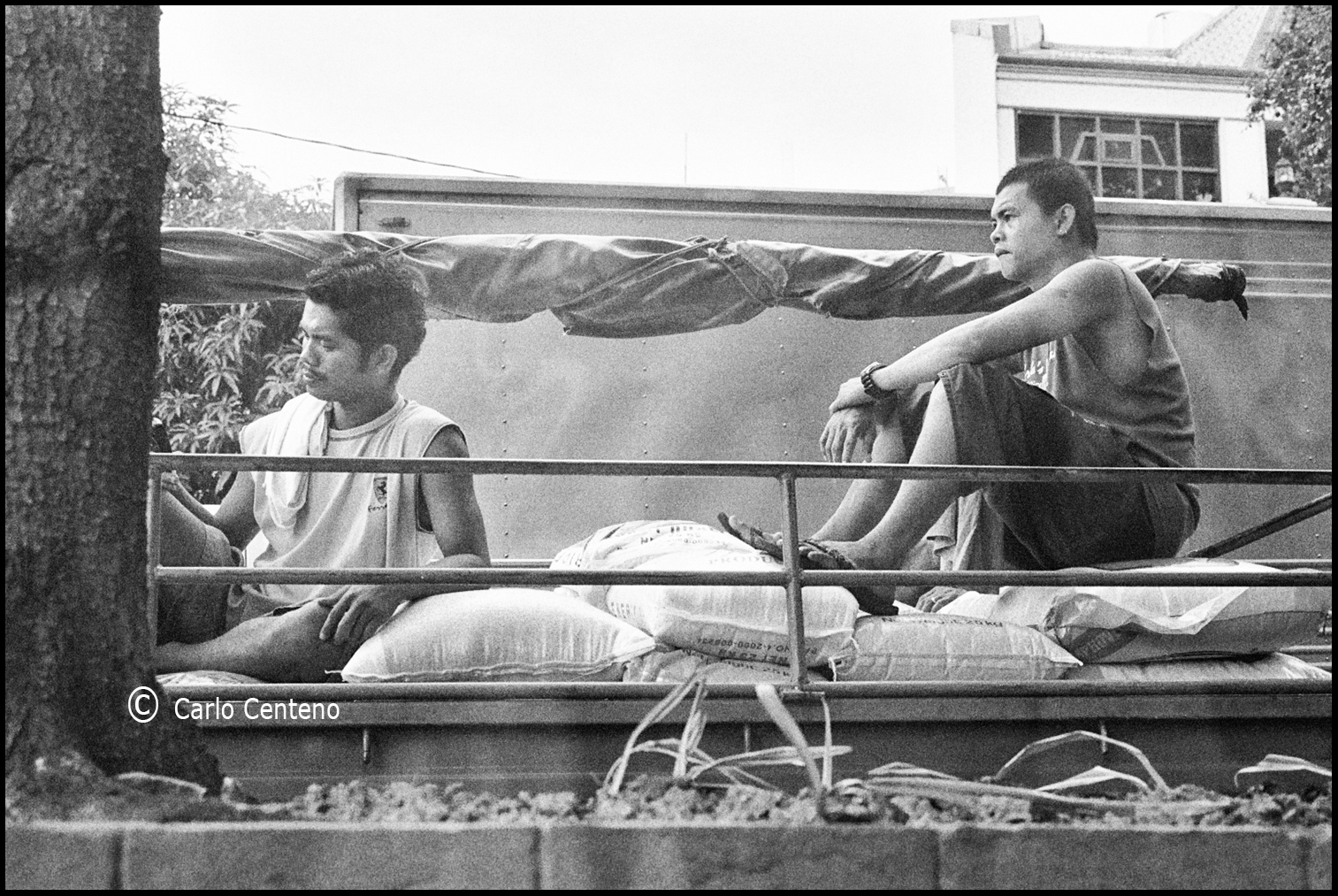
Two workers appear unfazed with the heat and humidity, while stuck in Manila’s infamous traffic. In any weather extreme, it’s critical to acclimate. I was fortunate to be in a car with its AC running at maximum. With temps at 95F [35C] and relative humidity pushing 70%, having an AC was paramount to survival.
A Manila suburb. Ang ganda talaga sa mga lugar … [it’s really beautiful in places].
 

Reliant on Memory

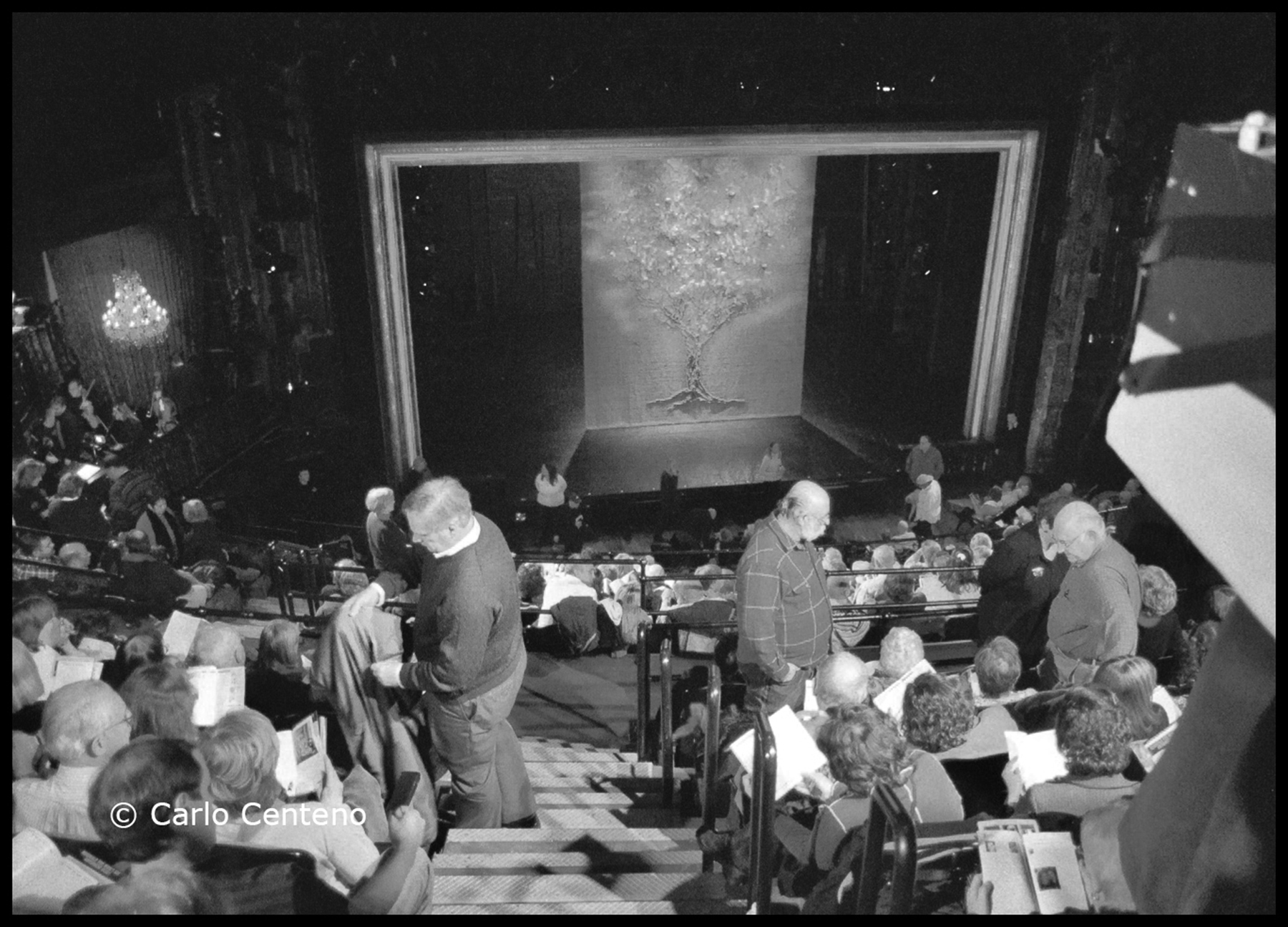
Broadway–2007

There are days that seem to fly by, while others feel like time has come almost to a standstill. I mention this because it doesn’t seem like 7-weeks have gone by since the new coronavirus forced us into a different way of working and living.

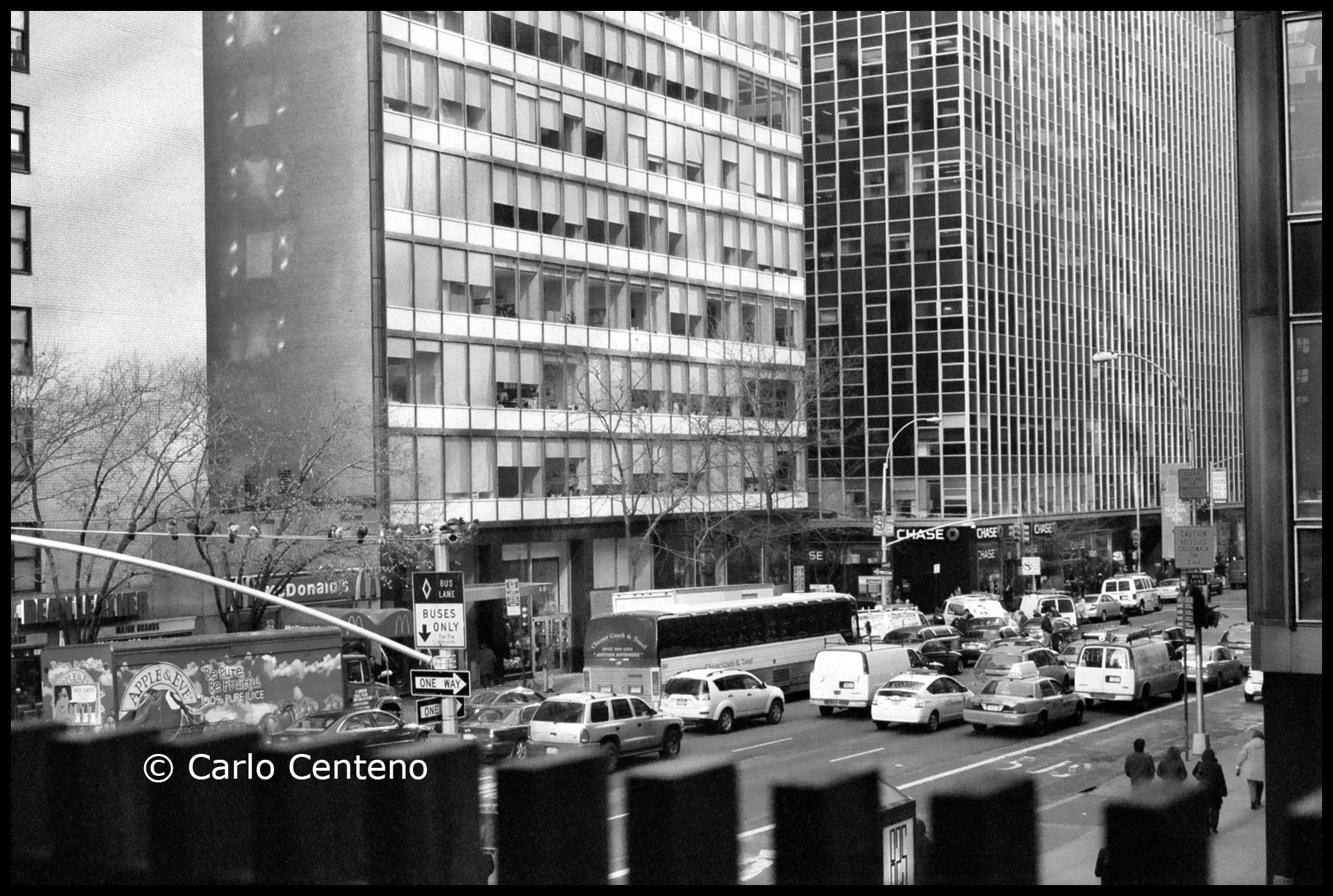
Manhattan Third Avenue 2007

Yet being removed almost two months from what was normal, there’s this juxtaposed sensation that it feels like forever and a day since we went about our usual routines. Time is relative, which simply means that when you’re waiting for something you want, it doesn’t come soon enough, whereas the opposite holds true for something you want nothing to do with.

I have read that the sense of smell is the strongest of our five senses in prompting a memory. It’s also—if memory serves me—the most accurate.

A quiet pause in NYC 2018. Photo credit: R.A. Centeno

Scientifically, that may hold true, but for me, sound and image are stronger drivers in resurfacing a memory. Music has a way of putting you back in a time and place with an immediacy that’s uncanny. “Wow. I remember when this song came out.” There may be some inaccuracies about say, the year or even the place, but whatever was important then, resurfaces as part of your remembering.  Pieces may be foggy, but as other pieces emerge from that fog, the memory works to become a bit sharper.

Philadelphia 2018

There is a hint of nostalgia in all of this. I do wonder about the new normal and what it means not only for me, but for people I care about. I think retrospectively, of how moments in my past somehow provide a lift. The thoughts, the sensations, or whatever visceral vestige flows free from memory, are but markers of what has been, or what might’ve been.

Mimes, Hartford, CT 2015

Whether you sketch, photograph, perform, paint, sculpt, watercolor, write letters, fill a journal, fill a scrapbook, to be memory reliant means you need to be confident with your recollections. Doing any one of these activities, produces an invaluable form of connection. It’s why I love to write [journaling and letters] and to take photos [iPhone, various cameras] because these all help to anchor where I’ve been and to some degree, where I might be headed.

Family, Friends, Life-NYC 2019

Indeed, cherished memories are important for our overall wellness, but let’s remember to do things now, to remain connected yet in touch, so that such moments become screen clips thoughtfully stored in our memory albums.

April 1, 2020

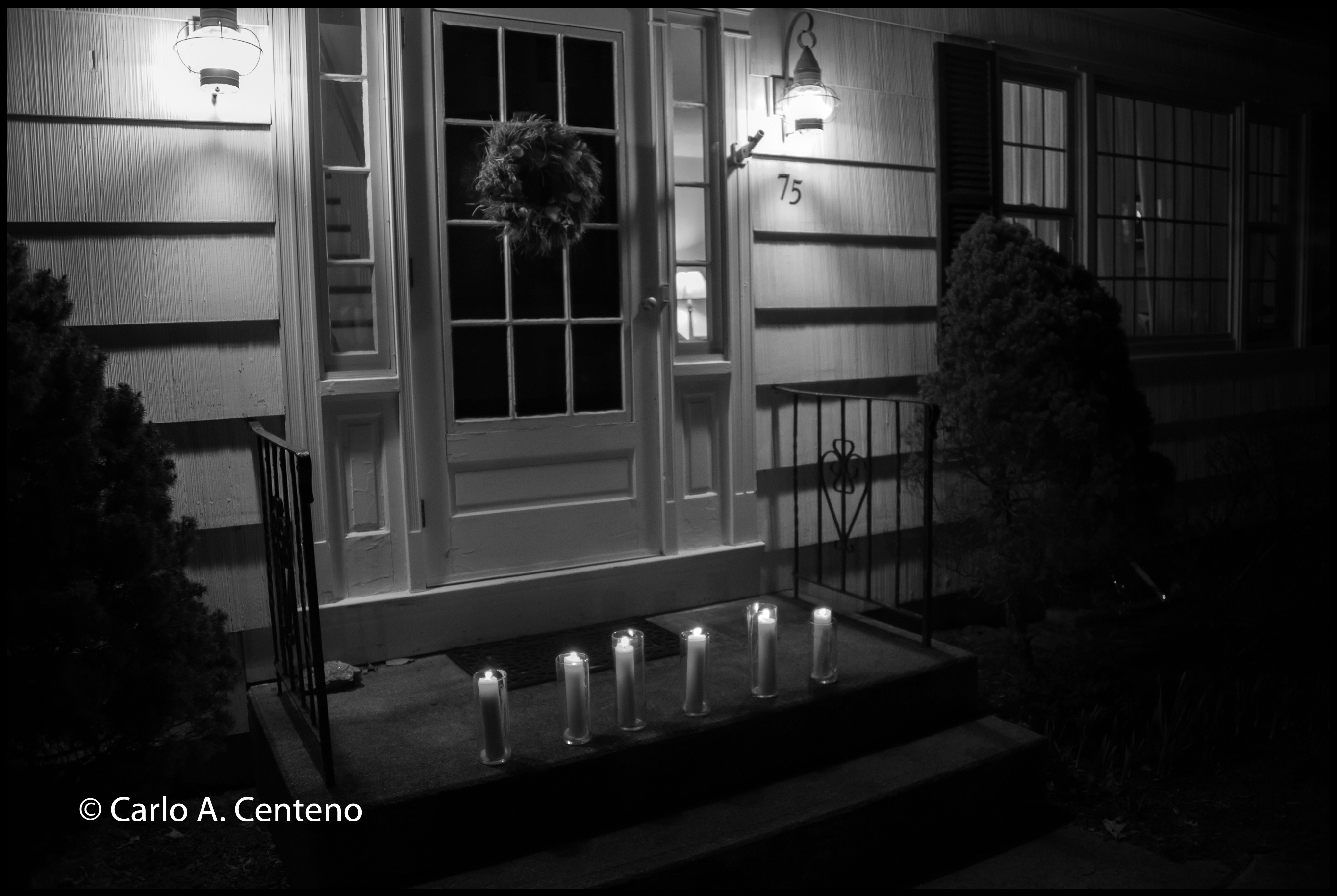
A good friend sent a text message saying that today—as a way of expressing our gratitude to first responders and healthcare workers—we should set some candles in front of our homes, and light them at 7:00 pm.

I know several healthcare professionals. Two couples are close friends. They’re bon vivants, emphasis on ‘bon’; we enjoy dining out [or in] to catch up, laugh, share and wonder about the vicissitudes that have changed the way we live, think, feel and behave.  The friendships run so deep they’re essentially family.  Actually, any one of these friends could take the place of a hundred bad relatives and acquaintances.

Three of the healthcare professionals on my roster are family. There’s my sister-in-law, an office administrator who works in a practice made up of general practitioners and hospitalists; my brother, an educator and primary care M.D., is up to his eyeballs in northern New Jersey; and my father, a retired vascular surgeon, is hunkered down in Florida.

Like most of us these days, we’re also hunkered down. We’re out of sight. In a metaphorical sense, if the virus can’t “see” us, then it can’t infect us. That’s very simplistic, but you get the idea.

Time and again I’ve heard comparisons to war, that the very people on the front lines are in a fight unlike any other.  We know that, but we have very little visceral sense of the actualities playing out in crowded hospital rooms, hallways, ICU wards and all the places where the sick and the caregivers are equally overwhelmed. To say we’re being in the moment cannot compare to being there, to be immersed in the chaos unfolding right in front of you.

Whether you believe in karma or life existential, God, or something that is in effect, bigger than oneself, all that’s in motion is connected to each of us. Is it ironic that this pandemic is playing out during humankind’s most pious weeks on the calendar?

A lit candle—a universal and timeless symbol of hope, gratitude, peace, sorrow, love, contrition—is also an icon for life.


The Business of Being Thankful

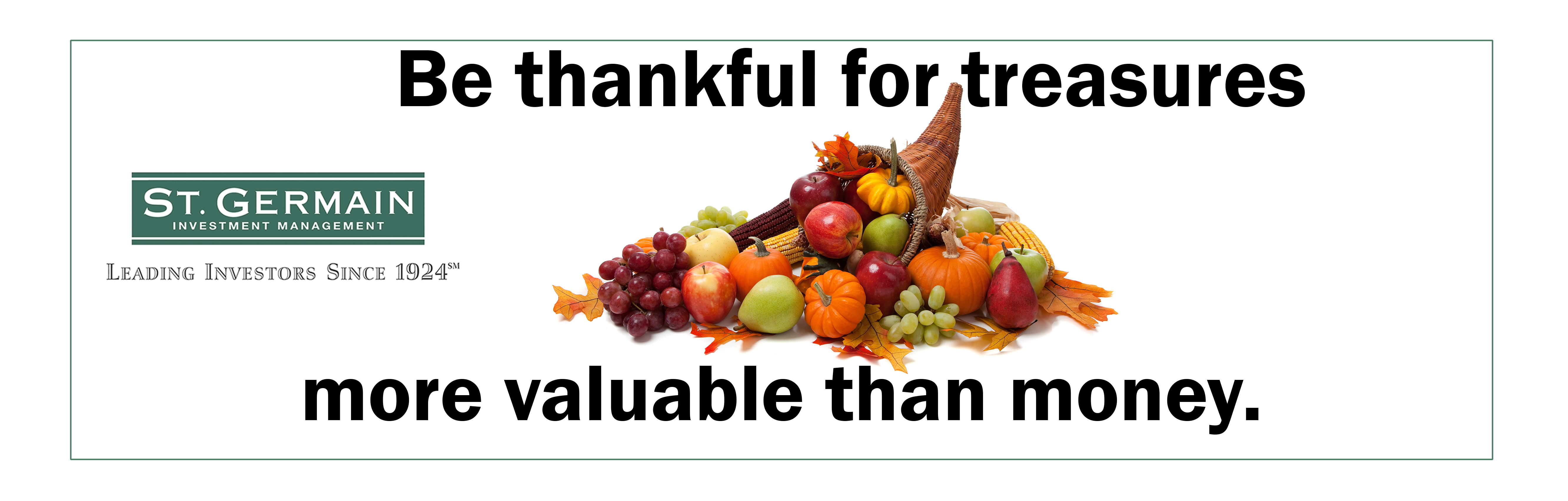
I admit it. The above advertisement can be a bit unctuous. Still,  with the impact of soci0-political flux, climate change etc. , it’s easy to take things for granted. The message is not lost on anyone at the firm, especially when it comes to working in the best interests of a client.

Have you ever seen this platitude expressed anywhere, let alone on a billboard opposite a major interstate? It certainly rings true. This is one of the most commented on and favored messages we post. And it’s up day & night during the month of November. Thanksgiving looms large on the minds of many though it should be top-of-mind on days before and after the holiday itself.

More than ever, I do believe thankfulness—more precisely gratitude—is short changed as a shared expression, either for yourself or toward others.  We should acknowledge with greater gusto the treasures we are thankful for. The folks who receive assistance, education and more from any number of non-profit agencies are the beneficiaries of our time, effort and financial support.

Silent auctions, galas, dinners, concerts, stage performances and so forth are typical instruments optimized to collect money needed to fund various programs and to add resources.

No question, financial resources are invaluable and necessary. Yet we know that the beneficiaries of all sorts of programs are grateful receivers. The depth of their gratitude is palpable and none more so when a program is cut or discontinued.

But in this holiday season—as in any season, really—there’s still so much to do, so much to give, so much that requires money, time and personal effort. At the very least, understand the magnitude of gratitude, of how it can deliver to both giver and receiver a measure of confluence that is its own reward.

Even under the most dire of circumstances, having a thread of gratitude means something.  https://www.bbc.com/news/av/world-asia-50376439/philippines-the-boy-diving-for-plastic


Countenance

In 2005, PBS aired a series entitled, “American Masters” which showcased the work of legendary if not ground breaking artists. I enjoyed watching the series, but one program struck a chord: Richard Avedon: Darkness and Light.

One comment in particular stuck with me. Essentially, Avedon mentioned “the landscape of the human face.”  Lines, creases, smooth or rough, dark or light and every combination in between, a person’s countenance says a few things about an individual’s life journey and current life stage.

Ode to Imaginative Playing

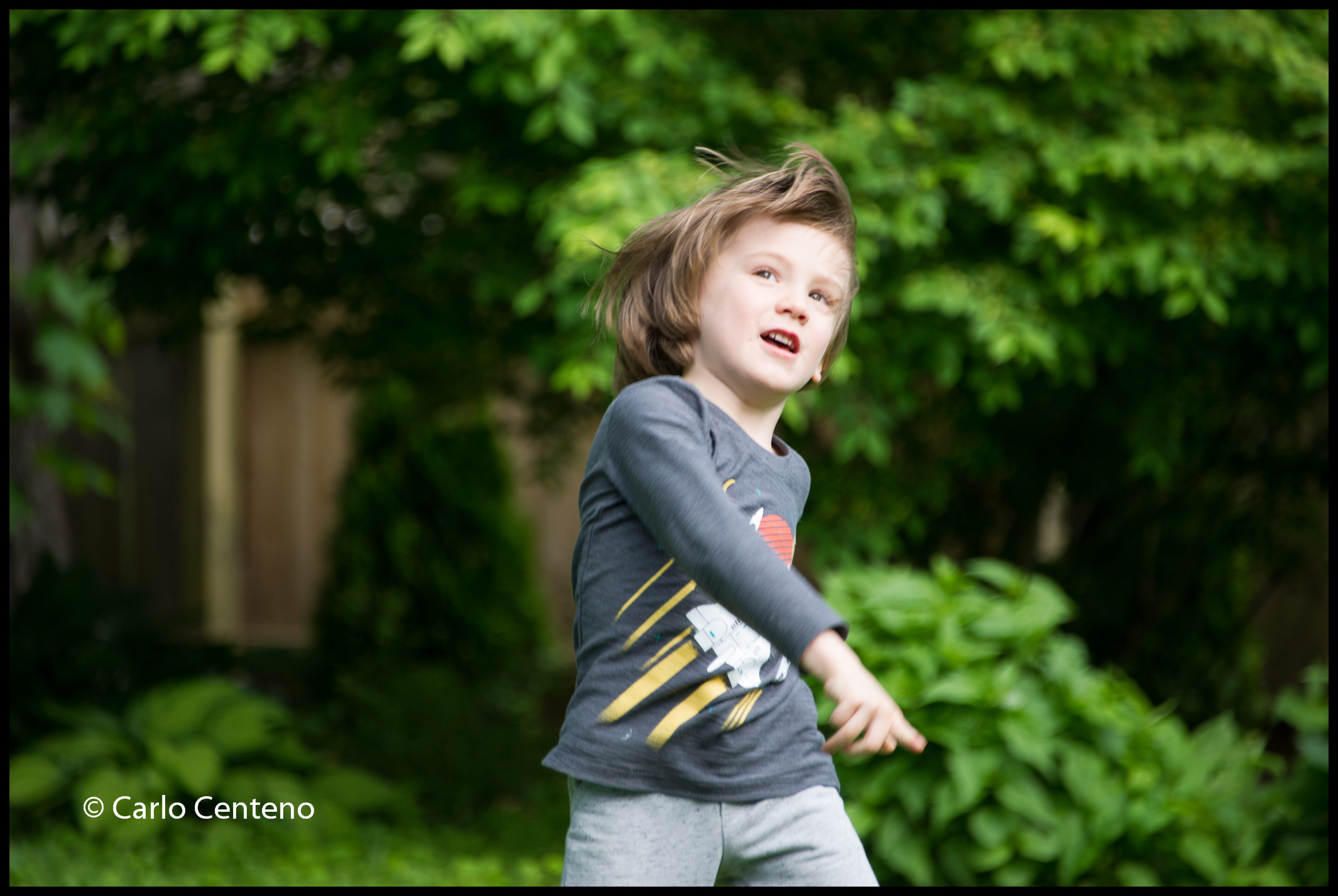
Wherever and whenever possible, the grandsons engage body, mind and soul in imaginative play. And it’s good for them. We encourage such play and the possibilities that open up for their young selves.

If you watch them, listen to them, their imagination and enthusiasm bursts with a palpable vigor of discovery. We could learn a thing or two from such unbridled vigor.

An arm extended is a wing just as the rushing, whooshing sound from their mouth is that of fast-moving air giving lift to the aircraft. You can’t ignore their commentary for it further explains the depth of their imagination and understanding of how they play. “He’s way up in the sky…diving down then up again…he goes very far and very fast.”

I see in all their  imaginative play a power that exceeds that of any CPU. What they emotionally and physically feel, the how of what their mind’s eye offers, when they encounter a challenge [“He won’t share the glider!”]—or arrive at a compromise or solution—every bit of it adds to their development as communicators, problem-solvers, collaborators and empathetic beings.

Indeed seeing these two boys and all that they say and do remind me to nurture my own imagination.  At least not to ignore it. The why of such nurturing can liberate and acknowledge a sense of purpose and triumph.  Many of us are unlikely to realize our loftiest, most ambitious dreams and goals, but pause and think again.

Our imagination can fuel possibilities that can manifest into a journey that’s not only our own, but a story genuine to our sense of self .

Wandering towards warmth

It’s at this time of year when I hear longings for warmer weather. From workers in the office building–a lot while in the elevator–to family and friends, I hear wanting cries and wishes for winter to end. February is akin to that last push toward a finish line; it’s a test of emotional endurance because you’ve made it this far yet there’s still a distance to go. When will this end? Let’s finish winter and get on with spring. Polar vortex aside, I’m still enjoying winter. However with daylight piling on, it’s not difficult to think about spring.

In no uncertain terms, sunny, warmer weather puts people in a better mood, especially during those first few days. What’s not to like? You get more vitamin D. The air feels gentler. The sky appears friendlier. The pace of life is calmer. The sounds and sights of life are no longer insulated: laughter, more people outdoors, car windows open, music escapes from said windows, smiles appear from once stoic, resigned faces and of course, fashion turns lighter as puffy, padded, heavy and scratchy attire is relegated to dry cleaning, the cedar chest or some other domestic sarcophagus to be opened later in the year.

Many of us in New England are already wandering toward and wondering about the warmth. For now, we can still huddle in our coats, don an extra layer, warm ourselves with a mug of Hot Toddy and make the best of things next to the fireplace or wood stove.

North

A few days ago, the cold felt punishing. Yes, I have preference for cold versus hot days, but when the air is already cold at zero degrees Fahrenheit, then enhanced with a windchill of -15, well, that may be enough to reconsider that preference.

I’m fortunate that I can retreat to places where the cold and wind don’t feel as threatening. From the safety of these retreats, I philosophize on the dual sides of nature, of how something that can appear simple and beautiful and minimal can deliver a reality check powerful enough to humble any aesthete caught up in winter’s vanity.

Do you get the feeling that winter provides a sense of calm? The calm I speak of provides a level of reassurance. This winter calm is a metaphorical blanket, one which acts like a shield from unwelcome and sometimes sudden vicissitudes. Such a blanket stops–albeit briefly–the weariness of having to deal with things that keep us from finding a particular quiet.

And when the quiet is welcoming, the alone time is curative…