Consciousness in the Age of Irreverence

I’m not alone on this one, but it seems that many channels of communication [discussions, social media and various online postings, news media, e.g.] are quite inhospitable. Of course not all content is an incorrigible exaggeration, but it does seem that we’ve gone myopic of a rule that involves interaction and in particular, discussion, between different POVs. Essentially, such discussions are cleaved in 2. There are some instances where discussions cannot abide with the adage, One can disagree without being disagreeable.

Ironically, much of what we do that makes us feel lost, infuriated and misunderstood is, indeed, something that’s very human. And of course, we can be intractable and obstinate just as we can be manageable and flexible. It’s been said that politics and elections are catalysts to conditions of inflexibility, among other reactions and situations.

Consciousness Fine Tuned

Being aware of yourself and how you think about everything around you is uniquely yours. There are a few theories which attempt to explain consciousness, but one written by a researcher at Boston University School of Medicine is one which mortals like me can comprehend.
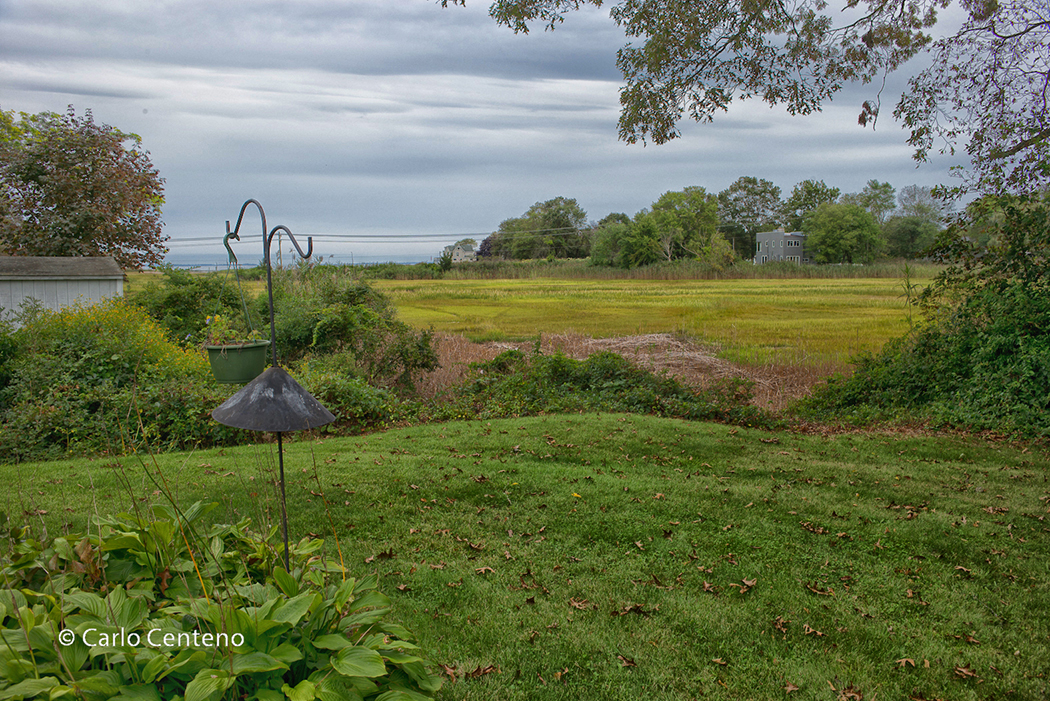
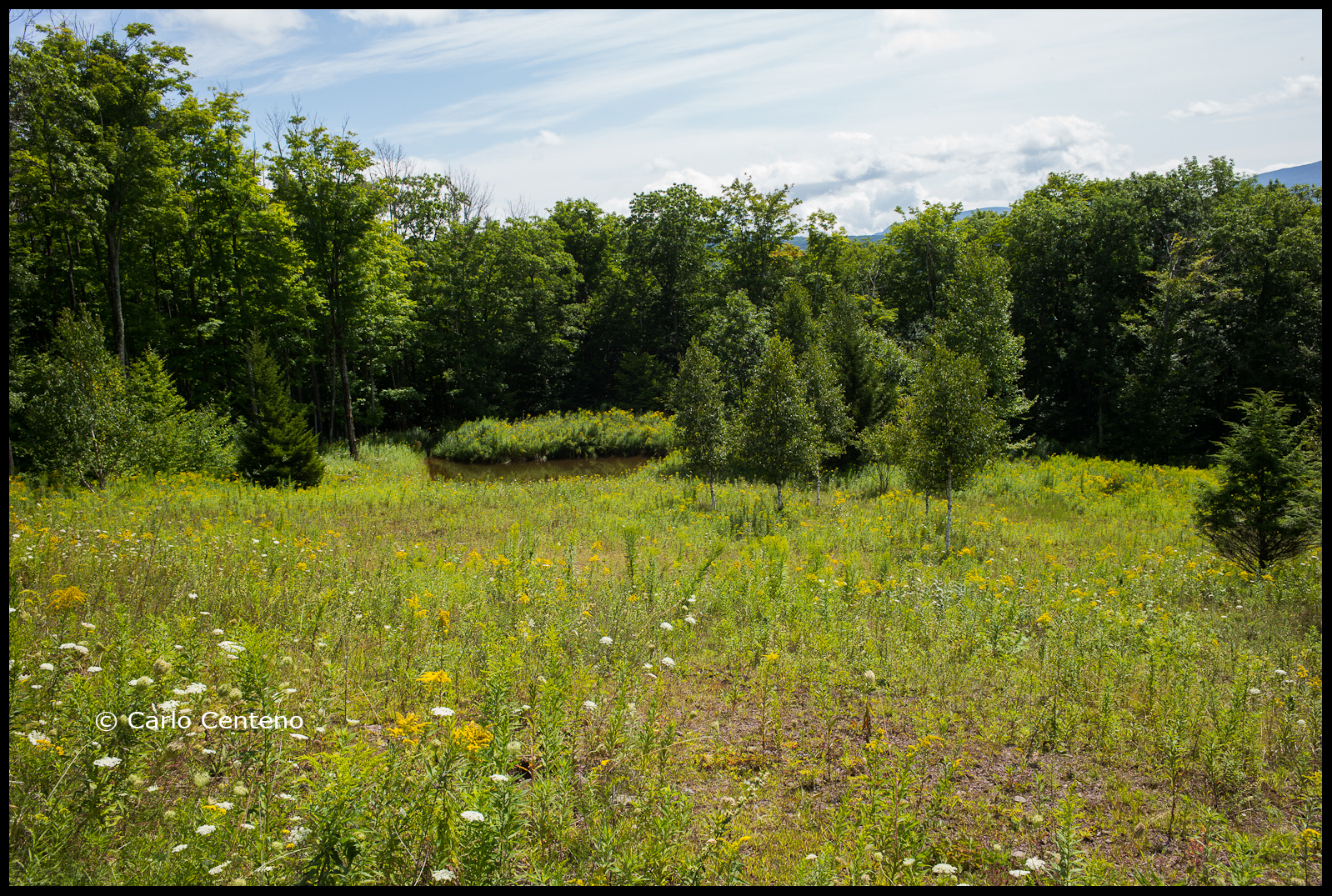
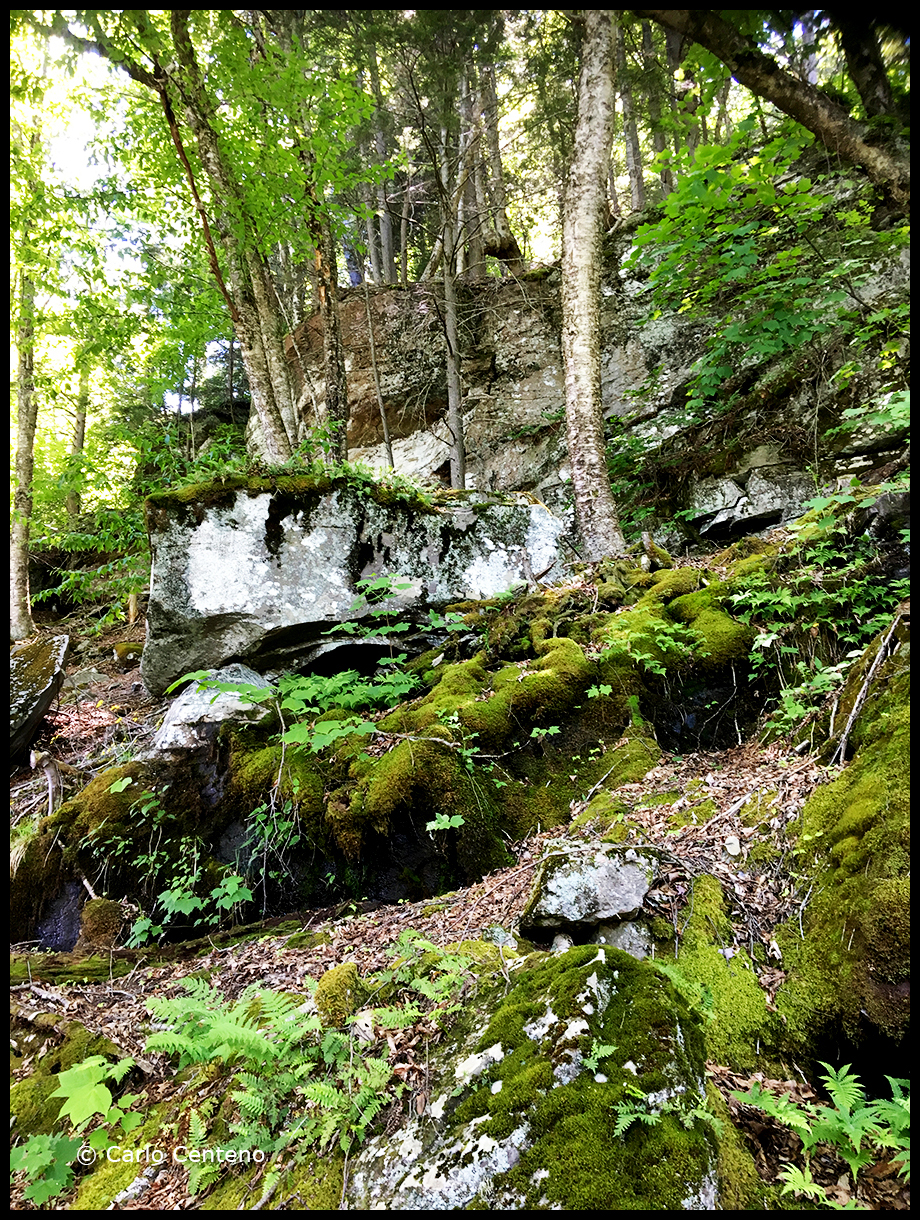
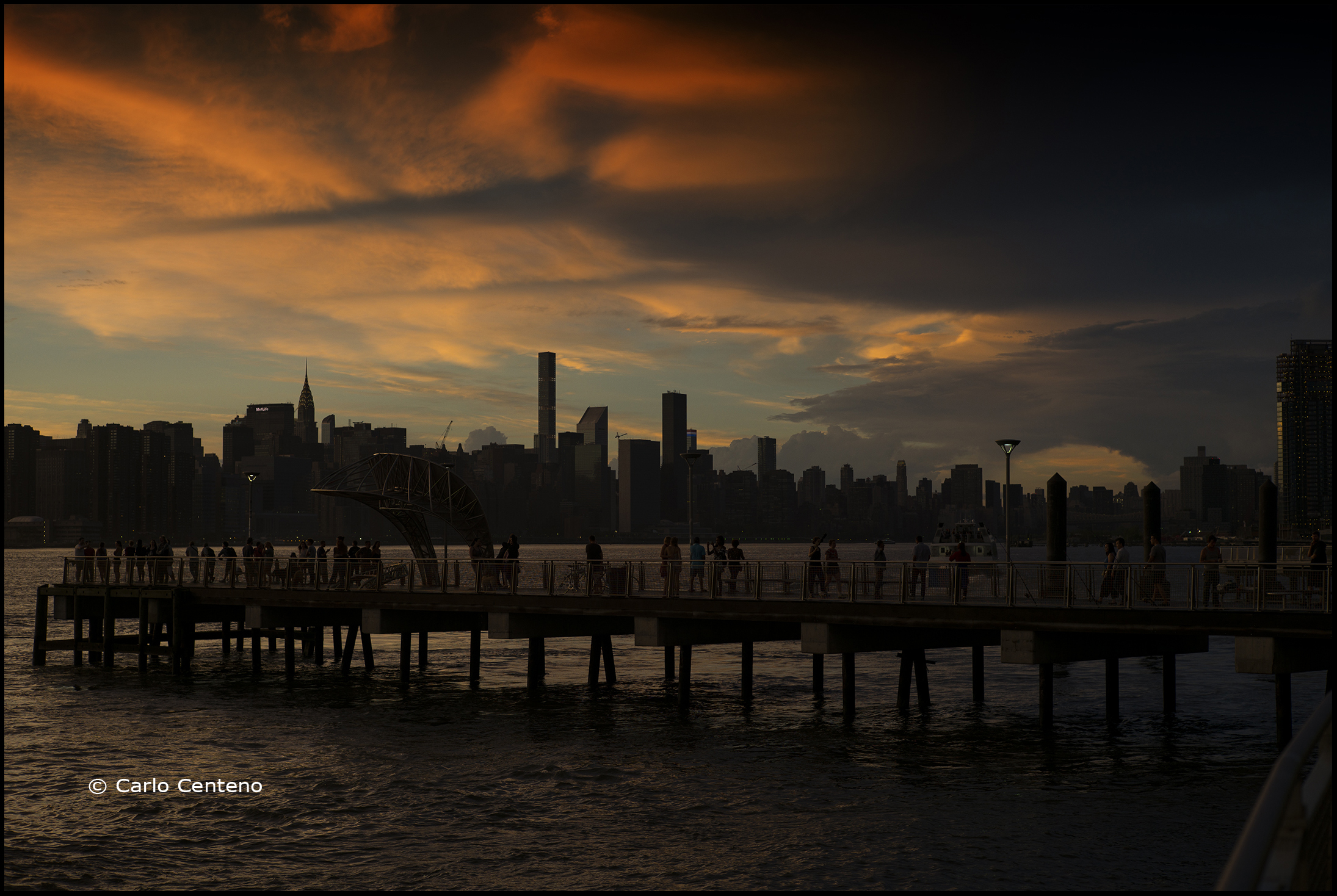
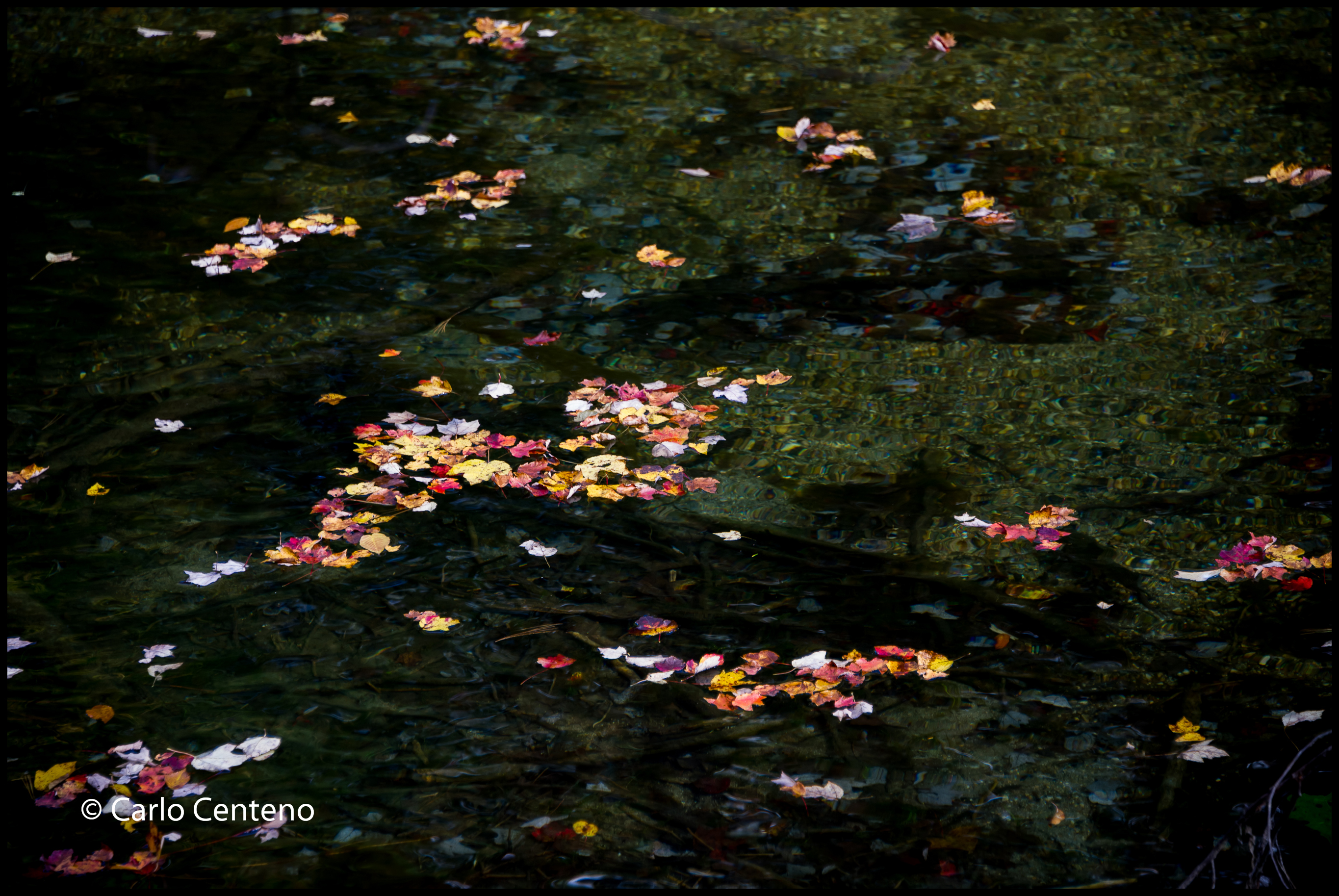
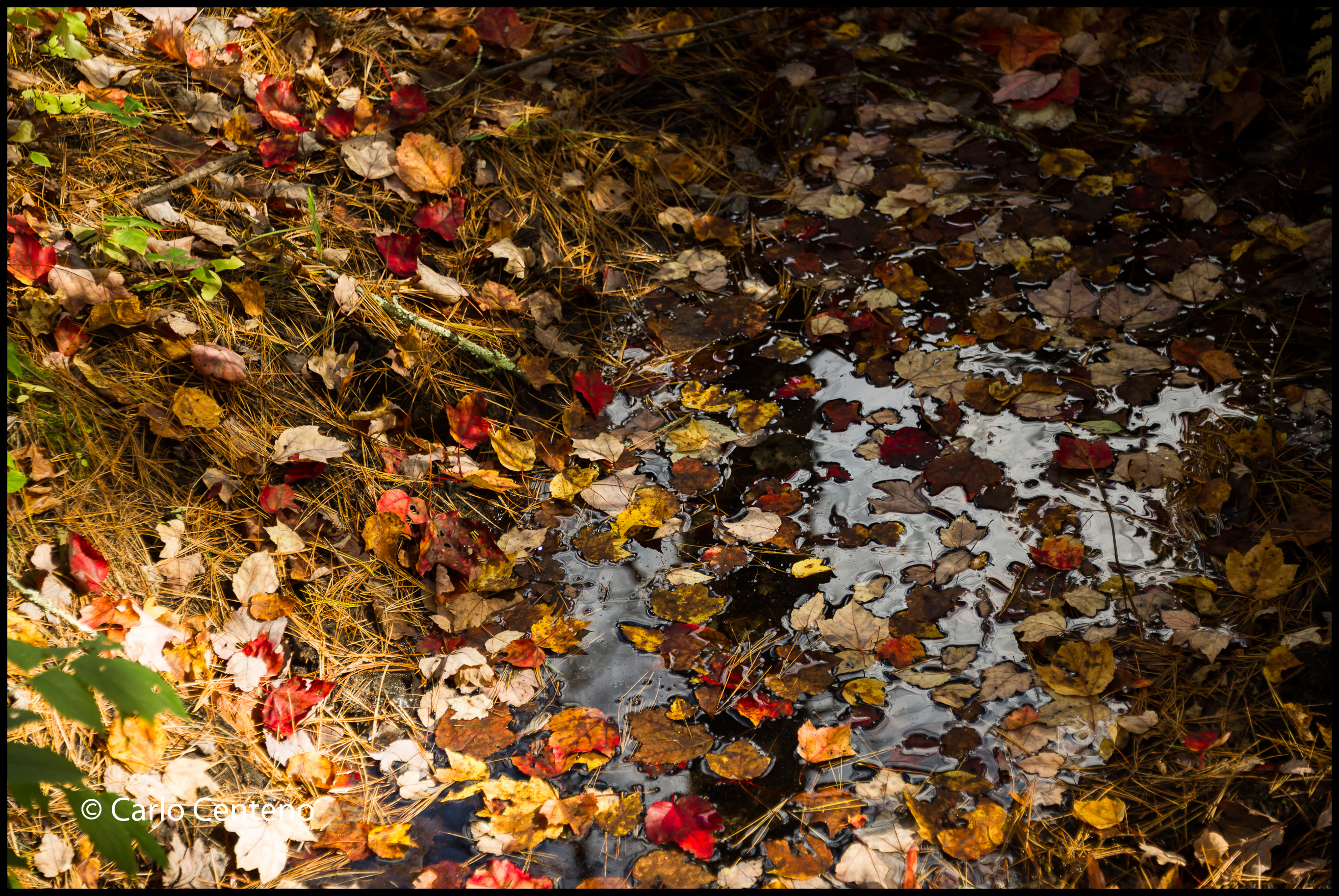
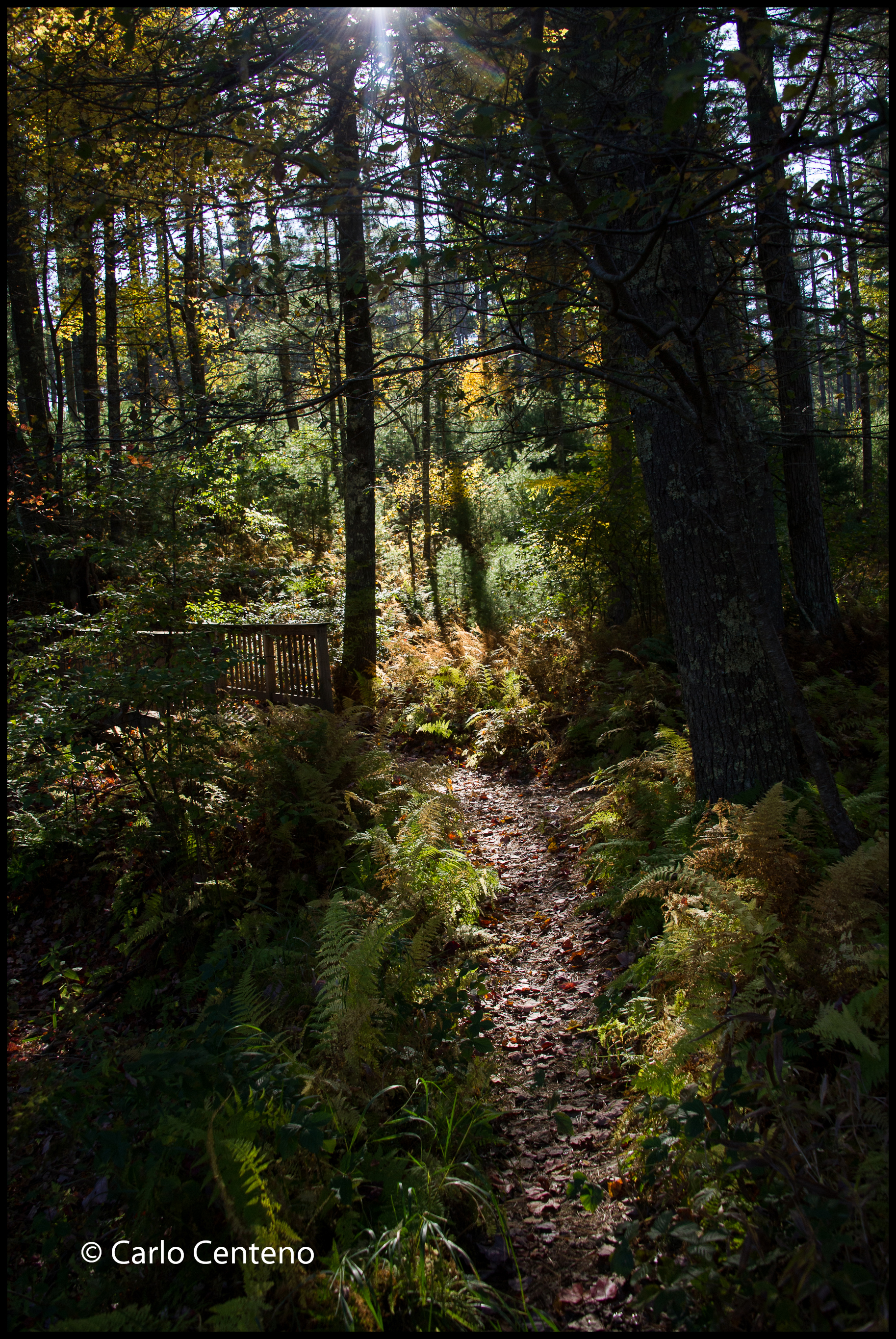
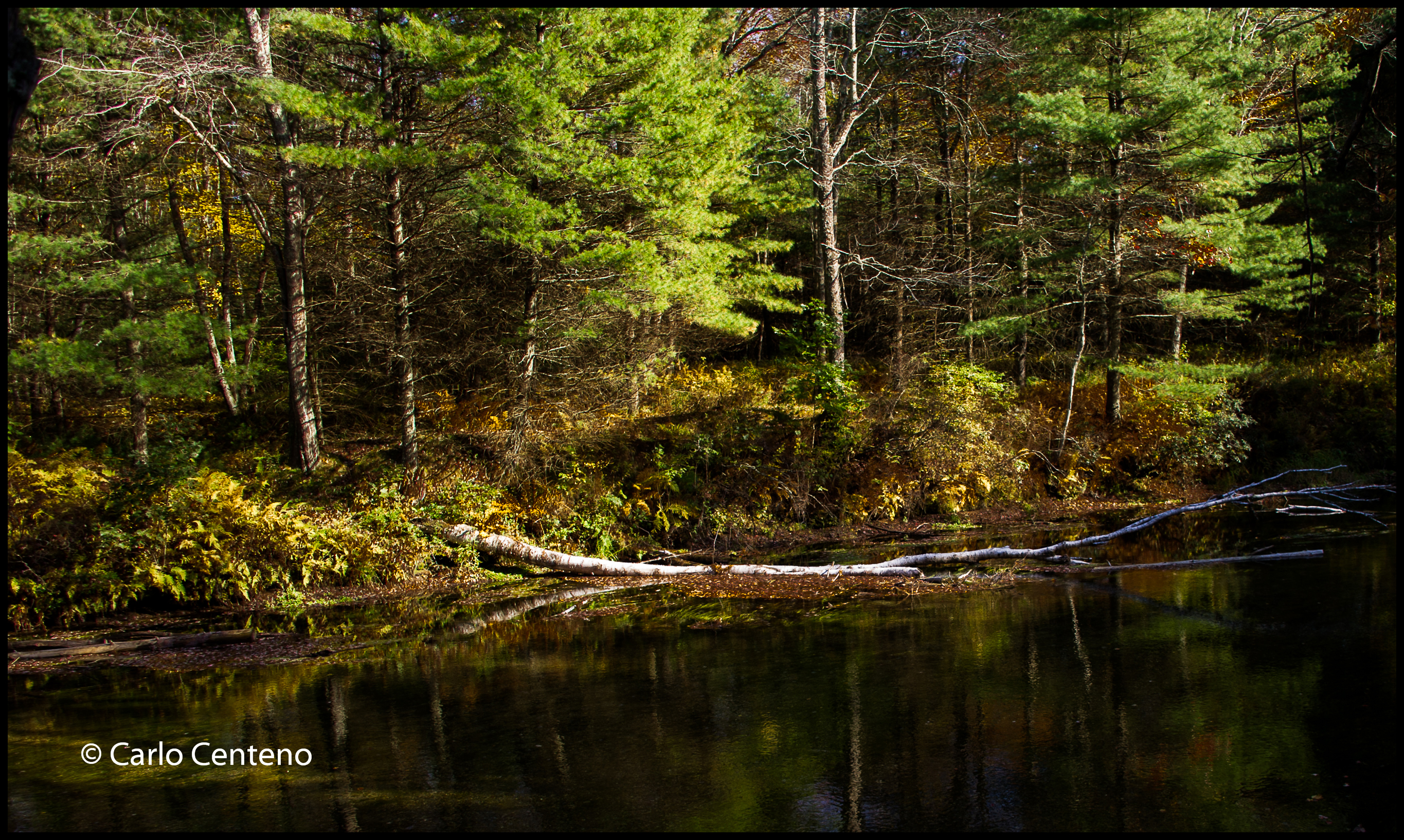
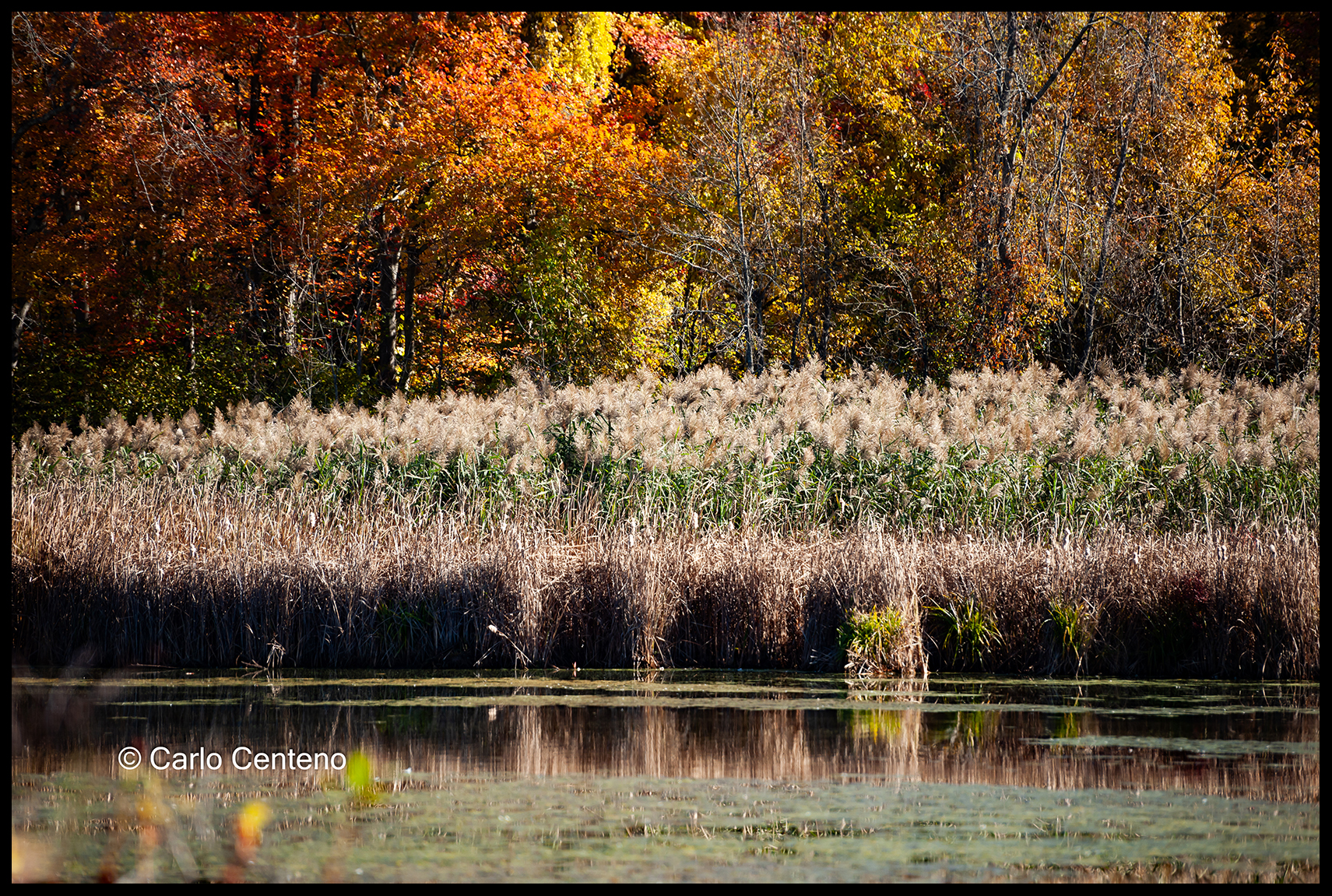
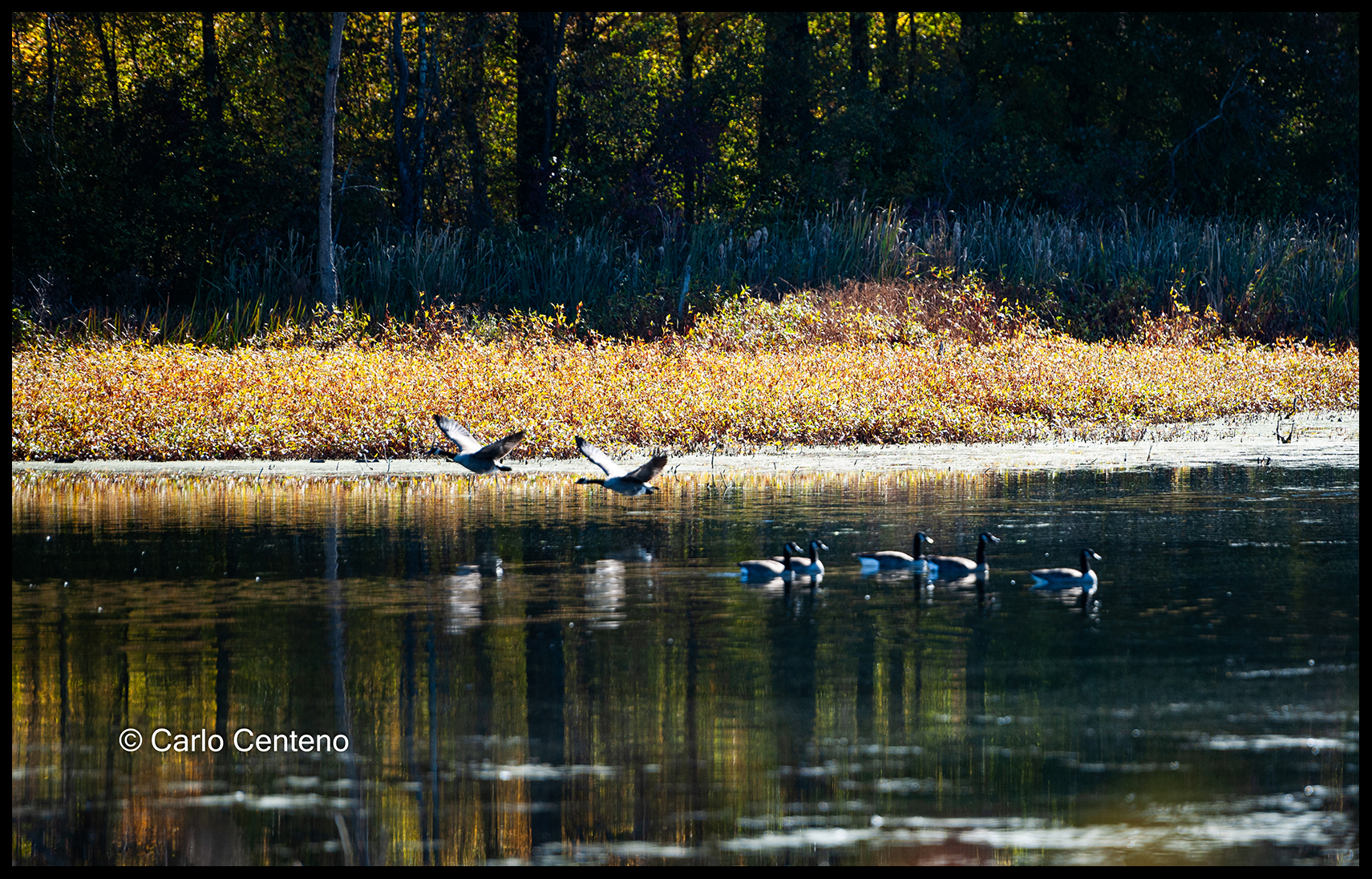
The end of October has rendered our landscape into a wonderful palette of autumnal colors: the reds, orange, yellows and hues in between are as beautiful as I’ve ever seen. I share this because watching and/or listening to the news is taking the wind out of my sails. So, to fine tune [or tune out] the bad vibes plaguing airwaves, print, and online, I retreat to places where I can hear my thoughts and submit to various feelings coursing through my consciousness.

You could say that I’m “rebooting” my consciousness, but I feel it’s more like a “recalibrating” effort to keep my sanity more or less where it’s supposed to be. The quiet and calm of places such as these act like a rheostat where mood, color, the smell of the air and so on can be dialed up or down or not at all. In doing so, I’m reminded that the angst raging between factions entrenched in ideologies are obstacles for realizing a common good. The greater good lies dormant, restrained with indifference and the stubborn personas that make life uncomfortable.

There’s no denying the subjectivity of consciousness, but there are constructs within it which allow for common ground. Without those common constructs co-existence would be, in a word, Sisyphian.

I look to writing and chasing the light, feeling immersed with either one or both, to purge distress, sadness, loss of concentration, etc. Certainly, when your mind is busy with something good, a good that pulls you away from angst, then jump in.
I won’t be chagrined by situations beyond my reach. It’s a waste of energy and time grinding about things I cannot control. That’s easier said than done, but I remind myself to ruminate less on what weighs me down and instead examine alternatives that have helped me before.

Can anyone deflect dissonance long enough to find even the smallest gesture or comment that closes distance and transforms distraction into possibility?

I relish the 4-seasons here in New England. I have preferences for the times in a year that are cooler and less humid, but I also welcome activities and distractions that come with the other seasons: longer daylight hours, trips to Cape Cod in Massachusetts [salt water and salty air are genuinely therapeutic], visits to the Berkshires and so forth.

How do you take care of your sense of–or even recalibrate–consciousness?

Connections

I love Cape Cod. The season doesn’t matter, but late summer is often a great time. There’s less traffic and a more laid back atmosphere. The beaches and wharfs hold less people, though there are those hearty souls who continue their routines swimming parallel to the shore.
I watch the few on the beaches, most in their chairs, some sitting or lying across a large towel. Others are involved in conversation or quietly engrossed with a book in hand.
You can always count on walkers tracing their steps first one way, then on their return trip to a starting point. The most jubilant are often a dog and its owner. They’ve waited for the moment when the beach was available to them and their joy is clearly displayed. This is the kind of connection that’s about as simple and straightforward as it can get: get out and spend time with good friends, family, your dog—even yourself.

The men enjoying their cocktails aboard a boat speaks of many types of connections: family, work colleague, college room mate, best friend, and so forth. Between the “remember when….did you hear….whatever happened to…” are those moments of hilarity, some brought on by something long past, others in more recent times. Nostalgia connects with the present.

I love the Cape, especially for the many connections its made for me.

The calm that follows…

We don’t inherit the earth from our ancestors. We borrow it from our children.    Native American proverb.

It seems much of the news these days revolves around weather. Just 3 weeks ago, a powerful storm tore through the northeast delivering colossal amounts of rain and dangerous winds. Add to that the trees ripped apart or from out-of-the-ground and it’s easy to understand why some think the “end is near.”

As this is being written, yet another hurricane struck the southern shores of Texas, Louisiana and Florida. There are other storms gathering strength off the west coast of Africa. The most recent forecast now shows 4 tropical storms in the Atlantic, each with the potential of becoming a hurricane.

There’s plenty of talk about technology in particular advancements in biochemistry and mechanical engineering that are directed to saving our planet. There can never be a one-size-fits-most strategy created from a laboratory, but we cannot rule out the scientific efforts behind such pursuits. There’s good reason to continue work on such technologies. However, we can learn a thing or two about “natural climate solutions.” 

There’s a disquieting quality that follows catastrophic events: the eerie calm. It grates against my appreciation for a calm that I’m expecting, a calm based on softness, a level of assurance, inner peace and that sense of all is right in the world, even for just this moment. We appear to be experiencing less of that these days.

I’m reminded of a Judao-Christian saying, “The sin is not in failing, but in not trying.” Framed another way, there’s a lot of us carrying this sin of not trying.

Enough already. Enough.


Transitions

With September upon us, there’s that sense summer is nearing its end. You wouldn’t think that on such a day as this: it’s warm, bright, a slight breeze and plenty of green just about everywhere you look.

Yet the season’s already changing. My morning start is just a little darker than what it was a month ago. Some of the maple trees are starting to turn color. Shorter days means Autumn is at its threshold.

When I need to have some distance from this maddening world, the outdoors provide a good dose of calm and reassurance. It can be more challenging in urban areas, but parks are a viable alternative. Get outside and realize the natural world accepts you as you are.

This pandemic has modified if not altogether changed, the way we mark the change in seasons. Traditionally we associate baseball as the “start” of summer, football the beginning of autumn, basketball and hockey mark winter’s arrival. But many of these traditional markers have started later than usual. As a consequence, our seasonal clocks are skewed. This has been compounded further by schools having different protocols for their first day. Is that day for virtual online learning or in person at the actual building?

Time to get outside.

Dark, grey afternoons…

For all the misery and inconveniences really bad weather creates, storms have a unique appeal to me. They are fascinating creations. In the most dire of circumstances the devastation they leave behind is nothing short of incomprehensible, humbling and frightening.

On the other hand, bad weather has a way of fine tuning me to a mode that captures and enables the ephemeral: in one moment, a gentle falling rain suddenly becomes heavy, rampant, even vindictive in the force and quantity of water that dowses everything.

No sooner than the rain pummels the landscape, the water is then swept away, transitioned to a drizzle that moves ahead of a foggy veil suspended just behind the now gentle shower. I think of the various weather possibilities as moods, from the bright sunny days [hope, optimism, gratitude, e.g.] to the dull grey of a threatening sky ready to let loose its worse [depression, angst, regret, e.g.]. Weather figuratively produces such an array of moods.

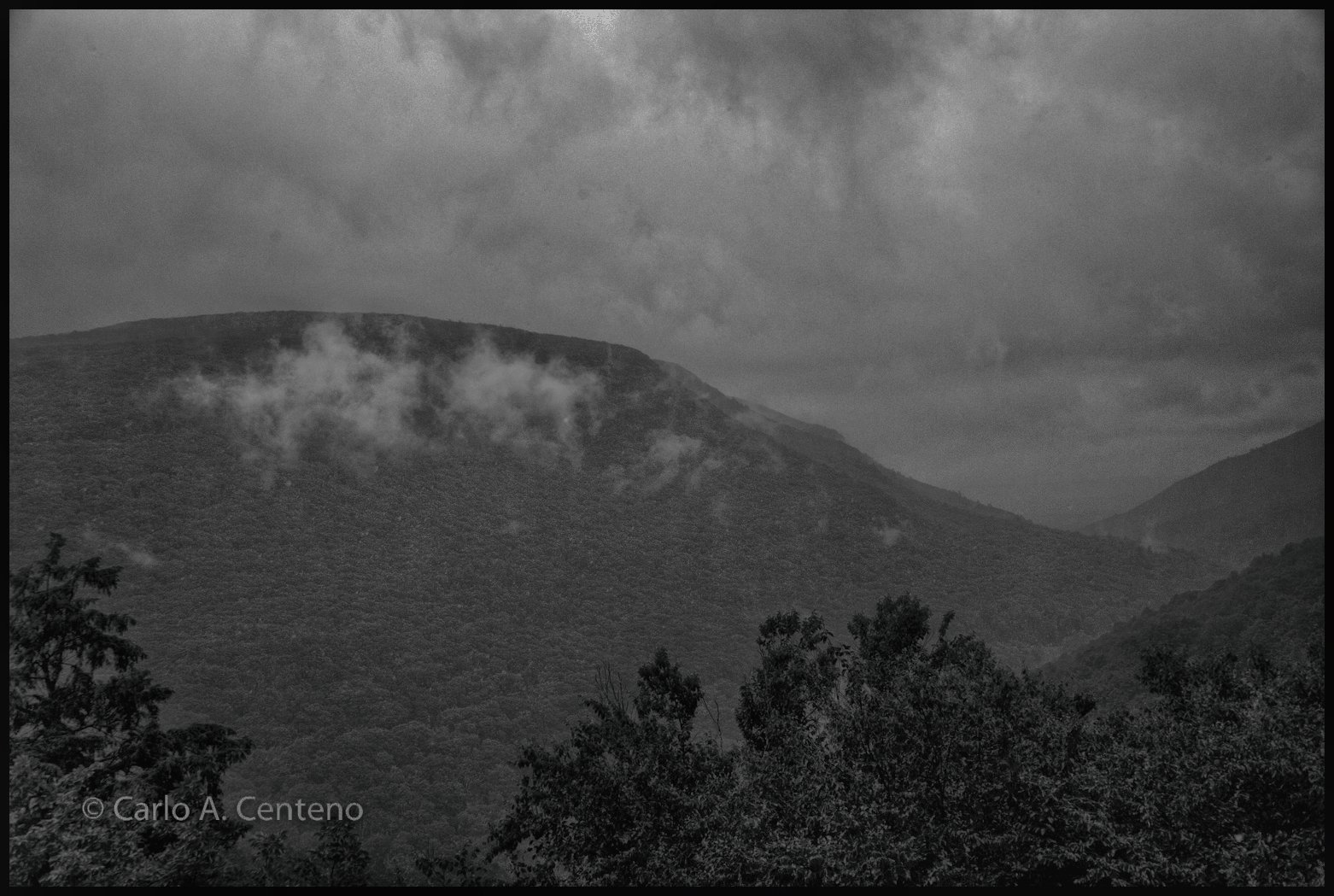
Dark, grey afternoons carry a weight [wind, water, ice, snow, heat et al] that can lay to waste your surroundings as well as your inner landscape. Yet when I pick up my camera or take pen and journal to hand, I remind myself that things change. Storms have their beginnings and an end. And what happens in between can—and will—wreak havoc on the most carefully laid plans and intentions.

Events, like storms, are markers in time. And having a marker delineates a “before” and “after.”  What were you doing just before the storm hit? Where were you? We often have a stronger temporal sense of change whenever nature throws us the worse. Similarly, we celebrate when the change is for the better; some days are referred to as “picture-perfect…like a perfect postcard if you will.

The prologue to dark, grey afternoons can be a harbinger of bad stuff yet to arrive.  Still, I look at these harbingers for what they are: a dramatic dance of fleeting light, of varied grey swatches which masks greens, yellows and blue, of movements brought on by high wind speeds and even a gentle breeze.

Weather, in all its forms, is a fulcrum on our impressions of just how good or bad our day is doing.


Our Planet Is Taking Over


In the past few hours, I’ve received news feeds about how the Coronavirus/COVID-19 has produced some benefits. The beneficiary of these plusses primarily go to our planet. And because it benefits the environment, we benefit as well. I’m sure you’ve come across some of these reports on your smartphones or your computer.

Mother Earth has put into motion her own stewardship campaign to save us from ourselves [the hope] and to help save the planet [the ultimate goal].  How it works is pretty straightforward: by reducing human mobility, you reduce the amount of energy used in manufacturing, production, travel and other areas of civilization.  Is this outbreak a means by which Nature looks to heal its own ailments, ailments which we created?

The BBC filed this report early this morning [Thursday–May 19th].

More specifically, there has been a measurable reduction in VOC [volatile organic compounds] as well as many gases—-such as CO, CO2, methane just to name a fews.

And in northern Italy, the space satellite cannot lie. They are also privy to the science that shows a drop in air pollution.

Click here.

Unfortunately, the majority of folks will return to their old and familiar ways. Still, it was nice to learn that for a short time, parts of our planet had a chance to be healthier. Can’t help but think just how much further we would be if each of us attacked pollution, waste and climate change the way we’re attacking the Coronavirus/COVID-19.

Nothing but Blue Skies…

“Blue skies, smiling at me, nothing but blue skies, do I see.”  Irving Berlin

It just hit me. This color blue. It was electric, cheerful, optimistic, surreal and more. Not sure why, but it just was.

So, I took a  photo.

Ella Fitzgerald recorded a terrific rendition of this song. Perhaps we should cue it up and listen to it more often. The lyrics just might move you from a place you don’t like, to one that’s much more hospitable if just kinder.

North

A few days ago, the cold felt punishing. Yes, I have preference for cold versus hot days, but when the air is already cold at zero degrees Fahrenheit, then enhanced with a windchill of -15, well, that may be enough to reconsider that preference.

I’m fortunate that I can retreat to places where the cold and wind don’t feel as threatening. From the safety of these retreats, I philosophize on the dual sides of nature, of how something that can appear simple and beautiful and minimal can deliver a reality check powerful enough to humble any aesthete caught up in winter’s vanity.

Do you get the feeling that winter provides a sense of calm? The calm I speak of provides a level of reassurance. This winter calm is a metaphorical blanket, one which acts like a shield from unwelcome and sometimes sudden vicissitudes. Such a blanket stops–albeit briefly–the weariness of having to deal with things that keep us from finding a particular quiet.

And when the quiet is welcoming, the alone time is curative…

Future tense within the present

In the past several months one expression seems to echo in my comings and goings and it goes something like, “…well, there’s 10-minutes I’ll never get back…”

Typically it has an air of regret, of time spent that could’ve been used in a different or better way.

Let me shift the lens or the perspective a bit and instead say, “….the next 10-minutes has got be better than the previous ten…”  

[Really] Low Tide

The claim is that “over 160 billion tonnes of seawater flow in and out of the Bay of Fundy twice a day.”

I would be grateful if I could purge my mind of all the thoughts and sentiments that don’t add to my quality of life. If I could do that twice a day, I wouldn’t be sure if I’d be a more genuine version of myself. Hence, perhaps once a day would be sufficient. Let’s not get greedy now…!