

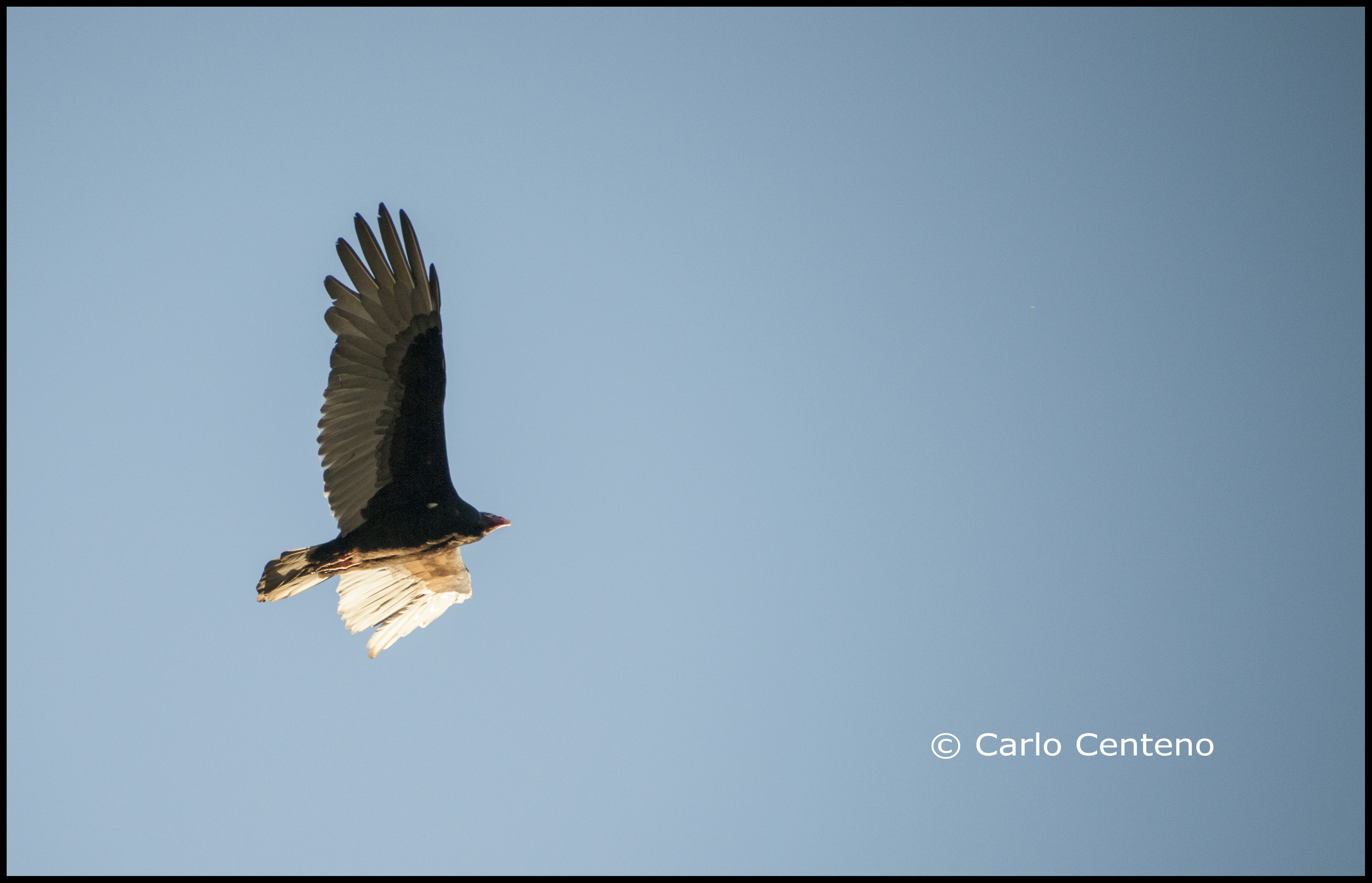
It is the night
My body’s weak
I’m on the run
No time to sleep
I’ve got to ride
Ride like the wind
To be free again.
Christopher Cross
With a pen and camera
It is the night
My body’s weak
I’m on the run
No time to sleep
I’ve got to ride
Ride like the wind
To be free again.
Christopher Cross
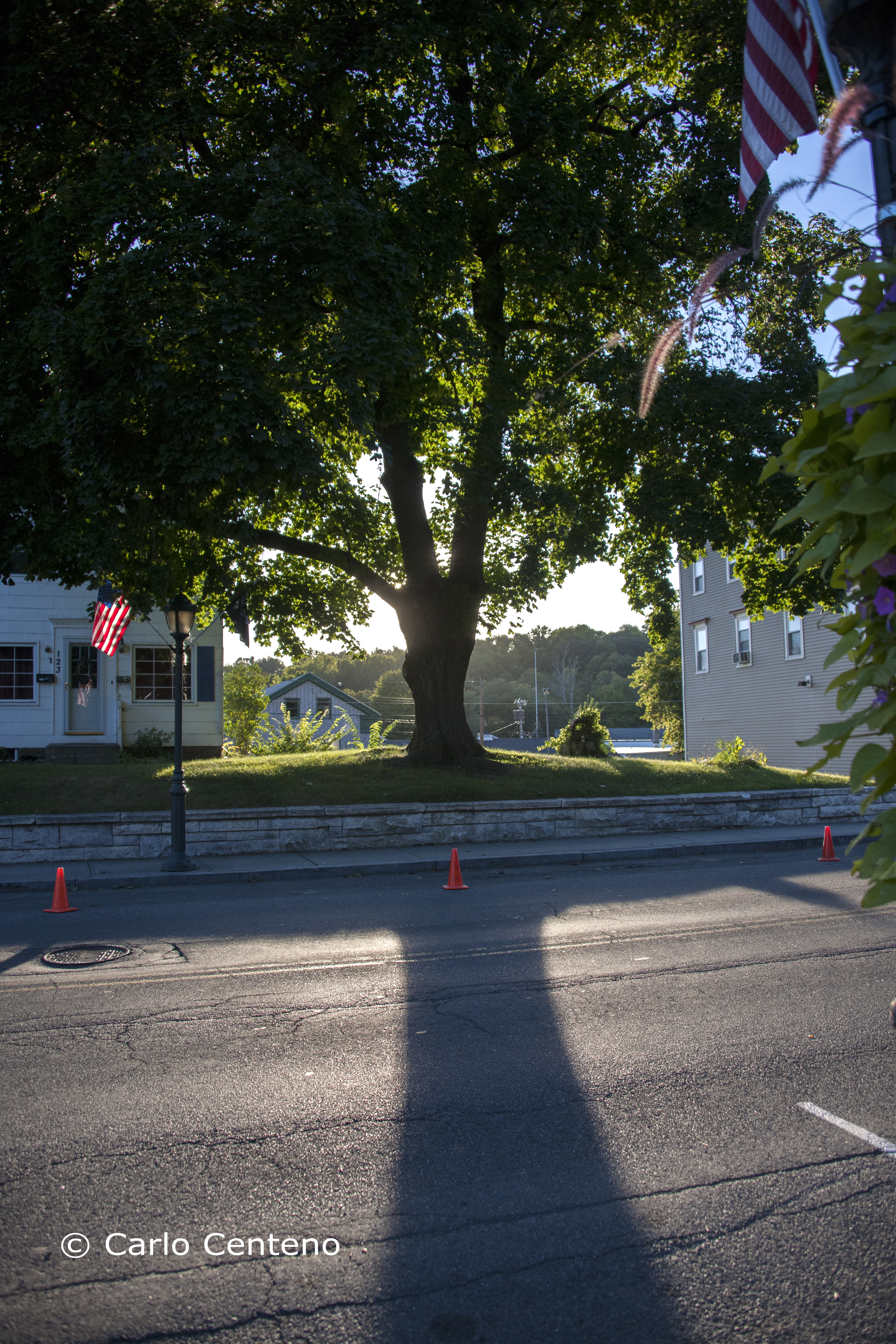
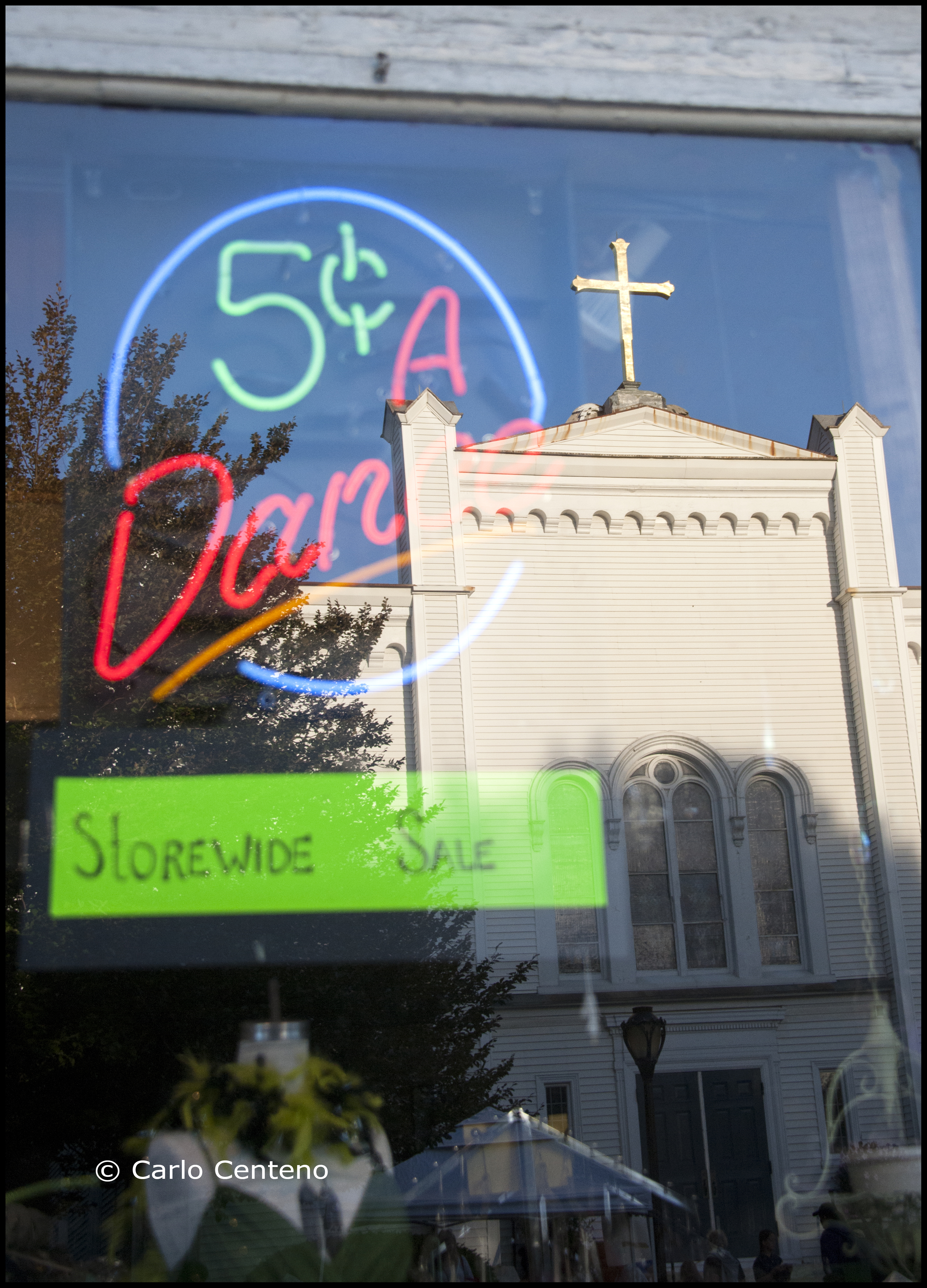
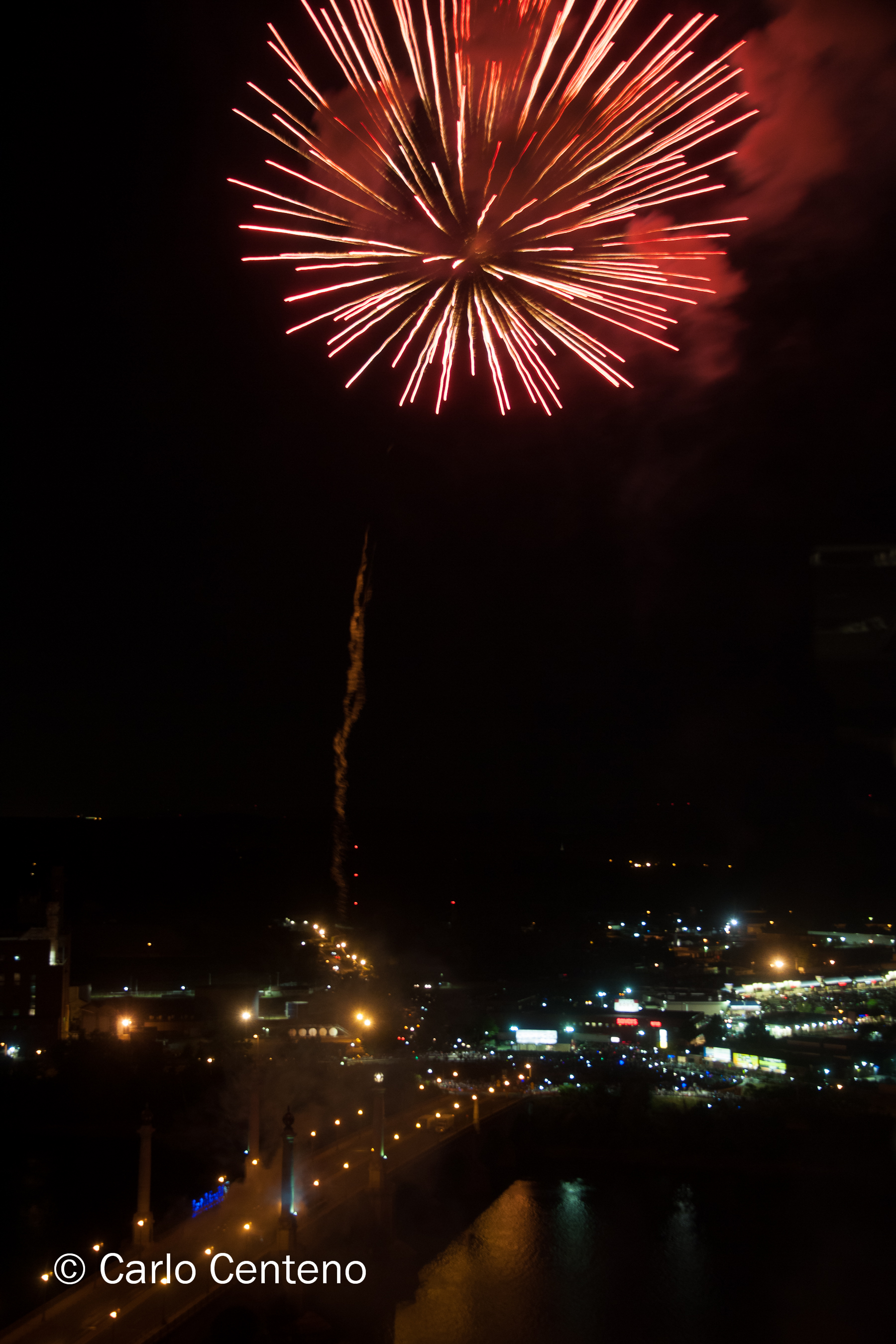
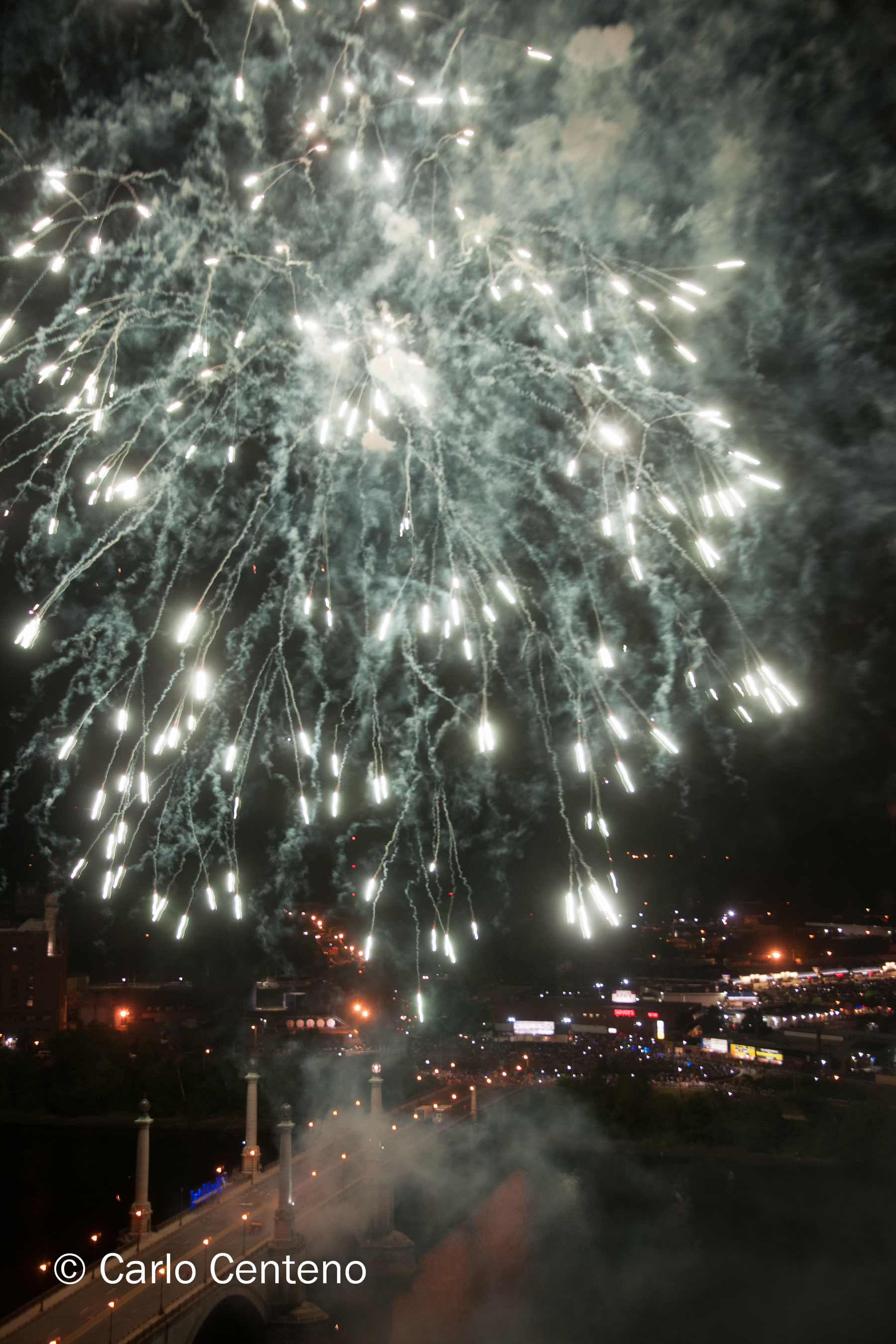
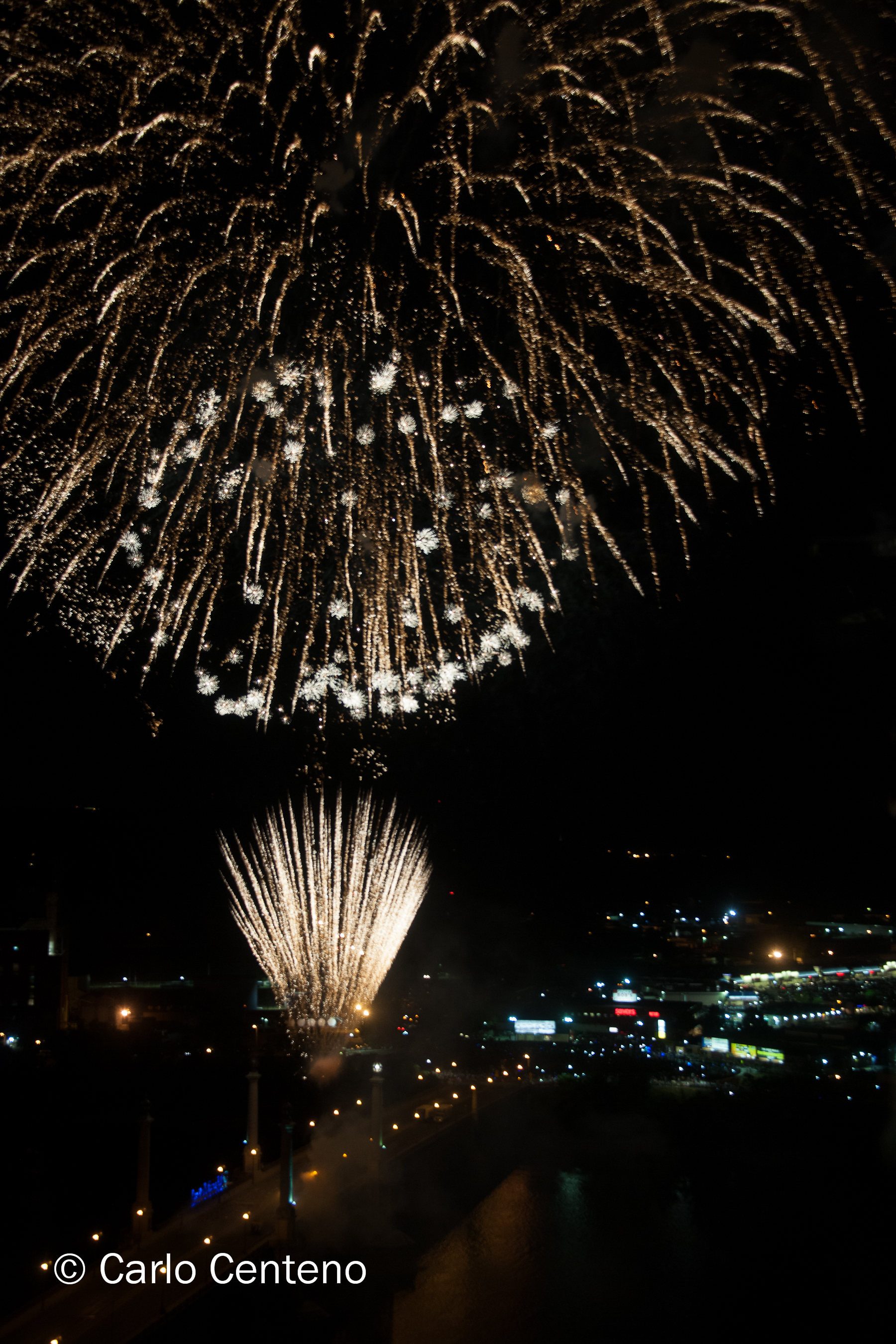
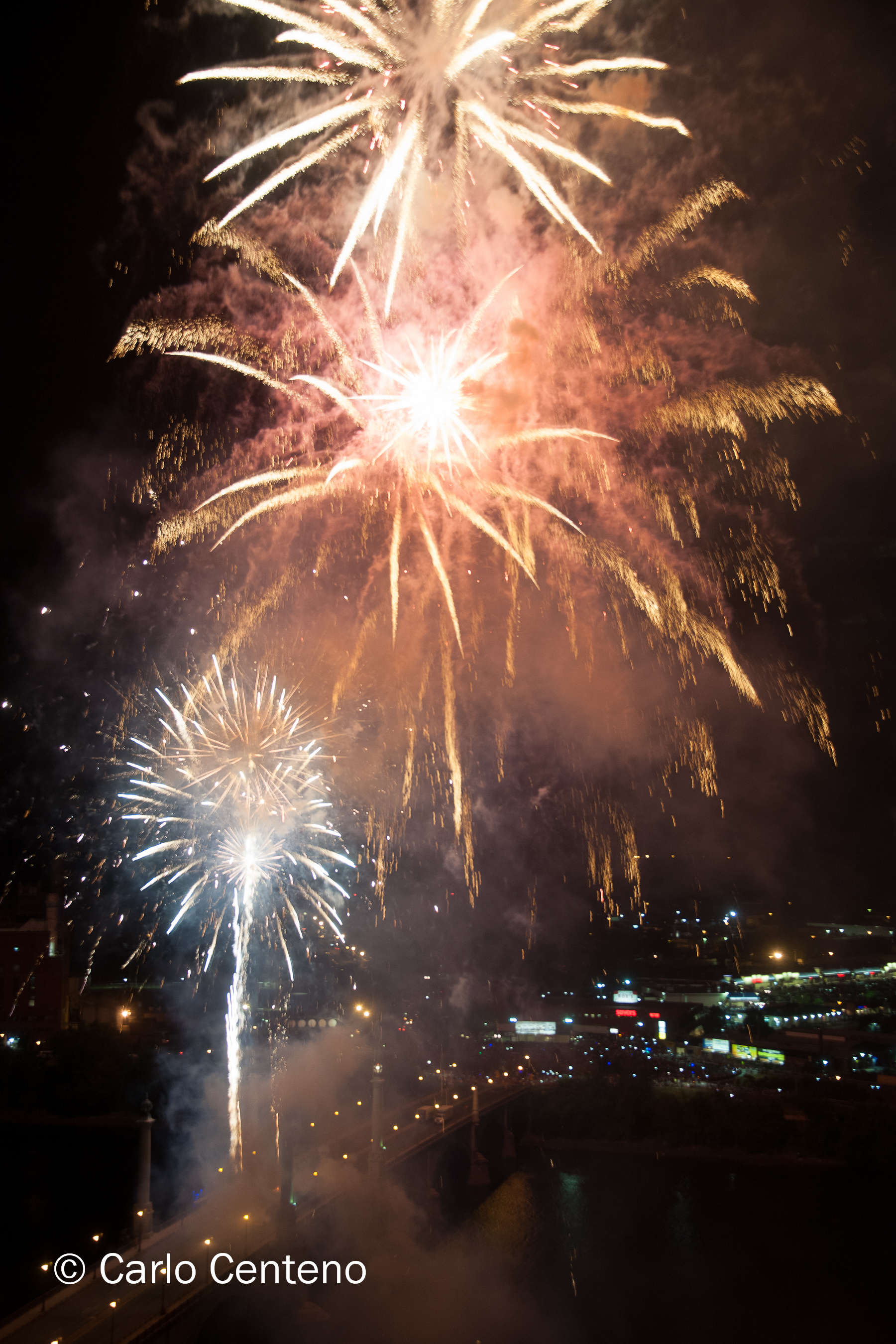
Yes, the fireworks were entertaining, but the sunset was soul-searching…I was lucky to have both….

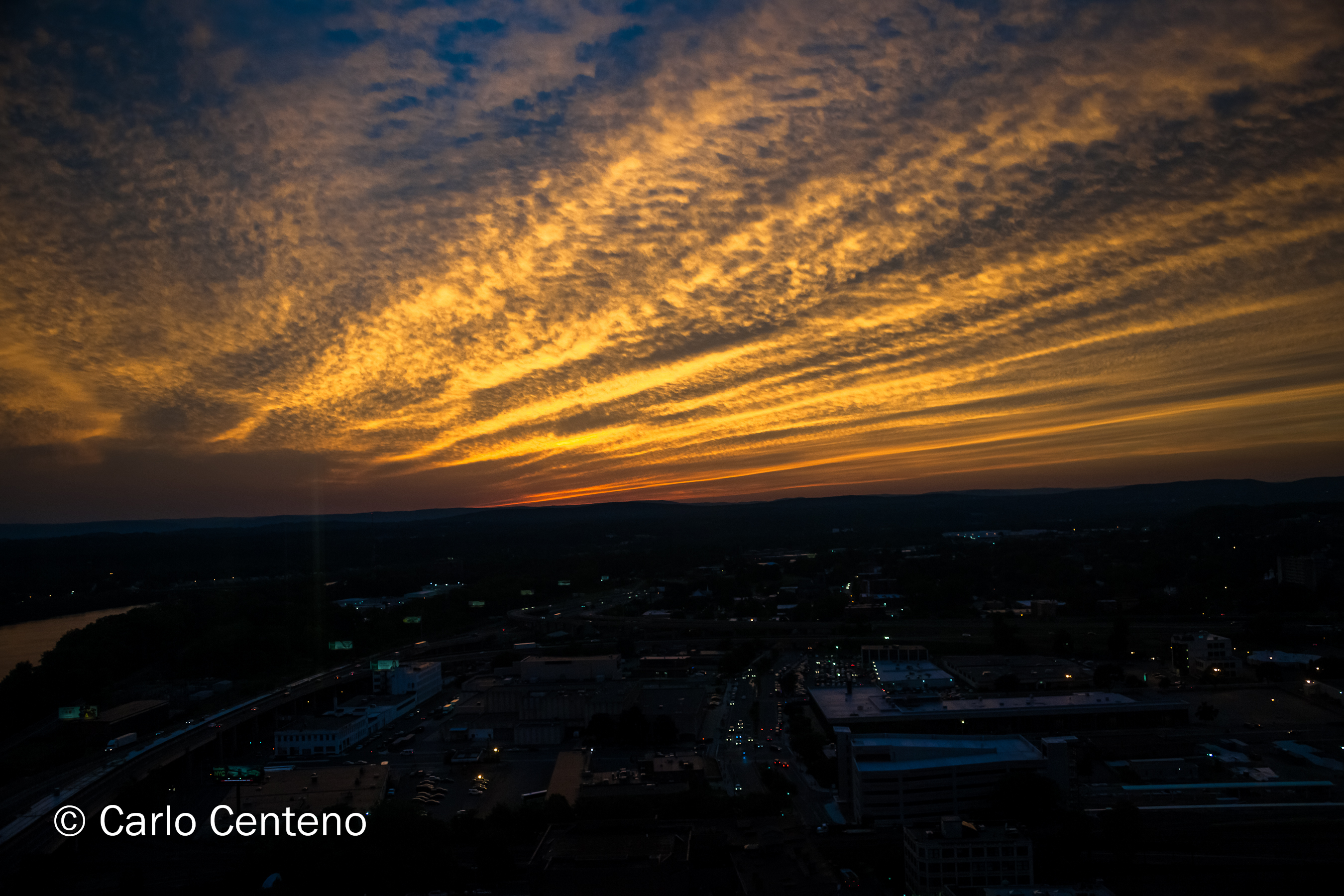

I am very fortunate to have this kind of view from my office. Yes, what you’re looking at is what I saw appear before me…

Everyday life is filled with idioms. Sometimes I think of them as bridges connecting a concept, a service, a product, even a person. After a snowfall, the gates open and I’m at the mercy of a brain that works to find a metaphor, an idiomatic expression, a slice each of the expected, unexpected and infrequently, something on the order of the unimaginable.
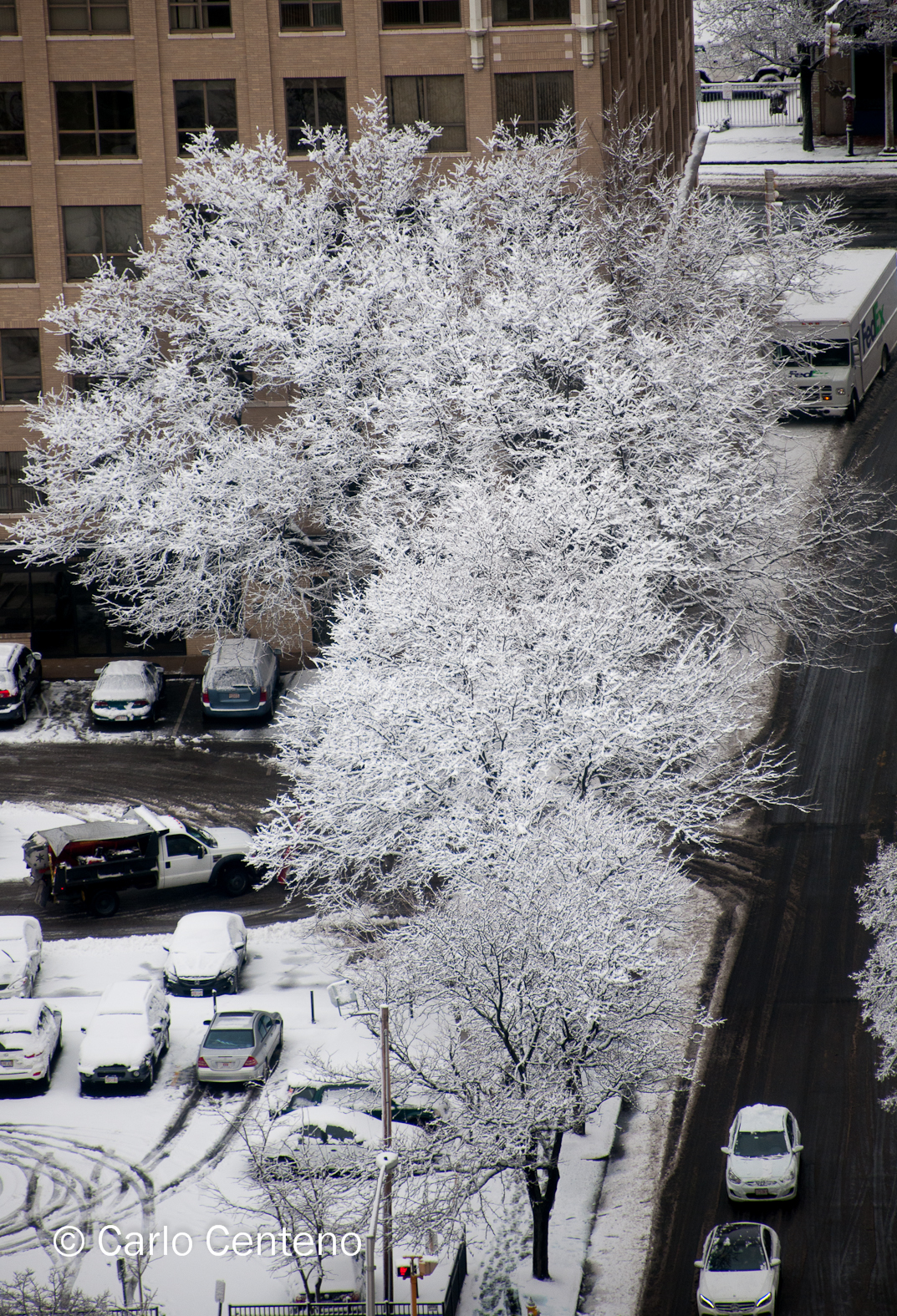
My favorite type of snow is the dry, fluffy stuff. It may not pack well to create a snowball or a snowman, but it’s easy to shovel off a driveway or brush off a car. For many skiers, fresh powder is nirvana: how can this get any better?
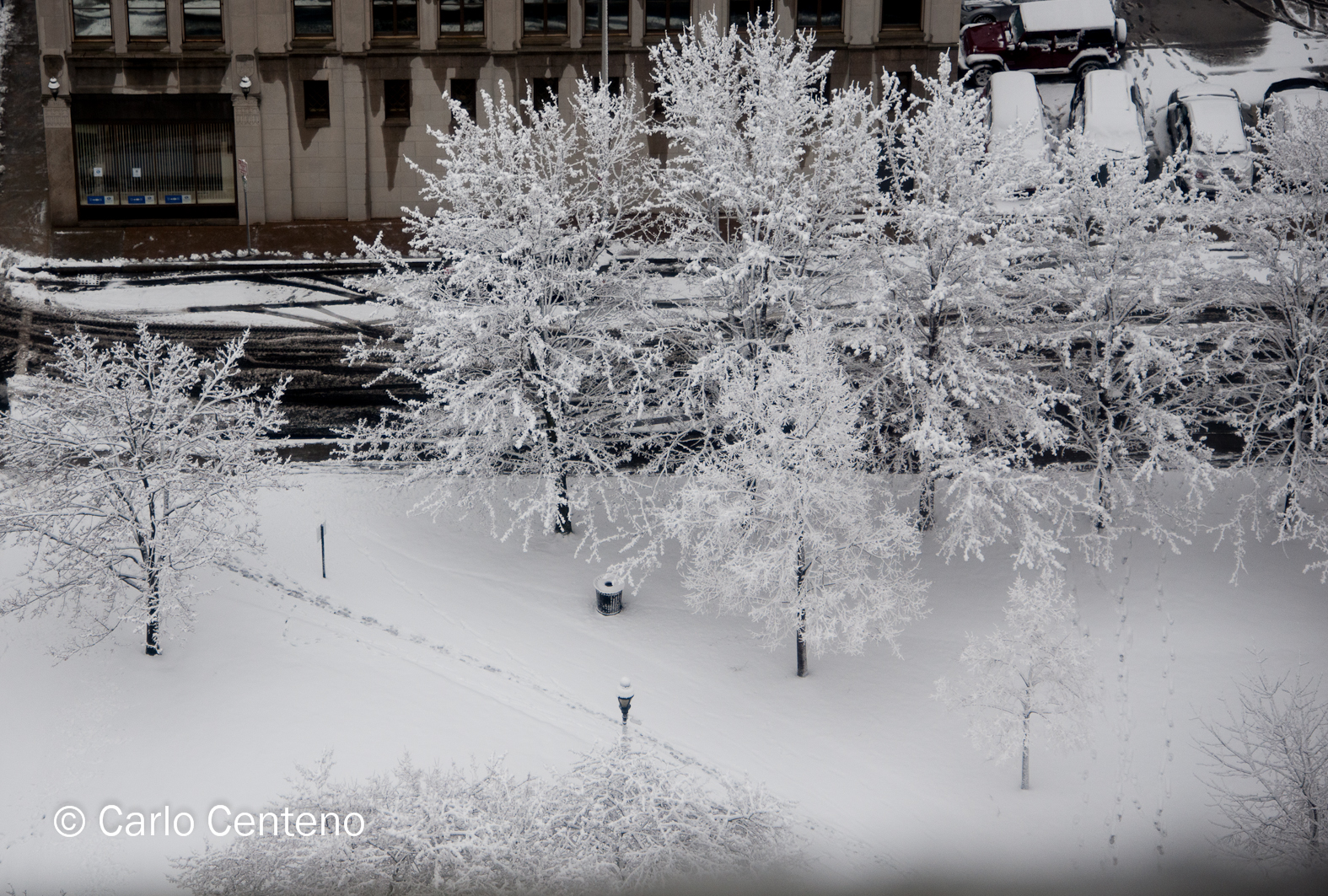
This kind of snowfall encourages you to look around. The cars are covered like blankets. Flat, open fields are akin to a slice of white bread. The trees look powdered by confectionary sugar. This kind of snow is a visible version of a special aura. Whatever is under the snow takes on another quality. Attributes of beauty, protection, secrecy, purity, freshness are some that come to mind. “Use _____ soap because it’s as pure as the driven snow.”
In this case, snow isn’t all that bad now, is it?

MOMA has a photography exhibit, appropriately, Ocean of Images: New Photography 2015. It runs through March 20 and I hope to plan an escape some weekend. It seems that each year, this exhibition—like others that explore trends and new artists in a given medium—brings out the opposing camps: “No, this isn’t photography” in one corner versus “Of course it is, it’s a new, fresh look at photography” in the other. Time marches on so change is inevitable, good or bad. For now, I take a look back.
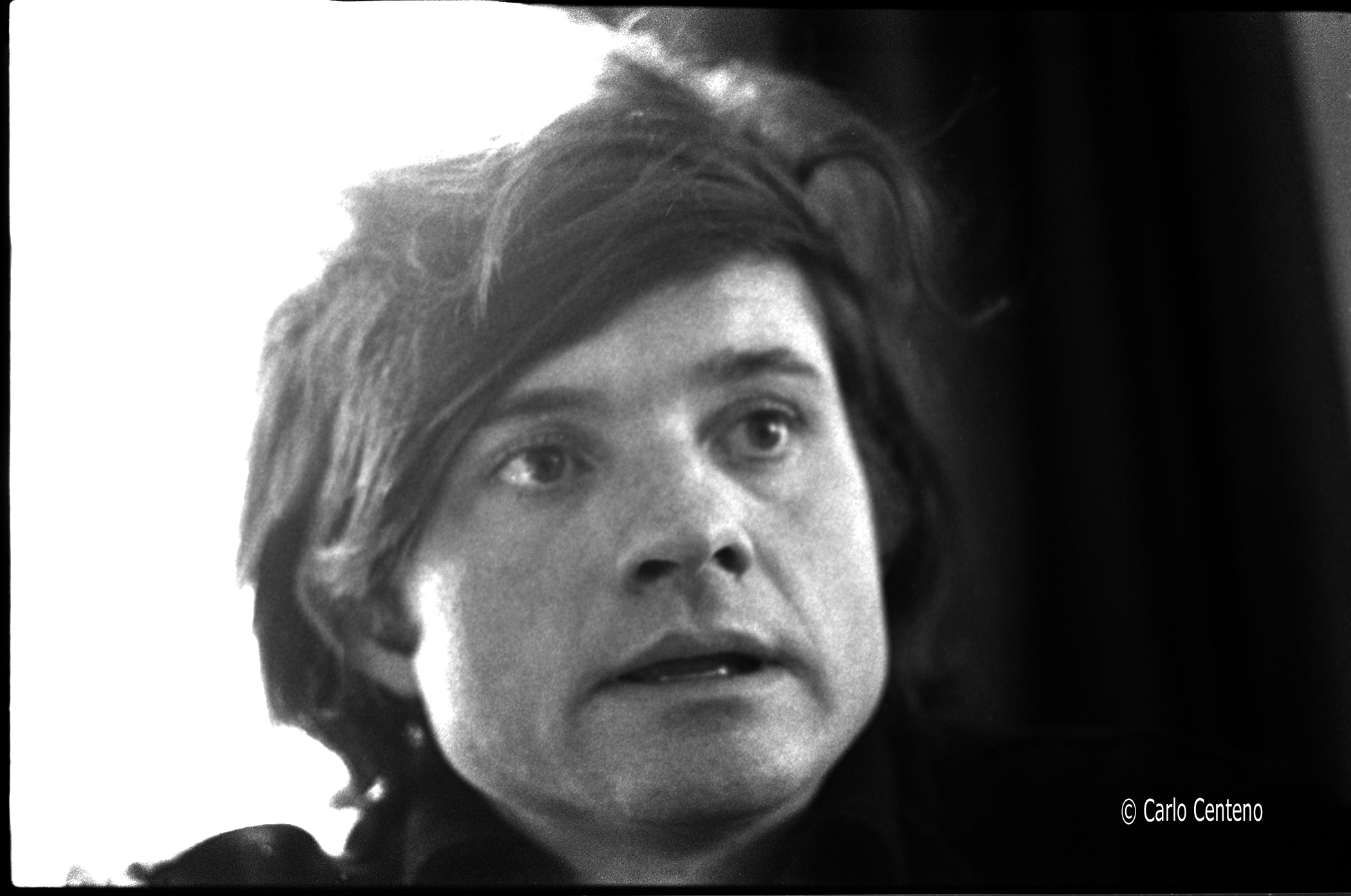
These B&W photos—like the ones in Remnant and Remnant v2 come from the same collection or year they were taken, which was sometime in 1973. I am particularly moved by this photo, a portrait of a teacher I had in high school. Mr. Dinsmore was his name. He had an emotional quotient [EQ] that was apparent long before EQ became a chapter in any number of business management books and case studies. First and foremost, he was a very good english literature teacher.

Sadly, I learned that Mr. Dinsmore passed away, a brain tumor taking him from the school and his charges. His spirit—and my memory of him—lives on.
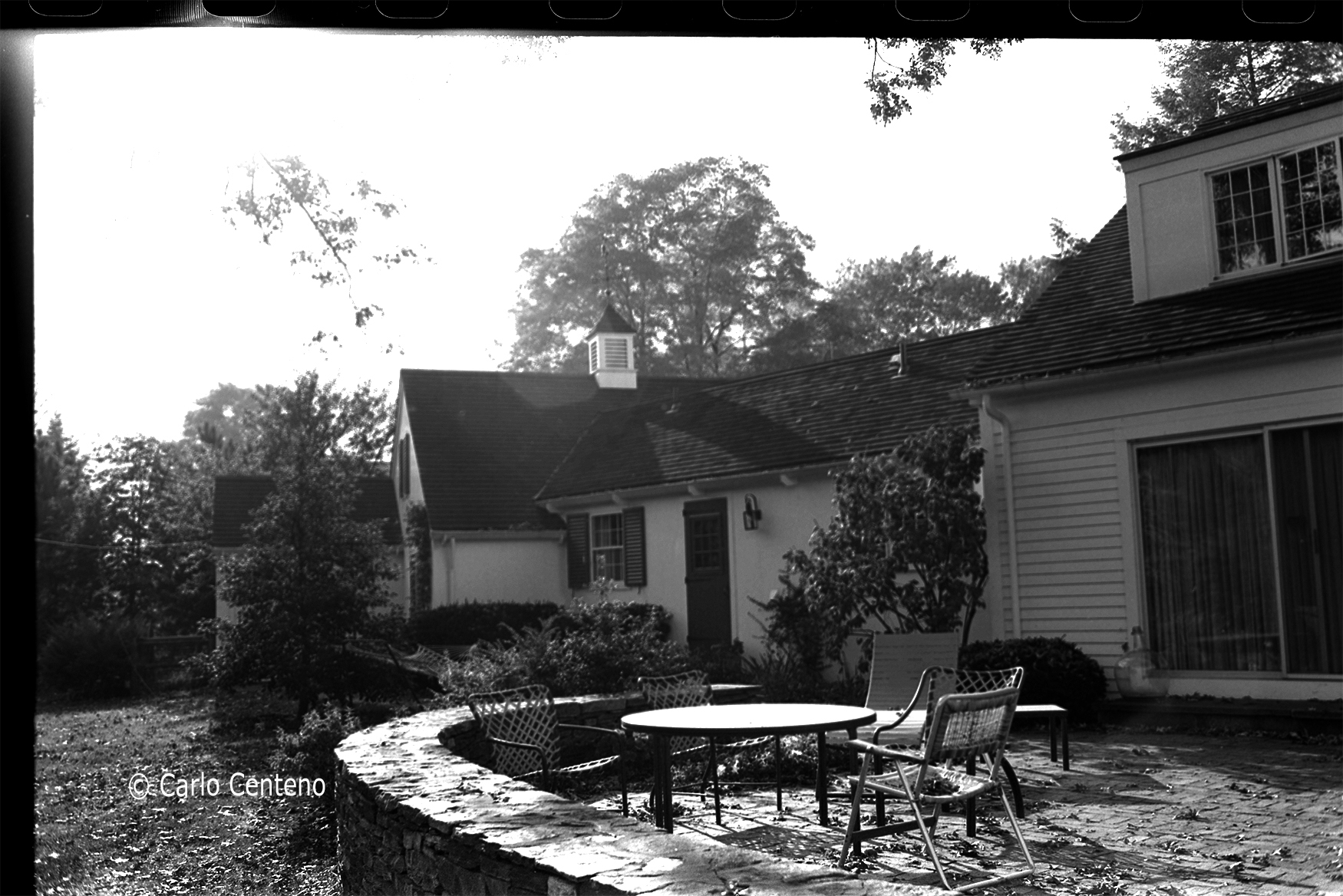
I love “time machines.” Old print ads, mechanical cameras and fountain pens, and of course, museums.
Coming across black & negatives and prints—especially those you haven’t seen in decades—is a journey all its own. I’m not waxing forlornly for the past, but I am revisiting these slices of time: what are the “whys” and “wheres” of these images?
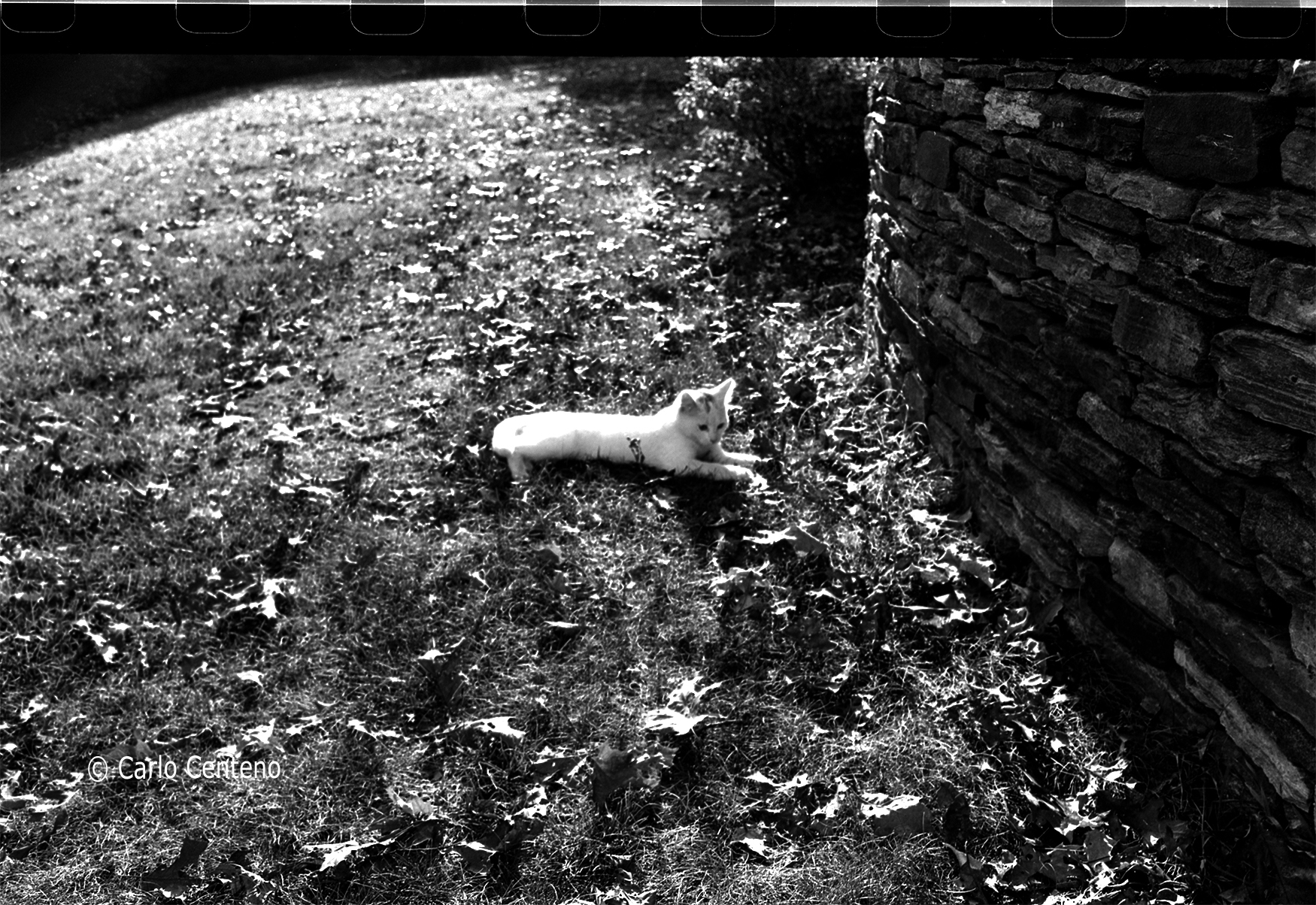


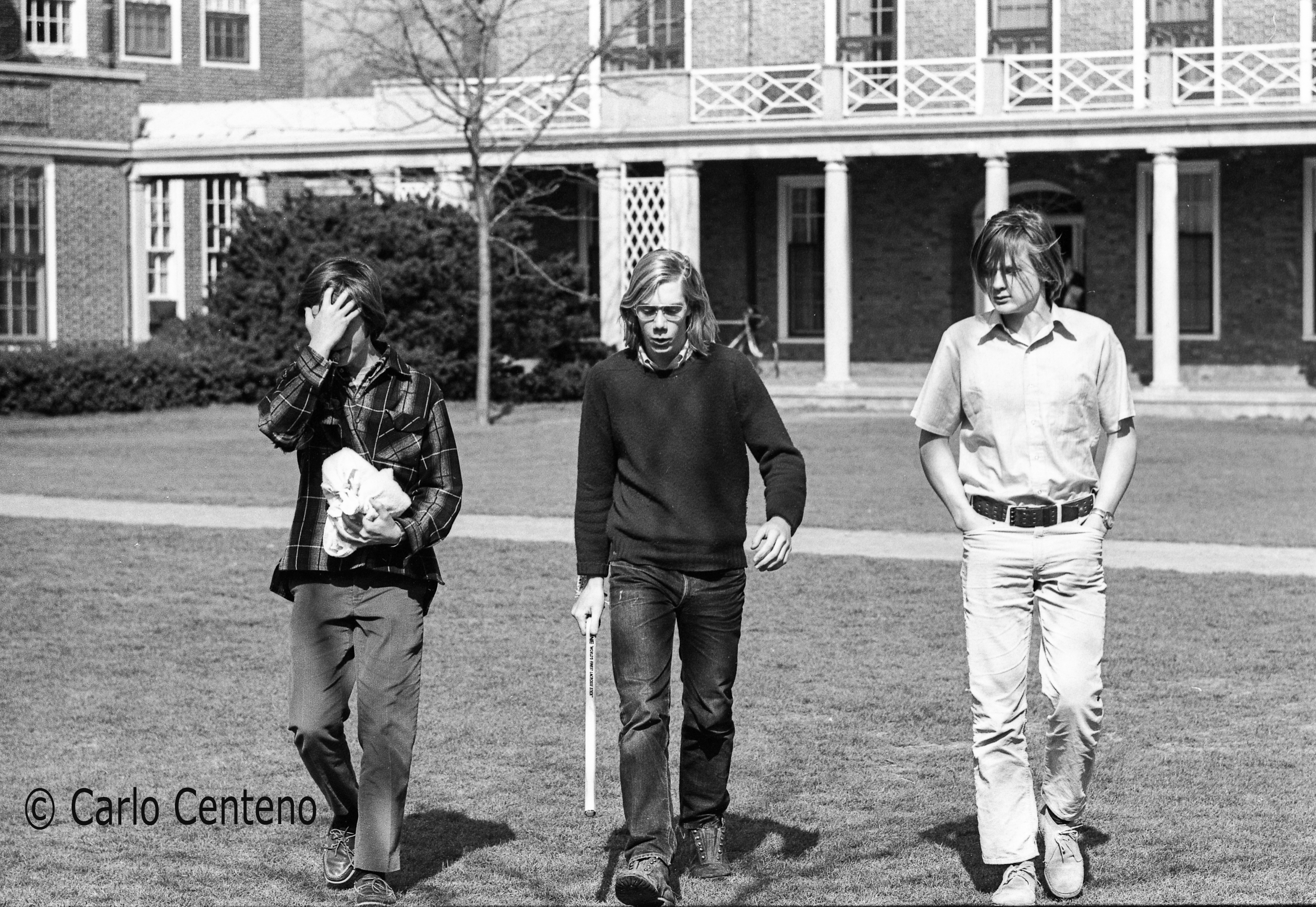
These 2 photographs were taken before many millennials were born. They were taken with a Nikon F with a Nikkor 50mm f/1.4, using TRI-X film 400, sometime in the fall of 1973. I suspect that these 2 views are probably different today, and I dare not visit the space for fear that in their place will be condos or parkways or other concrete manifestations that tend to mute my sense of self.

For all the complaints and whining about winter, well, others prefer to do something other than wish for warmer days or no snow. Why waste the days feeling grumpy? This is a simple study of warmth found in the cold of winter.

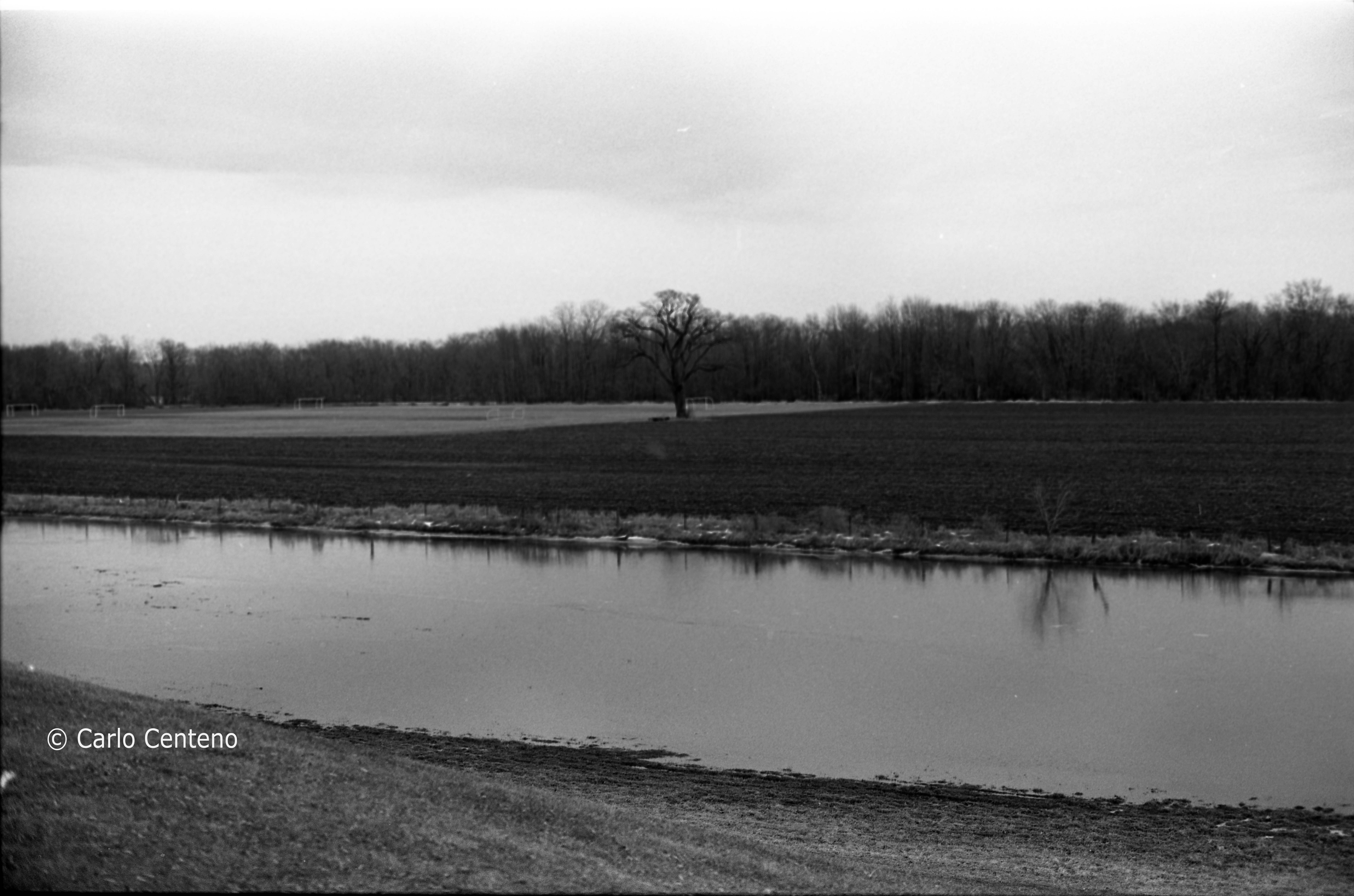
I had a reunion recently. In the real sense of the word, I did see my high-school classmates and enjoyed listening to the way their lives took shape after graduation. Aside from [some] grey hairs, balding heads, [slightly] heavier waistlines, kids in and out of college, the many memories that circled back to greet us were good ones.
In another way, I had my own personal reunion with one of my binders of negatives. I found images from my days at L-C in Connecticut and decided to revisit them, though this time in a digital sort of way: scanning and rendering in post production. One thing’s certain, it’s much easier to scan and develop versus pour, measure, pour again, agitate, rinse, pour, fix, rinse, etc. etc.
The farm fields a la the soccer/lacrosse fields were still there. That pond is gone. I could’ve done a “before ‘n after” photo line-up, but decided, no, the before image has more meaning and substance. The “after” image—like others of its kind—looks too clean, even sterile.
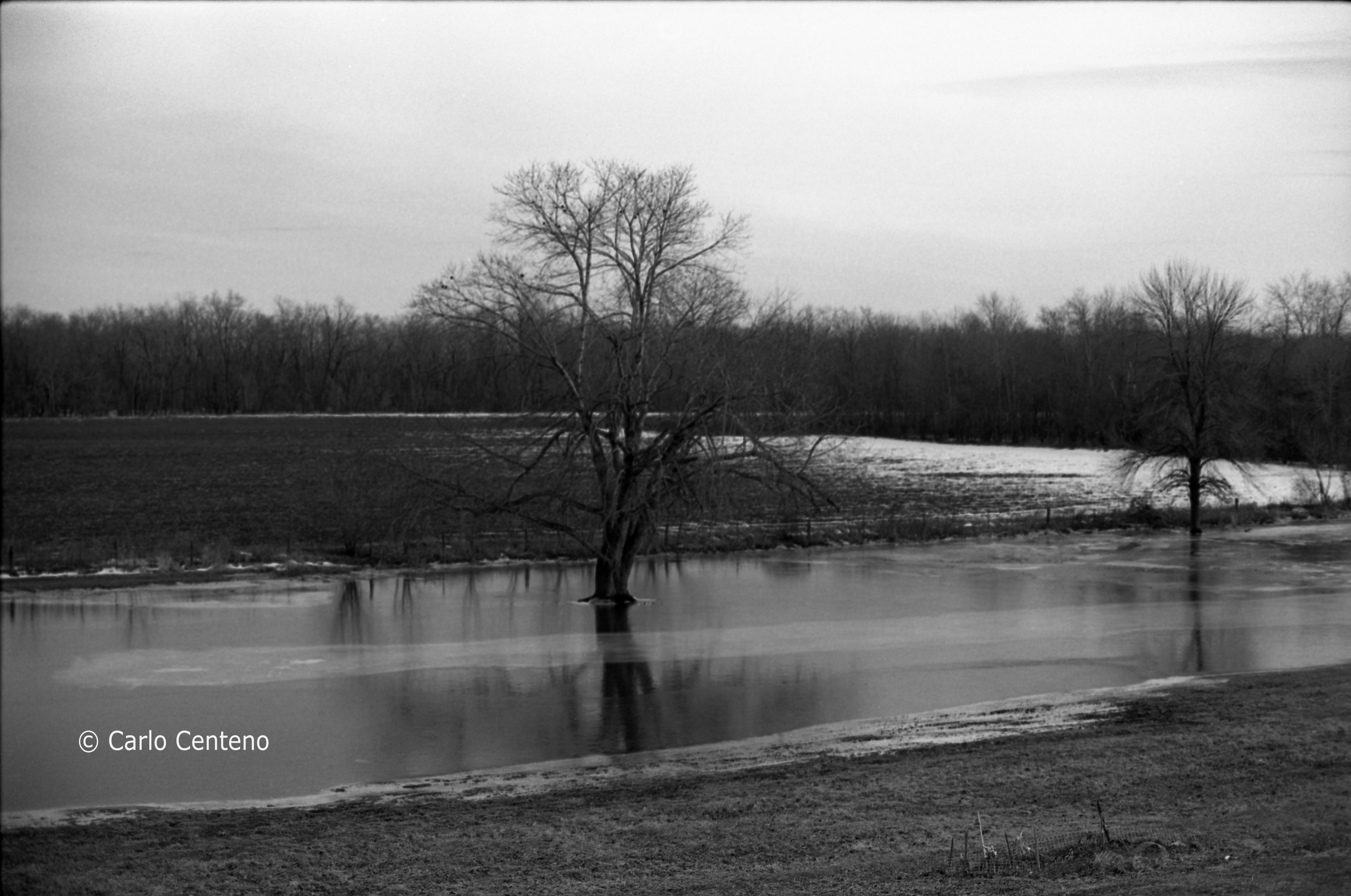
What’s missing in this photography reunion is the ambiance, the nuance, the visceral energy of darkroom work. Your senses are so much closer to the image during development. You feel the smoothness of the paper when wet, made even more so with the addition of a wetting agent to promote spotless drying. The piercing smell of rapid-fixer reminded me to make sure the exhaust fan was on. The glow of the soft, red, safety light confirmed my presence in this other world, a place that made me feel safe, included and perhaps artistically complete.
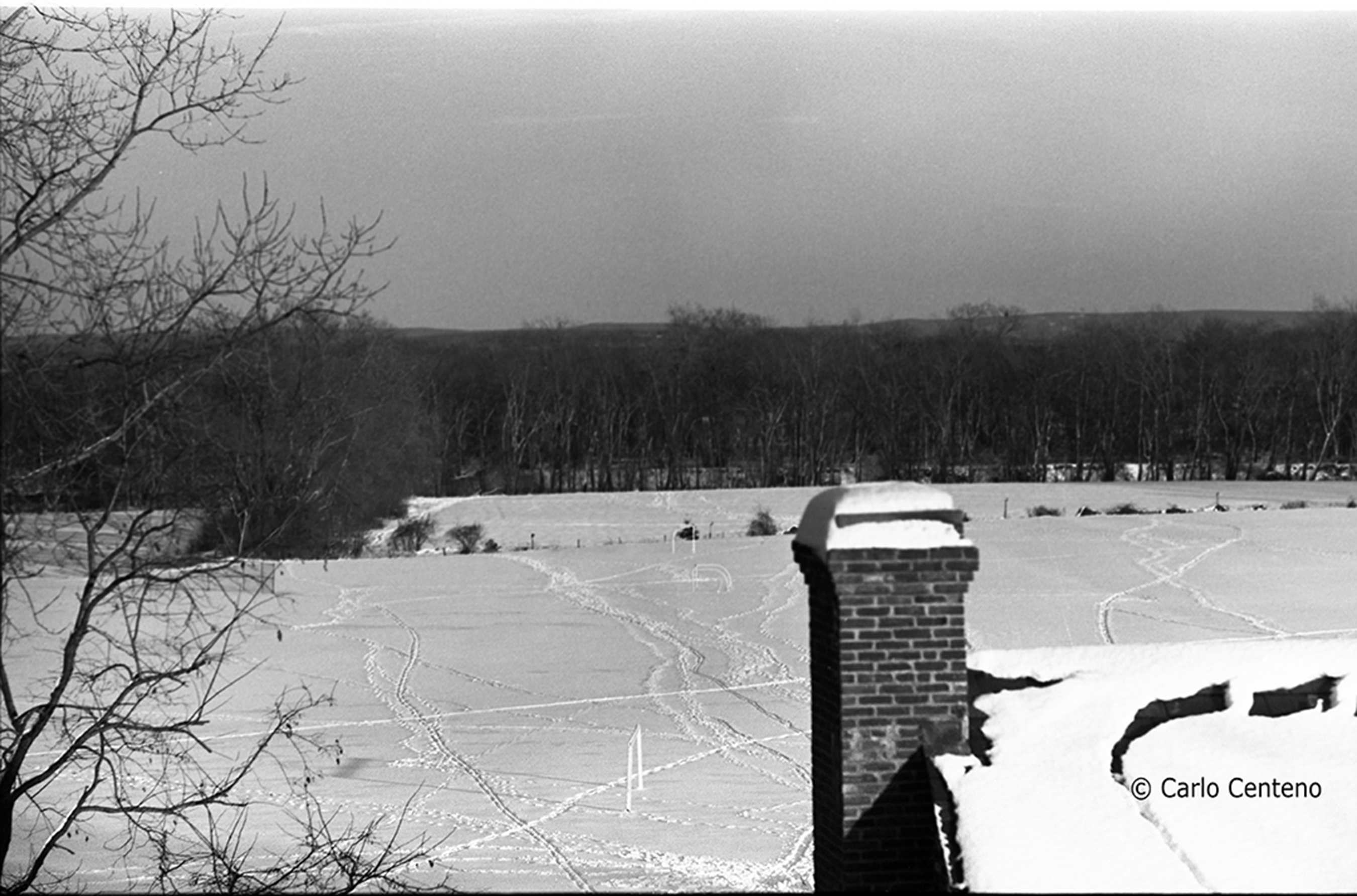
This is a matter of opinion, but those negatives some 30-plus years old have held up rather well. Aside from dust marks, some scratches here and there, the emulsion has endured, and continues to do so. This is one of the things that I miss/love about analog photography. I can open a box, a binder, some glassine sleeves loaded with film and hold anyone up to a light source and immediately understand that there’s an image in front of me. I may not wholly comprehend what I’m looking at in a cognitive sense, but emotionally, there’s just something magical about looking at something that doesn’t need anything more than light, careful handling and a curious eye.
 From saturated colors, to shades of grey, that’s one way to describe the transition of Autumn to Winter. Of the four seasons, winter often gets a bad rap. As a brand, winter’s attributes of bone-chilling cold, freezing rain, sleet, burst water pipes, vehicles that won’t start, cancellations [schools, meetings, performances, transportation, e.g.] among others play into that season’s unfair position or perception. Our modern way of living has made us unhardy if not too soft for nature’s rigorous character made evident in the months of November through March.
 Winter needs some repositioning [or reminding] of its more positive attributes. And there are such attributes, which if we are honest amongst ourselves would certainly concur that, indeed, these qualities are demonstrably acceptable. Such qualities can be nurturing, calming, relaxing and invigorating. All this on any given day in winter. For me, all those qualities or characteristics manifest during and after a major snowfall.
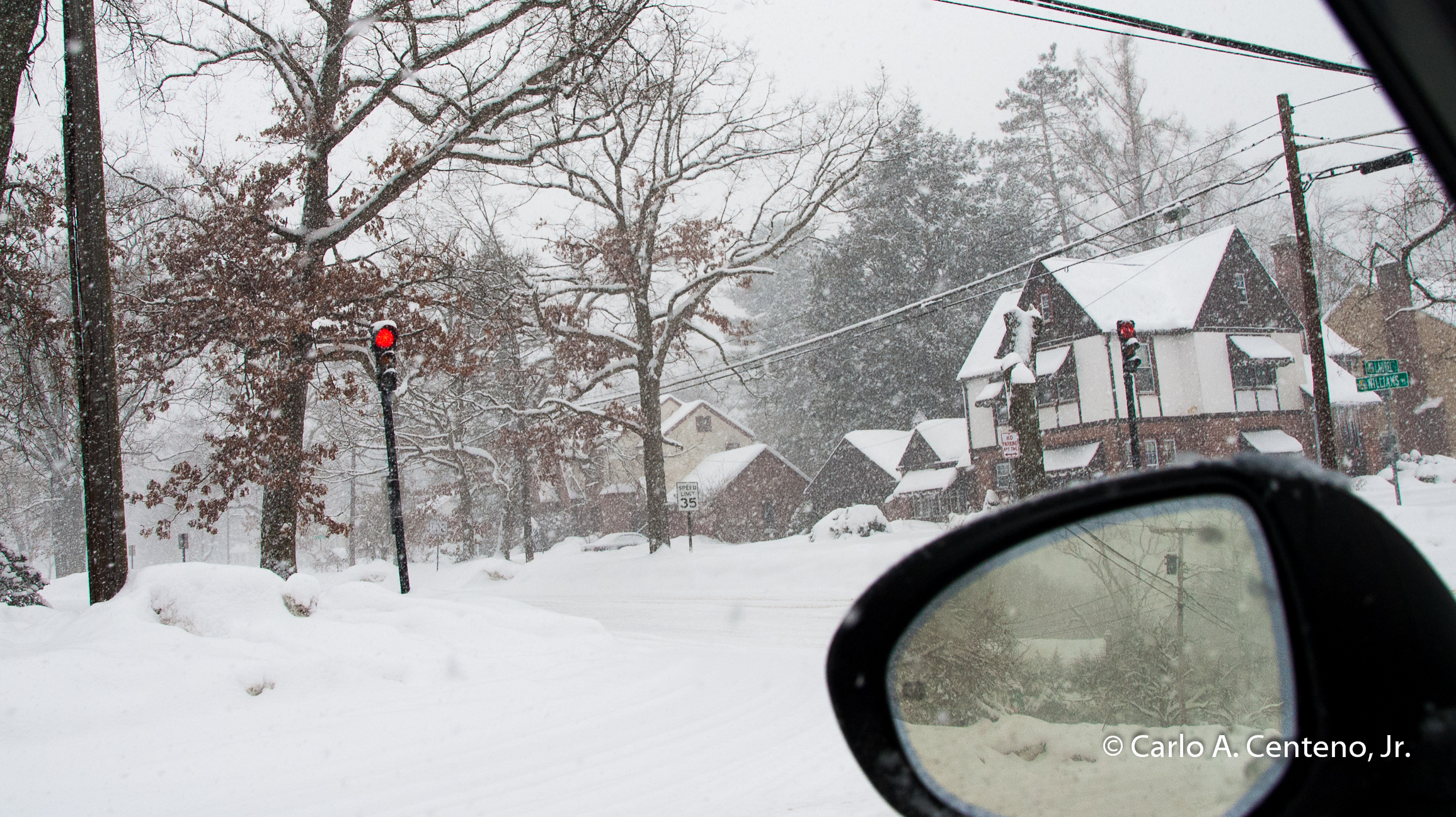 I have fond memories of winters past. Ski trips, sled runs, hikes into the forest, walks with my family. In this blanket of quiet and stillness, I derive a prana that matches that of an ocean breeze on a sun-draped beach. How can that be? Think yin and yang. Consider polar opposites and how without one, the other won’t exist. Yin and yang coexist. I find a personal harmony in winter more so than any other season [fall is a very close second, actually].
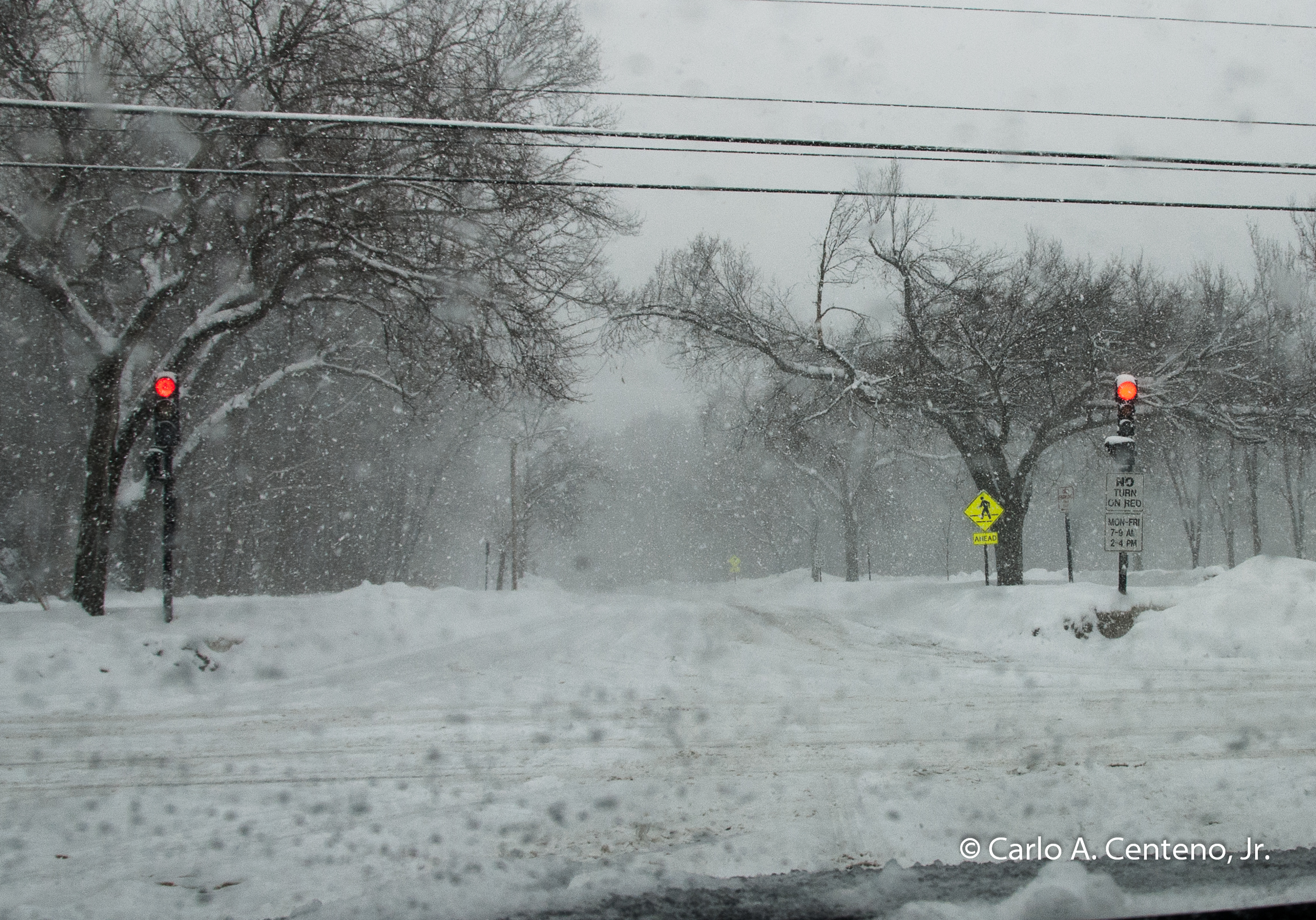
Snow and cold act like acoustic panels whereby irrelevant sounds don’t surround or even reach me. Horns, revving engines at stop lights, really loud music escaping open car windows, none touch a calm within me. As the snow piles up, the world becomes monochrome with a color I feel as “equilibrium grey.” This equilibrium can be so complete that it’s only failing is the glow emitted from street signs, traffic signals and reflective panels. All else is in the domain of snow. Every now and then I read about cleansing diets and I’ve heard that they can be very beneficial for one’s general health. Winter has a cleansing attribute. Its stillness points us to a calm; its quiet to a inimitable level of solitude. The expanse of snow covers the landscape, in effect hiding from us things that aren’t positive, while protecting those things that are.
Yes, there several good qualities about winter…
 Carlo Centeno