Catskills

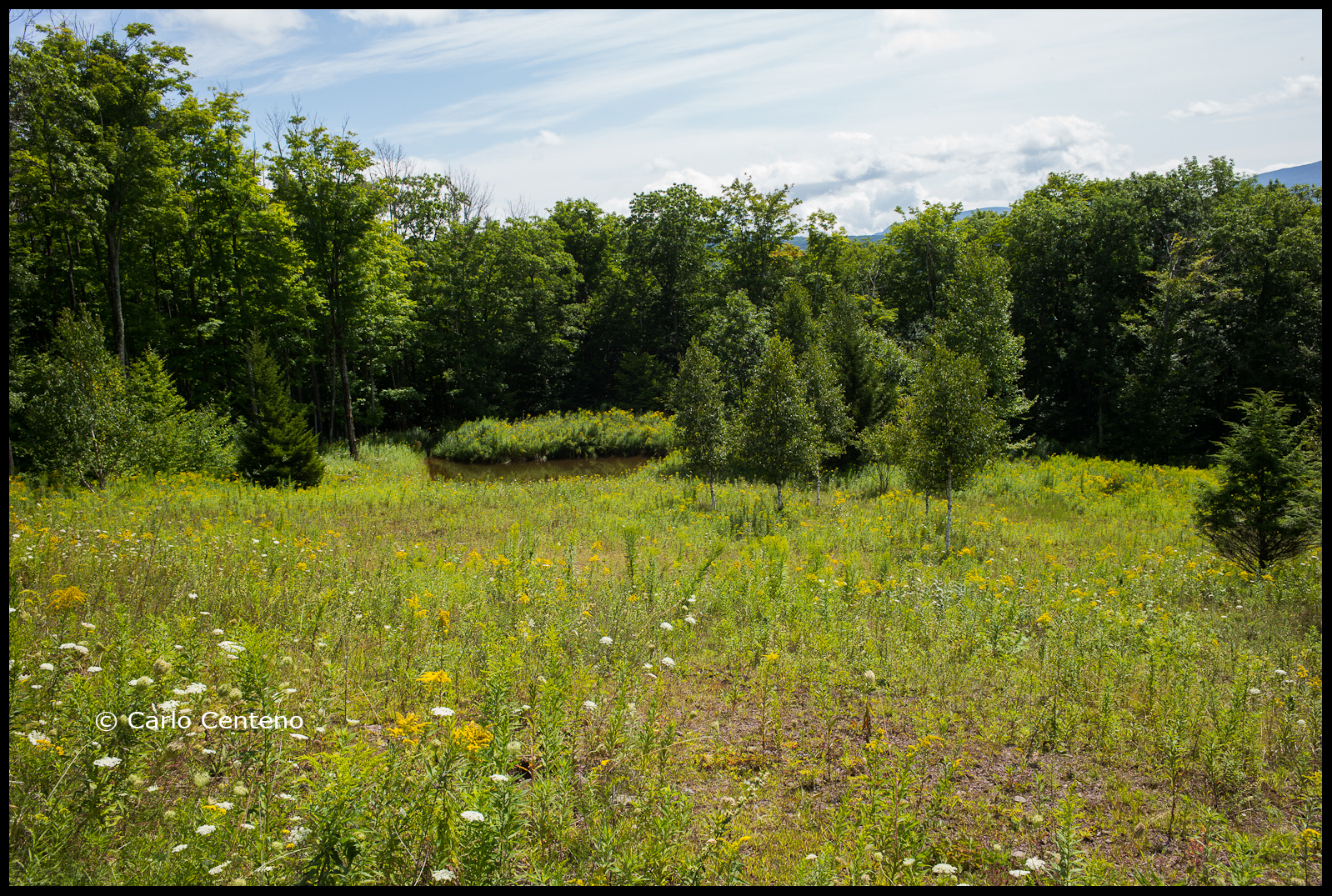
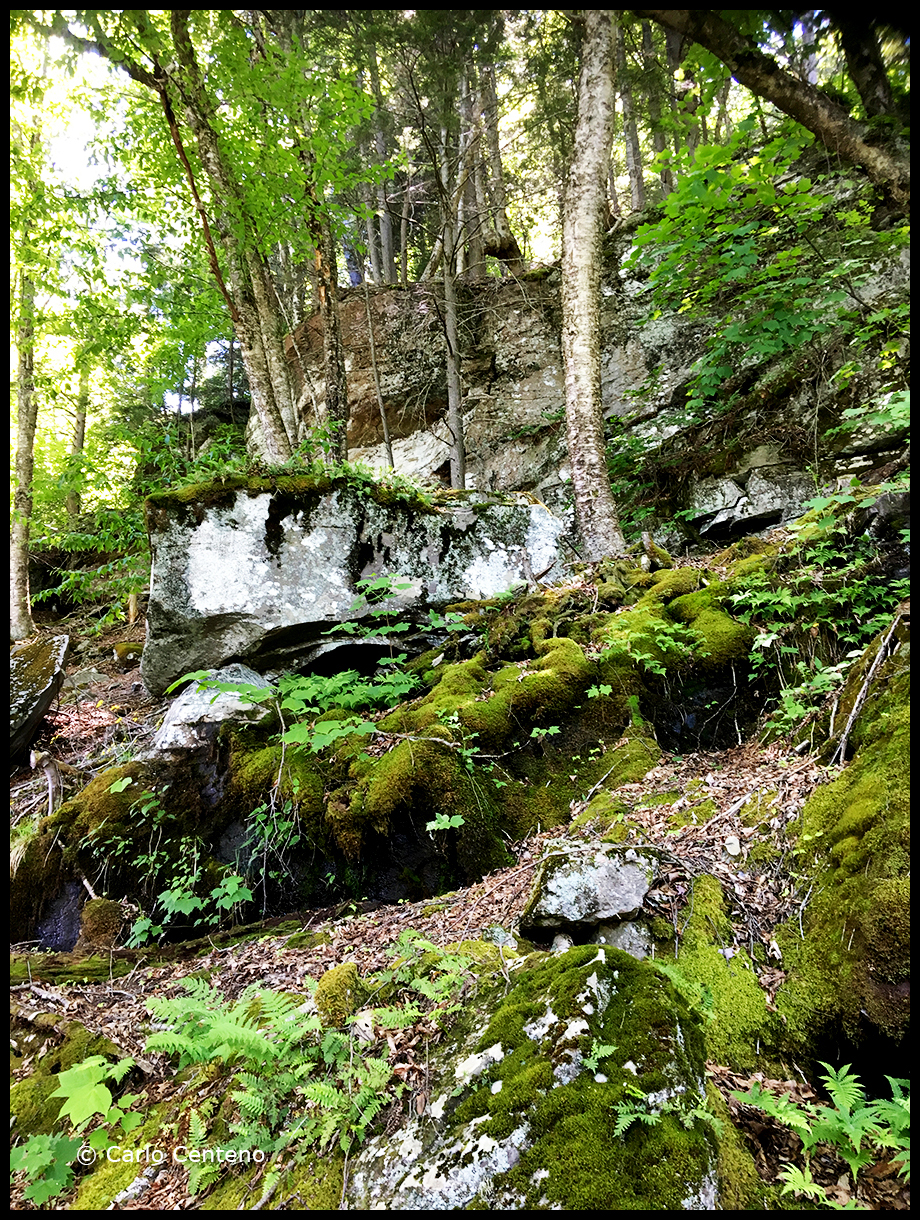
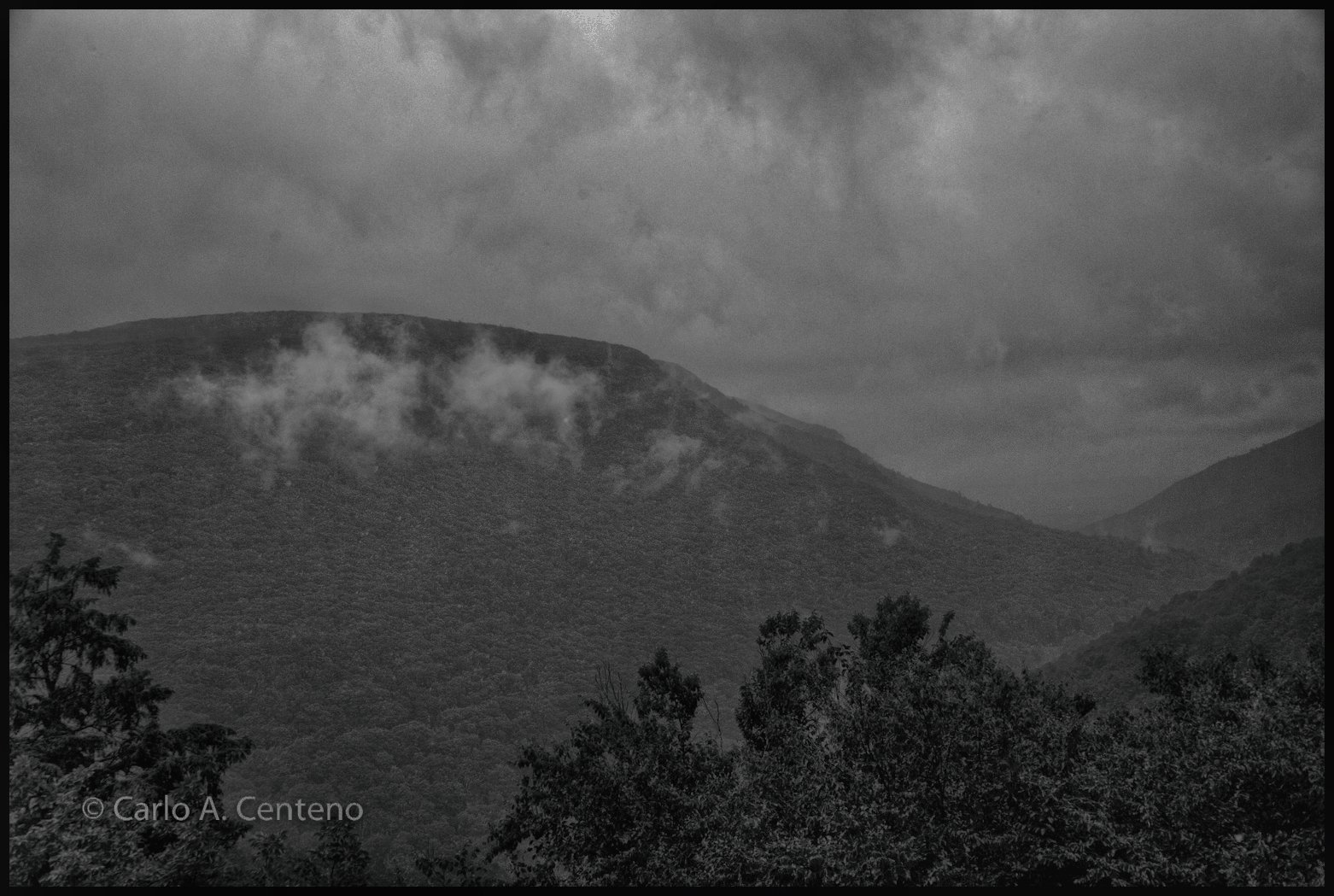
There are several places I always look forward to visiting. The Catskills is one of those places. Marketers have positioned it a number of ways, two which I can refer to: the first being that author Mr. Washington Irving created a mystical dimension about these mountains and valleys as demonstrated in two of his works, Rip Van Winkle and The Legend of Sleeping Hollow. The second is that these same mountains are the birth place of American fly-fishing, this, toward the end of the 19th century.

The eponymous short story tells the tale of Rip Van Winkle, who after accepting a drink or drinks from other Dutchmen, went into a deep slumber. A twenty year slumber at that. And to think that suspended animation had yet to be imagined. Like Irving’s other short story, The Legend of Sleeping Hollow, there’s no denying the intrigue and fascination with the dark arts as it were, an ethereal construct of feeling displaced, out of touch and powerless. The spells, debauchery and intrigue hold the reader captive, and the Catskills is both crucible and container to the kind of narrative that keeps young and old awake at night.

Along the roadways that weave up and down and around these mountains you’ll see places with names like The Washington Irving Inn, Sleepy Hollow Mercantile, Rip Van Winkle Golf, etc. etc. From eateries to where locals meet and catch up on recent news, to bed and breakfast attractions, there are many hints at Catskills history and folklore.

As for the fly-fishing, there’s enough rivers and streams to keep you occupied. Certainly there’s enough real estate to get you lost as well or put another way, give you solitude and quiet like no other in the northeast. I’m told that Mr. Theodore Gordon is the one credited for starting American fly-fishing in the 1890s. This feeling of where fly-fishing started in the USA is supported by a smattering of fly shops and other related businesses, several found close to the rivers. For many die-hard enthusiasts, these are sirens that are as strong as the waters and fish that beckon us to get our fly lines in the water.

Covid has altered some of our pursuits, but it hasn’t put a dent on my love or time in the outdoors. Factor in the openness and scale of outside and one can understand the fascination, the desire to get up and out of the house/office and do something for yourself or for perhaps someone else. It’s rare to see another person here in the Catskills or in other wooded areas I’ve been in. Social distancing is a non-issue. In our uncertain world, being wrapped in the outdoors is invigorating and yes, even fulfilling.

The Erosion of Social Bridges

There are positive attributes to like-mindedness. It’s a way to find common ground and interests in practically all relationships be it personal, professional, philosophical and spiritual.

We understand that having similar interests can help solidify these relationships. We also know that different pursuits can develop into new perspectives, and these perspectives can present alternative ways of thought and action, perhaps some you haven’t thought of yet.

Unfortunately, the bridges which can connect the like-minded and those diverse in thought and action, are in danger. There is a level of social deconstruction affecting not only the infrastructure of social interactions and preferences, but our individual feelings of well-being [health] and significance [purpose].

Some may like it more than others, but various apps connect us both professionally and personally.

The relevance surrounding social engagement has been noted across many communication channels–magazine articles, academic papers, broadcast news, and more. The absence of in person, face-to-face interactions with colleagues, friends, family, business connections, neighbors, et al, has created varying levels of social isolation.

Some may miss the informal chatter when shuffling the hallways to and from meetings. There’s the interaction during lunch periods and conversations at the water cooler and copy room. I certainly miss some of the gatherings and conversations, either formal or informal. The taken-for-granted expressions of “good morning…good to see you…how’s your kid doing…you’re looking well, feeling better I hope….” and so on, chips away at our own self-perception and emotions borne by experiences. And this includes uncomfortable expressions and experiences as well. The good and not-so-good are inevitable in everyone’s life.

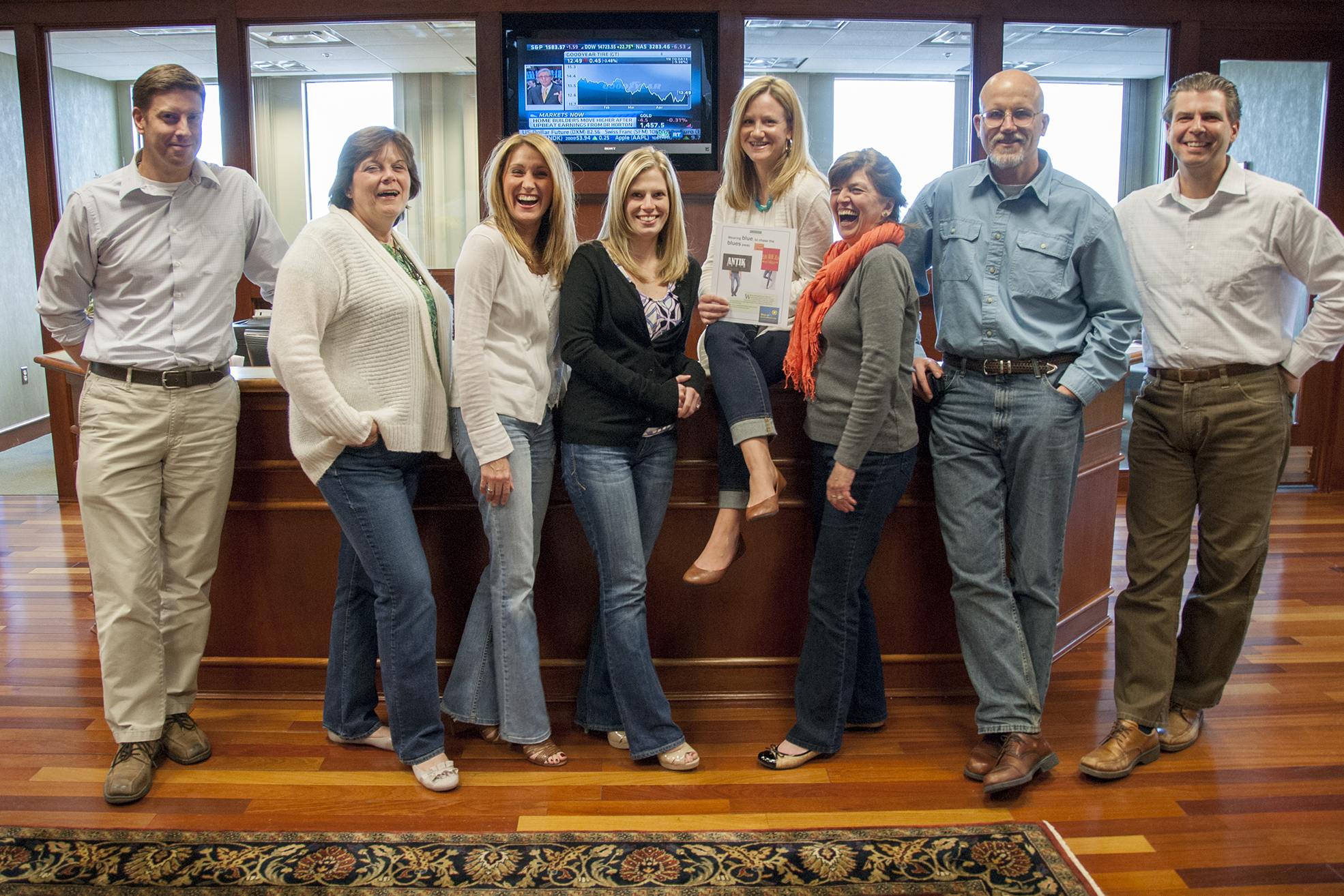
Before the pandemic, on two or more days during the workweek, a small group of us banter about life, kids, work pressures and current events. The time together in the lunchroom is not just small talk or attempts to fill in the question, “So, what’s new with you?” The time, albeit brief, permits a reciprocal exchange of ideas and feelings, or concerns and burdens, and even lighter moments, which on the whole, provide a brief respite from work. I miss deciphering the “Jumble” word game found in newspapers. Just about everyone at the table has had a go at the jumbled letters. Not surprisingly, others who saunter by have also added their own guesses.

Circa 2013. Interaction: Want to wear blue jeans on a Friday? Contribute to a charity.

Everyone has preferences though our personal constructs, expectations and beliefs can be as different and varied as the objects on our planet. And that’s what nurtures our face-to-face, in person interactions. We know there are differences, but I like to think that deep down, a lot of what matters between us are all too familiar.

Digital communications–Facetime, Instagram, zoom meetings, text messages and so forth have their place and their legions of supporters. Personally, I miss nuances of expression, of feeling connected and relevant in life whenever people are not physically present. Perhaps I’m just old fashioned but for me, being face-to-face validates our humanity.

Connections

I love Cape Cod. The season doesn’t matter, but late summer is often a great time. There’s less traffic and a more laid back atmosphere. The beaches and wharfs hold less people, though there are those hearty souls who continue their routines swimming parallel to the shore.
I watch the few on the beaches, most in their chairs, some sitting or lying across a large towel. Others are involved in conversation or quietly engrossed with a book in hand.
You can always count on walkers tracing their steps first one way, then on their return trip to a starting point. The most jubilant are often a dog and its owner. They’ve waited for the moment when the beach was available to them and their joy is clearly displayed. This is the kind of connection that’s about as simple and straightforward as it can get: get out and spend time with good friends, family, your dog—even yourself.

The men enjoying their cocktails aboard a boat speaks of many types of connections: family, work colleague, college room mate, best friend, and so forth. Between the “remember when….did you hear….whatever happened to…” are those moments of hilarity, some brought on by something long past, others in more recent times. Nostalgia connects with the present.

I love the Cape, especially for the many connections its made for me.

The calm that follows…

We don’t inherit the earth from our ancestors. We borrow it from our children.    Native American proverb.

It seems much of the news these days revolves around weather. Just 3 weeks ago, a powerful storm tore through the northeast delivering colossal amounts of rain and dangerous winds. Add to that the trees ripped apart or from out-of-the-ground and it’s easy to understand why some think the “end is near.”

As this is being written, yet another hurricane struck the southern shores of Texas, Louisiana and Florida. There are other storms gathering strength off the west coast of Africa. The most recent forecast now shows 4 tropical storms in the Atlantic, each with the potential of becoming a hurricane.

There’s plenty of talk about technology in particular advancements in biochemistry and mechanical engineering that are directed to saving our planet. There can never be a one-size-fits-most strategy created from a laboratory, but we cannot rule out the scientific efforts behind such pursuits. There’s good reason to continue work on such technologies. However, we can learn a thing or two about “natural climate solutions.” 

There’s a disquieting quality that follows catastrophic events: the eerie calm. It grates against my appreciation for a calm that I’m expecting, a calm based on softness, a level of assurance, inner peace and that sense of all is right in the world, even for just this moment. We appear to be experiencing less of that these days.

I’m reminded of a Judao-Christian saying, “The sin is not in failing, but in not trying.” Framed another way, there’s a lot of us carrying this sin of not trying.

Enough already. Enough.


Same Place. Different Times.

Without a doubt, I am finding greater comfort being outside. From the backyard to destinations within a 2-hour drive, being outdoors is just about mandatory to keep my sense of self from being weighed down by the harsh reality festered by  “insensitivities” of society as a whole.
The omnipresence of intolerance, indifference, ignorance, impropriety, apathy, hate, gratuitous violence on person and property and even more, is disheartening. Of greater significance is the increase of schadenfreude.

Enough already. Enough.

The outdoors is not my only sanctuary. I also find some relief, some comfort, some reduction of stress and disillusion through family and a handful of friends. And it’s not unusual to have some of these individuals with me on those occasions when the world is en route to hell-in-a-handbasket. Though as you might’ve gathered, I reserve the right to keep these individuals to myself. Some things are sacrosanct and will remain so. There are sound reasons for not sharing them here, and you know some of the reasons I’m sure.

But most can understand the power of the outdoors. In particular Native Americans—indeed the indigenous people of this planet who now inhabit small parcels of land that are but a shadow of times past—embody an understanding, acceptance and empathy for all that is nature, whether seen or not.

No, we haven’t lost paradise. Yet. We tempt fate, but I hope we can collectively muster the virtues and attributes we know make a difference for our future.

I’m hoping that at a different time in the future, many of the places I treasure as sanctuaries will remain “the same.”

Transitions

With September upon us, there’s that sense summer is nearing its end. You wouldn’t think that on such a day as this: it’s warm, bright, a slight breeze and plenty of green just about everywhere you look.

Yet the season’s already changing. My morning start is just a little darker than what it was a month ago. Some of the maple trees are starting to turn color. Shorter days means Autumn is at its threshold.
When I need to have some distance from this maddening world, the outdoors provide a good dose of calm and reassurance. It can be more challenging in urban areas, but parks are a viable alternative. Get outside and realize the natural world accepts you as you are.

This pandemic has modified if not altogether changed, the way we mark the change in seasons. Traditionally we associate baseball as the “start” of summer, football the beginning of autumn, basketball and hockey mark winter’s arrival. But many of these traditional markers have started later than usual. As a consequence, our seasonal clocks are skewed. This has been compounded further by schools having different protocols for their first day. Is that day for virtual online learning or in person at the actual building?

Time to get outside.

Wounds.

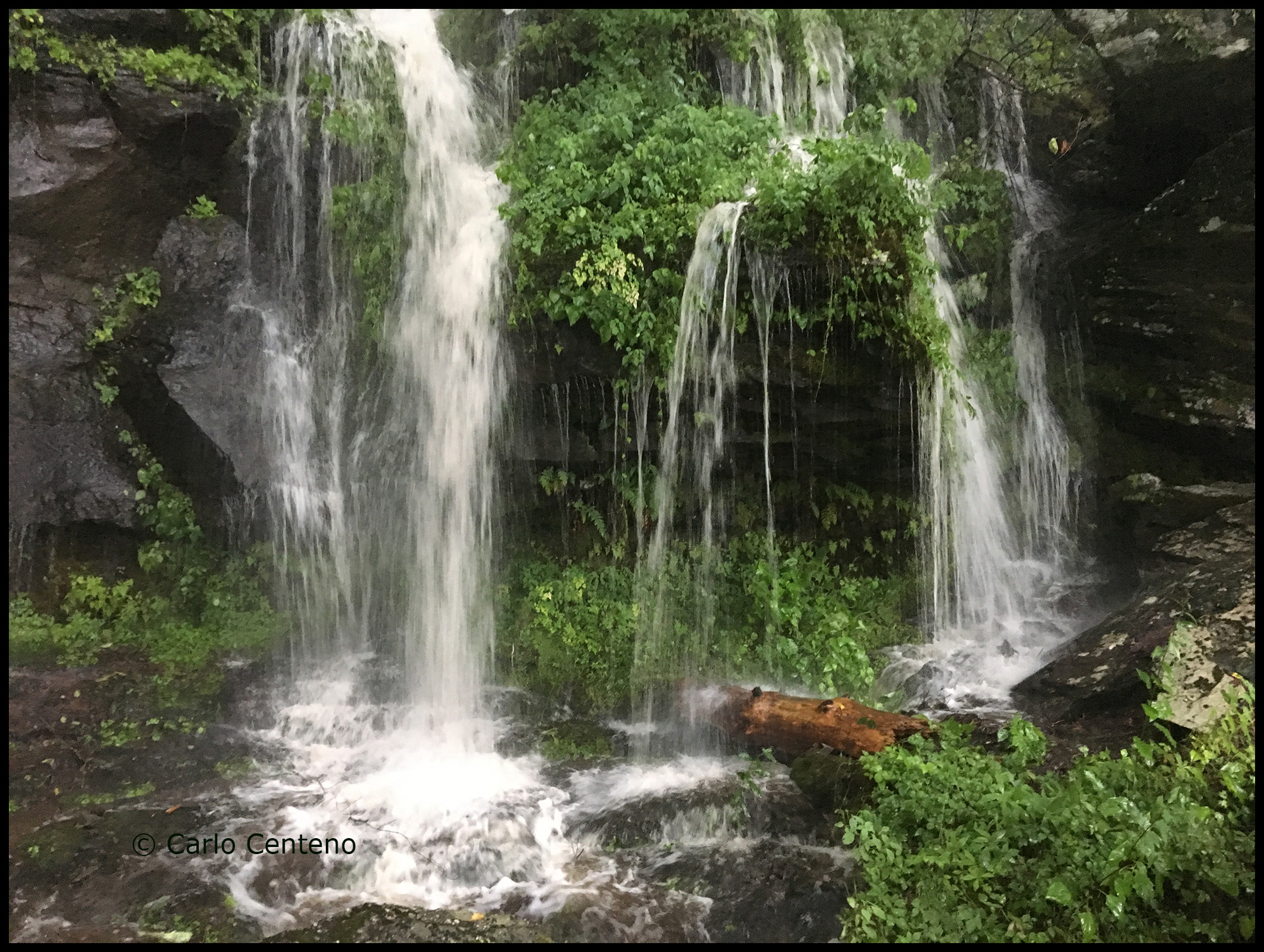
The power of water is astounding.  Trickles that turn into streams then morph to raging rivers—at times in a matter of a few minutes if not less—cannot be taken lightly. Trying to accurately track an object caught in fast-moving current is almost impossible. My August 5th post about The Falls clearly demonstrates the meaning of “fast-moving.”

Wind can be just as harrowing. Various parts of the country were seriously hit first by the rain storm Isaias then by a rare, but powerful wind storm called a “derecho.” The middle of our country bore the brunt of its force leaving what resembles a war zone.

Closer to home, there was considerable damage from this most recent windstorm. Though the harm and damage here pales to communities in Iowa and beyond, I’ve noticed pine and oaks uprooted and toppled over. The swath of this recent storm event caught me somewhat off guard.

Looking at the damaged trees produced that anthropomorphic feeling within me. The morphology of plants, and trees in particular, created a connection hard to ignore. My trunk or torso is akin to that of a tree. My arms and legs are limbs just as a tree has limbs. My core, like that of a tree, is the foundation that helps me stay upright.

It was apparent that these trees could no longer return to what they were only days before.  I’m not an arborist, but I surmised that nothing could be done to “save” any of the trees I looked at and photographed. Not a one.

When severe storms strike, all life is impacted in one way or another. However, plants and trees are particularly vulnerable because they are literally anchored to earth. They can neither hide nor escape their circumstance and their wounds are so obvious.


Dark, grey afternoons…

For all the misery and inconveniences really bad weather creates, storms have a unique appeal to me. They are fascinating creations. In the most dire of circumstances the devastation they leave behind is nothing short of incomprehensible, humbling and frightening.

On the other hand, bad weather has a way of fine tuning me to a mode that captures and enables the ephemeral: in one moment, a gentle falling rain suddenly becomes heavy, rampant, even vindictive in the force and quantity of water that dowses everything.

No sooner than the rain pummels the landscape, the water is then swept away, transitioned to a drizzle that moves ahead of a foggy veil suspended just behind the now gentle shower. I think of the various weather possibilities as moods, from the bright sunny days [hope, optimism, gratitude, e.g.] to the dull grey of a threatening sky ready to let loose its worse [depression, angst, regret, e.g.]. Weather figuratively produces such an array of moods.

Dark, grey afternoons carry a weight [wind, water, ice, snow, heat et al] that can lay to waste your surroundings as well as your inner landscape. Yet when I pick up my camera or take pen and journal to hand, I remind myself that things change. Storms have their beginnings and an end. And what happens in between can—and will—wreak havoc on the most carefully laid plans and intentions.

Events, like storms, are markers in time. And having a marker delineates a “before” and “after.”  What were you doing just before the storm hit? Where were you? We often have a stronger temporal sense of change whenever nature throws us the worse. Similarly, we celebrate when the change is for the better; some days are referred to as “picture-perfect…like a perfect postcard if you will.

The prologue to dark, grey afternoons can be a harbinger of bad stuff yet to arrive.  Still, I look at these harbingers for what they are: a dramatic dance of fleeting light, of varied grey swatches which masks greens, yellows and blue, of movements brought on by high wind speeds and even a gentle breeze.

Weather, in all its forms, is a fulcrum on our impressions of just how good or bad our day is doing.


Ghostly

In the past 2 weeks, I’ve been to the office 4-5 times. The building is eerily quiet.  The predominant noise is nothing but white noise. It’s the kind of noise that can set your ears ringing because the sound is so subtle yet ever present—like that of a medical office waiting room with no one else but you sitting there. It’s a solitary existence encapsulated by sounds produced by the HVAC system.
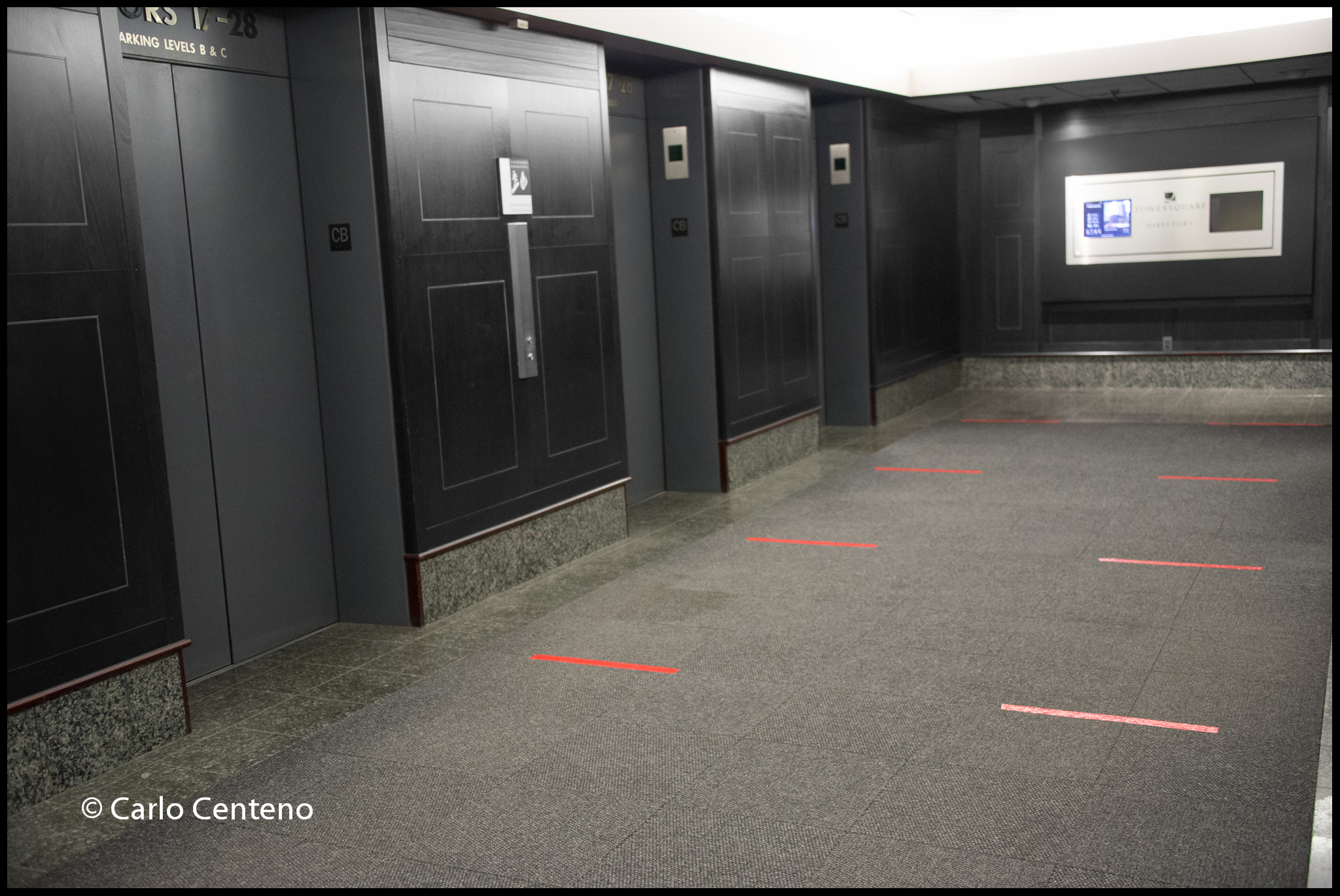
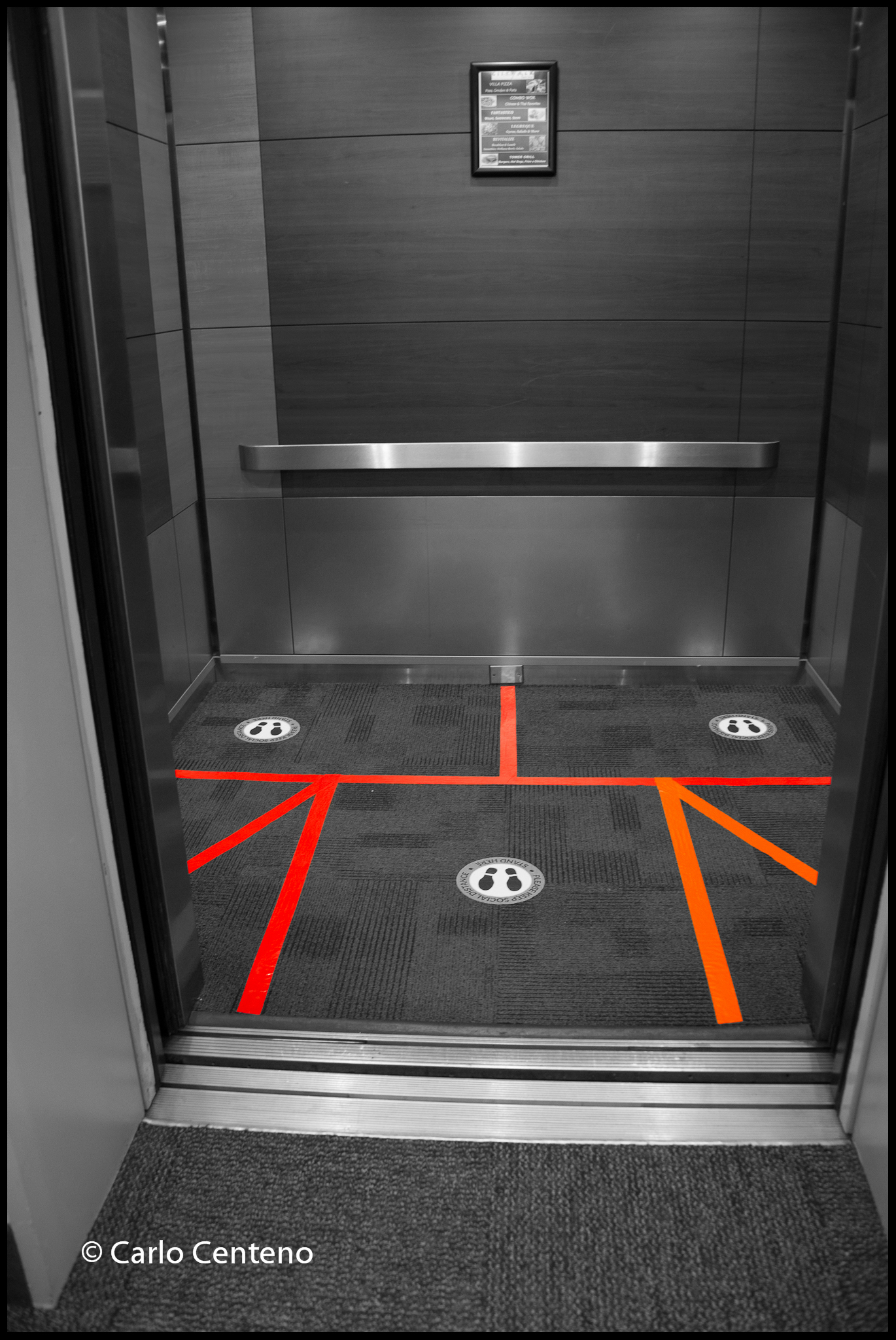
This is all very different. The office tower and the parking garage are like ghost towns.  Prior to this new reality, I’ll see people gathered around, waiting for the elevators, shuffling into one only to find that your stop is after 4 or 6 floors. It’s like the local train versus an express. Regardless of the time of day, there’s no avoiding at least one or two persons involved with an elevator: waiting, stepping in, stepping out and being closely woven in with others, some being inadvertently bumped by a briefcase, a backpack or a lunch bag.

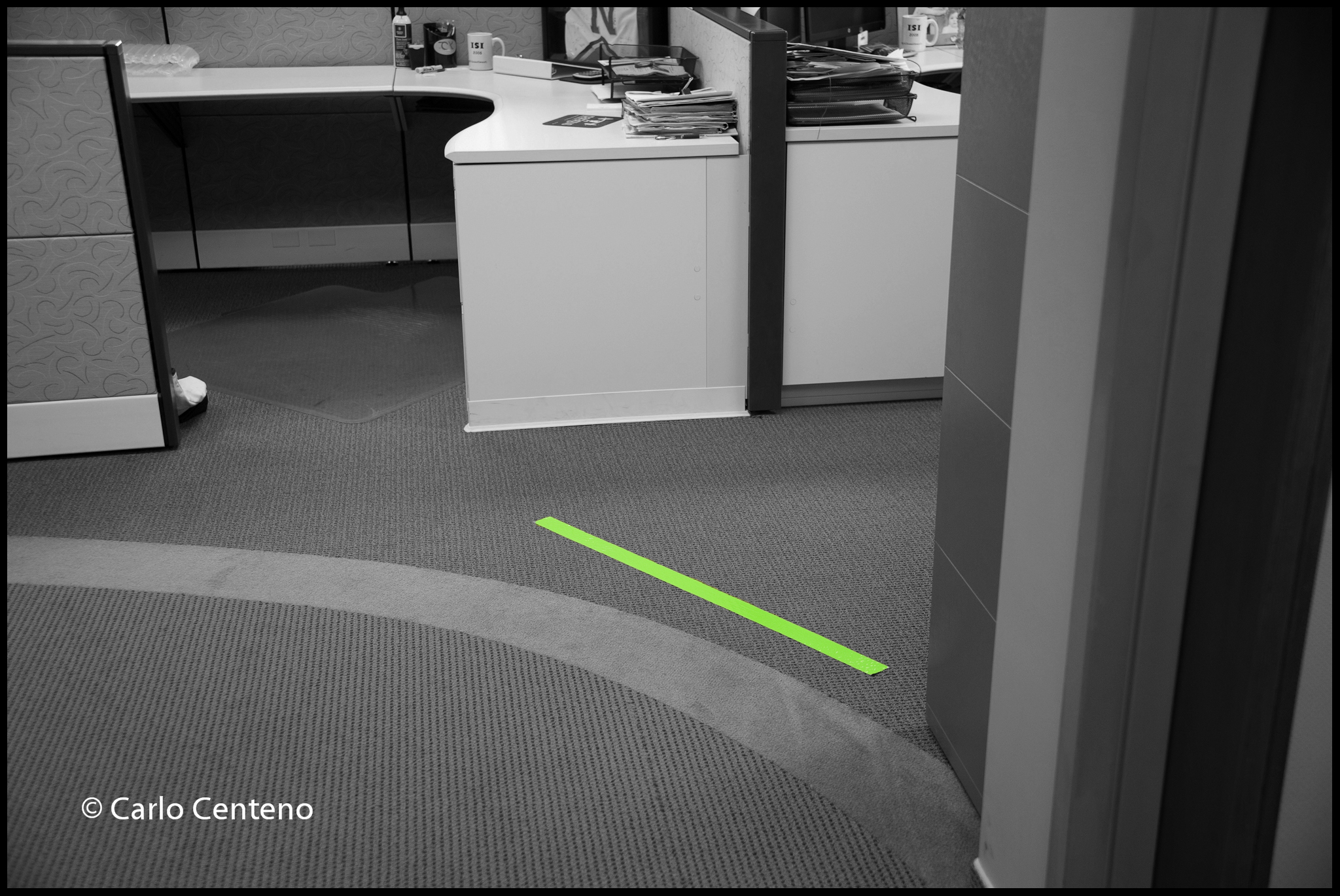
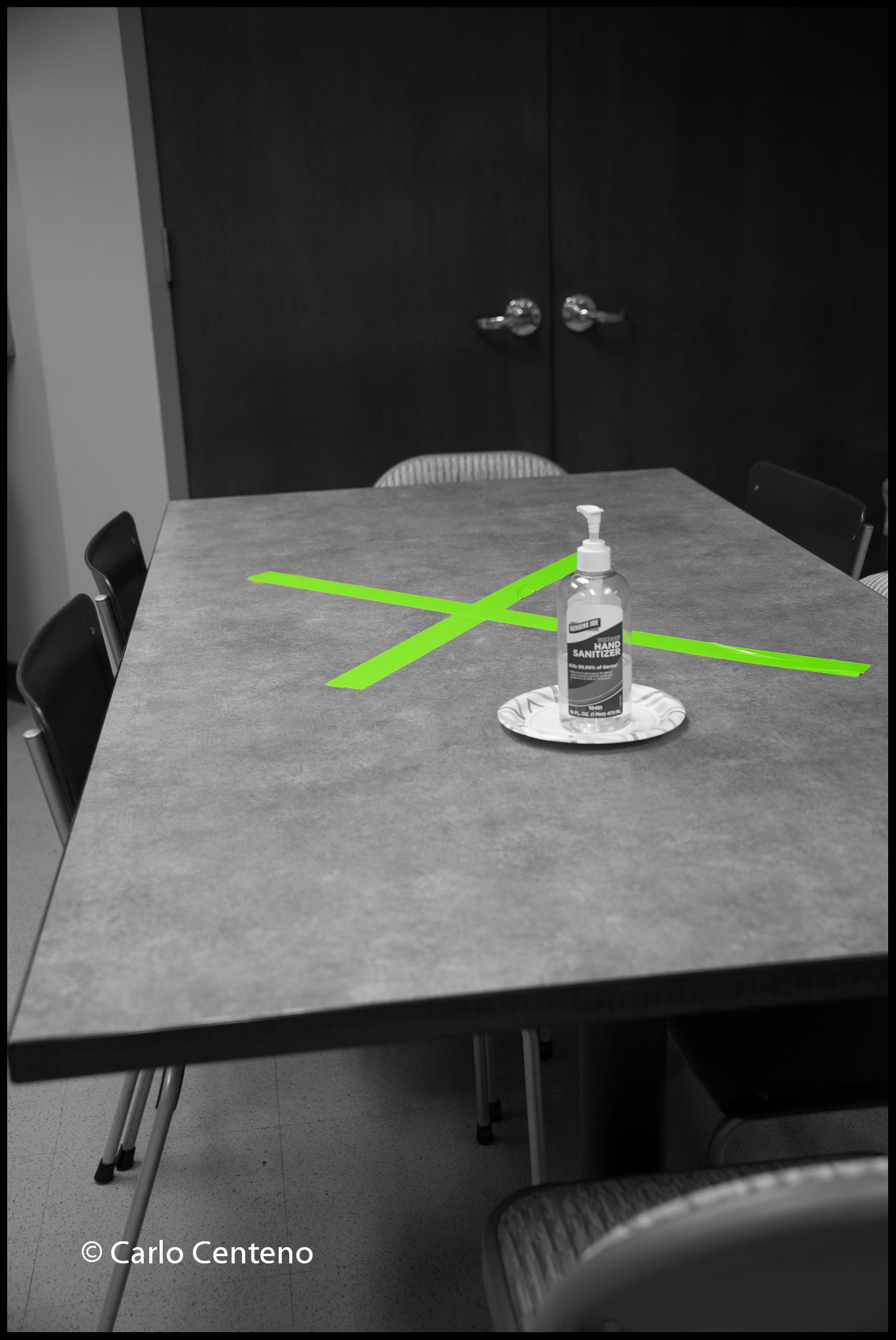
Similarly, once inside the office, this ghostly motif persists in all the spaces. Now, there are signs reminding staff to heed the rules of social distancing and the wearing of masks.  Individual office doors are closed. Open spaces have boundaries defined by 2-inch wide vinyl tape stretched across the floors as well as on the table in the common area.

The common area is perhaps the most ghostly of areas. Here on the first Friday of each month, our president would buy everyone lunch. Typically standing room once the seats were taken. It was a chance, albeit brief, to talk about life beyond business matters. It gave each of us a chance to kid around, make each other laugh, to feel, well, connected and relevant.

Like a dreamlike narrative in a Dickens or Bronte novel, what remains now is what you see. And what you hear, is the odd hum of the fluorescent lamps and the HVAC system.


“This will take some getting used to….”

Open your arms to change, but don’t let go of your values. -Dalai Lama

Modern life has been tossed into a blender of our own making. Whatever comes of that mix will be unrecognizable. It’s a blend never before seen or experienced, though to some degree, many of us hope that what pours forth is something that has meaning and value.  It could be something we’ve longed for across time immemorial, and yet I’d like to think that most of us are hopeful of what’s been created.

At present, uncertainty unceasingly hovers over us, as if poised to pour change across social, educational, medical, cultural, environmental, financial and governmental policy mores. And like other things we’ve thought of and created, none of it will ever be perfect. No one can please everyone every time.

The work-in-process strategies and machinations will take some getting used to. In fact, everyone should tune-up their listening skills.  As the saying goes, We have one mouth and two ears, and good listening is always important. We’ve been challenged with practices to keep the new coronavirus at bay and confronted with racism and ideological thinking and approaches that touch the far left, to the center, to the far right. A virus—whether new or old—is looking for a host regardless of your ancestry and your present location in this world. Like COVID-19, racism is a virus  that must be eradicated, that and along with other –isms which undermine our empathy, our ability to tolerate, our desire to compromise and our willingness to see that, indeed, the glass is half full.

Eleven weeks has kept many of us quarantined regardless of age, fitness level and overall hierarchy, whether familial or professional.  I’m still adjusting my return to work, as several safeguards are in place: my office door stays closed, open areas in the office space require a mask, wipes and hand sanitizer are located along travel routes.

All of this will take some getting used to. Like many, I miss the energy and engagement of being around people. It’s just part of being human. Though I enjoy journaling, writing letters, taking photos as such, nothing can replace a good conversation, the sight of an expression [good or bad, preferably the former] and the sounds of laughter, exclamations, even the cacophonies that make Life all the more interesting.

Be well. Stay healthy.

“Those Were the Days”

Once upon a time there was a tavern,
Where we used to raise a glass or two.
Remember how we laughed away the hours,
And think of all the great things we would do.
Those were the days my friend,
We thought they’d never end.
We’d sing and dance forever and a day.
We’d live the life we choose,
We’d fight and never lose
For we were young and sure to have our way.

Songwriters: Boris Fomin, Gene Raskin

Ever an optimist, it is possible that you’ve heard the song, Those Were the Days as sung by Ms. Mary Hopkin. It was one of the first singles produced by Apple Records and Paul McCartney in 1968. My recent postings and our current new normal [or is it our current abnormal?] made me think of this ballad. And not only about changes that have taken place, but of many things unlikely to occur in the same way as before.

We are at summer’s threshold. We’ve evolved to accept crowded places, an expectation of more time spent with family and friends and to be part of those timeless happenings and celebrations that define this time of year: graduations, picnics, time on the beach, attending ball games, concerts & performances inside and out, barbecues, pool parties and a lot more.

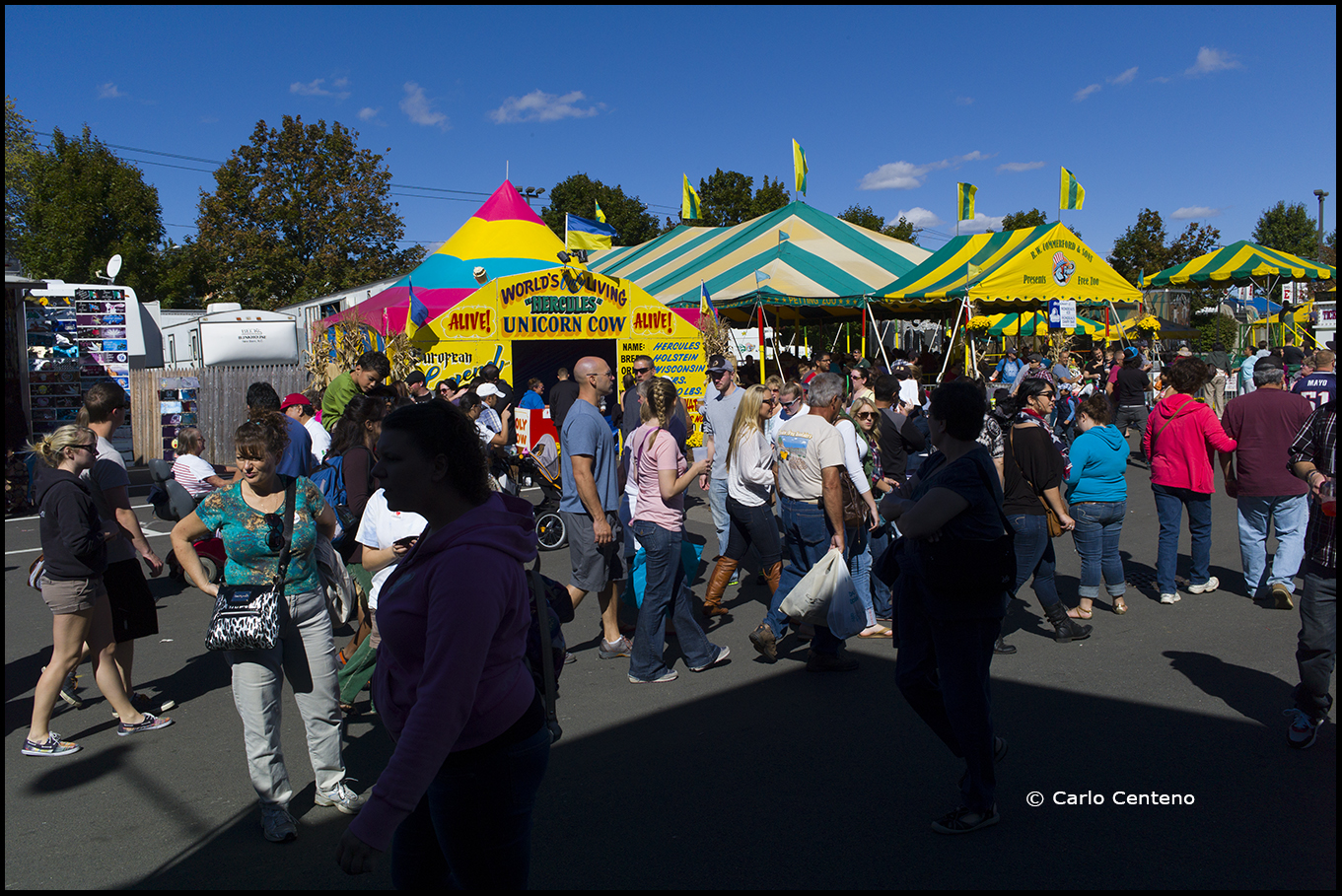
And then there are the country fairs.

This unique piece of Americana born of traditions in farming and agriculture, will never be the same.  To heed social distancing at these and other events is not going to happen. It’s part of our social DNA, to see a flurry of activities and to be part of the atmosphere or happenings. It’s standing in line if not for the anticipation of getting into an exhibit or performance—or something savory to eat—but to avoid losing your place in that line.

It’s a place to experience sensory overload. Merchandise of all kinds court you with such promises as having something fun-for-the-kids; of having the last mop you’ll ever need or the complete knife set that rarely needs sharpening. Then there are the culinary pieces de resistance: fried dough that could work as trash can covers, cream puffs the size of softballs or that deep-fried turkey leg that can double as a hammer in a pinch.

This year will be different for most everyone. The crowds can never be as large as before. Perhaps reservations need to be made to limit the number of visitors. Adjustments are already in place, yet still changing. We’re armed with masks, hand sanitizers and wipes and a growing awareness of our personal space and limitations. It may not be all bad, but much of what’s currently unfamiliar, even uncomfortable, will become all too familiar.

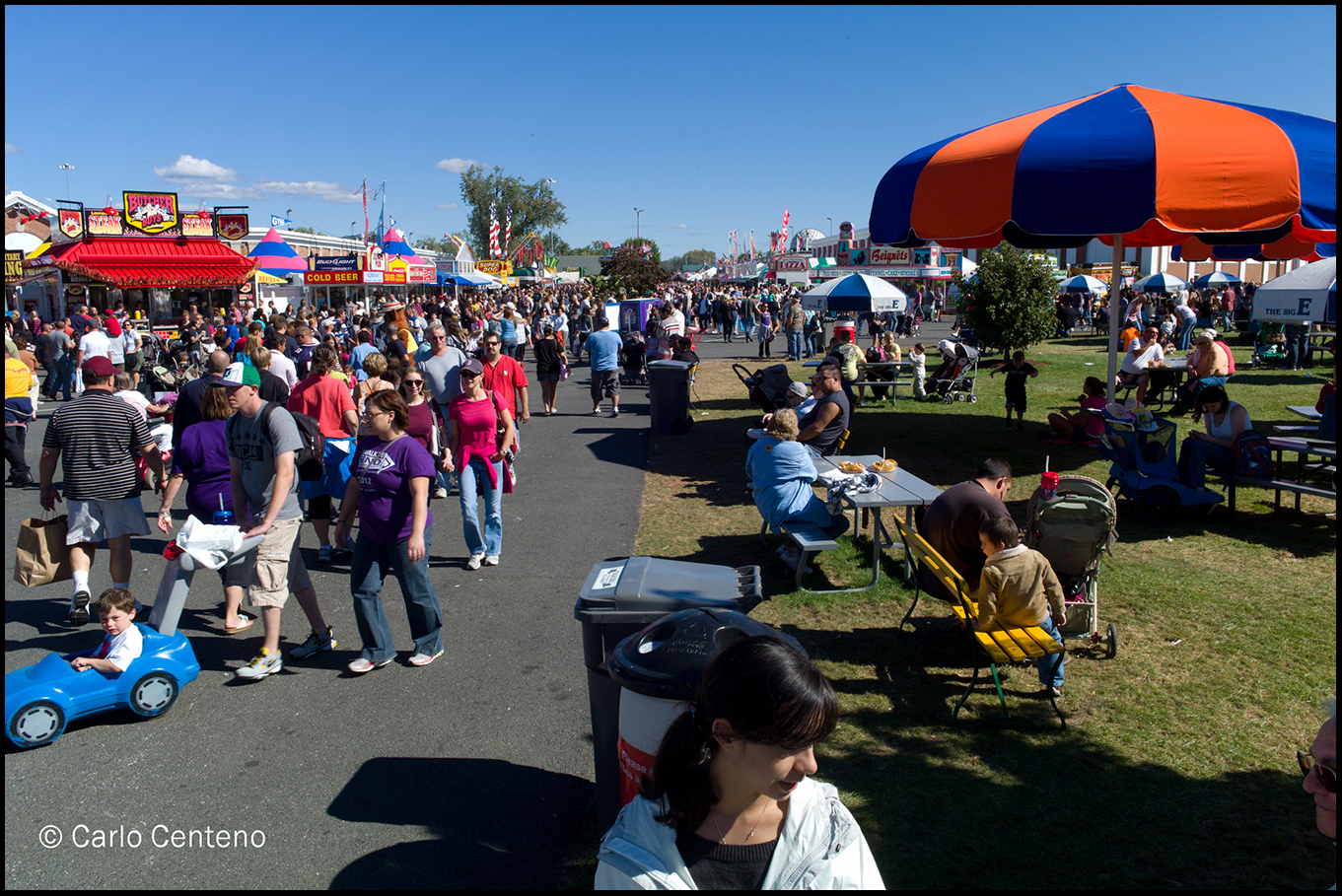
For years we’ve made a trip to one of the largest country fairs in New England, a sortie that has become part of our own tradition. On a weeknight, we head to West Springfield for “The Big E” aka, the Eastern States Exposition. My wife and I head to a favorite Polish food stand to order the inimitable Polish Plate: galumpki, pierogies, and kielbasa, all chased down by a “pint” of Dinkel Acker Pils, a German beer crafted from heavenly made hops.

And after that, it’s a walk across the grounds to burn off a few [very few] calories, only to add a bunch more when we stop for a homemade blueberry pie a la mode. All of this adds up to an entertainment feast. Certainly many things are always there, often the same vendors and merchants. But what makes each year different are the recollections of many other visits to the Big E aside from our annual beer with dinner.

It’s about our daughters coming with us during the toddler to tween years. Then came the teen years when it became apparent we were no longer cool, the two escaping with a fistful of tickets for rides and the arcade at the fair’s Midway.

It’s about people-watching, of getting lost in a crowd knowing that similar dreams and fears are as common as balloons, stuffed animals and kettle popcorn. Summer is as much about the quiet and solitude found in the woods as is the cacophony of gatherings and festivities that confirm our sentient selves and how we’re all connected.

Those were the days.


Reliant on Memory

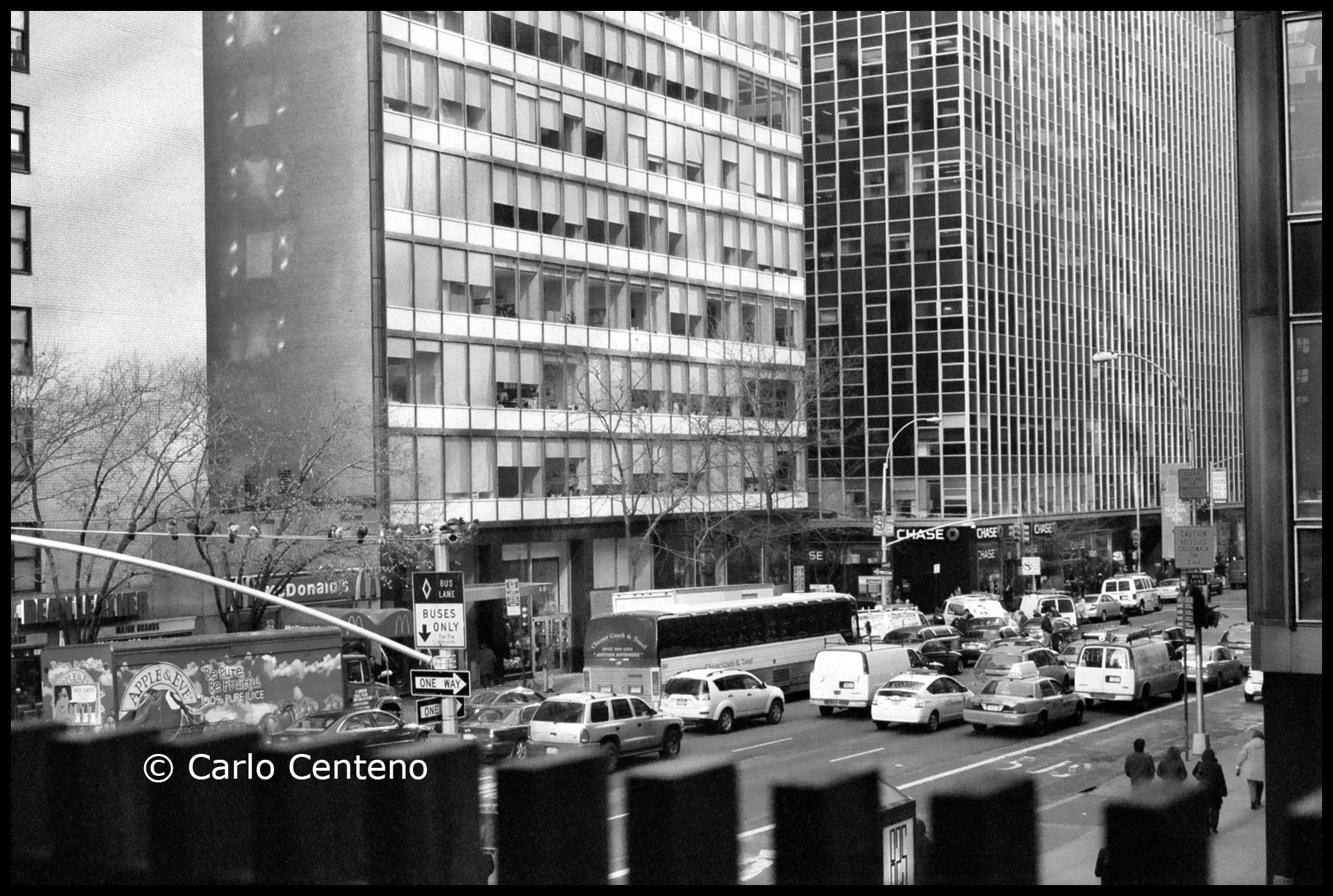
Broadway–2007

There are days that seem to fly by, while others feel like time has come almost to a standstill. I mention this because it doesn’t seem like 7-weeks have gone by since the new coronavirus forced us into a different way of working and living.

Manhattan Third Avenue 2007

Yet being removed almost two months from what was normal, there’s this juxtaposed sensation that it feels like forever and a day since we went about our usual routines. Time is relative, which simply means that when you’re waiting for something you want, it doesn’t come soon enough, whereas the opposite holds true for something you want nothing to do with.

I have read that the sense of smell is the strongest of our five senses in prompting a memory. It’s also—if memory serves me—the most accurate.

A quiet pause in NYC 2018. Photo credit: R.A. Centeno

Scientifically, that may hold true, but for me, sound and image are stronger drivers in resurfacing a memory. Music has a way of putting you back in a time and place with an immediacy that’s uncanny. “Wow. I remember when this song came out.” There may be some inaccuracies about say, the year or even the place, but whatever was important then, resurfaces as part of your remembering.  Pieces may be foggy, but as other pieces emerge from that fog, the memory works to become a bit sharper.

Philadelphia 2018

There is a hint of nostalgia in all of this. I do wonder about the new normal and what it means not only for me, but for people I care about. I think retrospectively, of how moments in my past somehow provide a lift. The thoughts, the sensations, or whatever visceral vestige flows free from memory, are but markers of what has been, or what might’ve been.

Mimes, Hartford, CT 2015

Whether you sketch, photograph, perform, paint, sculpt, watercolor, write letters, fill a journal, fill a scrapbook, to be memory reliant means you need to be confident with your recollections. Doing any one of these activities, produces an invaluable form of connection. It’s why I love to write [journaling and letters] and to take photos [iPhone, various cameras] because these all help to anchor where I’ve been and to some degree, where I might be headed.

Family, Friends, Life-NYC 2019

Indeed, cherished memories are important for our overall wellness, but let’s remember to do things now, to remain connected yet in touch, so that such moments become screen clips thoughtfully stored in our memory albums.