
Tag: Observation
Selectivity #2


Seeking Selectivity
There’s an ageless argument in photography involving 2 camps, one staunchly defending B&W as “more real” than color images, and of course vice-versa. Who’s right? Or wrong?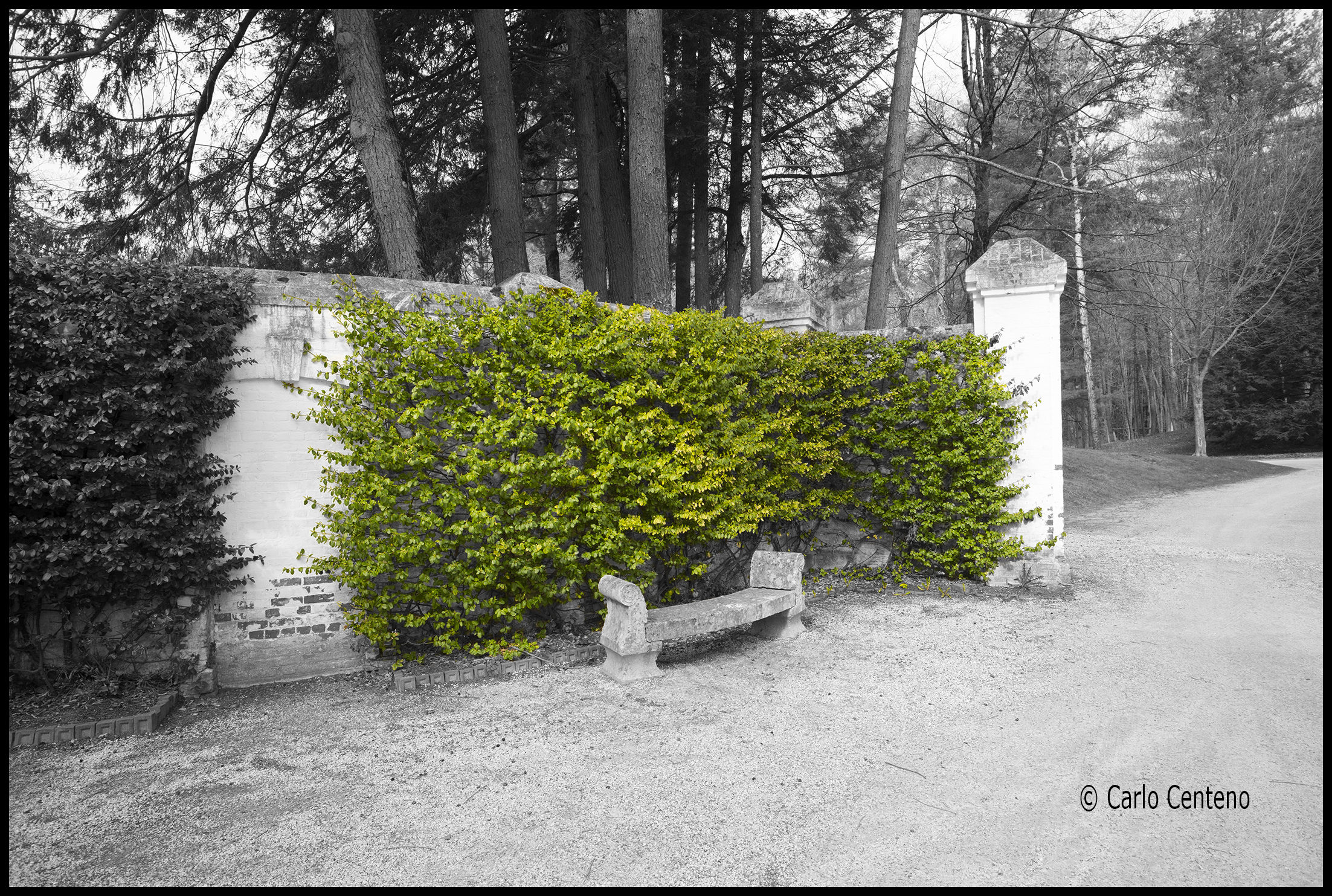
My take on this may seem like a cop-out, but choosing one over the other because it’s “more real” doesn’t resonate with me. The interpretation of any photograph is highly personal, so regardless of an image presented in B&W or color–or combinations of both–what you feel makes the image real.
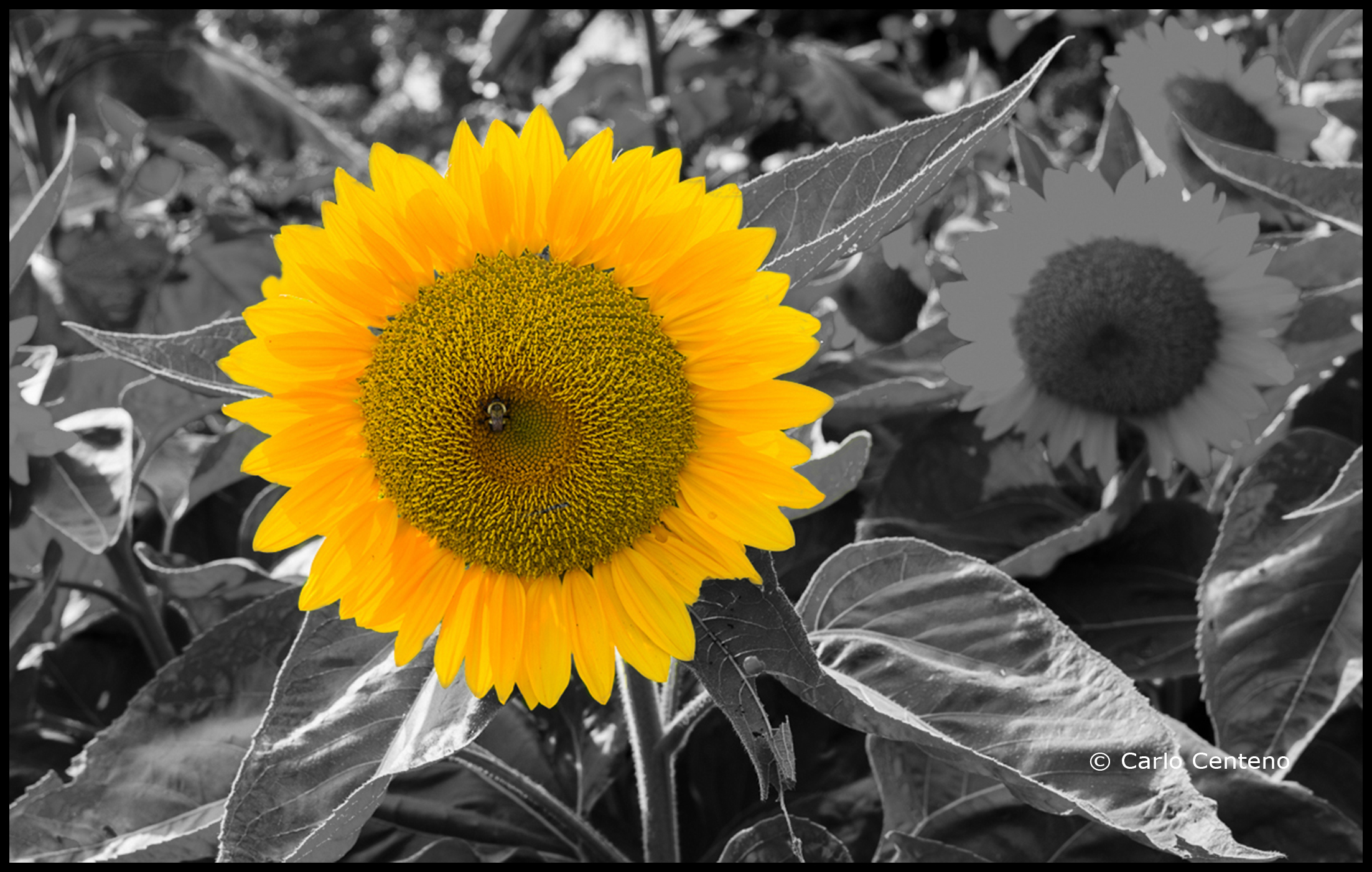
Some days, I see and feel things that tell me to shoot B&W. Similarly, it goes the other direction where my sensitivities lean to color, even one particular color.

Yet these images can confound the entire argument because of my resolute commitment to personally see or find things that prompts a connection. Are these photographs less real because of my choice in isolating or selecting an object, shape, color or theme?
Salutations

Je sais que le printemps est là quand l’arbre Redbud est en fleurs. Et quand la lumière du matin est bonne, la journée vous accueille avec des sentiments positifs.
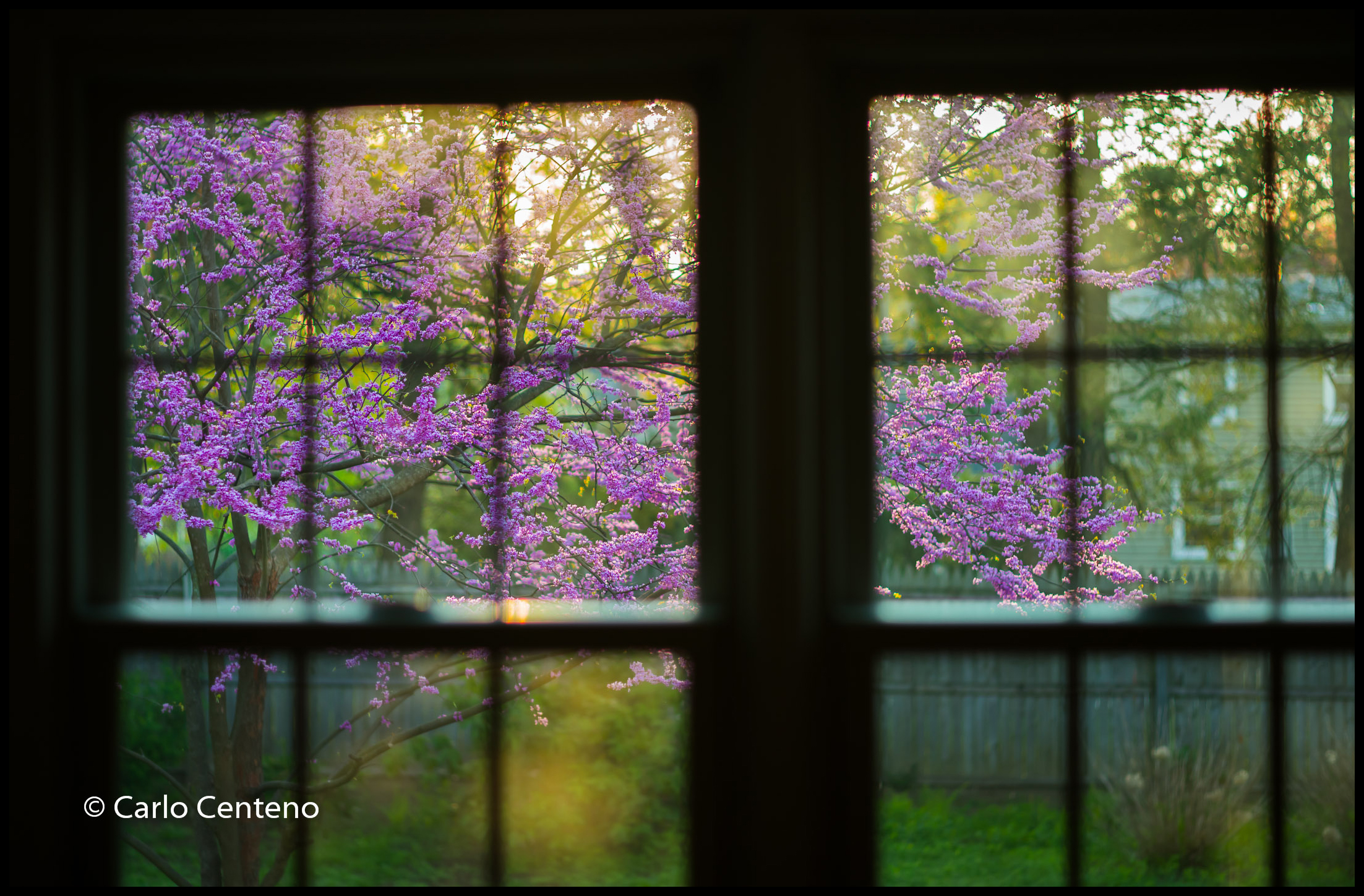
Quand le soleil brise l’horizon, les couleurs changent, mais les sentiments positifs demeurent. Si je ressens une journée difficile, je me souviens de cet arbre en fleurs.
Il a été planté il y a des années après la mort de ma mère. C’est elle arbre et c’est magnifique.
Rooms and a view [Contentment vs Depression]
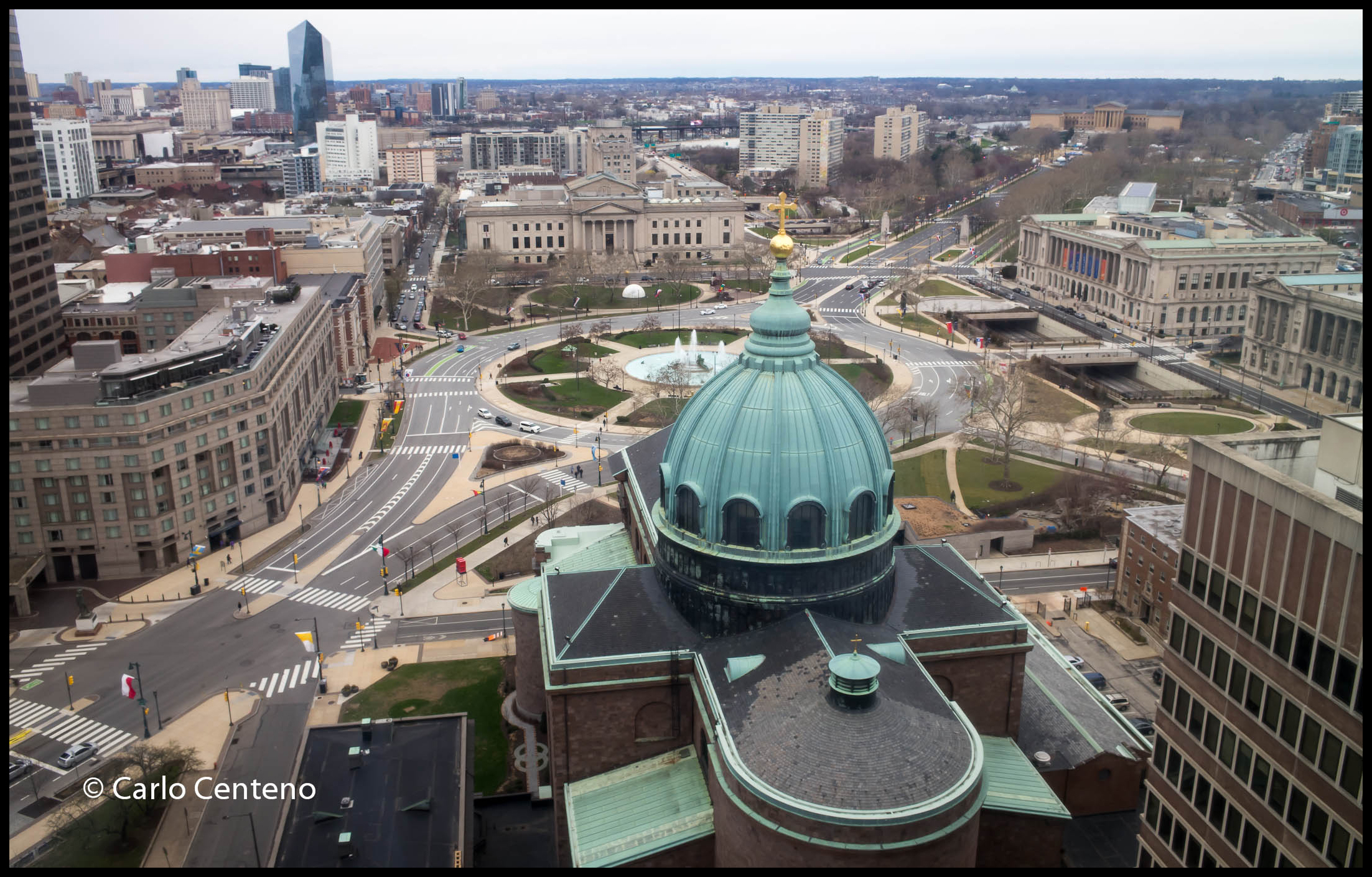
Freedom. Choices in travel and direction. Sunlight and open air. Architectural beauty.

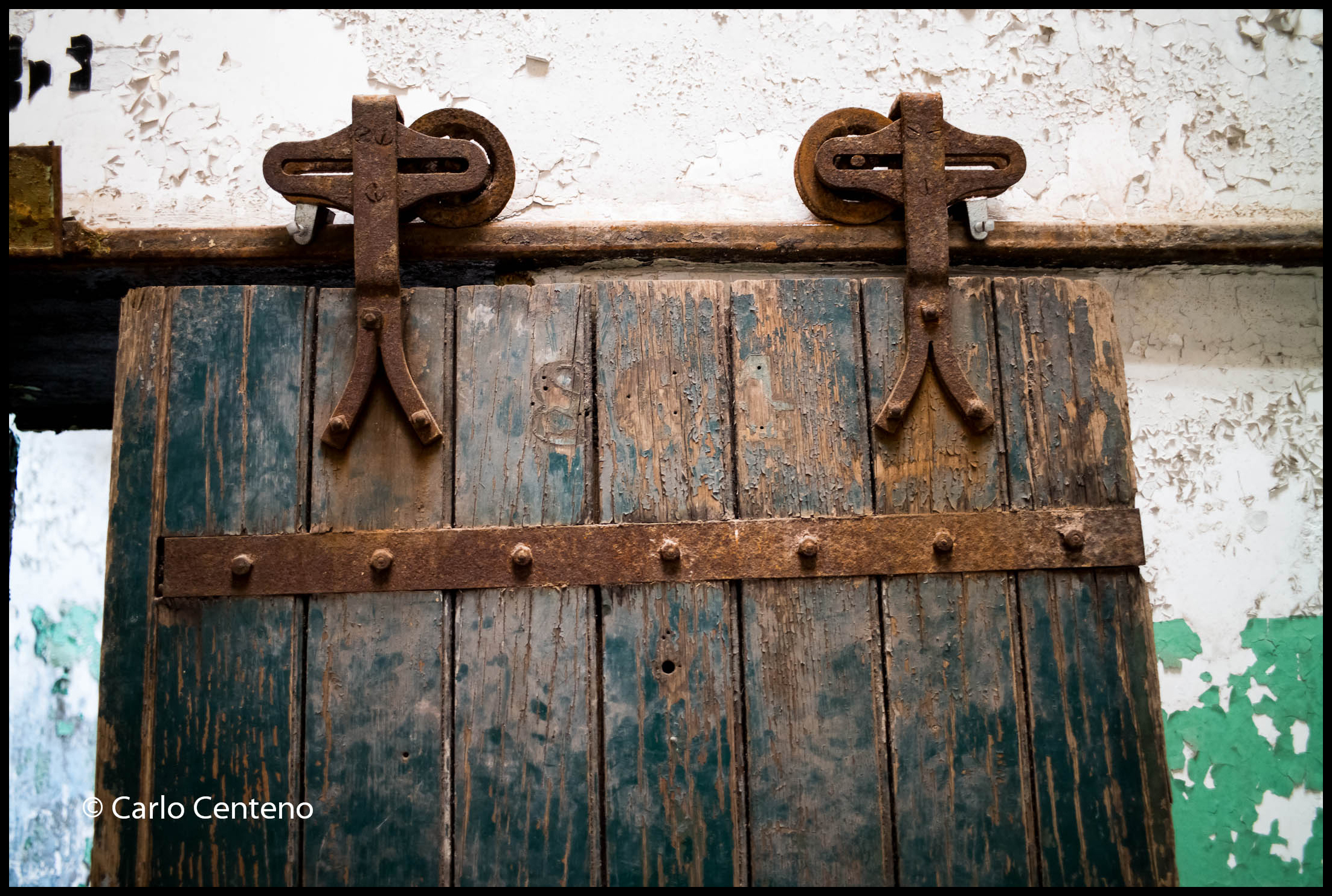
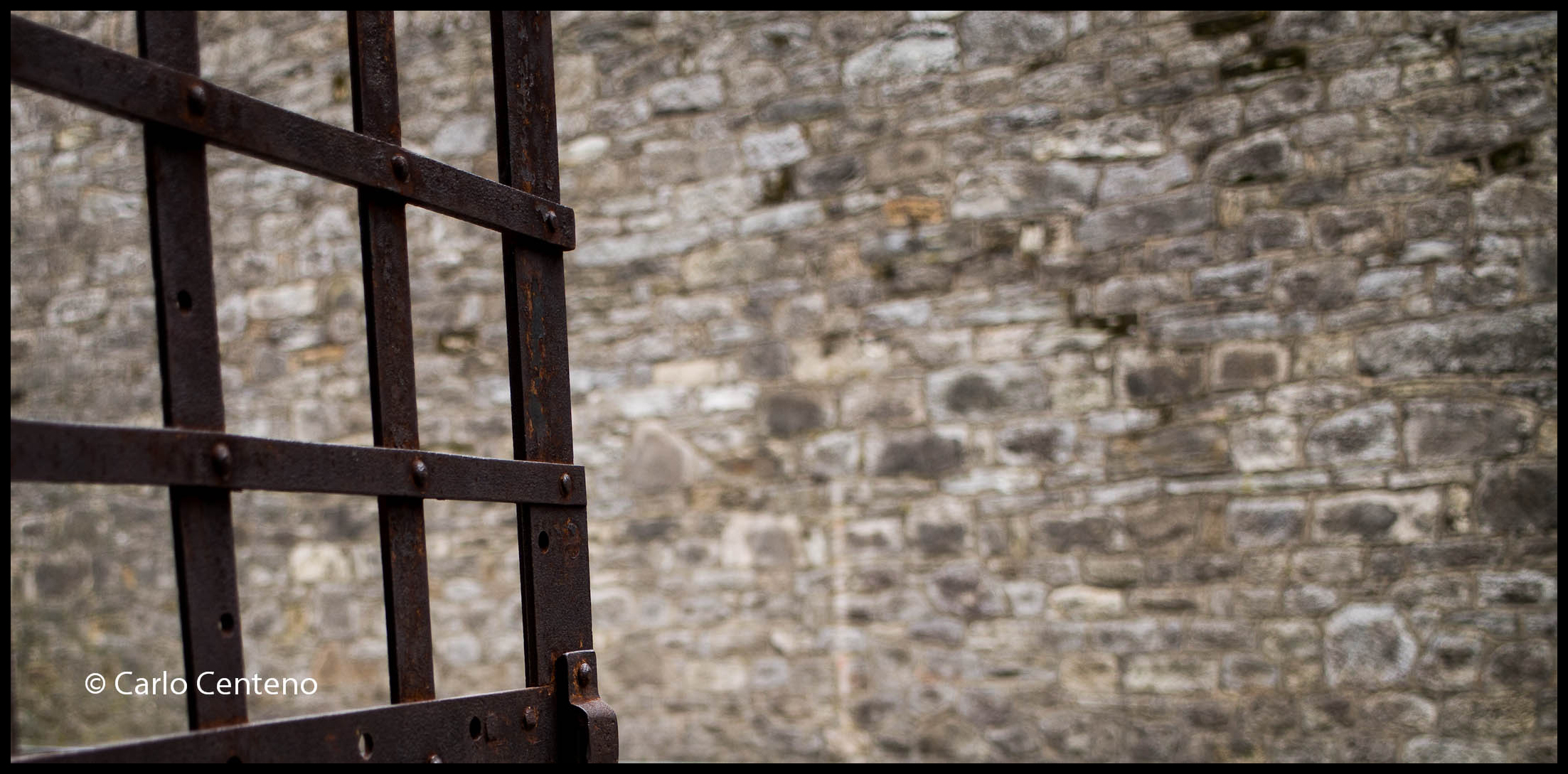
Incarceration. Small living space. A single window. Concrete walls. Iron bars.
Lamentation
The 10,000 Hour Rule

Ten years ago, author Malcolm Gladwell published his book, Outliers, a NY Times Bestseller. In his book, Mr. Gladwell posited that to master a specific skill, a total of 10,000 hours is required. That’s the milestone to accomplish being the best, “to accomplish greatness” according to the author.
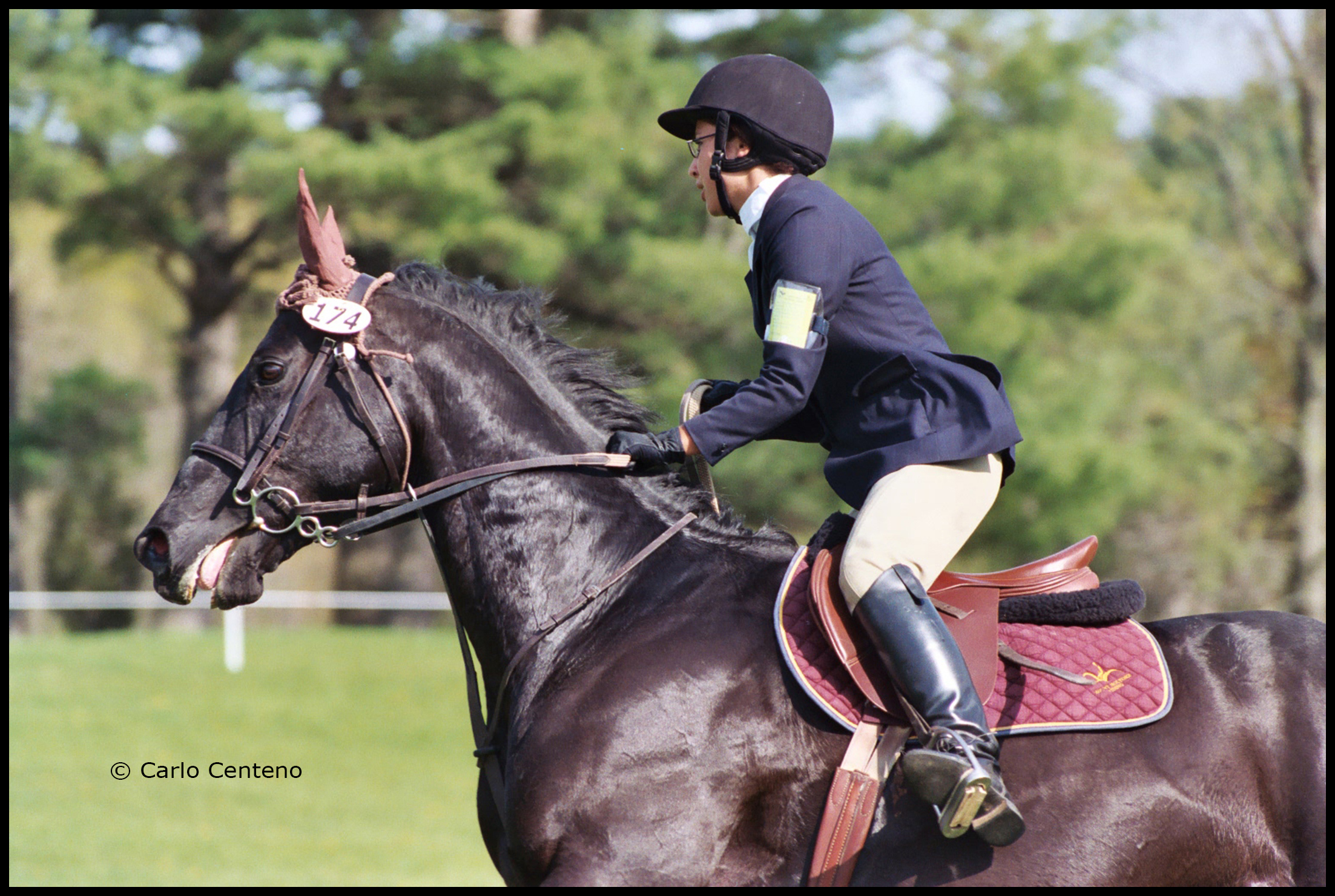
But once again, “greatness” and “the best” have varying metrics. Is any of this based on earnings? On the number of gold medals? The number of championships [world or otherwise]? Metrics do have a place, certainly, but winning cannot be everything.

If there is a dark side to marketing it’s this notion that aside from the hours required, you also need equipment, supplies et al of equal or higher quality. Marketing promotes aspirational consumption: if I have the best ______, then I have a better chance of becoming the best.
No….10,000 hours is an unreasonable expectation. Predictably, no one denies consistent practice is mandatory in order to reach a given standard or goal [especially your own]. However, my own “rule” is far simpler: give it your best and know it was your best. Save some time to enjoy other things in Life.
Penitence among the ruins
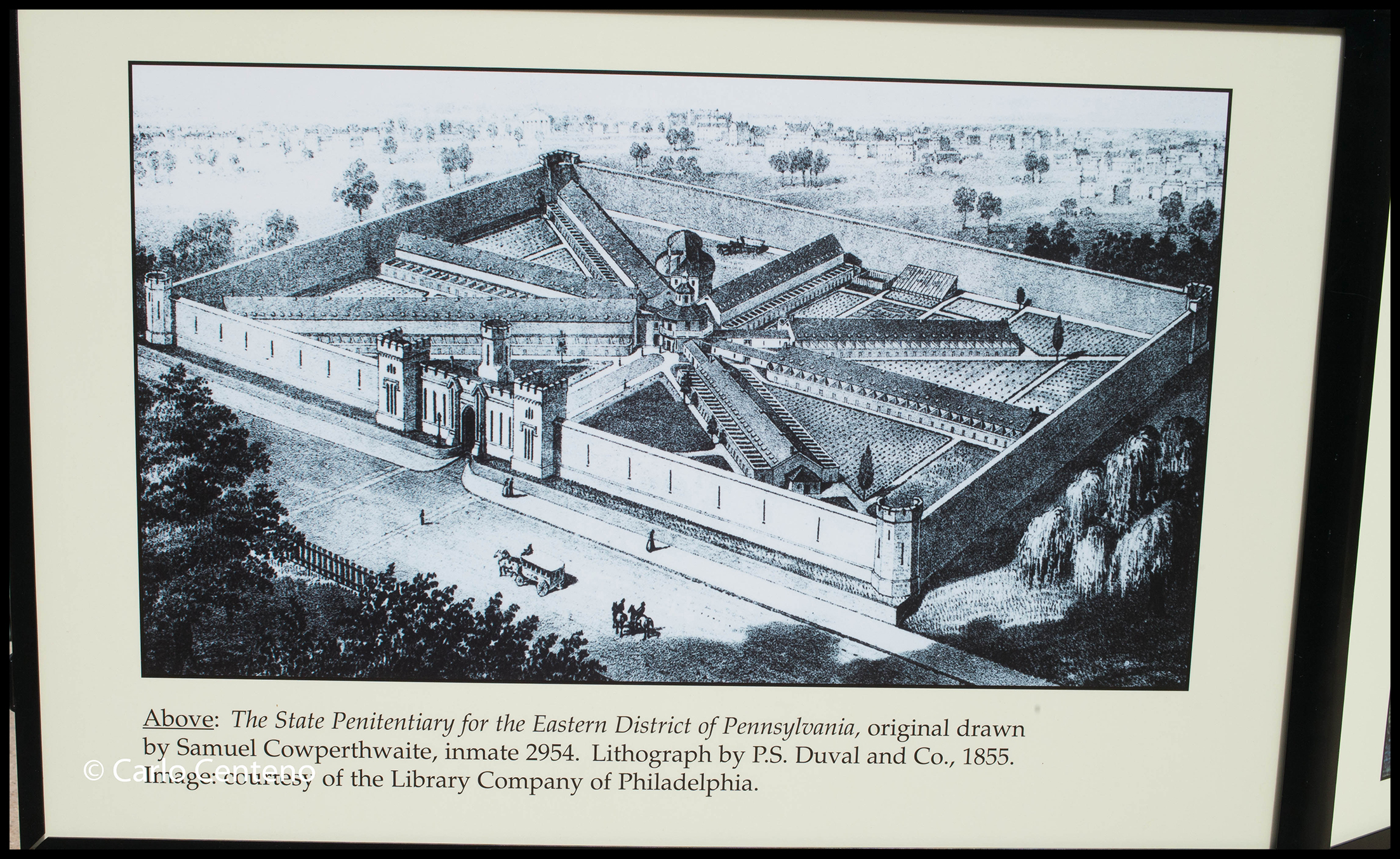
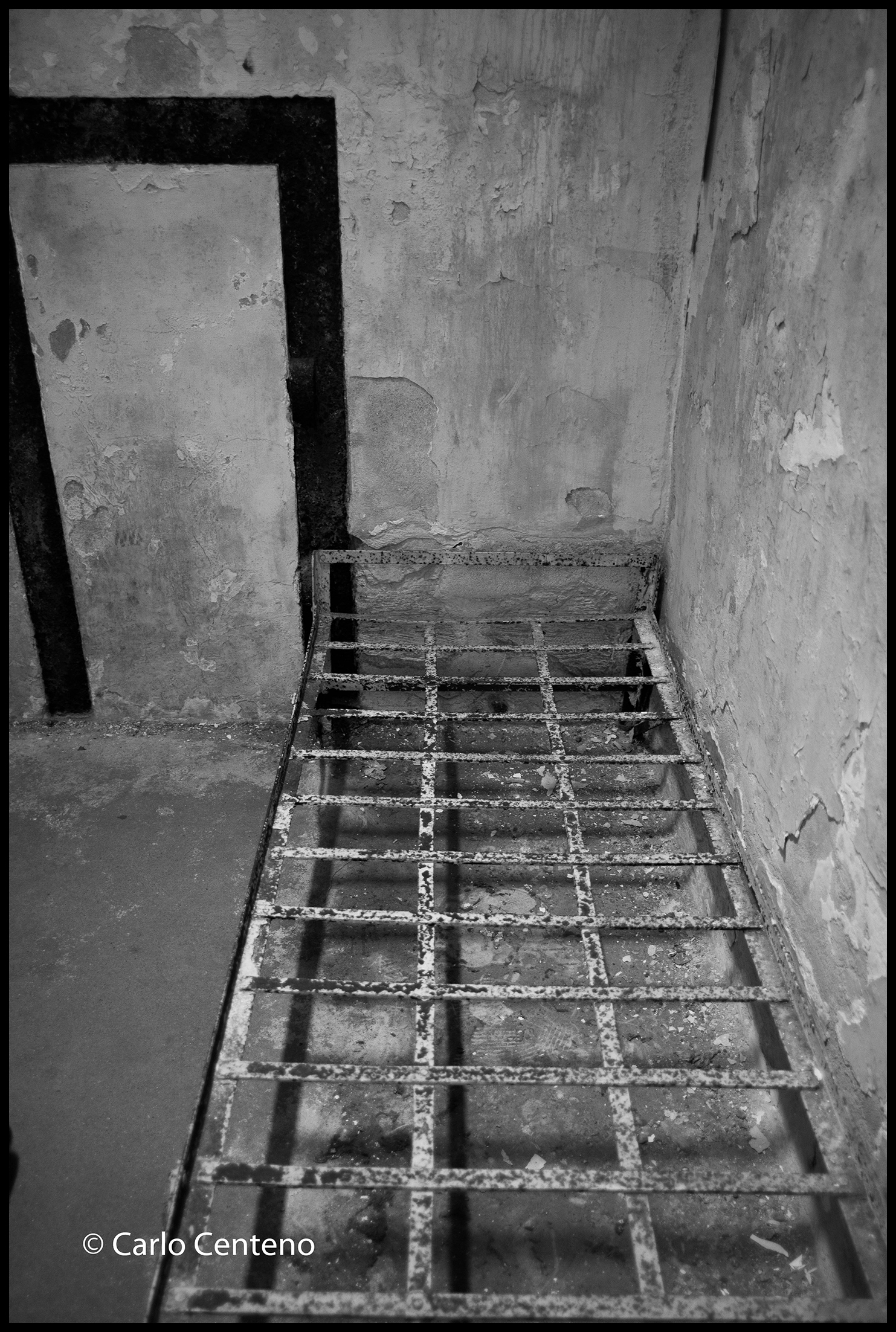
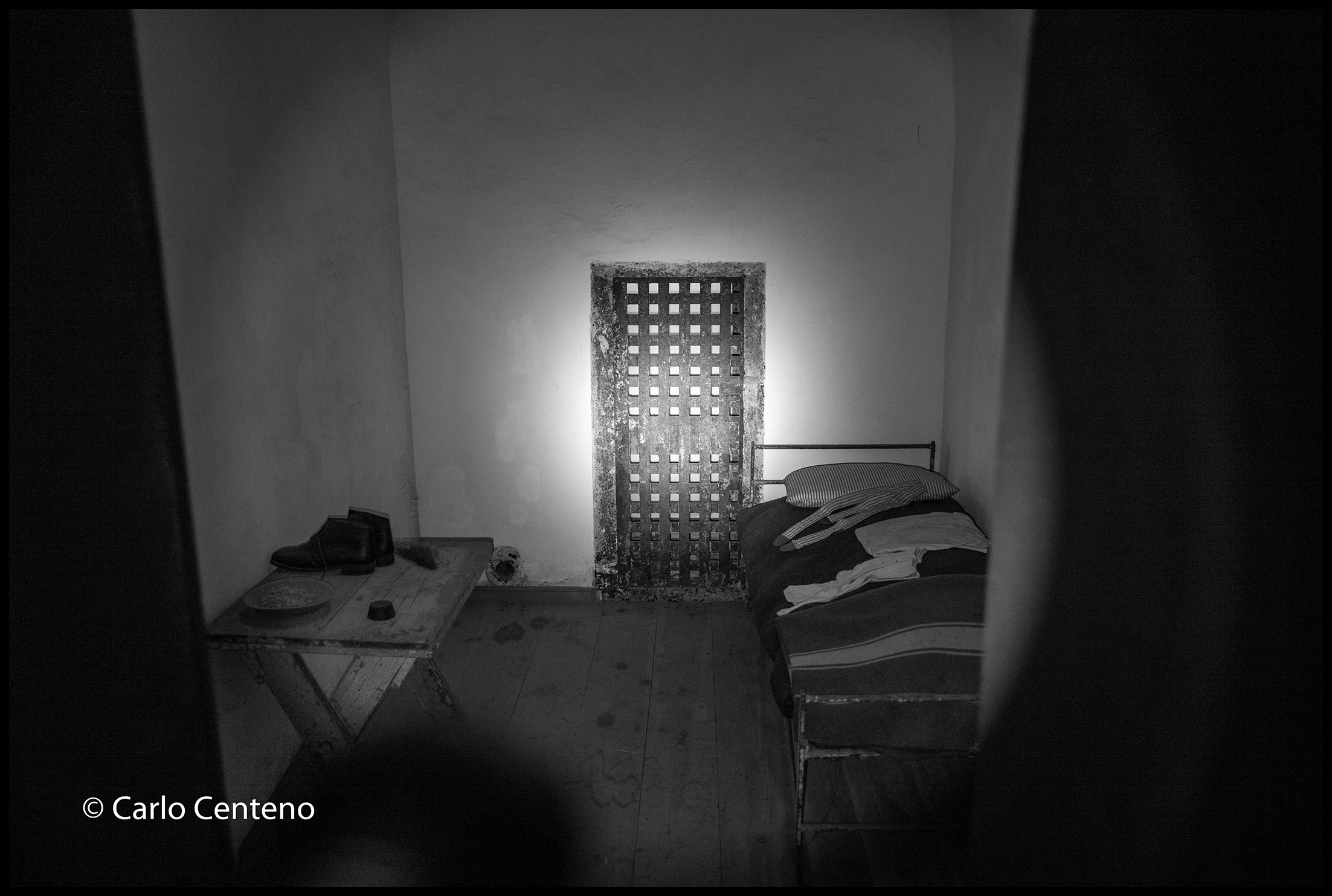
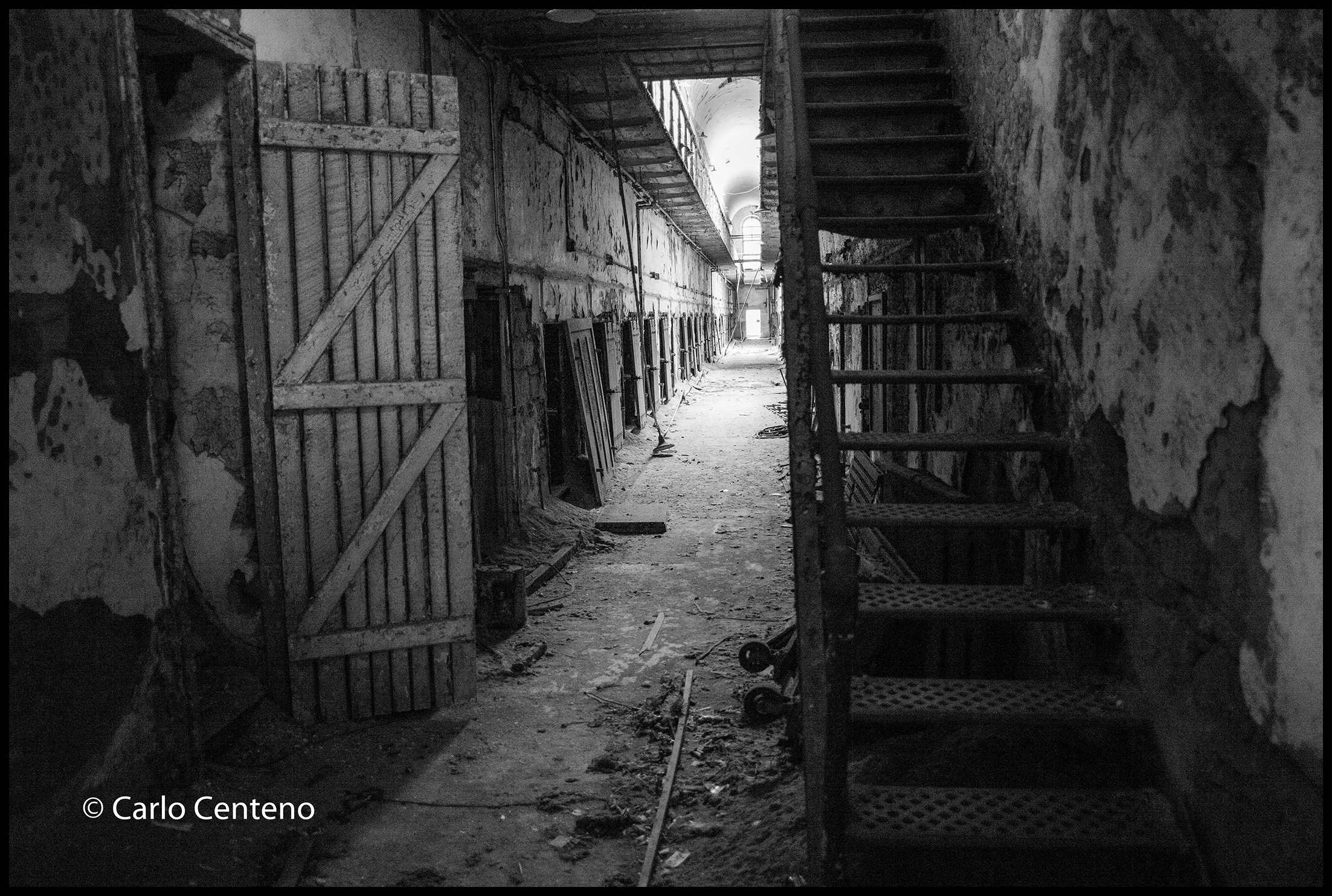
In my life, only 2 museums have profoundly impacted my psyche: The U.S. Holocaust Memorial Museum in Washington, DC and most recently the Eastern State Penitentiary in Philadelphia. As instruments for education, they are a means to an end.

The prison in Philadelphia was built to help those find and practice penitence for whatever crime they committed. Human nature can be flexible and adaptable across time, however, incarceration and solitary confinement has a way of bringing ruin to flexibility and adaptation.
With that ruin, even the strongest of men—and women—lose their hearts, emotions, everything, to spiritual atrophy.
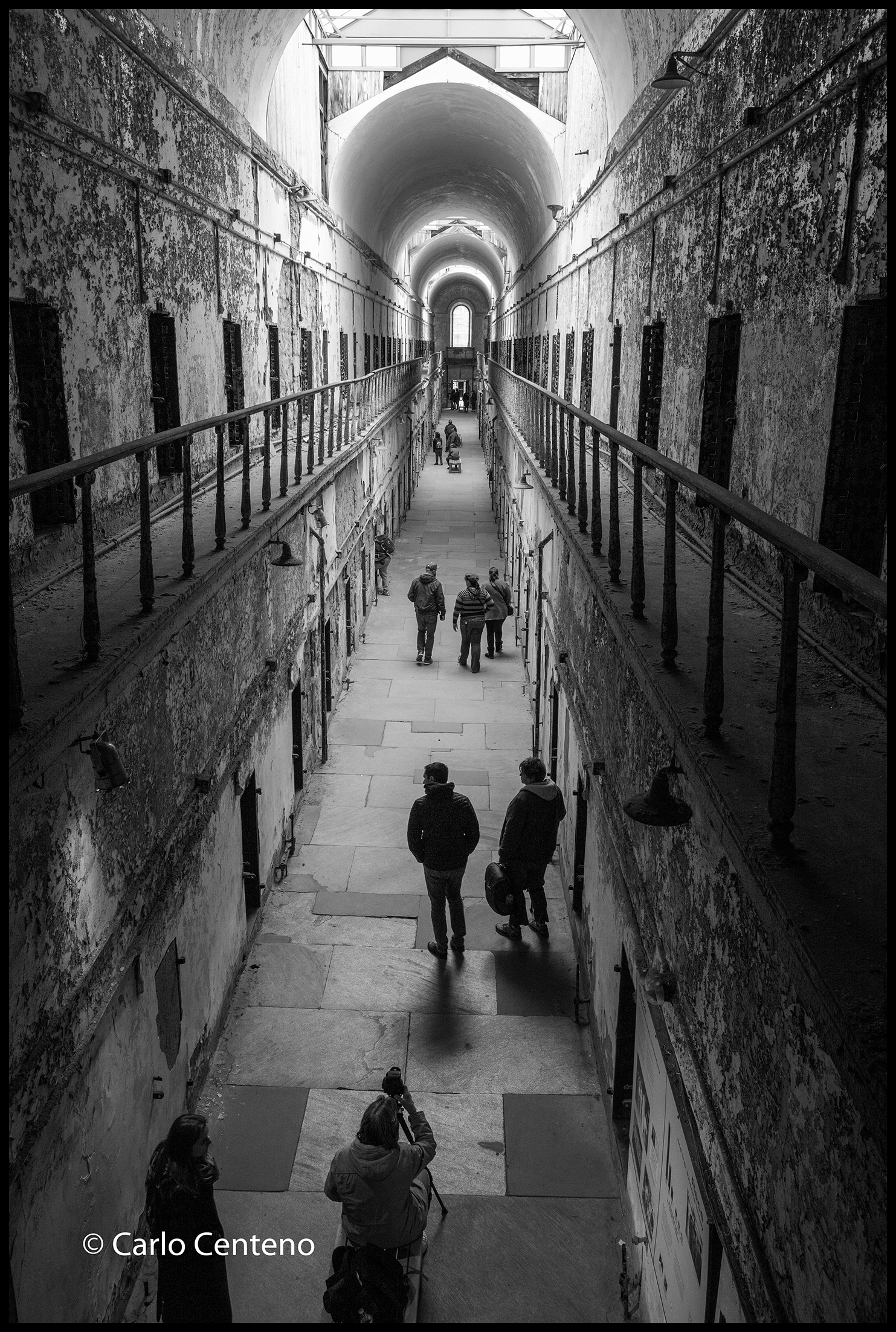
If marketing is the means to help us remember a brand and its benefits, then the marketing of such museums is to reinforce the unimaginable cruelty were capable of, and to keep alive the most powerful and universal of virtues that are love and hope.

Uncomplications

Is our evolutionary advancement driven, in part, by the creation of things increasingly complex? This home sitting stoically somewhere in London, is the antithesis of a modern home. You won’t find computer-controlled lights, security systems, or appliances seamlessly linked to an app on your phone or tablet. Think simple yet purposeful. Venerated in stature, an edifice devoid of pretense.

Similarly, this pub distills [pun intended] an uncomplicated persona. How so? Nowhere did I see a roster of specialty beers, ales, lagers, mixed drinks, martinis and so on. Visually, there’s a lot to draw your attention, but nothing approaching sensory overload. Six taps of beer, the usual suspects in liquor and I’m sure a wine list practical in scale and price points.

Ditto for this uncomplicated yet tasteful-looking bar. I’m all for imaginative thinking, but that’s a far cry from thinking that the latest and greatest is something we need. Novelty can make many things interesting, but the fascination can quickly fade.

Today, we’re seeing even more complexity in an already complex, confounding arena that is automobile manufacturing. Case in point, the steering wheel of Formula 1 race cars. It’s essentially a computer with a realm of adjustments a driver can make while racing. Granted, an F1 car is an extremely specialized machine, but we’re already witnessing technology trickling down to passenger cars: paddle shifting, adjustable suspension rates, electronically controlled ride height, dual clutch transmissions, electronic steering, throttle control and more.
Growing complexity effectively commoditizes our thinking. Artificial intelligence is no longer science fiction and this growing reliance, this transference or programming of cognition to things inanimate is troubling. Interestingly, the late Dr. Stephen Hawking once said that the rise of AI is utterly frightening. Why? AI advancement and its integration to our day-to-day living will reshape civilization and redefine humanity.
Uncomplications.
Have a face-to-face conversation [not Skype, not Facetime] with someone you value and keep in high regard. Pen a letter or card [not an IM, email or Tweet]. To feel good—really good—do something that will make another person smile, even laugh. We give too much of our time to monitors, hand-held devices, playlists, news feeds and much less to each other.
Spring
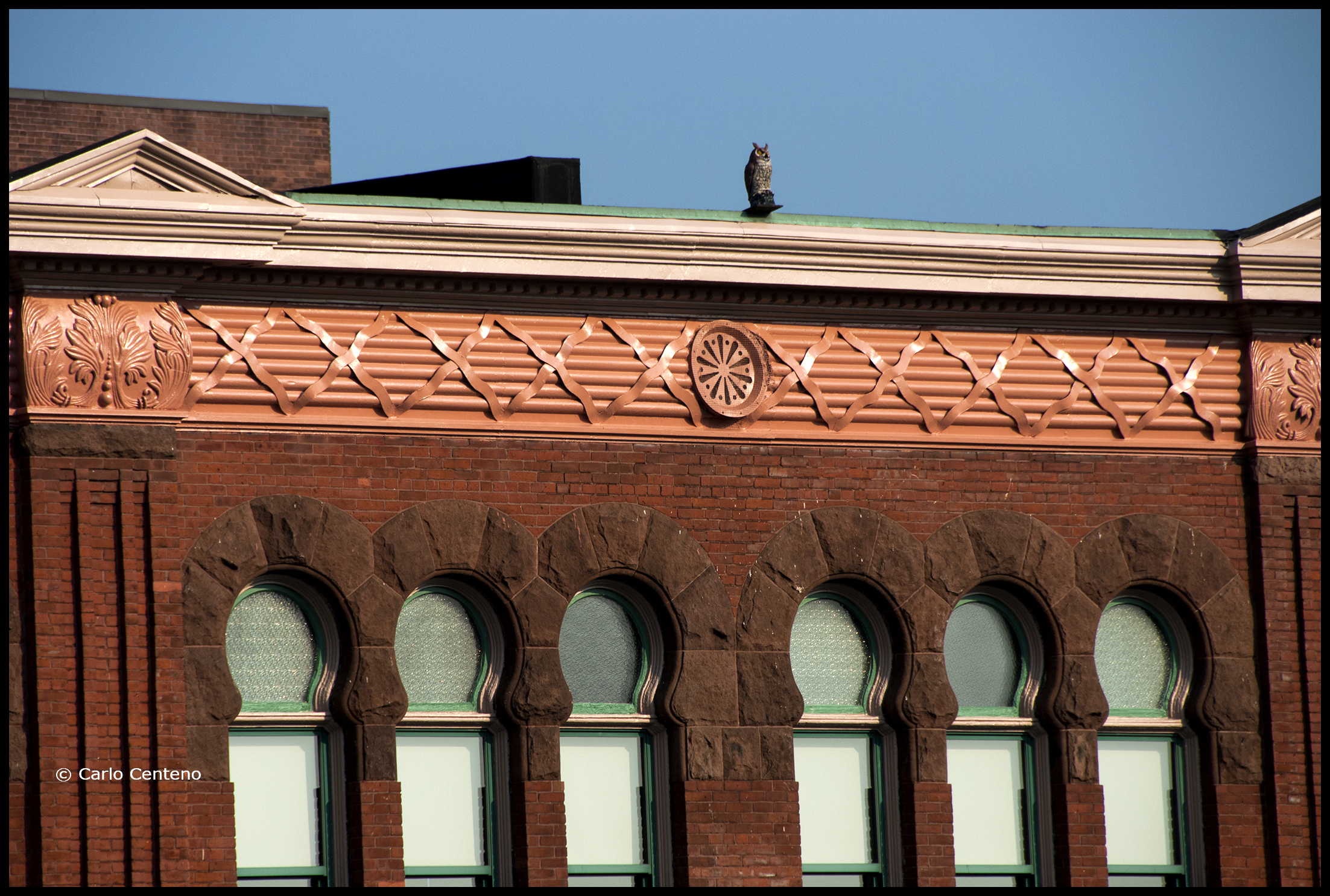
I saw this “owl” atop one of the office buildings downtown. Steadfast in her duty, she’s a stoic deterrent from pigeons whom would decorate ledges and windows and screens and cars parallel parked on the street below.
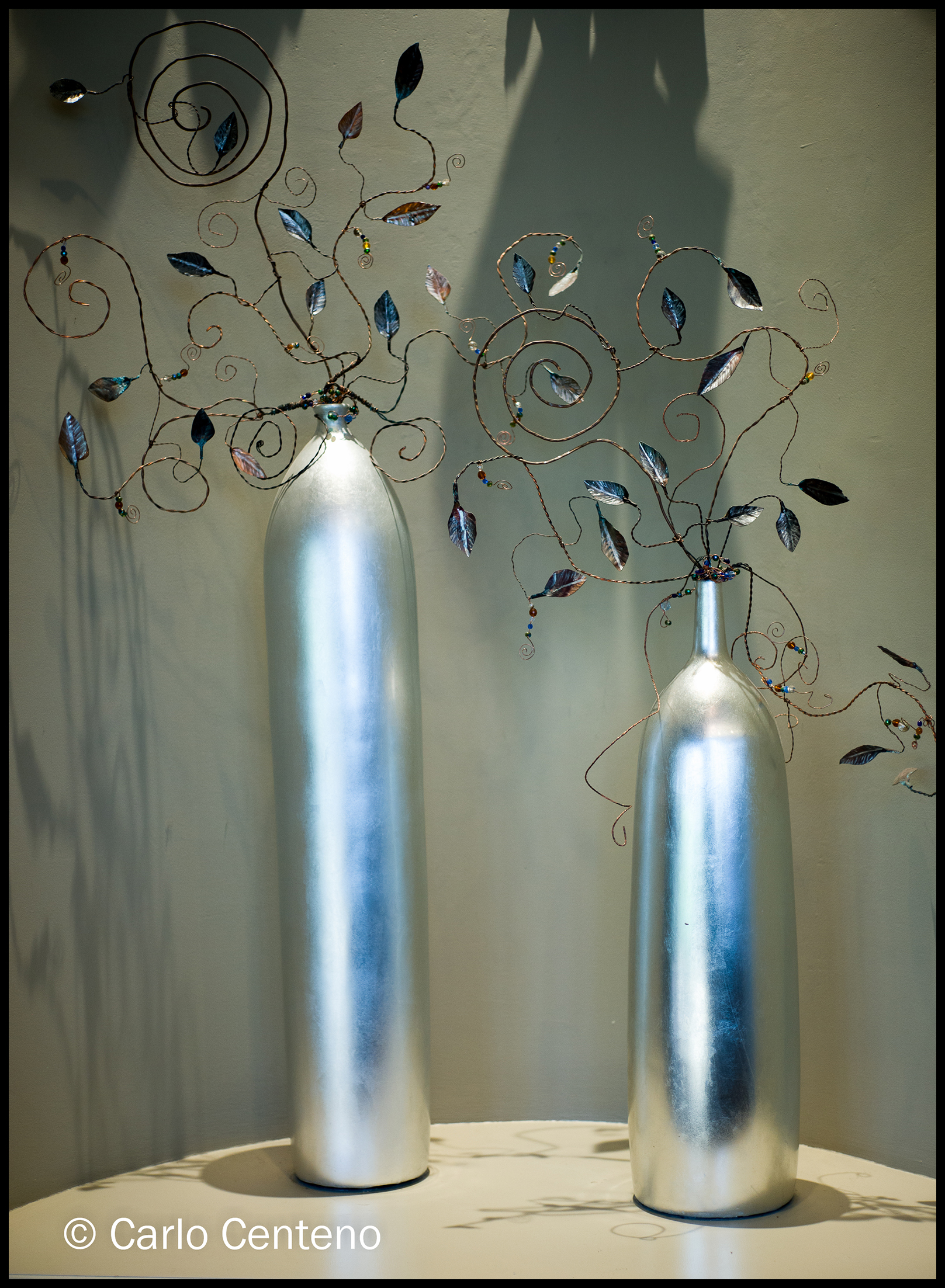
After a long winter, anything that hints of spring is fair game. Just about anything.

Now, this is bright…this is spring…this is what many look forward to…
The Artistic Power of Self-Awareness
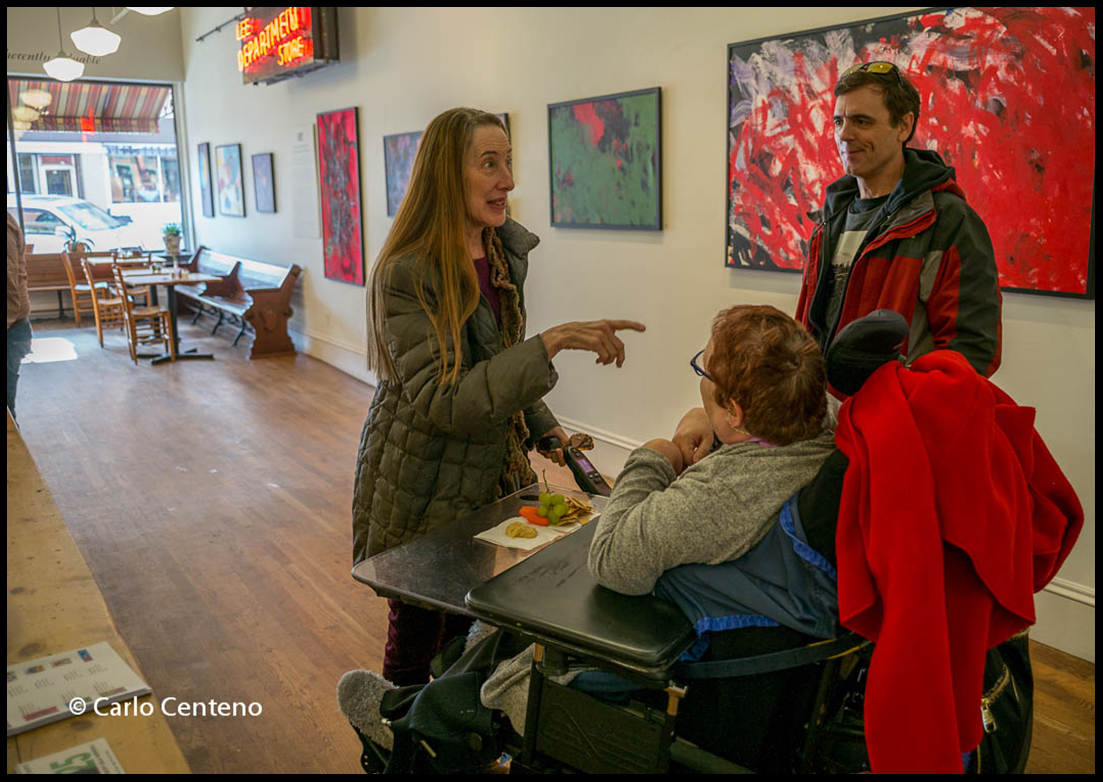
Dr. Stephen William Hawking was an amazing human being for many reasons. His recent death made me think that the realm of possibilities in life are practically endless. He was proof positive that we should diss “dis-” in disability. We all have abilities in one form or another. I recently attended a gallery opening for CATA [Community Access to the Arts]. Through an innovation known as Art Realization Technologies [see image below], people with physical disabilities get to express their artistic abilities.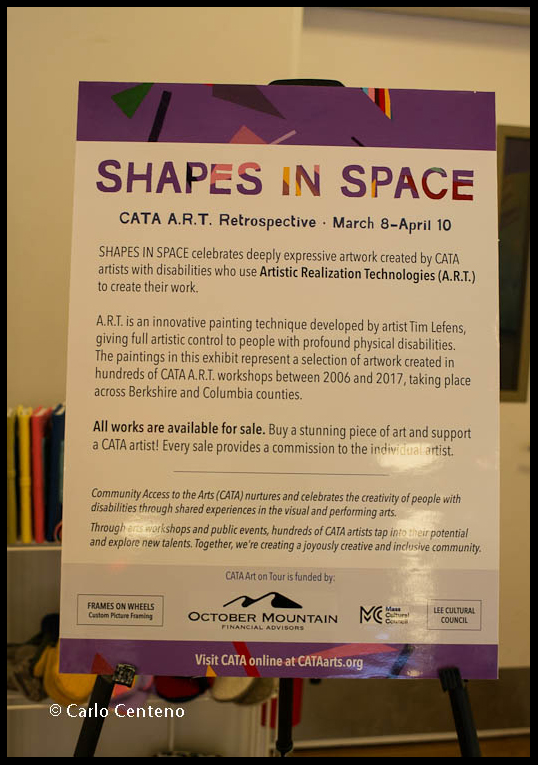
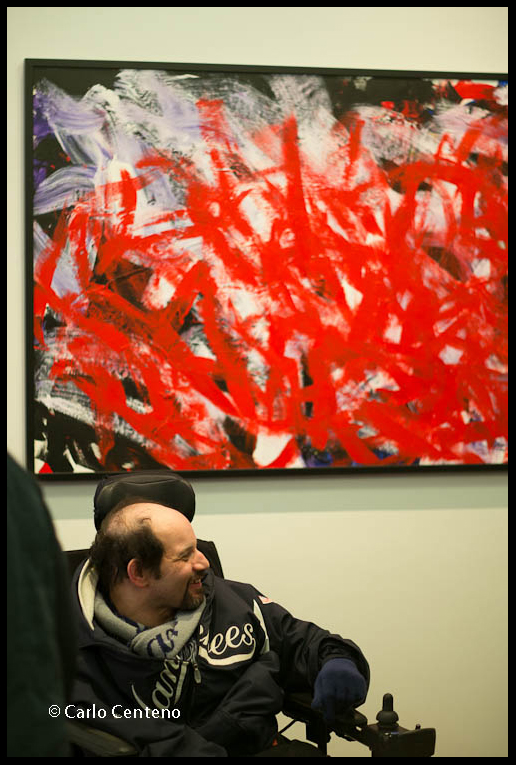
So then, here on canvas, each one attributed to a person, is their artistic awareness of their individual sentience. Expressive. Personal and self-aware. Fragile. Powerful. Confident, each canvas like the artist, one of a kind.



A Touch of Spring
Pour ceux qui sont fatigués de l’hiver, laissez-moi partager avec vous un aperçu du printemps.

Chaque printemps, Smith College ouvre la porte de leurs maisons vertes. Pour un petit don, vous pouvez vous perdre dans la chaleur, la couleur et la promesse de la météo à venir.

La patience est nécessaire car les week-ends sont toujours occupés avec les visiteurs, proches et lointains.

 Carlo Centeno