Standing Out

In a short period of time, a tsunami of products and services have overwhelmed our values to such a point that we’ve conditioned ourselves to expect the next version of something, to be better than the one we already have. But we’re not any happier or better in our day-to-day lives. Not all consumers consume as such.  There is a distinction between a collector and an accumulator.

Longmeadow–October 2017

The sheer number of branded products vying for our attention—and our money—is beyond words. Our attention spans are already fractured from our immersion in diversions and distractions. Is it any wonder that marketers are looking for that strategy which helps their brands to stand out, to be readily noticed and purchased, to be the “next best thing?”

So, how do we optimize the value of our brands, which by the way, also includes our personal brand?

Minimalism.

During my walkabout with camera in hand, I noticed in a meadow a particular detail that stood out: specs of white in an expanse of green, brown and yellow. If the meadow is a designated market area [DMA], the flora its products and services, then it’s easy to recognize the stand out among all the offerings. The simple, white flowers.

These flowers lack the colorful palette of warm yellows, reds and oranges, which is precisely the point. One color, was enough to make our “product” stand out from the rest of the other flowering plants. If we are to champion some level of emotional ownership for a brand, more is often not always better. In fact, the challenge becomes finding the single most relevant, genuine quality that deserves attention. That quality is a narrative that needs to be told.

That quality doesn’t need to be original [nothing is anymore, really], but must be genuine. The quality is accessible, identifiable, perhaps even an antidote to the distractions that contribute to our sensory overload. Marketing minimalism is the distillation of that particular quality that allows the brand to stand out. In this day and age of “reality-this-or-that,” there is a hunger for something far more genuine, more real, more tangible that removes us from our penchant to consume or accumulate things.

Introspection: Our Flag

I‘m an old-school kind of person. I think there are many ways to express personal opinions, dissent, etc., but not during the playing of our national anthem and the presence of the stars ‘n stripes…Here’s one [legal] reason to consider. Click here.  [U.S. Code › Title 36 › Subtitle I › Part A › Chapter 3 › § 301]

Pastoral Conditions

Not quite summer’s end, not really autumn yet, but the cusp that enjoins these 2 seasons is before us. I love this time of year.

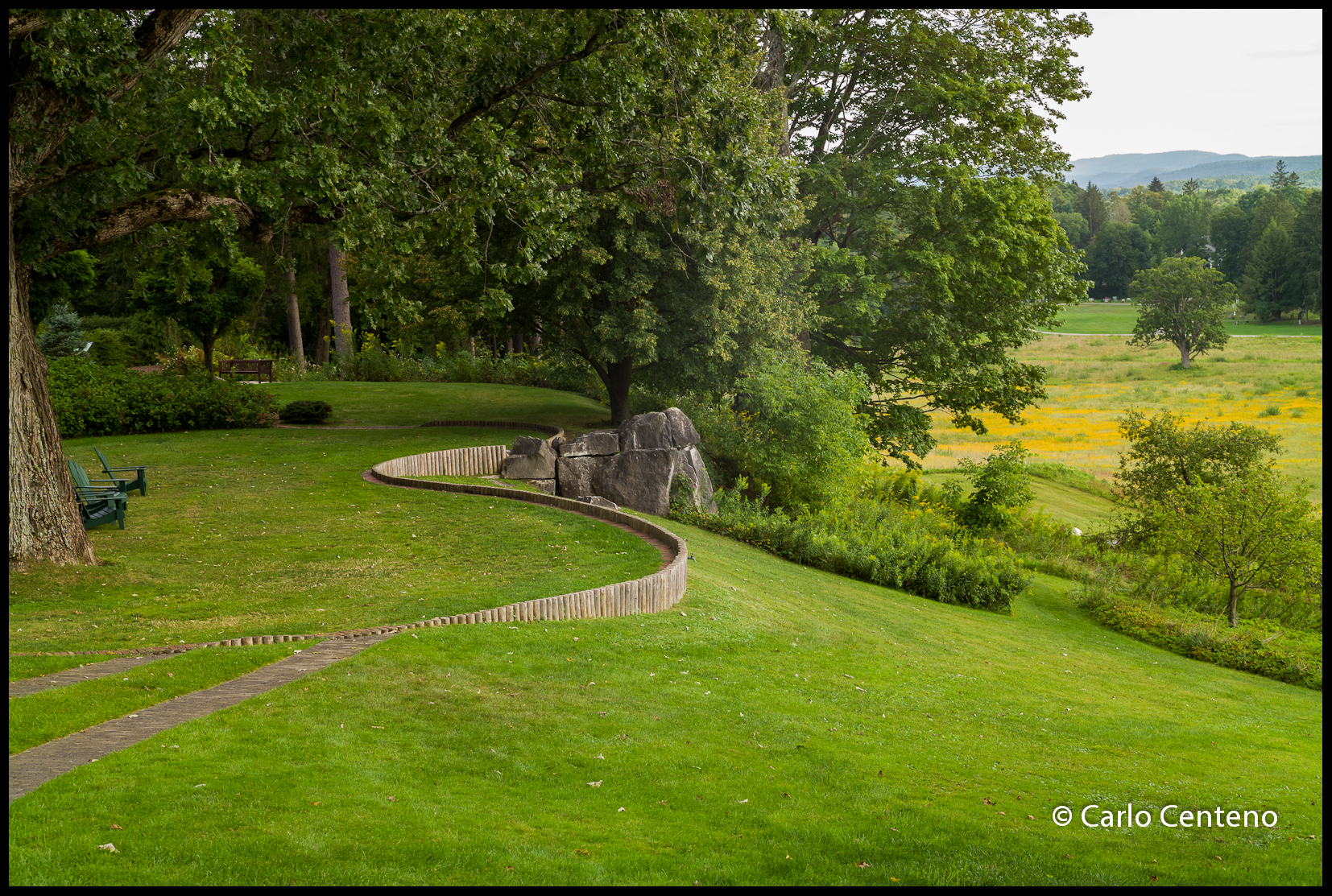
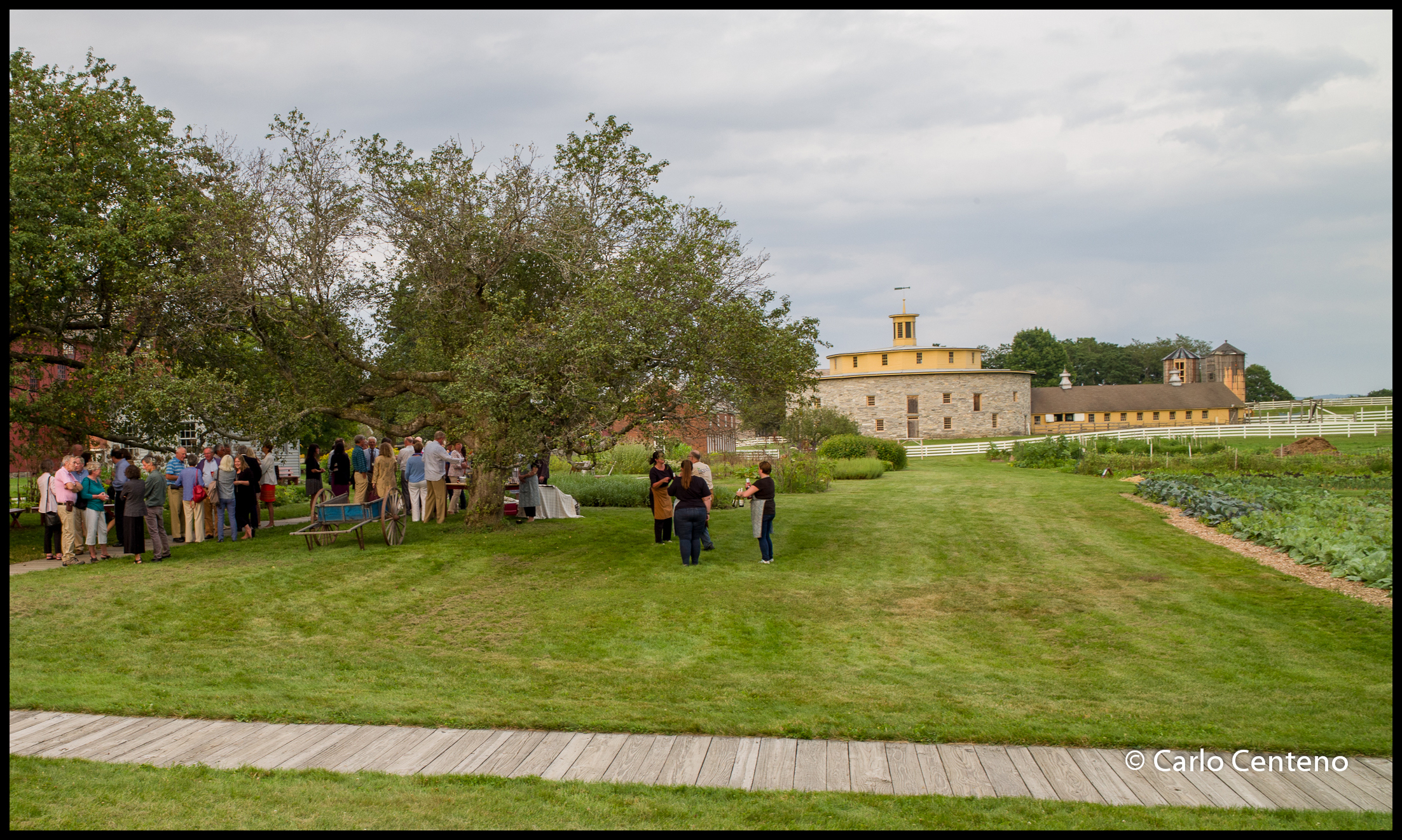
Naumkeag is an incredible place because it allows me to dwell on and feel connected to matters taken for granted. There’s time and space to slow down, to think, to feel, to recognize that not all issues, concerns or problems are of utmost importance above anything or anyone else. Naumkeag is a sanctuary where the main characters are pastoral. The lead character has to be the quiet, the kind of quiet that tells us there is catharsis in solitude for the benefit of oneself.

There are many distractions, including things that are not here. Out of sight—out of mind: no tablets, no MP3 players, no traffic sounds be they from land or air. Space is one of several pleasant distractions, especially those spaces that encourage you to become part of the setting.


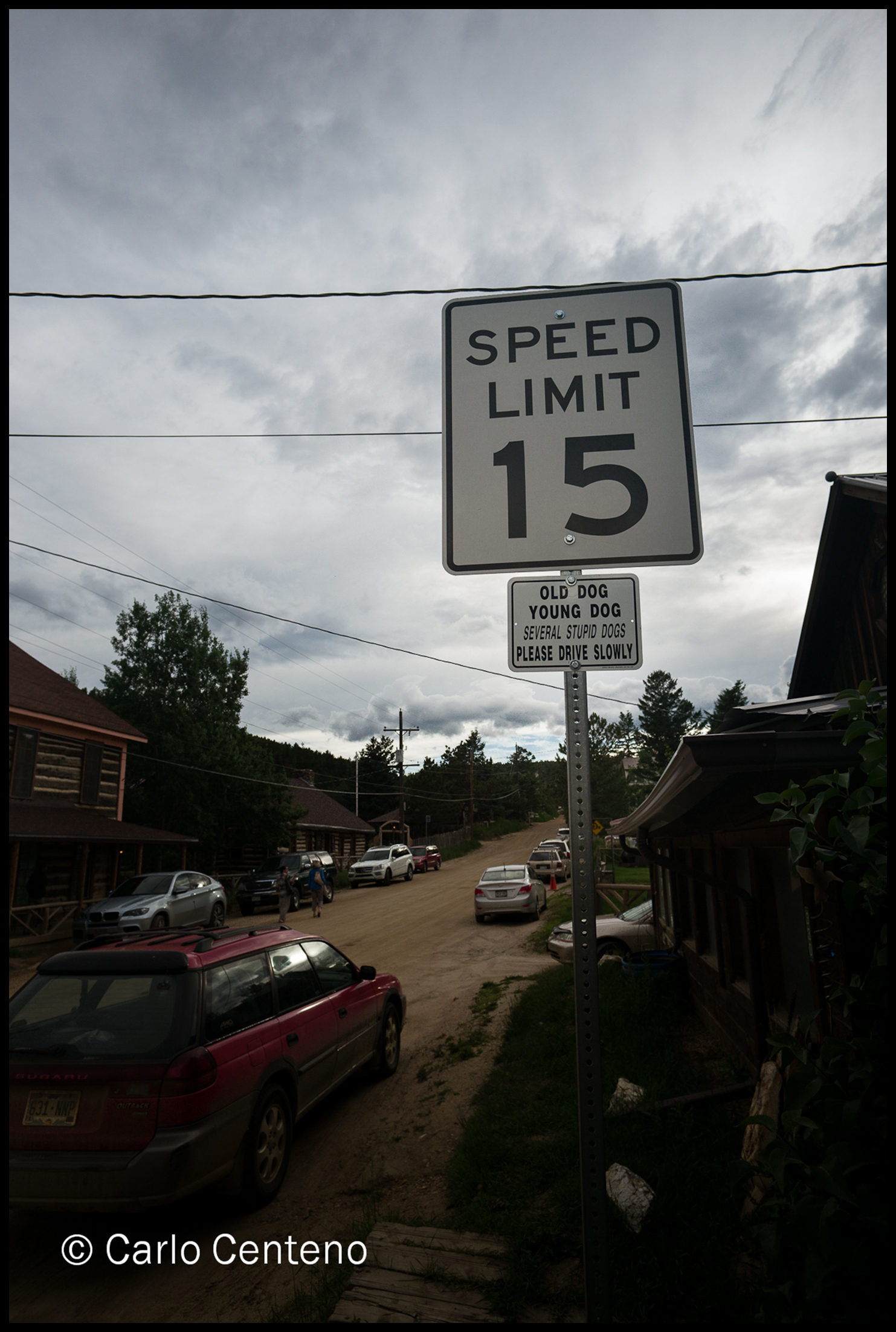
How do you define—and use—your “15-Minutes”?

Sometime in the future, we’ll have 15-minutes of fame. Attributed to Pop Artist, Andy Warhol.


Fifteen: __seconds is a quarter of a minute; __minutes is a quarter of an hour; __miles is 24 kilometers; __kilometers is 9 miles. I think the most “famous” of 15s is the one attributed to Warhol. He may not have actually phrased it, but it’s certainly part of his cultural brand.

Fifteen Minutes of Fame is also a music project created by composer-producer, Robert Voisey. That, in and of itself, is a fascinating enterprise.

Sir Richard Branson defines his 15-minutes as “me time,” time he finds in each day exclusively for himself in order to reconnect, re-energize, refocus, etc.

What can you do with 15-minutes all to yourself?  Some suggestions:

  • Write: in a journal [or start one]; a letter [to yourself, to someone that means the world to you, to someone who can influence positive changes, e.g.]; 15 words that bring a smile to your face
  • Learn and/or try: a new language [or improve on one that you last used in school or college]; to play an instrument; the practice of Yoga, meditation or Tai Chi; something, anything that you’ve wanted to explore, but it’s just out of your comfort zone
  • Turn your electronics off: and go outside and listen, engage your other senses of smell, touch, taste and sight

Reward yourself with a good thought, whatever that might be, and dwell on its possibilities…


Totalitarian Sentiments


Creating confluence, understanding & compromise 101. Photo: C. Centeno

We have met the enemy and they are us.  Circa 1960s: Walt Kelly from his comic strip, Pogo, in reference to the US involvement in Vietnam. The phrase is a variation from Naval Commander Oliver Hazard Perry whom, in the late 1790s said, “We have met the enemy and they are ours.”

Our sociological positions on culture, tolerance, honest communication, integrity, decorum and humility have fallen to new lows. Some of us—in particular those with the loudest and most obstinate of postures and voices—have created as well as promoted an intractable reality that has altered our ability and willingness to freely express our thoughts and feelings across many subjects.

Fueled by emotion, group think, individual perceptions and more, it’s become de rigueur to put someone down [shouting, shaming, name calling, e.g.] just to make a point. What concerns me is while someone can possibly make a point, the counterpoint is summarily dismissed. Its dismissal is total, a product of a scorched earth mentality that leaves no room for perspective, for critical thinking and even a chance, however small, to understand the meaning of the counterpoint let alone the person or persons expressing the counterpoint.

We not only agree to disagree, but we do so in disagreeable fashion. We create diatribe instead of discussion, insults in lieu of perspectives, bombast as proper elocution.

I leave you to ponder on William Faulkner:

“I believe that humankind will not merely endure: we will prevail. We are immortal, not because we alone among creatures have an inexhaustible voice, but because we possess a soul, a spirit capable of compassion and sacrifice and endurance.”