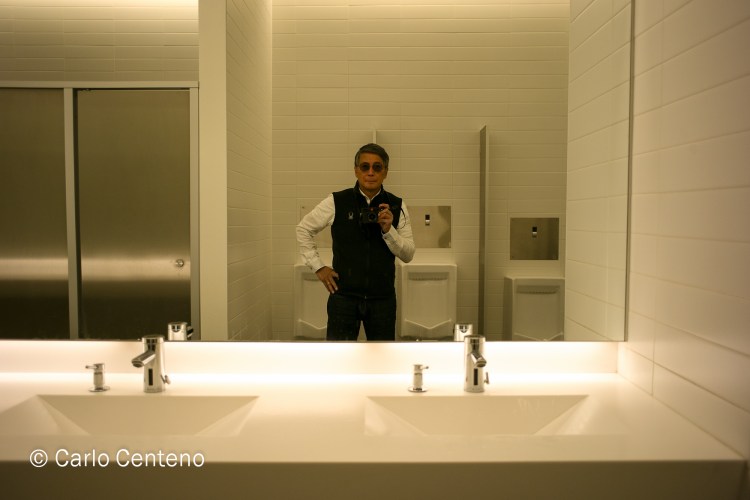
Self-Portrait April 2016, The Sterling & Francine Clark Art Institute
I think plasmatic energy from Herr Karl Lagerfeld was coursing through the New England air….
With a pen and camera
Self-Portrait April 2016, The Sterling & Francine Clark Art Institute
I think plasmatic energy from Herr Karl Lagerfeld was coursing through the New England air….


It’s a wonderful drive to get there. Along the way, you’ll see some of the most pastoral and picturesque landscapes that New England can offer.
The restaurant at South Face Sugarfarm is celebrating its last season. For over 30 years, the family has been serving a variety of New England breakfast fare to visitors from all over. Many visitors become regulars who then make the trip every Spring to partake of homemade waffles, pancakes and more. Naturally, the sugarfarm’s maple syrup is the siren that prompts visitors to make the trek. Ours is a leisurely one hour drive.
As far as I can remember, they didn’t do much advertising through the years. You might open a Thursday Lifestyle section of the local newspaper and see a small ad. That was it. No radio, TV, outdoor, direct mail and so on.
I suppose in its purest form, word-of-mouth marketing is its biggest champion in generating traffic. Whenever we’re there, it’s often crowded and if the weather is half-way decent, people who signed in for a table wait outside. We’ve since learned to go as early as possible. People don’t mind waiting; call it rural networking if you will, as you’ll hear introductions and conversations that could work just as well in a big city cafe.
The experience at South Face Sugerfarm Restaurant defines the brand. It’s consistently congenial, comfortable and more. The food is great of course. The service is very good and the overall feel is one of down-to-earth simplicity. Paper plates and plastic utensils are the order of the day. Everything else is home-made if not uniquely belonging to South Face.
On some visits, there’s a cacophony of “hellos” and “great to see you again” mixed in with small talk and the occasional hearty chuckle or a chorus of “No way!” The cozy dining room can be whisper calm one moment and bustling the next.
I know I’ll miss the drive up to little Ashfield, Massachusetts and miss the South Face restaurant even more. But this is New England and somewhere, another sugarhouse beckons an introduction.
CORRECTIONS: I received word from the owner that advertising was actually regularly done via newspapers in the area as well as on the online directory, massmaple.org as well as more recently on Facebook. My apologies for the error.
Everyday life is filled with idioms. Sometimes I think of them as bridges connecting a concept, a service, a product, even a person. After a snowfall, the gates open and I’m at the mercy of a brain that works to find a metaphor, an idiomatic expression, a slice each of the expected, unexpected and infrequently, something on the order of the unimaginable.
My favorite type of snow is the dry, fluffy stuff. It may not pack well to create a snowball or a snowman, but it’s easy to shovel off a driveway or brush off a car. For many skiers, fresh powder is nirvana: how can this get any better?
This kind of snowfall encourages you to look around. The cars are covered like blankets. Flat, open fields are akin to a slice of white bread. The trees look powdered by confectionary sugar. This kind of snow is a visible version of a special aura. Whatever is under the snow takes on another quality. Attributes of beauty, protection, secrecy, purity, freshness are some that come to mind. “Use _____ soap because it’s as pure as the driven snow.”
In this case, snow isn’t all that bad now, is it?
Lexus is currently running a :30 second TV spot for their 2016 ES model. The tag identifier is, “I could get used to this.” The marketing inference being one can upgrade to the next levels of luxury, prestige and social standing.
We all have aspirations though many, I dare say, are with things material. I’m no exception. However, after awhile, there’s a point of diminishing returns. No one needs the biggest, baddest, coolest of anything. Marketing feeds our psyche, fuels our heart’s desire; then the new car smell and the “!@$!@ I’m-on-top-of-my-game feeling” validates our consumerism. After awhile, we all float back to terra firma. That new car smell is gone and feelings of euphoria dissipate into the the air.
These photos were taken at The Mount, the home of American author Edith Wharton, the first woman to earn a Pulitzer Prize for Fiction. The grounds and mansion are now collectively recognized as a historical site. It’s a favorite stop for fans of the gilded age, beautiful gardens and literature. Do I aspire to own and live in such a mansion? Do you?
Really now, on this scale I’m better off living vicariously; doing so precludes mortals like me from paying taxes, utility bills, hiring staff etc. Frankly, my “I could-get-used-to-this” license would expire within 5-6 weeks if not days. Some would welcome the possibility of having such a life, others would frown with disdain for the scale of the home and grounds, the sentimemt being that of excess. Besides, I’d have to get a riding mower just to do the backyard lawn! Do you have any idea how long that would take…?!
MOMA has a photography exhibit, appropriately, Ocean of Images: New Photography 2015. It runs through March 20 and I hope to plan an escape some weekend. It seems that each year, this exhibition—like others that explore trends and new artists in a given medium—brings out the opposing camps: “No, this isn’t photography” in one corner versus “Of course it is, it’s a new, fresh look at photography” in the other. Time marches on so change is inevitable, good or bad. For now, I take a look back.
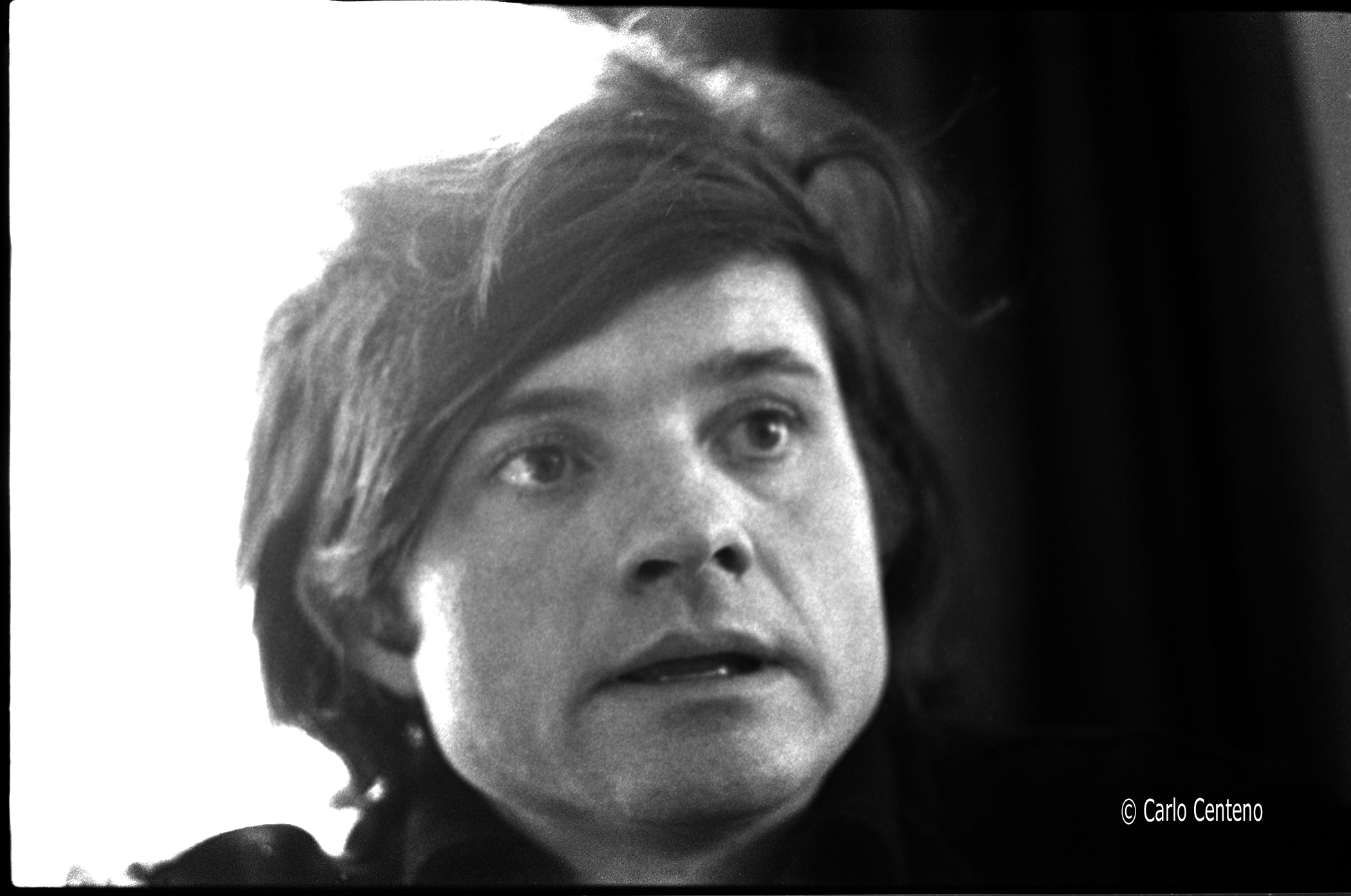
These B&W photos—like the ones in Remnant and Remnant v2 come from the same collection or year they were taken, which was sometime in 1973. I am particularly moved by this photo, a portrait of a teacher I had in high school. Mr. Dinsmore was his name. He had an emotional quotient [EQ] that was apparent long before EQ became a chapter in any number of business management books and case studies. First and foremost, he was a very good english literature teacher.
Sadly, I learned that Mr. Dinsmore passed away, a brain tumor taking him from the school and his charges. His spirit—and my memory of him—lives on.
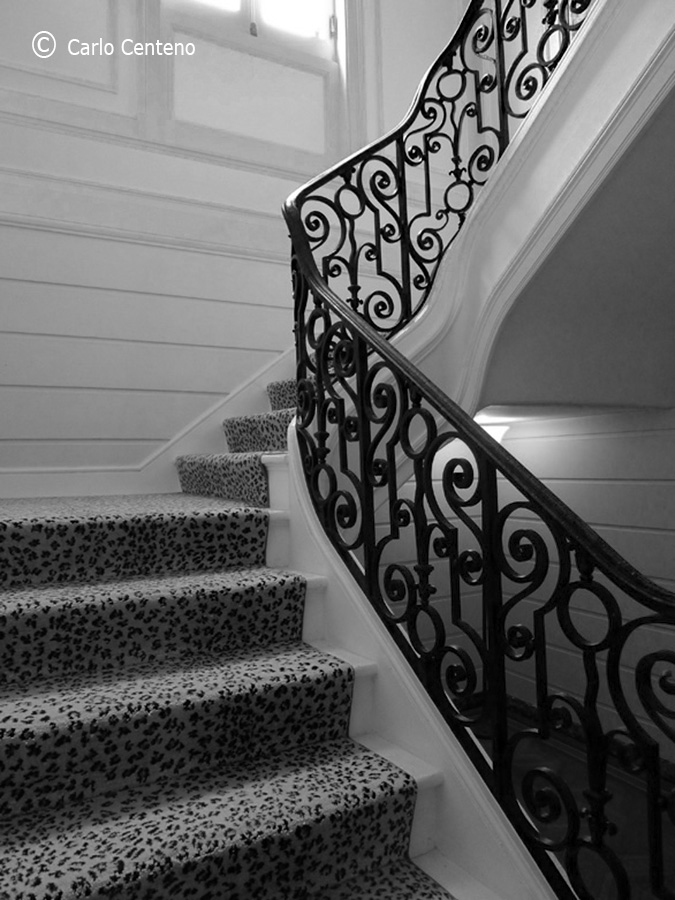
In the 1978 movie, Heaven Can Wait, there’s a whimsical scene showing souls boarding a plane destined for heaven. They’re all adults, quietly and in orderly fashion waiting their turn to be checked on a list before taking the stairs. If I was to peer through a special window, one that would allow a real-time glimpse of say, a staging area, these 2 images represent what I’d see.
Why so barren? Nirvana has no time: no early or late or anything resembling the way we measure time passing. How can you measure a concept or notion that has neither a start nor an end? What I’m really saying here is that while heaven or Nirvana has no clock, we do, and the barren quality of these images can mean several things, each a statement to our genuine condition as human beings. To wit:
Frankly, if I chose another moment to peer through that existential, real-time window, I’d probably see children. They’re the ones who have the least amount of pretense. They are the real innocents of our civilization.
It doesn’t take a whole lot to keep me entertained. While on vacation I took some photos using outdated medium format film [120 Fuji NPH 400 color negative].
It is true that using film cameras can slow you down, but that’s not a bad thing if you want to slow things down a bit. Shooting medium format film—to me anyway—can be relaxing. I have to think, be immersed if you will, because everything is manually and mechanically accomplished: shutter speed, aperture, exposure, film advance, loading/unloading and so forth.
Call it nostalgia, but I get a lot of pleasure controlling my cameras versus having cameras control everything right up to when the shutter is pressed.
Earlier this month, I took out my Rolleiflex 6008 Pro and took a few photos using Polaroid 679 pack film. For those old enough to remember, Polaroids were frequently used to check exposure, light quality, composition, subject focus, depth of field and so on. These are but a few samples I took; in each case, the texture, the feel and ambiance of the image puts me in a calm state of mind.
One of the most enjoyable aspects of the summer are nights on a quiet beach.
I’ve seen people fish, practice yoga, walk or run—sometimes with a dog—but the one activity I enjoy is the calm associated with doing nothing. The “nothing” I savor has more to do with my surroundings. This may sound oh so simplistic, but you haven’t lived until you’ve spent a late night on a moon-filled evening, at a beach where the sounds and smells of ocean, the wind and even an open fire embrace you.
It’s even nicer when you share such moments with people you care about…
I learned early on in my career that market segmentation is but one level of segmentation. I think of the process as one of differentiation. Demographic segmentation requires specificity in a cultural subset. In other words, you don’t place spanish-speaking people as solely spaniards any more than those speaking french as frenchmen.
The subset is of material importance. Spanish-speaking people come from many places other than Spain, ergo the same for french-speaking people living elsewhere than France. Think Puerto Rico, Mexico, Columbia, Dominican Republic for the former and Quebec, Monaco, Ivory Coast and Belgium for the latter.
There has been a tremendous amount of buzz regarding LGBT civil rights. Ireland is the first country that recognizes same-sex marriage after its citizens voted it so just this past May. Caitlyn Jenner is a household name and we’re likely to hear a lot more about the former Bruce Jenner’s transgender journey.
So, what does this have to do with marketing? For me, plenty.
First and foremost, we’re dealing with a community of people. Many countries treat LGBT people like criminals. In no uncertain terms, being lesbian, gay, bisexual or transgender puts you on death row in several countries. So, tell me where’s the real crime taking place?
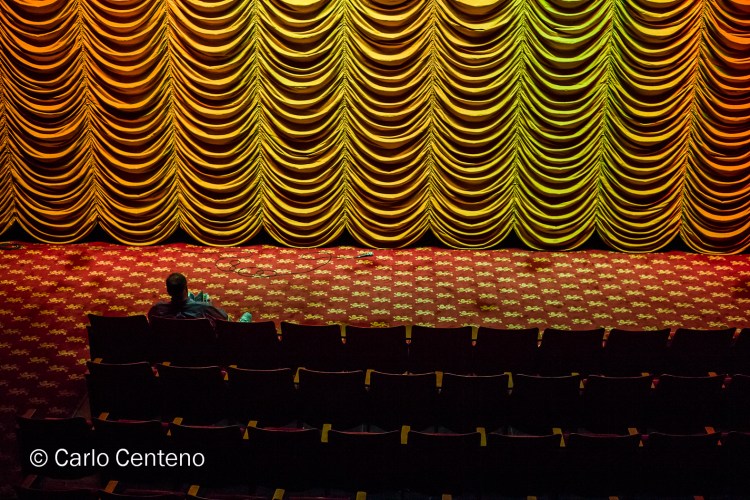
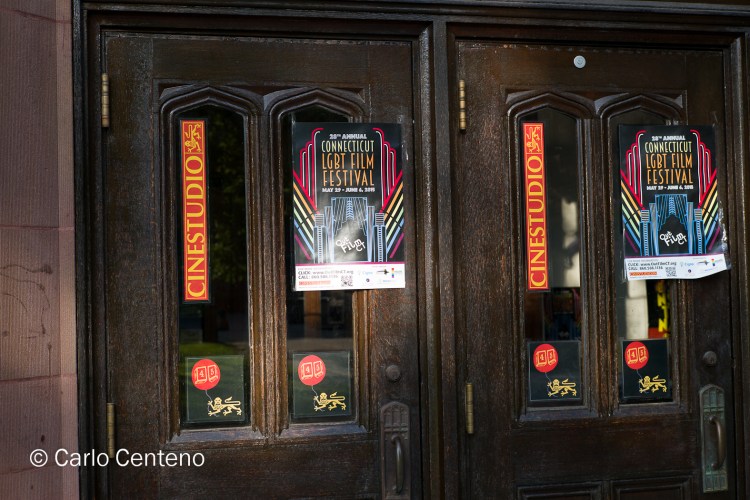
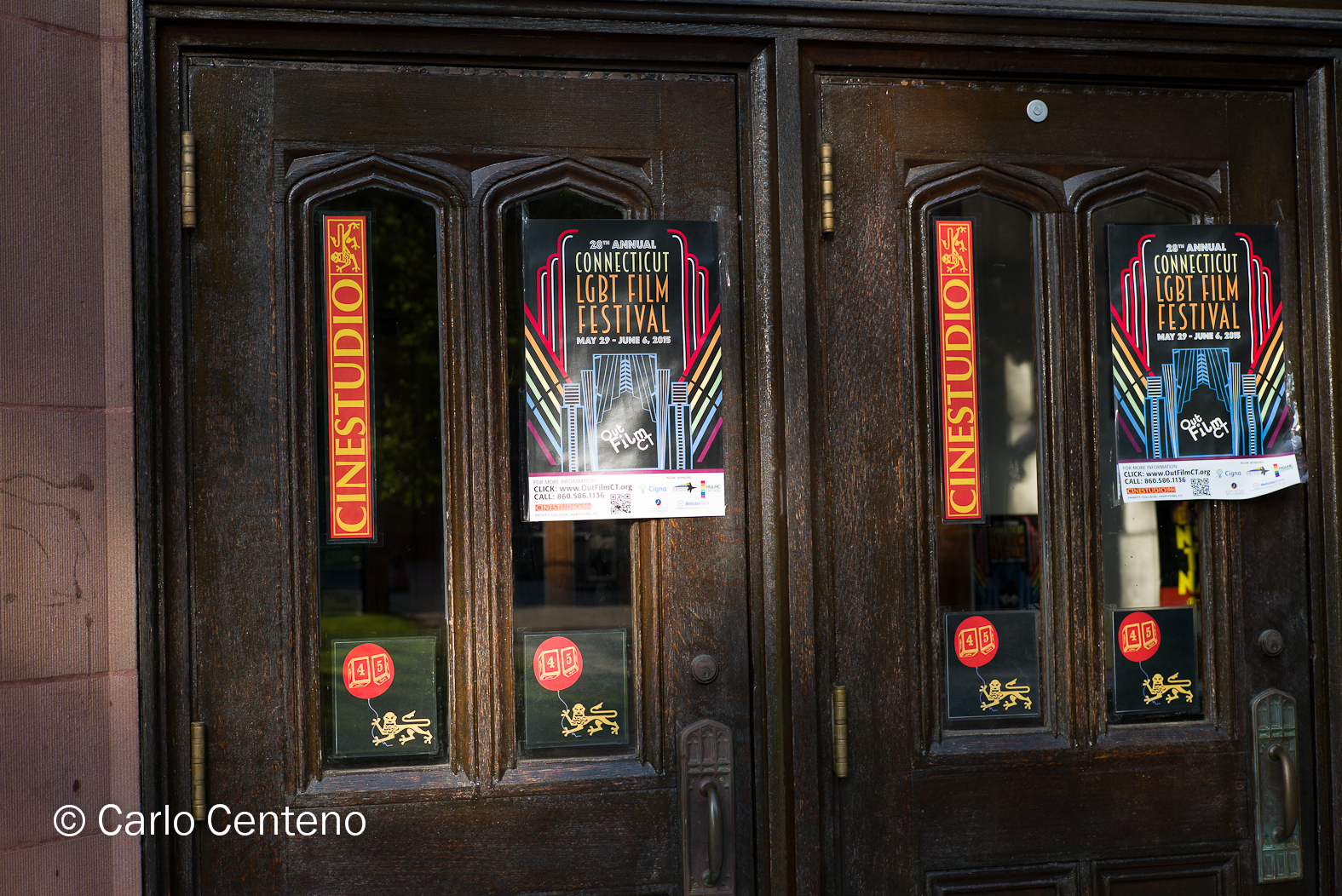
I recently attended a screening at the 28th Annual Outfilm CT Film Festival held on the beautiful campus of Trinity College in Hartford, Connecticut. From May 9th to June 6th, controversy, art, education, tolerance, intolerance, inclusion, love, forgiveness, the banal and the beautiful were expressed across a variety of films, short and of feature length. The films I watched provided a temporal take on LGBT concerns as well as the eternal qualities of love, acceptance and foregiveness.
There’s also the economic take that cannot be ignored. LGBT folks are contributors and consumers. Some hold high-level positions in business [Tim Cook, CEO of Apple, e.g.] Yes, the human costs are invaluable, however the economic costs can be calculated. If you need more information, this recent article from The Atlantic can shed more light on the value of the LGBT economy.
How important is the LGBT community? Here’s the short list of corporate sponsors of the Outfilm CT Film Festival: Pratty & Whitney; CIGNA; The Hartford; AARP; Aetna; Baccardi; Barefoot Wines, among others…like the firm I work with.
In addition to other key designations and credentials, Michael Matty, the President of St. Germain Investment Management, holds the following: Accredited Domestic Partner Advisor [ADPA]. While segmentation is important in marketing analysis, inclusion holds its own relevance as well.
In my line of work, you host, sponsor and get invited to a variety of events from various non-profit agencies and causes. Most everyone can understand donation requests in the form of food, clothing, footwear and safe housing. The need for basic items will not abate and is likely not to.
This past weekend, my wife and I were invited by 2 wonderful friends to attend the annual Hartford Symphony BRAVO! gala to support the HSO and its various programs. This may sound like a declaration for music appreciation, perhaps it is because other than imagery, music is a vehicle that connects you to some of your most profund emotions: fear, joy, nostalgia, regret, anticipation, optimism, self-worth among others.
Many galas are over the top [in a good way!], but if you get past the themes, decorative accoutrements, wine, main course, dessert and coffee/tea, there’s no wondering about the main purpose of these functions: to procure money and moral support.
Ticket sales alone cannot support a symphony; that’s too much to expect in this day and age. I believe such was the case many years ago. Financial and moral support need not be mutually exclusive. Think in terms of helping children and young people. Like other major symphony orchestras, the HSO creates programs that encourages kids to become more involved with music. At the very least, to increase our involvement through time, talent, financial contributions or combinations thereof.
We see many things connected to the arts falling away due to budget cuts. Materials, instruments, field trips, special visits/talks from artist themselves and so forth disappear. Like any other solid corporation, the HSO gives back to the community. In the case of the HSO, it’s more about teaching kids about the power of music. Neophytes are not the exclusive target audience; experienced student musicians also beneifit from music-focused programs and activities.
It’s not a stretch to think—and feel—that music matters.
Technical: All images taken with a Leica M, Elmarit 28mm f/2.8 lens: ISO ranges from 400 to 3200.