Transitions

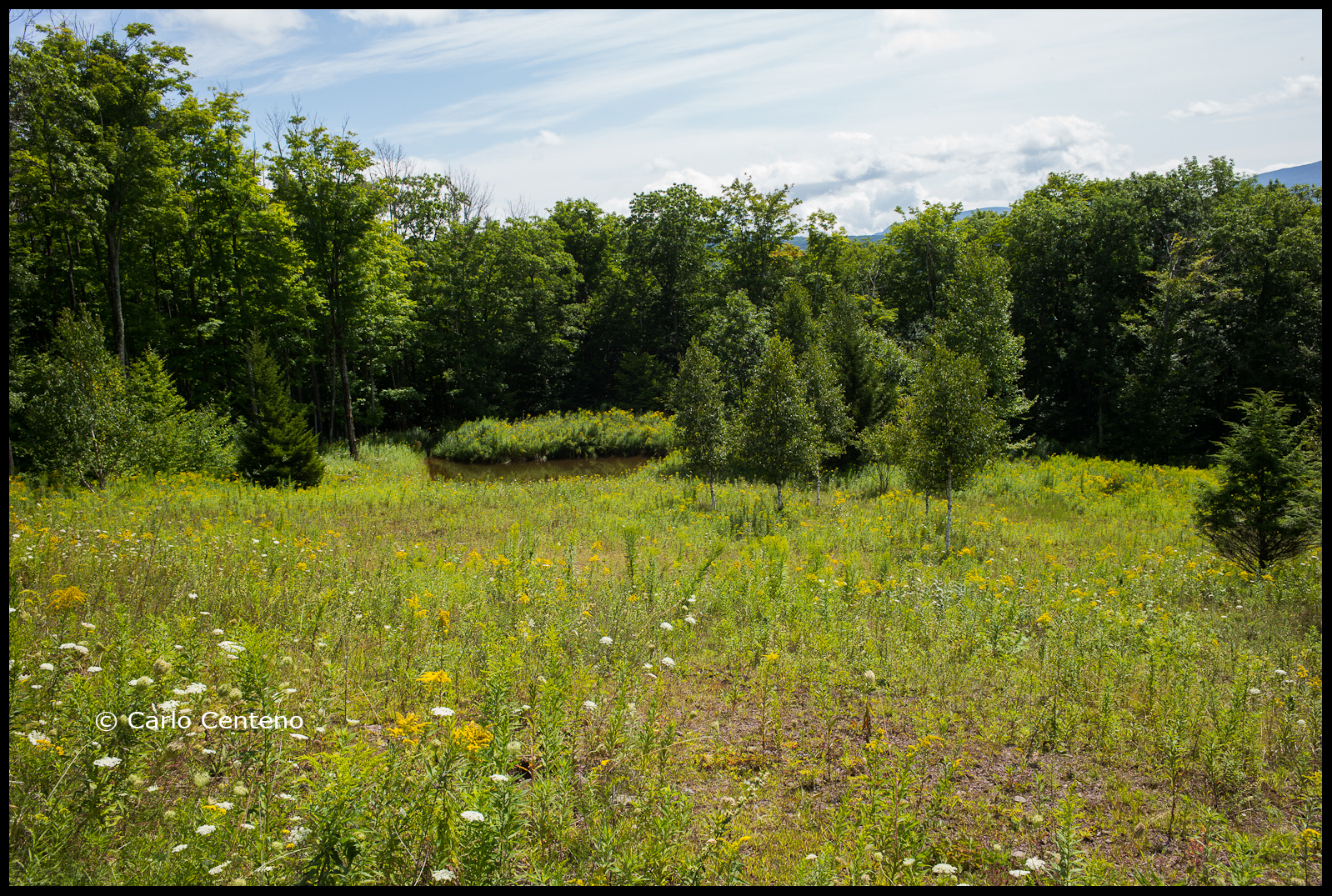
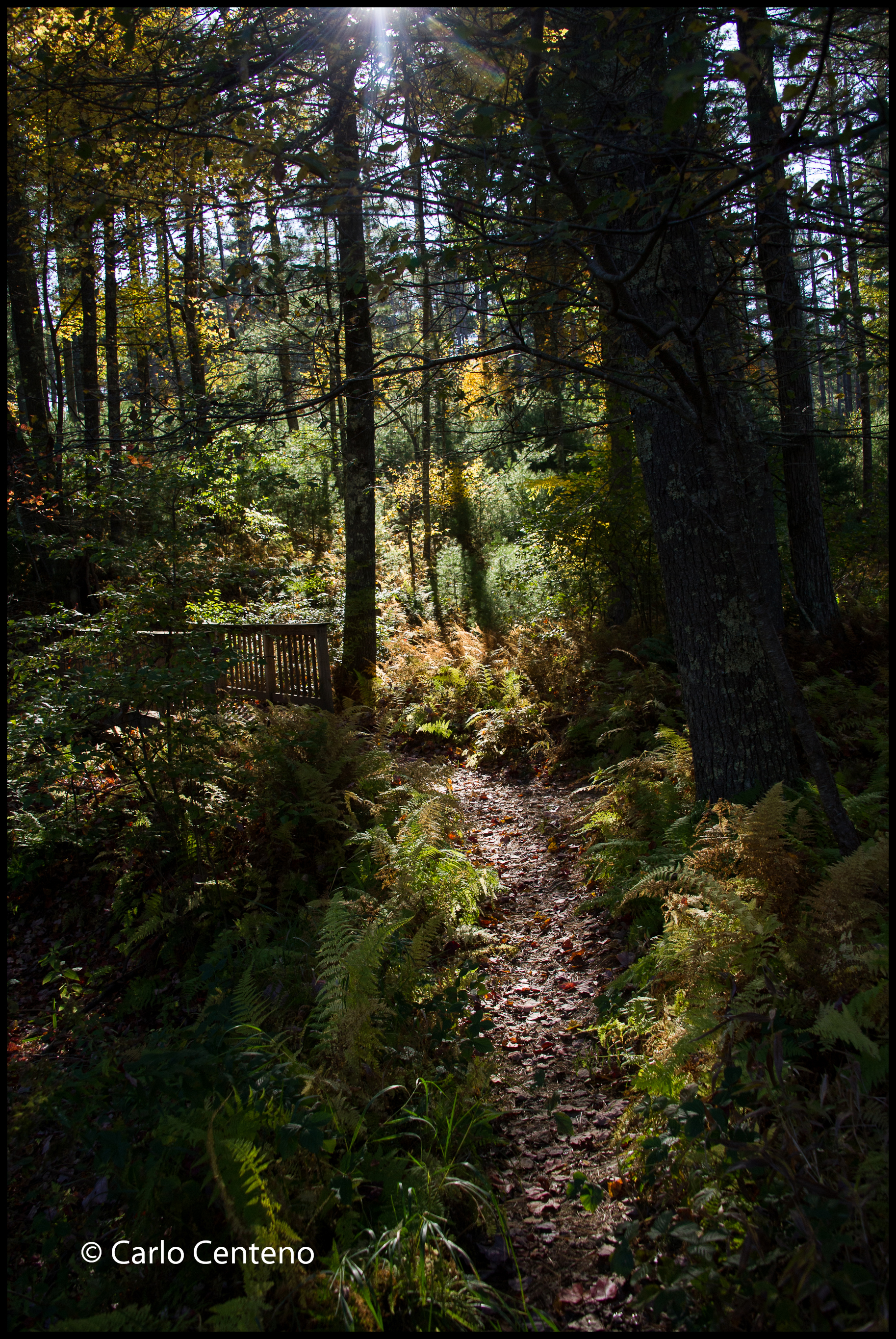
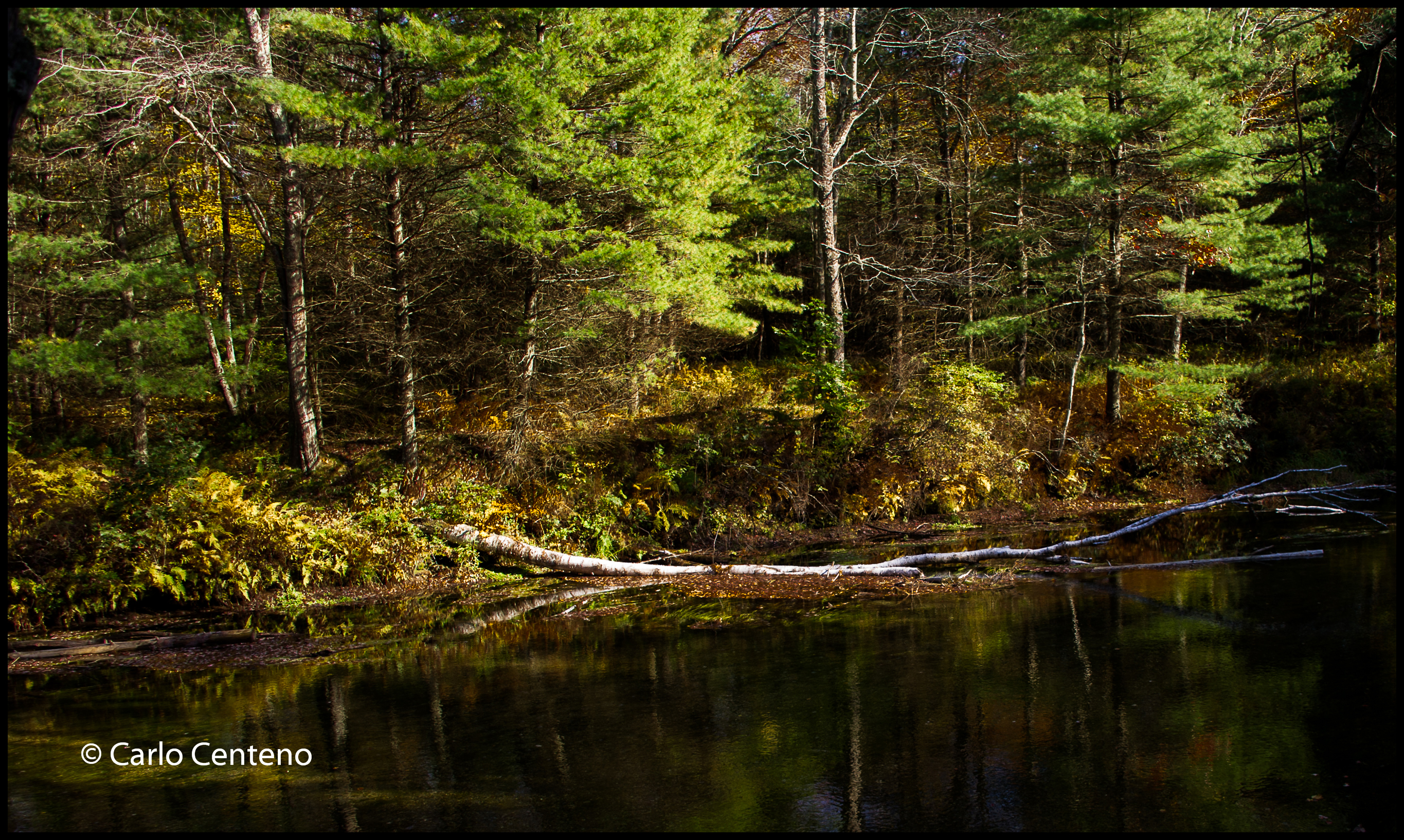
With September upon us, there’s that sense summer is nearing its end. You wouldn’t think that on such a day as this: it’s warm, bright, a slight breeze and plenty of green just about everywhere you look.

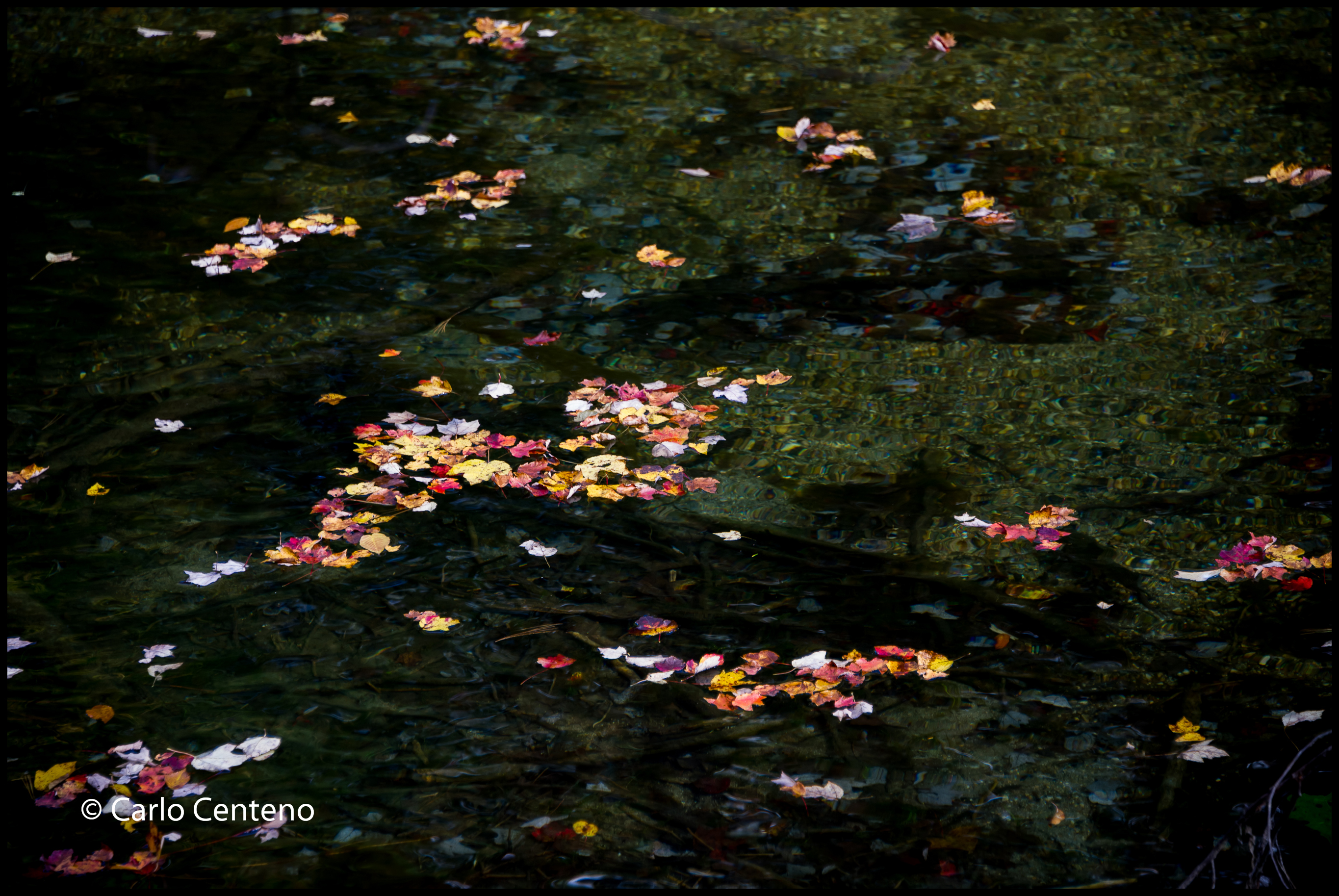
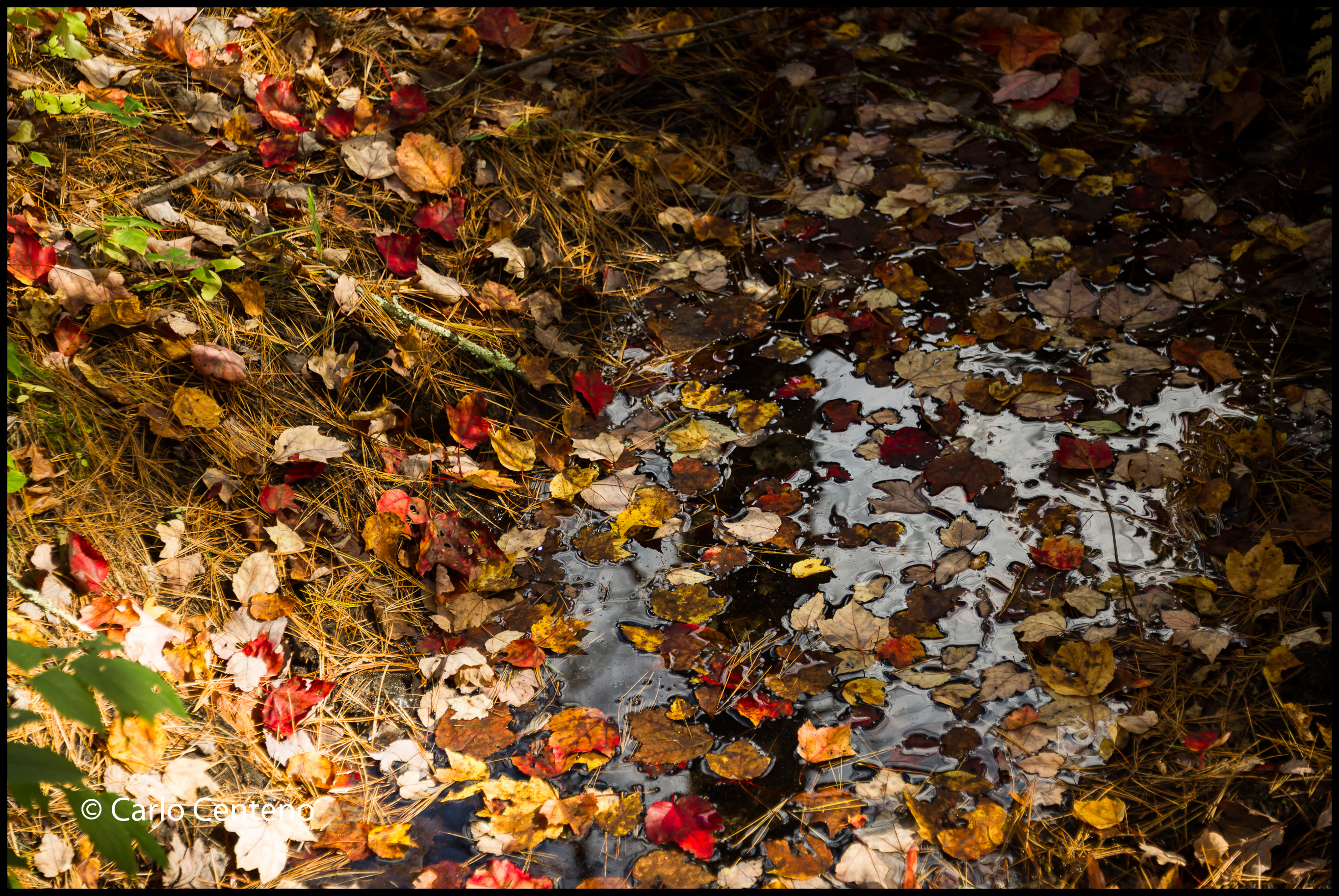
Yet the season’s already changing. My morning start is just a little darker than what it was a month ago. Some of the maple trees are starting to turn color. Shorter days means Autumn is at its threshold.

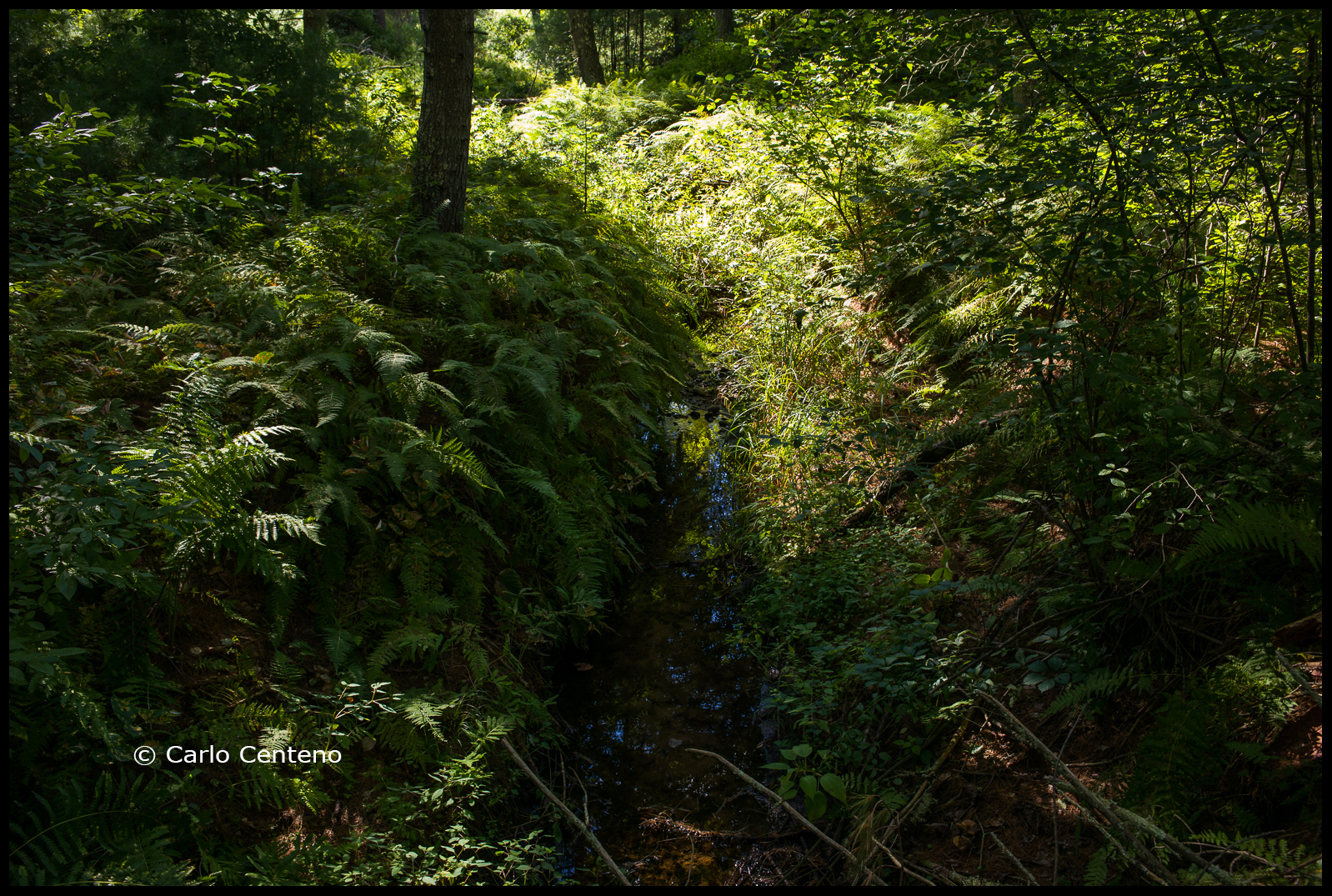
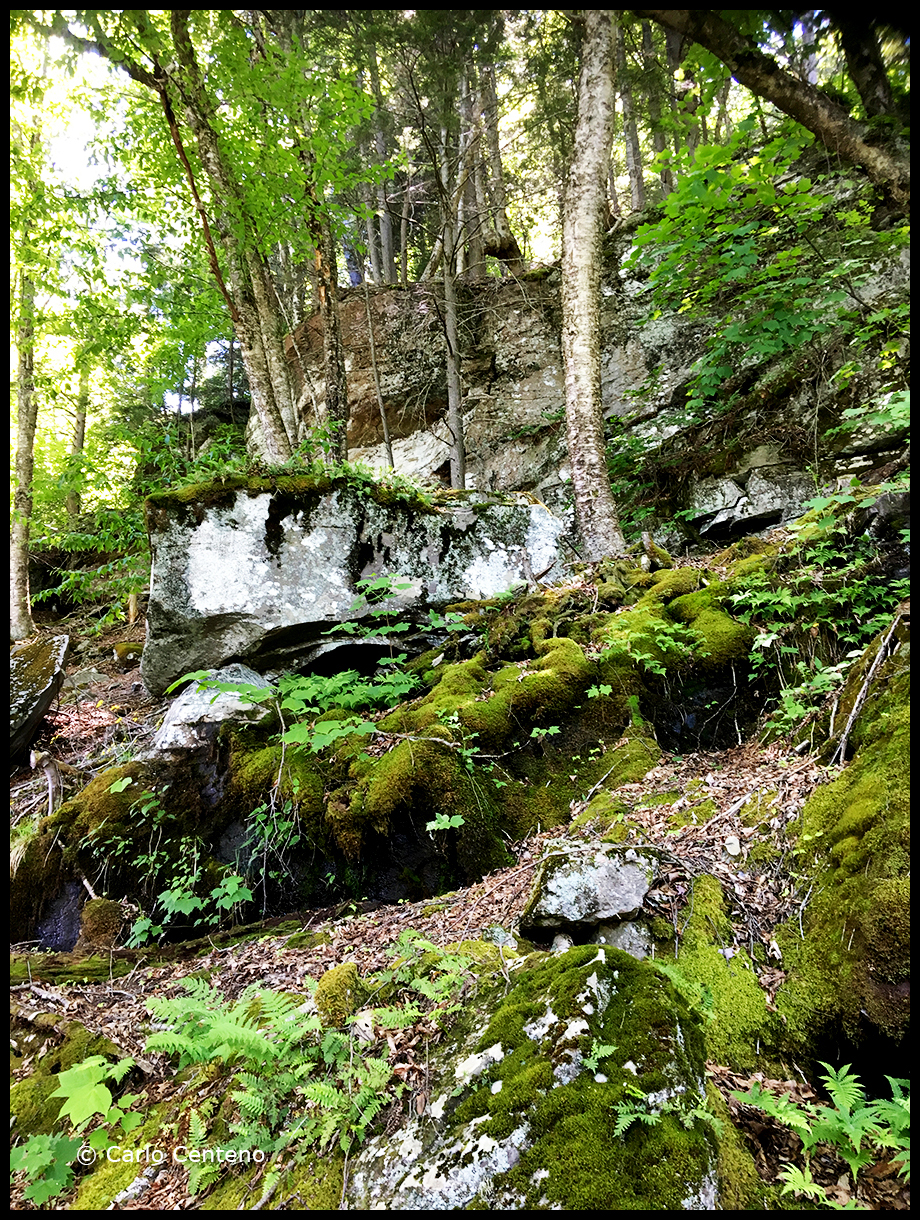
When I need to have some distance from this maddening world, the outdoors provide a good dose of calm and reassurance. It can be more challenging in urban areas, but parks are a viable alternative. Get outside and realize the natural world accepts you as you are.

This pandemic has modified if not altogether changed, the way we mark the change in seasons. Traditionally we associate baseball as the “start” of summer, football the beginning of autumn, basketball and hockey mark winter’s arrival. But many of these traditional markers have started later than usual. As a consequence, our seasonal clocks are skewed. This has been compounded further by schools having different protocols for their first day. Is that day for virtual online learning or in person at the actual building?

Time to get outside.

Wounds.

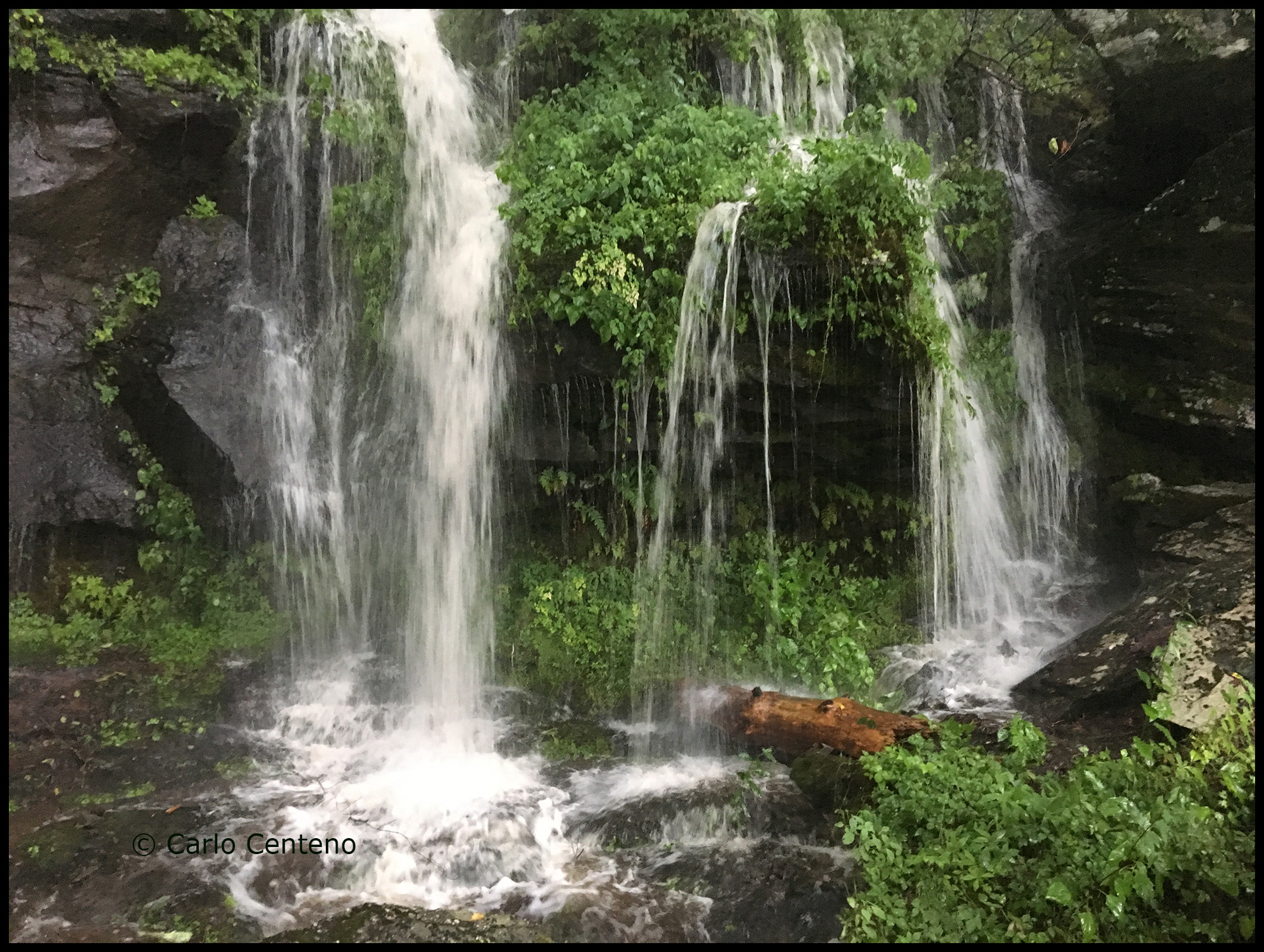
The power of water is astounding.  Trickles that turn into streams then morph to raging rivers—at times in a matter of a few minutes if not less—cannot be taken lightly. Trying to accurately track an object caught in fast-moving current is almost impossible. My August 5th post about The Falls clearly demonstrates the meaning of “fast-moving.”

Wind can be just as harrowing. Various parts of the country were seriously hit first by the rain storm Isaias then by a rare, but powerful wind storm called a “derecho.” The middle of our country bore the brunt of its force leaving what resembles a war zone.

Closer to home, there was considerable damage from this most recent windstorm. Though the harm and damage here pales to communities in Iowa and beyond, I’ve noticed pine and oaks uprooted and toppled over. The swath of this recent storm event caught me somewhat off guard.

Looking at the damaged trees produced that anthropomorphic feeling within me. The morphology of plants, and trees in particular, created a connection hard to ignore. My trunk or torso is akin to that of a tree. My arms and legs are limbs just as a tree has limbs. My core, like that of a tree, is the foundation that helps me stay upright.

It was apparent that these trees could no longer return to what they were only days before.  I’m not an arborist, but I surmised that nothing could be done to “save” any of the trees I looked at and photographed. Not a one.

When severe storms strike, all life is impacted in one way or another. However, plants and trees are particularly vulnerable because they are literally anchored to earth. They can neither hide nor escape their circumstance and their wounds are so obvious.


Ghostly

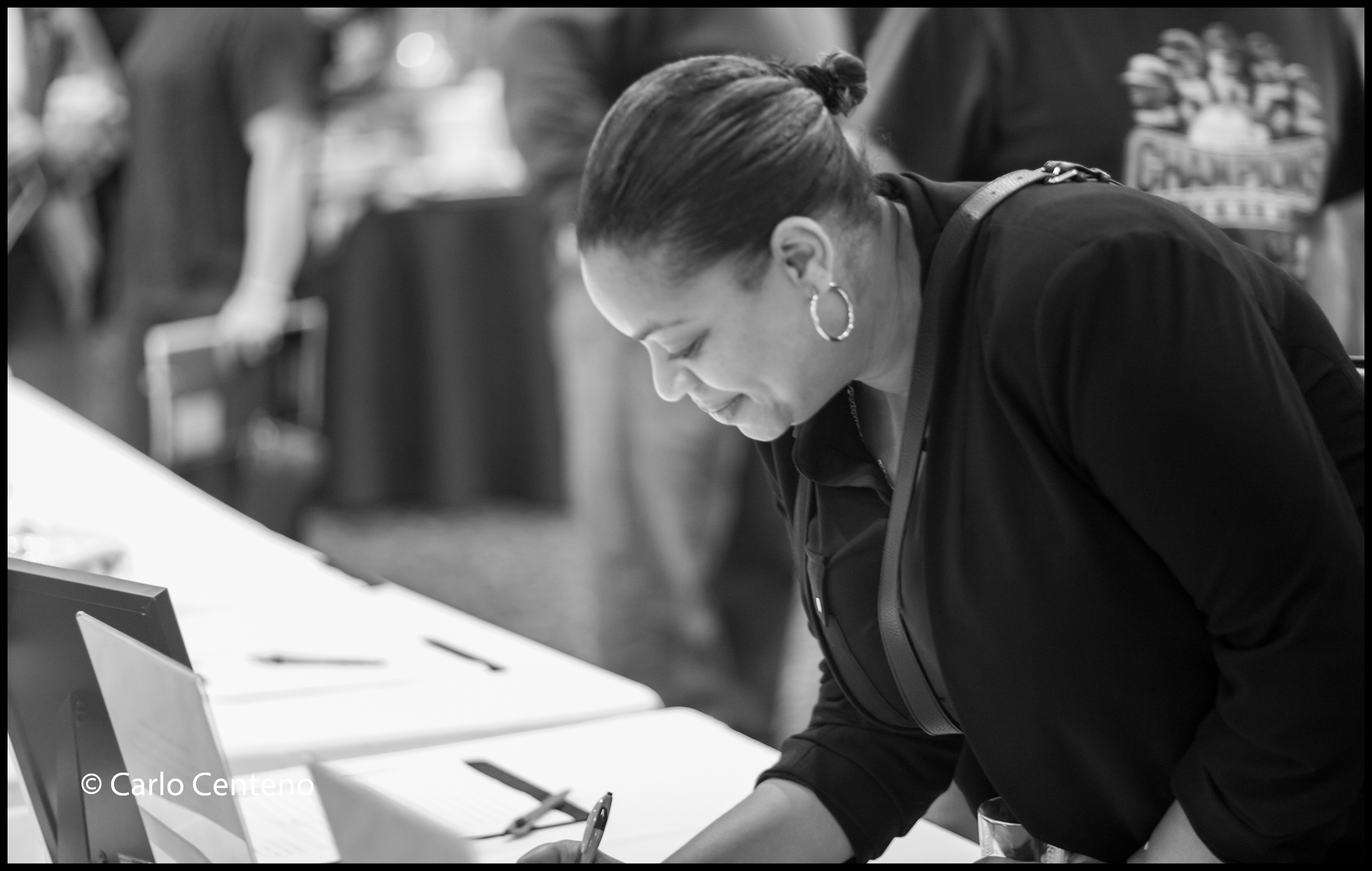
In the past 2 weeks, I’ve been to the office 4-5 times. The building is eerily quiet.  The predominant noise is nothing but white noise. It’s the kind of noise that can set your ears ringing because the sound is so subtle yet ever present—like that of a medical office waiting room with no one else but you sitting there. It’s a solitary existence encapsulated by sounds produced by the HVAC system.
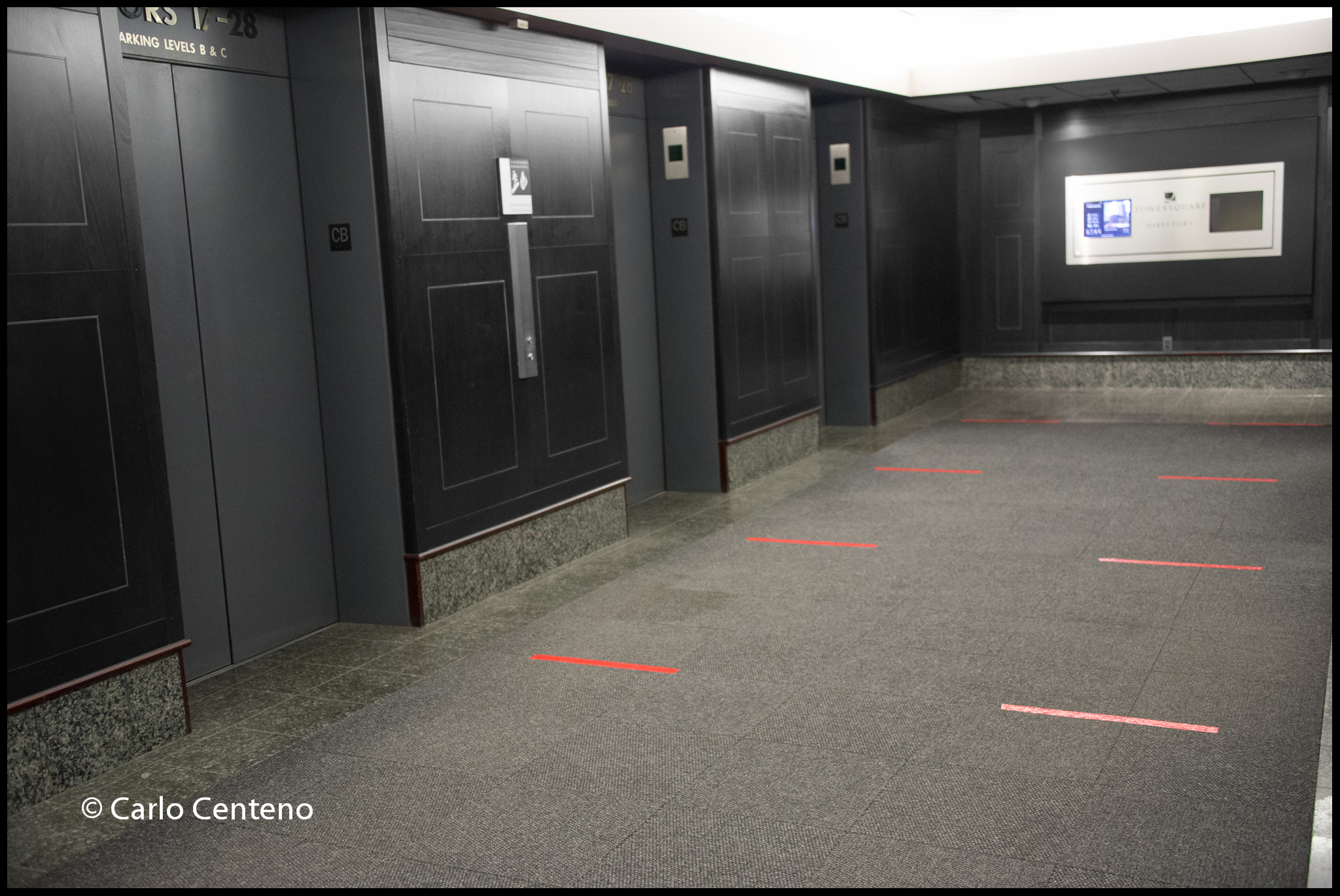
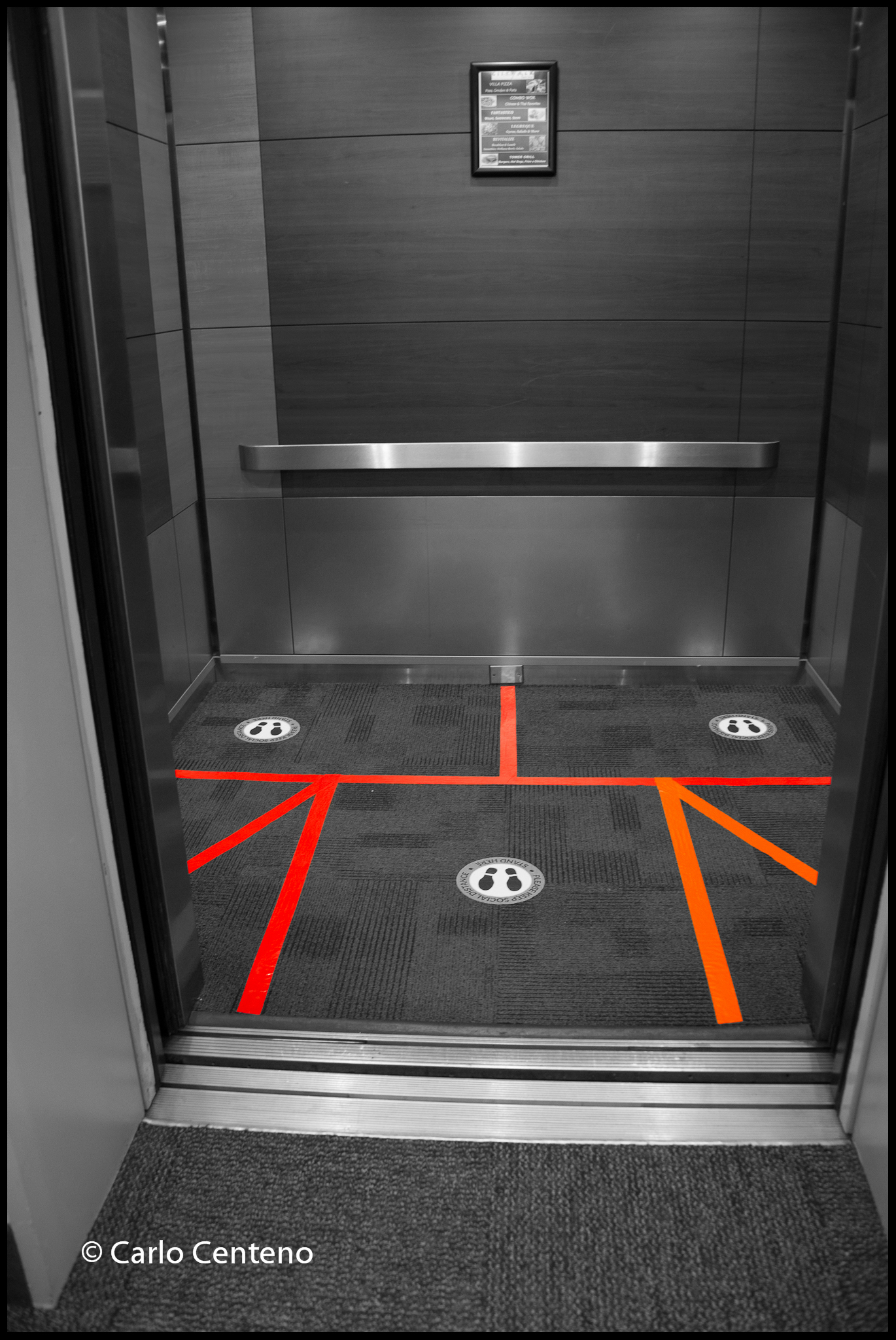
This is all very different. The office tower and the parking garage are like ghost towns.  Prior to this new reality, I’ll see people gathered around, waiting for the elevators, shuffling into one only to find that your stop is after 4 or 6 floors. It’s like the local train versus an express. Regardless of the time of day, there’s no avoiding at least one or two persons involved with an elevator: waiting, stepping in, stepping out and being closely woven in with others, some being inadvertently bumped by a briefcase, a backpack or a lunch bag.

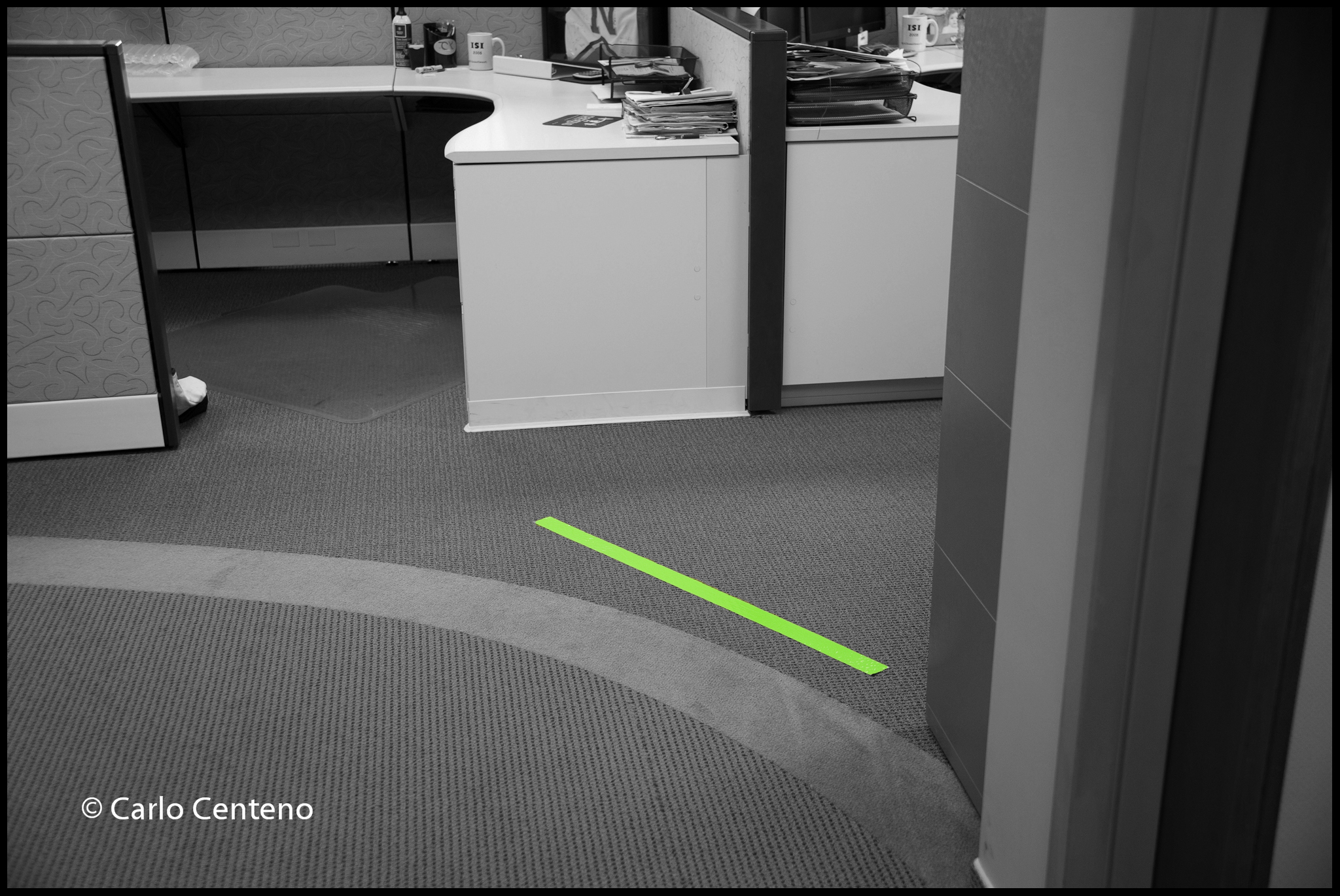
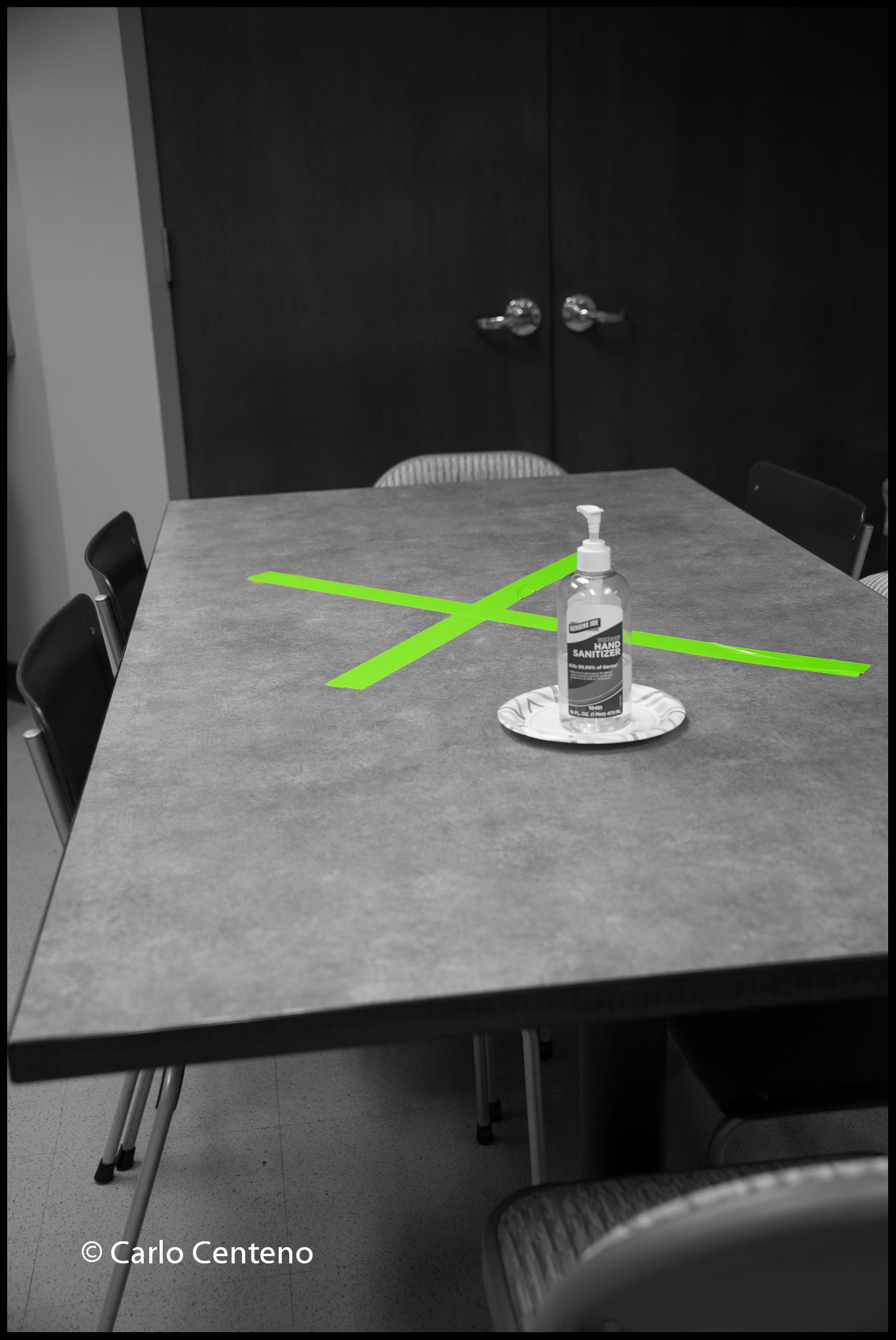
Similarly, once inside the office, this ghostly motif persists in all the spaces. Now, there are signs reminding staff to heed the rules of social distancing and the wearing of masks.  Individual office doors are closed. Open spaces have boundaries defined by 2-inch wide vinyl tape stretched across the floors as well as on the table in the common area.

The common area is perhaps the most ghostly of areas. Here on the first Friday of each month, our president would buy everyone lunch. Typically standing room once the seats were taken. It was a chance, albeit brief, to talk about life beyond business matters. It gave each of us a chance to kid around, make each other laugh, to feel, well, connected and relevant.

Like a dreamlike narrative in a Dickens or Bronte novel, what remains now is what you see. And what you hear, is the odd hum of the fluorescent lamps and the HVAC system.


“Those Were the Days”

Once upon a time there was a tavern,
Where we used to raise a glass or two.
Remember how we laughed away the hours,
And think of all the great things we would do.
Those were the days my friend,
We thought they’d never end.
We’d sing and dance forever and a day.
We’d live the life we choose,
We’d fight and never lose
For we were young and sure to have our way.

Songwriters: Boris Fomin, Gene Raskin

Ever an optimist, it is possible that you’ve heard the song, Those Were the Days as sung by Ms. Mary Hopkin. It was one of the first singles produced by Apple Records and Paul McCartney in 1968. My recent postings and our current new normal [or is it our current abnormal?] made me think of this ballad. And not only about changes that have taken place, but of many things unlikely to occur in the same way as before.

We are at summer’s threshold. We’ve evolved to accept crowded places, an expectation of more time spent with family and friends and to be part of those timeless happenings and celebrations that define this time of year: graduations, picnics, time on the beach, attending ball games, concerts & performances inside and out, barbecues, pool parties and a lot more.

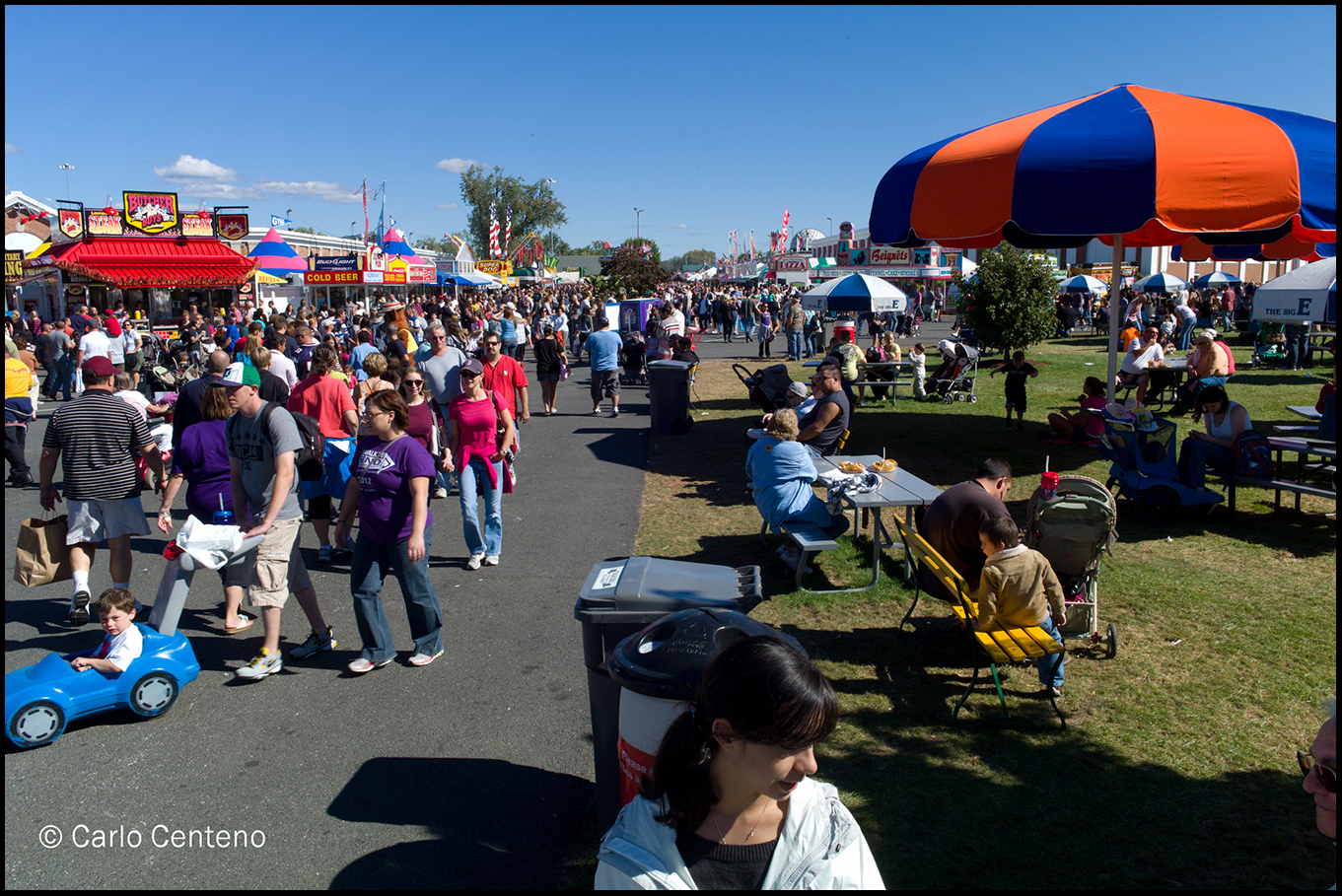
And then there are the country fairs.

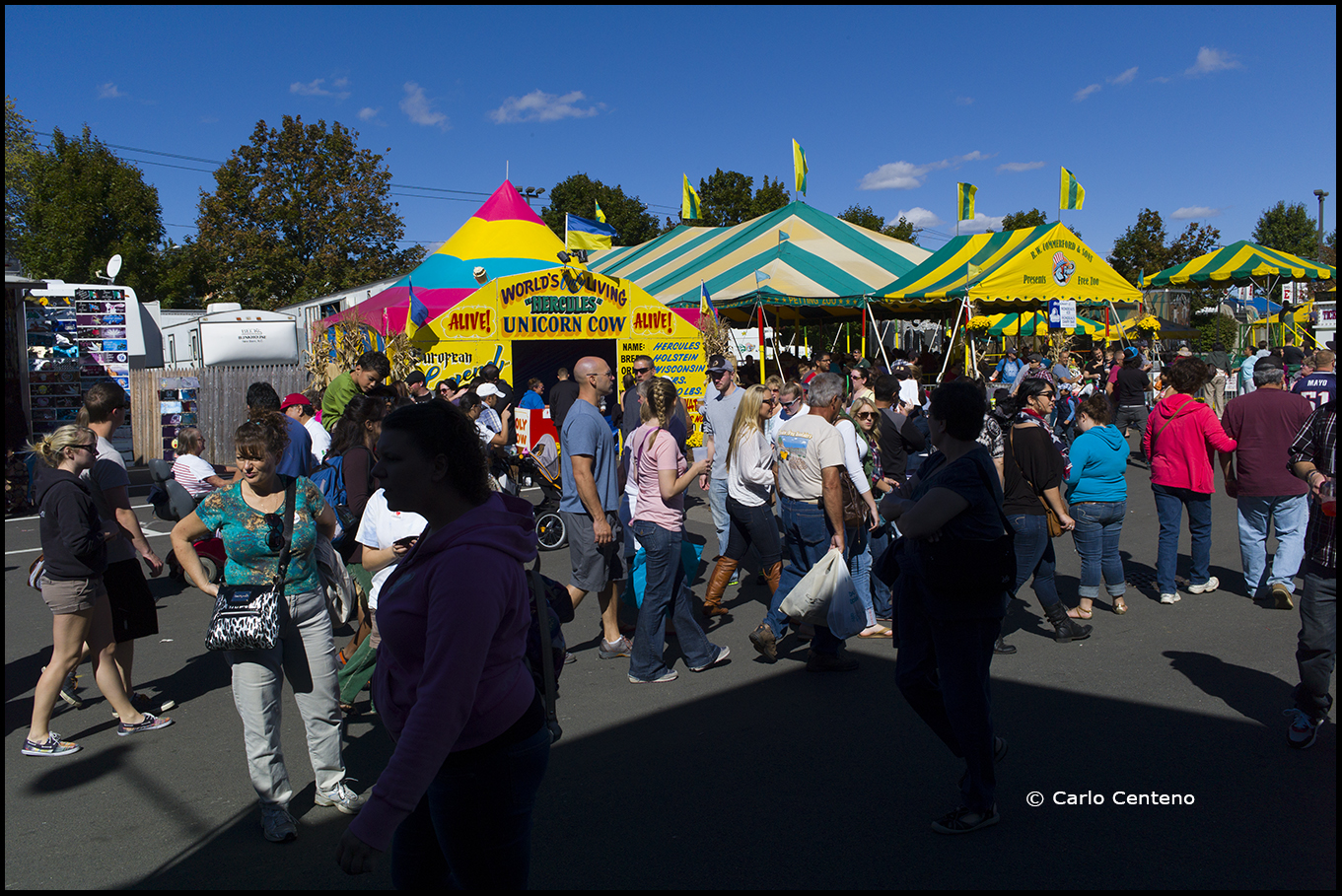
This unique piece of Americana born of traditions in farming and agriculture, will never be the same.  To heed social distancing at these and other events is not going to happen. It’s part of our social DNA, to see a flurry of activities and to be part of the atmosphere or happenings. It’s standing in line if not for the anticipation of getting into an exhibit or performance—or something savory to eat—but to avoid losing your place in that line.

It’s a place to experience sensory overload. Merchandise of all kinds court you with such promises as having something fun-for-the-kids; of having the last mop you’ll ever need or the complete knife set that rarely needs sharpening. Then there are the culinary pieces de resistance: fried dough that could work as trash can covers, cream puffs the size of softballs or that deep-fried turkey leg that can double as a hammer in a pinch.

This year will be different for most everyone. The crowds can never be as large as before. Perhaps reservations need to be made to limit the number of visitors. Adjustments are already in place, yet still changing. We’re armed with masks, hand sanitizers and wipes and a growing awareness of our personal space and limitations. It may not be all bad, but much of what’s currently unfamiliar, even uncomfortable, will become all too familiar.
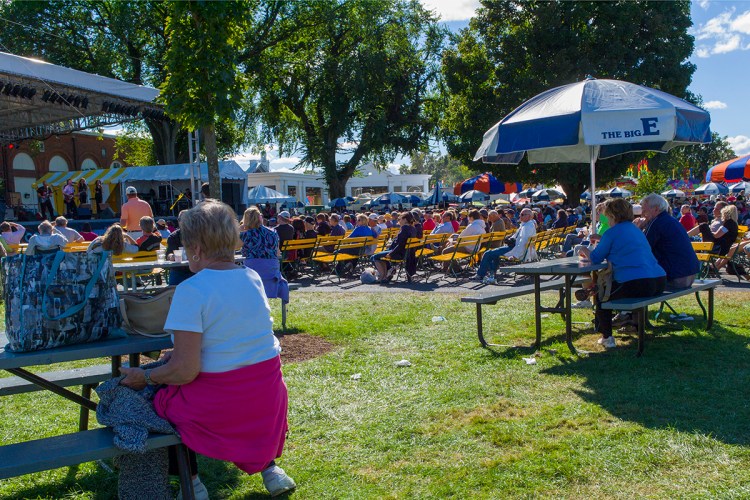
For years we’ve made a trip to one of the largest country fairs in New England, a sortie that has become part of our own tradition. On a weeknight, we head to West Springfield for “The Big E” aka, the Eastern States Exposition. My wife and I head to a favorite Polish food stand to order the inimitable Polish Plate: galumpki, pierogies, and kielbasa, all chased down by a “pint” of Dinkel Acker Pils, a German beer crafted from heavenly made hops.
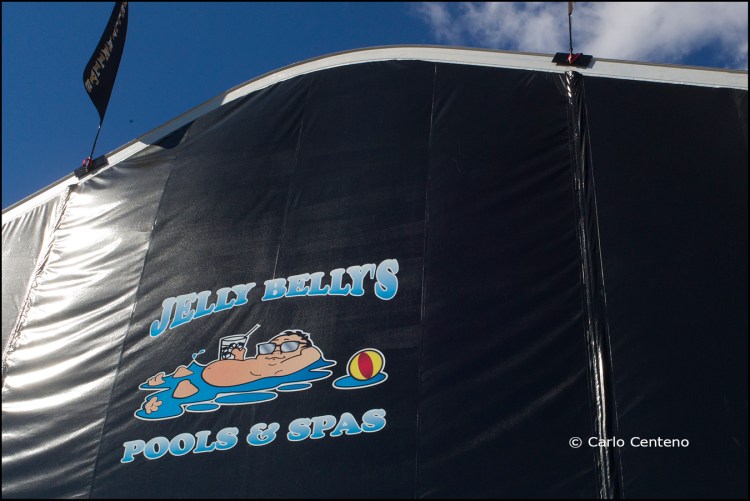
And after that, it’s a walk across the grounds to burn off a few [very few] calories, only to add a bunch more when we stop for a homemade blueberry pie a la mode. All of this adds up to an entertainment feast. Certainly many things are always there, often the same vendors and merchants. But what makes each year different are the recollections of many other visits to the Big E aside from our annual beer with dinner.

It’s about our daughters coming with us during the toddler to tween years. Then came the teen years when it became apparent we were no longer cool, the two escaping with a fistful of tickets for rides and the arcade at the fair’s Midway.
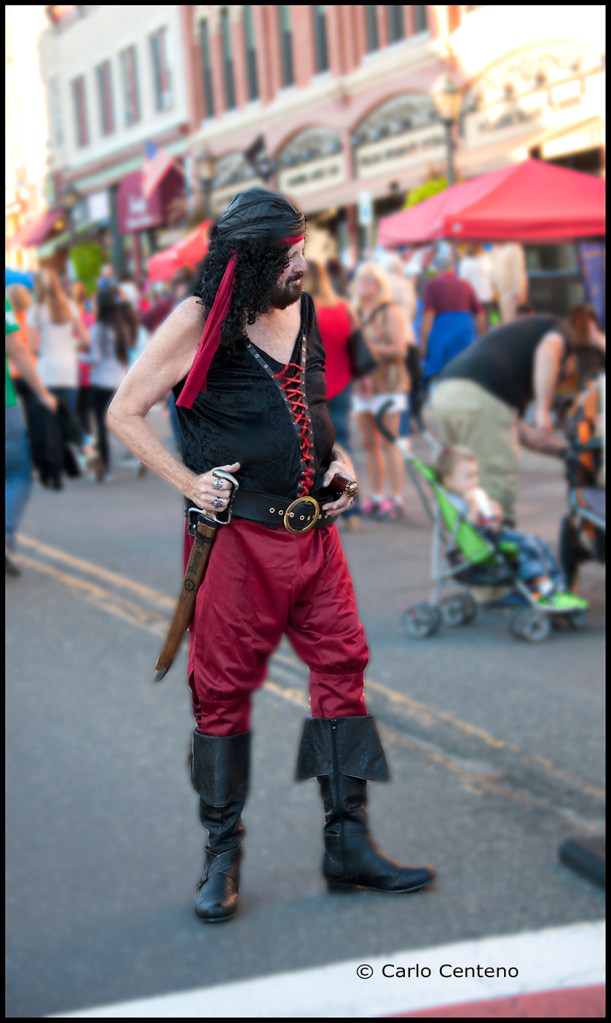
It’s about people-watching, of getting lost in a crowd knowing that similar dreams and fears are as common as balloons, stuffed animals and kettle popcorn. Summer is as much about the quiet and solitude found in the woods as is the cacophony of gatherings and festivities that confirm our sentient selves and how we’re all connected.

Those were the days.


Enlightenment

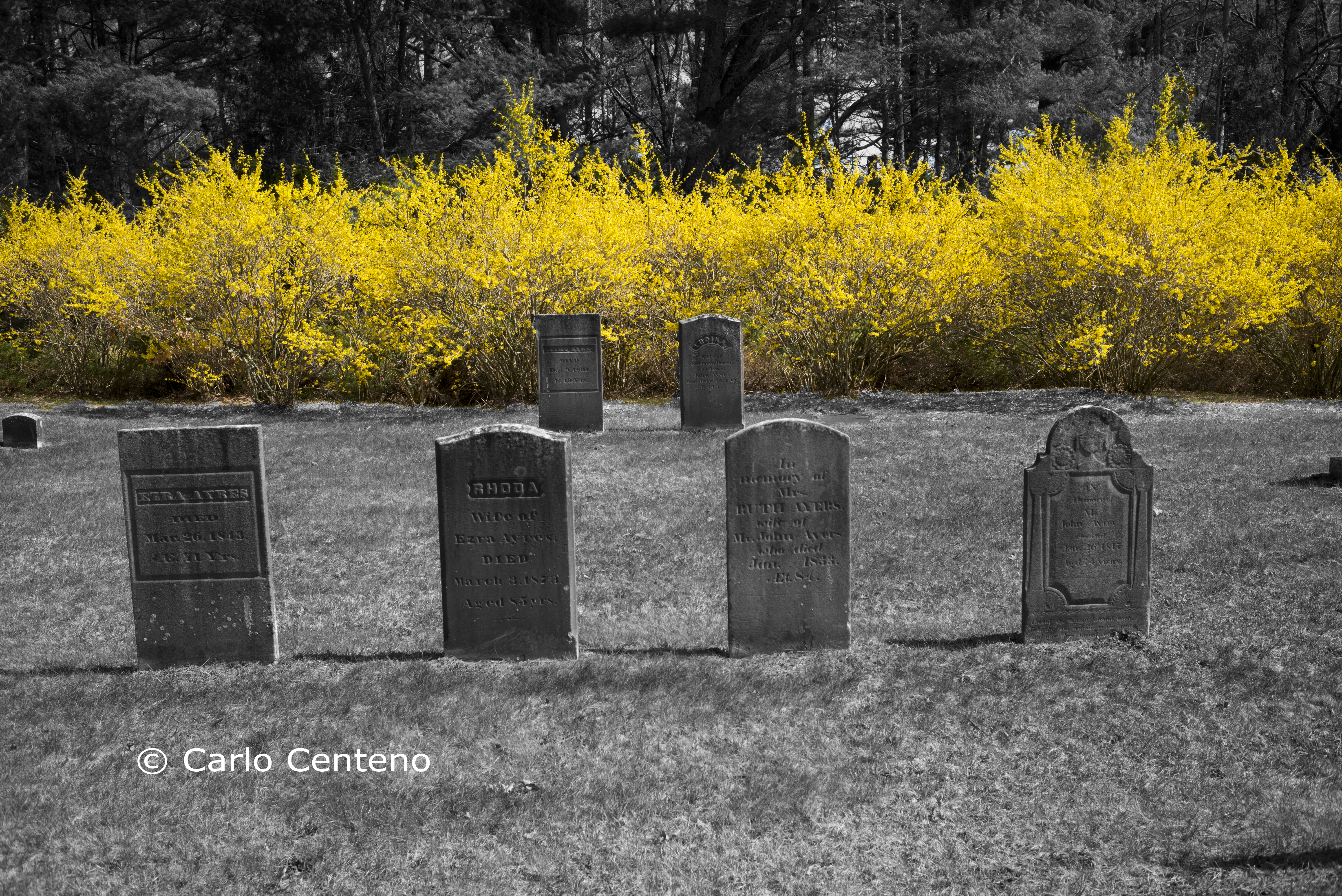
Generations of my wife’s family are interred in a local cemetery, a cemetery that honors among others, veterans, the ordinary, the extraordinary and in particular, the residents who lived in one of the 4 towns that were evacuated in order to create the Quabbin Reservoir.  The reservoir was built to provide potable water to those living in and around Boston.

Anyway, MJ’s family lived in the town of Prescott, which like the other towns in Dana, Enfield and Greenwich now lie about 151-feet [46-meters] beneath the water’s surface.

Yes, we are at the mercy of the new coronavirus and the possibility of becoming ill with COVID-19. However we must put things into perspective, because there are many dealing with far heavier, more costly burdens that pale to what some of us may deem a hardship. The majority of us are dealing with  inconveniences; yet others are fighting for their lives. The residents of the Swift River Valley left homes and homesteads, jobs, family and friends and most certainly a way of life.
Last week there was the amazing story of the Bello family. A couple with 3 young children, the father, Jim, teetering on life’s edge fighting COVID-19. It’s an amazingly powerful, somber treatise about love, faith, and unwavering determination in the face of incomprehensible odds.

If cabin fever makes one feel a bit cuckoo, then get out and do something. Take a drive into the country, take a walk on a trail, visit a landmark, break out the camera, the hiking shaft, the binoculars, the bicycle and more. With the majority of us driving less, you may have heard there’s less air pollution. For the introvert, having so much quiet and alone time could be a godsend. The opposite holds true to the extrovert dealing with social withdrawal.

There are times when we  feel enlightened by some cause, an emotion, an observation, anything from the mundane to the spectacular can prompt this feeling.  Walking through the cemetery renewed a sense of purpose in me, an awareness of who I am and what I should do versus what I can do. To the rest of the world, I am just another being among millions of others. So what?

I suppose relishing my time—essentially doing nothing—allowed me to have a more acute perspective on being mindful.  Perhaps I was due for a spiritual tune-up, and I think got one. A better way to feel enlightened is to think of it this way:  “If you want to feel good about yourself, do something good for someone else.”  My spinning instructor always says that after a class.

Be well. Stay healthy.

April 1, 2020

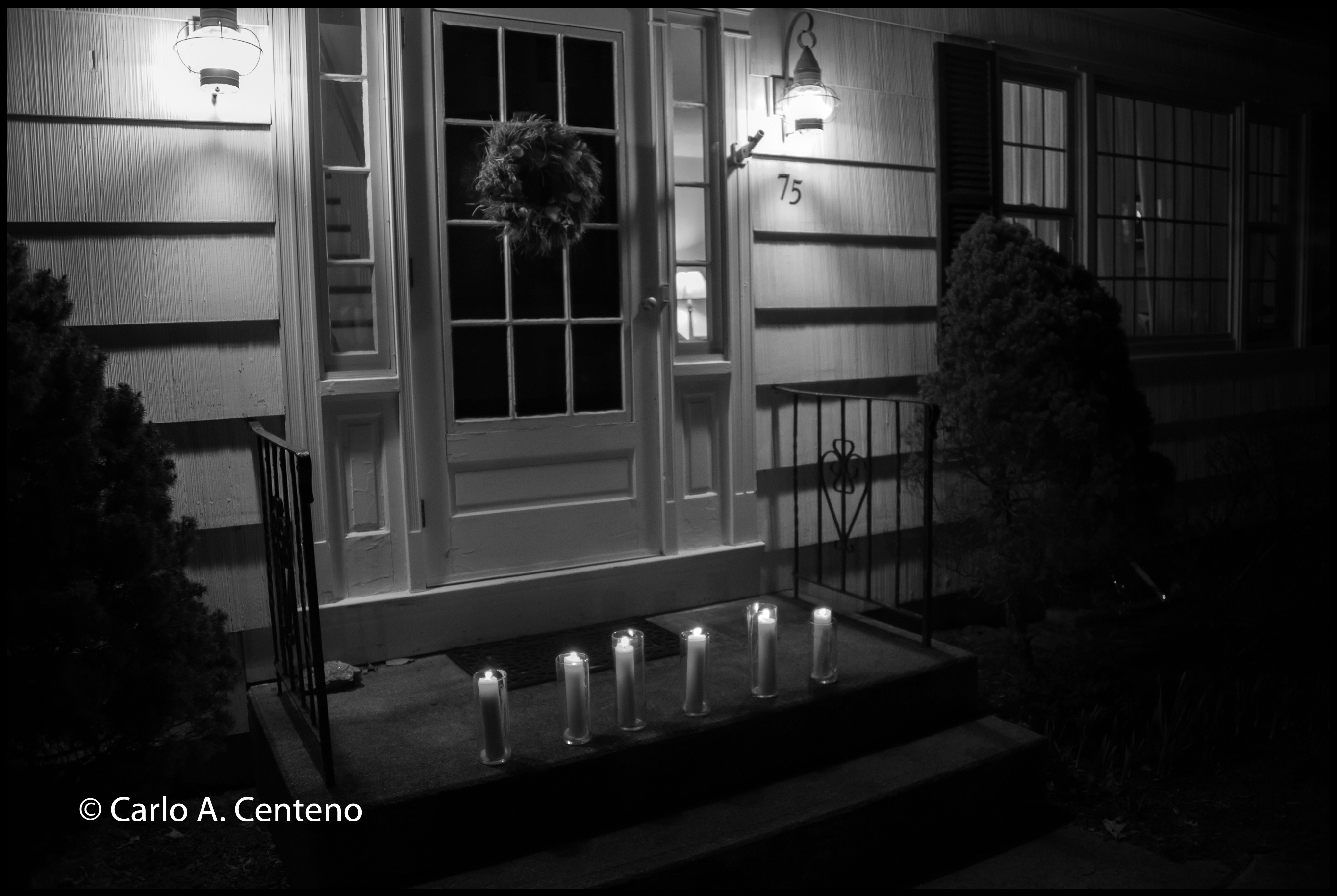
A good friend sent a text message saying that today—as a way of expressing our gratitude to first responders and healthcare workers—we should set some candles in front of our homes, and light them at 7:00 pm.

I know several healthcare professionals. Two couples are close friends. They’re bon vivants, emphasis on ‘bon’; we enjoy dining out [or in] to catch up, laugh, share and wonder about the vicissitudes that have changed the way we live, think, feel and behave.  The friendships run so deep they’re essentially family.  Actually, any one of these friends could take the place of a hundred bad relatives and acquaintances.

Three of the healthcare professionals on my roster are family. There’s my sister-in-law, an office administrator who works in a practice made up of general practitioners and hospitalists; my brother, an educator and primary care M.D., is up to his eyeballs in northern New Jersey; and my father, a retired vascular surgeon, is hunkered down in Florida.

Like most of us these days, we’re also hunkered down. We’re out of sight. In a metaphorical sense, if the virus can’t “see” us, then it can’t infect us. That’s very simplistic, but you get the idea.

Time and again I’ve heard comparisons to war, that the very people on the front lines are in a fight unlike any other.  We know that, but we have very little visceral sense of the actualities playing out in crowded hospital rooms, hallways, ICU wards and all the places where the sick and the caregivers are equally overwhelmed. To say we’re being in the moment cannot compare to being there, to be immersed in the chaos unfolding right in front of you.

Whether you believe in karma or life existential, God, or something that is in effect, bigger than oneself, all that’s in motion is connected to each of us. Is it ironic that this pandemic is playing out during humankind’s most pious weeks on the calendar?

A lit candle—a universal and timeless symbol of hope, gratitude, peace, sorrow, love, contrition—is also an icon for life.


The Business of Being Thankful

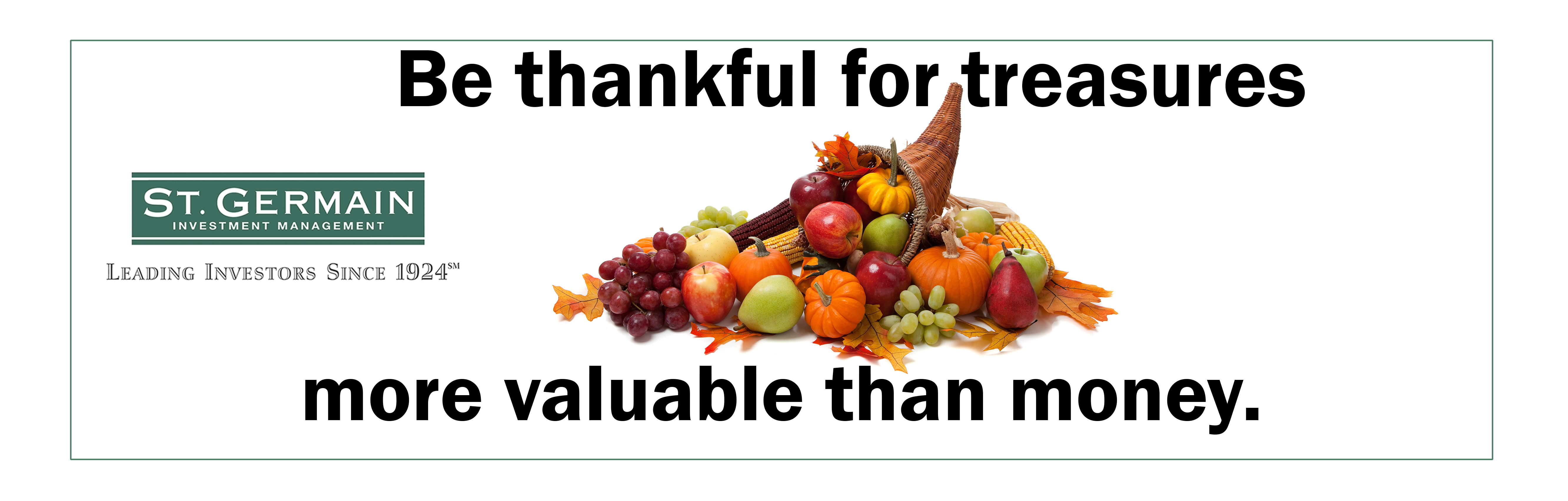
I admit it. The above advertisement can be a bit unctuous. Still,  with the impact of soci0-political flux, climate change etc. , it’s easy to take things for granted. The message is not lost on anyone at the firm, especially when it comes to working in the best interests of a client.

Have you ever seen this platitude expressed anywhere, let alone on a billboard opposite a major interstate? It certainly rings true. This is one of the most commented on and favored messages we post. And it’s up day & night during the month of November. Thanksgiving looms large on the minds of many though it should be top-of-mind on days before and after the holiday itself.

More than ever, I do believe thankfulness—more precisely gratitude—is short changed as a shared expression, either for yourself or toward others.  We should acknowledge with greater gusto the treasures we are thankful for. The folks who receive assistance, education and more from any number of non-profit agencies are the beneficiaries of our time, effort and financial support.

Silent auctions, galas, dinners, concerts, stage performances and so forth are typical instruments optimized to collect money needed to fund various programs and to add resources.

No question, financial resources are invaluable and necessary. Yet we know that the beneficiaries of all sorts of programs are grateful receivers. The depth of their gratitude is palpable and none more so when a program is cut or discontinued.

But in this holiday season—as in any season, really—there’s still so much to do, so much to give, so much that requires money, time and personal effort. At the very least, understand the magnitude of gratitude, of how it can deliver to both giver and receiver a measure of confluence that is its own reward.

Even under the most dire of circumstances, having a thread of gratitude means something.  https://www.bbc.com/news/av/world-asia-50376439/philippines-the-boy-diving-for-plastic


Modern Colonies

When I look at buildings—especially tall buildings—my thoughts bloom in ordered chaos.  I’m immersed with a roster of details, the majority qualitative in nature.

How many companies are in there…? Love the bronze-colored curve separating the floors….It’s close to 6:30 pm and a lot of office lights are still on. Who’s staying late and why…? Who packs a lunch every day or buys it…?  Wonder what the employee with the longest tenure does….Wonder what the annual cost is for water, electricity, insurance, taxes and health benefits…What’s the ratio of happy workers to unhappy ones…?

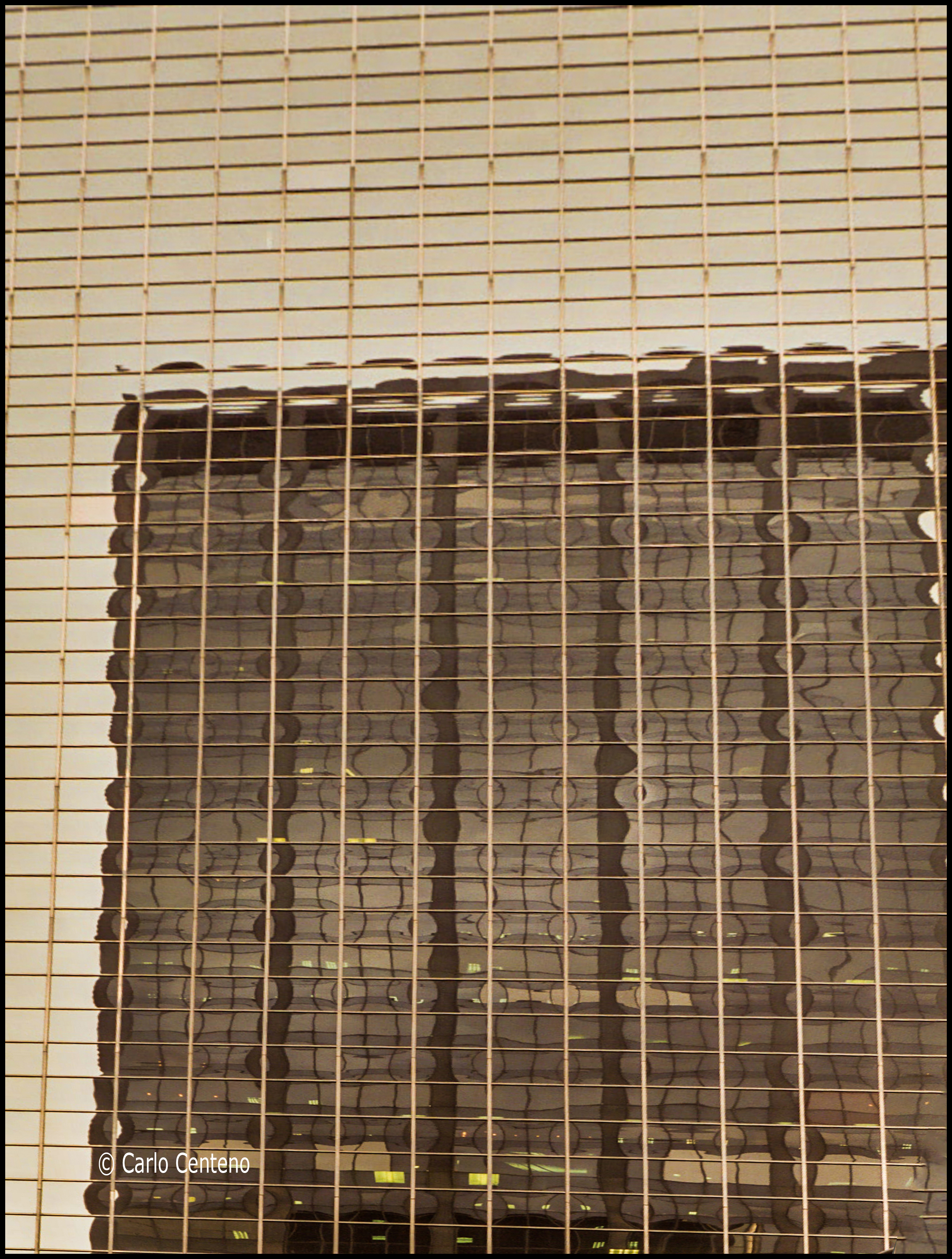
Those glass panels look so flat, but the reflections appear distorted or wobbly looking. And in most cases, a lot of those panels appear clean, at least from my viewing area far below on a sidewalk.

The one thought that bookends my wanderings is the thought that a bunch of talented workers had a lot to do in the creation of these vertical colonies. I can just hear a philosophical remark from either one of my two favorite protagonists—Charlie Brown and Linus van Pelt—“Could you imagine what could be achieved if every member of society collaborated with a baseline of common good and purpose for everyone….?

Ode to Imaginative Playing

Wherever and whenever possible, the grandsons engage body, mind and soul in imaginative play. And it’s good for them. We encourage such play and the possibilities that open up for their young selves.

If you watch them, listen to them, their imagination and enthusiasm bursts with a palpable vigor of discovery. We could learn a thing or two from such unbridled vigor.

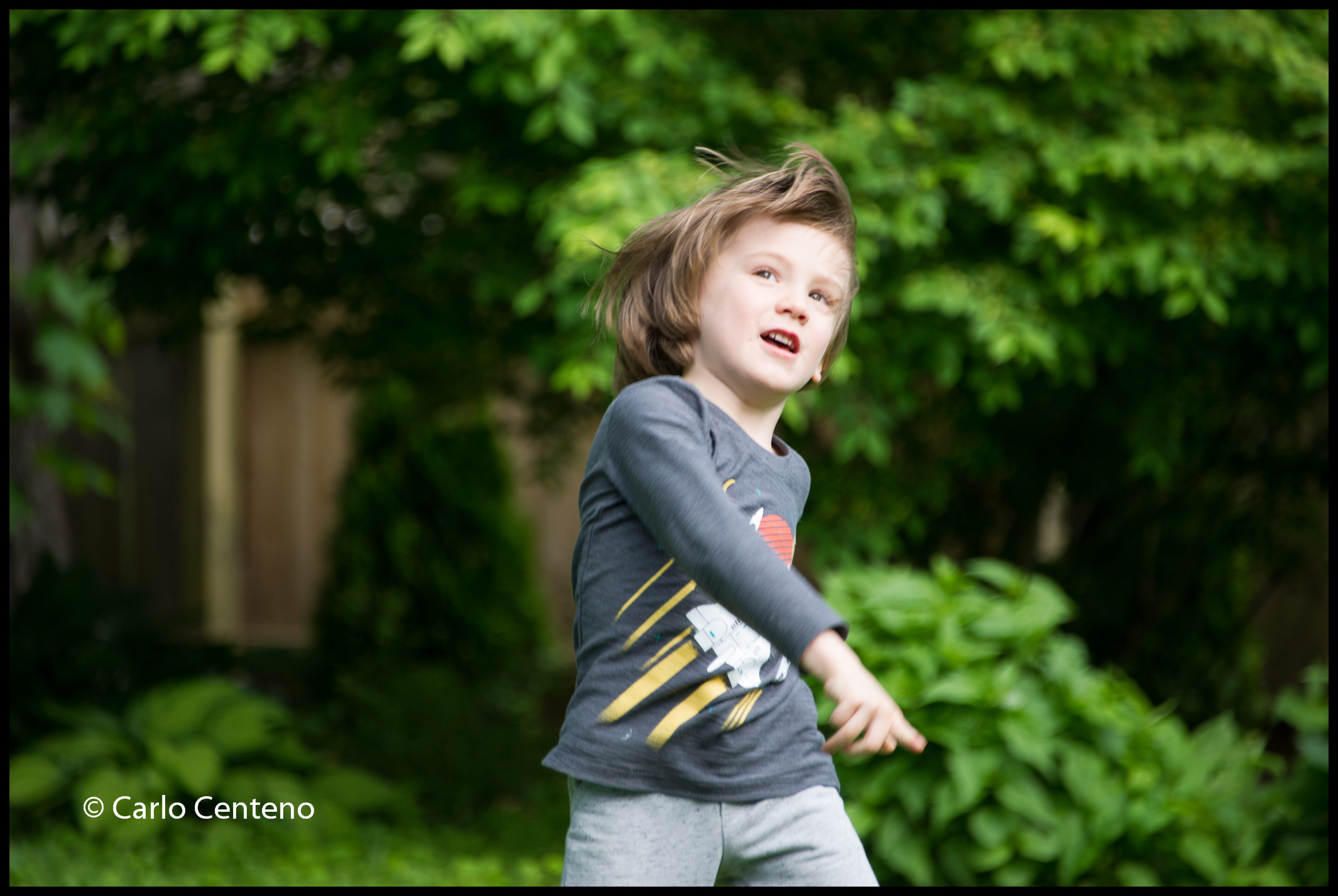
An arm extended is a wing just as the rushing, whooshing sound from their mouth is that of fast-moving air giving lift to the aircraft. You can’t ignore their commentary for it further explains the depth of their imagination and understanding of how they play. “He’s way up in the sky…diving down then up again…he goes very far and very fast.”

I see in all their  imaginative play a power that exceeds that of any CPU. What they emotionally and physically feel, the how of what their mind’s eye offers, when they encounter a challenge [“He won’t share the glider!”]—or arrive at a compromise or solution—every bit of it adds to their development as communicators, problem-solvers, collaborators and empathetic beings.

Indeed seeing these two boys and all that they say and do remind me to nurture my own imagination.  At least not to ignore it. The why of such nurturing can liberate and acknowledge a sense of purpose and triumph.  Many of us are unlikely to realize our loftiest, most ambitious dreams and goals, but pause and think again.

Our imagination can fuel possibilities that can manifest into a journey that’s not only our own, but a story genuine to our sense of self .

Nothing but Blue Skies…

“Blue skies, smiling at me, nothing but blue skies, do I see.”  Irving Berlin

It just hit me. This color blue. It was electric, cheerful, optimistic, surreal and more. Not sure why, but it just was.

So, I took a  photo.

Ella Fitzgerald recorded a terrific rendition of this song. Perhaps we should cue it up and listen to it more often. The lyrics just might move you from a place you don’t like, to one that’s much more hospitable if just kinder.

Planning Overload

Okay, the end of the year, the last month of the calendar if you will, is chock full of messages hitting us from all kinds of channels.  I’m referring to advertising & marketing messages. I’m overwhelmed with it all.

“For a limited time, you can own this…..enjoy the 10 for only 1 dollar/euro at your local…..make this the holiday to remember with special offers from….common reactions are allergies to the active ingredient, cramps, blurred vision, moodiness, sleepiness and in some cases, death….”  WTF!?

However, what I find even more overwhelming is the myriad of marketing tactics, strategies, resources, research et al, that are available to each of us [the marketing professionals]. Ms. Cook’s comment, naturally, is taken with a grain of salt, but it makes you stop and think about “planning.”  And for the most part, I’m convinced that we’re all over planned. Coupled to the planning are the actions deemed necessary for said plan to be successful. I translate that to, being “overscheduled” and thus feeling more overwhelmed.

Whether it’s marketing communications and strategies,  or making plans for your children’s activities, a vacation, an addition to a home, etc. etc., I’m convinced that there’s much to champion in the less-is-more school of thought. To wit:

  • I’ll stick with Plan A because creating a Plan B or C is going to take even more time, more minutiae, workbooks, versions, hotlinks, B-rolls, post-production, trips to the copier, make more PDFs….OMG!
  • Regarding Plan A, I prefer to make smaller mods to line and action items. My options are: edit or delete. So what I have is still my original plan, but with tweaks
  • When my daughters were growing up, after-school activities were encouraged, but within reason. There was none of the practice/games after school followed by Key Club, music lessons, etc. that seem to be the norm for each school day, week in/week out
  • Less is more when it comes to time on hand. I didn’t drive to the ends-of-the-earth just to get them from one activity to another, then back home
  • Less is more: I pull into the garage with more gas in the tank; we eat dinner together; limit perfunctory questions and remarks wherever possible [what was the most interesting thing that happened today? vs. so, how was your day?]
  • Less is more: a lot less time in front of a screen [TV, computer, vid game, e.g.] and more reading, you know, a book

The end game is something I relish. I envision a plan not to plan anything at all.