When Nostalgia Visits

James Cain

I started out in search of ordinary things
How much of a tree bends in the wind
I started telling the story without knowing the end
I used to be darker, then I got lighter, then I got dark again
Something too big to be seen was passing over and over me
Well, it seemed like a routine case at first
With the death of the shadow came a lightness of verse
But the darkest of nights, in truth, still dazzles
And I work myself until I’m frazzled
I ended up in search of ordinary things
Like how can a wave possibly be?
I started running, and the concrete turned to sand
I started running, and things didn’t pan out as planned
In case things go poorly and I not return
Remember the good things I’ve done
In case things go poorly and I not return
Remember the good things I’ve done
Oh, oh, oh, oh-oh
Done me in
copyright Bill Callahan from the album, Sometimes I Wish We were an Eagle.
I’m told that feelings of nostalgia can be dangerous, dangerous in the sense that you can lose yourself enough to miss out on being in the moment. Possibly true, but in an attempt to put balance into my thinking here, I’d like to think that whatever and whenever nostalgia or recollections unapologetically come to mind—whether good, bad or ugly—I can use them to better appreciate what being in the moment means.

The lyrics to Bill Callahan‘s song, Jim Cain, never fails to stir something in me. Jim Cain was an American novelist, an author often referred to as the archetype of “hard-boiled novels.” Three of Cain’s novels found its way to the screen, each receiving critical acclaim: Double Indemnity, Mildred Pierce and The Postman Always Rings Twice.

The eponymous song is haunting yet contains elements or conditions which feel relevant. I make no claim to be an expert on Mr. Cain’s life or his work, and yet every time I listen to this specific song, sensations of deja vu slip in. Mr. Callahan’s style, his sound is wholly unique [IMHO], and indeed that character of voice and music composition reinforces key feelings in my ephemeral journey of 4 minutes, 39 seconds .

Several verses strike a chord [pun intended], however three lines ping my empathetic sensors:

I started running, and things didn’t pan out as planned
In case things go poorly and I not return
Remember the good things I’ve done

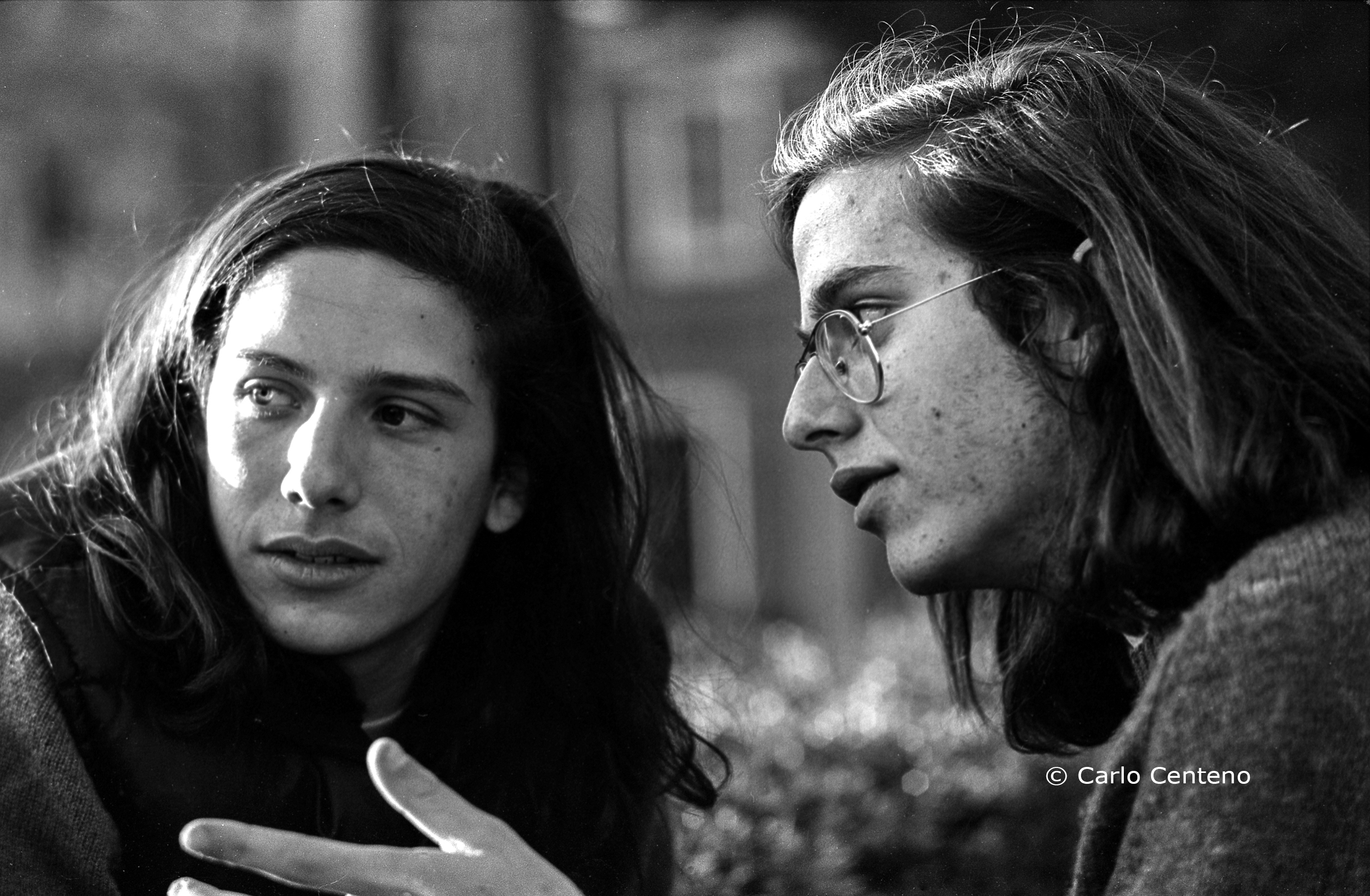
The photos in this gallery reach back 4 decades to a time that will always mean much to my personal and professional journeys. I’m convinced that most of us are running—some more determined than others—hoping to optimize careers, relationships, and of course, one’s sense of self. And yet in spite of shortcomings that can toss us off the saddle, we get up, and with additional effort we manage to return to the point where we stumbled. We carry on as we must.

When I look at these photos in the company of the music and lyrics of the aformentioned song, I recall the people, events and lessons which remain relevant. I’m reminded that many things in life are good and that some of that good is actually a product of my own doing or in collaboration with someone else or those in a group. Why reflect on the banal, the unpleasant, the incorrigible, among other soul-dampening sentiments? Because without them, you achieve little balance to various positives that fate hands you. Indeed there are plenty of those ill-feelings to weigh down our resolve to do better, day in-day out. Think back to an event ,a person, a vicissitude if you will, that later proved to be a turning point which led you to where you are now, or perhaps pushes you to finish a journey still in progress.

There are some years that snap and engage your entirety as a person, because it clarifies statements such as, “yup, been there, done that” to any number of realizations, each based on a chance or intention: “Yeah…that was stupid…and I’m not doing that again!” Over the years, we hear reprimands from parents, teachers and coaches, even our peers, which we in turn offer to our own children. I’d like to think that most reprimands are lessons filled with hope and expectation. We hope our young charges “get the message.”

To open archives of a time long ago produces a reawakening of feeling, dissonant and concordant. It all depends on context. My cohorts line up alongside nostalgia, in ways that yes, brings up yearning but also that understanding of, “I don’t think I would’ve made it this far if it weren’t for _________.” That blank line between “for” and the “.” has possibilities. For me, the ones I’ve chosen were life-changing. The elements of personalities, a moment in time–and especially at a specific point–are sealed. They are irrevocable and part of me.
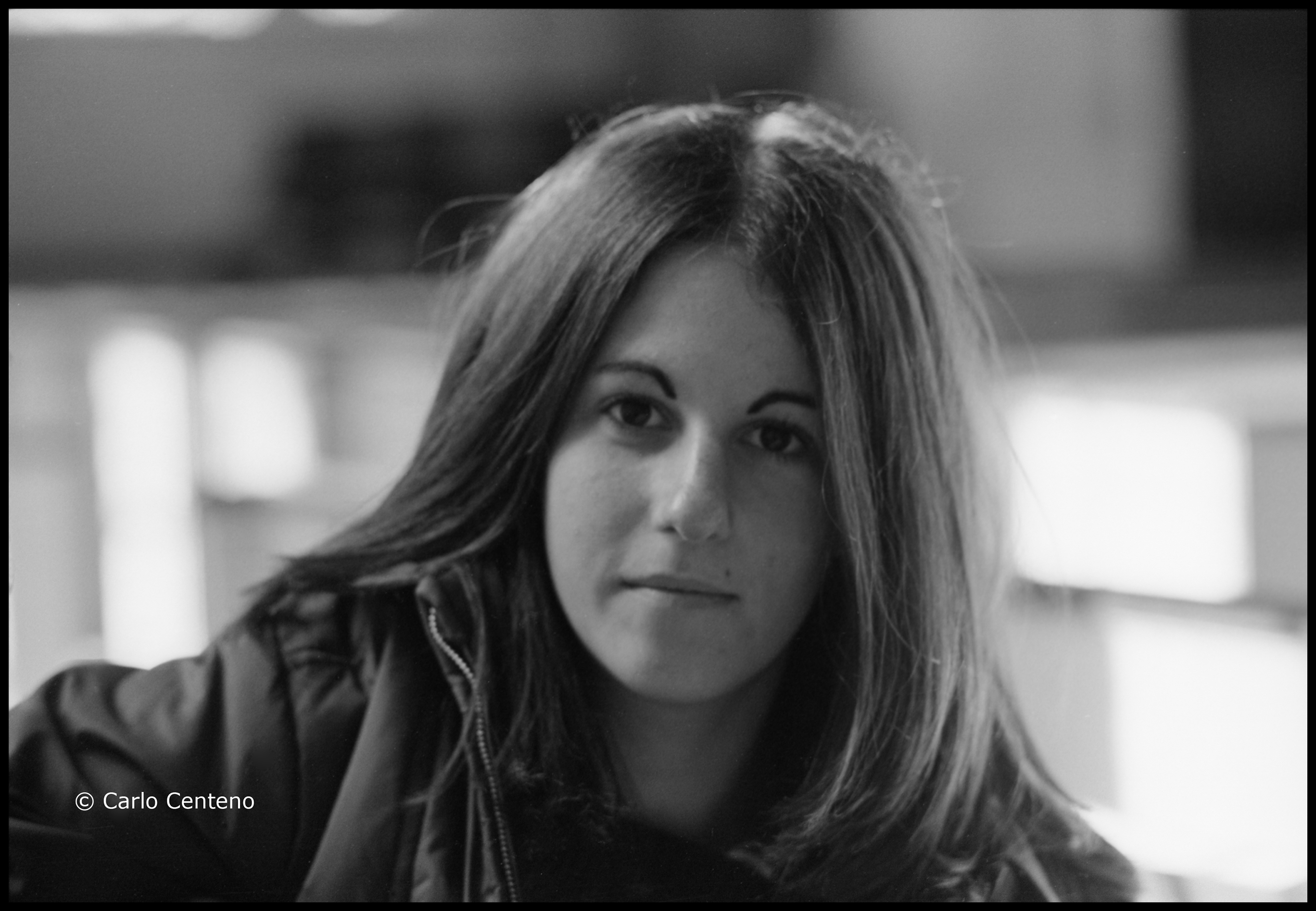
Clearly on many levels, I am a better person because of such experiences. Throughout life, we move forward and as people and events become things of the past, of things which somehow shaped you, regardless of where you are and with plans you’ve made, you certainly have done good things worth remembering.
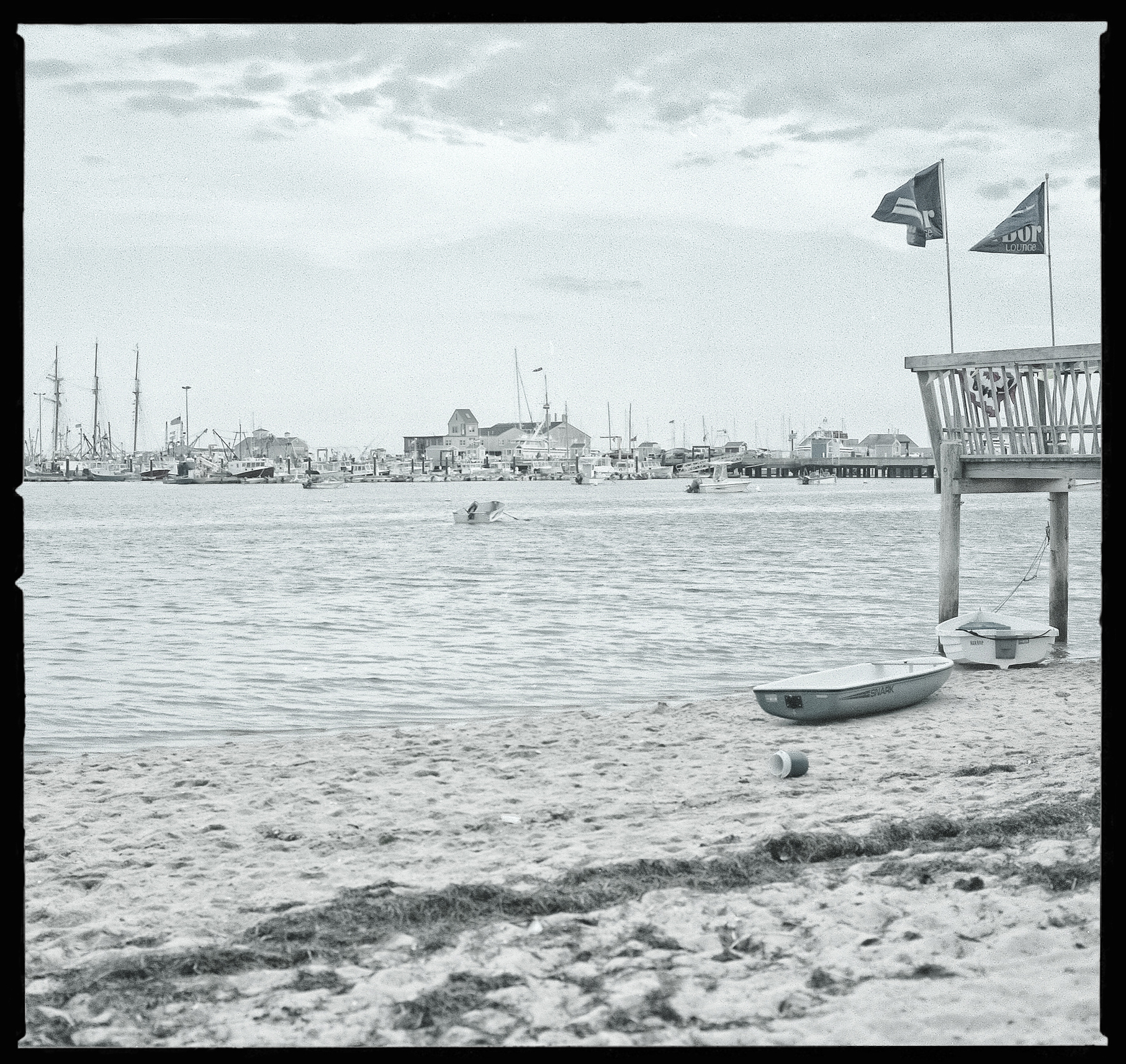
I see through a glass darkly…

It’s been noted in different ways, but anything that could be said about 2020 has already been said. There are new normals and our previous ways of living and working have undergone something more than a reboot. I wonder about the sustainability of our modifications to the changes we’ve been subjected to. At present, 2 things loom large for me in our modern ethos: the scale of loss [life, careers, homes, e.g.] and the contraction of education systems for students, Kindergarten through college.

The burden shouldered by first responders, caregivers, allied professionals, physicians, peace officers, firefighters, et al, is without precedent. Supporting them goes without saying. The COVID-19 story continues to unfold, though I hope the developing narrative produces more positive than negative outcomes. And yet I am still looking through a glass darkly.

Many conventions, routines and well-defined standards have been poured over with uncertainty. That change takes place, is to be expected, but the fog of what happens or what should happen clouds our view near and far. Supposition greets us through this dark glass of modern life. There’s the world before the new coronovirus, and the one hereafter.

All of this thinking takes me back to much younger days, days of academe, of discussion, of expository writing. This dark window we’re peering through—including windows like broadcast and online news, social media, Twitter, FB, e.g.—does shape our perceptions and expectations. Many are unclear, even misshapen or unrecognizable, perhaps even hinting at what was once familiar. Plato’s Allegory of the Cave posits we should question our assumptions. Thinking across and through assumptions helps nurture self-reliance and problem solving. I like to think of it in more practical terms: use your knowledge, experience and current life stage to shape your own conclusions versus being told what they should be.

None of this is new. Some of you probably realize that this post of mine references scripture.


Now, we see only an indistinct image in a mirror, but then we will be face to face.
Now what I know is incomplete, but then I will know fully, even as I have been fully known.
1 Corinthians 13:12

Fade-free nostalgia…

What is it about nostalgia that some of us cannot jettison? A valid concern is that the yearning makes a mess of being-in-the-moment.  That same yearning can deny future possibilities when it turns to ruminating.  For some, nostalgia can magnify preoccupation.  Not good.

Kodachrome~Epson Scanner

Yet there are fragments of nostalgia that remain fade-free. Like writing/journaling and photography, riding a sport bike can be solitary, well, a choice by many, including myself. Certainly some of my own experience aboard two wheels can be marked as memorable [and mostly positive].

Kodachrome~Epson Scanner

As is fitting this time of year, nostalgia tends to swell, though more specifically with auld lang syne, those days of fond remembrance, of days spent from far-off times or even those more recent. It matters none because an experience that generates a fondness or even a light-hearted sense of joy is timeless. The decades can sometimes feel “like only yesterday.”

The distinction I’m trying to make is that auld lang syne speaks of a heart-felt time devoid of regret and rumination. Isn’t that what probes our memory at year’s end?  What have we forgotten? Whom have we forgotten?

My school of thought is that these fade-free capsules of nostalgia are not containers of events that could’ve or should’ve been. No, auld lang syne is more about preserving good things which matter: lessons learned, people who’ve made a difference, the unconditional, enduring quality of gratitude and love.

Before I make a mess of this post, I’ll let the poet Robert Burns weigh in. He’s the Scot who made this poem, this inimitable song, about as timeless as anything found in life. Click here.


The 10,000 Hour Rule

Ten years ago, author Malcolm Gladwell published his book, Outliers, a NY Times Bestseller. In his book, Mr. Gladwell posited that to master a specific skill, a total of 10,000 hours is required. That’s the milestone to accomplish being the best, “to accomplish greatness” according to the author.

But once again, “greatness” and “the best” have varying metrics. Is any of this based on earnings? On the number of gold medals? The number of championships [world or otherwise]? Metrics do have a place, certainly, but winning cannot be everything.

If there is a dark side to marketing it’s this notion that aside from the hours required, you also need equipment, supplies et al of equal or higher quality. Marketing promotes aspirational consumption: if I have the best ______, then I have a better chance of becoming the best.

No….10,000 hours is an unreasonable expectation. Predictably, no one denies consistent practice is mandatory in order to reach a given standard or goal [especially your own]. However, my own “rule” is far simpler: give it your best and know it was your best. Save some time to enjoy other things in Life.

Uncomplications

Is our evolutionary advancement driven, in part, by the creation of things increasingly complex? This home sitting stoically somewhere in London, is the antithesis of a modern home. You won’t find computer-controlled lights, security systems, or appliances seamlessly linked to an app on your phone or tablet. Think simple yet purposeful. Venerated in stature, an edifice devoid of pretense.

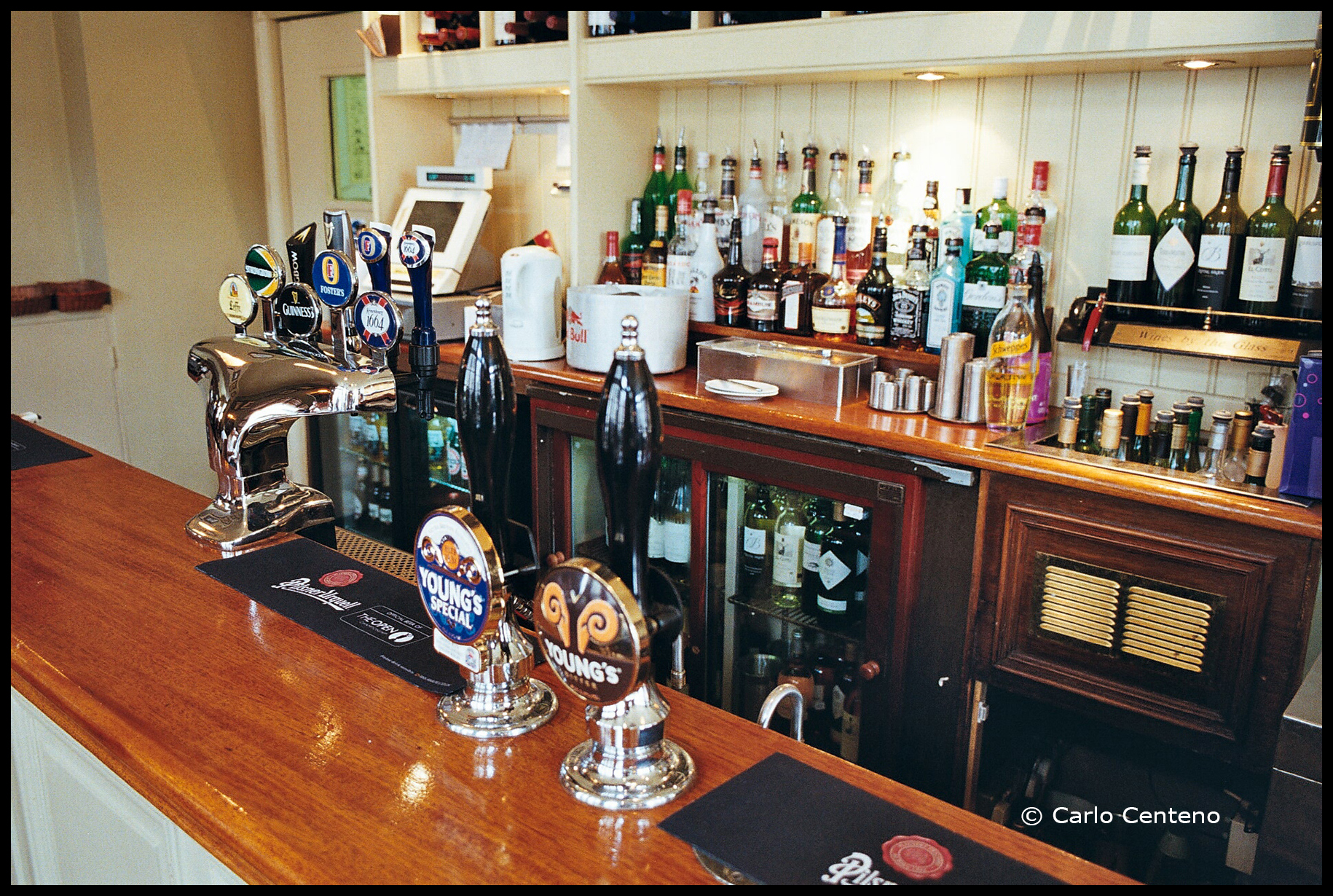
Similarly, this pub distills [pun intended] an uncomplicated persona. How so? Nowhere did I see a roster of specialty beers, ales, lagers, mixed drinks, martinis and so on. Visually, there’s a lot to draw your attention, but nothing approaching sensory overload. Six taps of beer, the usual suspects in liquor and I’m sure a wine list practical in scale and price points.

Ditto for this uncomplicated yet tasteful-looking bar. I’m all for imaginative thinking, but that’s a far cry from thinking that the latest and greatest is something we need. Novelty can make many things interesting, but the fascination can quickly fade.

Today, we’re seeing even more complexity in an already complex, confounding arena that is automobile manufacturing. Case in point, the steering wheel of Formula 1 race cars. It’s essentially a computer with a realm of adjustments a driver can make while racing. Granted, an F1 car is an extremely specialized machine, but we’re already witnessing technology trickling down to passenger cars: paddle shifting, adjustable suspension rates, electronically controlled ride height, dual clutch transmissions, electronic steering, throttle control and more.
Growing complexity effectively commoditizes our thinking. Artificial intelligence is no longer science fiction and this growing reliance, this transference or programming of cognition to things inanimate is troubling. Interestingly, the late Dr. Stephen Hawking once said that the rise of AI is utterly frightening. Why? AI advancement and its integration to our day-to-day living will reshape civilization and redefine humanity.

Uncomplications.

Have a face-to-face conversation [not Skype, not Facetime] with someone you value and keep in high regard. Pen a letter or card [not an IM, email or Tweet]. To feel good—really good—do something that will make another person smile, even laugh. We give too much of our time to monitors, hand-held devices, playlists, news feeds and much less to each other.


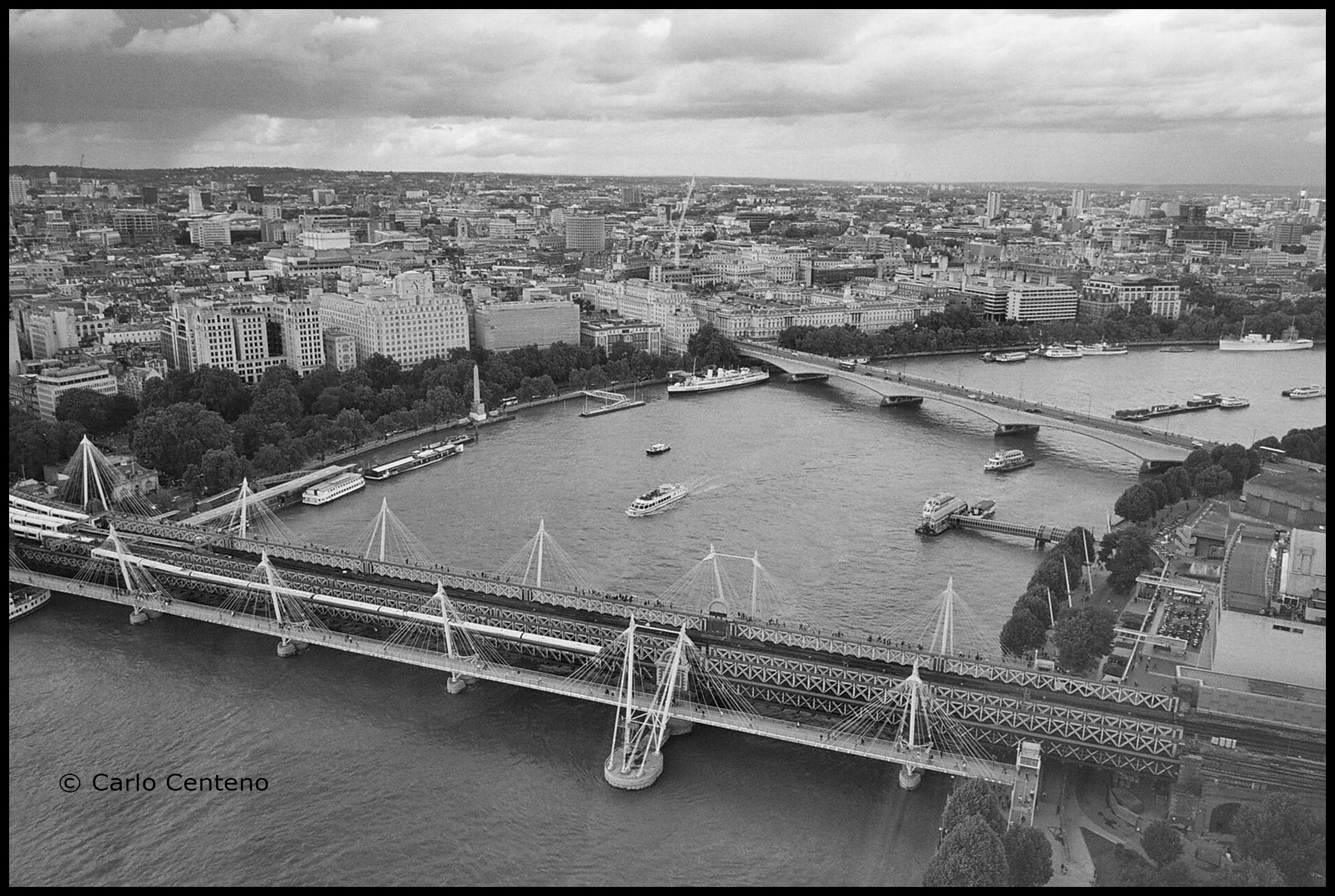
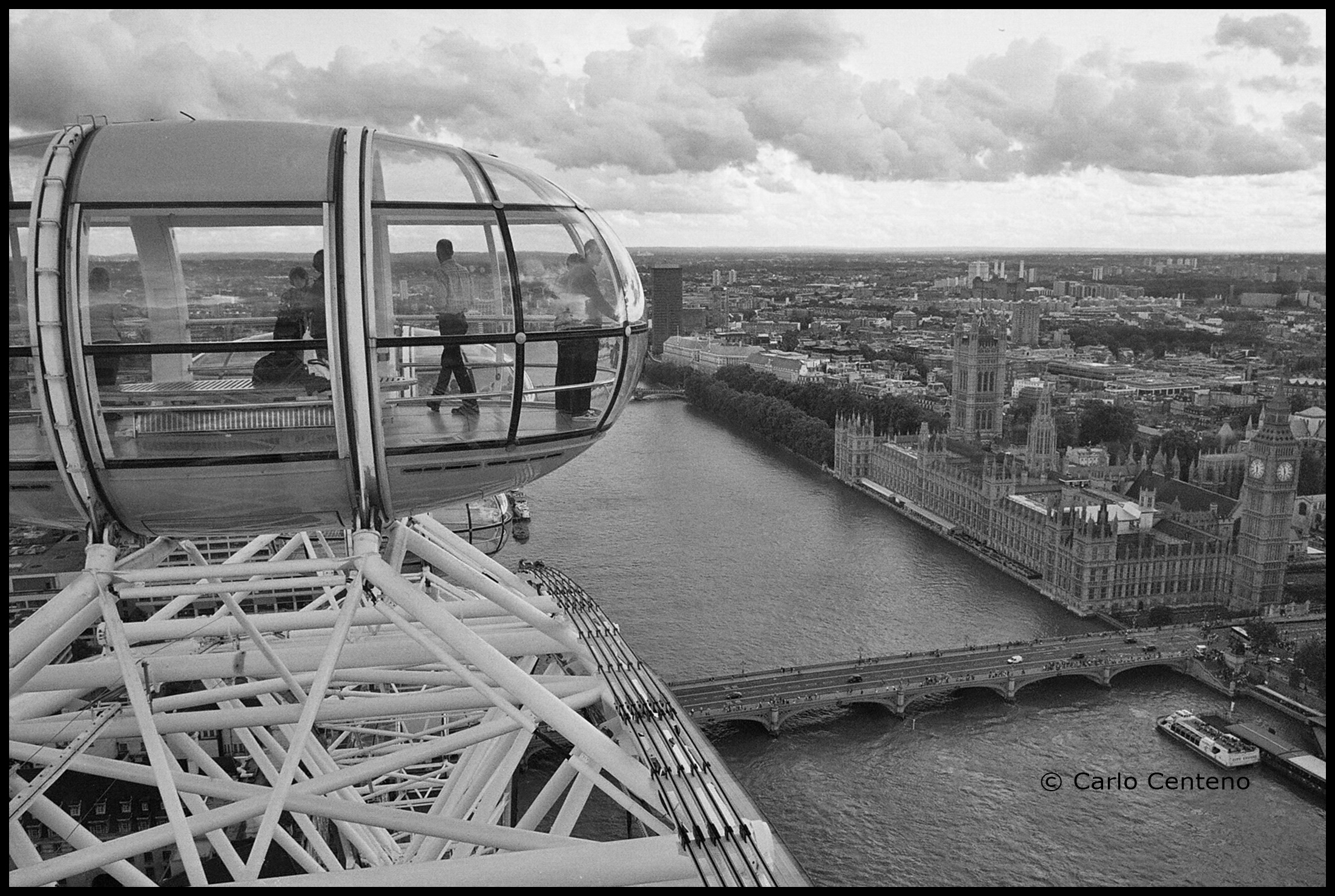
“This is London Calling”*

*This was the BBC radio introduction that was used during the Second World War. Personally, I tie this to a sentiment that I need to go back…

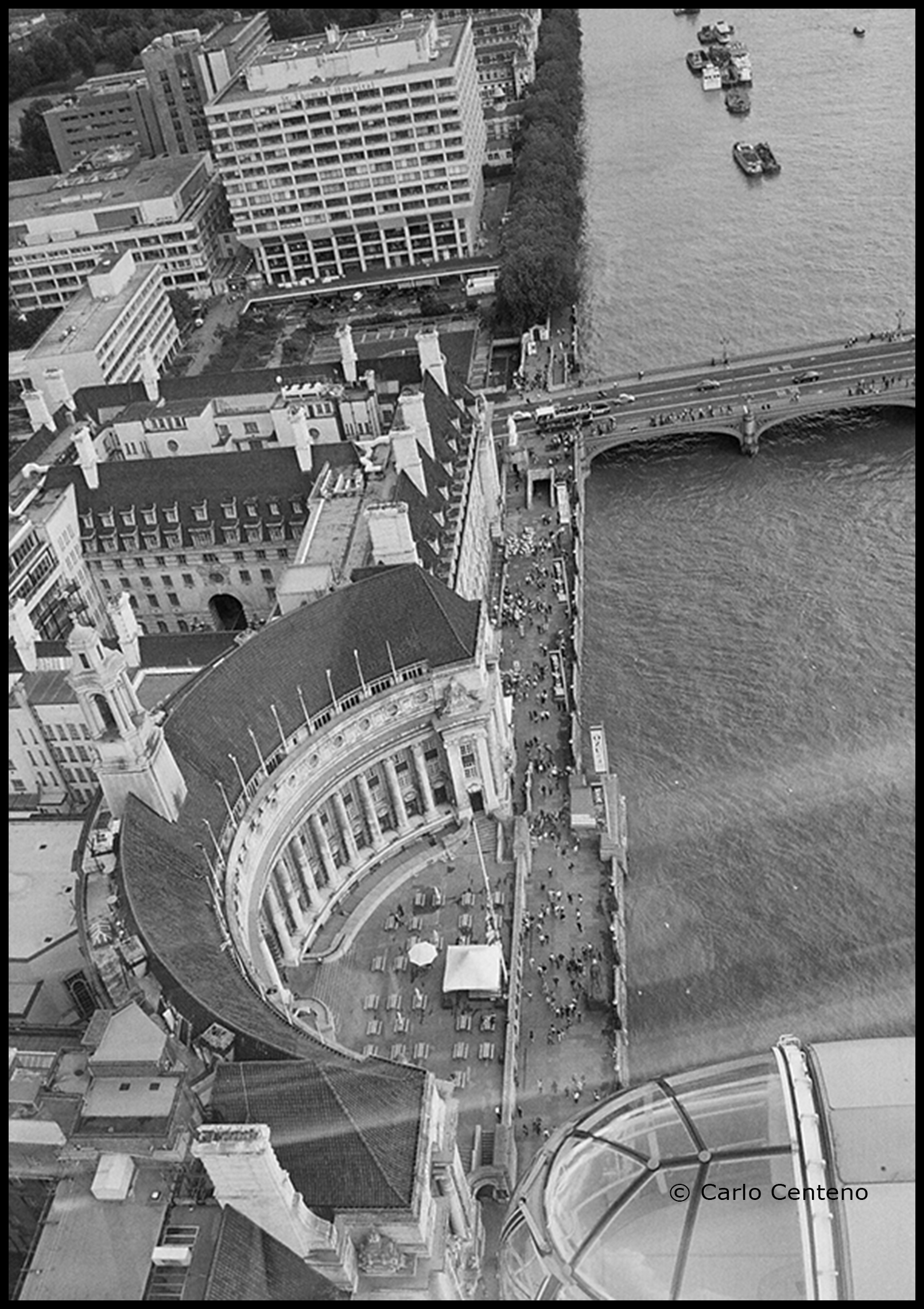
The River Thames

Atop the Big Eye

Parliament at the Thames

Close to the London Academy of Music

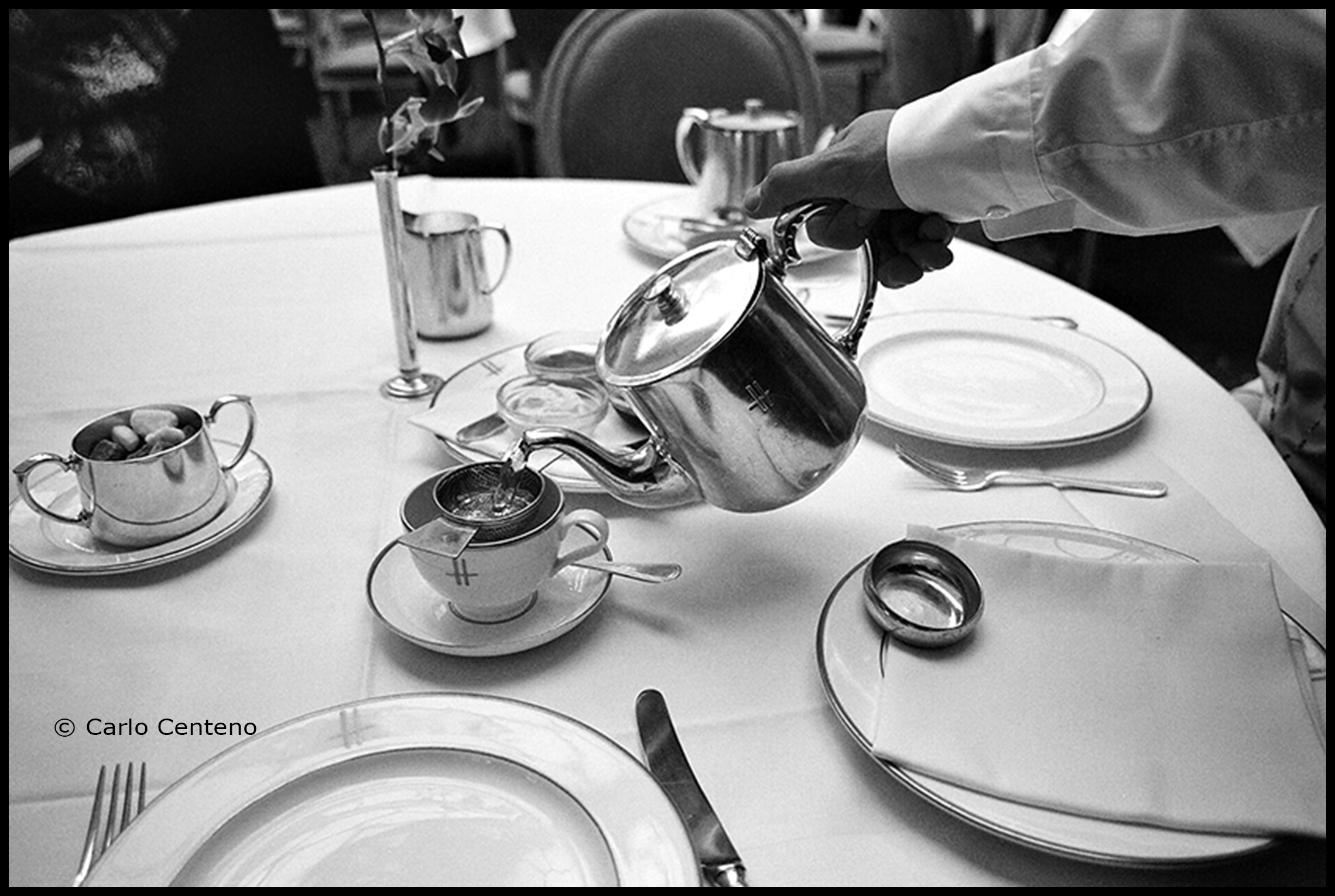
Afternoon tea…

…with my favorite “cup-of-tea”


Remnants v3

Dennison R6 L-C016

MOMA has a photography exhibit, appropriately, Ocean of Images: New Photography 2015It runs through March 20 and I hope to plan an escape some weekend. It seems that each year, this exhibition—like others that explore trends and new artists in a given medium—brings out the opposing camps: “No, this isn’t photography” in one corner versus “Of course it is, it’s a new, fresh look at photography” in the other. Time marches on so change is inevitable, good or bad.  For now, I take a look back.

Dinsmore R0 L-C026

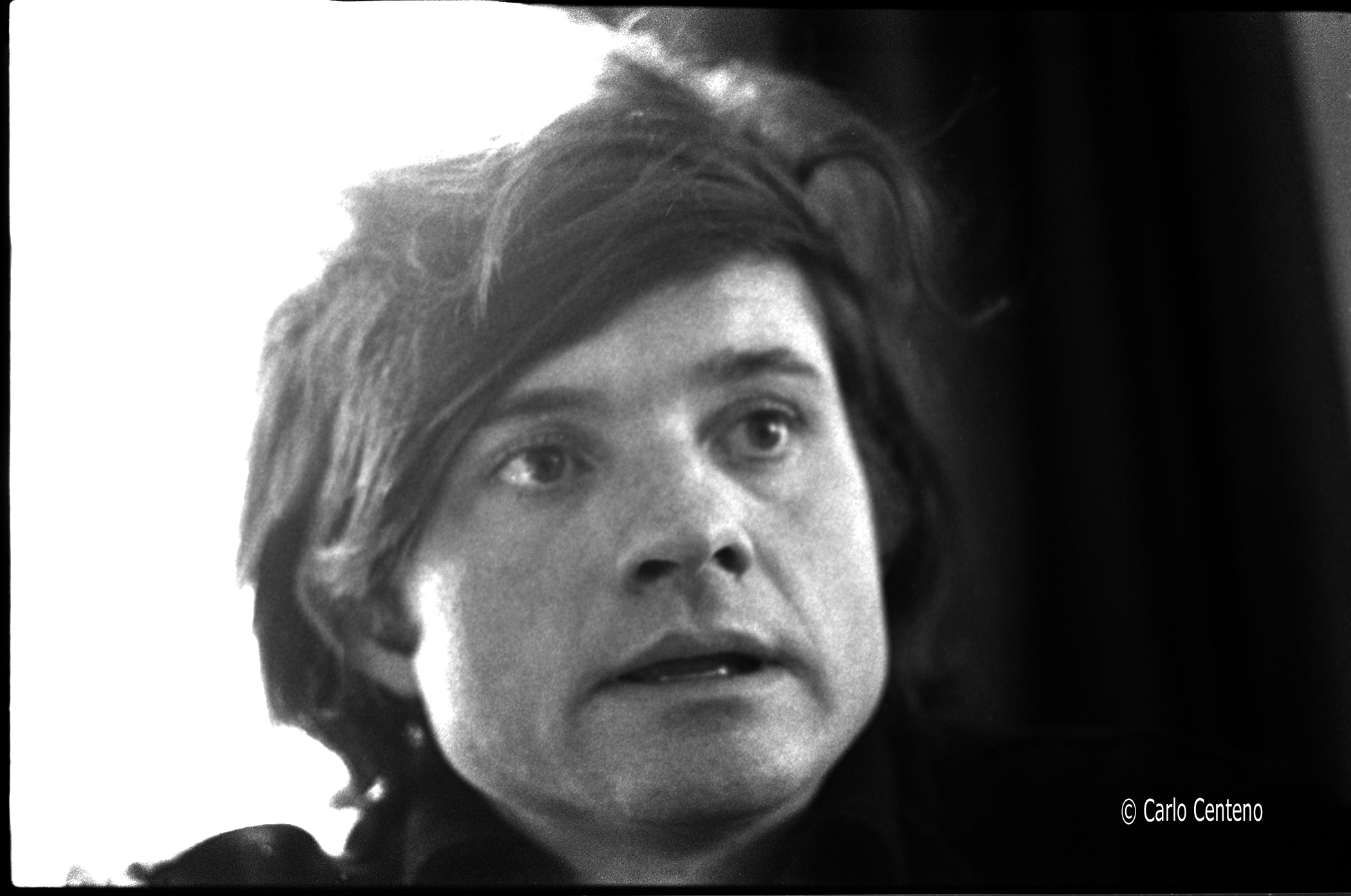
These B&W photos—like the ones in Remnant and Remnant v2 come from the same collection or year they were taken, which was sometime in 1973.  I am particularly moved by this photo, a portrait of a teacher I had in high school.  Mr. Dinsmore was his name. He had an emotional quotient [EQ] that was apparent long before EQ became a chapter in any number of business management books and case studies. First and foremost, he was a very good english literature teacher.

Dinsmore 70 L-C-2-18

Sadly, I learned that Mr. Dinsmore passed away, a brain tumor taking him from the school and his charges.  His spirit—and my memory of him—lives on.

Remnants v2

Dennison R7 L-C016

I love “time machines.” Old print ads, mechanical cameras and fountain pens, and of course, museums.

Coming across black & negatives and prints—especially those you haven’t seen in decades—is a journey all its own. I’m not waxing forlornly for the past, but I am revisiting these slices of time: what are the “whys” and “wheres” of these images?

Dennison R7 L-C018


Robert Dennison R7 L-C014

Remnants

Dennison R7 L-C017

Dennison R7 L-C015

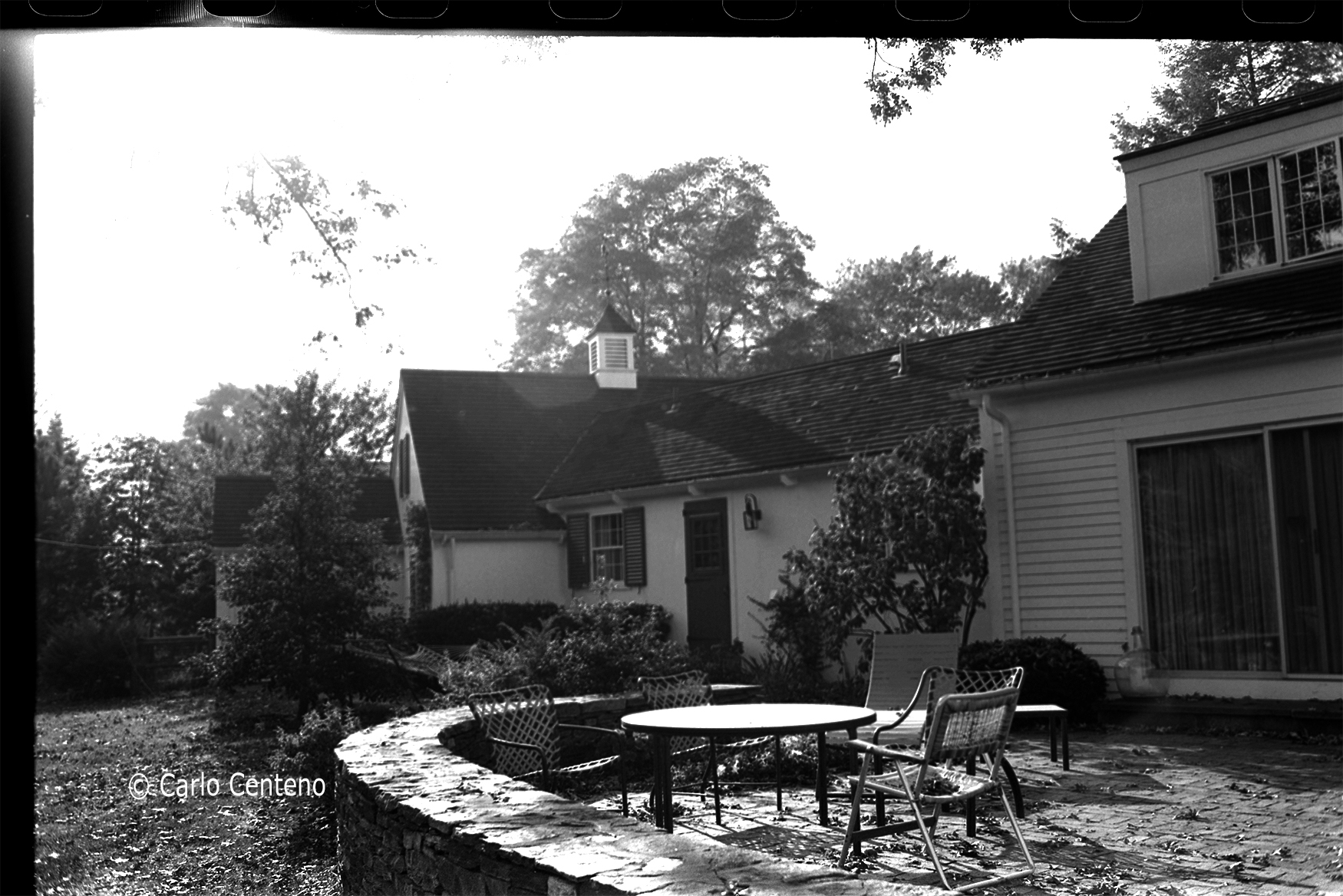
These 2 photographs were taken before many millennials were born. They were taken with a Nikon F with a Nikkor 50mm f/1.4, using TRI-X film 400, sometime in the fall of 1973.  I suspect that these 2 views are probably different today, and I dare not visit the space for fear that in their place will be condos or parkways or other concrete manifestations that tend to mute my sense of self.