Consciousness in the Age of Irreverence

I’m not alone on this one, but it seems that many channels of communication [discussions, social media and various online postings, news media, e.g.] are quite inhospitable. Of course not all content is an incorrigible exaggeration, but it does seem that we’ve gone myopic of a rule that involves interaction and in particular, discussion, between different POVs. Essentially, such discussions are cleaved in 2. There are some instances where discussions cannot abide with the adage, One can disagree without being disagreeable.

Ironically, much of what we do that makes us feel lost, infuriated and misunderstood is, indeed, something that’s very human. And of course, we can be intractable and obstinate just as we can be manageable and flexible. It’s been said that politics and elections are catalysts to conditions of inflexibility, among other reactions and situations.

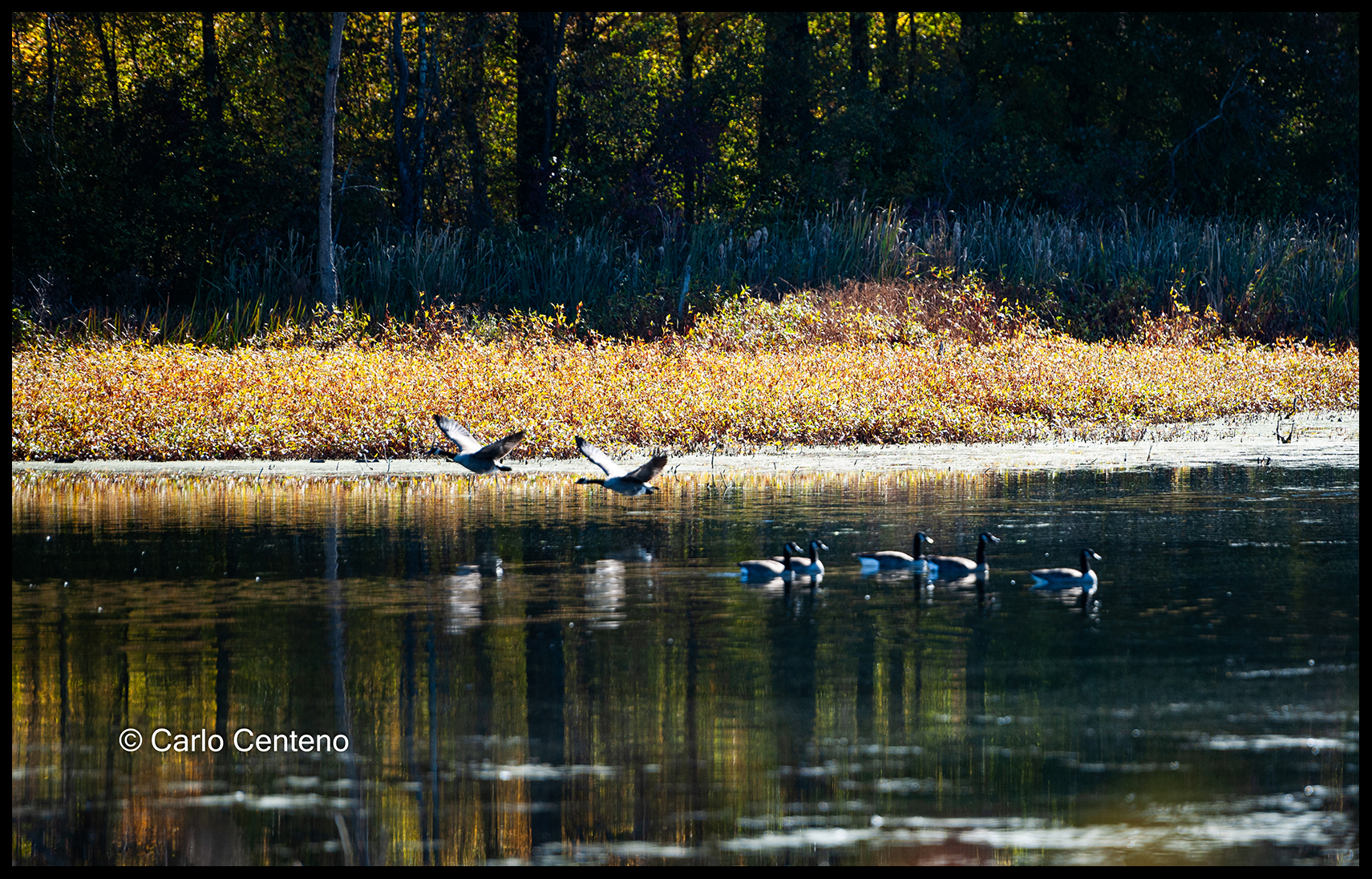
Consciousness Fine Tuned

Being aware of yourself and how you think about everything around you is uniquely yours. There are a few theories which attempt to explain consciousness, but one written by a researcher at Boston University School of Medicine is one which mortals like me can comprehend.
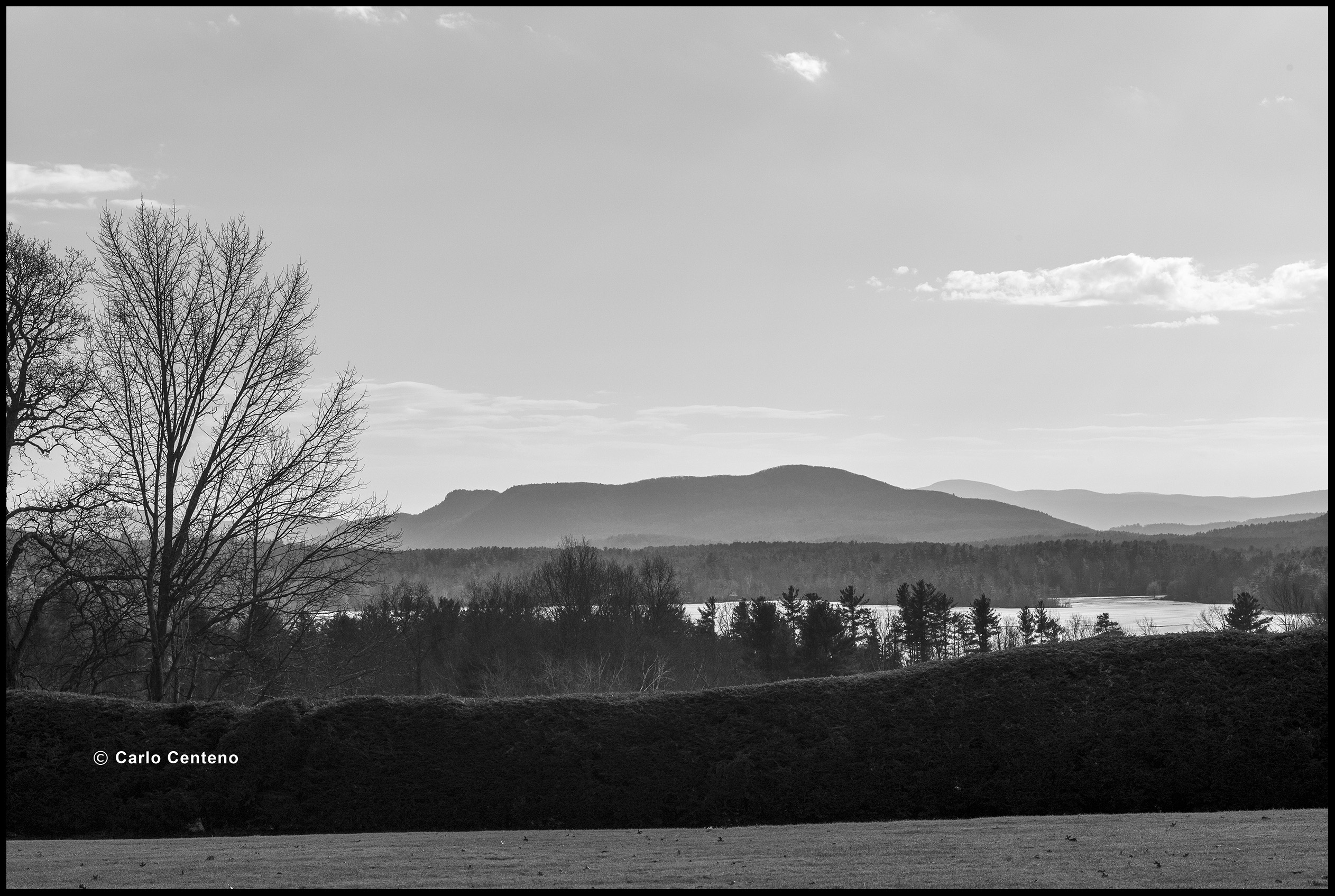
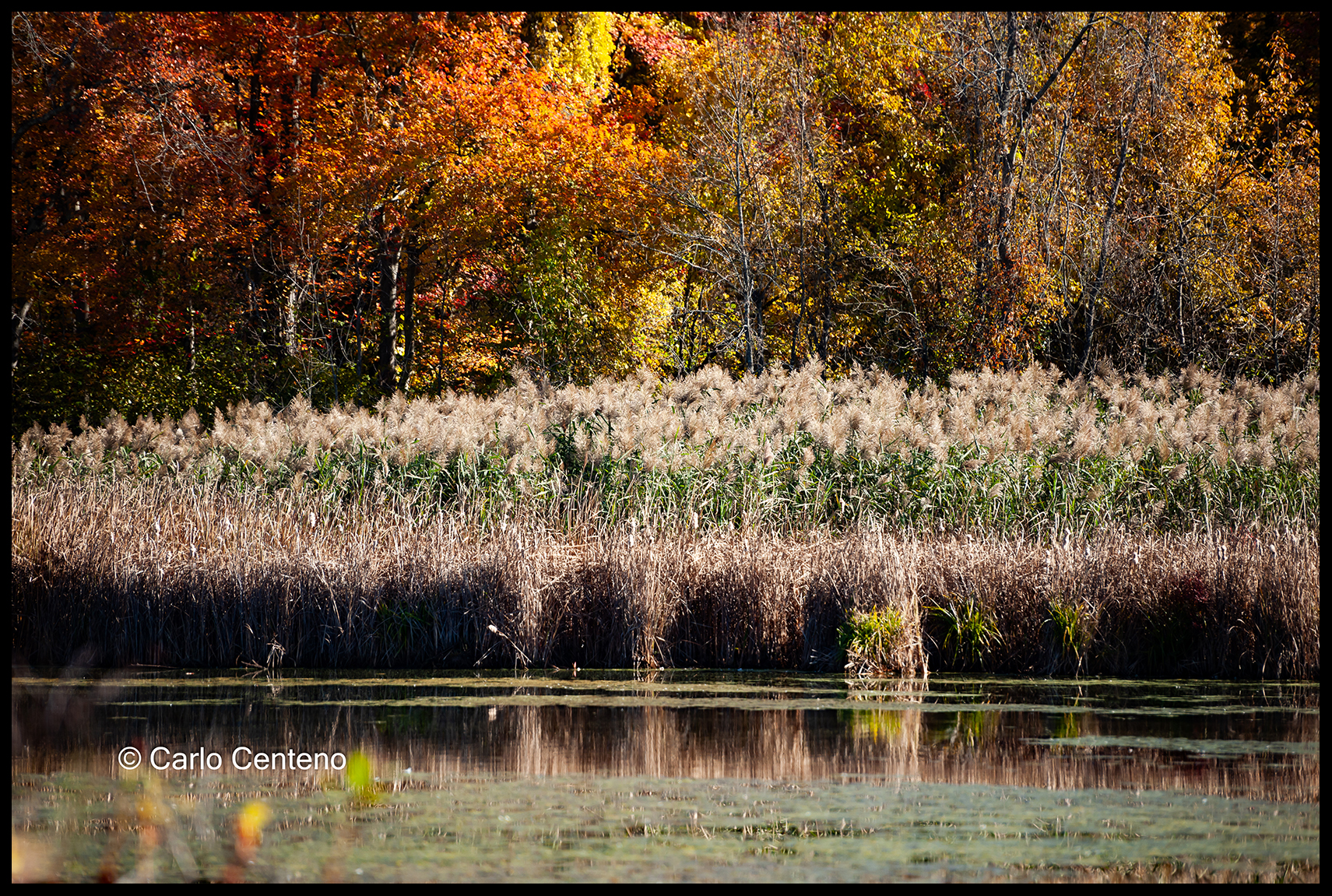
The end of October has rendered our landscape into a wonderful palette of autumnal colors: the reds, orange, yellows and hues in between are as beautiful as I’ve ever seen. I share this because watching and/or listening to the news is taking the wind out of my sails. So, to fine tune [or tune out] the bad vibes plaguing airwaves, print, and online, I retreat to places where I can hear my thoughts and submit to various feelings coursing through my consciousness.

You could say that I’m “rebooting” my consciousness, but I feel it’s more like a “recalibrating” effort to keep my sanity more or less where it’s supposed to be. The quiet and calm of places such as these act like a rheostat where mood, color, the smell of the air and so on can be dialed up or down or not at all. In doing so, I’m reminded that the angst raging between factions entrenched in ideologies are obstacles for realizing a common good. The greater good lies dormant, restrained with indifference and the stubborn personas that make life uncomfortable.

There’s no denying the subjectivity of consciousness, but there are constructs within it which allow for common ground. Without those common constructs co-existence would be, in a word, Sisyphian.

I look to writing and chasing the light, feeling immersed with either one or both, to purge distress, sadness, loss of concentration, etc. Certainly, when your mind is busy with something good, a good that pulls you away from angst, then jump in.
I won’t be chagrined by situations beyond my reach. It’s a waste of energy and time grinding about things I cannot control. That’s easier said than done, but I remind myself to ruminate less on what weighs me down and instead examine alternatives that have helped me before.

Can anyone deflect dissonance long enough to find even the smallest gesture or comment that closes distance and transforms distraction into possibility?

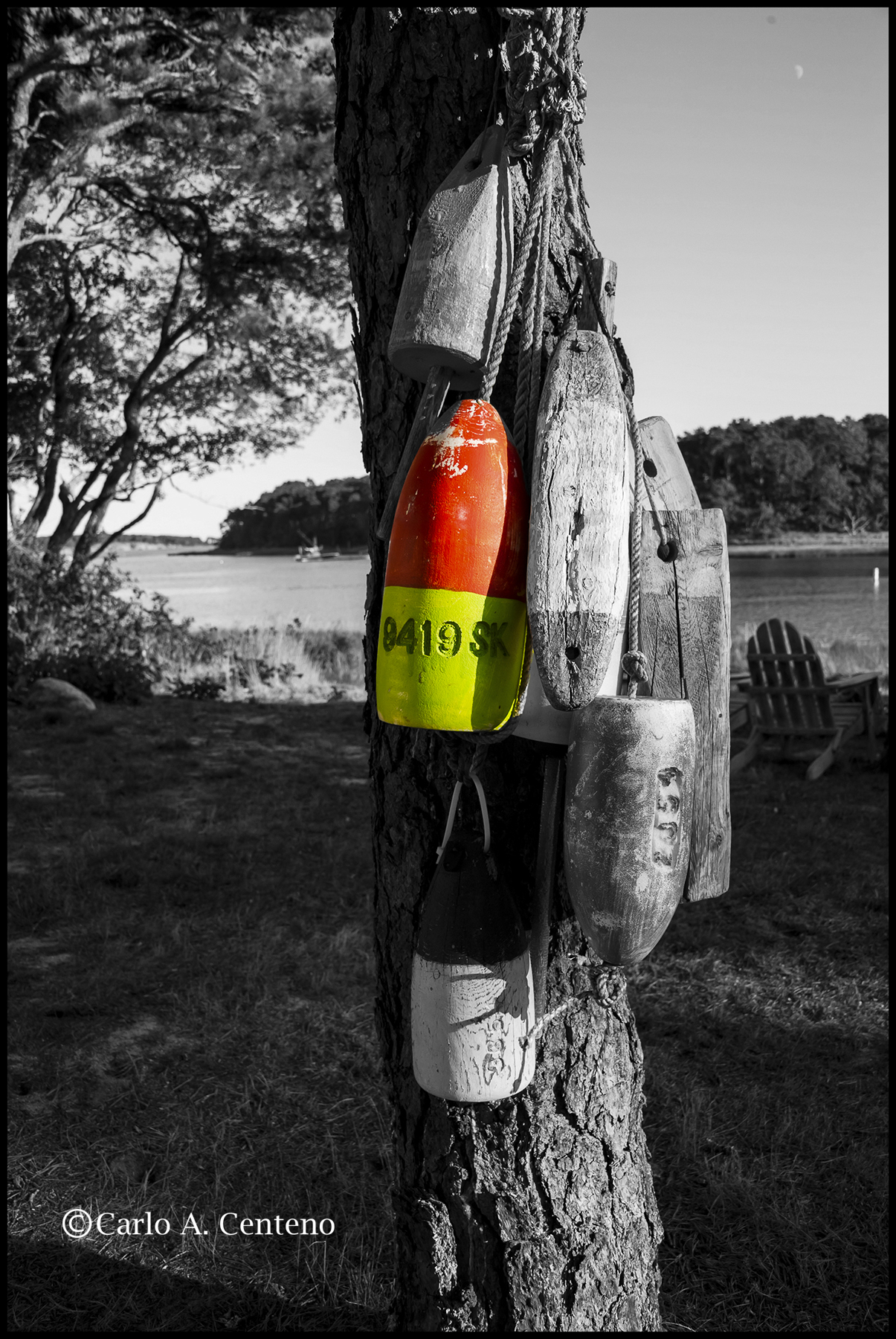
I relish the 4-seasons here in New England. I have preferences for the times in a year that are cooler and less humid, but I also welcome activities and distractions that come with the other seasons: longer daylight hours, trips to Cape Cod in Massachusetts [salt water and salty air are genuinely therapeutic], visits to the Berkshires and so forth.

How do you take care of your sense of–or even recalibrate–consciousness?
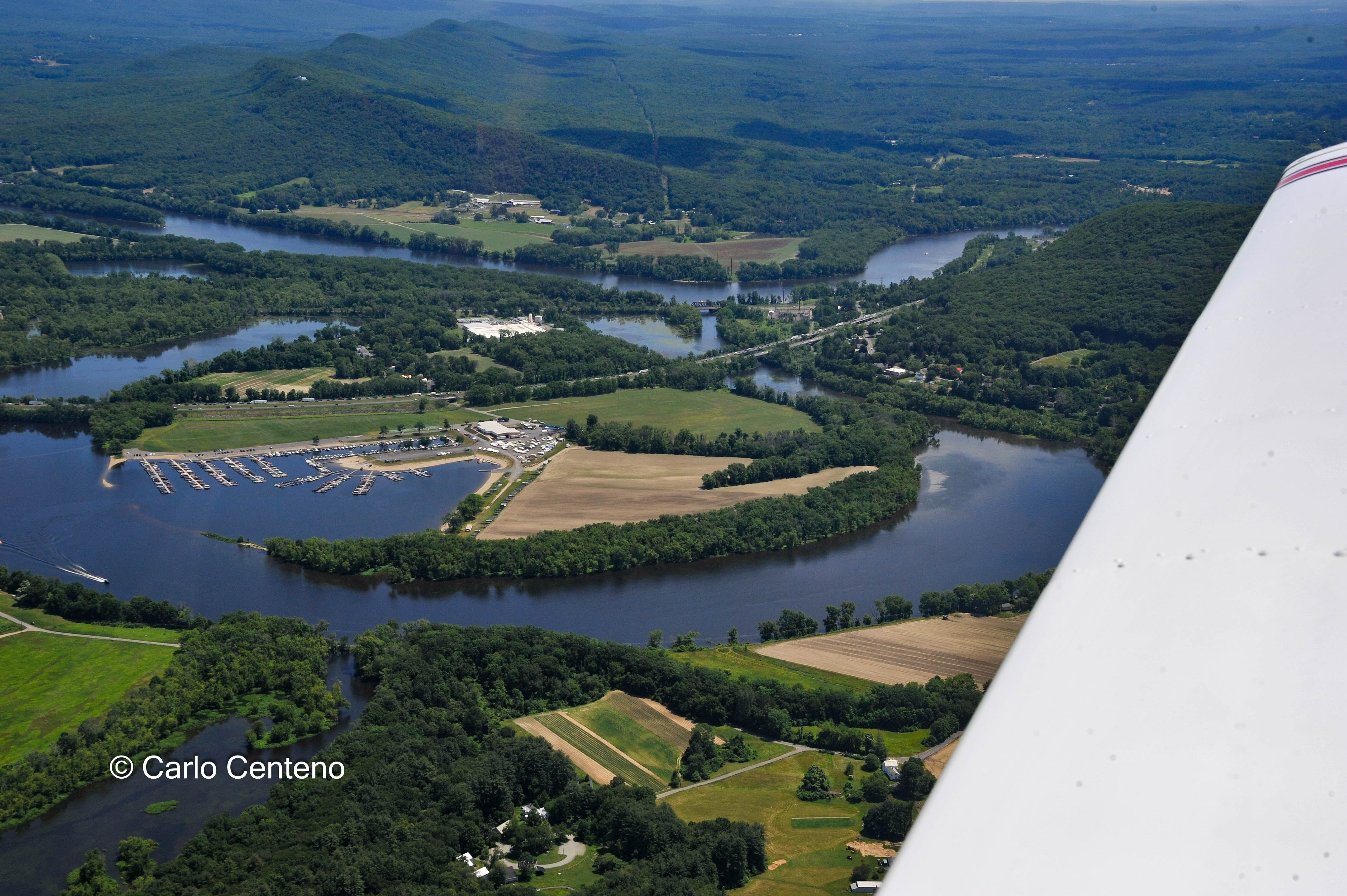
Some 2,000 Feet Up

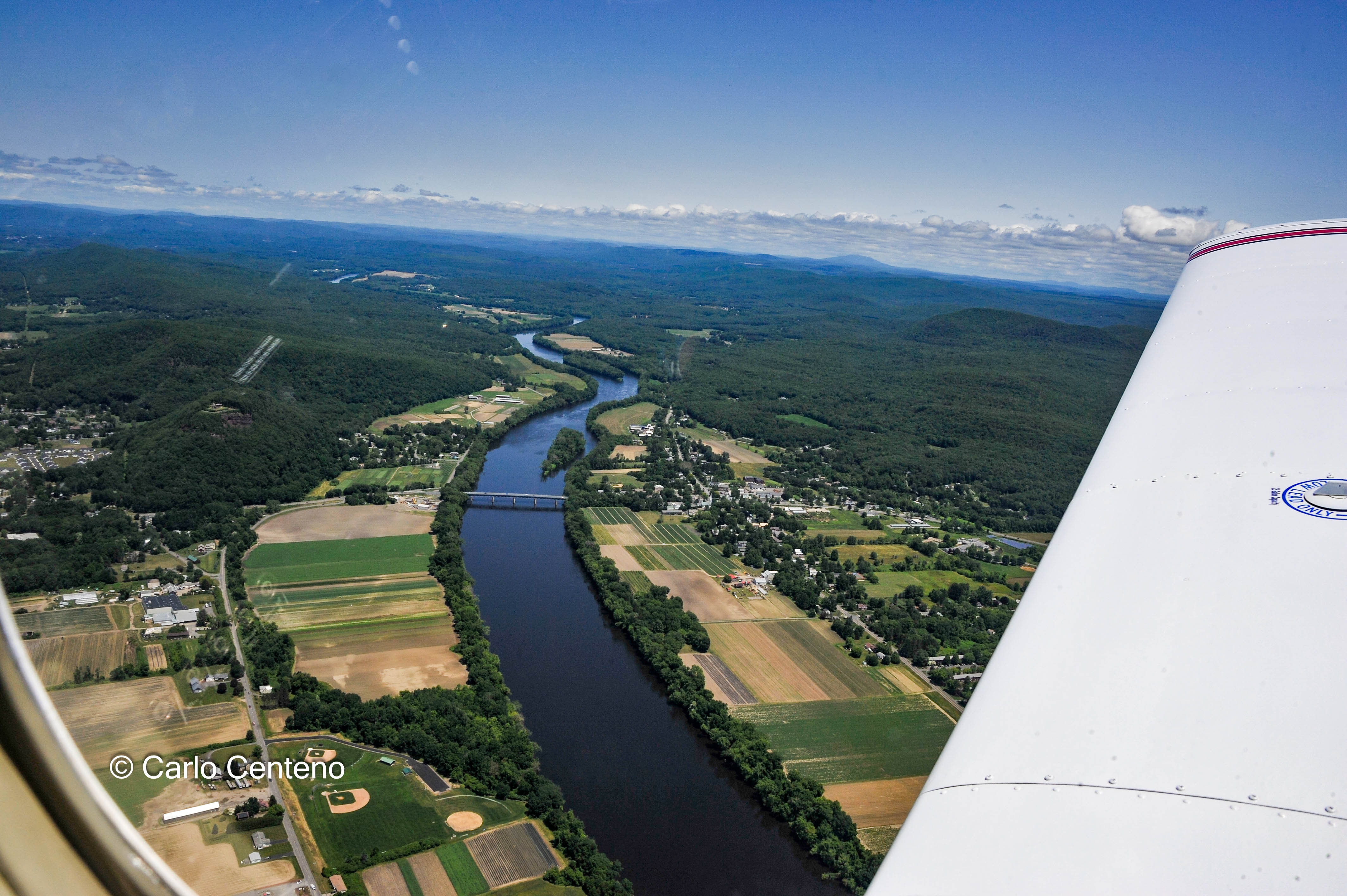
The exhilaration of flying in a single-engine airplane does a number of things, the most obvious is that the ground looks so expansive. Terra firma goes on and on into the horizon. Scale and size play with my sense of proportion. What you see on the grounds looks small and yet other things seem larger than they should be. The length of highways, the relative size of cars, trucks and trains look as if they were sectioned off a sizeable display meant to be “an artist’s interpretation” of a grand project years in the making.

The Oxbow on the Connecticut River in Northampton, MA

Traveling 2,000 feet above ground at speeds between 65-80 [kn] knots, it’s easy to feel overwhelmed. There are places you know of, but from the air, they take on a different personality.

Somewhere not too far from the airport and still in MA.

Like a jig-saw puzzle on a larger-than-life scale, parcels and tracts of forested land interconnect. All appears as it should [at least through my eyes]. My friend and pilot, MP, knows more about the puzzle laid out below us. And he knows a helluva lot about flying. He’s been a pilot for well over 30 years. I don’t fly and know little of it, and it becomes more than obvious MP is very much in tune with all details pertinent to flying. Knowing weather conditions leading up to “GO” is de rigueur on his pre-flight checklist. It’s quite a checklist to say the least; I’d have to Google the majority of the terms on that lengthy list for obvious reasons.

The French King Bridge connecting Erving and Gill, Massachusetts.

On the ground, I have a better sense of familiar locations, most of which I’ve driven to many times already. From the air, that’s another story. Having a large river coursing across the county helps to some degree. For example, the French King Bridge is a familiar site on the road, even before actually seeing it, but from a small plane, the road looks slightly unfamiliar. Still, there’s no mistaking that beautiful cantilevered bridge.

The Seven Sisters of the Holyoke Range. There are 3 large “hill tops” in the center. Trace the left of the photo to the horizon, and you’ll see the other 4, the furthest one wrapped in a haze, but still visible.

As many of you know, the Seven Sisters are the 7 colleges located in the northeast USA. Since their founding, all are women’s colleges, but for one that went co-ed [The Harvard Annex–now Radcliffe College–is part of the Harvard Radcliffe Institute]. They remain highly regarded and very competitive schools to this day.
The 7 [in order founded] are:
o Mount Holyoke College 1837
o Vassar College 1861
o Wellesley College 1870
o Smith College 1871
o Radcliffe College 1879
o Bryn Mawr College 1885
o Barnard College 1889

Looking south to the towns of Deerfield and Sunderland, Massachusetts
That bridge is the same one in the photo above.
You can see Mt. Sugarloaf left of center.
The observatory atop Mt. Sugarloaf.

Spending about 2 hours in the air was a terrific experience. Knowing MP and the way his plane is maintained, I felt confident and safe in his hands. It was a rare, bright day with a slight on-off breeze, perfect for just about anything. My time at 2,000 feet allowed for some R&R, plenty of “what-have-you-been-doing” conversations, a chance to take some photos and moments to appreciate all that is life, the good and not so good, the rote and the unpredictable.

Hope all your journeys are safe….

Tell me, what do you really see…?

You can think of this post as part 2 of my previous one from about a week ago, Get Closer…but then again, what follows could be superfluous. Maybe. Each day our routines bring us across many familiar and common objects. Most of what we see barely catches our attention. A lot falls under the category of habitual repetition. However, if you put that aside, the what you see notion can change things.
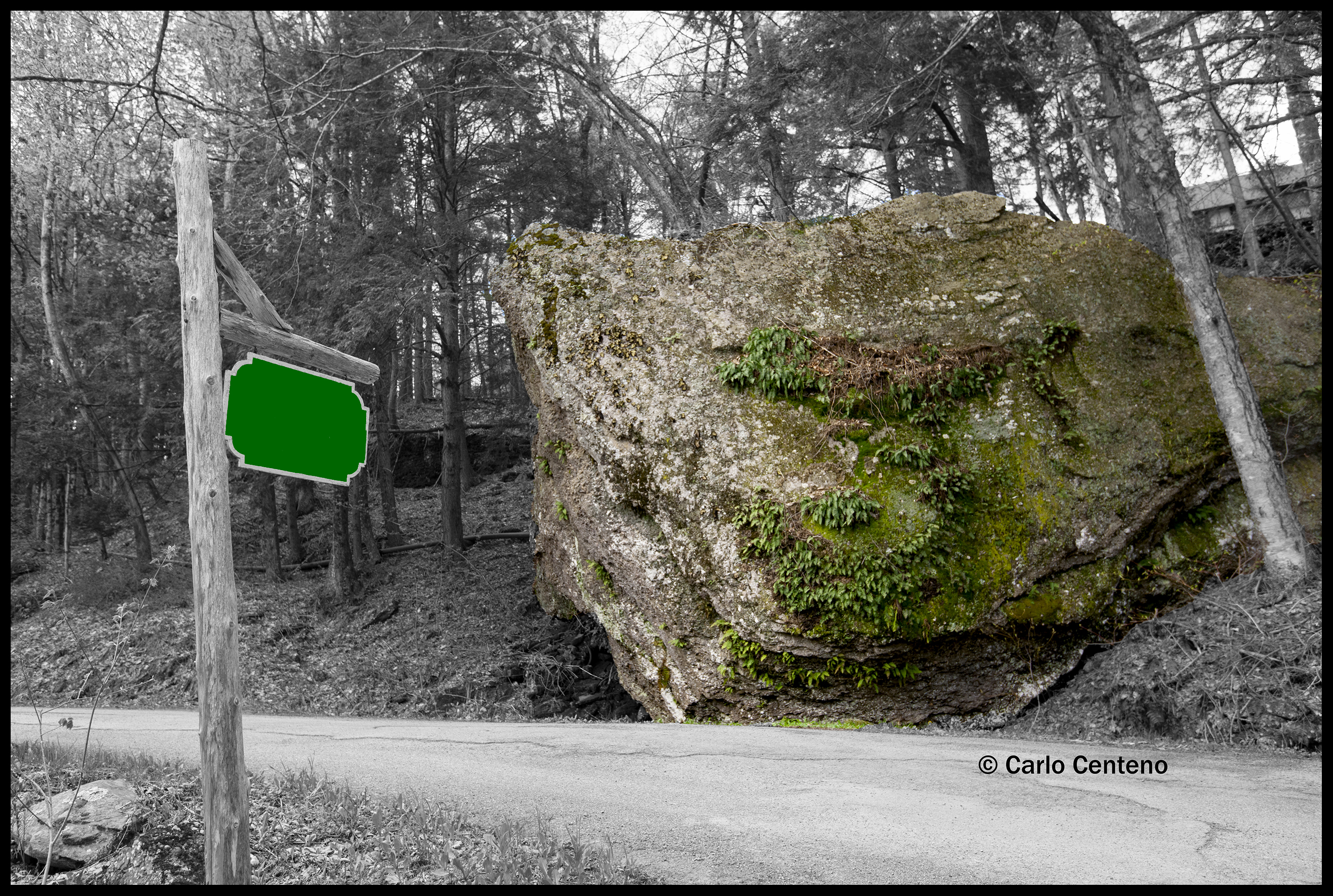
Anyway, regardless of which direction you’d be walking, you can’t miss the humongous rock, pictured above, resting next to a dirt road.
On a 1:1 scale, the size of this layered wonder from the Ice Age is massive. Around it and along the road, various homes stand proud against the various inclines, each perhaps possessing an immunity to gravity. Most of these homes have been around for generations.

“Follow the road up to the top. The vista is spectacular and you’re likely to get some good photos. Look for Pebble Rock Hill Road and keep an eye out for an unusual pebble.” Pebble’s eponymous road invites travelers to head to the top. Of course while on route, I had to stop to examine that “pebble” leaning into the hill.
I’m reminded of Jonathan Swift’s timeless novel, Gulliver’s Travels. In his travels, our protagonist arrives at Lilliput where all its inhabitants–are quite small–whereas Gulliver is a giant. This timeless tome may not be a summer beach read, but the arc of the novel deals with the vagaries of politics, the human condition, scatological humor and so forth. BTW, the first and only time I heard the word “scatological” was during my high-school sophomore class in English Literature. Go figure, and go Google it. The novel was first published in 1726.

Yes, this large home has a “stream” running beneath it. A natural source for white-noise to help the household sleep, perhaps?
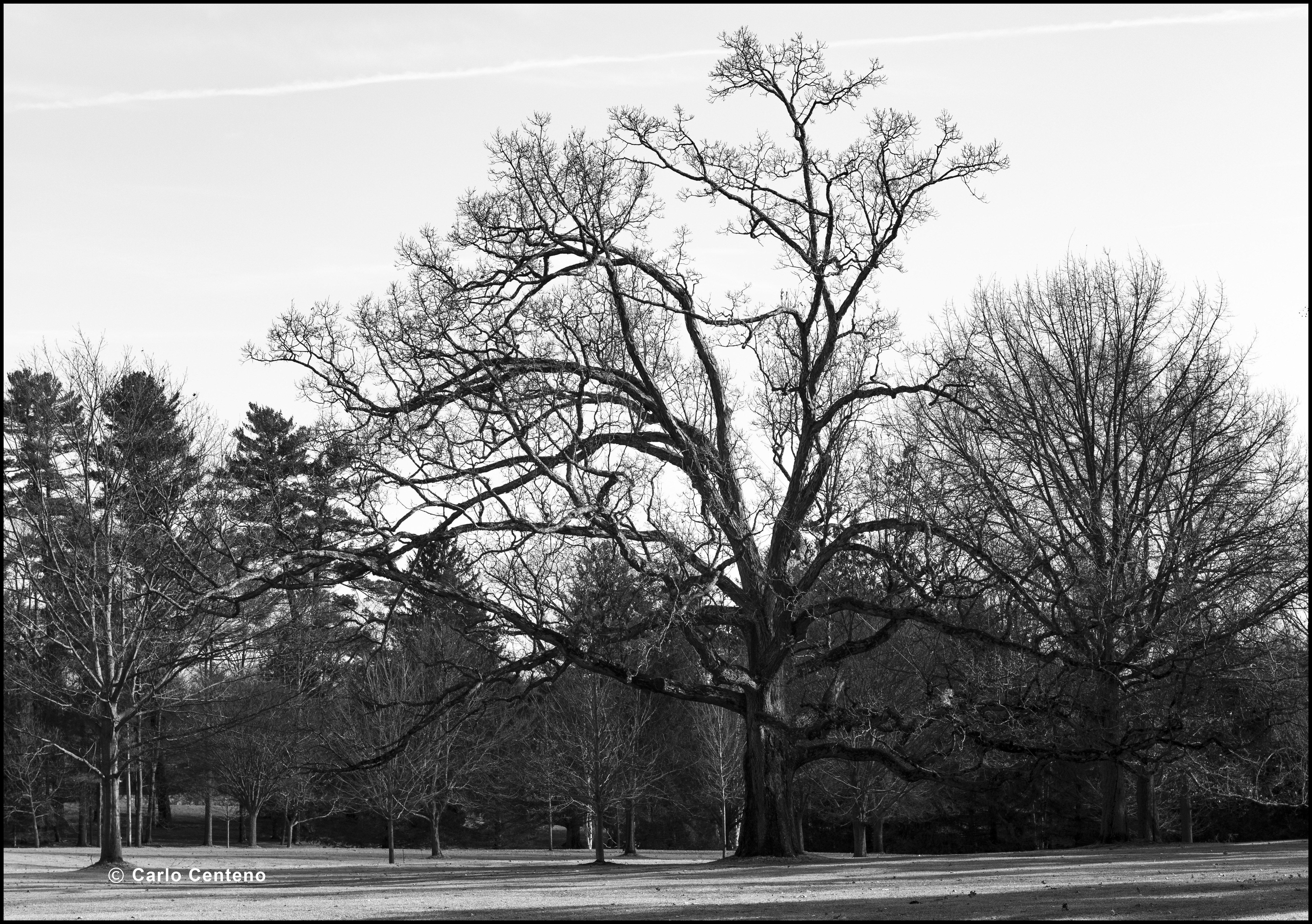
Close to 300 years later, I’m certain Mr. Swift would have asked the same question of us: tell me, what do you really see…? There are times when I’m so immersed with what’s in front of me that when the camera comes up, I’m [figuratively] within the frame, scanning everything in the viewfinder.
Where’s the photo? Why am I taking a photo? What do I feel? What do I see if anything other than the obvious? Is it worth it?

Back in the days of film, most of us were pretty frugal with the number of frames we took of any subject let alone everything else. There were no preview screens to check on what you and the camera were looking at. Polaroid cameras were the analog version of confirming a shot. Today, however, it seems that others have already introduced their own Polaroid type-instant films.
When I developed my B&W films, the process felt rote at times, but when the timer was close to the end, my feelings changed to ones of anticipation, expectation and doubt.
It’s different today, obviously, but waiting and expecting to see B&W negatives had an aura all its own. Time gained additional significance because each frame was but one slice of a moment.
Digital capture can take the same slice of time, but it also offers instantaneous validation and the opportunity to take a good a number of retakes, each being instantly accessible to view. Picture taking has certainly evolved; I know many who have a boatload of jpegs on their mobile phones and tablets. A lot.
There’s some truth about the way film cameras slow down the picture-taking process; and for a group of film devotees, you could say it does something similar to some of our behaviors.

Sunset
Same location on the same day just minutes after the photo above….
Done for the day, Mother Liberty eyes the loading/unloading cranes at rest.

Sunsets and sunrises have been with us time immemorial. With or without a camera, they fascinate us. It’s all about the light and the way it changes–and rather quickly–to the familiar sunny or cloudy sky. The sky then becomes its usual self, an unevern canvas of grey or light grey with that hint of white. All of those visual details make it beautiful: a clear sky, dramatic skies, a storm or front already heading our way, along with whatever feelings that may surface to shape our visceral self.
Here’s to all our moments in our 24-hour lives, and to the details we discover that adds something to the way we see things.

Get Closer

It was home back in the day. Situated on 48 acres, the “cottage” contains 44 rooms.

Have you ever tried to look at something right in front of you and discern one particular detail. It could be anything: color, shape, texture, scale/size, any specific object and so forth. I’m referring to a single element that piques your attention, whether the element is large or small, plain looking or colorful, simple or complex by design.
Naumkeag offers history, a feast for your senses and options to indulge in a location that’s an antithesis to our present-day way of living. So, with an unhurried pace, walk the grounds, examine the gardens, enjoy the vistas and of course the house that was the summer home of prominent lawyer, Joseph Choate and his wife, Caroline. They referred to their residence in Stockbridge, MA as a “cottage.”
You don’t need to be a cognoscenti to appreciate landscape design, flowers, stonework, or architecture. No agenda, just a dose of quiet time in a locale that puts you in the Housatonic River Valley, a place in the Berkshires as pastoral as any you’ll find across New England.

Naumkeag is a cornucopia of details. You’re offered a buffet of elements that rightfully distract you from monitors, traffic, deadlines, meetings along with other indeterminate noises. Granted the elements–or distractions–are innocuous, there’s a realization that having these very details shrink the less important, stressful elements that occupy your mind. Well, at least in my mind.

Where’s my focus? Is it obvious to you? Can it as much be yours as it is mine?

You might say this is an exercise in discernment, a way of sharpening perceptions, a means to refocus on other details/elements that may lead you to another level of thinking. The process is still your own, but this time, you’ve given yourself the beginnings of a map that’s genuinely yours.

A benefit of these sorties is this sense of life copacetic; in spite of the routines and doldrums, there are moments that are the opposite of what ails us. In the world of art and the written word, we can see and feel just about anything. Having a sense of place, in this space and time, not in your past and where the future is not promised to any of us, the now matters. That’s it. Don’t waste it. Appreciate don’t pontificate.

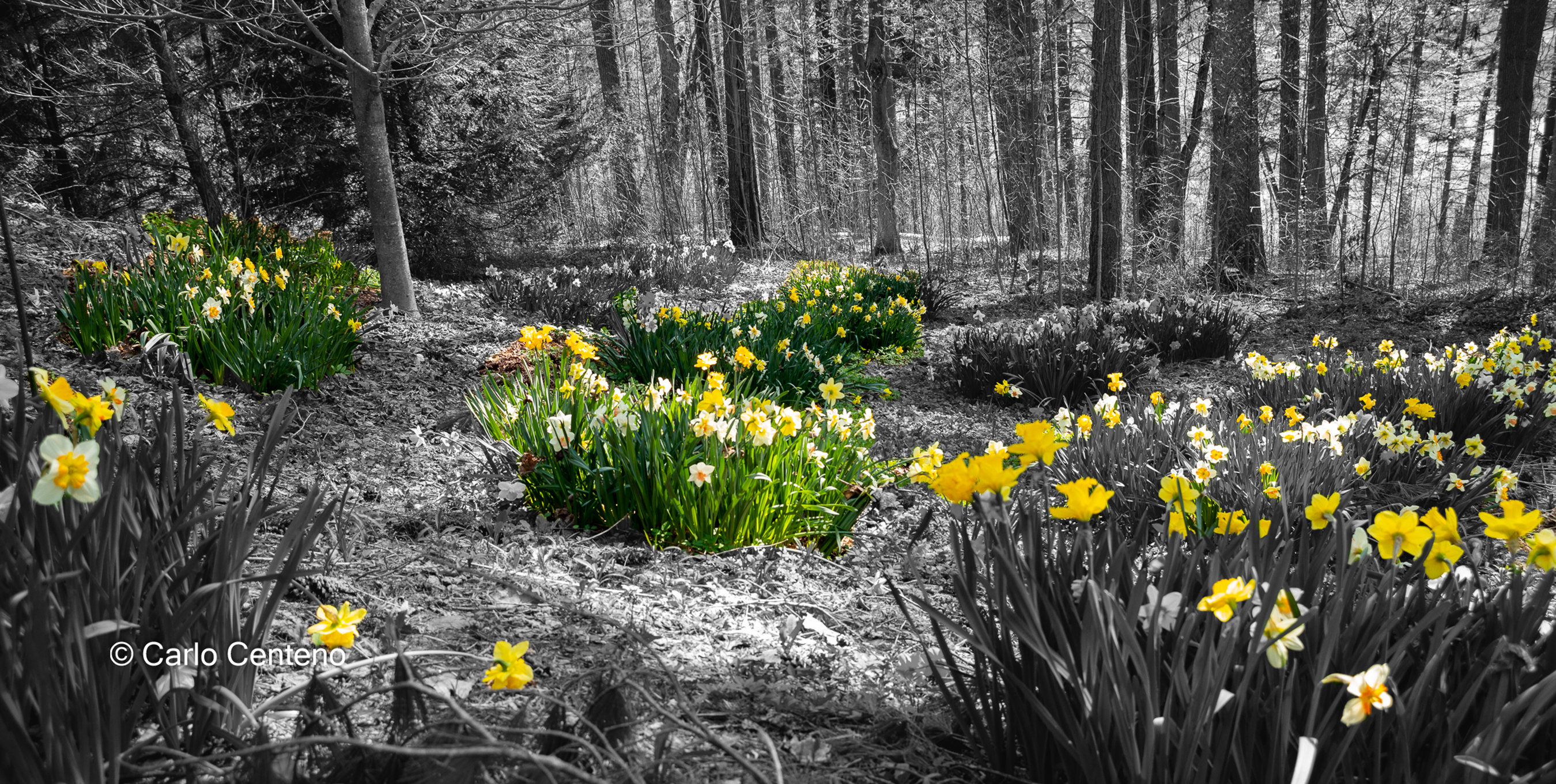
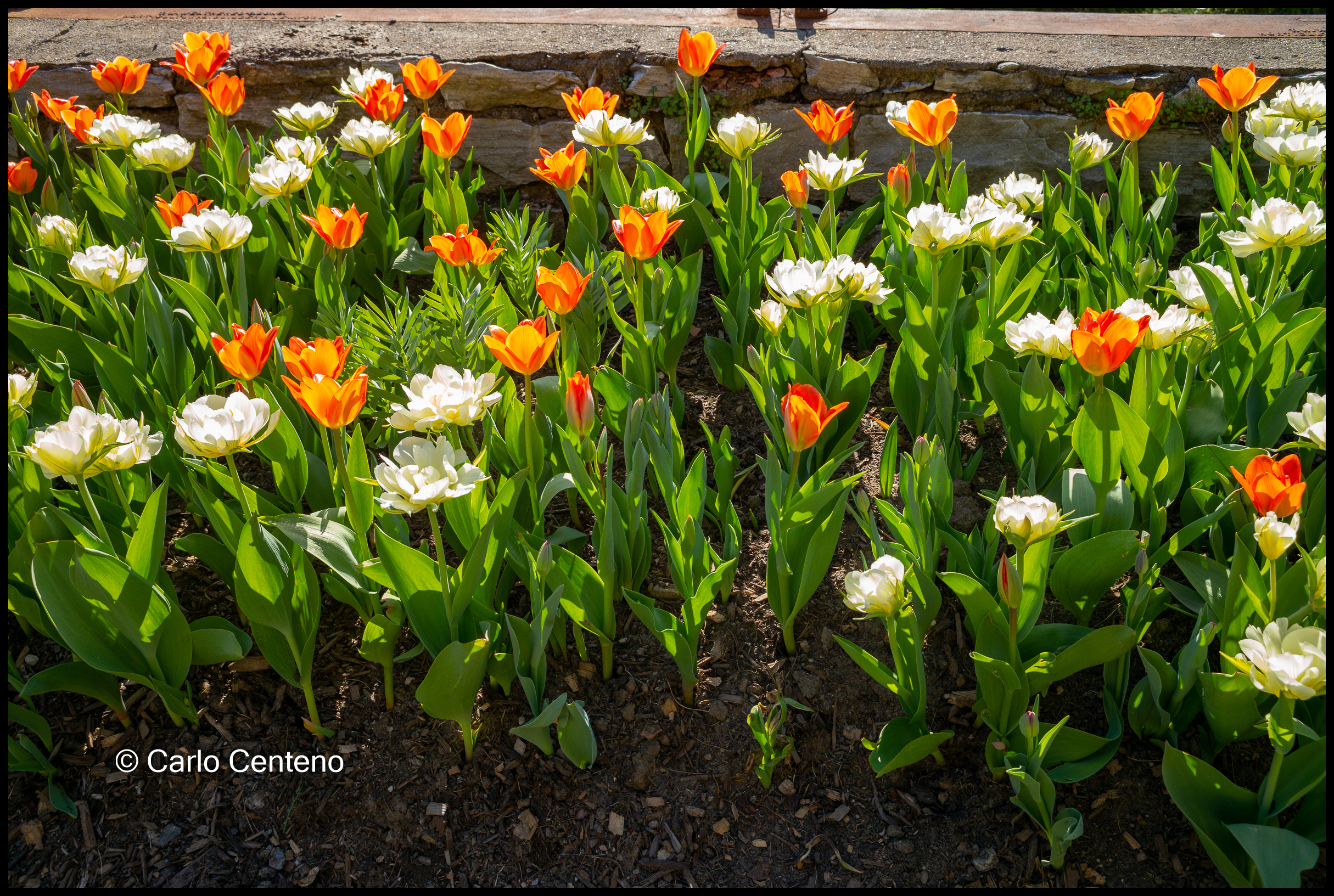
The exercise of pulling a detail out and away from everything else pushes me to consider and associate with another perspective of whatever detail I look at. The reds and yellows in the tulips appear even more intense when surrounded by the middle greys in the photographs. The broadleaf in one corner of the greenhouse looks healthy, in large part because of the depth of its green color. Nothing has changed really, and neither have the proprieties of the object or the surroundings. What’s changed is the manner in which you deconstruct details.

Those with a proclivity to capture details can notice more than what meets the eye. Beyond colors, tendrils of an iron chair, the gradation of a solid color to one of a lesser though similar hue, I tend to go toward an object, experience or what have you, that’s relevant to my personal history. You might say it’s akin to a word association game, a yin-yang of opposites as well as things similar.
The associations can be personal, simple or complex, a source of light-heartedness or burdened echoes ruminating within your memory.

This is a modification of the immemorial saying, Stop and smell the roses [or tulips]. Instead, reframe your perspective: You can see the big picture, but details bring you closer to the value of the picture.

Bare Trees

The changing seasons has a way of rebooting my perspectives on life’s moving parts. It’s also an opportunity for me to find, even create, connections that could lead me to alternate choices about work and family, problems and challenges, as well as my own professional and personal goals. The fall suggests possibilities with a palette of colors where each one suggests a sentiment to whatever I’m feeling or thinking. More often than not, I make one, perhaps 2 attachments of color to an idea, an attitude, or even a condition that’s been entrenched in a mood of some sort which I cannot correlate or let go of.
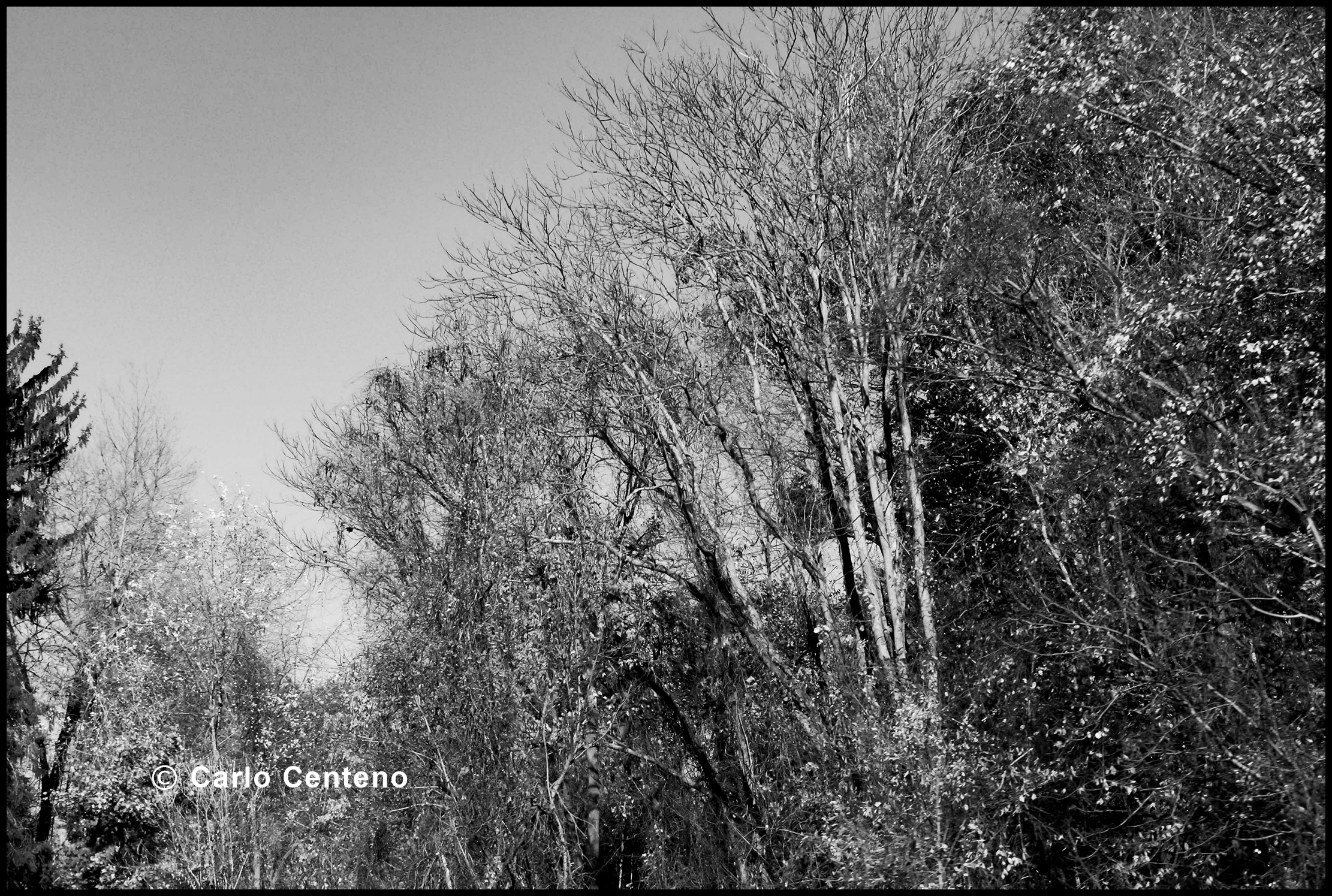
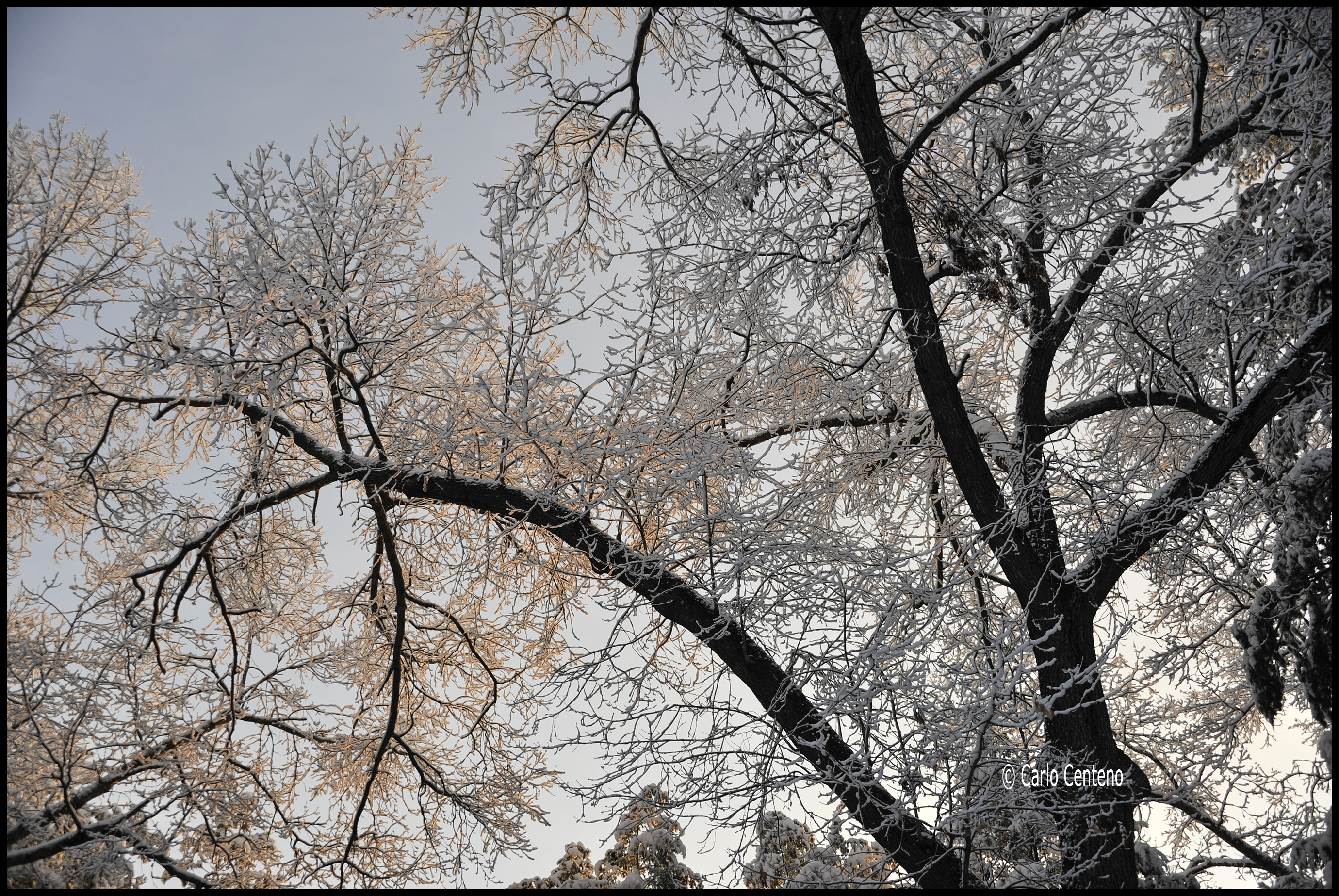
However, when the maples, birch, oaks and other trees reveal their once covered limbs, I see a “wireframe” ready for a season of open air, of white space and a period of quiet and rest. Once again, it’s a reboot of sorts given the visual clues of autumn.

From a distance these bare trees take on an innocuous albeit familiar appearance. You realize that these wireframes silhouetted against a grey forest floor or an overcast sky has the potential to stimulate your way of visualizing beyond the obvious and the rote. Late fall and bare trees are midwives to modified or new byways to thinking and feeling.

Such possibilities make bare trees special. True, this past autumn the colors were fantastic, vibrant, even spectacular, more so than years past as far as I can tell. That festival of color has its own cathartic energy. Compared to just a few weeks ago, these now dormant, quiet trees are a type of dopamine, a suitable follow-on for my busy “monkey-mind.” There’s a levity and sense of calm with bare trees that’s akin to starting anew and refreshed.
The trees are steadfast and immobile and yet there’s a fluid-like form that draws your attention. And because you can see between the branches, openings of various shapes and dimensions become apparent. That white space becomes a cocoon for imagination and emotion, of things improbable that feel possible if only in theoretical form. What can you jettison from your mind into those spaces now in front of you? There are things each of us can let go of.

Many of the trees are straight up and down although the oaks and maples have a grace manifested by the sweeping reach of higher branches. The silhouette of these branches appear as arms with a soft curve, its ends like fingers gently reaching for the sky.

Late fall and bare trees are markers of change. In its most obvious forms, it means shorter days, cooler temperatures, fantastic light and shadow and a time change. The latter is likely the least wanted change this time of year. And yet the markers also remind us that still more change is to come. Some welcome winter [like me] and others can’t wait for spring.
In a personal way bare trees are anthropomorphic. They go through cycles of change just as we do with our life stages. And as in life, some of the bare trees will remain so in the months ahead. Just as some of us will, our own thoughts and feelings leaving our physical selves.
Bare trees can mirror our own life qualities season to season. Or maybe it’s the other way around; after all, trees have long existed before we arrived.

“Switch-Tasking”

Time, energy and focus are 3 KPIs [Key Performance Indicators] for mulitasking. And likely there are other indicators, and for those, I’ll need an ombudsman to help reset my already overloaded brain. In any one of these factors, you either have it, lose it or want it. For the most part, I’d say most people want them all, or to at least hold onto whatever’s in you.

However, multitasking is not really multitasking.

Ms. Nancy Napier, Ph.D. and contributor to Psychology Today identifies it more as “switch-tasking.” For decades we’ve heard that new electronics and computers and software are supposed to help make our professional lives much easier and faster, that’s rarely the case. Many of my marketing projects are open—actually minimized—on my screen. Perhaps “minimizing” those open windows and apps is in actually diluting the strength of your project[s].
Dr. Napier points out switching between projects is counter productive. In fact, it takes a good amount of time and energy to realign your mental details jumping from one open project to another. All of this creates stress [but we already knew that].

As Dr. Napier puts it, multitasking is mentally and physically rough on anyone. The mode of working start-stop-start-stop-restart becomes a catalyst for mistakes, inefficiency and time lost. As the saying goes, “Well, there’s 30-minutes I can’t get back.”

Did you happen to notice the bee in the first photo [the sunflower]? No, well, were you multitasking….excuse me, “switch tasking?”

A Moment, Please.

Brown Trout [Salmon Trutta]

What a strange, odyssey we are on. Are we in the initial stages of a pre-dystopian epoch? That’s an unnerving take on our tomorrows. I am as guilty as the next for failing to live in the moment. Thus you could–and perhaps should–interrupt my ruminating about the past while also worrying about the future.

No one can undo history and the future is not promised to any of us. So, it’s the here and now, the very present moment where we consciously or rotely go through our lives with purpose or with routine motions of day-to-day life.

Fly fishing for many, for me, is part of life. Time spent on the water delivers familiar notions of preparation, anticipation and the knowledge that the day is, quite frankly, a gift. With all that’s going on in the world, I would say most readers looking at this are doing much better than many others. And having the gift, a day such as being able to go fly fishing is one that should not be taken for granted. Getting to a favorite spot–whether somewhat new or all-too-familiar–jump starts my awareness for the here, for the right now. For those few important things that are usurped by the ephemeral things that entangle us, yes, we all need to live in the present moment!

So, on this Independence Day weekend, take a chance. Make the most of whatever day you have. Any one is a gift. Even when things go awry [I fell into the water moments after releasing this trout!], or not according to plan [I could’ve left the water empty handed but for the wet clothes that chilled me to the bone!] , don’t dwell on what might’ve-could’ve-should’ve happened. That’s done.

I think you’d be much better off acknowledging how far you’ve come.

And for the aspiring fly-fisher, that beautiful brown was caught and released on an an unusually cool late June, mid-morning [10:00 am?].
The details:
o I used a #16 pheasant’s tail nymph I tied with a barbless Partridge hook [unweighted];
o tied to a 5X fluoro tippet
about 2-to 2 1/2 -feet in length;
o attached to a tippet ring on a 6-foot furled dacron [?] leader;
o to a 4WF fly line;
o spooled onto a Grey’s cassette reel with #20-backing
o all collaborating with a Winston Biiix 9-foot 4WT fly rod

Analogies

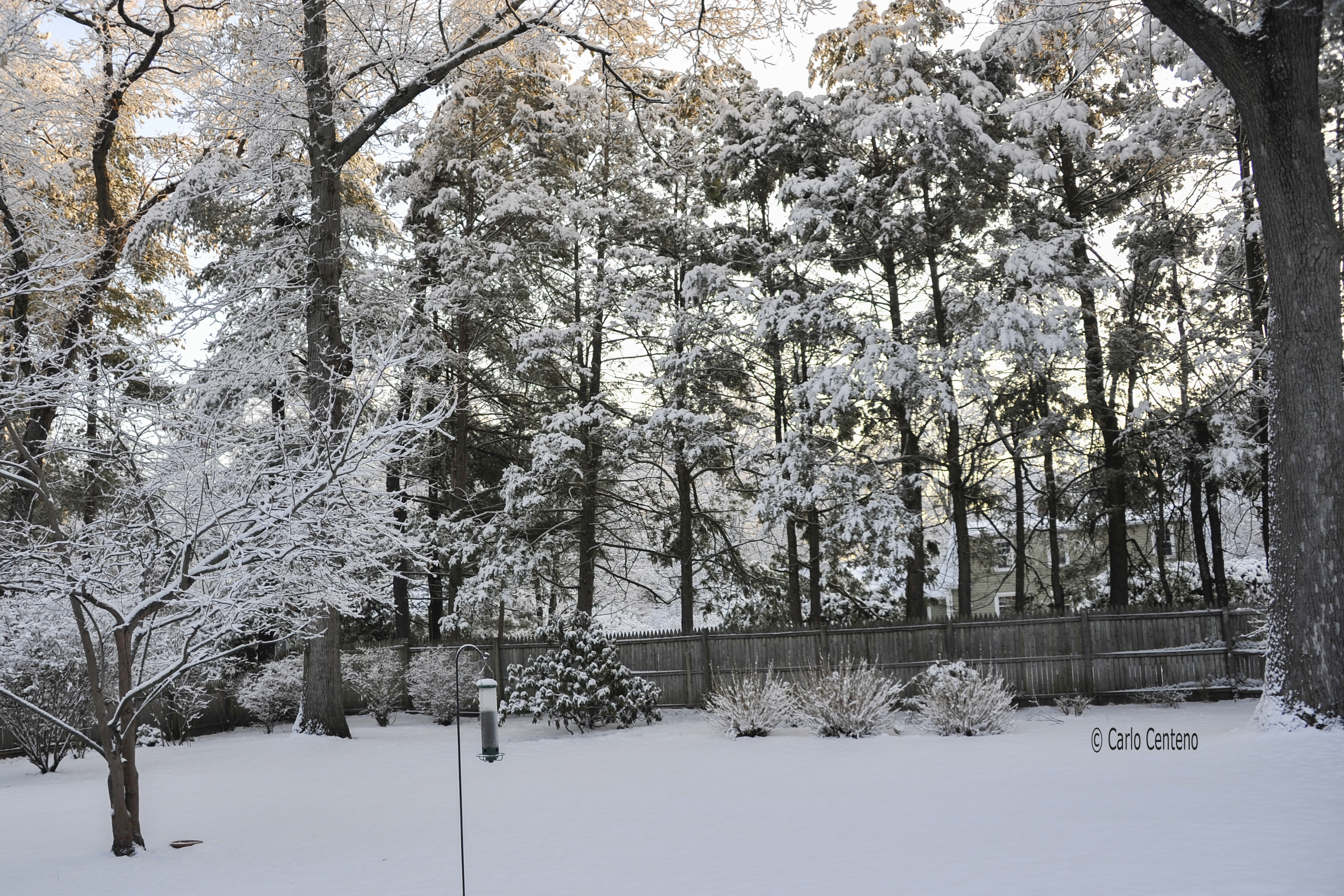
They’re all around us. Analogies are everywhere. This morning several analogies appeared after an overnight snow powdered trees, shrubs and bare ground. There is value in being part of your surroundings, and depending on your frame of mind and mood, the time spent can be cathartic. The morning’s analogies are fleeting, ephemeral. For the most part, the majority are short-lived.

My waking-up-time leaves much to be desired as I totally missed a fiery sunrise. From a window in the dining room, the bold orange and red brushed across the eastern sky is a familiar calling card for this anachronism with a camera. However, by the time I was ready, the sky instead gave me an anticlimactic pale blue. Gone in the blink of an eye.

I’m reminded of the proverb, “He/she [my pronouns] who hesitates is lost.” I had lost my opportunity earlier this morning when I failed to get outside to photograph that spectacular burst of color. This adage comes from playwright Joseph Addison’s play, Cato in 1712, and its adaptation is as universal as any other truism.
I’m not the least bit surprised at the lesson the saying delivers. In an attempt at action and decisiveness, there seems to be a lot of hesitation. And when one hesitates, that window of opportunity often closes in short order.

Hesitation can infer caution just as it can suggest a lack of confidence. For the former, it means we’ve avoided some form of discomfort or harm, as for the latter, I believe that having little confidence is what causes most of us to choose not to do anything. Hesitation–whether in avoiding some perceived element of danger or wanting some level of certainty and sense of purpose–means either choice denies us any affirmation of what could have been.

After several minutes, the snow started falling away. Pine boughs loaded with snow started lifting just as the snow fell. Clumps dropped from many of the trees, the branches were once again dark and monochromatic against the blue sky. It seemed the snow vanished in the blink of an eye. Ultimately everything appeared as they were before: familiar though dark, even mysterious.

The fast-melting snow was like time running its course in the last minute of a hockey game or any other sporting contest. Was there an opportunity early on to change the game’s outcome? Ultimately it comes down to an either or decision. Actually, the third action is not to do anything at all, but the complexity of choosing inaction is an essay for another posting.

I’ve lost count of the moments I hesitated making a decision. Similarly, that count is lost on the moments when I did not hesitate, only to wonder if my action was perhaps just too fast.

Many things go pass us with nothing more than a slight pause of time. Sunrises, sunsets, snow melting, a game played in overtime and so on. Time for me to do something else.

Cold Light

I am an odd person out. I’m certain I shared this in a previous post, namely that winter, the shorter days, the snow and the cold don’t bother me the way I know it really bothers a lot of other people. However, when freezing rain, relentless winds from the north and sleet show up, doubts perk up about my relationship with winter.
My enjoyment of this season is greatly enhanced by a few other small details: no biting insects, most nasty smells are frozen in place, it’s easier to layer up to stay warm versus shedding attire to get cool. Fireplaces are invaluable for the way they comfort our weary minds and bodies.
And then there’s the light. By late October, shorter days manifest that longing for days that end at 9:30 in the evening, versus 4:15 in the afternoon. But for me on any given day, winter light can be nothing short of amazing [well, to my eyes anyway].

For those enamored with snow, it doesn’t matter how you enjoy it, just as long as you get out to enjoy it. Snowshoes. Boards. Skis [alpine and cross country]. Insulated tie-up boots [aka “moon boots”]. Building snow forts, a snowman/woman/sculpture. Tubes, sleds, and toboggans. They all generate smiles at one time or another.

Even the most ardent worshipper of other seasons can understand why winter can be a favorite. There’s a sense of solitude, even in the busiest of urban environments. Indeed most folks are rushing—as it’s often said—to get out of the cold, to get inside to warm up. And yet there are those who look to get out to be invigorated by the cold air. When it’s cold, it’s only natural that you move to stay warm: motion generates heat and heat consumes calories and the consumption of calories means soothing cups of hot coffee, hot chocolate, hot soup, hot tea among other choices awaiting your selection. Admittedly, it is bliss having such hot consumables balance out the chill at the end of a day. The yin-yang of warm & cold becomes apparent.

A cold drink can bookend a hot summer day just as a hot toddy can on a cold winter day. This radiating cocktail of hot water, lemon, honey and a bit of whiskey is also hydrating, indeed soothing since it’s a drink perfect for sipping.

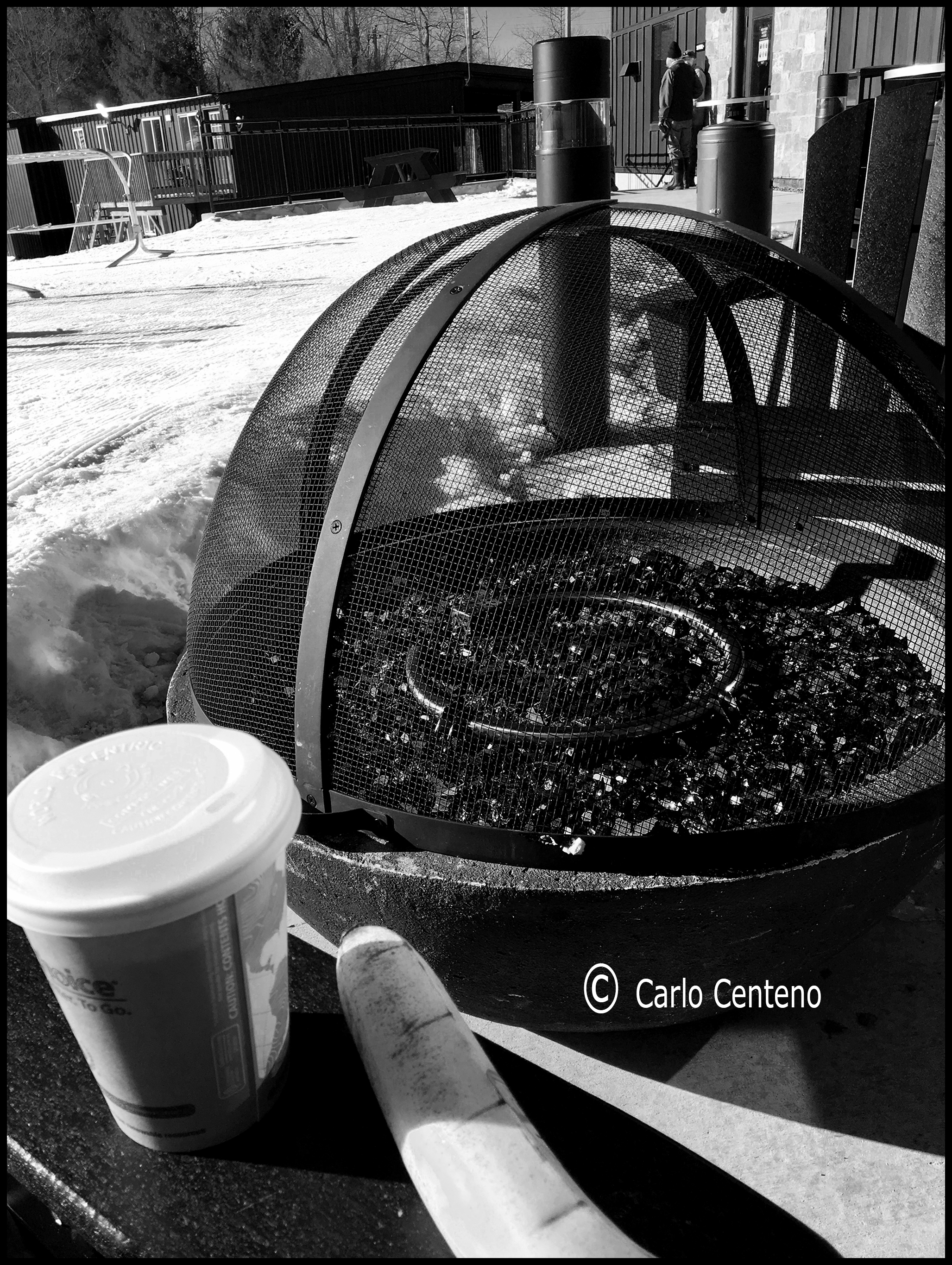
Cold light, winter light, is especially sharp when it reaches across a landscape as far as you can see. The shadows are longer and details stand out like bas-relief etched into tree trunks. On ski trails, the tendrils left by carving skis add to that dimension of depth, or even height, as if lengths of dark thread randomly lie atop the snow.

Winter’s light—especially later in the day—can feel cathartic and the sun’s warmth enhances this catharsis. A cup of hot chocolate, a banana, a comfy, large Maine Adirondack chair and a pit fire are all good company.