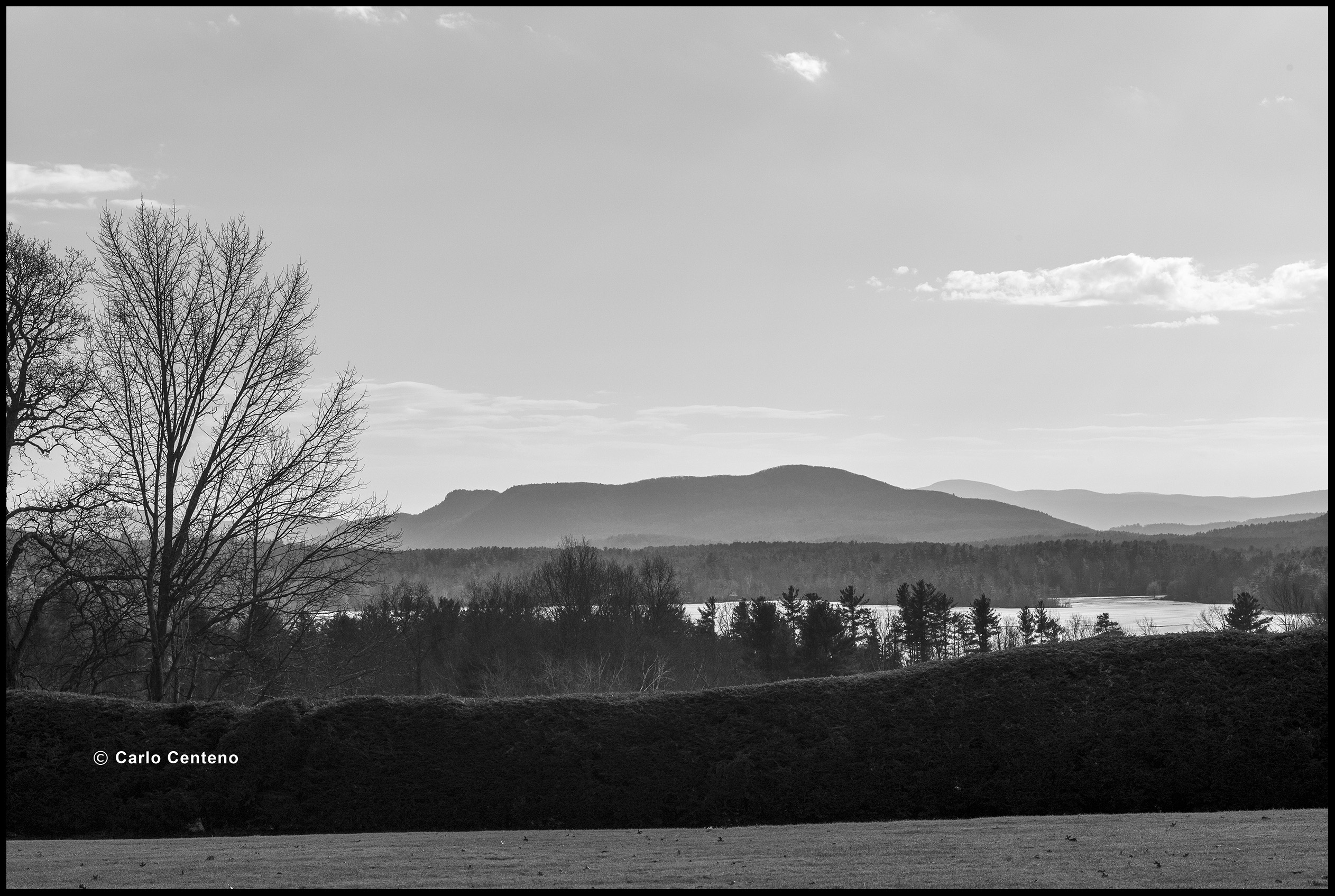
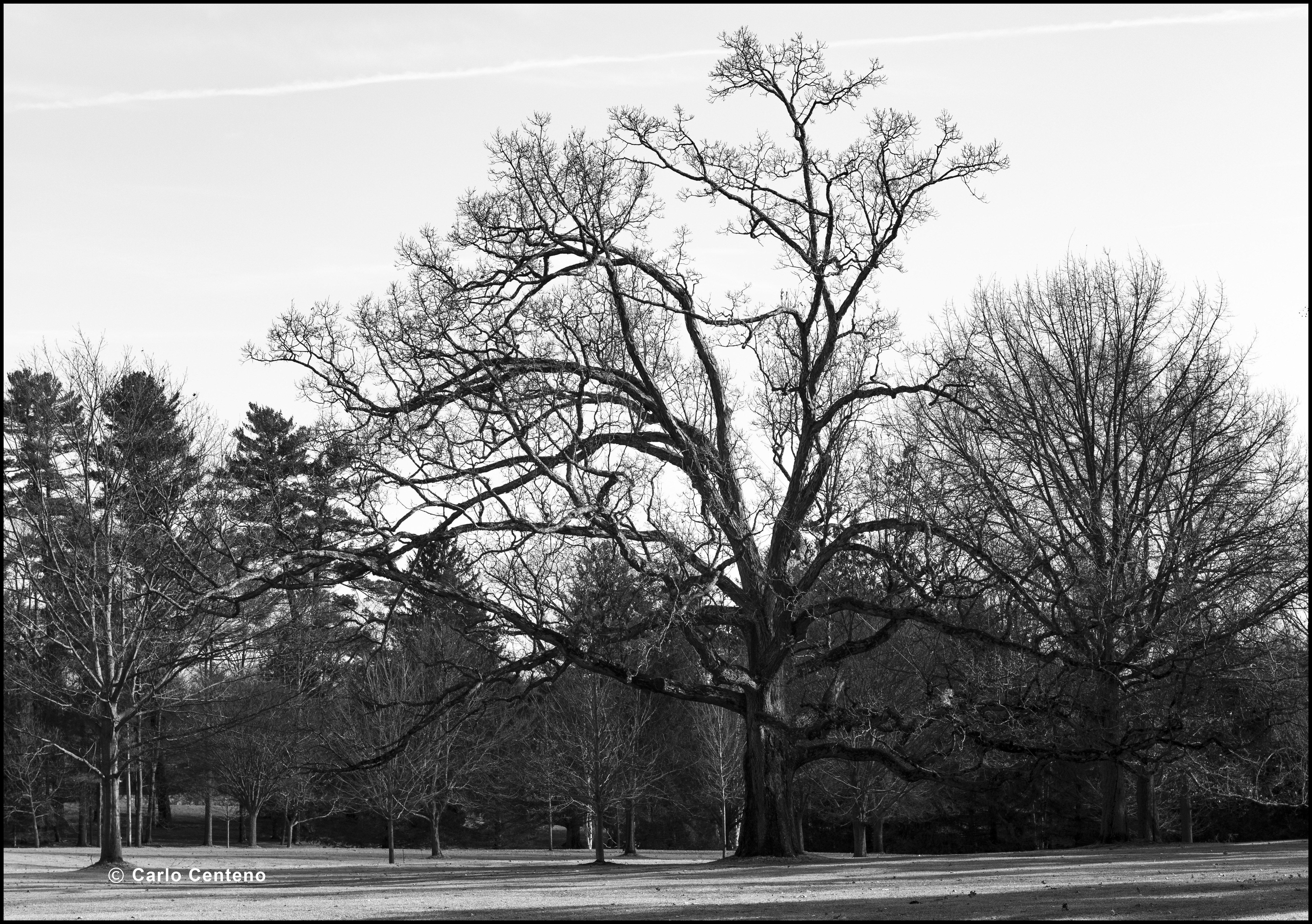
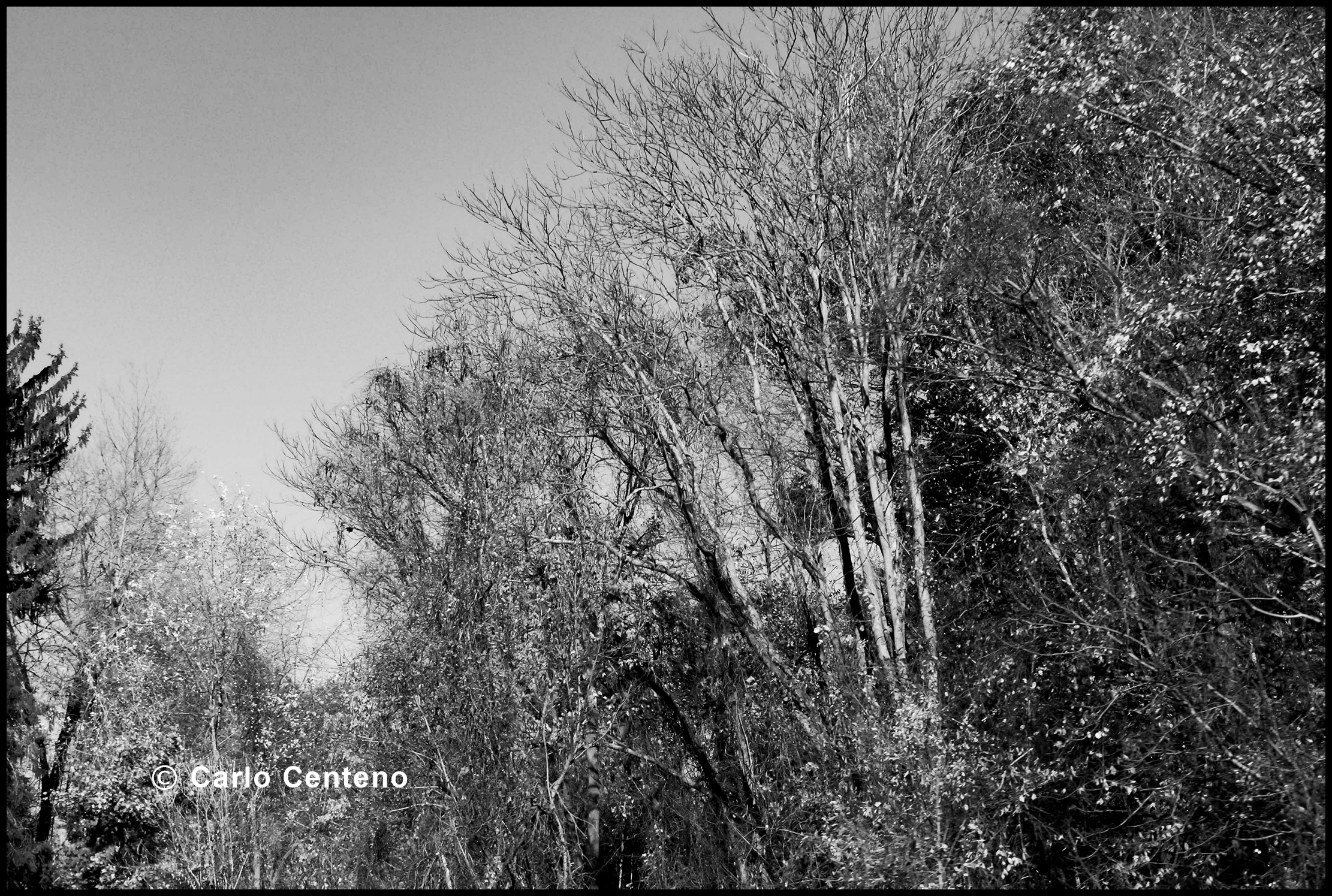
It’s already September and Autumn is around the corner. Summer’s still with us, that is, astronomically speaking. According to the Farmers’ Almanac, on Tuesday, September 22nd, Fall is set to start at 8:04 pm EST. And I realize that Autumn too, will run its course faster than it should, just like the previous 3 seasons.
I’m reminded there’s a chance to keep Daylight Savings Time. I think it’s a worthwhile change; changing batteries, digital displays, analog clocks & watches as well as using the TIME button on your microwave and oven will someday be history. Hopefully. The House of Representatives have voted to keep DST as our standard time, but we still need the Senate to vote. This could be a 5-year plan they’re working on. Our circadian rhythm may have to wait a bit longer.
For some of us, summer’s end is yet another blessing in disguise. Change is the one constant in life. Everything changes from one thing to another. Fall has its own personality.
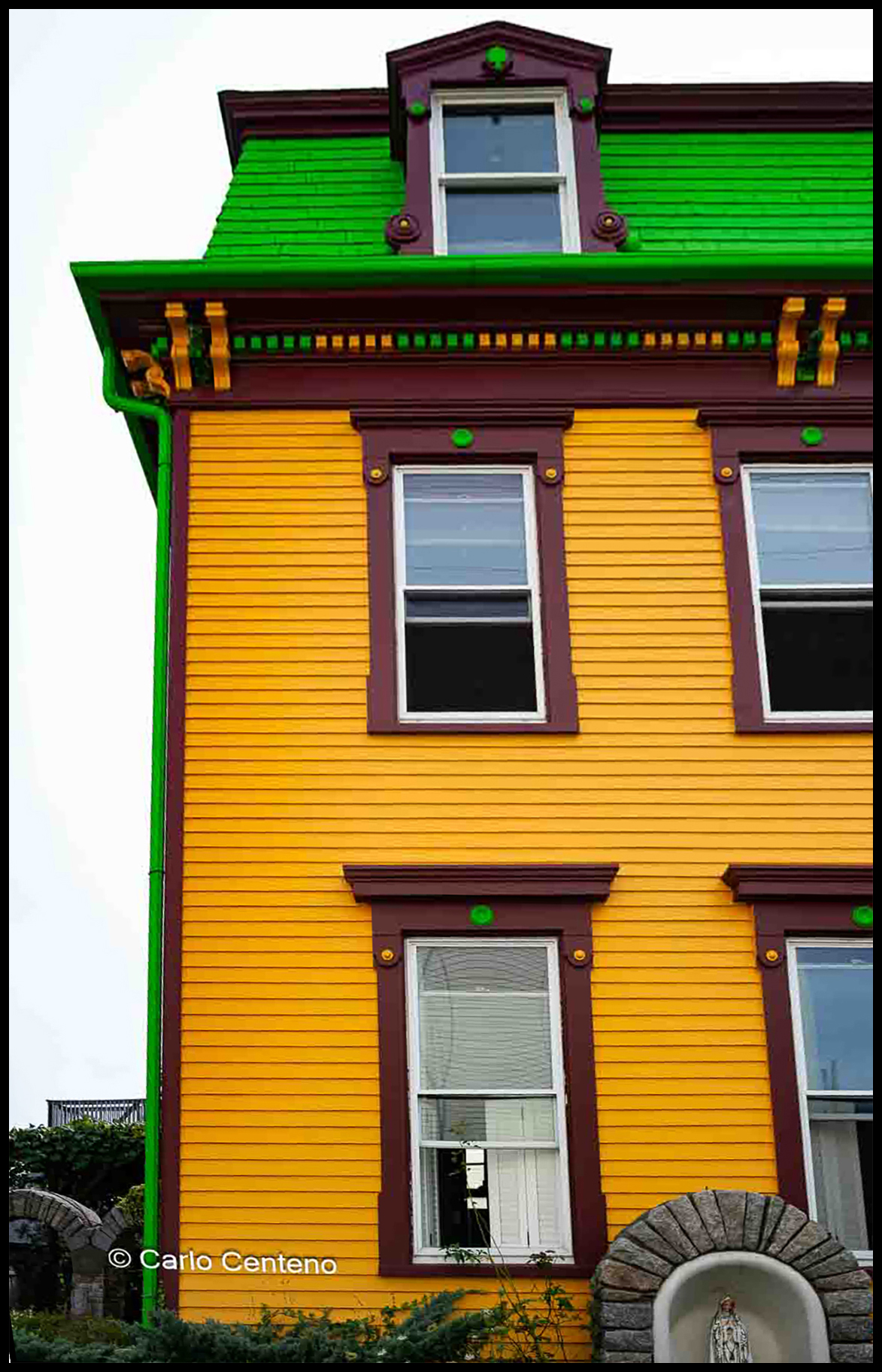
For me, I look forward to the changes familiar to me, the kind that act like cues, even switches to turn on–or off–elements from my own history, my own state-of-mind. Melancholy rises as these switches of cooler weather, shorter days, falling leaves and other changes have a way of rolling my dysthymia up & down.
Ironically, and perhaps with a hint of contradiction and disconnect, a handful of these cues happen to also reduce the rise of my own melancholy. In other words, there are good days and bad days, and the mutual nature of moods and perceptions carry both a salve and an irritant. Anyone of our 4 seasons does that to me, and likely to others as well.
Light and Duplicity
A common refrain I hear that builds as the days get shorter is the disdain of less daylight. It sours the mood among many of us. On the other hand, the duplicity, or double dealing of, light has its own protagonists. Yes, there are some days that feel more melancholic than others, and its been argued that the deficit of sunlight can be partly responsible for feeling down and out.
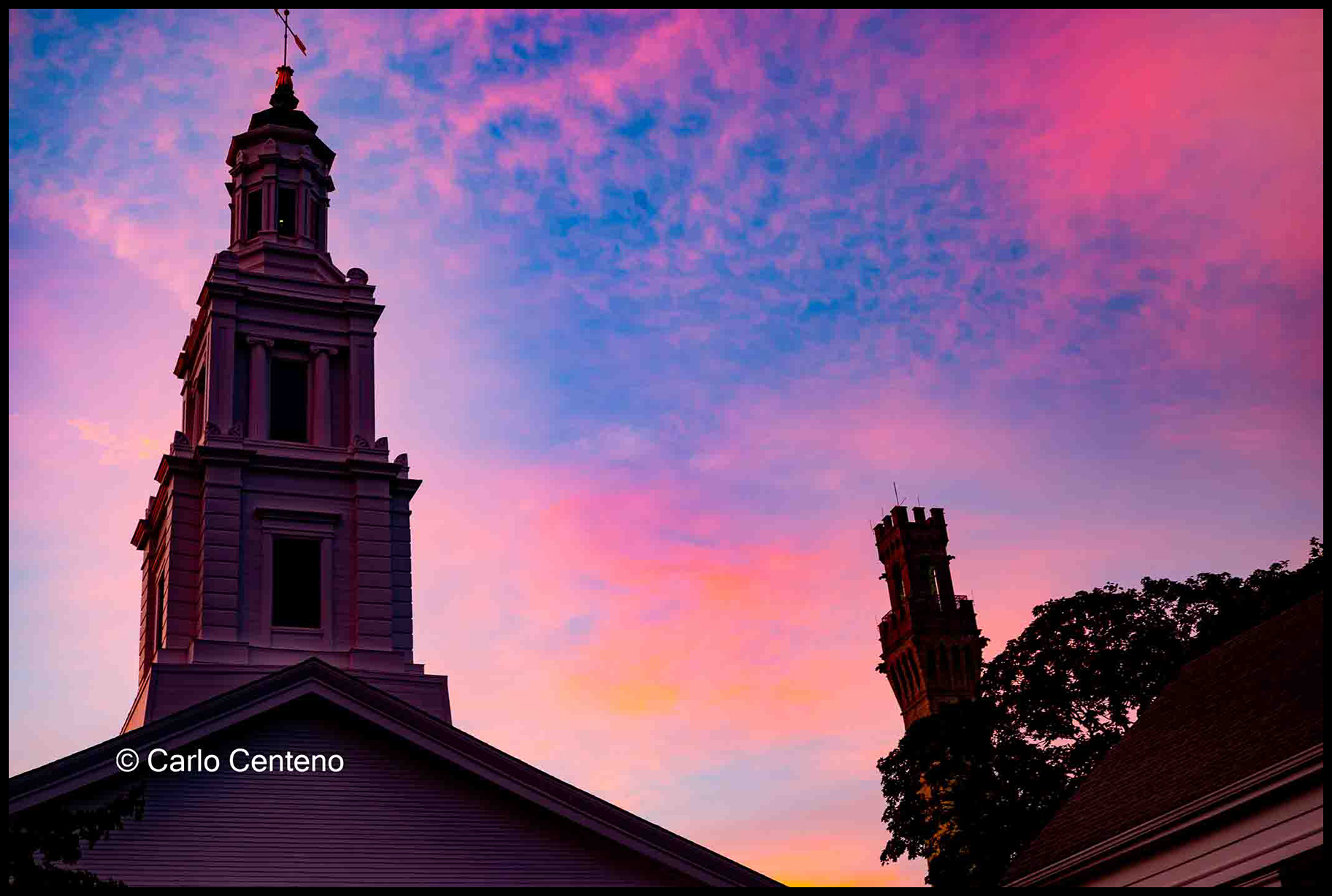
Indeed, Seasonal Affective Disorder [SAD] is a real ailment. In fact, psychologists have recommended the use of a therapy lamp to help those with SAD. They work and it genuinely helps my dysthymia. My northernlighttechnologies floor lamp is outstanding. As the days get shorter, this lamp really helps attenuate my depression. It is purpose built and I use it before I turn in for the night. It also makes a good reading light. I recommend you find out as much as you can about light therapy.
Still, a few of us don’t mind the reduction of sunlight. We rediscover sensibilities that come and go once a new season takes hold. The light still exists, but the time of day can contradict expectations. The sun sets earlier, and so evenings start sooner.
As the light dissolves into colors, I find myself downshifting from life’s stresses to simpler, more grounded modes of living. The cooling air beckons me to the tennis court, home & garden projects, more time outside etc. Fall is my favorite season.
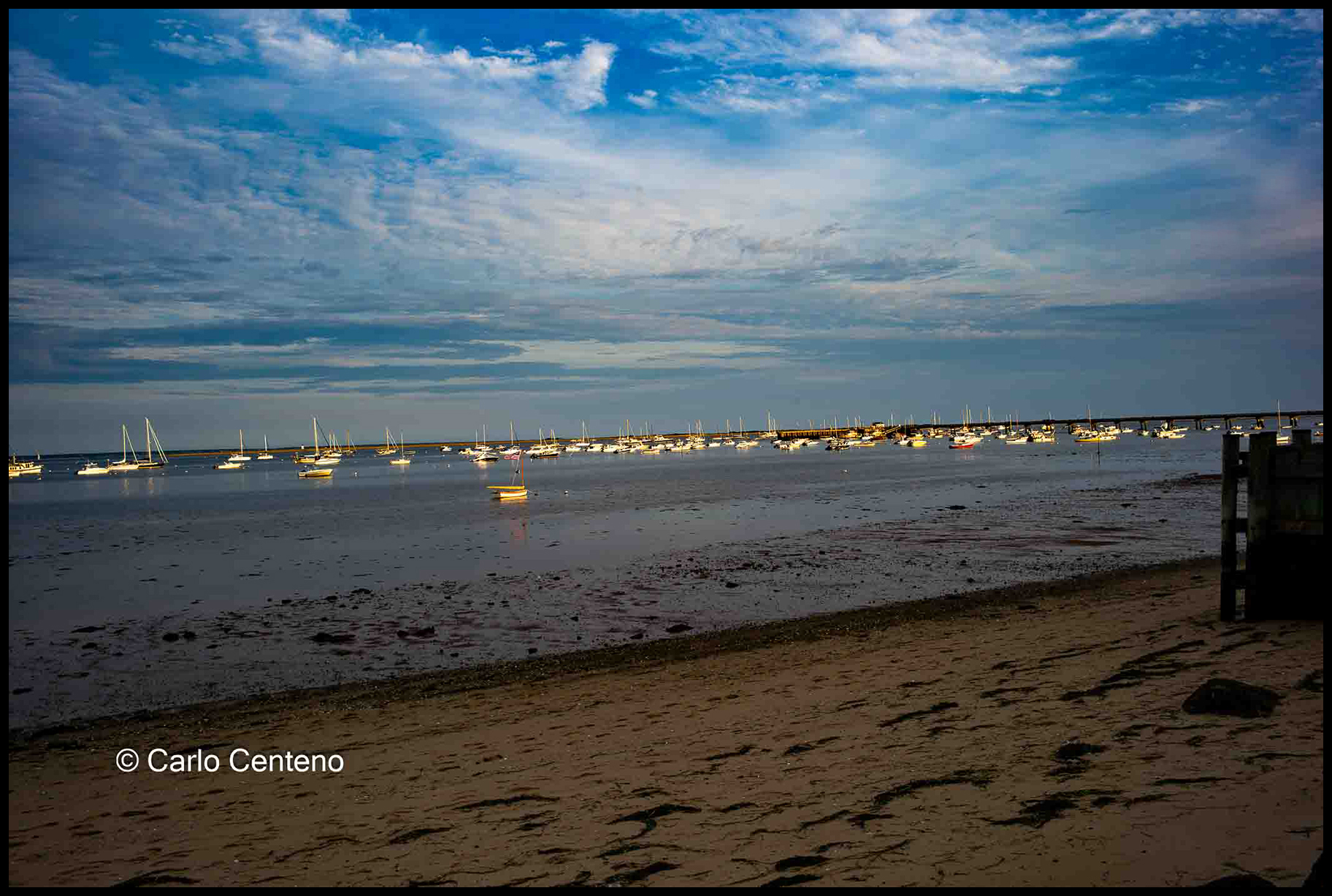
I allow myself to feel gratitude. I recall situations and events that brought a smile, a good feeling to that conflicted “inner me” that no one really sees. Am I living in the past? There may be some validity to that notion, however it’s the remembrance of those feelings from each situation that jettisons the discomfort at the edges.
Now, when you make the effort to help/support/comfort someone you care about, then you realize all the work you did to help was well worth the time and effort. Can you do the same for yourself? It takes time and a focused amount of effort.
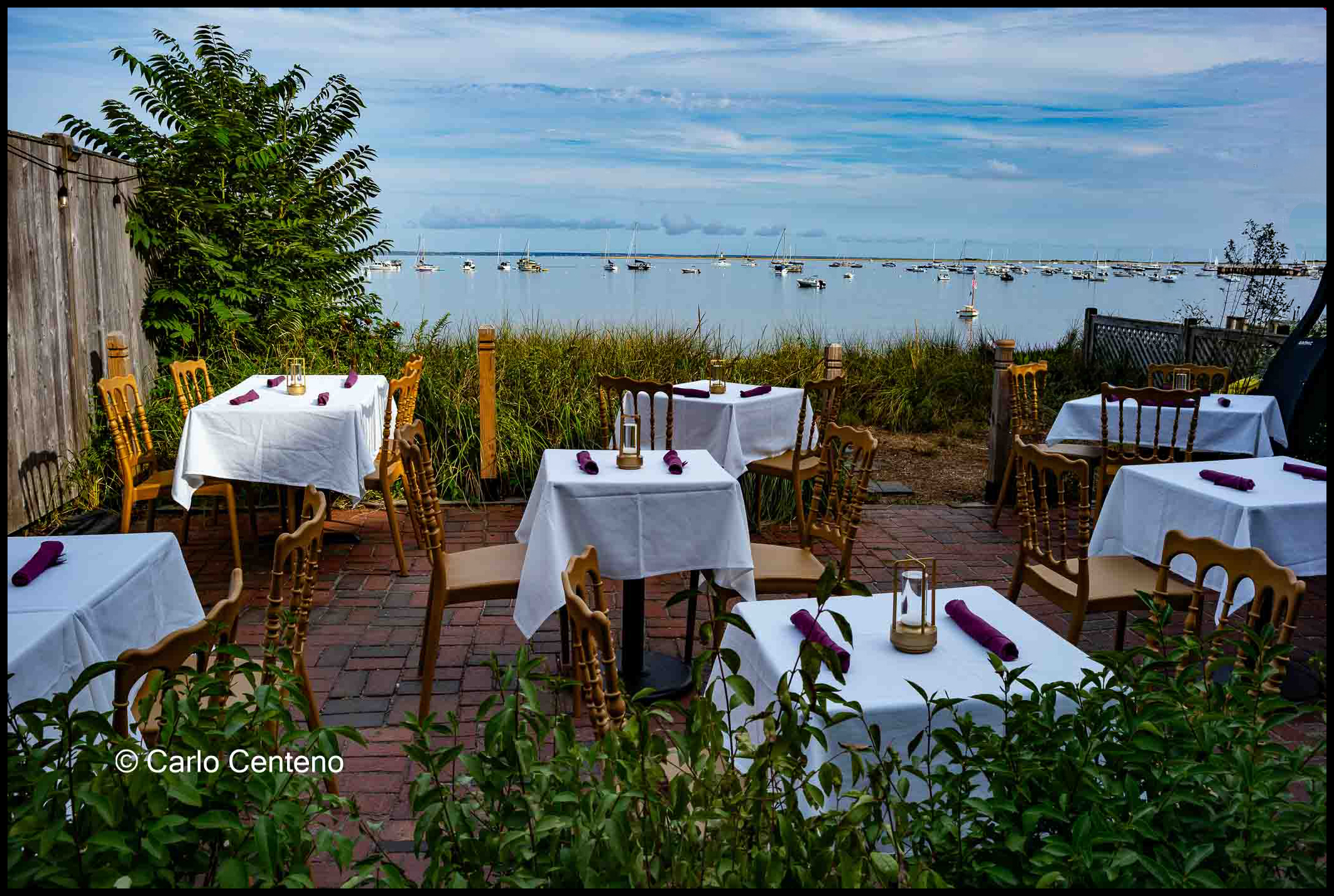
Changing seasons and the shifting of light are palpable conditions. The ebb and flow of our seasons are with us. They’re all invaluable to us, and each season houses a sentiment that can remind us of our gravitas.