Metamorphisis

It’s already September and Autumn is around the corner. Summer’s still with us, that is, astronomically speaking. According to the Farmers’ Almanac, on Tuesday, September 22nd, Fall is set to start at 8:04 pm EST. And I realize that Autumn too, will run its course faster than it should, just like the previous 3 seasons.

I’m reminded there’s a chance to keep Daylight Savings Time. I think it’s a worthwhile change; changing batteries, digital displays, analog clocks & watches as well as using the TIME button on your microwave and oven will someday be history. Hopefully. The House of Representatives have voted to keep DST as our standard time, but we still need the Senate to vote. This could be a 5-year plan they’re working on. Our circadian rhythm may have to wait a bit longer.

For some of us, summer’s end is yet another blessing in disguise. Change is the one constant in life. Everything changes from one thing to another. Fall has its own personality.
For me, I look forward to the changes familiar to me, the kind that act like cues, even switches to turn on–or off–elements from my own history, my own state-of-mind. Melancholy rises as these switches of cooler weather, shorter days, falling leaves and other changes have a way of rolling my dysthymia up & down.

Ironically, and perhaps with a hint of contradiction and disconnect, a handful of these cues happen to also reduce the rise of my own melancholy. In other words, there are good days and bad days, and the mutual nature of moods and perceptions carry both a salve and an irritant. Anyone of our 4 seasons does that to me, and likely to others as well.

Light and Duplicity

A common refrain I hear that builds as the days get shorter is the disdain of less daylight. It sours the mood among many of us. On the other hand, the duplicity, or double dealing of, light has its own protagonists. Yes, there are some days that feel more melancholic than others, and its been argued that the deficit of sunlight can be partly responsible for feeling down and out.
Indeed, Seasonal Affective Disorder [SAD] is a real ailment. In fact, psychologists have recommended the use of a therapy lamp to help those with SAD. They work and it genuinely helps my dysthymia. My northernlighttechnologies floor lamp is outstanding. As the days get shorter, this lamp really helps attenuate my depression. It is purpose built and I use it before I turn in for the night. It also makes a good reading light. I recommend you find out as much as you can about light therapy.

Still, a few of us don’t mind the reduction of sunlight. We rediscover sensibilities that come and go once a new season takes hold. The light still exists, but the time of day can contradict expectations. The sun sets earlier, and so evenings start sooner.

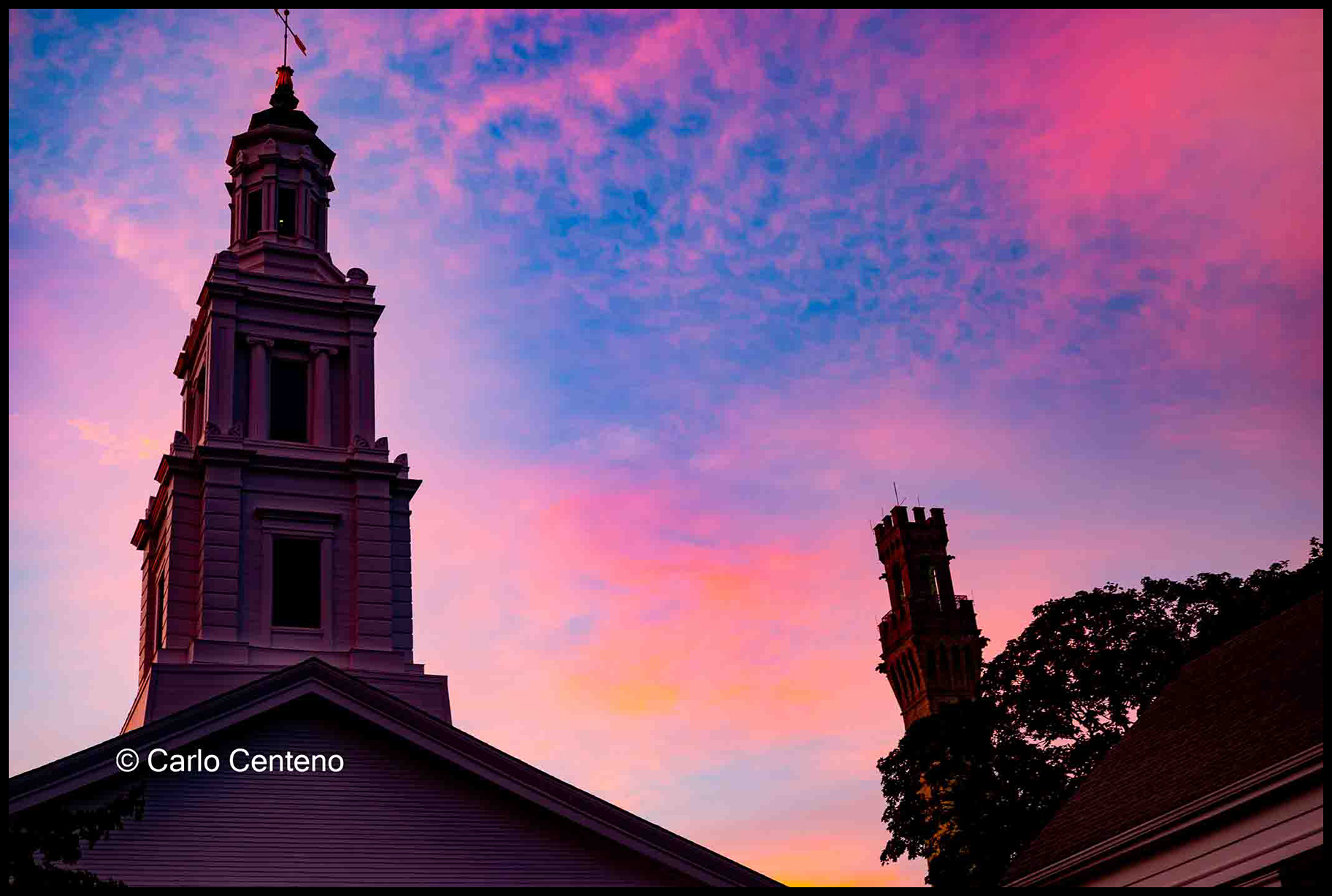
As the light dissolves into colors, I find myself downshifting from life’s stresses to simpler, more grounded modes of living. The cooling air beckons me to the tennis court, home & garden projects, more time outside etc. Fall is my favorite season.
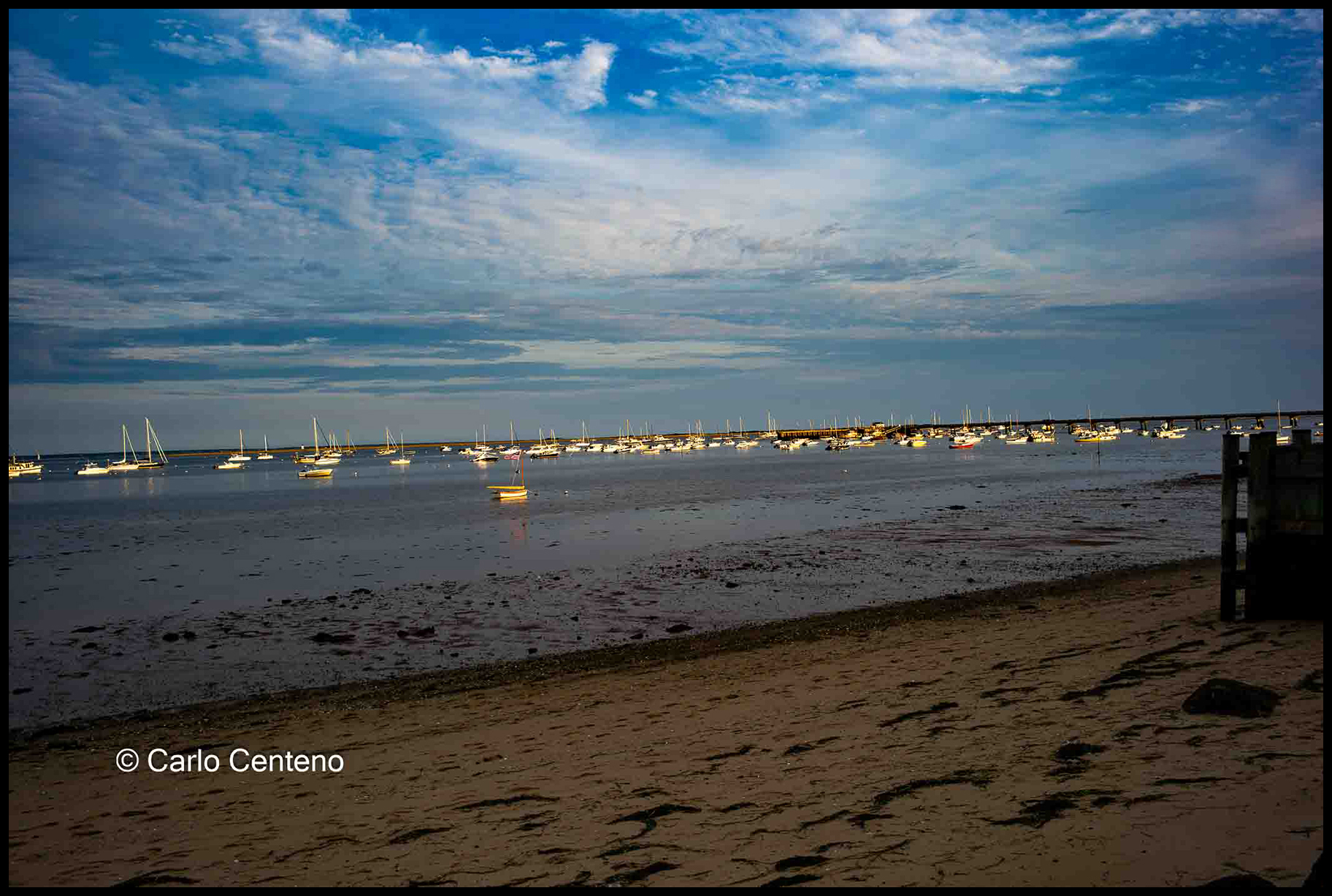
I allow myself to feel gratitude. I recall situations and events that brought a smile, a good feeling to that conflicted “inner me” that no one really sees. Am I living in the past? There may be some validity to that notion, however it’s the remembrance of those feelings from each situation that jettisons the discomfort at the edges.
Now, when you make the effort to help/support/comfort someone you care about, then you realize all the work you did to help was well worth the time and effort. Can you do the same for yourself? It takes time and a focused amount of effort.

Changing seasons and the shifting of light are palpable conditions. The ebb and flow of our seasons are with us. They’re all invaluable to us, and each season houses a sentiment that can remind us of our gravitas.
Pursuing Longevity

The British Medical Journal [BMJ] is a one of the world’s most respected and referenced publications on everything that deals with human health, wellness, disease and fields of medicine. Imre J. P. Loefler, MD [1929-1977] was a frequent contributor and an accomplished surgeon, conservationist and writer.

I came across one of his BMJ articles, “Is Longevity a Sustainable Goal?” archived in the U.S. National Library of Medicine [NLM]. The points he made in his article 22-years ago are as timely now as it was in 2002. But are they….?

Immortality and longevity are 2 distinct subjects, where the former is a philosophical if not spiritual notion that an individual has a soul that exists in perpetuity. It’s a construct that moves aside the real limitations of the physical self. Longevity is a span of time in one’s life or a specific span such as a career or avocation. You can draw parallels to both nouns, but longevity poses the question to many other things in our lives: how much longer will this car/fence/water heater/ roof last…? Assuming one’s in reasonably good health, there’s the question of, how much longer will I, or can I, live….?

In terms of our human life, common denominators hinge on several factors that can impact a decision. We understand the variability of culture, country, diet, healthcare among a myriad of other attributes and factors, which play roles in the longevity equation. And yet there are several things that gnaw into my own sense of self, and in the process posits this Jekyll-and-Hyde aspect that is very much entangled with our human existence. Results for the greater good, and bad ones created to our detriment. I’d like to think on the whole that we as living beings understand the moral zenith, which is all things living deserve to live out their lives. While we like to think that some things in life contain order and purpose, a much larger question is this: Is the quest to prolong one’s life a mission to extend life, or is it to ameliorate guilt and sadness expressed by friends, relatives, colleagues, etc. at a time when that life is so close to expiring? Who’s right? What are the “side effects” of prolonged life for family, society, resource utilization….the very survival of our planet?

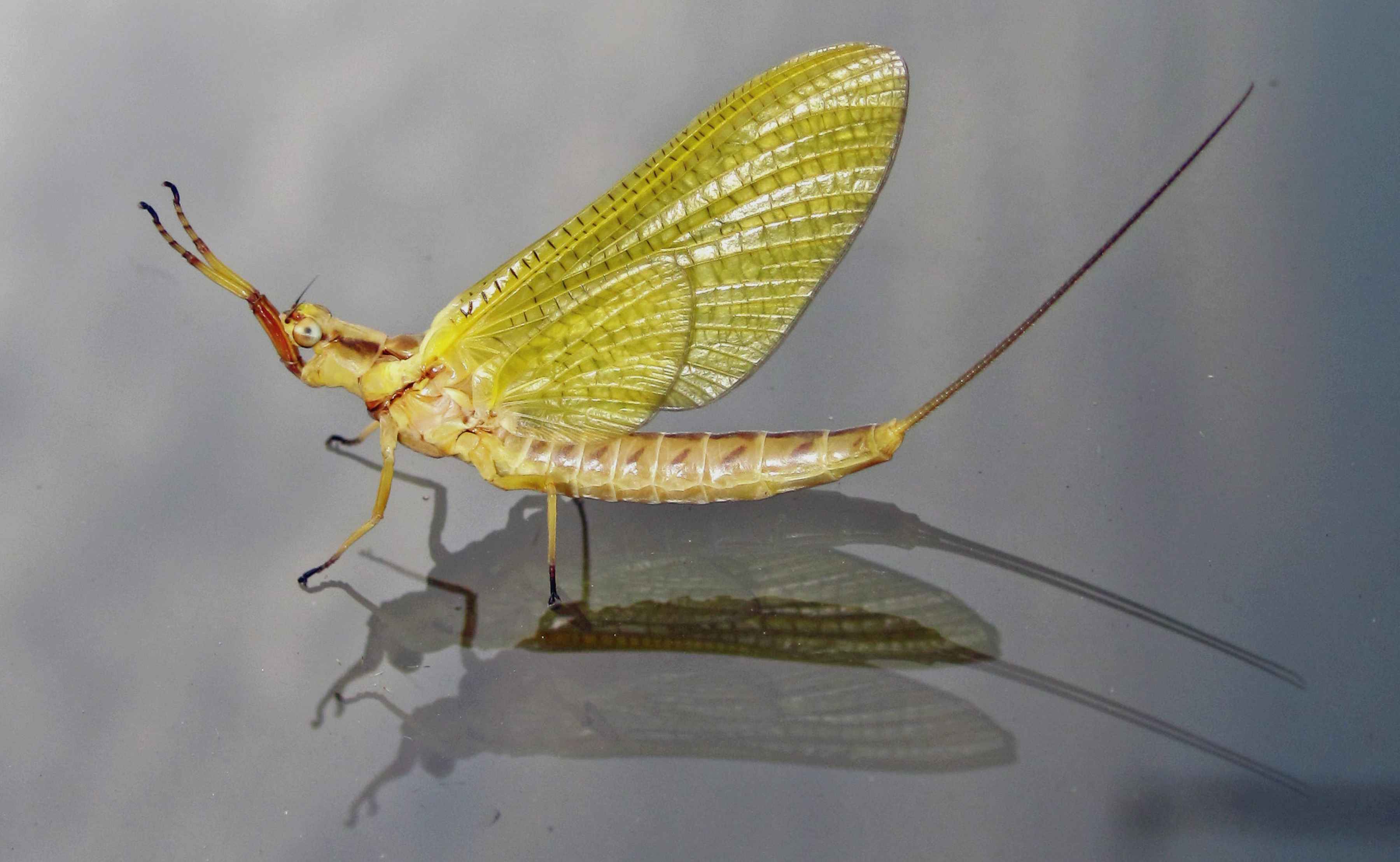
Mayfly-ephemoroptera courtesy: Fly-fish Circle

From the brevity of a Mayfly [some adults have a 5-minute lifespan] to the Galapagos Turtle [100 plus years], Nature–for the most part–has the first right of refusal regarding the lifespan of all living things. We just don’t know when it expires. We do know that medical technology is finding ways to prolong life. As more and more discoveries point to the possibility of prolonging life, where is the end point?

Ultimately, prolonging life boils down to not only diet, sleep, exercise, preventive measures and so forth, but the details at the smallest and likely most complex of things microscopic. Think things at the cellular level and the knowledge we glean from things such as DNA and mRNA.

In 2020, French microbiologist Emmanuelle Charpentier, PhD and US biochemist Jennifer Doudna, PhD received the Nobel Prize in Chemistry for discovering the CRISPR/CAS 9 genetic scissors. They are the first women’s team to earn a Nobel prize. For us mortals, it means there is now an extremely precise way of changing the DNA in plants, animals and microorganisms. Taking that to the next level, it means near endless possibilities that can help those involved in the Life Sciences: research in potential cures for the most virulent and deadly of diseases can now be scrutinized by their genomes and subsequently altered.

Can you imagine the 2 most obvious yet divergent results from genetic modification? One modification for the greater good [cure for ALS, Alzheimer’s Disease, cancer, e.g.], the other for something wholly individualistic [changing genes for eye-color, height, e.g.]. And who determines areas or potential end-results as intractable?

I’ll let Dr. Loefler have the last word on this:

Ultimately, the pursuit of longevity as a cultural goal lacks moral content and can be regarded as a form of hedonism. All great religions and all great philosophies would have agreed that the question of how long one lived was subordinate to the question of how one lived and what someone had done with his or her life. Nowadays, however, there seems to be one agreement only: that to live longer and longer is a good thing. Vouchsafing a long life for everyone seems to be the driving force of contemporary world culture. The consequences need to be pondered.