In our current state of dystopia, many of us choose to distance ourselves from news media in all its forms. All that noise creates too much anxiety, along with all the other discomforts that accompany “news and information.” We are exposed to a colossus of news briefs, articles and “breaking news at this hour” enough to ignite [or bore] the minds of writers/authors well versed in our state of fear, hopelessness, frustration, suffering et al.
Misery knows no bounds, but so does hope and happiness.
Relevance and purpose can hold both good and bad in thoughts and actions, but your choice in one or the other adjectives relies in your beliefs and values that help you deal with your day-to-day. You may not realize–or even think about–your own stoic qualities.
Consider the opening paragraph of Charles Dickens A Tale of Two Cities.
“It was the best of times, it was the worst of times, it was the age of wisdom, it was the age of foolishness, it was the epoch of belief, it was the epoch of incredulity, it was the season of Light, it was the season of Darkness, it was the spring of hope, it was the winter of despair, we had everything before us, we had nothing before us, we were all going direct to Heaven, we were all going direct the other way–in short, the period was so far like the present period that some of its noisiest authorities insisted on its being received, for good or for evil, in the superlative degree of comparison only.”
When you realize you can’t control everything, but manage the ones you can, then you’re in a better place than many others.
It happens each year: Spring. It is perhaps the season that celebrates its affinity with renewal, new starts, opportunities, hope and personal rejuvenation. For the past 12-years, The Springfield Museum has held a unique exhibition that acknowledges some of these nuances of change, transitions, challenges, renewal et al.
courtesy Michelle & Donald D’Amour Museum of Fine Arts
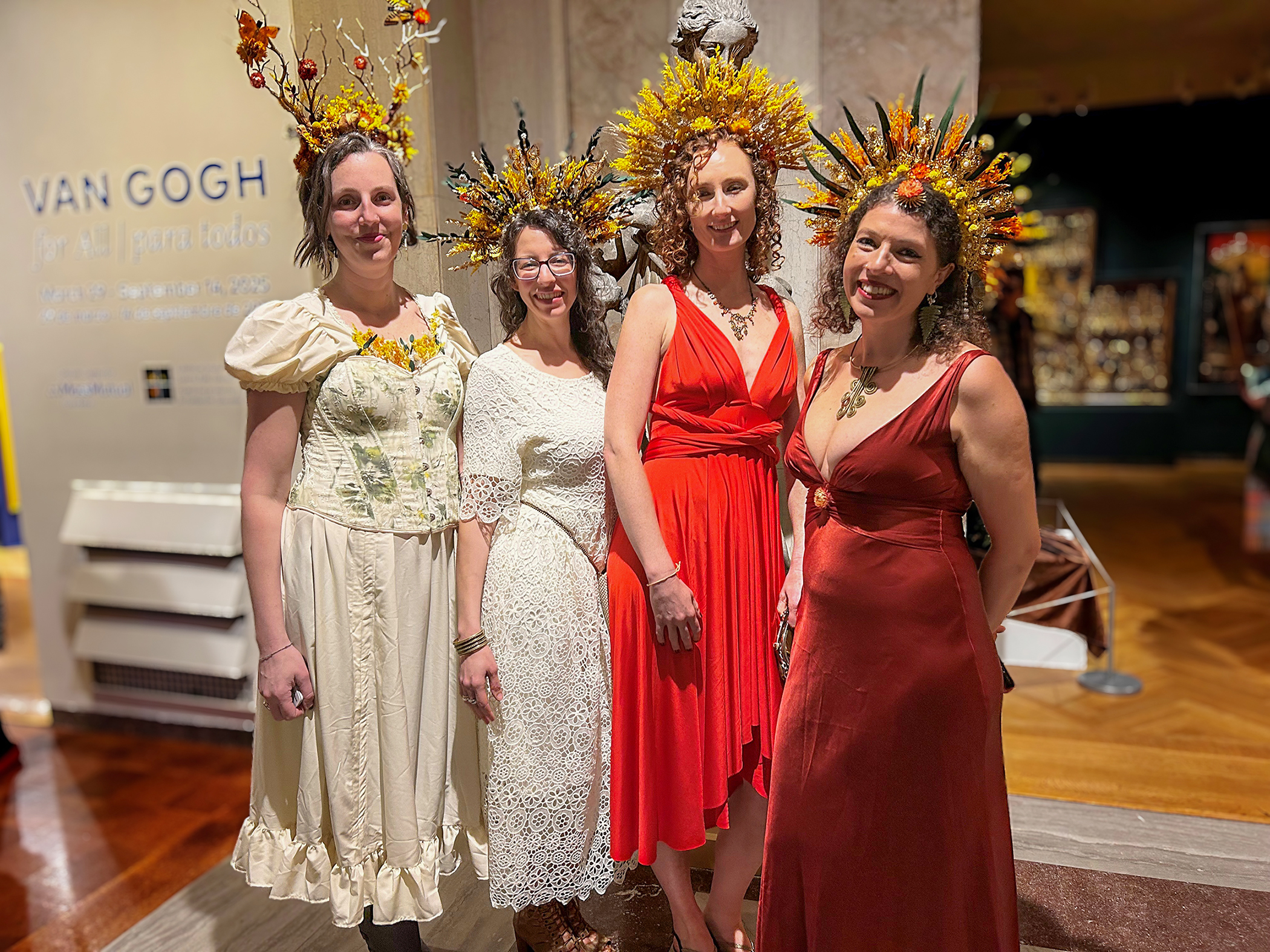
In each of the four museums that make up the Springfield Quadrangle, members of gardening clubs and florists based around the area created arrangements of colors, textures and other details in a manner that would intersect with a selected painting or other creation within the museums.
The creativity range was as eclectic and electric as anything I’ve seen, simply because of the relationship that attempted to “unify” two discreetly different pieces of art.
The juxtaposed subjects provided depth, perspective and of course relevance through the use of color and hues, manifestations of the blending of material, thread size, color, props, textures and so forth.
Some arrangements did not have a direct connection to a piece of art in the gallery. My sense is that such arrangements–such as the one displayed above–were created to compliment art already sitting in that room.
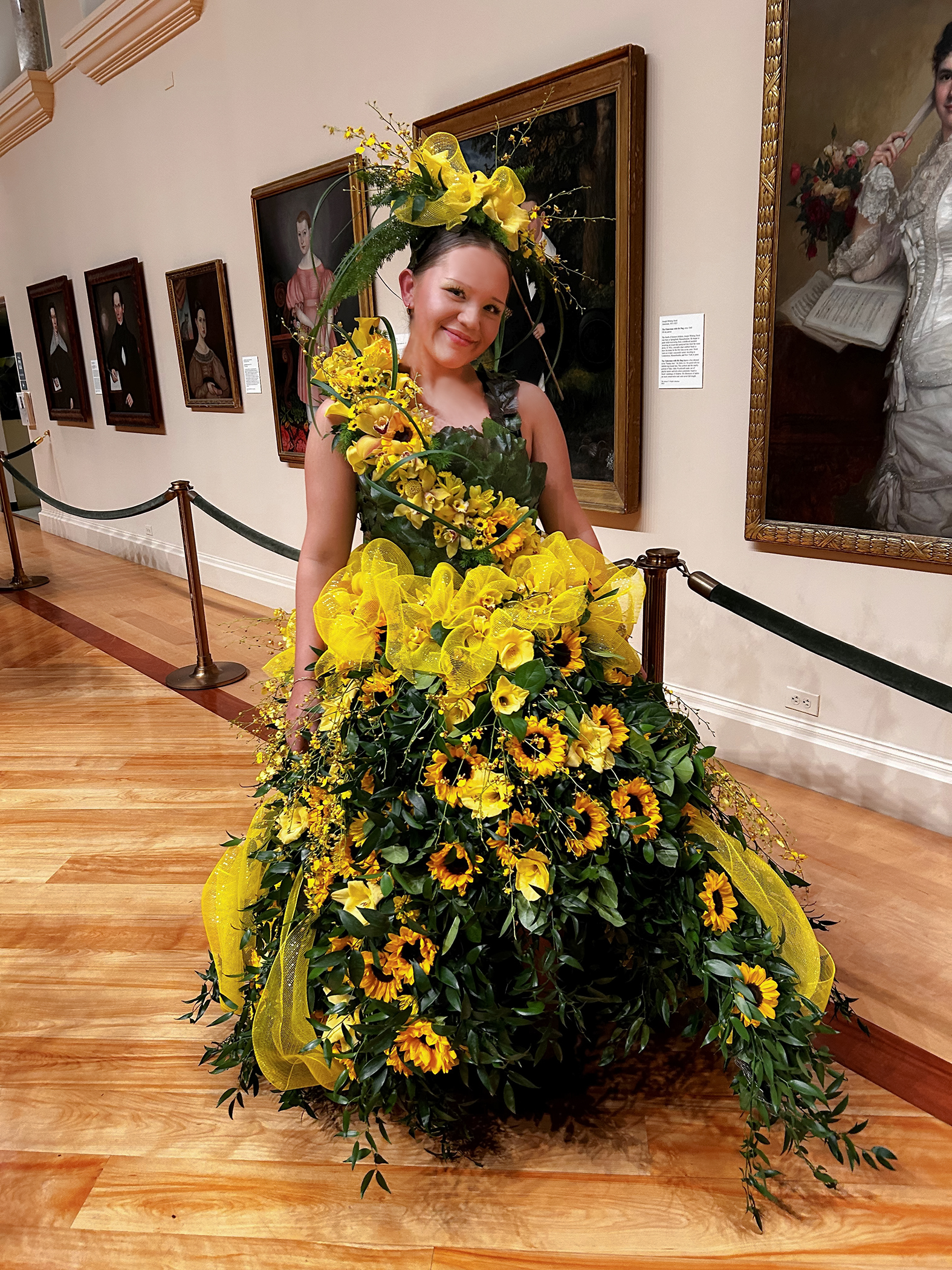
From headwear and accessories to…..
….gowns made entirely of real greens and flowers, the creativity was beyond words! Next April 2026, should be an interesting installation! See you then.
I’ll admit that it can take a lot out of you when winter conditions pin indicators below the norm [temperature, wind chill], or above the line [accumulation and severity of snow/freezing rain/sleet]. By February, a good number of folks are pining for—some hoping through a telekinetic event—the arrival of spring. Yet in spite of our incongruous sentiments about winter, its been said that residents of Scandinavian countries can make the best of it. Perhaps their overall acceptance of this perennial cold, snow and short days has something to do with the their countries having “the happiest people in the world.” Is there an attitude, a perception that we’re altogether missing? Warmer clothing compared to ours?
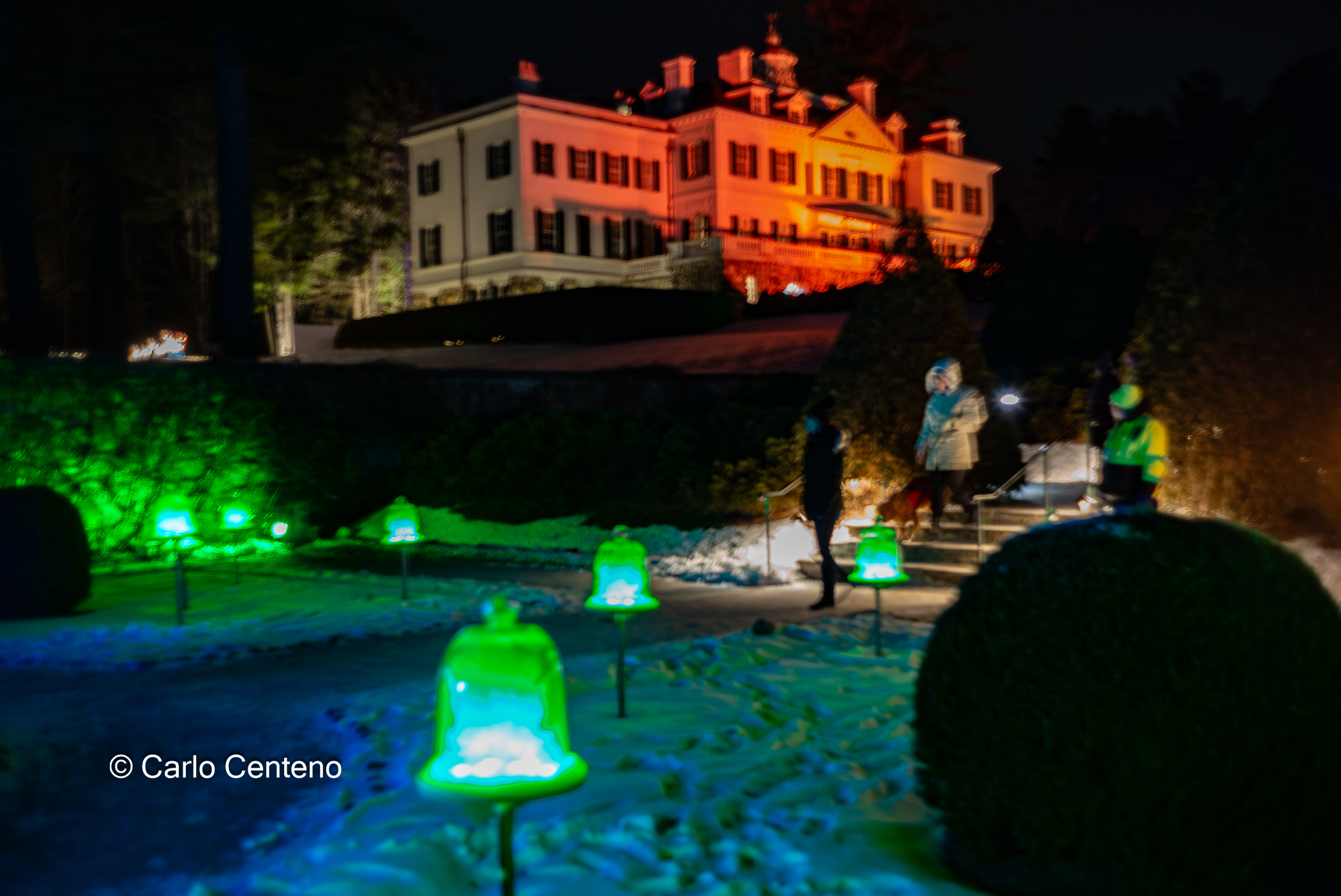
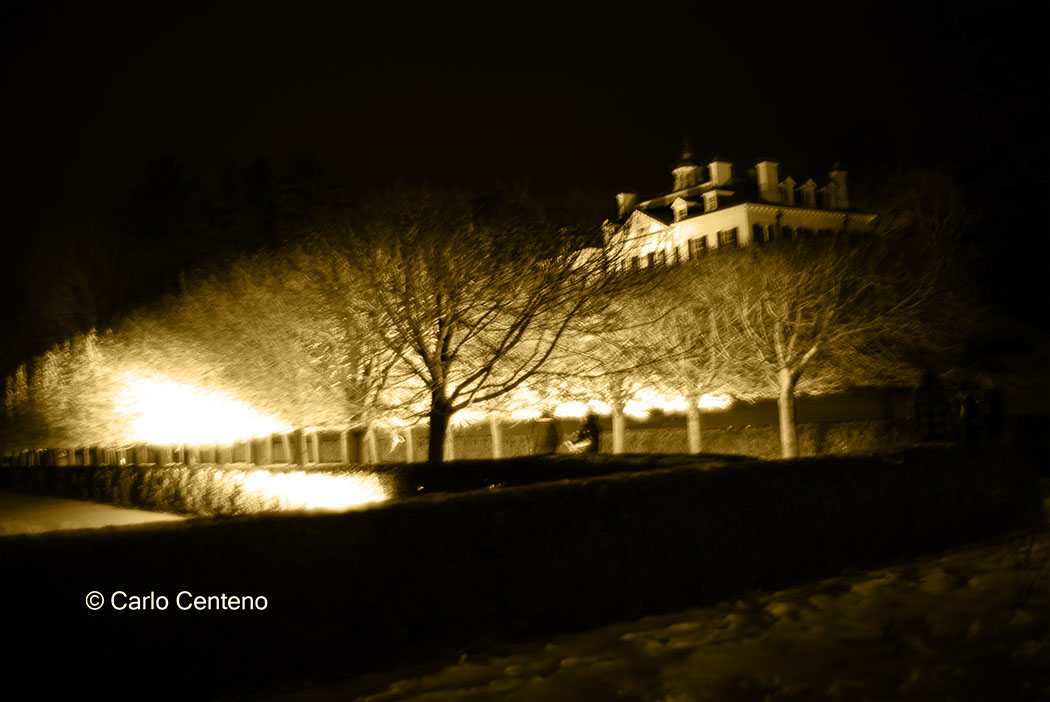
We’ve [me and my wife, MJ] made treks to the Berkshires all year long with additional stops during winter. Some of these stops included special outdoor exhibits of which 2 come to mind: The Mount, Edith Wharton’s home, and also at Naumkeag Estate. The photos posted here are from Nightwood, and it was a wonderful stroll along the garden pathways and woods at The Mount.
Appropriate winter clothing makes a big difference; it does get colder in the Berkshires. Key details: wool sweaters, base layers, even hand warmers. Along a mile-long path cutting through the woods and gardens, the exhibits appear like waypoints on a map. Each installation carries its own interpretation of light, while an original music composition aurally ties everything together.
My interpretation of The Mount exhibit centered around the intensity of each installation, vis-a-vis the light itself. Using B&W images had provided [for me] a key, old-school tenet of imagery: simplicity allows interaction between the visitor, and the subject at hand. Put another way, monochromatic images transcend continuity. Color images offer validation to what we see because we readily see color. Yet color can be distracting. Not a slight, but just a matter of fact.
For me, I’m drawn to B&W images because of its tonal consistency. Black & white does not have the influence of color, and yet allows me to see the entire image and all its nuances.
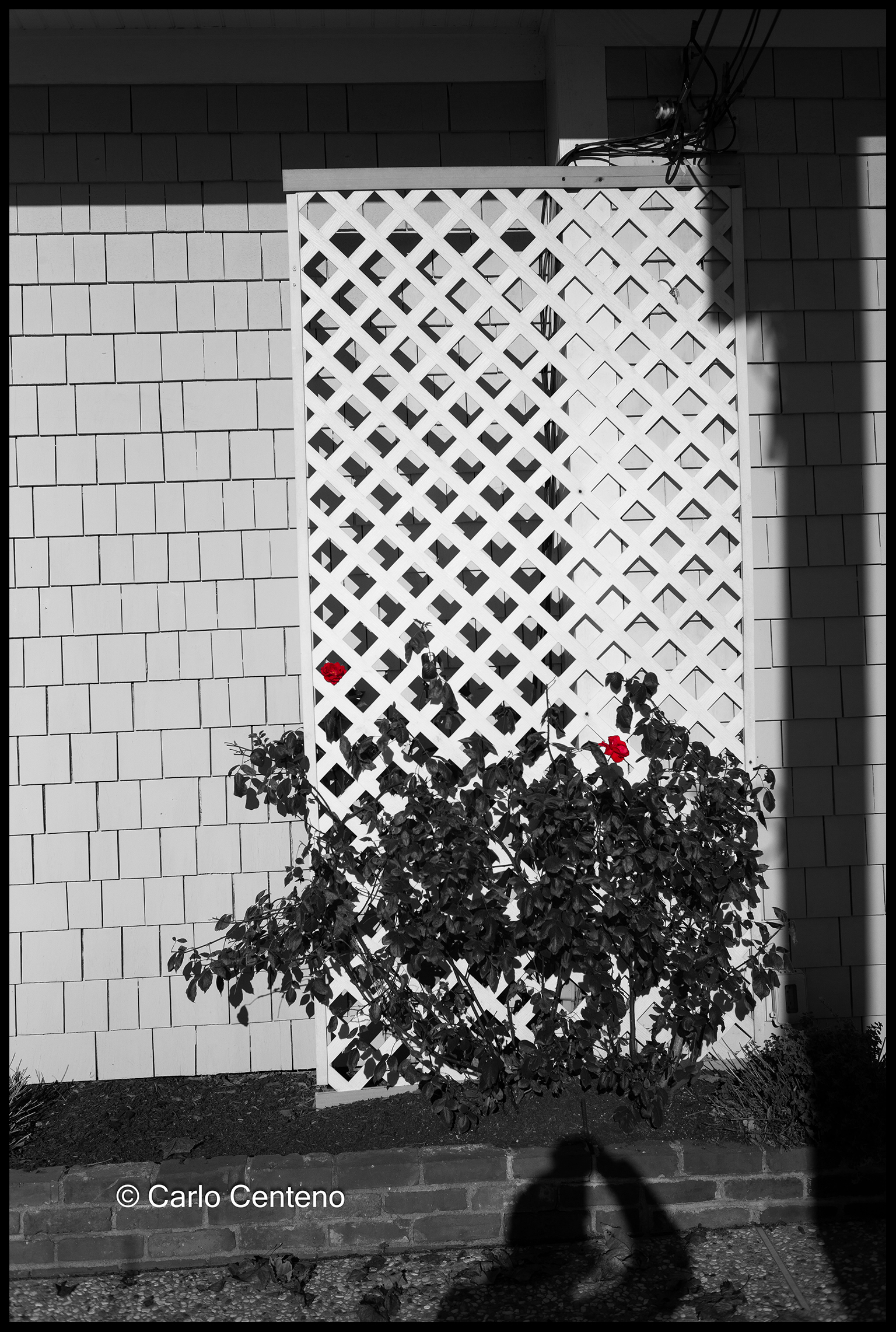
I, along with others like color images , but there are times when color feels more like a distraction. A single color that’s part of a smaller detail is enough to pull you away from the whole and down into a rabbit’s hole. Still, B&W does have a way of binding together the elements that make up the photograph, all within the inimitable, ever valid black & white palette.
[Dylan Thomas, poet; Do not go gentle into that good night.]
Do not go gentle into that good night, Old age should burn and rave at close of day; Rage, rage against the dying of the light.
Though wise men at their end know dark is right, Because their words had forked no lightning they Do not go gentle into that good night.
Grave men, near death, who see with blinding sight Blind eyes could blaze like meteors and be gay, Rage, rage against the dying of the light.
And you, my father, there on the sad height, Curse, bless, me now with your fierce tears, I pray. Do not go gentle into that good night. Rage, rage against the dying of the light.
I’m not alone on this one, but it seems that many channels of communication [discussions, social media and various online postings, news media, e.g.] are quite inhospitable. Of course not all content is an incorrigible exaggeration, but it does seem that we’ve gone myopic of a rule that involves interaction and in particular, discussion, between different POVs. Essentially, such discussions are cleaved in 2. There are some instances where discussions cannot abide with the adage, One can disagree without being disagreeable.
Ironically, much of what we do that makes us feel lost, infuriated and misunderstood is, indeed, something that’s very human. And of course, we can be intractable and obstinate just as we can be manageable and flexible. It’s been said that politics and elections are catalysts to conditions of inflexibility, among other reactions and situations.
Consciousness Fine Tuned
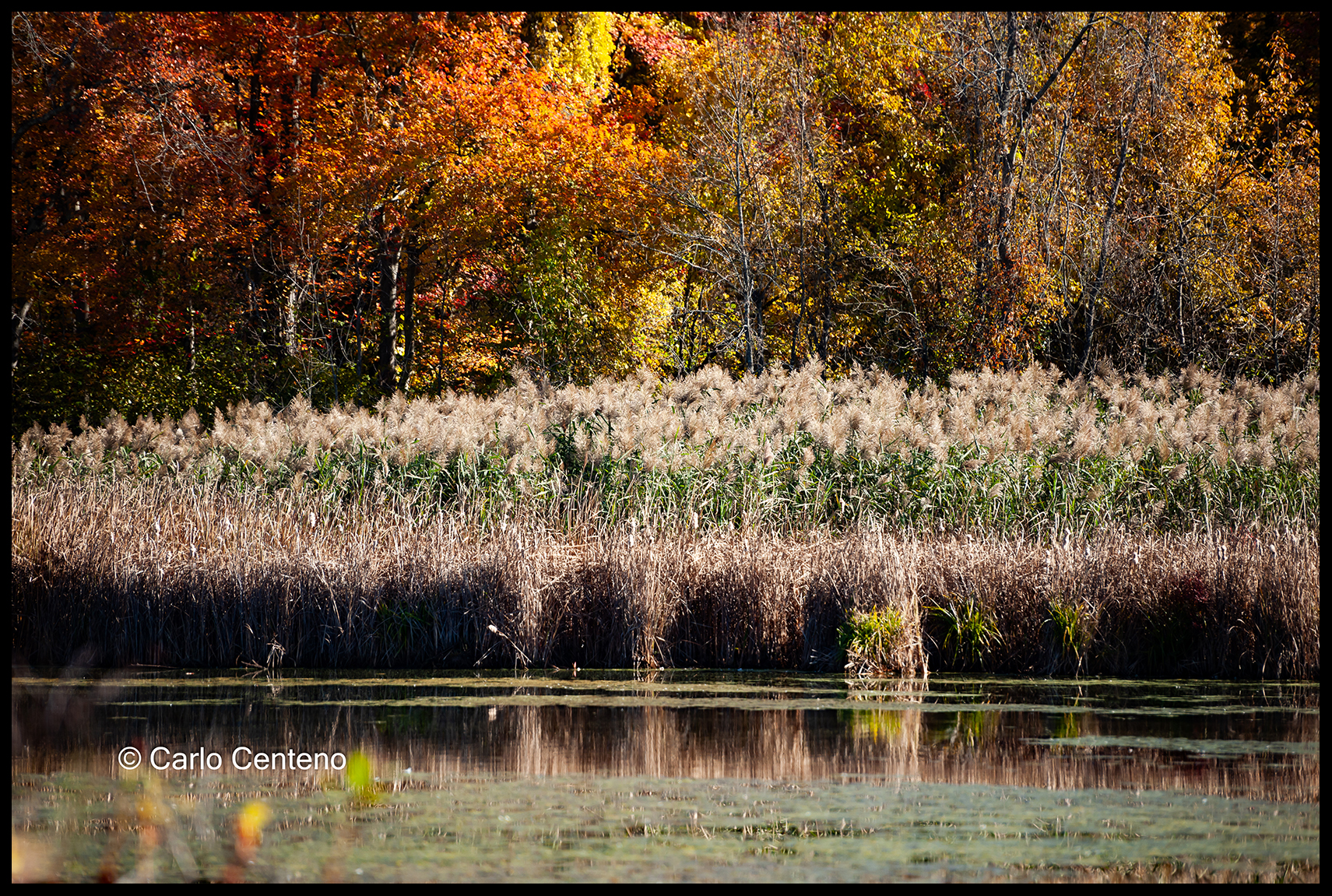
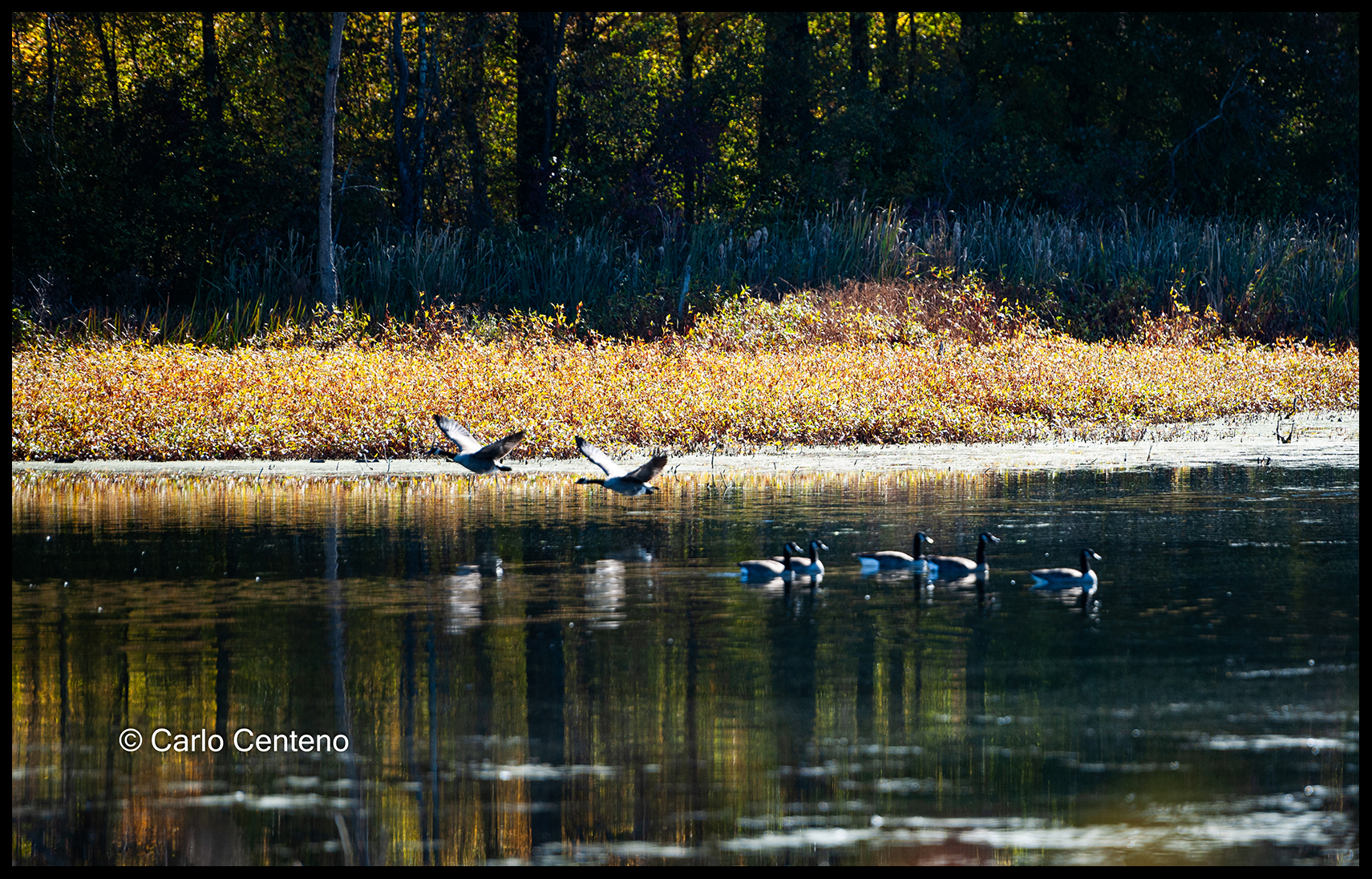
Being aware of yourself and how you think about everything around you is uniquely yours. There are a few theories which attempt to explain consciousness, but one written by a researcher at Boston University School of Medicine is one which mortals like me can comprehend. The end of October has rendered our landscape into a wonderful palette of autumnal colors: the reds, orange, yellows and hues in between are as beautiful as I’ve ever seen. I share this because watching and/or listening to the news is taking the wind out of my sails. So, to fine tune [or tune out] the bad vibes plaguing airwaves, print, and online, I retreat to places where I can hear my thoughts and submit to various feelings coursing through my consciousness.
You could say that I’m “rebooting” my consciousness, but I feel it’s more like a “recalibrating” effort to keep my sanity more or less where it’s supposed to be. The quiet and calm of places such as these act like a rheostat where mood, color, the smell of the air and so on can be dialed up or down or not at all. In doing so, I’m reminded that the angst raging between factions entrenched in ideologies are obstacles for realizing a common good. The greater good lies dormant, restrained with indifference and the stubborn personas that make life uncomfortable.
There’s no denying the subjectivity of consciousness, but there are constructs within it which allow for common ground. Without those common constructs co-existence would be, in a word, Sisyphian.
I look to writing and chasing the light, feeling immersed with either one or both, to purge distress, sadness, loss of concentration, etc. Certainly, when your mind is busy with something good, a good that pulls you away from angst, then jump in. I won’t be chagrined by situations beyond my reach. It’s a waste of energy and time grinding about things I cannot control. That’s easier said than done, but I remind myself to ruminate less on what weighs me down and instead examine alternatives that have helped me before.
Can anyone deflect dissonance long enough to find even the smallest gesture or comment that closes distance and transforms distraction into possibility?
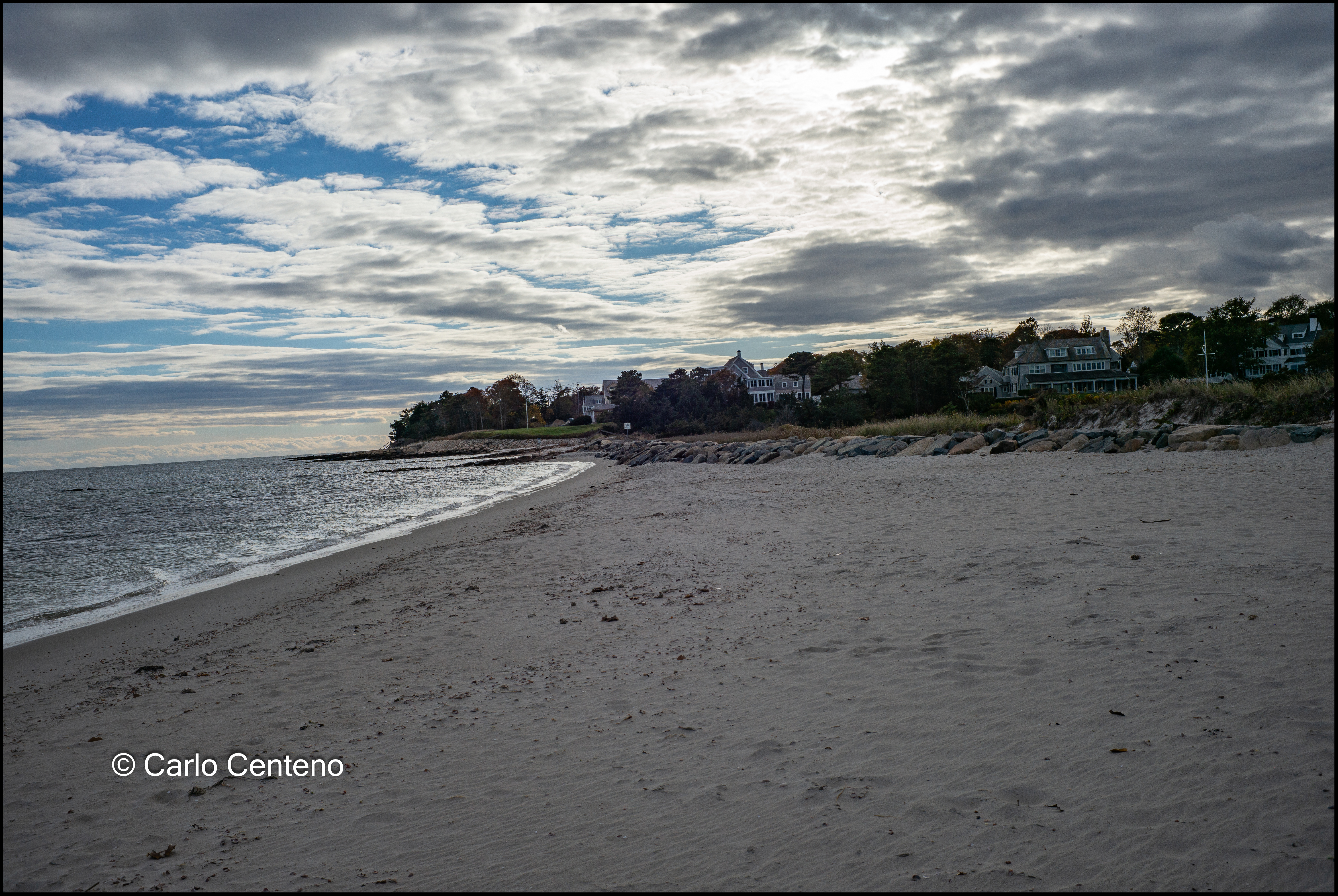
I relish the 4-seasons here in New England. I have preferences for the times in a year that are cooler and less humid, but I also welcome activities and distractions that come with the other seasons: longer daylight hours, trips to Cape Cod in Massachusetts [salt water and salty air are genuinely therapeutic], visits to the Berkshires and so forth.
How do you take care of your sense of–or even recalibrate–consciousness?
On August 27, 2024, The Harvard Gazette had an article, “You want to be boss. You probably won’t good at it.” click here
Within it were some details regarding qualities that are part and parcel of what makes for a good boss, a good manager and so on. These are details for HR managers,, pundits of MBA programs, the erudite captains of industries, C-suites and so forth. In this day and age of online realities, there’s no shortage of career coaches, executive publications, employment placement services and psychologists focused on behaviors.
Experience, age, personality and examples of how difficult situations were effectively handled etc. Nothing unusual in checking on those aforementioned qualities, but the research paper commissioned by the National Bureau of Economic Research [NBER] states that the way most managers are selected is lacking, AKA ….“they [companies] may not be doing it right.”
Keep an open mind. It matters when traveling to any destination that piques your curiosity. Whether it’s a neighboring state/province or an altogether different country, it requires elasticity in learning, appreciating and understanding. An open mind can open doors. It means possessing a willingness to be out of your comfort zone. And as you stand in your discomfort, your perspective may need adjustment or refinement. This is where you take the initiative to help others see your perspective. Naturally this requires staying attentive for the different position[s] you may encounter. It’s fine to disagree without being disagreeable.
Remind yourself that having an open mind tames the myopia that limits one’s ability to think beyond your horizon of possibility.
Arc de Triomphe
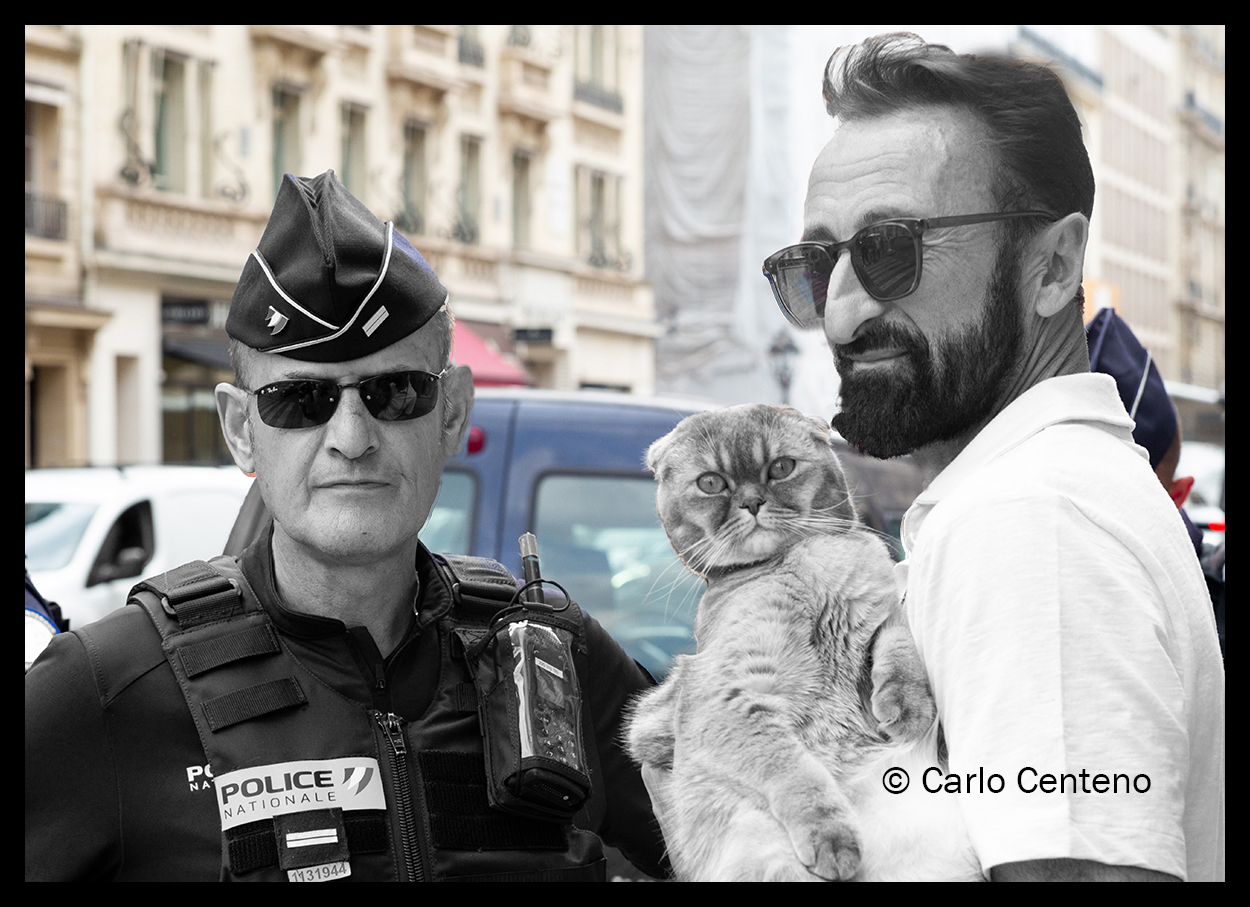
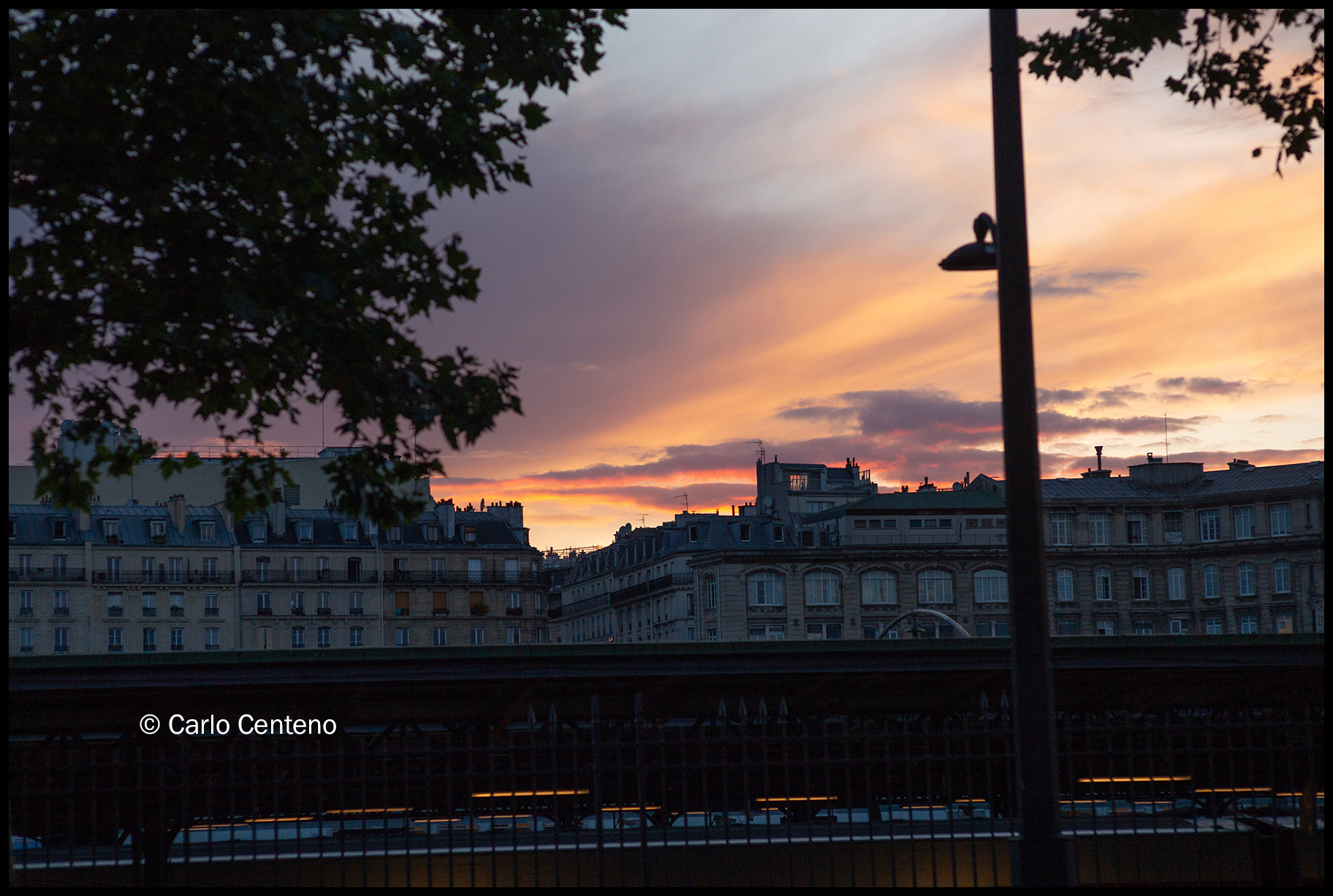
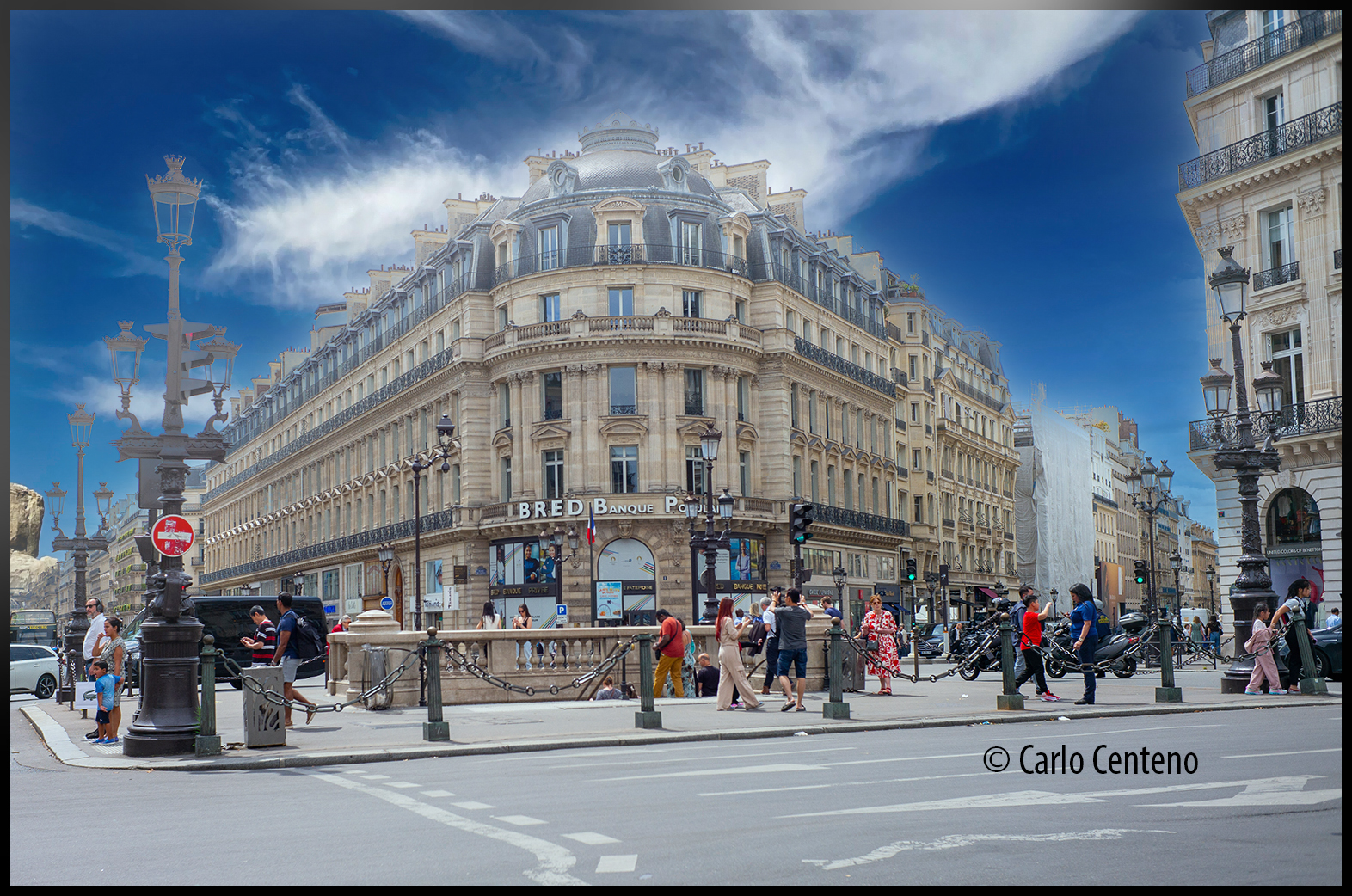
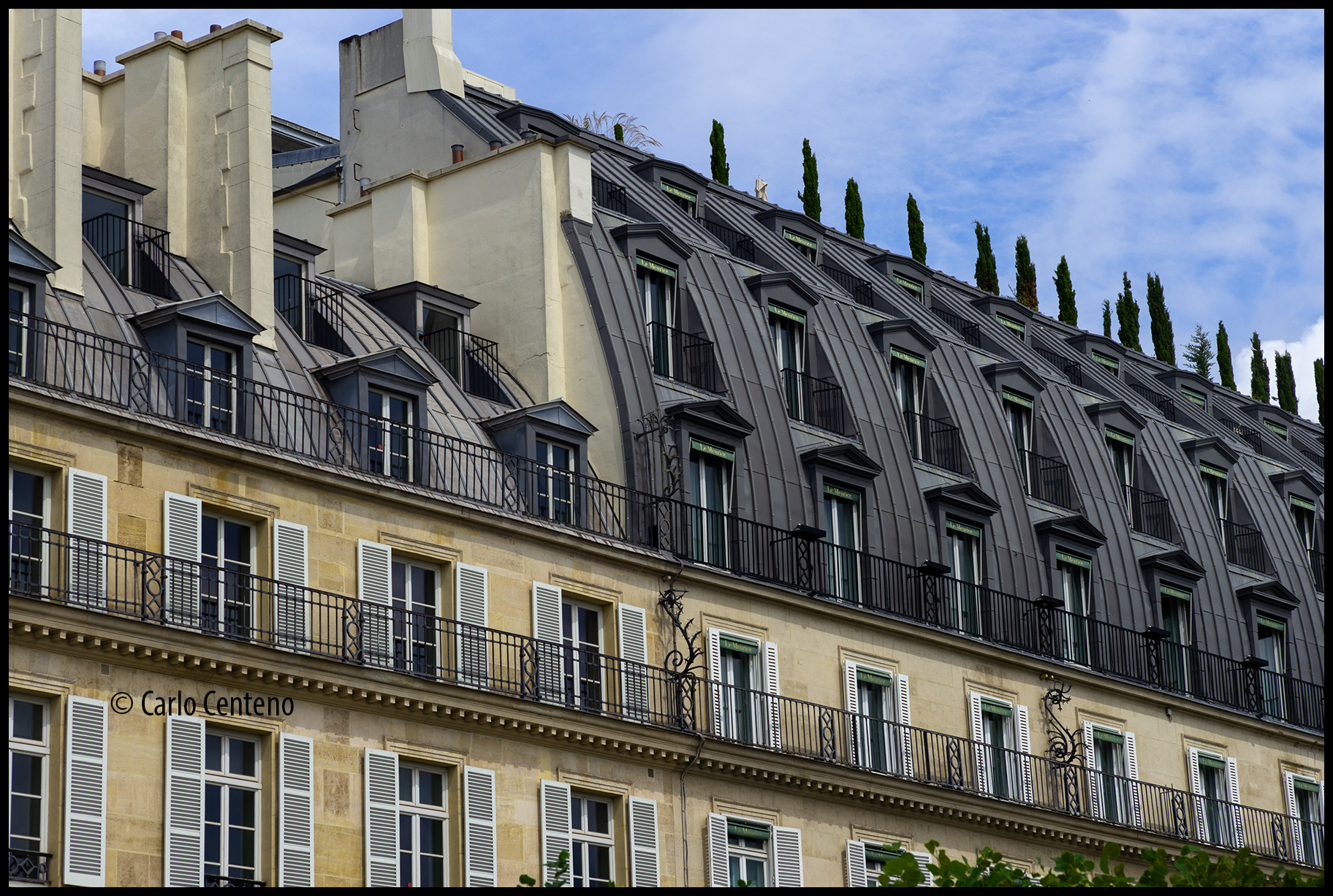
Eleven days in France this July made for quite a vacation. The coming of the summer Olympics turned Paris into a mixed bag of barricaded icons and walkways, detours and traffic. Our Parisian stay covered 3-days; not enough time to explore Paris, but 3 is better than none. A first visit to another city is as they say, an experience. Visually, aurally, olfactorily you cannot ignore the architecture, the gardens, the people, the language, the aroma of freshly baked croissants, baguettes and coffee and so on and so forth.
After Paris the next 8 days would be at Vignon-en-Quercy in southwest France. Fortunately, our flight back home was 7-days before the opening ceremonies, and we knew that more walkways and some open areas would be cordoned off. Predictably, logos and phrases proudly reminded of The Games coming to town. Still, nothing took away from our sense of discovery in this storied city.
We had thoughts of visiting the Louvre, Musee d’Orsay, among others, but the detours and limited access made it a physical and mental marathon. We were close to those museums and other points of interest as they say, but we unabashedly savored our quiet time in the Jardin des Tuileries, a garden between the Louvre and Place de Concorde. In a more relaxed pace, we enjoyed le Jardin and even took advantage of the cafes within the grounds. Seeing the Louvre from a different vantage point provided an unrushed appreciation for a 231 year old institution.
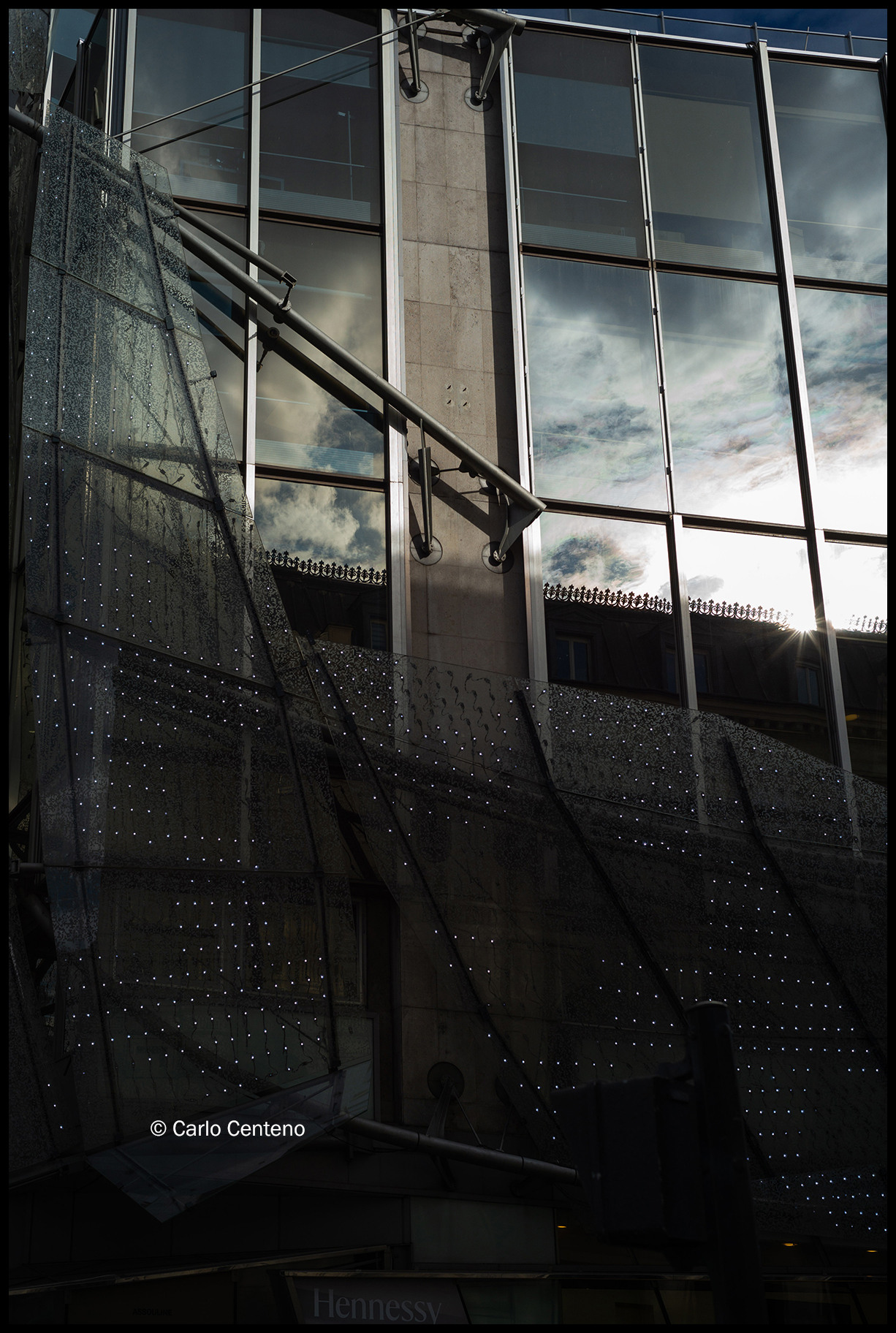
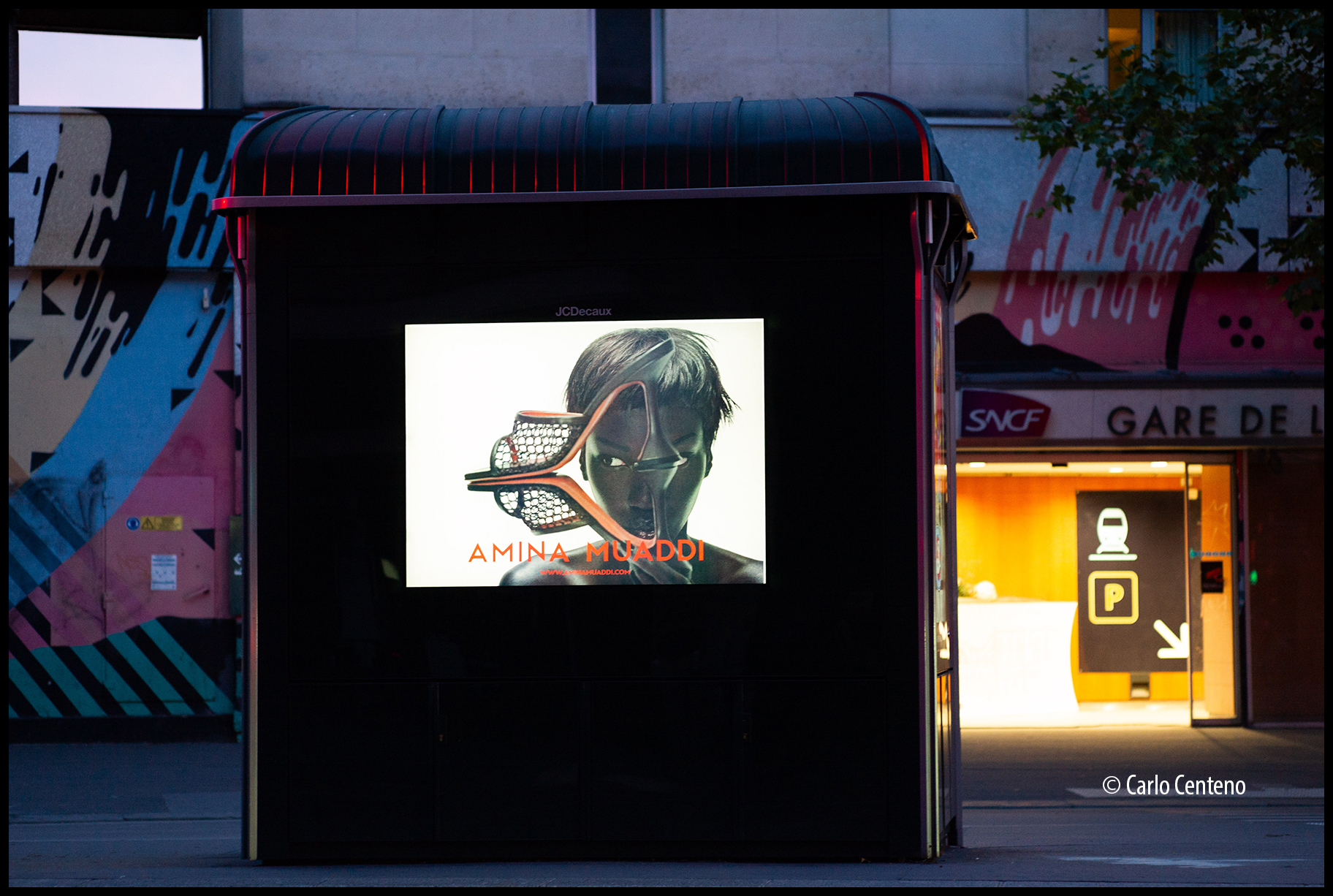
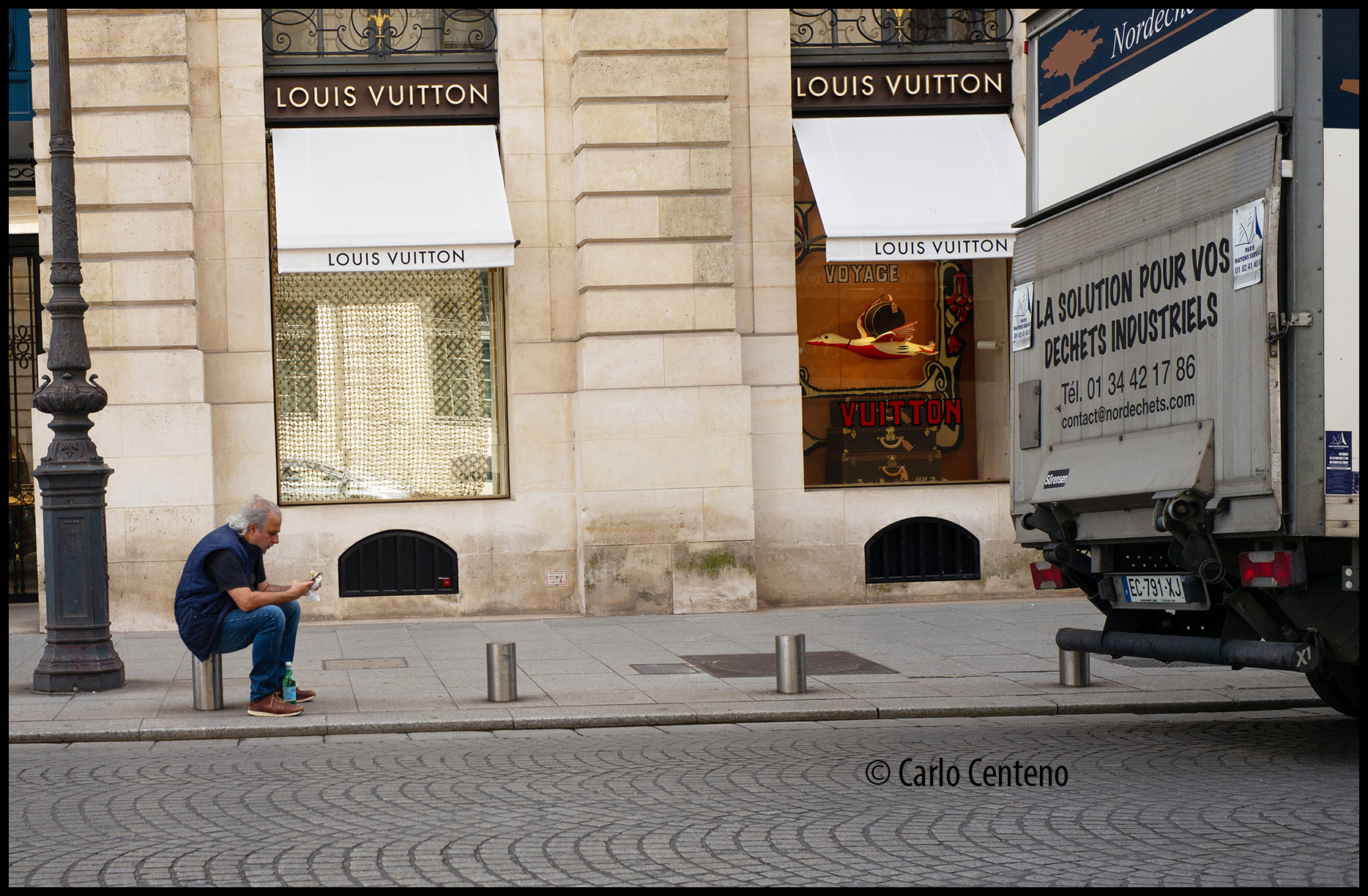
Le LouvreLa Place de Concorde/ courtesy Paris VisuelDetail de l’exteriur de Louis VittonPedestrians be Careful Cross in 2 steps
We thought of adding 2 more days in Paris. It would’ve certainly helped my french conversation, but other plans were already in place. Entering any business or eatery, saying bonjour is always helpful and polite. After the greeting, the most frequent words from my mouth were, Ou est…? or quelle direction est…? or pardonnez moi, sommes-nous pre du……? and of course, merci, bonne journee!
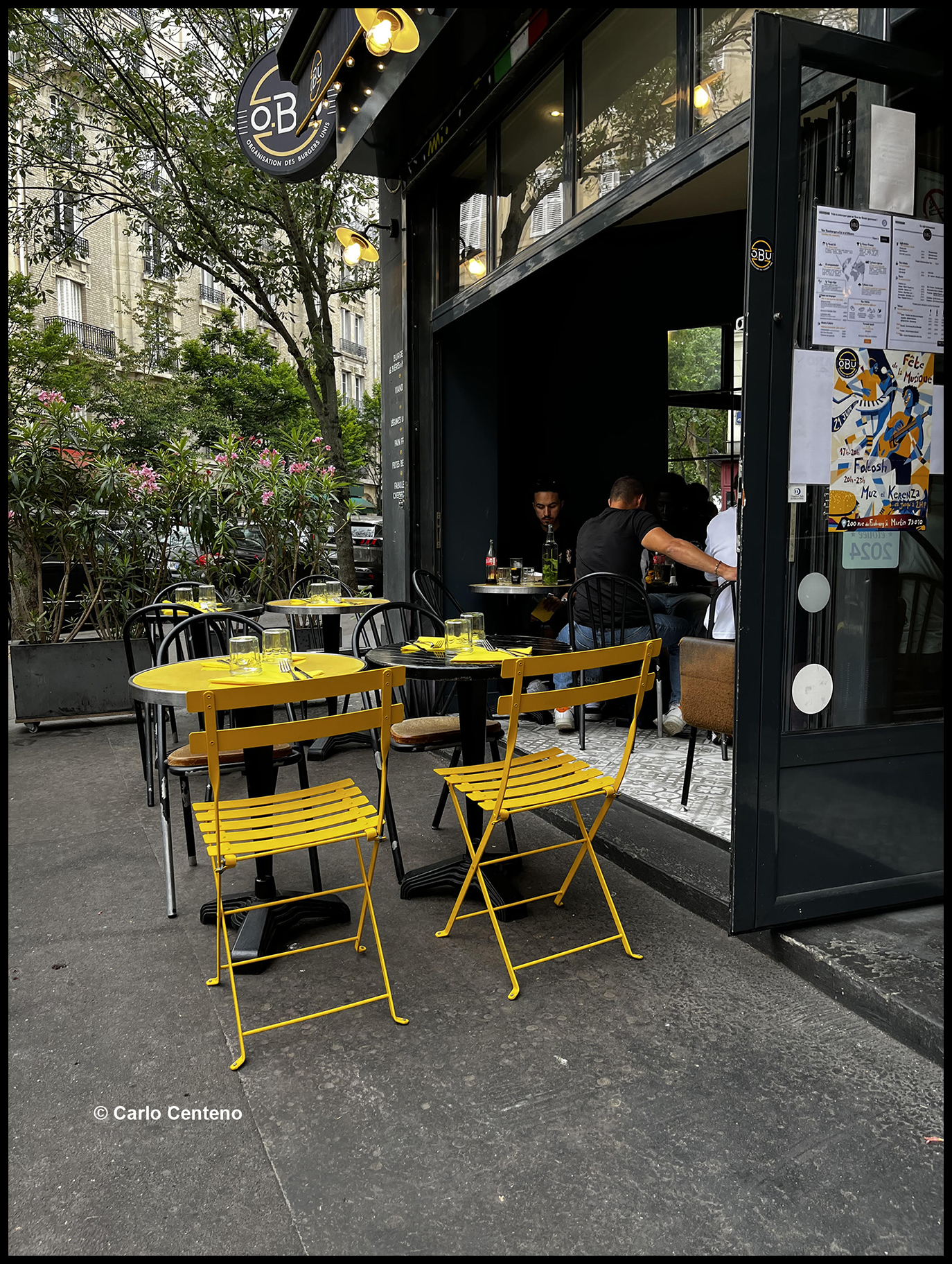
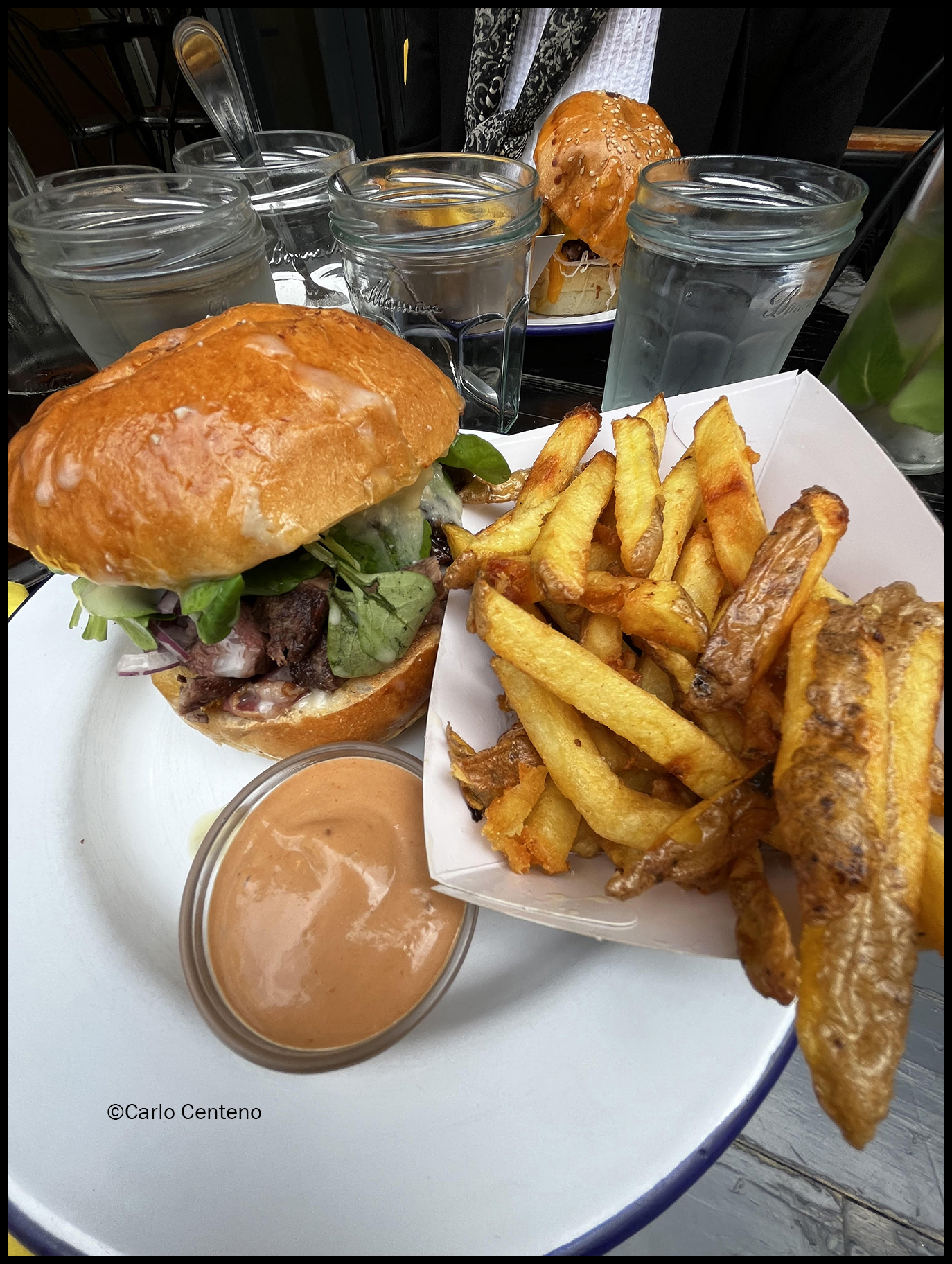
Our first morning, we walked to a bistro teeming with commuters and visitors. The menu on a sandwich board offered something we liked and I recognized: Petit déjeuner supreme ! Deux œufs [au choix] avec jamon et frommage, cafe, jus d’orange, baguette, croissant, confiture de fraises et salade. [Supreme breakfast! Two eggs any style with ham and cheese, coffee, orange juice, baguette, croissant, strawberry jam and salad].
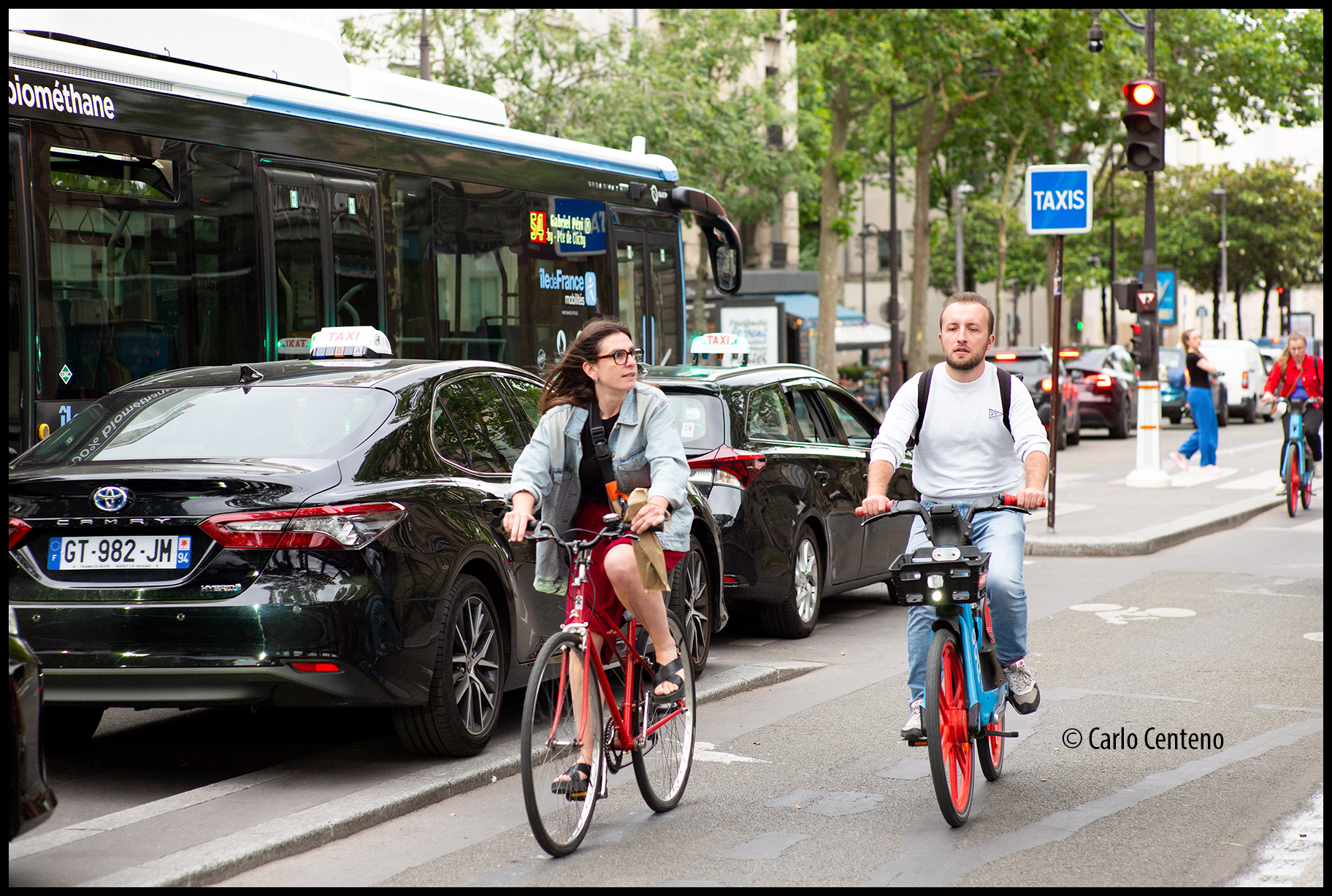
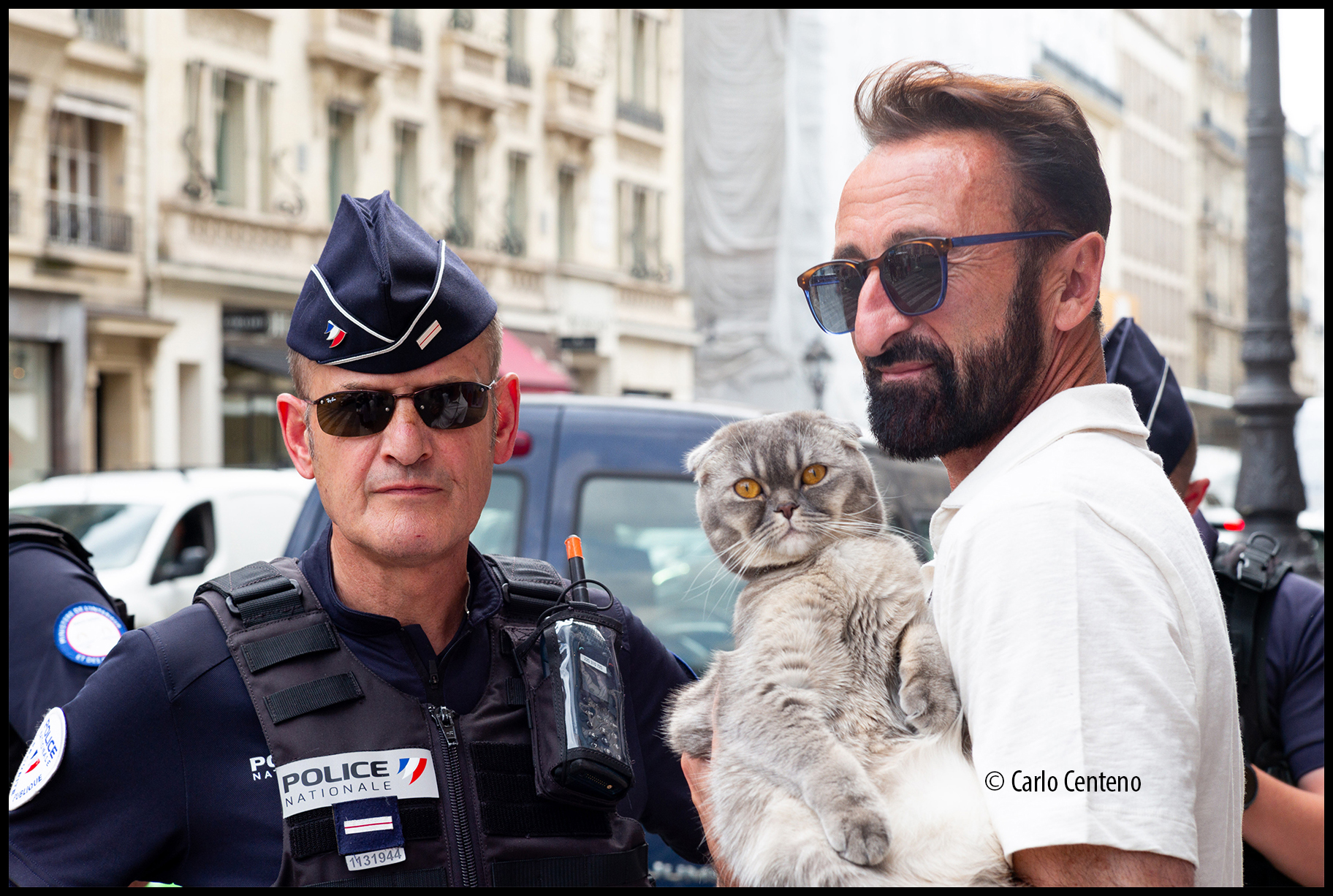
We sat outside among a cluster of small tables and chairs, but the waiter advised we sit inside, though not far from the open frontage. Il y a trop de fumee dehors. Too much smoke outside as cigarettes are popular in most of France. It was a perfect time to watch people going on with their lives: scooters and bicycles carried a cast of characters; small french cars ruled the streets alongside taxis and Ubers, motorcycles and buses.
Based on our waiter, my french was so-so. Monsieur, I speak and understand english; you do not have to speak french…. Ouch. Polite but humbling. As he turned toward the kitchen order-window, I mumbled, C’est dommage….it’s a pity, too bad.
“The solution for your industrial waste.”
NEXT VISIT: a week in the town of Vignon-en-Quercy [….See you there.] !!!
Business anniversaries come in all shapes and sizes. From time immemorial to the present, reaching a milestone is no small undertaking. However, longevity holds court when milestones are reached. This firm has made it to a century this year. Not bad, I’d have to say. I’ve been told it’s easier to start a business, but for any business to last 100 years, many know that it takes so much more. Timing and context along with ever-changing regulations all play a part in how and when a company such as ours, survives.
Founder: D.J. St. Germain
Our founder knew a lot about financial services, marketing, politics, people and more. He had to. It’s been said that having your hand in the business is always helpful. The company that he built and championed 100-years ago resonates today. I do see it, I and others can feel it, and clients believe in it. With this celebrated longevity, continuity becomes an important detail. All businesses–and most everything else that involves a relationship–relies on a level of continuity . Within that dimension, decorum should take its place: professionalism, product knowledge, listening skills, integrity, patience and persistence. In other words, they exist to help and guide an advisor and his/her client[s].
Circa 1970-71. Corporate headquarters located in Springfield, MA
Those businesses which deal with less tangible items have unique challenges to contend with. Legal and financial come to mind, 2 professions that rely on the knowledge and expertise of specific disciplines and the myriad of details associated with them. Corporate law, trusts, distribution of wealth/inheritance, risk management, time horizons, asset allocation, and so forth. In many ways, most of what’s being explained is co-dependent with intangibles, in particular the usage and positioning of emotions. “I think in the near/long term, you’ll feel better about the decisions we’ve made.”
Emotional Fluency
I’ve written about emotional intelligence, the notion of having a sense of emotional ownership for a product or service. And that’s perhaps the largest challenge for professionals who deal with things conceptual: make the client/target customer have a type of yearning for what he/she thinks will be delivered. Is it assurance, confidence, a faith that the right thing is being described and can thus be delivered? Like emotions, what’s presented to us–typically on paper with pie charts, graphs and other visuals–can strike a chord. Favorable? Unfavorable? Neutral? Clouded with doubt and perhaps dissonance?
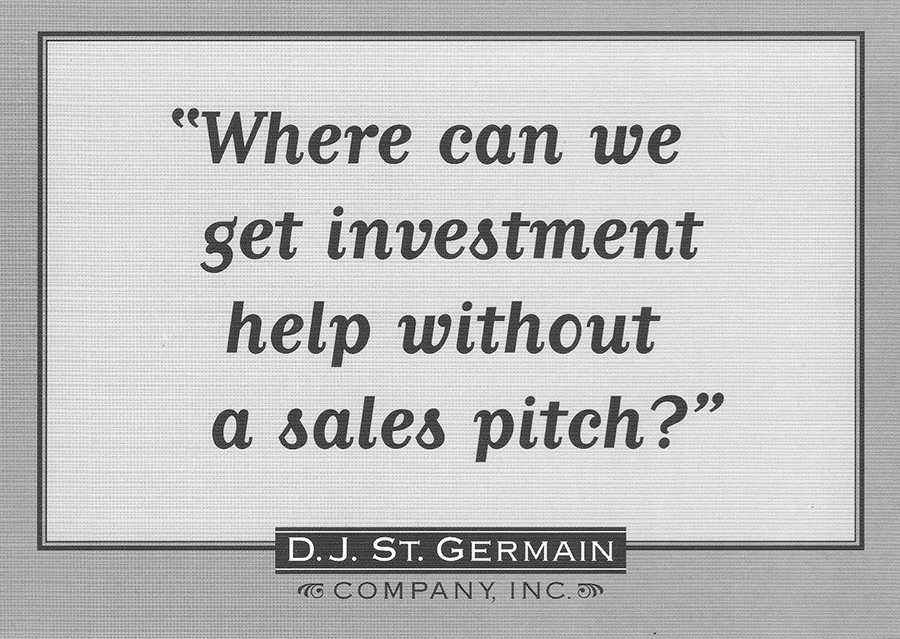
D.J. St. Germain ad, circa 1950s/60s approx.
A lot of what the firm does is nurtured with conversation, which in time delivers a moment where a customer understands the value associated with a concept in spite of doubts, second guessing and dissonance. Conversation and education are closely related, where the latter is woven into the former with words and phrases that mortals like us can comprehend.
During the stock market crash of 1929, this nascent investment firm stayed true to its mission: to provide a long term strategy that sticks to fundamentals and to include companies with good leadership, sound balance sheets and potential growth. I have no specifics on just how D.J. St. Germain & Company, Inc. managed to survive that crash, and this eponymous firm is still on its feet. Not everything perished in what was a collapse of the economy and financial institutions. People found something to believe in with this firm–and other businesses– in spite of the terrible scenario that played out in 1929.
What happened in those 100 years?
Mayor Dominic Sarno of Springfield, MA declaring April 9th, the 100th day of the year, as St. Germain Investment Management day.
We’ve experienced 17 U.S. presidents taking office; 6 wars that took place, then the COVID pandemic, and there’s a telescope unlike any other that reveals things many of us can’t understand let alone describe let alone see. And yet, St. Germain stuck to one maxim across those years: Do what’s in the best interest for our clients. The firm’s longevity is certainly based on experience, knowledge and an understanding that trust is the foundation for a relationship to succeed. The integrity of St. Germain’s professional relationships span several generations since its founding in 1924. And it continues to this day. Saying that clients are the assets that matter is more than a marketing tag line.
Investing is a journey that cannot follow a straight path. Your financial journey is defined by inextricable parts of your life: family, health, profession, current life stage, financial goals, your motivations and priorities, and more. Like many long-standing relationships, so much goes into that span of time that we still ask the question, “What’s the secret to your success and what makes it sustainable….?” Sometimes all those details get lost in the process of making things happen. However, as it happens, one word collectively binds together those particular details. Work.
“We love seeing your boards. They’re easy to read and understand. And they don’t have a lot of clutter.” Anecdotes are not reliable scientific measures, but word of mouth in this day and age does mean something to marketers and more specifically, consumers. The number of drive by impressions depends on the location of your outdoor advertising and the message presented on that billboard. It helps further if your board stands next to a major route that’s regularly used all year long. By extension, we have a second board similar in concept, but unique in their message and brand positioning. So, we have 2 boards that run in rotation, that second board can be anywhere so as long as it’s on a major highway or road that allows for a reasonable “read.”
A lot of commuters, vacationers et al travel our interstates. Traveling north/south is straightforward from 95 in New Haven, CT then onto 91 right up to the Vermont border. The east/west channel has the Mass Pike [I-90] running from Boston all the way to eastern New York. Springfield, MA’s DMA [Designated Market Area] is ranked 117 in the USA. A short 25 minutes south, is Hartford, CT, ranked 32. We do get our share of leaf peekers, second home owners in Berkshire County, skiers, campers, fly-fishers, boaters, hikers and everything else in between. Demographically speaking, there are key influencers and decision makers who receive multiple impressions from our messages.
But before any creative goes up, the content must deliver a quality that most viewers/drivers can identify with. As a brand, our firm is known for long-term strategies, growth, and a conservative though modern approach for reinforcing our values. And since our beginnings, we’ve positioned all our clients as the assets that matter; it dovetails with our commitment as fiduciaries: we work in the best interests of our clients.
We also partner with non-profits, either through co-branding or providing the space for however they’d like to use it. Any proposed artwork needs to go through our compliance & legal departments.
Travelling on the highway, you have less than 1/30 of second to glance at a board, any board. We make every effort to keep the content simple and relevant to our clients and prospects. There’s been no shortage of motifs to help develop content. For example, there’s been a growing interest with Artificial Intelligence [AI] and the world of autonomous electronics or in applications that can generate text that’s easy to read and perhaps follow. ChatGPT comes to mind. It’s not unusual in our digital world today where you could make it easier to create something that refines efficiency while reducing complexity. Robotics come to mind.
When I started here , I pushed for the use of white space because it adds, 1) a sense of calm & order, and 2) it delivers a focus that helps you think . David Ogilvy, the grandmaster of modern advertising and branding had a tenet that has stuck by me: “Keep it simple and do not talk down to your audience.” A lot of outdoor advertising is overloaded with info. It’s as if the strategy is to include as many benefits and attributes in the space. I refer to it as putting 10 lbs of “stuff” into a bag that holds only 5 lbs. Simple concepts are often better if only because they can be easier to remember.
As an advertiser, having the right message delivered in a relatable way means the viewer can identify with what’s being said. The short version of that is referred to as having “emotional ownership.”
When a message strikes a chord or brings forward a detail that sticks with you, then emotional ownership has taken hold.
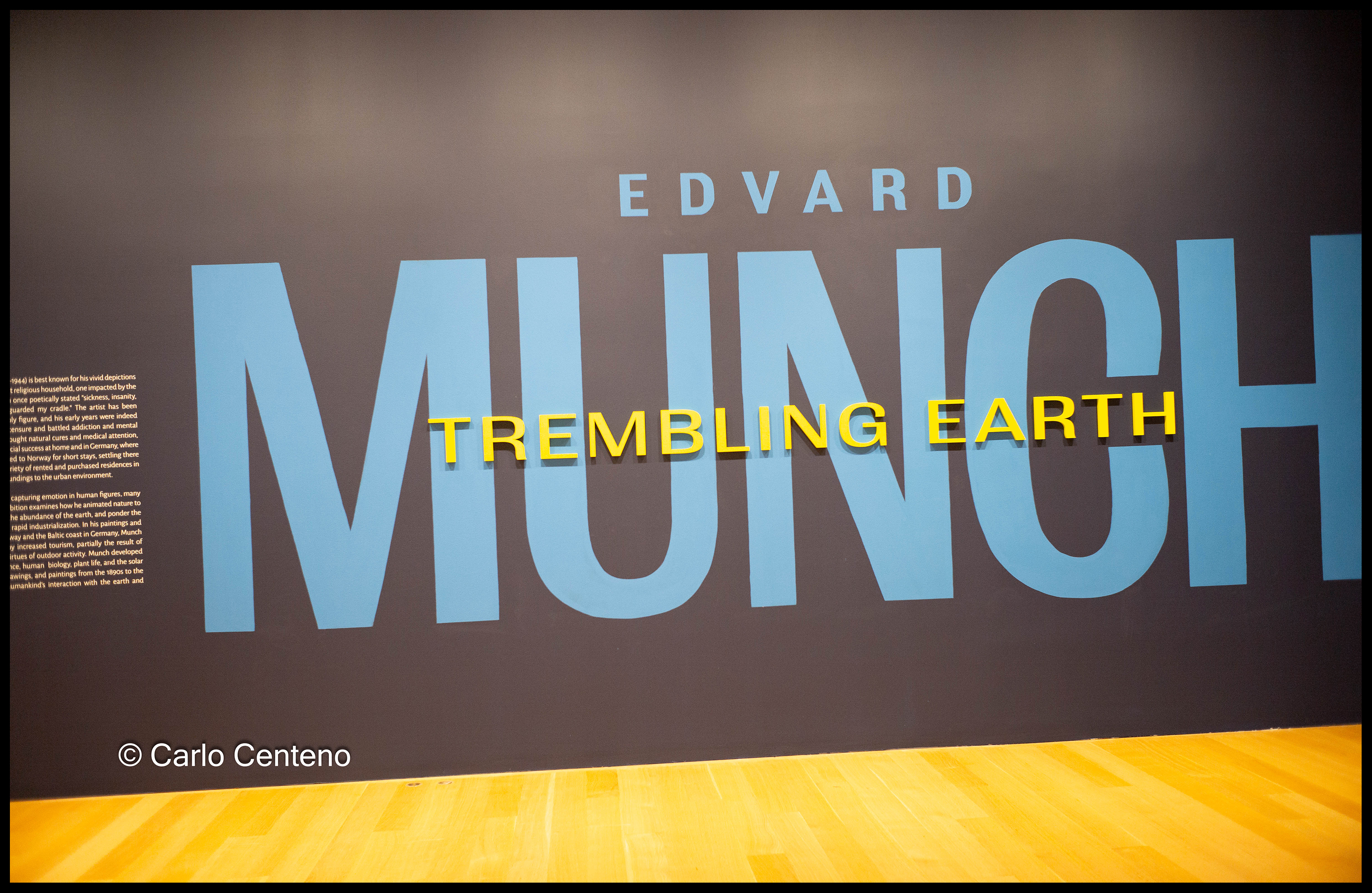
At the Clark Institute of Art, running through October 15, 2023, is a special exhibition, Edvard Munch: Trembling Earth. Munch’s [“Edward Moonk” Norwegian pronunciation] most recognizable, iconic painting is The Scream, and yet not many know of his other work which includes a number of self-portraits, prints, figure portraits and landscapes. The latter showed what he felt was a confluence of the natural world and humankind where nature provided a kind of salve that the urban environment could not deliver. The artist’s life contained the antagonists that shaped many of his creations: life and death; love and loss; loneliness and despair. And yet Munch as a protagonist, allowed us to see and feel the very antagonists that took hold of his deepest emotions.
I found the entire exhibit revealing if not eerily prescient. The power of art in all its forms allows us not to just see the obvious, but to measure if not ascertain a) what behooved the artist to produce his/her creation and b) what, if anything, draws your attention to the work?
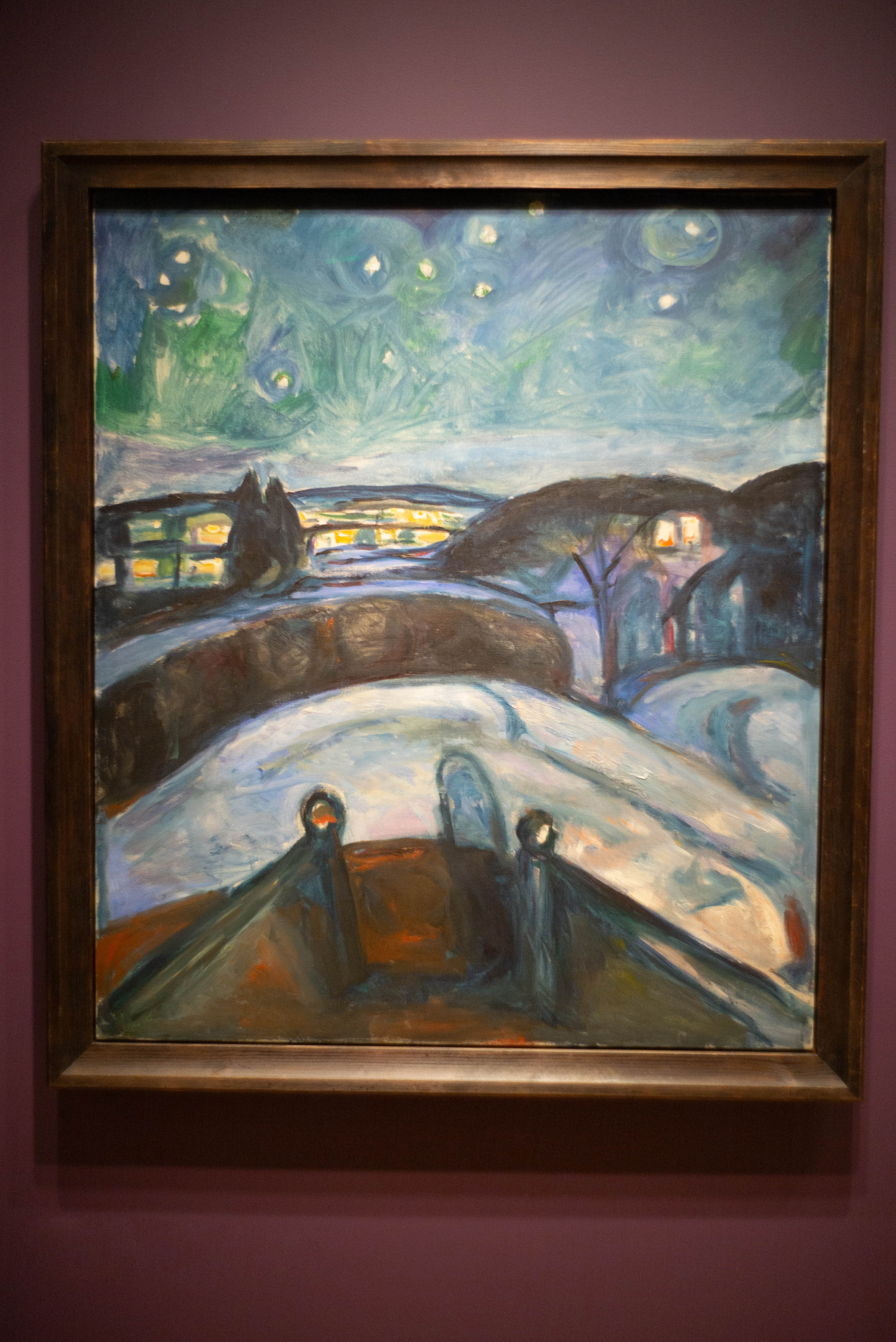
Starry Night, 1922-24
While some of his paintings hint at Vincent van Gogh [1853-1890], there is a quality that makes Edvard Munch’s work stand apart: his apotheosis of anxiety, loneliness, longing and loss are indicated by the despair of his faceless human subjects. The hue of uncertainty and angst lay claim to troubled souls.
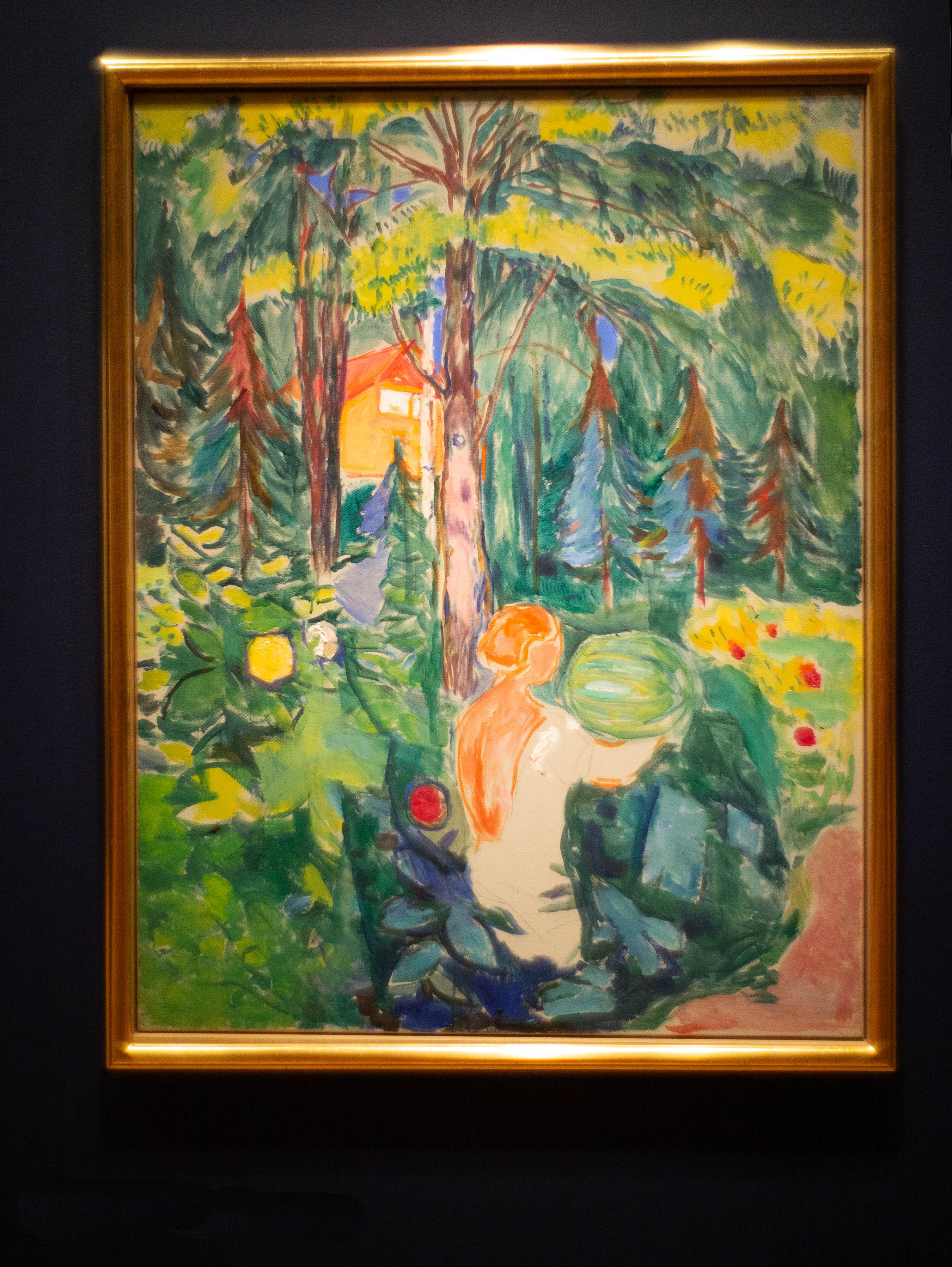
Woman with pumpkin, 1942
This is one of my favorite paintings, Woman with pumpkin. Its creation captures a sense of lost, and longing. The symbolism could be anything and everything. The pumpkin and the dark green color appear as if a person is holding the woman. Note the 3 “fingers” on the hip of the woman. In fact, the greenery next to the woman appears to be kneeling on its right knee, its “left leg” bent with a “foot” planted directly on the ground close to her back. Hence, the figure is resting its head on the woman’s right shoulder, the right arm suggesting a pillow.
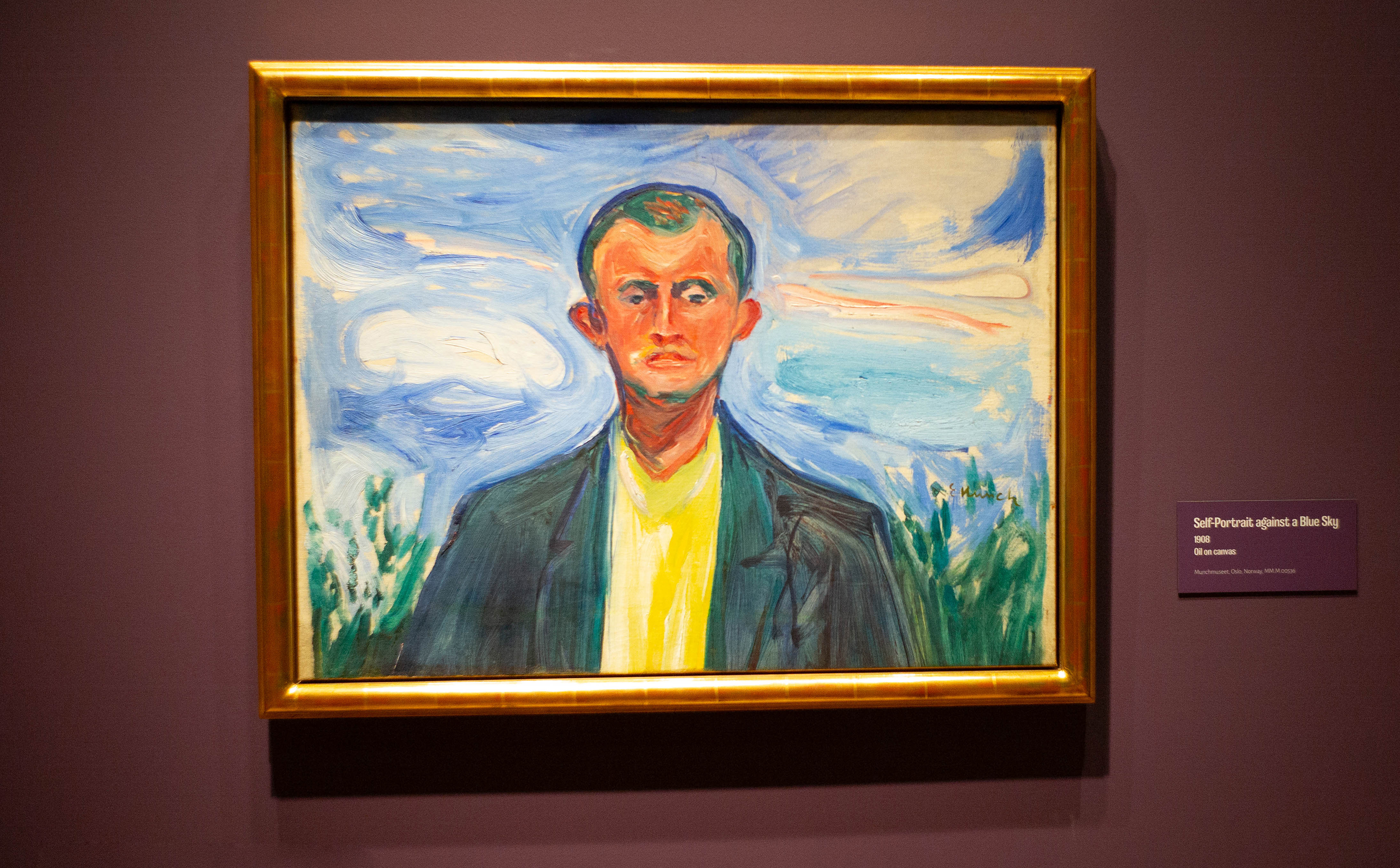
Self-portrait, 1908
Whatever you see and however you see it, Munch is a captivating study of conflict. You can feel it in most all of his works. The landscapes provide contrasts regarding our ability–and inability–to co-exist not only with the natural world, but with each other. Put another way, Munch is caught within an insatiable push-pull between the Id [our instincts], the Ego [reality] and the Superego [moral strength].
Self portrait with palette, 1926
No artist lives a life of order and predictability. It’s contrarian to that world of creativity and expression. Munch’s self-portraits demonstrate a fortitude within his reality that dices with the likes of the Id and the Superego. Each of us deal with the instability created by our instincts and morality, our actions and reactions, our angst and distress. In a way Munch’s paintings brings form to what is often abstract yet palpable, even vicarious and visceral.