Festival of Flowers

courtesy Michelle & Donald D’Amour Museum of Fine Arts

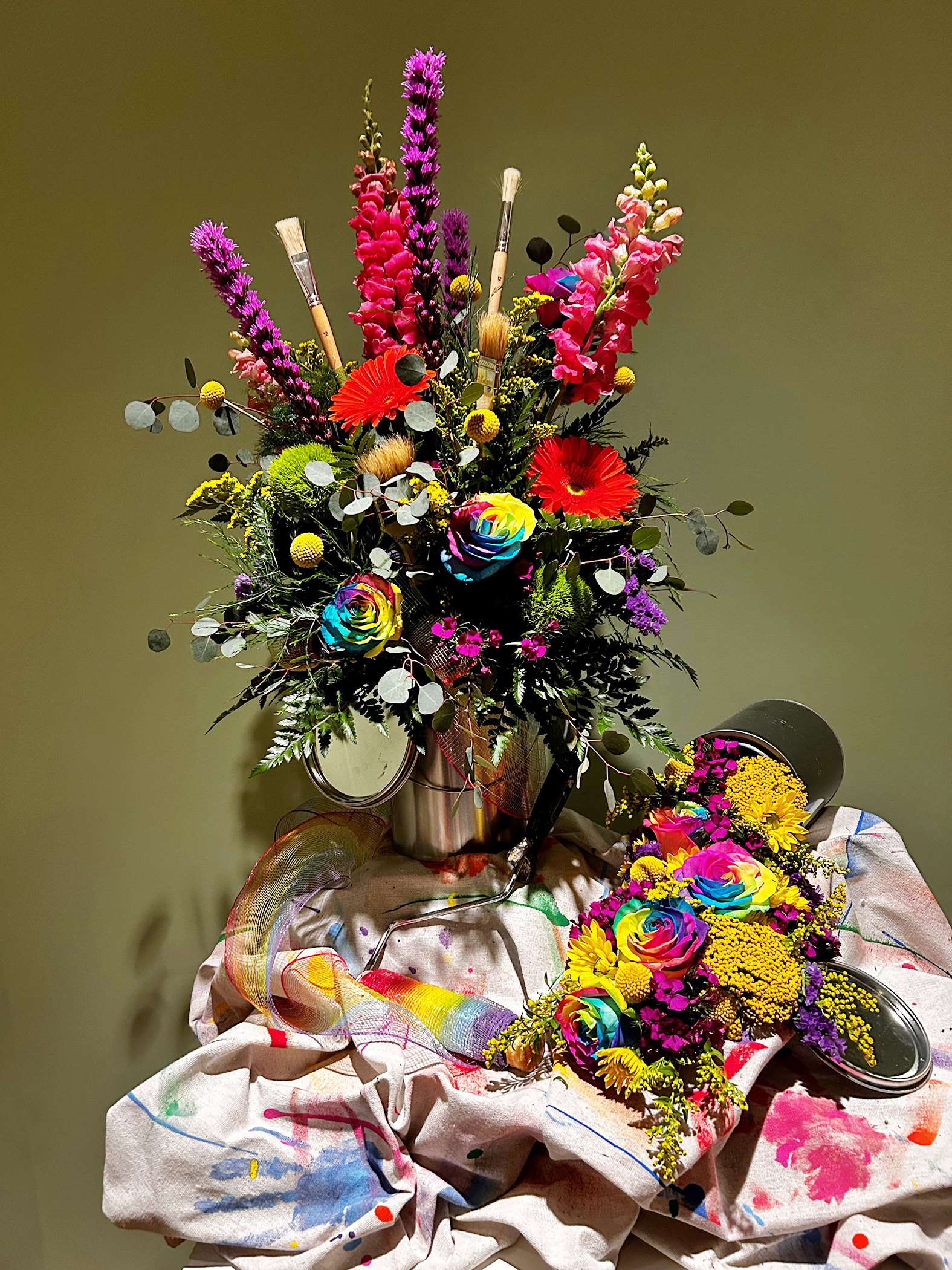
In each of the four museums that make up the Springfield Quadrangle, members of gardening clubs and florists based around the area created arrangements of colors, textures and other details in a manner that would intersect with a selected painting or other creation within the museums.

The creativity range was as eclectic and electric as anything I’ve seen, simply because of the relationship that attempted to “unify” two discreetly different pieces of art.

The juxtaposed subjects provided depth, perspective and of course relevance through the use of color and hues, manifestations of the blending of material, thread size, color, props, textures and so forth.

Some arrangements did not have a direct connection to a piece of art in the gallery. My sense is that such arrangements–such as the one displayed above–were created to compliment art already sitting in that room.

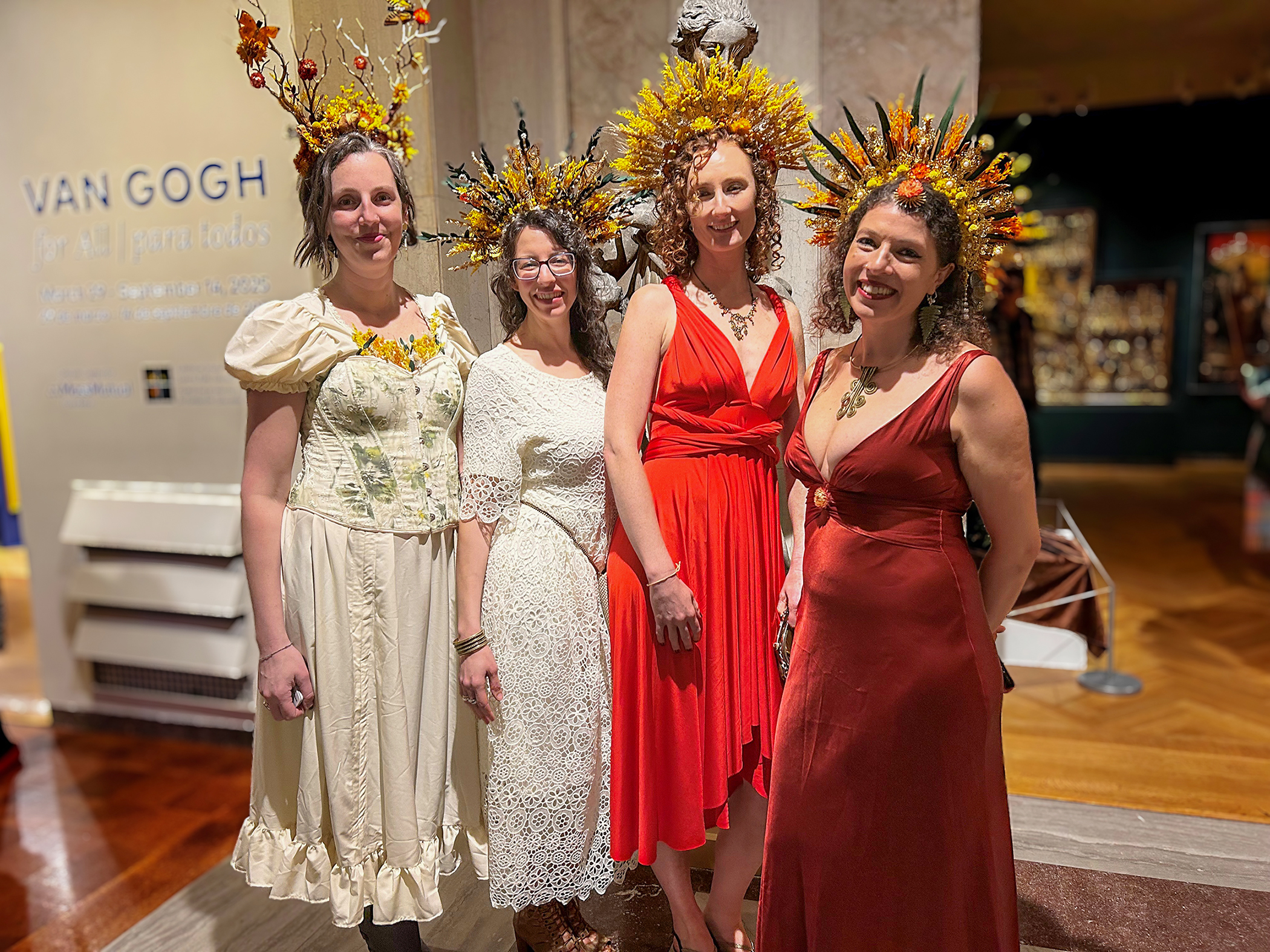
From headwear and accessories to…..

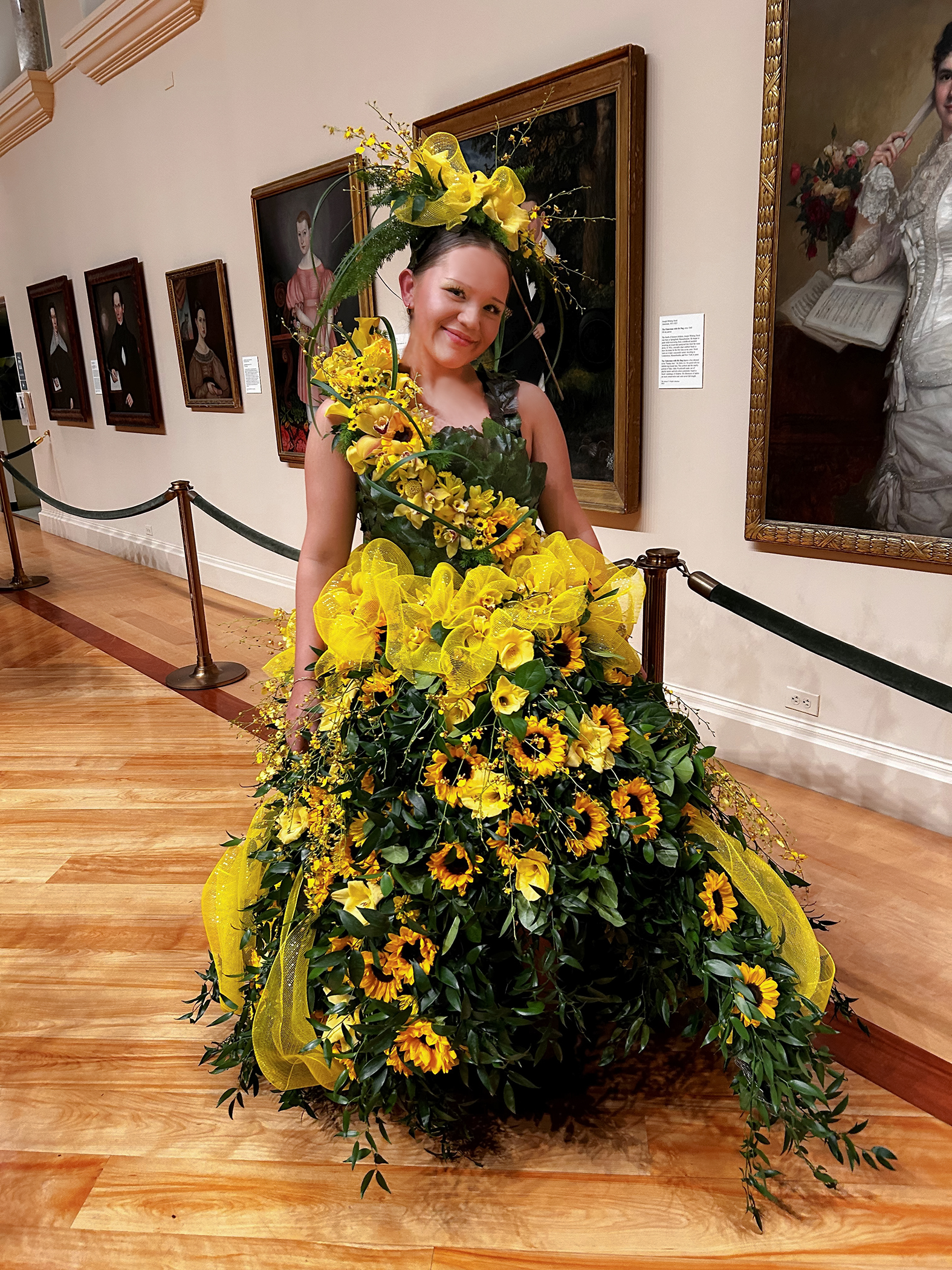
….gowns made entirely of real greens and flowers, the creativity was beyond words! Next April 2026, should be an interesting installation! See you then.

Berkshire 25

The most dedicated, most creative, most influential.

It’s fair to say that the Berkshires has a depth of culture, arts, eateries, education, health care, outdoor activities, community outreach and more, that can be as strong as other like-minded communities.
The diversity of such offerings is all-encompassing and that’s clearly reflected in this year’s Berkshire 25. This is Berkshire Magazine’s annual selection of 25 individuals who have made life here feel more special, complete and worthwhile. That may seem like an exaggeration, but that’s due to the contributions from folks like the Berkshire 25 that make the region “the most beautiful place to live.”

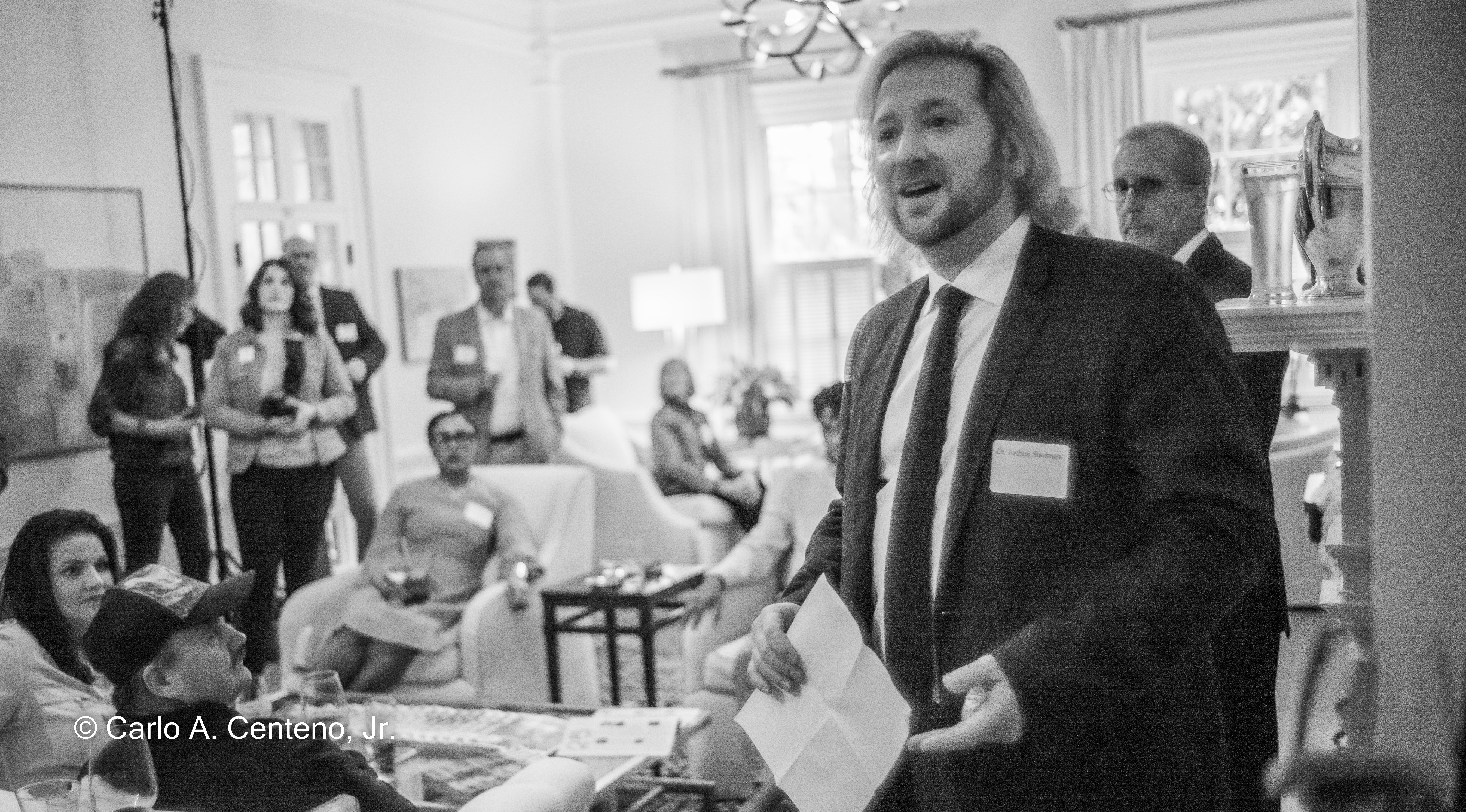
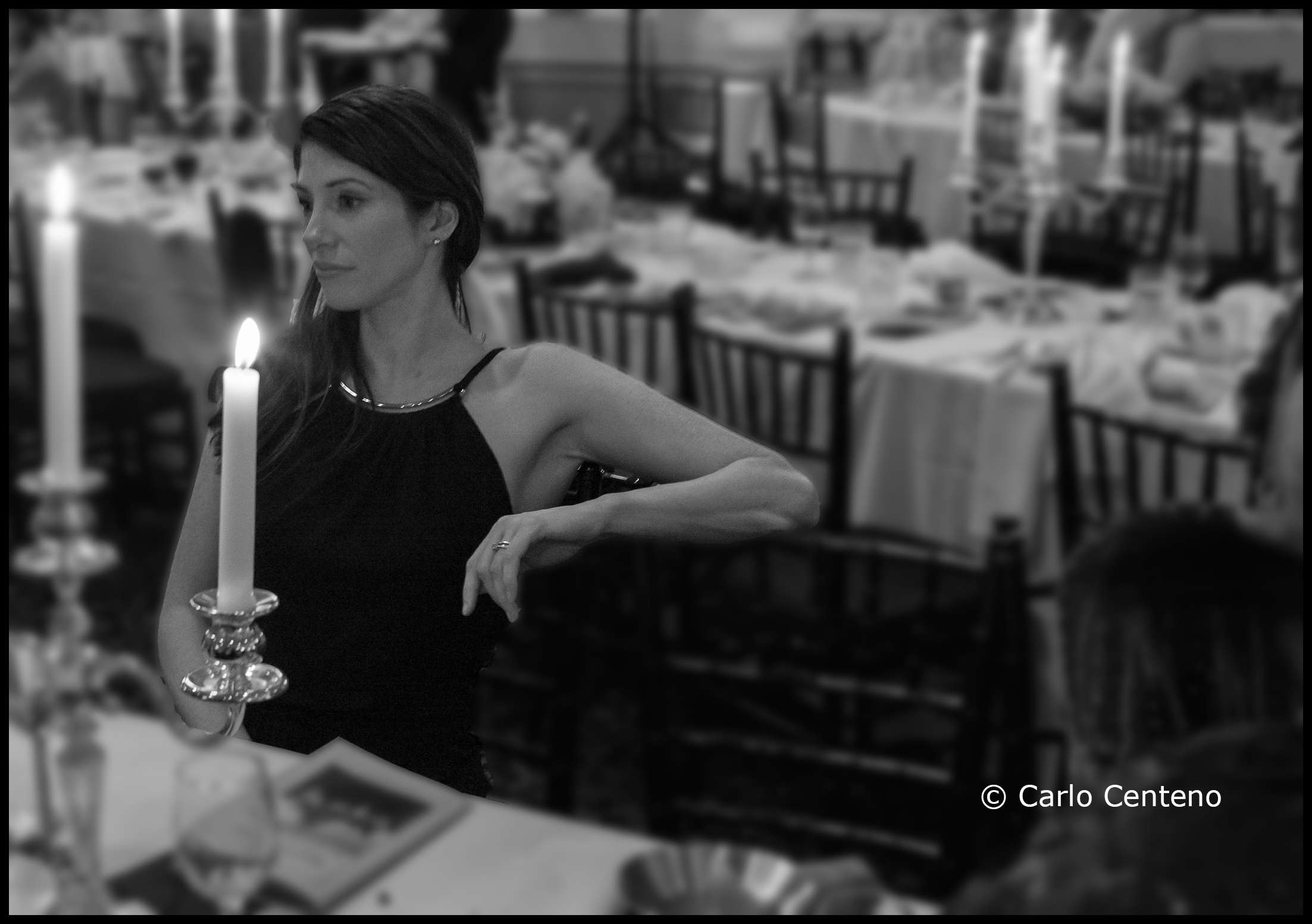
Joshua Sherman, MD CEO+Publisher of Berkshire Magazine welcomes honorees, guests, patrons & friends.

Examine the roster of recipients. Their talents, soft skills, areas of expertise and so forth are as varied and diverse as the individuals themselves.

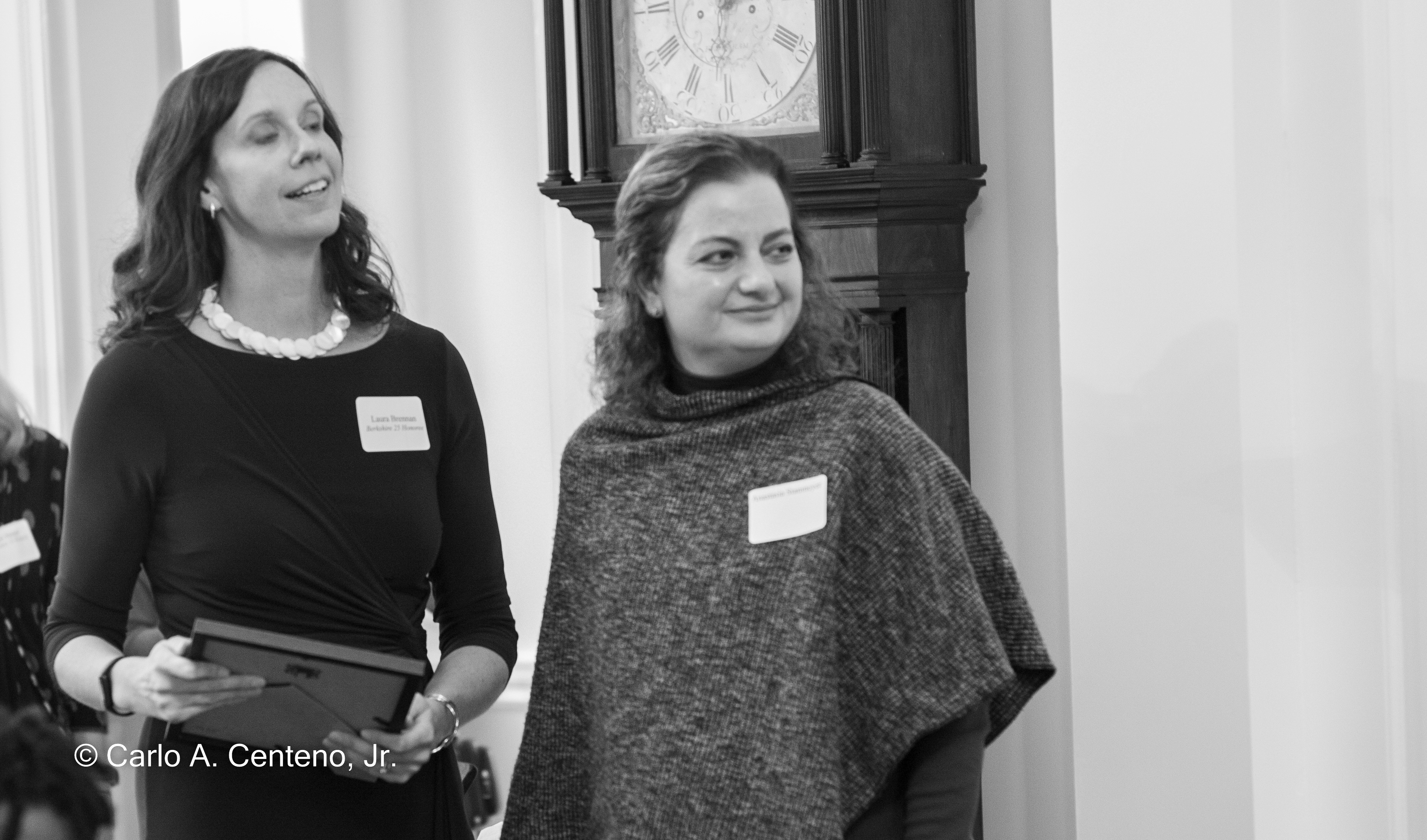
Honoree Ms. Laura Brennan [L] with editor-in-chief, Ms. Anastasia Stanmeyer

Ms. Maud Mandel, PhD, president of Williams College [below], graciously opened her home to host the event.

courtesy: Williams College
Honorees on the couch: L-R, Mr. Jack Brown; Marge & Ed Bride
Honoree Ms. Mia Shephard [L]
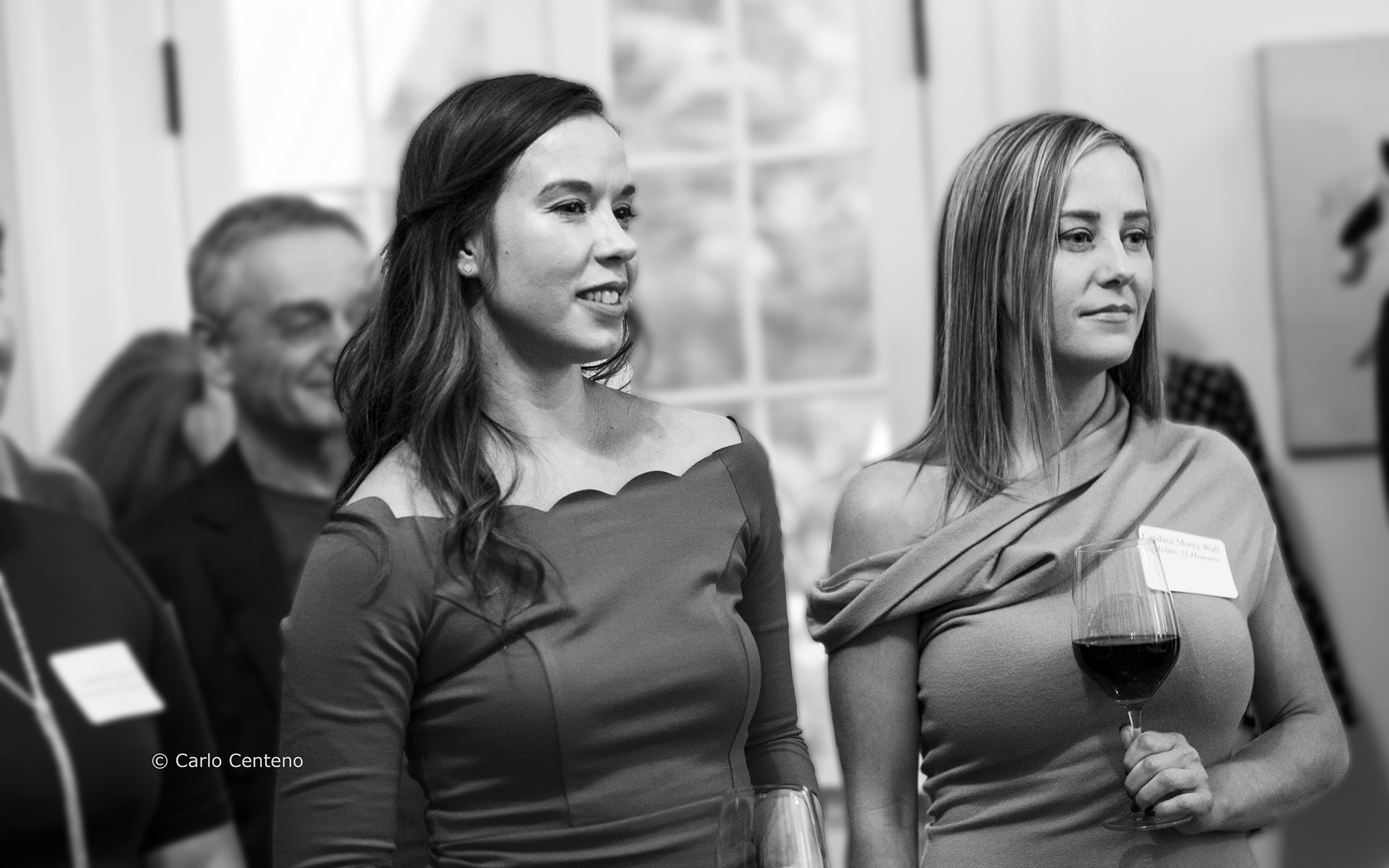
Honoree Ms. Candace Morey Wall [r]
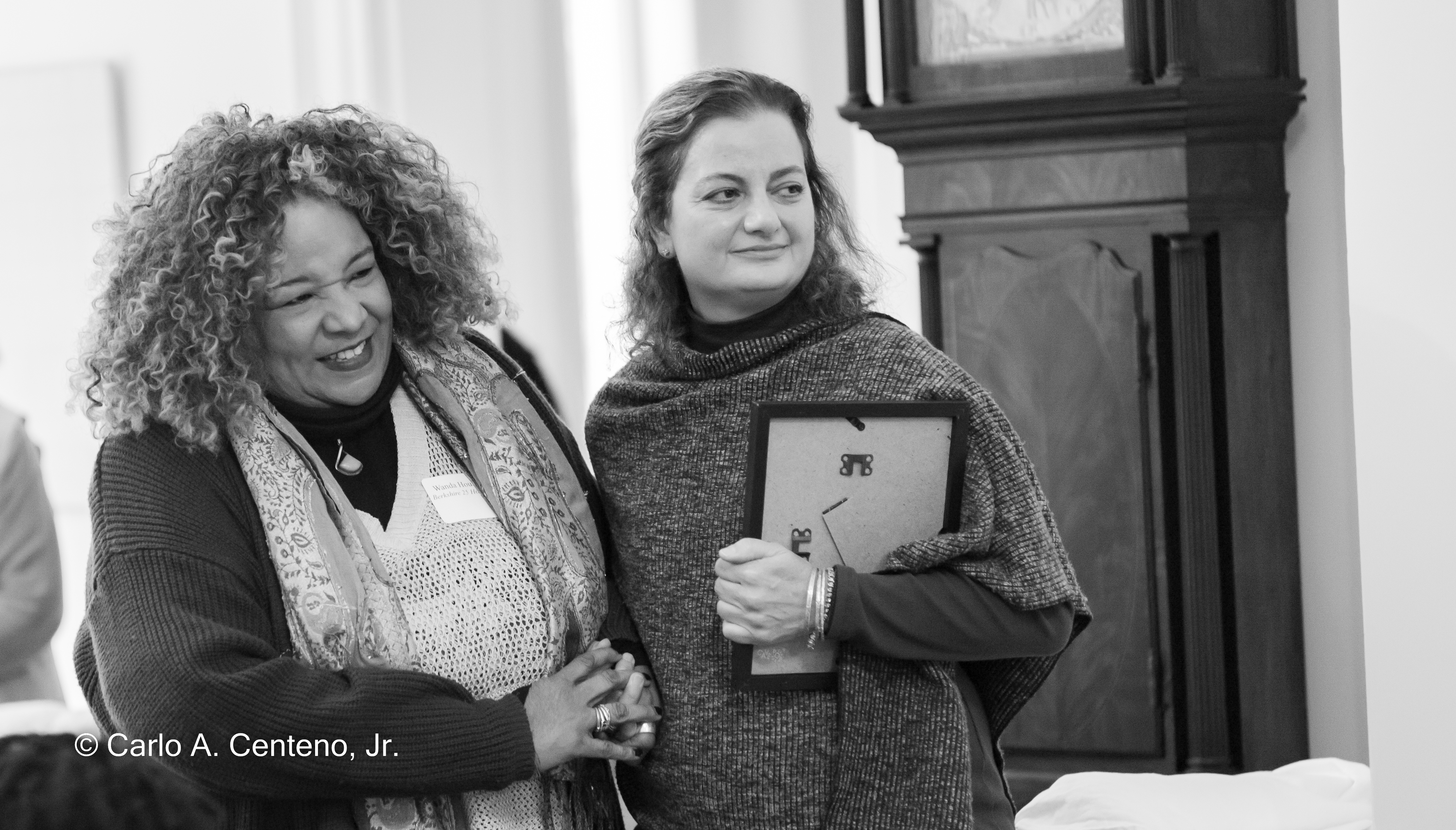
[L] Honoree Ms. Wand Houston
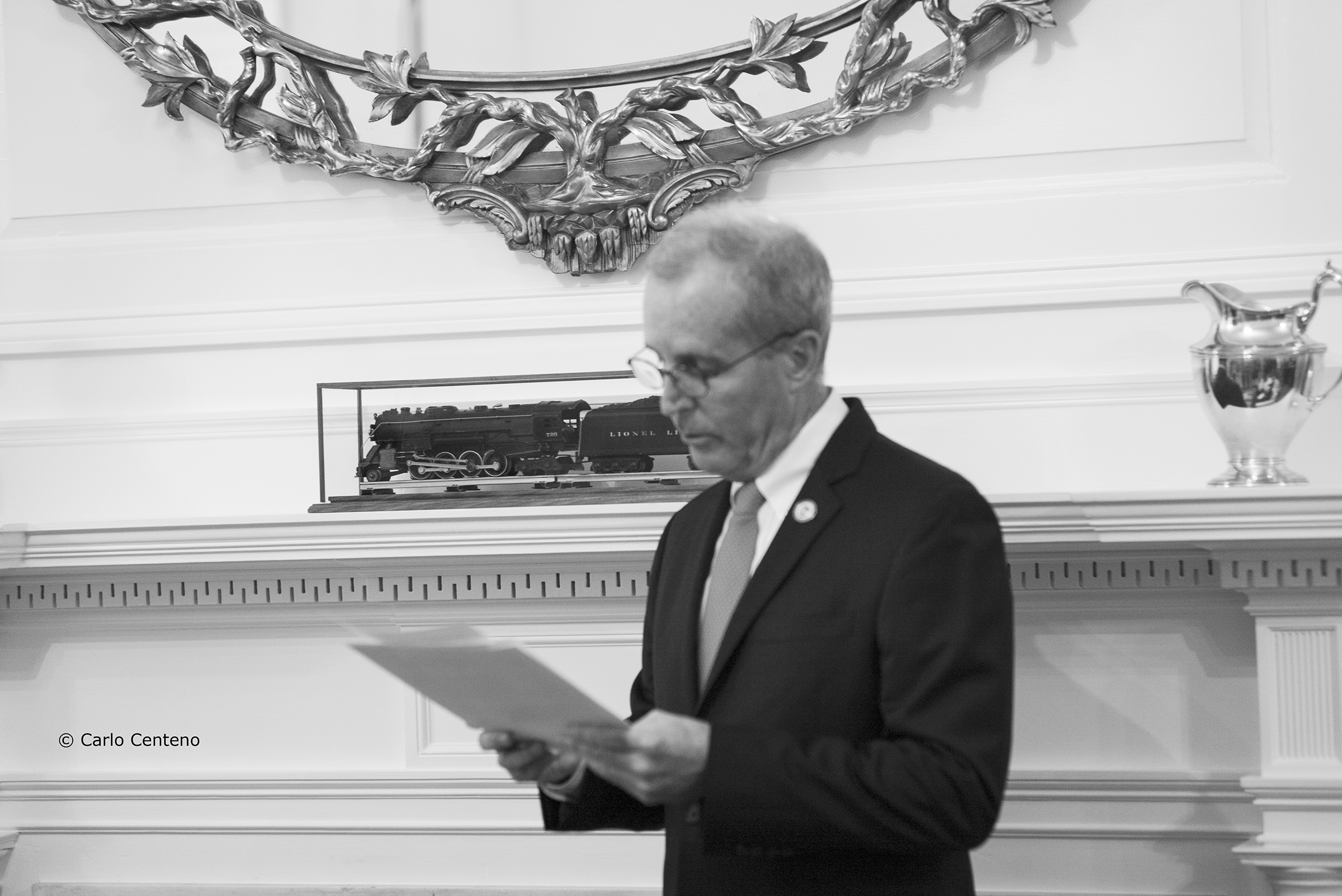
Rep. Smitty Pignatelli, an engaging & entertaining MC.
Honoree Ms. Rachael Plaine

The cynics among us may feel that such occasions are self-serving, each designed to stroke egos or expand bragging rights. You can think that, but I believe no one that evening felt that notion at all.
At the conclusion of the event, Rep. Pignatelli mentioned that these individuals represent the best of what people can do, that such care and outreach nurtures the magnetic vitality of the Berkshires. Lightheartedly, he added that politicians like to think that they drive a lot of what’s positive. However, he quickly reinforced that a lot of what makes a community/region attractive and inviting has to do with the very people who understand what it means to be selfless.

“This will take some getting used to….”

Open your arms to change, but don’t let go of your values. -Dalai Lama

Modern life has been tossed into a blender of our own making. Whatever comes of that mix will be unrecognizable. It’s a blend never before seen or experienced, though to some degree, many of us hope that what pours forth is something that has meaning and value.  It could be something we’ve longed for across time immemorial, and yet I’d like to think that most of us are hopeful of what’s been created.

At present, uncertainty unceasingly hovers over us, as if poised to pour change across social, educational, medical, cultural, environmental, financial and governmental policy mores. And like other things we’ve thought of and created, none of it will ever be perfect. No one can please everyone every time.

The work-in-process strategies and machinations will take some getting used to. In fact, everyone should tune-up their listening skills.  As the saying goes, We have one mouth and two ears, and good listening is always important. We’ve been challenged with practices to keep the new coronavirus at bay and confronted with racism and ideological thinking and approaches that touch the far left, to the center, to the far right. A virus—whether new or old—is looking for a host regardless of your ancestry and your present location in this world. Like COVID-19, racism is a virus  that must be eradicated, that and along with other –isms which undermine our empathy, our ability to tolerate, our desire to compromise and our willingness to see that, indeed, the glass is half full.

Eleven weeks has kept many of us quarantined regardless of age, fitness level and overall hierarchy, whether familial or professional.  I’m still adjusting my return to work, as several safeguards are in place: my office door stays closed, open areas in the office space require a mask, wipes and hand sanitizer are located along travel routes.

All of this will take some getting used to. Like many, I miss the energy and engagement of being around people. It’s just part of being human. Though I enjoy journaling, writing letters, taking photos as such, nothing can replace a good conversation, the sight of an expression [good or bad, preferably the former] and the sounds of laughter, exclamations, even the cacophonies that make Life all the more interesting.

Be well. Stay healthy.

“Those Were the Days”

Once upon a time there was a tavern,
Where we used to raise a glass or two.
Remember how we laughed away the hours,
And think of all the great things we would do.
Those were the days my friend,
We thought they’d never end.
We’d sing and dance forever and a day.
We’d live the life we choose,
We’d fight and never lose
For we were young and sure to have our way.

Songwriters: Boris Fomin, Gene Raskin

Ever an optimist, it is possible that you’ve heard the song, Those Were the Days as sung by Ms. Mary Hopkin. It was one of the first singles produced by Apple Records and Paul McCartney in 1968. My recent postings and our current new normal [or is it our current abnormal?] made me think of this ballad. And not only about changes that have taken place, but of many things unlikely to occur in the same way as before.

We are at summer’s threshold. We’ve evolved to accept crowded places, an expectation of more time spent with family and friends and to be part of those timeless happenings and celebrations that define this time of year: graduations, picnics, time on the beach, attending ball games, concerts & performances inside and out, barbecues, pool parties and a lot more.

And then there are the country fairs.

This unique piece of Americana born of traditions in farming and agriculture, will never be the same.  To heed social distancing at these and other events is not going to happen. It’s part of our social DNA, to see a flurry of activities and to be part of the atmosphere or happenings. It’s standing in line if not for the anticipation of getting into an exhibit or performance—or something savory to eat—but to avoid losing your place in that line.

It’s a place to experience sensory overload. Merchandise of all kinds court you with such promises as having something fun-for-the-kids; of having the last mop you’ll ever need or the complete knife set that rarely needs sharpening. Then there are the culinary pieces de resistance: fried dough that could work as trash can covers, cream puffs the size of softballs or that deep-fried turkey leg that can double as a hammer in a pinch.

This year will be different for most everyone. The crowds can never be as large as before. Perhaps reservations need to be made to limit the number of visitors. Adjustments are already in place, yet still changing. We’re armed with masks, hand sanitizers and wipes and a growing awareness of our personal space and limitations. It may not be all bad, but much of what’s currently unfamiliar, even uncomfortable, will become all too familiar.
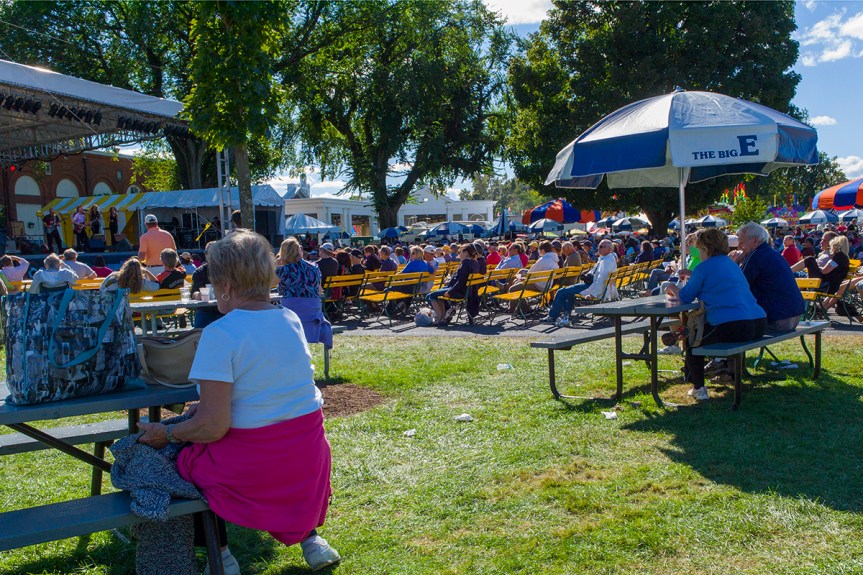
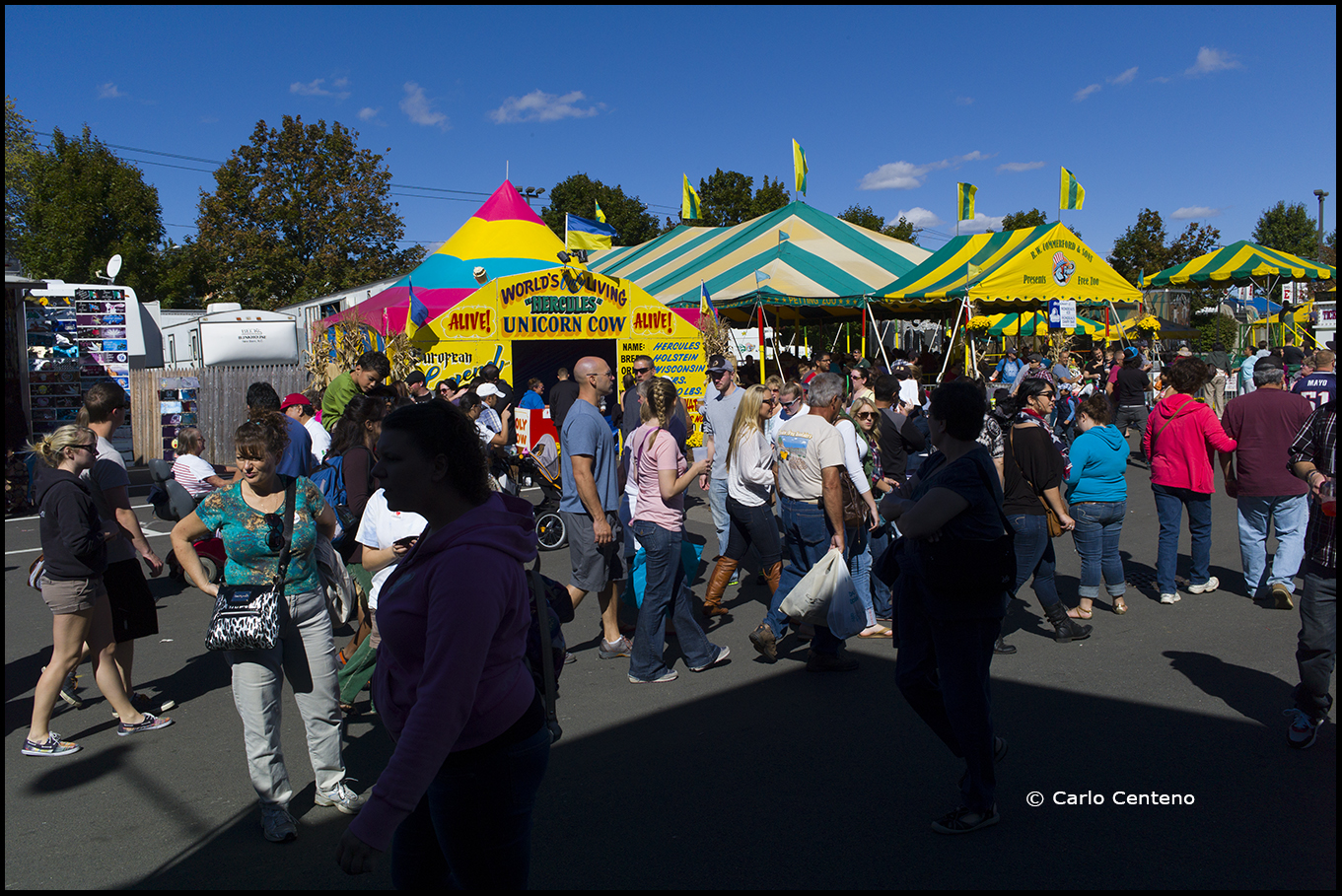
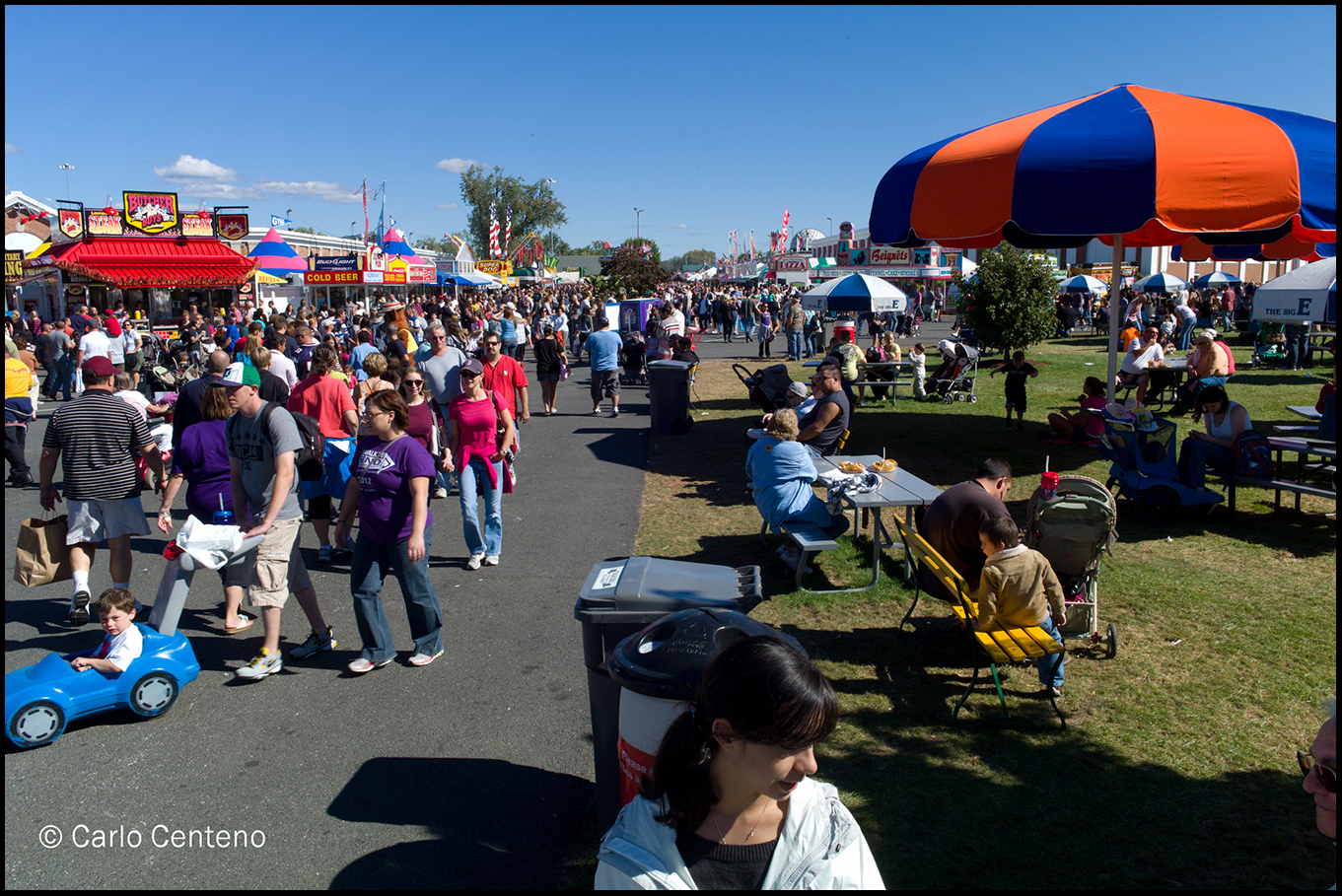
For years we’ve made a trip to one of the largest country fairs in New England, a sortie that has become part of our own tradition. On a weeknight, we head to West Springfield for “The Big E” aka, the Eastern States Exposition. My wife and I head to a favorite Polish food stand to order the inimitable Polish Plate: galumpki, pierogies, and kielbasa, all chased down by a “pint” of Dinkel Acker Pils, a German beer crafted from heavenly made hops.

And after that, it’s a walk across the grounds to burn off a few [very few] calories, only to add a bunch more when we stop for a homemade blueberry pie a la mode. All of this adds up to an entertainment feast. Certainly many things are always there, often the same vendors and merchants. But what makes each year different are the recollections of many other visits to the Big E aside from our annual beer with dinner.

It’s about our daughters coming with us during the toddler to tween years. Then came the teen years when it became apparent we were no longer cool, the two escaping with a fistful of tickets for rides and the arcade at the fair’s Midway.

It’s about people-watching, of getting lost in a crowd knowing that similar dreams and fears are as common as balloons, stuffed animals and kettle popcorn. Summer is as much about the quiet and solitude found in the woods as is the cacophony of gatherings and festivities that confirm our sentient selves and how we’re all connected.

Those were the days.


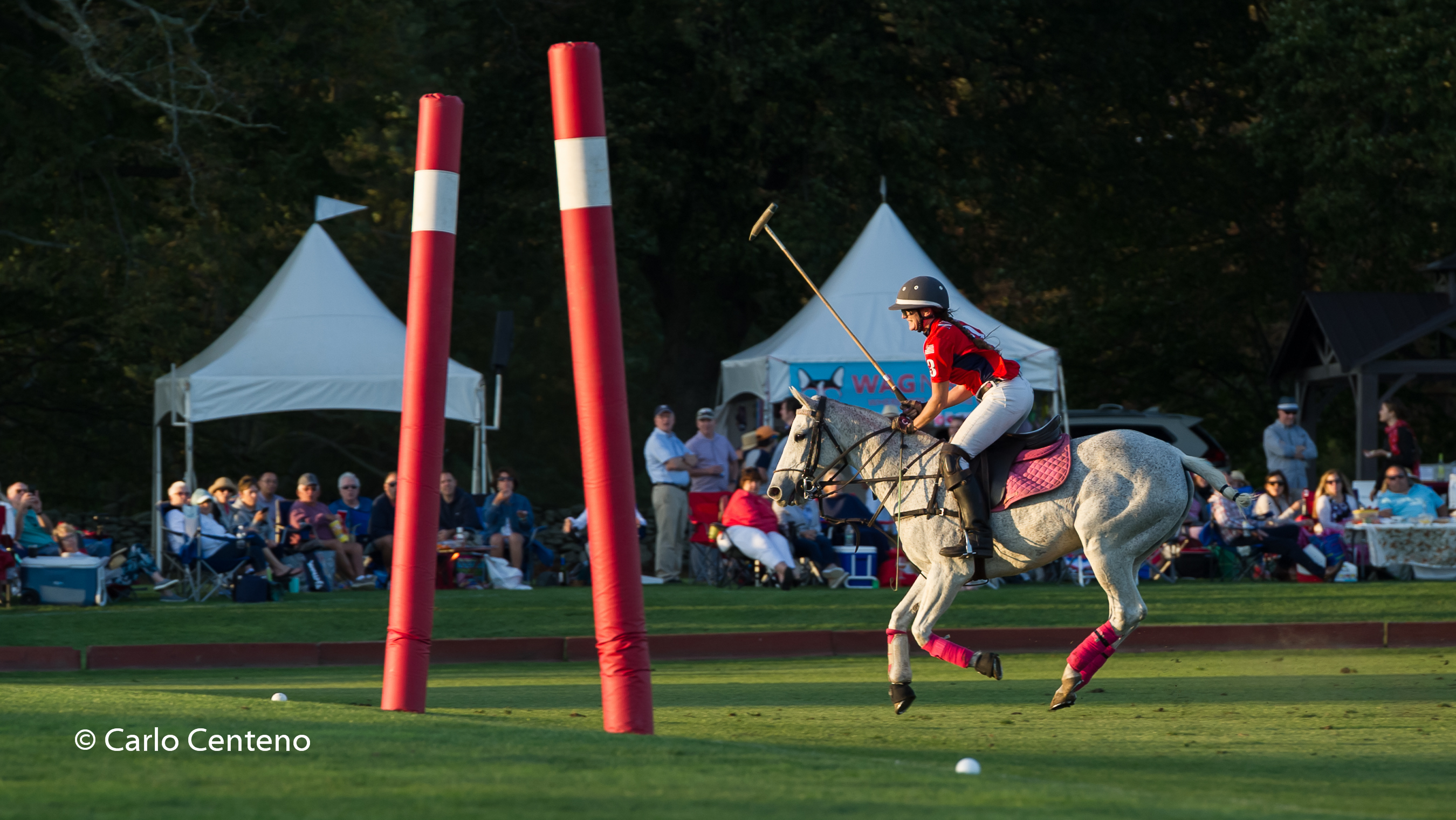
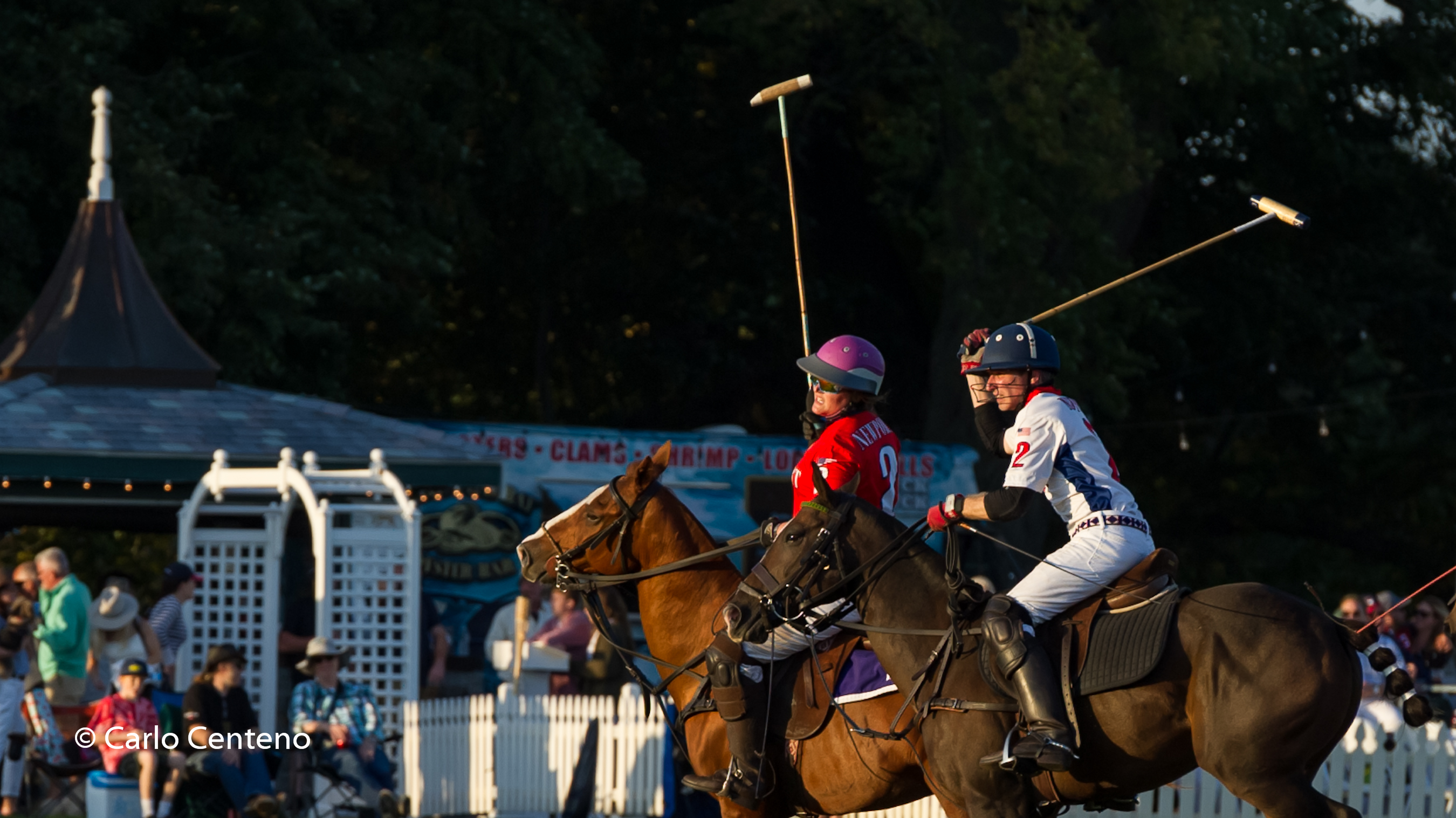
Newport International Polo

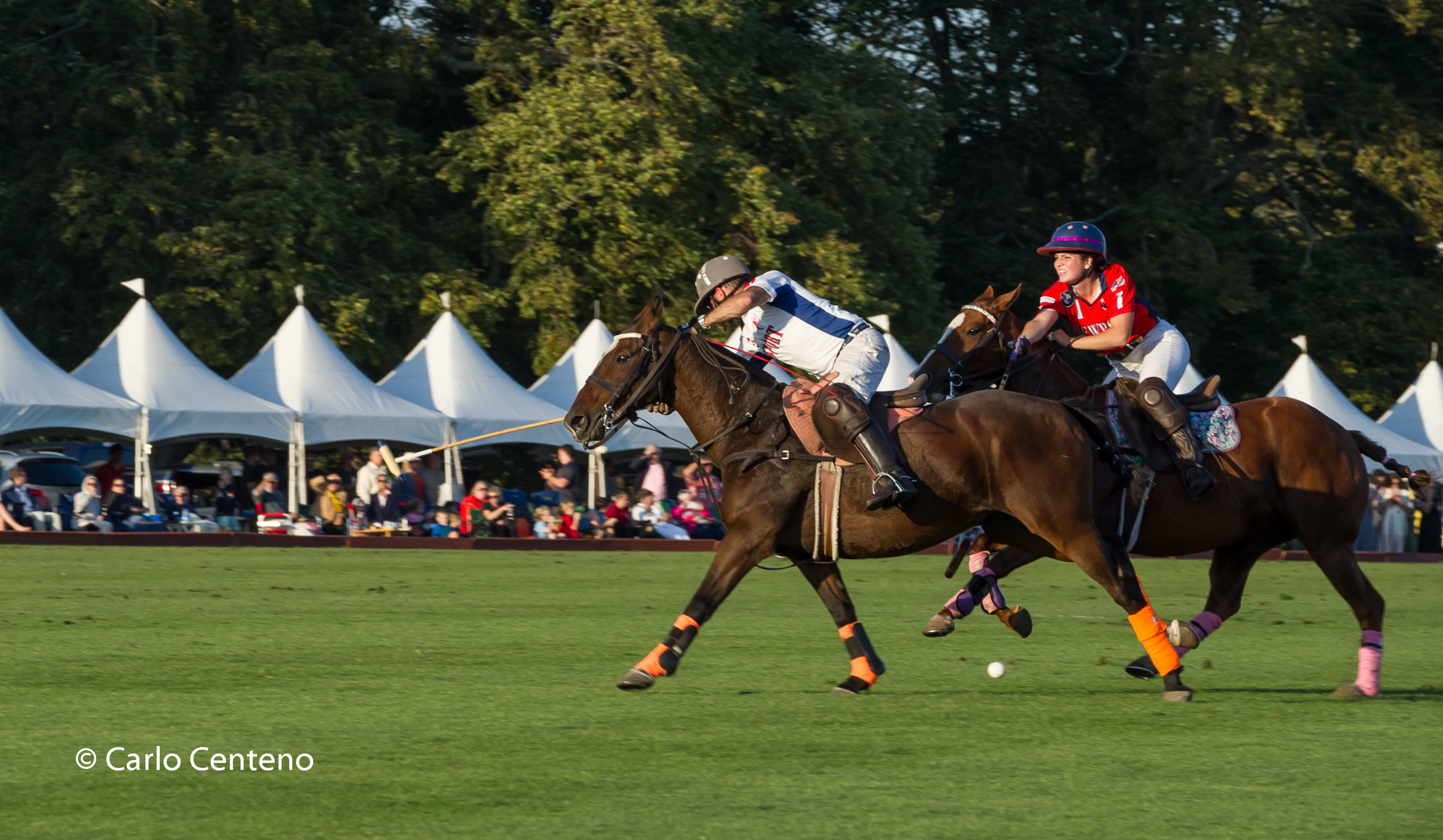
If one would be literal about the sport of Polo, it could be more accurately described as “Field Hockey on Horses.” For  the cognoscenti, it’s known as the sport of kings.
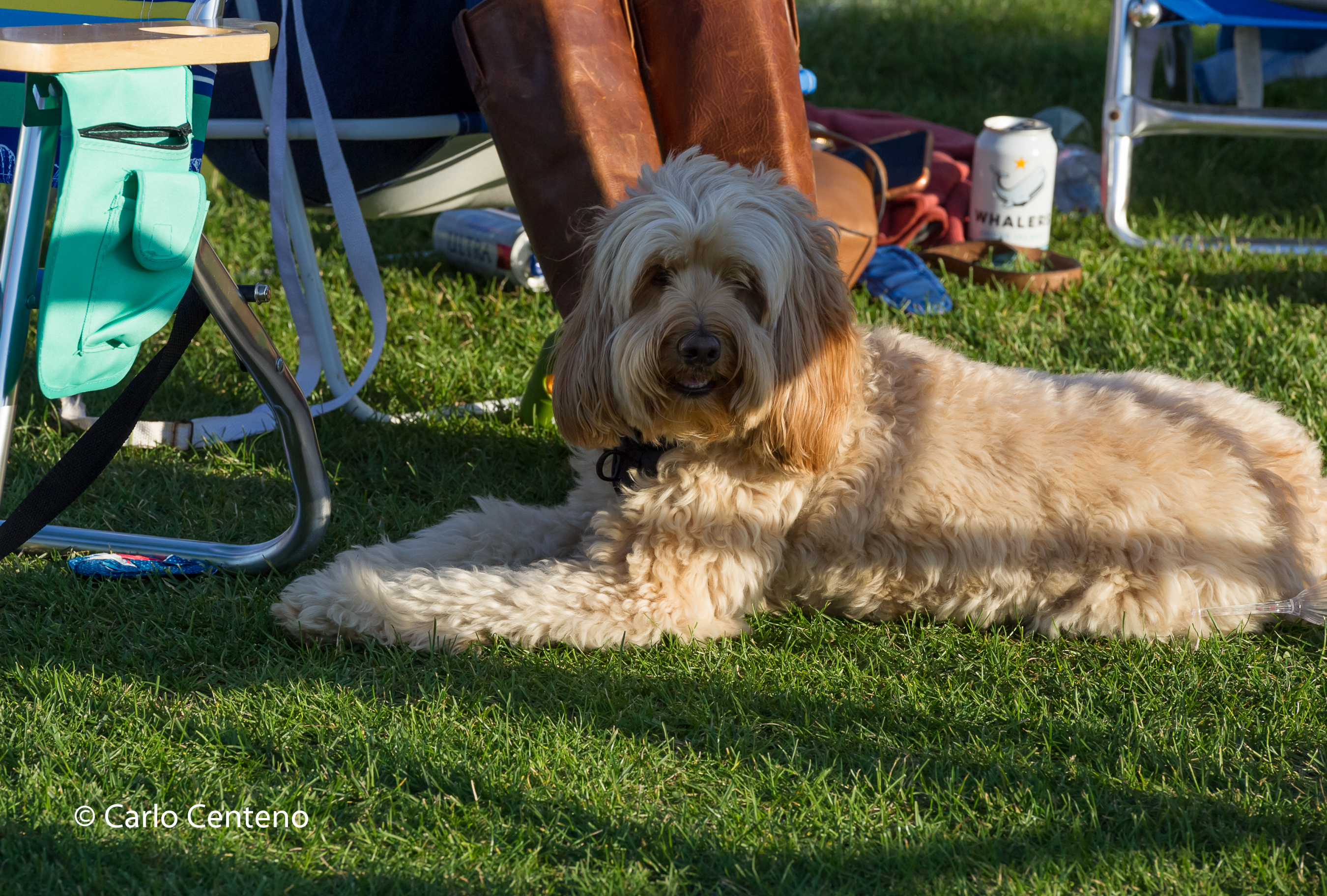
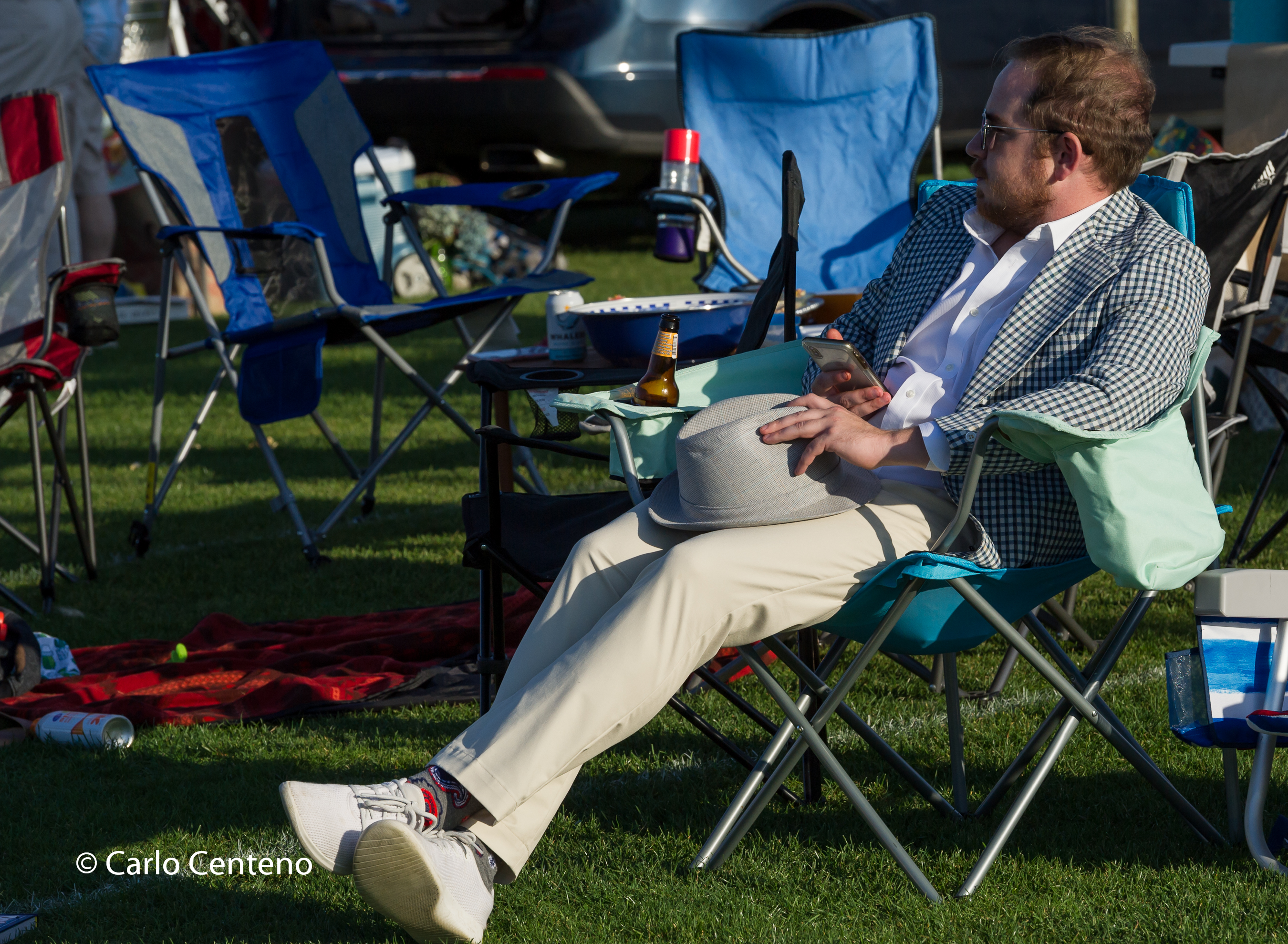
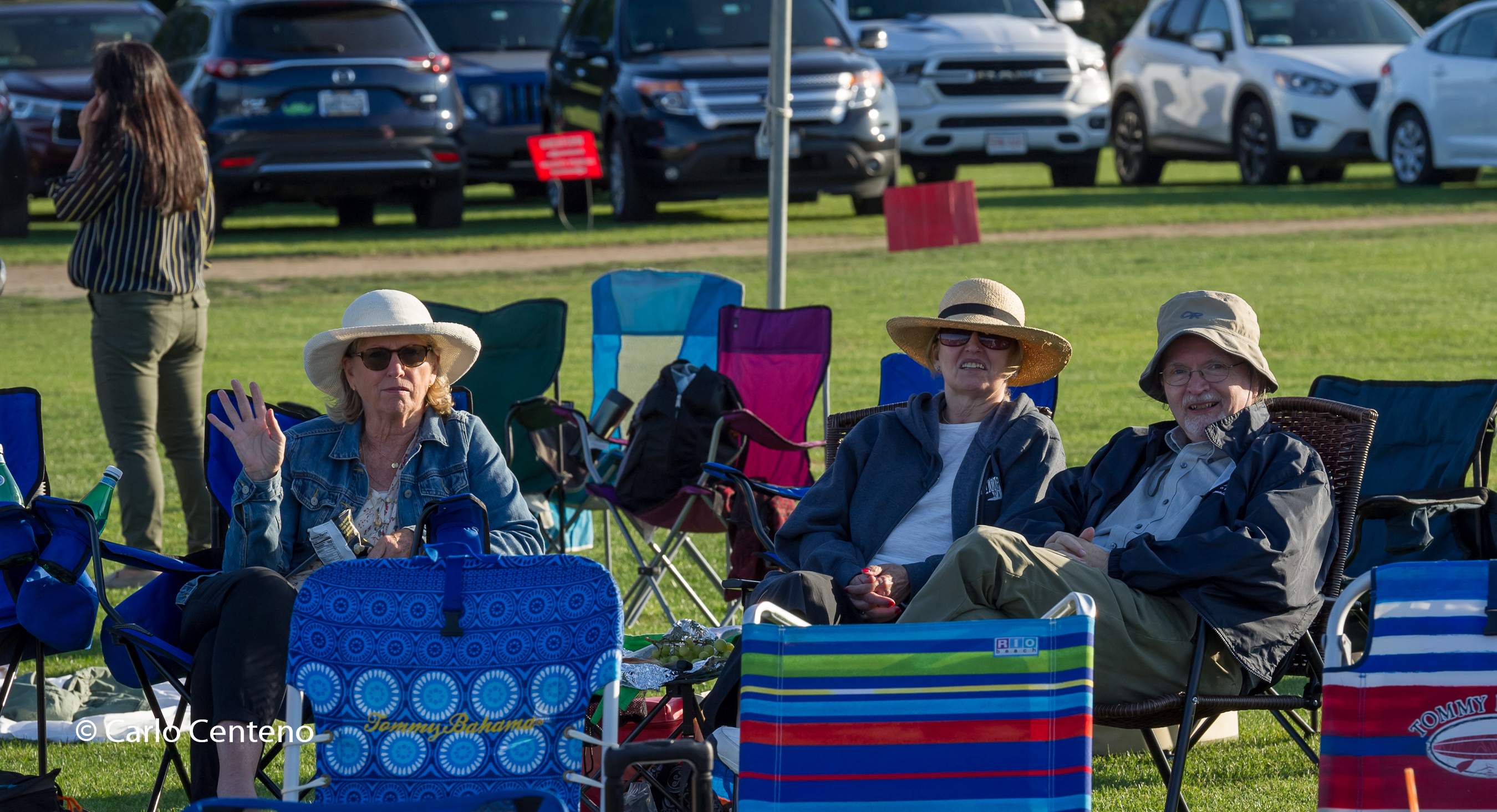
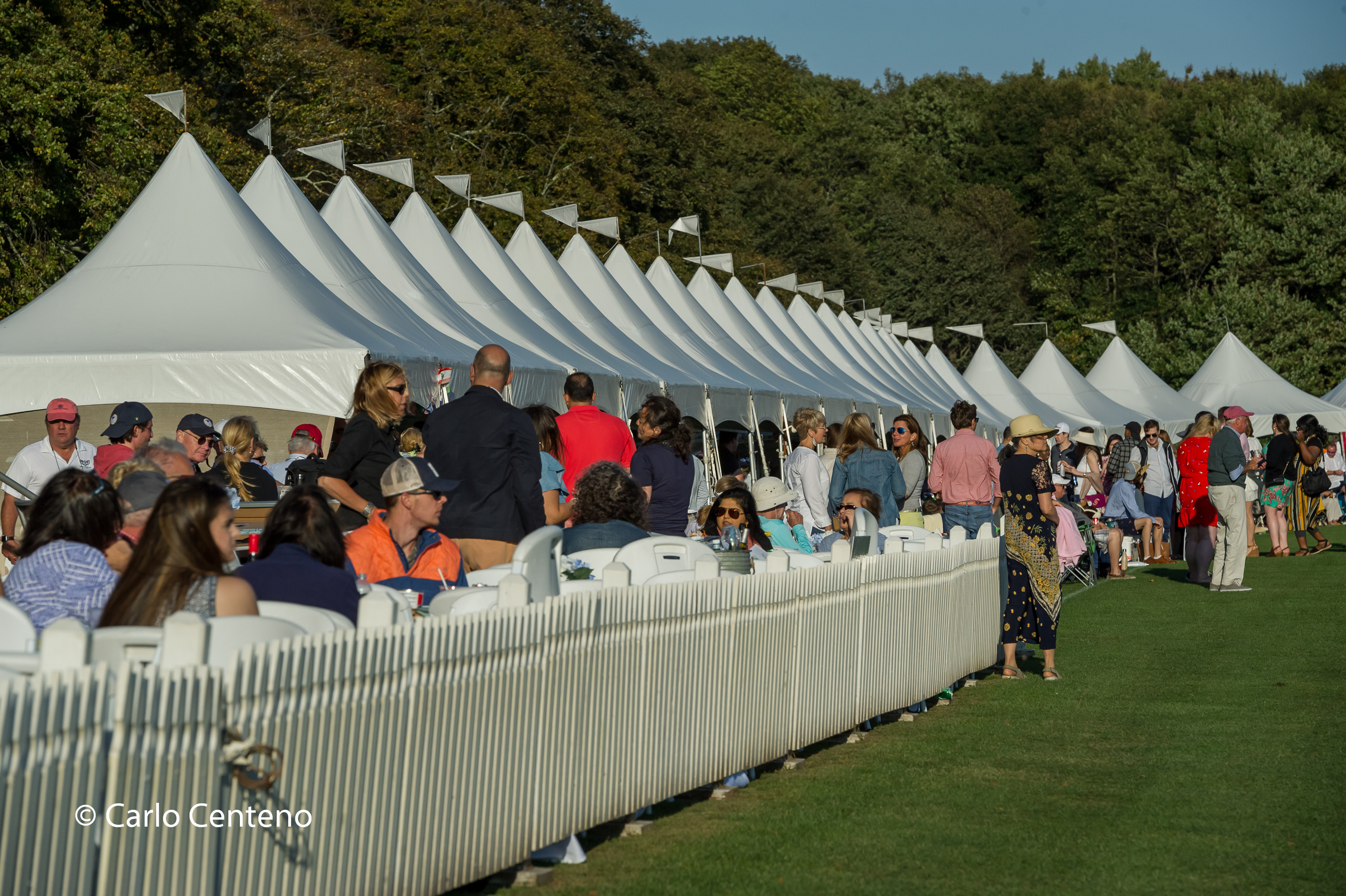
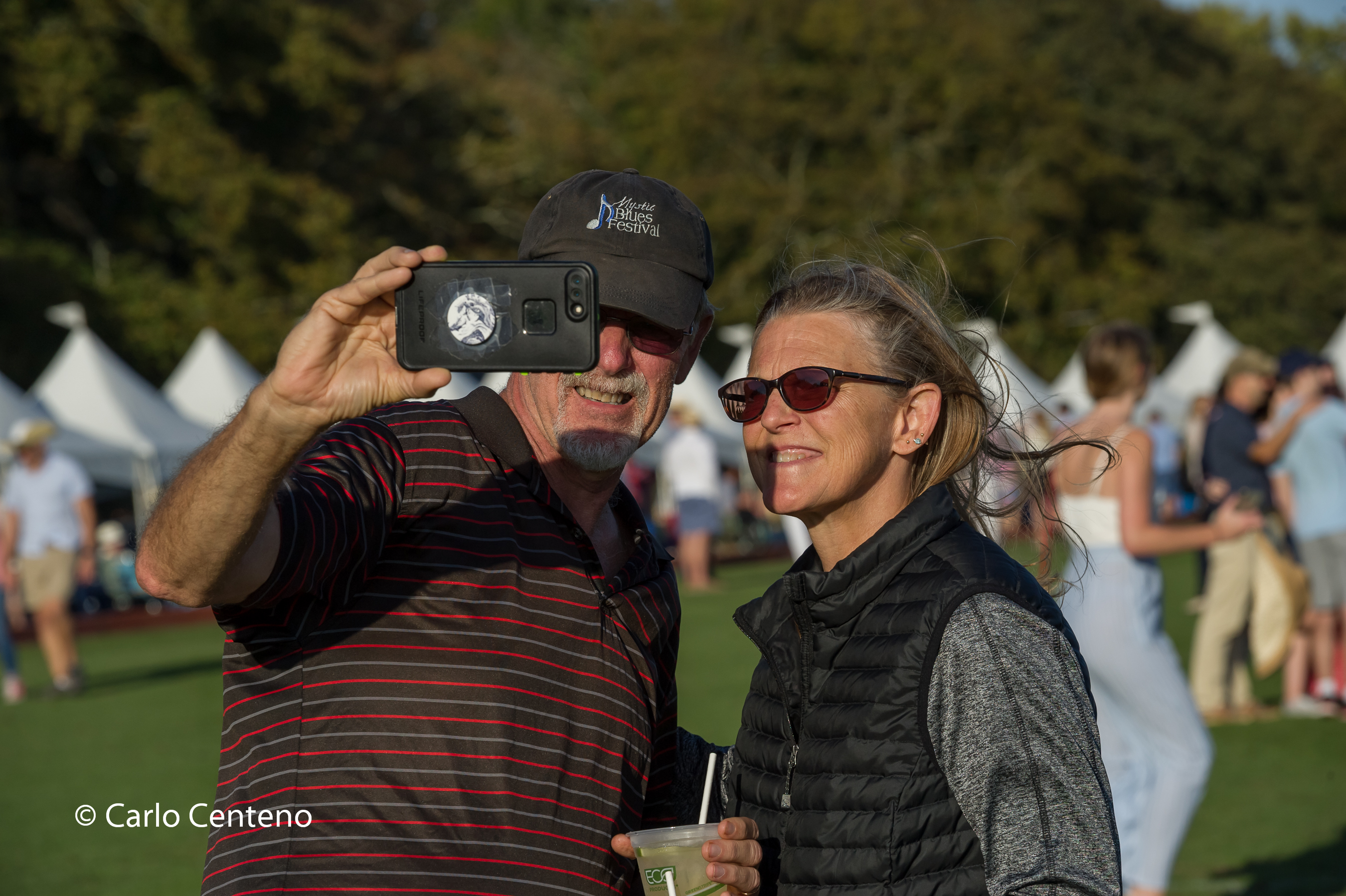
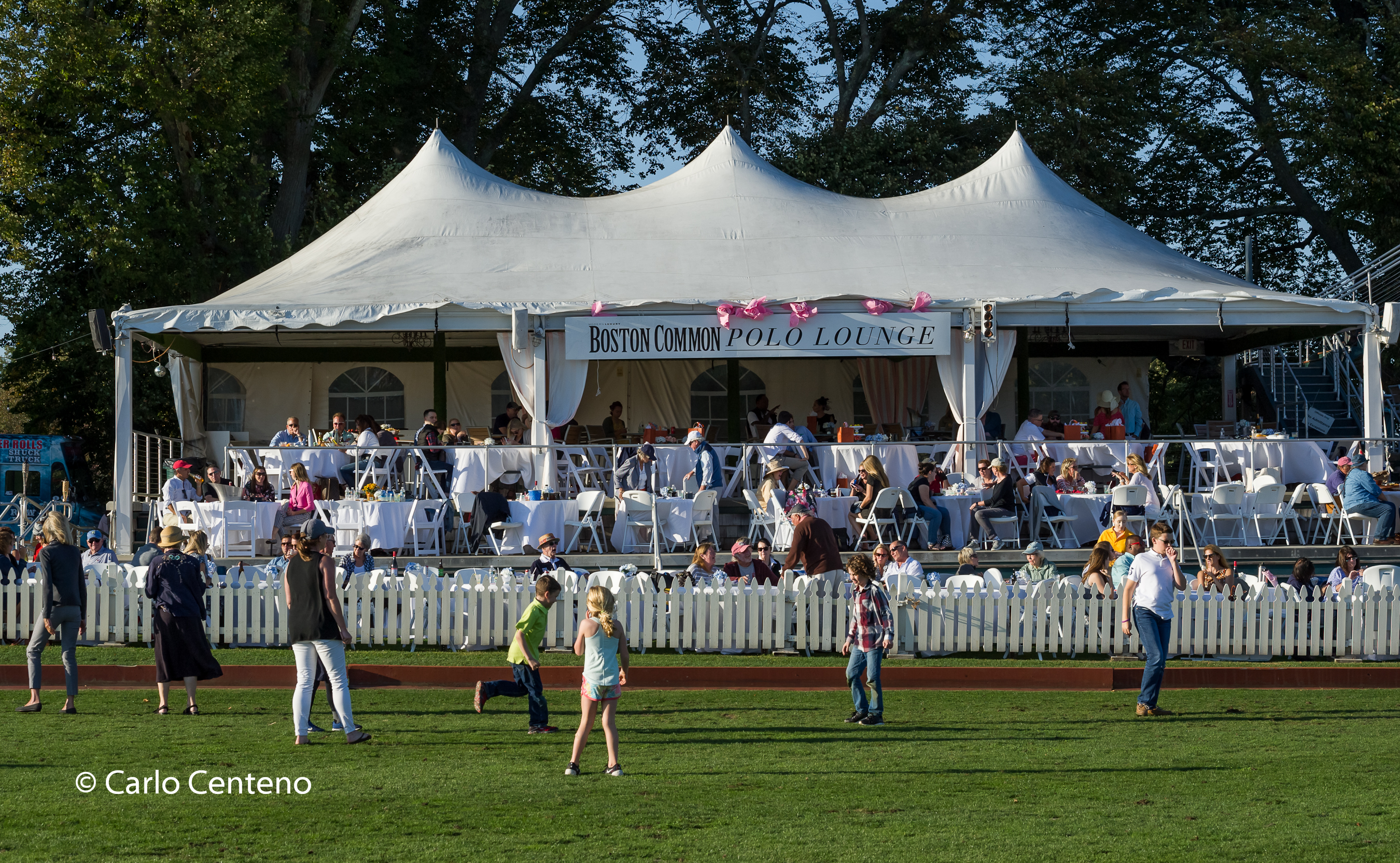
The Newport International Polo Series just finished its season at the end of September. While polo is often touted as a high-brow event, the match I attended was that and surprisingly much more than I expected: family, dogs, picnics, lively conversation, kids playing about, grown ups playing Bocche Ball, a game of catch, etc. all away from the playing field.

A congenial atmosphere on the grounds made it easy to enjoy the match and for the neophytes among us, a chance to learn more about a sport that demands much from horse and rider.

An entertaining task—and fun for many—was the half-time tradition of the divot stomp.


Face-to-Face

I suppose any season is good for “time travel.”  Case in point: The Hancock Shaker Village in Pittsfield, Massachusetts. Throughout New England and other parts of the country, living museums provide a chance to feel what we could only imagine.

Such places serve to remind us of what we have. Or what we’ve lost.

On a particular Saturday evening, I was reminded of the power of conversation. The Shakers traditionally have family dinners, meaning you sit at a table–often a rather long one–and enjoy supper together.  This particular night came via the Food for Thought series, a HSV summer event whereby one sits and enjoys a gourmet farm-to-table dinner and conversation. From June thru August, an author is invited to dine, discuss and engage about a recent book that she/he has published.

Traveler, award winning writer, bestselling author, Mr. Simon Winchester.

The narratives can be compelling. Unsurprisingly, there’s the conversation of getting-to-know a bit more about a person, not the least being the author who’s about to recount a journey of research, writing, editing and more.

Like the author, the guests had their own experiences to share. Most were familiar [snippets of life’s journey from a father-mother-engineer-lawyer-financial manager-medical doctor, e.g.], and others were fascinating to hear and talk about. In attendance was a young student of epidemiology, and I should have talked with him beyond his academic CV [Princeton, then John Hopkins].  It would’ve been fascinating to hear more about the rise of diseases and other ailments that can quickly wreak havoc on populations around the world.

The beauty of talking face-to-face is that beyond the words you hear, you’re also emotionally involved. Expressions, gestures and tone each hint at nuances that can be missed when engrossed with email and text messages.

I enjoy the various digital communication platforms and they can be timely if not helpful. However, there’s still something to be said about connecting with people face-to-face. And that kind of connection can make such a difference in your comings and goings day in, day out.


The Artistic Power of Self-Awareness

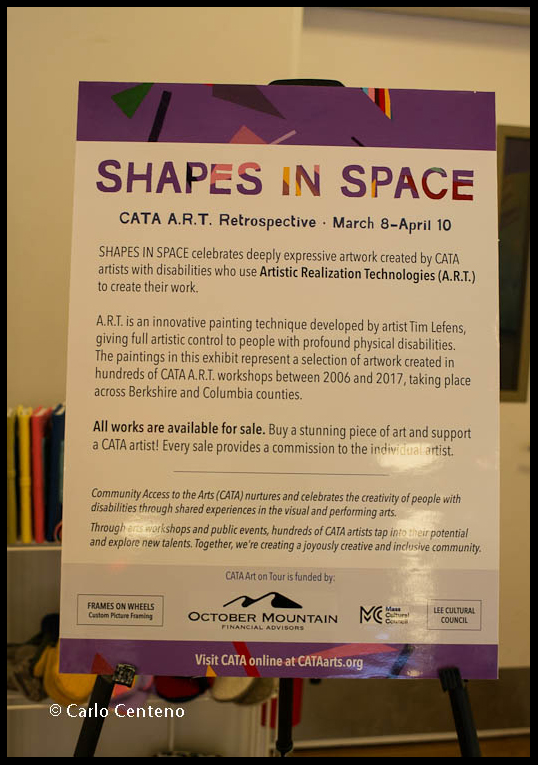
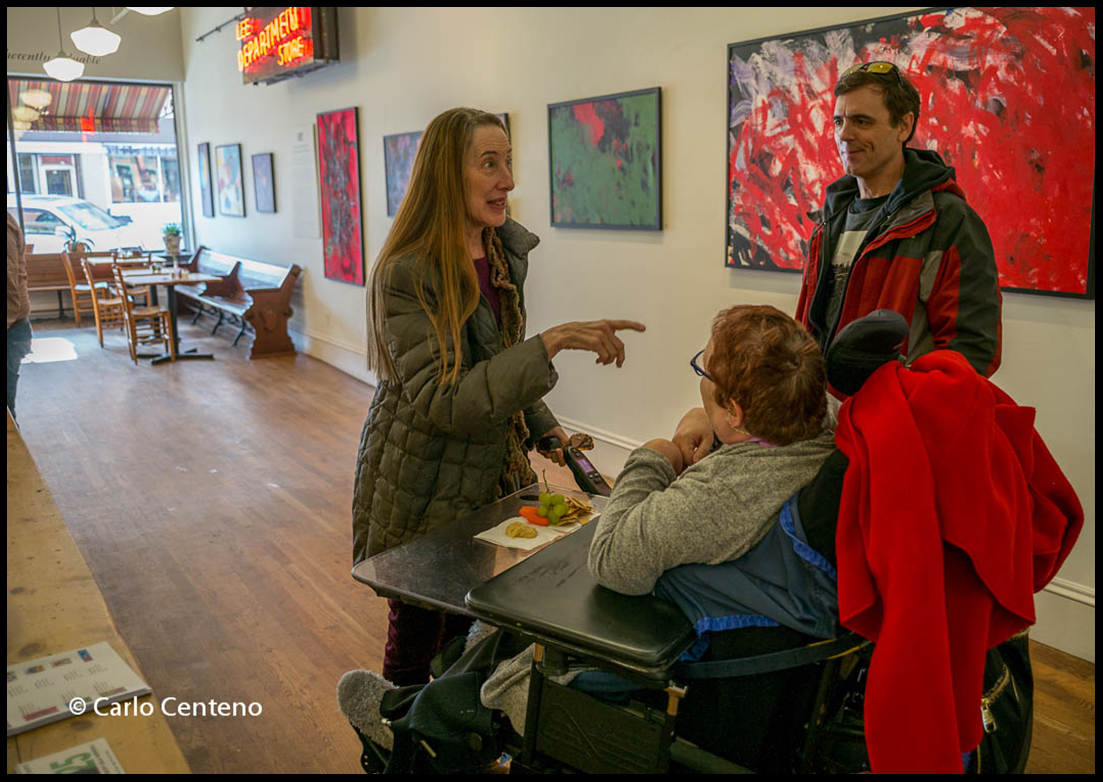
Dr. Stephen William Hawking was an amazing human being for many reasons. His recent death made me think that the realm of possibilities in life are practically endless. He was proof positive that we should diss “dis-” in disability. We all have abilities in one form or another. I recently attended a gallery opening for CATA [Community Access to the Arts].  Through an innovation known as Art Realization Technologies [see image below], people with physical disabilities get to express their artistic abilities.

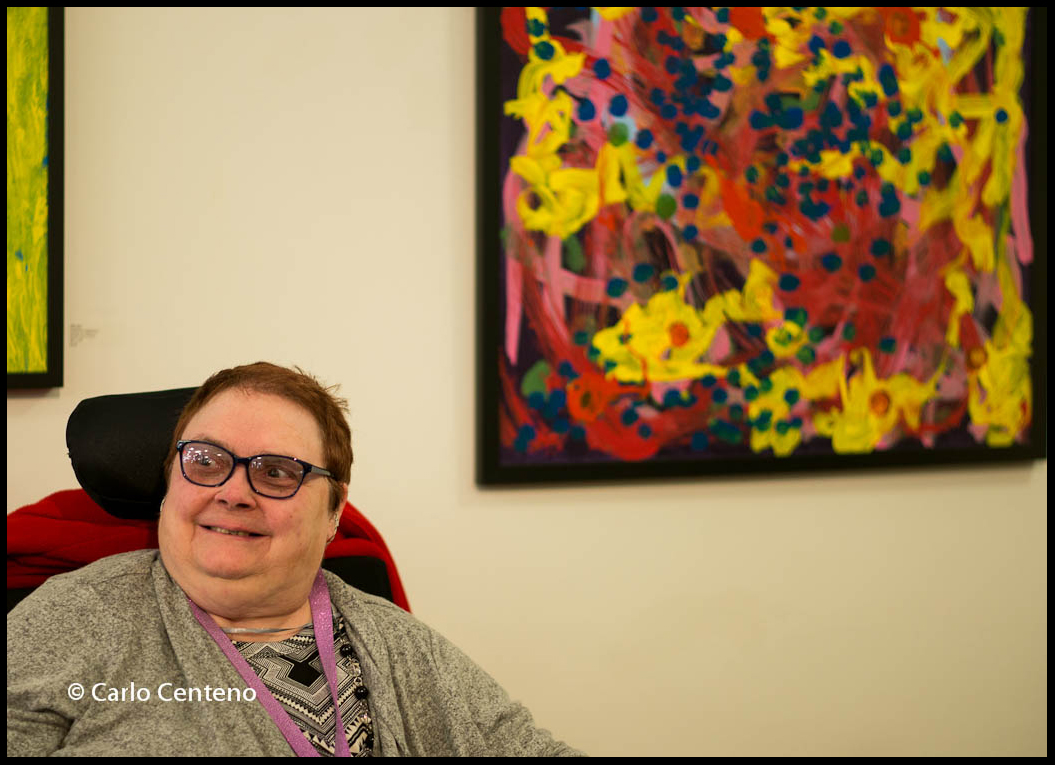
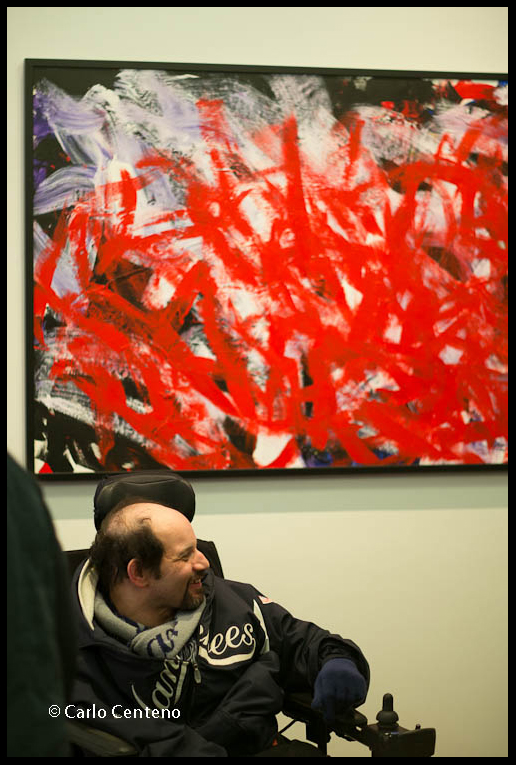
So then, here on canvas, each one attributed to a person, is their artistic awareness of their individual sentience. Expressive. Personal and self-aware. Fragile. Powerful. Confident, each canvas like the artist, one of a kind.

Artist David Gardner with Red Bird, acrylic on canvas.

Artist Julie Raymond with Untitled 2011, acrylic on canvas.

Artist Carol Neuhaus with Outside the Box 2016, acrylic on canvas.

Artist Myles Tosk with Untitled 2008, acrylic on canvas.

CATA founder Sandra Newman [L] with Carol Neuhaus and Carol’s art trainer.
Yes, every piece is for sale and the artists along with CATA benefit from the sales.


Of Food and Fairs

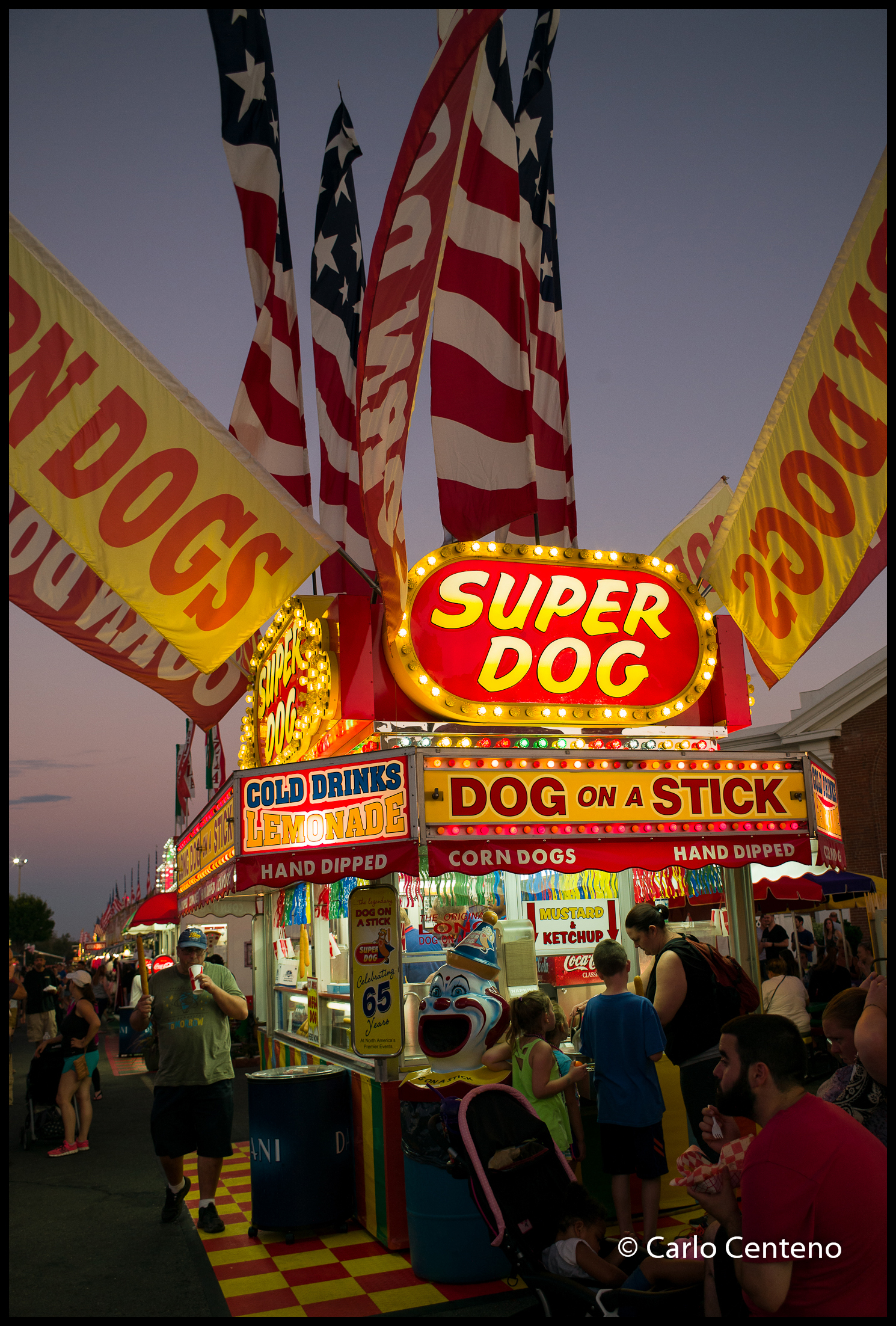
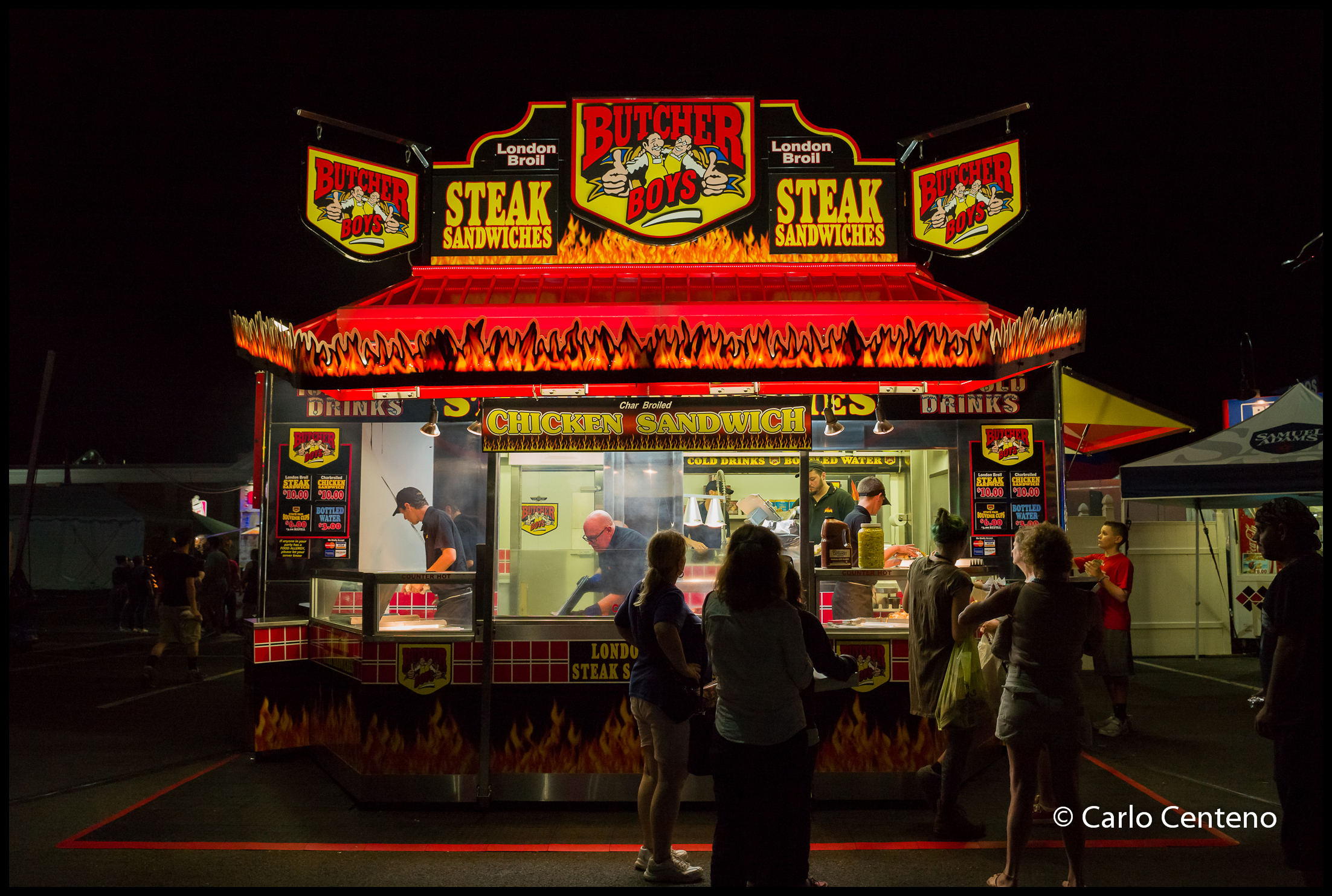
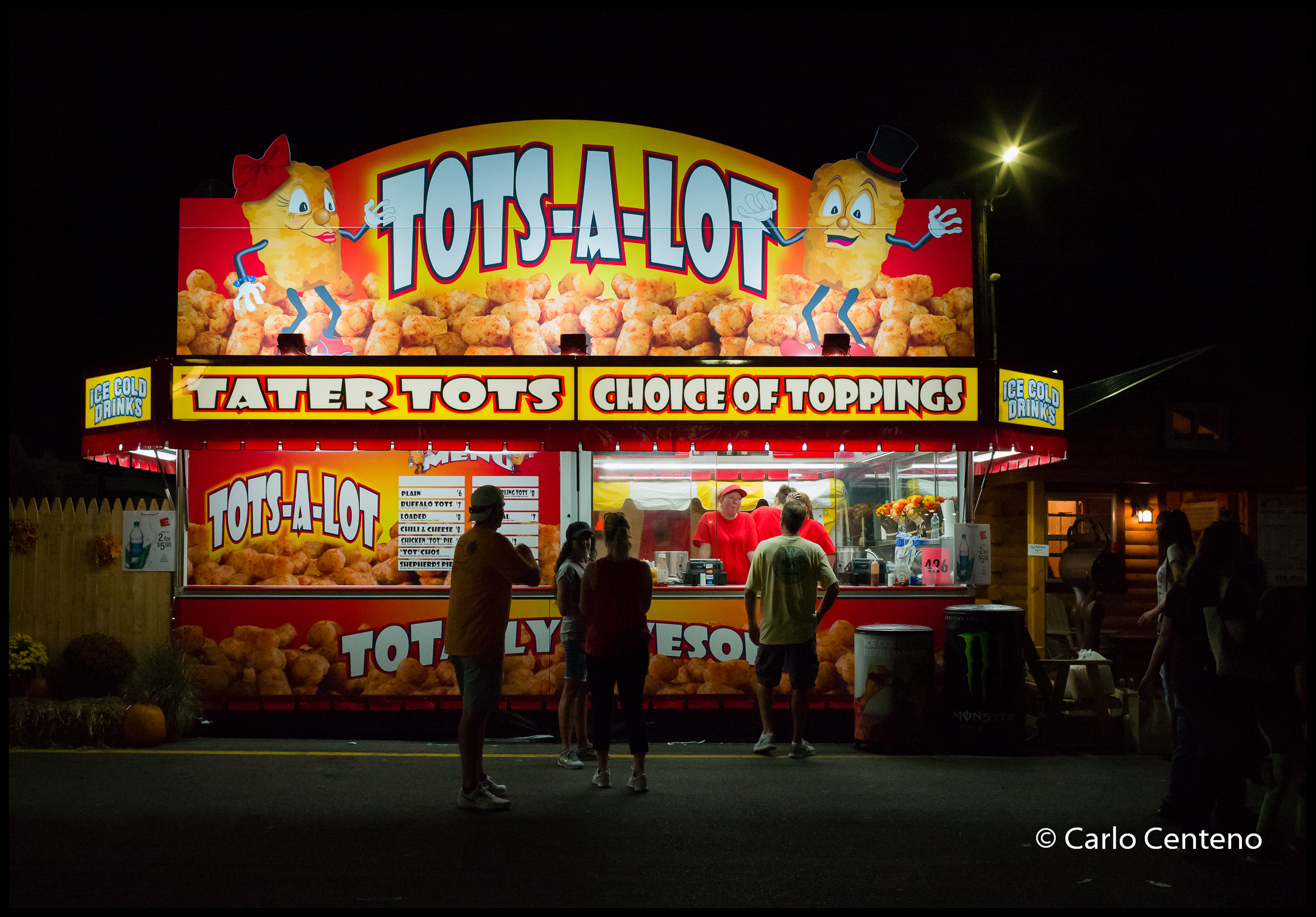
For the past 100 years in early Autumn, the Eastern States Exposition puts on a show affectionately known as, The Big E. For about 2 weeks, visitors can lose themselves in entertainment, food & drink; wander the Midway complete with all things that say “carnival;” explore hundreds of exhibits and competitions that focus on the demanding work in farming, the raising & caring for livestock & poultry and more, much more.  The Big E is one of the country’s largest fairs. I enjoy it for many reasons, but my fascination goes to the hundreds of food vendors on the grounds, especially when their booths light up the night.

Sharing is Caring


Ferrari has an enviable position in several areas, not the least being Formula One racing under the moniker, Scuderia Ferrari. It’s been said that Ferrari makes road-going sports cars so they can finance their F1 racing efforts.  It’s a princely sum; in 2016, close to 386 million euros [$460 million USD] was spent on their factory team. Their fans, aka Tifosi, are beyond passionate regarding team Ferrari. I’ll leave it to you to think of superlatives beyond “fiercely loyal and passionate.”

Earlier this year at the Spanish Gran Prix, Ferrari driver Kimi Raikkonen crashed at the first turn of the race. A 6-year old French boy, Thomas Danel, burst into tears upon learning his hero was out of the GP. His parents were beside themselves. I’ll let author, Formula One reporter and devotee, James Allen take it from there. Click here for his story.

If you read Allen’s story, then you’ll understand the arc of my post. Being warm and fuzzy is not one of Ferrari’s key attributes, racing or otherwise. Perhaps it’s an effort to make F1 racing more empathetic to emerging Tifosi, young and old alike. Maybe there’s a contagion involved, as demonstrated by tire manufacturer, Pirelli, at the end of the Challenge races.

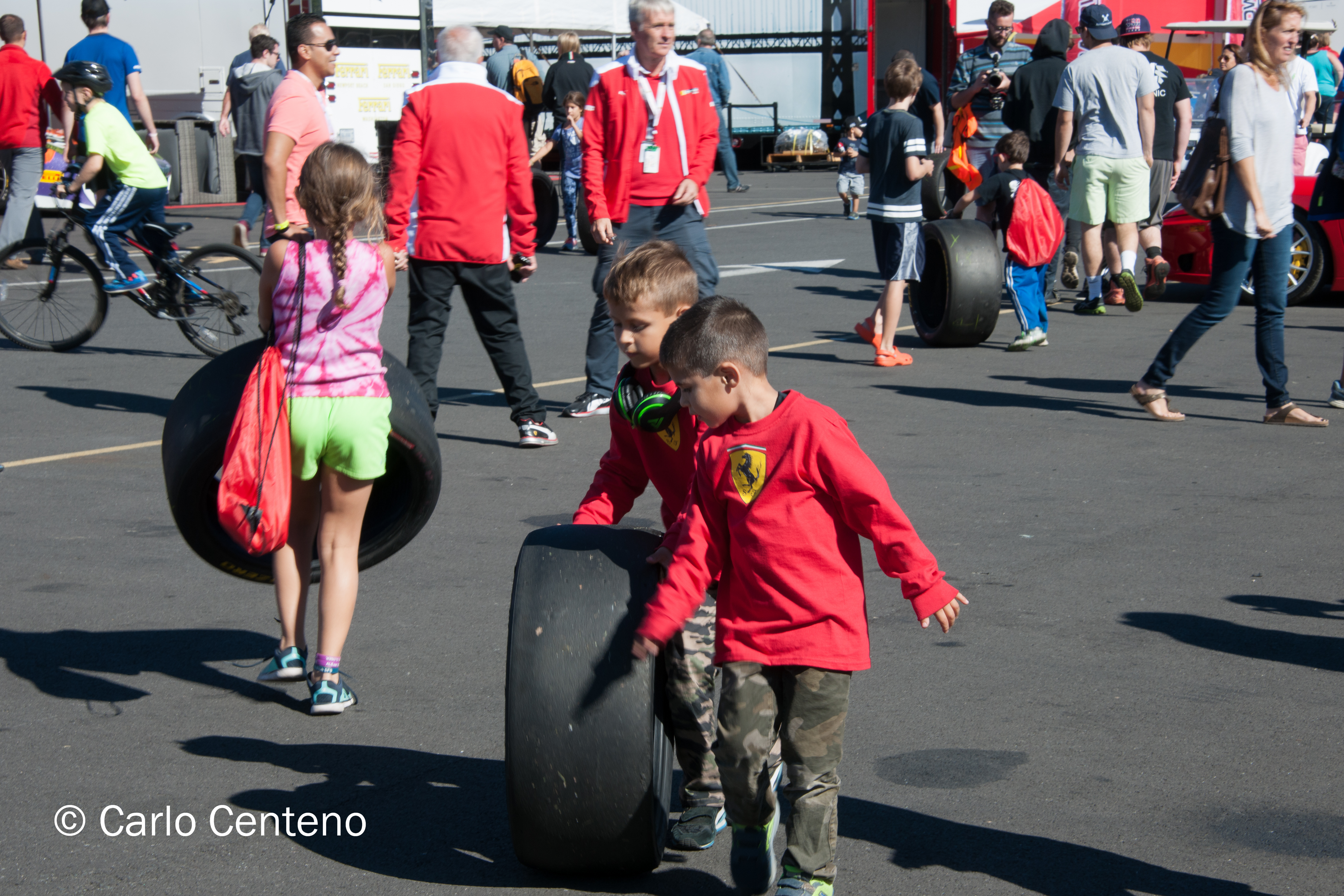
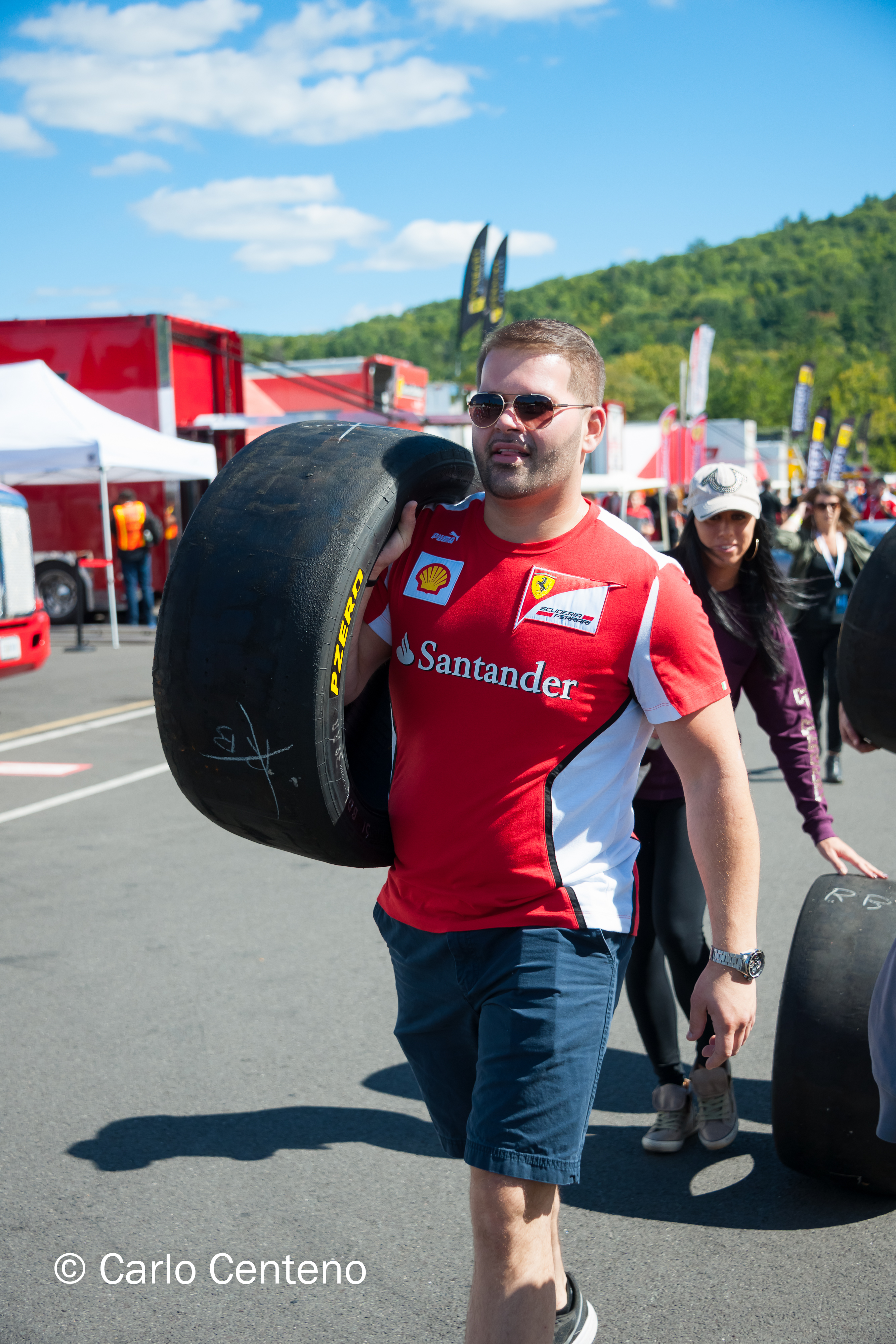
The photographs posted here are from the Ferrari Challenge races held at Lime Rock in Connecticut. Pirelli is the exclusive supplier of racing tires for the Challenge series. Not many know that after one race, those tires are done. This could be interactive marketing in a most basic way, but Pirelli offers to the fans these “one-and-done” racing slicks, which means they don’t have to lug as many back to the factory graveyard. I wonder how fans packed these large souvenirs home?

Yes, the younger fans have ideas on what to do with them; in most cases—and not surprisingly so—mom & dad have the final say.

I did catch a few choice conversations, mostly between a youngster and a parent.  “This is gonna look great in my room! It’ll be next to my bed!” After listening to similar expository ramblings, the most common response was a resounding, “No you’re not!”

I’d like to think that there’s a sense of reciprocity in play, other than Pirelli making all sorts of impressions to influence consumer behavior. For example, the size of these racing “sneakers” make for a fantastic foot rest, his and hers no less.

Wanderings 3

When I explore the innumerable streets that span New York City, I give credit to serendipity for many encounters. When the camera comes up, or when my pen touches a page in my journal, often the actions are fueled by some gut feeling or a touch to one of my senses.

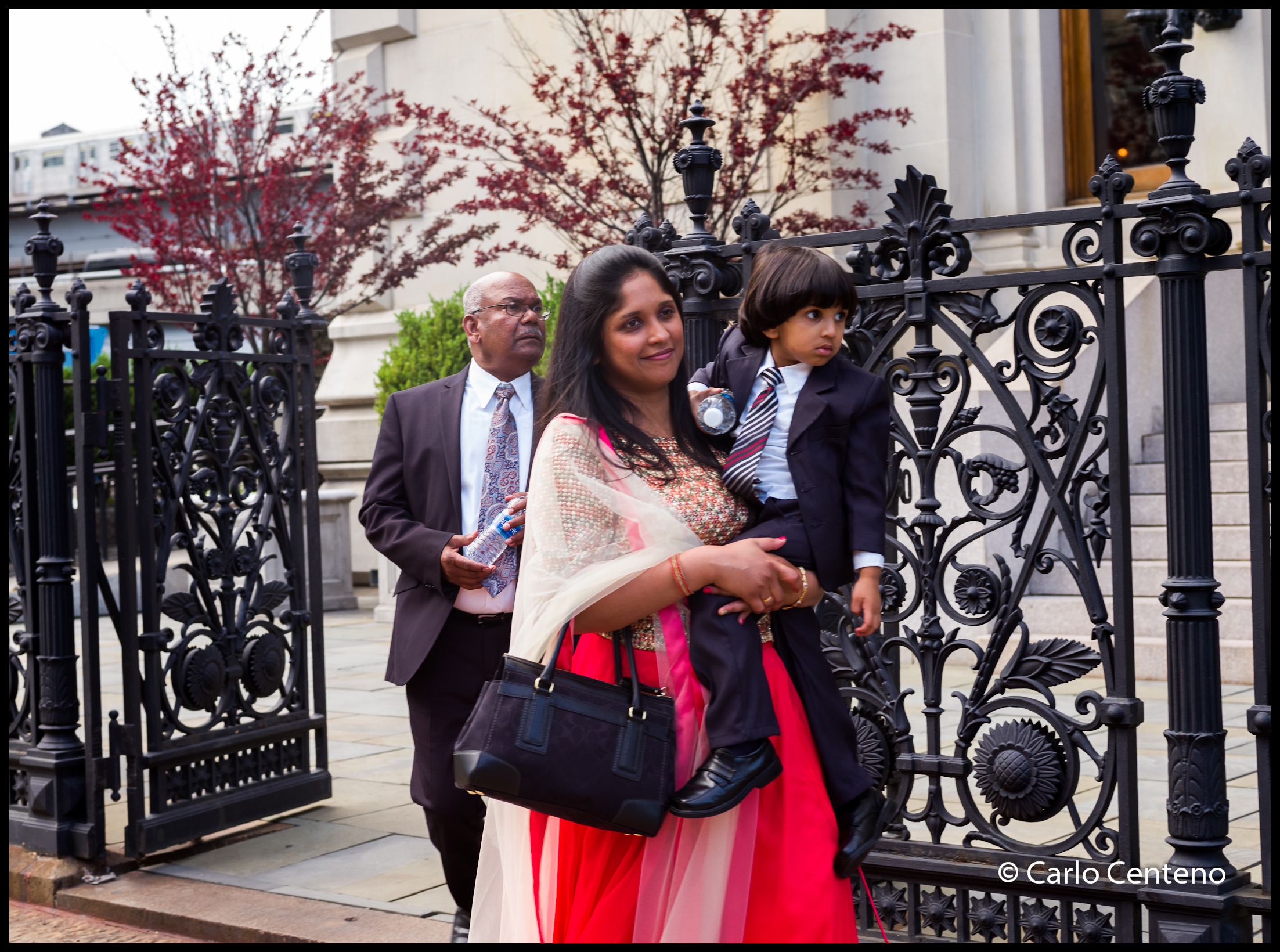
Case in point: this festival of color had a prequel in music. The rthymic sounds of drums, a bass, a trumpet and the chimes of triangles caught my attention. The music sounded Indian. At any rate, a parade of vibrant hues and colors that were part of a very large wedding suddenly appeared from behind a gate.

Certainly this wouldn’t be New York if we didn’t have any juxtaposition to further entertain us. This mural by “Boxhead” channels Rene Magritte, but its appearance in the first photo makes for an intriguing study in contrasts.