Frisson…..it’s French for a chilling sensation, a shiver. It’s typically a pleasurable response to a stimuli that “moves you.” At times we refer to this reactive sensation as something that, “gives me the shivers.” You get goosebumps, you feel the small hairs on your arm or the back of your neck stand up, your breathing and pulse become quicker.
Frisson is that short-lived somewhat intense satisfaction often brought on by music, art, an event, a person, a book, essentially whatever it is you witness that generates a momentary elevation of pleasure. The brain and body experience something akin to adrenaline and dopamine reaching peak levels.
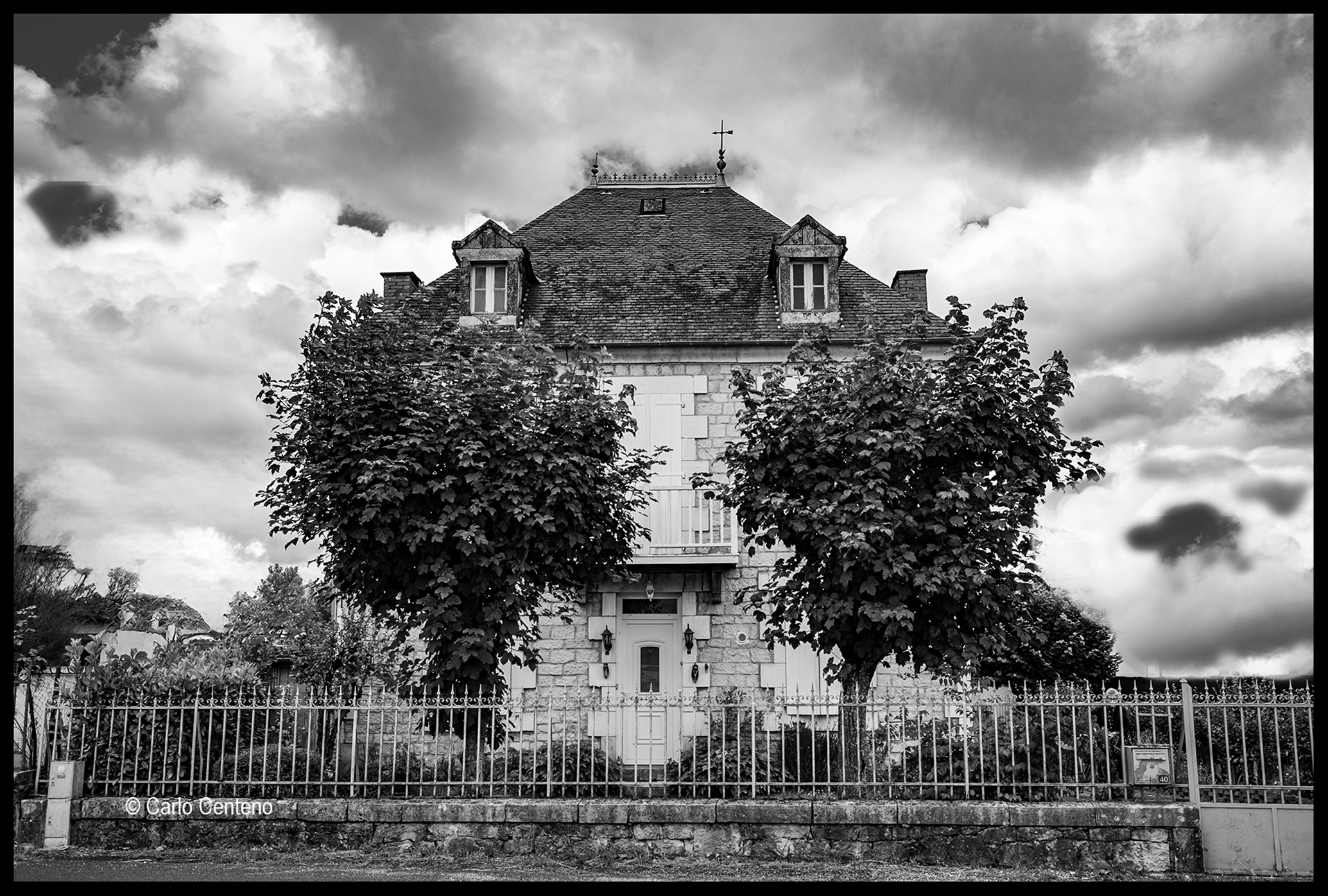
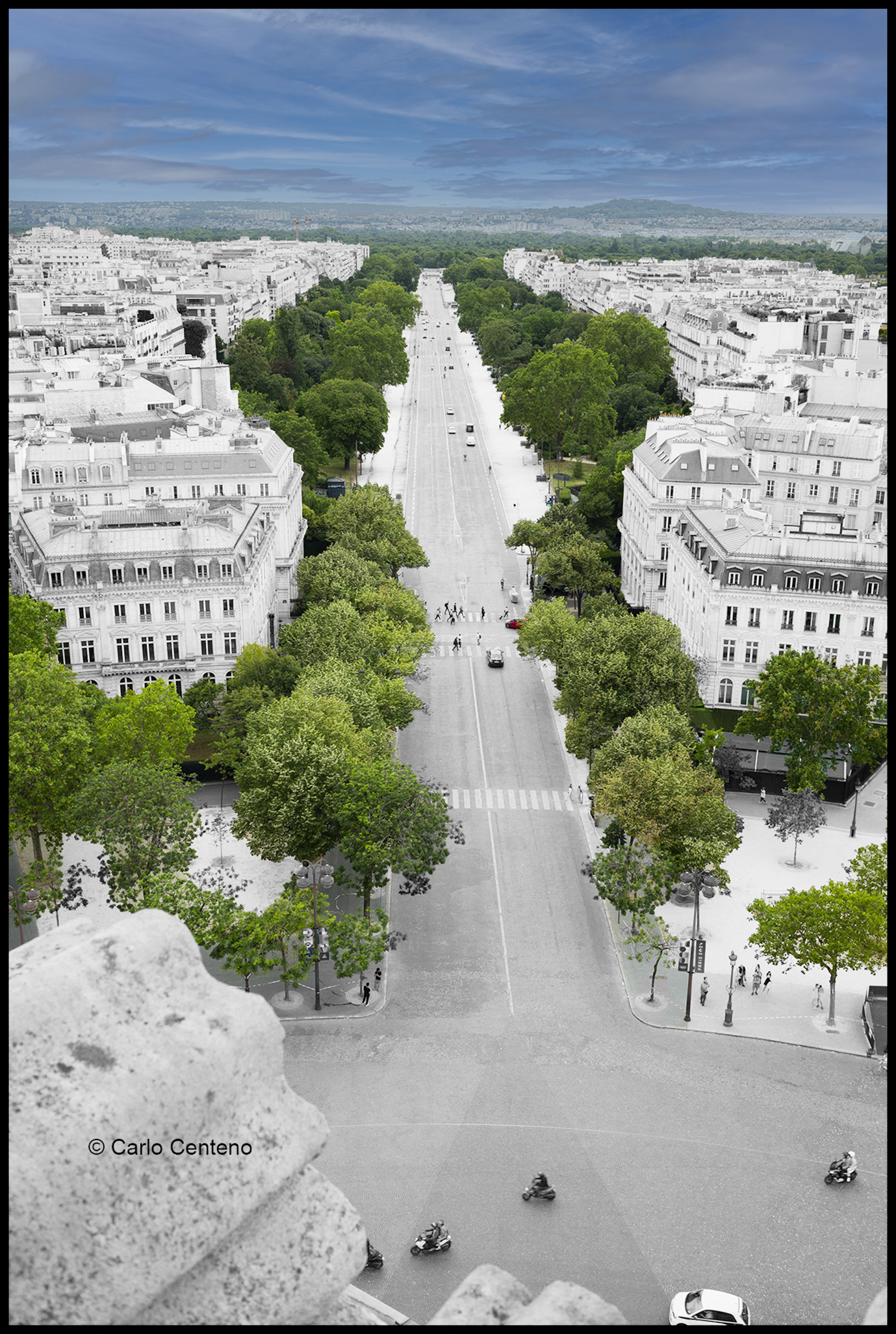
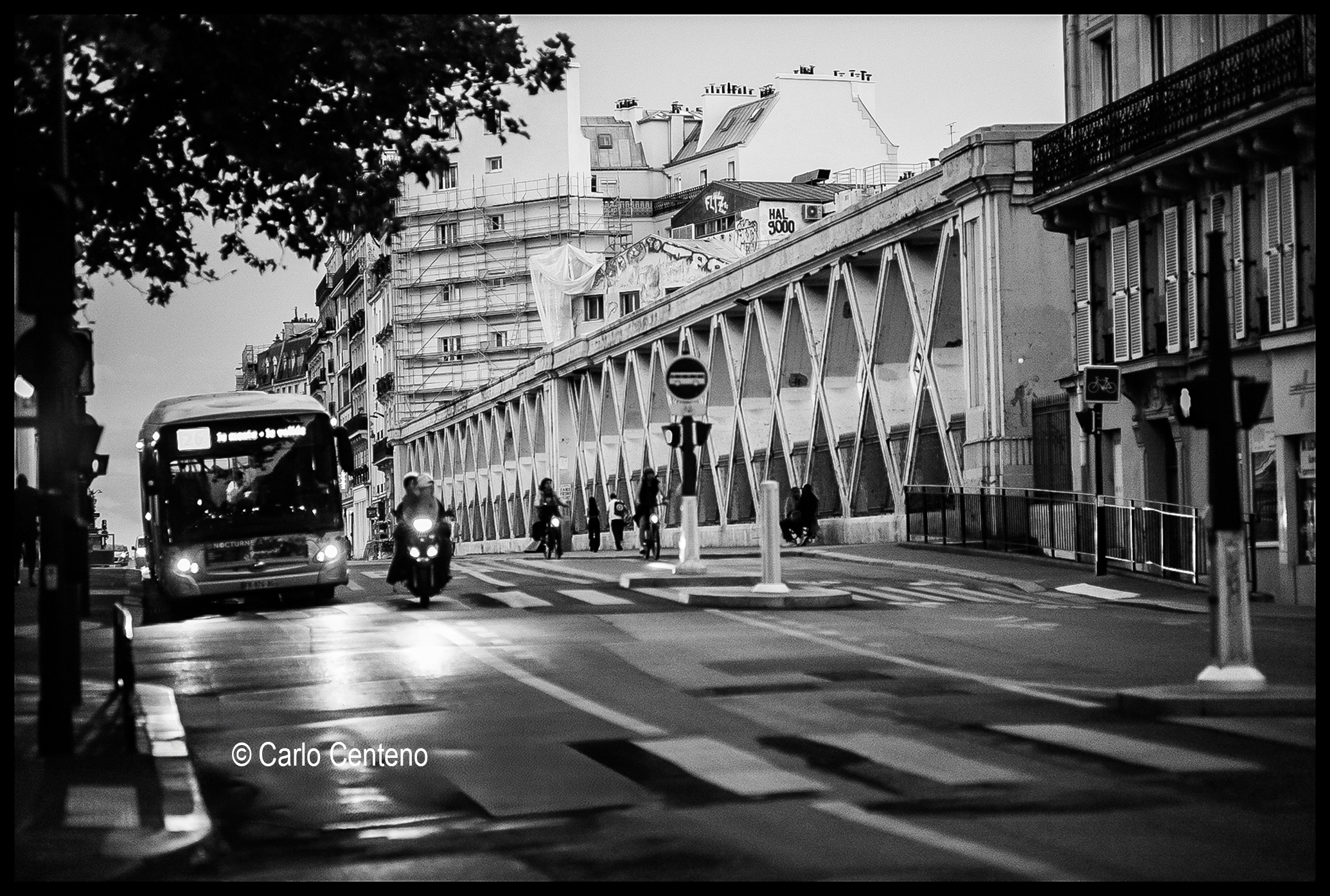
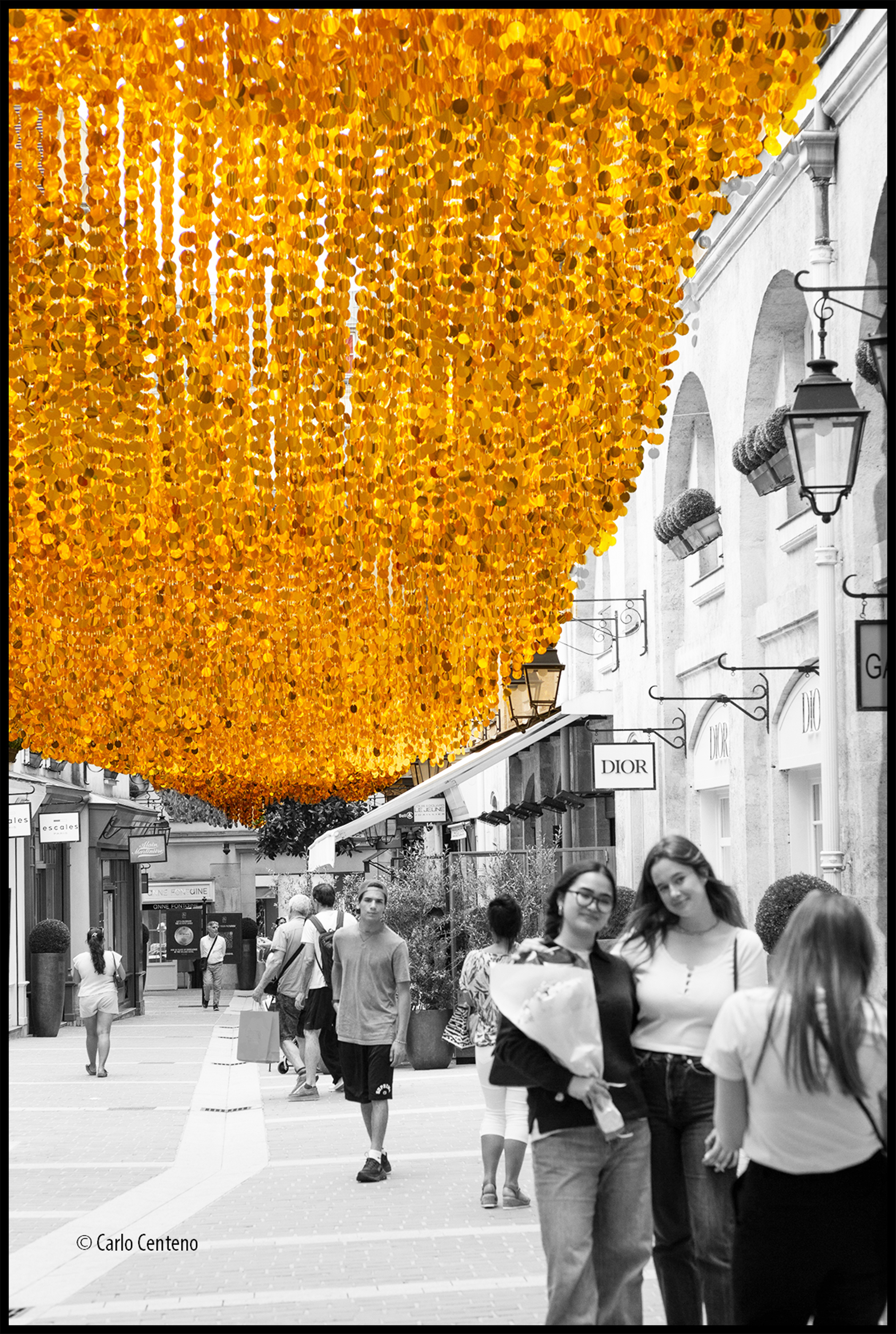
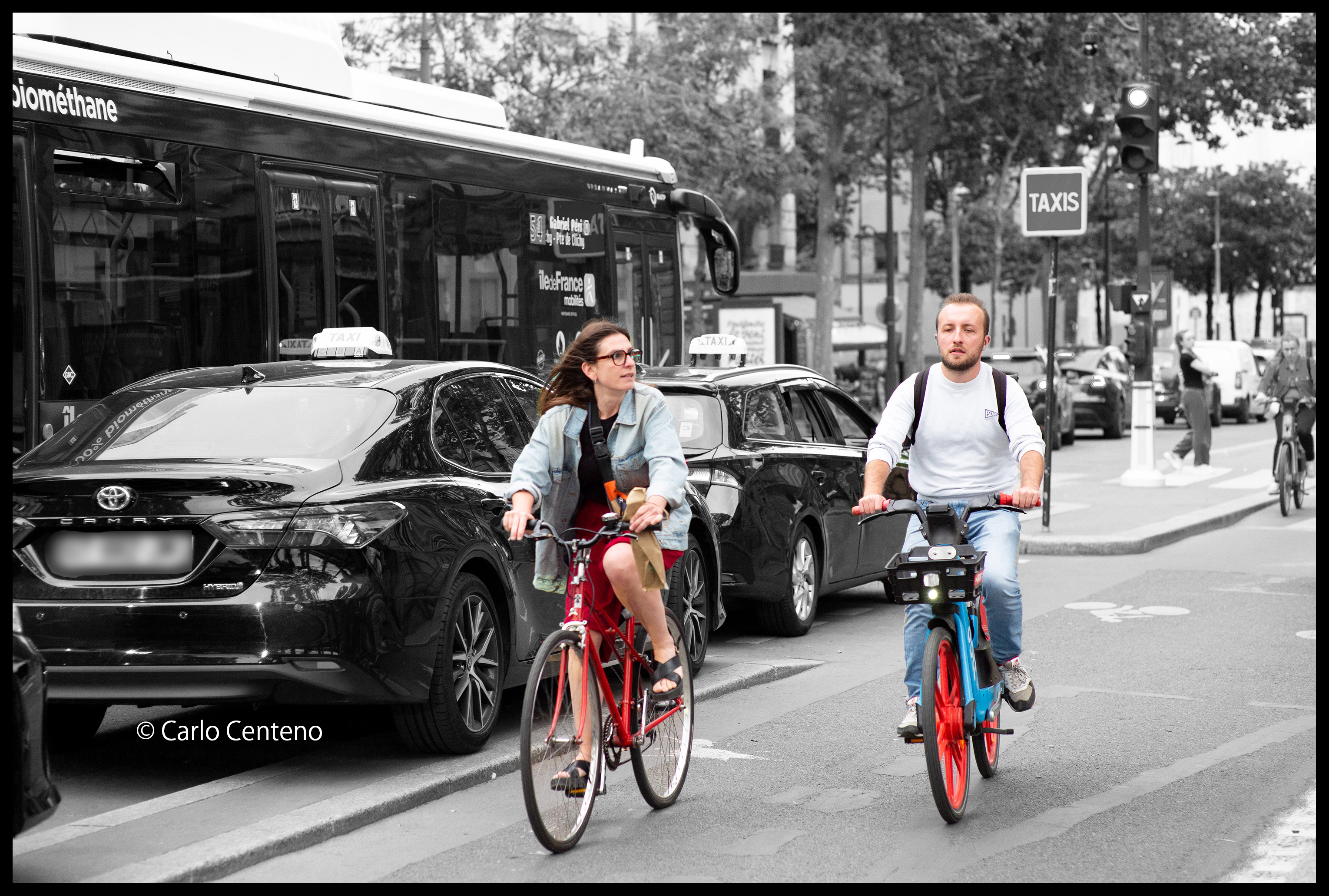
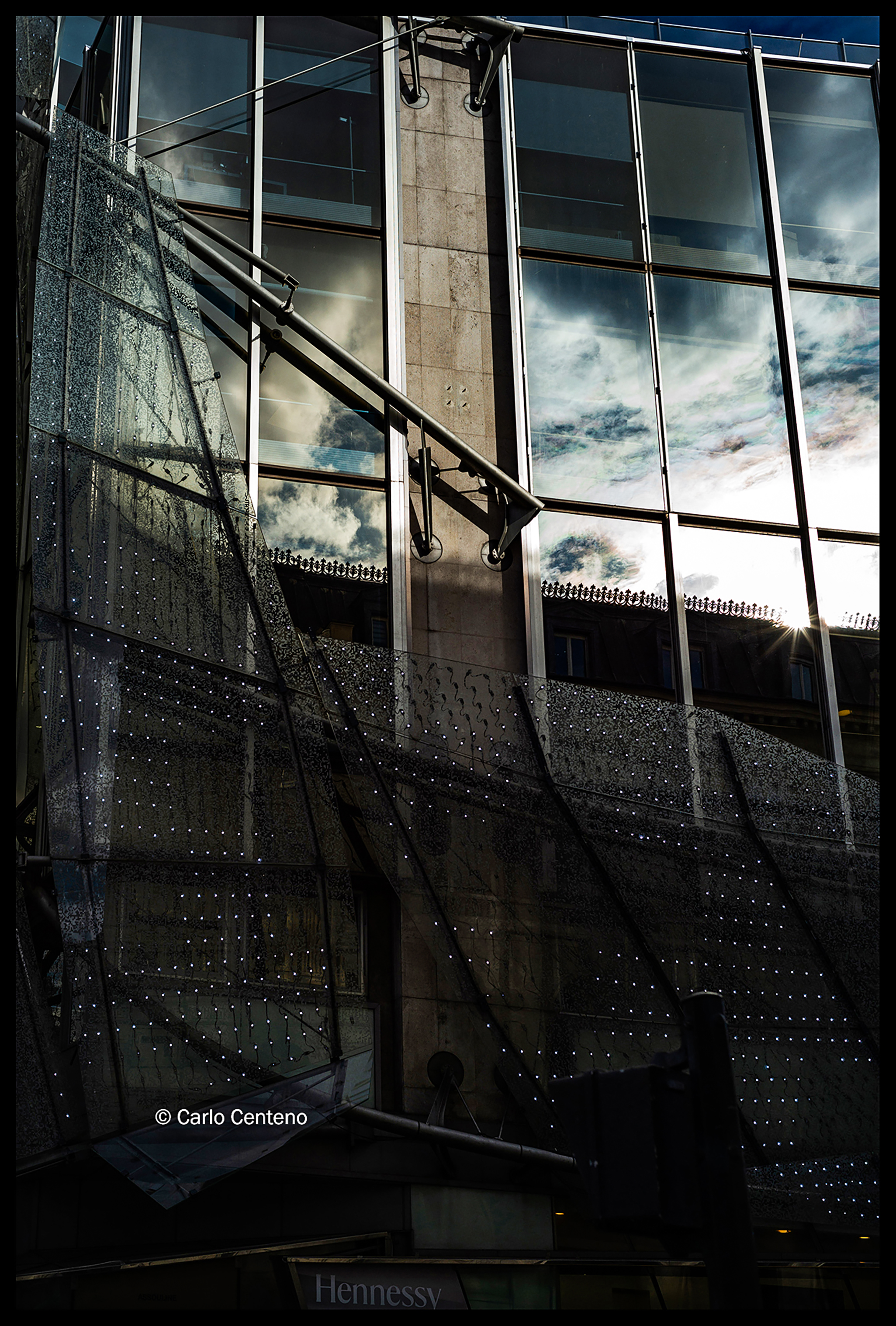
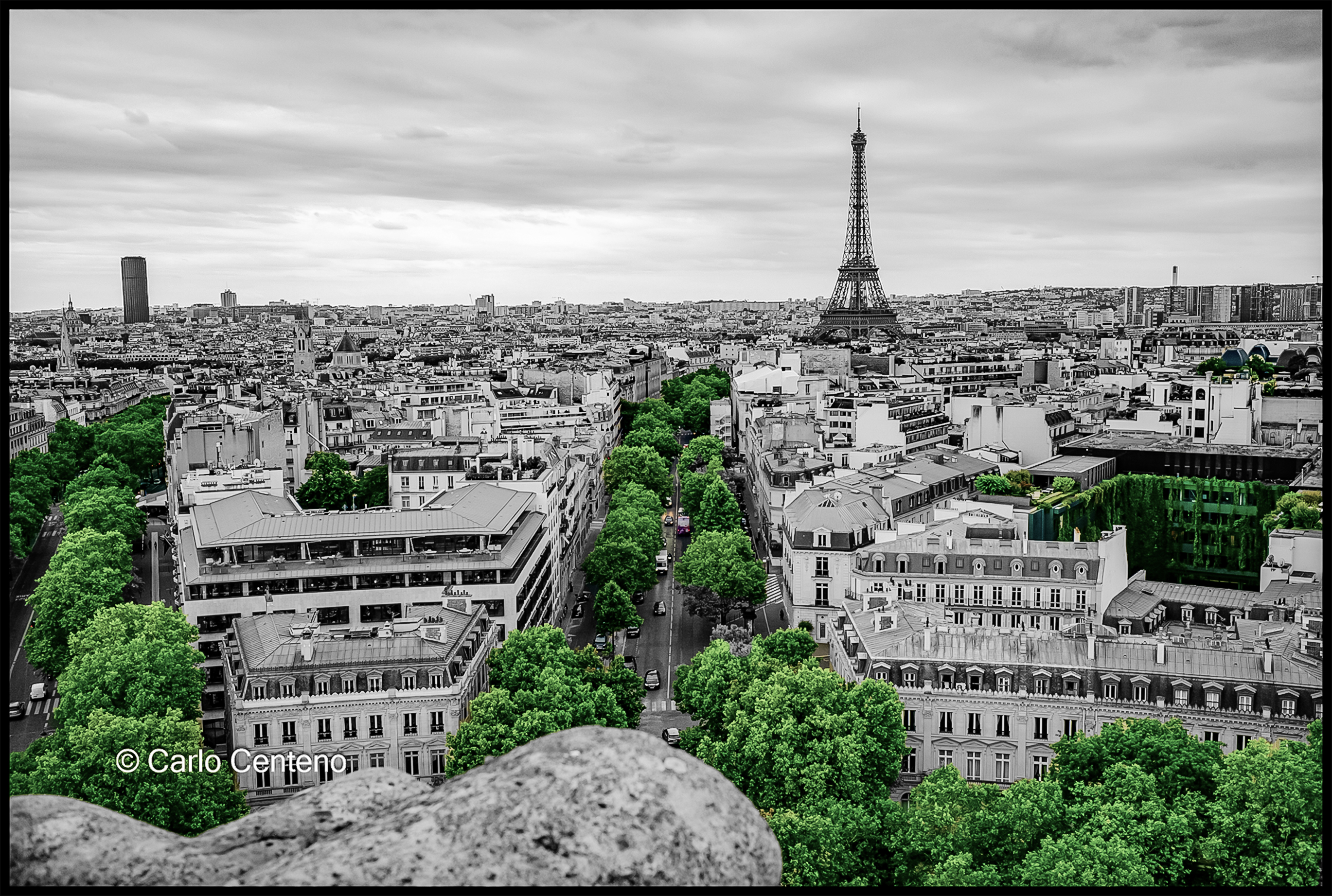
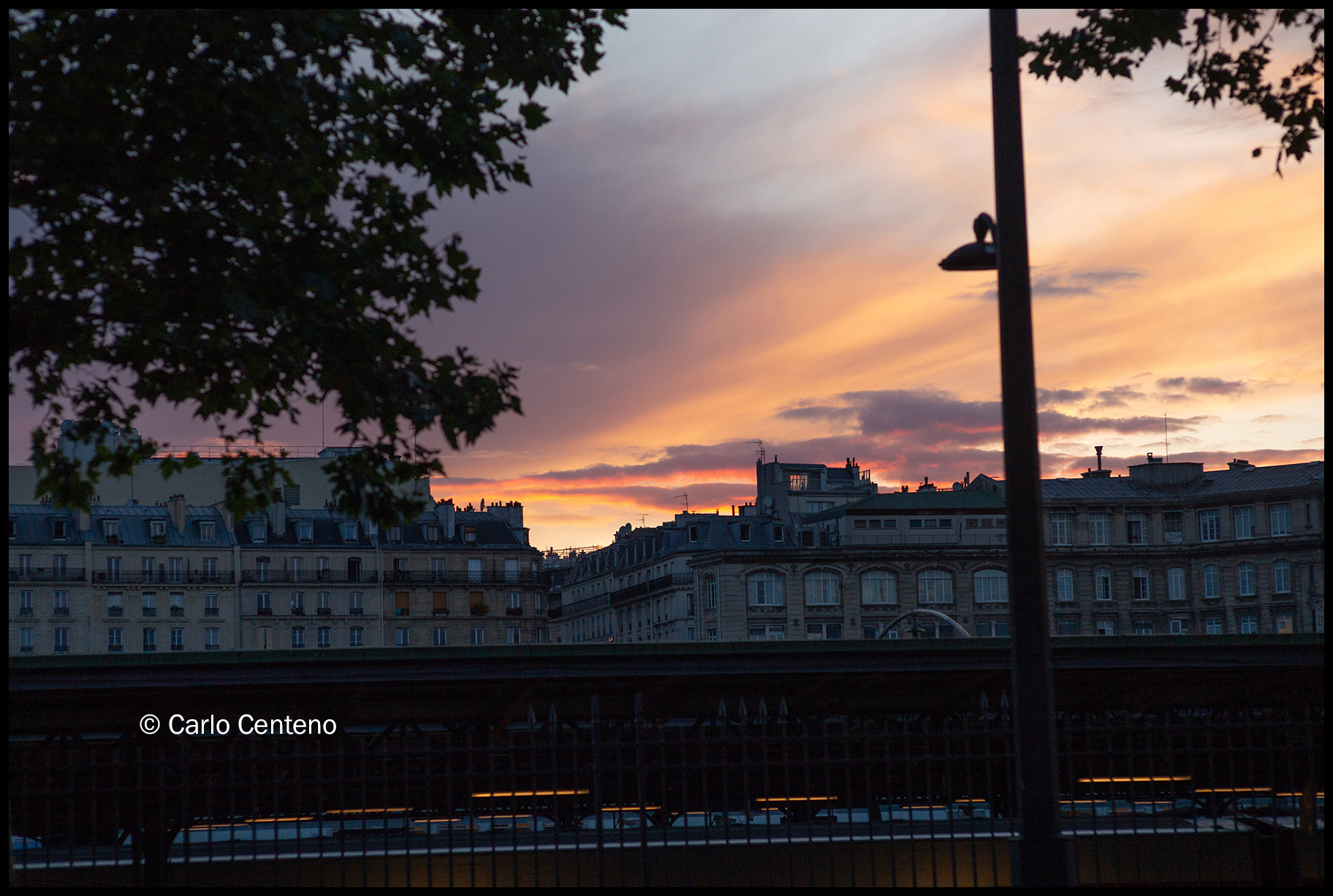
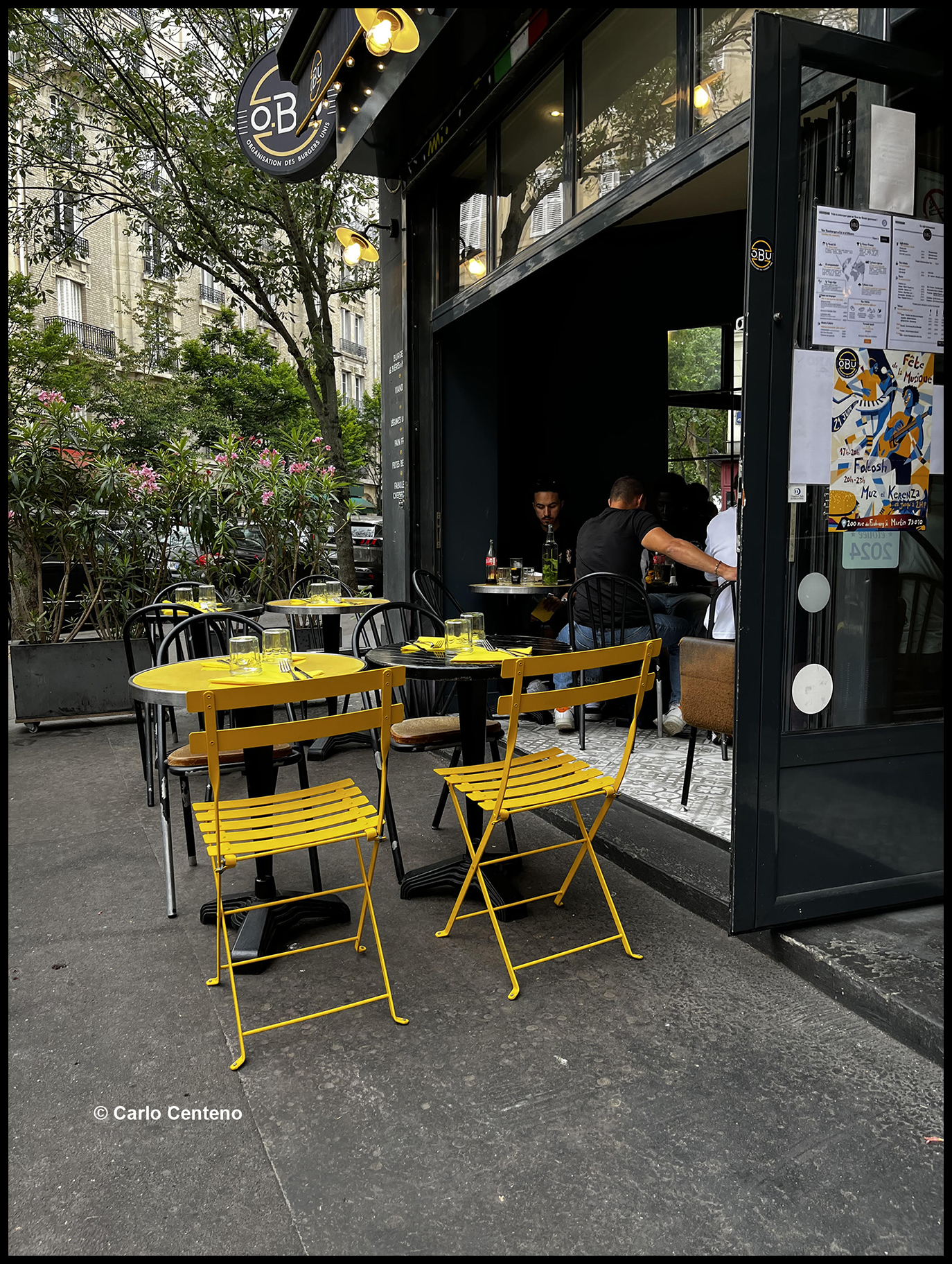
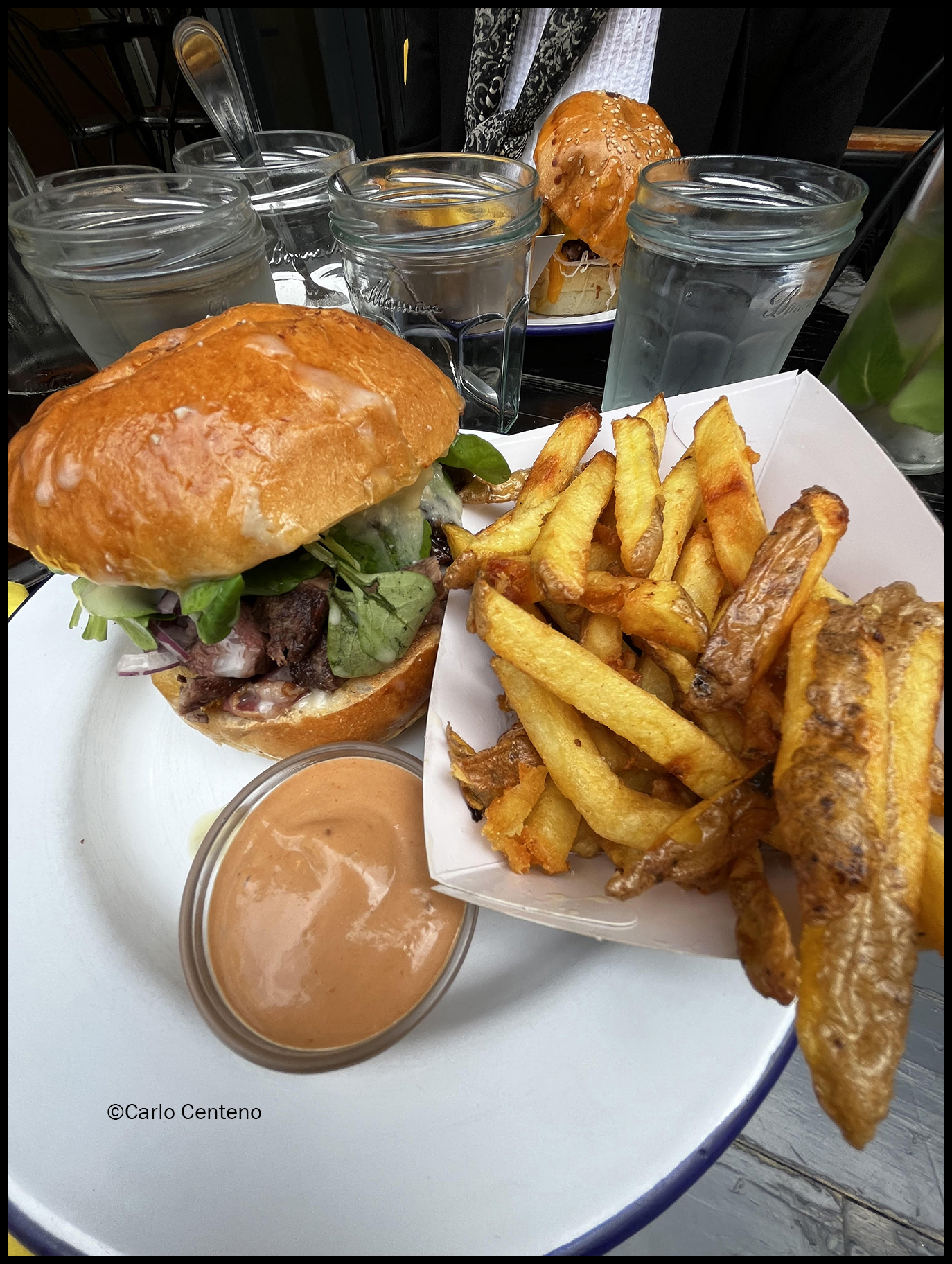
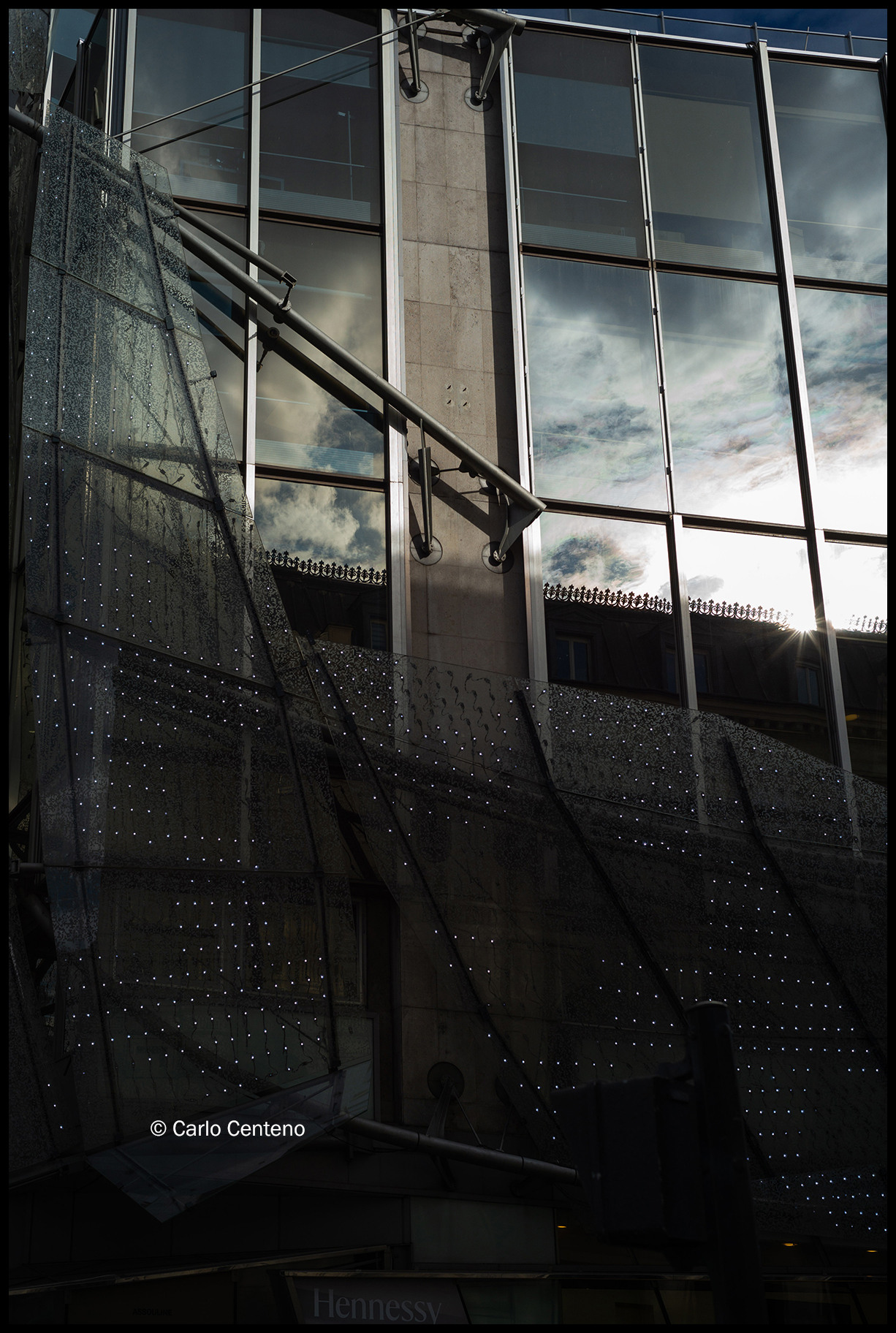
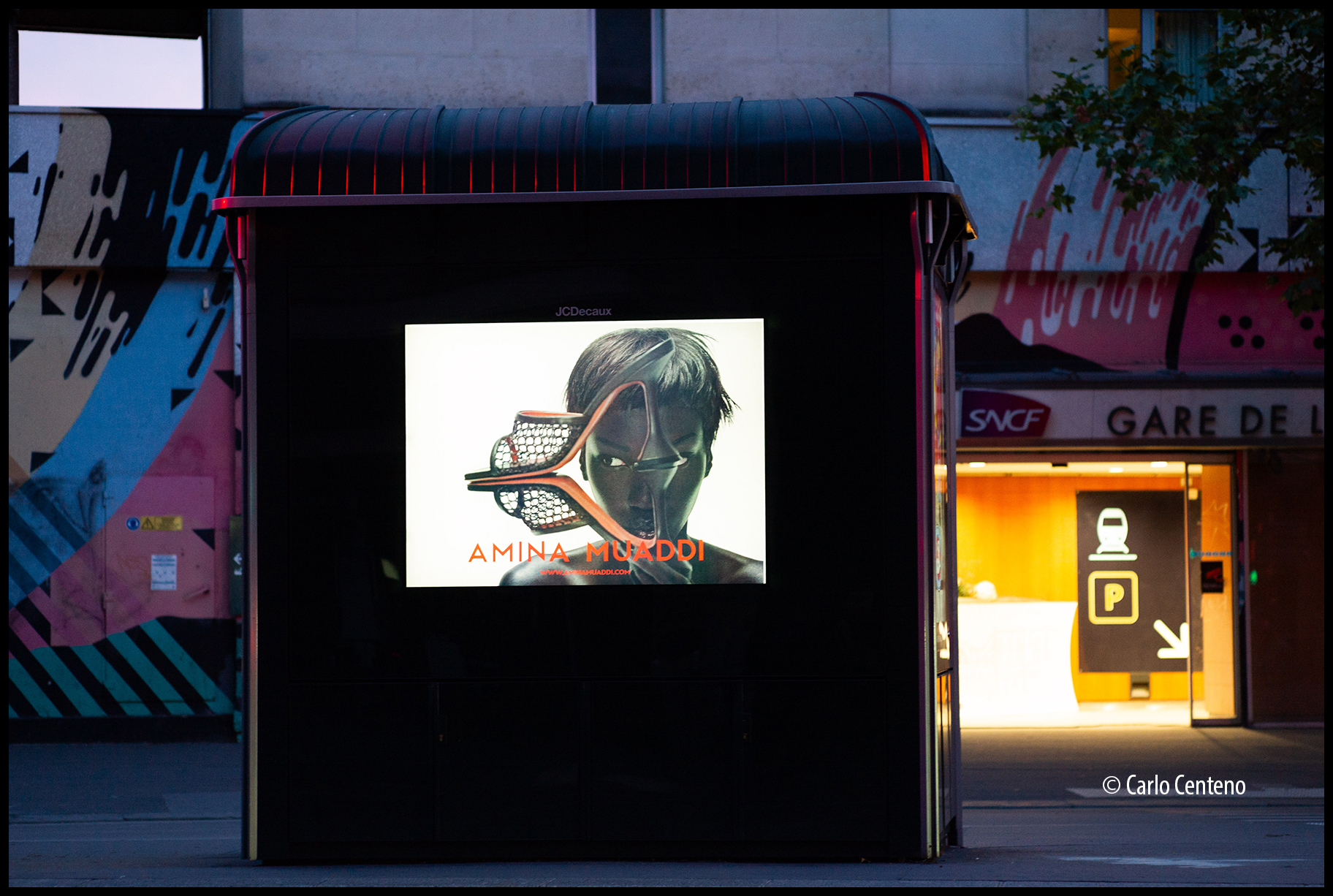
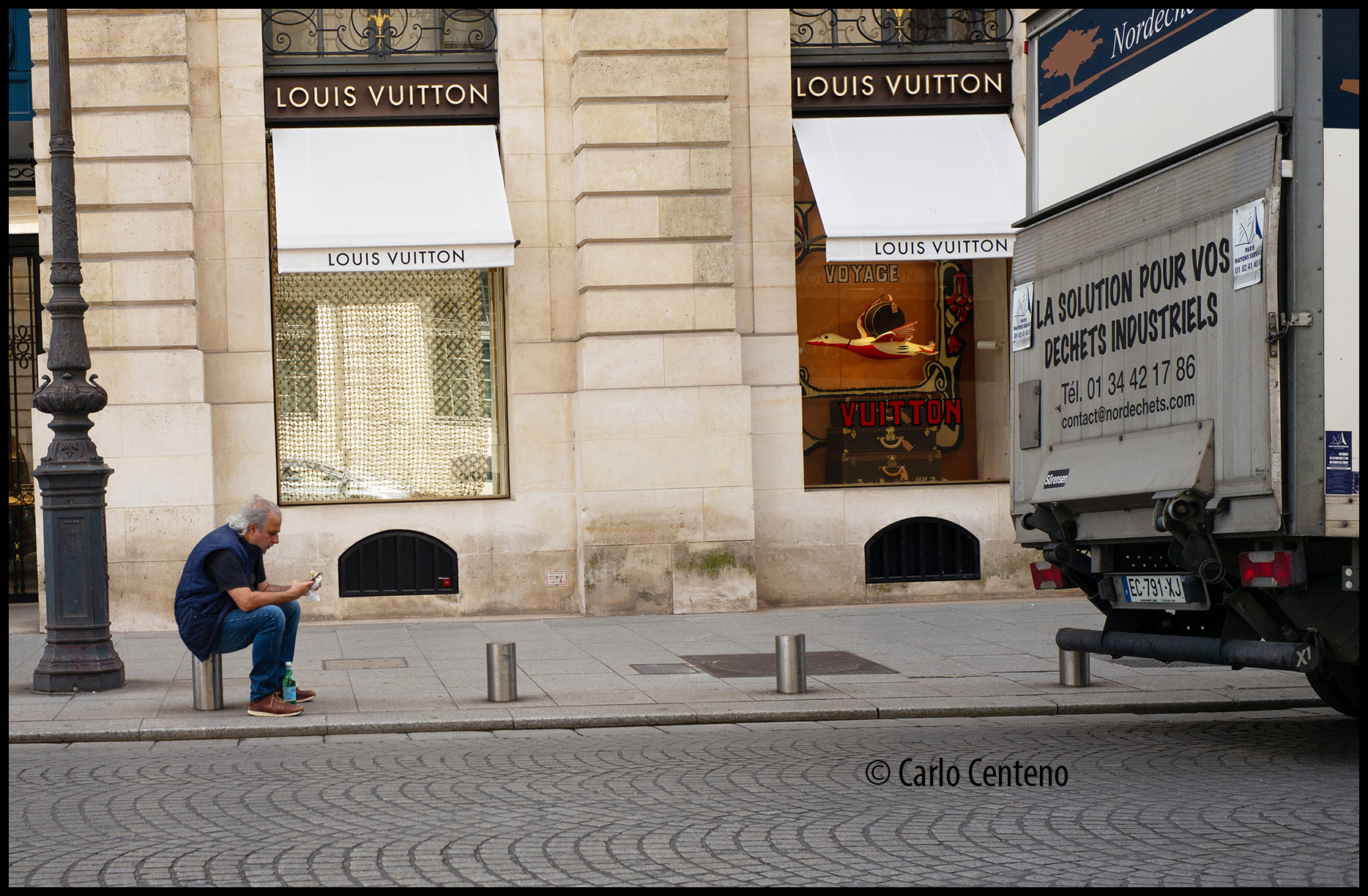
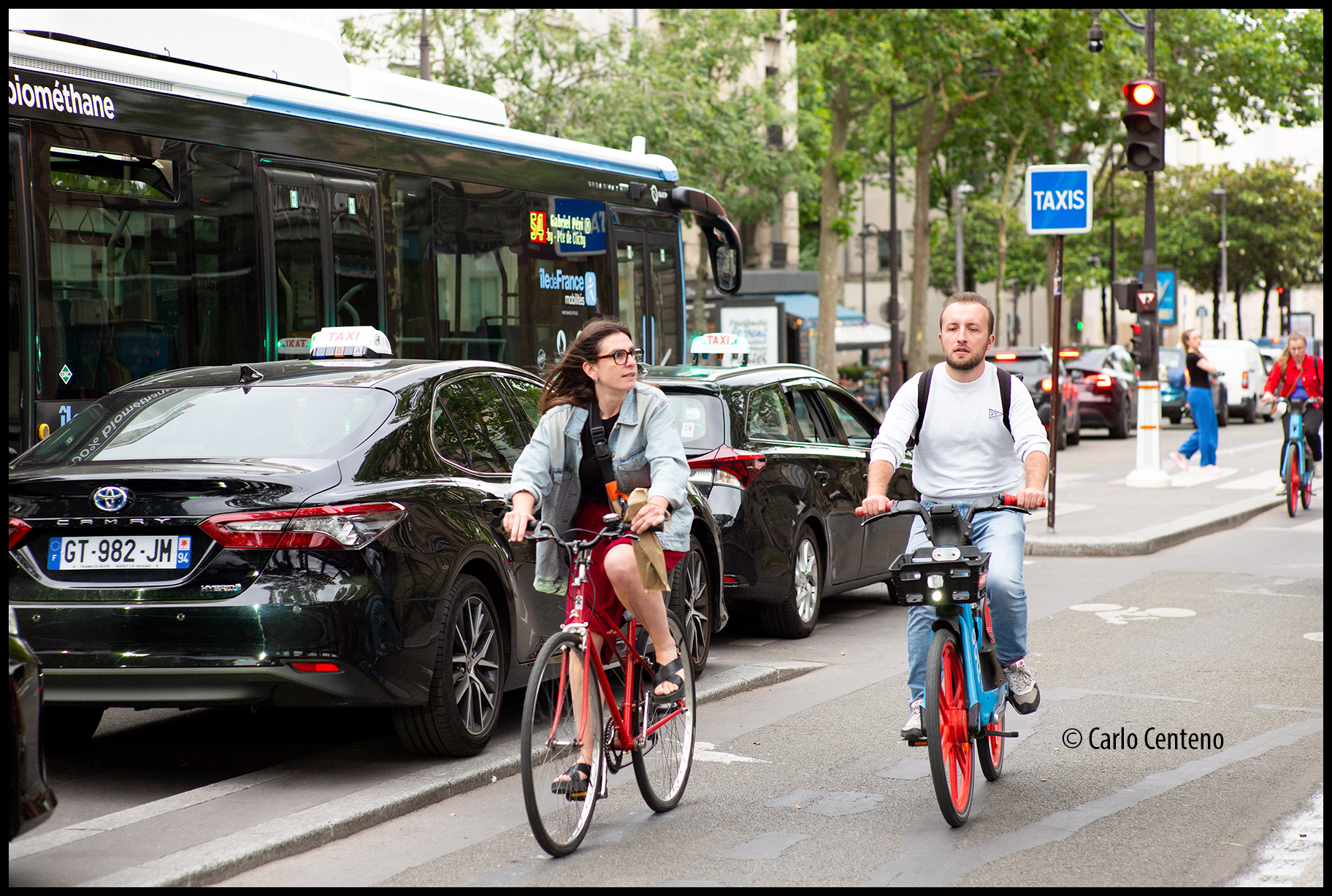
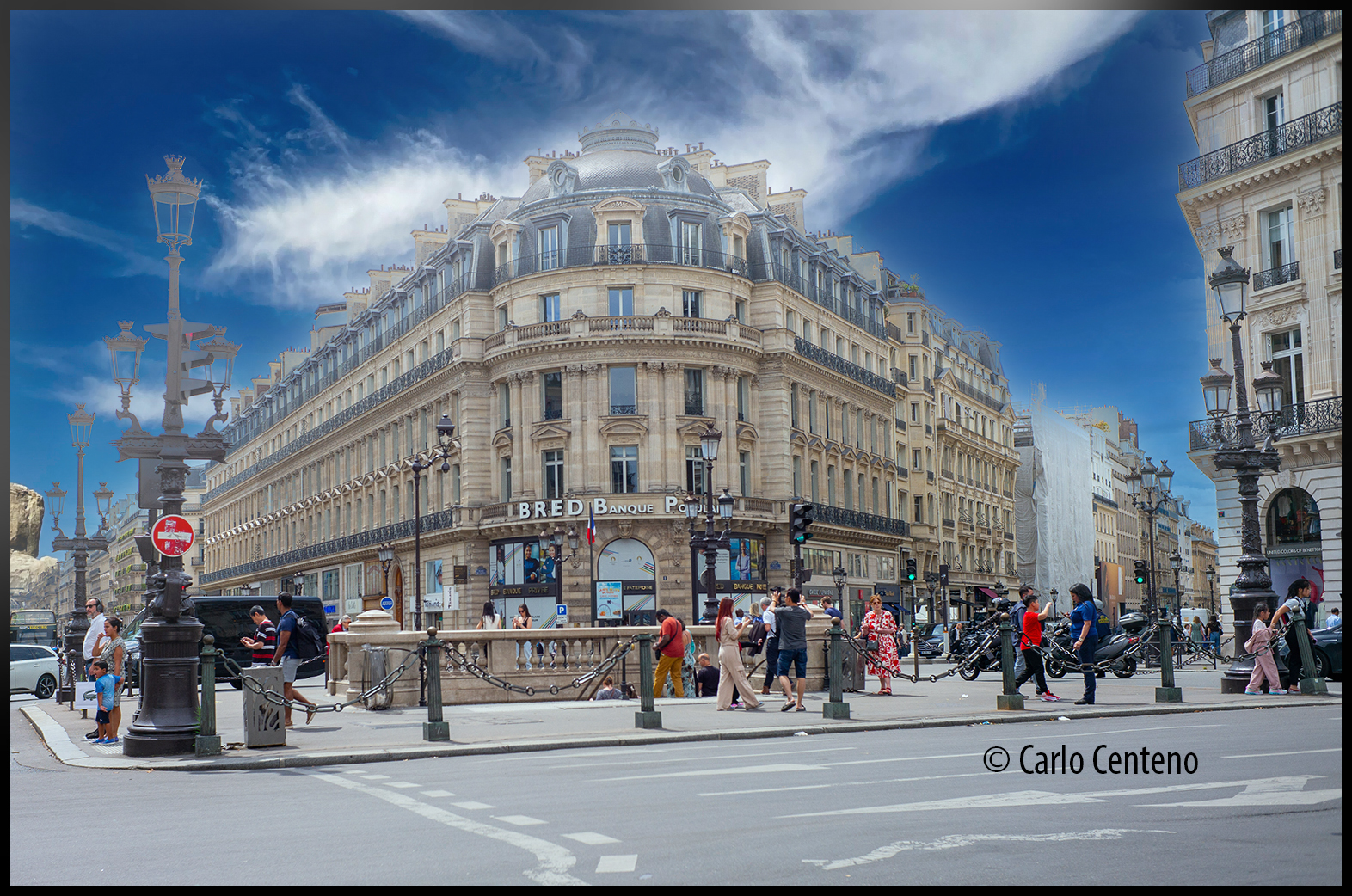
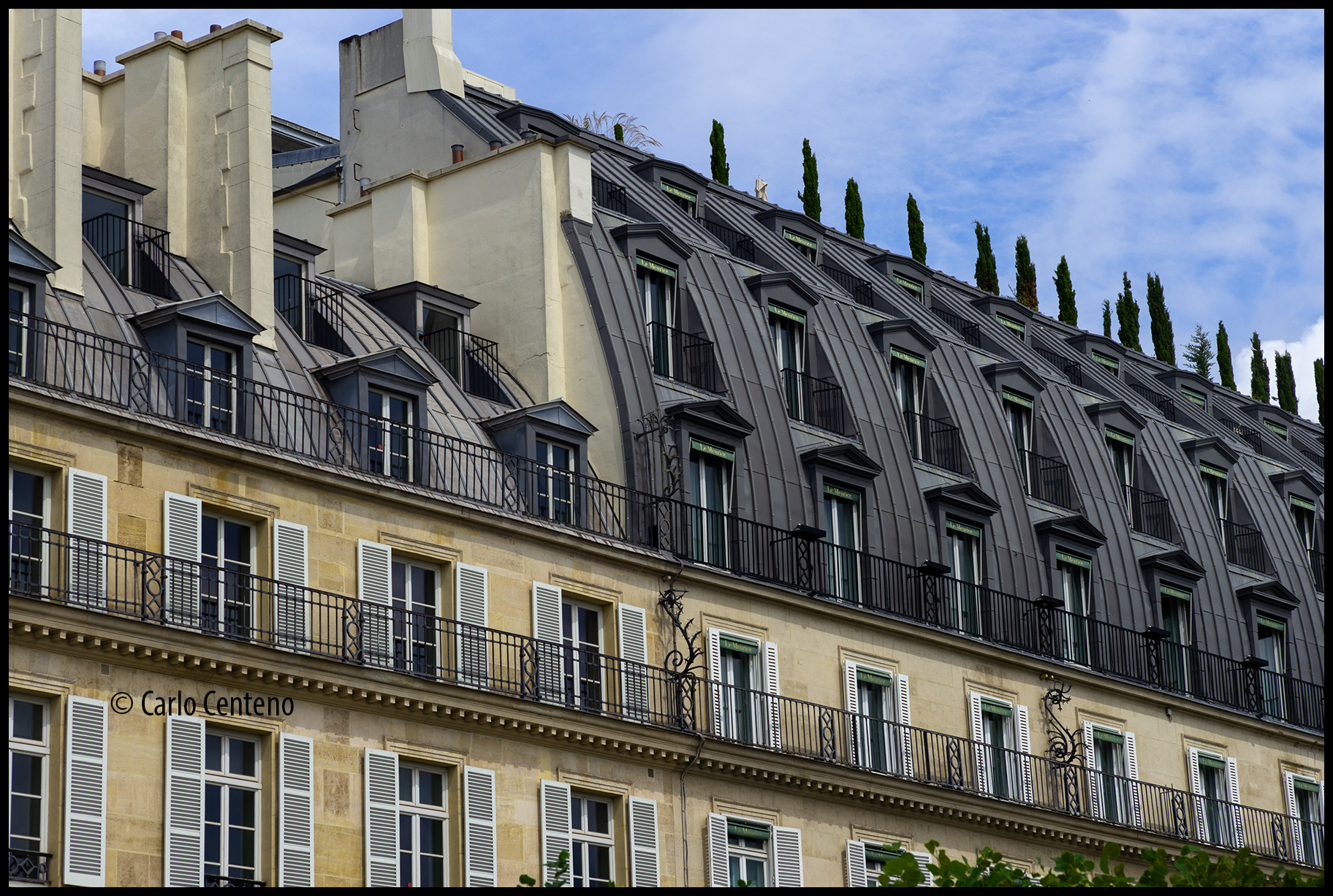
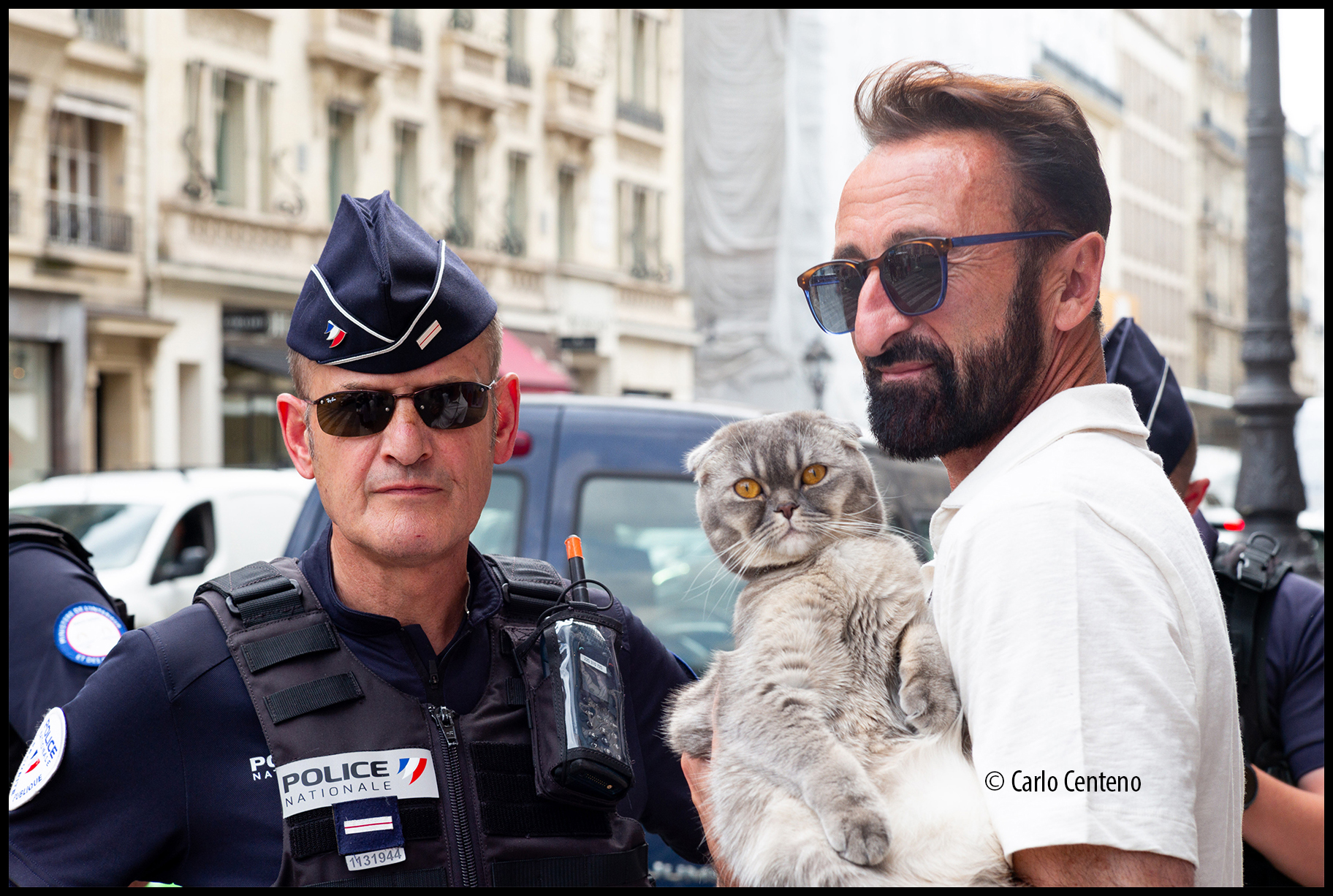
The following images are some of the “frissons” I felt while in France. I enjoyed the “shivers” and enjoy bringing them to life here. Hope you find something to like…..
Keep an open mind. It matters when traveling to any destination that piques your curiosity. Whether it’s a neighboring state/province or an altogether different country, it requires elasticity in learning, appreciating and understanding. An open mind can open doors. It means possessing a willingness to be out of your comfort zone. And as you stand in your discomfort, your perspective may need adjustment or refinement. This is where you take the initiative to help others see your perspective. Naturally this requires staying attentive for the different position[s] you may encounter. It’s fine to disagree without being disagreeable.
Remind yourself that having an open mind tames the myopia that limits one’s ability to think beyond your horizon of possibility.
Arc de Triomphe
Eleven days in France this July made for quite a vacation. The coming of the summer Olympics turned Paris into a mixed bag of barricaded icons and walkways, detours and traffic. Our Parisian stay covered 3-days; not enough time to explore Paris, but 3 is better than none. A first visit to another city is as they say, an experience. Visually, aurally, olfactorily you cannot ignore the architecture, the gardens, the people, the language, the aroma of freshly baked croissants, baguettes and coffee and so on and so forth.
After Paris the next 8 days would be at Vignon-en-Quercy in southwest France. Fortunately, our flight back home was 7-days before the opening ceremonies, and we knew that more walkways and some open areas would be cordoned off. Predictably, logos and phrases proudly reminded of The Games coming to town. Still, nothing took away from our sense of discovery in this storied city.
We had thoughts of visiting the Louvre, Musee d’Orsay, among others, but the detours and limited access made it a physical and mental marathon. We were close to those museums and other points of interest as they say, but we unabashedly savored our quiet time in the Jardin des Tuileries, a garden between the Louvre and Place de Concorde. In a more relaxed pace, we enjoyed le Jardin and even took advantage of the cafes within the grounds. Seeing the Louvre from a different vantage point provided an unrushed appreciation for a 231 year old institution.
Le LouvreLa Place de Concorde/ courtesy Paris VisuelDetail de l’exteriur de Louis VittonPedestrians be Careful Cross in 2 steps
We thought of adding 2 more days in Paris. It would’ve certainly helped my french conversation, but other plans were already in place. Entering any business or eatery, saying bonjour is always helpful and polite. After the greeting, the most frequent words from my mouth were, Ou est…? or quelle direction est…? or pardonnez moi, sommes-nous pre du……? and of course, merci, bonne journee!
Our first morning, we walked to a bistro teeming with commuters and visitors. The menu on a sandwich board offered something we liked and I recognized: Petit déjeuner supreme ! Deux œufs [au choix] avec jamon et frommage, cafe, jus d’orange, baguette, croissant, confiture de fraises et salade. [Supreme breakfast! Two eggs any style with ham and cheese, coffee, orange juice, baguette, croissant, strawberry jam and salad].
We sat outside among a cluster of small tables and chairs, but the waiter advised we sit inside, though not far from the open frontage. Il y a trop de fumee dehors. Too much smoke outside as cigarettes are popular in most of France. It was a perfect time to watch people going on with their lives: scooters and bicycles carried a cast of characters; small french cars ruled the streets alongside taxis and Ubers, motorcycles and buses.
Based on our waiter, my french was so-so. Monsieur, I speak and understand english; you do not have to speak french…. Ouch. Polite but humbling. As he turned toward the kitchen order-window, I mumbled, C’est dommage….it’s a pity, too bad.
“The solution for your industrial waste.”
NEXT VISIT: a week in the town of Vignon-en-Quercy [….See you there.] !!!
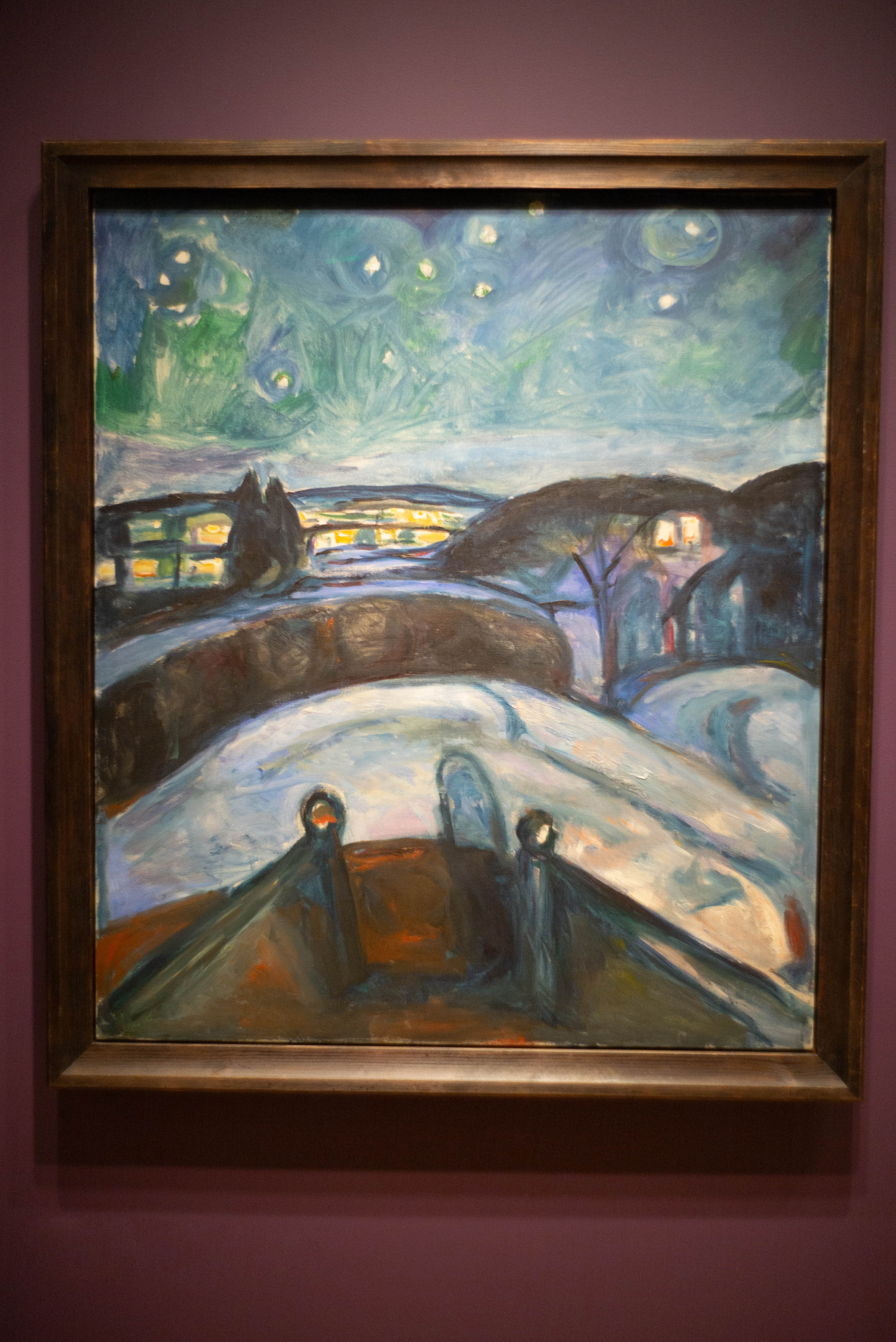
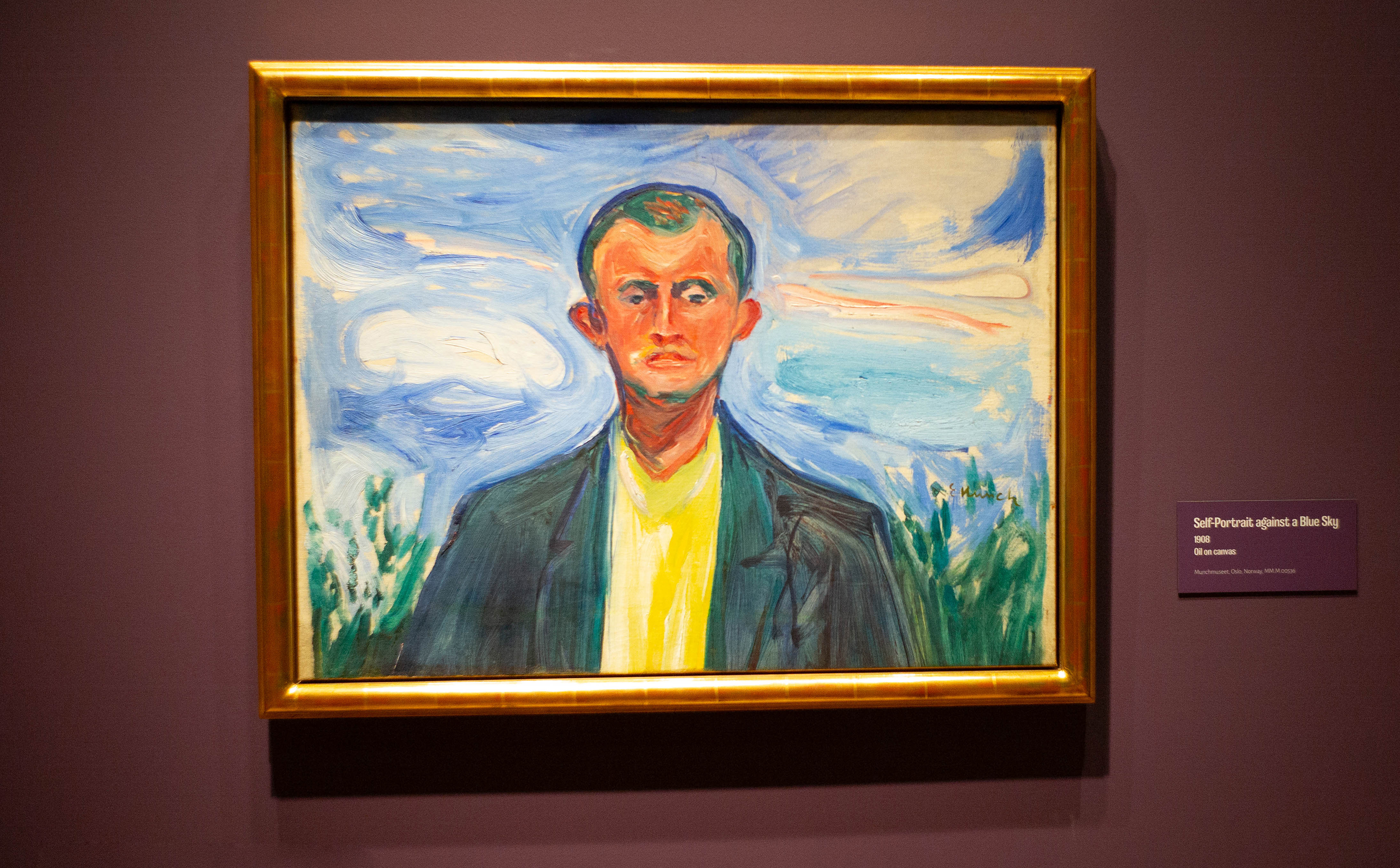
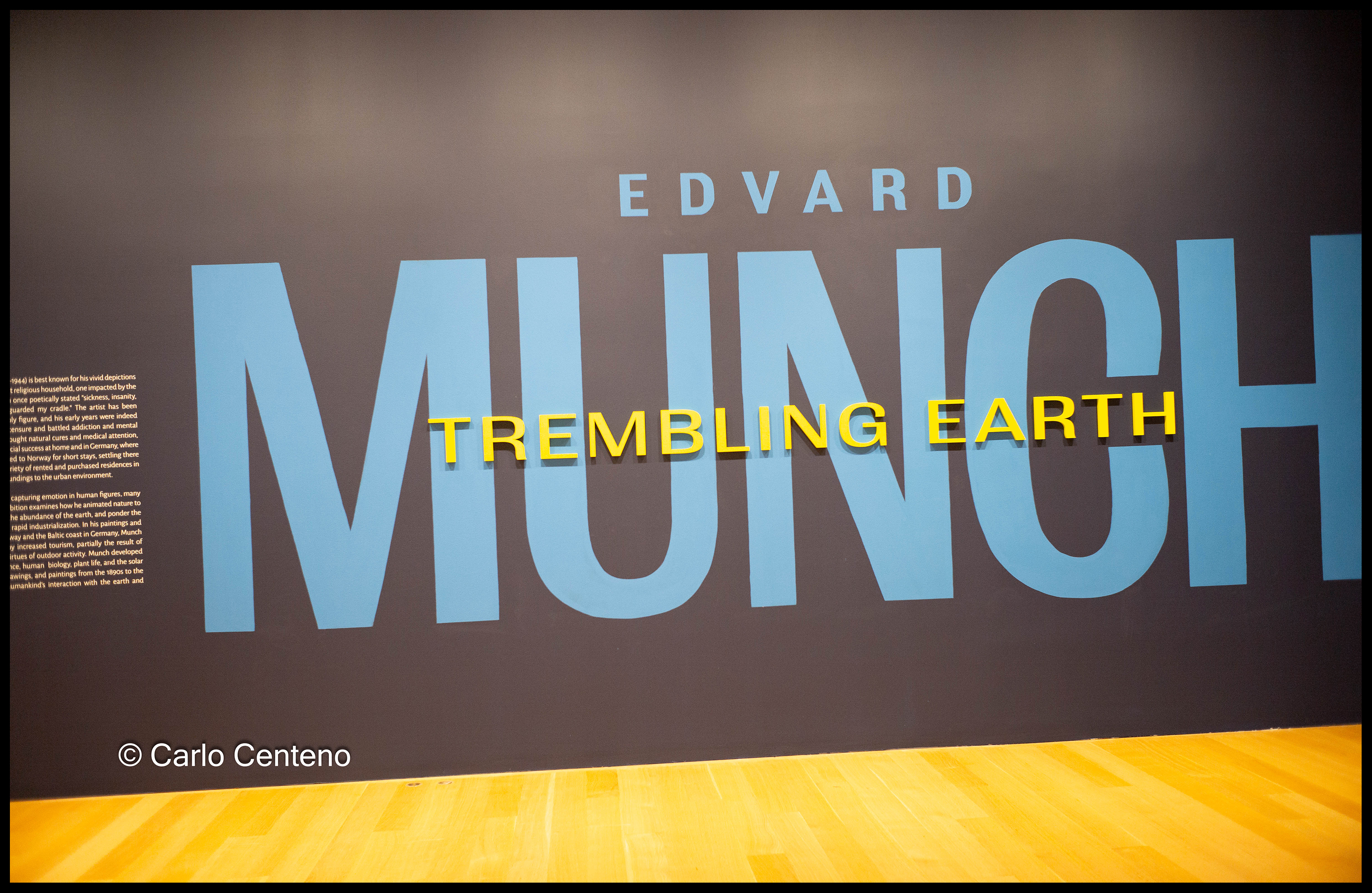
At the Clark Institute of Art, running through October 15, 2023, is a special exhibition, Edvard Munch: Trembling Earth. Munch’s [“Edward Moonk” Norwegian pronunciation] most recognizable, iconic painting is The Scream, and yet not many know of his other work which includes a number of self-portraits, prints, figure portraits and landscapes. The latter showed what he felt was a confluence of the natural world and humankind where nature provided a kind of salve that the urban environment could not deliver. The artist’s life contained the antagonists that shaped many of his creations: life and death; love and loss; loneliness and despair. And yet Munch as a protagonist, allowed us to see and feel the very antagonists that took hold of his deepest emotions.
I found the entire exhibit revealing if not eerily prescient. The power of art in all its forms allows us not to just see the obvious, but to measure if not ascertain a) what behooved the artist to produce his/her creation and b) what, if anything, draws your attention to the work?
Starry Night, 1922-24
While some of his paintings hint at Vincent van Gogh [1853-1890], there is a quality that makes Edvard Munch’s work stand apart: his apotheosis of anxiety, loneliness, longing and loss are indicated by the despair of his faceless human subjects. The hue of uncertainty and angst lay claim to troubled souls.
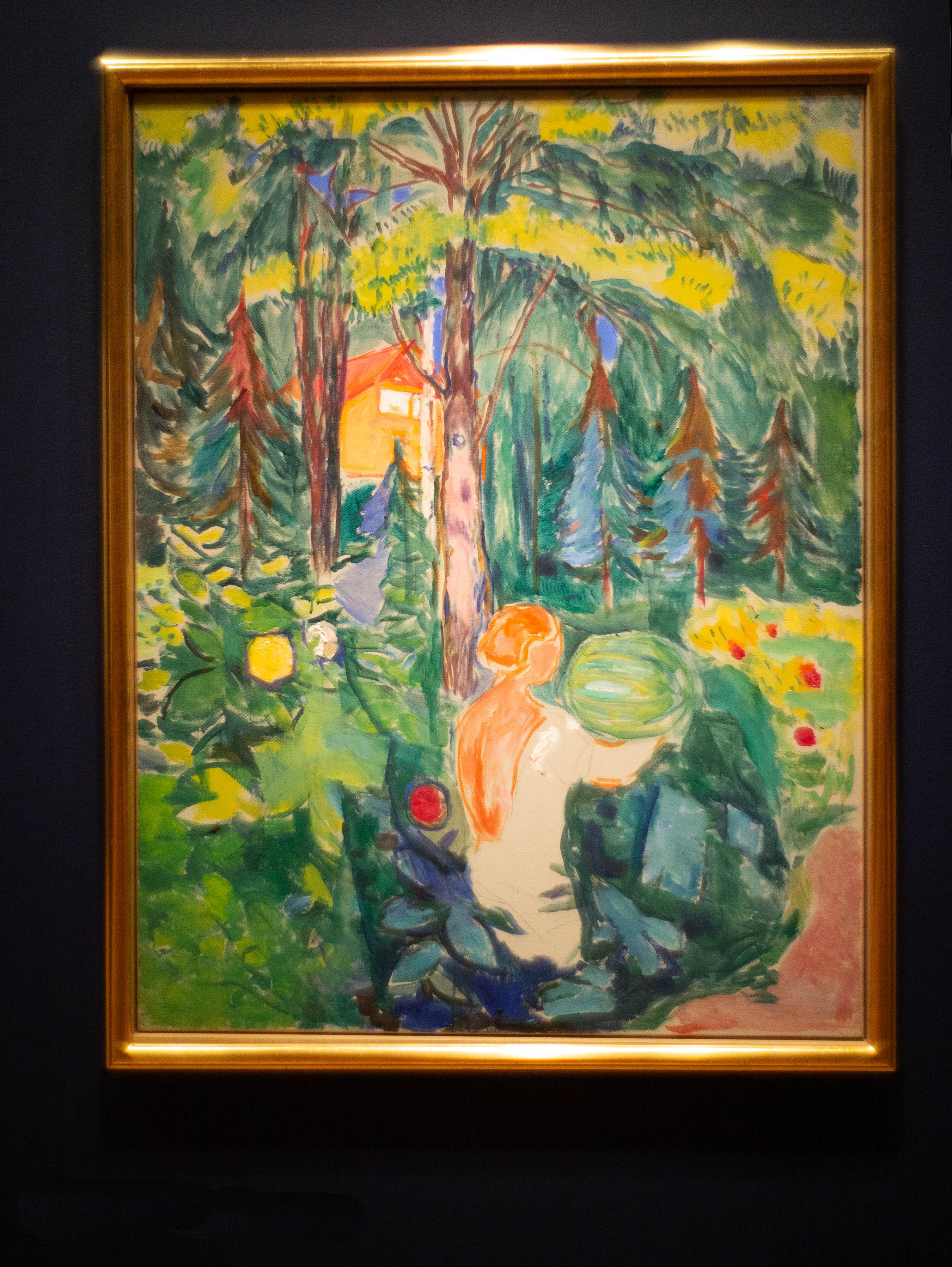
Woman with pumpkin, 1942
This is one of my favorite paintings, Woman with pumpkin. Its creation captures a sense of lost, and longing. The symbolism could be anything and everything. The pumpkin and the dark green color appear as if a person is holding the woman. Note the 3 “fingers” on the hip of the woman. In fact, the greenery next to the woman appears to be kneeling on its right knee, its “left leg” bent with a “foot” planted directly on the ground close to her back. Hence, the figure is resting its head on the woman’s right shoulder, the right arm suggesting a pillow.
Self-portrait, 1908
Whatever you see and however you see it, Munch is a captivating study of conflict. You can feel it in most all of his works. The landscapes provide contrasts regarding our ability–and inability–to co-exist not only with the natural world, but with each other. Put another way, Munch is caught within an insatiable push-pull between the Id [our instincts], the Ego [reality] and the Superego [moral strength].
Self portrait with palette, 1926
No artist lives a life of order and predictability. It’s contrarian to that world of creativity and expression. Munch’s self-portraits demonstrate a fortitude within his reality that dices with the likes of the Id and the Superego. Each of us deal with the instability created by our instincts and morality, our actions and reactions, our angst and distress. In a way Munch’s paintings brings form to what is often abstract yet palpable, even vicarious and visceral.
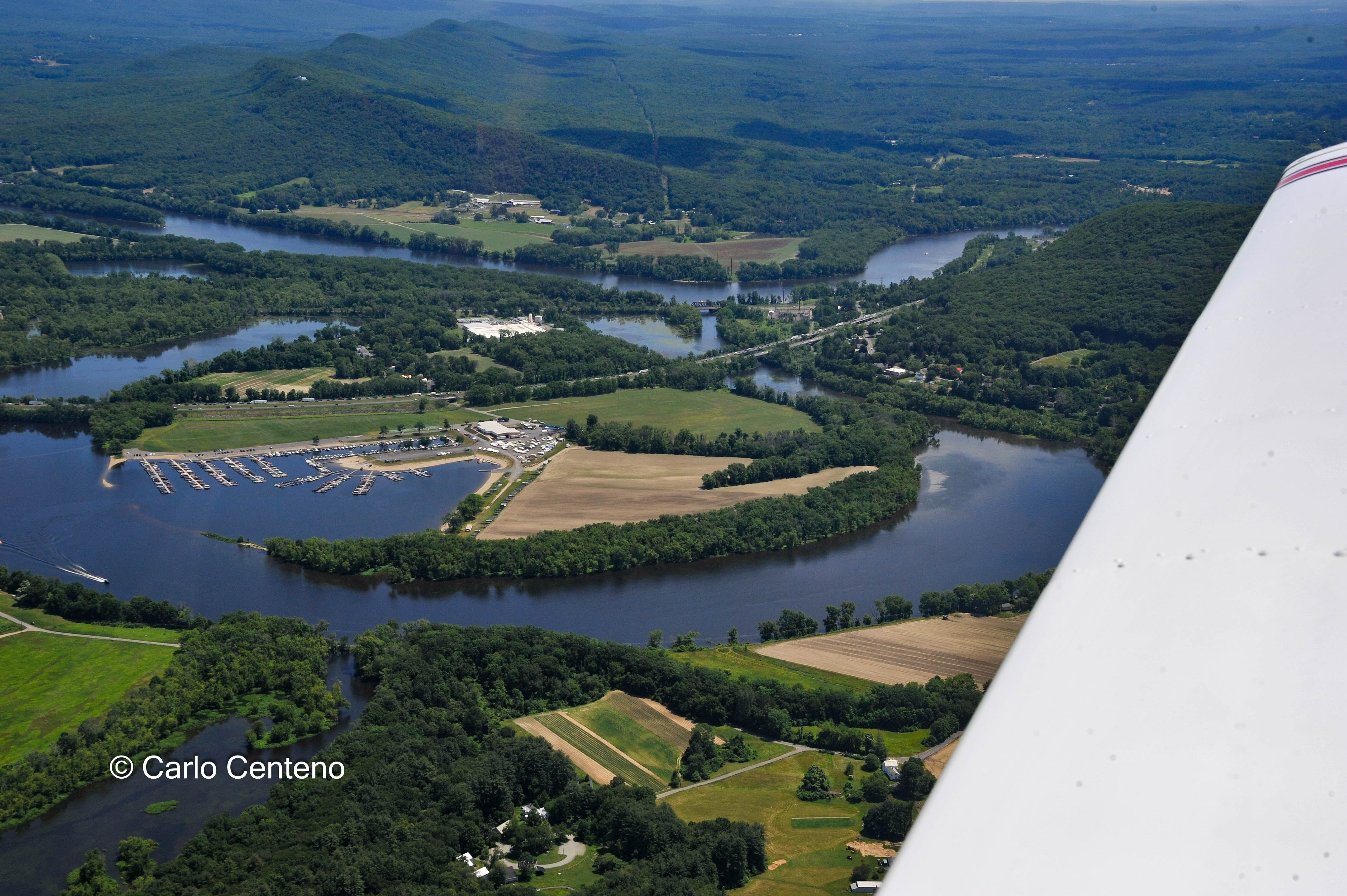
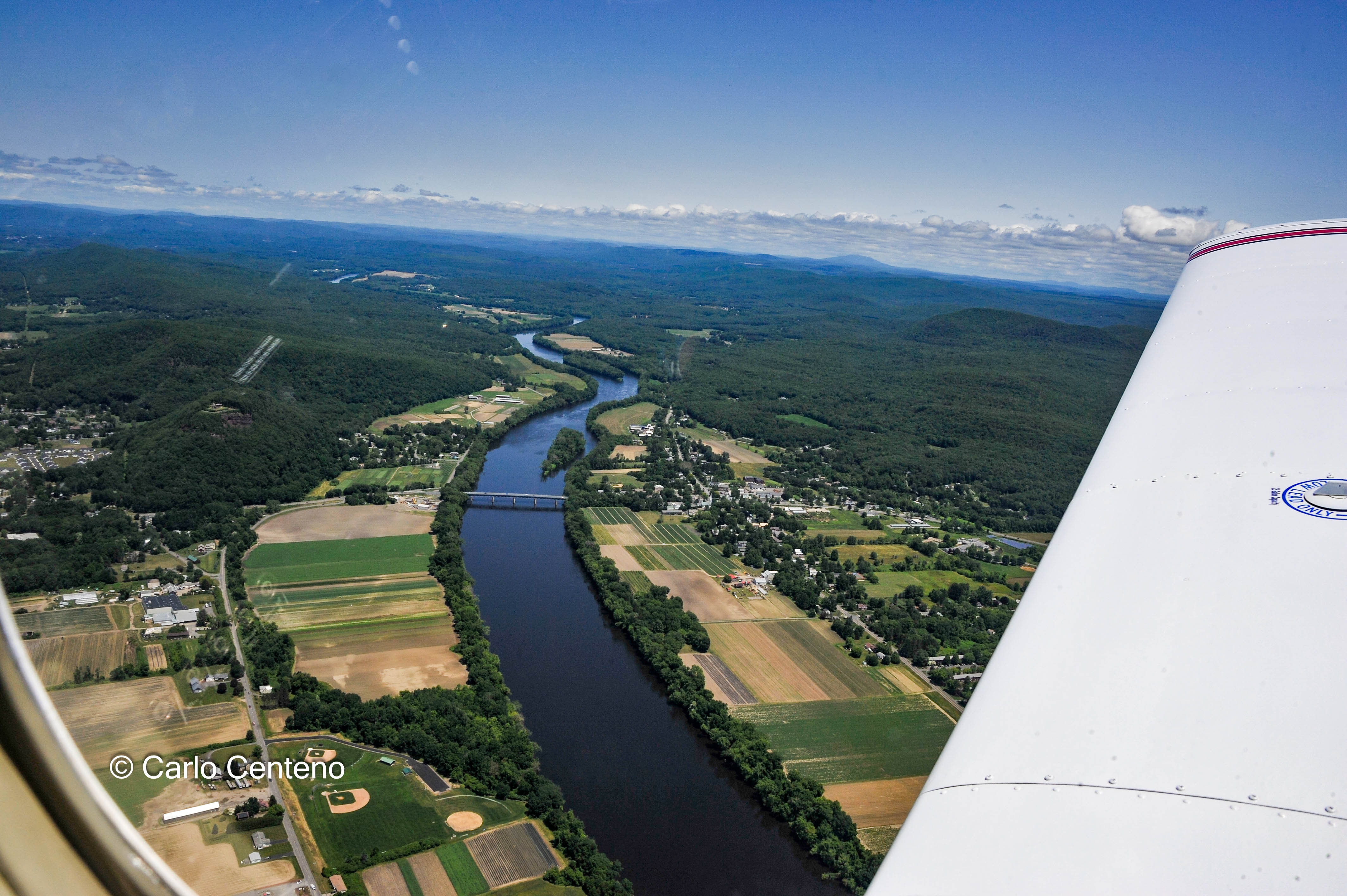
The exhilaration of flying in a single-engine airplane does a number of things, the most obvious is that the ground looks so expansive. Terra firma goes on and on into the horizon. Scale and size play with my sense of proportion. What you see on the grounds looks small and yet other things seem larger than they should be. The length of highways, the relative size of cars, trucks and trains look as if they were sectioned off a sizeable display meant to be “an artist’s interpretation” of a grand project years in the making.
The Oxbow on the Connecticut River in Northampton, MA
Traveling 2,000 feet above ground at speeds between 65-80 [kn] knots, it’s easy to feel overwhelmed. There are places you know of, but from the air, they take on a different personality.
Somewhere not too far from the airport and still in MA.
Like a jig-saw puzzle on a larger-than-life scale, parcels and tracts of forested land interconnect. All appears as it should [at least through my eyes]. My friend and pilot, MP, knows more about the puzzle laid out below us. And he knows a helluva lot about flying. He’s been a pilot for well over 30 years. I don’t fly and know little of it, and it becomes more than obvious MP is very much in tune with all details pertinent to flying. Knowing weather conditions leading up to “GO” is de rigueur on his pre-flight checklist. It’s quite a checklist to say the least; I’d have to Google the majority of the terms on that lengthy list for obvious reasons.
The French King Bridge connecting Erving and Gill, Massachusetts.
On the ground, I have a better sense of familiar locations, most of which I’ve driven to many times already. From the air, that’s another story. Having a large river coursing across the county helps to some degree. For example, the French King Bridge is a familiar site on the road, even before actually seeing it, but from a small plane, the road looks slightly unfamiliar. Still, there’s no mistaking that beautiful cantilevered bridge.
The Seven Sisters of the Holyoke Range. There are 3 large “hill tops” in the center. Trace the left of the photo to the horizon, and you’ll see the other 4, the furthest one wrapped in a haze, but still visible.
As many of you know, the Seven Sisters are the 7 colleges located in the northeast USA. Since their founding, all are women’s colleges, but for one that went co-ed [The Harvard Annex–now Radcliffe College–is part of the Harvard Radcliffe Institute]. They remain highly regarded and very competitive schools to this day. The 7 [in order founded] are: o Mount Holyoke College 1837 o Vassar College 1861 o Wellesley College 1870 o Smith College 1871 o Radcliffe College 1879 o Bryn Mawr College 1885 o Barnard College 1889
Looking south to the towns of Deerfield and Sunderland, MassachusettsThat bridge is the same one in the photo above. You can see Mt. Sugarloaf left of center.The observatory atop Mt. Sugarloaf.
Spending about 2 hours in the air was a terrific experience. Knowing MP and the way his plane is maintained, I felt confident and safe in his hands. It was a rare, bright day with a slight on-off breeze, perfect for just about anything. My time at 2,000 feet allowed for some R&R, plenty of “what-have-you-been-doing” conversations, a chance to take some photos and moments to appreciate all that is life, the good and not so good, the rote and the unpredictable.
……From a distance You look like my friend Even though we are at war. From a distance I just cannot comprehend What all this fighting’s for. From a distance There is harmony And it echoes through the land And it’s the hope of hopes It’s the love of loves It’s the heart of every man It’s the hope of hopes It’s the love of loves This is the song for every man. God is watching us God is watching us God is watching us From a distance.
On a recent flight home, 2 songs came to mind. An epiphany of sorts became apparent as I looked down on Springfield, Massachusetts and Ski Sundown in New Hartford, Connecticut.
Ski Sundown in New Hartford, Connecticut
In light of the Ukraine-Russia war, it’s not a stretch to understand the effect of distance when watching something from afar. Things are not always as they seem, but up close, enough details emerge to create a clearer picture. Most of us see what’s happening from a distance, from the safety of our screens playing out “breaking news” of the terror and the maddening reality of one country imposing its incorrigible intentions on an independent nation.
At 29,000 feet [8,839 meters]
At altitude, it’s easy to “not see” the actualities of what’s coming and going at ground level. And yet what impacts me the most is how the innocents and defenders suffer and die, of how the children struggle to understand this detestation that arrived from nowhere. Modern journalism can report events as visceral and undiluted, anywhere at anytime. In that sense, we see more than what we want to.
I leave this post with the words Enjolras sang during the scene At the Barricades, from the musical, Les Miserables.
Do you hear the people sing? Singing a song of angry men? It is the music of a people Who will not be slaves again.
When the beating of your heart Echoes the beating of the drums. There is a life about to start When tomorrow comes.
Les Miserables by Victor Hugo Les Miserables, the London Musical, trademarked by Cameron Macintosh Overseas.
Not again. I can’t imagine the number of times I have thought of that remark let alone the times I’ve said it. I’ve been fortunate on many fronts and I’m more than grateful. The past 13-14 months or so, has been a journey of minor inconveniences compared to what others had to suffer through. I have no reason to complain. Then again with the Delta Variant on a rampage, I can’t help but wonder yet hope that common sense will prevail….
Two renaissance men: my son-in-law and his father.
I have a handful of avocations, each having one thing in common: I am comfortable when it’s me and myself involved. That sounds a bit self-absorbed, but it simply means I’m fine being alone. Being alone and lonely are two different things, obviously. Having alone time is important for one’s rejuvenation, at least for me. Photography, journaling, letter writing, playing the piano and fly-fishing are welcome pursuits for me. Granted the first and last distractions can be shared and done with others. On several occasions my wife, daughters and other family members have kept me company on nearby waters. Our fly rods might look like conductor batons in a free-for-all, an ensemble of asynchronous metronomes, where each length of graphite is tuned to the individual holder.
On those days when I’m out with a camera, my wife keeps me company. In the city, she waits for me to catch up when I stop to take a photo. After awhile though, the distance and the time it takes to catch up get a tad longer. On jaunts through the woods, the converse is true: our pace is calmer, slower than the one we use in the urban environment. Time takes its time [read: less frenetic] in natural spaces; and for me that’s how it should be.
To see something in the wild is often fleeting: the songbird you hear only to take flight once you actually see it; the whitetail deer that suddenly, inexplicably pops out from the background in what feels like a whisper’s distance, only to bound away just as you look to acknowledge its presence.
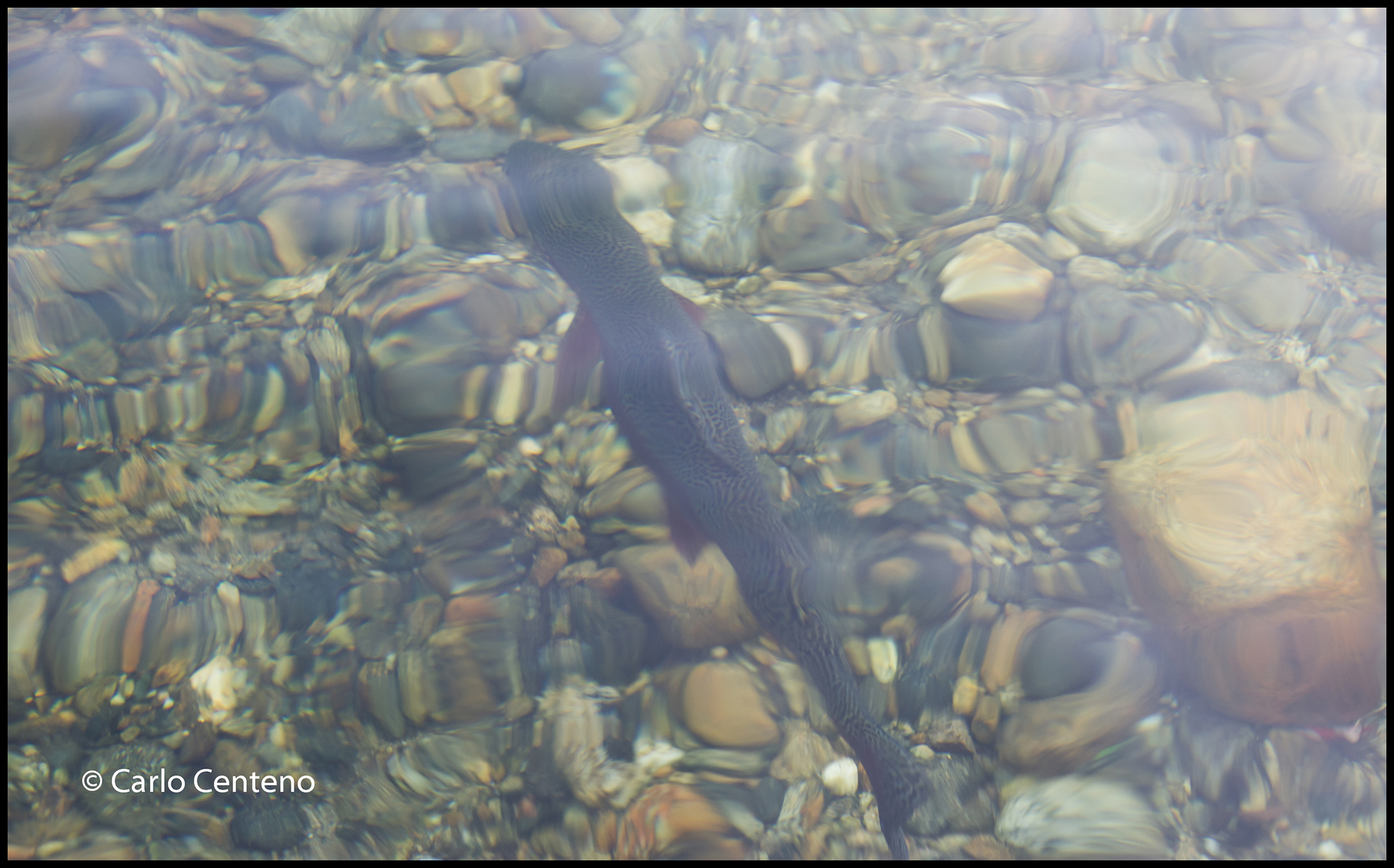
And then I’m handed a “pause” button. Fly-fishing can put a slight pause in what you’re looking at before the moment disappears. Having a landing net is an appreciation multiplier. It allows an opportunity to add a few seconds to really appreciate what you’re seeing. The Eastern Brook Trout is a jewel among fish. I never tire of catching this wild* freshwater creature that can only live in a healthy river or stream. Healthy, as in cold, clear and running. The existence of wild trout means the habitat we’re visiting is good for the fish and everything else that’s dependent on the river and surrounding area.
Ours is a symbiotic relationship with the natural world. Unfortunately, that relationship is out of balance and all things wild and natural are being short-changed by humankind’s behaviors. I find the safest social distance in the outdoors and the time there prompts me to examine the symbiotic and personal relationships I hold dear.
*wild versus native: a wild trout is one that’s been born in the very water it lives in. Wild trout/fish reproduce naturally in their habitat and sustain their populations. A native fish are those that have lived and thrived in areas that have had no or very little human interaction. A stocked fish is from a hatchery that’s typically managed by the state’s wildlife management.Regardless, please make an effort to carefully release these fish [a fly-fishing practice called catch-and-release]. It’s good for the neighborhoods we visit.
I am convinced that modern life has boxed us in more so than we’d like. It’s part of the contemporary territory which includes both our professional and personal lives. There’s a surfeit of information, misinformation as well as disinformation. We have data that’s important, partially accurate or altogether inaccurate, the latter done purposely in order to deceive and create confusion.
The spaces outside and within our mind are under siege. This coronavirus pandemic has produced a variety of empty spaces in the form of closed businesses, a void born from a lost loved one, an even larger, emptiness created by becoming unemployed and losing our face-to-face social connections with friends and family. In addition we see meadows, forests and even arable acres, reshaped with new developments, new businesses, and right-of-way passages for utilities. These spaces, like others, will never resemble their former selves.
The modern mind is challenged with the illusory nature of augmented realities, misinterpreted online interactions, the CGI creations readily seen on the big and small screen and so on. I would wager that ruminating is a regular mental exercise for many, in ways that even the thinker didn’t think possible in the here and now. It’s not that such spaces are wanting for content. Some of the content in our heads is twisted and distorted, an unattractive morass of schadenfreude and unforgiving defenestrations toward those with authority, power and privilege.
A lot of good space has been replaced with some nasty creations, tangible and intangible, palpable and even unreasonable. We’re better than a lot of this, each of us capable of individual betterment. I remind myself in my own spaces of thinking and feeling that, at times it’s okay to be embarrassed in one’s journey to be genuine. I think it aids my ability to acknowledge what occupies my internal and external spaces other than what’s so obvious not only to myself, but to others. As in marketing, perception is reality: it’s not what you’re getting, but what you think you’re getting.
Autumn is my favorite season for a variety of reasons: the cooler, drier air is both invigorating and refreshing, the quality of light is remarkable, at times appearing clearer on even overcast days. Even time feels slower with a more gentle cadence though by mid-November, I wonder how it went by so quickly. Certainly it goes without saying that the foliage change can be magical, even personally restorative.
Many years ago, I attended a photojournalism workshop at what was then called The Maine Photographic Workshops in Camden, now known as Maine Media Workshop located in Rockport, a mere stone’s throw from Camden. Located half-way up the coast of Maine, the town of Camden sits next to Penobscot Bay. I haven’t been back since, so I hope it hasn’t lost its New England charm. It was quaint, quiet and photogenic to be sure. You can glean techniques and technical knowledge from more places today than back then [now a surfeit of info sits on the web]. Convenience is nice, but for me, being engaged with a like-minded person is all the more rewarding. Levels of inspiration come to me when I visit an exhibition, a gallery or listen to or converse with a speaker whose work clearly validates that person’s passion for his/her choices.
I was fortunate to have heard and seen in person Jay Maisel, Ernst Haas and Dick Durrance. Titans of their craft, I learned more than just technique, but a whole lot more about this passion to see things in a new way, to transcend the connections of light, color, subject, interpretation and meaning. My brain needed to do some real lifting and learning, and was thus able to do so when my soul became the catalyst to assist with that lifting and learning.
I like to think of seasonal transitions as a form of recalibration. It’s more than a reset, because to reset anything is effectively returning to its default state. Recalibration is a nuance in alignment. If I’m not sure of what I’m feeling when I look through a viewfinder, I move a few or more steps to one side or another, as well as toward or away from my subject. Recalibrating.
There are similarities in writing, but they’re a bigger challenge for me to describe. I suppose the very title of this post lends itself to recalibrating: adjust the “color” of your words such as tone, passive versus active voice, even a tweak in aliteration to keep your narrative—and your thinking—interesting.
Autumn just doesn’t land here in the northeast; when it does arrive it’s akin to that sense of belonging, of knowing that your journey—in spite of personal hills and valleys—continues with the expected and as well as the unexpected. I like all the seasons, but fall is the one which captures the zeitgeist of the rest of the calendar. It’s a short period of time, that in its most fundamental form, feels like the comfort food that’s been sorely missing for more than half the year.
My previous post, Reliant on Memory [May 12, 2020], has opened one small but particular memory album. It opens to a time and place that transcends the meaning of simplicity, functionality or perhaps this phrase of accommodation, “Well, it’s how things are done here.”
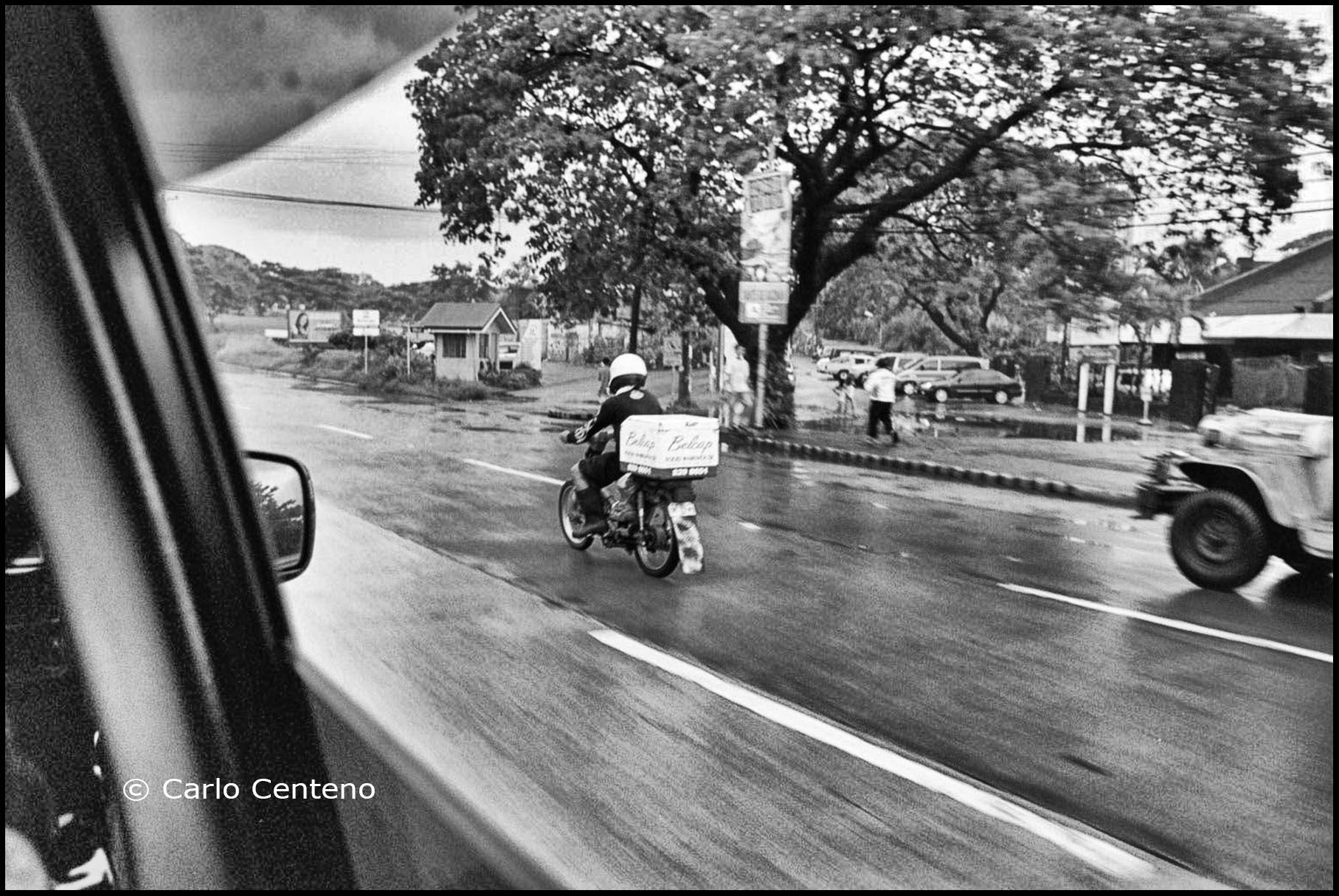
Single-cylinder motorbikes are common in the Philippines and much of southeast Asia. By day, it’s a mule, transporting cargo to places near and far. After work, it’s the family vehicle for many. It’s not an unusual sight to see a family or 3 or 4 on the bike. The smallest is atop the gas tank in a makeshift carrier, the others snugly huddled on the plank seat.
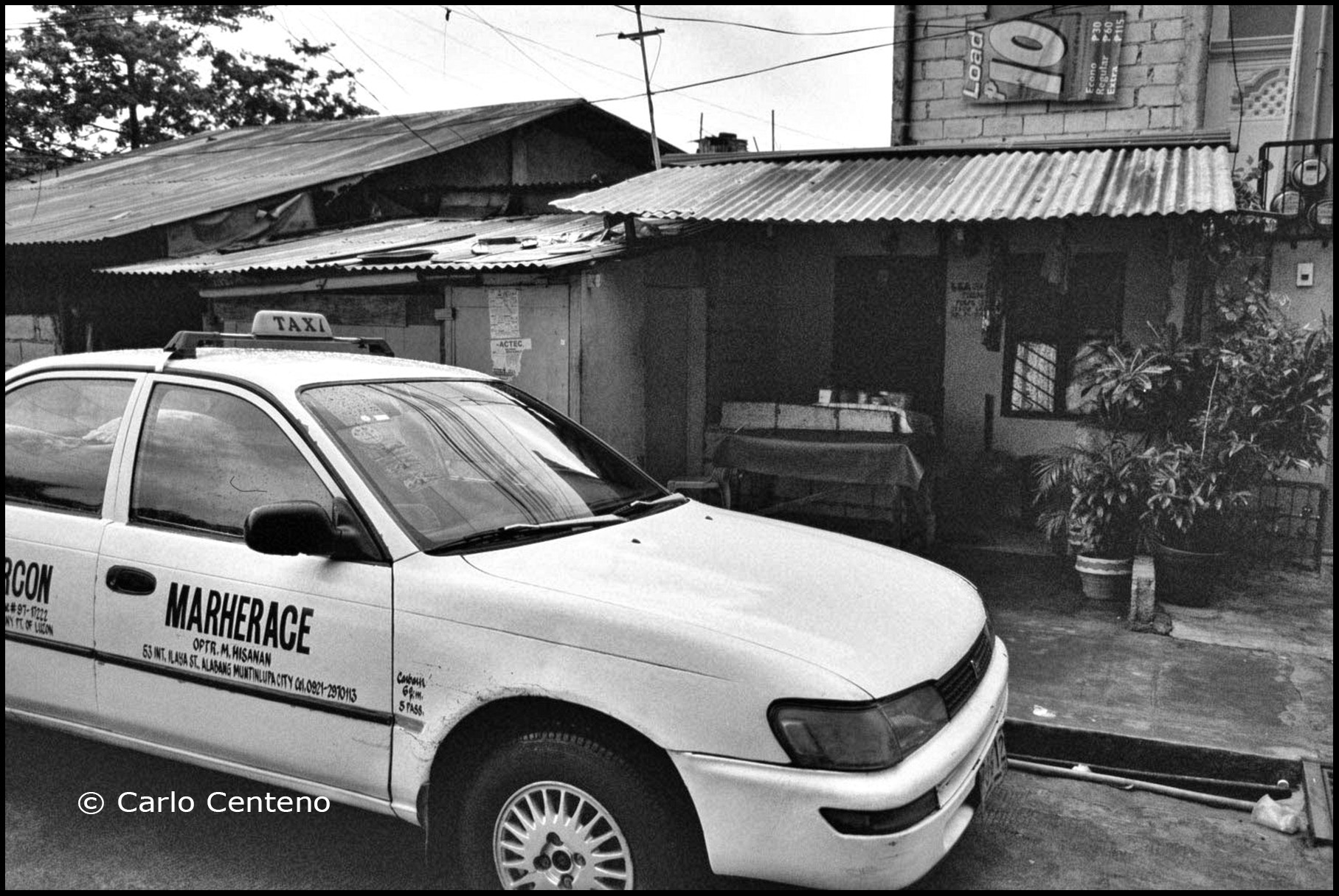
After dropping off a fare nearby, the driver took his lunch break. You’ll seldom see a sign, but a “karinderya” or canteen, is a form of home business. An average salary for a family of 4 is about P260,000 pesos. That’s $5,250 USD. “Ginagawa mo ang mayroon ka.” [You make do with what you have].
The Philippines has its share of supermarkets, but locals depend on small, family-owned vendors to deliver fresh product. Here a butcher makes ready some of the morning’s catch. Ice is a valued commodity in this tropical country. Not surprising, the food quality is excellent, but you need to know the best sources for seafood, poultry and other meats.
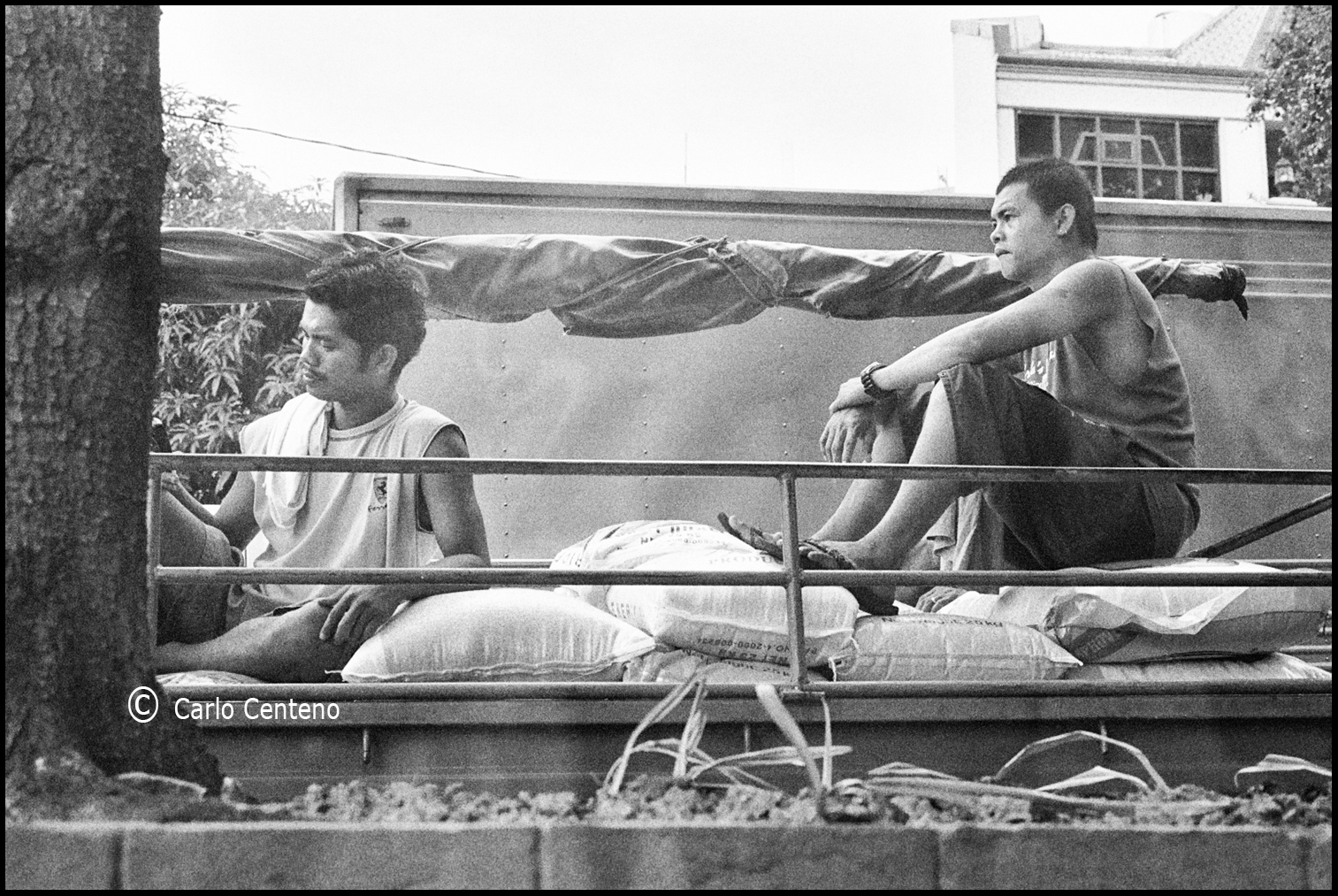
Two workers appear unfazed with the heat and humidity, while stuck in Manila’s infamous traffic. In any weather extreme, it’s critical to acclimate. I was fortunate to be in a car with its AC running at maximum. With temps at 95F [35C] and relative humidity pushing 70%, having an AC was paramount to survival.A Manila suburb. Ang ganda talaga sa mga lugar … [it’s really beautiful in places].
In the past few hours, I’ve received news feeds about how the Coronavirus/COVID-19 has produced some benefits. The beneficiary of these plusses primarily go to our planet. And because it benefits the environment, we benefit as well. I’m sure you’ve come across some of these reports on your smartphones or your computer.
Mother Earth has put into motion her own stewardship campaign to save us from ourselves [the hope] and to help save the planet [the ultimate goal]. How it works is pretty straightforward: by reducing human mobility, you reduce the amount of energy used in manufacturing, production, travel and other areas of civilization. Is this outbreak a means by which Nature looks to heal its own ailments, ailments which we created?
The BBC filed this report early this morning [Thursday–May 19th].
More specifically, there has been a measurable reduction in VOC [volatile organic compounds] as well as many gases—-such as CO, CO2, methane just to name a fews.
And in northern Italy, the space satellite cannot lie. They are also privy to the science that shows a drop in air pollution.
Unfortunately, the majority of folks will return to their old and familiar ways. Still, it was nice to learn that for a short time, parts of our planet had a chance to be healthier. Can’t help but think just how much further we would be if each of us attacked pollution, waste and climate change the way we’re attacking the Coronavirus/COVID-19.



















 Carlo Centeno