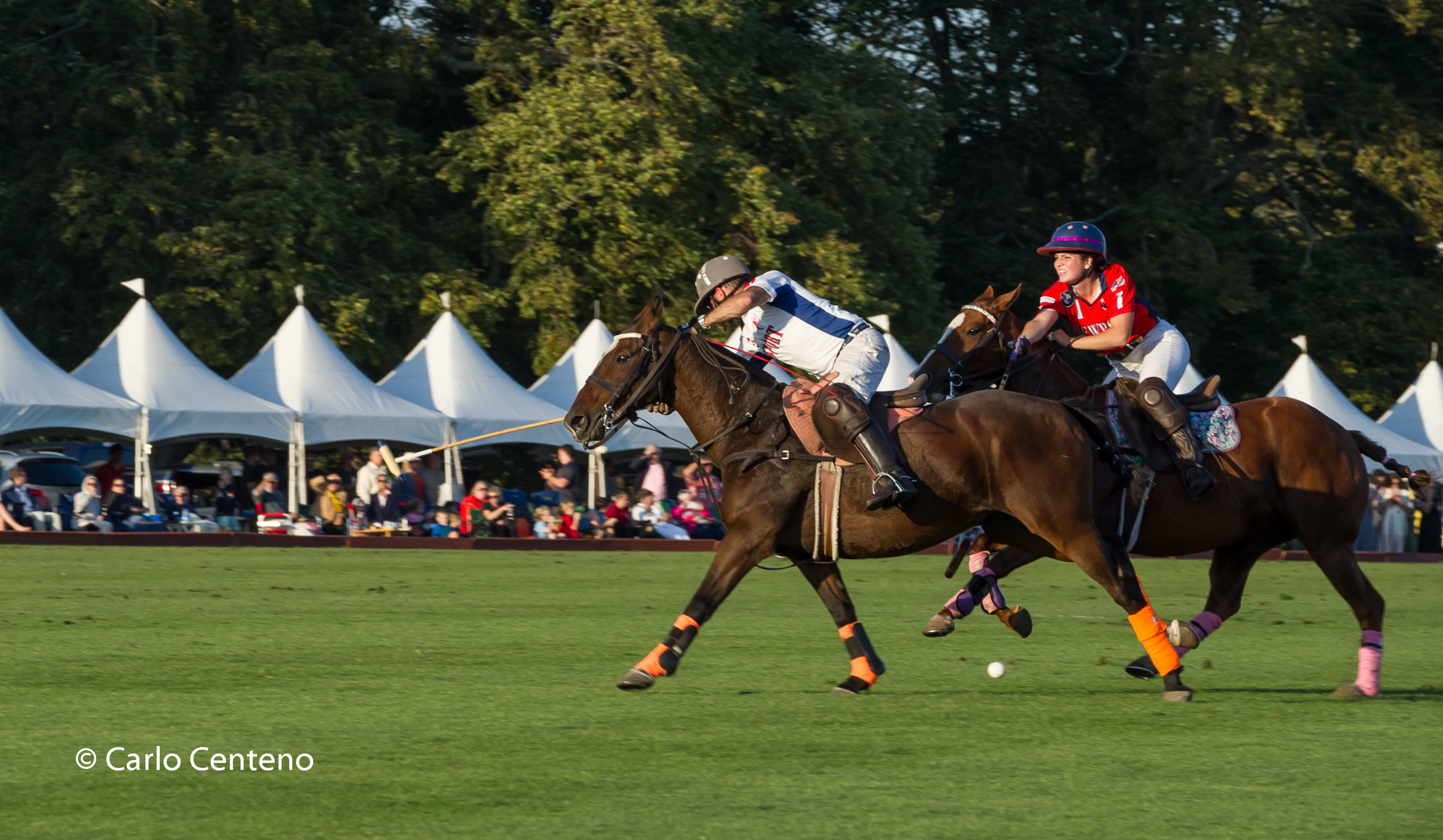
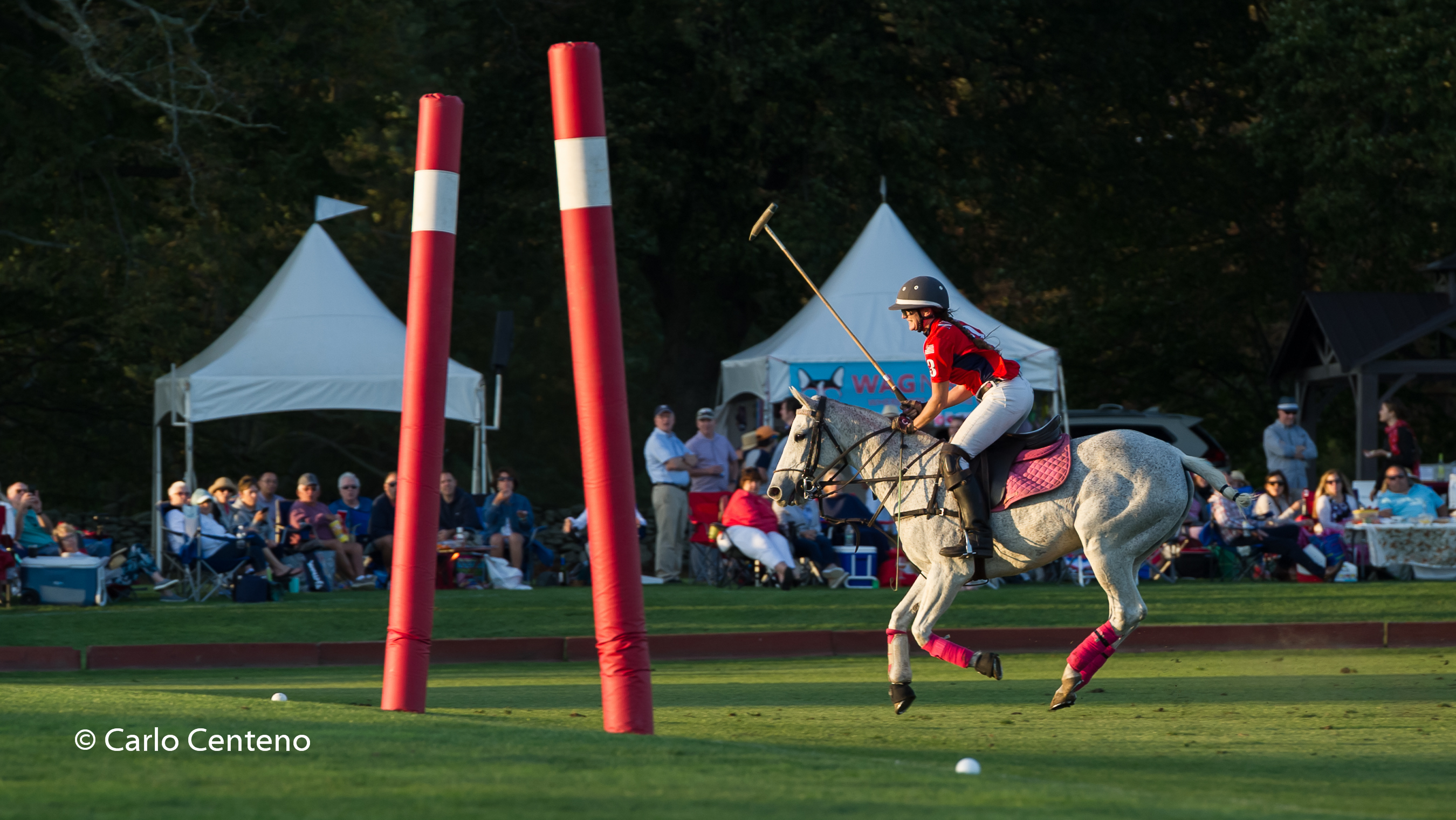
If one would be literal about the sport of Polo, it could be more accurately described as “Field Hockey on Horses.” For the cognoscenti, it’s known as the sport of kings.
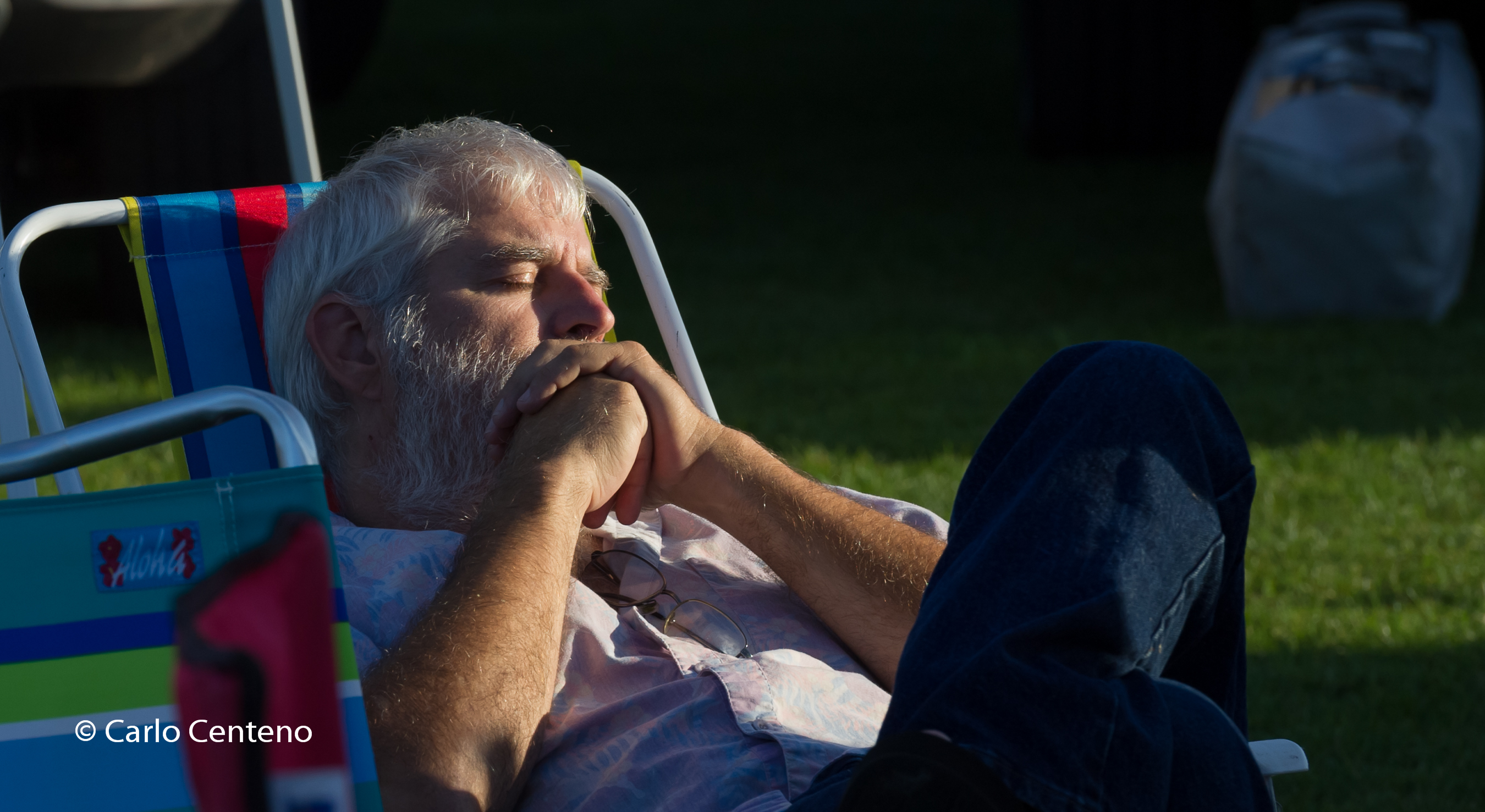
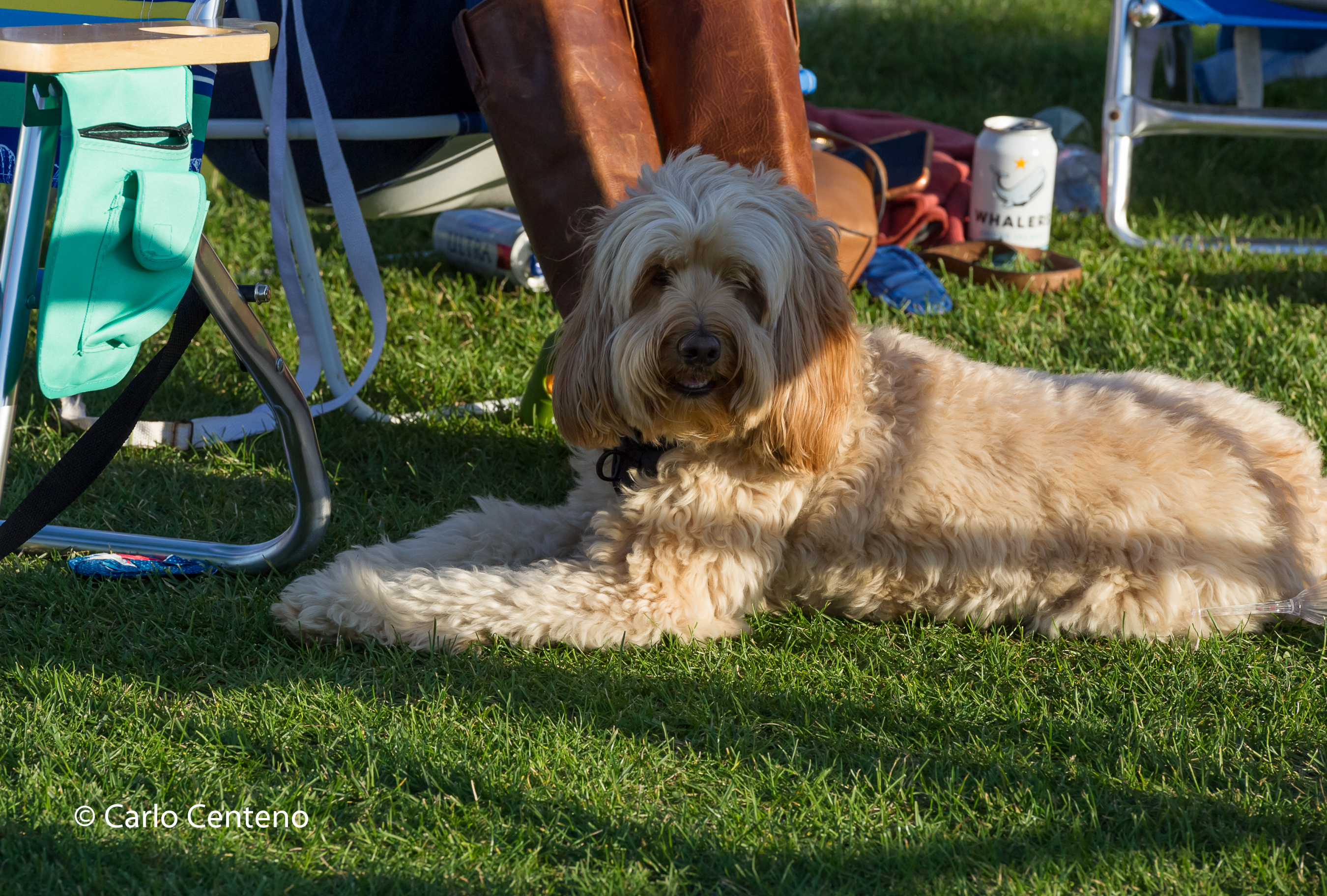
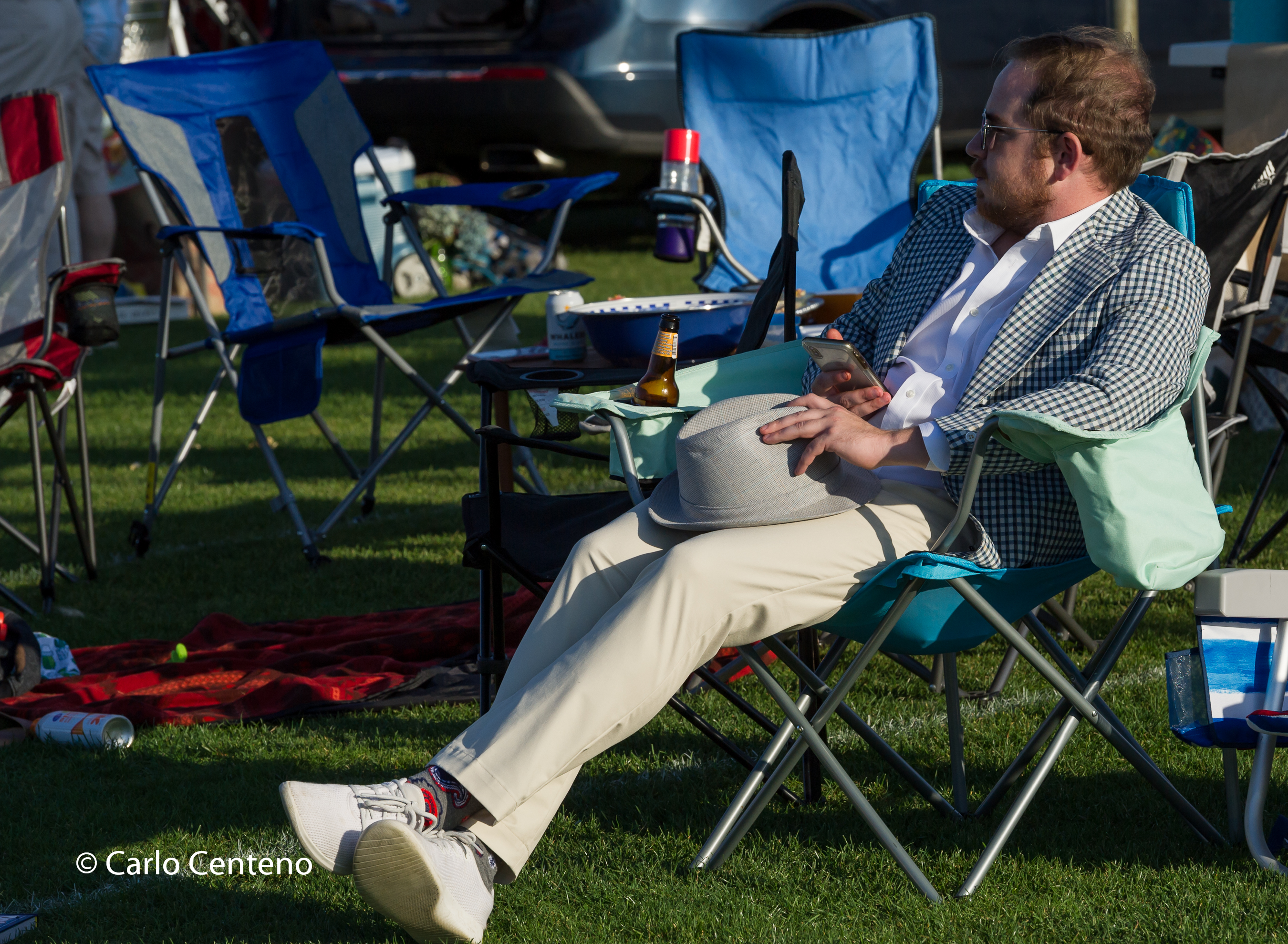
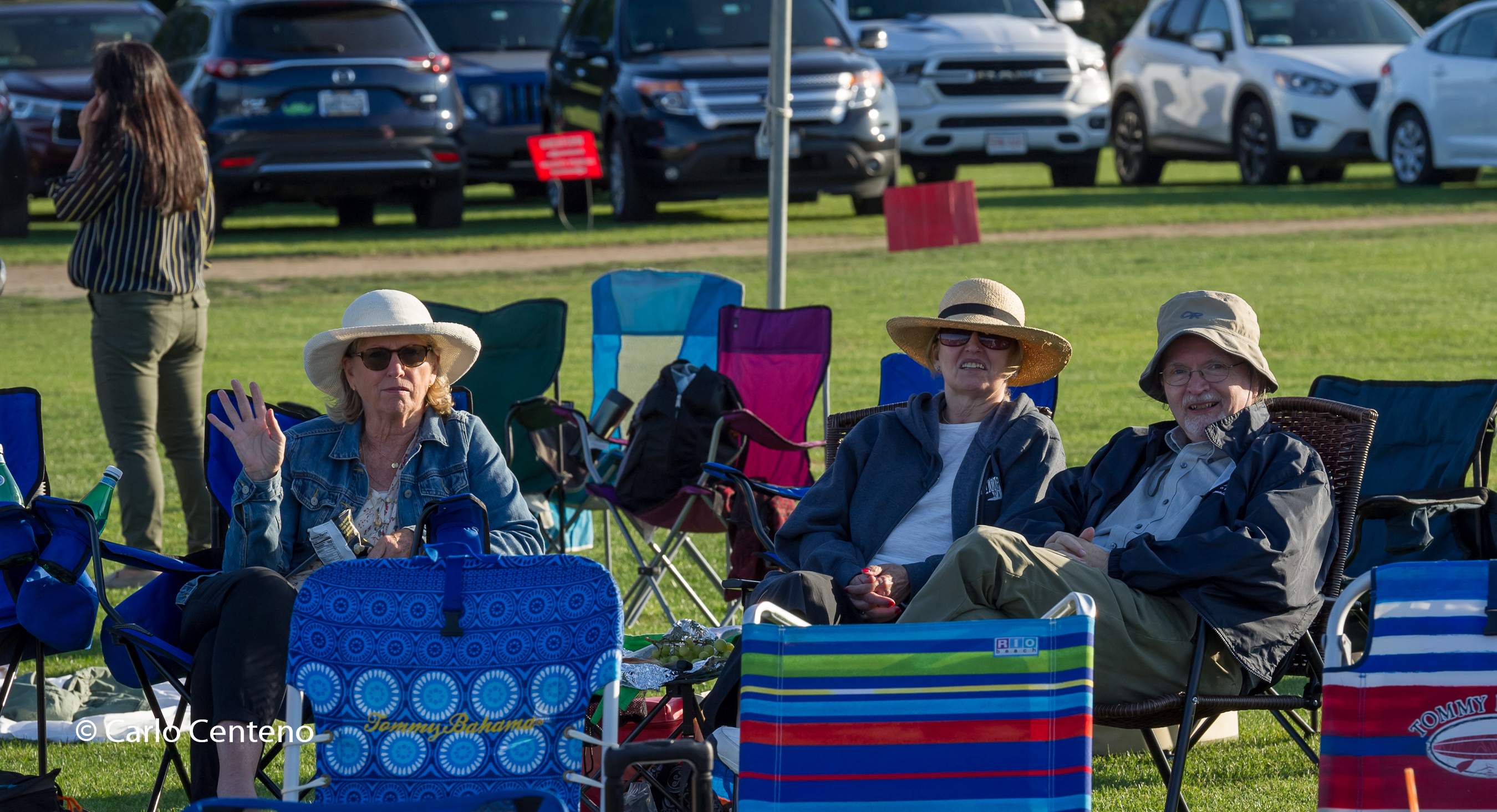
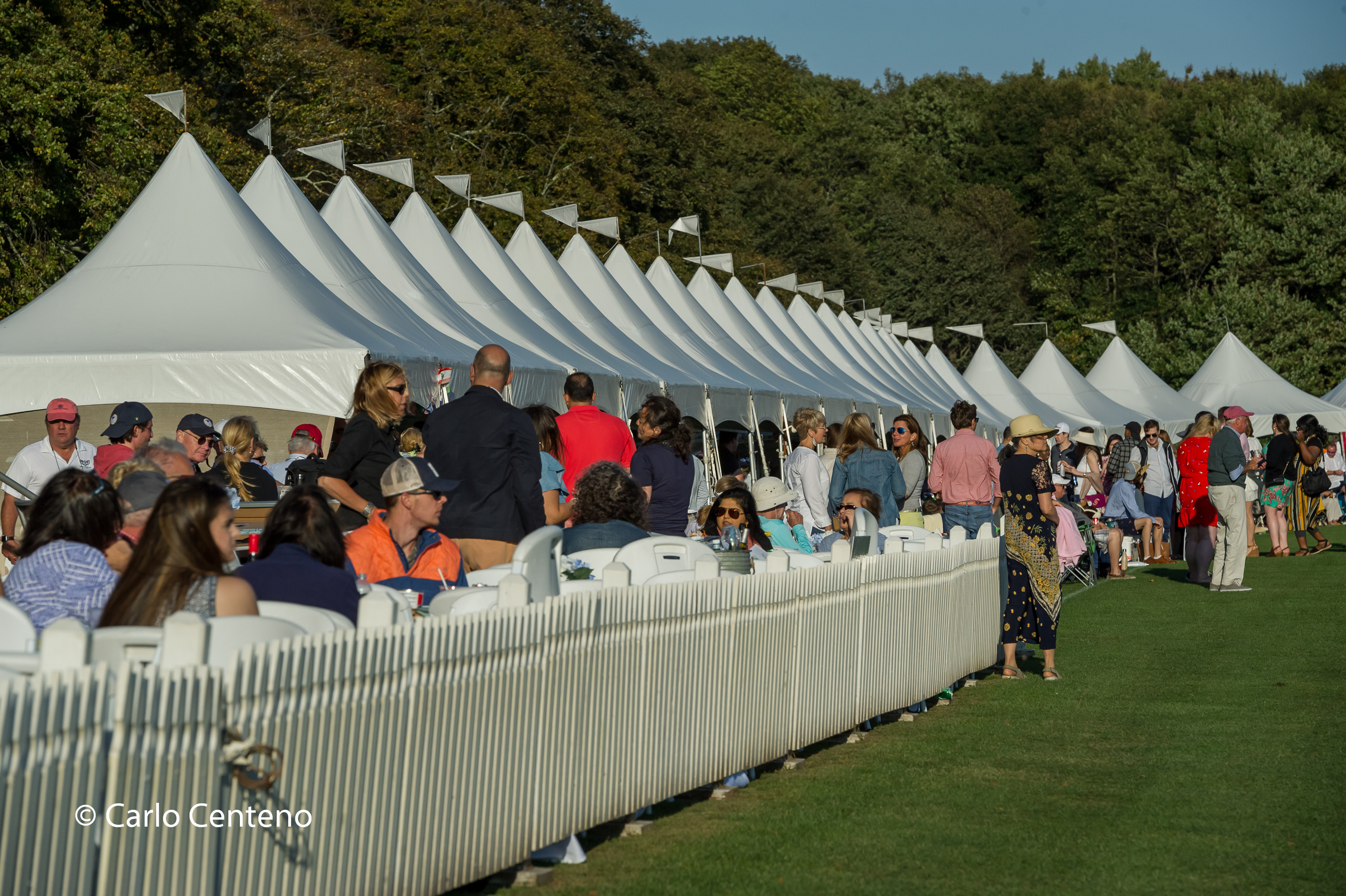
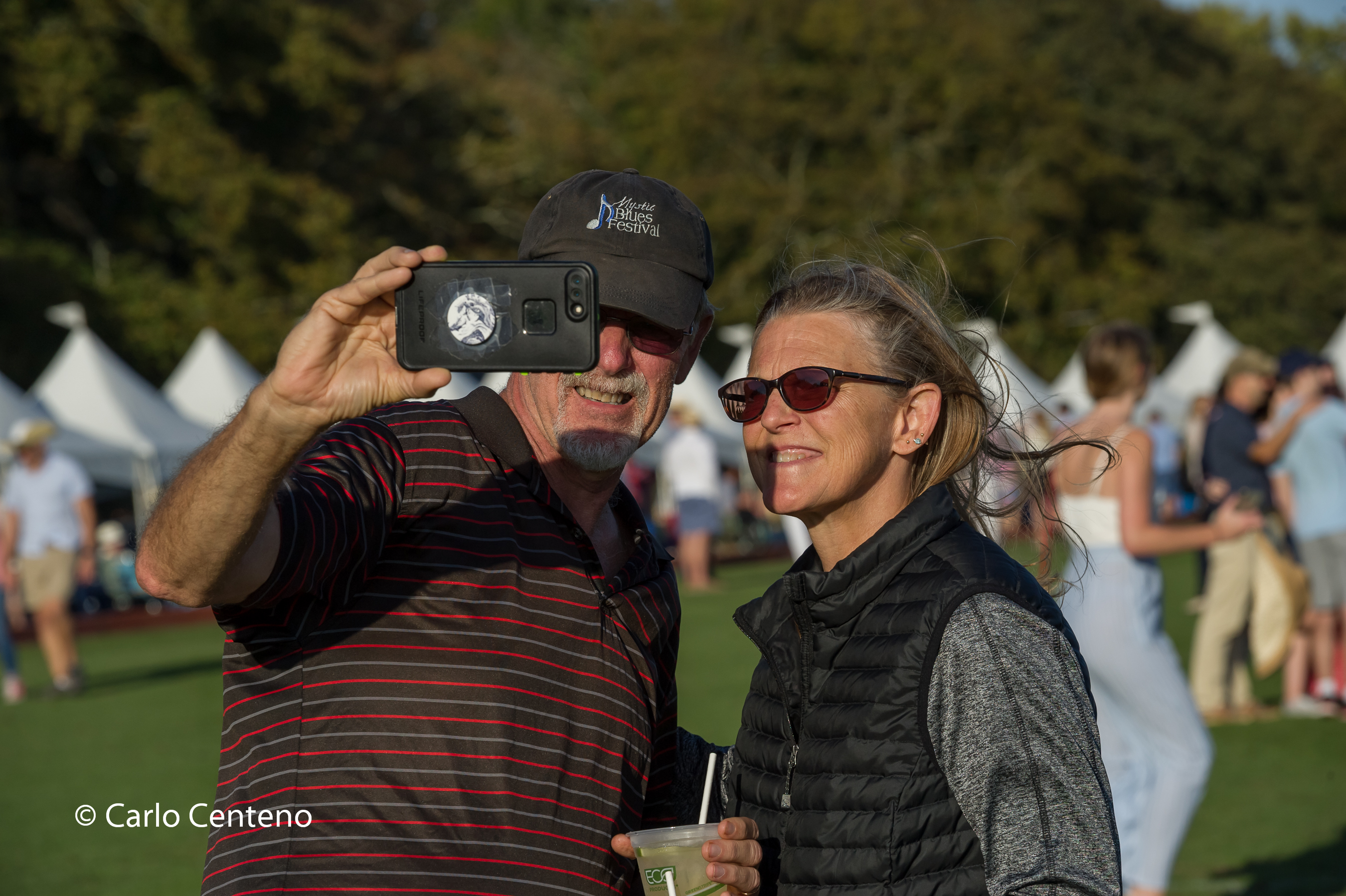
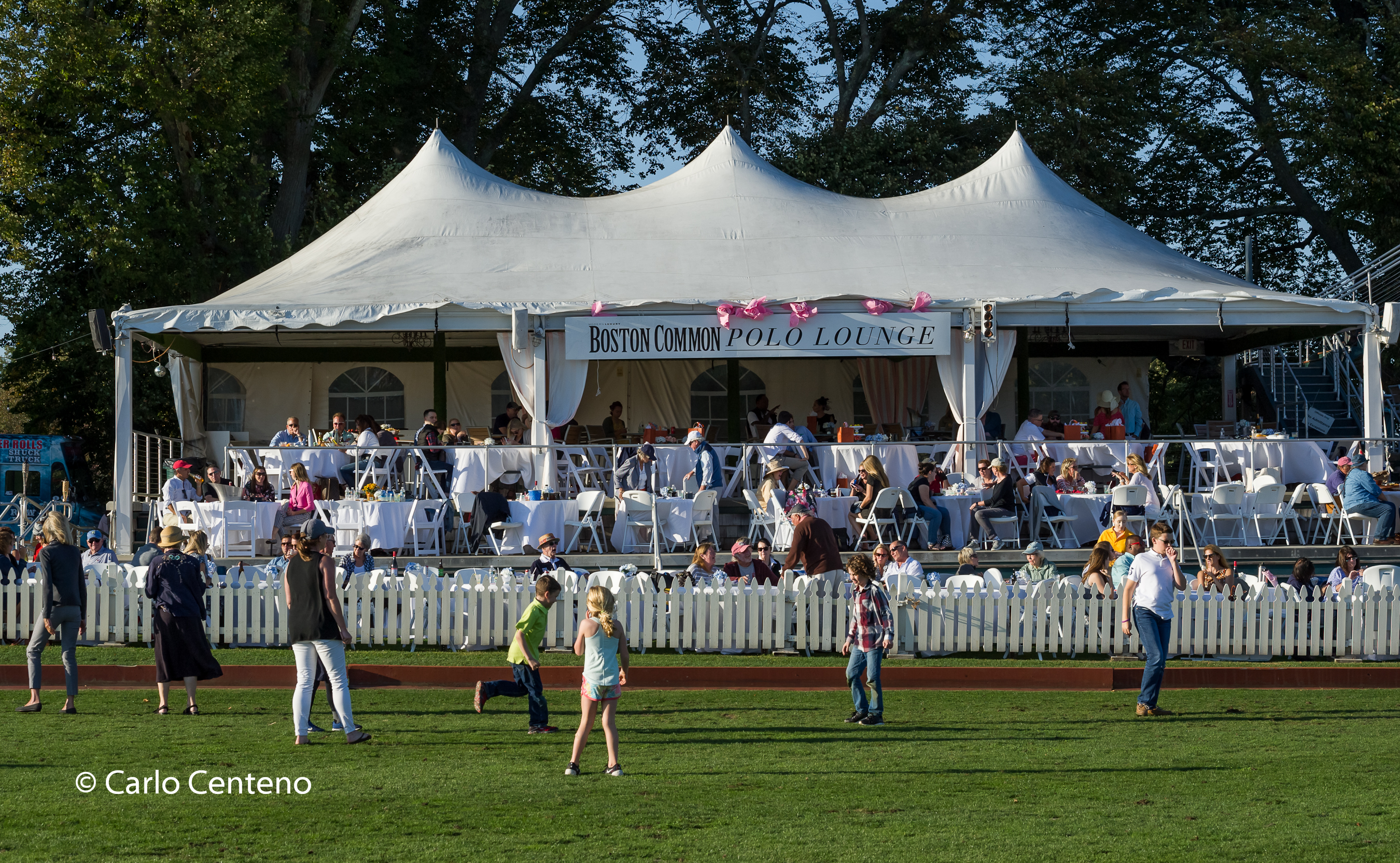
The Newport International Polo Series just finished its season at the end of September. While polo is often touted as a high-brow event, the match I attended was that and surprisingly much more than I expected: family, dogs, picnics, lively conversation, kids playing about, grown ups playing Bocche Ball, a game of catch, etc. all away from the playing field.
A congenial atmosphere on the grounds made it easy to enjoy the match and for the neophytes among us, a chance to learn more about a sport that demands much from horse and rider.
An entertaining task—and fun for many—was the half-time tradition of the divot stomp.
I suppose any season is good for “time travel.” Case in point: The Hancock Shaker Village in Pittsfield, Massachusetts. Throughout New England and other parts of the country, living museums provide a chance to feel what we could only imagine.
Such places serve to remind us of what we have. Or what we’ve lost.
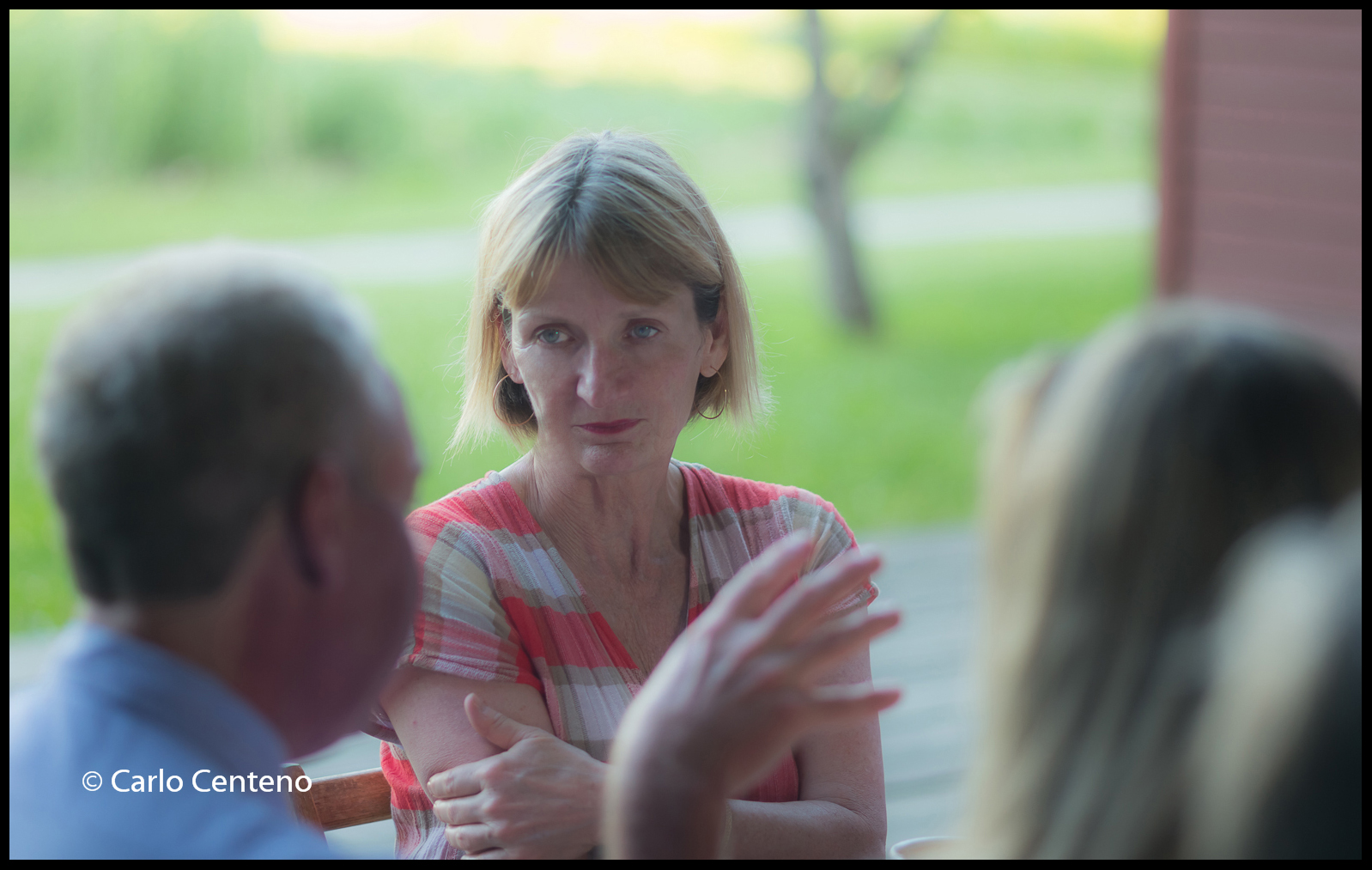
On a particular Saturday evening, I was reminded of the power of conversation. The Shakers traditionally have family dinners, meaning you sit at a table–often a rather long one–and enjoy supper together. This particular night came via the Food for Thought series, a HSV summer event whereby one sits and enjoys a gourmet farm-to-table dinner and conversation. From June thru August, an author is invited to dine, discuss and engage about a recent book that she/he has published.
Traveler, award winning writer, bestselling author, Mr. Simon Winchester.
The narratives can be compelling. Unsurprisingly, there’s the conversation of getting-to-know a bit more about a person, not the least being the author who’s about to recount a journey of research, writing, editing and more.
Like the author, the guests had their own experiences to share. Most were familiar [snippets of life’s journey from a father-mother-engineer-lawyer-financial manager-medical doctor, e.g.], and others were fascinating to hear and talk about. In attendance was a young student of epidemiology, and I should have talked with him beyond his academic CV [Princeton, then John Hopkins]. It would’ve been fascinating to hear more about the rise of diseases and other ailments that can quickly wreak havoc on populations around the world.
The beauty of talking face-to-face is that beyond the words you hear, you’re also emotionally involved. Expressions, gestures and tone each hint at nuances that can be missed when engrossed with email and text messages.
I enjoy the various digital communication platforms and they can be timely if not helpful. However, there’s still something to be said about connecting with people face-to-face. And that kind of connection can make such a difference in your comings and goings day in, day out.
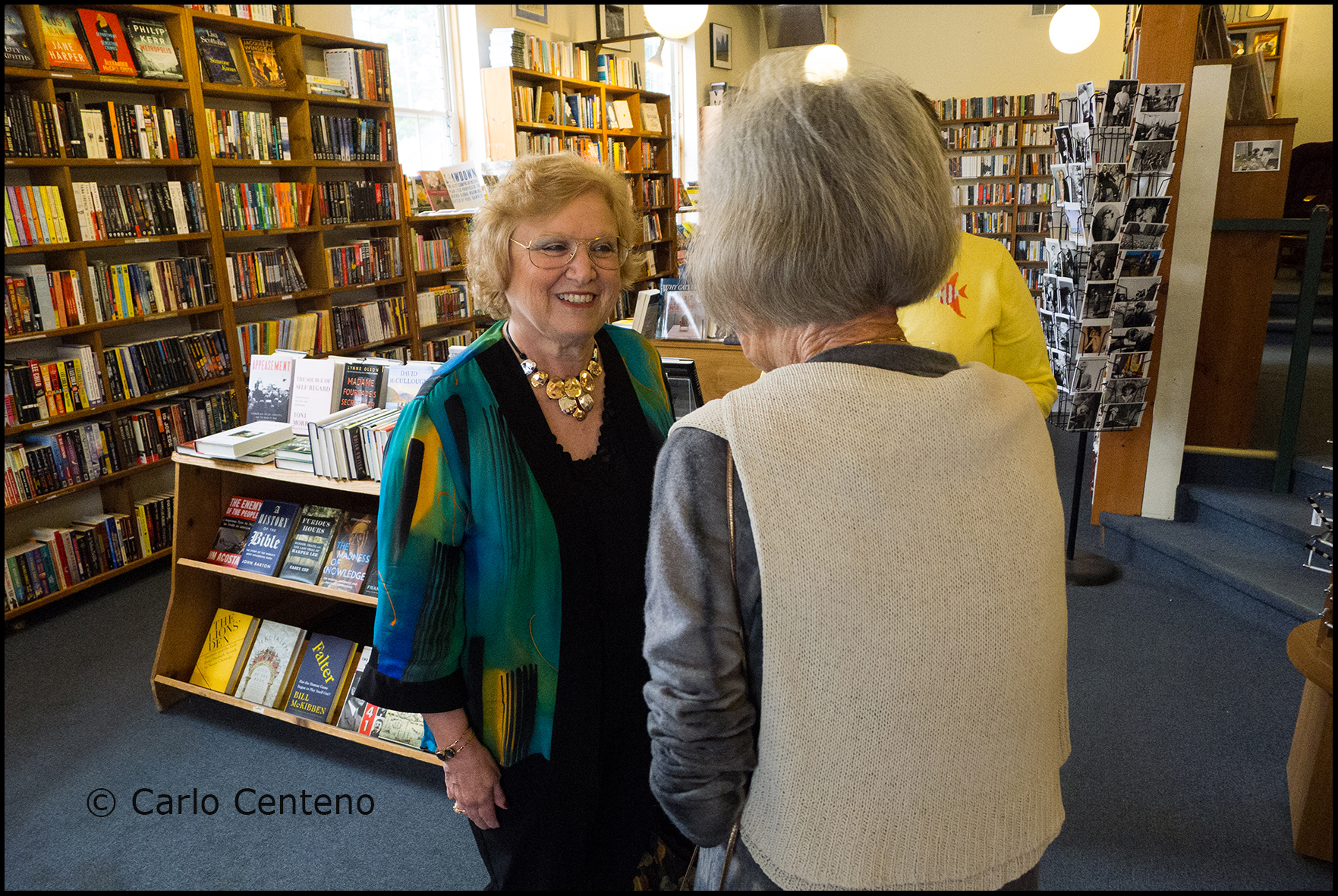
Carolyn Kay Brancato greeting her guests prior to her reading.
I was 15-minutes early to an advertising and marketing function taking place elsewhere, when just down the road a ways stood The Bookstore & Get Lit Wine Bar . I love bookstores, especially these quaint shops containing new and pre-owned books. And here, it just so happened author, playwright and choreographer Carolyn Kay Brancato was on hand to talk about her first novel, “The Circus Pig and the Kaiser: A Novel Based on a Strange but True Event.”
When you walk into such functions wearing a suit, tie and smile, it’s easy to be taken as one of the guests. Perhaps acceptance was made easier because of the suit, even though I was the only person with one on. I wasn’t crashing the party per se; it was an open event. Besides, until I walked in, I just wanted to peruse the shelves to kill some time. Somehow being immersed in a bookstore accelerates the passage of time. Before I knew it, almost 20-minutes went by.
Ms. Brancato was attendant to familiar faces and a handful of new ones [like me]. She was a confident and comfortable raconteur equally adept in catching up with news of the comings and goings in The Berkshires. Friends and acquaintances arrived from near and far: Long Island, Boston, Hudson, NY, Manhattan in addition to other towns and hamlets here in the western most part of Massachusetts.
And of course there was a respectable spread of food, though what made it even more inviting was the “Lit Bar” which was part of the bookstore. It was small and cozy, roughly the width of three folding chairs though it stretched from the front of the store to the very back it seemed. Were it not for a standing room only crowd, I would’ve clicked a photo or two; besides I needed to make sure not to be late for the other event taking place.
Albeit short, I enjoyed the serendipity of stopping by. To listen to conversations about literature, books, life, travels and more, was refreshing. What this all means is I need to return with my better half to take a closer look at the books and to, of course, have a glass of wine with her…
However, I didn’t leave empty handed. I found a terrific book, “The Rain in Portugal” by Billy Collins. Yes, that is THE Billy Collins, a former U.S. Poet Laureate. It was his twelfth collection of poetry and judging from over a thousand reviews, it looks pretty inviting. Odd. It’s been decades since I picked up a book of poetry.
This is what happens when you walk into a really nice, cozy bookstore that has its own wine bar.
Many artists come to mind when the genre of surrealism becomes a topic for discussion–or bone of contention–but Salvador Felipe Jacinto Dali y Domenech is one that occupies a notable position in the annals of imaginative imagery and surrealistic interpretation.
The Slave Market & Disappearing Voltaire
If your preferences lean toward realism, then Dali can and will, leave you wondering why such creations are in a museum, indeed, an eponymous one at that. Art is Art and its value depends on so many areas of technical and aesthetic measures. For the rest of us mortals, subjective interpretation is all we can muster. I overheard someone trying to understand one of his paintings and his somber remark was, “Salvador Deviant.”
Portrait of deceased brother if he lived to be an adult.
Art is what you make of it. It means you can be apathetic, sympathetic, curious, appreciative, angry, happy, bewildered, uncertain, confident, disappointed, insulted, overwhelmed, inspired or even validated.
You have to appreciate his creative genius when you’re pulled into one of his canvases only to be taken aback when the image changes. In one moment you see 2 nuns, then a blink later, you suddenly see a face made in part by the same 2 nuns [cf first image above for Voltaire].
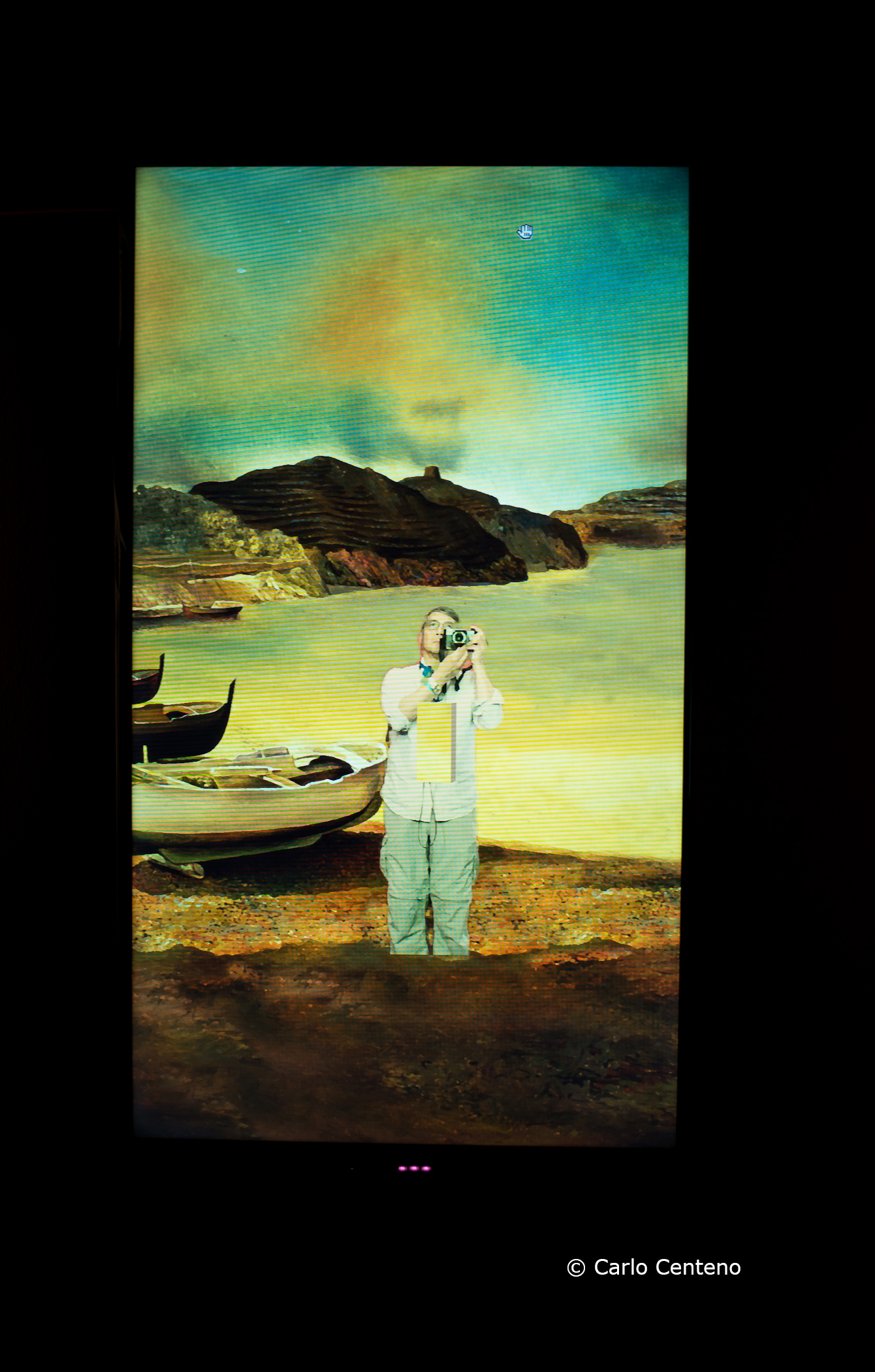
Interactive self-portrait.
My self-portrait is an interesting take on a photo booth, but one more entertaining if not interesting. In a way I’m borrowing a slice of time from Dali’s world. A simple souvenir for me, though I suspect Dali would’ve seen a leitmotif kindred to the impertinence and sarcasm of his painting, Persistence of Memory.
The itinerary reads, “4-hours, 34 minutes” of travel time. Not unreasonable considering point A to B is about 1,200 miles [1,931 km]. Fortunately, I can get a nap without much effort.
Alternatively, I can journal and even snap a photo or two. Which I did. And I also thought back on Christopher Nolan’s film, Interstellar. The recent news about capturing a photo of a black hole and what seems to be renewed interest in the cosmos has sparked [again] my curiosity about time and space and relativity.
One line in the movie fascinates me to no end: “One hour here [on an alien planet] is 7 hours on earth.” Because the crew traveled through a worm hole at almost the speed of light, time dilation occurred. Theoretically, it means time moves slower when you’re travelling extremely fast.
While it would be a major convenience to reduce travel time across the globe, I consider some of that time in transit as quiet time, even meditative. We’re already rushing–to arrive here–to get over there. It’s an overused saying but, “life is better viewed as a journey rather than a destination.”
It’s at this time of year when I hear longings for warmer weather. From workers in the office building–a lot while in the elevator–to family and friends, I hear wanting cries and wishes for winter to end. February is akin to that last push toward a finish line; it’s a test of emotional endurance because you’ve made it this far yet there’s still a distance to go. When will this end? Let’s finish winter and get on with spring. Polar vortex aside, I’m still enjoying winter. However with daylight piling on, it’s not difficult to think about spring.
In no uncertain terms, sunny, warmer weather puts people in a better mood, especially during those first few days. What’s not to like? You get more vitamin D. The air feels gentler. The sky appears friendlier. The pace of life is calmer. The sounds and sights of life are no longer insulated: laughter, more people outdoors, car windows open, music escapes from said windows, smiles appear from once stoic, resigned faces and of course, fashion turns lighter as puffy, padded, heavy and scratchy attire is relegated to dry cleaning, the cedar chest or some other domestic sarcophagus to be opened later in the year.
Many of us in New England are already wandering toward and wondering about the warmth. For now, we can still huddle in our coats, don an extra layer, warm ourselves with a mug of Hot Toddy and make the best of things next to the fireplace or wood stove.
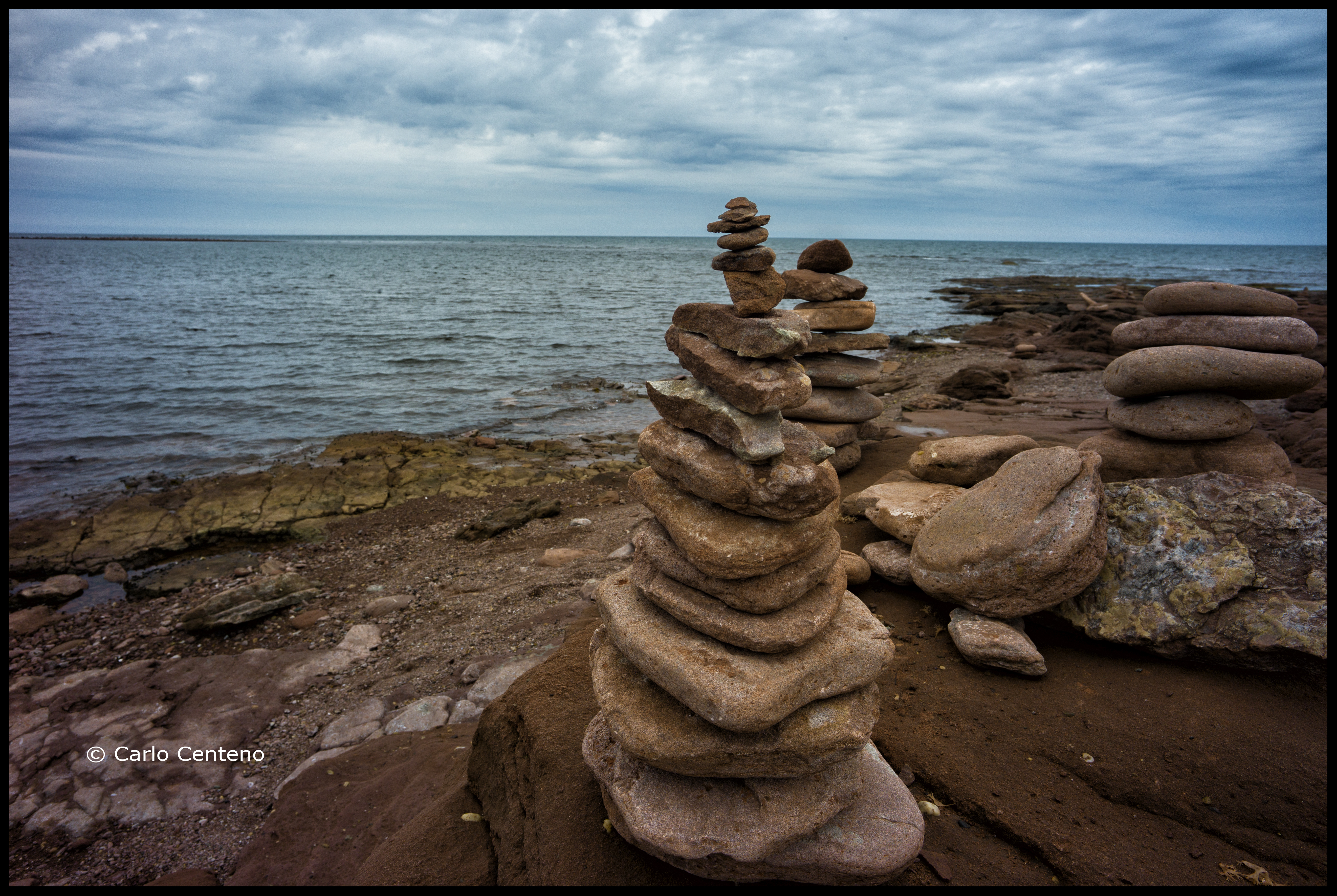
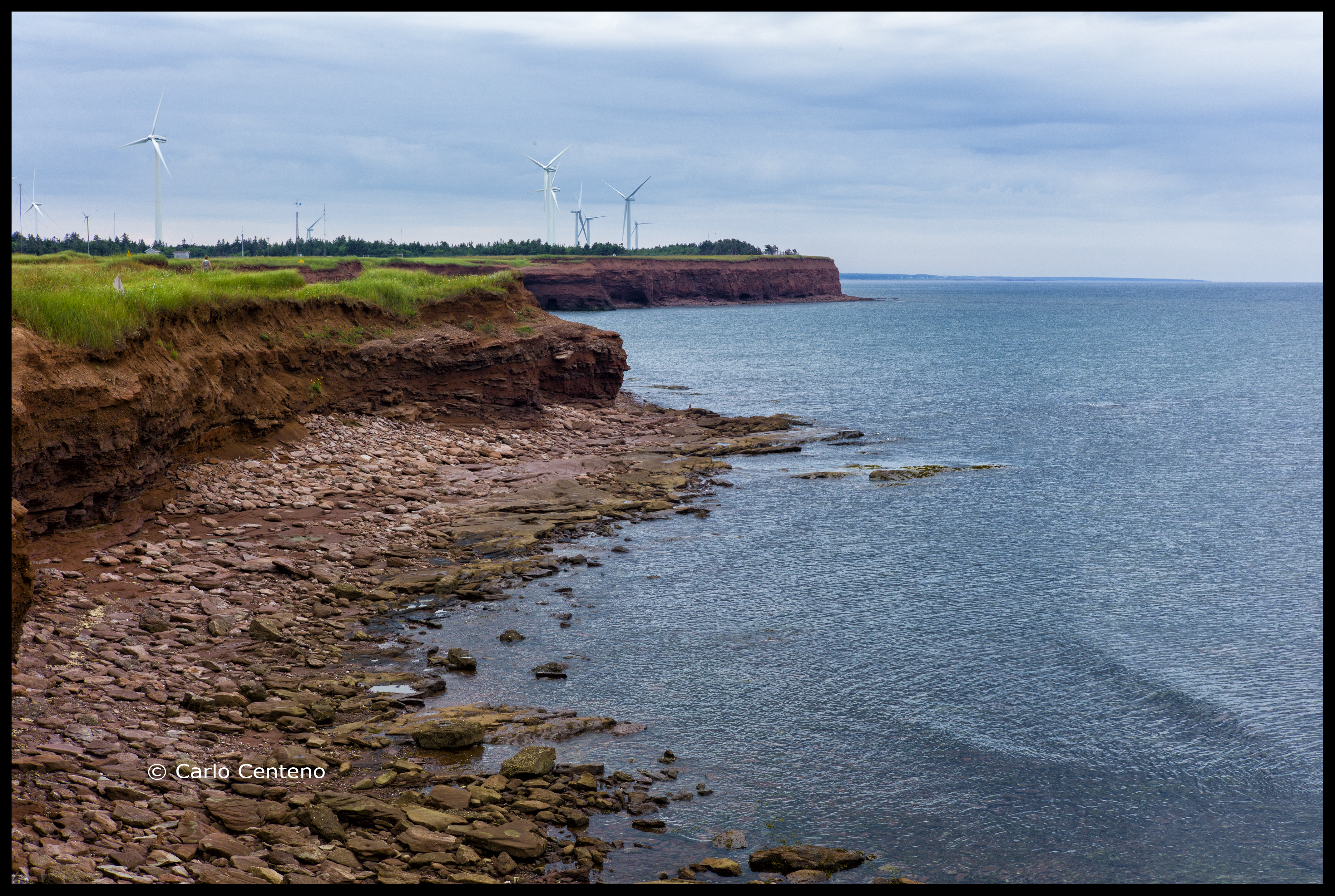
The claim is that “over 160 billion tonnes of seawater flow in and out of the Bay of Fundy twice a day.”
I would be grateful if I could purge my mind of all the thoughts and sentiments that don’t add to my quality of life. If I could do that twice a day, I wouldn’t be sure if I’d be a more genuine version of myself. Hence, perhaps once a day would be sufficient. Let’s not get greedy now…!
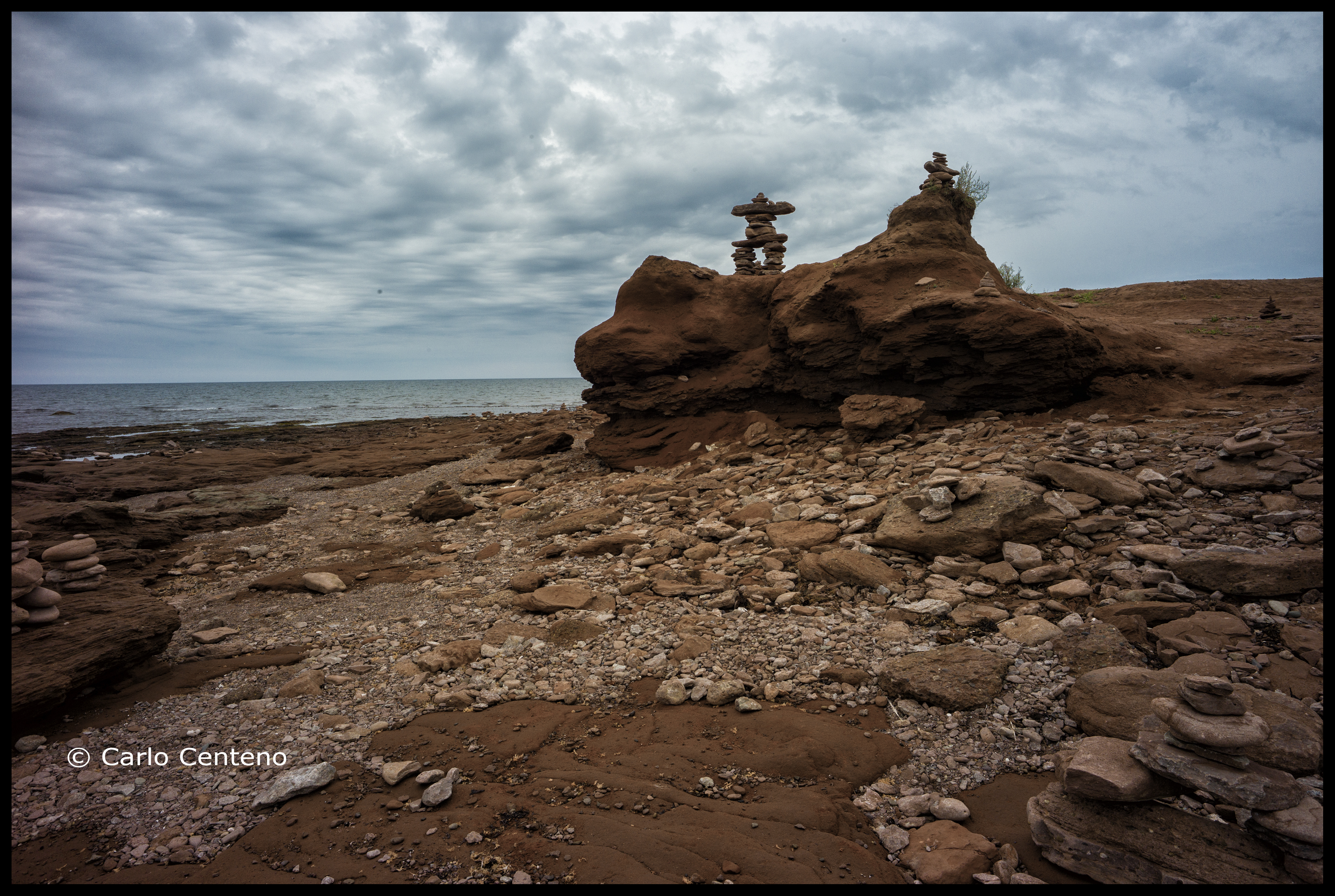
There are 2 places where solitude, a camera and myself synchronize: the ocean and the woods. Maybe it’s a condition borne of meditation and yoga though the common denominator in all of this remains to be solitude.
These are the places that help me roam without getting lost in the all-too-many distractions of work, deadlines, demands, expectations and disappointments. The same places also help me acknowledge my fortunate standing in life and when I do recognize it, a lot of negativity bias dissipates more easily.
New York City. A fantastic place that involves all your senses.
Fort Myers, FL. This second image is taken further south, about 1,250 miles [2,012 km] away. Here’s a destination where the senses aren’t always engaged. Let’s just say “relaxed” is a more fitting adjective. Finally, both photos were taken approximately around the same time of day: late afternoon.
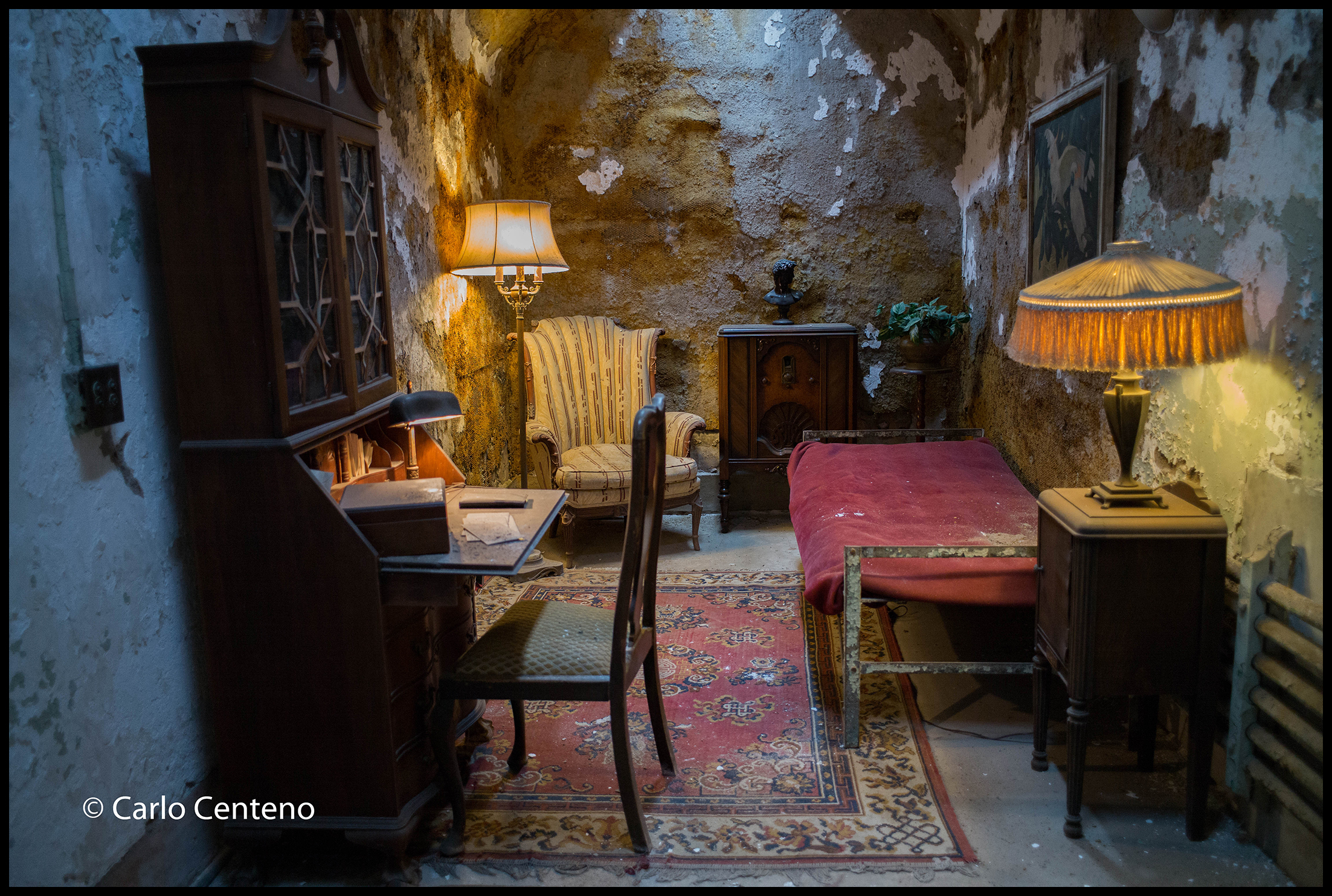
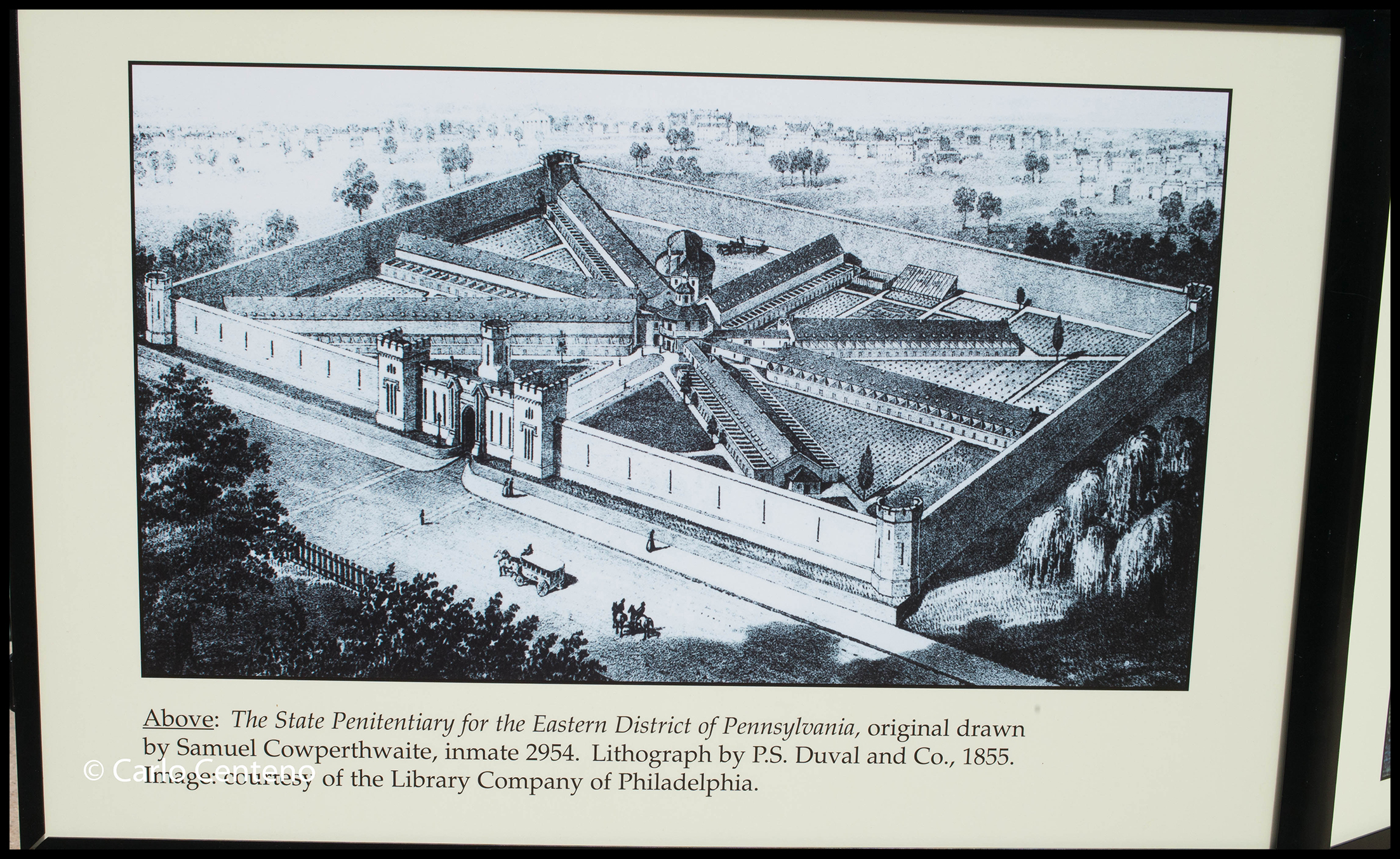
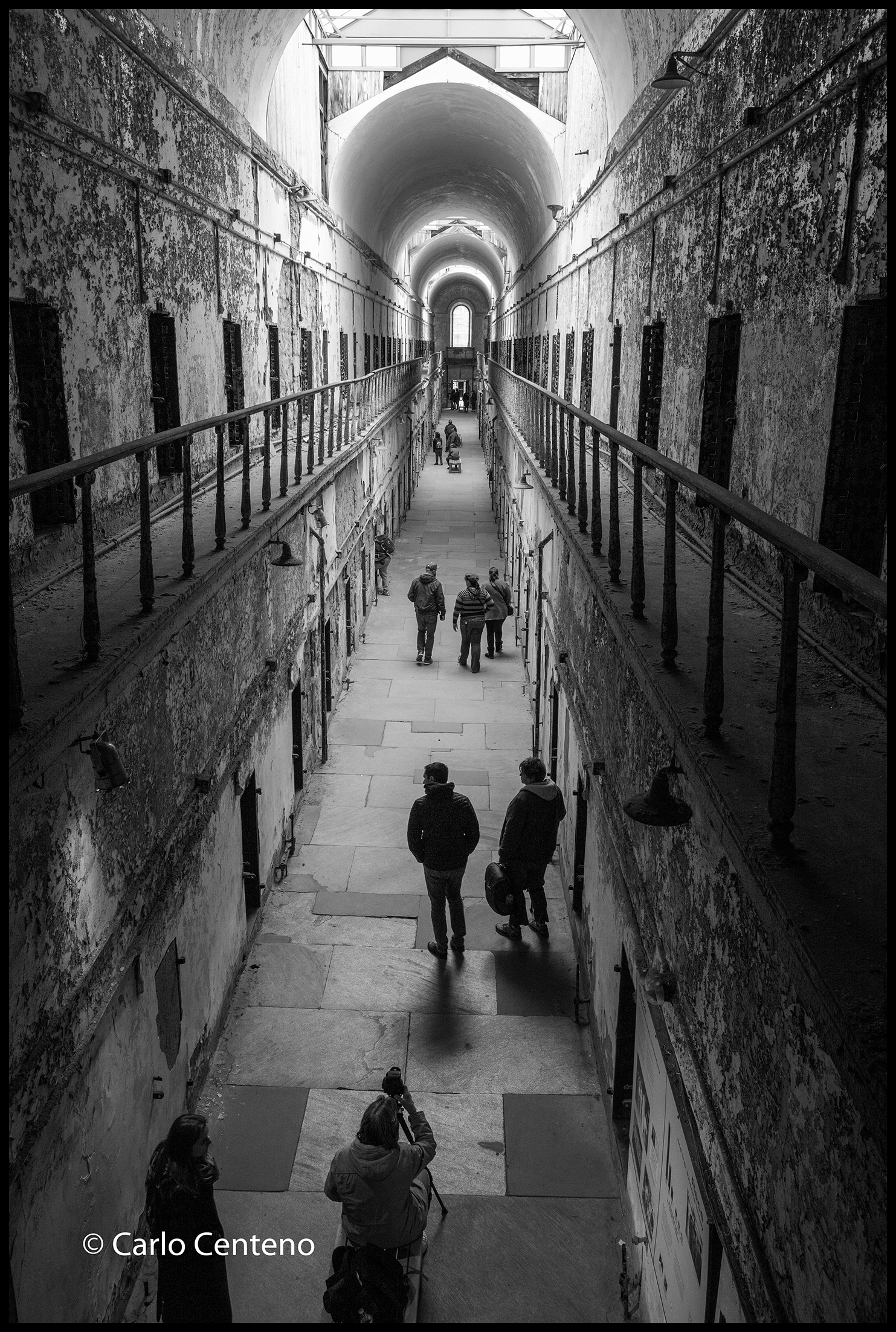
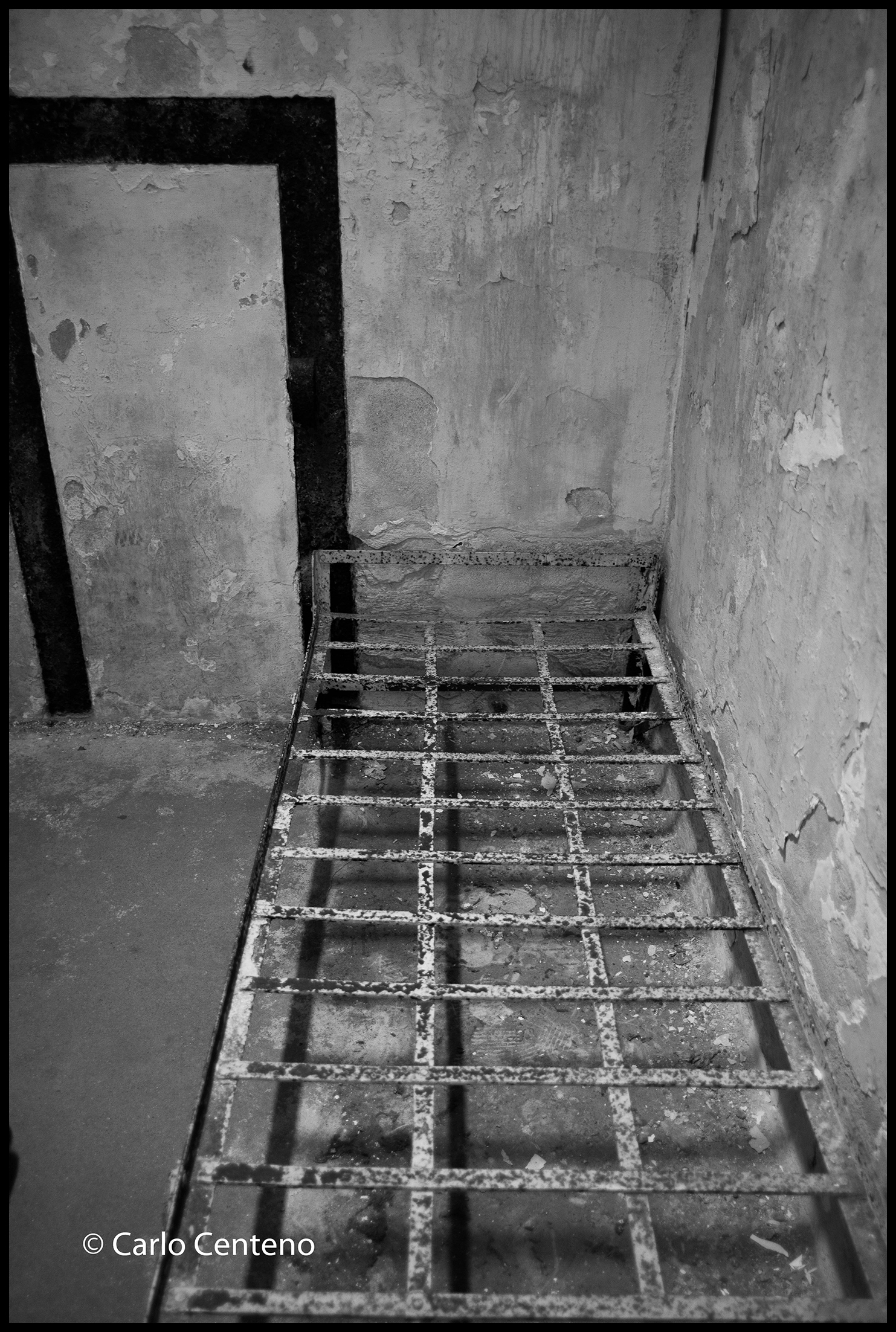
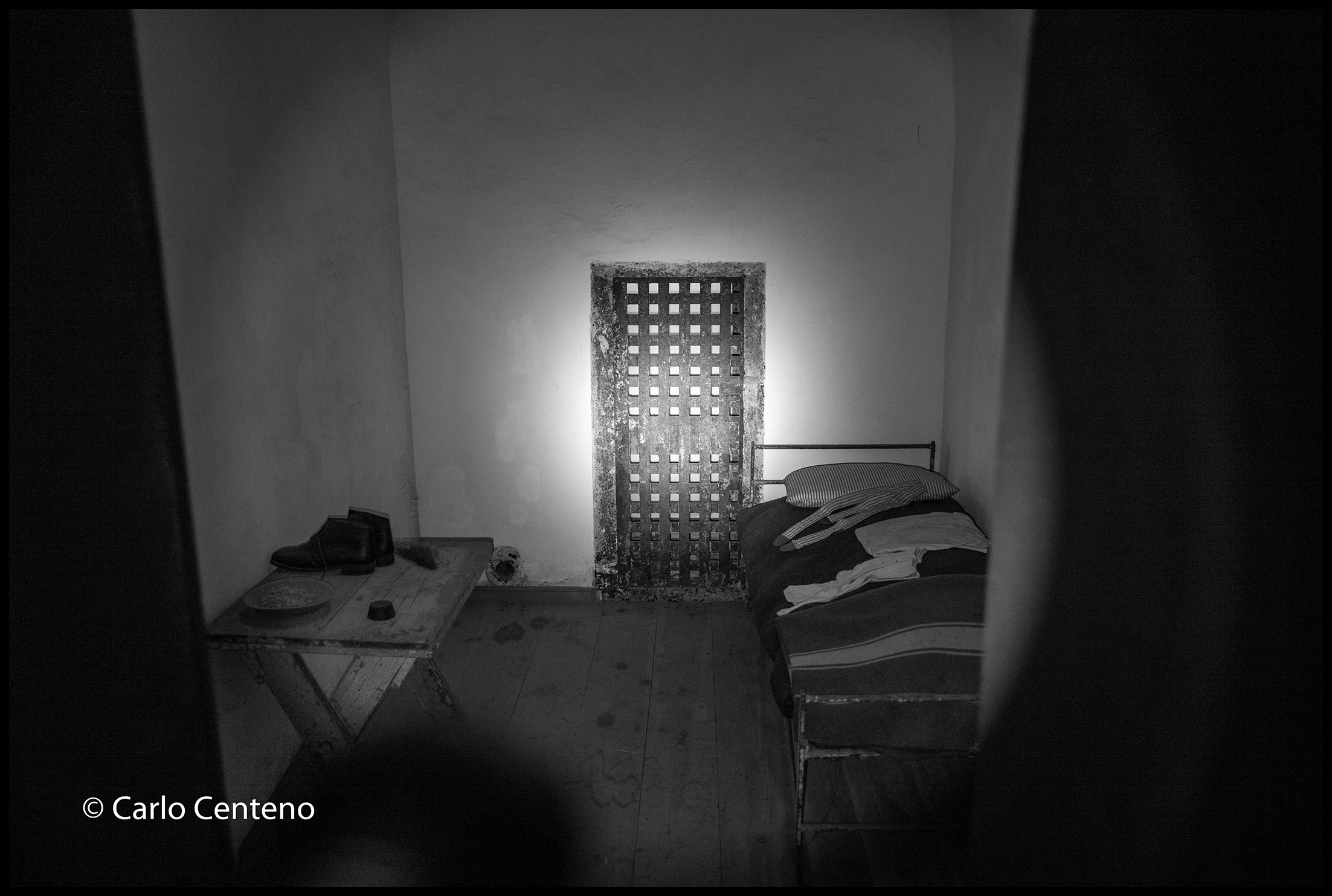
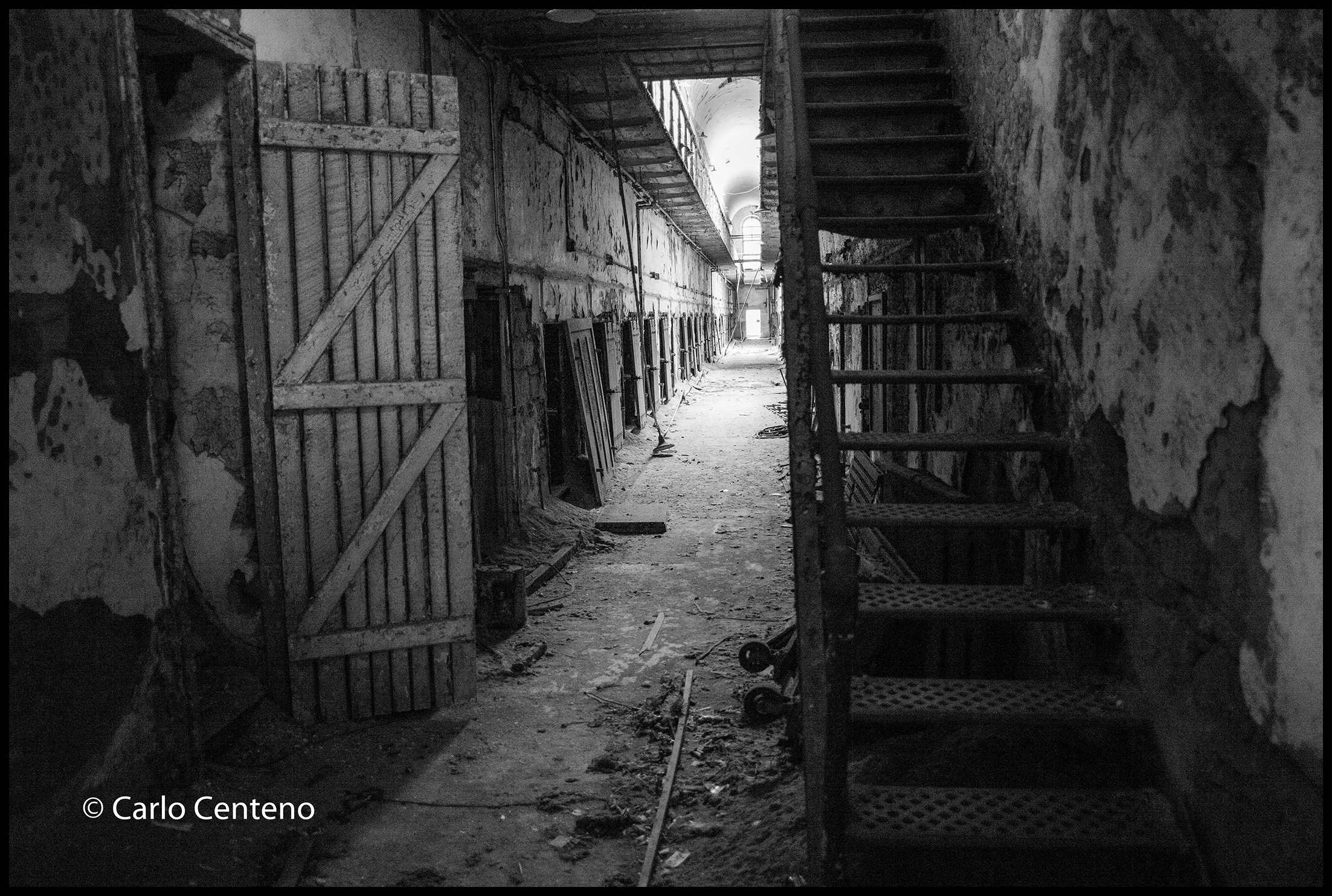
The prison in Philadelphia was built to help those find and practice penitence for whatever crime they committed. Human nature can be flexible and adaptable across time, however, incarceration and solitary confinement has a way of bringing ruin to flexibility and adaptation.
With that ruin, even the strongest of men—and women—lose their hearts, emotions, everything, to spiritual atrophy.
If marketing is the means to help us remember a brand and its benefits, then the marketing of such museums is to reinforce the unimaginable cruelty were capable of, and to keep alive the most powerful and universal of virtues that are love and hope.
























 Carlo Centeno