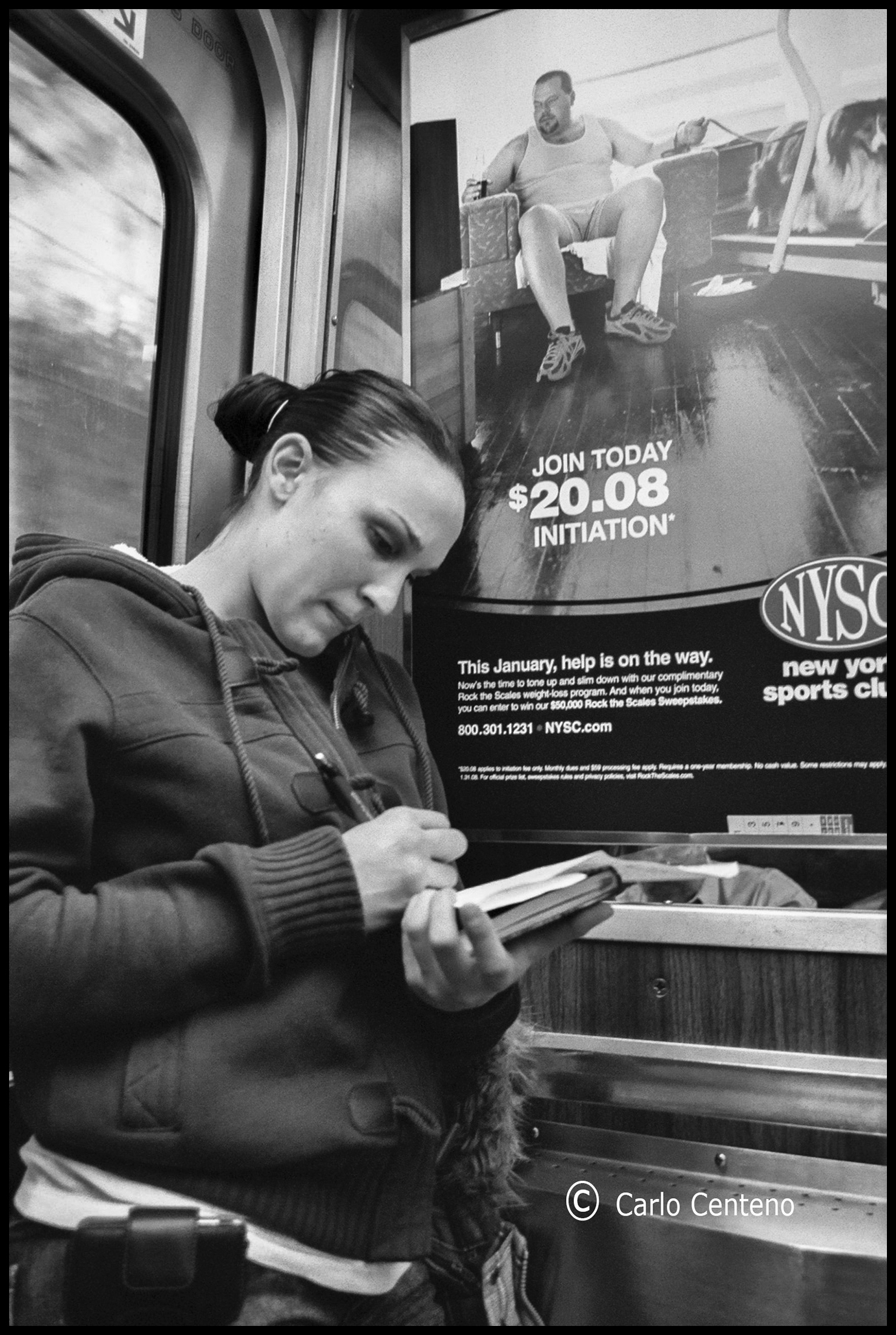
I see through a glass darkly…

It’s been noted in different ways, but anything that could be said about 2020 has already been said. There are new normals and our previous ways of living and working have undergone something more than a reboot. I wonder about the sustainability of our modifications to the changes we’ve been subjected to. At present, 2 things loom large for me in our modern ethos: the scale of loss [life, careers, homes, e.g.] and the contraction of education systems for students, Kindergarten through college.

The burden shouldered by first responders, caregivers, allied professionals, physicians, peace officers, firefighters, et al, is without precedent. Supporting them goes without saying. The COVID-19 story continues to unfold, though I hope the developing narrative produces more positive than negative outcomes. And yet I am still looking through a glass darkly.

Many conventions, routines and well-defined standards have been poured over with uncertainty. That change takes place, is to be expected, but the fog of what happens or what should happen clouds our view near and far. Supposition greets us through this dark glass of modern life. There’s the world before the new coronovirus, and the one hereafter.

All of this thinking takes me back to much younger days, days of academe, of discussion, of expository writing. This dark window we’re peering through—including windows like broadcast and online news, social media, Twitter, FB, e.g.—does shape our perceptions and expectations. Many are unclear, even misshapen or unrecognizable, perhaps even hinting at what was once familiar. Plato’s Allegory of the Cave posits we should question our assumptions. Thinking across and through assumptions helps nurture self-reliance and problem solving. I like to think of it in more practical terms: use your knowledge, experience and current life stage to shape your own conclusions versus being told what they should be.

None of this is new. Some of you probably realize that this post of mine references scripture.


Now, we see only an indistinct image in a mirror, but then we will be face to face.
Now what I know is incomplete, but then I will know fully, even as I have been fully known.
1 Corinthians 13:12
Recollections

My previous post, Reliant on Memory [May 12, 2020], has opened one small but particular memory album. It opens to a time and place that transcends the meaning of simplicity, functionality or perhaps this phrase of accommodation, “Well, it’s how things are done here.”

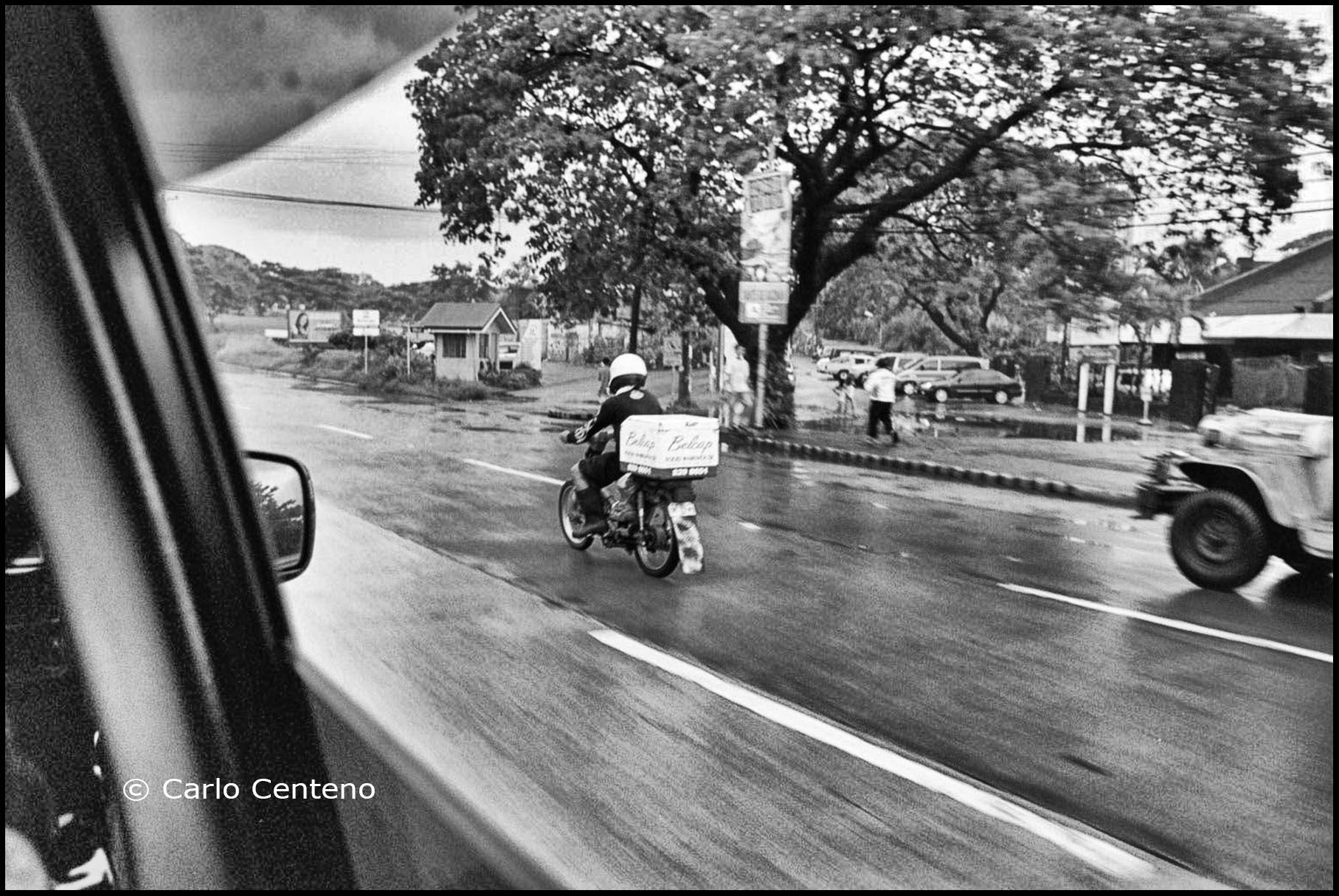
Single-cylinder motorbikes are common in the Philippines and much of southeast Asia. By day, it’s a mule, transporting cargo to places near and far. After work, it’s the family vehicle for many. It’s not an unusual sight to see a family or 3 or 4 on the bike. The smallest is atop the gas tank in a makeshift carrier, the others snugly huddled on the plank seat.

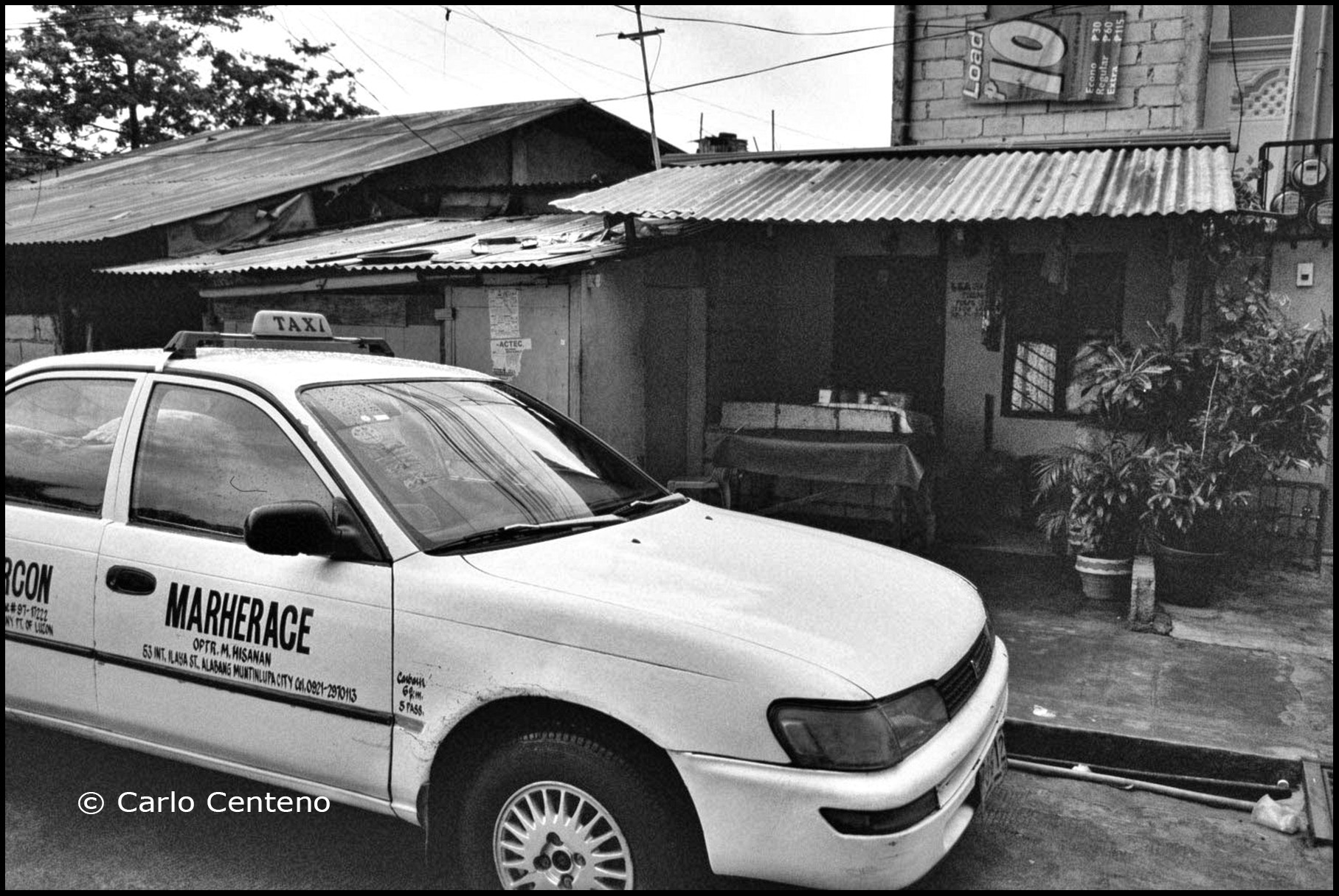
After dropping off a fare nearby, the driver took his lunch break. You’ll seldom see a sign, but a “karinderya” or canteen, is a form of home business. An average salary for a family of 4 is about P260,000 pesos. That’s $5,250 USD. “Ginagawa mo ang mayroon ka.” [You make do with what you have].

The Philippines has its share of supermarkets, but locals depend on small, family-owned vendors to deliver fresh product. Here a butcher makes ready some of the morning’s catch. Ice is a valued commodity in this tropical country. Not surprising, the food quality is excellent, but you need to know the best sources for seafood, poultry and other meats.

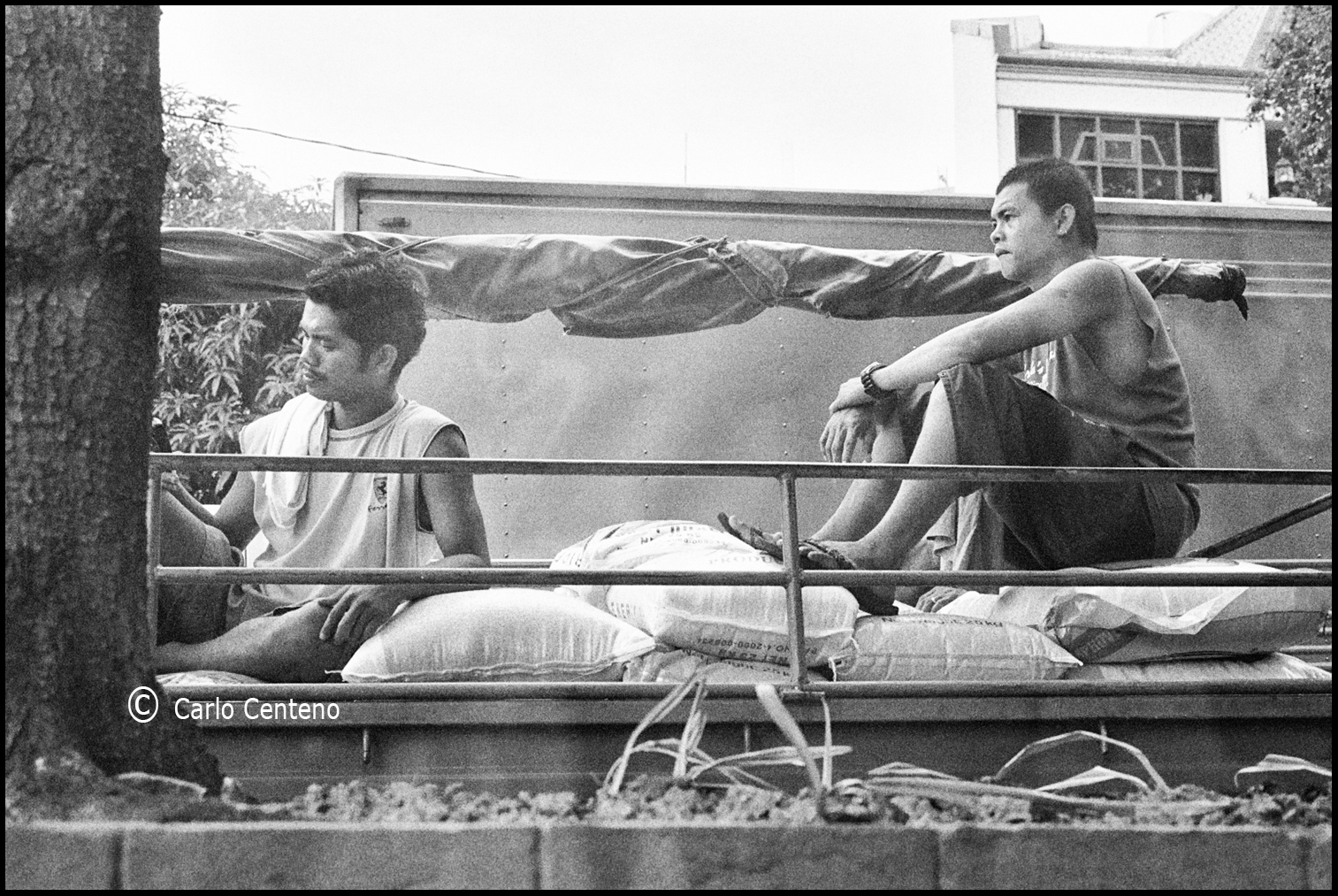
Two workers appear unfazed with the heat and humidity, while stuck in Manila’s infamous traffic. In any weather extreme, it’s critical to acclimate. I was fortunate to be in a car with its AC running at maximum. With temps at 95F [35C] and relative humidity pushing 70%, having an AC was paramount to survival.
A Manila suburb. Ang ganda talaga sa mga lugar … [it’s really beautiful in places].
 

Fade-free nostalgia…

What is it about nostalgia that some of us cannot jettison? A valid concern is that the yearning makes a mess of being-in-the-moment.  That same yearning can deny future possibilities when it turns to ruminating.  For some, nostalgia can magnify preoccupation.  Not good.

Kodachrome~Epson Scanner

Yet there are fragments of nostalgia that remain fade-free. Like writing/journaling and photography, riding a sport bike can be solitary, well, a choice by many, including myself. Certainly some of my own experience aboard two wheels can be marked as memorable [and mostly positive].

Kodachrome~Epson Scanner

As is fitting this time of year, nostalgia tends to swell, though more specifically with auld lang syne, those days of fond remembrance, of days spent from far-off times or even those more recent. It matters none because an experience that generates a fondness or even a light-hearted sense of joy is timeless. The decades can sometimes feel “like only yesterday.”

The distinction I’m trying to make is that auld lang syne speaks of a heart-felt time devoid of regret and rumination. Isn’t that what probes our memory at year’s end?  What have we forgotten? Whom have we forgotten?

My school of thought is that these fade-free capsules of nostalgia are not containers of events that could’ve or should’ve been. No, auld lang syne is more about preserving good things which matter: lessons learned, people who’ve made a difference, the unconditional, enduring quality of gratitude and love.

Before I make a mess of this post, I’ll let the poet Robert Burns weigh in. He’s the Scot who made this poem, this inimitable song, about as timeless as anything found in life. Click here.


The 10,000 Hour Rule

Ten years ago, author Malcolm Gladwell published his book, Outliers, a NY Times Bestseller. In his book, Mr. Gladwell posited that to master a specific skill, a total of 10,000 hours is required. That’s the milestone to accomplish being the best, “to accomplish greatness” according to the author.

But once again, “greatness” and “the best” have varying metrics. Is any of this based on earnings? On the number of gold medals? The number of championships [world or otherwise]? Metrics do have a place, certainly, but winning cannot be everything.

If there is a dark side to marketing it’s this notion that aside from the hours required, you also need equipment, supplies et al of equal or higher quality. Marketing promotes aspirational consumption: if I have the best ______, then I have a better chance of becoming the best.

No….10,000 hours is an unreasonable expectation. Predictably, no one denies consistent practice is mandatory in order to reach a given standard or goal [especially your own]. However, my own “rule” is far simpler: give it your best and know it was your best. Save some time to enjoy other things in Life.

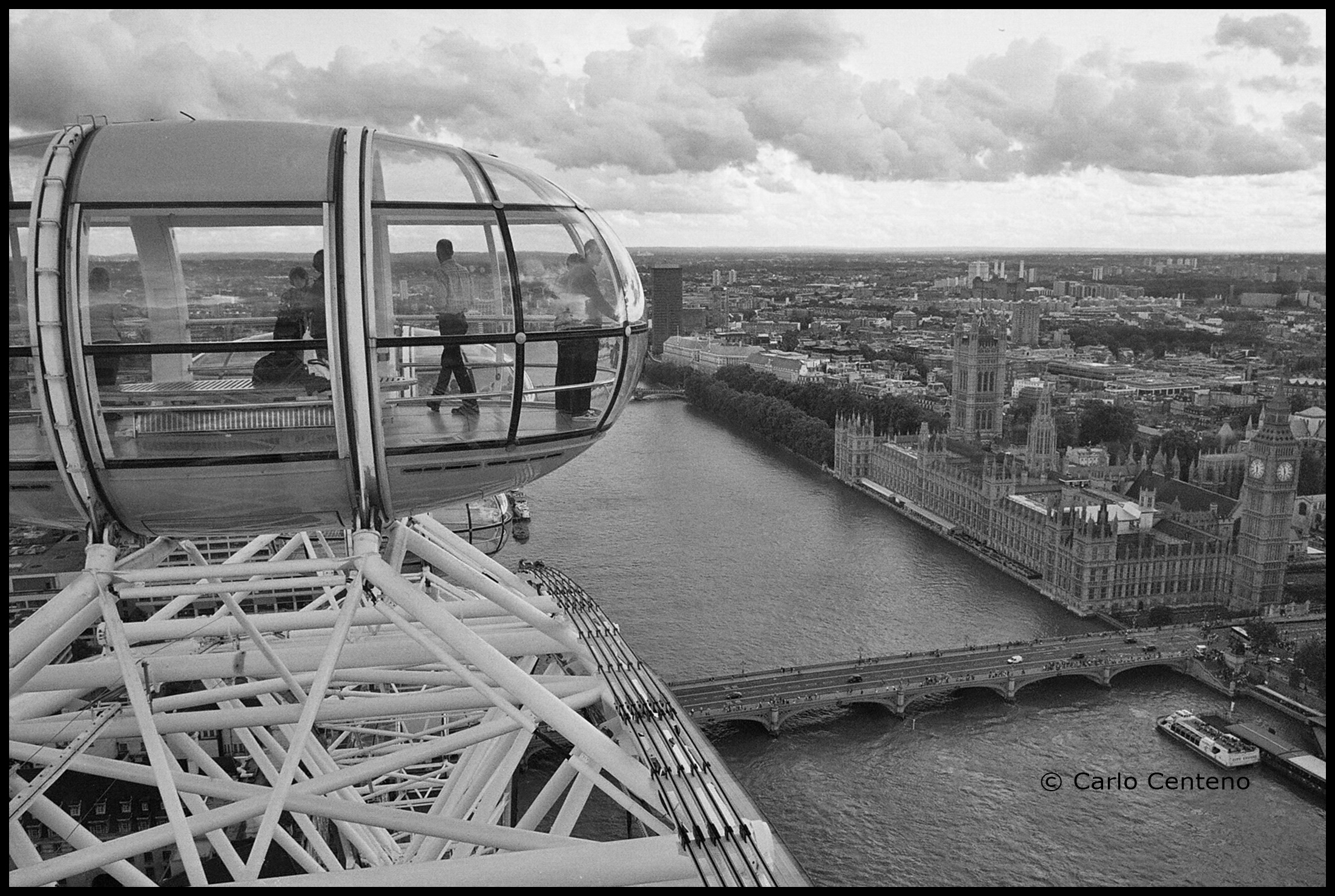
“This is London Calling”*

*This was the BBC radio introduction that was used during the Second World War. Personally, I tie this to a sentiment that I need to go back…

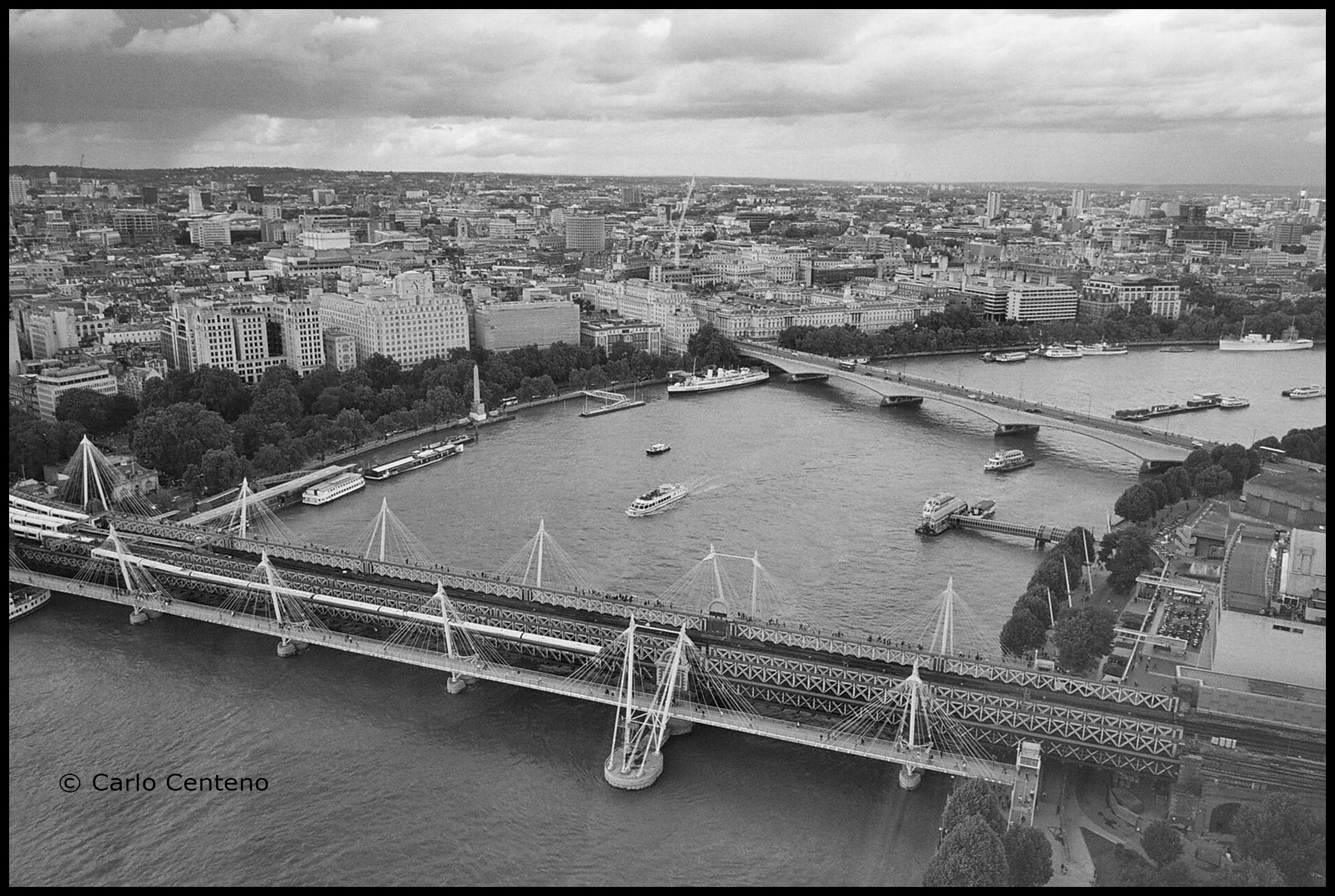
The River Thames

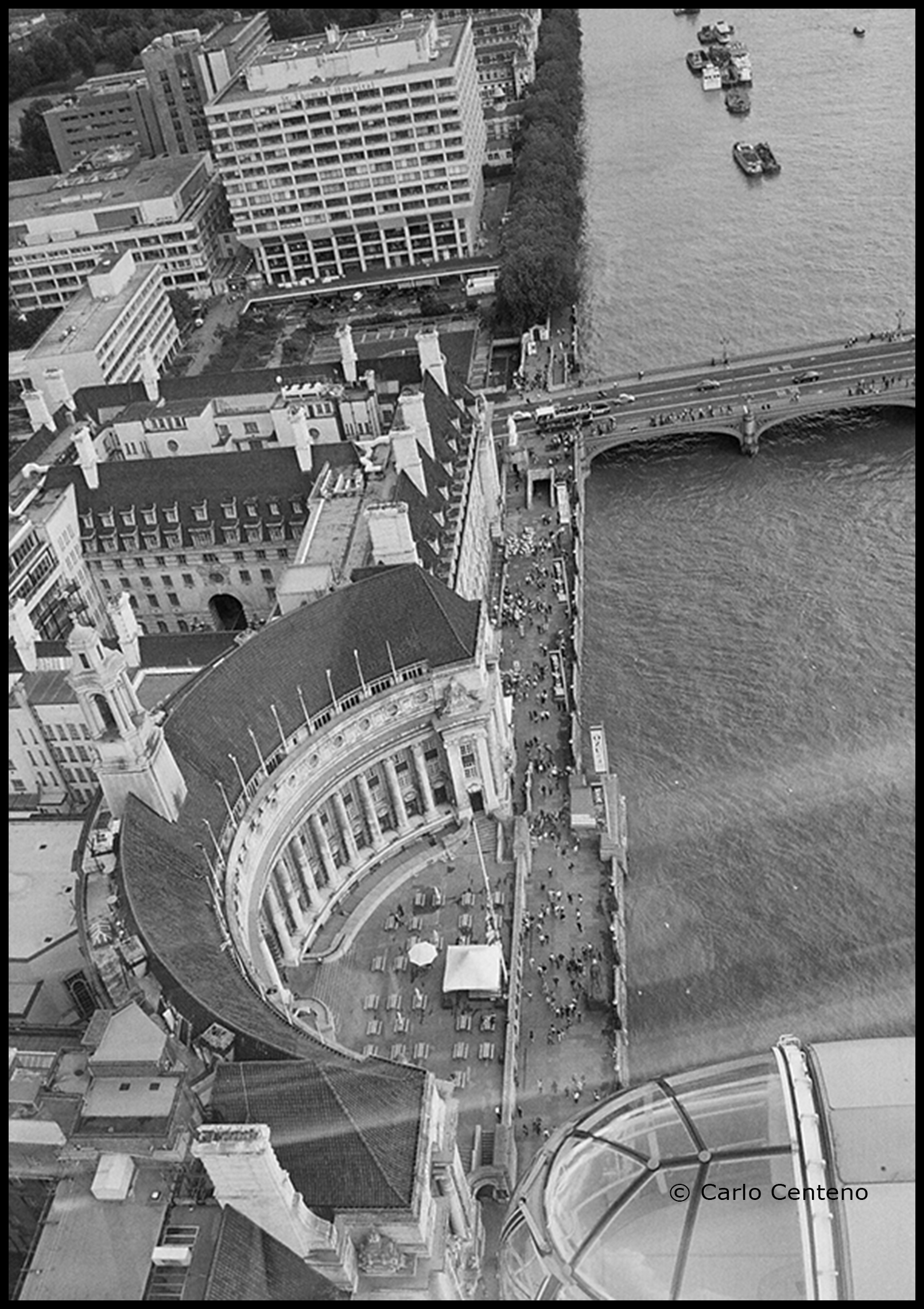
Atop the Big Eye

Parliament at the Thames

Close to the London Academy of Music

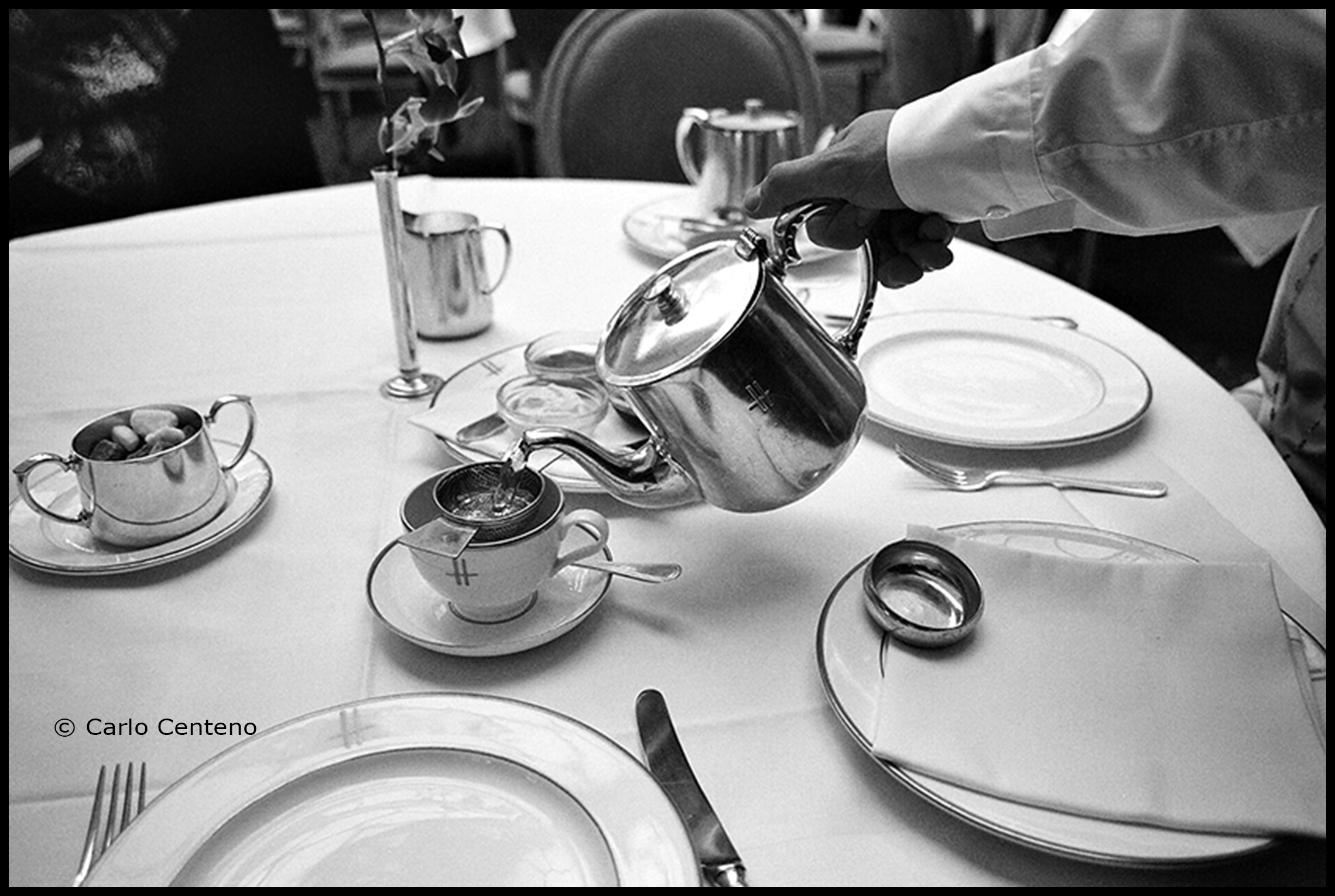
Afternoon tea…

…with my favorite “cup-of-tea”


Obsolete Film, Interesting Images

15 PTown Summer-2

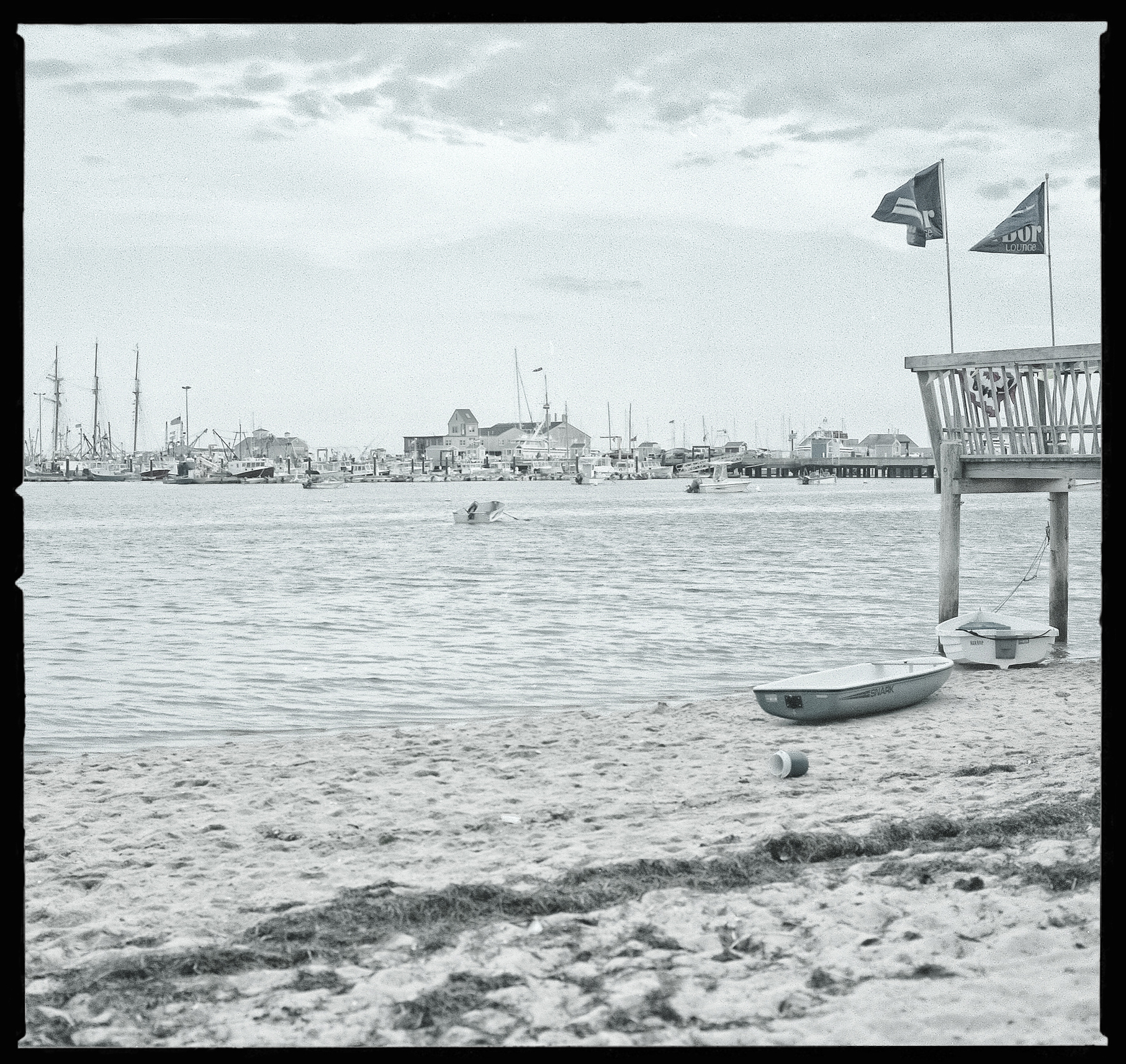
It doesn’t take a whole lot to keep me entertained. While on vacation I took some photos using outdated medium format film [120 Fuji NPH 400 color negative].

15 PTown Summer-2-3

It is true that using film cameras can slow you down, but that’s not a bad thing if you want to slow things down a bit. Shooting medium format film—to me anyway—can be relaxing. I have to think, be immersed if you will, because everything is manually and mechanically accomplished: shutter speed, aperture, exposure, film advance, loading/unloading and so forth.

15 PTown Summer-2-2

Call it nostalgia, but I get a lot of pleasure controlling my cameras versus having cameras control everything right up to when the shutter is pressed.

15 PTown Summer-2-5

A Timeless Reunion

73 LC crt B+W-7010

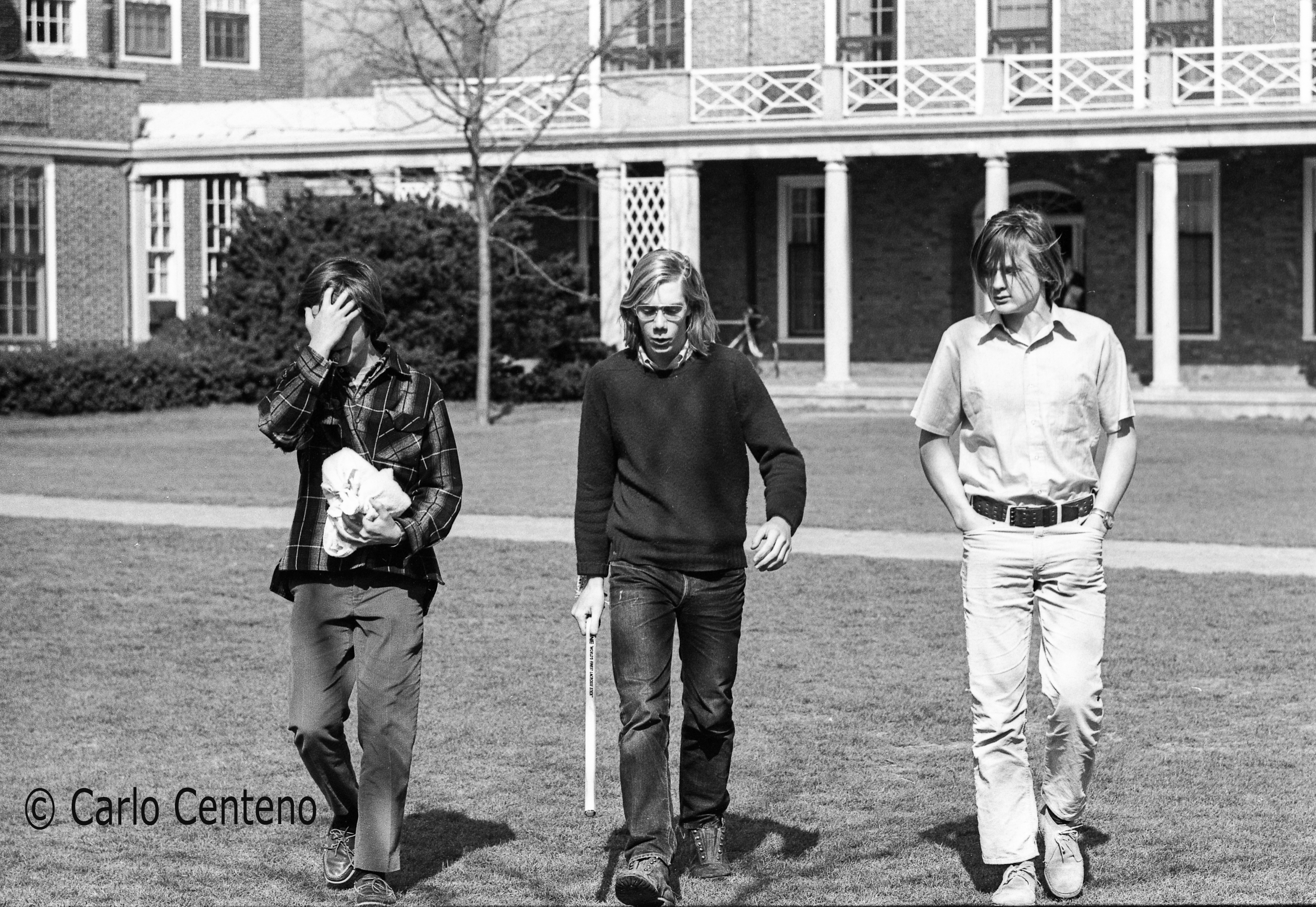
I had a reunion recently. In the real sense of the word, I did see my high-school classmates and enjoyed listening to the way their lives took shape after graduation. Aside from [some] grey hairs, balding heads, [slightly] heavier waistlines, kids in and out of college, the many memories that circled back to greet us were good ones.

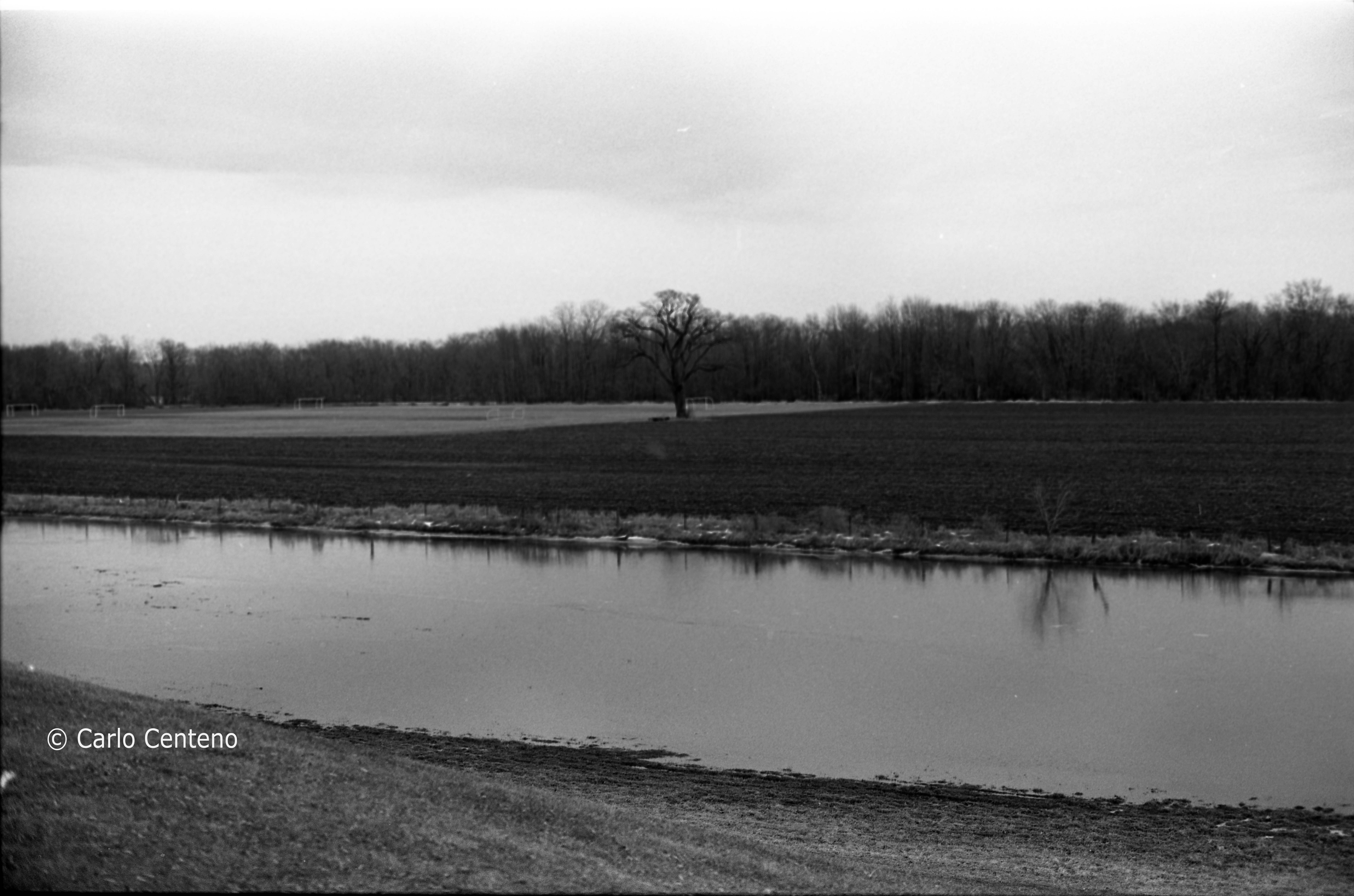
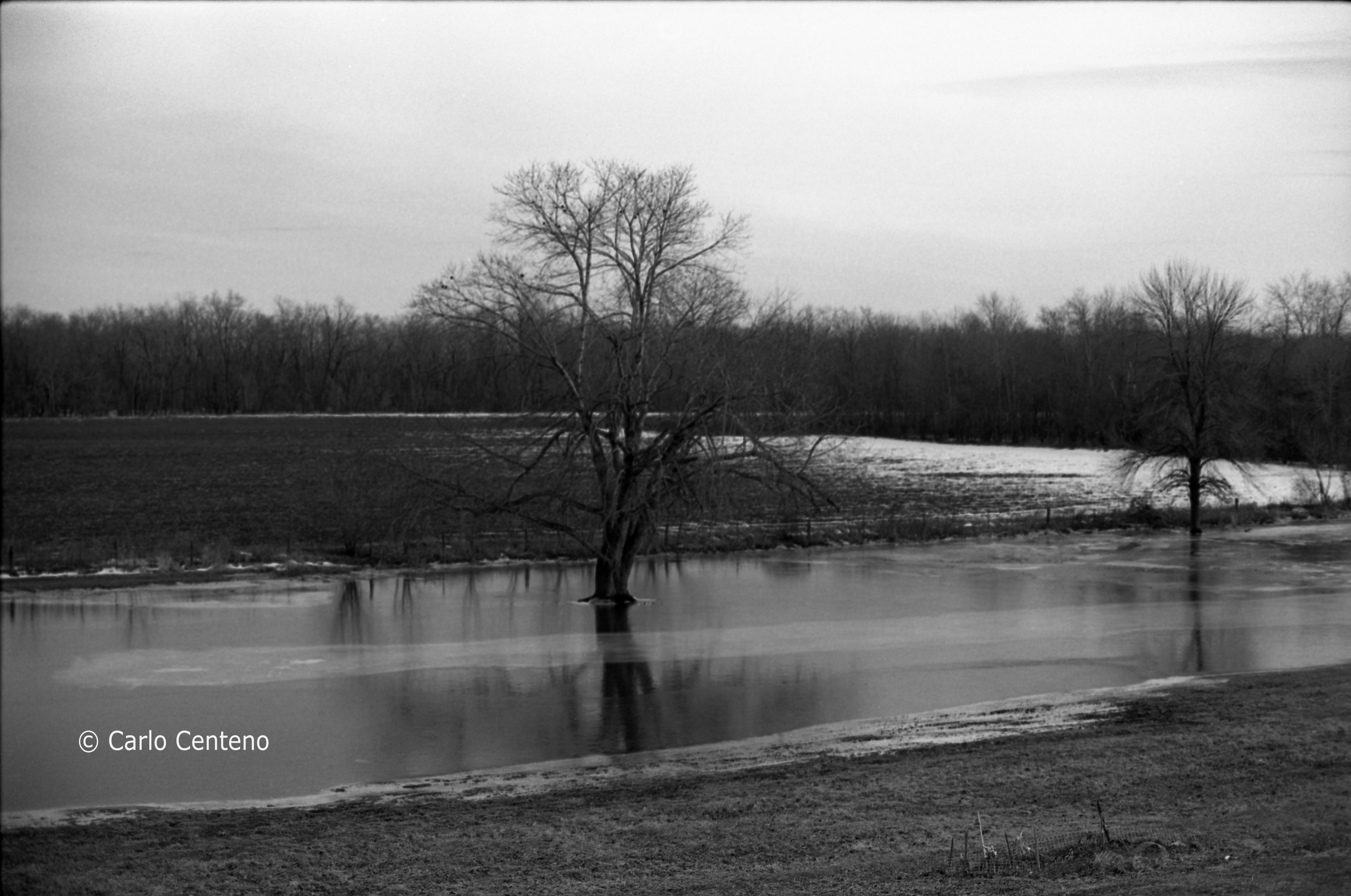
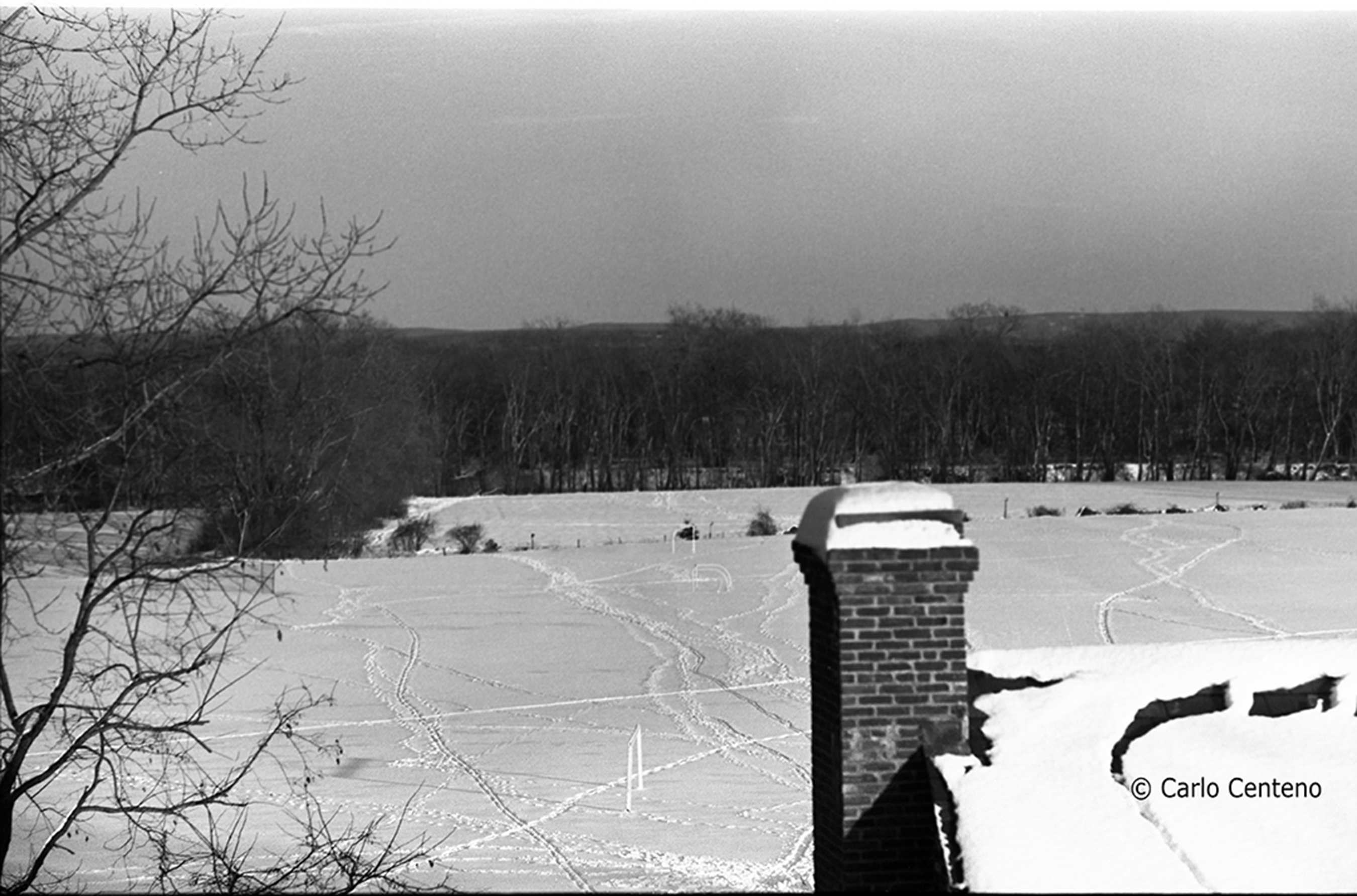
In another way, I had my own personal reunion with one of my binders of negatives. I found images from my days at L-C in Connecticut and decided to revisit them, though this time in a digital sort of way: scanning and rendering in post production. One thing’s certain, it’s much easier to scan and develop versus pour, measure, pour again, agitate, rinse, pour, fix, rinse, etc. etc.

The farm fields a la the soccer/lacrosse fields were still there. That pond is gone. I could’ve done a “before ‘n after” photo line-up, but decided, no, the before image has more meaning and substance. The “after” image—like others of its kind—looks too clean, even sterile.

73 LC crt B+W-7011

What’s missing in this photography reunion is the ambiance, the nuance, the visceral energy of darkroom work. Your senses are so much closer to the image during development. You feel the smoothness of the paper when wet, made even more so with the addition of a wetting agent to promote spotless drying. The piercing smell of rapid-fixer reminded me to make sure the exhaust fan was on. The glow of the soft, red, safety light confirmed my presence in this other world, a place that made me feel safe, included and perhaps artistically complete.

73 LC crt B+W-7009

This is a matter of opinion, but those negatives some 30-plus years old have held up rather well. Aside from dust marks, some scratches here and there, the emulsion has endured, and continues to do so. This is one of the things that I miss/love about analog photography. I can open a box, a binder, some glassine sleeves loaded with film and hold anyone up to a light source and immediately understand that there’s an image in front of me. I may not wholly comprehend what I’m looking at in a cognitive sense, but emotionally, there’s just something magical about looking at something that doesn’t need anything more than light, careful handling and a curious eye.

70 BW crt KevLefChurch L-C-2-8