Details

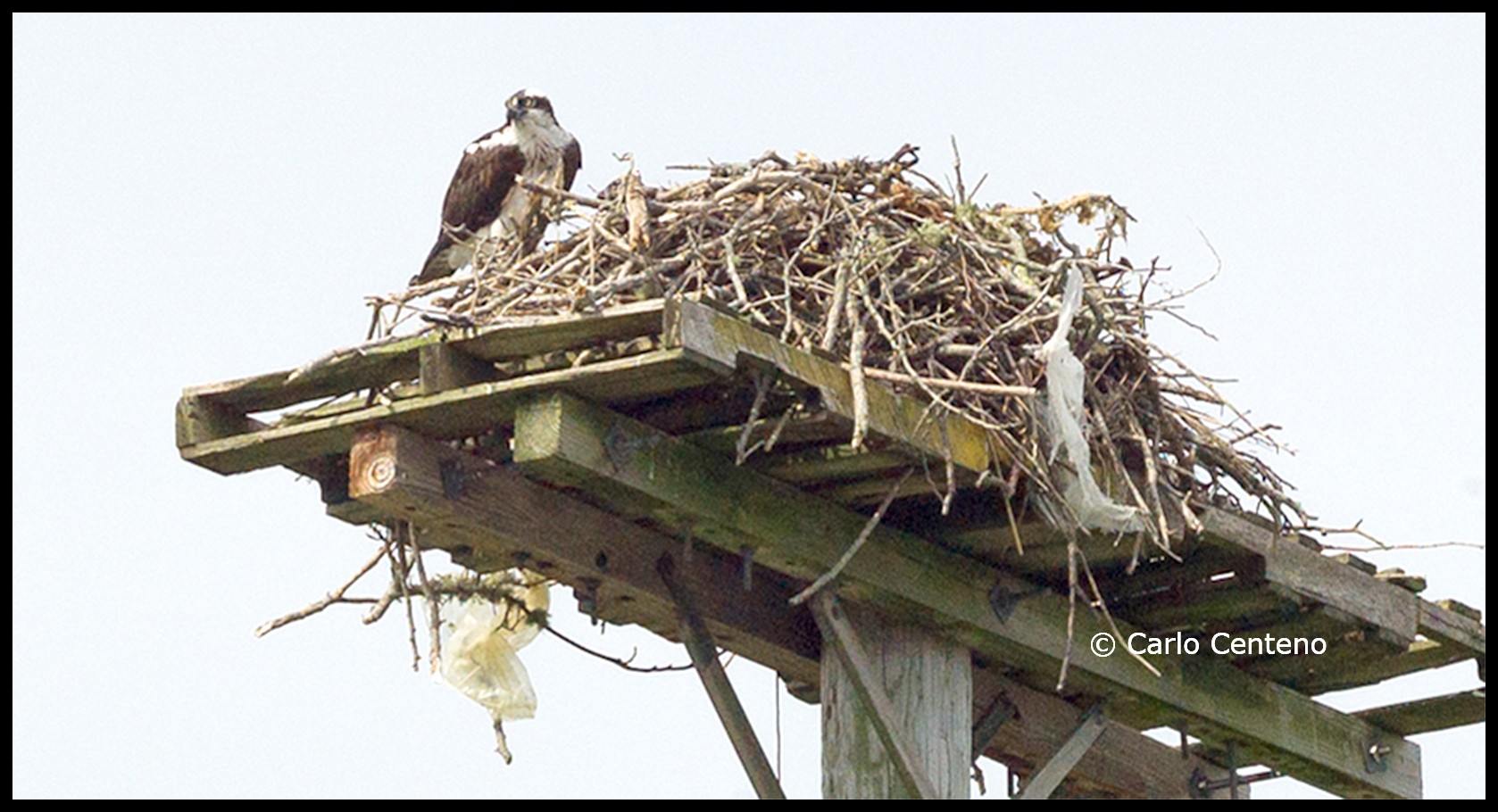
A static photograph of an Osprey doesn’t say much about the grace and power of this winged predator. Like many of her cousins, these sharp-eyed birds of prey manifest the attributes to which we ascribe to: a sense of purpose, focus, determination, endurance, patience, where at most we, strive to procure or refine 2 or 3 from that list.

I’m not a birdwatcher nor bird photographer. These serendipitous images were taken during a walk along a beach. In spite of an overcast, somewhat foggy-ish, misty day, you could discern the silhouette as well as the contrast in its feathers. Notice the plumage in a brownish-black to a grayish white, the sharply hooked beak, the yellow of the eyes, the elasticity of its neck—or at least a hint of that feature.

Look at the nest and you may notice other details. Two plastic bags entangled with the nest, one on the right of the photo, the other dangling from an edge closest to the Osprey. I’m certain there are other man-made pieces entwined or even trapped within the pile of twigs they call home.

We can get hung up on details on just about anything. Like a trompe l’oeil, what we see varies from one person to the next. In my case, I noticed those bags right after seeing the Osprey. You may have seen it the opposite way and yet others may have taken a bit longer to realize the incongruous detail.
These days, we’re bombarded with too many things which ad weight onto our anxieties. We can—and should—work to step back from such things and realize that in spite of the current discord, there are other details worth looking at, even searching for.

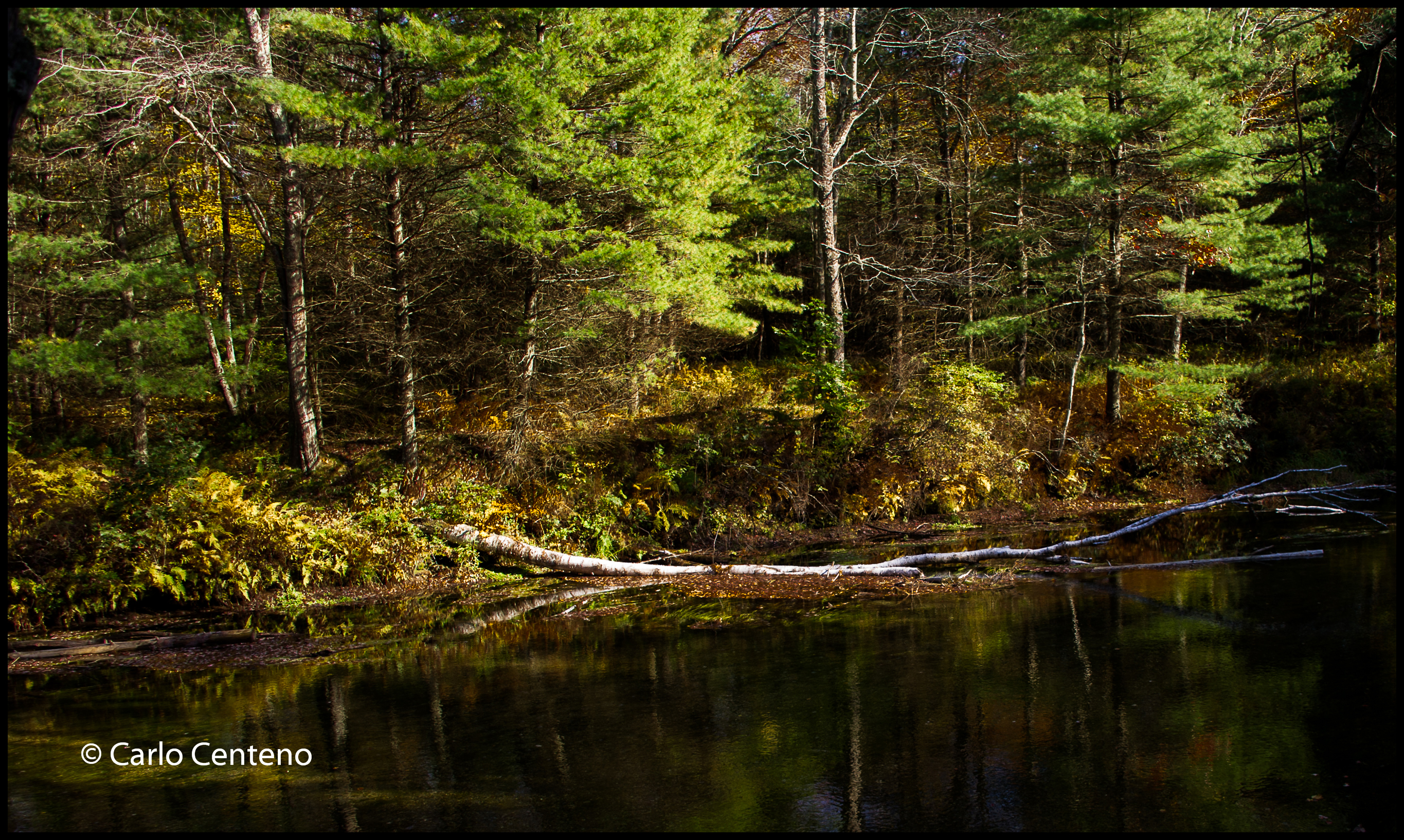
Color

Autumn is my favorite season for a variety of reasons: the cooler, drier air is both invigorating and refreshing, the quality of light is remarkable, at times appearing clearer on even overcast days. Even time feels slower with a more gentle cadence though by mid-November, I wonder how it went by so quickly. Certainly it goes without saying that the foliage change can be magical, even personally restorative.

Many years ago, I attended a photojournalism workshop at what was then called The Maine Photographic Workshops in Camden, now known as Maine Media Workshop located in Rockport, a mere stone’s throw from Camden. Located half-way up the coast of Maine, the town of Camden sits next to Penobscot Bay. I haven’t been back since, so I hope it hasn’t lost its New England charm. It was quaint, quiet and photogenic to be sure.
You can glean techniques and technical knowledge from more places today than back then [now a surfeit of info sits on the web]. Convenience is nice, but for me, being engaged with a like-minded person is all the more rewarding. Levels of inspiration come to me when I visit an exhibition, a gallery or listen to or converse with a speaker whose work clearly validates that person’s passion for his/her choices.

I was fortunate to have heard and seen in person Jay Maisel, Ernst Haas and Dick Durrance. Titans of their craft, I learned more than just technique, but a whole lot more about this passion to see things in a new way, to transcend the connections of light, color, subject, interpretation and meaning. My brain needed to do some real lifting and learning, and was thus able to do so when my soul became the catalyst to assist with that lifting and learning.

I like to think of seasonal transitions as a form of recalibration. It’s more than a reset, because to reset anything is effectively returning to its default state. Recalibration is a nuance in alignment. If I’m not sure of what I’m feeling when I look through a viewfinder, I move a few or more steps to one side or another, as well as toward or away from my subject. Recalibrating.

There are similarities in writing, but they’re a bigger challenge for me to describe. I suppose the very title of this post lends itself to recalibrating: adjust the “color” of your words such as tone, passive versus active voice, even a tweak in aliteration to keep your narrative—and your thinking—interesting.

Autumn just doesn’t land here in the northeast; when it does arrive it’s akin to that sense of belonging, of knowing that your journey—in spite of personal hills and valleys—continues with the expected and as well as the unexpected. I like all the seasons, but fall is the one which captures the zeitgeist of the rest of the calendar. It’s a short period of time, that in its most fundamental form, feels like the comfort food that’s been sorely missing for more than half the year.

Transitions

With September upon us, there’s that sense summer is nearing its end. You wouldn’t think that on such a day as this: it’s warm, bright, a slight breeze and plenty of green just about everywhere you look.

Yet the season’s already changing. My morning start is just a little darker than what it was a month ago. Some of the maple trees are starting to turn color. Shorter days means Autumn is at its threshold.

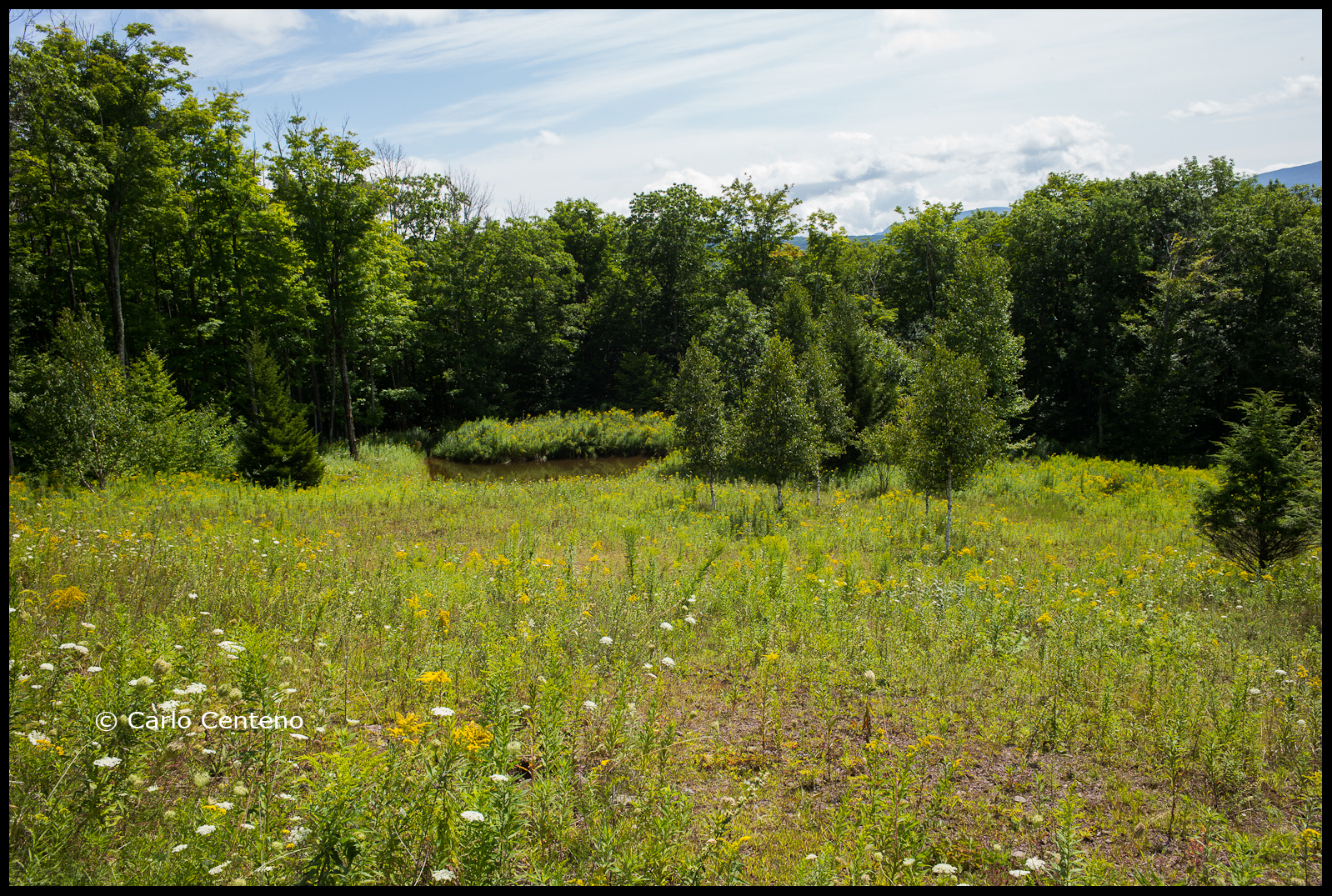
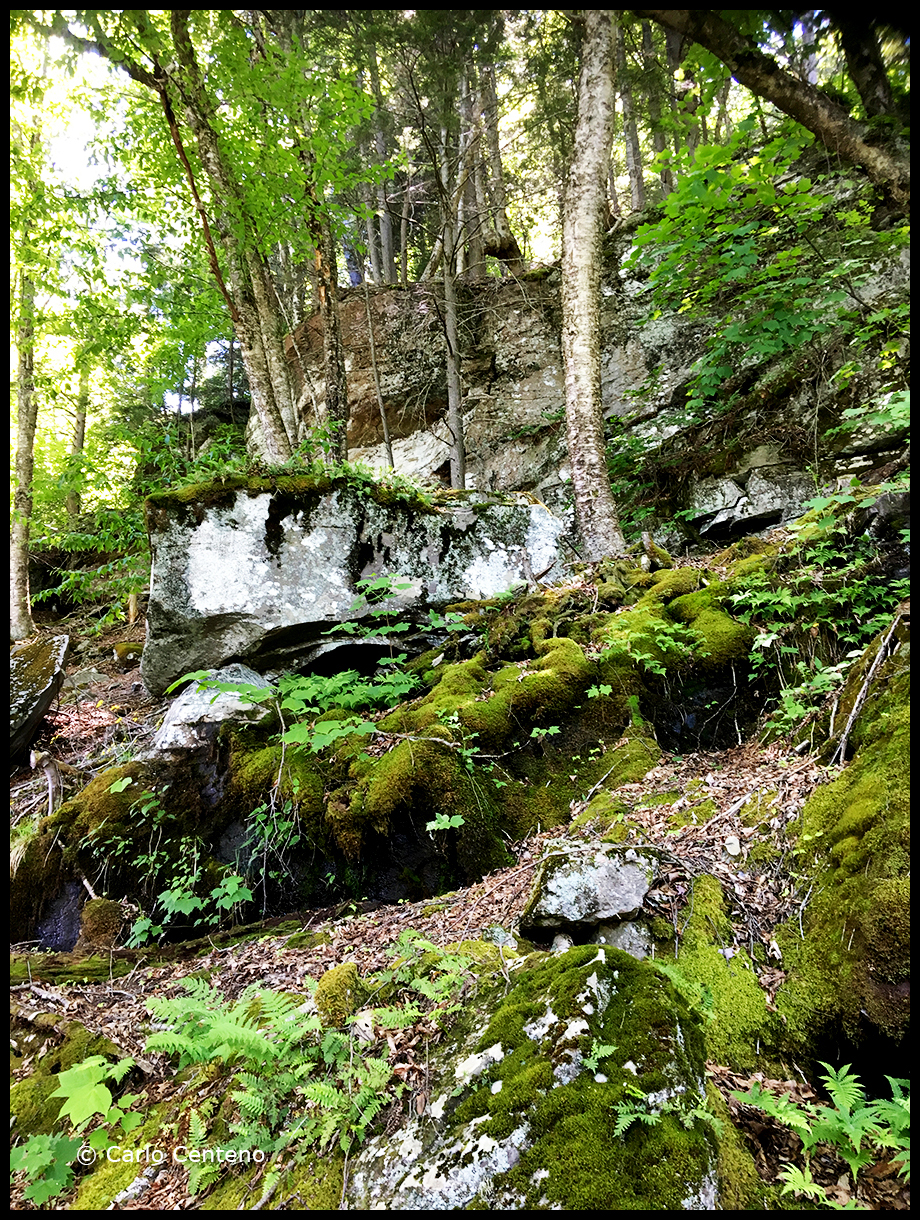
When I need to have some distance from this maddening world, the outdoors provide a good dose of calm and reassurance. It can be more challenging in urban areas, but parks are a viable alternative. Get outside and realize the natural world accepts you as you are.

This pandemic has modified if not altogether changed, the way we mark the change in seasons. Traditionally we associate baseball as the “start” of summer, football the beginning of autumn, basketball and hockey mark winter’s arrival. But many of these traditional markers have started later than usual. As a consequence, our seasonal clocks are skewed. This has been compounded further by schools having different protocols for their first day. Is that day for virtual online learning or in person at the actual building?

Time to get outside.

Recollections

My previous post, Reliant on Memory [May 12, 2020], has opened one small but particular memory album. It opens to a time and place that transcends the meaning of simplicity, functionality or perhaps this phrase of accommodation, “Well, it’s how things are done here.”

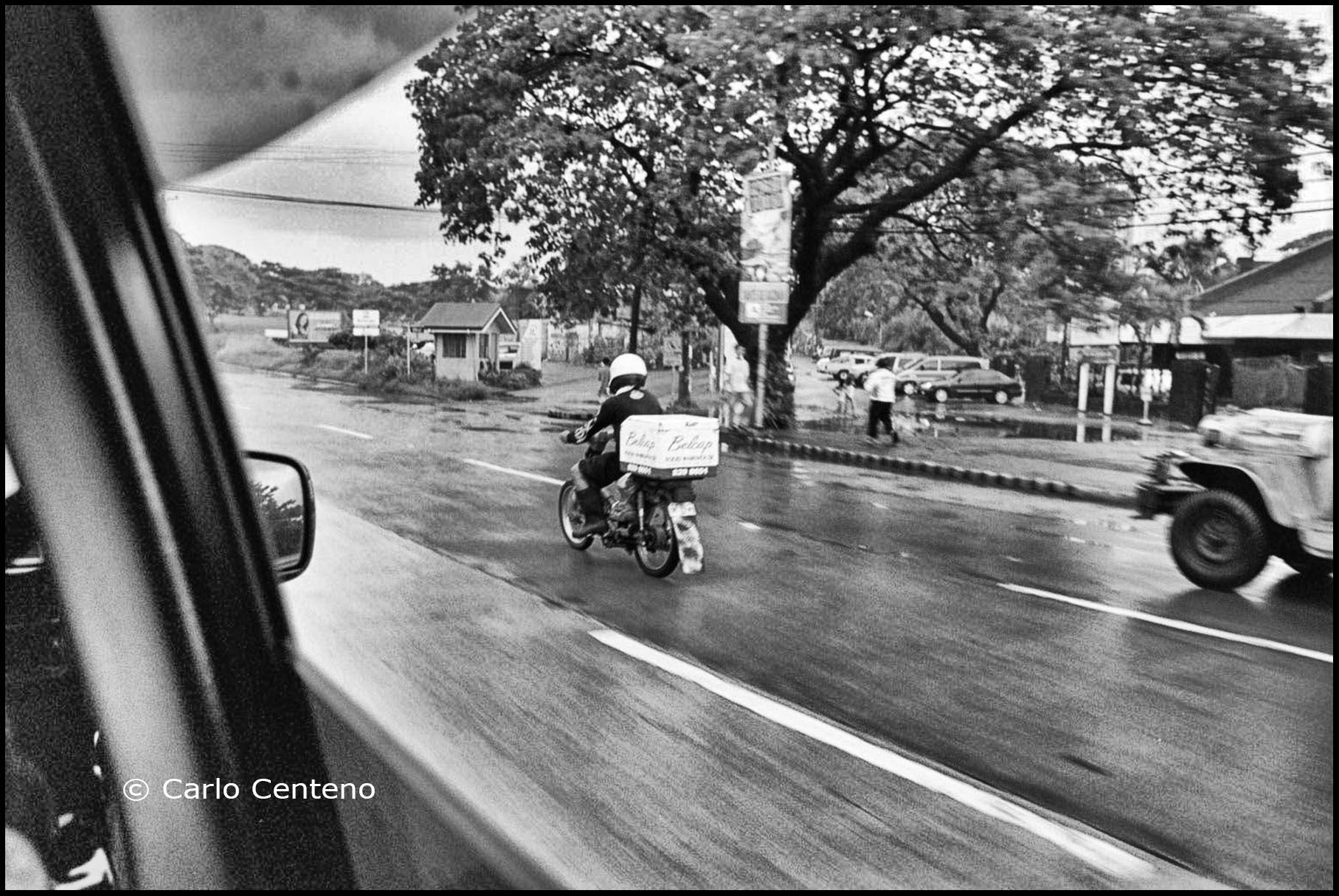
Single-cylinder motorbikes are common in the Philippines and much of southeast Asia. By day, it’s a mule, transporting cargo to places near and far. After work, it’s the family vehicle for many. It’s not an unusual sight to see a family or 3 or 4 on the bike. The smallest is atop the gas tank in a makeshift carrier, the others snugly huddled on the plank seat.

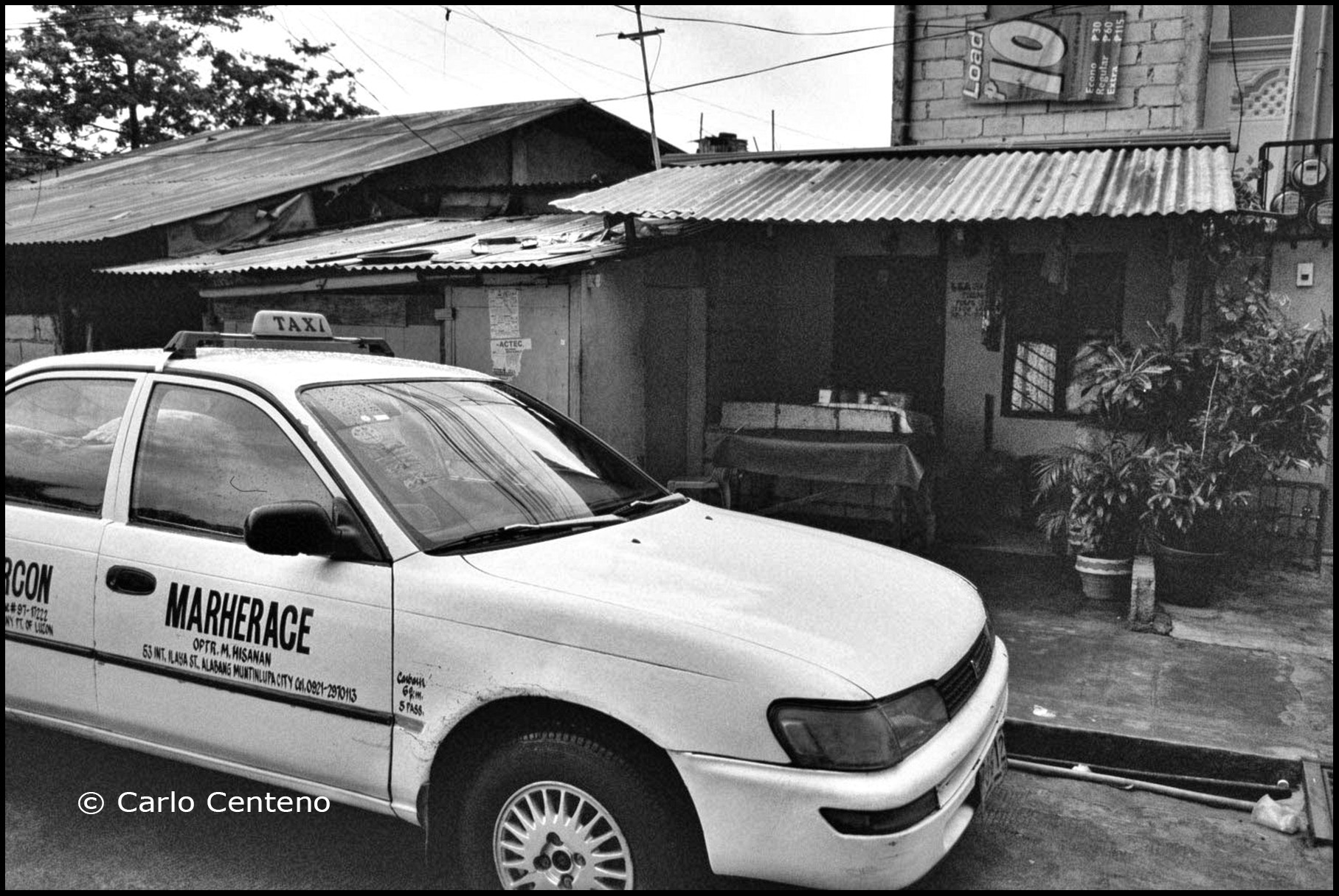
After dropping off a fare nearby, the driver took his lunch break. You’ll seldom see a sign, but a “karinderya” or canteen, is a form of home business. An average salary for a family of 4 is about P260,000 pesos. That’s $5,250 USD. “Ginagawa mo ang mayroon ka.” [You make do with what you have].

The Philippines has its share of supermarkets, but locals depend on small, family-owned vendors to deliver fresh product. Here a butcher makes ready some of the morning’s catch. Ice is a valued commodity in this tropical country. Not surprising, the food quality is excellent, but you need to know the best sources for seafood, poultry and other meats.

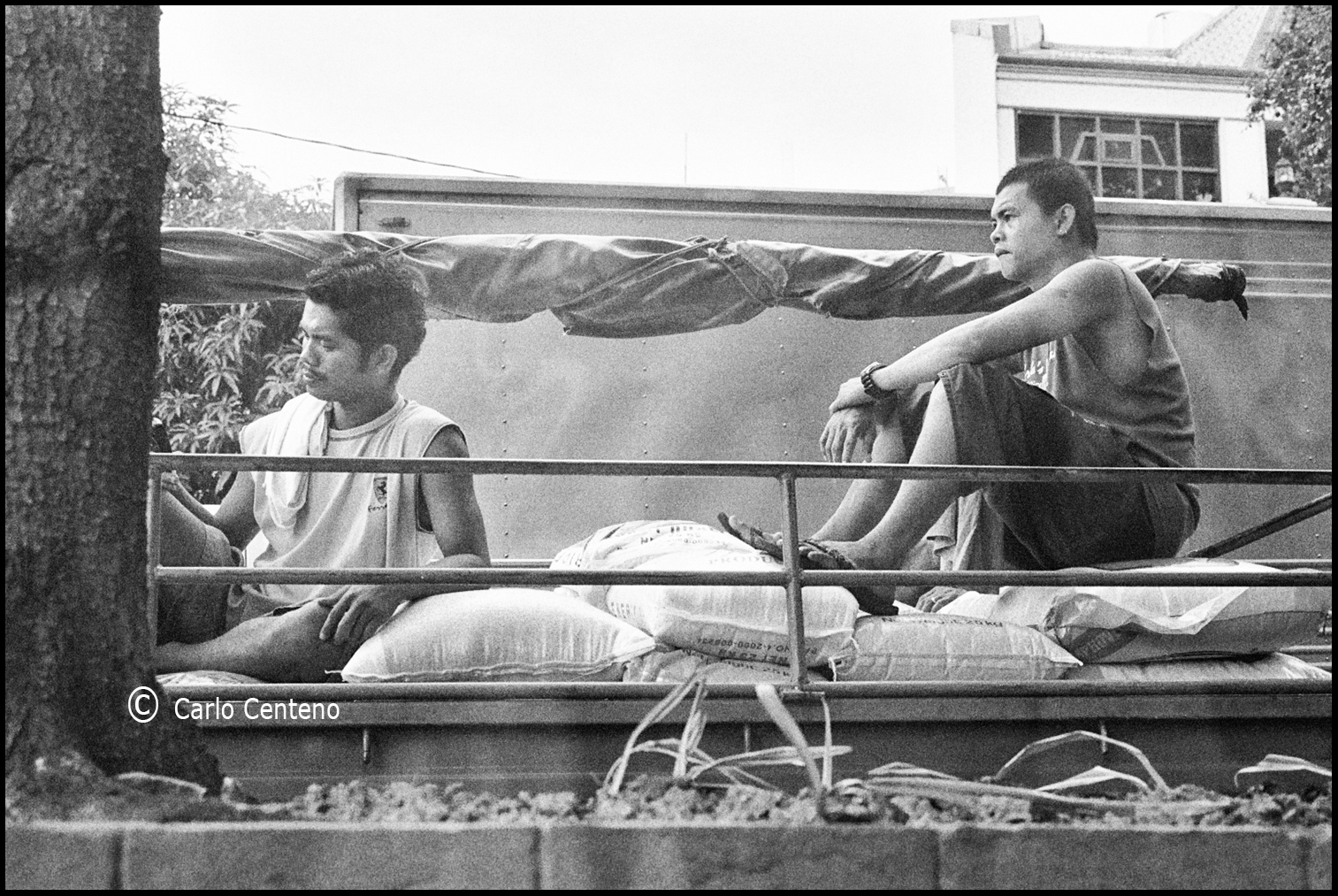
Two workers appear unfazed with the heat and humidity, while stuck in Manila’s infamous traffic. In any weather extreme, it’s critical to acclimate. I was fortunate to be in a car with its AC running at maximum. With temps at 95F [35C] and relative humidity pushing 70%, having an AC was paramount to survival.
A Manila suburb. Ang ganda talaga sa mga lugar … [it’s really beautiful in places].
 

Reliant on Memory

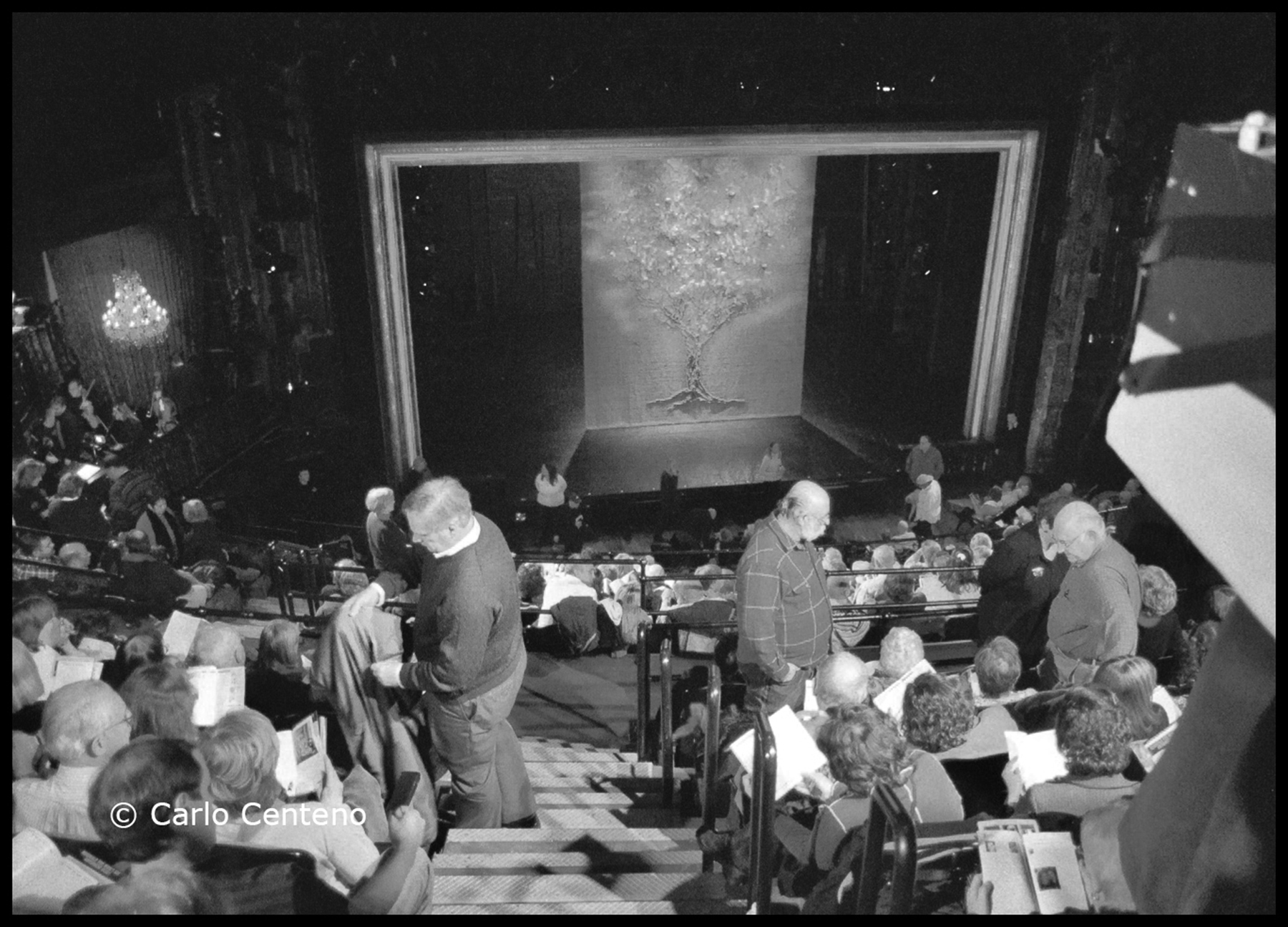
Broadway–2007

There are days that seem to fly by, while others feel like time has come almost to a standstill. I mention this because it doesn’t seem like 7-weeks have gone by since the new coronavirus forced us into a different way of working and living.

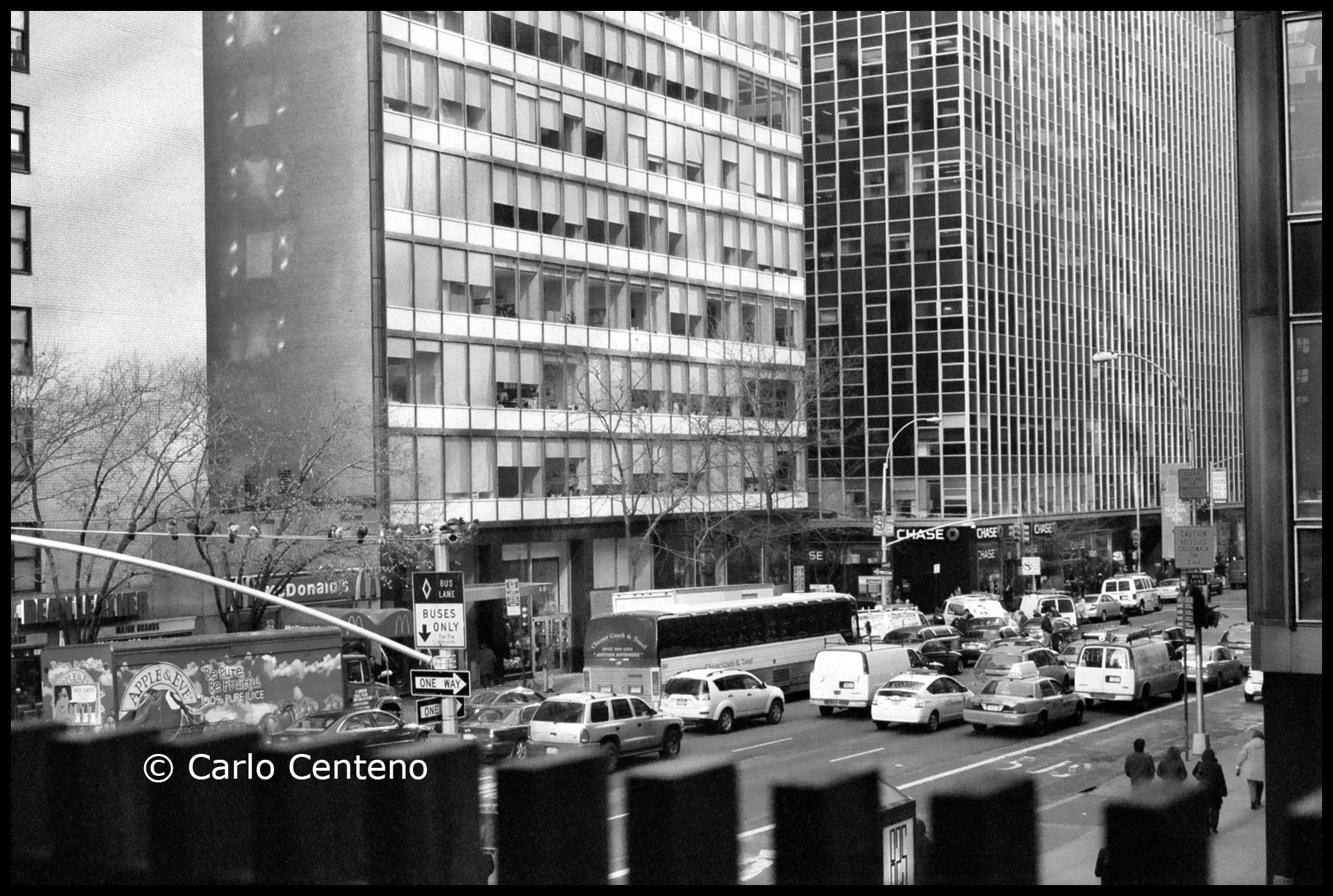
Manhattan Third Avenue 2007

Yet being removed almost two months from what was normal, there’s this juxtaposed sensation that it feels like forever and a day since we went about our usual routines. Time is relative, which simply means that when you’re waiting for something you want, it doesn’t come soon enough, whereas the opposite holds true for something you want nothing to do with.

I have read that the sense of smell is the strongest of our five senses in prompting a memory. It’s also—if memory serves me—the most accurate.

A quiet pause in NYC 2018. Photo credit: R.A. Centeno

Scientifically, that may hold true, but for me, sound and image are stronger drivers in resurfacing a memory. Music has a way of putting you back in a time and place with an immediacy that’s uncanny. “Wow. I remember when this song came out.” There may be some inaccuracies about say, the year or even the place, but whatever was important then, resurfaces as part of your remembering.  Pieces may be foggy, but as other pieces emerge from that fog, the memory works to become a bit sharper.

Philadelphia 2018

There is a hint of nostalgia in all of this. I do wonder about the new normal and what it means not only for me, but for people I care about. I think retrospectively, of how moments in my past somehow provide a lift. The thoughts, the sensations, or whatever visceral vestige flows free from memory, are but markers of what has been, or what might’ve been.

Mimes, Hartford, CT 2015

Whether you sketch, photograph, perform, paint, sculpt, watercolor, write letters, fill a journal, fill a scrapbook, to be memory reliant means you need to be confident with your recollections. Doing any one of these activities, produces an invaluable form of connection. It’s why I love to write [journaling and letters] and to take photos [iPhone, various cameras] because these all help to anchor where I’ve been and to some degree, where I might be headed.

Family, Friends, Life-NYC 2019

Indeed, cherished memories are important for our overall wellness, but let’s remember to do things now, to remain connected yet in touch, so that such moments become screen clips thoughtfully stored in our memory albums.

“Love in the Time of COVID-19”

With utmost respect for Nobel prize-winning author Gabriel Garcia Marquez, I took creative license with the title of his novel, Love in the Time of Cholera. 

It is astonishing to be living in this odyssey, this vicissitude of life that has changed everything of what we expect from a “normal” day in life. This new coronavirus has upended everything in this world, including love, however my POV is positive.

Pulitzer-winning author, Jeffrey Eugenides wrote the introduction to—and compiled the collection of love stories in—My Mistress’s Sparrow is Dead, an anthology penned by both celebrated and lesser-known authors from the past 120 years. In his introduction, Eugenides writes, “The perishable nature of love is what gives love its profound importance in our lives. If it were endless, if it were on tap, love wouldn’t hit us the way it does.”  However, let me emphasize that his book is about love stories and not love per se. Love stories contain the highs and the lows, the banal and the beautiful, the agony and the ecstasy.

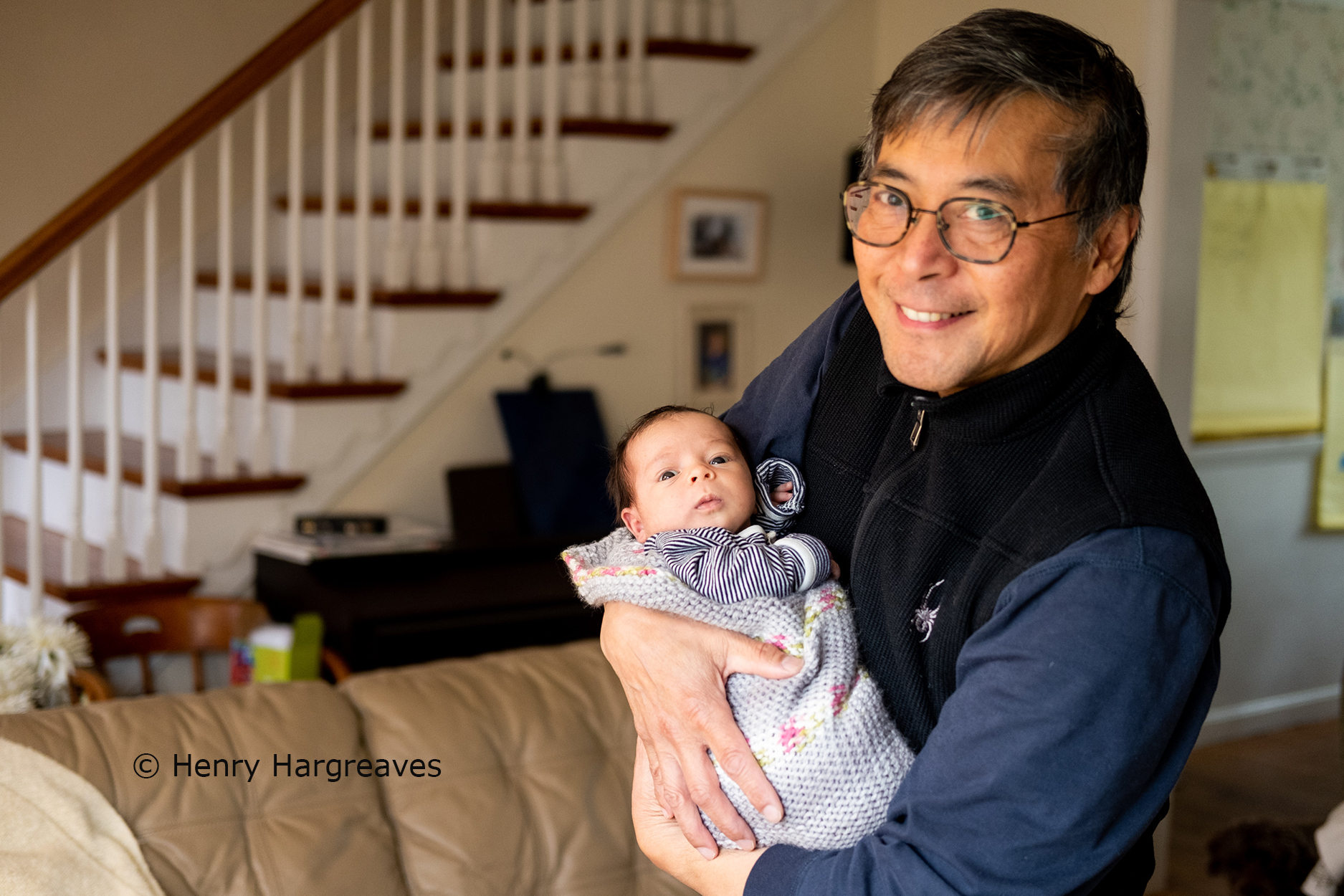
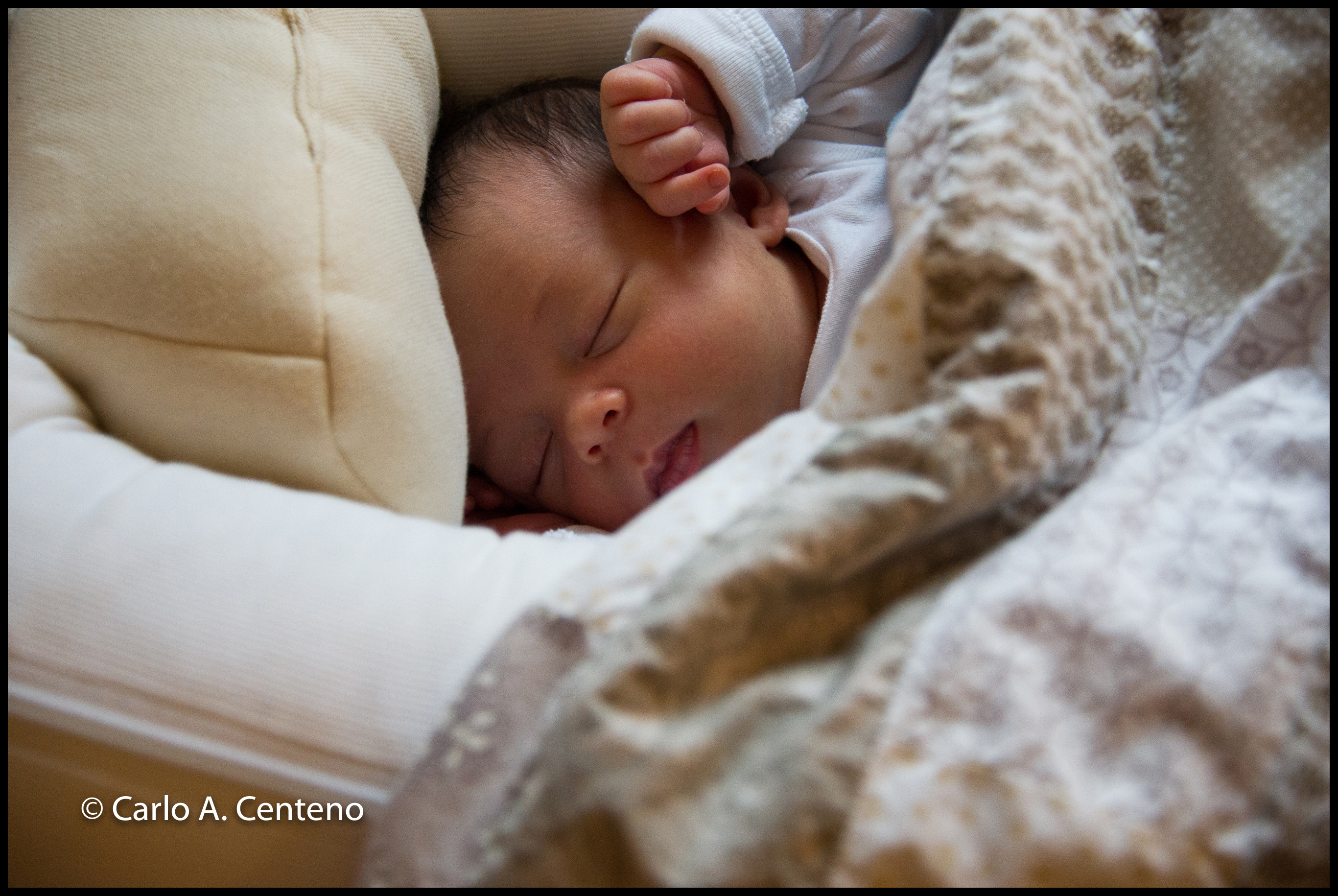
Personally, I’m holding the purest manifestation of love: Charlotte, my month-old granddaughter.

The modern world is constantly demanding our attention, pulling us away from one task to another, often the two coinciding with the same deadline or more likely emphasized with equal “required and immediate attention.”

Each infant is an open canvas awaiting the variegated hues and tones of nurturing, empathy, culture and all that is life.  It’s been said so many times before, but one shouldn’t lose an opportunity to be “in the moment.”  And holding this beloved granddaughter is about as cool as any moment I’ve experienced.

What are your moments of love in this time of COVID-19?


April 1, 2020

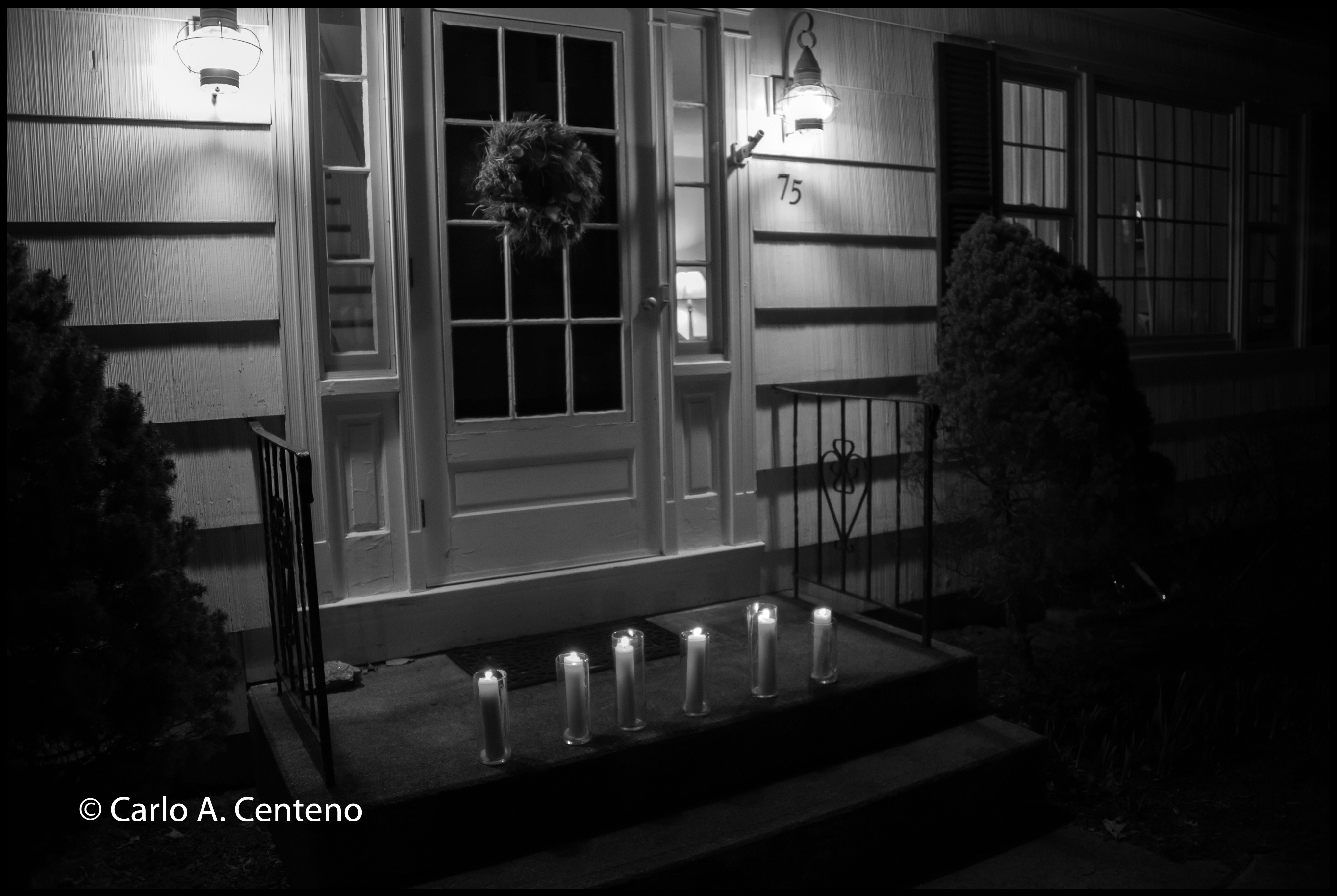
A good friend sent a text message saying that today—as a way of expressing our gratitude to first responders and healthcare workers—we should set some candles in front of our homes, and light them at 7:00 pm.

I know several healthcare professionals. Two couples are close friends. They’re bon vivants, emphasis on ‘bon’; we enjoy dining out [or in] to catch up, laugh, share and wonder about the vicissitudes that have changed the way we live, think, feel and behave.  The friendships run so deep they’re essentially family.  Actually, any one of these friends could take the place of a hundred bad relatives and acquaintances.

Three of the healthcare professionals on my roster are family. There’s my sister-in-law, an office administrator who works in a practice made up of general practitioners and hospitalists; my brother, an educator and primary care M.D., is up to his eyeballs in northern New Jersey; and my father, a retired vascular surgeon, is hunkered down in Florida.

Like most of us these days, we’re also hunkered down. We’re out of sight. In a metaphorical sense, if the virus can’t “see” us, then it can’t infect us. That’s very simplistic, but you get the idea.

Time and again I’ve heard comparisons to war, that the very people on the front lines are in a fight unlike any other.  We know that, but we have very little visceral sense of the actualities playing out in crowded hospital rooms, hallways, ICU wards and all the places where the sick and the caregivers are equally overwhelmed. To say we’re being in the moment cannot compare to being there, to be immersed in the chaos unfolding right in front of you.

Whether you believe in karma or life existential, God, or something that is in effect, bigger than oneself, all that’s in motion is connected to each of us. Is it ironic that this pandemic is playing out during humankind’s most pious weeks on the calendar?

A lit candle—a universal and timeless symbol of hope, gratitude, peace, sorrow, love, contrition—is also an icon for life.


The Business of Being Thankful

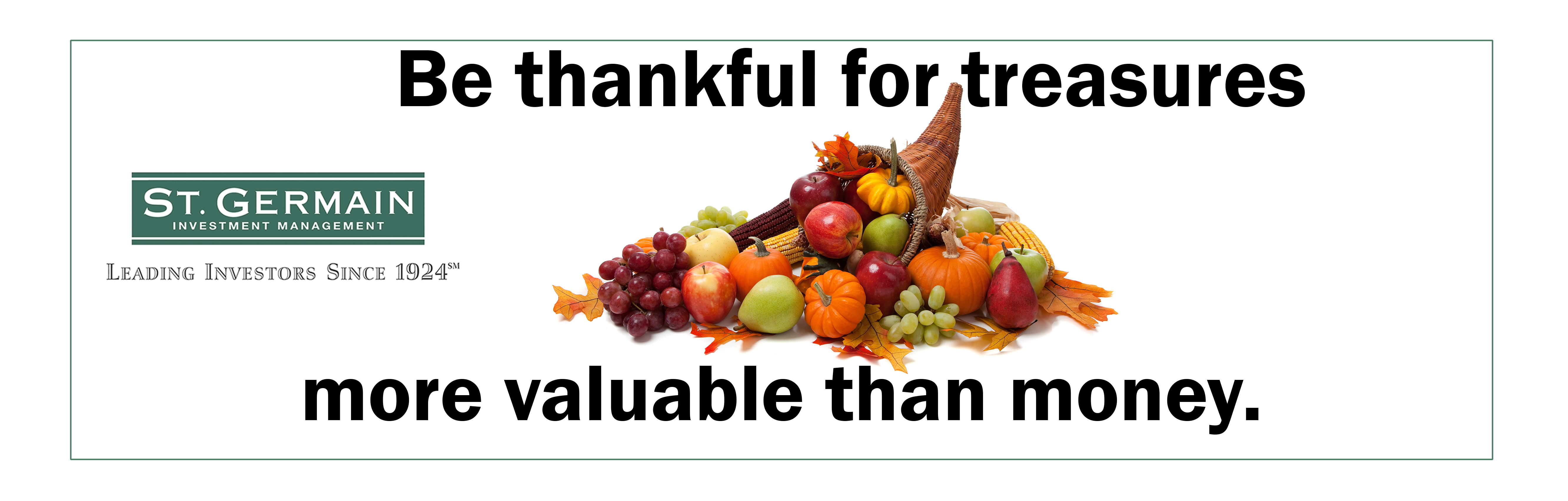
I admit it. The above advertisement can be a bit unctuous. Still,  with the impact of soci0-political flux, climate change etc. , it’s easy to take things for granted. The message is not lost on anyone at the firm, especially when it comes to working in the best interests of a client.

Have you ever seen this platitude expressed anywhere, let alone on a billboard opposite a major interstate? It certainly rings true. This is one of the most commented on and favored messages we post. And it’s up day & night during the month of November. Thanksgiving looms large on the minds of many though it should be top-of-mind on days before and after the holiday itself.

More than ever, I do believe thankfulness—more precisely gratitude—is short changed as a shared expression, either for yourself or toward others.  We should acknowledge with greater gusto the treasures we are thankful for. The folks who receive assistance, education and more from any number of non-profit agencies are the beneficiaries of our time, effort and financial support.

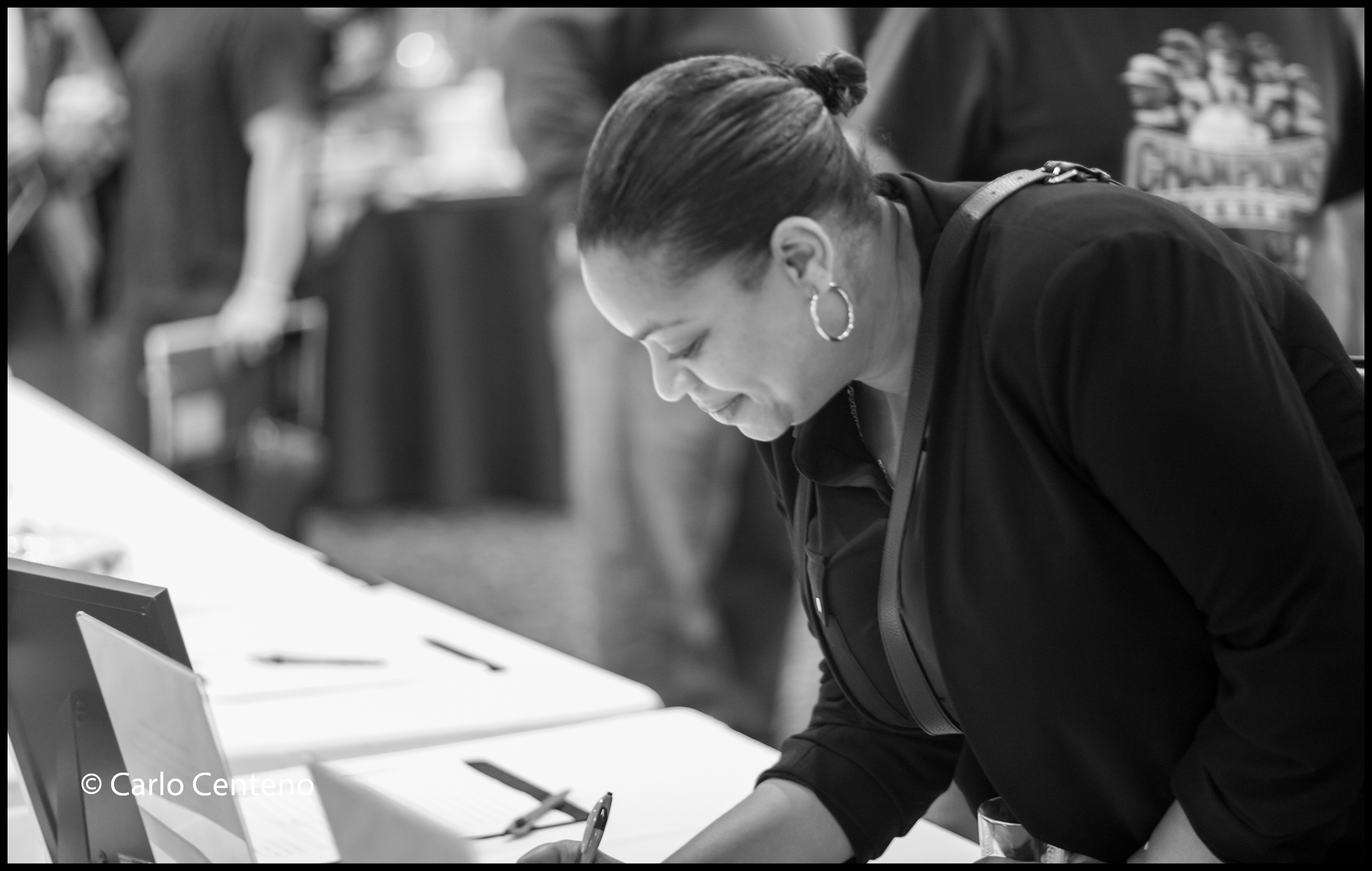
Silent auctions, galas, dinners, concerts, stage performances and so forth are typical instruments optimized to collect money needed to fund various programs and to add resources.

No question, financial resources are invaluable and necessary. Yet we know that the beneficiaries of all sorts of programs are grateful receivers. The depth of their gratitude is palpable and none more so when a program is cut or discontinued.

But in this holiday season—as in any season, really—there’s still so much to do, so much to give, so much that requires money, time and personal effort. At the very least, understand the magnitude of gratitude, of how it can deliver to both giver and receiver a measure of confluence that is its own reward.

Even under the most dire of circumstances, having a thread of gratitude means something.  https://www.bbc.com/news/av/world-asia-50376439/philippines-the-boy-diving-for-plastic


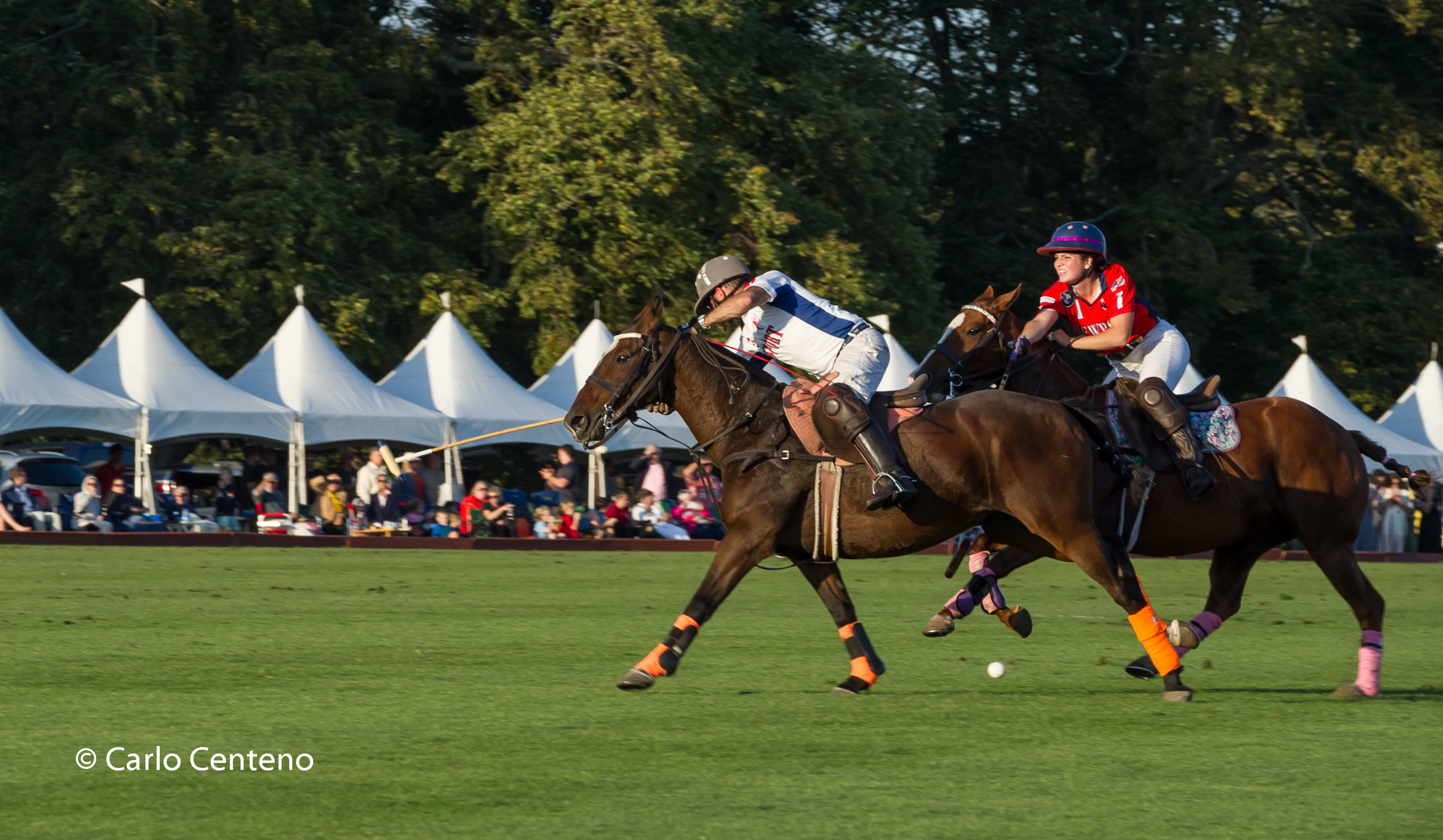
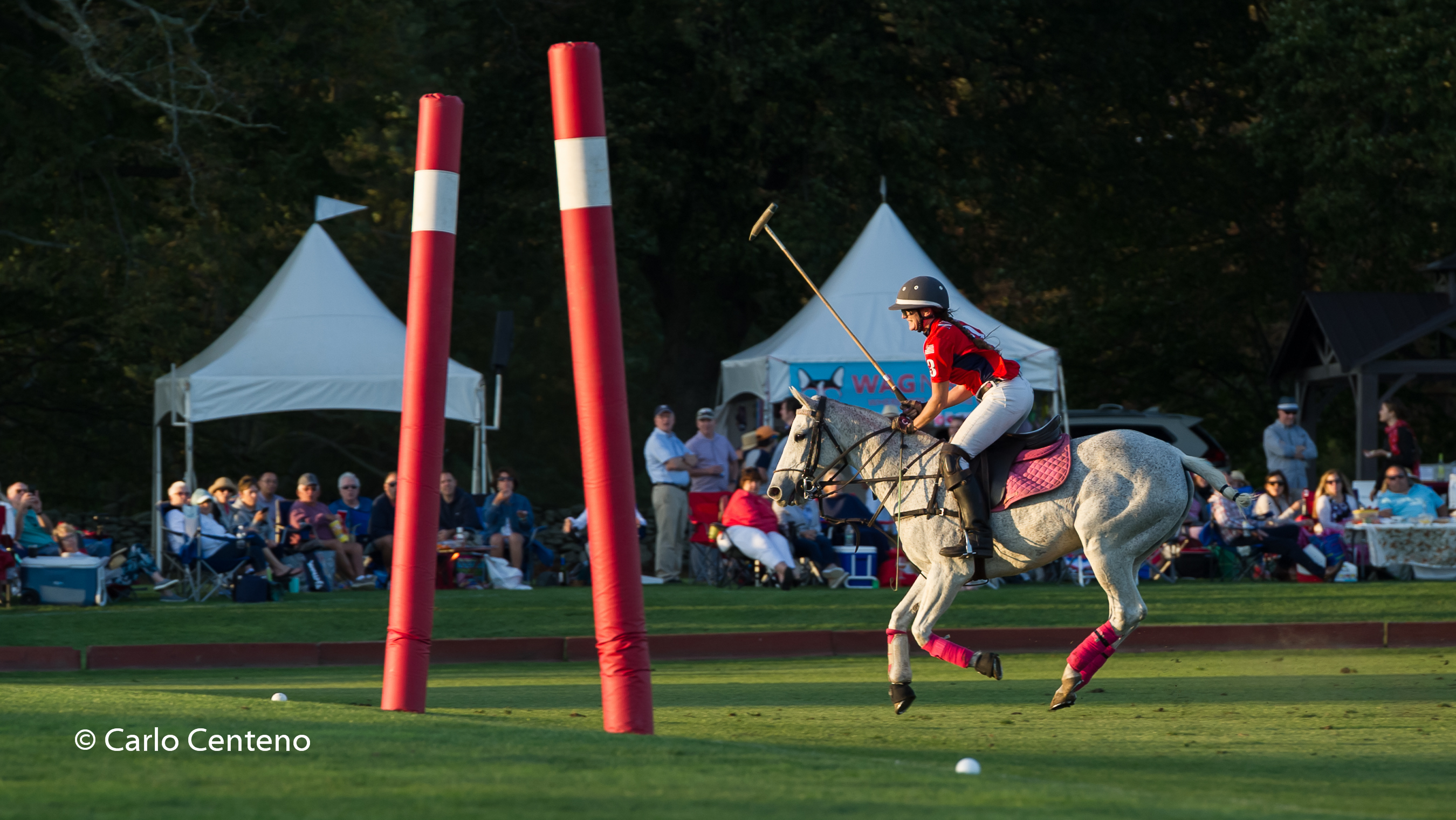
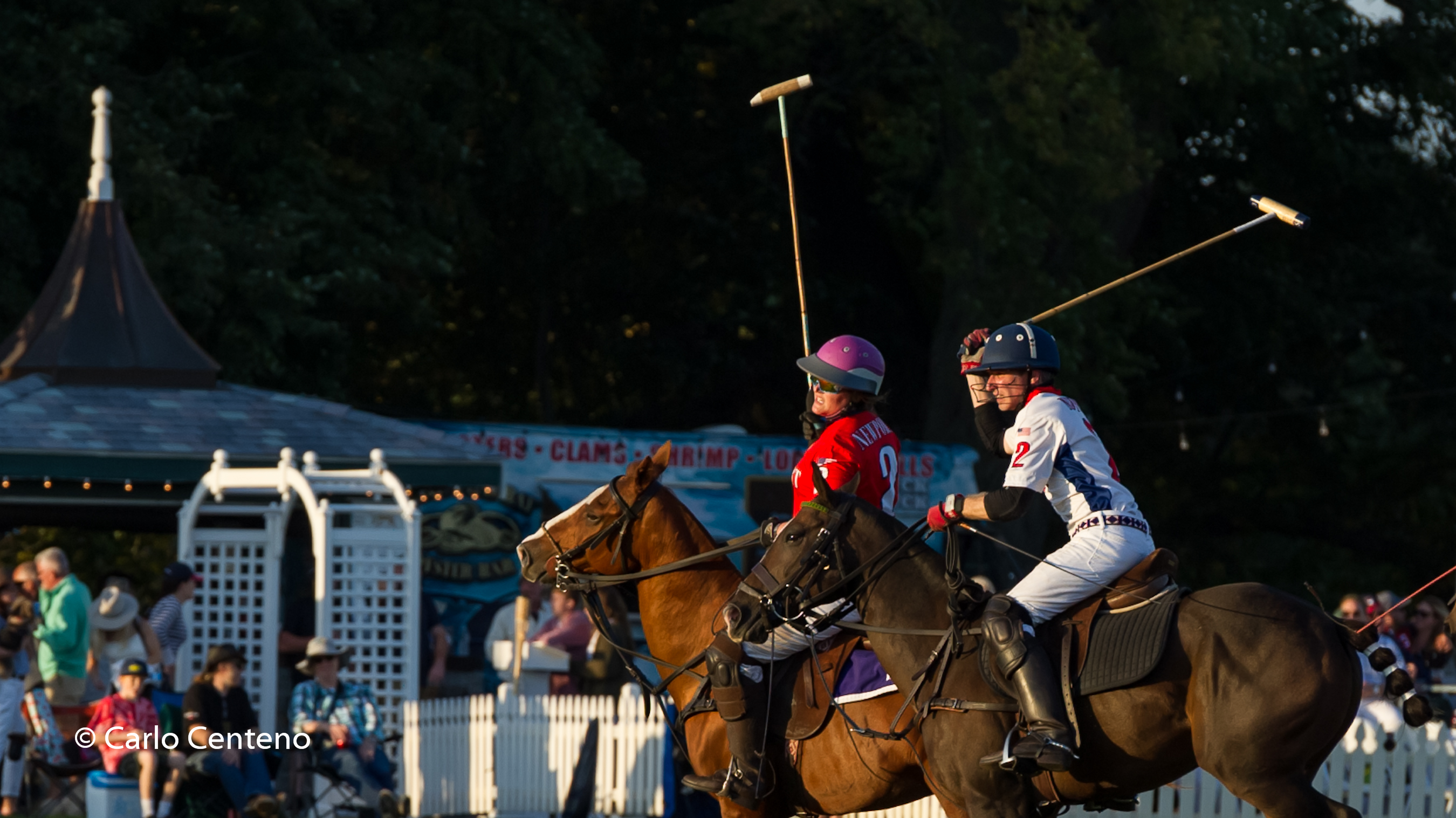
Newport International Polo

If one would be literal about the sport of Polo, it could be more accurately described as “Field Hockey on Horses.” For  the cognoscenti, it’s known as the sport of kings.

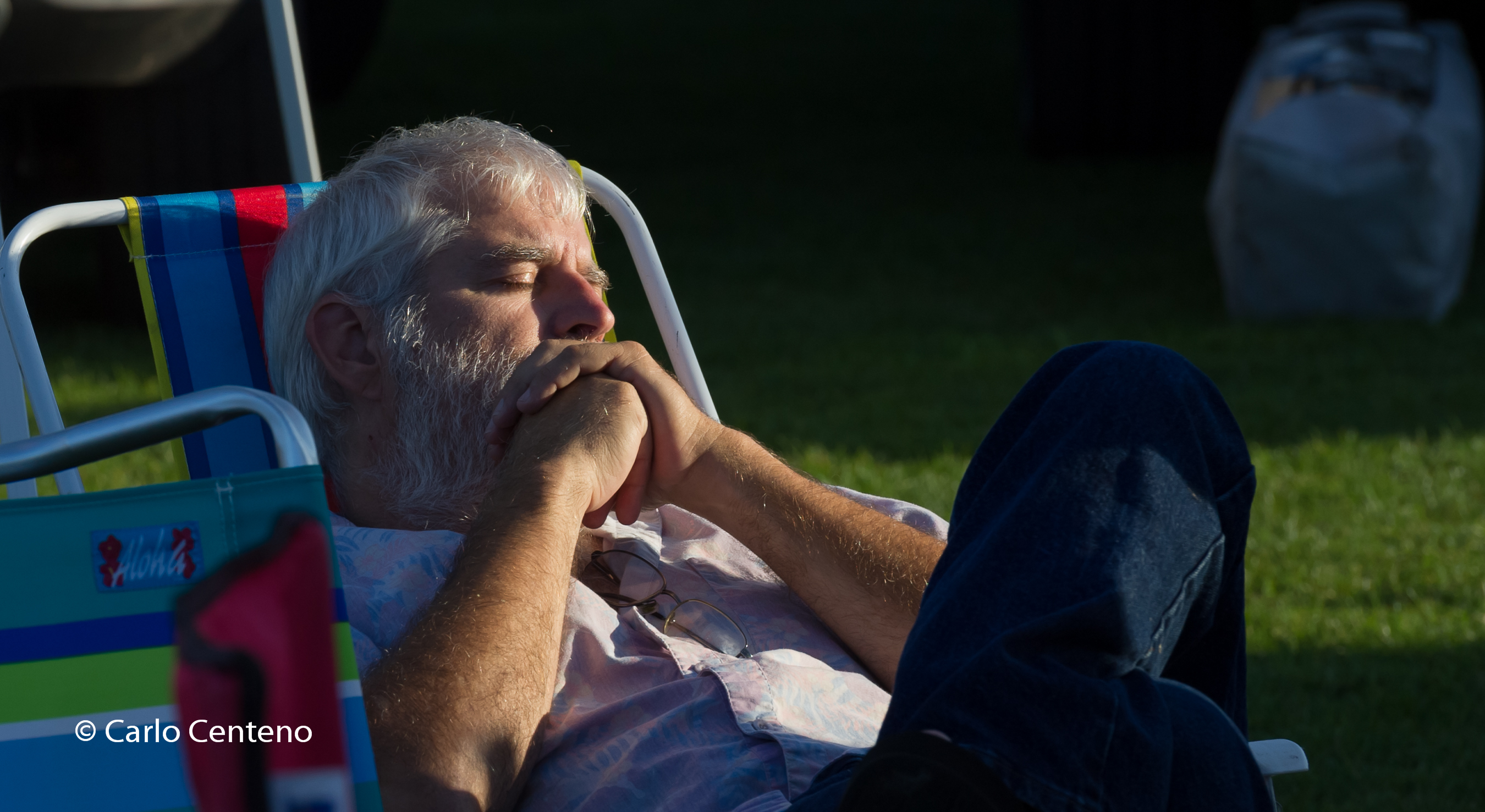
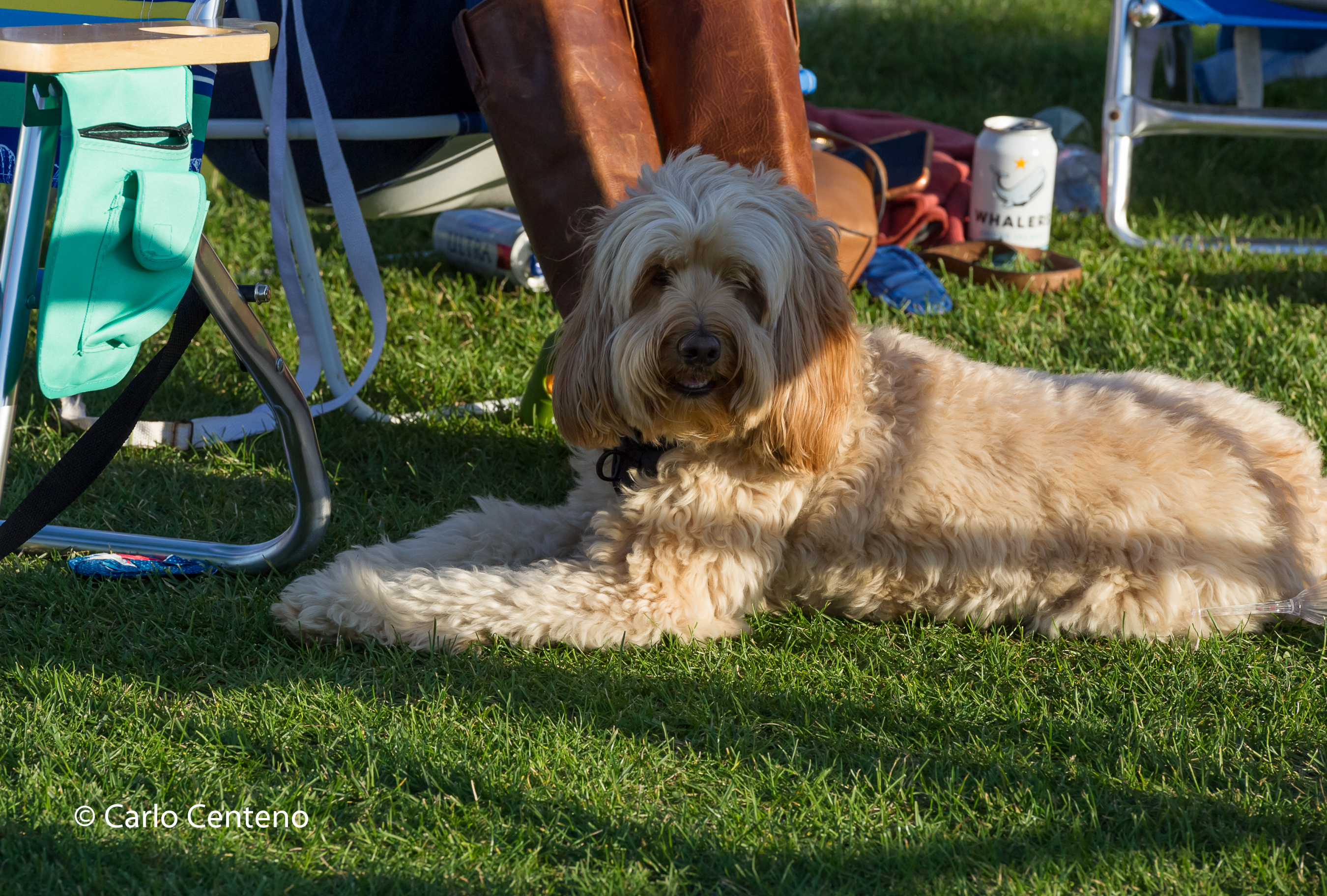
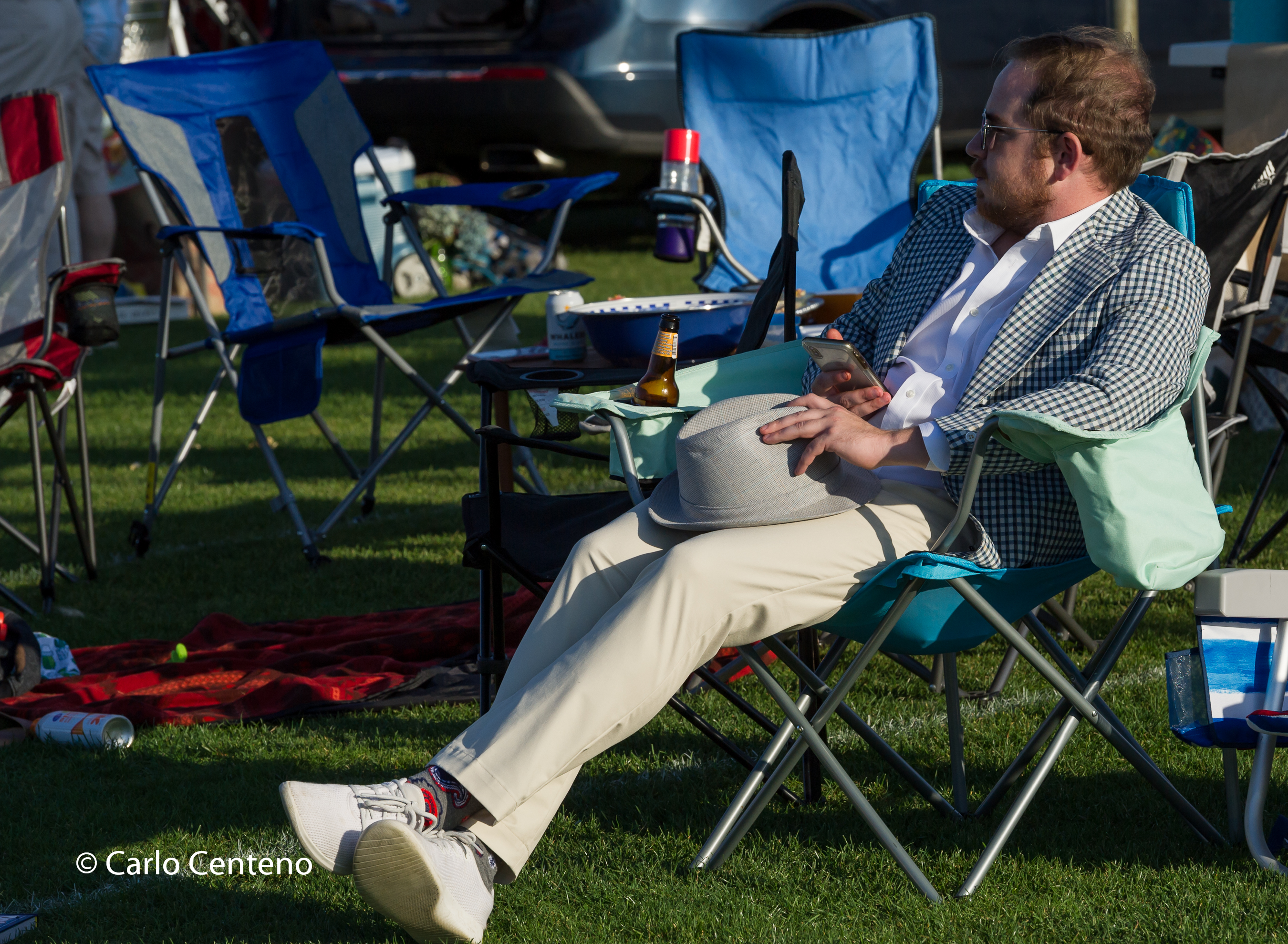
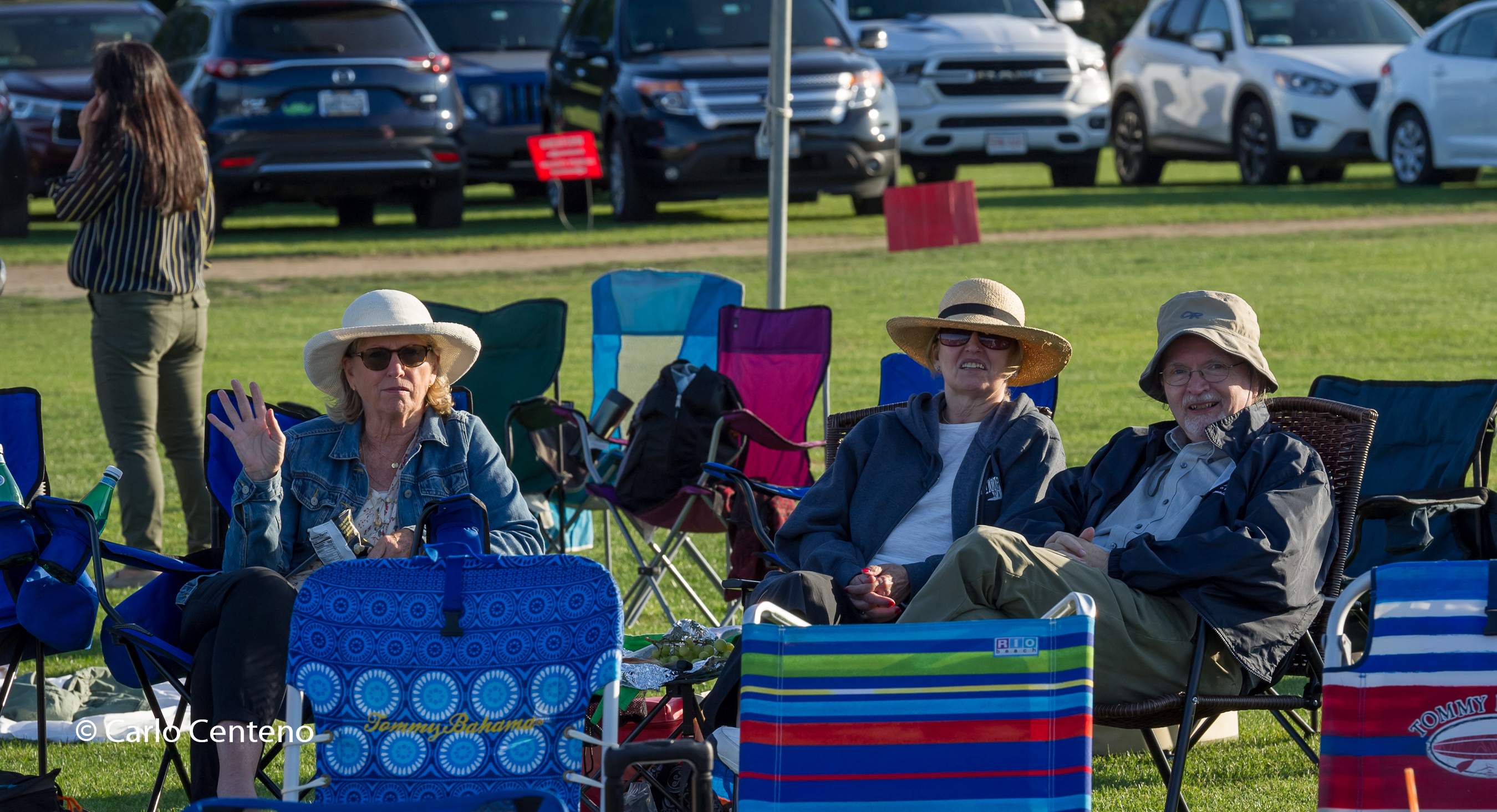
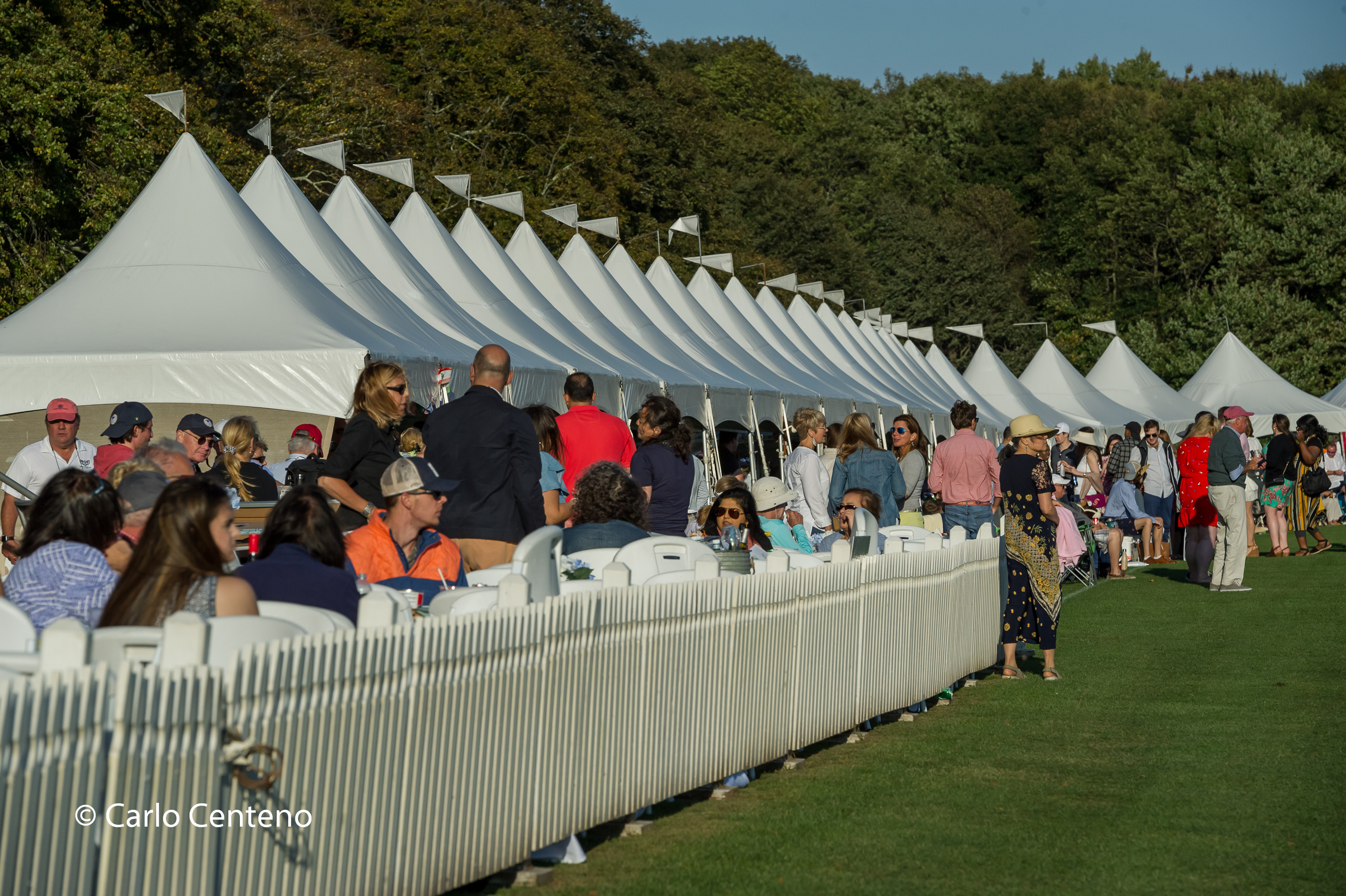
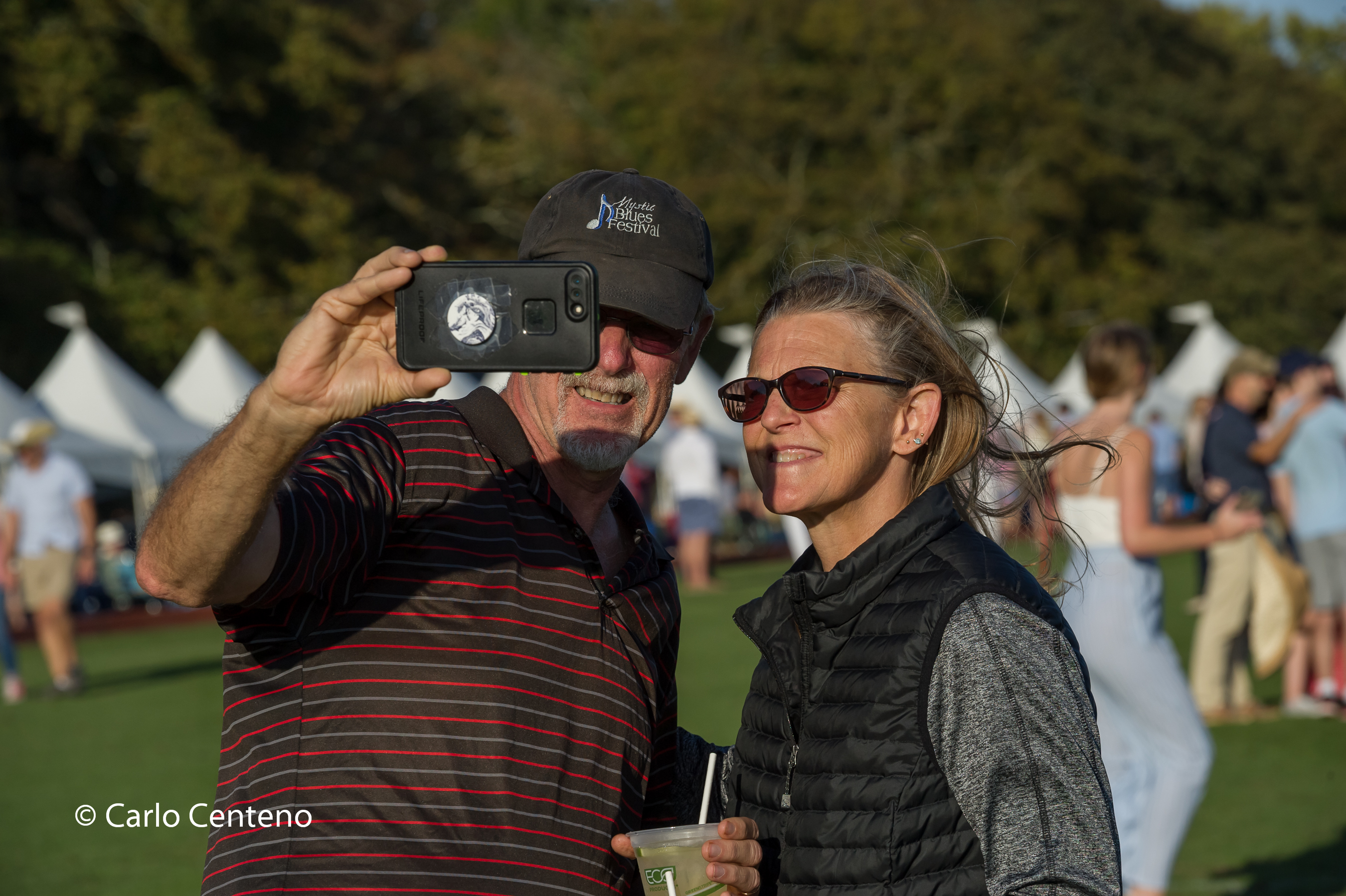
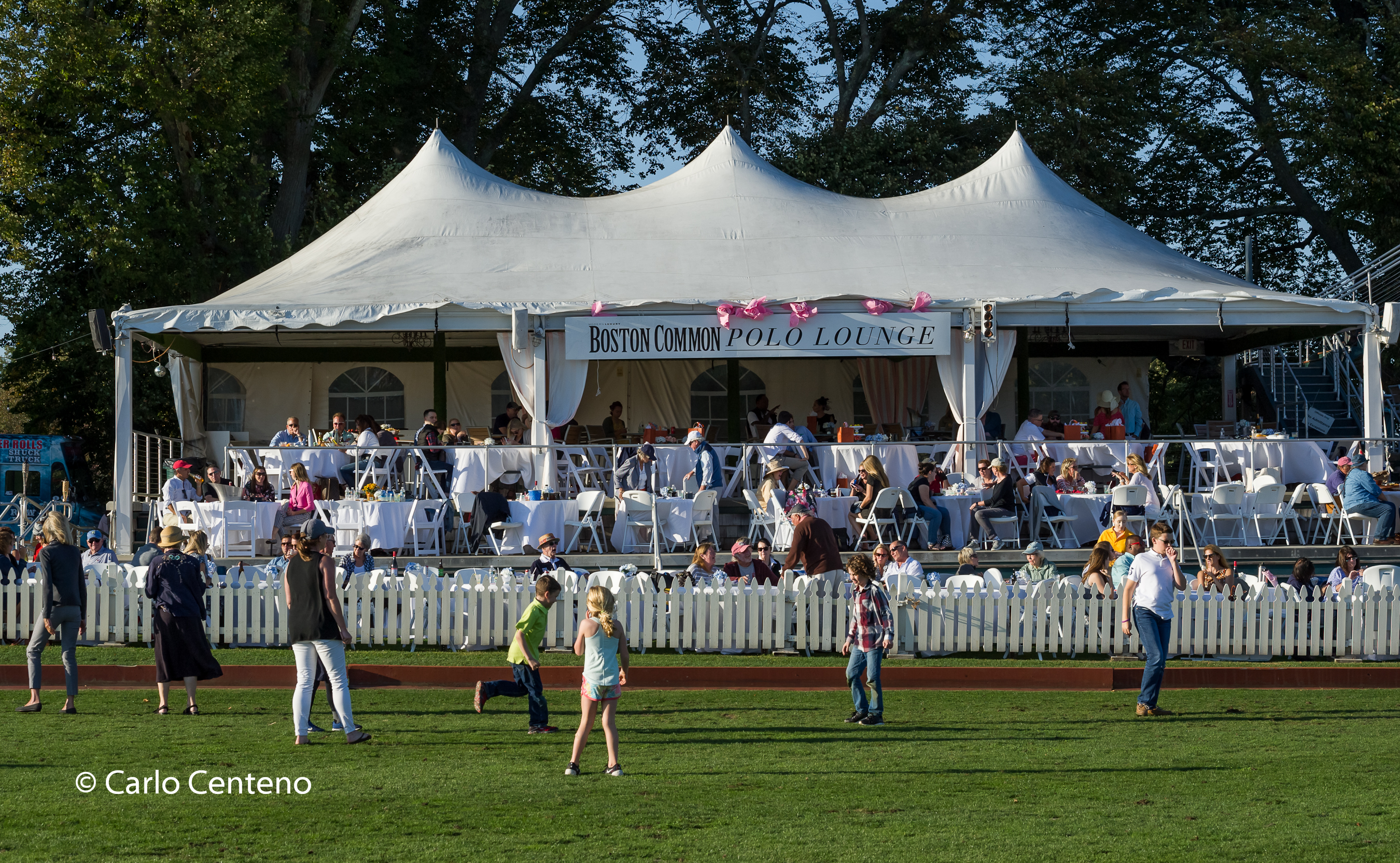
The Newport International Polo Series just finished its season at the end of September. While polo is often touted as a high-brow event, the match I attended was that and surprisingly much more than I expected: family, dogs, picnics, lively conversation, kids playing about, grown ups playing Bocche Ball, a game of catch, etc. all away from the playing field.

A congenial atmosphere on the grounds made it easy to enjoy the match and for the neophytes among us, a chance to learn more about a sport that demands much from horse and rider.

An entertaining task—and fun for many—was the half-time tradition of the divot stomp.


Countenance

In 2005, PBS aired a series entitled, “American Masters” which showcased the work of legendary if not ground breaking artists. I enjoyed watching the series, but one program struck a chord: Richard Avedon: Darkness and Light.

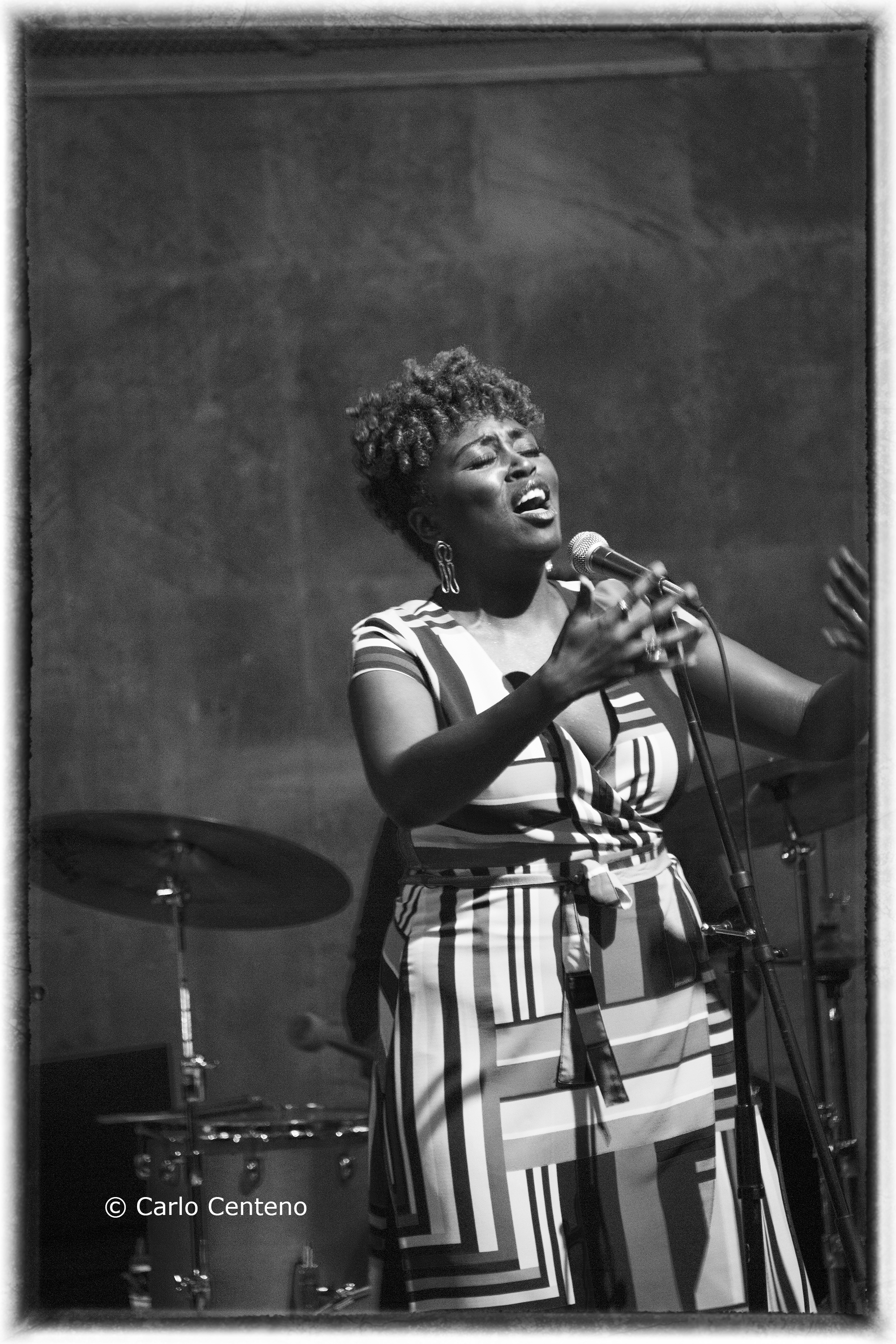
One comment in particular stuck with me. Essentially, Avedon mentioned “the landscape of the human face.”  Lines, creases, smooth or rough, dark or light and every combination in between, a person’s countenance says a few things about an individual’s life journey and current life stage.