Catskills

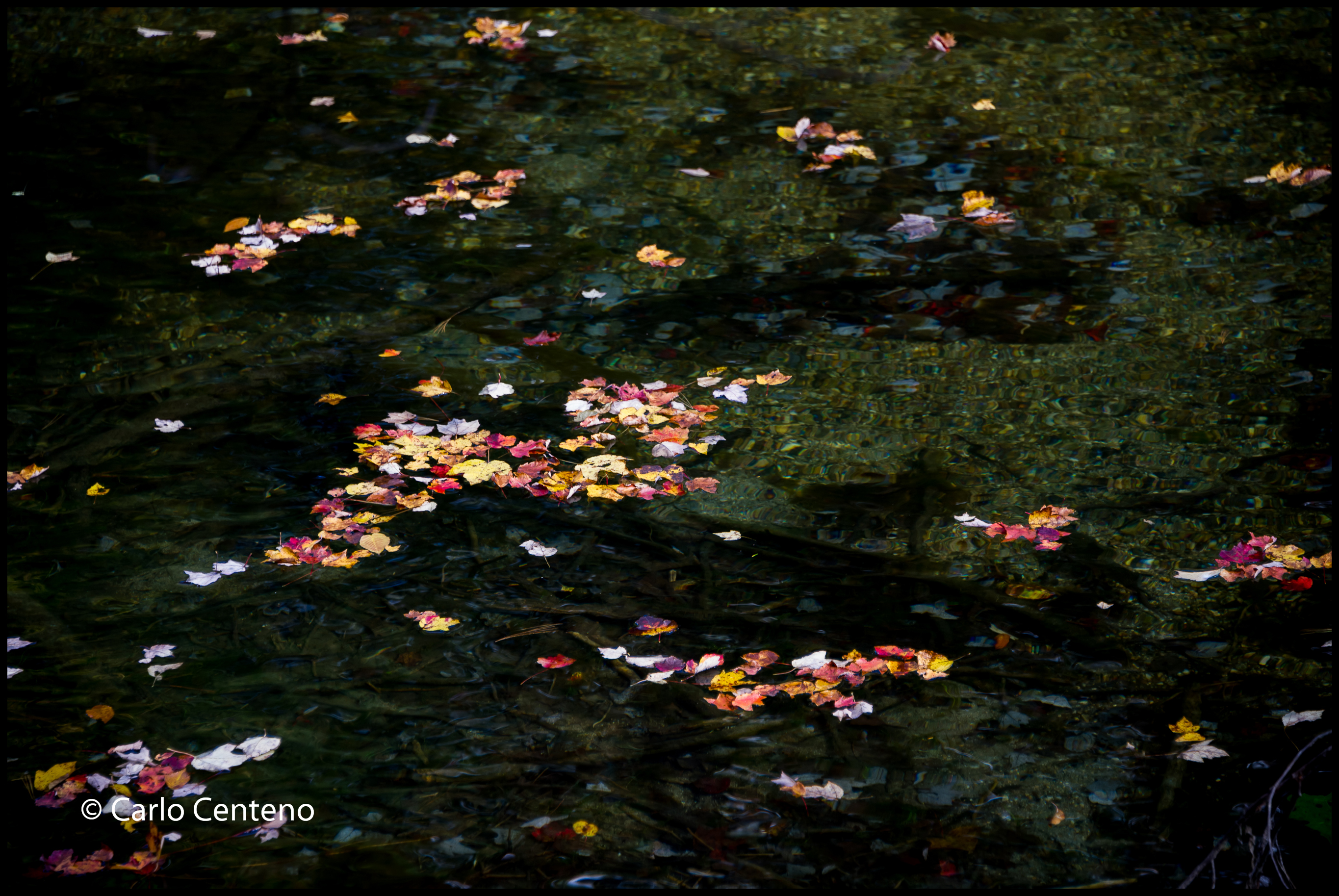
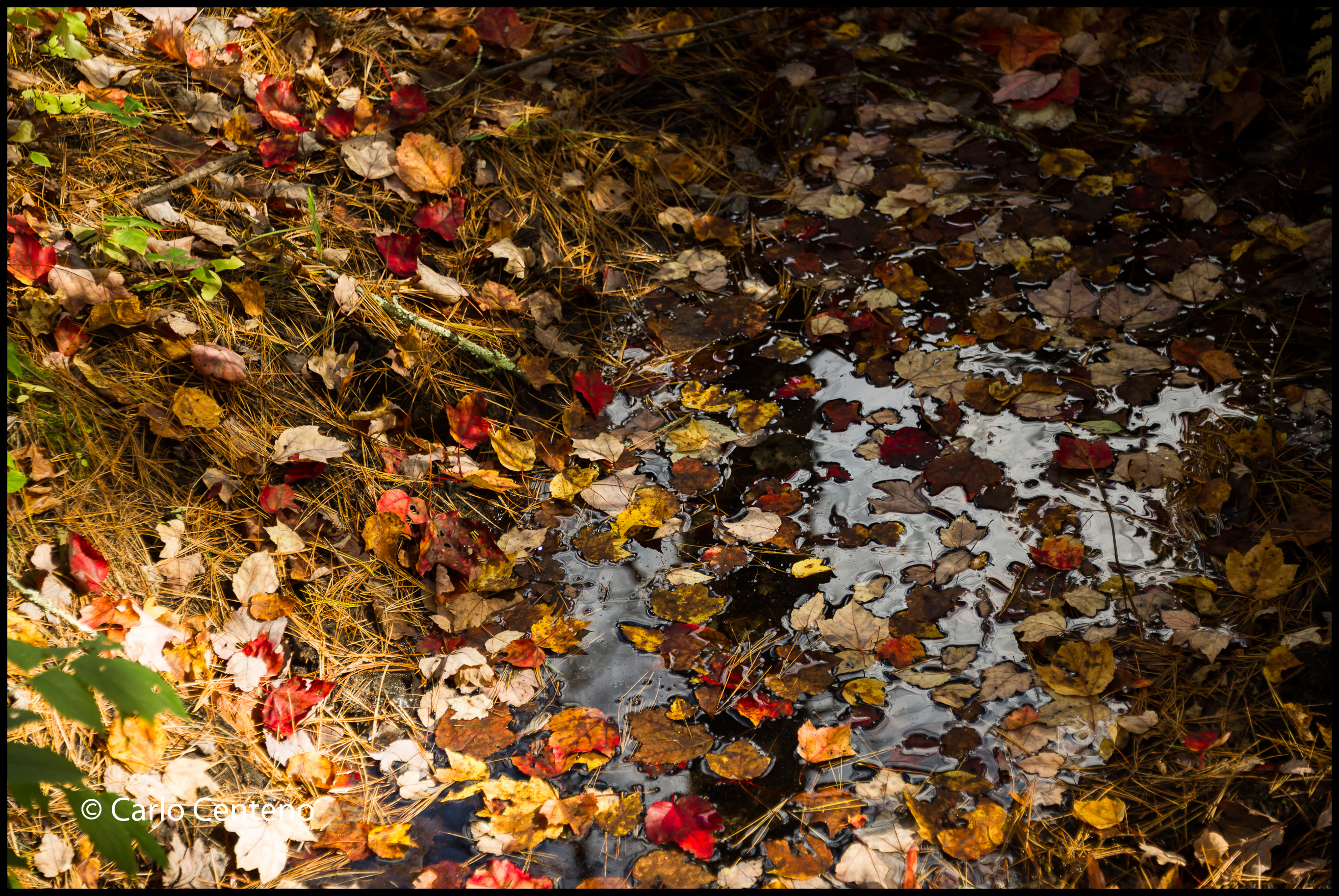
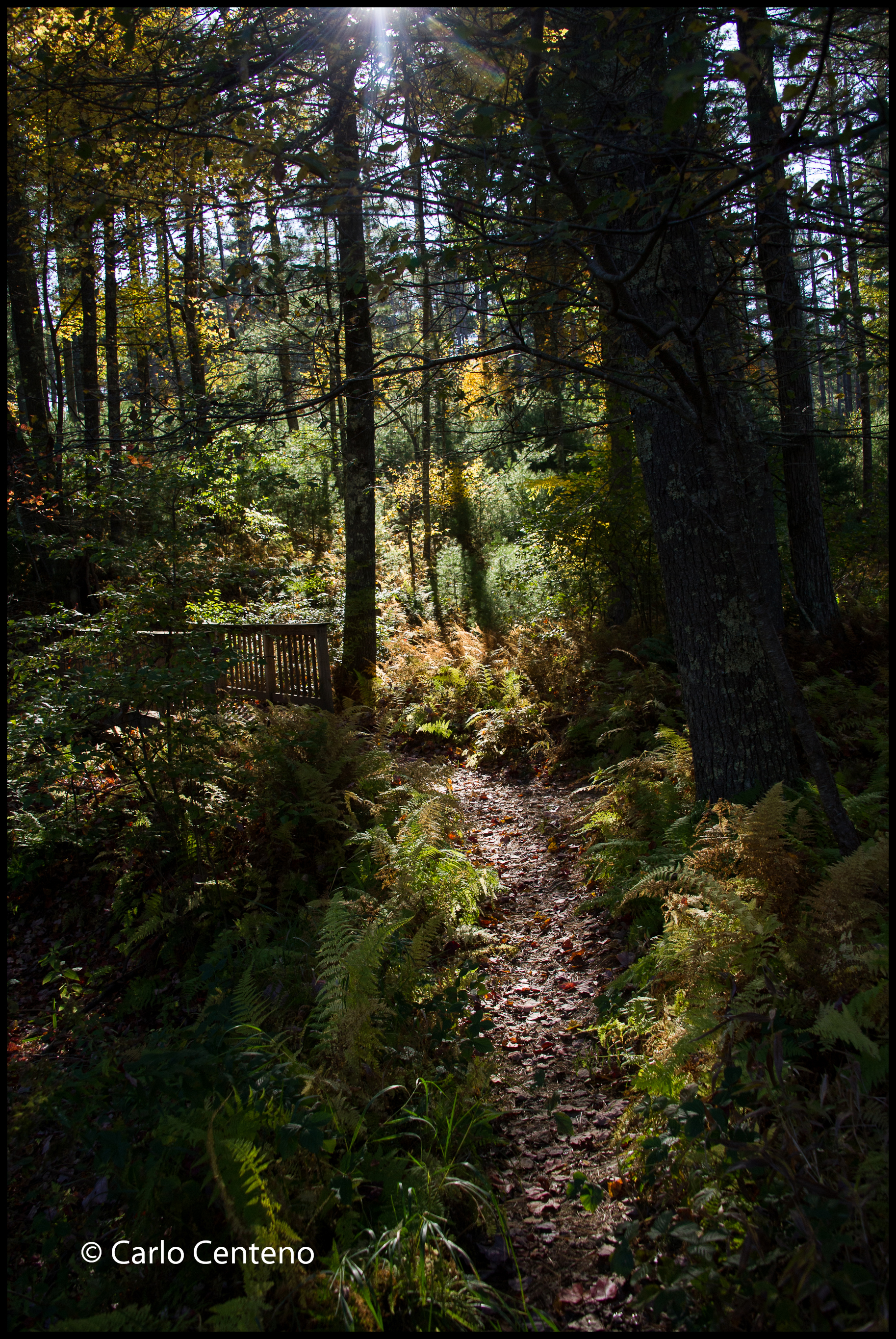
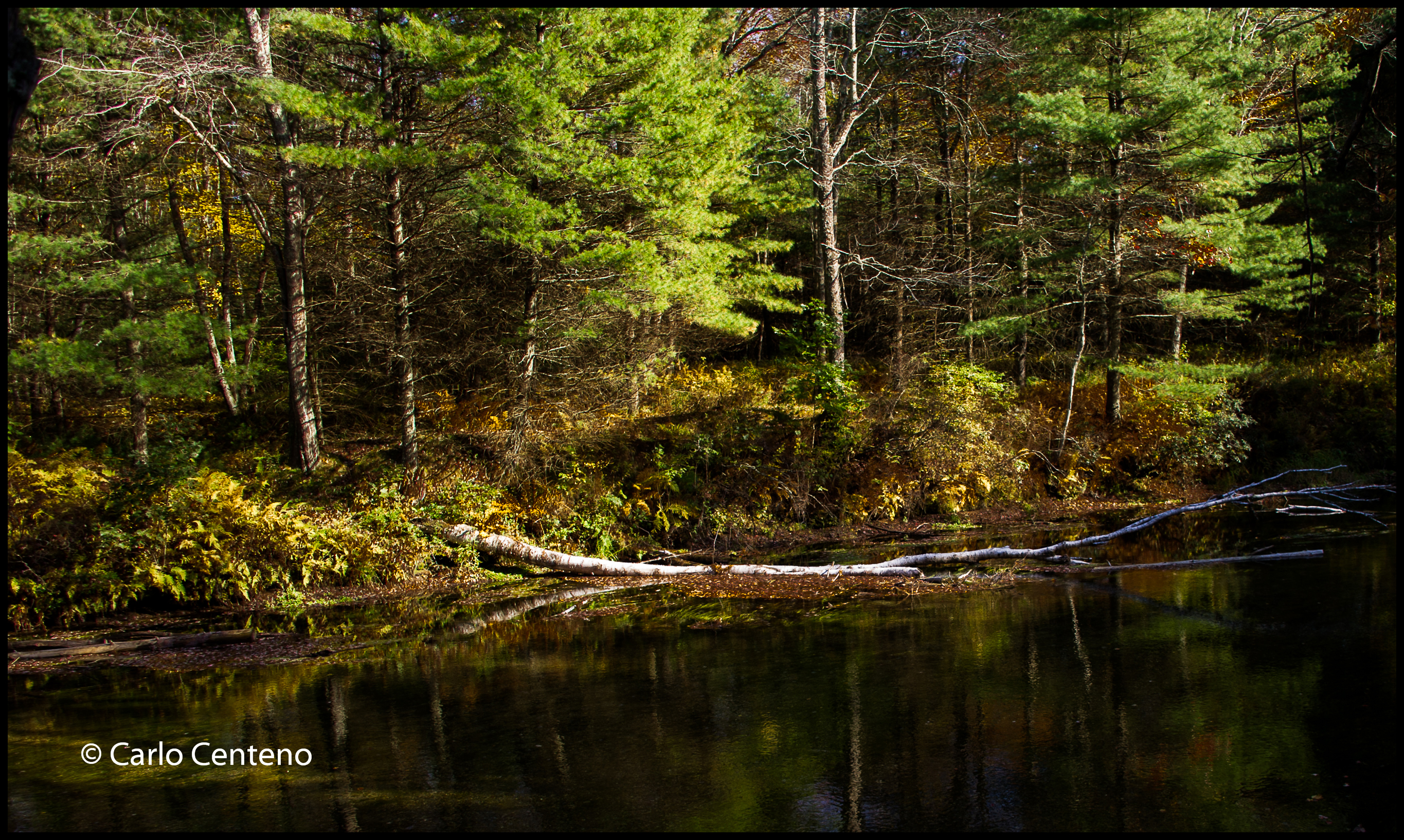
There are several places I always look forward to visiting. The Catskills is one of those places. Marketers have positioned it a number of ways, two which I can refer to: the first being that author Mr. Washington Irving created a mystical dimension about these mountains and valleys as demonstrated in two of his works, Rip Van Winkle and The Legend of Sleeping Hollow. The second is that these same mountains are the birth place of American fly-fishing, this, toward the end of the 19th century.

The eponymous short story tells the tale of Rip Van Winkle, who after accepting a drink or drinks from other Dutchmen, went into a deep slumber. A twenty year slumber at that. And to think that suspended animation had yet to be imagined. Like Irving’s other short story, The Legend of Sleeping Hollow, there’s no denying the intrigue and fascination with the dark arts as it were, an ethereal construct of feeling displaced, out of touch and powerless. The spells, debauchery and intrigue hold the reader captive, and the Catskills is both crucible and container to the kind of narrative that keeps young and old awake at night.

Along the roadways that weave up and down and around these mountains you’ll see places with names like The Washington Irving Inn, Sleepy Hollow Mercantile, Rip Van Winkle Golf, etc. etc. From eateries to where locals meet and catch up on recent news, to bed and breakfast attractions, there are many hints at Catskills history and folklore.

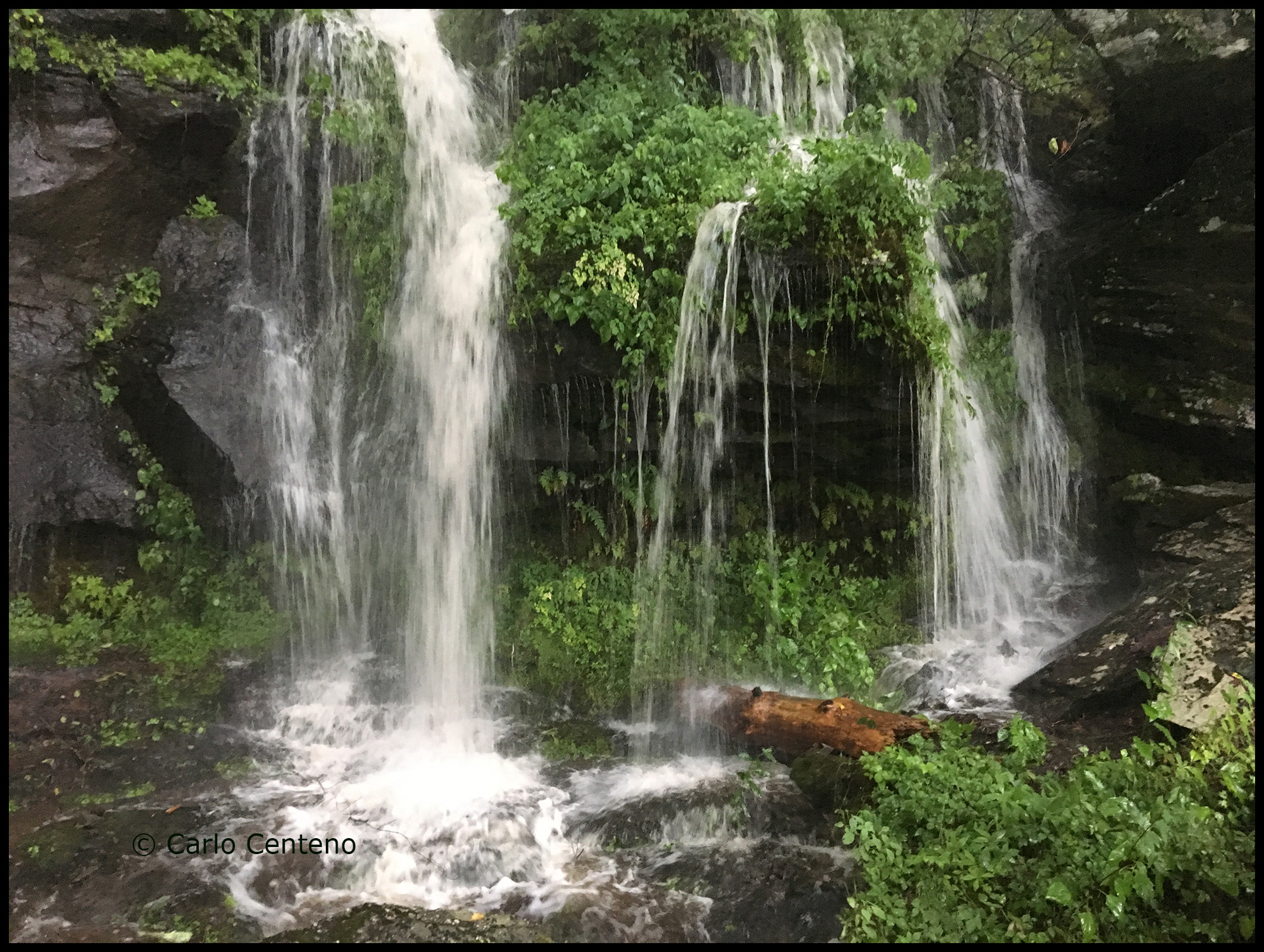
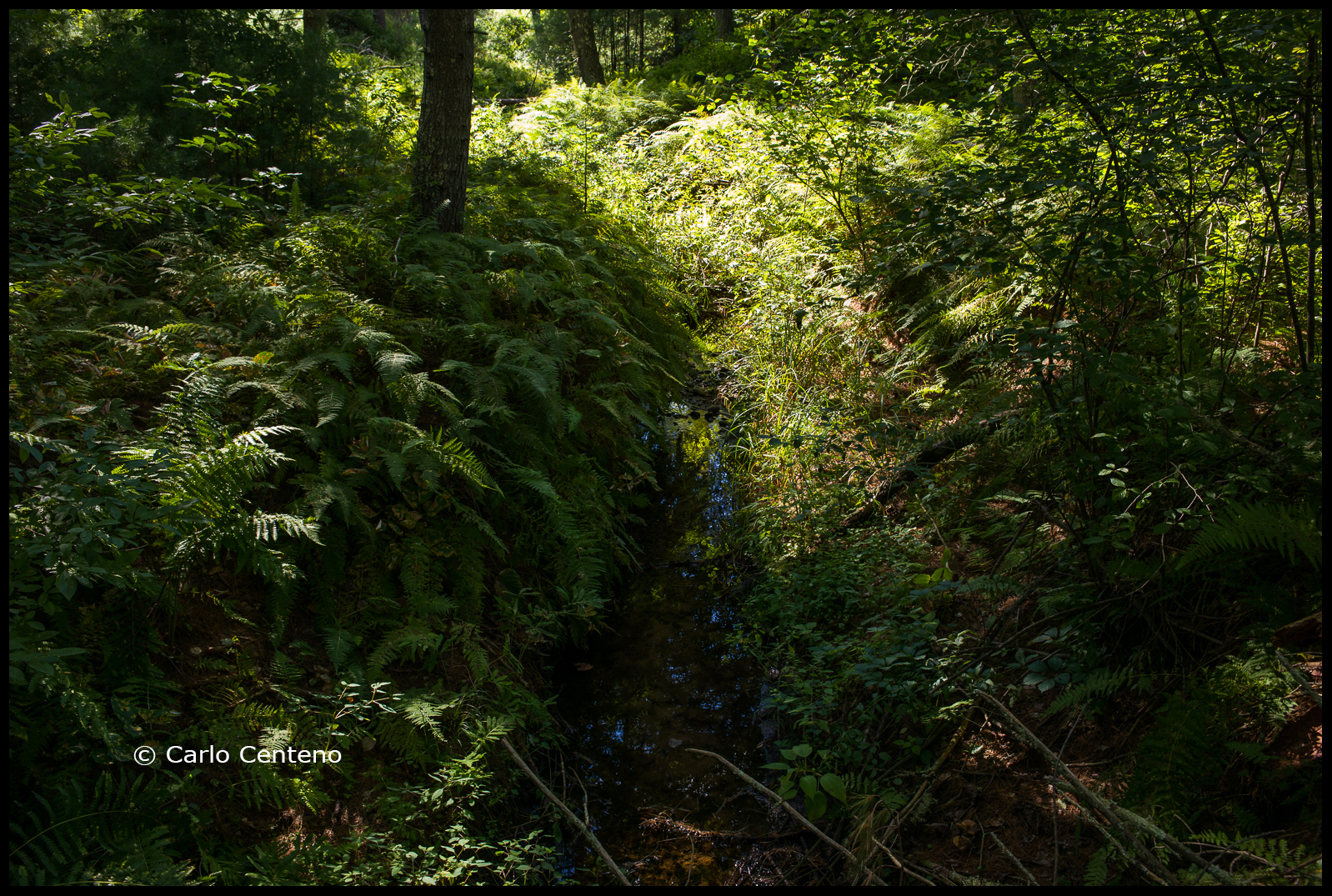
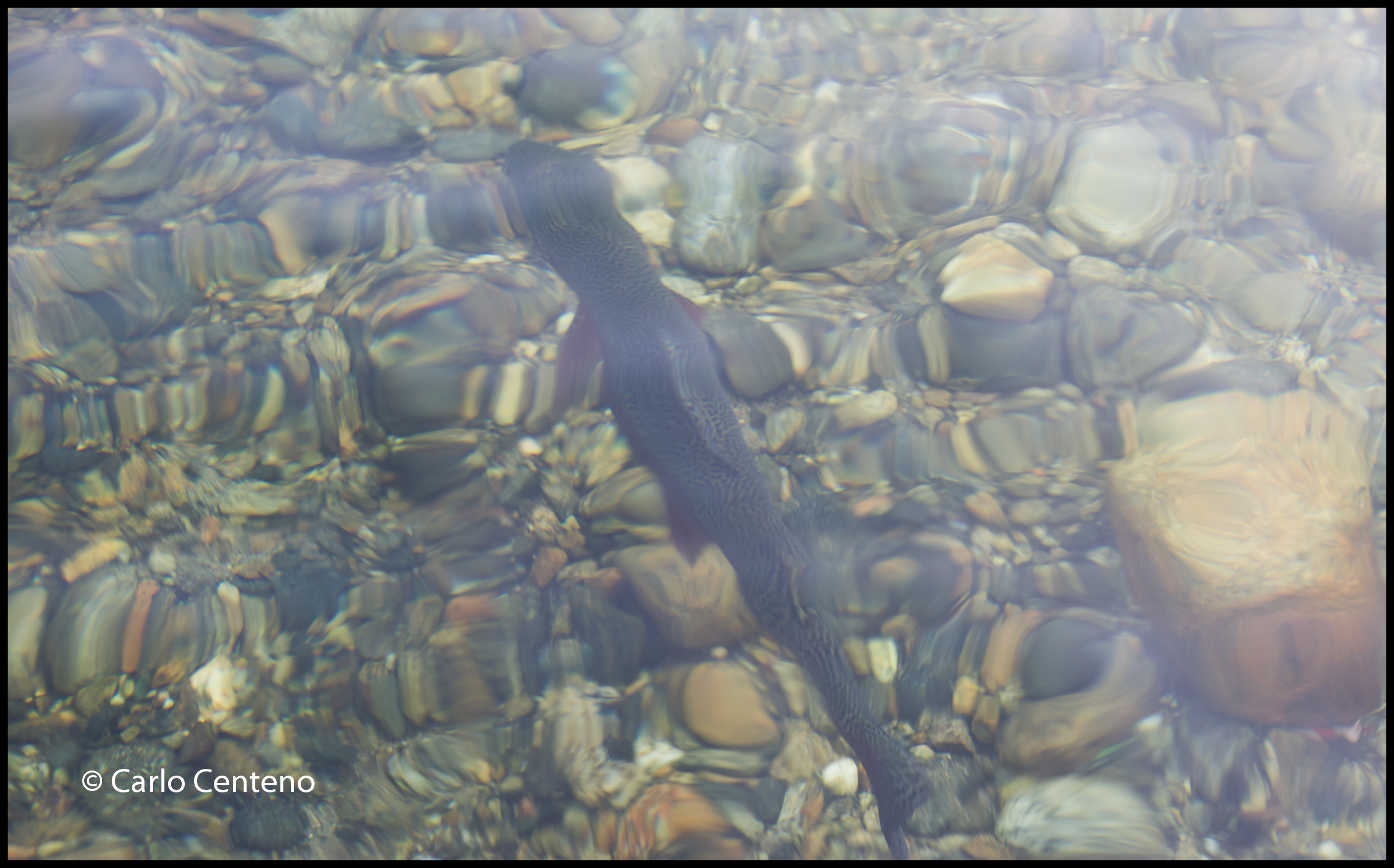
As for the fly-fishing, there’s enough rivers and streams to keep you occupied. Certainly there’s enough real estate to get you lost as well or put another way, give you solitude and quiet like no other in the northeast. I’m told that Mr. Theodore Gordon is the one credited for starting American fly-fishing in the 1890s. This feeling of where fly-fishing started in the USA is supported by a smattering of fly shops and other related businesses, several found close to the rivers. For many die-hard enthusiasts, these are sirens that are as strong as the waters and fish that beckon us to get our fly lines in the water.

Covid has altered some of our pursuits, but it hasn’t put a dent on my love or time in the outdoors. Factor in the openness and scale of outside and one can understand the fascination, the desire to get up and out of the house/office and do something for yourself or for perhaps someone else. It’s rare to see another person here in the Catskills or in other wooded areas I’ve been in. Social distancing is a non-issue. In our uncertain world, being wrapped in the outdoors is invigorating and yes, even fulfilling.

Connections

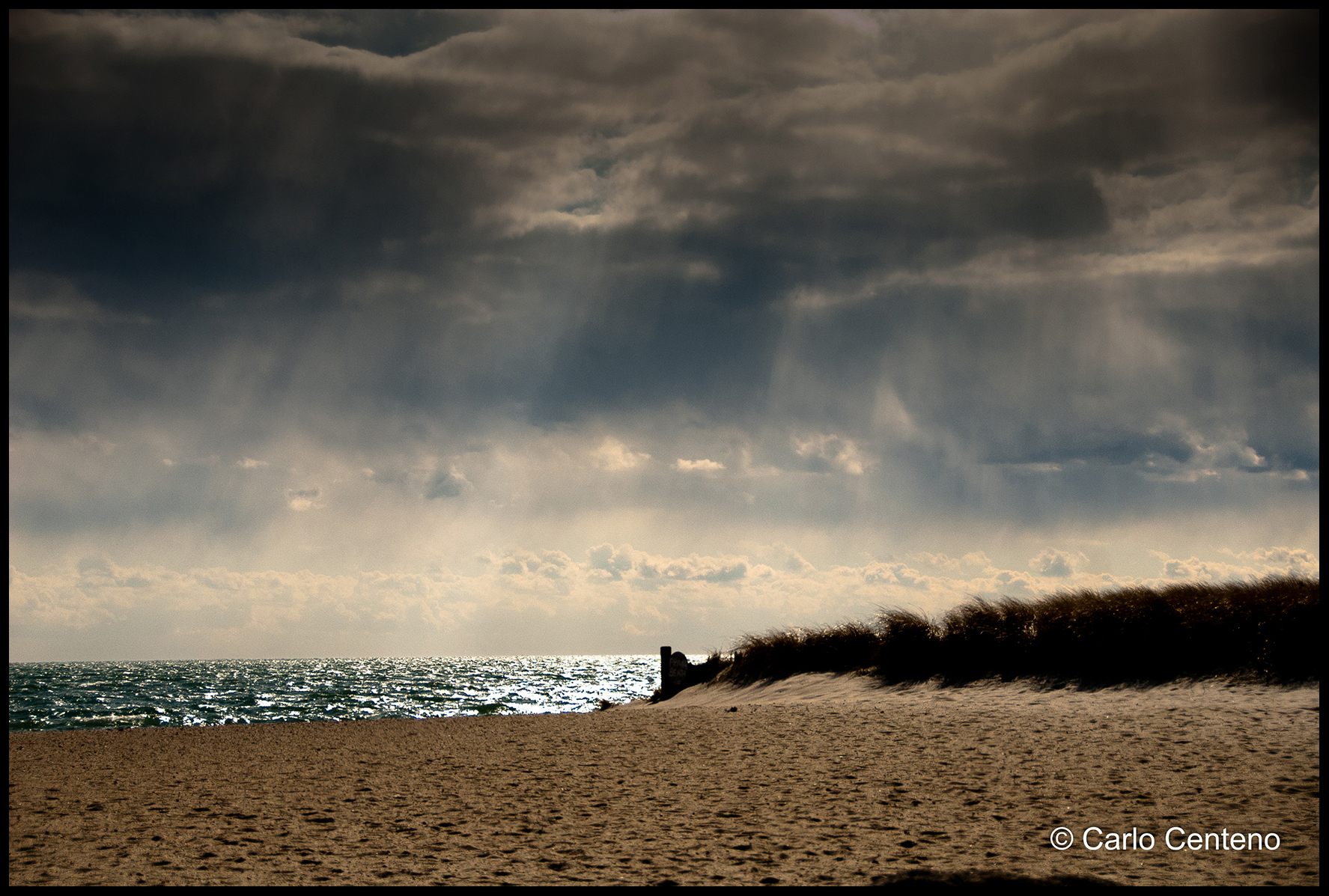
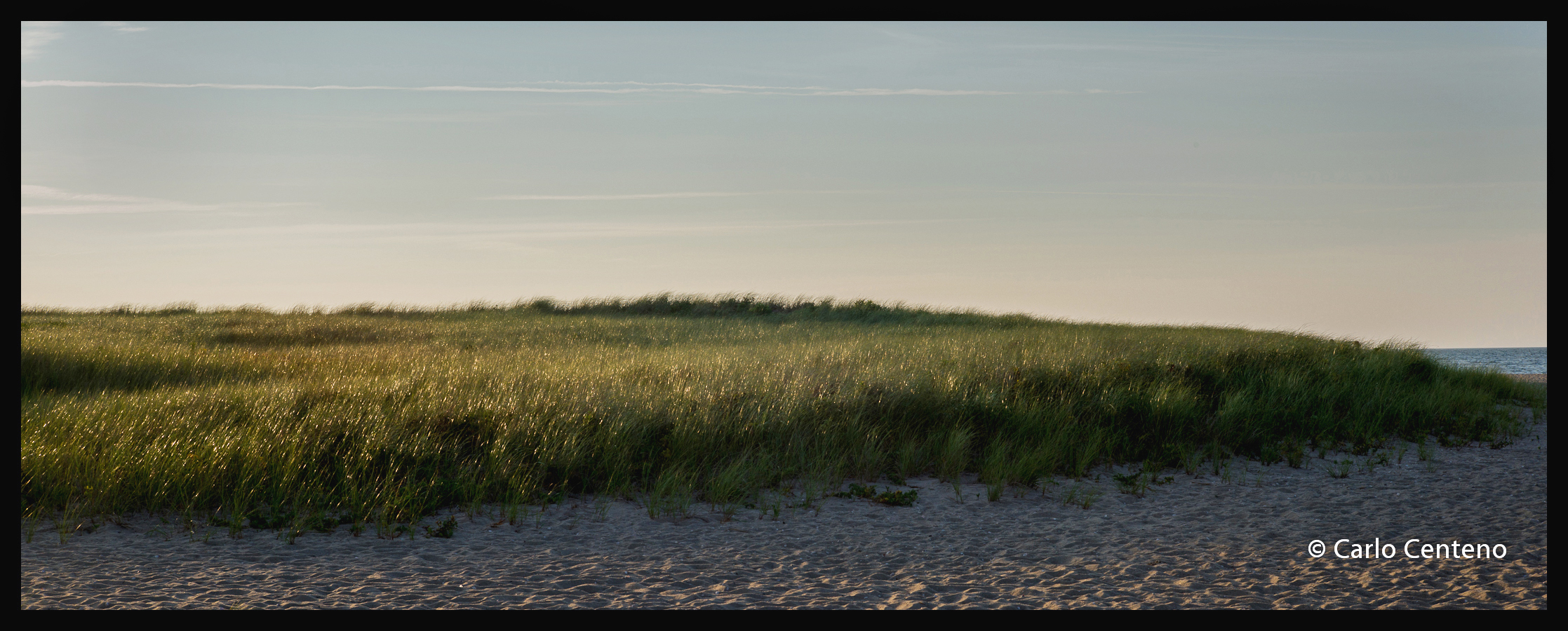
I love Cape Cod. The season doesn’t matter, but late summer is often a great time. There’s less traffic and a more laid back atmosphere. The beaches and wharfs hold less people, though there are those hearty souls who continue their routines swimming parallel to the shore.
I watch the few on the beaches, most in their chairs, some sitting or lying across a large towel. Others are involved in conversation or quietly engrossed with a book in hand.
You can always count on walkers tracing their steps first one way, then on their return trip to a starting point. The most jubilant are often a dog and its owner. They’ve waited for the moment when the beach was available to them and their joy is clearly displayed. This is the kind of connection that’s about as simple and straightforward as it can get: get out and spend time with good friends, family, your dog—even yourself.

The men enjoying their cocktails aboard a boat speaks of many types of connections: family, work colleague, college room mate, best friend, and so forth. Between the “remember when….did you hear….whatever happened to…” are those moments of hilarity, some brought on by something long past, others in more recent times. Nostalgia connects with the present.

I love the Cape, especially for the many connections its made for me.

Same Place. Different Times.

Without a doubt, I am finding greater comfort being outside. From the backyard to destinations within a 2-hour drive, being outdoors is just about mandatory to keep my sense of self from being weighed down by the harsh reality festered by  “insensitivities” of society as a whole.
The omnipresence of intolerance, indifference, ignorance, impropriety, apathy, hate, gratuitous violence on person and property and even more, is disheartening. Of greater significance is the increase of schadenfreude.

Enough already. Enough.

The outdoors is not my only sanctuary. I also find some relief, some comfort, some reduction of stress and disillusion through family and a handful of friends. And it’s not unusual to have some of these individuals with me on those occasions when the world is en route to hell-in-a-handbasket. Though as you might’ve gathered, I reserve the right to keep these individuals to myself. Some things are sacrosanct and will remain so. There are sound reasons for not sharing them here, and you know some of the reasons I’m sure.

But most can understand the power of the outdoors. In particular Native Americans—indeed the indigenous people of this planet who now inhabit small parcels of land that are but a shadow of times past—embody an understanding, acceptance and empathy for all that is nature, whether seen or not.

No, we haven’t lost paradise. Yet. We tempt fate, but I hope we can collectively muster the virtues and attributes we know make a difference for our future.

I’m hoping that at a different time in the future, many of the places I treasure as sanctuaries will remain “the same.”

Wounds.

The power of water is astounding.  Trickles that turn into streams then morph to raging rivers—at times in a matter of a few minutes if not less—cannot be taken lightly. Trying to accurately track an object caught in fast-moving current is almost impossible. My August 5th post about The Falls clearly demonstrates the meaning of “fast-moving.”

Wind can be just as harrowing. Various parts of the country were seriously hit first by the rain storm Isaias then by a rare, but powerful wind storm called a “derecho.” The middle of our country bore the brunt of its force leaving what resembles a war zone.

Closer to home, there was considerable damage from this most recent windstorm. Though the harm and damage here pales to communities in Iowa and beyond, I’ve noticed pine and oaks uprooted and toppled over. The swath of this recent storm event caught me somewhat off guard.

Looking at the damaged trees produced that anthropomorphic feeling within me. The morphology of plants, and trees in particular, created a connection hard to ignore. My trunk or torso is akin to that of a tree. My arms and legs are limbs just as a tree has limbs. My core, like that of a tree, is the foundation that helps me stay upright.

It was apparent that these trees could no longer return to what they were only days before.  I’m not an arborist, but I surmised that nothing could be done to “save” any of the trees I looked at and photographed. Not a one.

When severe storms strike, all life is impacted in one way or another. However, plants and trees are particularly vulnerable because they are literally anchored to earth. They can neither hide nor escape their circumstance and their wounds are so obvious.


Aftermath

The uncertainty of these times has made it very certain that the new choronovirus will be with us for a good while. Eventually—and hopefully—we will find the means to return as close to “normal” wherever possible, hopefully within next year. Figuratively, we’re running a marathon, an endurance race where—as many of you already know—demands stamina, pacing, patience and the willingness for self-sacrifice.

Our home these past 3.5 months has been a sanctuary for our daughter, two boys, a new born and our son-in-law. From quiet, predictable routines to a household filled with activities, remote schooling, and more, altogether this was a period of joyful noise and scattered stuff in, out and around the house.

The boys were constantly in motion. The desire to explore, imagine, to experiment and be inventive was nothing short of  remarkable. And while the boys did their best to pick up after themselves, they were far better engaging their playfulness, their devil-may-care personas, as evidenced by the scattered clothes, toys, and more, left on the deck, out in the lawn, on the slip’n slide water game or in the breezeway. The breezeway of course is the equivalent of an “airlock” that space that serves as a buffer to the kitchen that lies beyond.
And yet, clothing, LEGO toys in various stages of disassembly, wet sneakers et al, found their way onto the runner that marks the outer circle of the kitchen.

As of this writing, the house is once again quiet, sometimes much too quiet. Just before the 4th of July holiday, they returned home, to their own spaces and routines.  It is as it should be. As much as we enjoyed our time together, all good things must come to an end.
The organizing, cleaning and picking up of stuff continues. I refer to the many pieces scattered around as shrapnel. To walk barefoot across the lawn is an exercise in uncoolness. The edges of a LEGO block, a broken piece of plastic, a spoon forgotten, all became suitable reminders that wearing footware during the clean-up phase should be mandatory.

It’s true that having grandchildren can be a terrific life stage. You love them to pieces, you revisit your own escapades from the past, your marvel at how your own parents managed the rambunctiousness of our youth. Whether it’s an afternoon or 3.5 months, those kids need to return to their parents, routines, friends and all that is their life beyond ours.


“This will take some getting used to….”

Open your arms to change, but don’t let go of your values. -Dalai Lama

Modern life has been tossed into a blender of our own making. Whatever comes of that mix will be unrecognizable. It’s a blend never before seen or experienced, though to some degree, many of us hope that what pours forth is something that has meaning and value.  It could be something we’ve longed for across time immemorial, and yet I’d like to think that most of us are hopeful of what’s been created.

At present, uncertainty unceasingly hovers over us, as if poised to pour change across social, educational, medical, cultural, environmental, financial and governmental policy mores. And like other things we’ve thought of and created, none of it will ever be perfect. No one can please everyone every time.

The work-in-process strategies and machinations will take some getting used to. In fact, everyone should tune-up their listening skills.  As the saying goes, We have one mouth and two ears, and good listening is always important. We’ve been challenged with practices to keep the new coronavirus at bay and confronted with racism and ideological thinking and approaches that touch the far left, to the center, to the far right. A virus—whether new or old—is looking for a host regardless of your ancestry and your present location in this world. Like COVID-19, racism is a virus  that must be eradicated, that and along with other –isms which undermine our empathy, our ability to tolerate, our desire to compromise and our willingness to see that, indeed, the glass is half full.

Eleven weeks has kept many of us quarantined regardless of age, fitness level and overall hierarchy, whether familial or professional.  I’m still adjusting my return to work, as several safeguards are in place: my office door stays closed, open areas in the office space require a mask, wipes and hand sanitizer are located along travel routes.

All of this will take some getting used to. Like many, I miss the energy and engagement of being around people. It’s just part of being human. Though I enjoy journaling, writing letters, taking photos as such, nothing can replace a good conversation, the sight of an expression [good or bad, preferably the former] and the sounds of laughter, exclamations, even the cacophonies that make Life all the more interesting.

Be well. Stay healthy.

Quiet

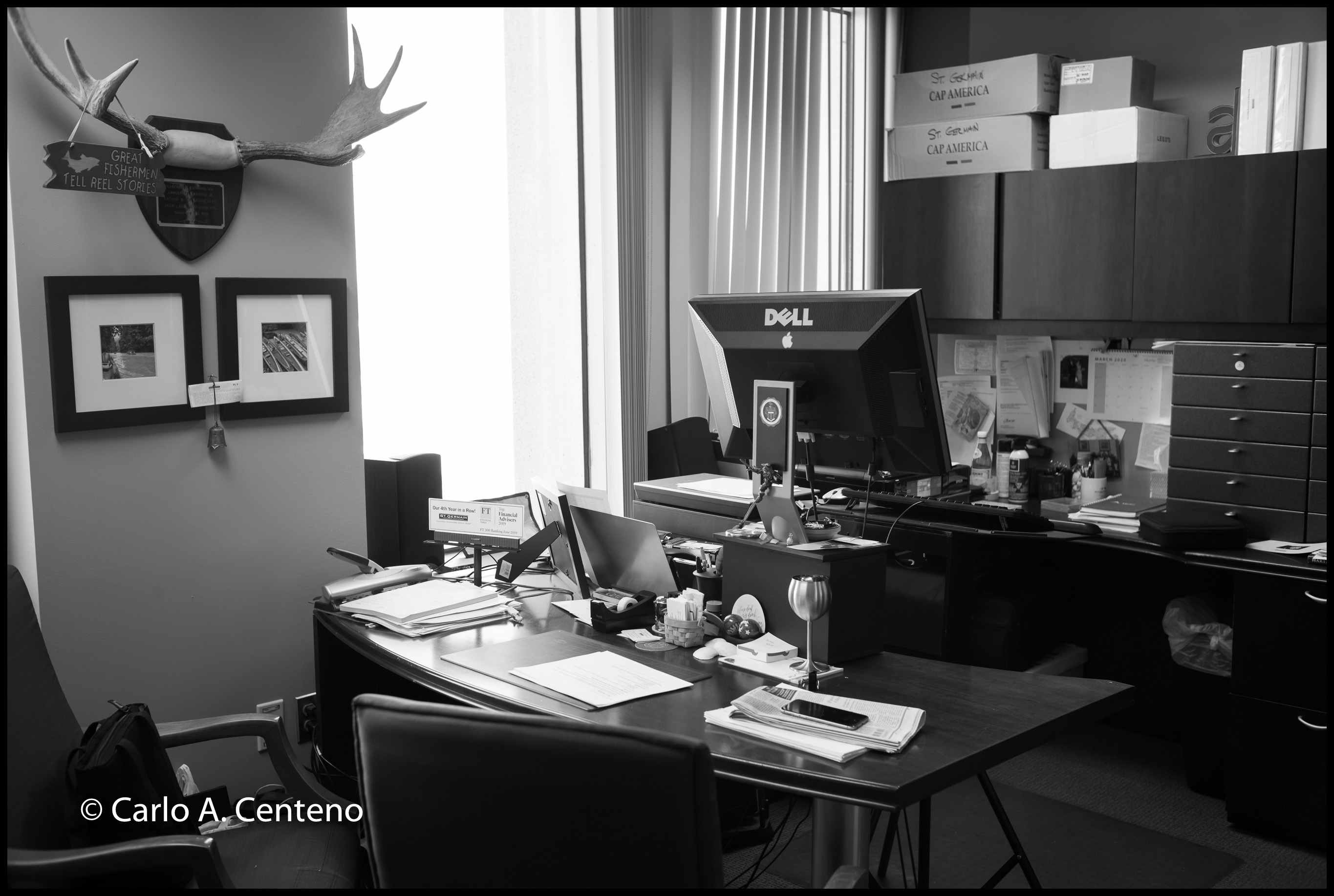
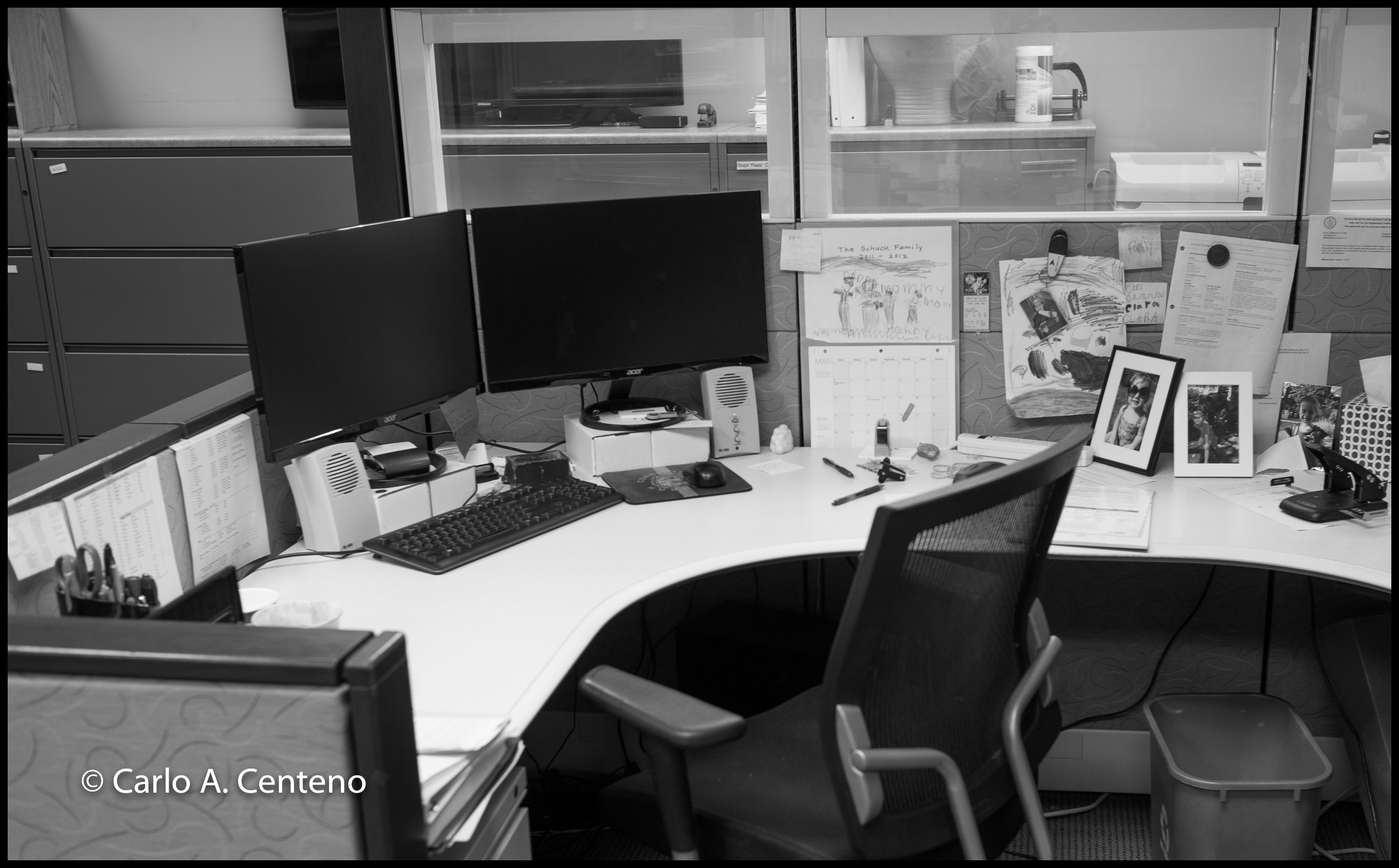
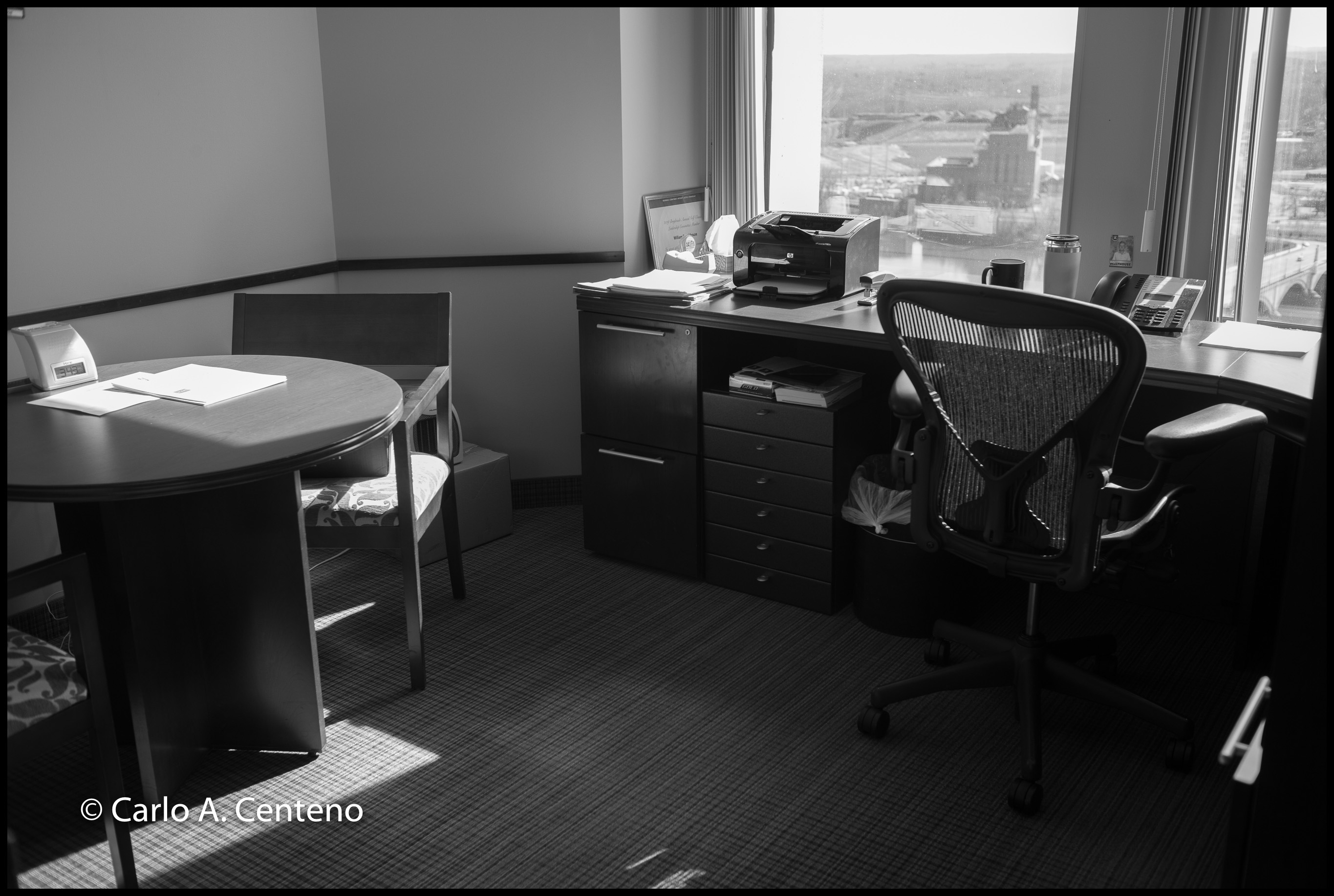
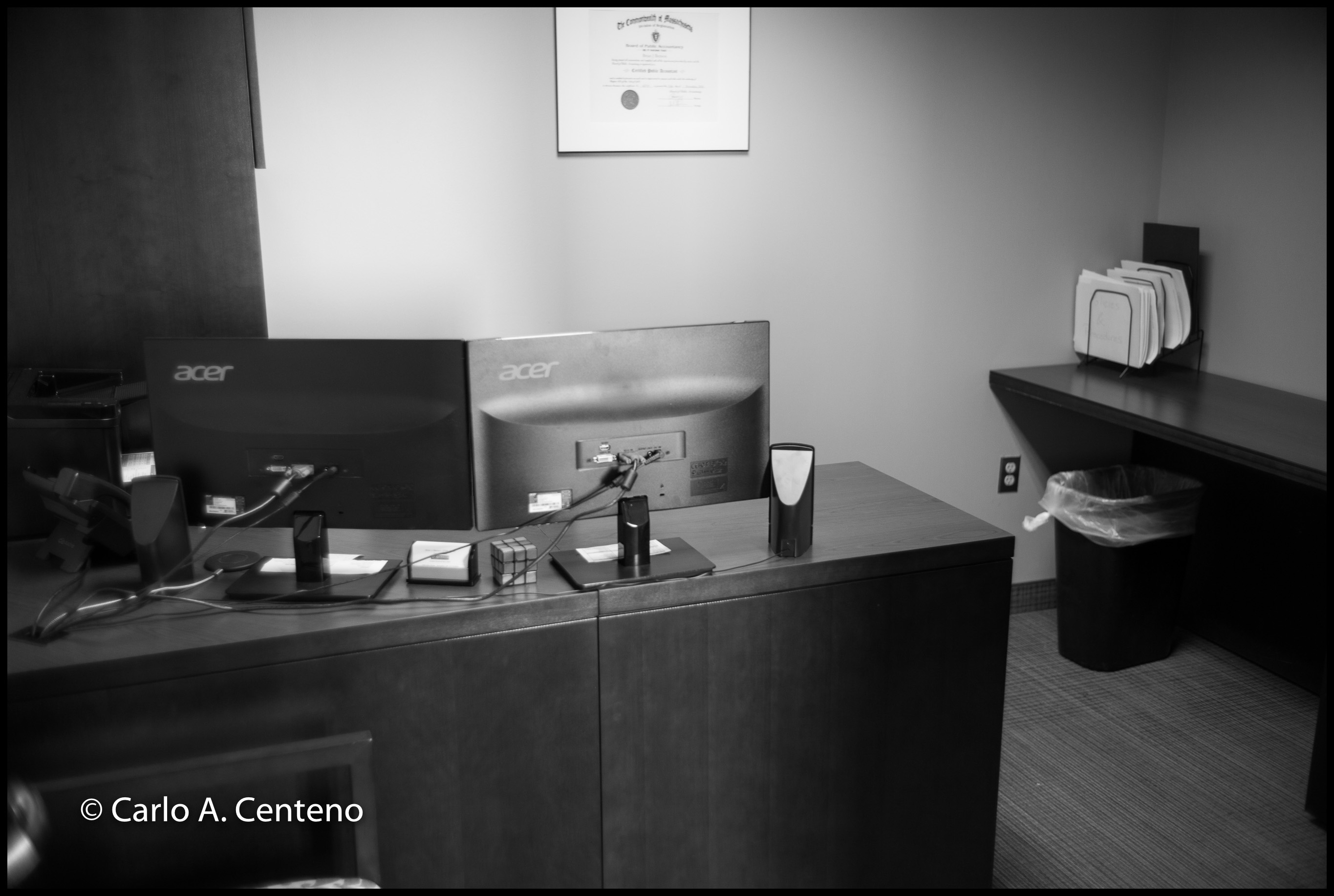
Our Office: 3-weeks into the work-from-home mandate

For many of you seeing this post, the images are pretty droll. But for others, they are vignettes of time standing still. Those who work from home can identify with this temporal bookmark: a stasis of space rendered incomplete by the obvious absence of the worker that usually occupies that space.

We are a small firm, all told 29-strong. The majority of us have been working here for at least 10-years.  Such employment longevity can be unusual in our current modern world, a world measured by thru-put, output, speed and running changes all in an effort to gain some competitive edge or level of differentiation in the marketplace.

I’m a department of one, whereas others have at least 2 workers in their department.  My point being is that I’m only as good as the people around me. So I rely on their perspective, understanding and emotional ownership [if so prompted] of the marketing and advertising concepts, images, copy and other content that shape our brand. They are my soundboards, proofers, editors and contributors.

The spaces presented here have a functional importance, which individually and corporately, make the firm succeed. In the end though, it’s the people that define our culture, indeed all cultures. The latest technologies and operating systems are all well and good. Each of us—replete with idiosyncracies, quirks, things positive and negative—add immeasurably to our collective professional mission.

You won’t see anyone in the photos, but if you look closely enough, you may get a sense of their significance.

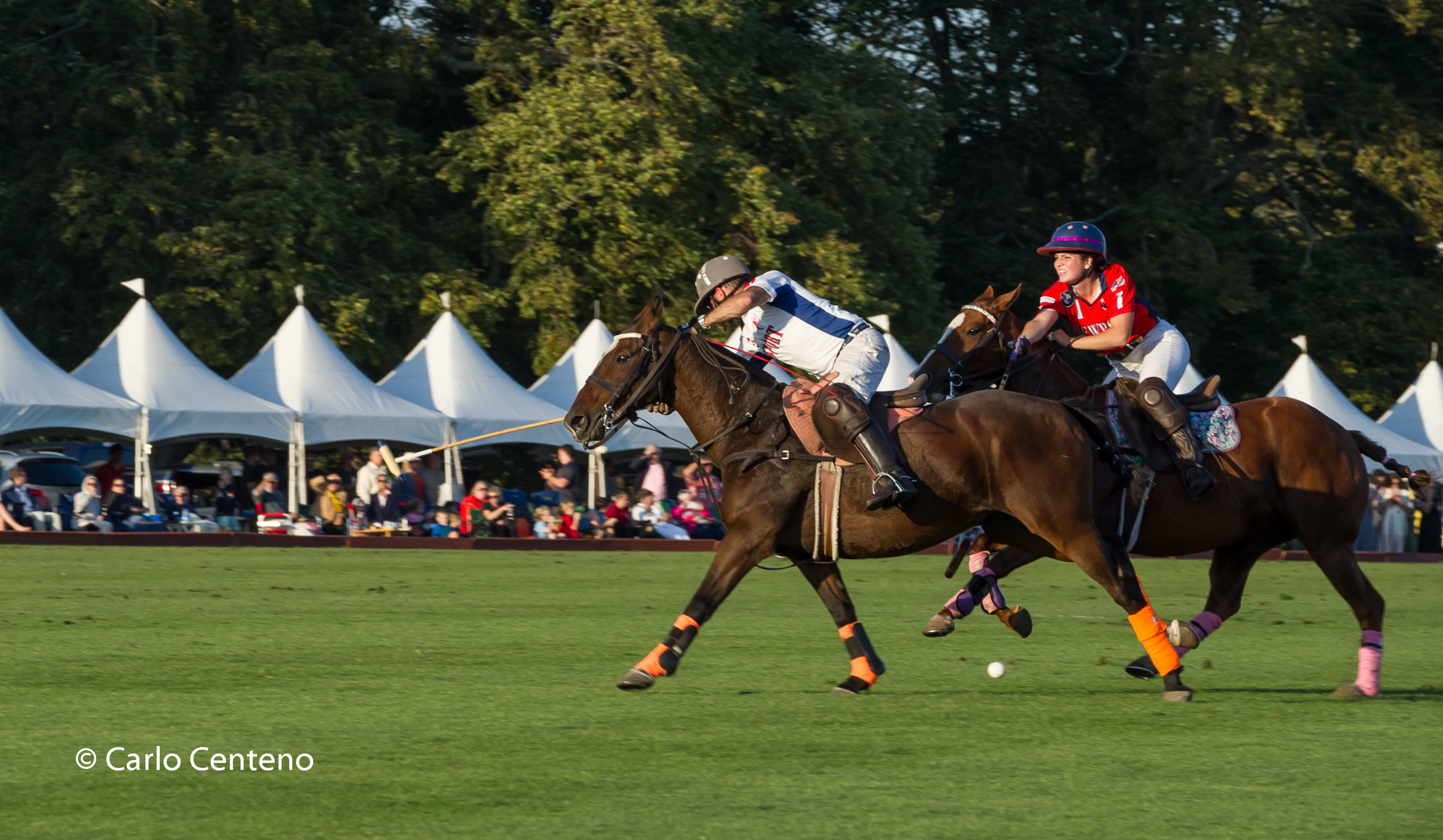
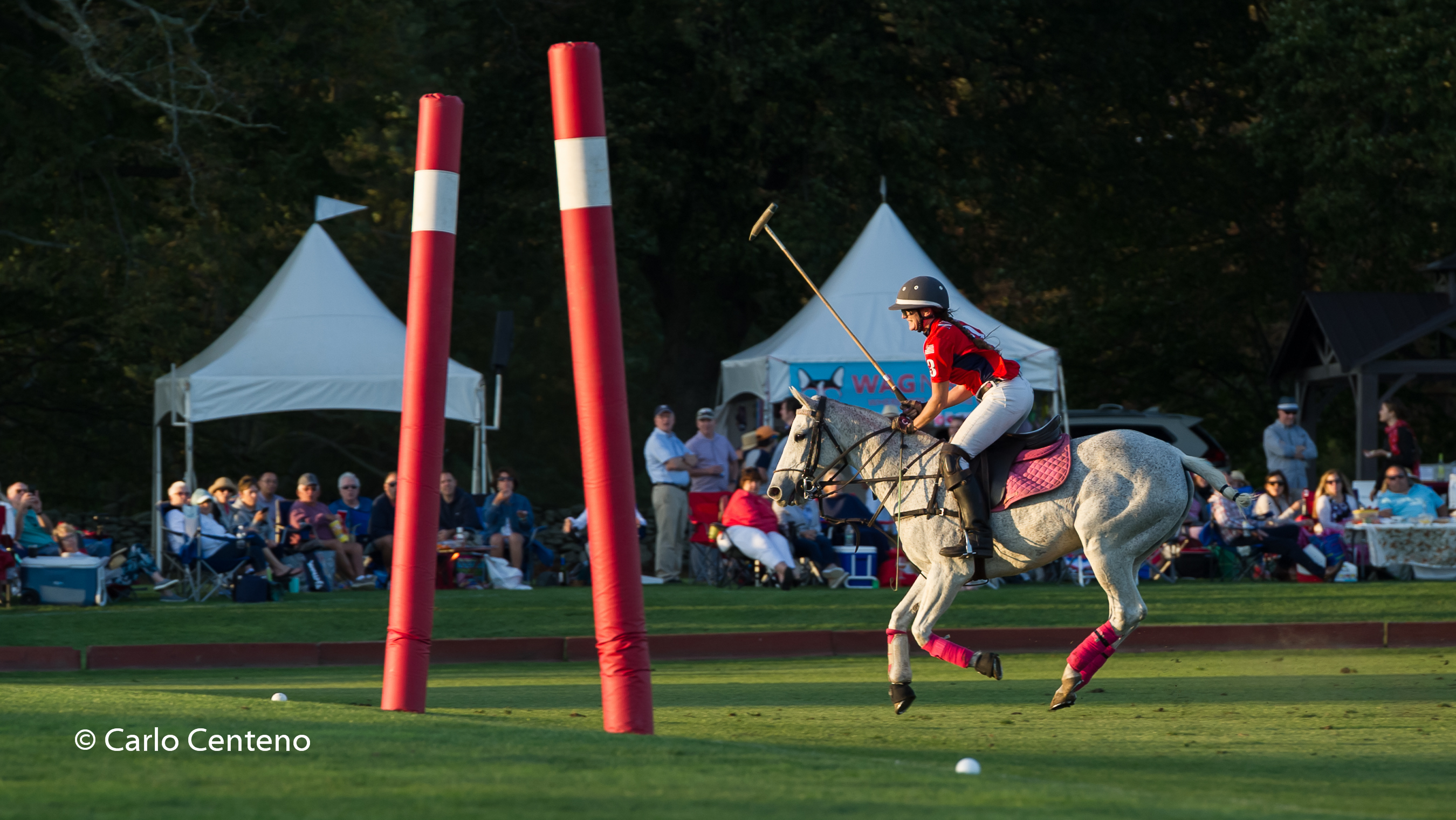
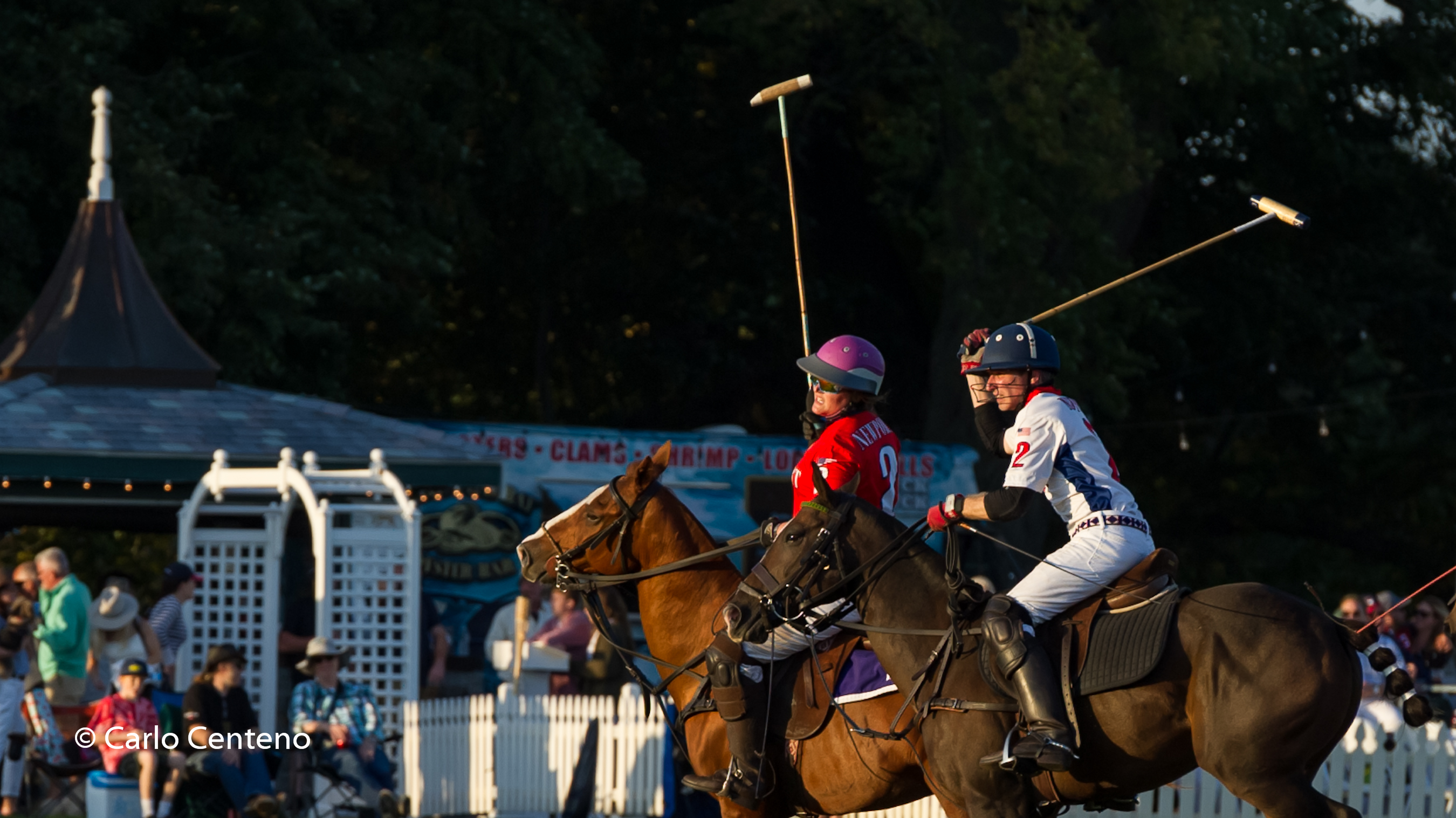
Newport International Polo

If one would be literal about the sport of Polo, it could be more accurately described as “Field Hockey on Horses.” For  the cognoscenti, it’s known as the sport of kings.

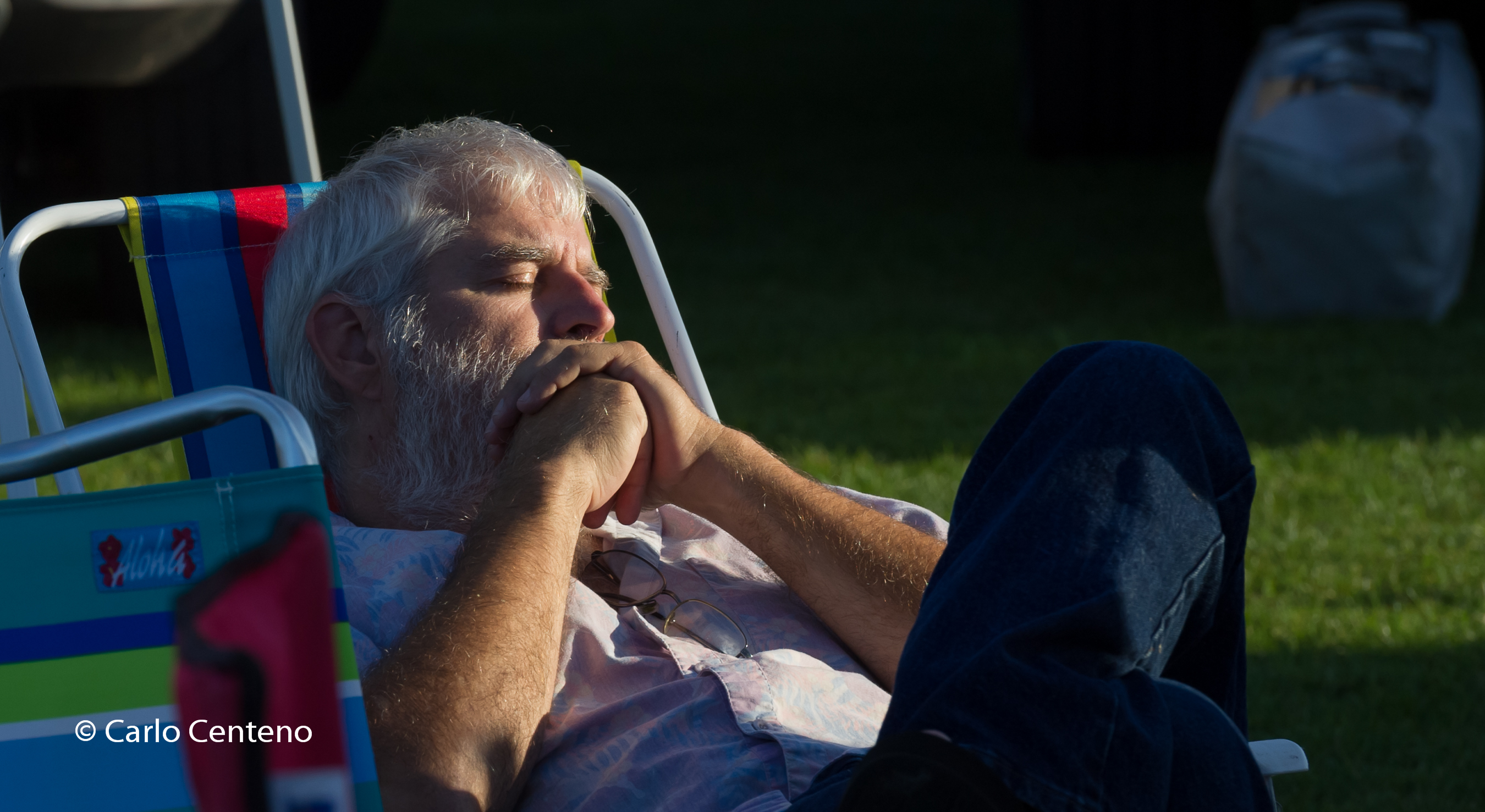
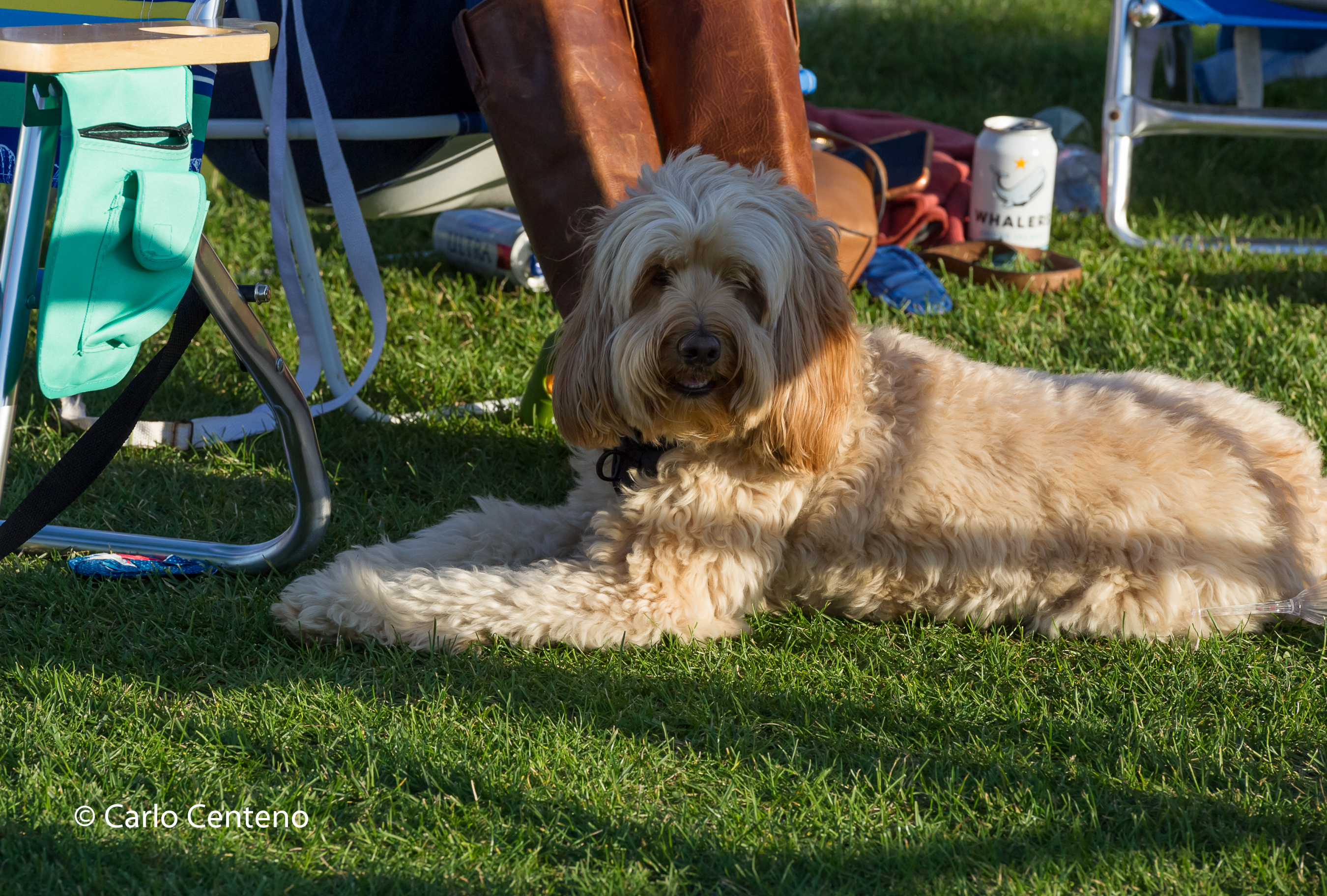
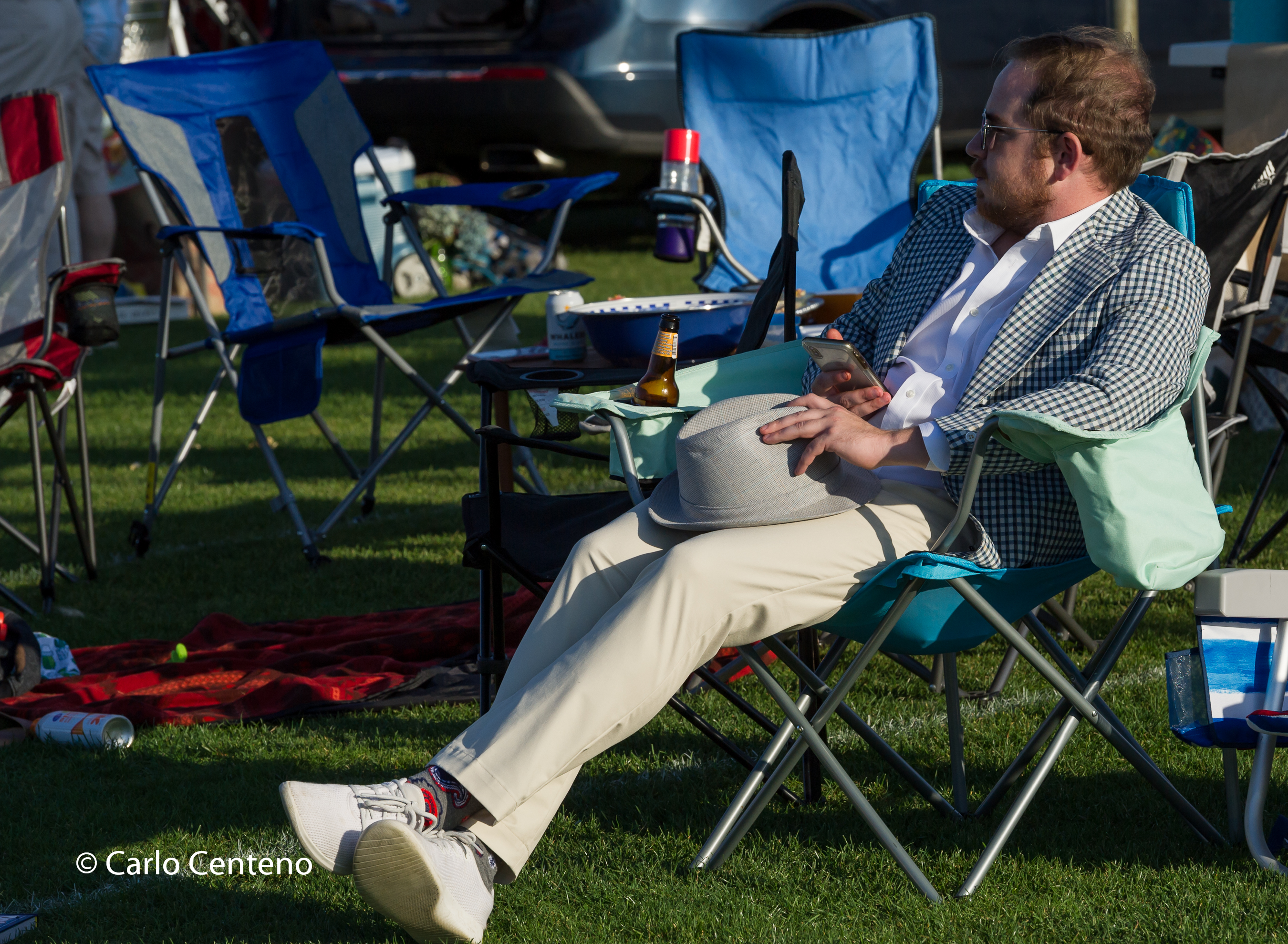
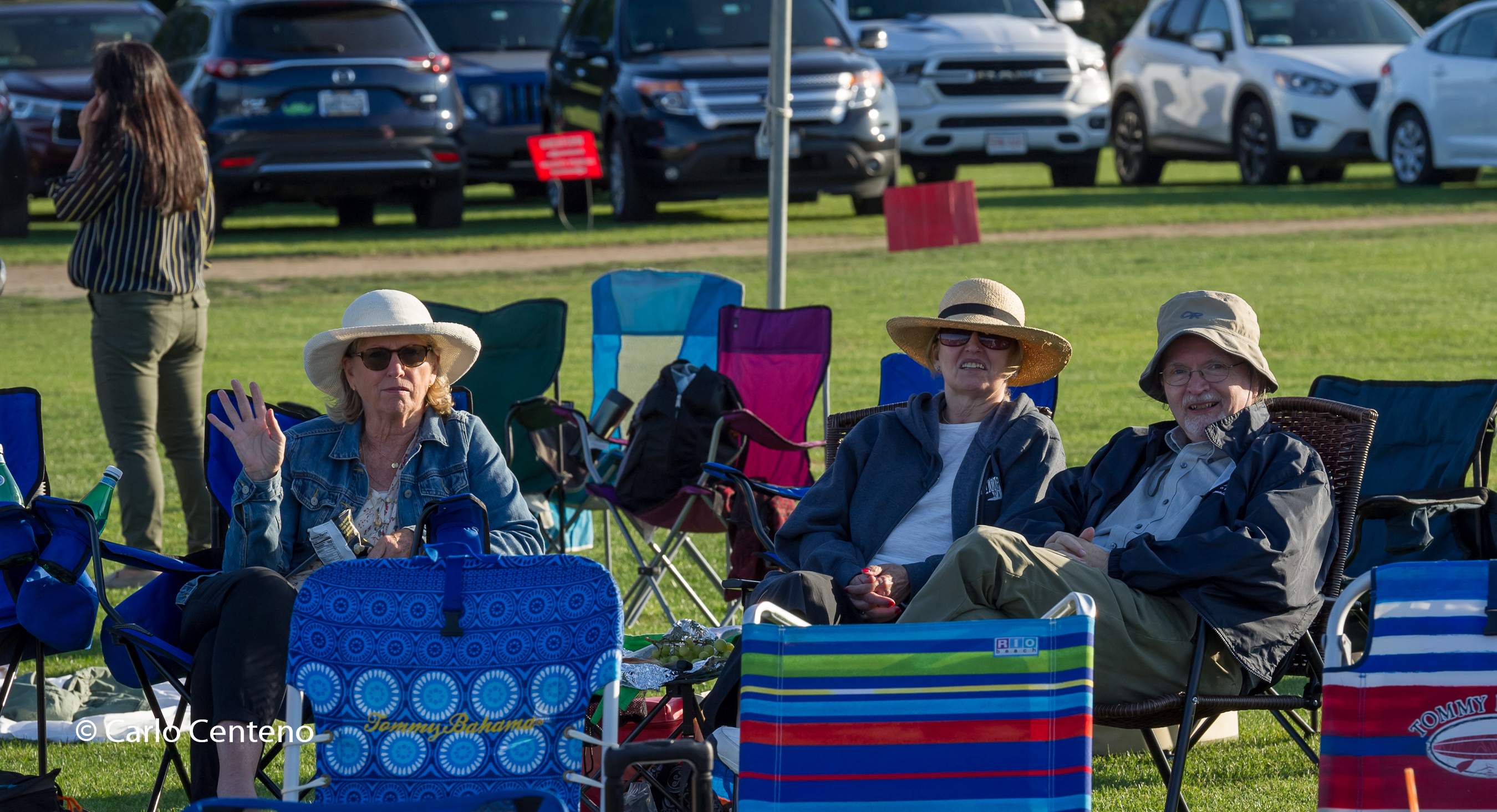
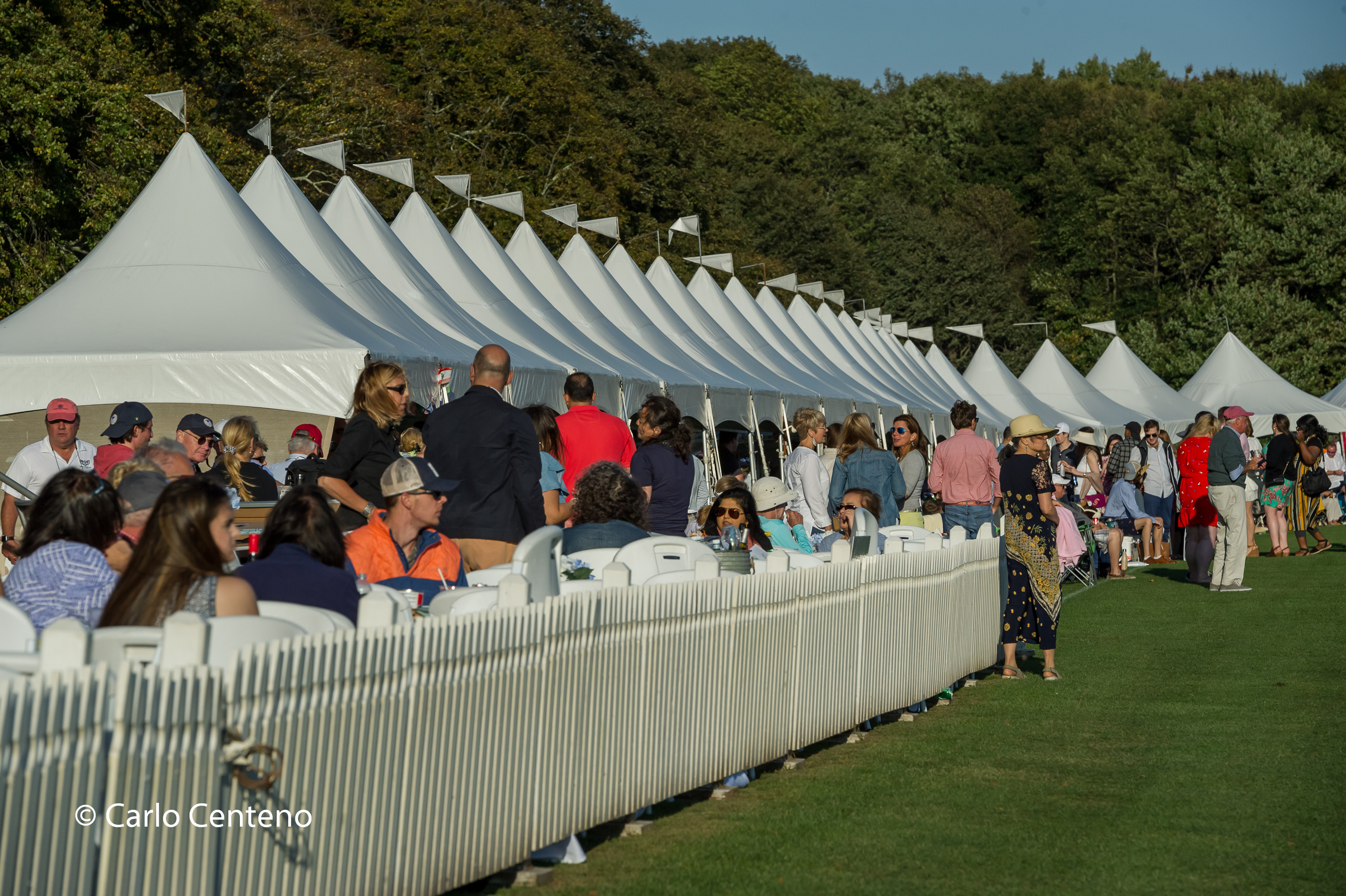
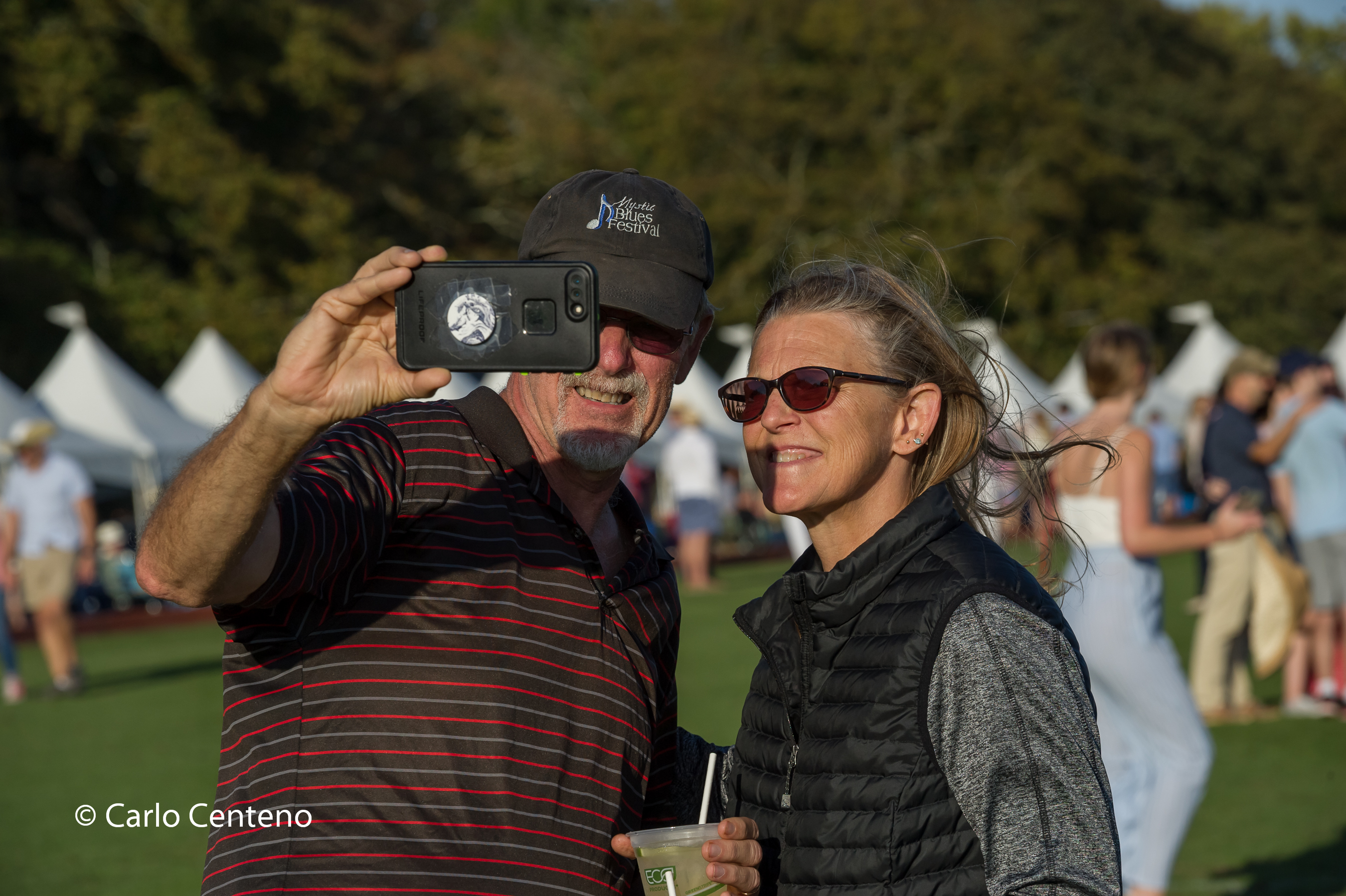
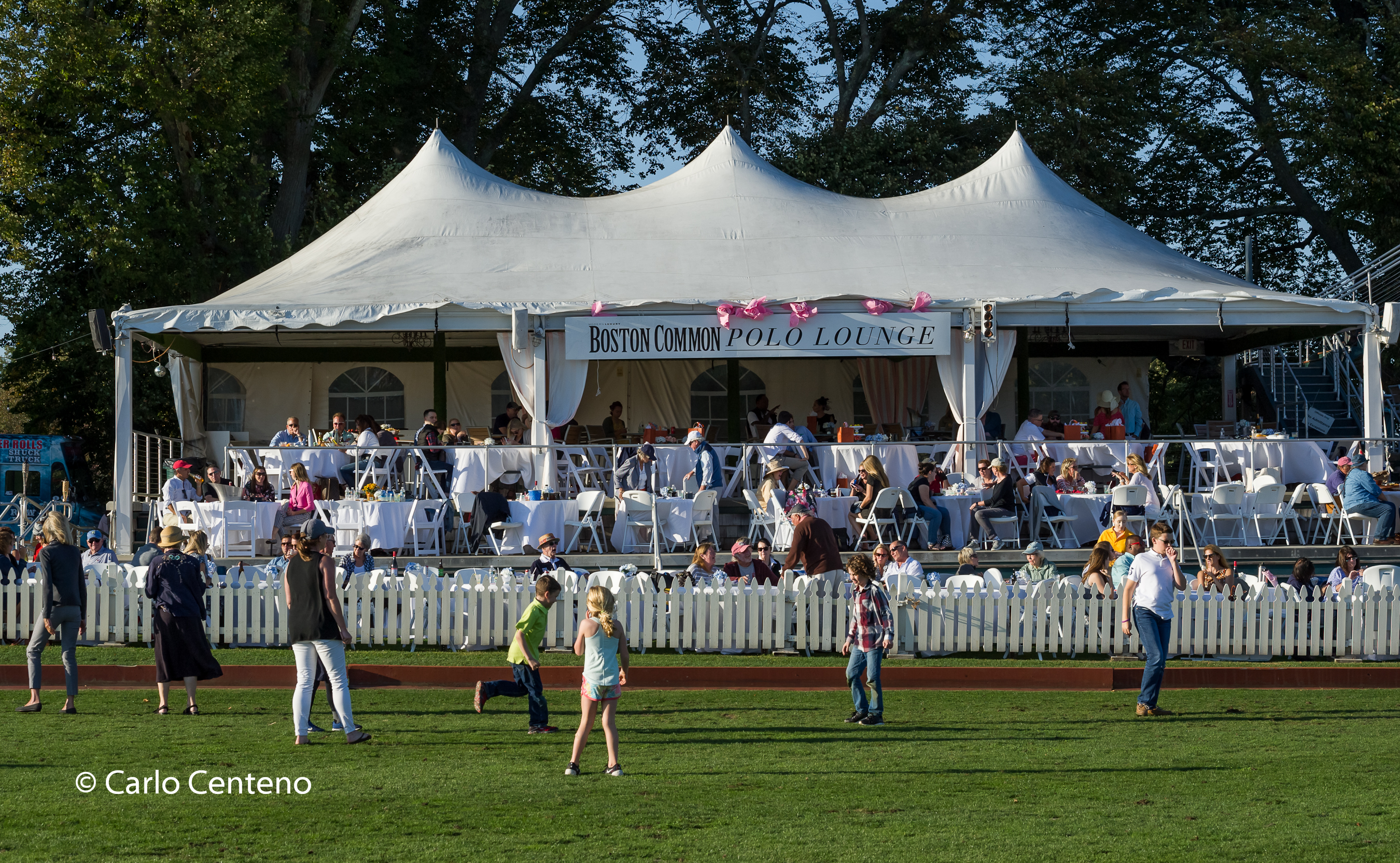
The Newport International Polo Series just finished its season at the end of September. While polo is often touted as a high-brow event, the match I attended was that and surprisingly much more than I expected: family, dogs, picnics, lively conversation, kids playing about, grown ups playing Bocche Ball, a game of catch, etc. all away from the playing field.

A congenial atmosphere on the grounds made it easy to enjoy the match and for the neophytes among us, a chance to learn more about a sport that demands much from horse and rider.

An entertaining task—and fun for many—was the half-time tradition of the divot stomp.


Ode to Imaginative Playing

Wherever and whenever possible, the grandsons engage body, mind and soul in imaginative play. And it’s good for them. We encourage such play and the possibilities that open up for their young selves.

If you watch them, listen to them, their imagination and enthusiasm bursts with a palpable vigor of discovery. We could learn a thing or two from such unbridled vigor.

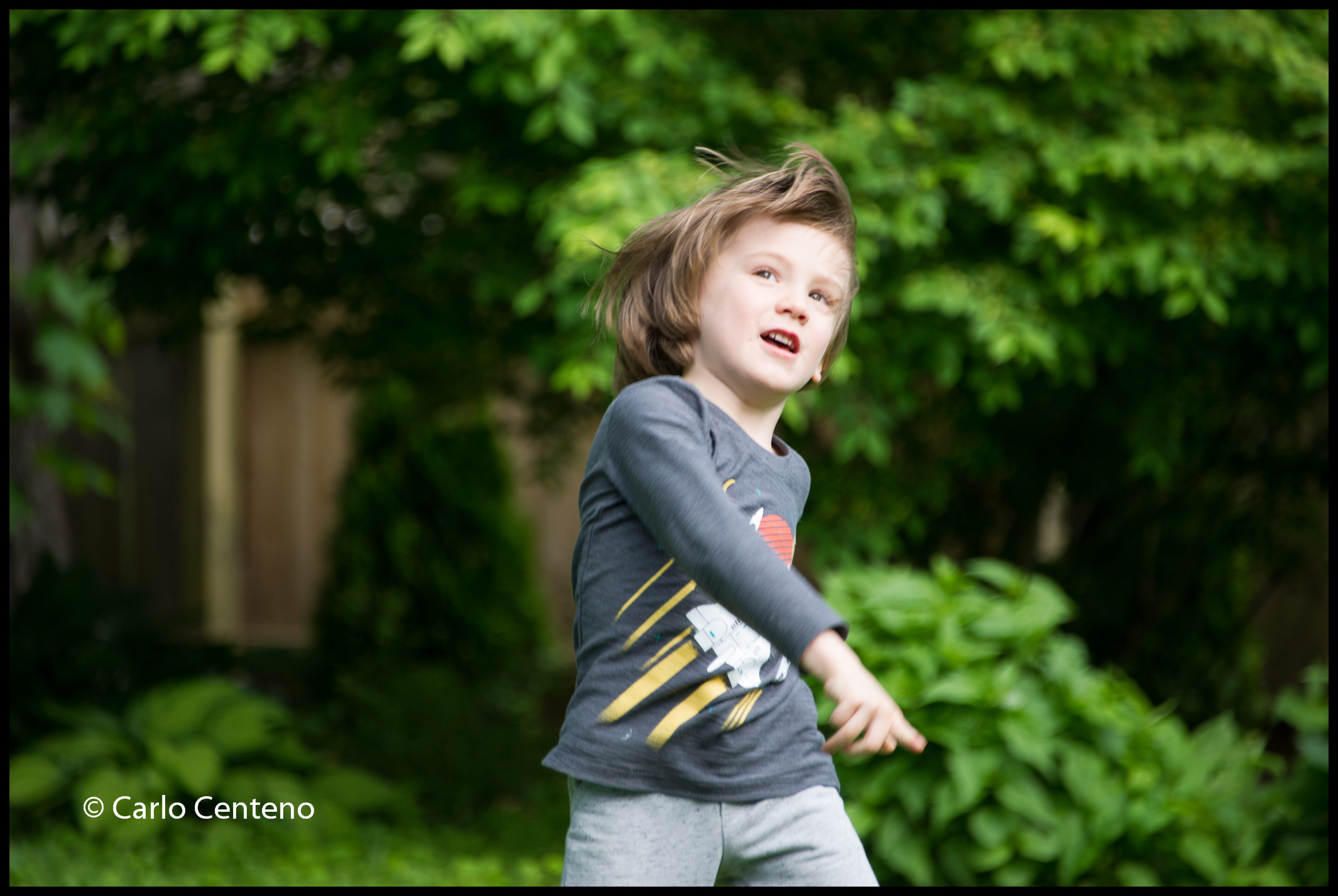
An arm extended is a wing just as the rushing, whooshing sound from their mouth is that of fast-moving air giving lift to the aircraft. You can’t ignore their commentary for it further explains the depth of their imagination and understanding of how they play. “He’s way up in the sky…diving down then up again…he goes very far and very fast.”

I see in all their  imaginative play a power that exceeds that of any CPU. What they emotionally and physically feel, the how of what their mind’s eye offers, when they encounter a challenge [“He won’t share the glider!”]—or arrive at a compromise or solution—every bit of it adds to their development as communicators, problem-solvers, collaborators and empathetic beings.

Indeed seeing these two boys and all that they say and do remind me to nurture my own imagination.  At least not to ignore it. The why of such nurturing can liberate and acknowledge a sense of purpose and triumph.  Many of us are unlikely to realize our loftiest, most ambitious dreams and goals, but pause and think again.

Our imagination can fuel possibilities that can manifest into a journey that’s not only our own, but a story genuine to our sense of self .

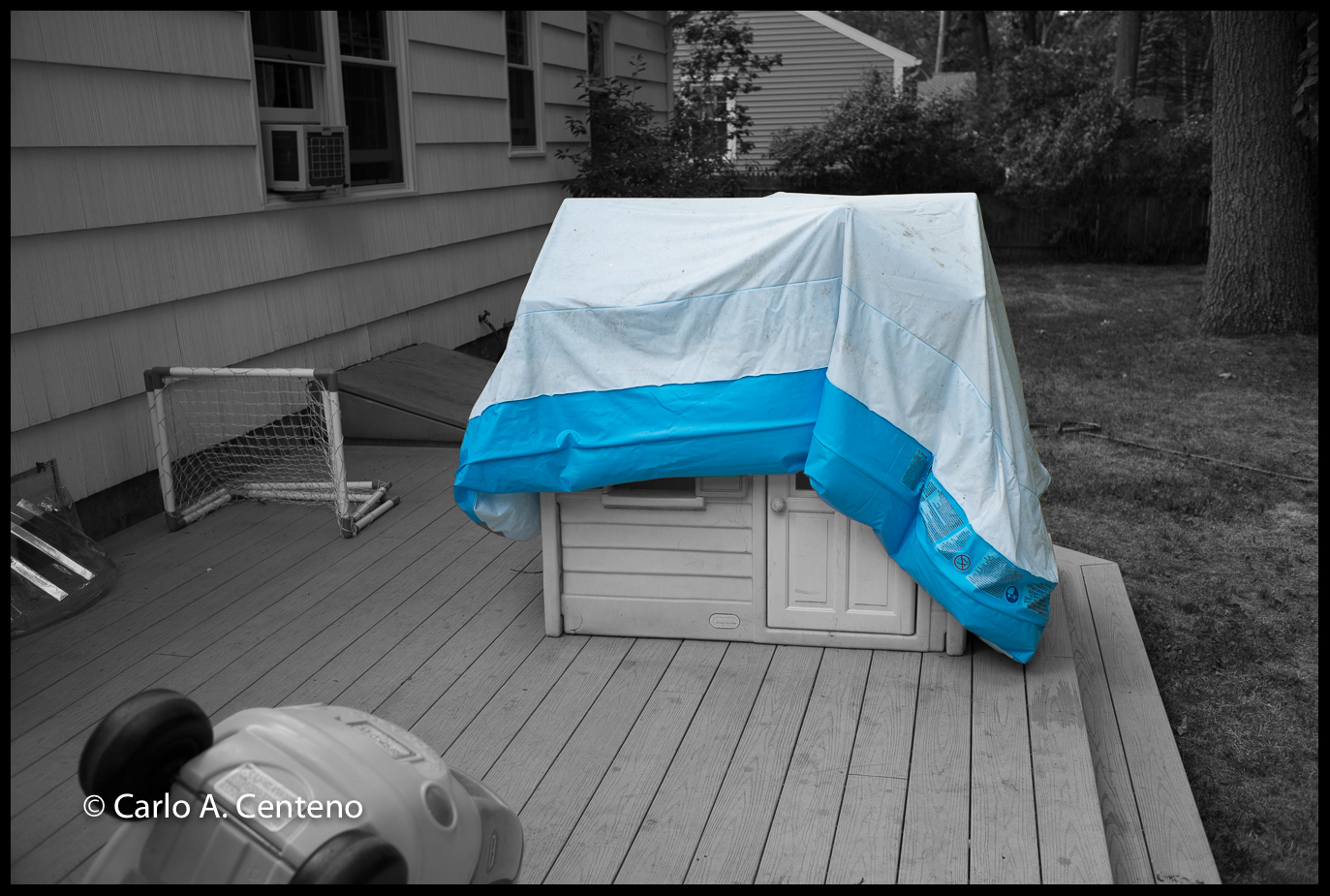
Nothing but Blue Skies…

“Blue skies, smiling at me, nothing but blue skies, do I see.”  Irving Berlin

It just hit me. This color blue. It was electric, cheerful, optimistic, surreal and more. Not sure why, but it just was.

So, I took a  photo.

Ella Fitzgerald recorded a terrific rendition of this song. Perhaps we should cue it up and listen to it more often. The lyrics just might move you from a place you don’t like, to one that’s much more hospitable if just kinder.

Clearly Clear

The most fearless among the fearless are the workers that brave conditions which make our primal–often most private fears–come to surface.

The professionals who clean the windows of tall buildings are a good example of the breed.

To think they’re suspended in place with nothing but a saddle harness, a rope connected to that saddle, and the rope routed typically through a figure-8 or other type of belaying device. And where that rope is anchored on the roof is a mystery to me.

Not surprising, but always impressive, the windows are wonderfully clean and clear.