Demographic Segmentation & Marketing

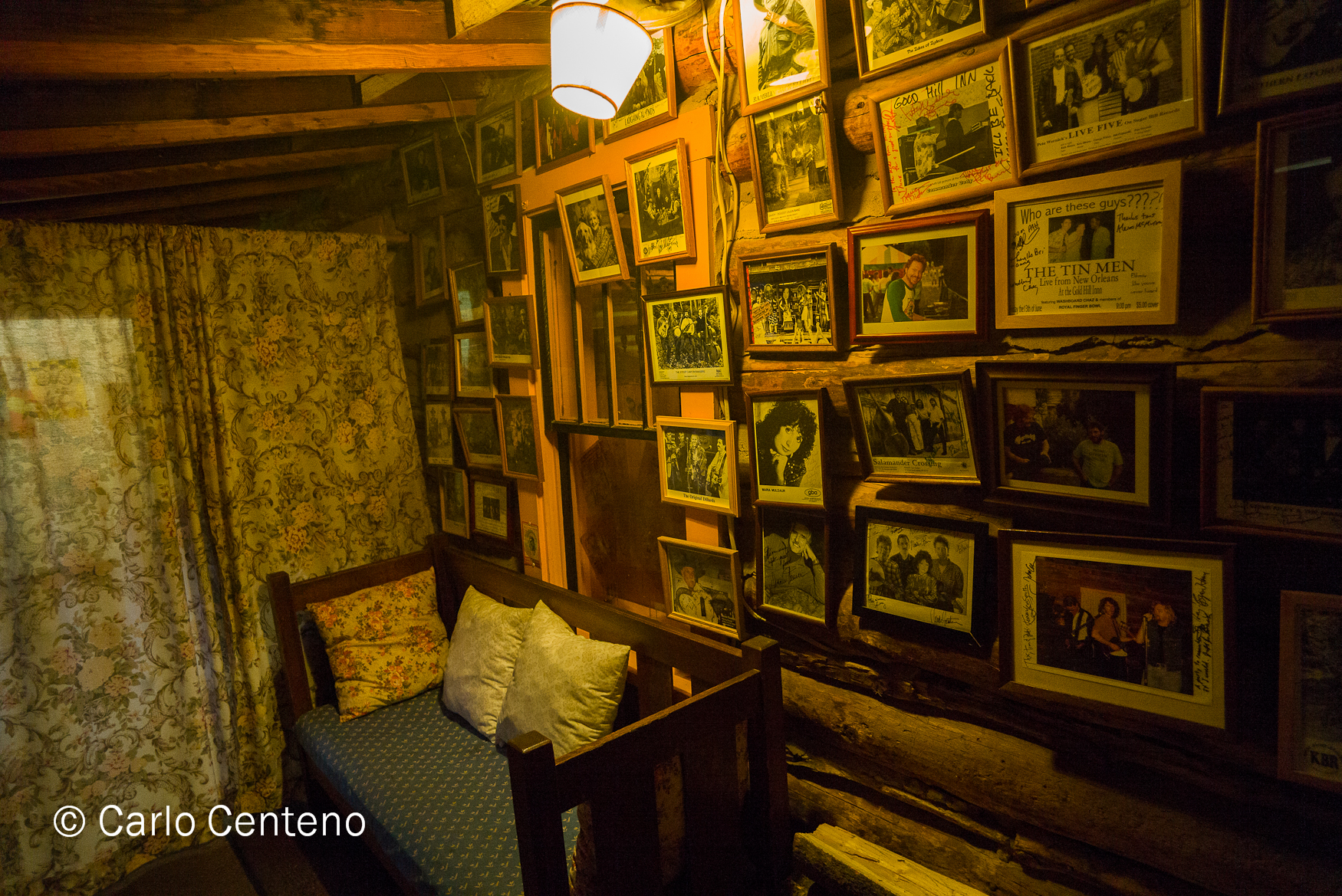
15 Trinity College-1005298

I learned early on in my career that market segmentation is but one level of segmentation. I think of the process as one of differentiation. Demographic segmentation requires specificity in a cultural subset. In other words, you don’t place spanish-speaking people as solely spaniards any more than those speaking french as frenchmen.

The subset is of material importance. Spanish-speaking people come from many places other than Spain, ergo the same for french-speaking people living elsewhere than France. Think Puerto Rico, Mexico, Columbia, Dominican Republic for the former and Quebec, Monaco, Ivory Coast and Belgium for the latter.

There has been a tremendous amount of buzz regarding LGBT civil rights. Ireland is the first country that recognizes same-sex marriage after its citizens voted it so just this past May. Caitlyn Jenner is a household name and we’re likely to hear a lot more about the former Bruce Jenner’s transgender journey.

15 Trinity College-1005250

So, what does this have to do with marketing? For me, plenty.

First and foremost, we’re dealing with a community of people. Many countries treat LGBT people like criminals. In no uncertain terms, being lesbian, gay, bisexual or transgender puts you on death row in several countries. So, tell me where’s the real crime taking place?

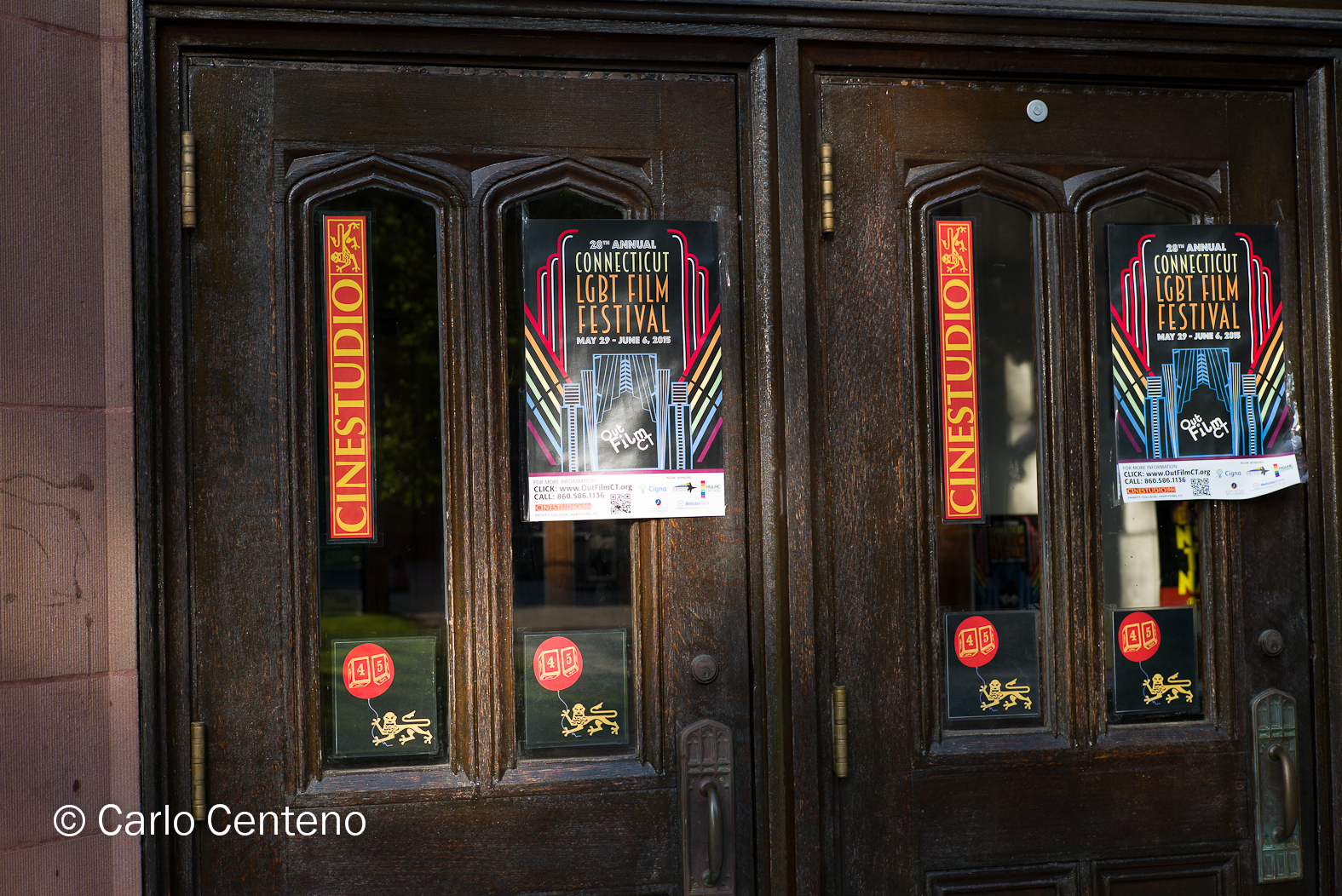
I recently attended a screening at the 28th Annual Outfilm CT Film Festival held on the beautiful campus of Trinity College in Hartford, Connecticut. From May 9th to June 6th, controversy, art, education, tolerance, intolerance, inclusion, love, forgiveness, the banal and the beautiful were expressed across a variety of films, short and of feature length. The films I watched provided a temporal take on LGBT concerns as well as the eternal qualities of love, acceptance and foregiveness.

There’s also the economic take that cannot be ignored. LGBT folks are contributors and consumers. Some hold high-level positions in business [Tim Cook, CEO of Apple, e.g.] Yes, the human costs are invaluable, however the economic costs can be calculated. If you need more information, this recent article from The Atlantic can shed more light on the value of the LGBT economy.

15 Trinity College-1005289

How important is the LGBT community? Here’s the short list of corporate sponsors of the Outfilm CT Film Festival: Pratty & Whitney; CIGNA; The Hartford; AARP; Aetna; Baccardi; Barefoot Wines, among others…like the firm I work with.

In addition to other key designations and credentials, Michael Matty, the President of St. Germain Investment Management, holds the following: Accredited Domestic Partner Advisor [ADPA]. While segmentation is important in marketing analysis, inclusion holds its own relevance as well.

The home that becomes a house

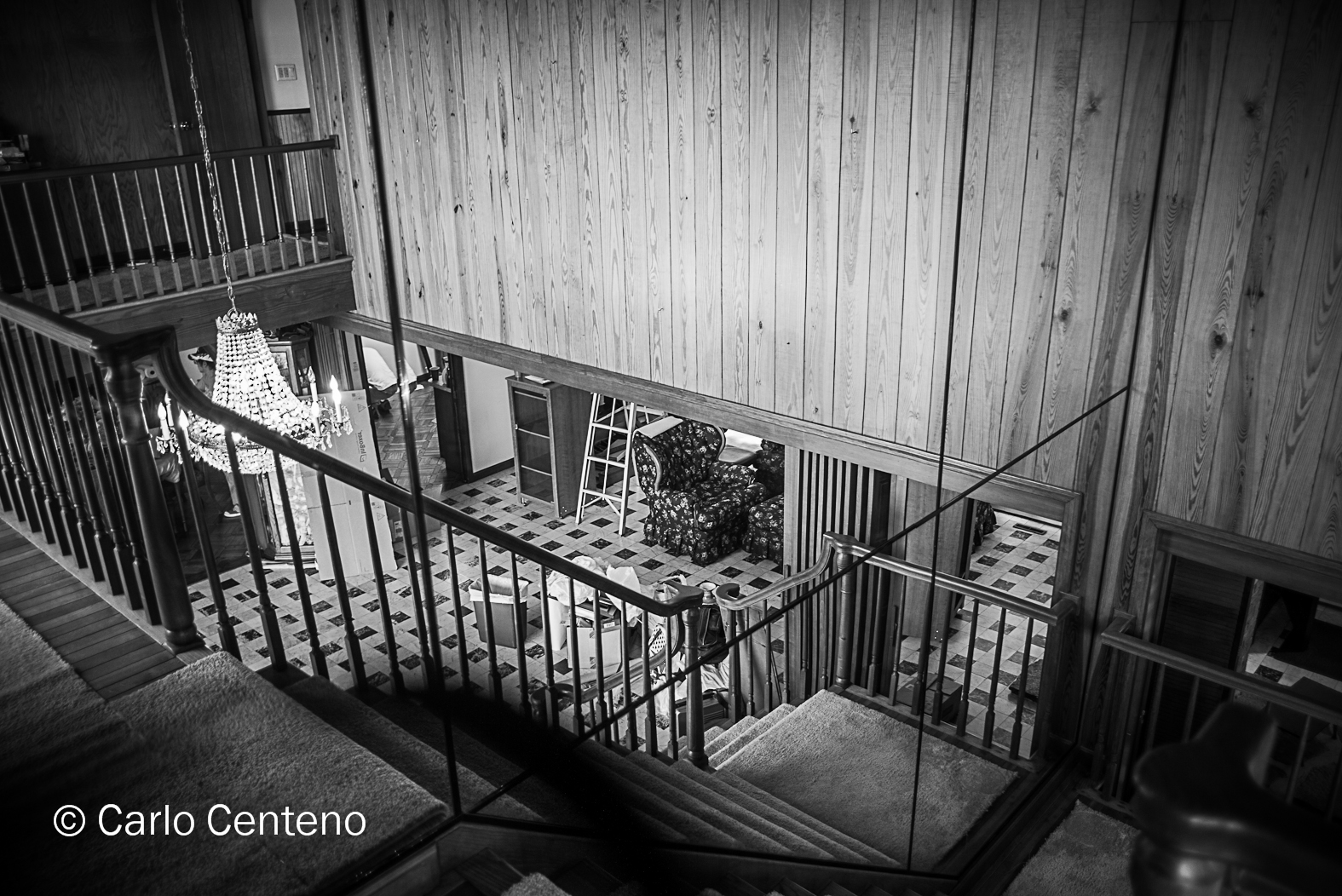
15 Homestead-1004999As is often said, the only constant in life is “change.” From the simple, to the complex, there’s an undeniable commonality about anything that changes: something is altered, modified, created or destroyed.

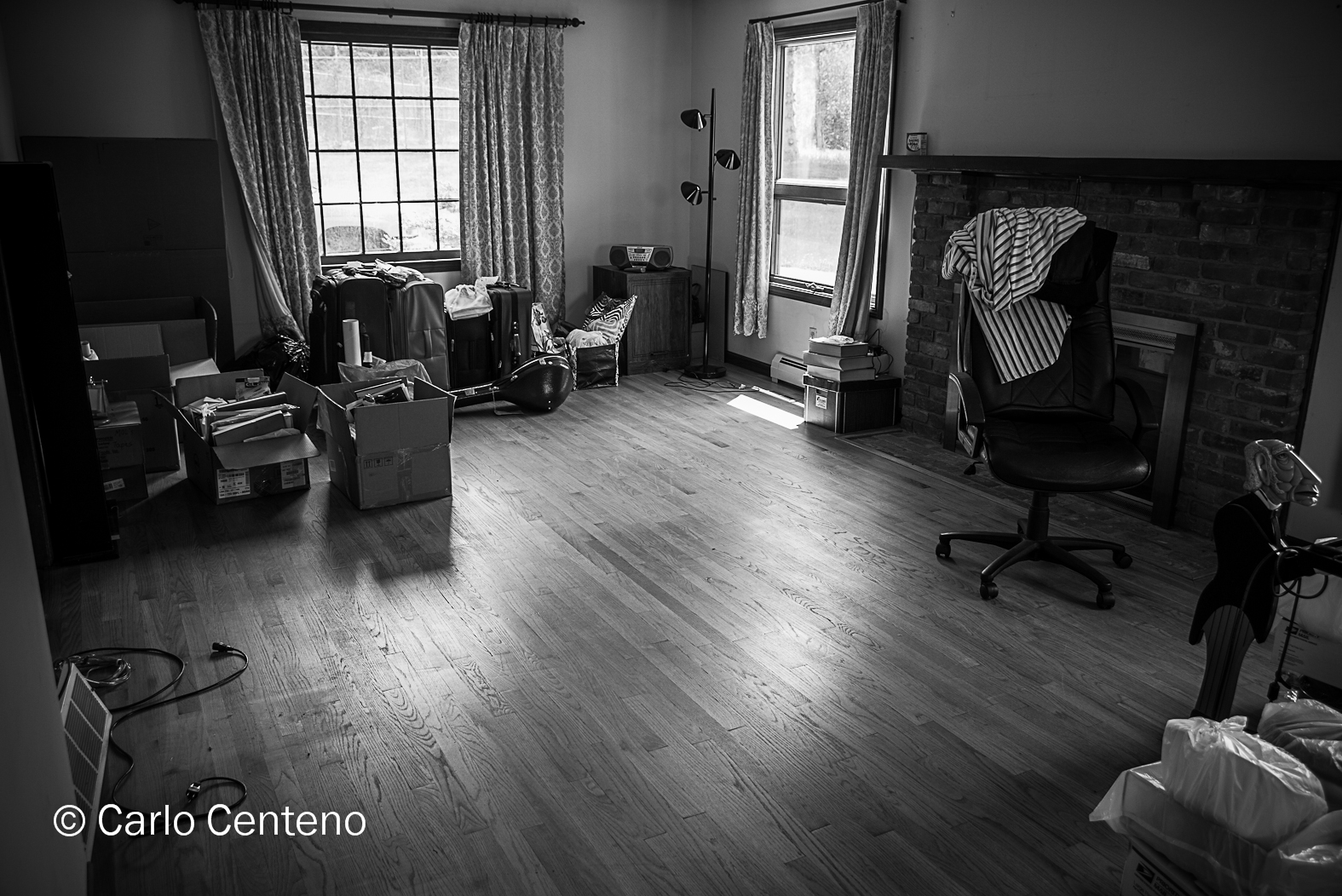
Such is the case when the Homestead recently sold. No longer a home, it is now a house, an empty canvas ready for what every new homeowner does to a key living space: change it to make it their own. In effect our ancestral abode has shed the attributes that made it our home. Think of a brand losing or morphing its attributes into qualities altogether different. Such qualities are not entirely alien, but changed enough to see and feel a difference from what was once a space all too familiar.

15 Homestead-1005000

It’s been decades since I lived at the Homestead full-time.  At present, I choose to recall good memories as the not-so-good memories dissolve into the negative space created by vacated furniture and other items. As noted in a lyric from a Carol King song, “…yesterday’s gone, but today remembers…”

15 Homestead-1005011


15 Homestead-1005008


15 Homestead-1005005


15 Homestead-1005003


15 Homestead-1004992


15 Homestead-1005002


A Timeless Reunion

73 LC crt B+W-7010

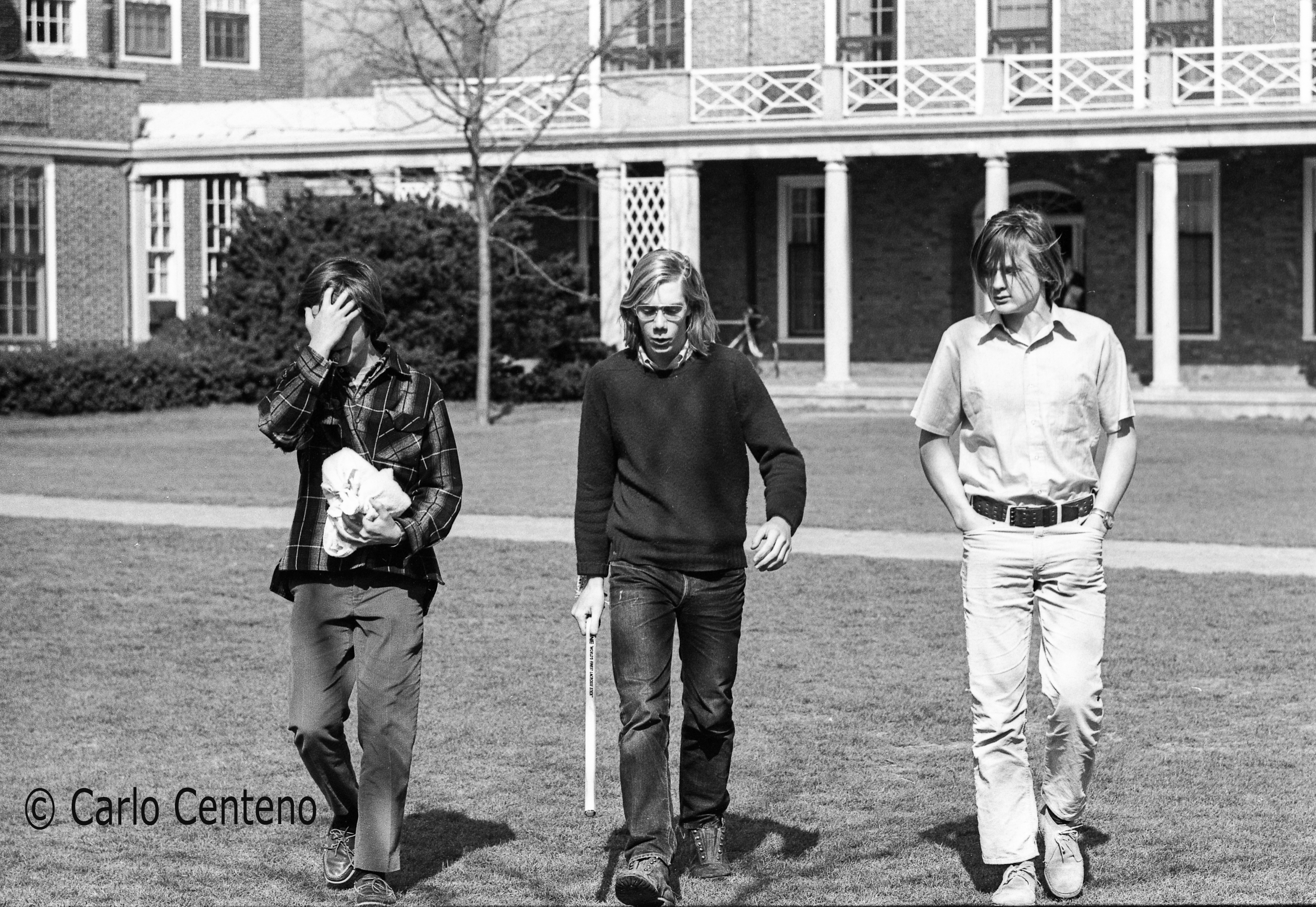
I had a reunion recently. In the real sense of the word, I did see my high-school classmates and enjoyed listening to the way their lives took shape after graduation. Aside from [some] grey hairs, balding heads, [slightly] heavier waistlines, kids in and out of college, the many memories that circled back to greet us were good ones.

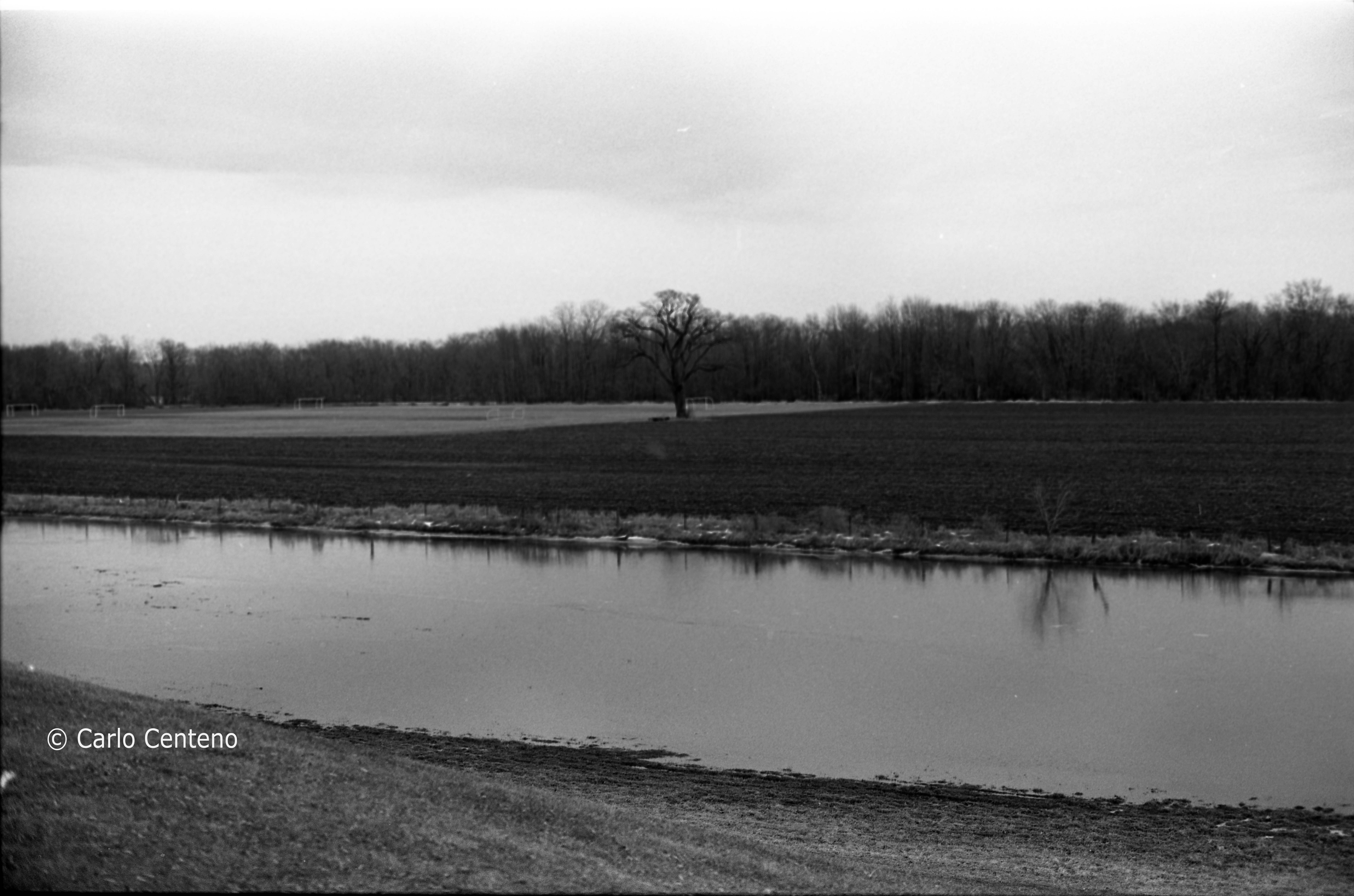
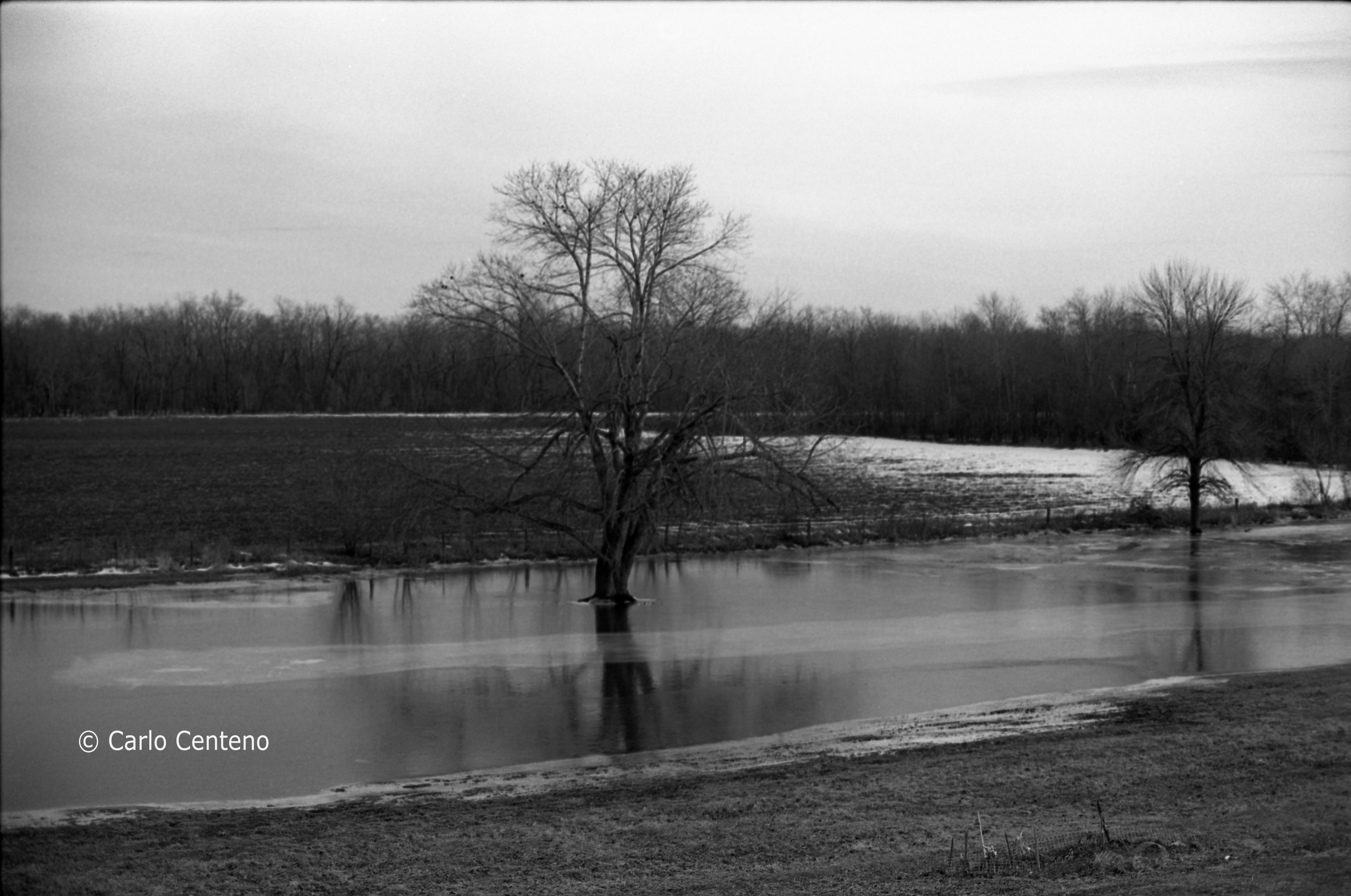
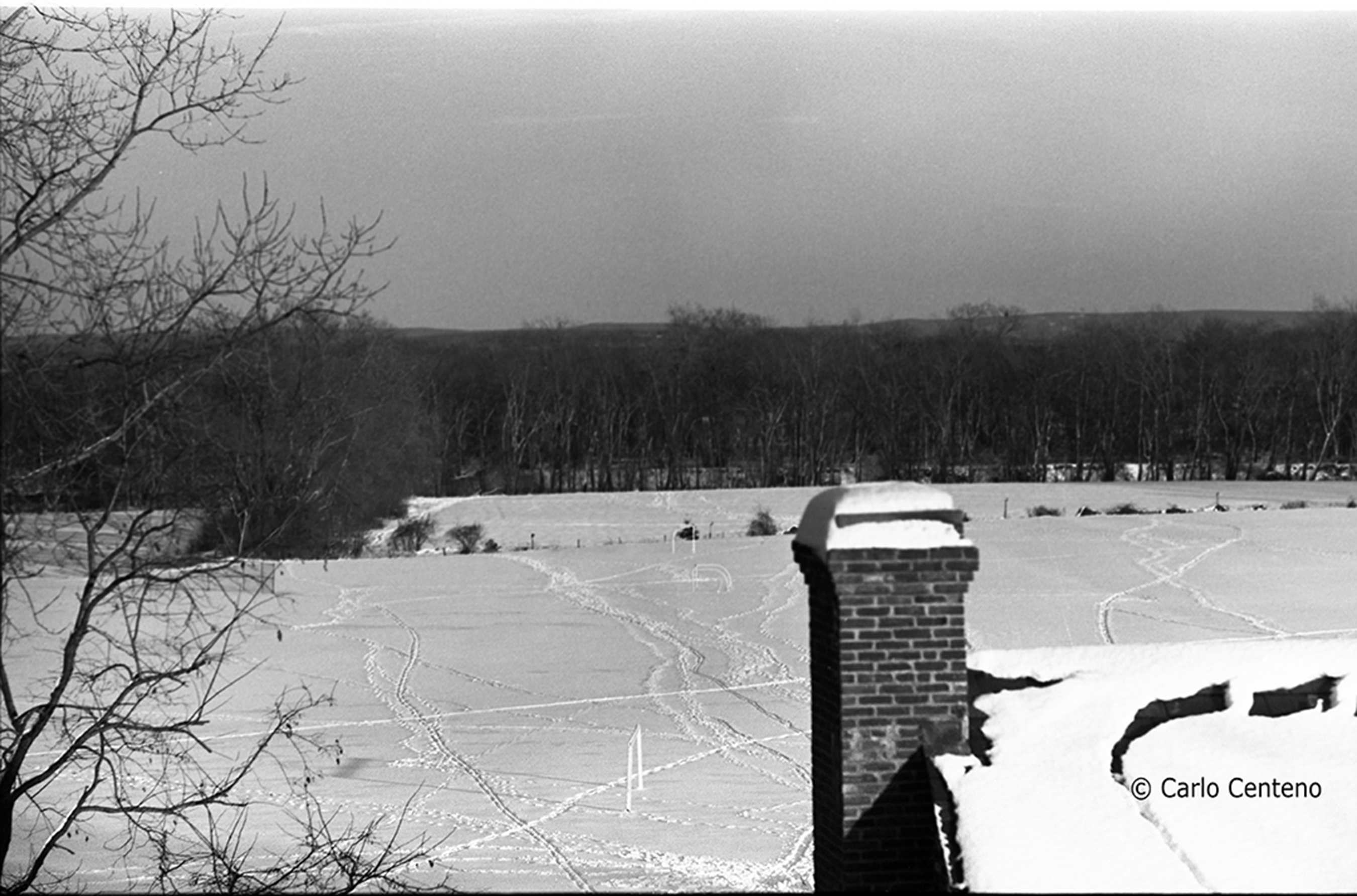
In another way, I had my own personal reunion with one of my binders of negatives. I found images from my days at L-C in Connecticut and decided to revisit them, though this time in a digital sort of way: scanning and rendering in post production. One thing’s certain, it’s much easier to scan and develop versus pour, measure, pour again, agitate, rinse, pour, fix, rinse, etc. etc.

The farm fields a la the soccer/lacrosse fields were still there. That pond is gone. I could’ve done a “before ‘n after” photo line-up, but decided, no, the before image has more meaning and substance. The “after” image—like others of its kind—looks too clean, even sterile.

73 LC crt B+W-7011

What’s missing in this photography reunion is the ambiance, the nuance, the visceral energy of darkroom work. Your senses are so much closer to the image during development. You feel the smoothness of the paper when wet, made even more so with the addition of a wetting agent to promote spotless drying. The piercing smell of rapid-fixer reminded me to make sure the exhaust fan was on. The glow of the soft, red, safety light confirmed my presence in this other world, a place that made me feel safe, included and perhaps artistically complete.

73 LC crt B+W-7009

This is a matter of opinion, but those negatives some 30-plus years old have held up rather well. Aside from dust marks, some scratches here and there, the emulsion has endured, and continues to do so. This is one of the things that I miss/love about analog photography. I can open a box, a binder, some glassine sleeves loaded with film and hold anyone up to a light source and immediately understand that there’s an image in front of me. I may not wholly comprehend what I’m looking at in a cognitive sense, but emotionally, there’s just something magical about looking at something that doesn’t need anything more than light, careful handling and a curious eye.

70 BW crt KevLefChurch L-C-2-8

Untitled

15 January-003
As much as I do like shooting digital, I admit a soft spot for all things analog. My roots are in film photography so that has something to do with all of this fascination for the old. I hope film never goes away; wishful thinking, but such is the march of technology. For now, wherever I can find film—some reasonably priced—then I’ll fetch a couple of rolls or so. Outdated film is fair game as they produce a different feel altogether. I think we get too hung up on histograms and color balance so much so that we dampen our feelings for what photography can bring to us.


15 January-002


With winter’s short days, I get pulled into the boldness of both light and shadow. And when the weather is just uncooperative—really windy, extremely cold, etc.—I’ll get involved with film, a light meter, a medium format camera and sometimes a tripod. 

15 January-006


15 January-005

Chasing the Light v2

12 NewOffice 21mm BW1-24-2012-1000226


12 NewOffice 21mm BW1-24-2012-1000230


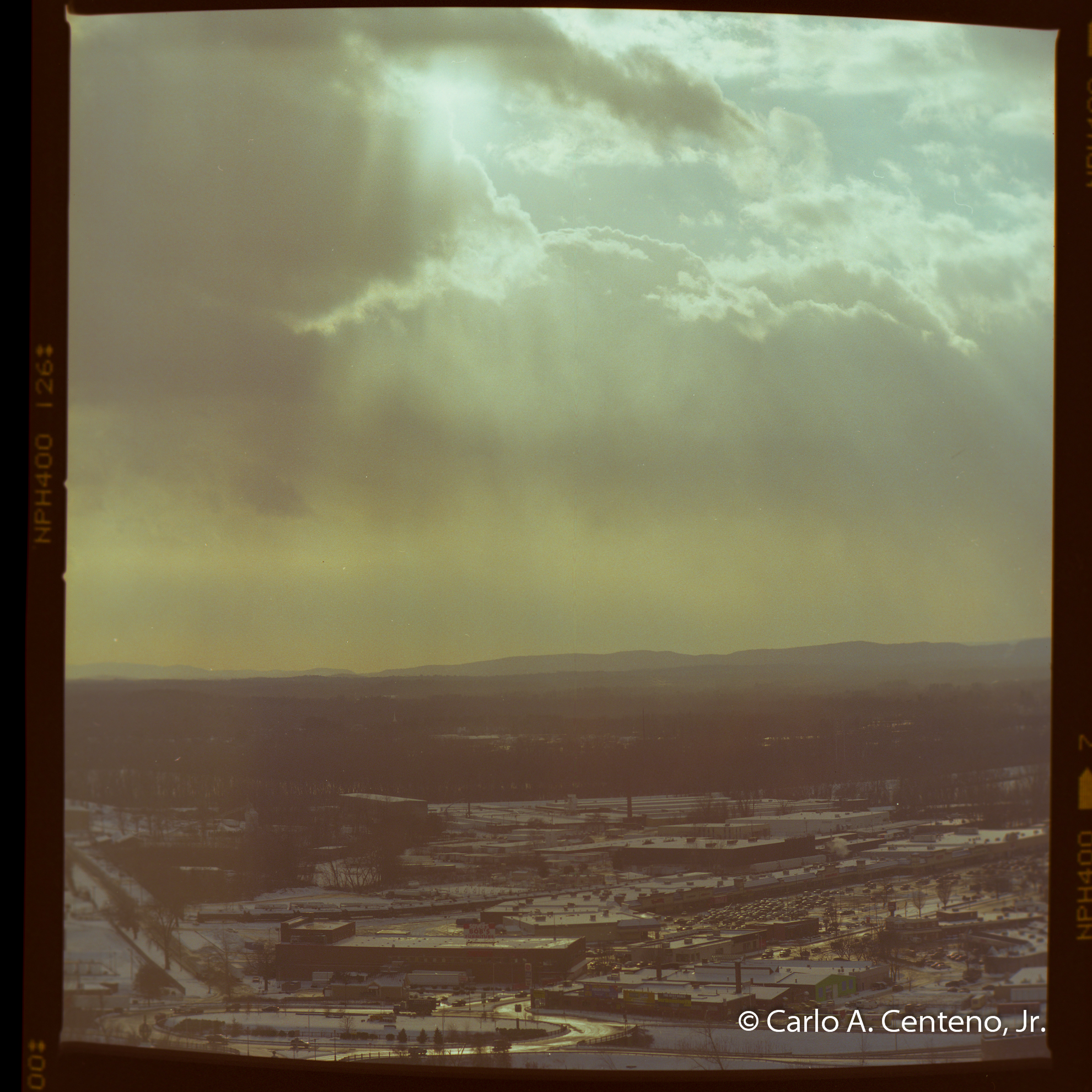
From another vantage point—in this case 25 floors up—light takes on a whole new feeling. Chasing the light from a high-rise slows me down because of all the details in front of me: the buildings, the shadows, the roads, the tracks, the river, the moving cars, etc. etc. etc. You can’t help but take your time scanning the vista in front of you. I took these in the late afternoon during a break from my desk and drudgery. They say getting light—outdoor light that is—is good for you.

I agree.

Feeling Juxtapositions

14 Fall Yel+Red-1004363

Is it possible to look at a color or series of colors that can make you feel cool or warm? The red potatos and yellow onions above suggest warmth. But do you feel warm or warmer? Probably not. They’re too abstract in its context for feeling or suggesting warmth. Instead, you might be thinking more about lunch or dinner. Being food items, your appetite might trigger thoughts of eating. Granted, red and yellow are warm colors, but our interpretation covers a gamut of possibilities, all dependent on the subject at hand.

14 Fall Yel+Red-1004378

Autumn is my favorite season. There’s an inverse relationship between the colors red, yellow and orange and that of temperature. As the season progresses, those warm colors emerge, some in magnificent fashion, but the days—and nights—grow cooler. I look forward to both the color and the much cooler days and nights.

14 Fall Yel+Red-1004380


I like the juxtapositions presented this time of year.

13 Oct-1002689

I love Fall’s palette of color, often greatly enhanced like a center-stage spotlight when the sun is either rising or falling.


13 Oct-1002695

One thing you cannot ascertain from any of these images is just how cold it was when the shutter was clicked. The first image, naturally, was taken at an indoor market. The others offered not only the colors shown, but a range of temperatures from way-too-cold-for-this-time-of-the year to downright balmy and pleasant.

I love this time of year…


Selfies and Brand Perception

Categorically speaking, the selfie is one of the top elements populating sites today. Somewhere in our digital world, popular media has put the spotlight on this ubiqituous “self portrait.” As much as I like coming across a selfie here and there, my preferences for this form of actualization is more personal if not deliberately planned. Not to say that a selfie cannot be personal for the sender or subject. Certainly to each his/her own; I’m in the minority as I don’t send or post selfies unless they’re for family. I suppose people who make selfies and photo bombs part of their daily life think nothing more of them. Thus, I can appreciate the spontaneity and the fun aspect of creating and sending them.

If selfies are genuine windows to our inner selves, then I’d think common sense should prevail. A selfie taken with pals in front of a questionable location will not play well. One example is the selfie of a twenty- or thirty-something doing same, with a brown bear in the background. If I recall, the location was in Alaska at a place popular with tourists and brown bears. The bear was just 30 or 50 yards [27 to 45 meters] away. That’s too close for an apex predator that can reach speeds of up to 35 mph [56 kph] in 100 yards [90 meters]. Safety considerations aside, think in terms of centers of influence [COF] who happen to catch a glimpse of the image.That being the case, the question then becomes:

What does a selfie say about you?

All that you consistently do and say is part of your brand. Variations to such, well, that’s another posting altogether, expecially variations that put you on an orbit other than the one you and others know you’re on.

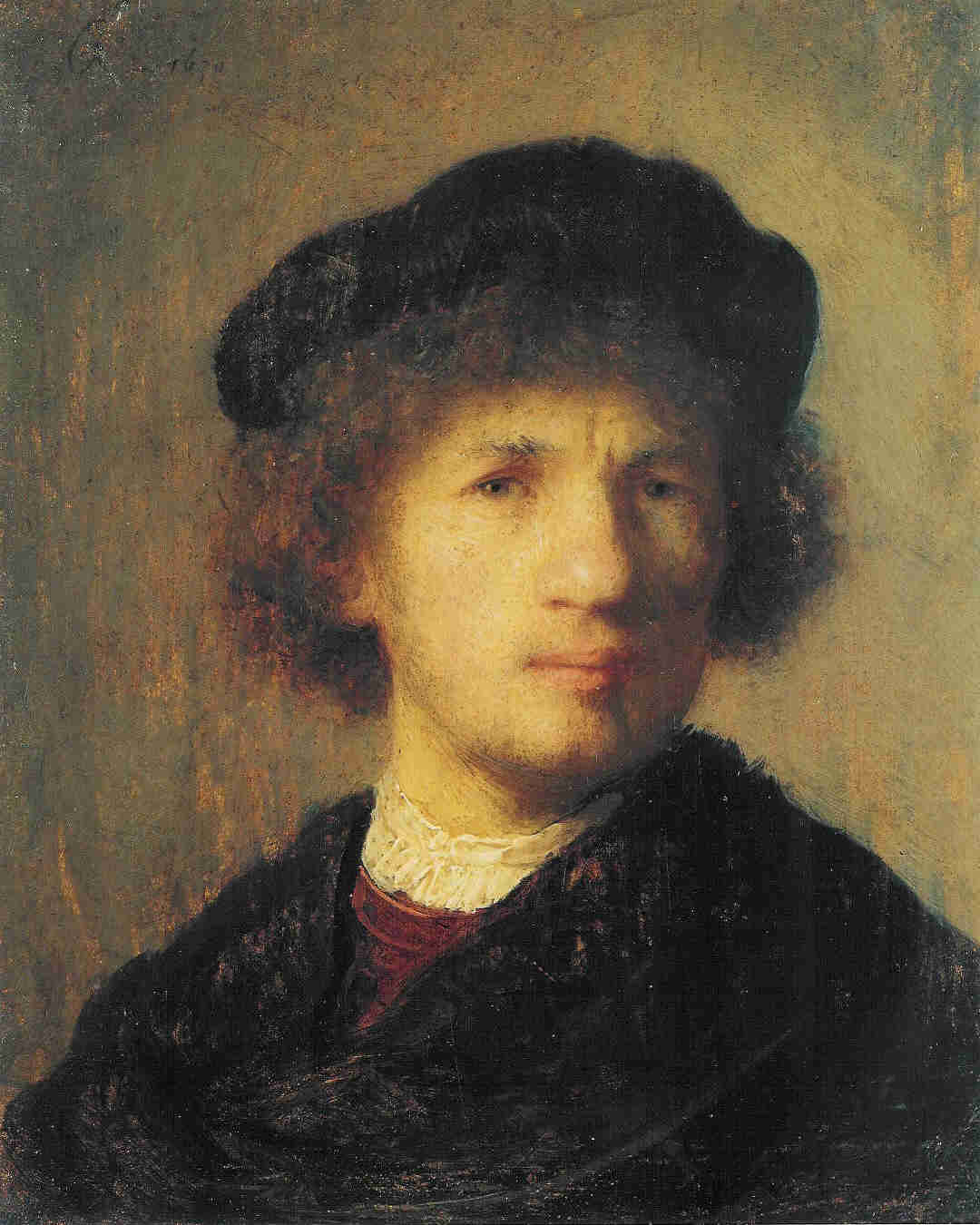
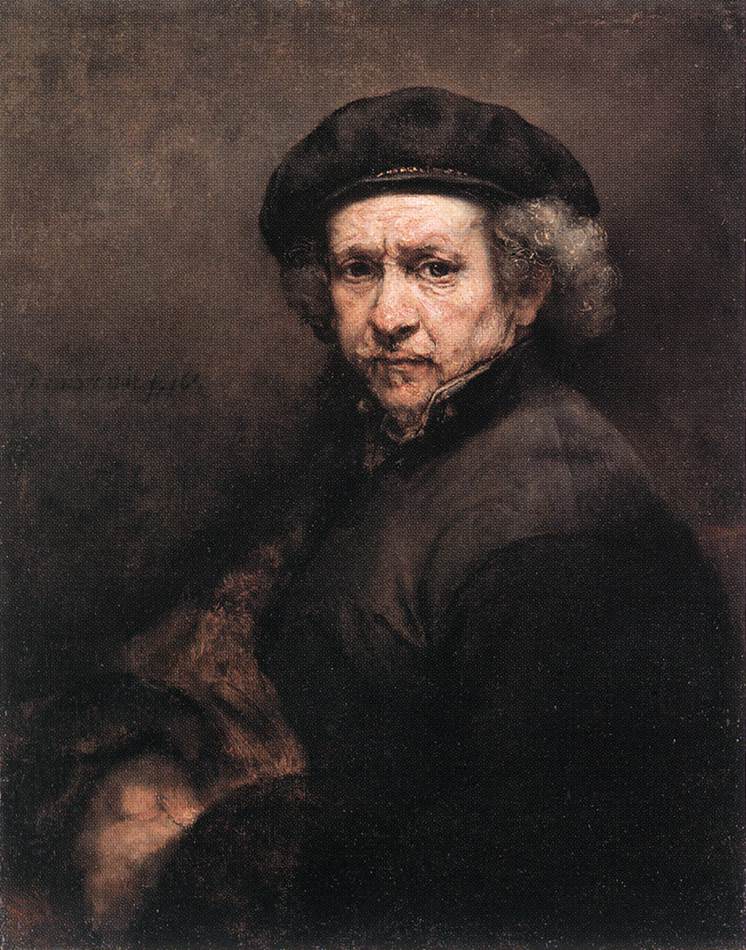
If selfies are self-portraits and thus a physical extension of one’s personna, then I can surmise that one individual is the champion of such image making: Rembrandt van Rijn [1606-1669]

courtesy: The National Museum of Stockholm

Not only was Rembrandt a Dutch master, he was a creative genius. His “selfies” had much to say about the genius he possessed. He imbued the intangible [his sense of purpose, his focus, his sophistication, e.g.] alongside the tangible [his style of attire, its texture and color; his facial expression, his eyes and hands, e.g.]

courtesy: National Gallery of Art, Washington, DC

Yes, I’m certain there are other artists who can stand alongside Rembrandt, but he owns the niche.

courtesy: Frick Collection

With age, his selfies contain more detail and texture. There is a quiet confidence—almost regal in tone—that radiates off the canvas. In all of these portraits shown here, the subject is both an aristocrat and an artist, the benefactor and the painter, the model and the creator.

Rembrandt_Self_Portrait_1669
Bequest of Benjamin Altman

There are other artists who have done self-portraits, that we know, but none have the power of Rembrandt’s canvases. Noted photographer Richard Avedon mentioned that he loved doing portraits because the face is a landscape that tells a story. Just as Rembrandt’s portraits offer something about his brand, so can yours, in this case, the selfie.

But be warned about where you send/post your selfies. You might forget what went where; while others will remember exactly where to retrieve them.

Grey is Beautiful

As far as I can remember, B&W images have held my imagination firmly, yet inspirationally. Perhaps it’s how my brain’s wired, or the fact that my wired brain is getting older and thus prone to moments of unusual clarity. Maybe it’s about oxygen loss, electrolyte loss or that i’m just losing my mind.

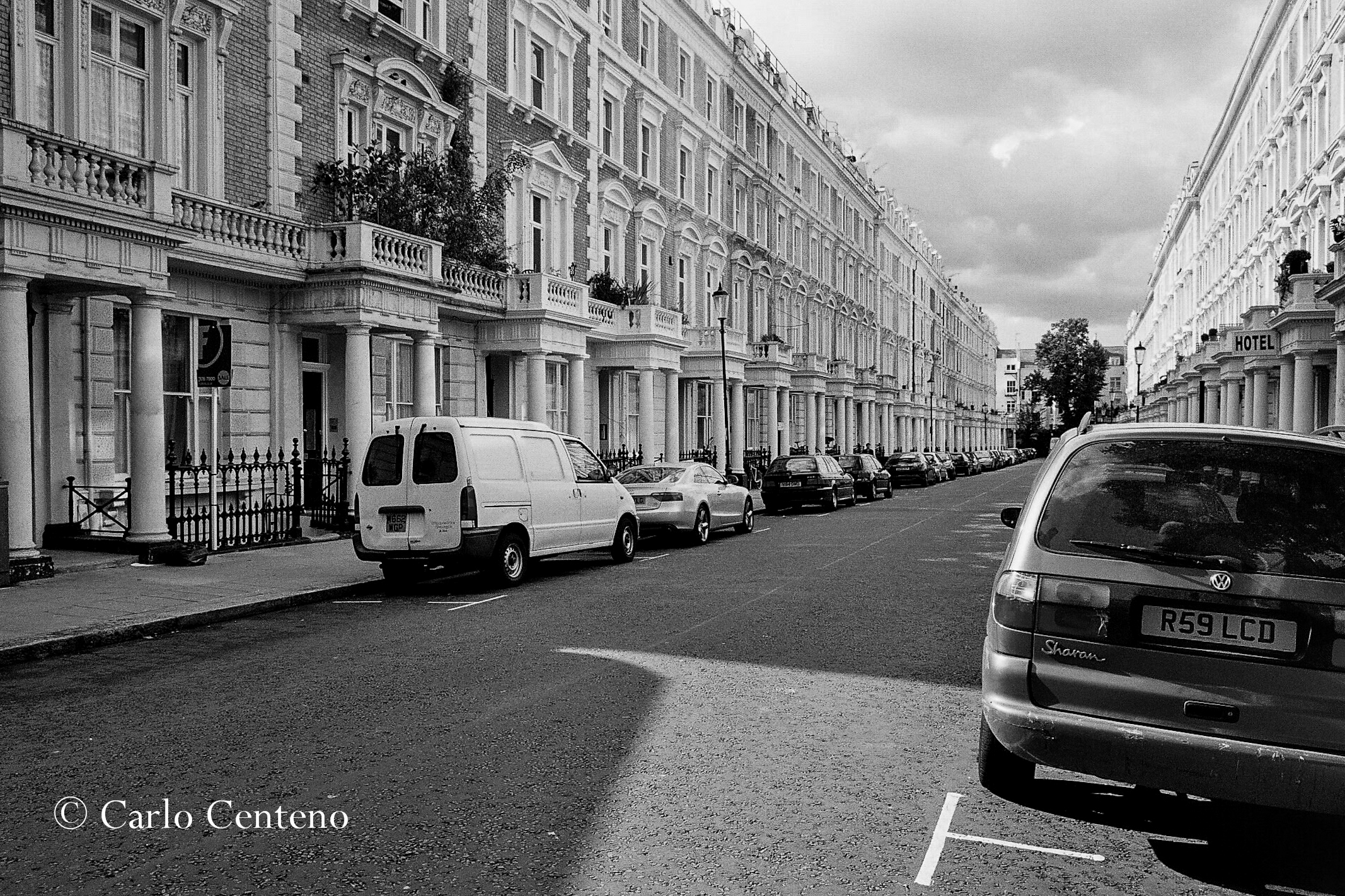
14 Clarke-BW-1004065Of late I’m remembering things in B&W, photographically speaking. Faces, places, things and so forth. If I close my eyes and remember an important event, more often than not I believe I can see the memory more clearly if it is, indeed, framed in B&W. I have no scientific explanation or simple rationale as to why, but such is the case. It doesn’t always happen, but when it does, I take notice.09-723 London-BW-2

Don’t start thinking that this brief treatise is about black and white being “more real” than color. That’s a tired argument made more exhausting when I’m among other photogs who present their case without first having the benefit of a glass of wine or beer…or both.

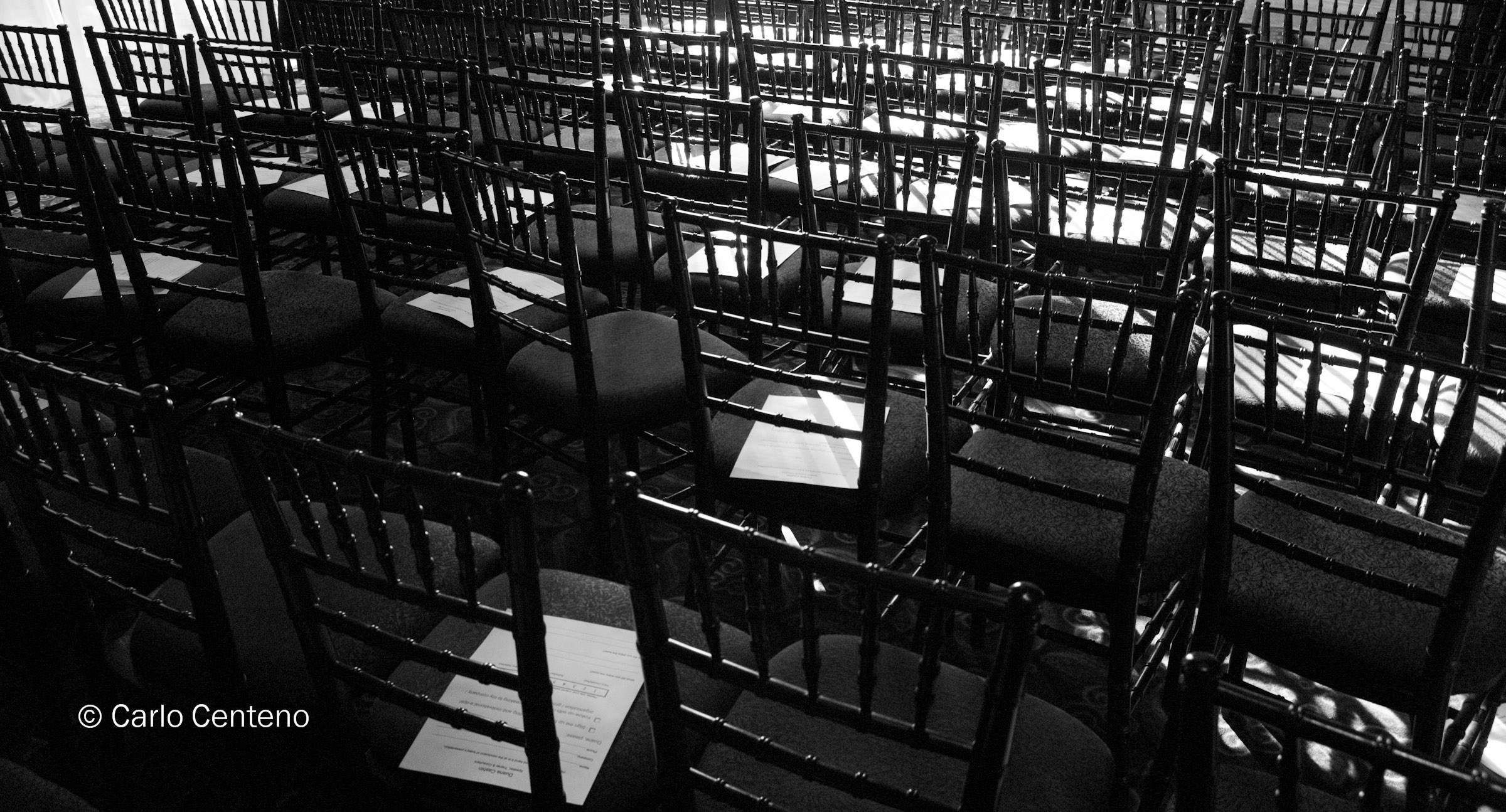
BW Chairs 2011 (1 of 1)

Grey in all its incomparable shades, levels of intensity and density and luminance, is a wonderously beautiful color.  To me, none of it is boring or trite or conveniently familiar. I embrace the liberty that black and white gives me; everything in front of me is unified. The brigthness or darkness provides the lightness and weight respectively of whatever subject is before you.

The photography of Elliott Erwitt—in particular his series on dogs—is unabashedly “light” in nature. Eisenstadt’s iconic image of sailor-kssing-nurse-in-Times Square becomes a beautiful expression of unbridled joy. Ralph Gibson’s images from his collection, Somnabulist, is a journey alongside light’s texture. Yes, there’s texture from the subjects in his images, but you can feel the intensity of his grey scale, an intensity that pushes one’s comfortable notion of contrast, modeling and depth to another level. Cliche sounding? Yes, but you can prove it to yourself by allowing yourself a different POV. For me, no discussion is complete without mentioning the grandfather of Grey as something beautiful: Ansel Adams. Whether it’s a postcard-sized image or a 30×40-inch print, there’s no denying an evocative appreciation of his creativity and understanding of how he feels for what’s in front of him!

13 Rockaways-1002533

Most of all, I sense that grey gives me an empirical appreciation of my life to date. Here’s what I mean: B&W and all its shades of grey acts as an emotional filter, allowing my most genuine feelings to surface. I can safely feel—whatever such feelings might be—at a “safe distance” yet feel a sense of inclusion, maybe even a connection, with the subject at hand. Remember that “subject’ doesn’t necessarily mean what’s tangible in front of you, but a quality that rises from your persona or sense of self.

I’m taken by grey. It’s so beautiful to me…

Political Brands and Polarization

I can’t recall when branding became a cultural cutting tool. In the halcyon days of advertising [my window being the late sixties to the early 1980s], the marketing message focused more on benefits versus negatives. Today, there’s more when-compared-to-a-leading brand tactic in positioning an advertiser’s advantage or benefit to the consumer. Comparative advertising is not novel, however I sense a stronger delineation between two similar products or services vying for the same consumer’s attention. Negative advertising might be viewed as a type of comparative advertising. The first is more about having a superior product or service, while the latter is more about the inferior nature of the product or service.

My arrival at this junction of brand and polarization is the result of the frequent bombardment of political ads across the media spectrum: digital, print and broadcast. Political ads have never been pretty or pleasant as most I’d say are highly negative if not banal by nature. The few “wholesome” spots are done to show the humanity of a candidate. Strategists however,think delivering a negative message is the most effective way to discourage a voter from choosing an opponent. Make the other person look bad to make my candidate appear better is the thought process there.

As a result of this, I see more polarization across our diverse culture. It doesn’t matter if you’re a card-carrying democrat or republican or libertarian. Polticial divisions are no longer bordered with temperance or a reciprocal respect for one view over another. At the base of these divisions is a my way or no way kind of thinking.

But…now that mid-term elections in the USA are done, perhaps we can see something new from our federal and state governments, something that can provide some semblance of balance without taking advantage of one group over another, something that allows us to move forward instead of remaining entangled in ideological gridlock: compromise.

Personal Branding & a Jellyfish

Noted marine biologist, Edith Widder, Ph.D. has spent much of her life under water. She has in fact devoted her professional energy to creatures living in oceans so deep that the light of day will never reach them. On November 23, Dr. Widder will be giving a talk, open to the public, about her work on bioluminescence and marine life. I’m looking forward to it for a variety of reasons not the least being my curiosity and fascination for things different.Bioluminescence-1

copyright Edith Widder


This photo is a good example of what she studies, specifically, bioluminescence. It’s that unique ability to generate light, light as the result of chemical reactions inside the organism. On the one hand, you have the image on the right side of the frame. It shows the jellyfish as it appears under natural light. The image on the left is the same animal but in suroundings totally devoid of light.

The point I’m getting to is this: is your personal brand consistent across work environments? Does it change in any way, and if so, is the change pronounced enough to be noticed? Think of mannerisms [behavior and comments] and appearance [attire and grooming].

I suspect that under extreme conditions, some people undergo changes that could leave others scratching their head. “When did he decide to wear really nice-looking suits?”  However, for most of us, we don’t so much change our personal brand as much as we do tweaking it. We dial in some adjustments to reinforce an attribute or suggest another. A long time ago, I read somewhere—and it probably came from an Italian designer—that three things signal a person’s sense of accomplishment, confidence and purpose: a wristwatch, shoes and writing instrument.  Interesting.

Regarding wristwatches, using mechanical watches—either hand wound or self-winding, reinforces to an erudite observer that the wearer has a sense about time’s importance. Mechanical watches require attention. A nice [Swiss, German, e.g.] automatic watch represents a high level of skill and expertise in watchmaking. Costs aside, I like to think that the wearer of such accessories has an awareness and appreciation for fine watchmaking. The same can be said of the other 2 items. A good pen—especially a fountain pen—speaks volumes about the user. And like the automatic wristwatch, observations cover both positive [learned, confident, assured, accomplished, e.g.] and negative [flashy, poor use of money, attention seeker, pretentious, e.g.]. I don’t think I need to elaborate on footwear at this point.

So then, what aspects of your personal brand are you fine tuning? Are the adjustments or changes subtle or dramatic in their expression….like our jellyfish?