Details

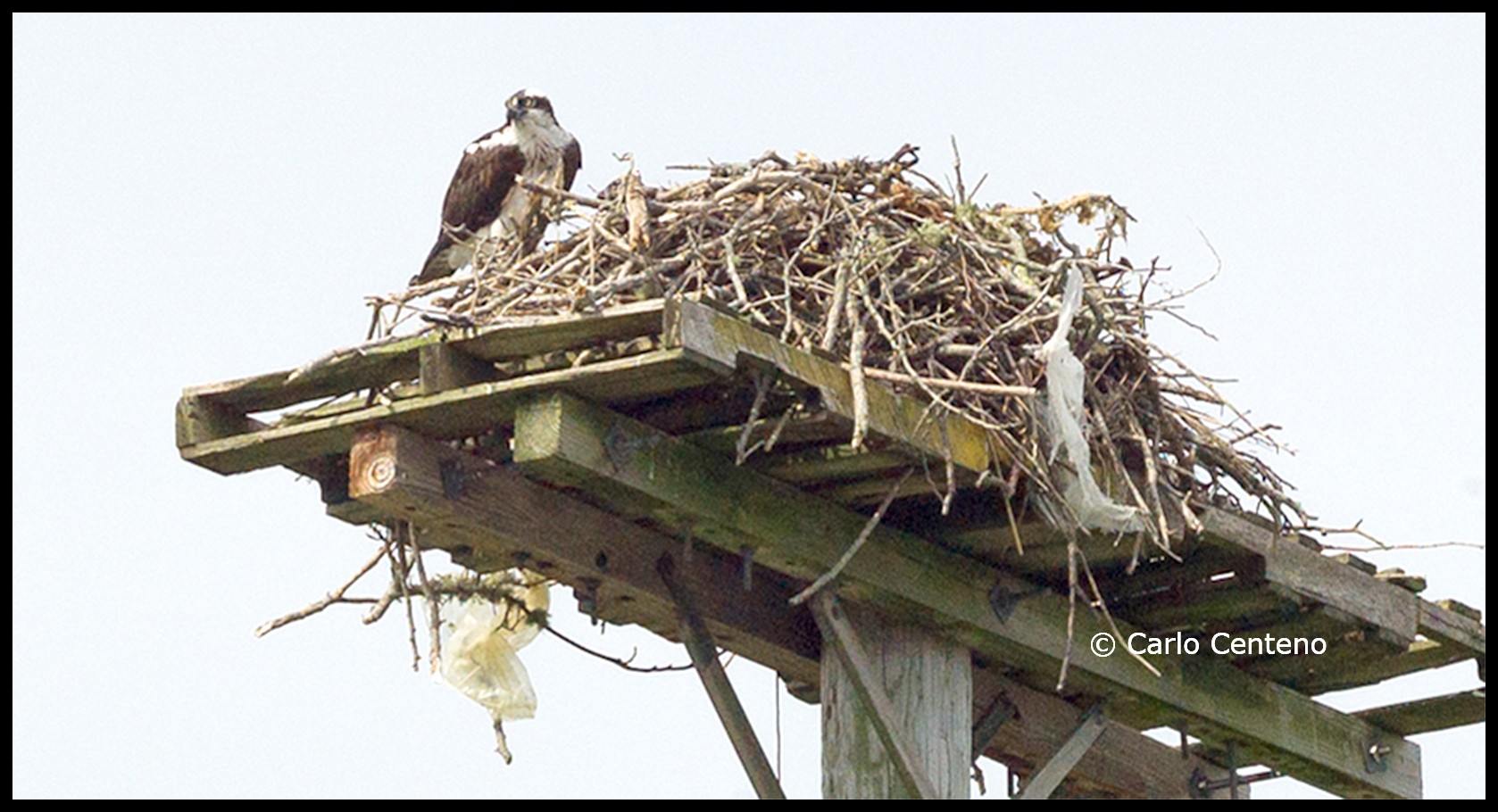
A static photograph of an Osprey doesn’t say much about the grace and power of this winged predator. Like many of her cousins, these sharp-eyed birds of prey manifest the attributes to which we ascribe to: a sense of purpose, focus, determination, endurance, patience, where at most we, strive to procure or refine 2 or 3 from that list.

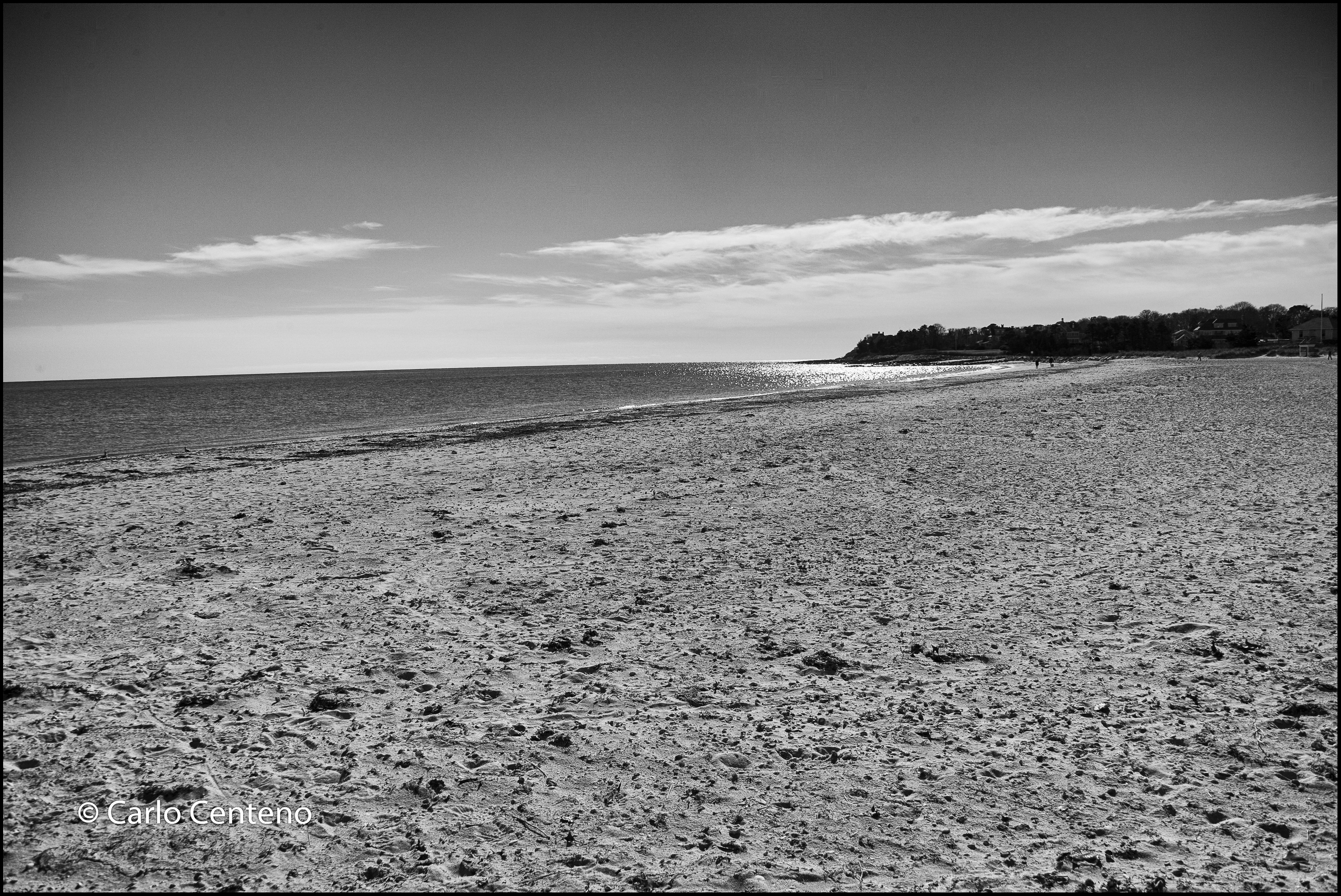
I’m not a birdwatcher nor bird photographer. These serendipitous images were taken during a walk along a beach. In spite of an overcast, somewhat foggy-ish, misty day, you could discern the silhouette as well as the contrast in its feathers. Notice the plumage in a brownish-black to a grayish white, the sharply hooked beak, the yellow of the eyes, the elasticity of its neck—or at least a hint of that feature.

Look at the nest and you may notice other details. Two plastic bags entangled with the nest, one on the right of the photo, the other dangling from an edge closest to the Osprey. I’m certain there are other man-made pieces entwined or even trapped within the pile of twigs they call home.

We can get hung up on details on just about anything. Like a trompe l’oeil, what we see varies from one person to the next. In my case, I noticed those bags right after seeing the Osprey. You may have seen it the opposite way and yet others may have taken a bit longer to realize the incongruous detail.
These days, we’re bombarded with too many things which ad weight onto our anxieties. We can—and should—work to step back from such things and realize that in spite of the current discord, there are other details worth looking at, even searching for.

“Those Were the Days”

Once upon a time there was a tavern,
Where we used to raise a glass or two.
Remember how we laughed away the hours,
And think of all the great things we would do.
Those were the days my friend,
We thought they’d never end.
We’d sing and dance forever and a day.
We’d live the life we choose,
We’d fight and never lose
For we were young and sure to have our way.

Songwriters: Boris Fomin, Gene Raskin

Ever an optimist, it is possible that you’ve heard the song, Those Were the Days as sung by Ms. Mary Hopkin. It was one of the first singles produced by Apple Records and Paul McCartney in 1968. My recent postings and our current new normal [or is it our current abnormal?] made me think of this ballad. And not only about changes that have taken place, but of many things unlikely to occur in the same way as before.

We are at summer’s threshold. We’ve evolved to accept crowded places, an expectation of more time spent with family and friends and to be part of those timeless happenings and celebrations that define this time of year: graduations, picnics, time on the beach, attending ball games, concerts & performances inside and out, barbecues, pool parties and a lot more.

And then there are the country fairs.

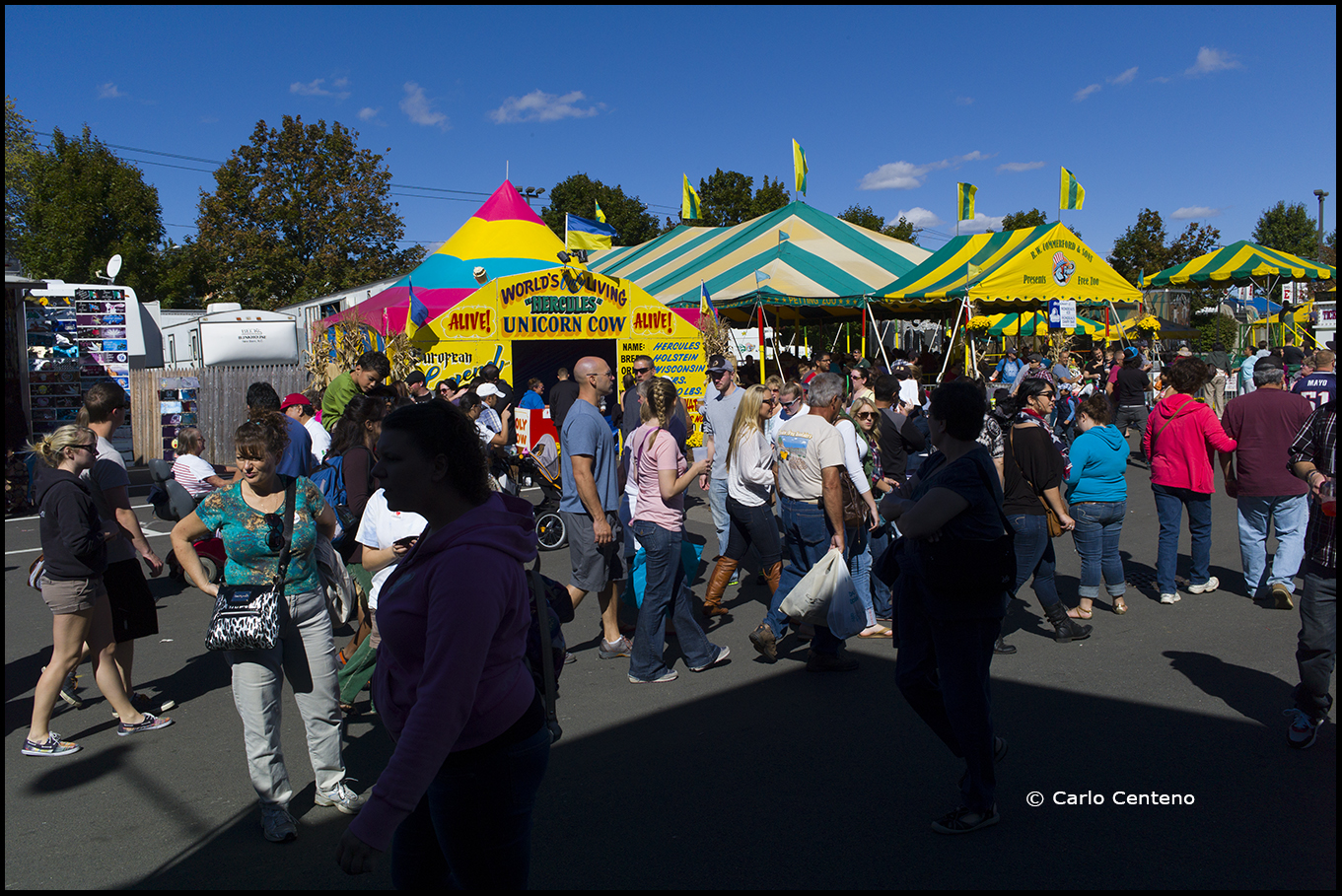
This unique piece of Americana born of traditions in farming and agriculture, will never be the same.  To heed social distancing at these and other events is not going to happen. It’s part of our social DNA, to see a flurry of activities and to be part of the atmosphere or happenings. It’s standing in line if not for the anticipation of getting into an exhibit or performance—or something savory to eat—but to avoid losing your place in that line.

It’s a place to experience sensory overload. Merchandise of all kinds court you with such promises as having something fun-for-the-kids; of having the last mop you’ll ever need or the complete knife set that rarely needs sharpening. Then there are the culinary pieces de resistance: fried dough that could work as trash can covers, cream puffs the size of softballs or that deep-fried turkey leg that can double as a hammer in a pinch.

This year will be different for most everyone. The crowds can never be as large as before. Perhaps reservations need to be made to limit the number of visitors. Adjustments are already in place, yet still changing. We’re armed with masks, hand sanitizers and wipes and a growing awareness of our personal space and limitations. It may not be all bad, but much of what’s currently unfamiliar, even uncomfortable, will become all too familiar.
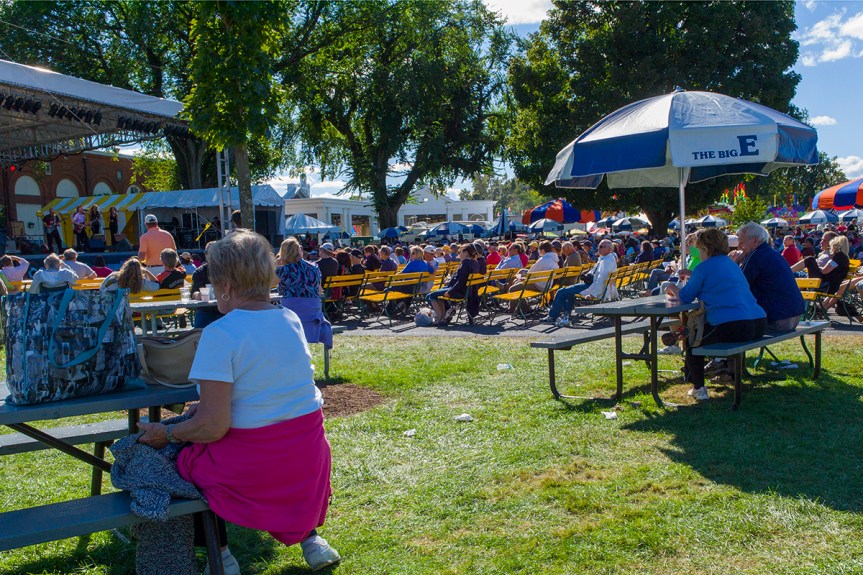
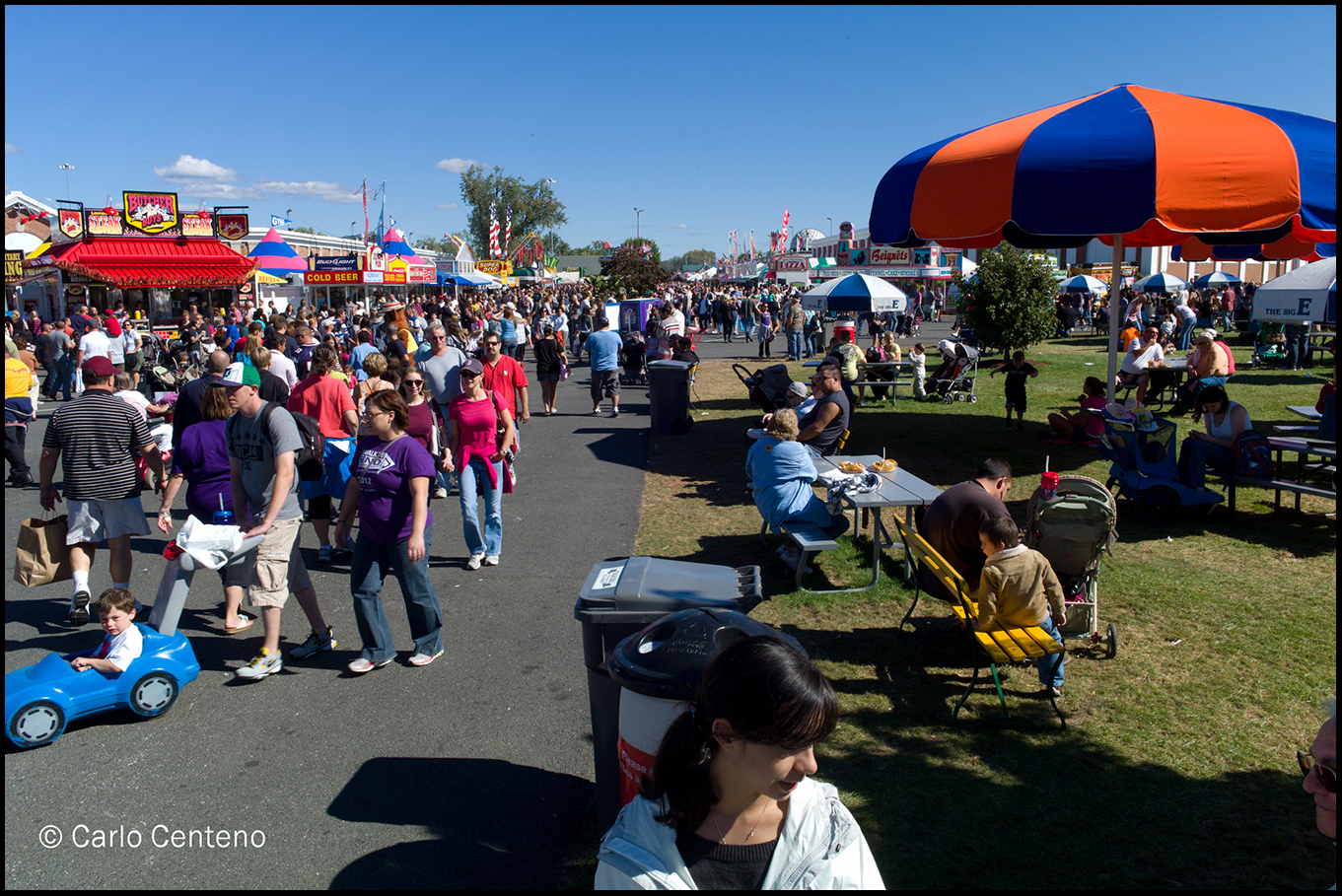
For years we’ve made a trip to one of the largest country fairs in New England, a sortie that has become part of our own tradition. On a weeknight, we head to West Springfield for “The Big E” aka, the Eastern States Exposition. My wife and I head to a favorite Polish food stand to order the inimitable Polish Plate: galumpki, pierogies, and kielbasa, all chased down by a “pint” of Dinkel Acker Pils, a German beer crafted from heavenly made hops.

And after that, it’s a walk across the grounds to burn off a few [very few] calories, only to add a bunch more when we stop for a homemade blueberry pie a la mode. All of this adds up to an entertainment feast. Certainly many things are always there, often the same vendors and merchants. But what makes each year different are the recollections of many other visits to the Big E aside from our annual beer with dinner.

It’s about our daughters coming with us during the toddler to tween years. Then came the teen years when it became apparent we were no longer cool, the two escaping with a fistful of tickets for rides and the arcade at the fair’s Midway.

It’s about people-watching, of getting lost in a crowd knowing that similar dreams and fears are as common as balloons, stuffed animals and kettle popcorn. Summer is as much about the quiet and solitude found in the woods as is the cacophony of gatherings and festivities that confirm our sentient selves and how we’re all connected.

Those were the days.


Sleet at Sunset

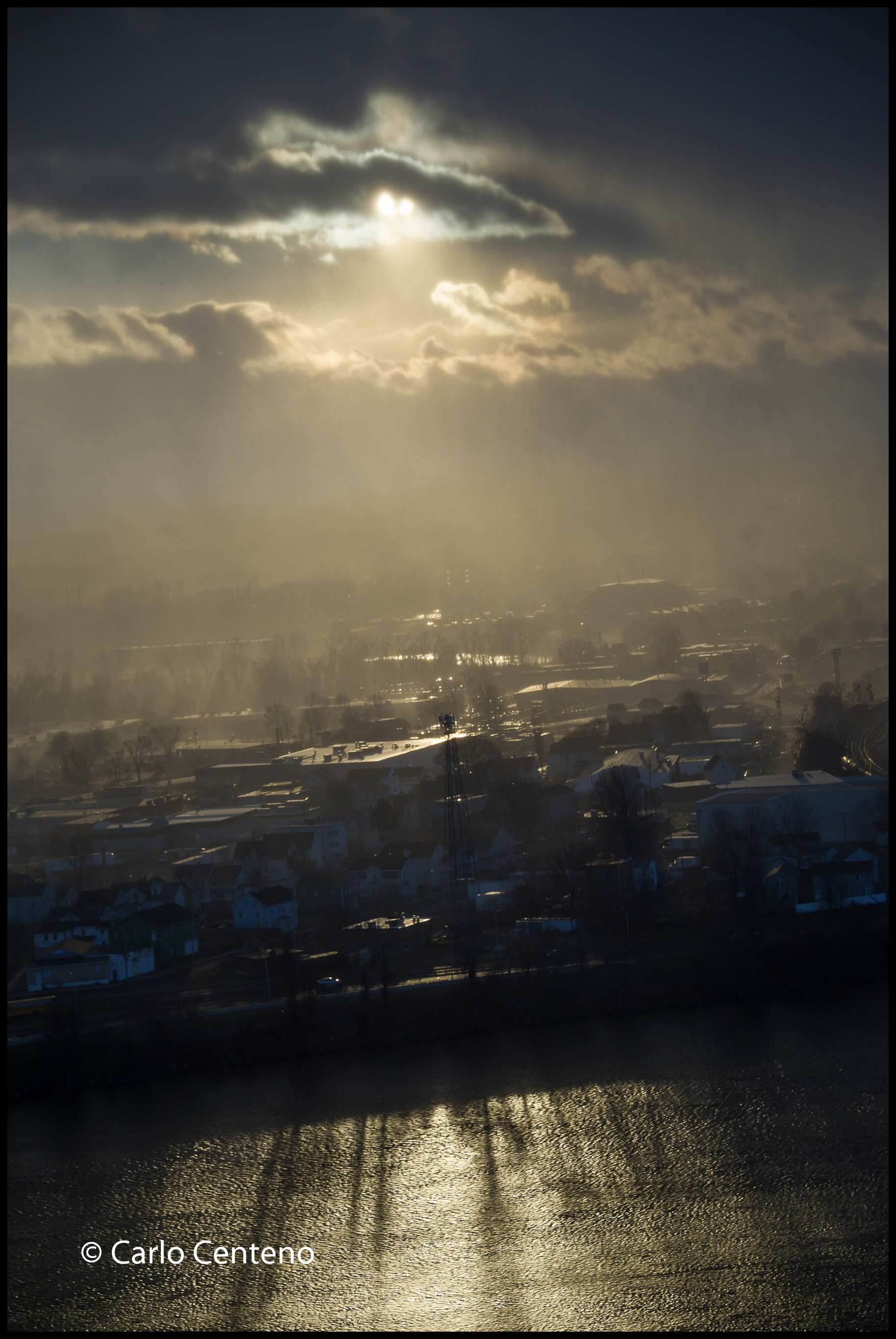
Blame it on the angle of the sun. Or the time of year and of course, the time of day. The light that pours from north/north-west can be dramatic.

Just across the river, sleet swept across the town and highway leaving a hazy curtain. My side of the river, was cloaked in a heavy grey. Street lamps and headlights appeared like fireflies across a sloping field made of concrete, steel and boxy columns.

For a very brief moment, the light outside the office windows looked other worldly. The slow-moving cars on the viaduct above the north end of the city made me think of ants marching, certainly only as fast as the one at the  front of the line.

The sleet finished its drop about as quickly as it started. The sun seared its way through the cloud cover creating a portal all its own. Perhaps not as soothing a sight as a rainbow, but with the sleet falling, certainly rarer and even more captivating.

Greetings

Blow, blow, thou winter wind,
Thou art not so unkind
As man’s ingratitude;
Thy tooth is not so keen,
Because thou art not seen,
Although thy breath be rude.
Heigh-ho! sing, heigh-ho! unto the green holly:
Most friendship is feigning, most loving mere folly:
Then, heigh-ho, the holly!
This life is most jolly.

Freeze, freeze, thou bitter sky,
That dost not bite so nigh
As benefits forgot:
Though thou the waters warp,
Thy sting is not so sharp
As friend remembered not.
Heigh-ho! sing, heigh-ho! unto the green holly…

William Shakespeare


Winter Warmth

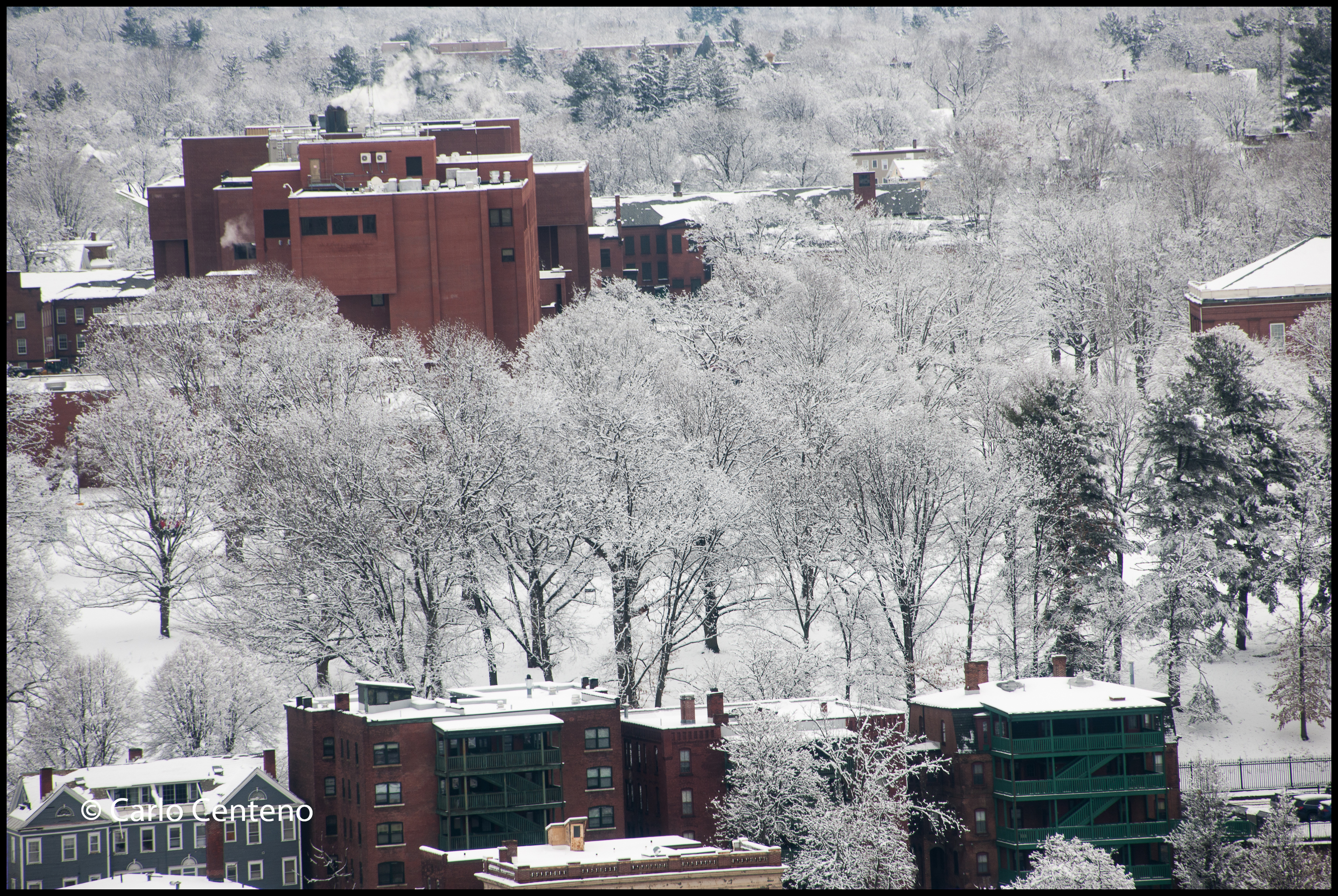
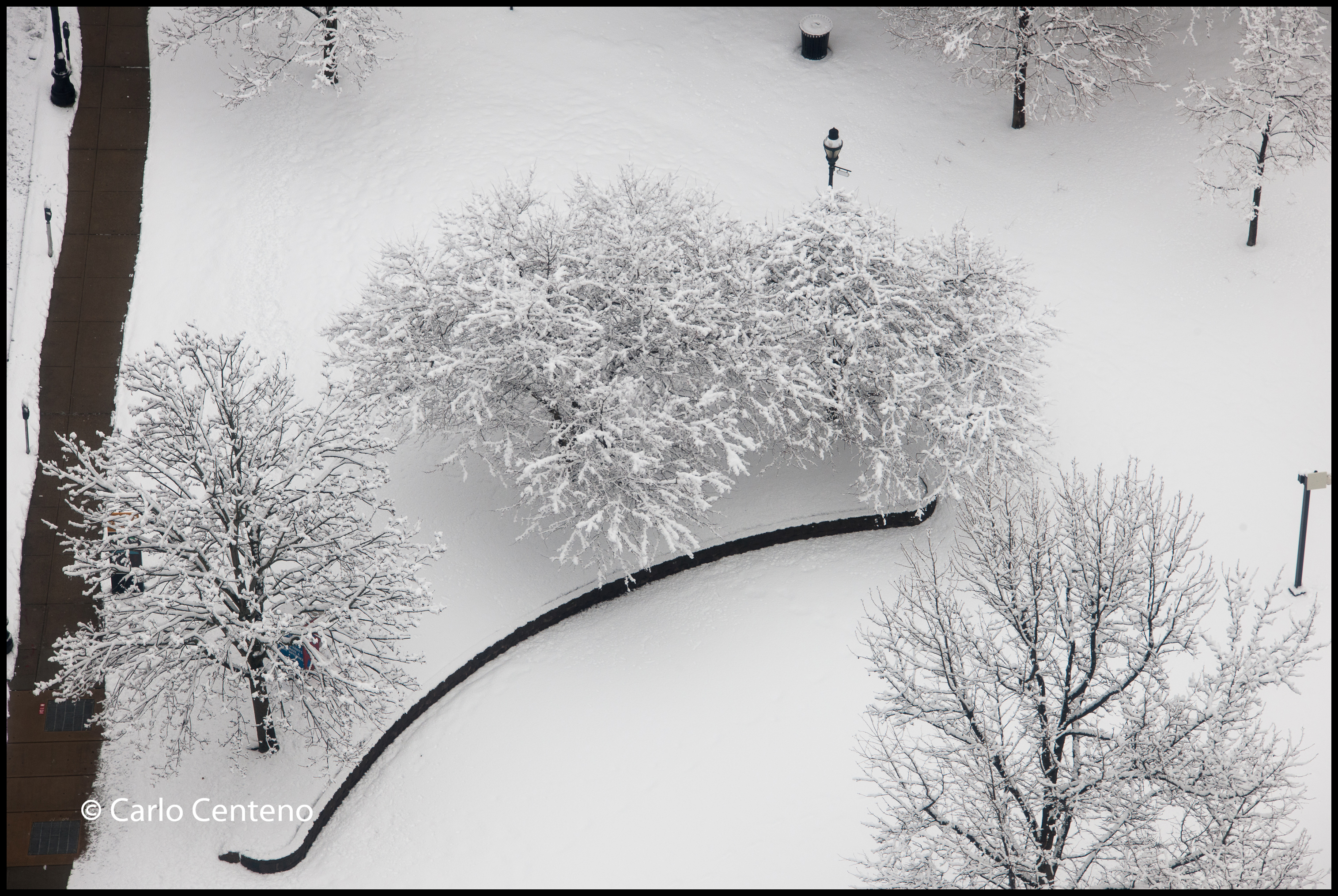
Though overcast, there’s a familiar brightness to the grey overhead. It looks and feels like snow is in the air.  Forecasts notwithstanding, we’re expecting to get clobbered here in the northeast with record-cold temperatures.

Winter is en route.

Yet, in spite of this aura of grey that spills over the city, if we look close enough you can find various levels of warmth. Many of the objects seen, displayed and taken for granted in the roteness of our days can hint at or suggest a touch of warmth.

And while warm colors, hues and even some words or phrases can suggest some attribute of warmth, cold weather, specifically very cold weather, adds a bit of insouciance.

If you’ve spent most of your life in the northeast, a good number of you then understand finding this warmth. As the saying goes, “If you don’t like the weather, just wait a few minutes.”

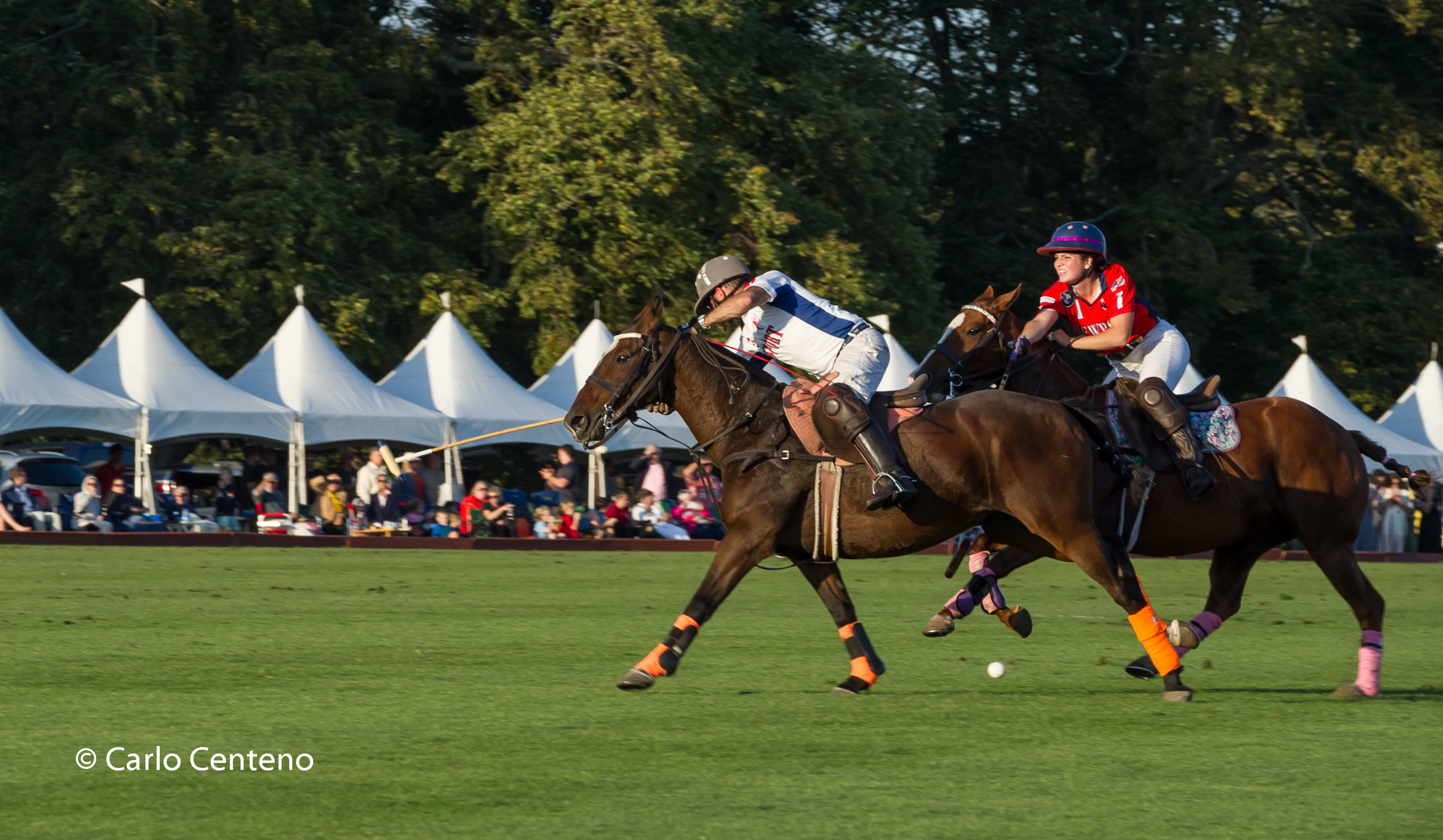
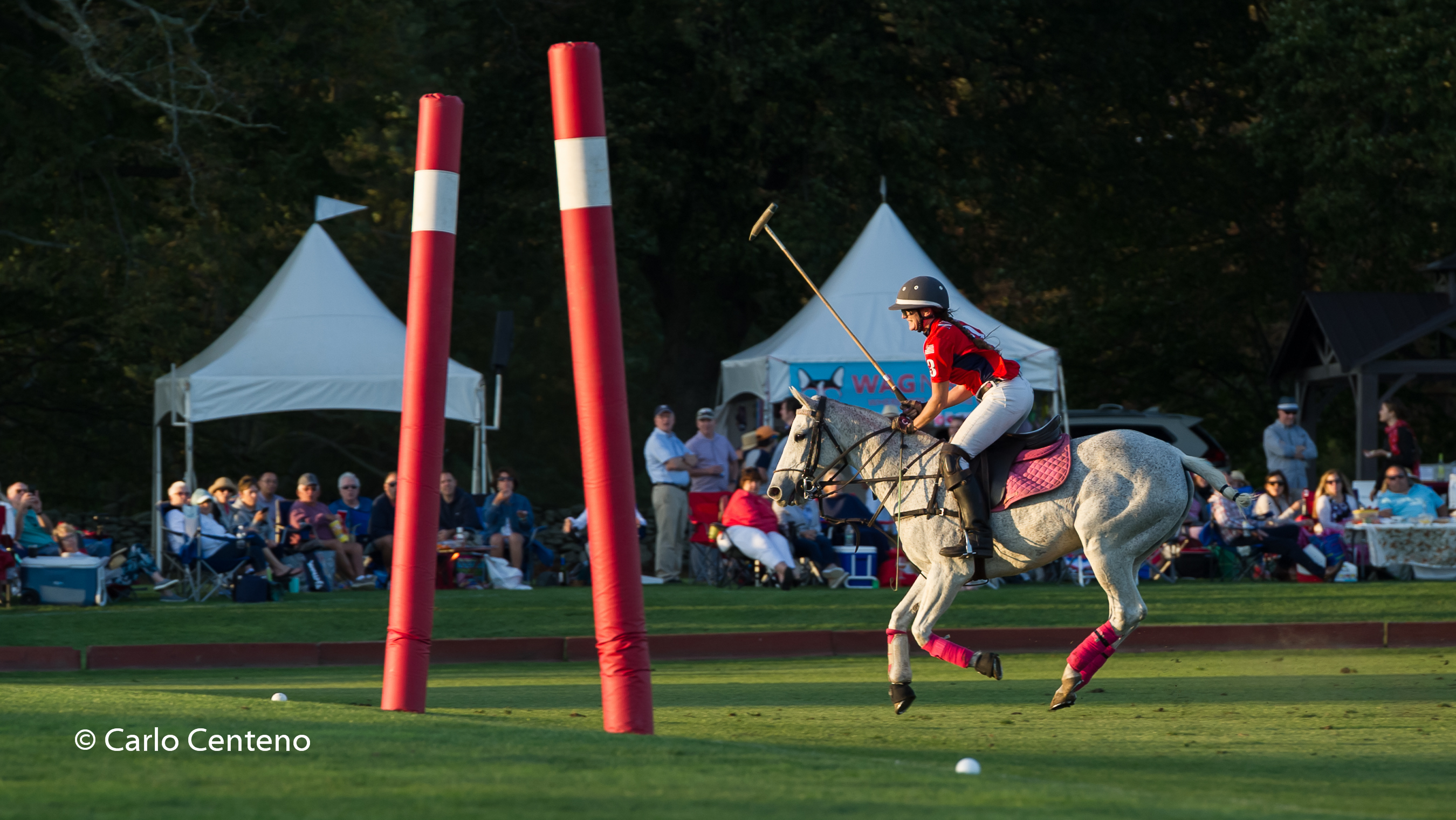
Newport International Polo

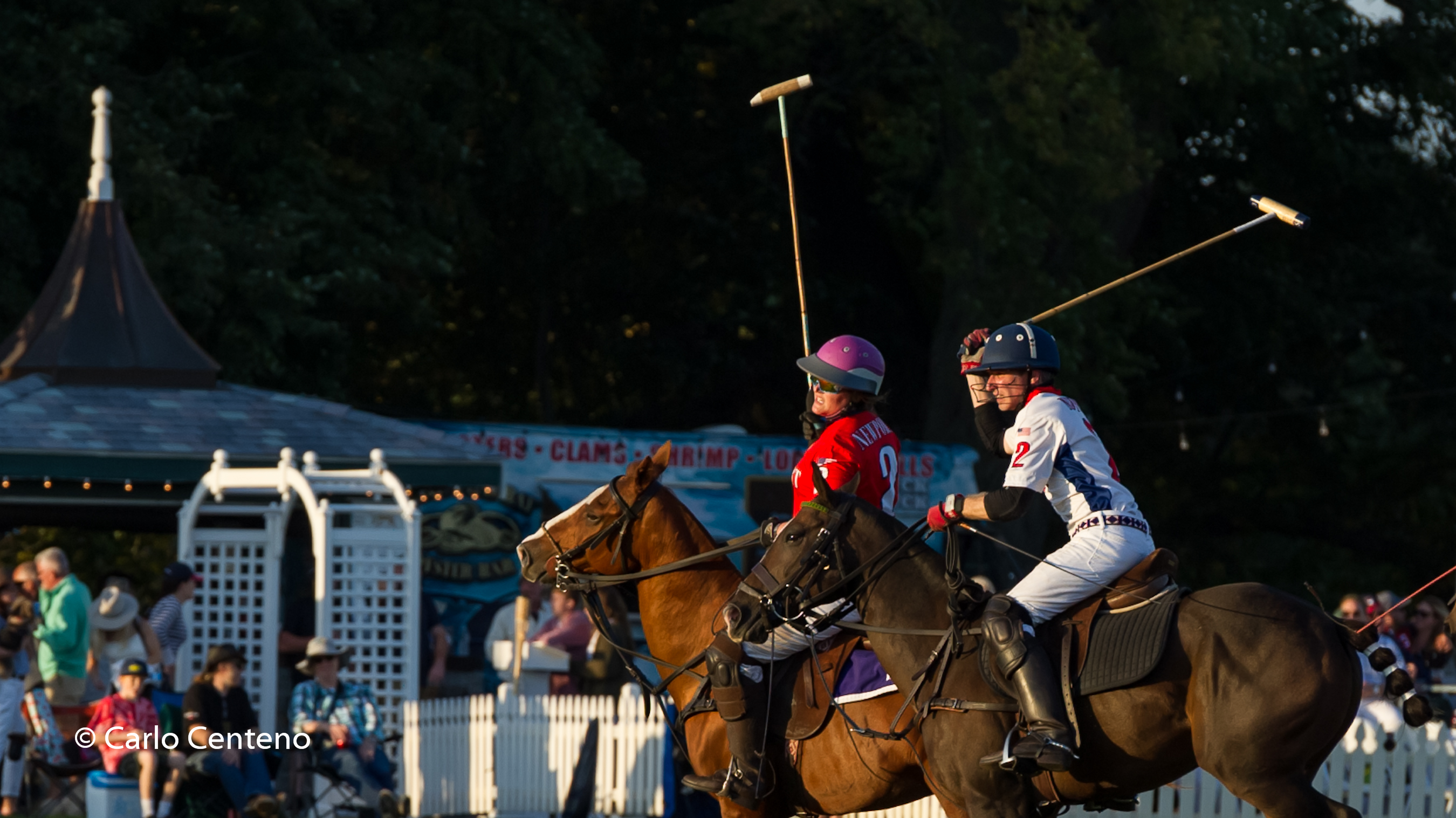
If one would be literal about the sport of Polo, it could be more accurately described as “Field Hockey on Horses.” For  the cognoscenti, it’s known as the sport of kings.

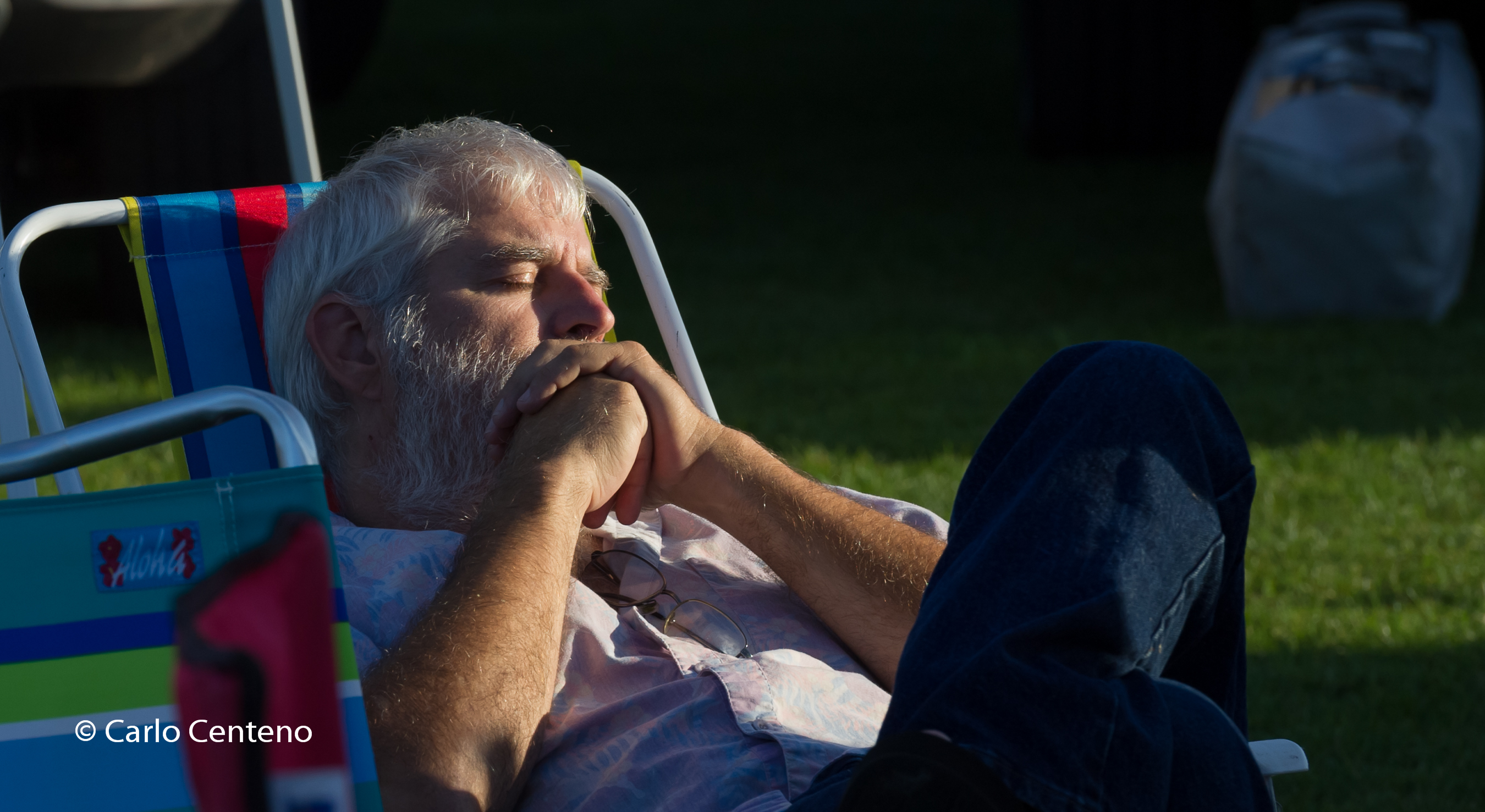
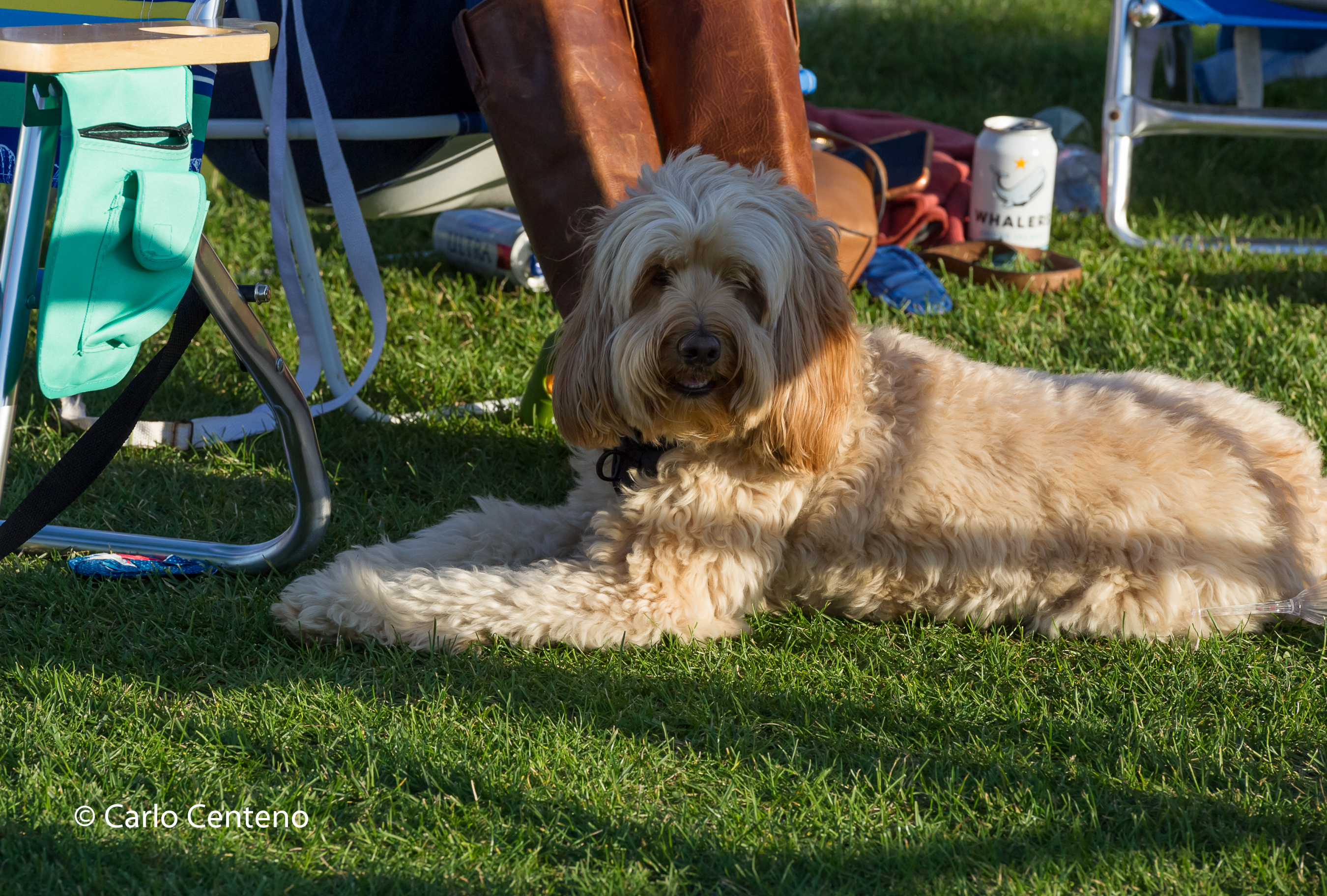
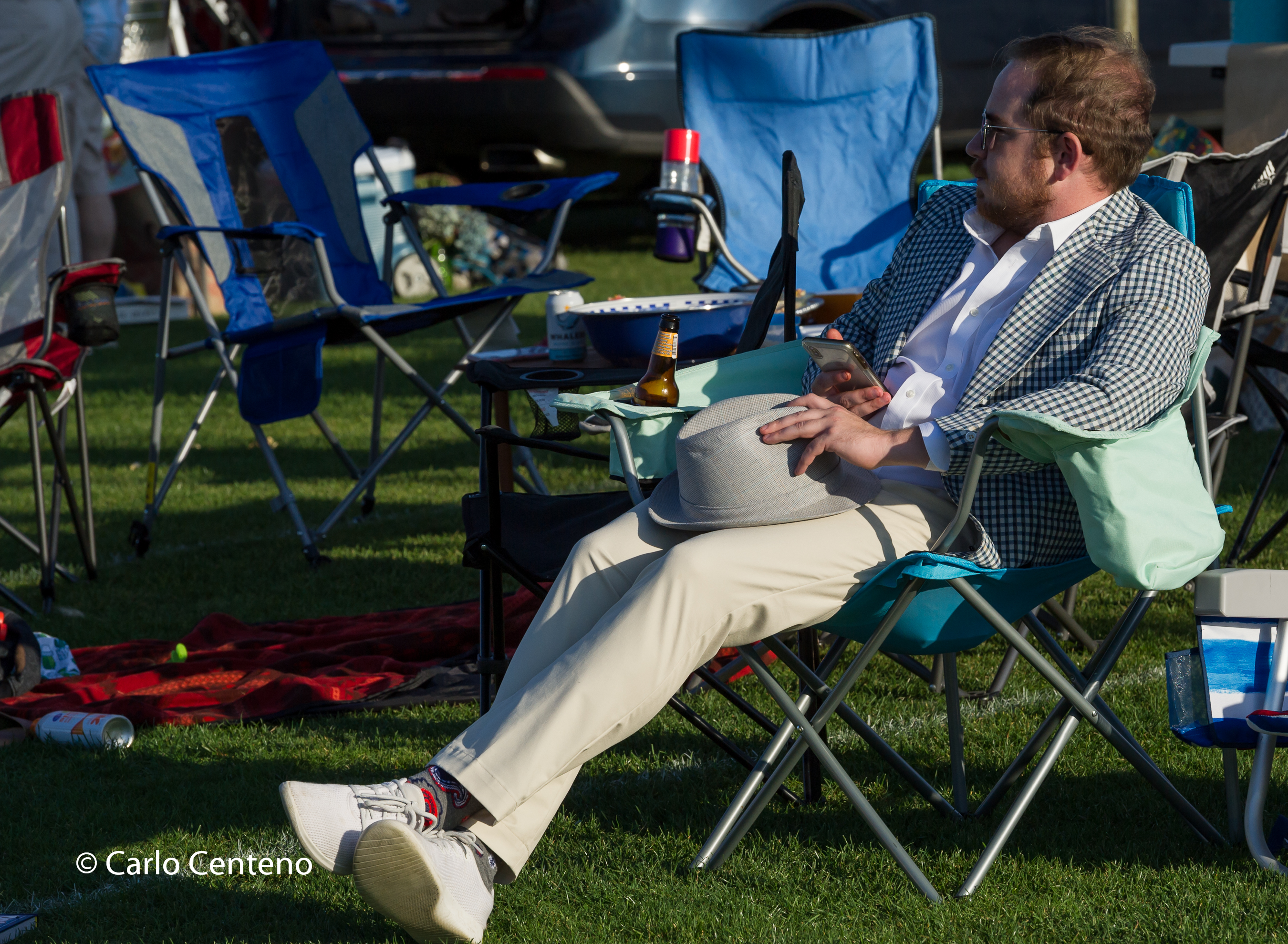
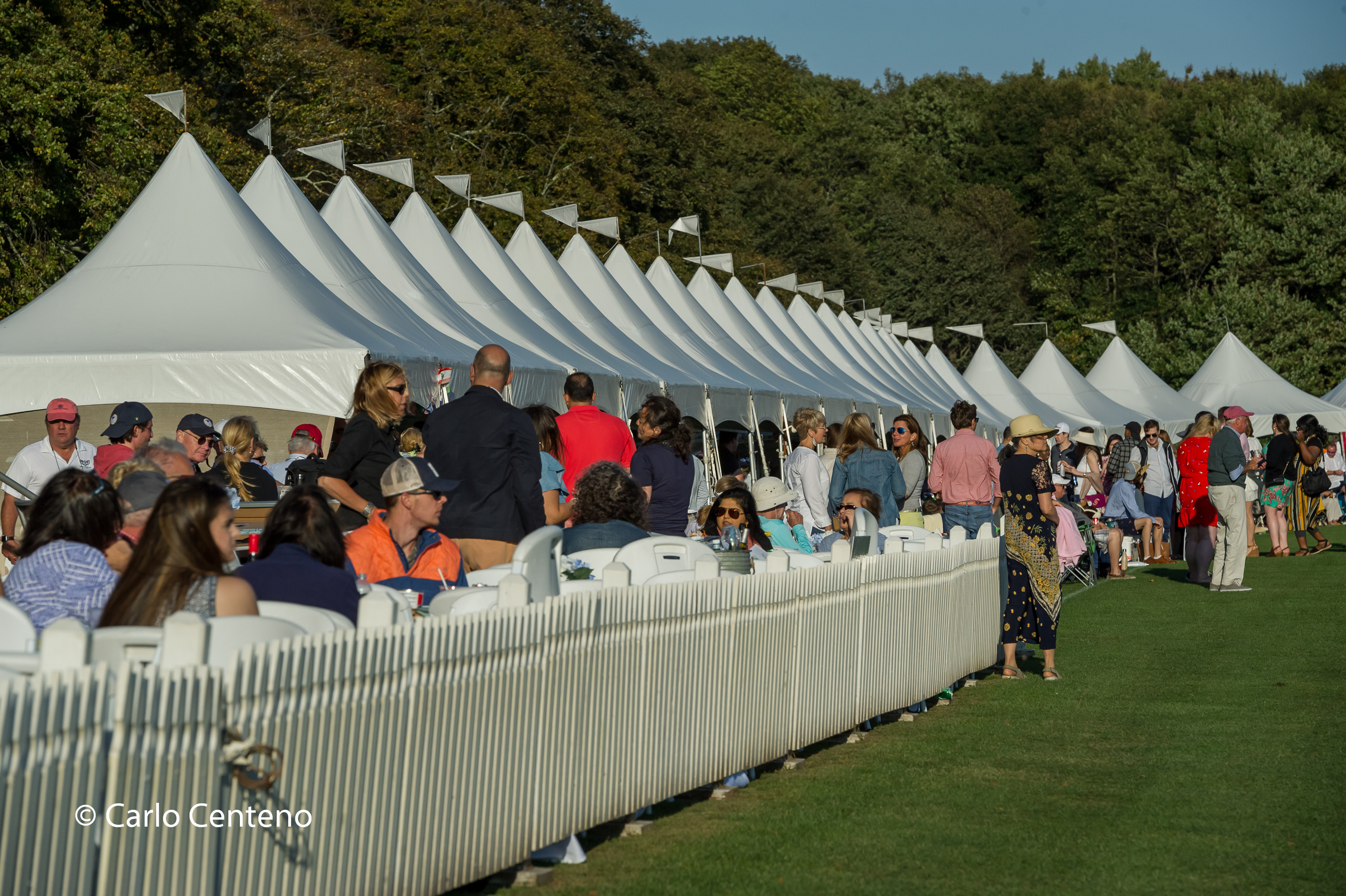
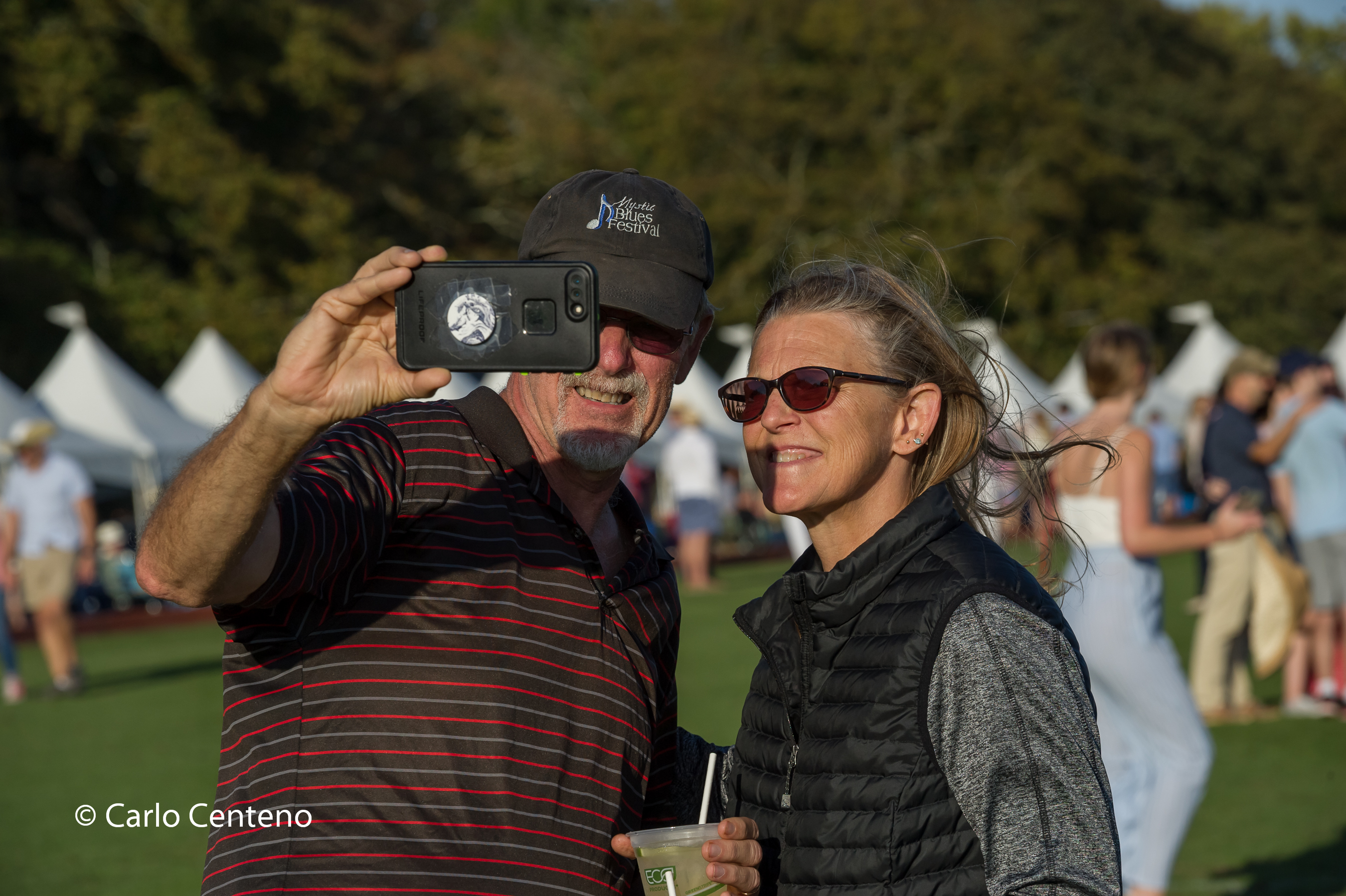
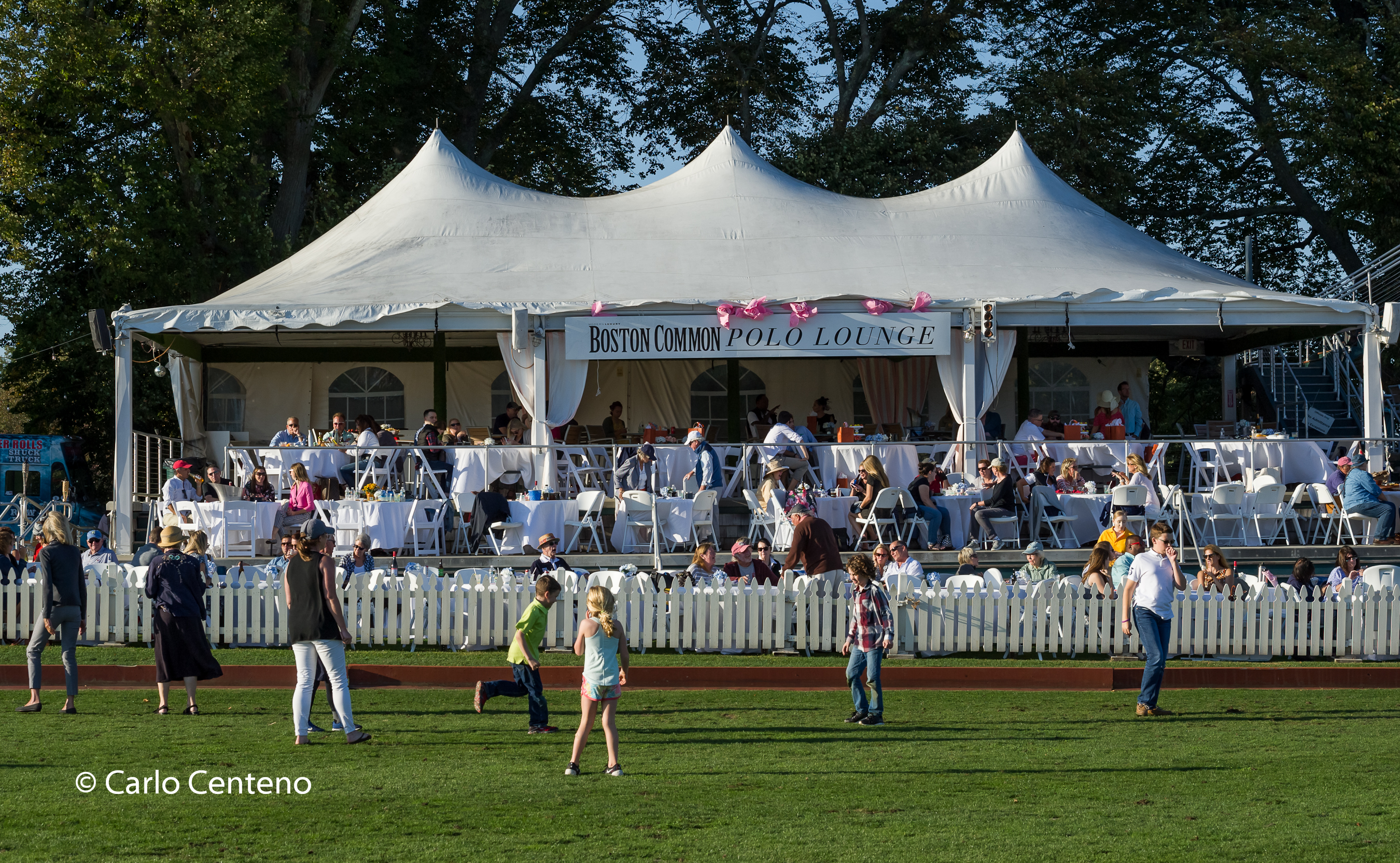
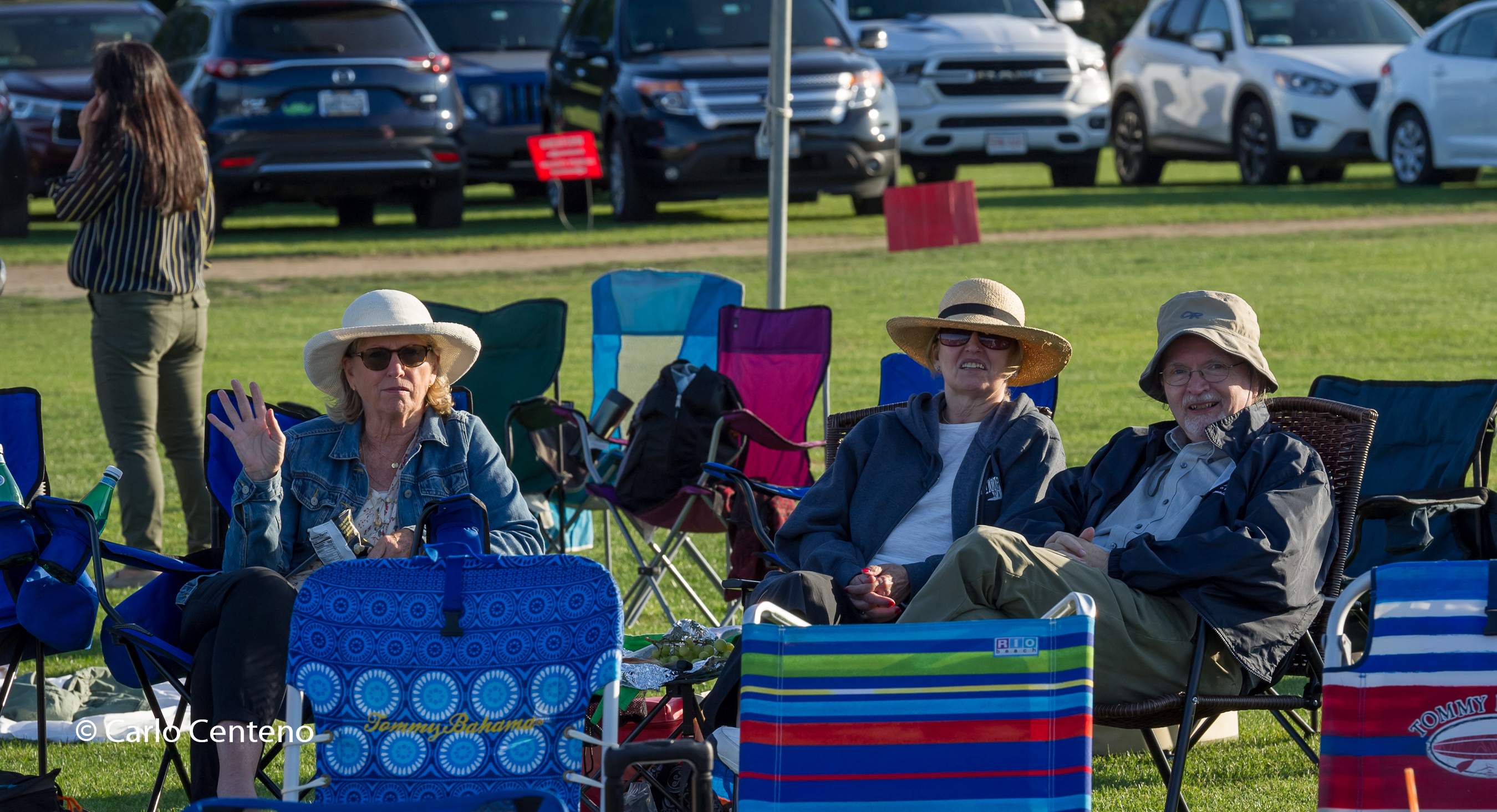
The Newport International Polo Series just finished its season at the end of September. While polo is often touted as a high-brow event, the match I attended was that and surprisingly much more than I expected: family, dogs, picnics, lively conversation, kids playing about, grown ups playing Bocche Ball, a game of catch, etc. all away from the playing field.

A congenial atmosphere on the grounds made it easy to enjoy the match and for the neophytes among us, a chance to learn more about a sport that demands much from horse and rider.

An entertaining task—and fun for many—was the half-time tradition of the divot stomp.


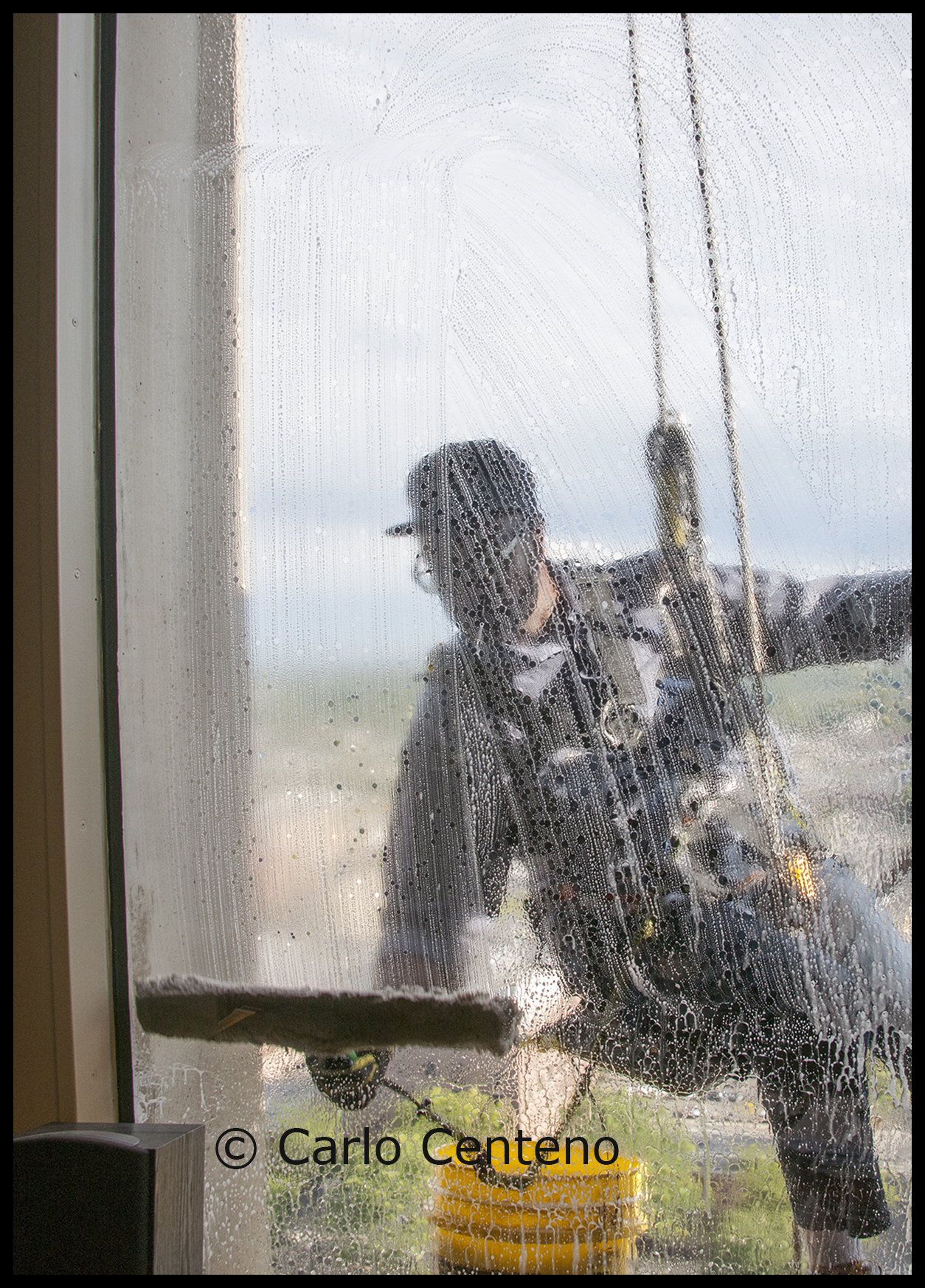
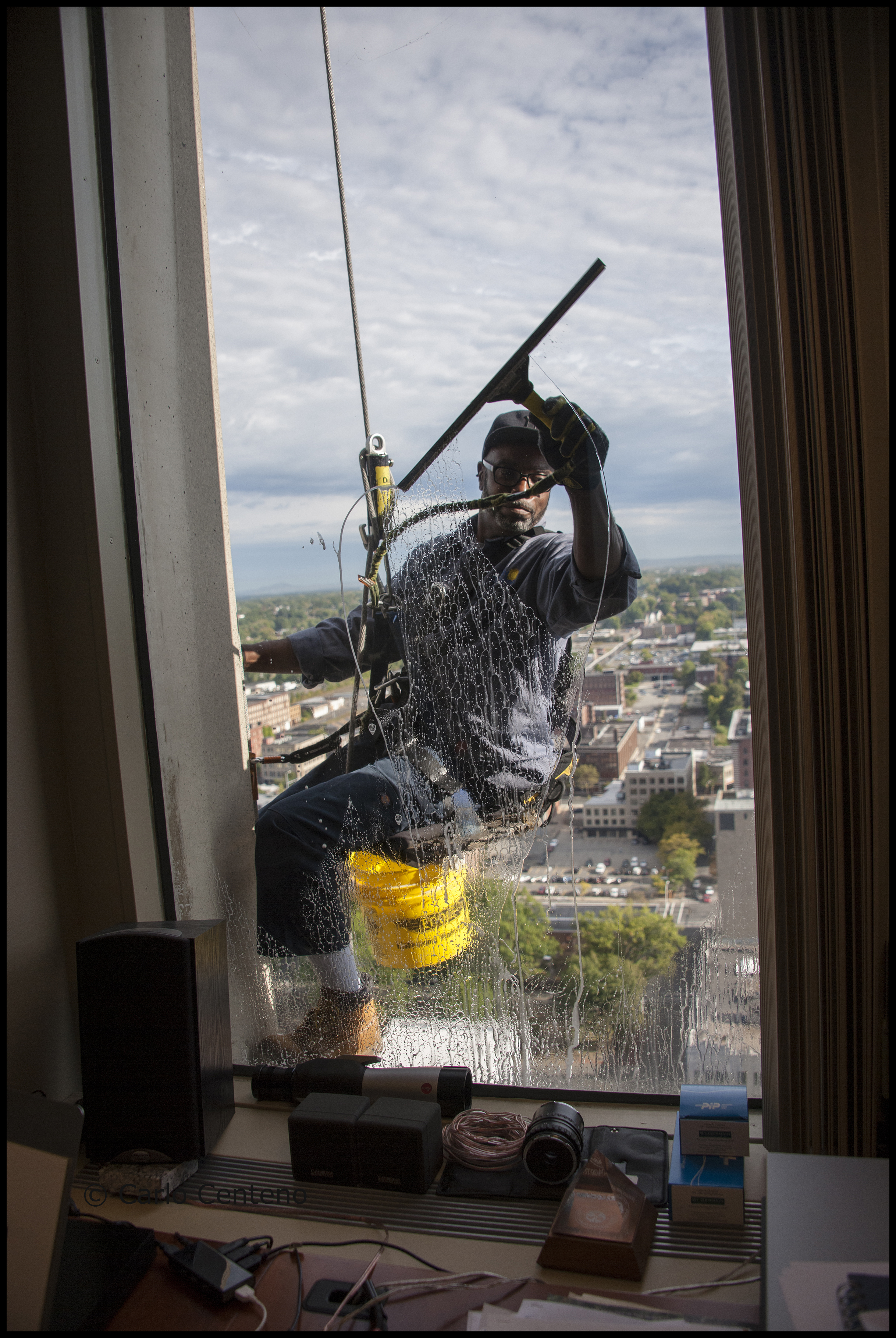
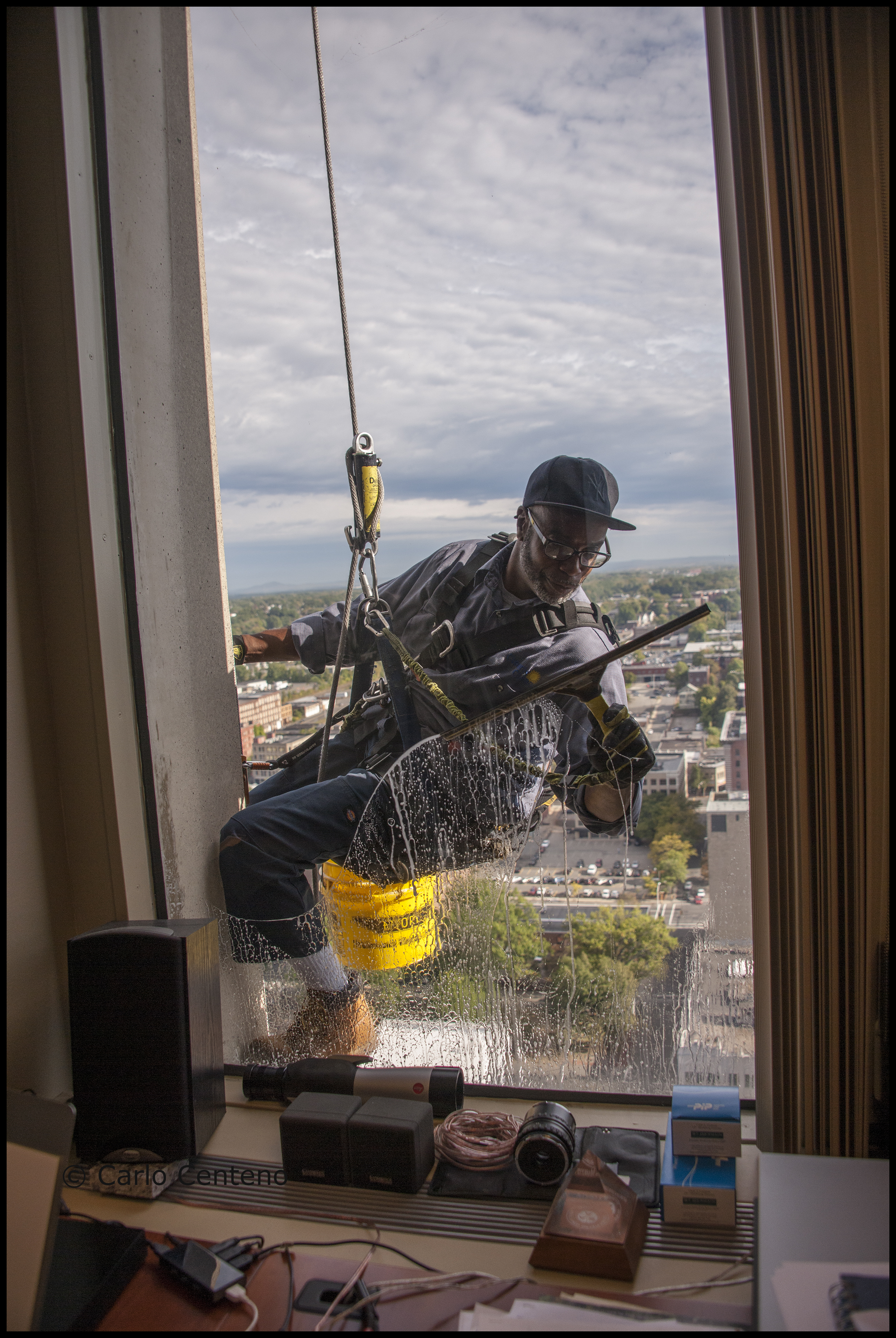
Clearly Clear

The most fearless among the fearless are the workers that brave conditions which make our primal–often most private fears–come to surface.

The professionals who clean the windows of tall buildings are a good example of the breed.

To think they’re suspended in place with nothing but a saddle harness, a rope connected to that saddle, and the rope routed typically through a figure-8 or other type of belaying device. And where that rope is anchored on the roof is a mystery to me.

Not surprising, but always impressive, the windows are wonderfully clean and clear.

Wandering towards warmth

It’s at this time of year when I hear longings for warmer weather. From workers in the office building–a lot while in the elevator–to family and friends, I hear wanting cries and wishes for winter to end. February is akin to that last push toward a finish line; it’s a test of emotional endurance because you’ve made it this far yet there’s still a distance to go. When will this end? Let’s finish winter and get on with spring. Polar vortex aside, I’m still enjoying winter. However with daylight piling on, it’s not difficult to think about spring.

In no uncertain terms, sunny, warmer weather puts people in a better mood, especially during those first few days. What’s not to like? You get more vitamin D. The air feels gentler. The sky appears friendlier. The pace of life is calmer. The sounds and sights of life are no longer insulated: laughter, more people outdoors, car windows open, music escapes from said windows, smiles appear from once stoic, resigned faces and of course, fashion turns lighter as puffy, padded, heavy and scratchy attire is relegated to dry cleaning, the cedar chest or some other domestic sarcophagus to be opened later in the year.
Many of us in New England are already wandering toward and wondering about the warmth. For now, we can still huddle in our coats, don an extra layer, warm ourselves with a mug of Hot Toddy and make the best of things next to the fireplace or wood stove.