This is the view from my office. Because this window faces north, changes in weather often come this way, and today was no exception. A front was slowly moving through bringing with it some drizzle if not showers and a pinch of wet snow for good measure. I go through some days feeling creatively barren, as if covered with a fog. My brain cannot keep focus of what’s important, nor can it generate a spark of an idea. I’d welcome a nugget of thought that morphs into a theme, a sentence, a paragraph and even a photograph.
When that kind of fog moves in, I used to double down on my brain as if I could purposefully, indeed consciously command by merely thinking, “I need something to work with here! Get it off the ground.” A couple mugs of green tea or coffee later, nothing appears on my creative radar. And so I apply a way of thinking and visualizing to help reveal something/anything beneath that fog. I imagine what’s lying beneath not only my creative fog, but the cloak draped outside my window. Somehow the symbiosis of such processing helps clear my brain fog. It doesn’t reveal something monumental; it’s not a Eureka! moment at all. Some real right-brain elbow juice comes into play. I’m from the school that believes there’s no such thing as a “dumb idea or answer.” Possibilities abound depending on your attitude.
The transition time varies, sometimes in an hour, other times a day or 2 later. I suppose other efforts have probably taken longer to render that creative crumb-of-an idea or concept. If I knew how to sketch, perhaps it would be easier and at times faster to arrive at the idea. However, it’s just the way this person works. Not very exciting. The excitement–if you can call it that–is more a feeling of relief and satisfaction.
Whether I’m looking at a blank sheet of paper, a clean page in my journal or through a camera viewfinder [yes, very old school this guy], I sometimes think of Occam’s razor, a philosophy that states when troubled with competing solutions or ideas for a desired outcome, often the simplest version is the very solution that makes sense.
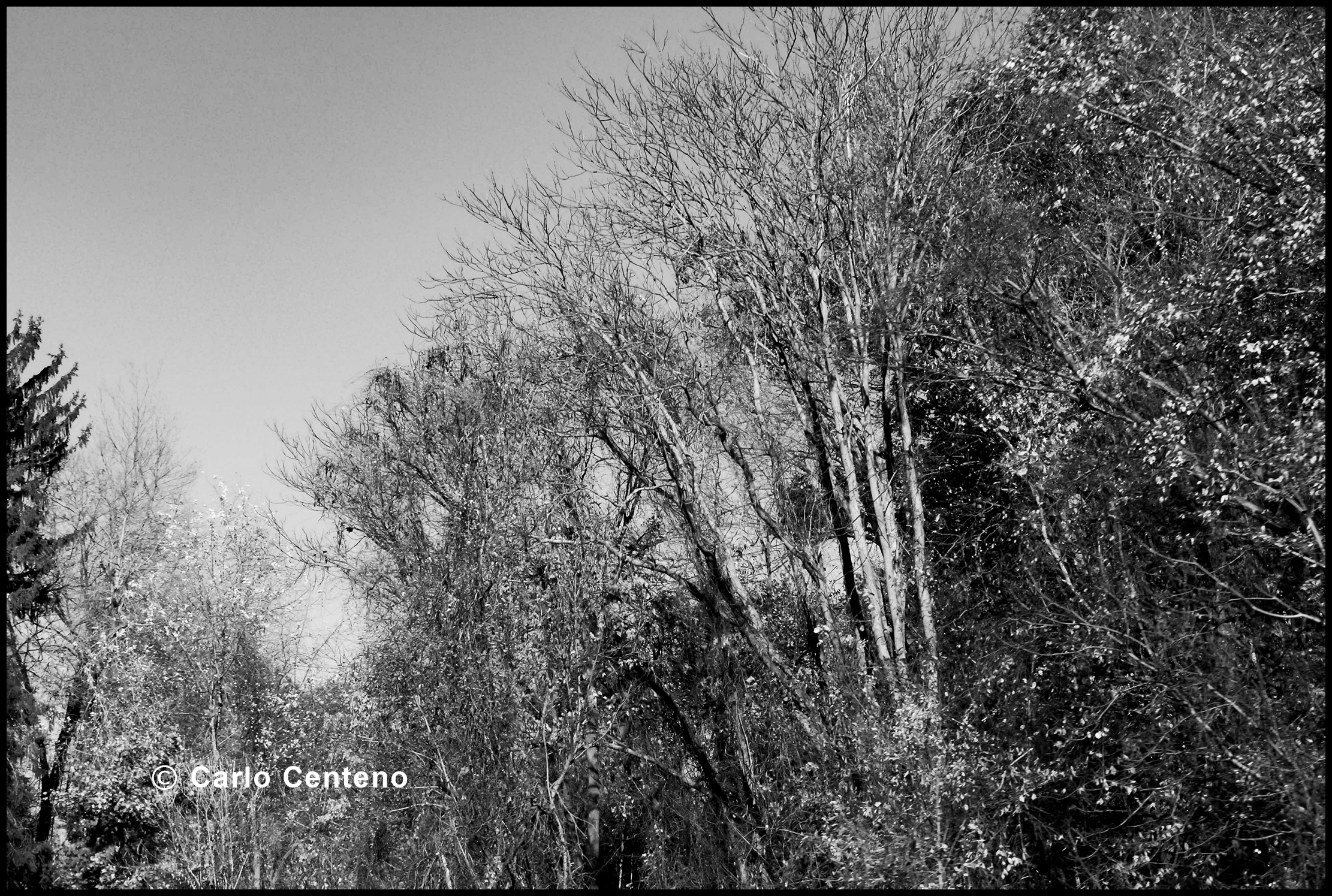
The changing seasons has a way of rebooting my perspectives on life’s moving parts. It’s also an opportunity for me to find, even create, connections that could lead me to alternate choices about work and family, problems and challenges, as well as my own professional and personal goals. The fall suggests possibilities with a palette of colors where each one suggests a sentiment to whatever I’m feeling or thinking. More often than not, I make one, perhaps 2 attachments of color to an idea, an attitude, or even a condition that’s been entrenched in a mood of some sort which I cannot correlate or let go of. However, when the maples, birch, oaks and other trees reveal their once covered limbs, I see a “wireframe” ready for a season of open air, of white space and a period of quiet and rest. Once again, it’s a reboot of sorts given the visual clues of autumn.
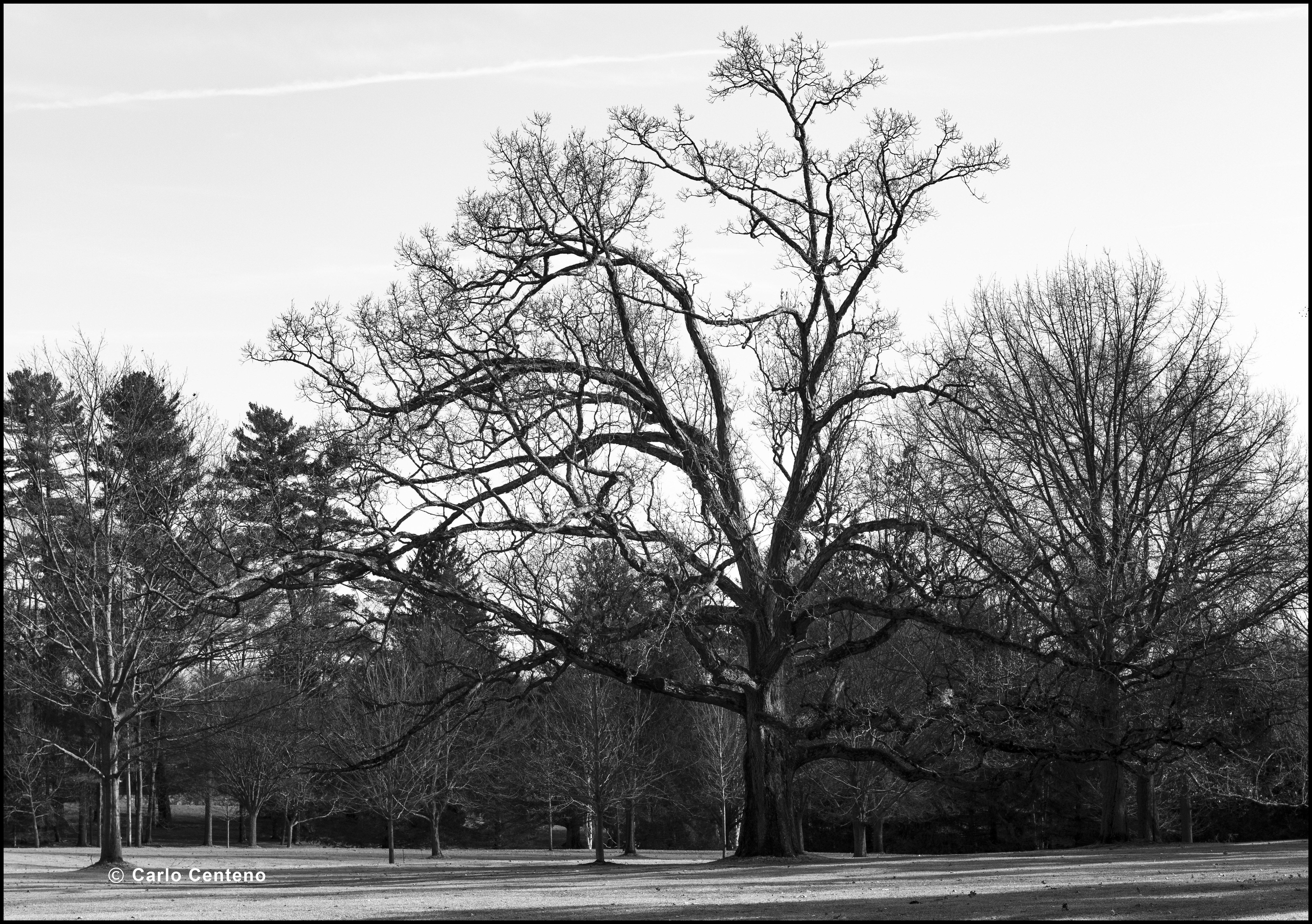
From a distance these bare trees take on an innocuous albeit familiar appearance. You realize that these wireframes silhouetted against a grey forest floor or an overcast sky has the potential to stimulate your way of visualizing beyond the obvious and the rote. Late fall and bare trees are midwives to modified or new byways to thinking and feeling.
Such possibilities make bare trees special. True, this past autumn the colors were fantastic, vibrant, even spectacular, more so than years past as far as I can tell. That festival of color has its own cathartic energy. Compared to just a few weeks ago, these now dormant, quiet trees are a type of dopamine, a suitable follow-on for my busy “monkey-mind.” There’s a levity and sense of calm with bare trees that’s akin to starting anew and refreshed. The trees are steadfast and immobile and yet there’s a fluid-like form that draws your attention. And because you can see between the branches, openings of various shapes and dimensions become apparent. That white space becomes a cocoon for imagination and emotion, of things improbable that feel possible if only in theoretical form. What can you jettison from your mind into those spaces now in front of you? There are things each of us can let go of.
Many of the trees are straight up and down although the oaks and maples have a grace manifested by the sweeping reach of higher branches. The silhouette of these branches appear as arms with a soft curve, its ends like fingers gently reaching for the sky.
Late fall and bare trees are markers of change. In its most obvious forms, it means shorter days, cooler temperatures, fantastic light and shadow and a time change. The latter is likely the least wanted change this time of year. And yet the markers also remind us that still more change is to come. Some welcome winter [like me] and others can’t wait for spring. In a personal way bare trees are anthropomorphic. They go through cycles of change just as we do with our life stages. And as in life, some of the bare trees will remain so in the months ahead. Just as some of us will, our own thoughts and feelings leaving our physical selves. Bare trees can mirror our own life qualities season to season. Or maybe it’s the other way around; after all, trees have long existed before we arrived.
Time, energy and focus are 3 KPIs [Key Performance Indicators] for mulitasking. And likely there are other indicators, and for those, I’ll need an ombudsman to help reset my already overloaded brain. In any one of these factors, you either have it, lose it or want it. For the most part, I’d say most people want them all, or to at least hold onto whatever’s in you.
However, multitasking is not really multitasking.
Ms. Nancy Napier, Ph.D. and contributor to Psychology Today identifies it more as “switch-tasking.” For decades we’ve heard that new electronics and computers and software are supposed to help make our professional lives much easier and faster, that’s rarely the case. Many of my marketing projects are open—actually minimized—on my screen. Perhaps “minimizing” those open windows and apps is in actually diluting the strength of your project[s]. Dr. Napier points out switching between projects is counter productive. In fact, it takes a good amount of time and energy to realign your mental details jumping from one open project to another. All of this creates stress [but we already knew that].
As Dr. Napier puts it, multitasking is mentally and physically rough on anyone. The mode of working start-stop-start-stop-restart becomes a catalyst for mistakes, inefficiency and time lost. As the saying goes, “Well, there’s 30-minutes I can’t get back.”
Did you happen to notice the bee in the first photo [the sunflower]? No, well, were you multitasking….excuse me, “switch tasking?”
What a strange, odyssey we are on. Are we in the initial stages of a pre-dystopian epoch? That’s an unnerving take on our tomorrows. I am as guilty as the next for failing to live in the moment. Thus you could–and perhaps should–interrupt my ruminating about the past while also worrying about the future.
No one can undo history and the future is not promised to any of us. So, it’s the here and now, the very present moment where we consciously or rotely go through our lives with purpose or with routine motions of day-to-day life.
Fly fishing for many, for me, is part of life. Time spent on the water delivers familiar notions of preparation, anticipation and the knowledge that the day is, quite frankly, a gift. With all that’s going on in the world, I would say most readers looking at this are doing much better than many others. And having the gift, a day such as being able to go fly fishing is one that should not be taken for granted. Getting to a favorite spot–whether somewhat new or all-too-familiar–jump starts my awareness for the here, for the right now. For those few important things that are usurped by the ephemeral things that entangle us, yes, we all need to live in the present moment!
So, on this Independence Day weekend, take a chance. Make the most of whatever day you have. Any one is a gift. Even when things go awry [I fell into the water moments after releasing this trout!], or not according to plan [I could’ve left the water empty handed but for the wet clothes that chilled me to the bone!] , don’t dwell on what might’ve-could’ve-should’ve happened. That’s done.
I think you’d be much better off acknowledging how far you’ve come.
And for the aspiring fly-fisher, that beautiful brown was caught and released on an an unusually cool late June, mid-morning [10:00 am?]. The details: o I used a #16 pheasant’s tail nymph I tied with a barbless Partridge hook [unweighted]; o tied to a 5X fluoro tippet about 2-to 2 1/2 -feet in length; o attached to a tippet ring on a 6-foot furled dacron [?] leader; o to a 4WF fly line; o spooled onto a Grey’s cassette reel with #20-backing o all collaborating with a Winston Biiix 9-foot 4WT fly rod
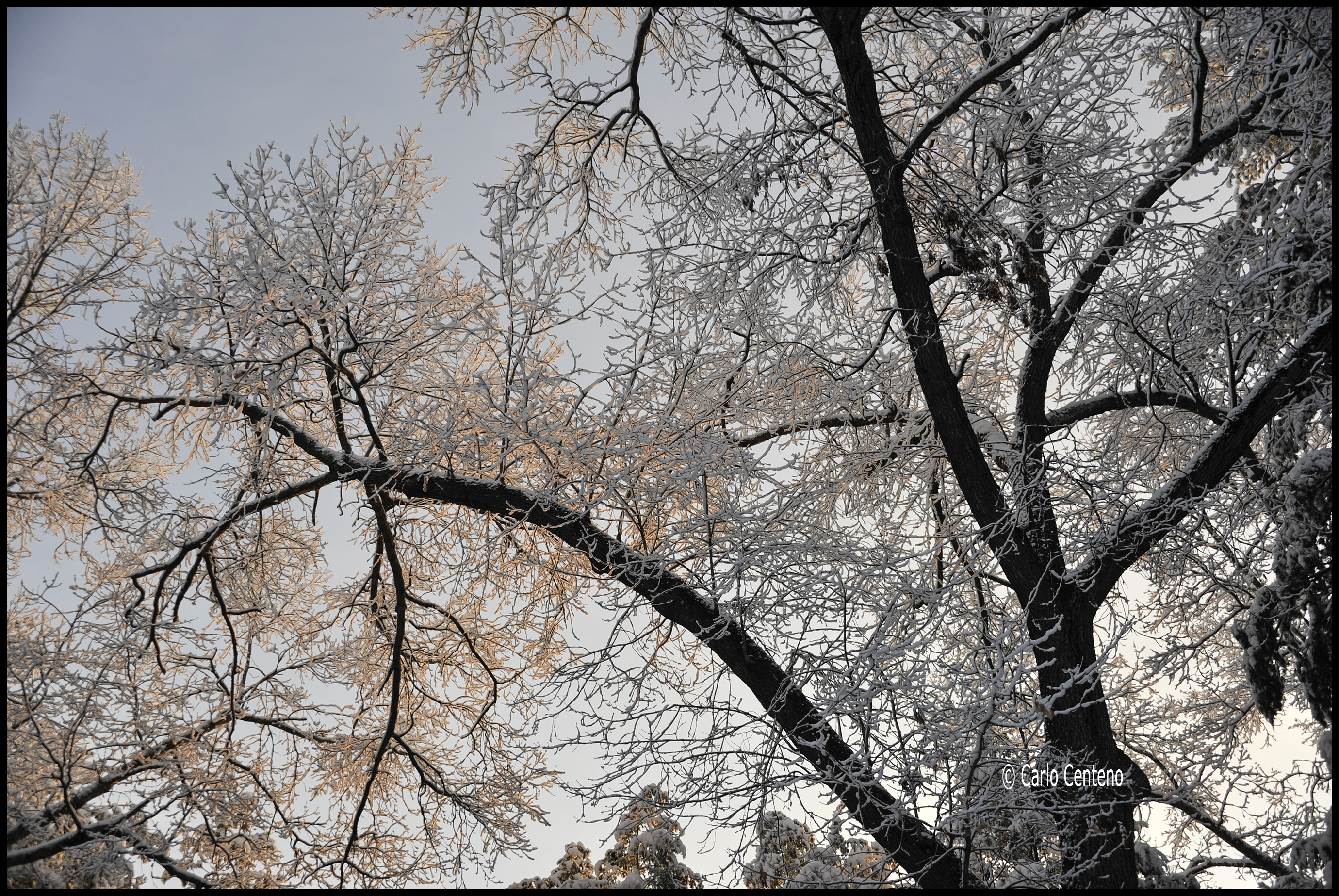
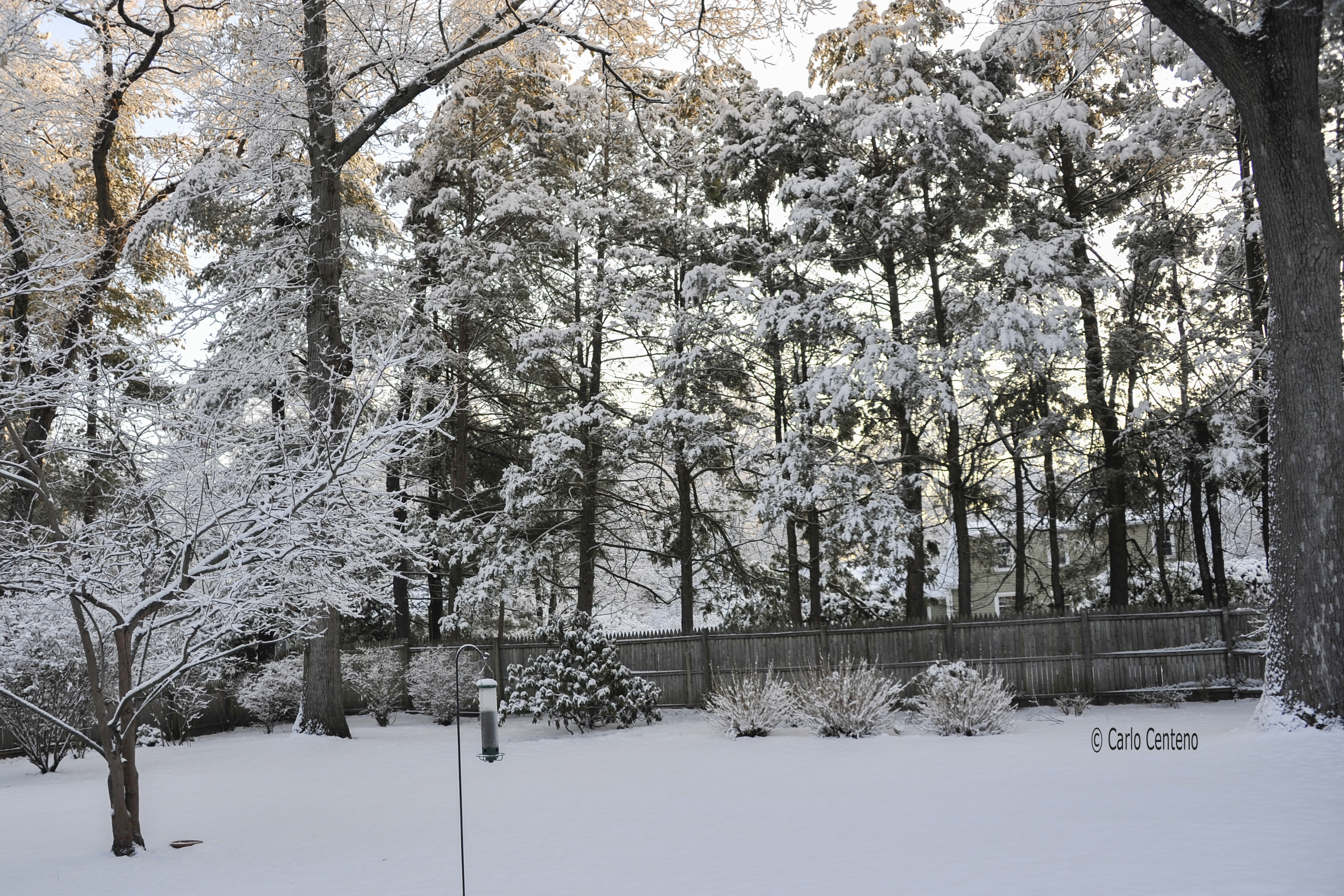
They’re all around us. Analogies are everywhere. This morning several analogies appeared after an overnight snow powdered trees, shrubs and bare ground. There is value in being part of your surroundings, and depending on your frame of mind and mood, the time spent can be cathartic. The morning’s analogies are fleeting, ephemeral. For the most part, the majority are short-lived.
My waking-up-time leaves much to be desired as I totally missed a fiery sunrise. From a window in the dining room, the bold orange and red brushed across the eastern sky is a familiar calling card for this anachronism with a camera. However, by the time I was ready, the sky instead gave me an anticlimactic pale blue. Gone in the blink of an eye.
I’m reminded of the proverb, “He/she [my pronouns] who hesitates is lost.” I had lost my opportunity earlier this morning when I failed to get outside to photograph that spectacular burst of color. This adage comes from playwright Joseph Addison’s play, Cato in 1712, and its adaptation is as universal as any other truism. I’m not the least bit surprised at the lesson the saying delivers. In an attempt at action and decisiveness, there seems to be a lot of hesitation. And when one hesitates, that window of opportunity often closes in short order.
Hesitation can infer caution just as it can suggest a lack of confidence. For the former, it means we’ve avoided some form of discomfort or harm, as for the latter, I believe that having little confidence is what causes most of us to choose not to do anything. Hesitation–whether in avoiding some perceived element of danger or wanting some level of certainty and sense of purpose–means either choice denies us any affirmation of what could have been.
After several minutes, the snow started falling away. Pine boughs loaded with snow started lifting just as the snow fell. Clumps dropped from many of the trees, the branches were once again dark and monochromatic against the blue sky. It seemed the snow vanished in the blink of an eye. Ultimately everything appeared as they were before: familiar though dark, even mysterious.
The fast-melting snow was like time running its course in the last minute of a hockey game or any other sporting contest. Was there an opportunity early on to change the game’s outcome? Ultimately it comes down to an either or decision. Actually, the third action is not to do anything at all, but the complexity of choosing inaction is an essay for another posting.
I’ve lost count of the moments I hesitated making a decision. Similarly, that count is lost on the moments when I did not hesitate, only to wonder if my action was perhaps just too fast.
Many things go pass us with nothing more than a slight pause of time. Sunrises, sunsets, snow melting, a game played in overtime and so on. Time for me to do something else.
There are several places I always look forward to visiting. The Catskills is one of those places. Marketers have positioned it a number of ways, two which I can refer to: the first being that author Mr. Washington Irving created a mystical dimension about these mountains and valleys as demonstrated in two of his works, Rip Van Winkle and The Legend of Sleeping Hollow. The second is that these same mountains are the birth place of American fly-fishing, this, toward the end of the 19th century.
The eponymous short story tells the tale of Rip Van Winkle, who after accepting a drink or drinks from other Dutchmen, went into a deep slumber. A twenty year slumber at that. And to think that suspended animation had yet to be imagined. Like Irving’s other short story, The Legend of Sleeping Hollow, there’s no denying the intrigue and fascination with the dark arts as it were, an ethereal construct of feeling displaced, out of touch and powerless. The spells, debauchery and intrigue hold the reader captive, and the Catskills is both crucible and container to the kind of narrative that keeps young and old awake at night.
Along the roadways that weave up and down and around these mountains you’ll see places with names like The Washington Irving Inn, Sleepy Hollow Mercantile, Rip Van Winkle Golf, etc. etc. From eateries to where locals meet and catch up on recent news, to bed and breakfast attractions, there are many hints at Catskills history and folklore.
As for the fly-fishing, there’s enough rivers and streams to keep you occupied. Certainly there’s enough real estate to get you lost as well or put another way, give you solitude and quiet like no other in the northeast. I’m told that Mr. Theodore Gordon is the one credited for starting American fly-fishing in the 1890s. This feeling of where fly-fishing started in the USA is supported by a smattering of fly shops and other related businesses, several found close to the rivers. For many die-hard enthusiasts, these are sirens that are as strong as the waters and fish that beckon us to get our fly lines in the water.
Covid has altered some of our pursuits, but it hasn’t put a dent on my love or time in the outdoors. Factor in the openness and scale of outside and one can understand the fascination, the desire to get up and out of the house/office and do something for yourself or for perhaps someone else. It’s rare to see another person here in the Catskills or in other wooded areas I’ve been in. Social distancing is a non-issue. In our uncertain world, being wrapped in the outdoors is invigorating and yes, even fulfilling.
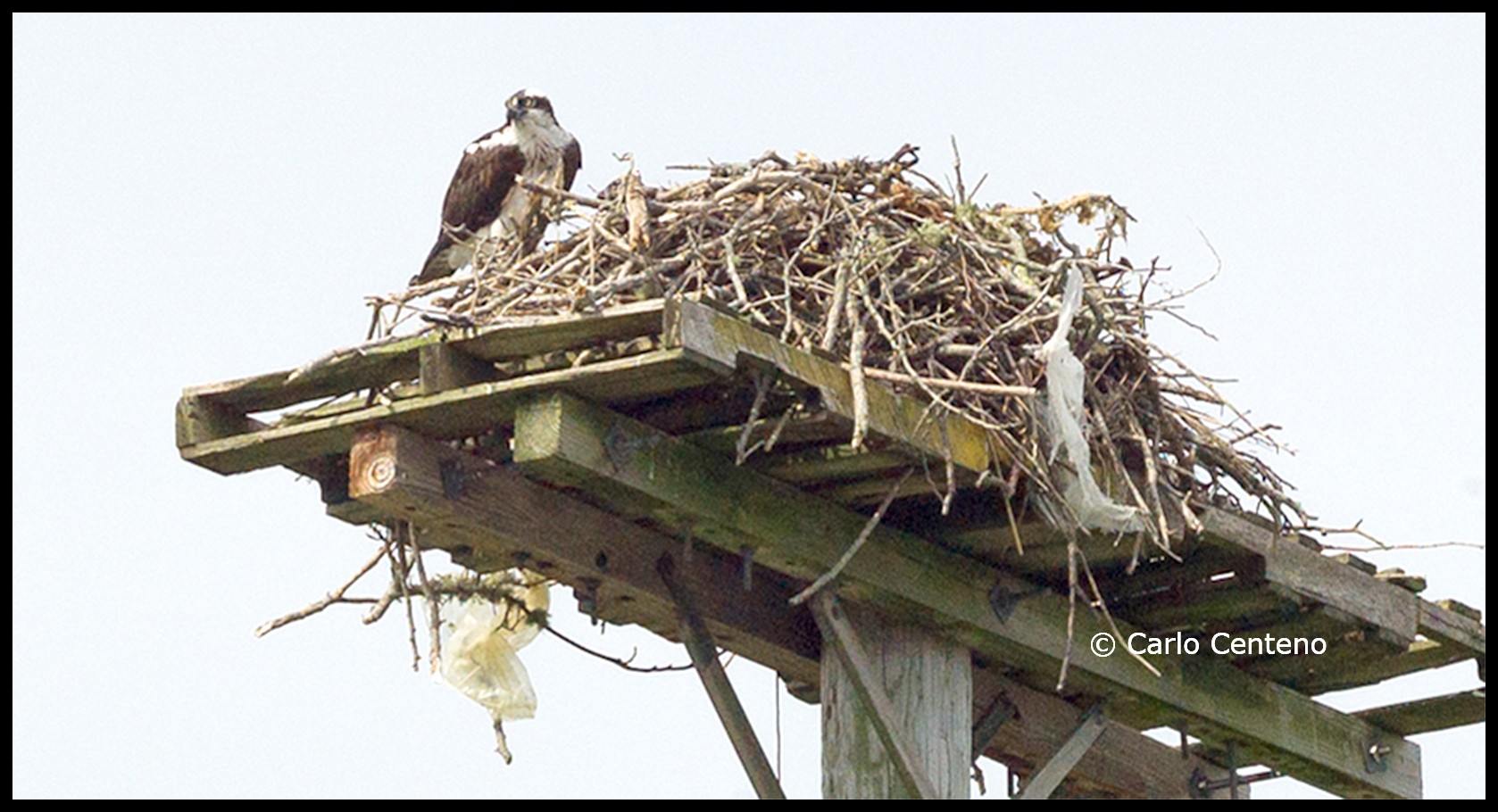
A static photograph of an Osprey doesn’t say much about the grace and power of this winged predator. Like many of her cousins, these sharp-eyed birds of prey manifest the attributes to which we ascribe to: a sense of purpose, focus, determination, endurance, patience, where at most we, strive to procure or refine 2 or 3 from that list.
I’m not a birdwatcher nor bird photographer. These serendipitous images were taken during a walk along a beach. In spite of an overcast, somewhat foggy-ish, misty day, you could discern the silhouette as well as the contrast in its feathers. Notice the plumage in a brownish-black to a grayish white, the sharply hooked beak, the yellow of the eyes, the elasticity of its neck—or at least a hint of that feature.
Look at the nest and you may notice other details. Two plastic bags entangled with the nest, one on the right of the photo, the other dangling from an edge closest to the Osprey. I’m certain there are other man-made pieces entwined or even trapped within the pile of twigs they call home.
We can get hung up on details on just about anything. Like a trompe l’oeil, what we see varies from one person to the next. In my case, I noticed those bags right after seeing the Osprey. You may have seen it the opposite way and yet others may have taken a bit longer to realize the incongruous detail. These days, we’re bombarded with too many things which ad weight onto our anxieties. We can—and should—work to step back from such things and realize that in spite of the current discord, there are other details worth looking at, even searching for.
Autumn is my favorite season for a variety of reasons: the cooler, drier air is both invigorating and refreshing, the quality of light is remarkable, at times appearing clearer on even overcast days. Even time feels slower with a more gentle cadence though by mid-November, I wonder how it went by so quickly. Certainly it goes without saying that the foliage change can be magical, even personally restorative.
Many years ago, I attended a photojournalism workshop at what was then called The Maine Photographic Workshops in Camden, now known as Maine Media Workshop located in Rockport, a mere stone’s throw from Camden. Located half-way up the coast of Maine, the town of Camden sits next to Penobscot Bay. I haven’t been back since, so I hope it hasn’t lost its New England charm. It was quaint, quiet and photogenic to be sure. You can glean techniques and technical knowledge from more places today than back then [now a surfeit of info sits on the web]. Convenience is nice, but for me, being engaged with a like-minded person is all the more rewarding. Levels of inspiration come to me when I visit an exhibition, a gallery or listen to or converse with a speaker whose work clearly validates that person’s passion for his/her choices.
I was fortunate to have heard and seen in person Jay Maisel, Ernst Haas and Dick Durrance. Titans of their craft, I learned more than just technique, but a whole lot more about this passion to see things in a new way, to transcend the connections of light, color, subject, interpretation and meaning. My brain needed to do some real lifting and learning, and was thus able to do so when my soul became the catalyst to assist with that lifting and learning.
I like to think of seasonal transitions as a form of recalibration. It’s more than a reset, because to reset anything is effectively returning to its default state. Recalibration is a nuance in alignment. If I’m not sure of what I’m feeling when I look through a viewfinder, I move a few or more steps to one side or another, as well as toward or away from my subject. Recalibrating.
There are similarities in writing, but they’re a bigger challenge for me to describe. I suppose the very title of this post lends itself to recalibrating: adjust the “color” of your words such as tone, passive versus active voice, even a tweak in aliteration to keep your narrative—and your thinking—interesting.
Autumn just doesn’t land here in the northeast; when it does arrive it’s akin to that sense of belonging, of knowing that your journey—in spite of personal hills and valleys—continues with the expected and as well as the unexpected. I like all the seasons, but fall is the one which captures the zeitgeist of the rest of the calendar. It’s a short period of time, that in its most fundamental form, feels like the comfort food that’s been sorely missing for more than half the year.
If there’s one thing obvious about marketing and advertising is that they attempt to shape your perception, to one of acceptance or revulsion. In this politically charged environment, I’d say most political advertising encompasses the latter. But we’re not going there today.
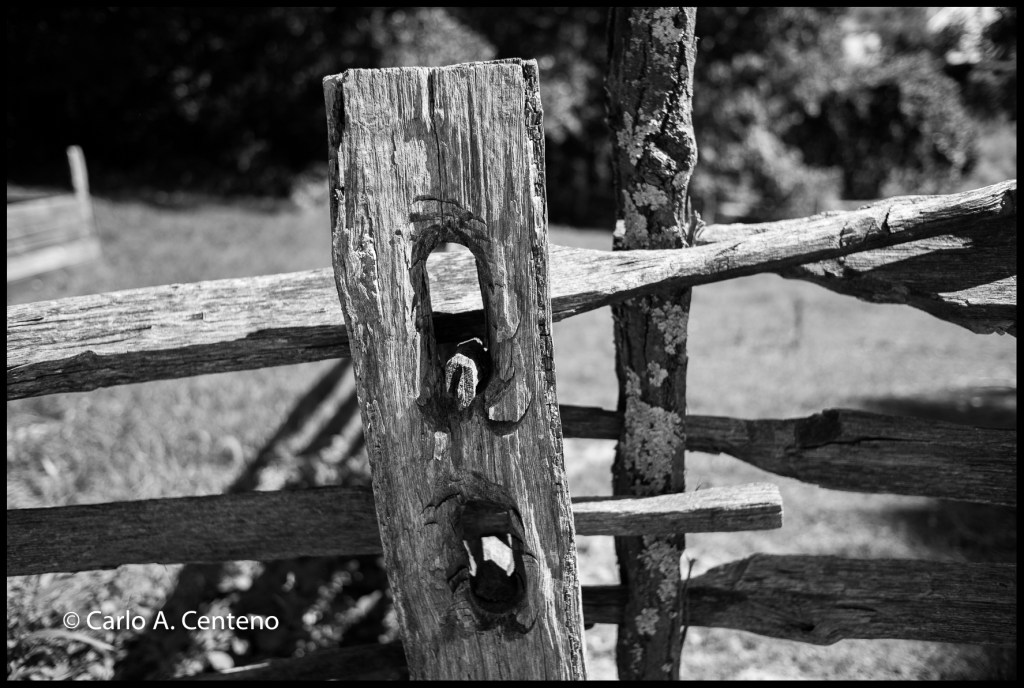
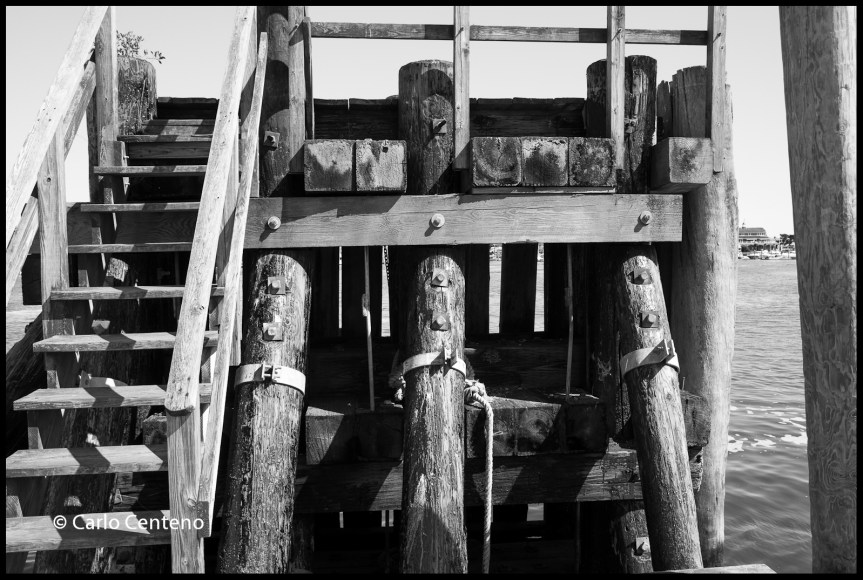
Here we have 2 wooden structures, one historical [circa 1800s], the other modern. Now, one may think that the modern structure offers more features: pressure treated wood, steel anchor collars, robust carriage bolts, nuts and washers [possibly even zinc treated to resist corrosion] etc. Well, it does have more features; it has to given its function. But it doesn’t mean it’s better than the simpler one, rather, the modern structure is built specifically for conditions and utility common to coastal areas. Both types share similar benefits albeit differentiated by design, materials and construction. Well, the purpose of the modern structure may be the same as our historical one, that is, to prevent something from entering or leaving a specified area, perhaps protecting one side more so than the other.
Before you clobber me with the apples-to-orange inequality of this comparison, the point I’m making is that consumers often equate features as benefits. If you’re anything but a design engineer, you may think that the metal anchors or collars wrapped around the angled stanchions may be unnecessary. However, if you live, perhaps even work along this shoreline, you would know that the tides and storm surges exert an astounding amount of pressure against barriers. The added strength of the collars is beneficial to the overall strength of the structure.
“This unit can do more than its closest competitor.”
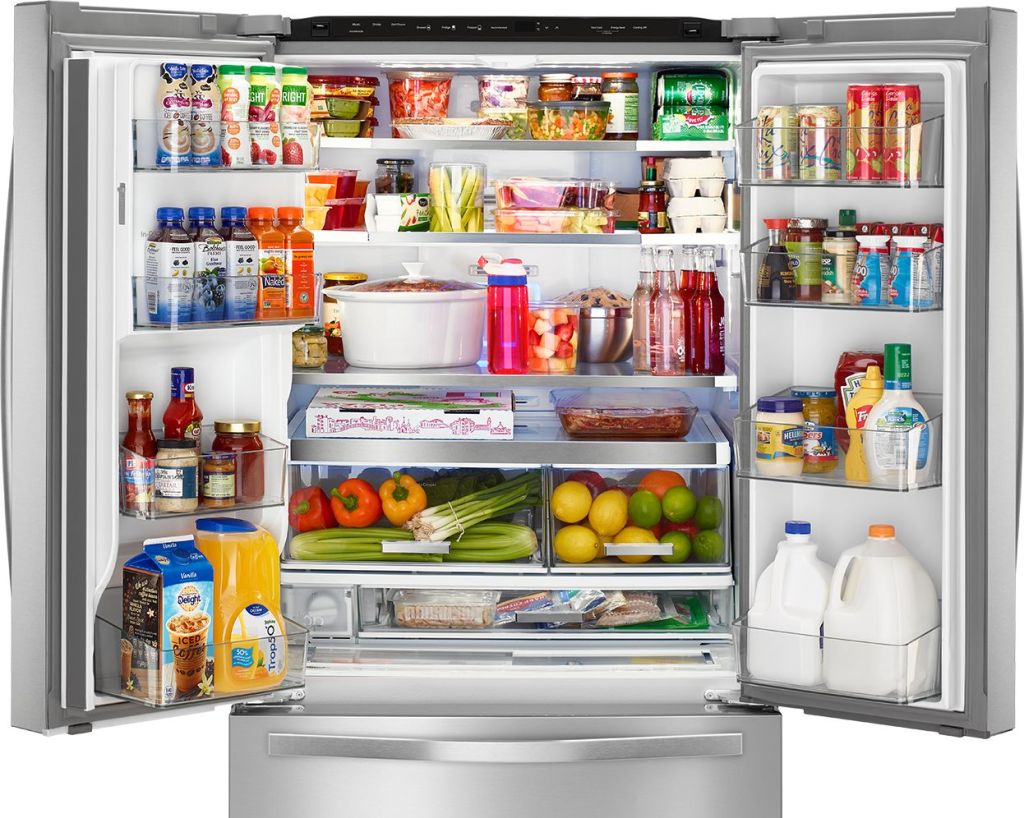
courtesy: Whirlpool
On a recent trip to one of the box stores, I couldn’t help but overhear a salesperson singing the amazing features of a particular dual-door refrigerator. NOTE: the courtesy photo is for illustration and is not the product being referenced herein. “…..with the app on your computer, that model can sense when it’s time to restock, bread or cheeses or certain vegetables or frozen dinners…” The technology, the artificial intelligence that’s coming to market, can be impressive. But will it work on my iPhone 6S or will I need an Android system? You know, my home fridge has an ice-maker, though it doesn’t automatically dispense into my glass when held below a special port. Mine? Open the freezer door and grab ice from the container, a container purchased separately, BUT, looks like it came with my fridge. Typically I empty two ice trays into that container, refill the trays with water and return to the freezer. In less than 10 minutes, you’ll have ice that’s just as good as what the cyborg-fridge can automatically deliver to your glass.
My hand is the delivery and presentation vehicle. And it works. No downloads, no firmware, no software….basically, I’m somewhere with basic technology versus, being nowhere or confused with this hi-tech stuff. Now, if I was that customer learning about the smart appliance in question, perhaps the dialogue would go something like this:
Salesperson: It’s an amazing piece of technology. It can monitor your food and beverage consumption, conveniently at your fingertips. You use an app on your smartphone.It’s a big plus for busy families. Me: That’s impressive, but it’s a feature that I don’t need or really want. Salesperson:You can even check it from just about anywhere in your house. That’s real convenience. Me: Actually, I find it more convenient doing it my way. Salesperson: And how’s that? Me: I walk into the kitchen, open the door and make note of what’s still there and what needs to be added onto the grocery list. Salesperson:How is that more convenient? Me: Well, it’s not just convenience for me, but a benefit. Salesperson:Oh….? Me: It’s called walking. For me that’s a benefit. I already do too much sitting at work. Salesperson: That’s a valid point, but not really helpful. I mean we’re talking about making your life simpler, by doing less chores, to get more time to do things you’d rather do.. Me: I’d rather get up and move. Besides, I get a chance to scope what’s not in there, but whether the shelves need cleaning or if an expiration date goes back to the Nixon administration. Salesperson:Wait, who’s Nixon…?Anyway, think of it as an evolution towards the future of appliances. You, the homeowner, can control all your appliances such as your TV, your A/V installations, the lights and the thermostats and so forth. Me: ….and without even breaking a sweat. Salesperson: Exactly. Me: Will people really adapt to this technology? I imagine someday my health insurance being able to buy data regarding my food preferences, and since I love ice cream, well, a dietician or cardiologist may take issue with that…who knows? Salesperson: Hey, well, hopefully that won’t be the case. I mean there’s a ton of places where information can be bought for marketing or research…that kinda stuff. Me: Of course….you know and I know that your actual mileage may vary…capisce? Salesperson: Ah, yeah, sure….have you seen the new washers and dryers that are out now?
We don’t inherit the earth from our ancestors. We borrow it from our children. Native American proverb.
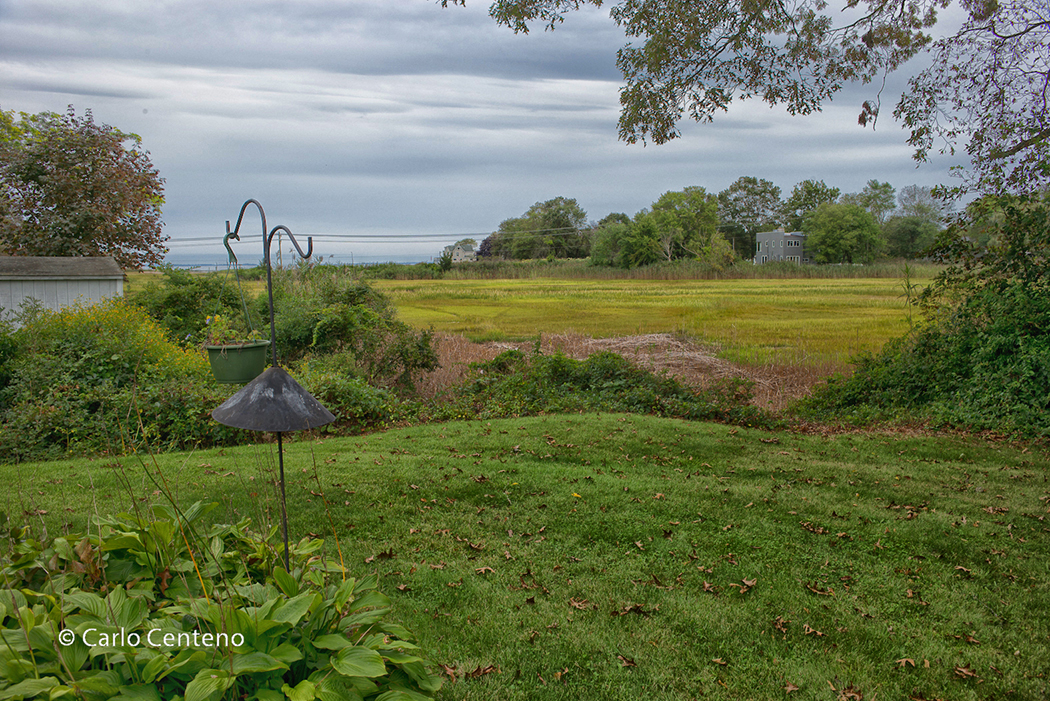
It seems much of the news these days revolves around weather. Just 3 weeks ago, a powerful storm tore through the northeast delivering colossal amounts of rain and dangerous winds. Add to that the trees ripped apart or from out-of-the-ground and it’s easy to understand why some think the “end is near.”
As this is being written, yet another hurricane struck the southern shores of Texas, Louisiana and Florida. There are other storms gathering strength off the west coast of Africa. The most recent forecast now shows 4 tropical storms in the Atlantic, each with the potential of becoming a hurricane.
There’s plenty of talk about technology in particular advancements in biochemistry and mechanical engineering that are directed to saving our planet. There can never be a one-size-fits-most strategy created from a laboratory, but we cannot rule out the scientific efforts behind such pursuits. There’s good reason to continue work on such technologies. However, we can learn a thing or two about “natural climate solutions.”
There’s a disquieting quality that follows catastrophic events: the eerie calm. It grates against my appreciation for a calm that I’m expecting, a calm based on softness, a level of assurance, inner peace and that sense of all is right in the world, even for just this moment. We appear to be experiencing less of that these days.
I’m reminded of a Judao-Christian saying, “The sin is not in failing, but in not trying.” Framed another way, there’s a lot of us carrying this sin of not trying.
















 Carlo Centeno