From a Distance

……From a distance
You look like my friend
Even though we are at war.
From a distance
I just cannot comprehend
What all this fighting’s for.
From a distance
There is harmony
And it echoes through the land
And it’s the hope of hopes
It’s the love of loves
It’s the heart of every man
It’s the hope of hopes
It’s the love of loves
This is the song for every man.
God is watching us
God is watching us
God is watching us
From a distance.

Excerpt from the song, “From a Distance” by Julie Gold ©1985*
*Songwriter Julie Gold composed this song when she was working as a secretary at HBO. She wrote during her free time. The song has been covered several times by other artists such as Nanci Griffith and Bette Midler.

Springfield, Massachusetts

On a recent flight home, 2 songs came to mind. An epiphany of sorts became apparent as I looked down on Springfield, Massachusetts and Ski Sundown in New Hartford, Connecticut.

Ski Sundown in New Hartford, Connecticut

In light of the Ukraine-Russia war, it’s not a stretch to understand the effect of distance when watching something from afar. Things are not always as they seem, but up close, enough details emerge to create a clearer picture.
Most of us see what’s happening from a distance, from the safety of our screens playing out “breaking news” of the terror and the maddening reality of one country imposing its incorrigible intentions on an independent nation.

At 29,000 feet [8,839 meters]

At altitude, it’s easy to “not see” the actualities of what’s coming and going at ground level. And yet what impacts me the most is how the innocents and defenders suffer and die, of how the children struggle to understand this detestation that arrived from nowhere. Modern journalism can report events as visceral and undiluted, anywhere at anytime. In that sense, we see more than what we want to.

I leave this post with the words Enjolras sang during the scene At the Barricades, from the musical, Les Miserables.

Do you hear the people sing?
Singing a song of angry men?
It is the music of a people
Who will not be slaves again.

When the beating of your heart
Echoes the beating of the drums.
There is a life about to start
When tomorrow comes.

Les Miserables by Victor Hugo
Les Miserables, the London Musical, trademarked by Cameron Macintosh Overseas.

Cold Light

I am an odd person out. I’m certain I shared this in a previous post, namely that winter, the shorter days, the snow and the cold don’t bother me the way I know it really bothers a lot of other people. However, when freezing rain, relentless winds from the north and sleet show up, doubts perk up about my relationship with winter.
My enjoyment of this season is greatly enhanced by a few other small details: no biting insects, most nasty smells are frozen in place, it’s easier to layer up to stay warm versus shedding attire to get cool. Fireplaces are invaluable for the way they comfort our weary minds and bodies.
And then there’s the light. By late October, shorter days manifest that longing for days that end at 9:30 in the evening, versus 4:15 in the afternoon. But for me on any given day, winter light can be nothing short of amazing [well, to my eyes anyway].

For those enamored with snow, it doesn’t matter how you enjoy it, just as long as you get out to enjoy it. Snowshoes. Boards. Skis [alpine and cross country]. Insulated tie-up boots [aka “moon boots”]. Building snow forts, a snowman/woman/sculpture. Tubes, sleds, and toboggans. They all generate smiles at one time or another.

Even the most ardent worshipper of other seasons can understand why winter can be a favorite. There’s a sense of solitude, even in the busiest of urban environments. Indeed most folks are rushing—as it’s often said—to get out of the cold, to get inside to warm up. And yet there are those who look to get out to be invigorated by the cold air. When it’s cold, it’s only natural that you move to stay warm: motion generates heat and heat consumes calories and the consumption of calories means soothing cups of hot coffee, hot chocolate, hot soup, hot tea among other choices awaiting your selection. Admittedly, it is bliss having such hot consumables balance out the chill at the end of a day. The yin-yang of warm & cold becomes apparent.

A cold drink can bookend a hot summer day just as a hot toddy can on a cold winter day. This radiating cocktail of hot water, lemon, honey and a bit of whiskey is also hydrating, indeed soothing since it’s a drink perfect for sipping.

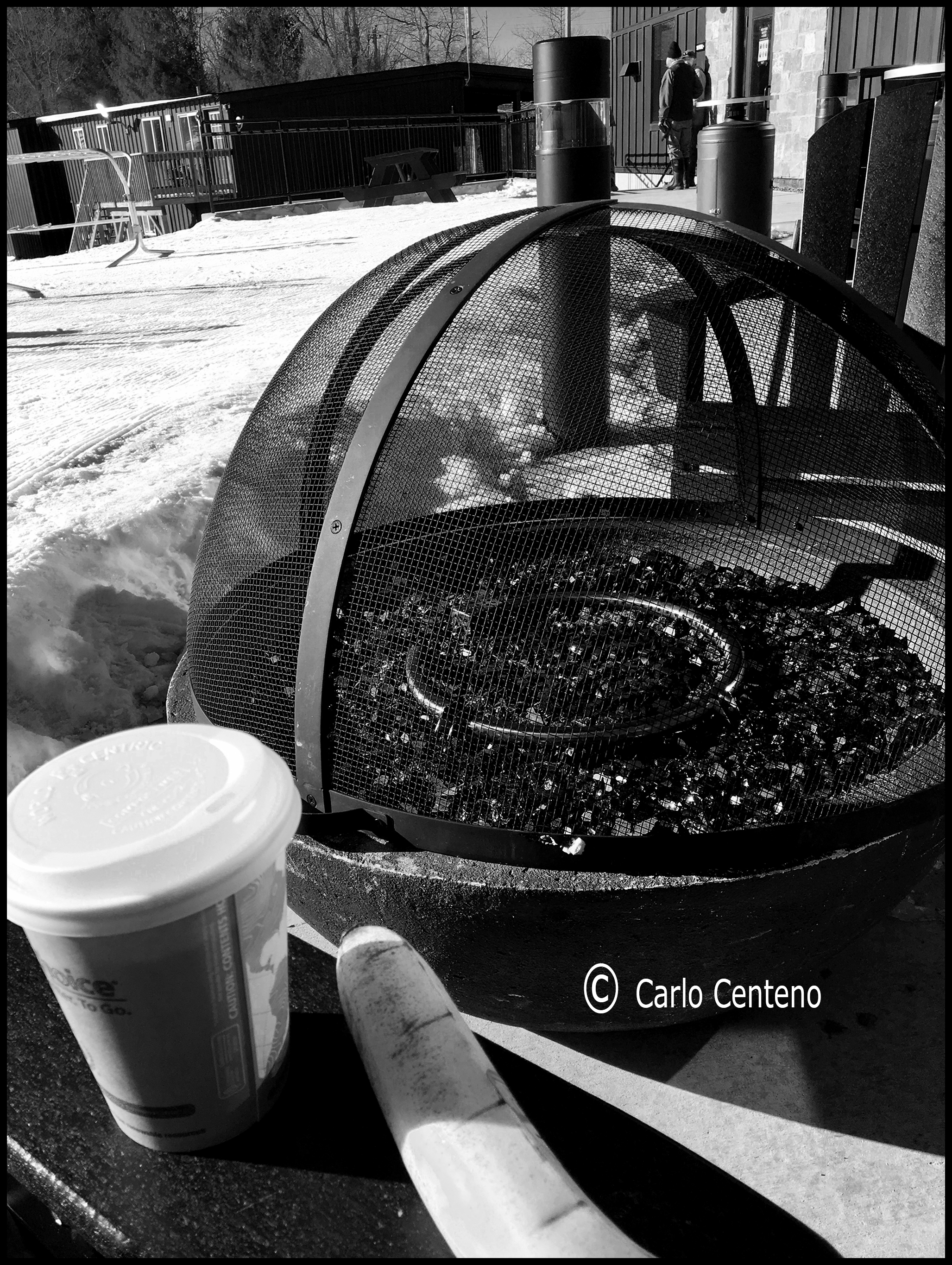
Cold light, winter light, is especially sharp when it reaches across a landscape as far as you can see. The shadows are longer and details stand out like bas-relief etched into tree trunks. On ski trails, the tendrils left by carving skis add to that dimension of depth, or even height, as if lengths of dark thread randomly lie atop the snow.

Winter’s light—especially later in the day—can feel cathartic and the sun’s warmth enhances this catharsis. A cup of hot chocolate, a banana, a comfy, large Maine Adirondack chair and a pit fire are all good company.

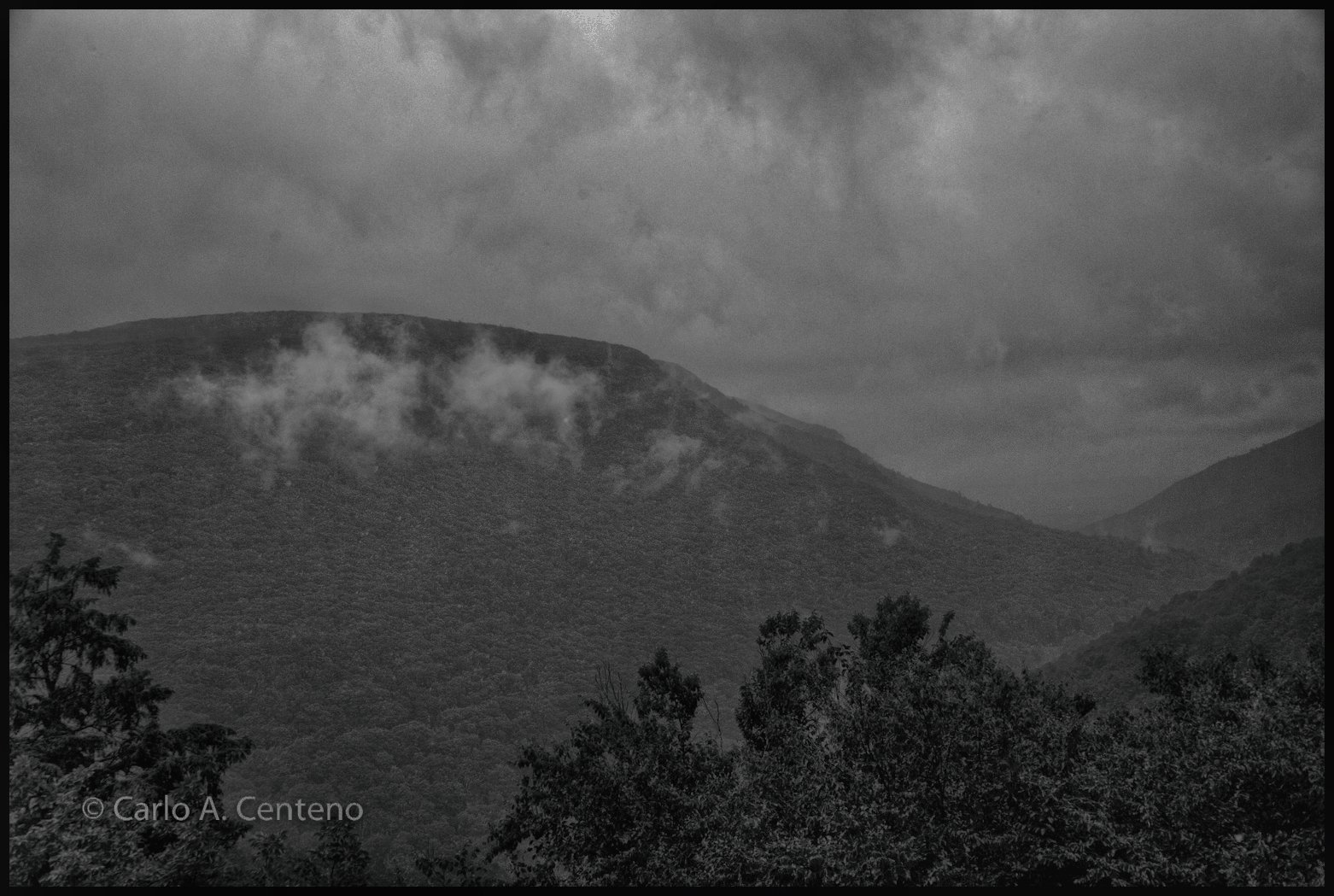
Dark, grey afternoons…

For all the misery and inconveniences really bad weather creates, storms have a unique appeal to me. They are fascinating creations. In the most dire of circumstances the devastation they leave behind is nothing short of incomprehensible, humbling and frightening.

On the other hand, bad weather has a way of fine tuning me to a mode that captures and enables the ephemeral: in one moment, a gentle falling rain suddenly becomes heavy, rampant, even vindictive in the force and quantity of water that dowses everything.

No sooner than the rain pummels the landscape, the water is then swept away, transitioned to a drizzle that moves ahead of a foggy veil suspended just behind the now gentle shower. I think of the various weather possibilities as moods, from the bright sunny days [hope, optimism, gratitude, e.g.] to the dull grey of a threatening sky ready to let loose its worse [depression, angst, regret, e.g.]. Weather figuratively produces such an array of moods.

Dark, grey afternoons carry a weight [wind, water, ice, snow, heat et al] that can lay to waste your surroundings as well as your inner landscape. Yet when I pick up my camera or take pen and journal to hand, I remind myself that things change. Storms have their beginnings and an end. And what happens in between can—and will—wreak havoc on the most carefully laid plans and intentions.

Events, like storms, are markers in time. And having a marker delineates a “before” and “after.”  What were you doing just before the storm hit? Where were you? We often have a stronger temporal sense of change whenever nature throws us the worse. Similarly, we celebrate when the change is for the better; some days are referred to as “picture-perfect…like a perfect postcard if you will.

The prologue to dark, grey afternoons can be a harbinger of bad stuff yet to arrive.  Still, I look at these harbingers for what they are: a dramatic dance of fleeting light, of varied grey swatches which masks greens, yellows and blue, of movements brought on by high wind speeds and even a gentle breeze.

Weather, in all its forms, is a fulcrum on our impressions of just how good or bad our day is doing.


“Those Were the Days”

Once upon a time there was a tavern,
Where we used to raise a glass or two.
Remember how we laughed away the hours,
And think of all the great things we would do.
Those were the days my friend,
We thought they’d never end.
We’d sing and dance forever and a day.
We’d live the life we choose,
We’d fight and never lose
For we were young and sure to have our way.

Songwriters: Boris Fomin, Gene Raskin

Ever an optimist, it is possible that you’ve heard the song, Those Were the Days as sung by Ms. Mary Hopkin. It was one of the first singles produced by Apple Records and Paul McCartney in 1968. My recent postings and our current new normal [or is it our current abnormal?] made me think of this ballad. And not only about changes that have taken place, but of many things unlikely to occur in the same way as before.

We are at summer’s threshold. We’ve evolved to accept crowded places, an expectation of more time spent with family and friends and to be part of those timeless happenings and celebrations that define this time of year: graduations, picnics, time on the beach, attending ball games, concerts & performances inside and out, barbecues, pool parties and a lot more.

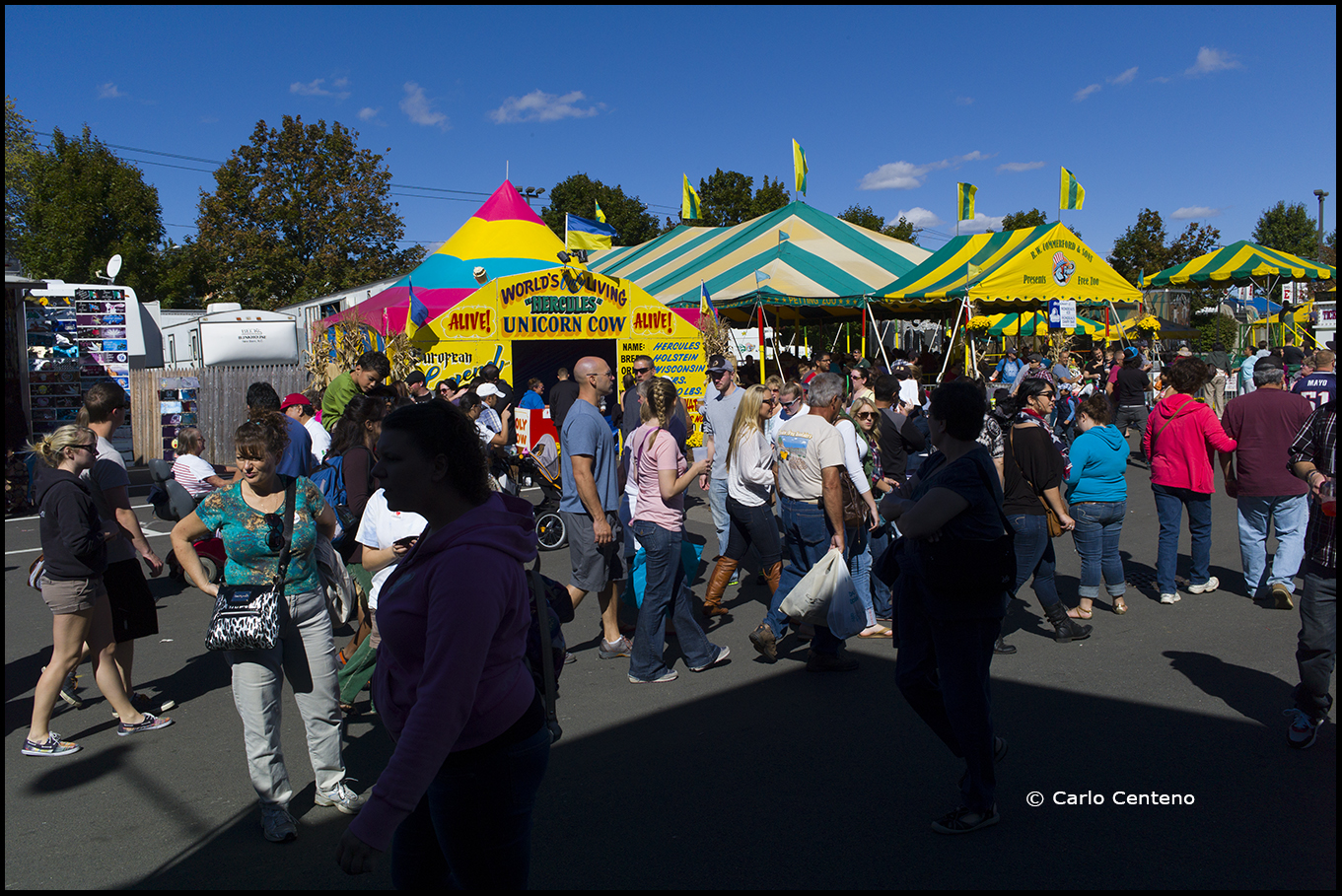
And then there are the country fairs.

This unique piece of Americana born of traditions in farming and agriculture, will never be the same.  To heed social distancing at these and other events is not going to happen. It’s part of our social DNA, to see a flurry of activities and to be part of the atmosphere or happenings. It’s standing in line if not for the anticipation of getting into an exhibit or performance—or something savory to eat—but to avoid losing your place in that line.

It’s a place to experience sensory overload. Merchandise of all kinds court you with such promises as having something fun-for-the-kids; of having the last mop you’ll ever need or the complete knife set that rarely needs sharpening. Then there are the culinary pieces de resistance: fried dough that could work as trash can covers, cream puffs the size of softballs or that deep-fried turkey leg that can double as a hammer in a pinch.

This year will be different for most everyone. The crowds can never be as large as before. Perhaps reservations need to be made to limit the number of visitors. Adjustments are already in place, yet still changing. We’re armed with masks, hand sanitizers and wipes and a growing awareness of our personal space and limitations. It may not be all bad, but much of what’s currently unfamiliar, even uncomfortable, will become all too familiar.

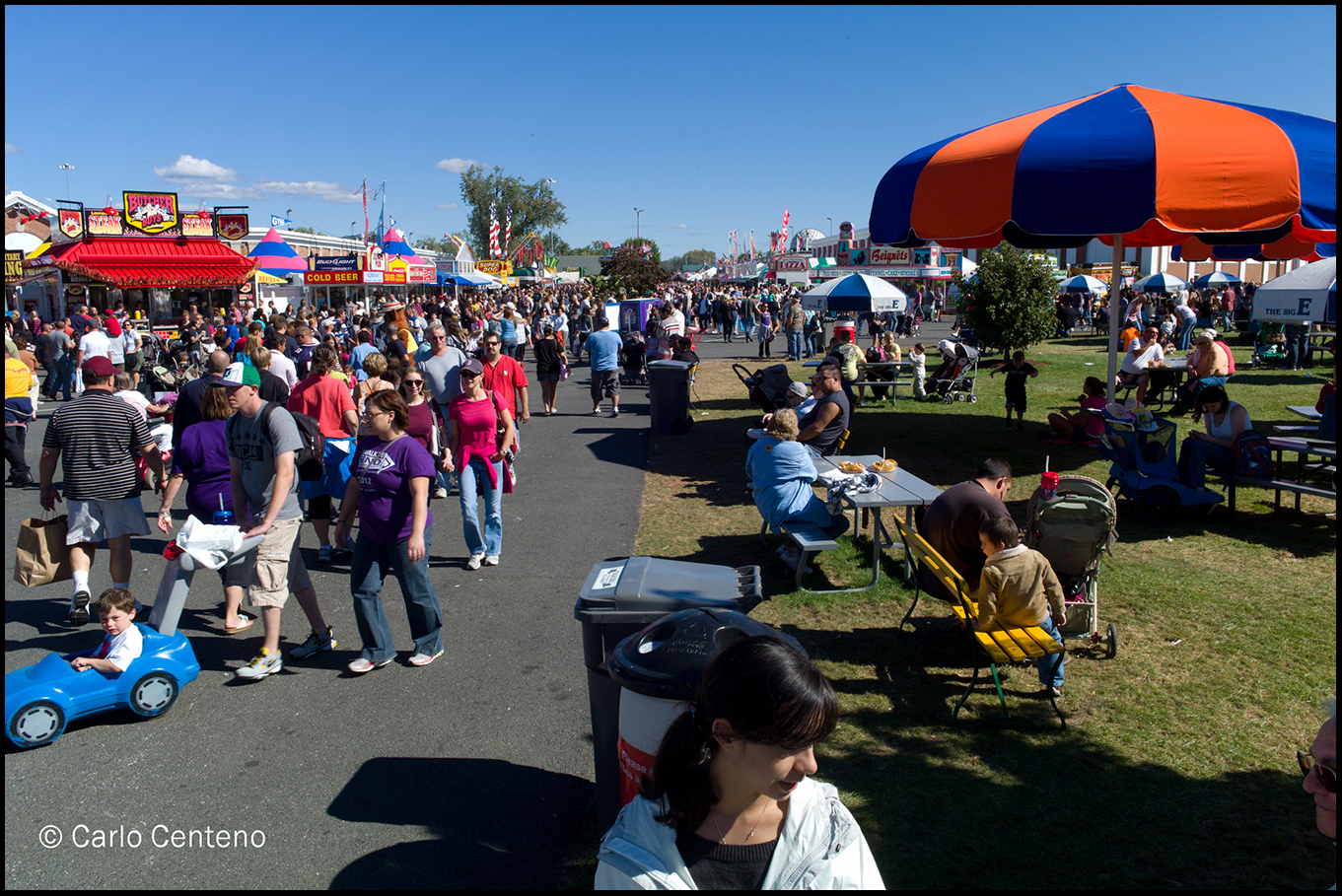
For years we’ve made a trip to one of the largest country fairs in New England, a sortie that has become part of our own tradition. On a weeknight, we head to West Springfield for “The Big E” aka, the Eastern States Exposition. My wife and I head to a favorite Polish food stand to order the inimitable Polish Plate: galumpki, pierogies, and kielbasa, all chased down by a “pint” of Dinkel Acker Pils, a German beer crafted from heavenly made hops.

And after that, it’s a walk across the grounds to burn off a few [very few] calories, only to add a bunch more when we stop for a homemade blueberry pie a la mode. All of this adds up to an entertainment feast. Certainly many things are always there, often the same vendors and merchants. But what makes each year different are the recollections of many other visits to the Big E aside from our annual beer with dinner.

It’s about our daughters coming with us during the toddler to tween years. Then came the teen years when it became apparent we were no longer cool, the two escaping with a fistful of tickets for rides and the arcade at the fair’s Midway.

It’s about people-watching, of getting lost in a crowd knowing that similar dreams and fears are as common as balloons, stuffed animals and kettle popcorn. Summer is as much about the quiet and solitude found in the woods as is the cacophony of gatherings and festivities that confirm our sentient selves and how we’re all connected.

Those were the days.


Reliant on Memory

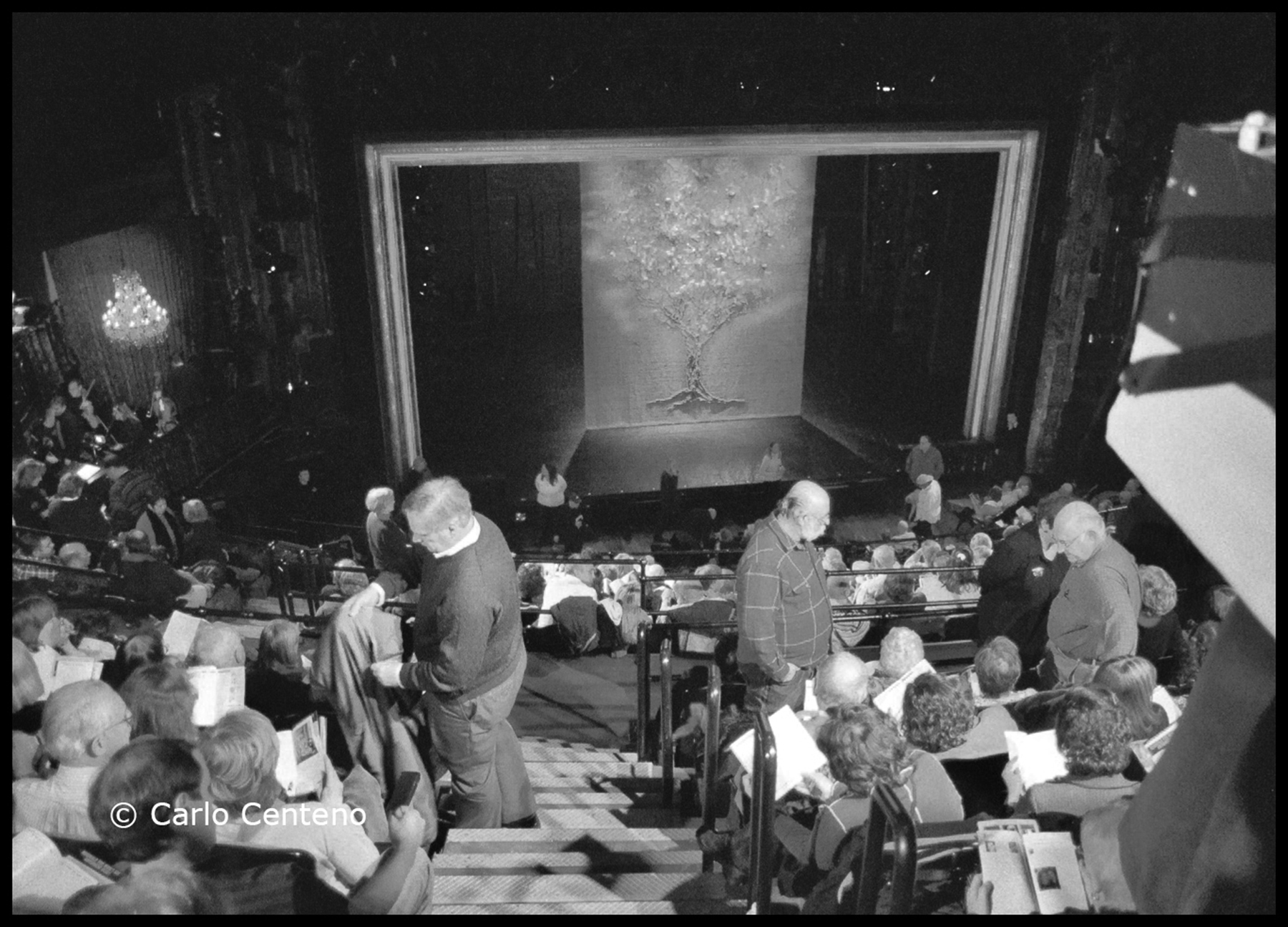
Broadway–2007

There are days that seem to fly by, while others feel like time has come almost to a standstill. I mention this because it doesn’t seem like 7-weeks have gone by since the new coronavirus forced us into a different way of working and living.

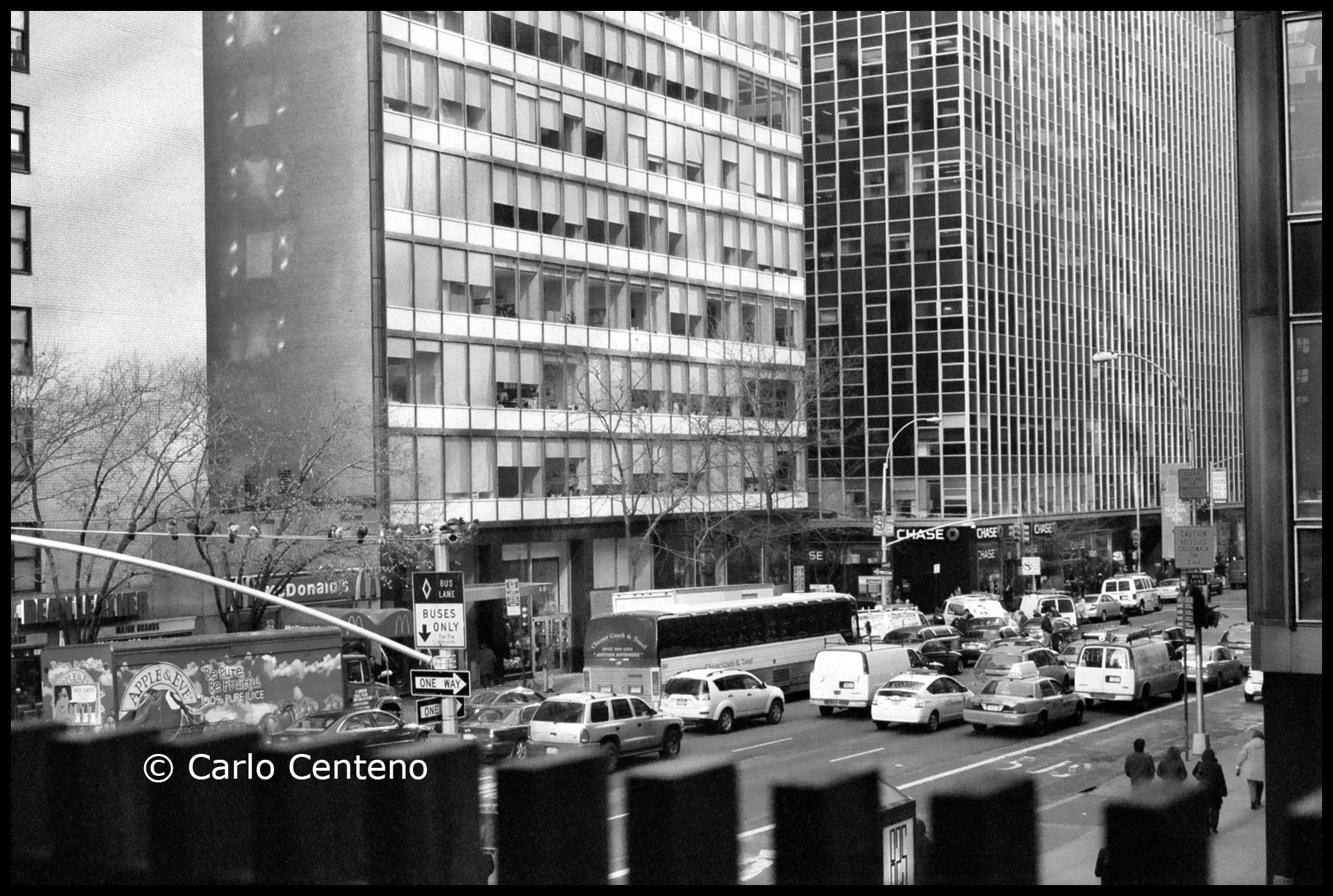
Manhattan Third Avenue 2007

Yet being removed almost two months from what was normal, there’s this juxtaposed sensation that it feels like forever and a day since we went about our usual routines. Time is relative, which simply means that when you’re waiting for something you want, it doesn’t come soon enough, whereas the opposite holds true for something you want nothing to do with.

I have read that the sense of smell is the strongest of our five senses in prompting a memory. It’s also—if memory serves me—the most accurate.

A quiet pause in NYC 2018. Photo credit: R.A. Centeno

Scientifically, that may hold true, but for me, sound and image are stronger drivers in resurfacing a memory. Music has a way of putting you back in a time and place with an immediacy that’s uncanny. “Wow. I remember when this song came out.” There may be some inaccuracies about say, the year or even the place, but whatever was important then, resurfaces as part of your remembering.  Pieces may be foggy, but as other pieces emerge from that fog, the memory works to become a bit sharper.

Philadelphia 2018

There is a hint of nostalgia in all of this. I do wonder about the new normal and what it means not only for me, but for people I care about. I think retrospectively, of how moments in my past somehow provide a lift. The thoughts, the sensations, or whatever visceral vestige flows free from memory, are but markers of what has been, or what might’ve been.

Mimes, Hartford, CT 2015

Whether you sketch, photograph, perform, paint, sculpt, watercolor, write letters, fill a journal, fill a scrapbook, to be memory reliant means you need to be confident with your recollections. Doing any one of these activities, produces an invaluable form of connection. It’s why I love to write [journaling and letters] and to take photos [iPhone, various cameras] because these all help to anchor where I’ve been and to some degree, where I might be headed.

Family, Friends, Life-NYC 2019

Indeed, cherished memories are important for our overall wellness, but let’s remember to do things now, to remain connected yet in touch, so that such moments become screen clips thoughtfully stored in our memory albums.

Enlightenment

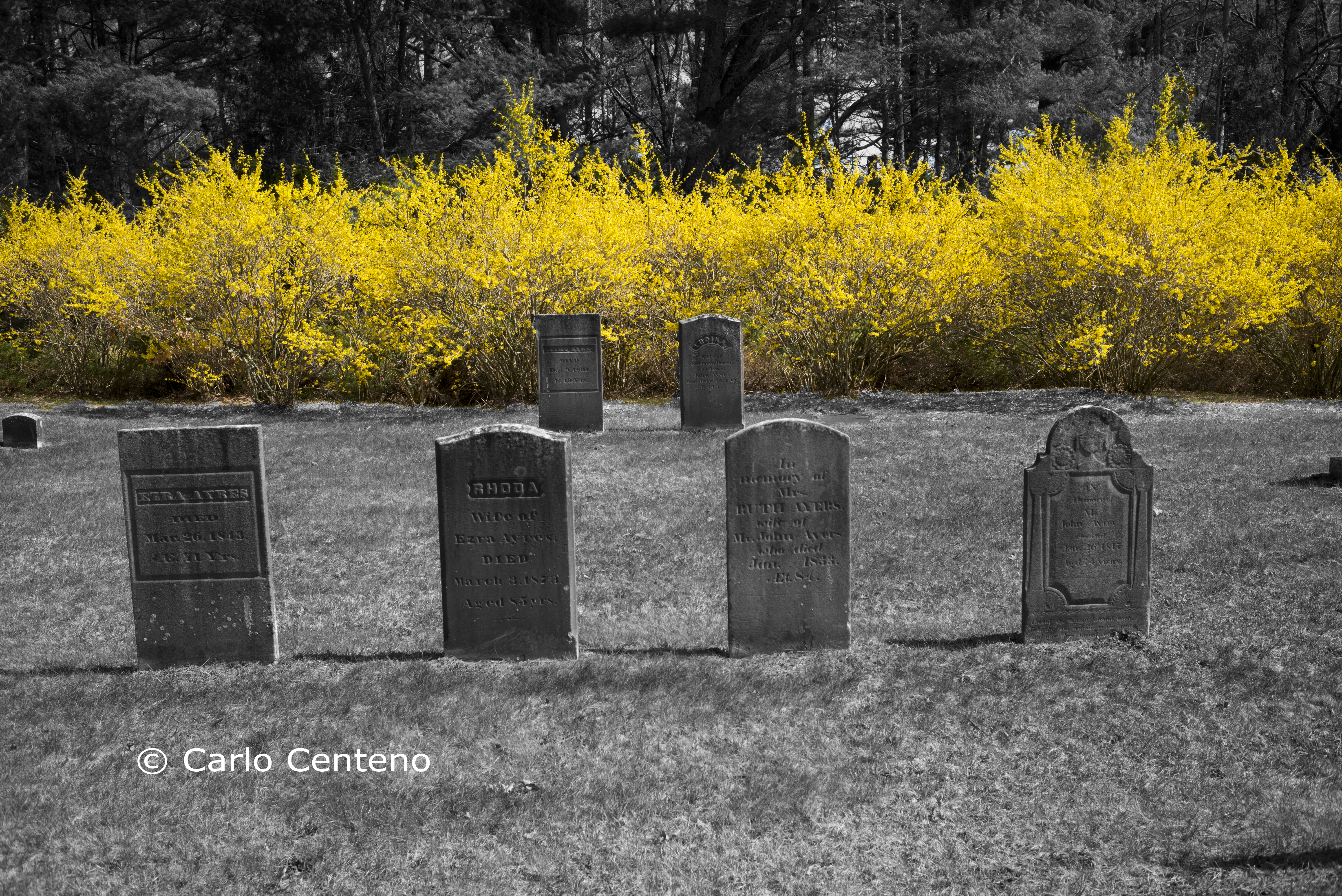
Generations of my wife’s family are interred in a local cemetery, a cemetery that honors among others, veterans, the ordinary, the extraordinary and in particular, the residents who lived in one of the 4 towns that were evacuated in order to create the Quabbin Reservoir.  The reservoir was built to provide potable water to those living in and around Boston.

Anyway, MJ’s family lived in the town of Prescott, which like the other towns in Dana, Enfield and Greenwich now lie about 151-feet [46-meters] beneath the water’s surface.

Yes, we are at the mercy of the new coronavirus and the possibility of becoming ill with COVID-19. However we must put things into perspective, because there are many dealing with far heavier, more costly burdens that pale to what some of us may deem a hardship. The majority of us are dealing with  inconveniences; yet others are fighting for their lives. The residents of the Swift River Valley left homes and homesteads, jobs, family and friends and most certainly a way of life.

Last week there was the amazing story of the Bello family. A couple with 3 young children, the father, Jim, teetering on life’s edge fighting COVID-19. It’s an amazingly powerful, somber treatise about love, faith, and unwavering determination in the face of incomprehensible odds.

If cabin fever makes one feel a bit cuckoo, then get out and do something. Take a drive into the country, take a walk on a trail, visit a landmark, break out the camera, the hiking shaft, the binoculars, the bicycle and more. With the majority of us driving less, you may have heard there’s less air pollution. For the introvert, having so much quiet and alone time could be a godsend. The opposite holds true to the extrovert dealing with social withdrawal.

There are times when we  feel enlightened by some cause, an emotion, an observation, anything from the mundane to the spectacular can prompt this feeling.  Walking through the cemetery renewed a sense of purpose in me, an awareness of who I am and what I should do versus what I can do. To the rest of the world, I am just another being among millions of others. So what?

I suppose relishing my time—essentially doing nothing—allowed me to have a more acute perspective on being mindful.  Perhaps I was due for a spiritual tune-up, and I think got one. A better way to feel enlightened is to think of it this way:  “If you want to feel good about yourself, do something good for someone else.”  My spinning instructor always says that after a class.

Be well. Stay healthy.

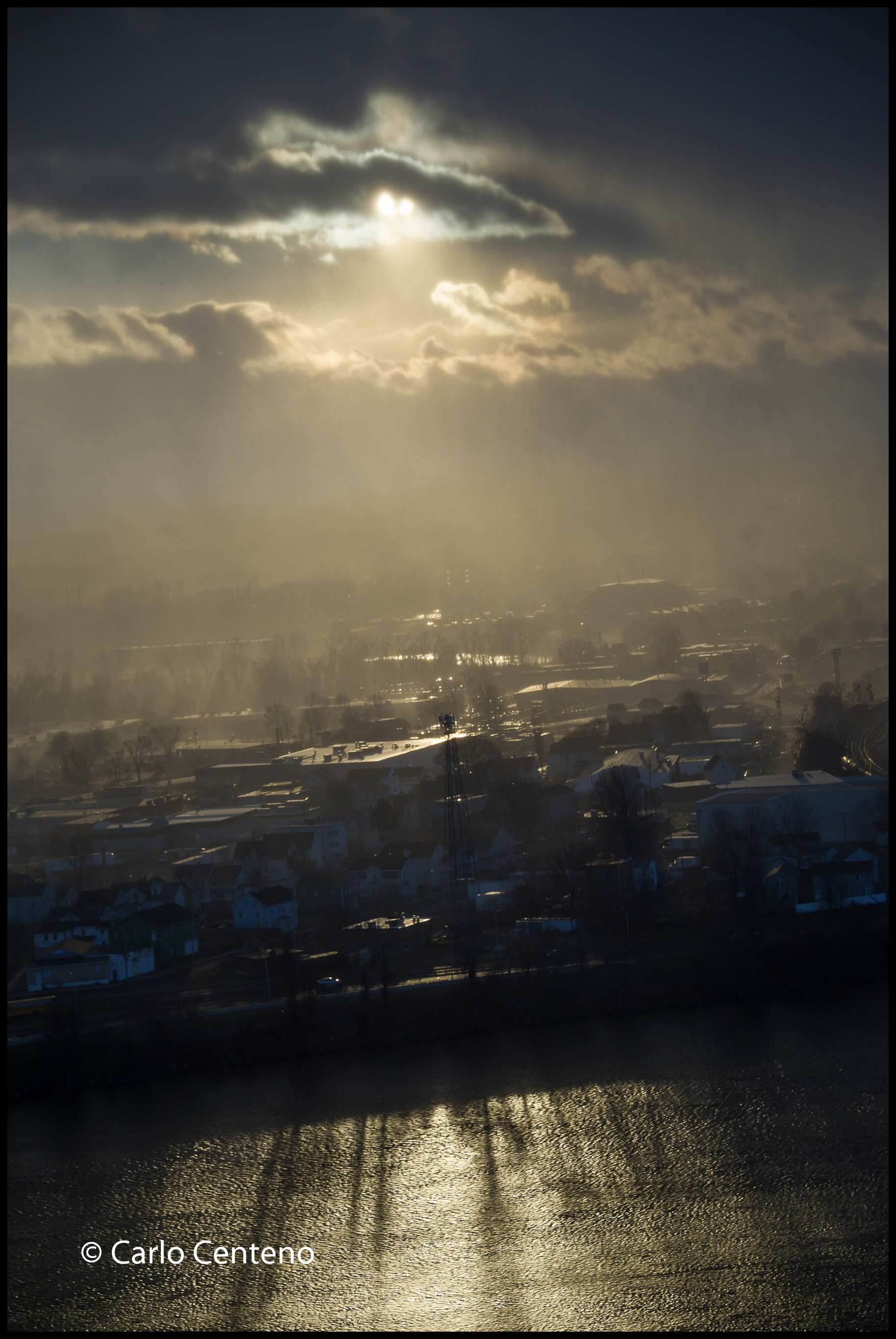
Sleet at Sunset

Blame it on the angle of the sun. Or the time of year and of course, the time of day. The light that pours from north/north-west can be dramatic.

Just across the river, sleet swept across the town and highway leaving a hazy curtain. My side of the river, was cloaked in a heavy grey. Street lamps and headlights appeared like fireflies across a sloping field made of concrete, steel and boxy columns.

For a very brief moment, the light outside the office windows looked other worldly. The slow-moving cars on the viaduct above the north end of the city made me think of ants marching, certainly only as fast as the one at the  front of the line.

The sleet finished its drop about as quickly as it started. The sun seared its way through the cloud cover creating a portal all its own. Perhaps not as soothing a sight as a rainbow, but with the sleet falling, certainly rarer and even more captivating.

The Business of Being Thankful

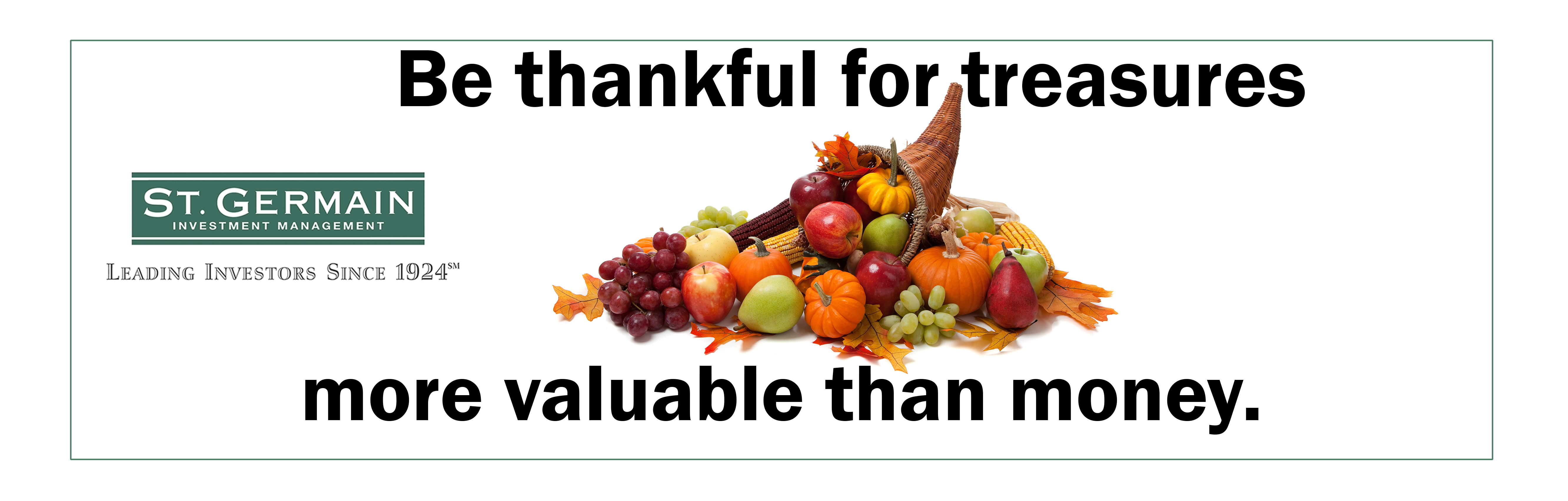
I admit it. The above advertisement can be a bit unctuous. Still,  with the impact of soci0-political flux, climate change etc. , it’s easy to take things for granted. The message is not lost on anyone at the firm, especially when it comes to working in the best interests of a client.

Have you ever seen this platitude expressed anywhere, let alone on a billboard opposite a major interstate? It certainly rings true. This is one of the most commented on and favored messages we post. And it’s up day & night during the month of November. Thanksgiving looms large on the minds of many though it should be top-of-mind on days before and after the holiday itself.

More than ever, I do believe thankfulness—more precisely gratitude—is short changed as a shared expression, either for yourself or toward others.  We should acknowledge with greater gusto the treasures we are thankful for. The folks who receive assistance, education and more from any number of non-profit agencies are the beneficiaries of our time, effort and financial support.

Silent auctions, galas, dinners, concerts, stage performances and so forth are typical instruments optimized to collect money needed to fund various programs and to add resources.

No question, financial resources are invaluable and necessary. Yet we know that the beneficiaries of all sorts of programs are grateful receivers. The depth of their gratitude is palpable and none more so when a program is cut or discontinued.

But in this holiday season—as in any season, really—there’s still so much to do, so much to give, so much that requires money, time and personal effort. At the very least, understand the magnitude of gratitude, of how it can deliver to both giver and receiver a measure of confluence that is its own reward.

Even under the most dire of circumstances, having a thread of gratitude means something.  https://www.bbc.com/news/av/world-asia-50376439/philippines-the-boy-diving-for-plastic


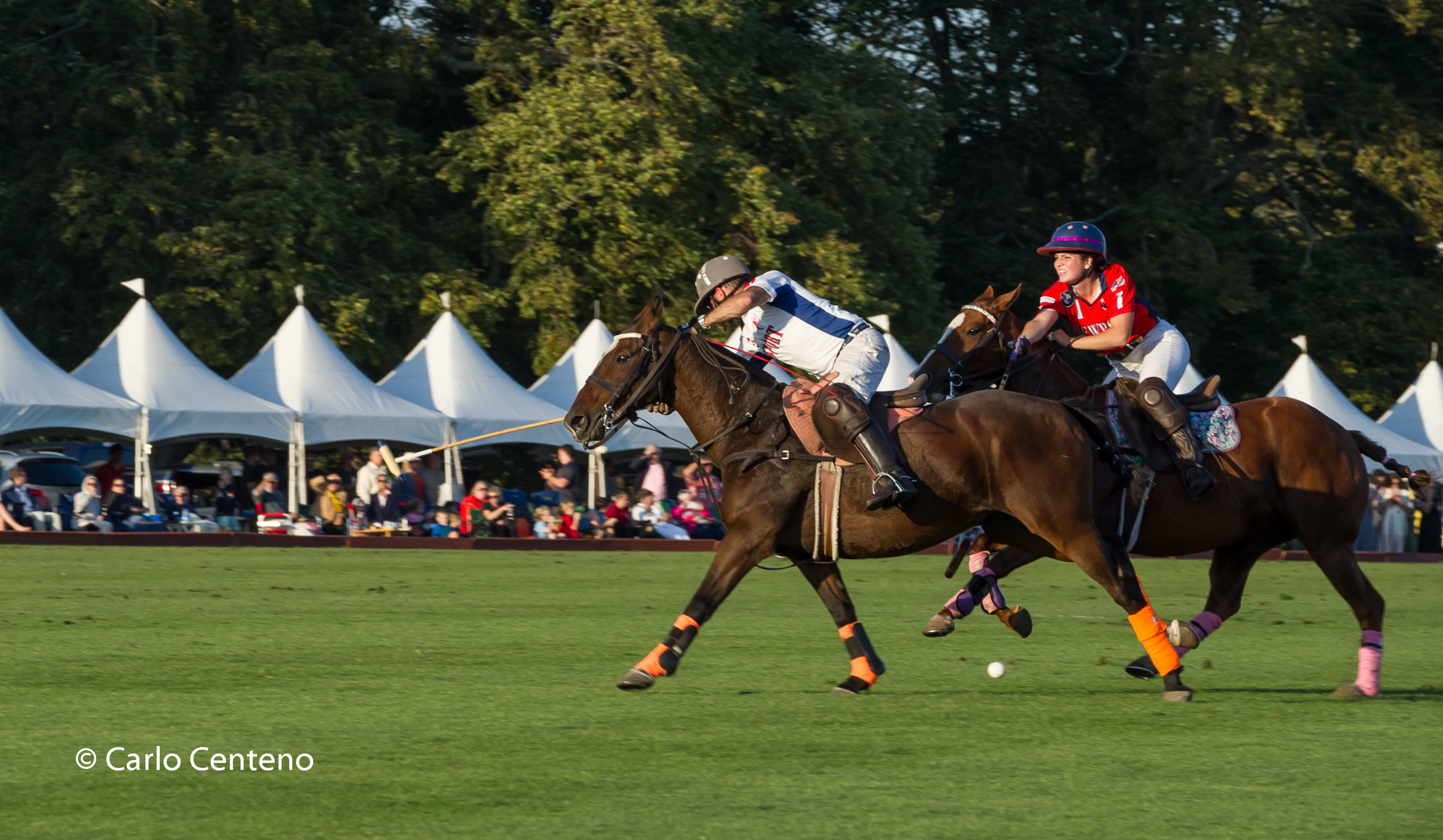
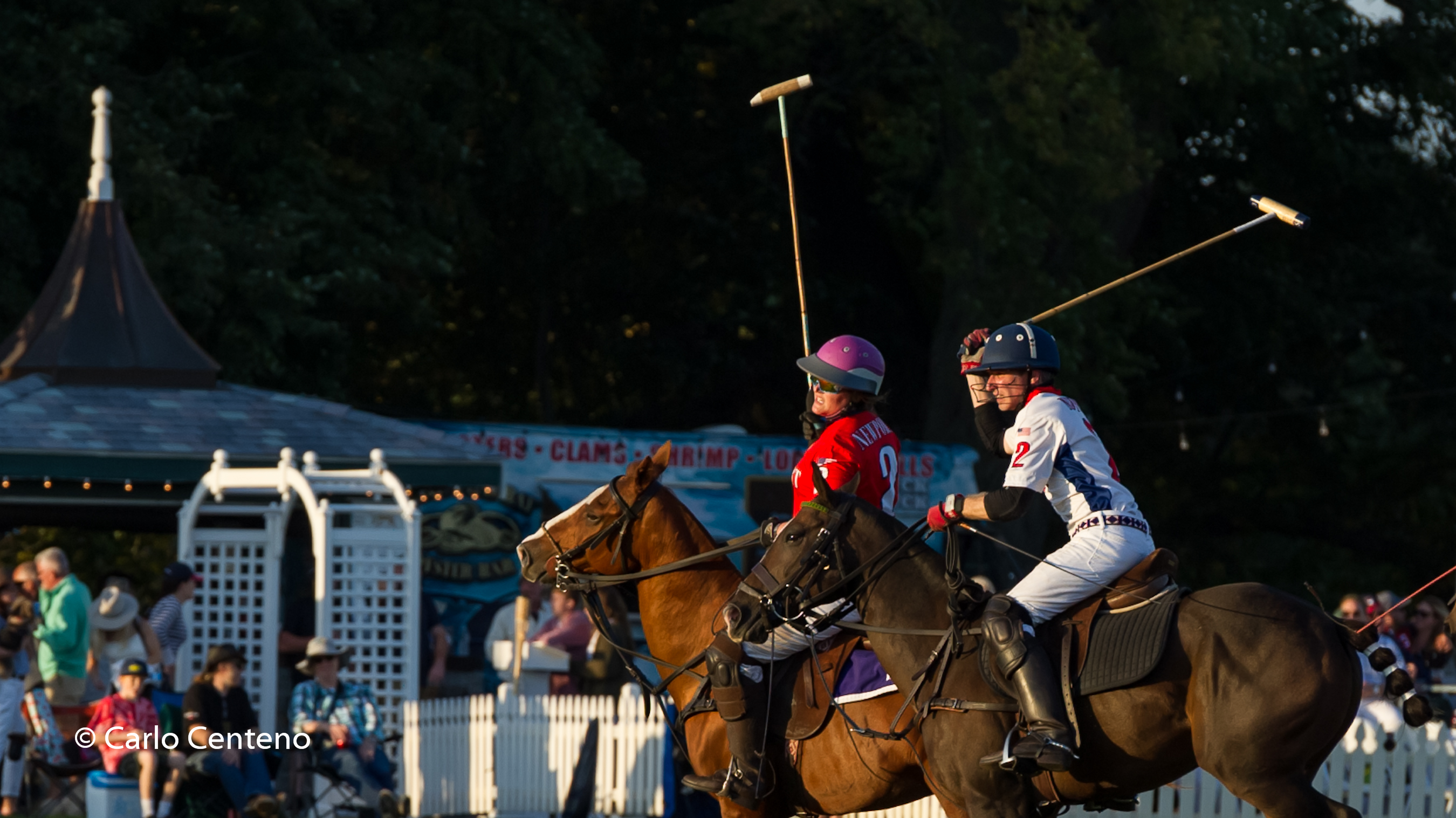
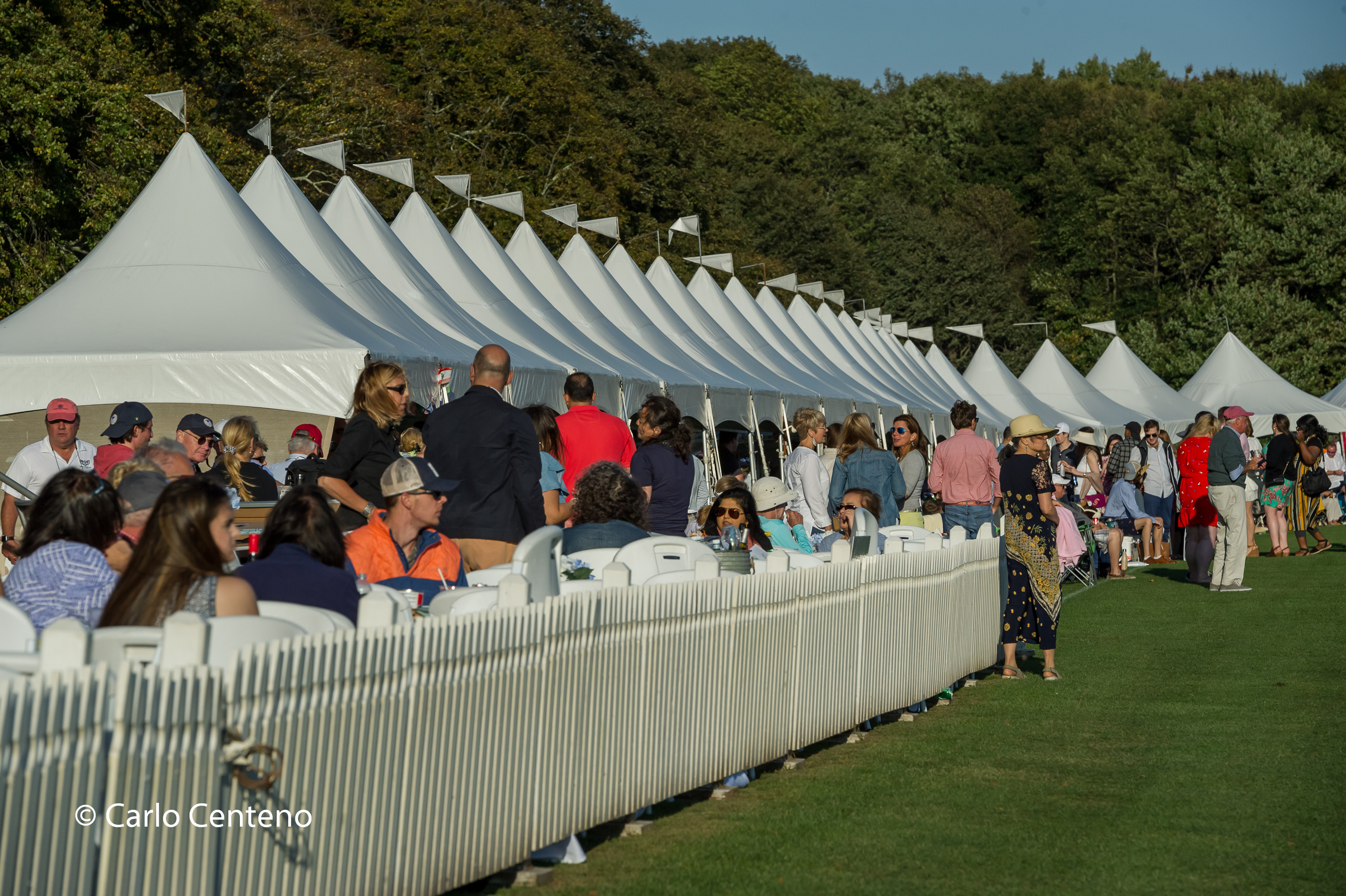
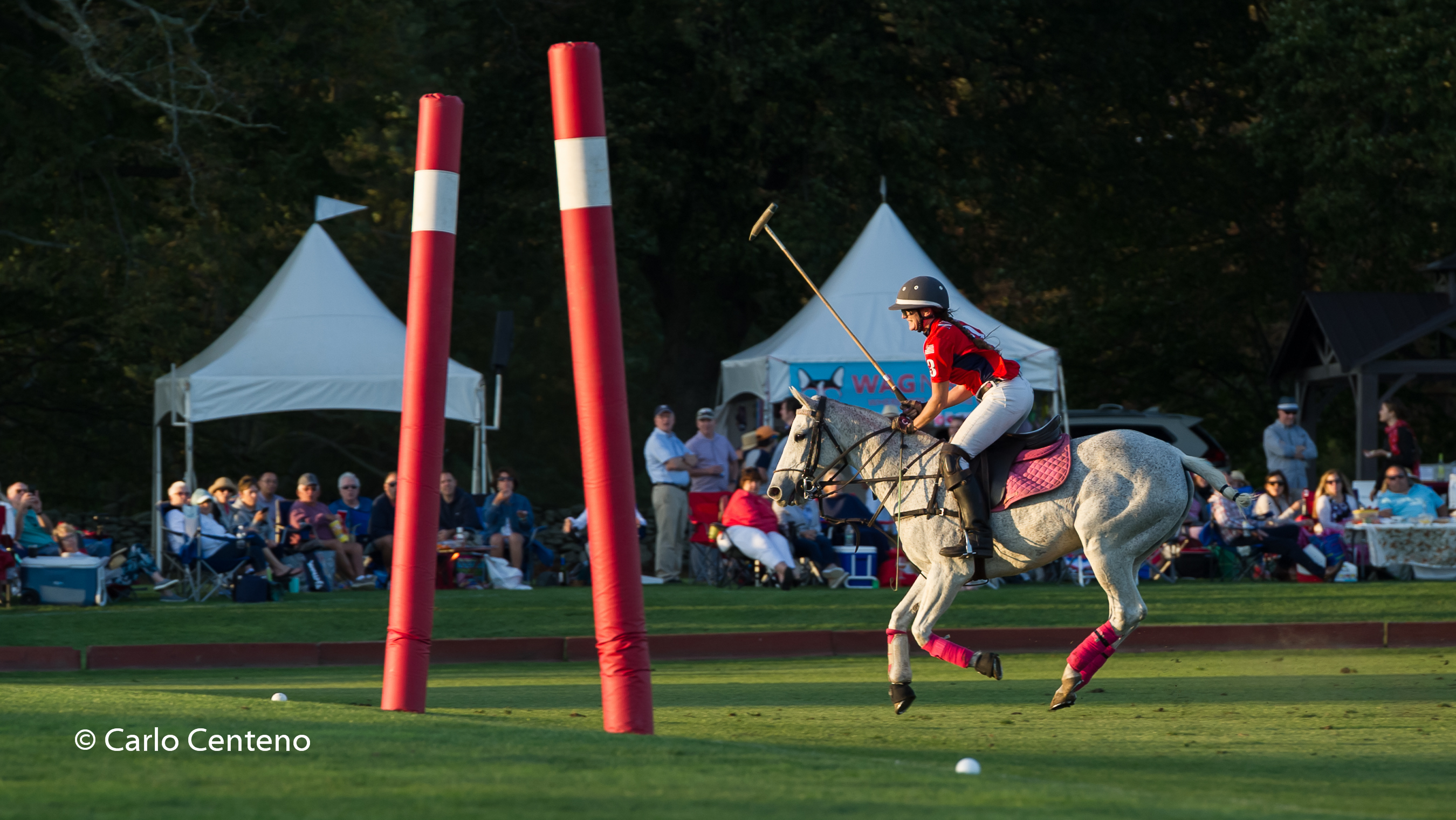
Newport International Polo

If one would be literal about the sport of Polo, it could be more accurately described as “Field Hockey on Horses.” For  the cognoscenti, it’s known as the sport of kings.

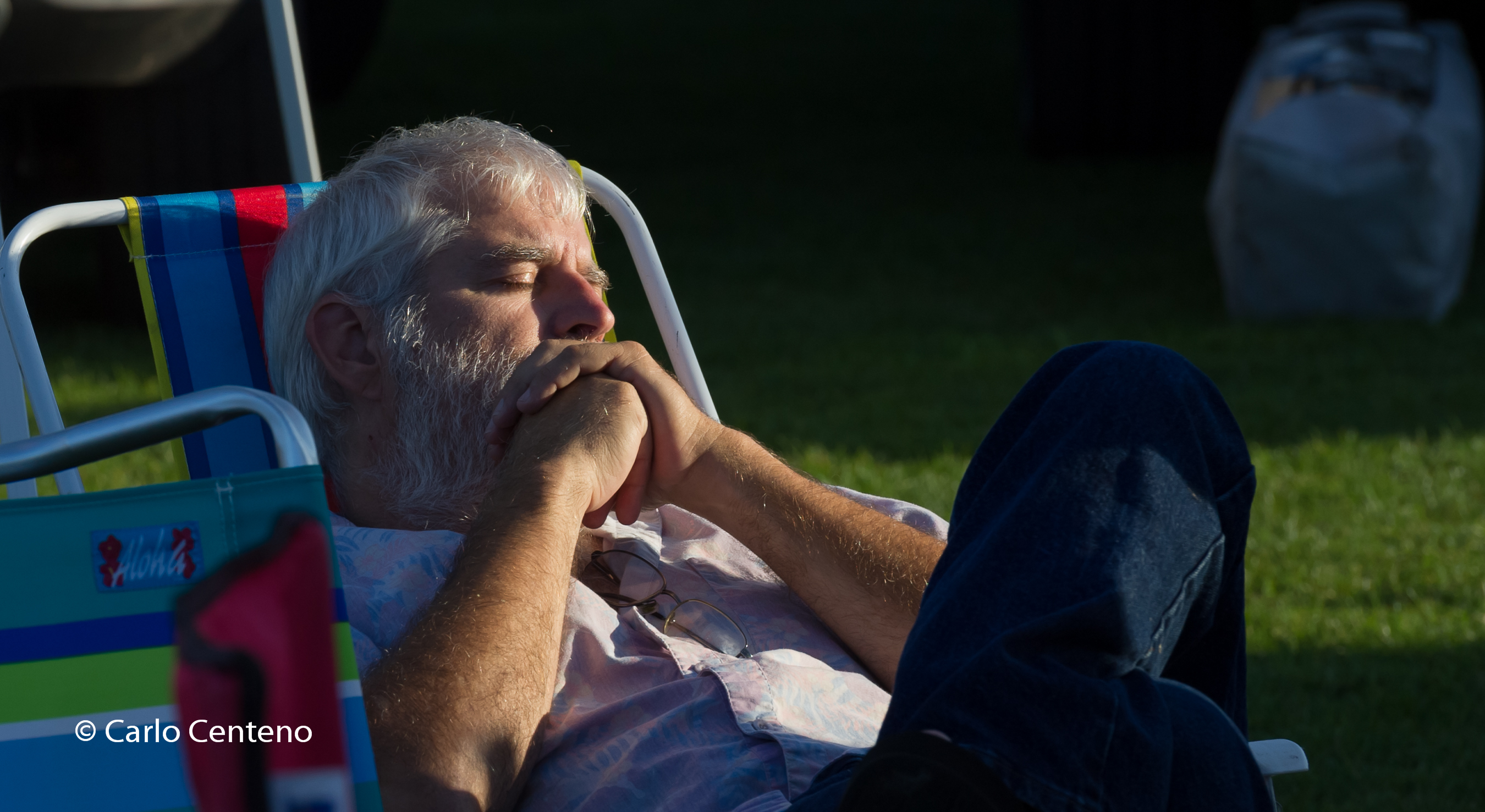
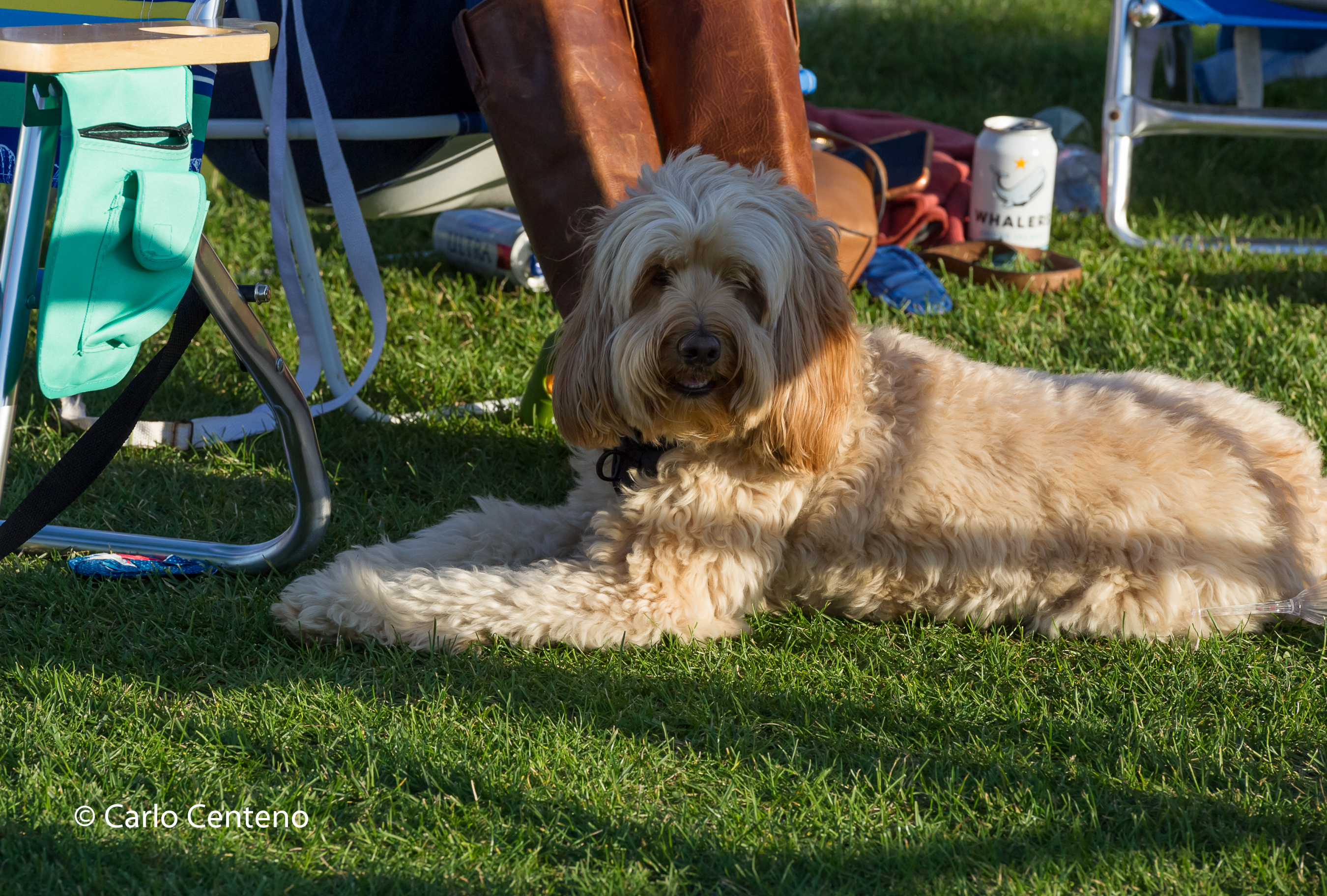
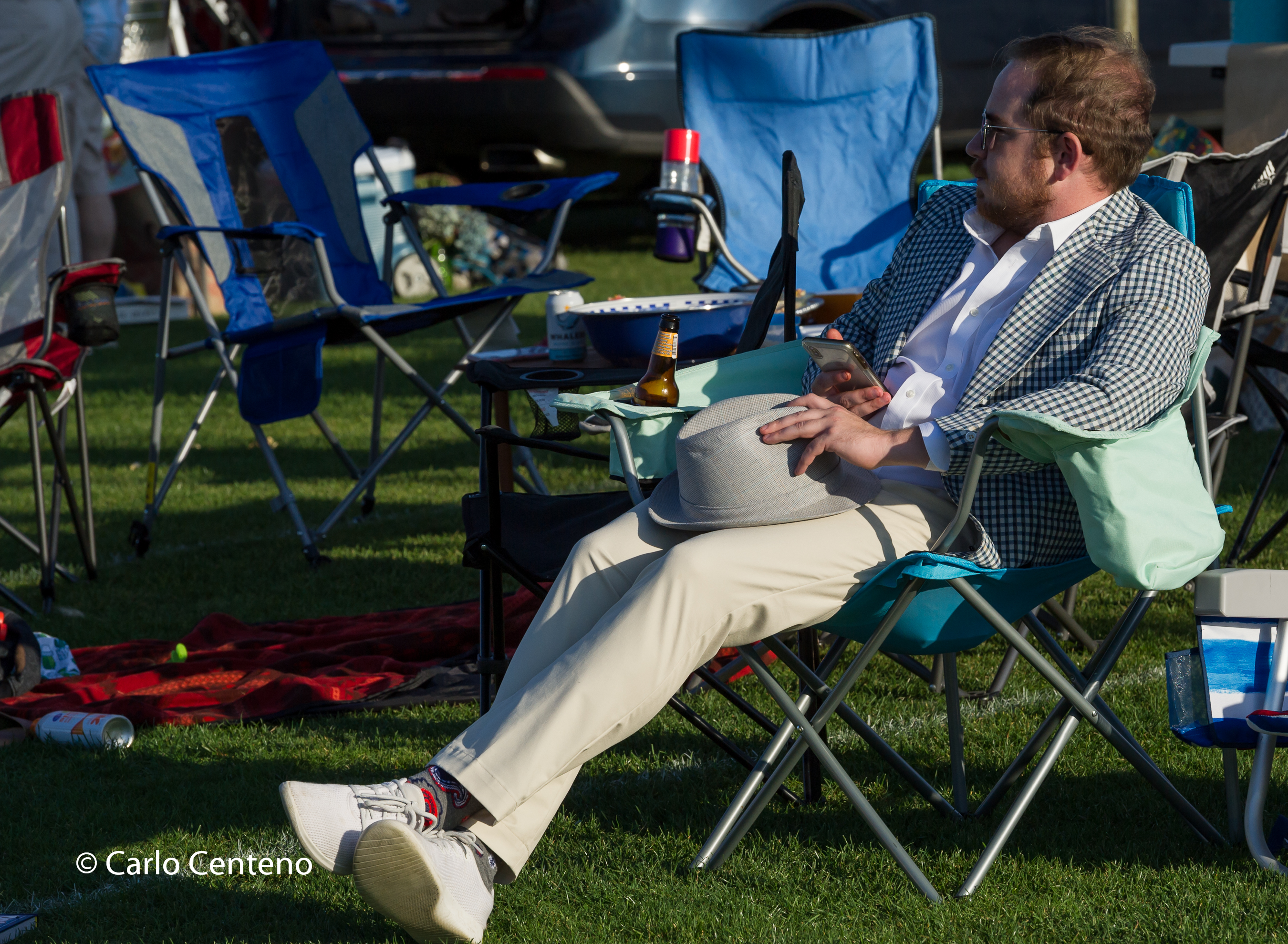
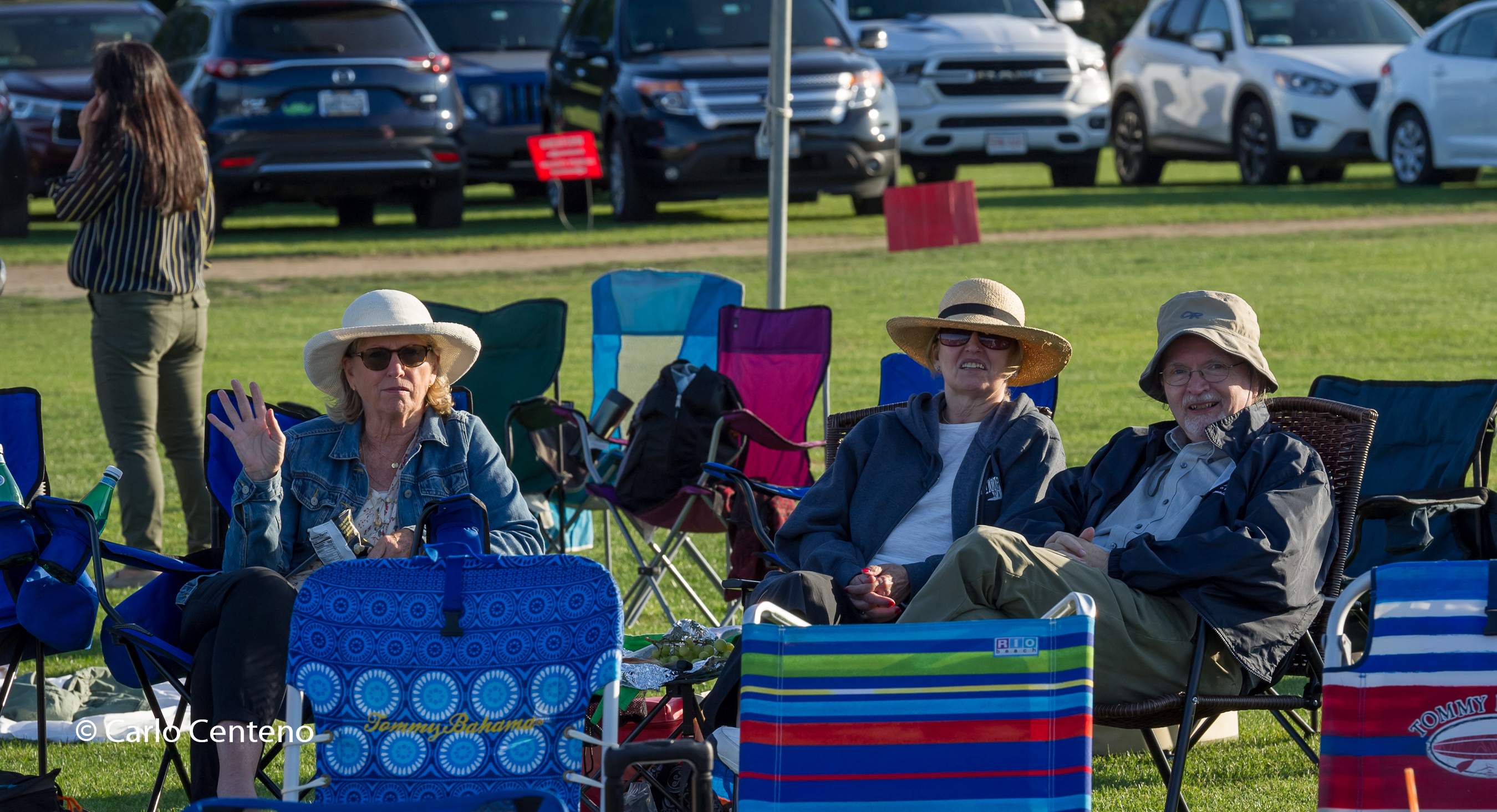
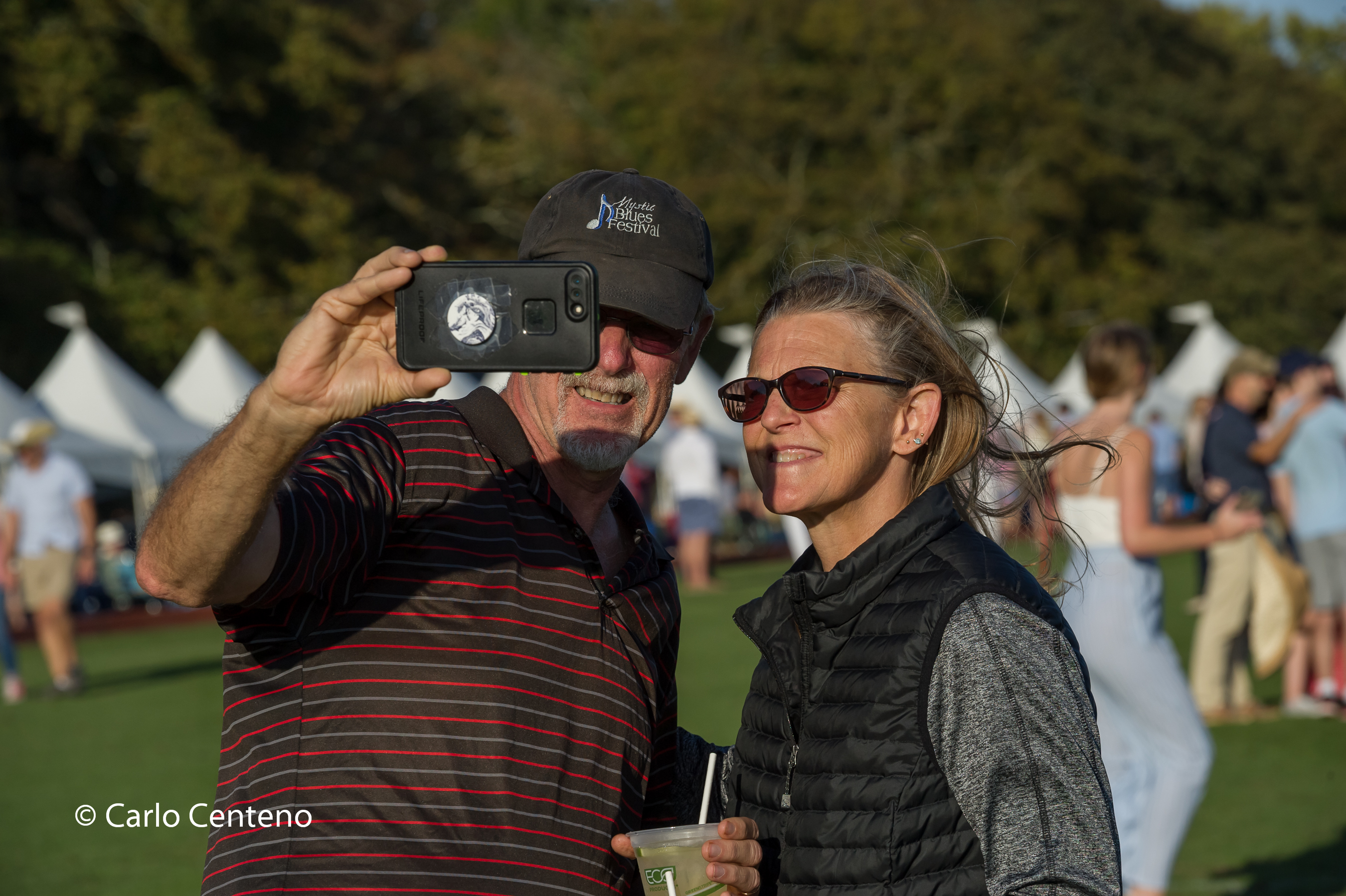
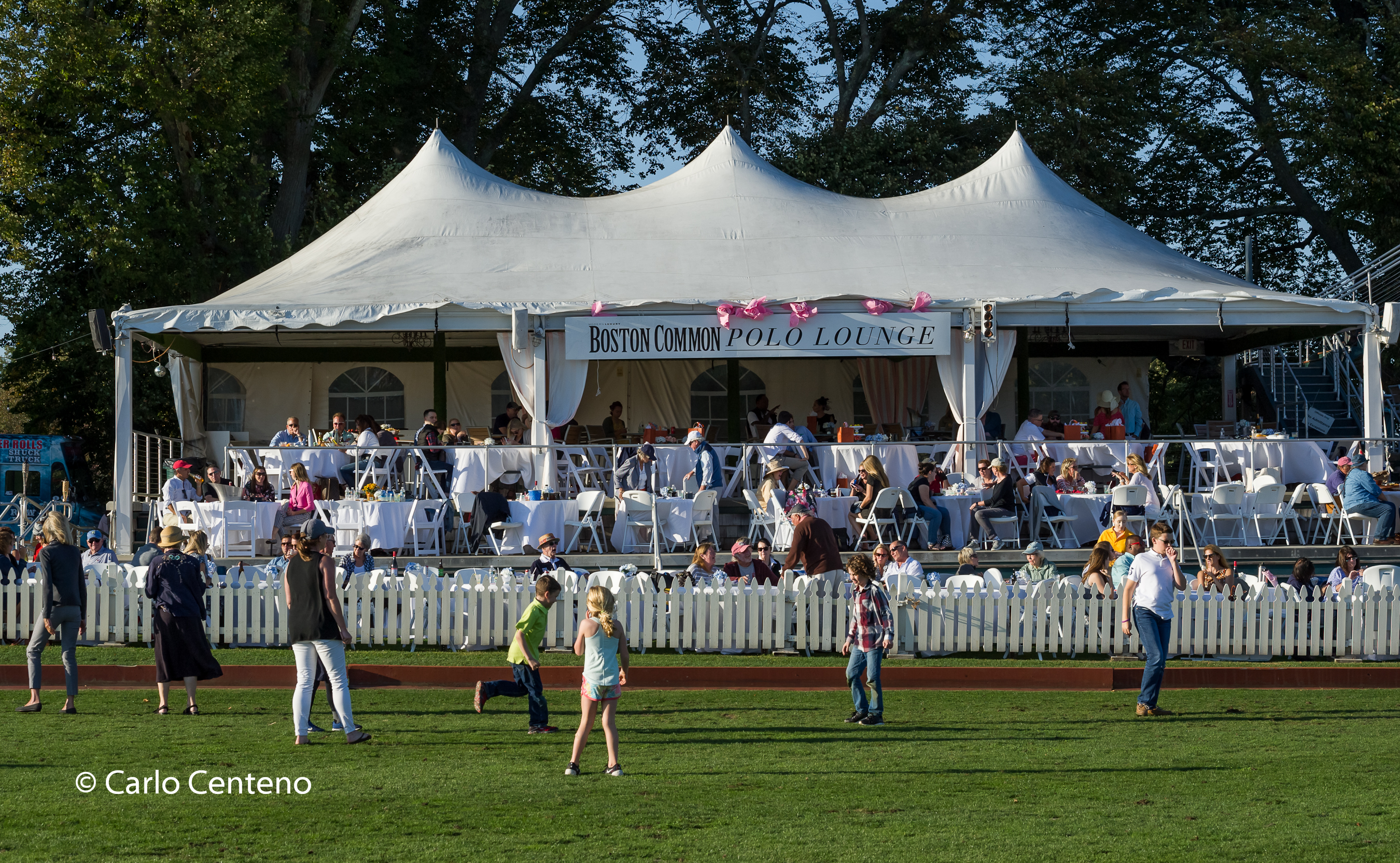
The Newport International Polo Series just finished its season at the end of September. While polo is often touted as a high-brow event, the match I attended was that and surprisingly much more than I expected: family, dogs, picnics, lively conversation, kids playing about, grown ups playing Bocche Ball, a game of catch, etc. all away from the playing field.

A congenial atmosphere on the grounds made it easy to enjoy the match and for the neophytes among us, a chance to learn more about a sport that demands much from horse and rider.

An entertaining task—and fun for many—was the half-time tradition of the divot stomp.


Modern Colonies

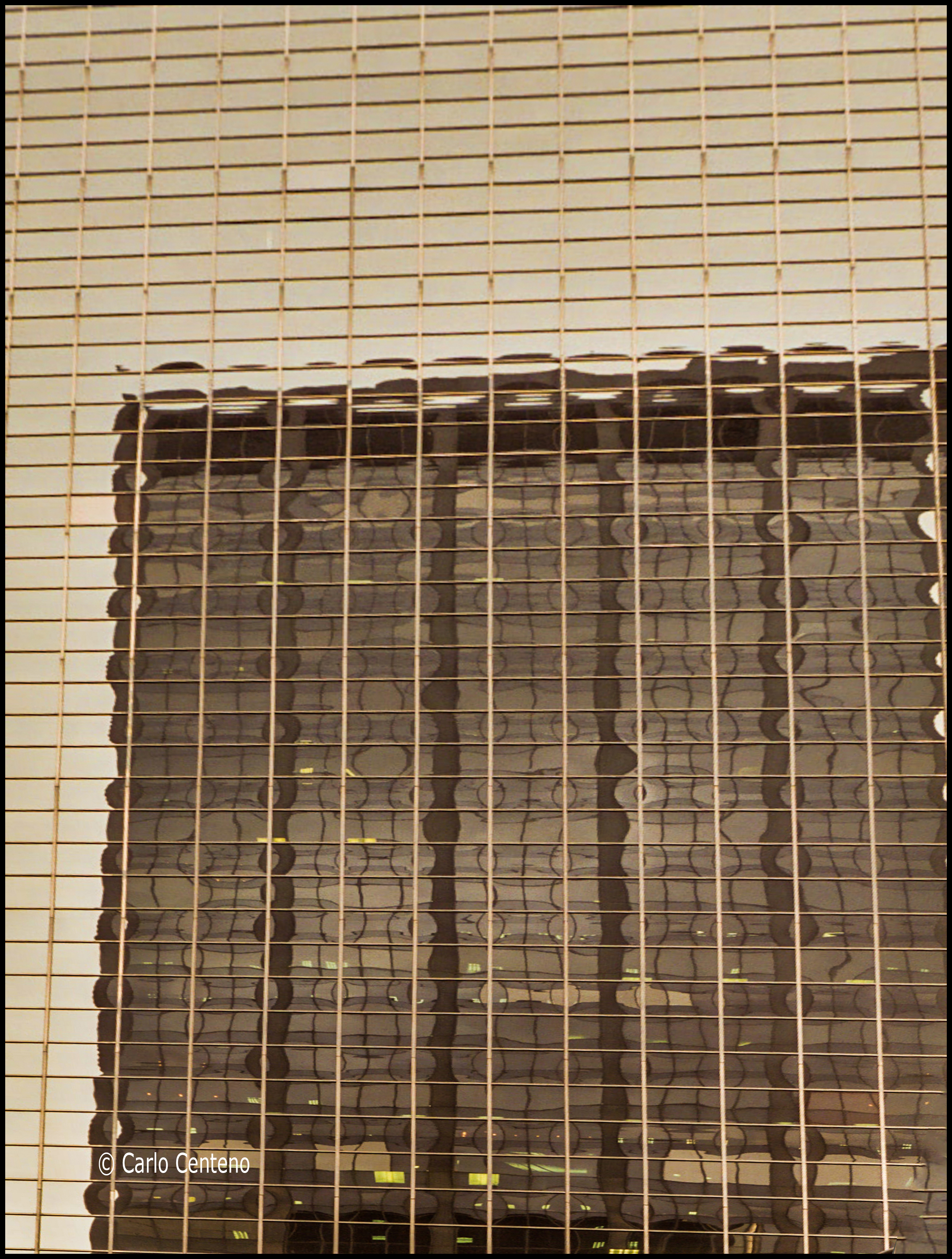
When I look at buildings—especially tall buildings—my thoughts bloom in ordered chaos.  I’m immersed with a roster of details, the majority qualitative in nature.

How many companies are in there…? Love the bronze-colored curve separating the floors….It’s close to 6:30 pm and a lot of office lights are still on. Who’s staying late and why…? Who packs a lunch every day or buys it…?  Wonder what the employee with the longest tenure does….Wonder what the annual cost is for water, electricity, insurance, taxes and health benefits…What’s the ratio of happy workers to unhappy ones…?

Those glass panels look so flat, but the reflections appear distorted or wobbly looking. And in most cases, a lot of those panels appear clean, at least from my viewing area far below on a sidewalk.

The one thought that bookends my wanderings is the thought that a bunch of talented workers had a lot to do in the creation of these vertical colonies. I can just hear a philosophical remark from either one of my two favorite protagonists—Charlie Brown and Linus van Pelt—“Could you imagine what could be achieved if every member of society collaborated with a baseline of common good and purpose for everyone….?

Arrive Here to get Over There

The itinerary reads, “4-hours, 34 minutes” of travel time. Not unreasonable considering point A to B is about 1,200 miles [1,931 km]. Fortunately, I can get a nap without much effort.

Alternatively, I can journal and even snap a photo or two. Which I did. And I also thought back on Christopher Nolan’s film, Interstellar. The recent news about capturing a photo of a black hole and what seems to be renewed interest in the cosmos has sparked [again] my curiosity about time and space and relativity.

One line in the movie fascinates me to no end: “One hour here [on an alien planet] is 7 hours on earth.”  Because the crew traveled through a worm hole at almost the speed of light, time dilation occurred. Theoretically, it means time moves slower when you’re travelling extremely fast.

While it would be a major convenience to reduce travel time across the globe, I consider some of that time in transit as quiet time, even meditative. We’re already rushing–to arrive here–to get over there. It’s an overused saying but, “life is better viewed as a journey rather than a destination.”

Clearly Clear

The most fearless among the fearless are the workers that brave conditions which make our primal–often most private fears–come to surface.

The professionals who clean the windows of tall buildings are a good example of the breed.

To think they’re suspended in place with nothing but a saddle harness, a rope connected to that saddle, and the rope routed typically through a figure-8 or other type of belaying device. And where that rope is anchored on the roof is a mystery to me.

Not surprising, but always impressive, the windows are wonderfully clean and clear.